Bare with Me
We've all been there before: you're typing out an email or a doc, and all of a sudden, you can't remember if it's supposed to be "rein in" or "reign in," "bare with me" or "bear with me," or "unphased" or "unfazed." Sure, some are easy enough to catch; everyone should know the difference between you're and your. But others? Well, let's just say you've probably tripped up on the same pairs more than once. At least you can be happy that your not alone... sorry, you're not alone.
 Comics on Parade / United Features / Ernie Bushmiller on Wikimedia
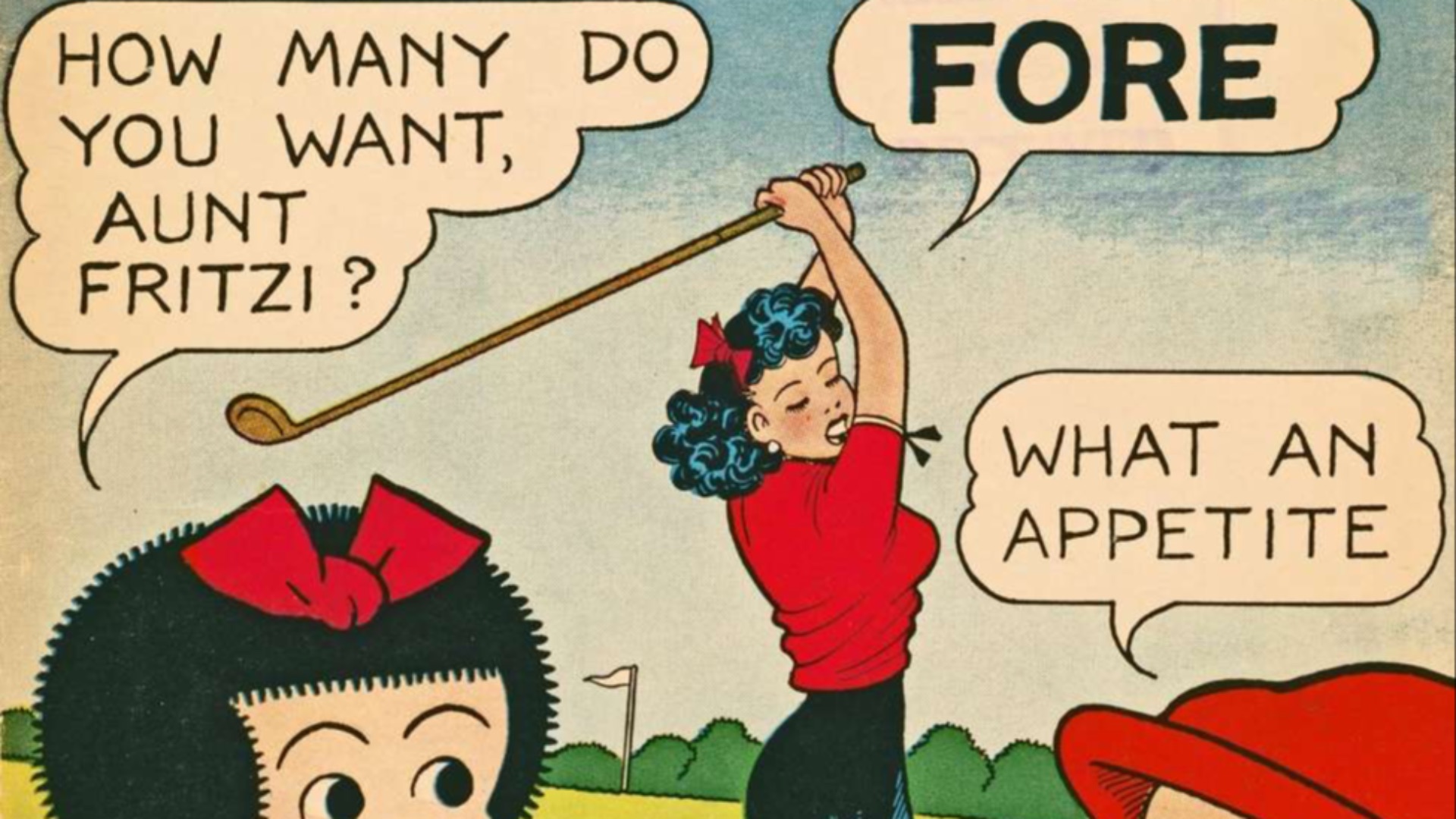
1. Bear, Bare
Bear can mean an animal, but it also means to carry or tolerate something. Bare means uncovered, plain, or to expose something. If the sentence is about enduring or carrying, bear is the one that fits. (So, yes, it's bear with me, not bare with me.)

2. Phase, Faze
Phase is a noun for a stage or a step in a process, and it can also be a verb meaning to introduce gradually. Faze is a verb that means to disturb, unsettle, or bother someone. When you want to say that it didn’t bother you, you're unfazed, not unphased.
3. Discreet, Discrete
Discreet means careful, tactful, or intentionally private about what you say or do. Discrete means separate or distinct, often used in technical or formal contexts. If you mean separate units, discrete is correct, and if you mean quiet and careful, discreet is the one.

4. Rein, Reign
Rein refers to the straps used to guide a horse, and it also shows up in phrases about control. Reign refers to ruling as a monarch or the period of that rule. If the idea is control or restraint, rein is the word you’re after; please don't write "reign in."

5. Aisle, Isle
Aisle is a passageway between rows, like on a plane or in a store. Isle is an island, usually a small one. If you’re walking between seats or shelves, it’s aisle. If you use isle instead, you're sure to get some weird reactions.

6. Hoard, Horde
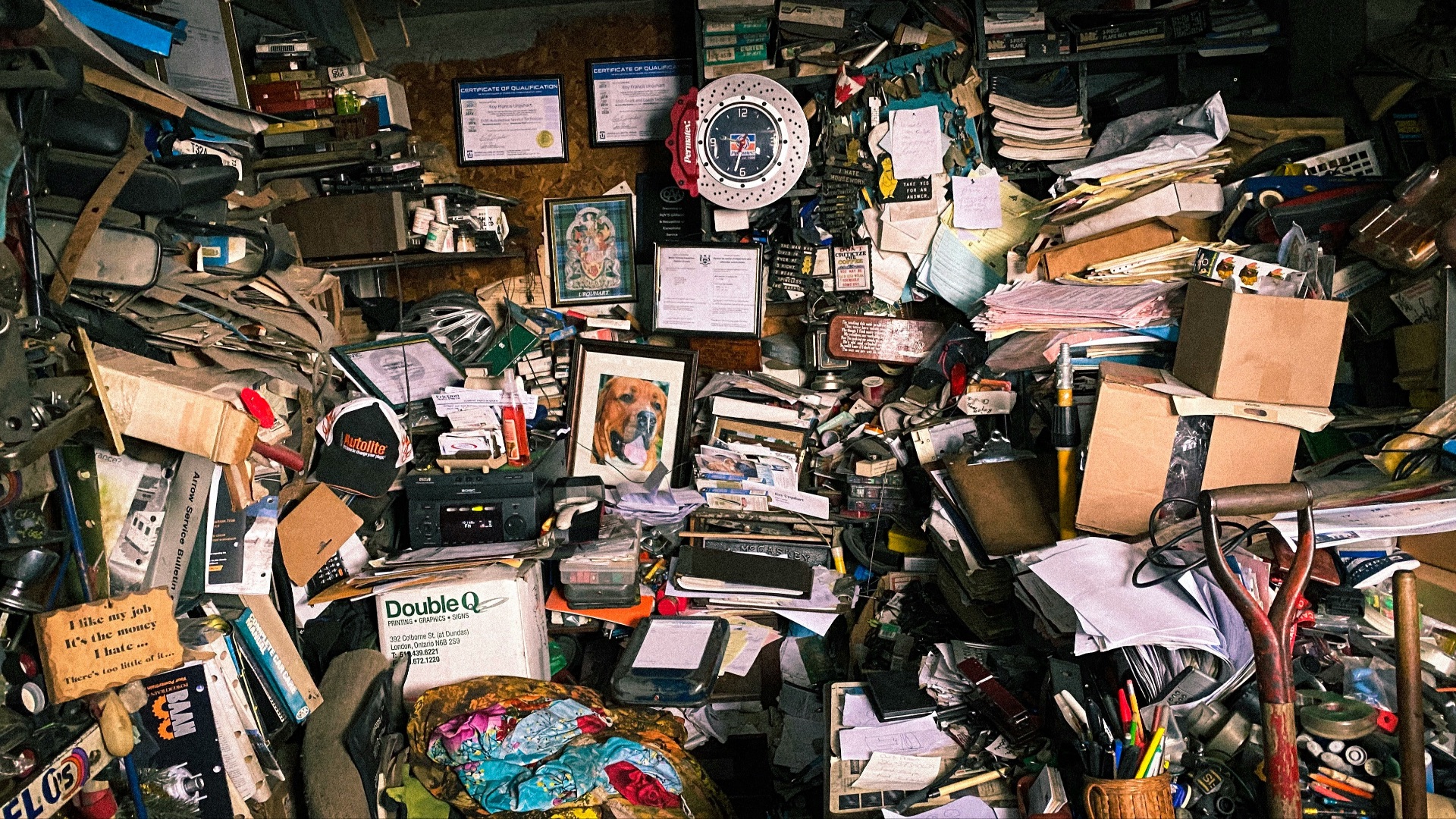
Hoard is a verb or noun about storing things up, often in large amounts. Horde is a large group or crowd, usually moving together or acting as a mass. So, if it’s about clutter in your closet, it’s hoard, not horde.
7. Peak, Peek, Pique
Peak is the highest point, whether it’s a mountain peak or a peak level of something. Peek is a quick look, usually brief and a little sneaky. Pique means to provoke or arouse, like pique interest, and it’s this last phrase that usually trips people up. (No, it's not peek interest.)

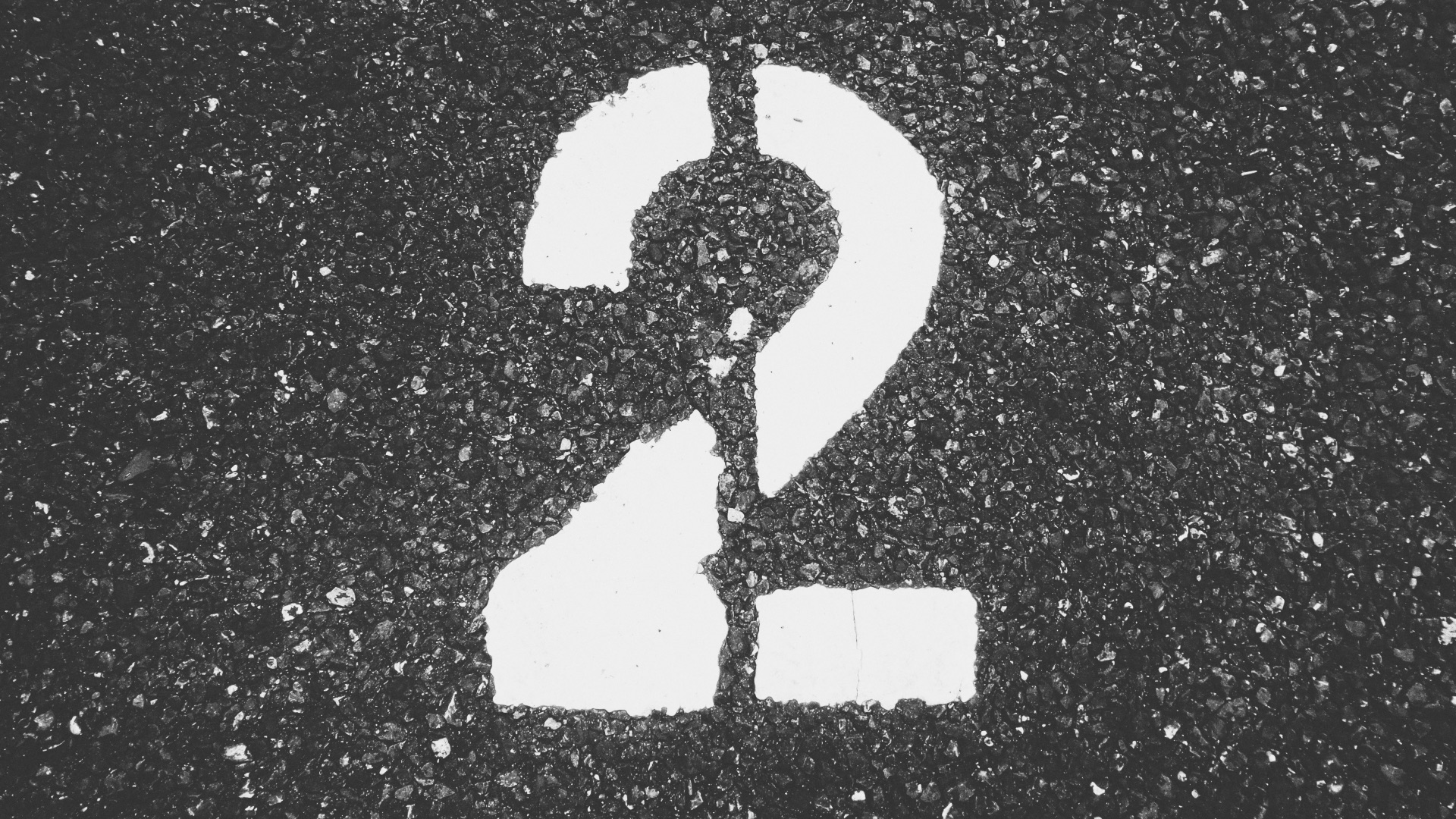
8. To, Too, Two
To is used for direction, purpose, or as part of an infinitive verb like to read. Too means also or excessively, so it's used when you’re adding something or describing an amount. Two is the number, and using it anywhere else is an easy way to spot a mistake fast. (Me to.)
 Possessed Photography on Unsplash
9. Elicit, Illicit
Elicit means to draw out a response or emotion, like eliciting information or eliciting a reaction. Illicit, on the other hand, means illegal or forbidden. If you’re trying to get someone to say something, you want elicit.
 Jacqueline Munguía on Unsplash
10. Allude, Elude
Allude means to hint at or refer indirectly, without stating something plainly. Elude means to escape or remain out of reach, like a suspect eluding capture or an answer eluding you. When the meaning is hinting, choose allude.
11. Canvas, Canvass
This pair is extra tricky because the only difference in the spelling is an extra 's.' Canvas is a heavy fabric or the surface artists paint on; canvass means to solicit opinions, votes, or support, often by going door to door. Remember: if it’s about campaigning or polling, it’s canvass.

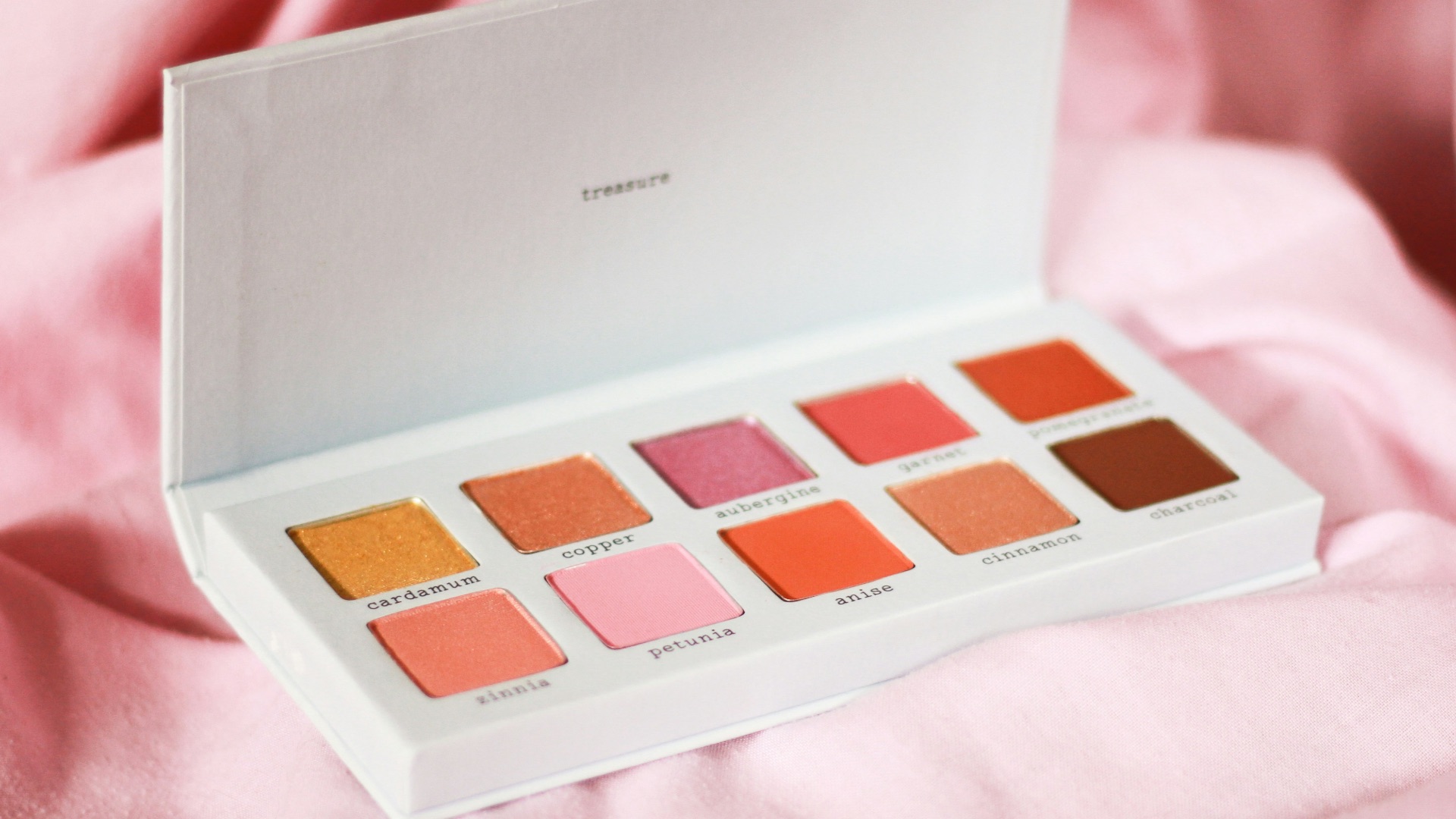
12. Palate, Palette, Pallet
Palate is part of your mouth, and it connects to taste and flavor. Palette is a board for mixing paint, and it can also mean a range of colors, like an eyeshadow palette. Pallet is a flat platform for moving goods. Because these meanings are all so different, mixing them up can make a sentence look wild.
13. Flair, Flare
Flair is style, talent, or a distinctive skill, like having flair for design. Flare is a sudden burst, like a flare of pain or a flare in the sky. If you mean a special knack, pick flair. If you use them wrong, it could make for a confusing sentence.

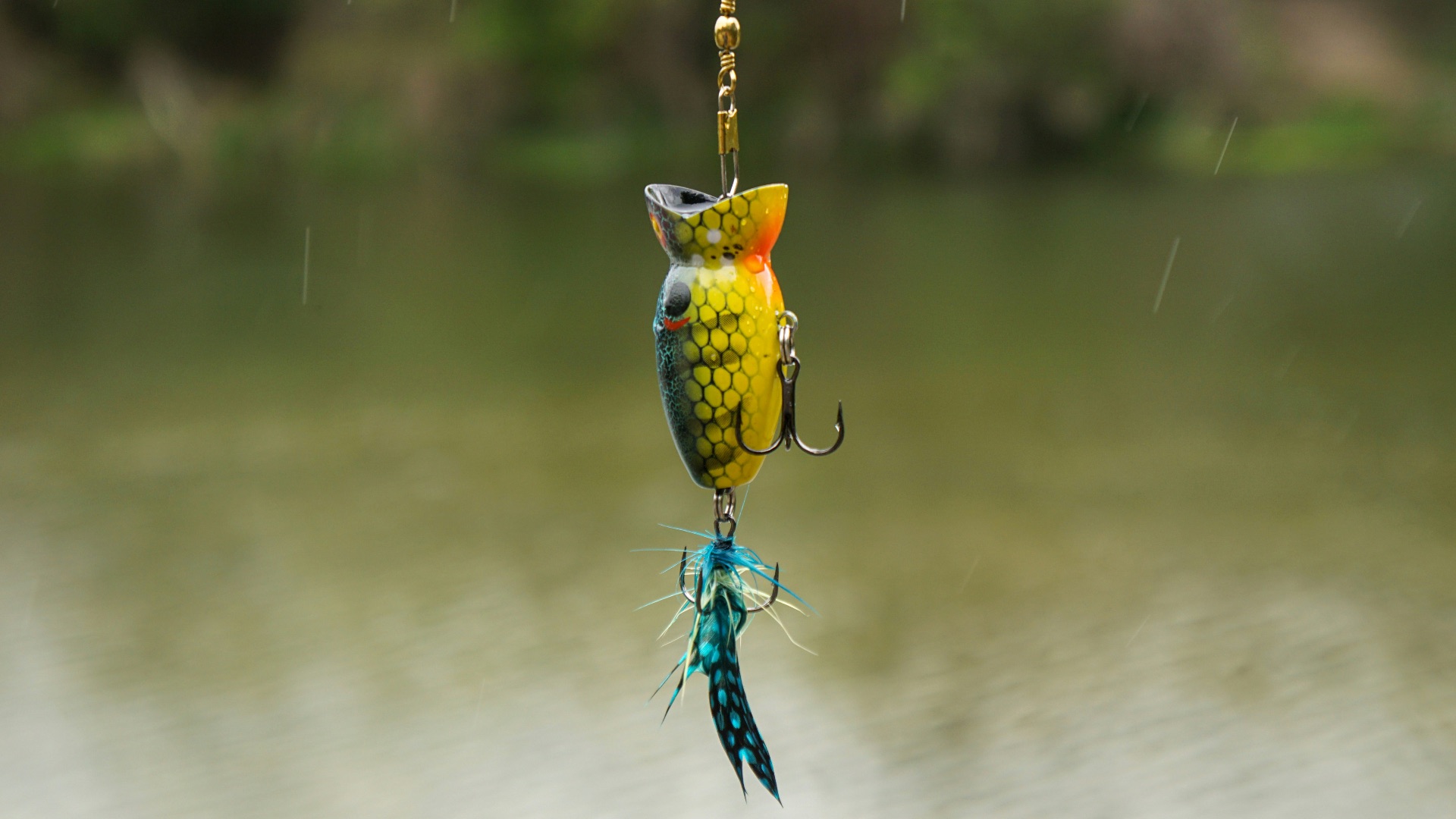
14. Bated, Baited
Bated appears in the fixed phrase "with bated breath," meaning you’re holding your breath or waiting with tense anticipation. Baited means fitted with bait or used to lure, as in a baited hook or baited trap. If the sentence is about anxious waiting rather than fishing or trapping, bated is the only choice that makes sense.
15. Complement, Compliment
Complement means something that completes, matches, or enhances something else. Compliment is praise directed at a person or thing. If you’re talking about a nice remark, it’s compliment, and if you’re talking about a good match, it’s complement.

16. Council, Counsel
If you're like most, you probably don't know that there's a difference between council and counsel. Council is a group that meets to make decisions, like a city council. Counsel refers to advice, guidance, or a lawyer providing legal help. If you can replace it with advice, you’re looking for counsel.
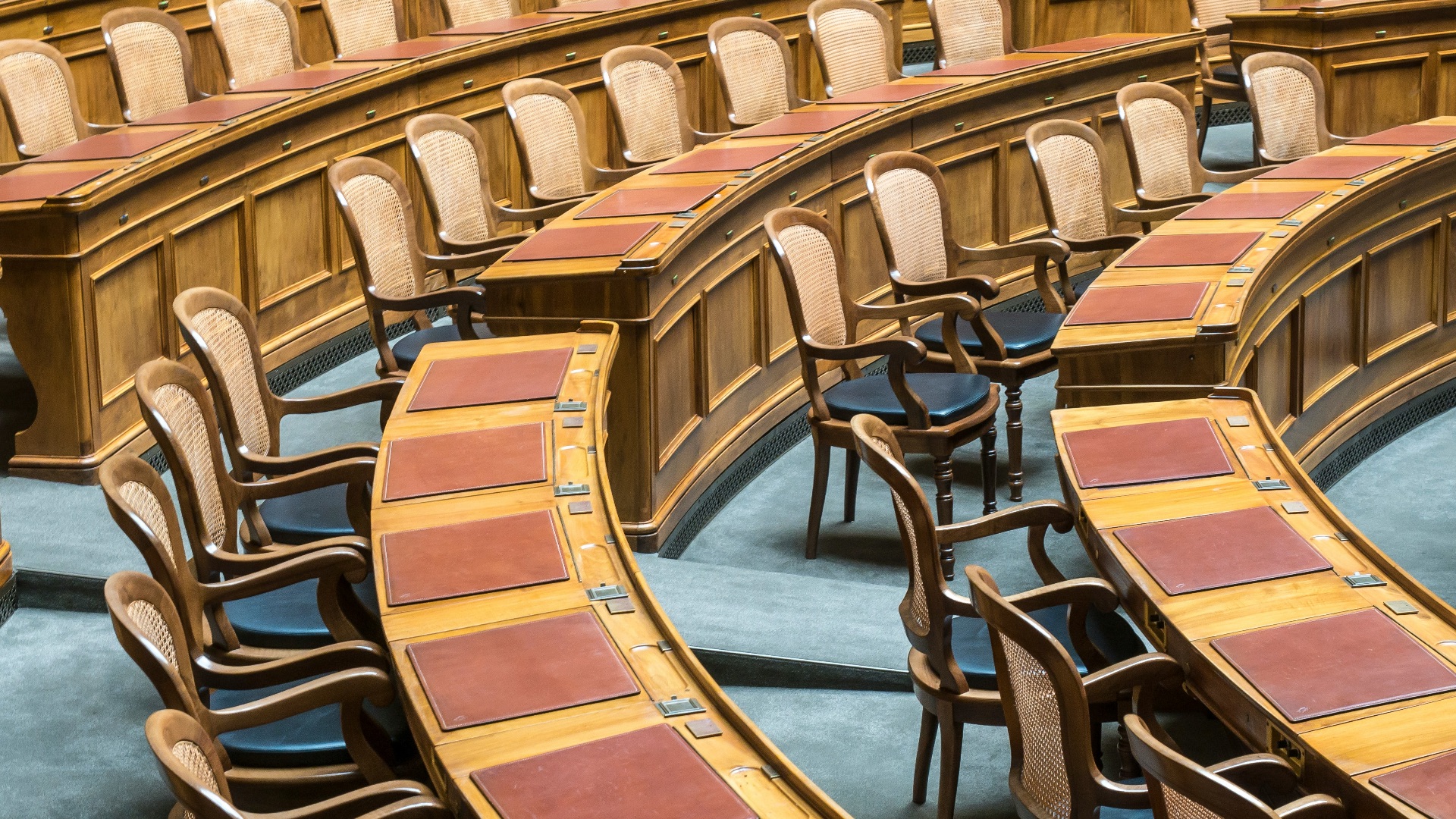
17. Affect, Effect
Affect is most often a verb meaning to influence, so it answers what changed something. Effect is most often a noun meaning the result, so it answers what happened because of the change. For example: an injury affected his game; the injury had a bad effect on his performance.

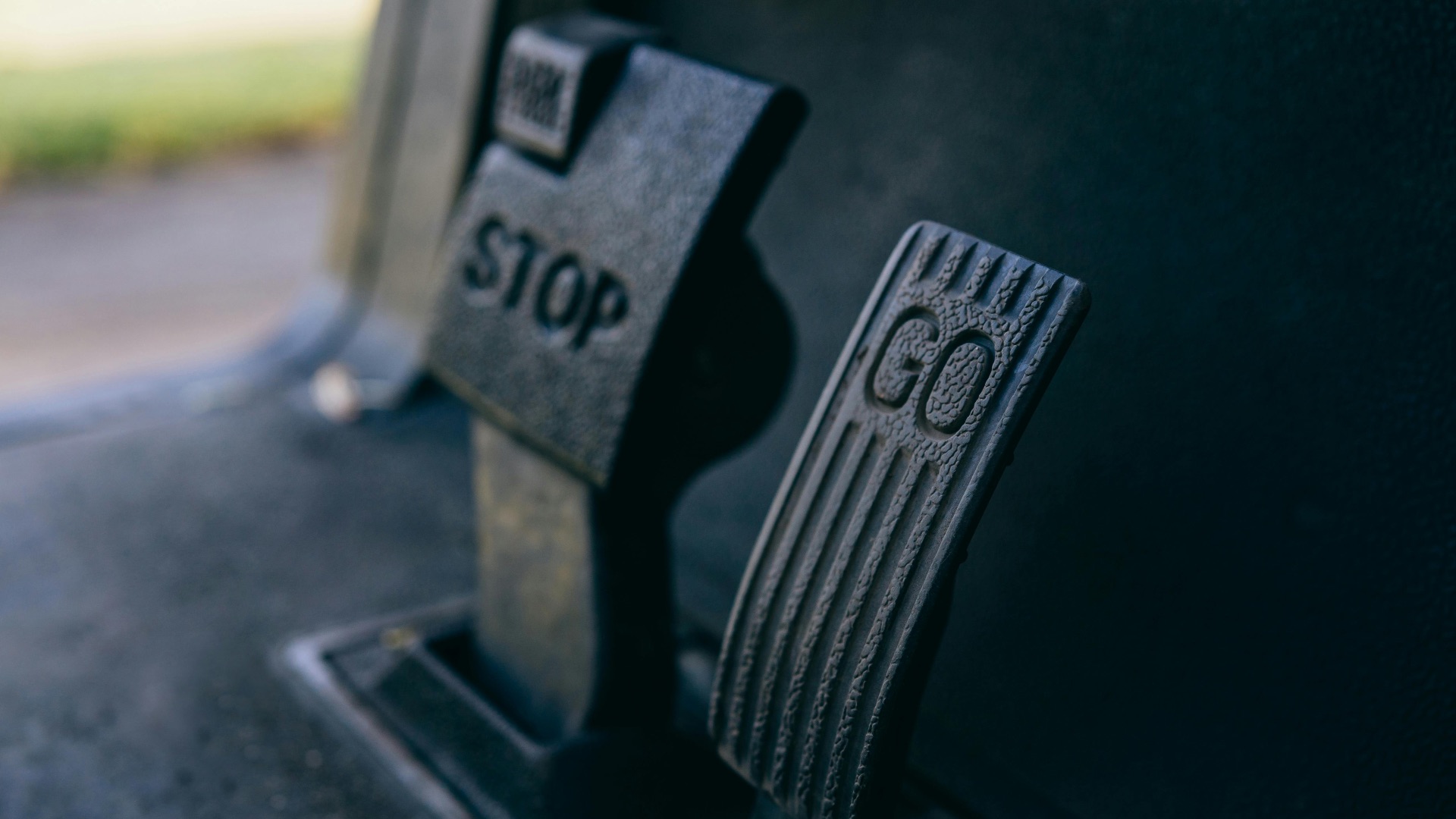
18. Break, Brake
Break means to damage, split, or pause, and it’s the choice for breaks in schedules and broken items. Brake is the device used to slow or stop, especially in vehicles. If you’re writing about stopping power, brake is the spelling you’re looking for. Never write "press on the breaks."
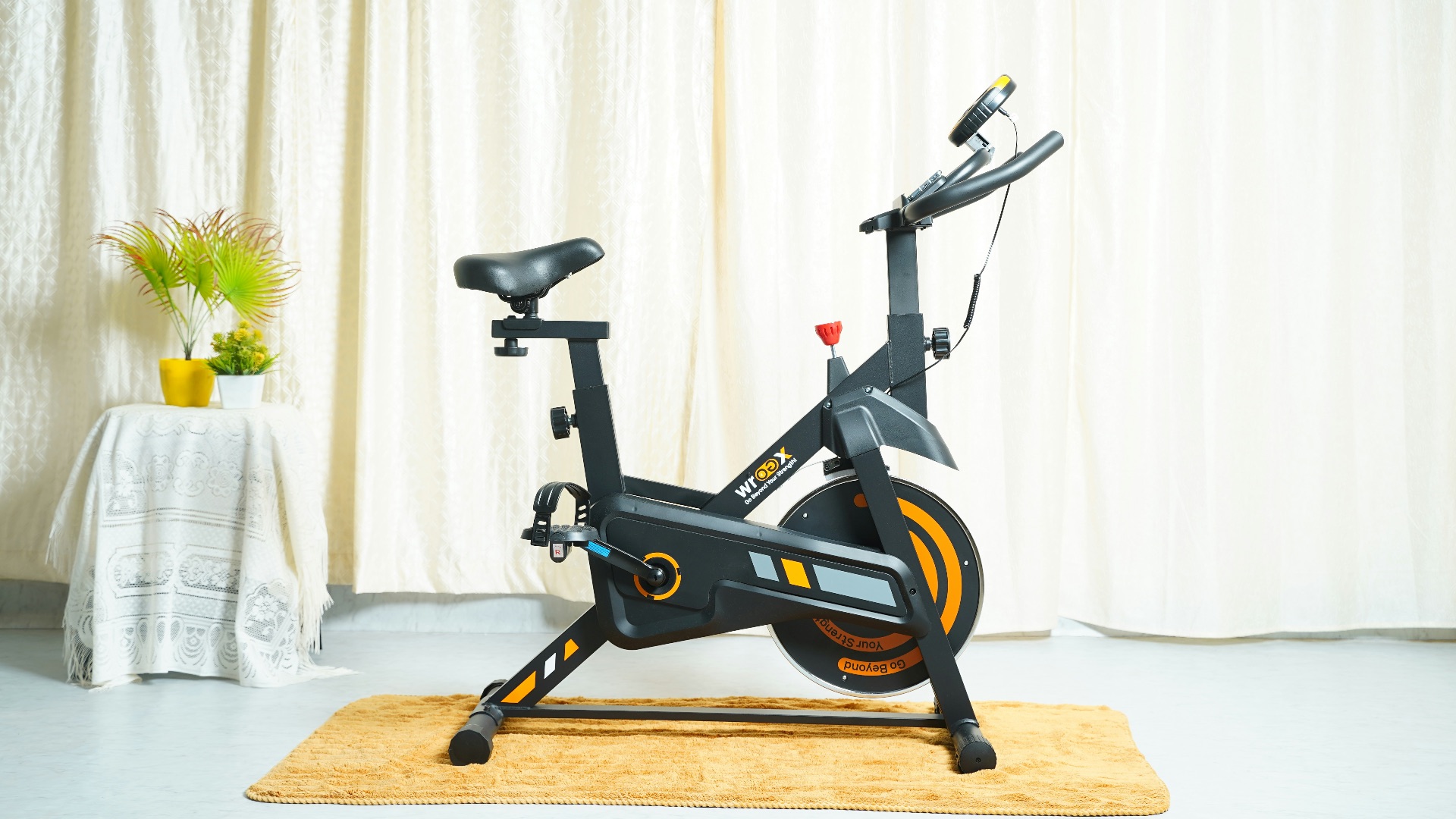
19. Stationary, Stationery
Stationary means not moving, so use it when you're referencing something that stays put. Stationery refers to writing materials like paper, envelopes, and related supplies. It’s a small spelling difference, but the meanings are far enough apart that the wrong one looks careless.
20. Wary, Weary
Wary means cautious or on guard, especially when you suspect risk. Weary means tired or worn out. If you’re exhausted, you’re weary, and if you’re careful, you’re wary. Here's a trick: you're weary because you're worn out.