When Your Hands Say More Than You Think
Gestures feel universal because they live in the body, not in language, which makes them especially easy to misread. You grow up learning what a nod means, how close to stand, and which hand to use without ever being taught directly. Then you travel, or work with someone from somewhere else, and a perfectly normal movement lands wrong. Anthropologists and cross-cultural researchers have long pointed out that nonverbal communication can carry more meaning than words, especially in unfamiliar settings. Here are twenty gestures that seem harmless enough until they suddenly are not.

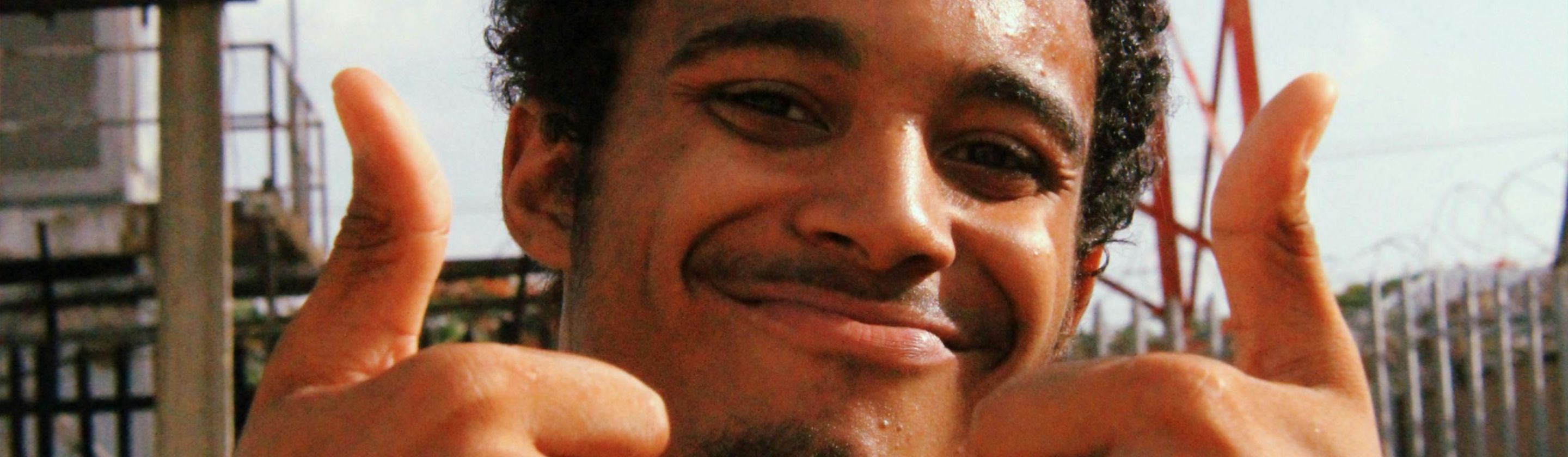
1. Thumbs Up
In the United States, a thumbs up signals approval or success. In parts of the Middle East, West Africa, and South America, the same gesture can be interpreted as rude or insulting. Context matters, but assumptions travel faster than explanations.

2. The OK Sign
The circle made with the thumb and index finger means everything is fine in much of North America. In Brazil and Turkey, it has been historically associated with obscene meanings. Divers use it globally for safety, which shows how professional context can override culture.

3. Nodding Your Head
In most countries, nodding means yes. In Bulgaria and parts of Greece, a nod can mean no, while a head shake can signal yes. Travelers often learn this the hard way during simple transactions.

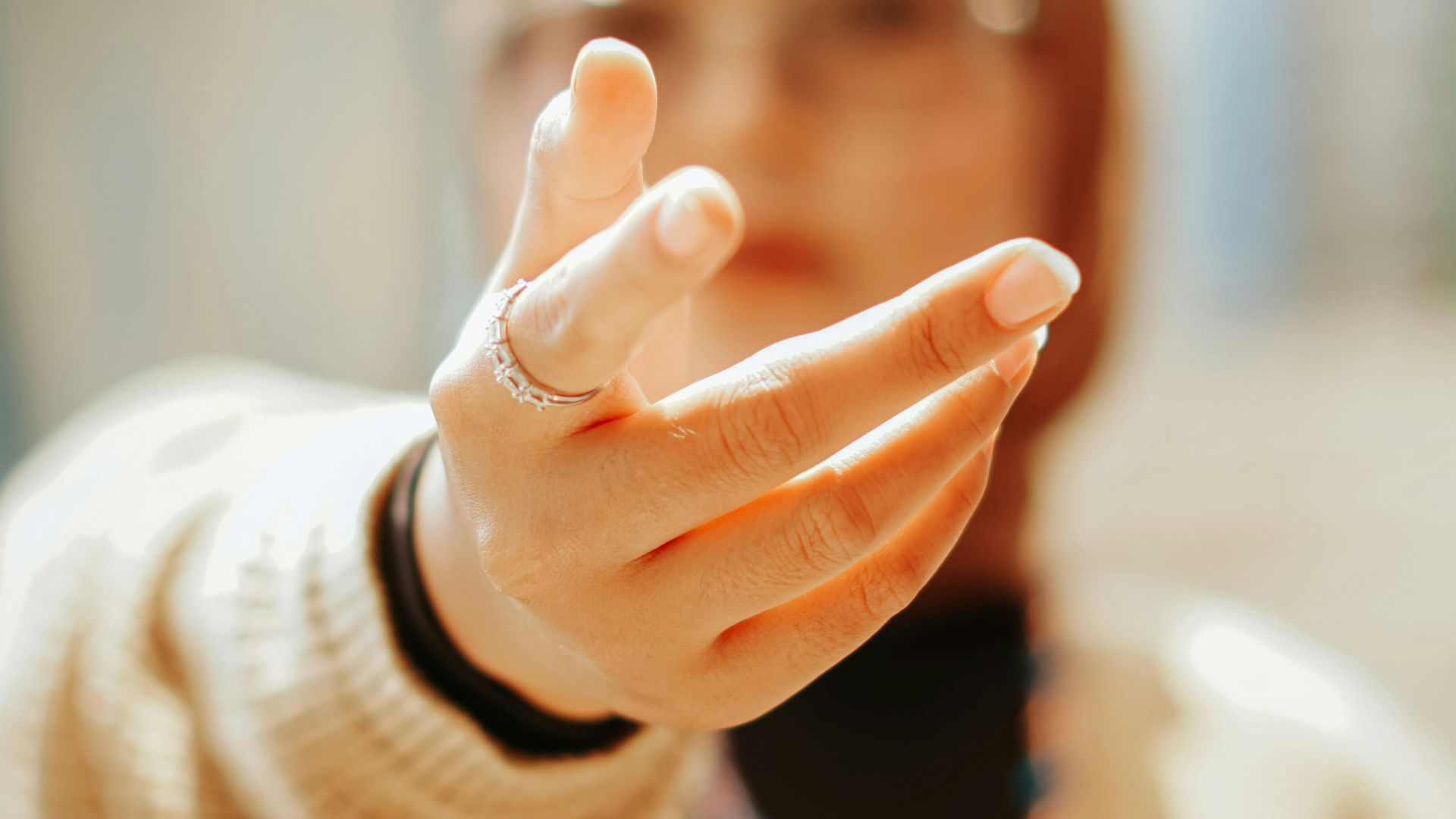
4. Beckoning With One Finger
Curling one finger to call someone over feels harmless in the U.S. In the Philippines, Singapore, and parts of East Asia, the gesture is reserved for animals and can be deeply disrespectful toward people. An open hand works better in many places.
 Muhammad Dzaki Zaidan on Pexels
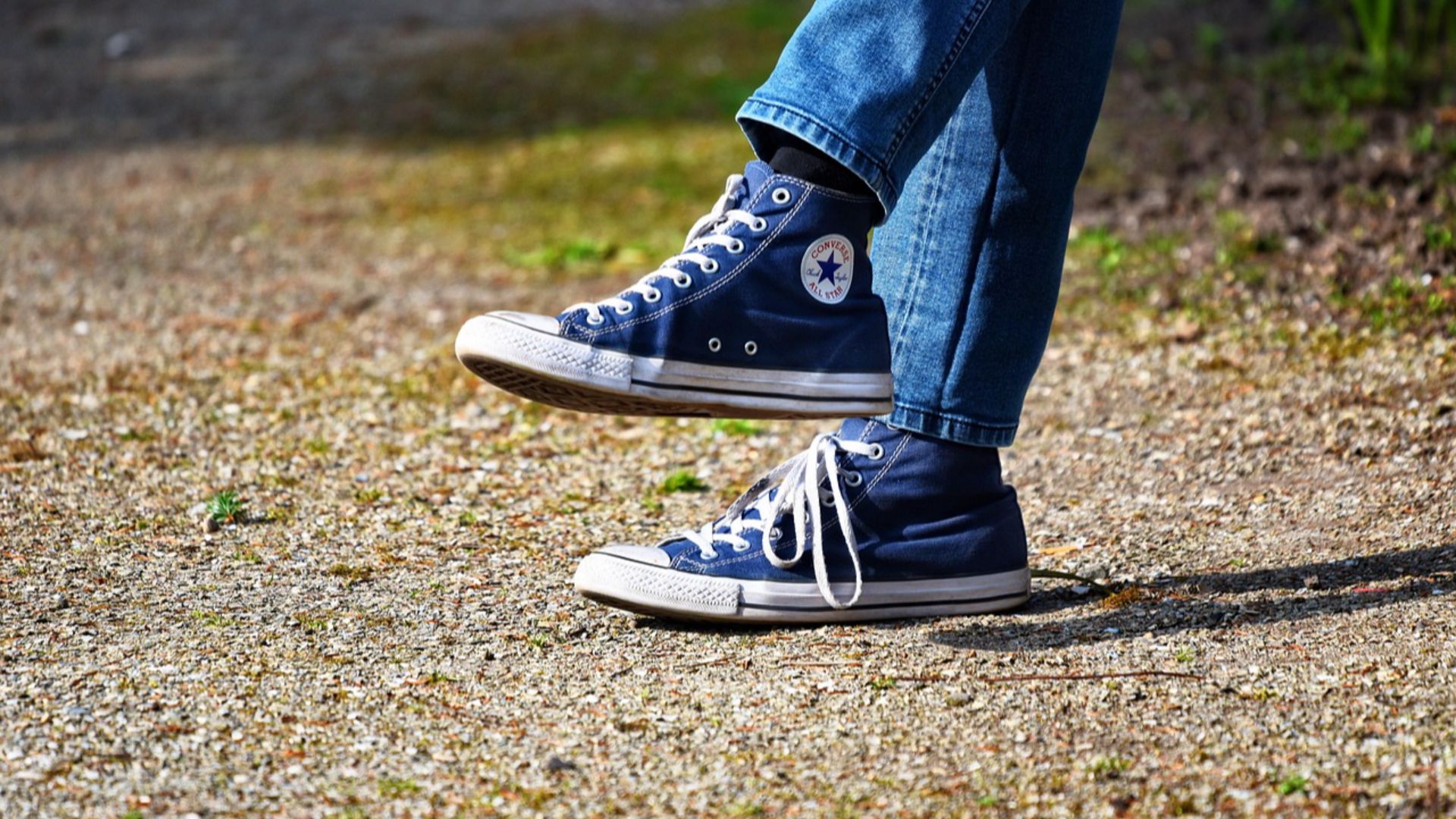
5. Showing the Sole of Your Shoe
Crossing your legs so the sole faces outward is common in Western settings. In many Middle Eastern cultures, the sole of a shoe is considered unclean and offensive. This symbolism is rooted in long-standing ideas about purity and respect.
6. Crossing Your Fingers
Crossed fingers often signal hope or good luck in Western cultures. In Vietnam, the gesture can resemble female anatomy and be considered vulgar. Innocent habits can carry unexpected weight.

7. Eye Contact
Direct eye contact is associated with honesty and confidence in the U.S. In Japan and parts of Korea, prolonged eye contact can feel aggressive or disrespectful. Social harmony often outweighs assertiveness.

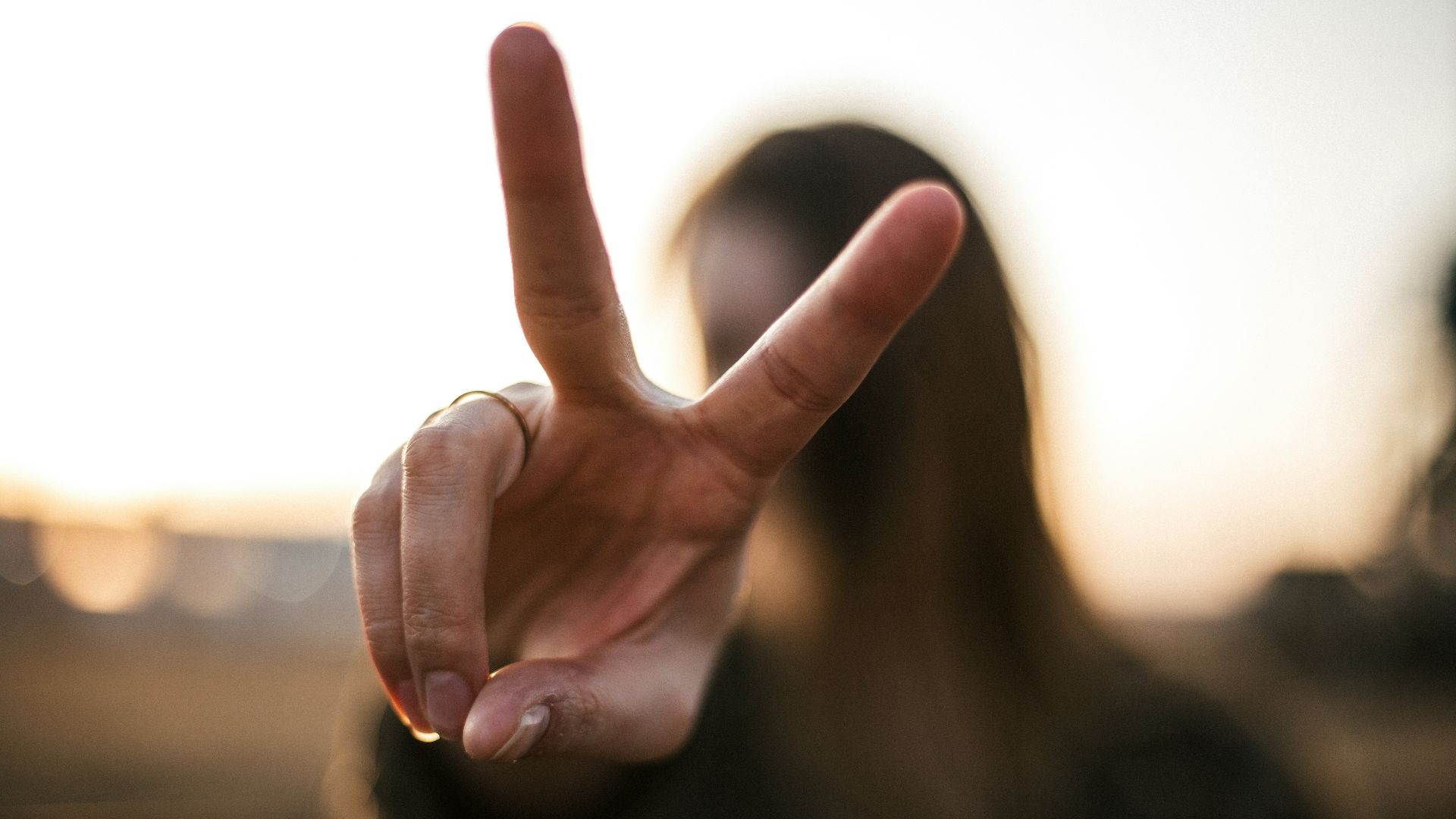
8. The Peace Sign
Holding up two fingers with the palm facing out means peace or victory in many places. In the United Kingdom, turning the palm inward turns it into an insult with a long historical backstory. Orientation changes everything.
 Priscilla Du Preez 🇨🇦 on Unsplash
9. Pointing With Your Finger
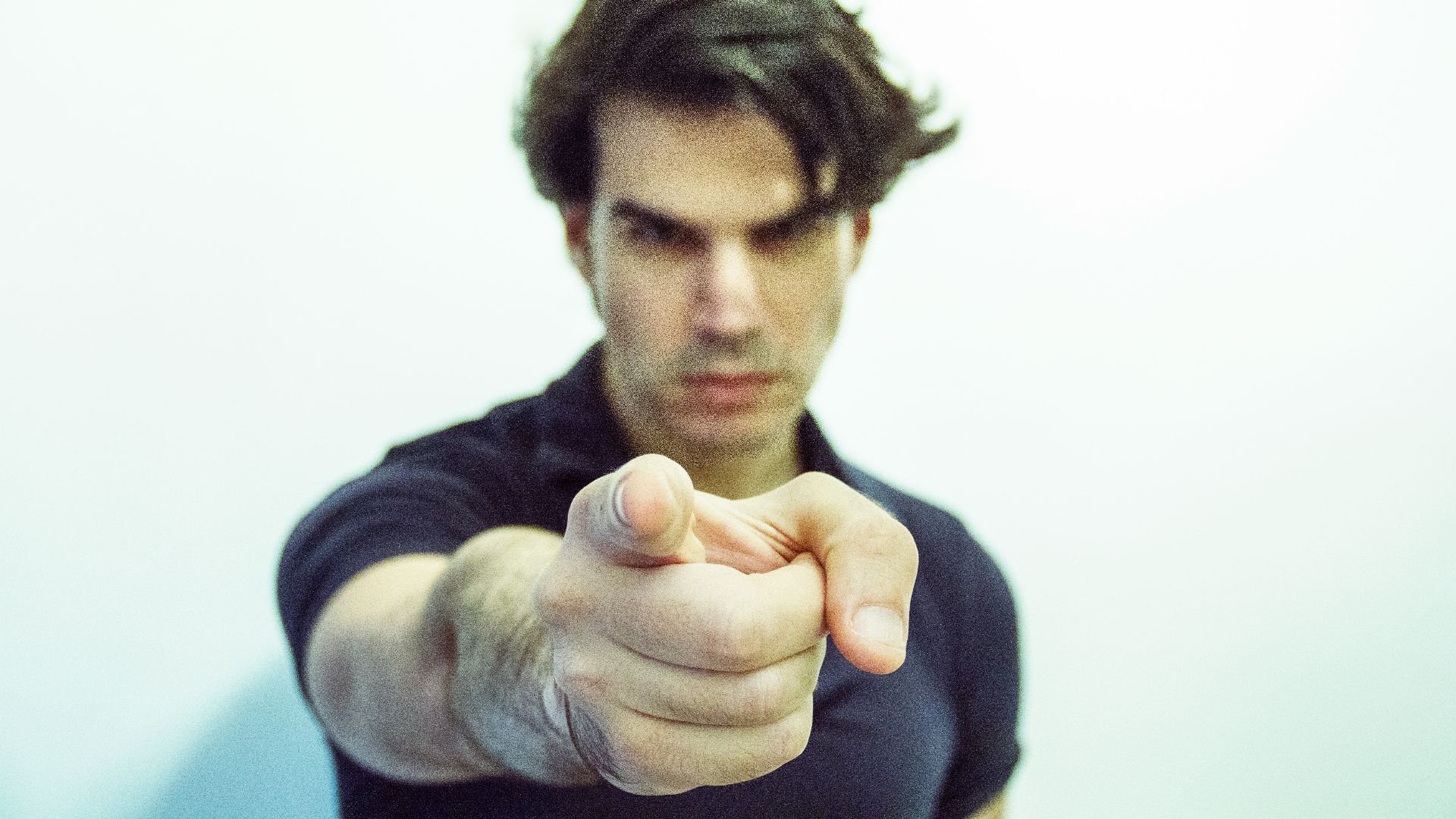
Pointing helps clarify direction in Western cultures. In Malaysia and Indonesia, pointing with the index finger is impolite, and people use the thumb or whole hand instead. Subtle adjustments prevent awkward moments.
10. Personal Space
Standing close signals warmth and engagement in countries like Italy or Brazil. In Northern Europe and the United States, the same distance can feel intrusive. Anthropologist Edward T. Hall documented these variations decades ago.

11. Giving a Handshake
Firm handshakes are prized in the U.S. and Germany as signs of confidence. In parts of Asia, a softer handshake conveys respect. Strength can be misread as aggression.

12. Using the Left Hand
In many Western cultures, hand choice barely registers. In parts of India, the Middle East, and Africa, the left hand is traditionally associated with hygiene tasks and considered inappropriate for eating or giving items. This convention is deeply ingrained.

13. Touching Someone’s Head
Patting a child’s head feels affectionate in the U.S. In Thailand and Laos, the head is considered the most sacred part of the body. Touching it without permission can feel violating.

14. Waving Goodbye
A casual wave means farewell in much of the world. In Greece, the same open-palm wave, known as the moutza, is an insult dating back to Byzantine times. History lingers in the hand.

15. Clapping
Clapping shows appreciation in Western audiences. In parts of China, clapping can be used by hosts to thank guests rather than the other way around. Applause can signal hierarchy as much as approval.

16. Smiling at Strangers
Smiling is often read as friendliness in the U.S. In Russia and some Eastern European countries, smiling without a reason can seem insincere. Emotional restraint carries social value.

17. The Chin Flick
A quick flick of the fingers from under the chin in Italy communicates dismissal or defiance. Elsewhere, it may not register at all. Local gestures often stay invisible until explained.

18. Holding Hands
Hand-holding between friends of the same gender is common in parts of the Middle East and South Asia. In the U.S., it is usually read as romantic. Assumptions follow cultural scripts.

19. Bowing
Bowing in Japan communicates respect, gratitude, and social rank. In Western cultures, it can feel theatrical or ironic. Depth and duration carry meaning as much as the act itself.

20. Silence
Pausing before responding can signal thoughtfulness in Finland or Japan. In the U.S., silence often feels uncomfortable or awkward. Even stillness can be a gesture.