History On Display
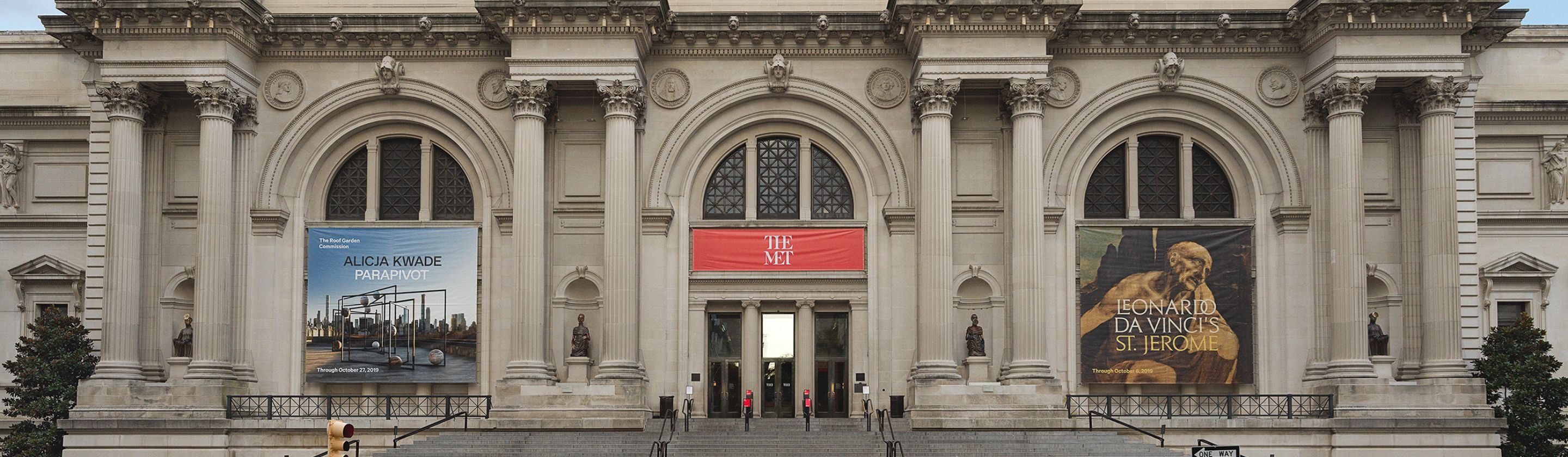
The Met doesn't just hang art on walls and call it a day. Over the decades, this Manhattan institution has pulled off exhibitions that stopped the city cold with lines wrapped around the block. These were cultural earthquakes that redefined what museums could achieve, turning quiet galleries into destinations worth camping out for. Here are 20 of the coolest and most unforgettable exhibits.
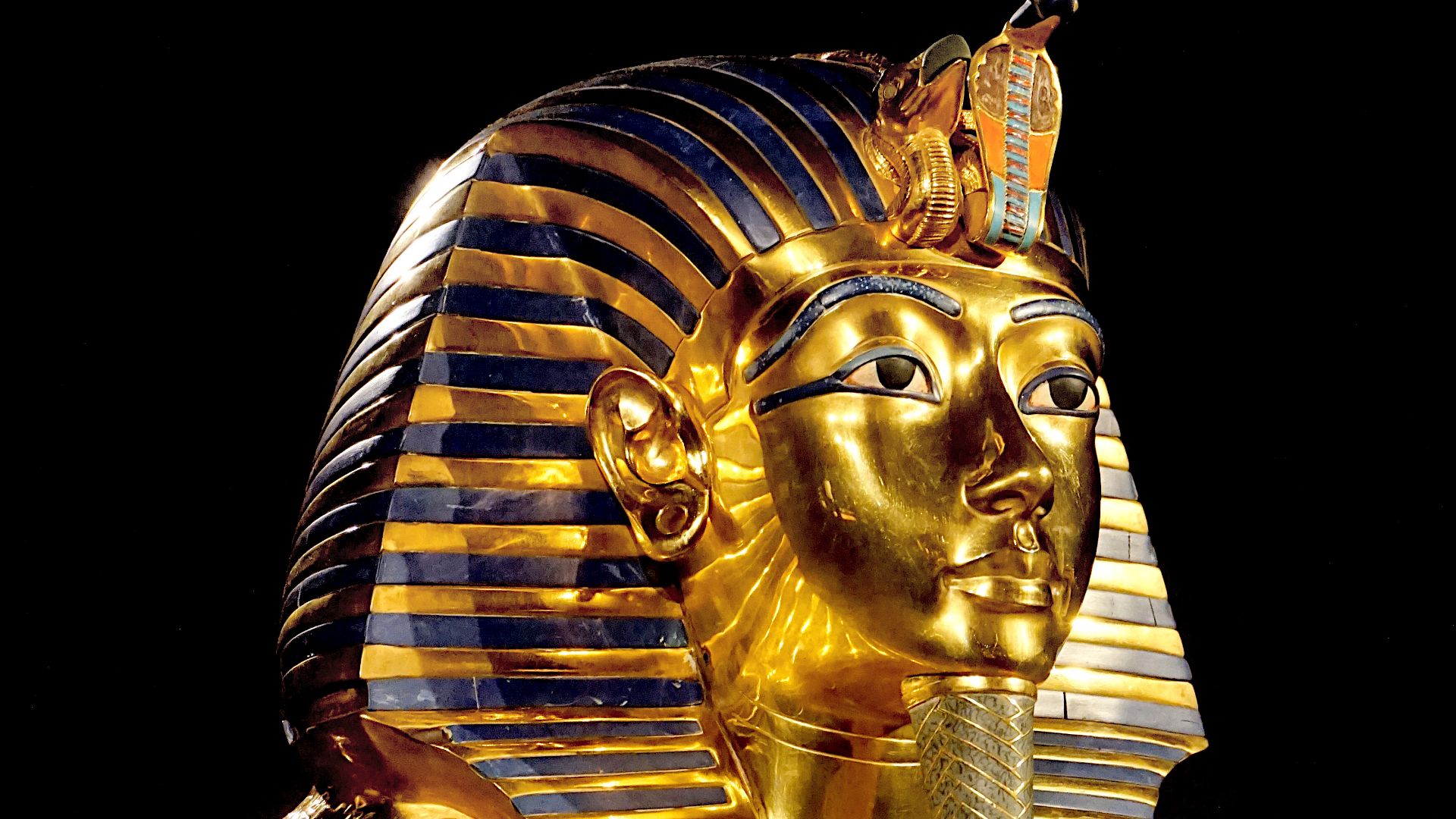
1. Treasures Of Tutankhamun (1978–1979)
The Treasures of Tutankhamun exhibition fundamentally changed what museums thought was possible. Featuring 55 artifacts from King Tut's tomb, including his legendary gold mask, this show attracted such massive crowds that it helped coin the term "blockbuster exhibition."
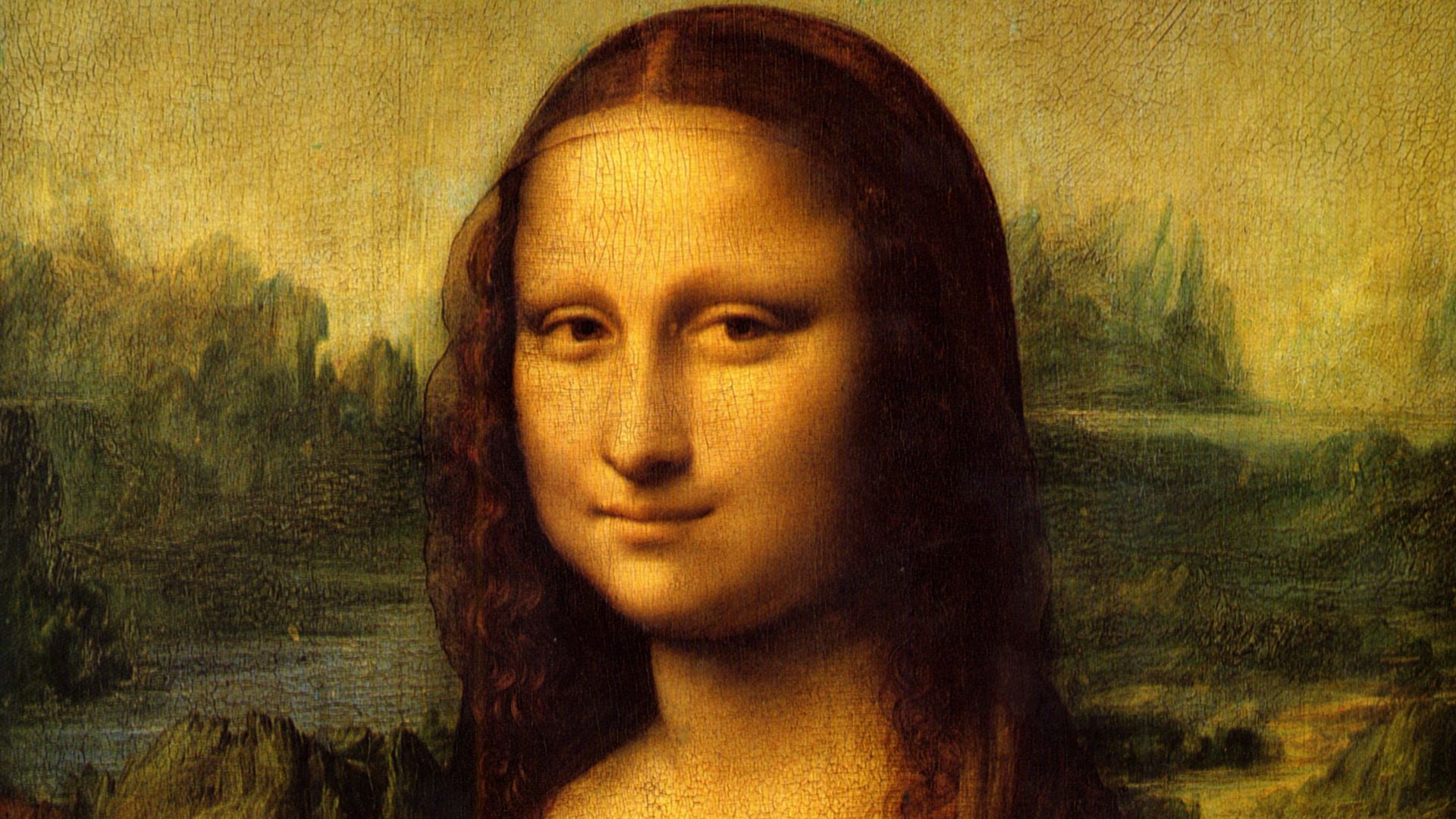
2. Mona Lisa (1963)
After first appearing at the National Gallery, Leonardo da Vinci's masterpiece arrived at The Met under security measures typically reserved for visiting heads of state. Over one million visitors flooded through the museum during the painting's run.
 Leonardo da Vinci on Wikimedia
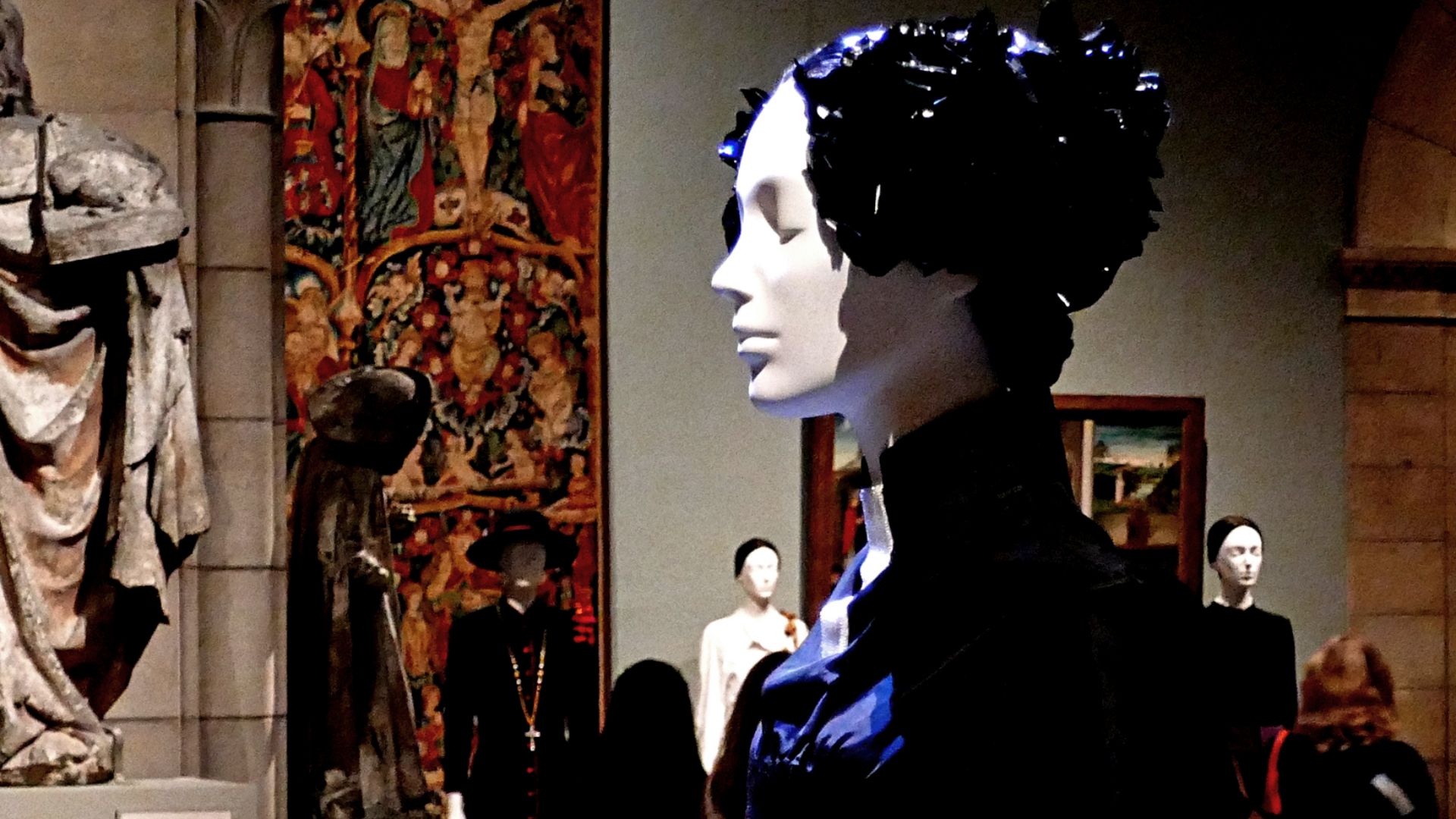
3. Heavenly Bodies: Fashion And The Catholic Imagination (2018)
With 1.65 million visitors, this became the most attended exhibition in Met history. The show's unprecedented scale sprawled across both The Met Fifth Avenue and The Cloisters, creating an immersive journey through fashion's complex relationship with religious iconography.
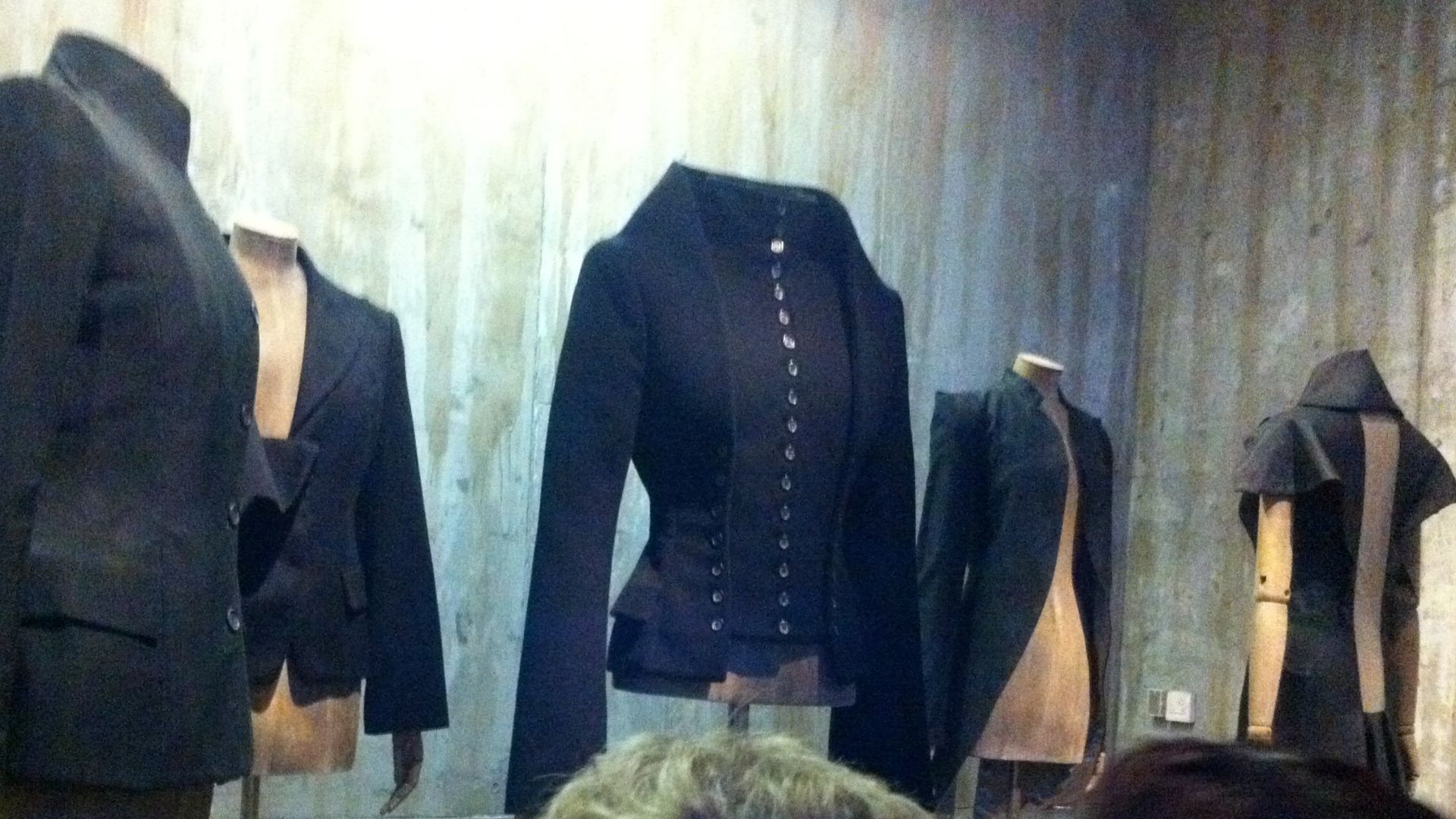
4. Alexander McQueen: Savage Beauty (2011)
Andrew Bolton and Harold Koda curated this breathtaking retrospective showcasing 100 ensembles and 70 accessories from the late designer's career, each piece more theatrical and boundary-pushing than the last. McQueen's work has always challenged conventional notions of beauty and fashion.
5. China: Through The Looking Glass (2015)
This exhibition featured more than 140 haute couture and avant-garde pieces thoughtfully paired with Chinese art, creating dialogues between cultures separated by centuries and continents. Curated by Andrew Bolton, the show examined how Eastern philosophy, craftsmanship, and symbolism have continuously inspired Western designers.
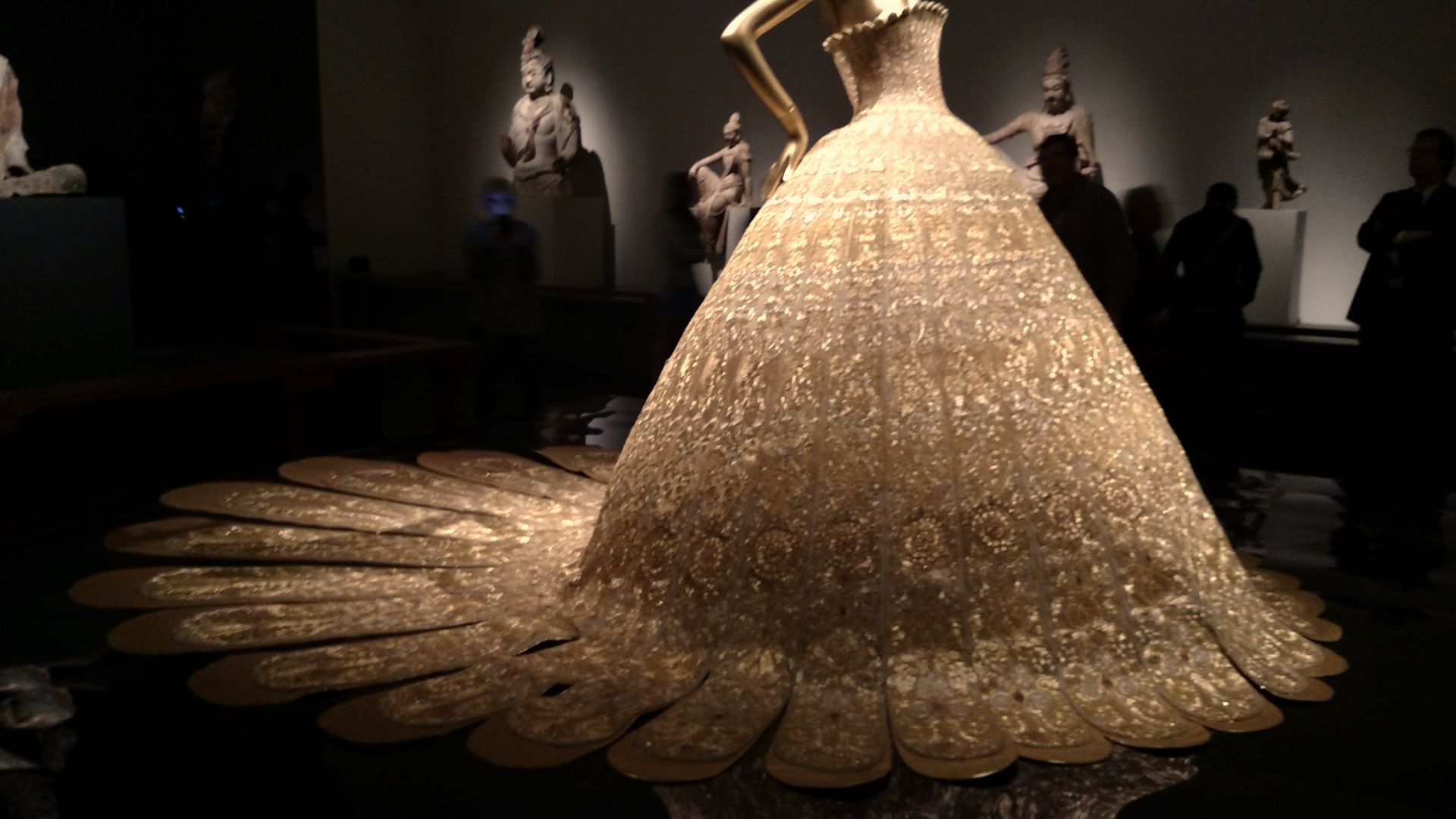 https://www.flickr.com/photos/klg19/ on Wikimedia
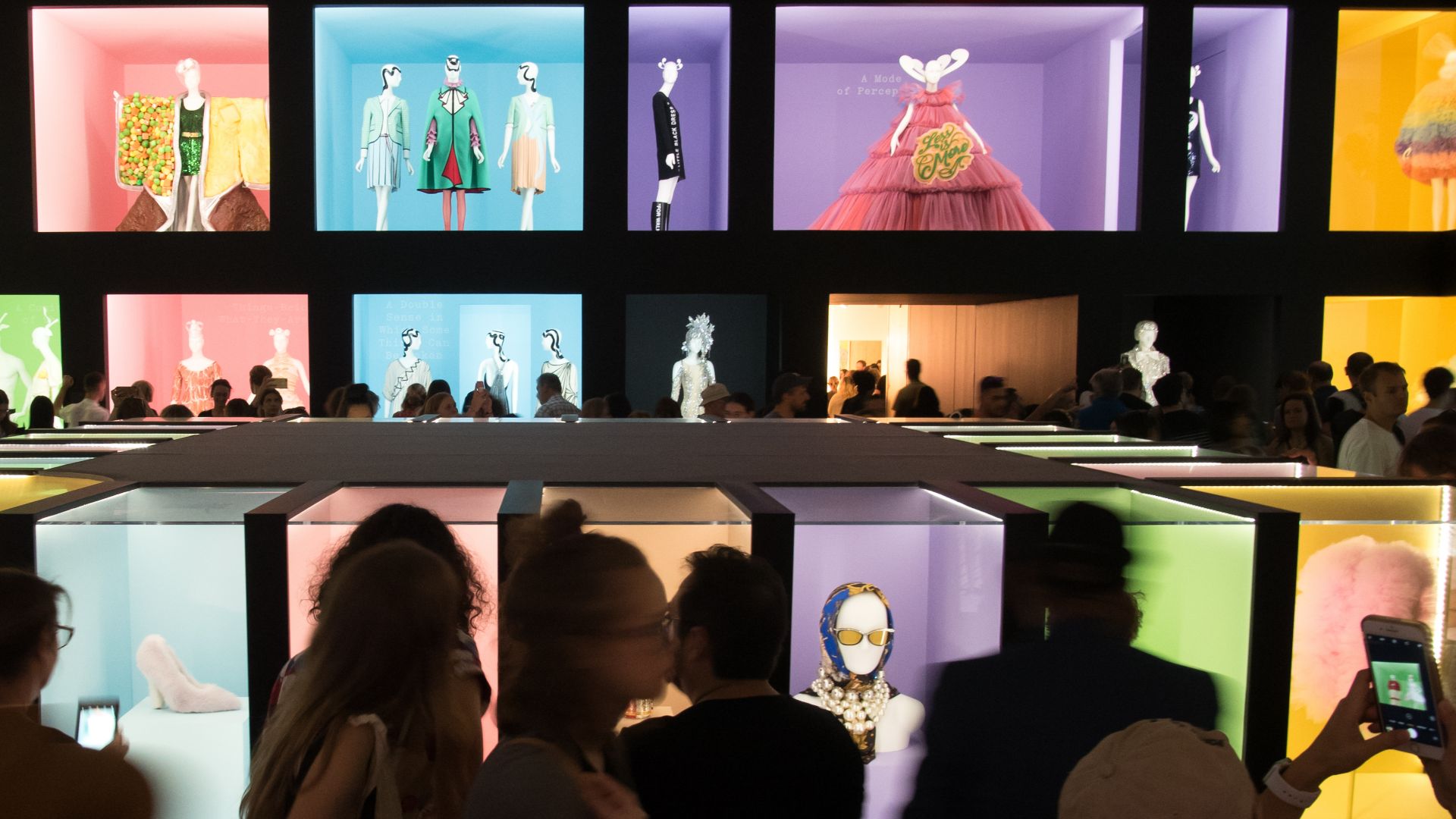
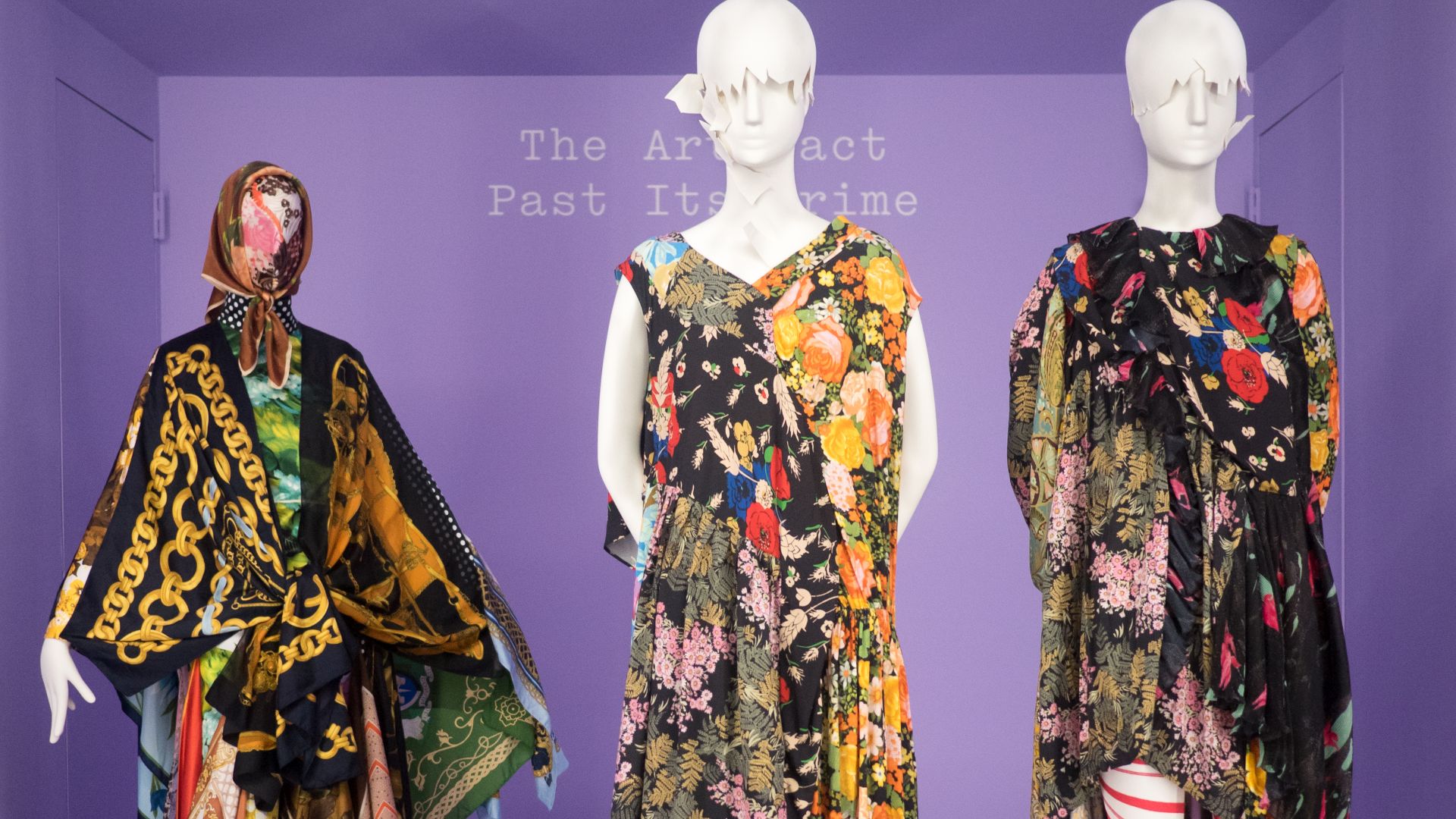
6. Camp: Notes On Fashion (2019)
Susan Sontag's provocative 1964 essay Notes on Camp finally got the fashion exhibition it deserved, fifty-five years after its publication. Head Costume Institute curator Andrew Bolton assembled over 250 objects spanning centuries to explore camp's deliberately exaggerated, ironic, and theatrical aesthetics.
7. The Horses Of San Marco (1980)
These ancient bronze horses had survived Roman conquests, Venetian glory, Napoleonic plunder, and two world wars before arriving at The Met in 1980. Dating back to antiquity, the horses were infamously looted during the Fourth Crusade in 1204.
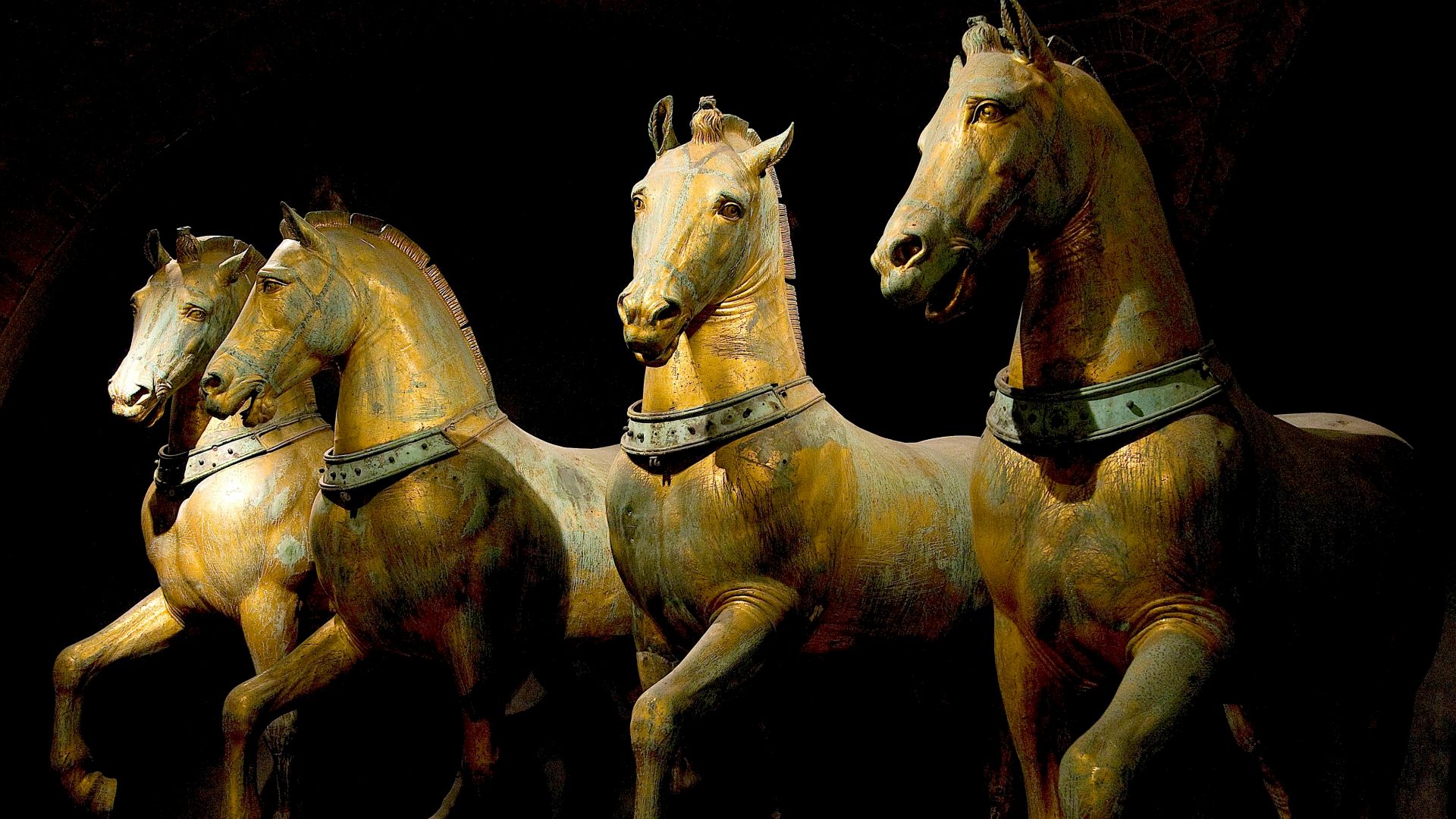 Horses_of_Basilica_San_Marco.jpg: Tteske derivative work: Morn (talk) on Wikimedia
8. Origins Of Impressionism (1994–1995)
Gary Tinterow and Henri Loyrette didn't just hang paintings—they reconstructed the revolutionary moment when Impressionism exploded onto the Paris art scene during the 1860s. This major survey brought together works by Monet, Renoir, Degas, and their contemporaries.
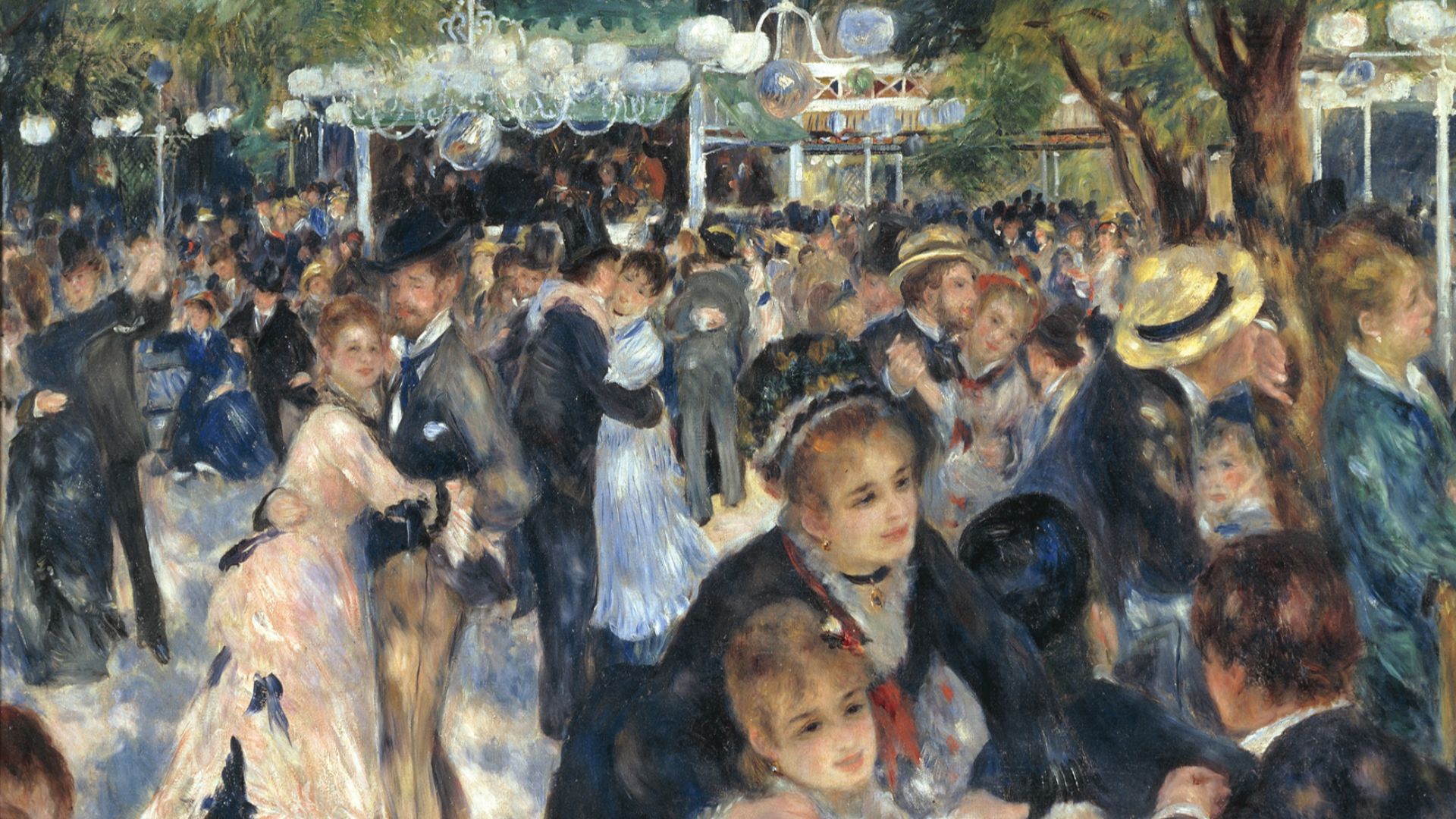 Pierre-Auguste Renoir on Wikimedia
9. Picasso In The Metropolitan Museum Of Art (2010)
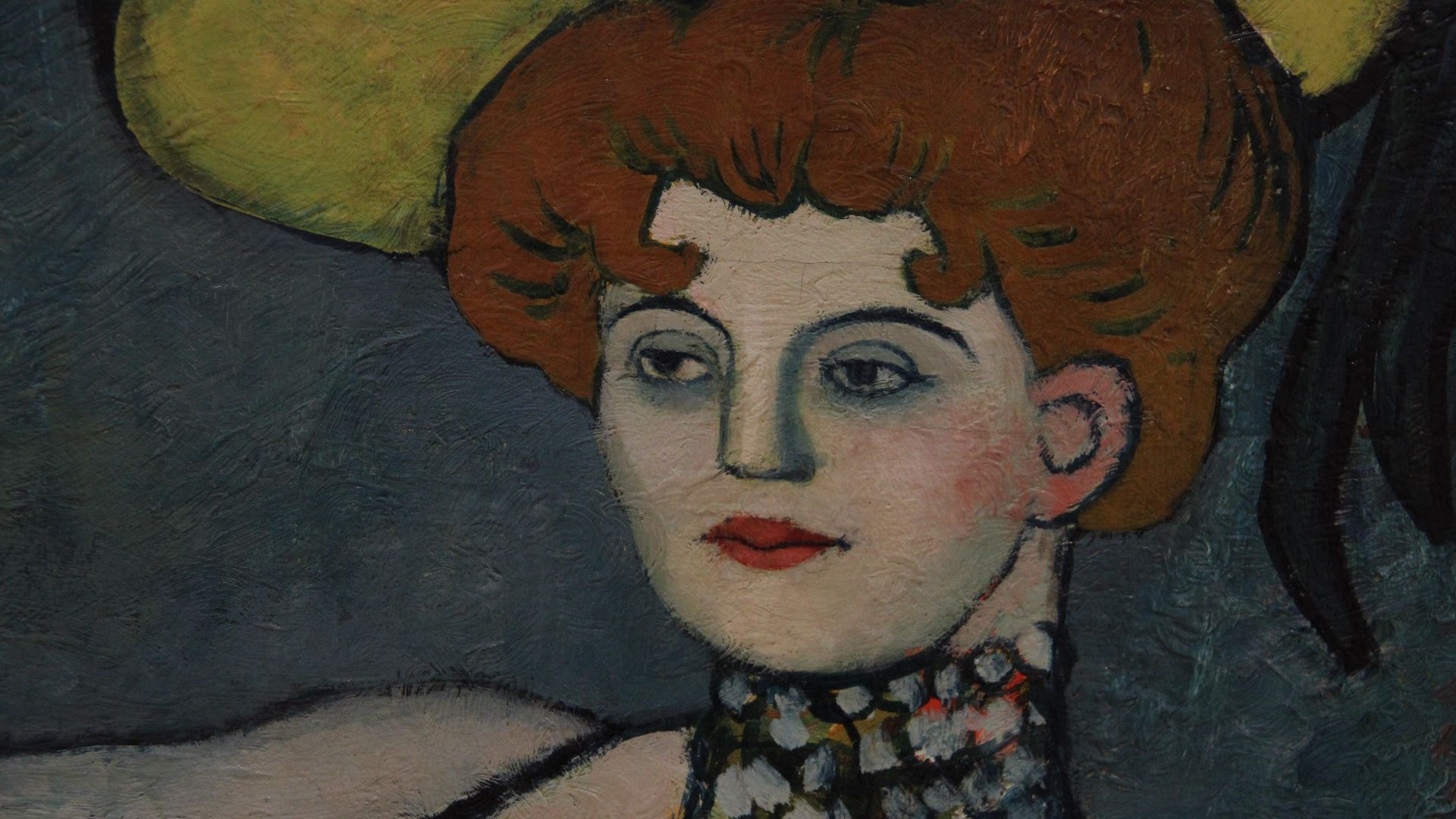
For the first time ever, The Met revealed its entire Picasso holdings in a single, comprehensive exhibition. The display included 300 works—paintings, drawings, sculptures, and ceramics—spanning the artist's revolutionary seven-decade career from Blue Period melancholy through Cubist fragmentation to late-career experimentation.
10. The Harlem Renaissance And Transatlantic Modernism (2024)
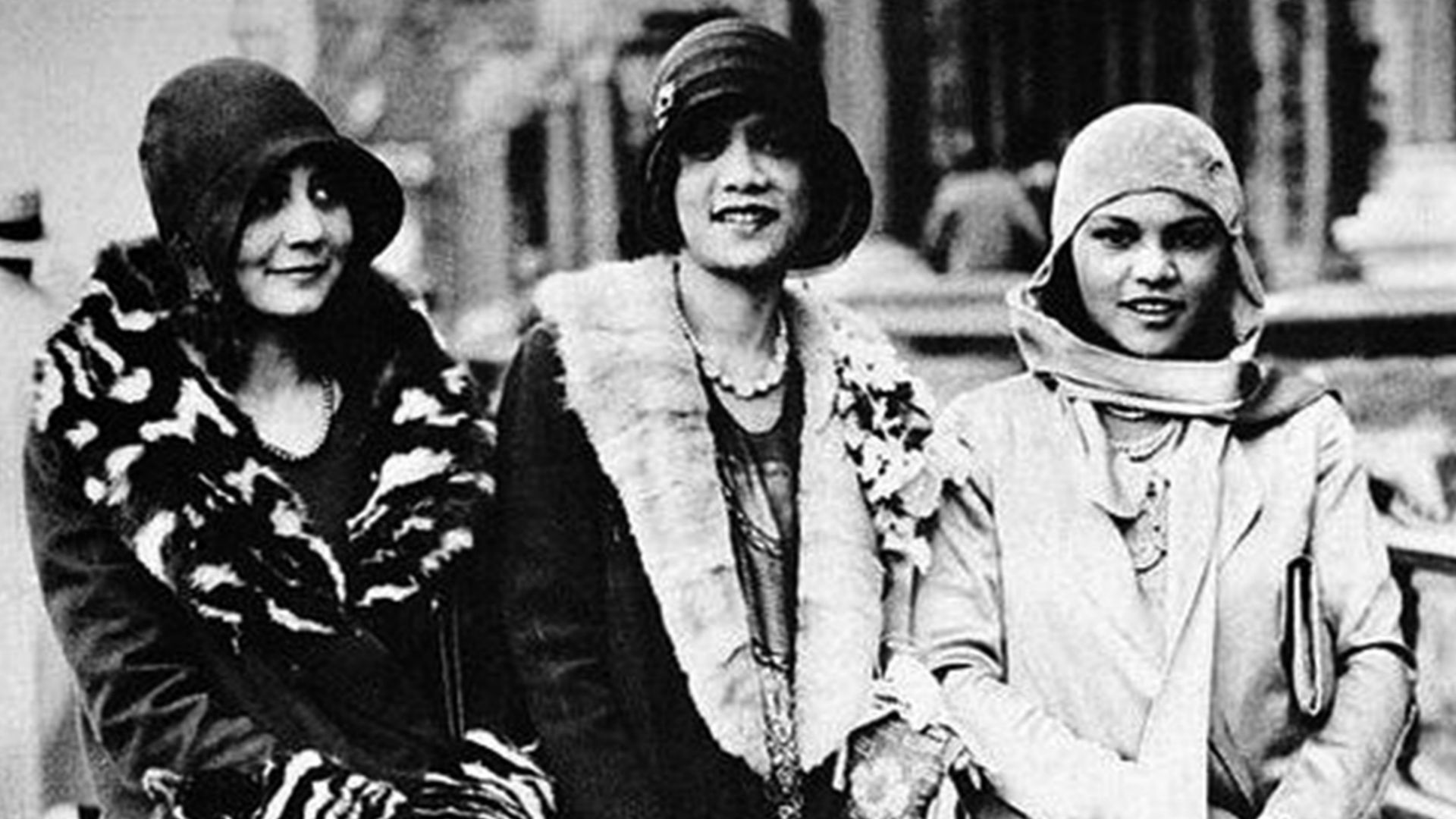
Since 1987, no major New York City museum had mounted a comprehensive survey of the Harlem Renaissance until The Met corrected this stunning oversight. It showcased 160 works across painting, sculpture, photography, film, and ephemera.
11. Kerry James Marshall: Mastry (2016–2017)
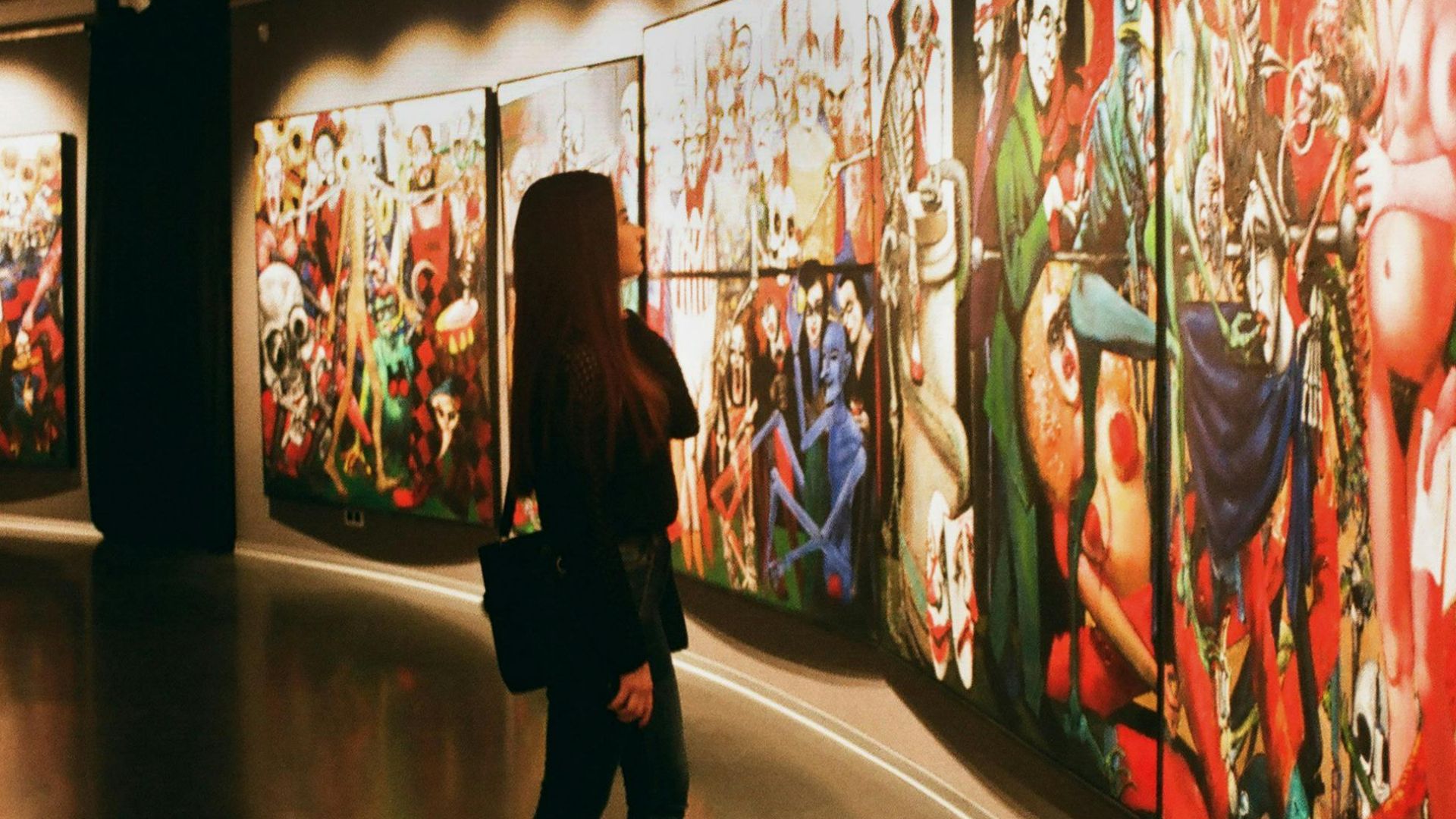
It is said that Kerry James Marshall spent 35 years deliberately inserting bold, unapologetic Black figures into art historical traditions that had systematically excluded them, and this retrospective showcased exactly how he rewrote the canon. Nearly 80 paintings filled the Met Breuer.
12. Unfinished: Thoughts Left Visible (2016)
The Met Breuer's inaugural exhibition asked a deceptively simple question: What happens when artists leave works incomplete, whether intentionally or by accident? Curators assembled 190 works spanning from Renaissance masters to contemporary artists, creating a meditation on the creative process.
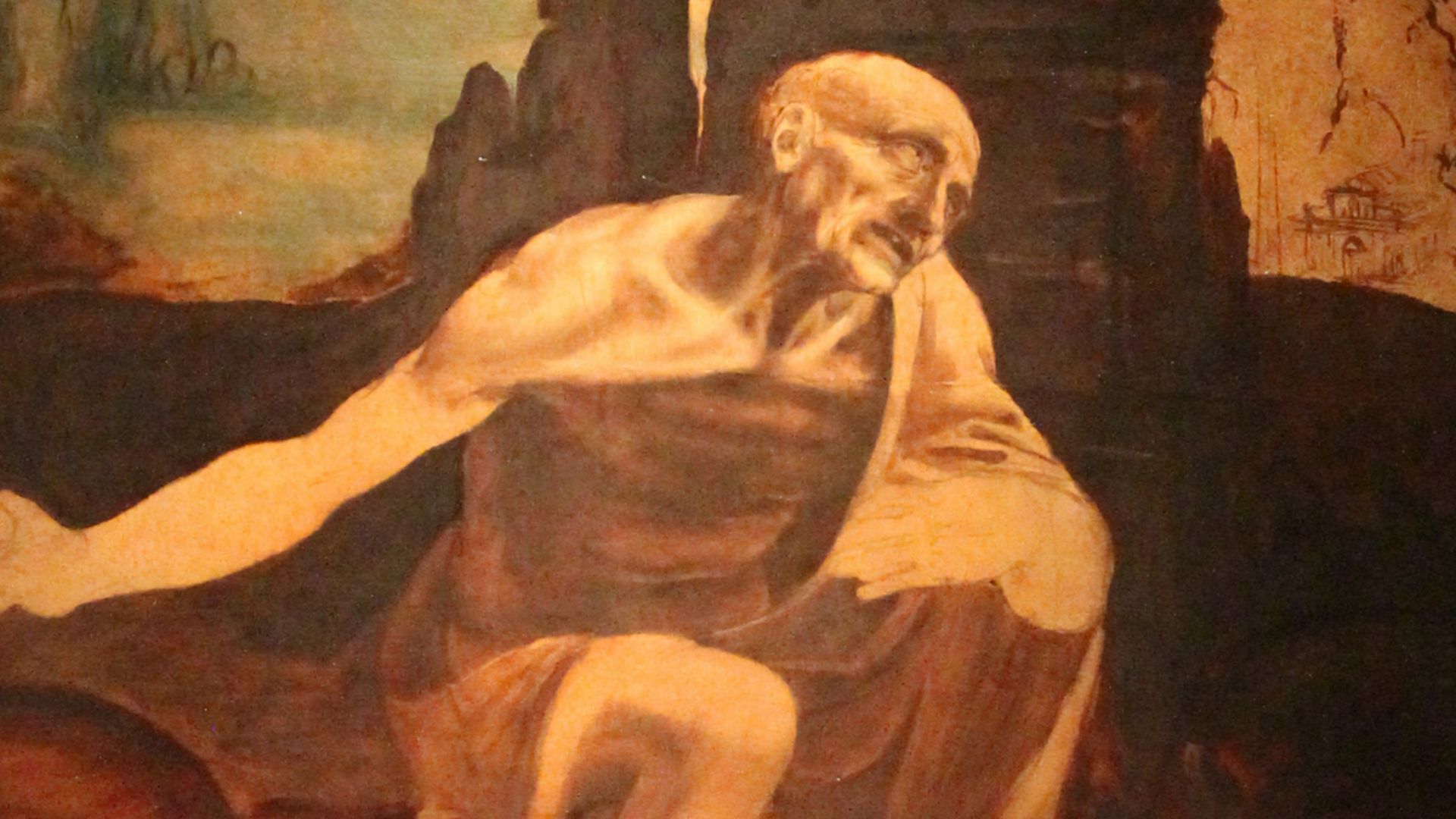
13. Vermeer And The Delft School (2001)
Only 35 paintings by Johannes Vermeer are known to exist worldwide, making any Vermeer exhibition a near impossibility, yet The Met managed to assemble 15 of them. This became the largest Vermeer exhibition ever held in the United States.
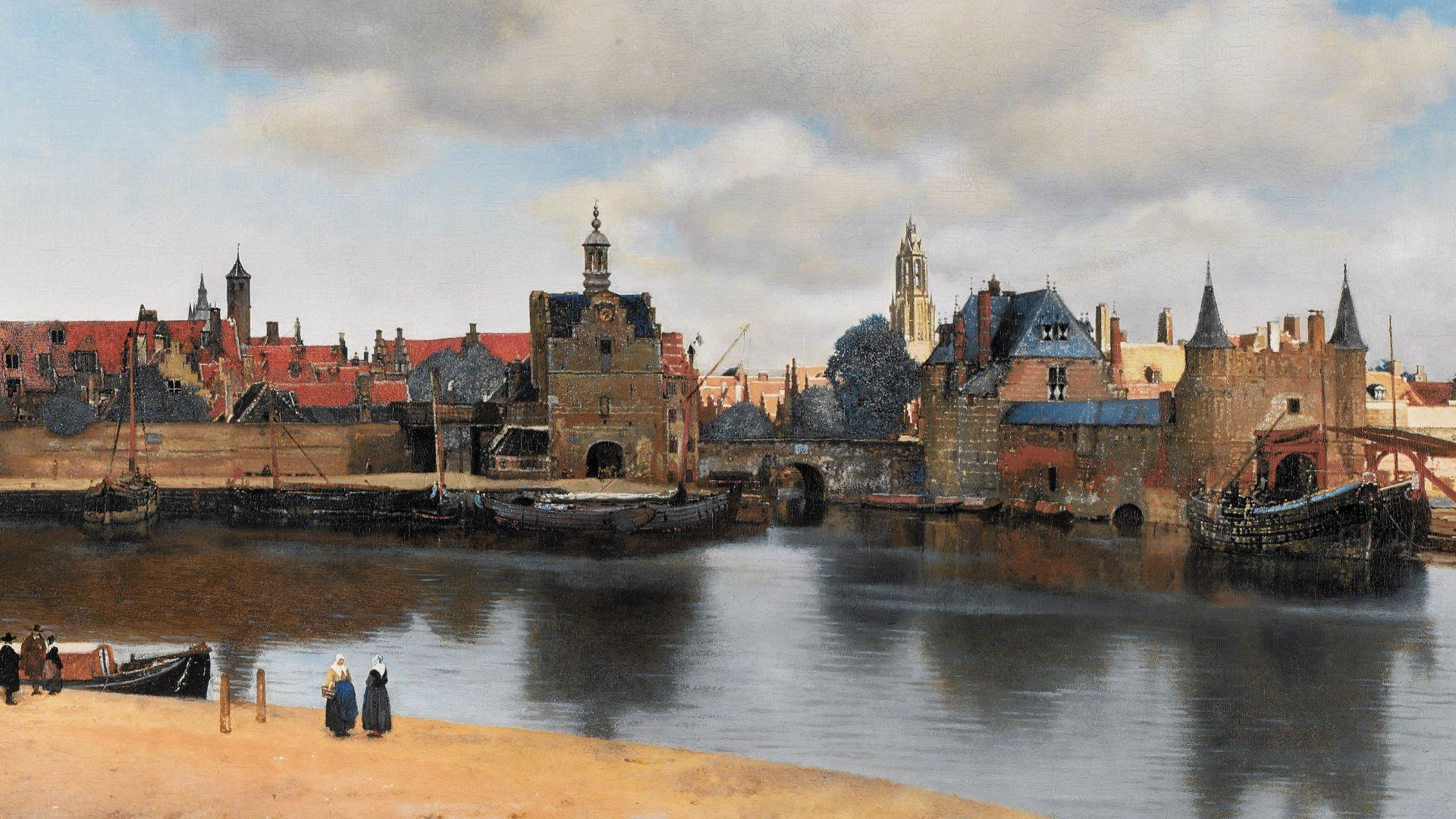
14. Manus X Machina: Fashion In An Age Of Technology (2016)
A spectacular Chanel wedding dress with a 20-foot digitally-designed train served as the centerpiece, mirroring the exhibition's thesis that hand and machine could collaborate rather than compete. The show traced how technology, from the sewing machine to 3D printing, has continuously changed fashion.
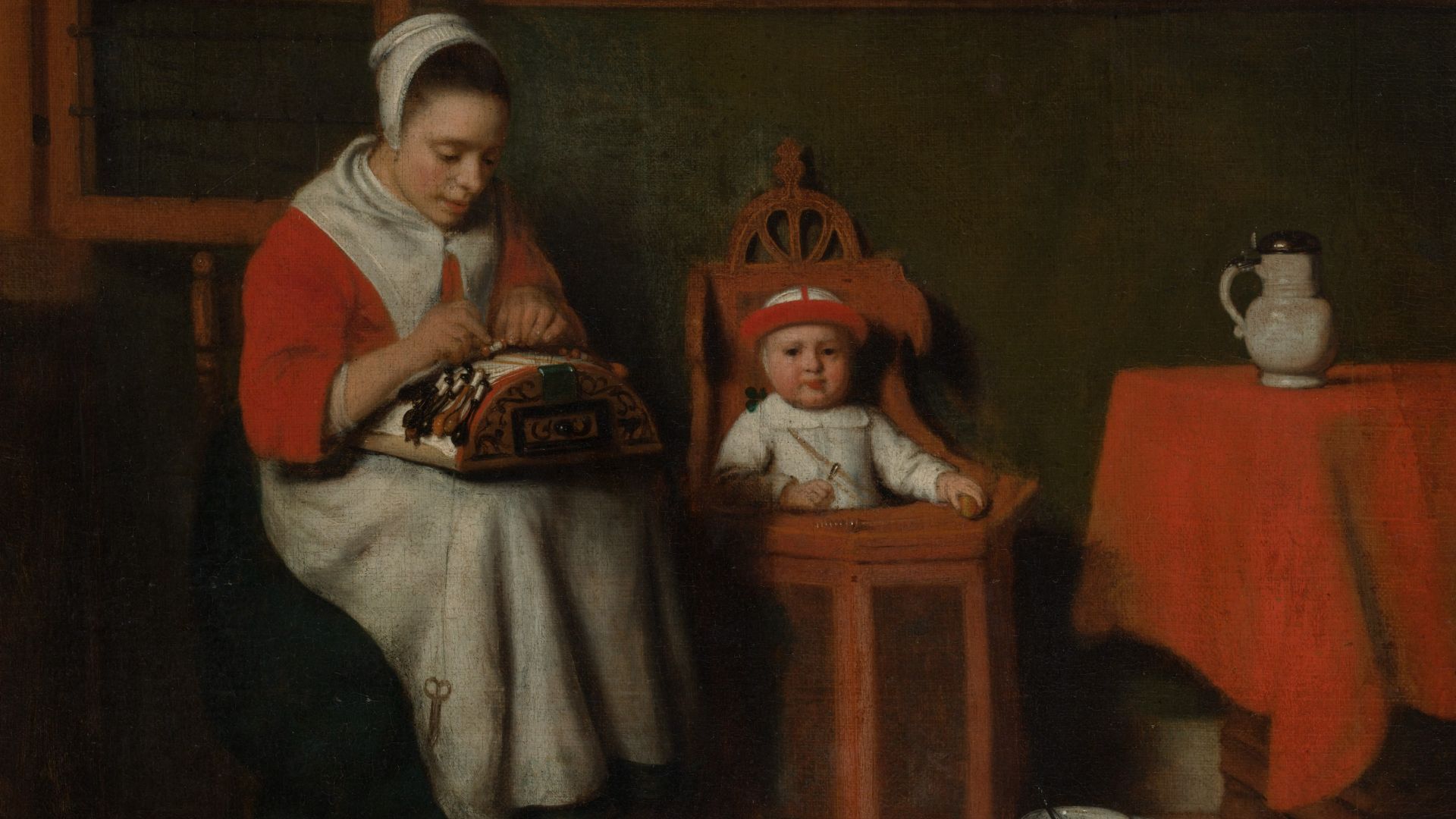
15. Rei Kawakubo/Comme Des Garçons: Art Of The In-Between (2017)
Not since Yves Saint Laurent in 1983 had the Costume Institute devoted a monographic show to a living designer—a 34-year gap that made this exhibition historic before visitors even entered. Rei Kawakubo herself helped design the exhibition layout, deliberately breaking traditional museum display conventions.
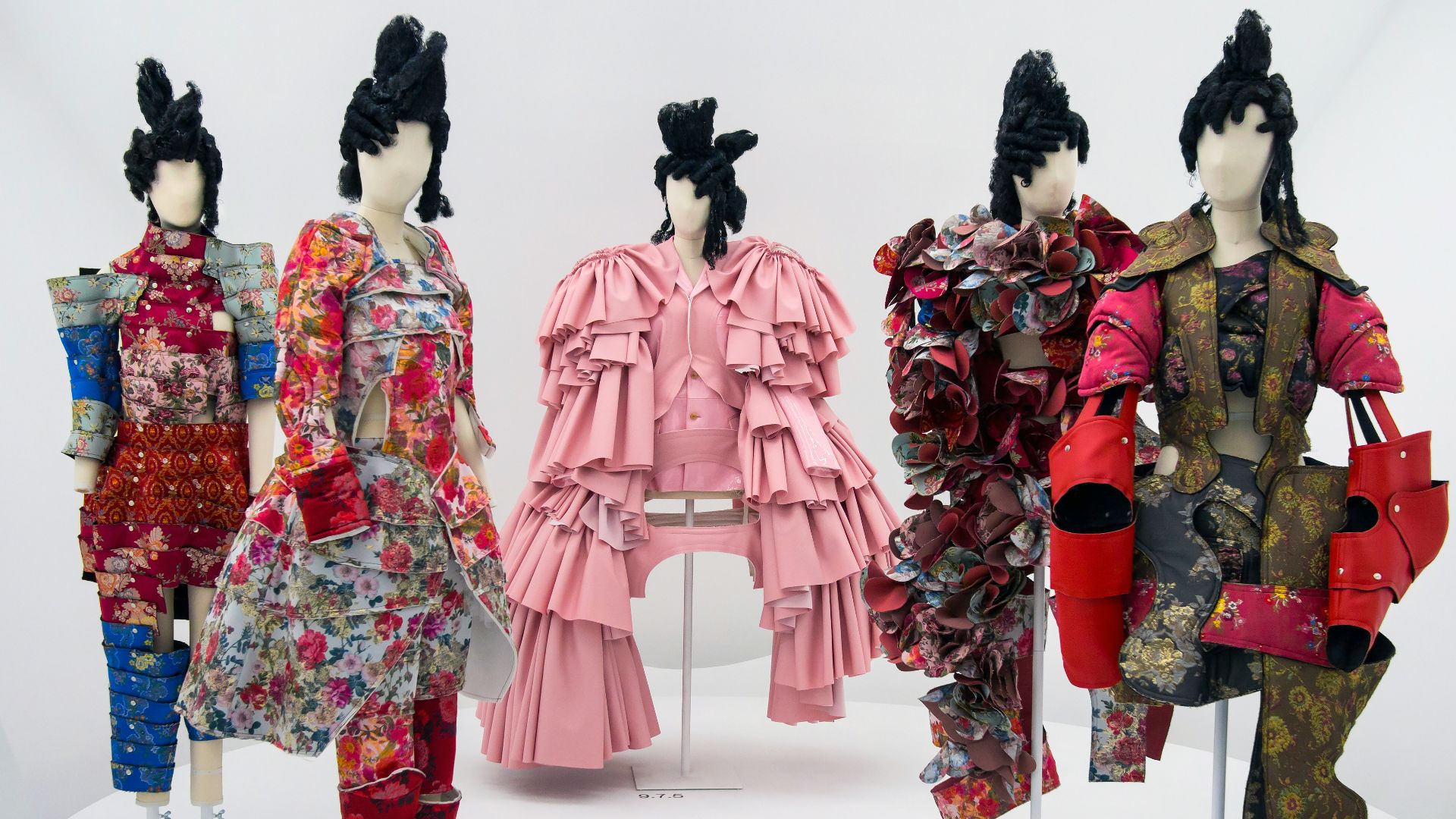
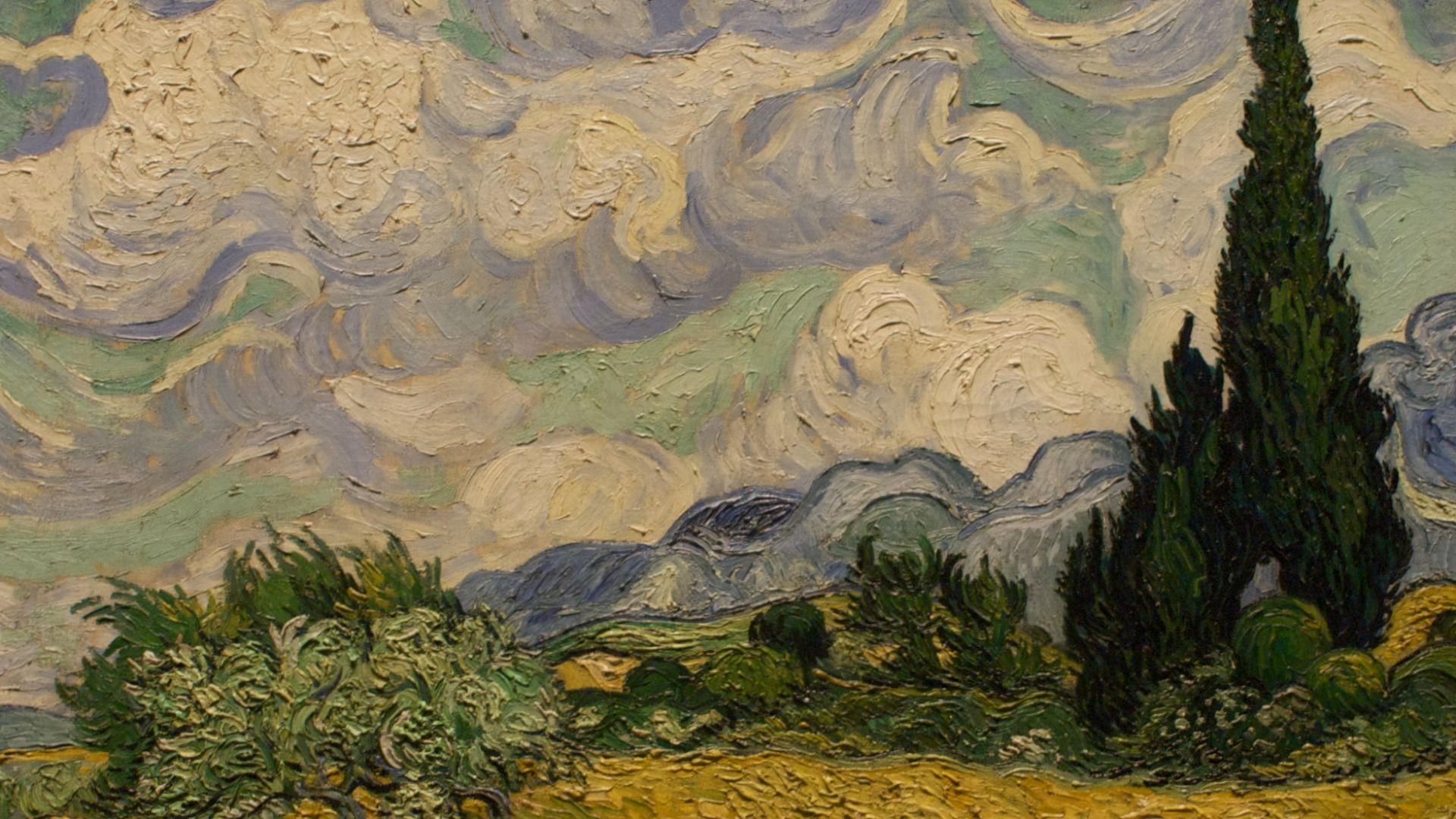
16. Van Gogh's Cypresses (2023)
Van Gogh painted cypress trees more than 40 times, yet no exhibition had ever focused exclusively on this obsession until now. The show brought together masterpieces, including Wheat Field with Cypresses and The Starry Night, with loans from MoMA and international collections.
 Wikipedia Loves Art participant "dmadeo" on Wikimedia
17. The Age Of Rembrandt: Dutch Paintings In The Met (2007–2008)
The Met did something museums rarely attempt: they displayed their entire collection of Dutch paintings simultaneously. This comprehensive presentation included pieces by Rembrandt, Frans Hals, Vermeer, and Jan Steen, organized chronologically to trace the Dutch Golden Age's artistic development.
18. Manet/Degas (2023)
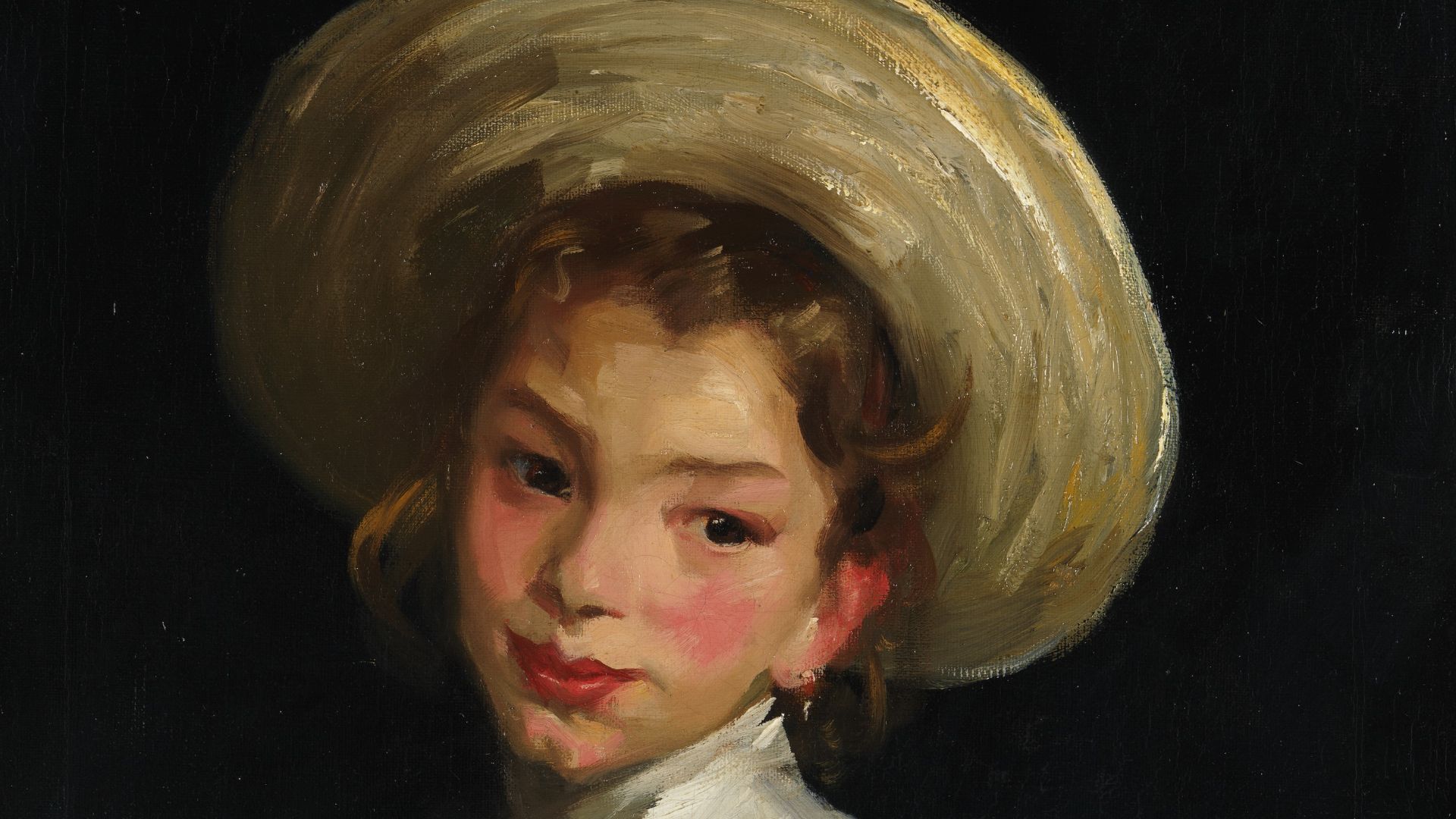
Édouard Manet and Edgar Degas were friends, rivals, mutual admirers, and occasional critics, and this exhibition explored their complex 30-year relationship through 160 paintings and works on paper. It was jointly organized with Paris's Musée d'Orsay.
19. Juan De Pareja, Afro-Hispanic Painter (2023)
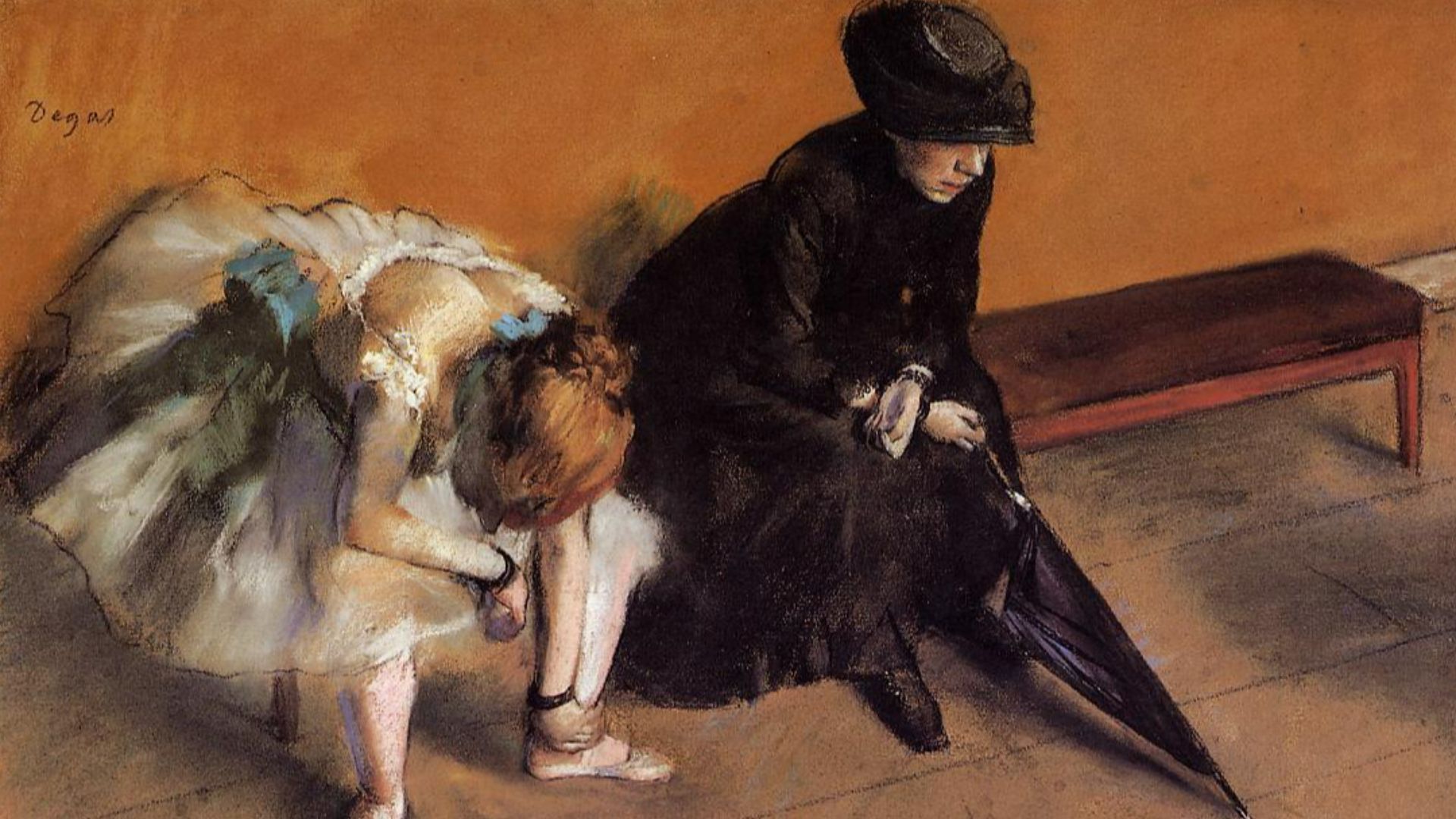
Velázquez's portrait of Juan de Pareja was once called "the finest portrait in the world," yet Pareja himself, an Afro-Hispanic artist enslaved by Velázquez, had never received a major museum exhibition. The Met's show displayed 40 works, finally centering Pareja's career as a painter.
20. Karl Lagerfeld: A Line Of Beauty (2023)
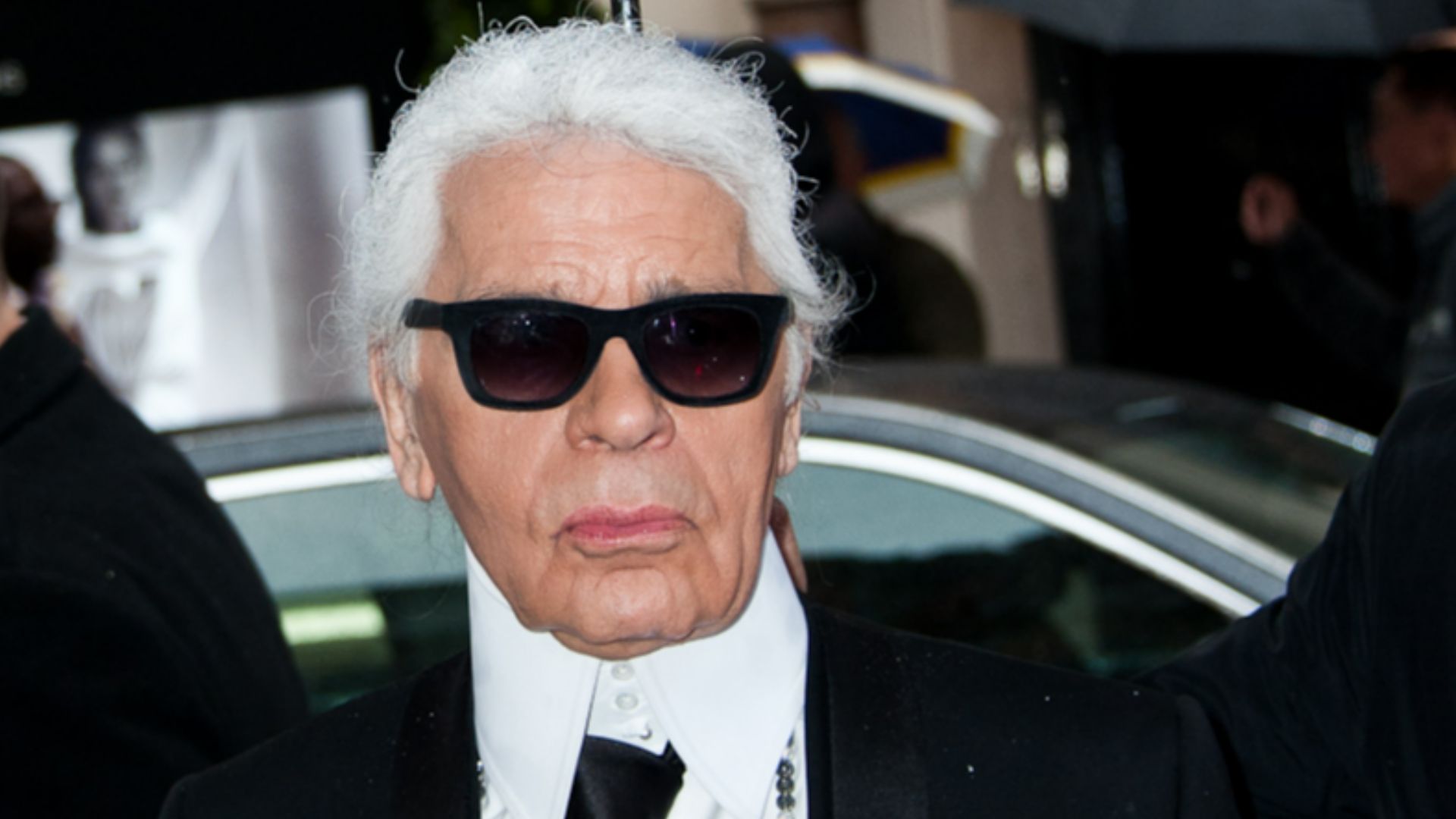
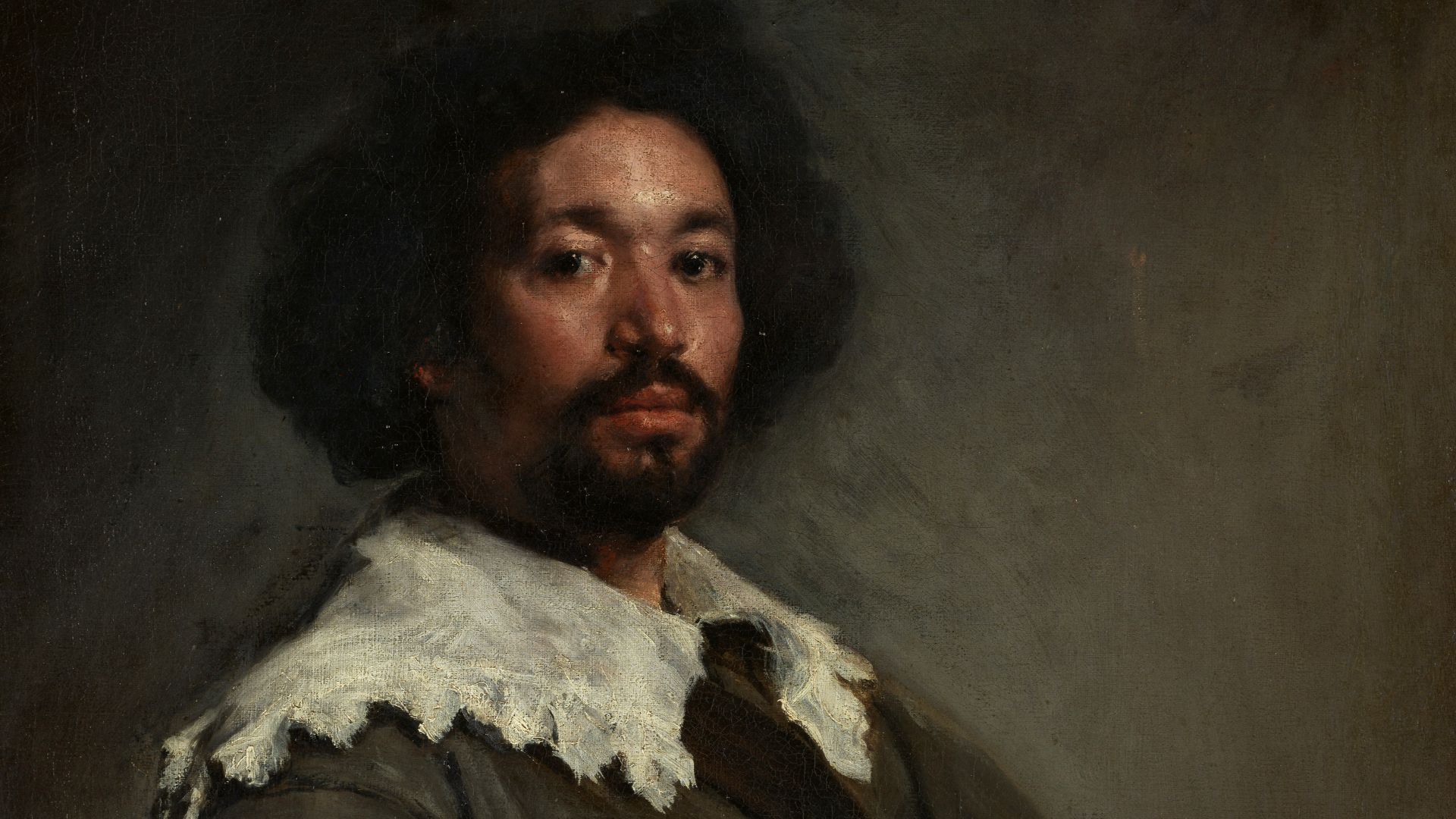
Karl Lagerfeld's entire design philosophy centered on "line". This was the fundamental principle that shaped his six-decade career across Chanel, Fendi, and his own label. The Costume Institute retrospective featured 150 garments alongside Lagerfeld's own sketches.