Not All Attractions Live Up to the Hype
Across the United States, there's a seemingly endless list of destinations that have earned their place in travel guides, bucket lists, and social media feeds. Some of these attractions genuinely deserve all the attention they get, but others have coasted on reputation for years while less famous spots go largely unnoticed. If you're taking a road trip across the country, here's where you should—and shouldn't—hit next.
1. Times Square, New York City
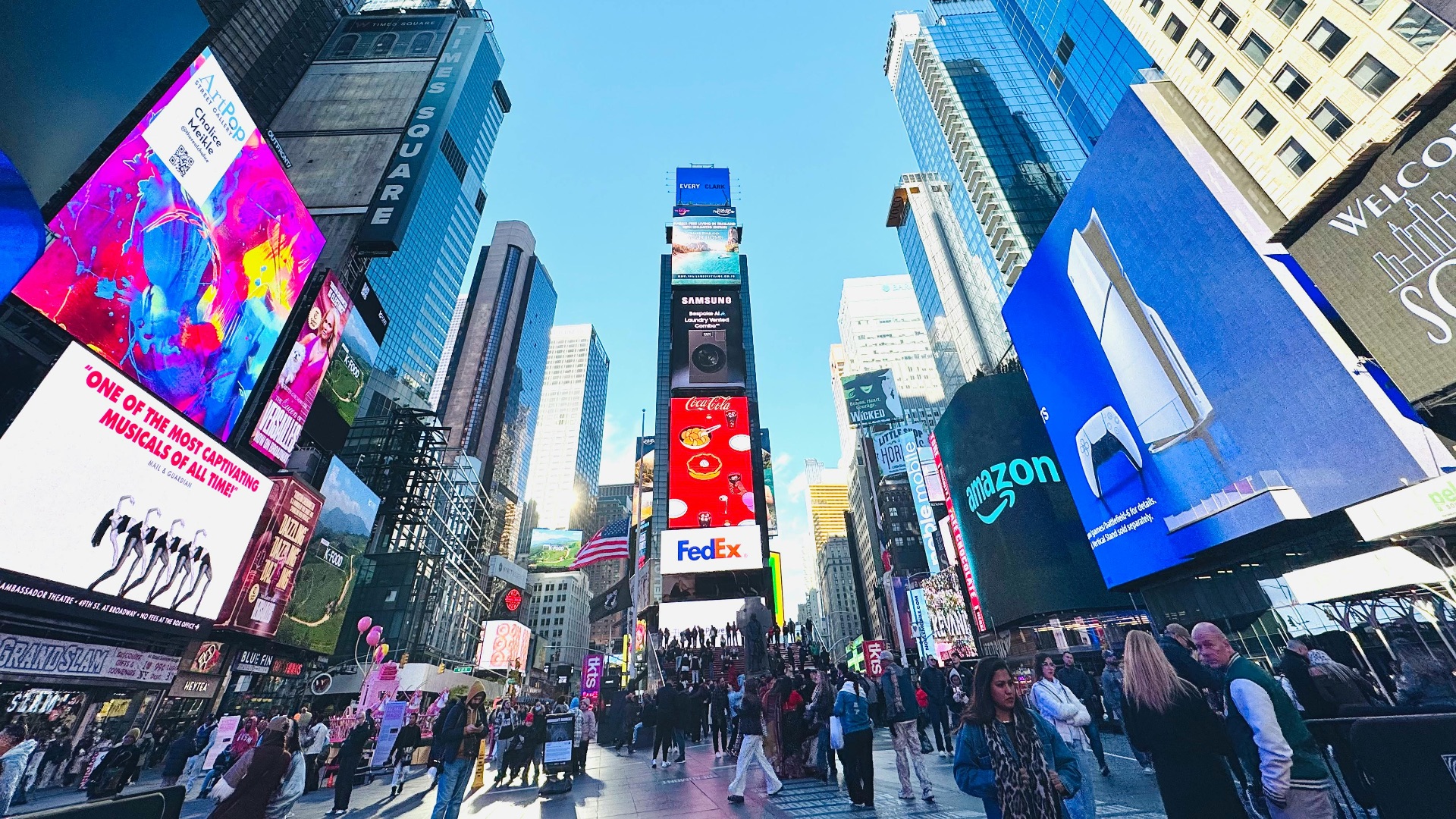
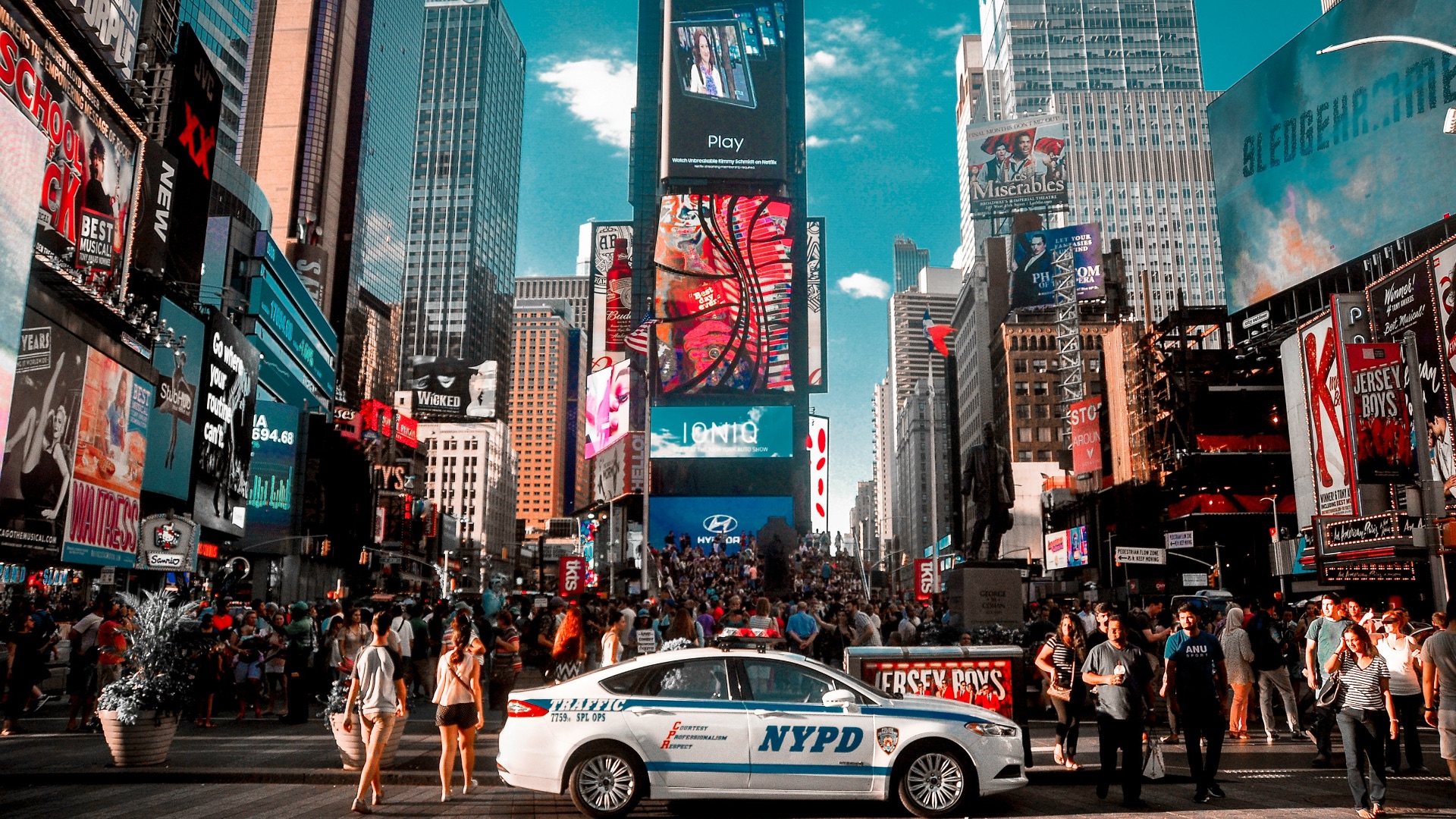
Times Square is one of the most visited spots in the entire world, yet most people who've actually spent time there will tell you it's more overwhelming than enjoyable. You're looking at a dense cluster of chain restaurants, souvenir shops, and billboards that could just as easily be experienced through a quick internet search. If you're visiting New York City for the first time, your energy and money are almost certainly better spent in one of the city's many remarkable neighborhoods.
2. Hollywood Walk of Fame, Los Angeles
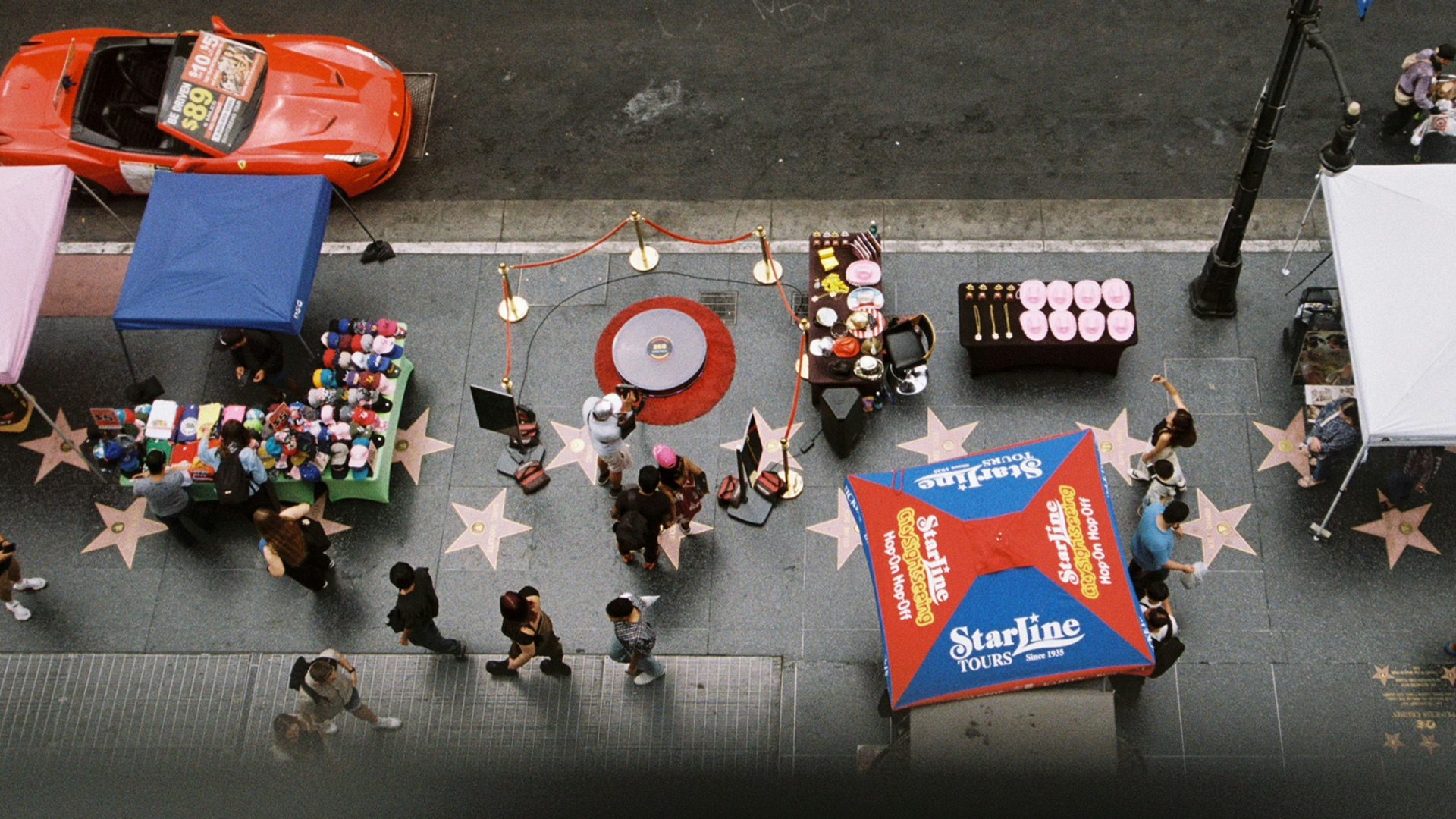
The Hollywood Walk of Fame sounds glamorous in theory, but the reality is a stretch of cracked sidewalk running through a neighborhood that's often crowded, loud, and aggressively commercial. You'll find yourself stepping over stars belonging to people you don't recognize while being approached by costumed characters looking for tips. The broader Hollywood area has a genuinely interesting history worth exploring, though the Walk of Fame itself tends to leave visitors feeling underwhelmed.
3. Niagara Falls, New York
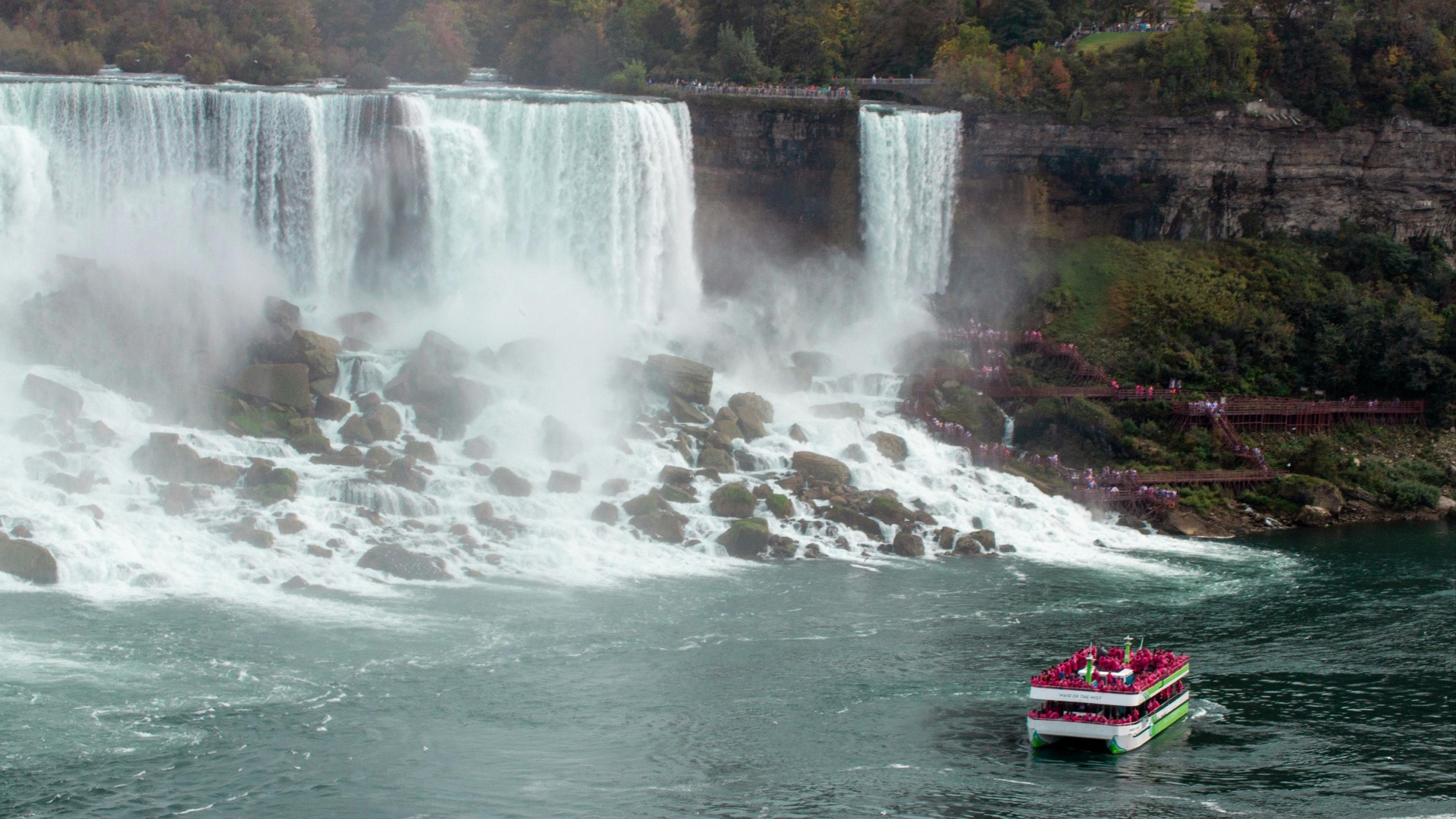
There's no denying that Niagara Falls is an impressive natural phenomenon, but the American side of the falls has been so heavily developed that the experience, for some, can leave a lot to be desired. The surrounding area is packed with carnival-style attractions, wax museums, and fast-food chains that pull focus from what should be the main event. If you want to appreciate the falls properly, you're honestly better off crossing into the Canadian side for a far more scenic perspective.
4. Graceland, Memphis
Elvis Presley's legacy is undeniably significant in American music history, and while Graceland does preserve that legacy in a tangible way, the attraction has become so commercialized that it's hard to feel a genuine connection to the man or his music. Ticket prices have climbed considerably over the years, and many visitors find that the house itself is smaller and less extravagant than they'd imagined. It's a worthwhile stop for devoted Elvis fans, but casual visitors often leave feeling like they've paid a premium for a very brief tour.

5. The Las Vegas Strip
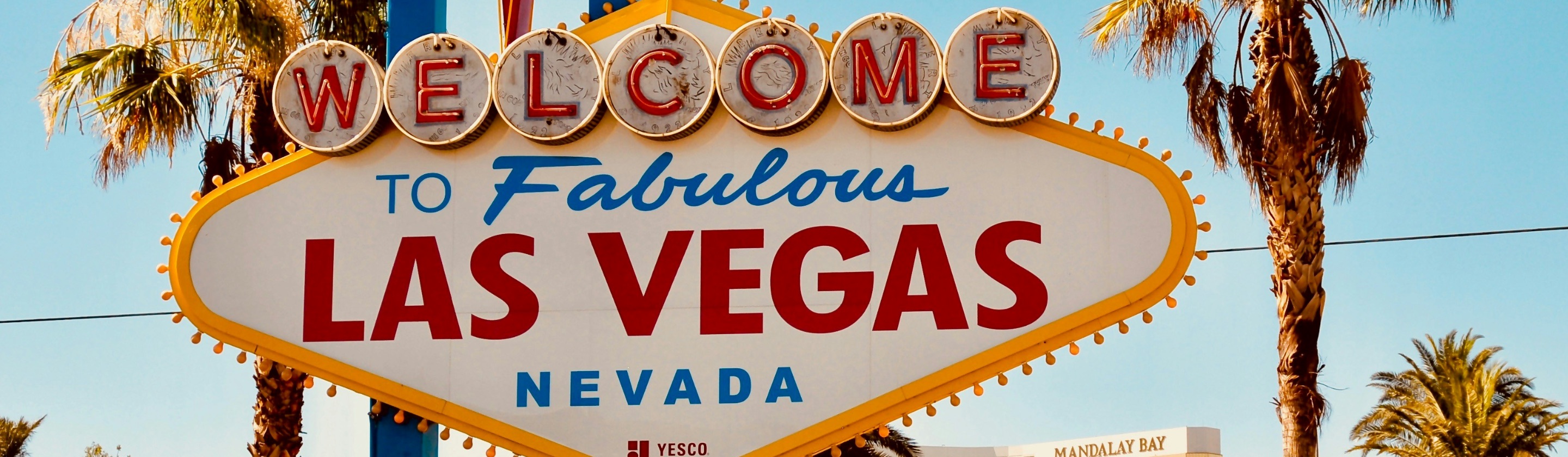
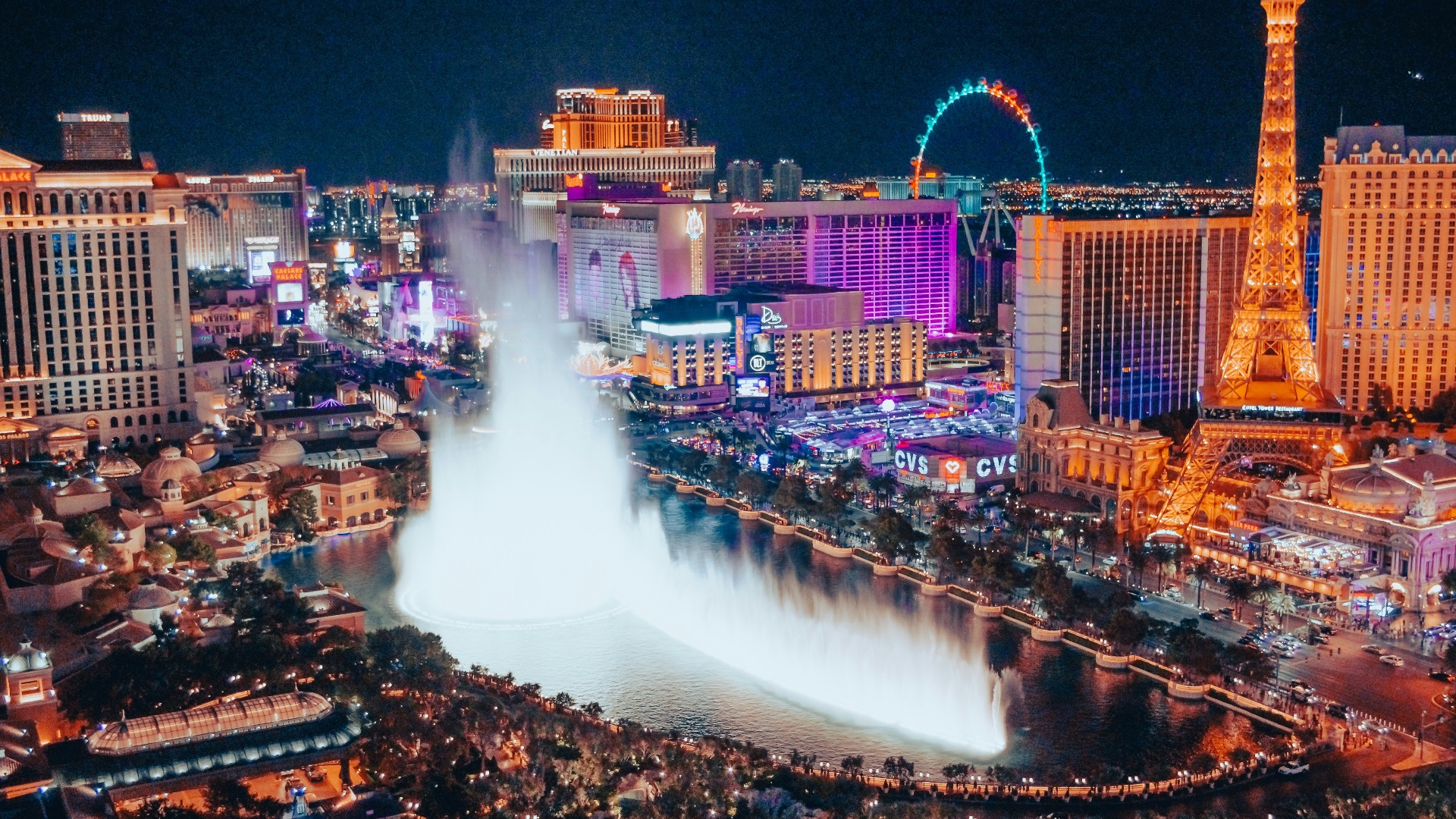
Las Vegas has perfected the art of making you feel like you're having more fun than you actually are, and the Strip is the centerpiece of that illusion. The casinos, hotels, and entertainment venues are genuinely spectacular in their own right, but the crowds, noise, and relentless commercial pressure can make a visit feel more exhausting than exhilarating. There's a version of Las Vegas that's truly enjoyable, but it usually involves steering away from the Strip rather than diving deeper into it.
6. Universal Studios Hollywood
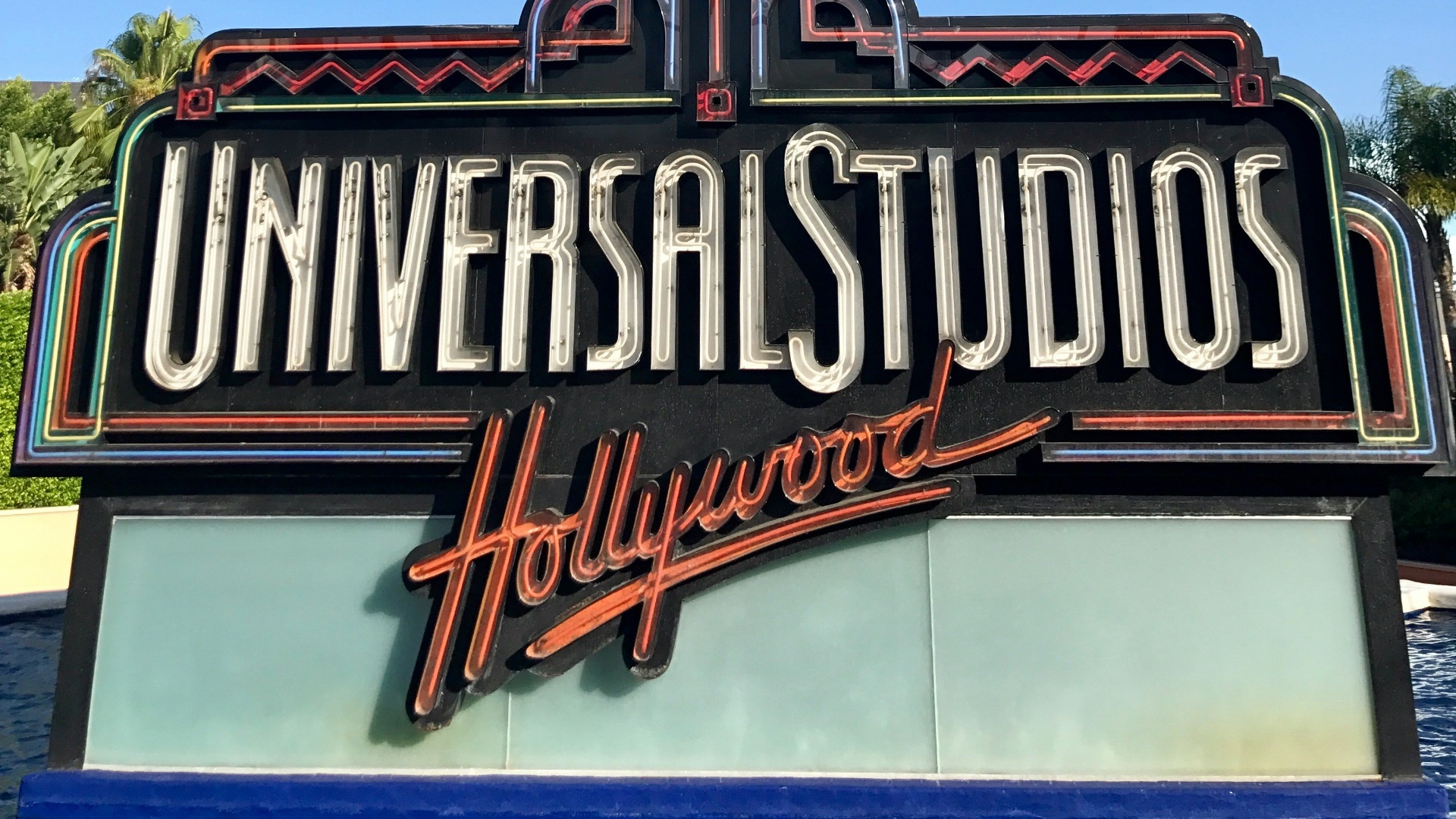
Universal Studios Hollywood markets itself as a must-do experience for movie lovers, but the park is significantly smaller than its Florida counterpart and has fewer rides and attractions as a result. Wait times for the most popular experiences can stretch for hours, and the backlot tour, once a genuine highlight, has been shortened over the years. For the ticket price involved, many visitors find that the overall experience doesn't quite match the expectations set by the marketing.
7. Mount Rushmore, South Dakota
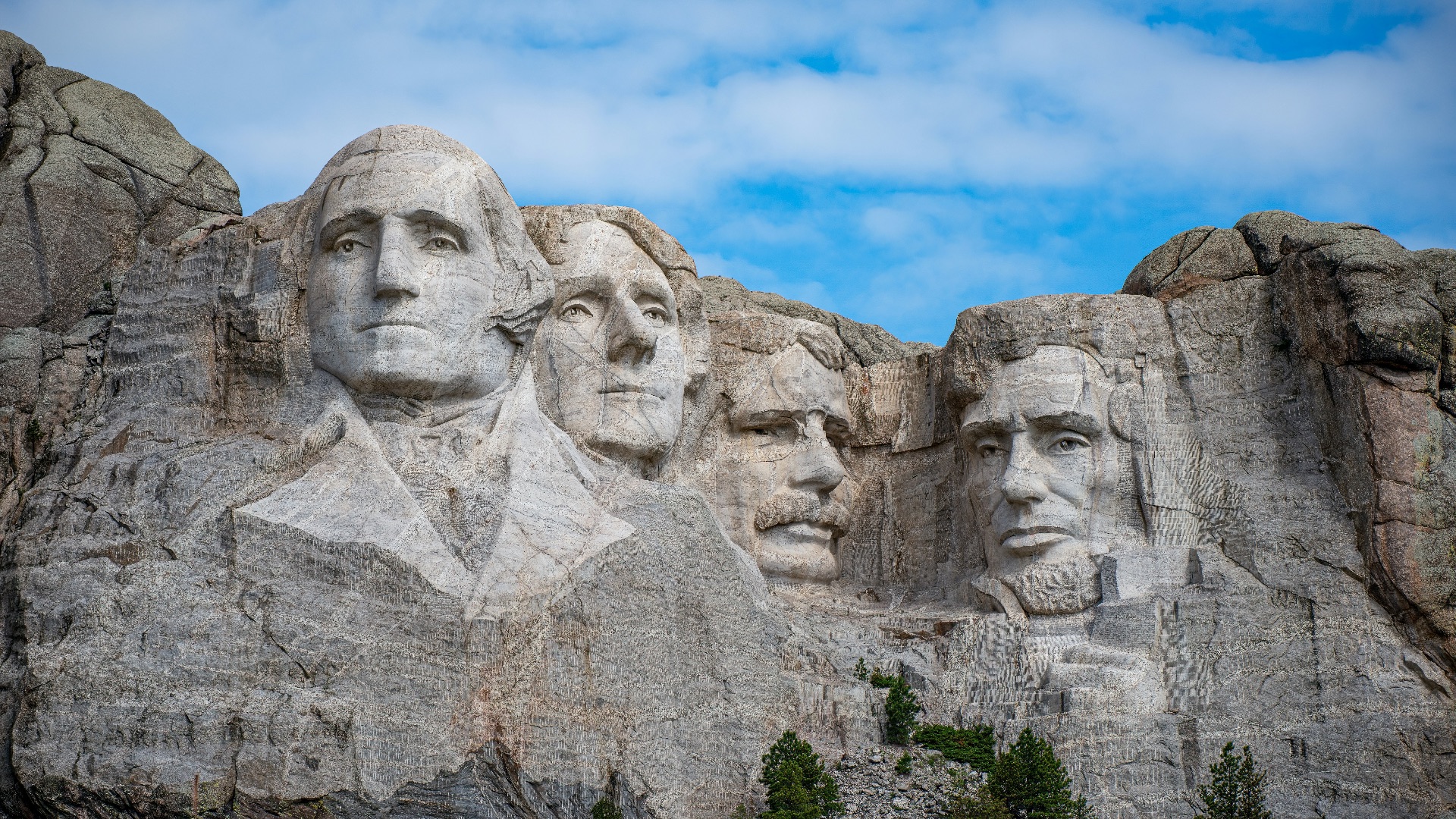
Mount Rushmore is genuinely impressive as a feat of engineering and sculpture, but many people are surprised to discover that it's considerably smaller in person than photographs suggest. The surrounding area offers limited activities beyond viewing the monument itself, which means most visitors spend far less time there than they'd planned. It's worth including as part of a broader road trip through South Dakota, but it probably shouldn't be the sole reason for a long journey.
8. The San Diego Zoo
The San Diego Zoo has one of the strongest reputations of any zoo in the world, and while it's certainly well-maintained and home to an impressive range of animals, it's also one of the most expensive zoo experiences in the country. The park covers a large amount of hilly terrain, which can make a full visit surprisingly tiring, and many of the more sought-after animals can be difficult to spot on any given day. Other zoos across the country offer genuinely comparable experiences at a fraction of the cost.

9. Fisherman's Wharf, San Francisco
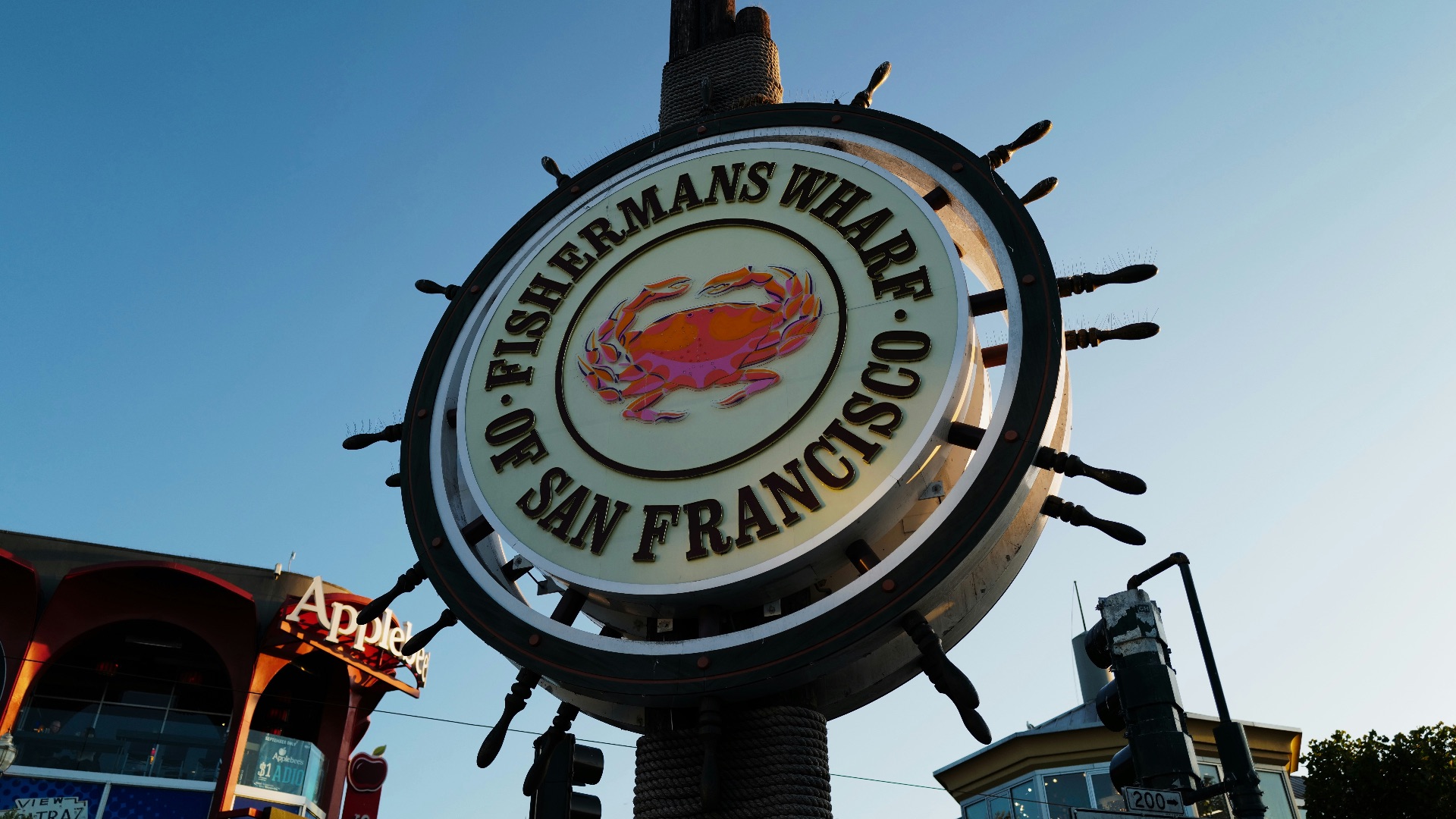
Fisherman's Wharf is the kind of place that locals rarely visit, and once you've been there, you'll understand why. The waterfront is filled with tourist-oriented shops, mediocre seafood restaurants charging premium prices, and attractions that feel designed for people who haven't thought too carefully about where to spend their afternoon. San Francisco is an extraordinary city with world-class food and culture, and you'd do yourself a real favor by spending your time in neighborhoods like the Mission, Hayes Valley, or the Sunset instead.
10. South Beach, Miami
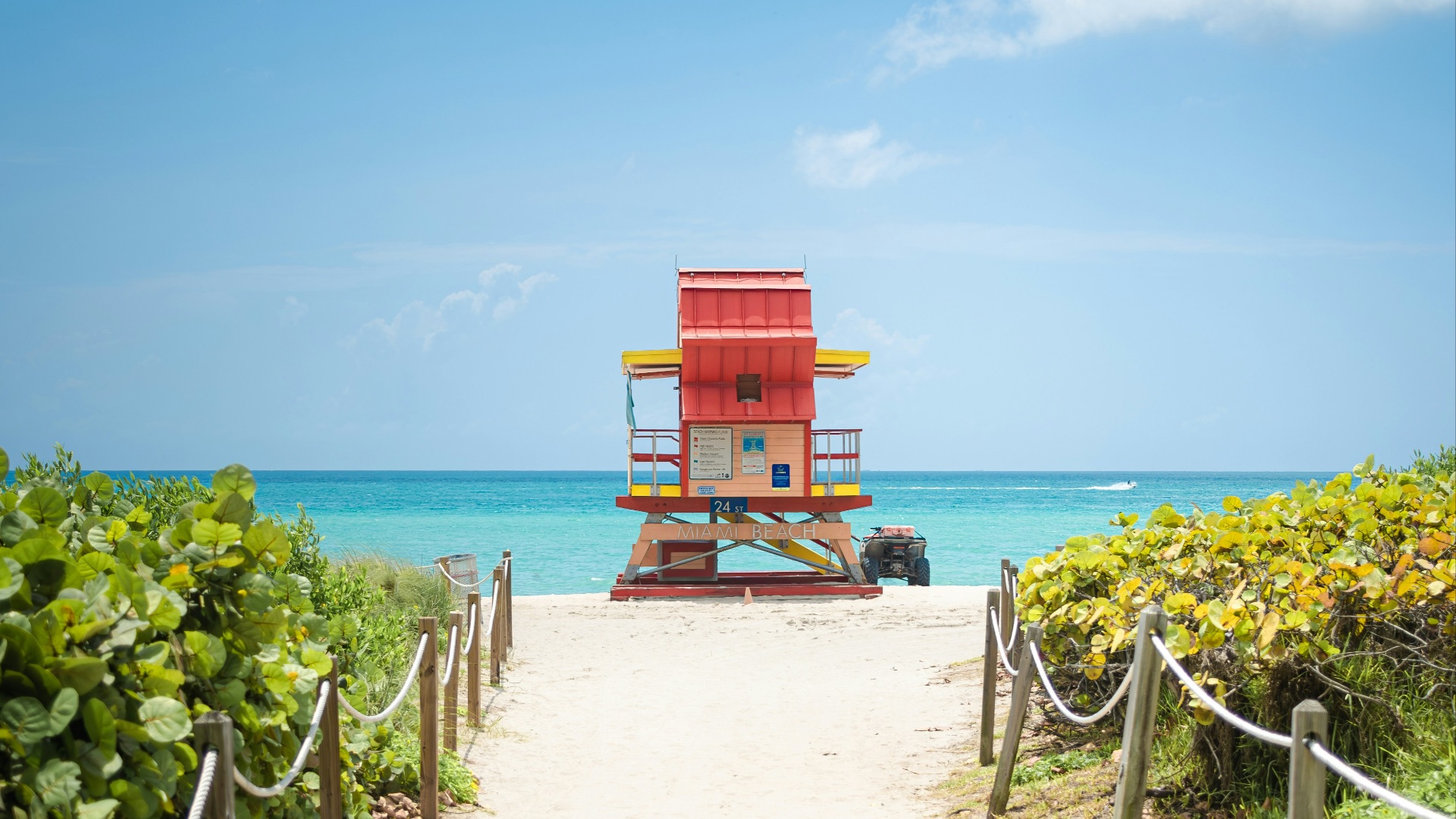
South Beach has a well-earned reputation for beautiful weather, Art Deco architecture, and a lively atmosphere, but actually visiting can be a study in disappointment if you're not prepared for the crowds, the prices, and the often-exhausting social scene. The famous Ocean Drive strip is packed with restaurants that prioritize spectacle over quality, and parking is a genuine ordeal. Miami itself is a fascinating and diverse city, and areas like Wynwood, Little Havana, and Coconut Grove offer a far more authentic experience.
So, which attractions across the U.S. are actually worth a visit? Here are 10 we think are must-sees:
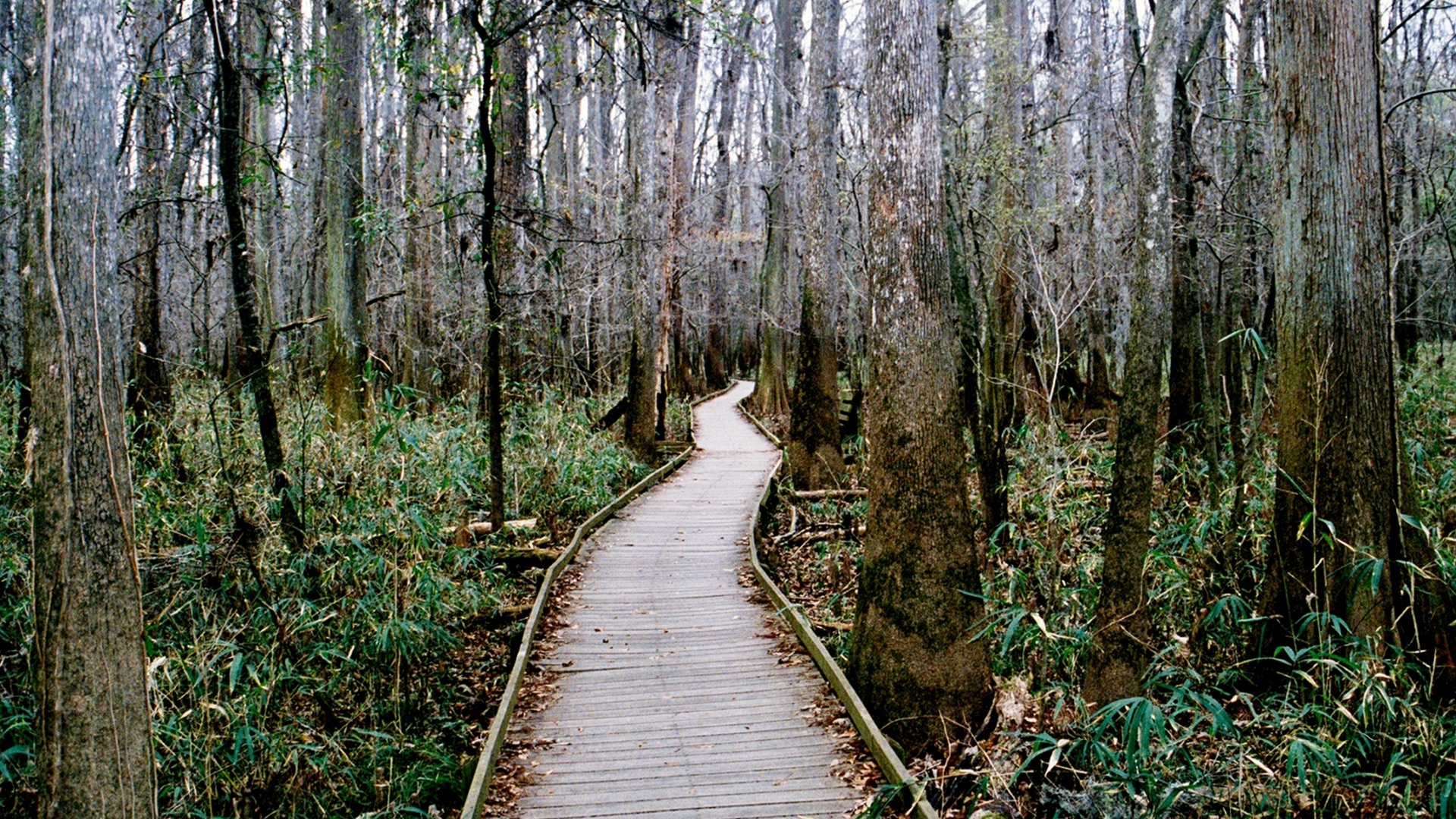
1. Congaree National Park, South Carolina
Congaree is one of the least-visited national parks in the entire country, which is remarkable given how genuinely stunning it is. The park protects the largest intact expanse of old-growth bottomland hardwood forest in the southeastern United States, and its towering trees and dark, reflective floodwaters make for an almost otherworldly landscape. If you're looking for a national park experience without the crowds that overwhelm places like Yosemite or Zion, Congaree deserves a serious look.
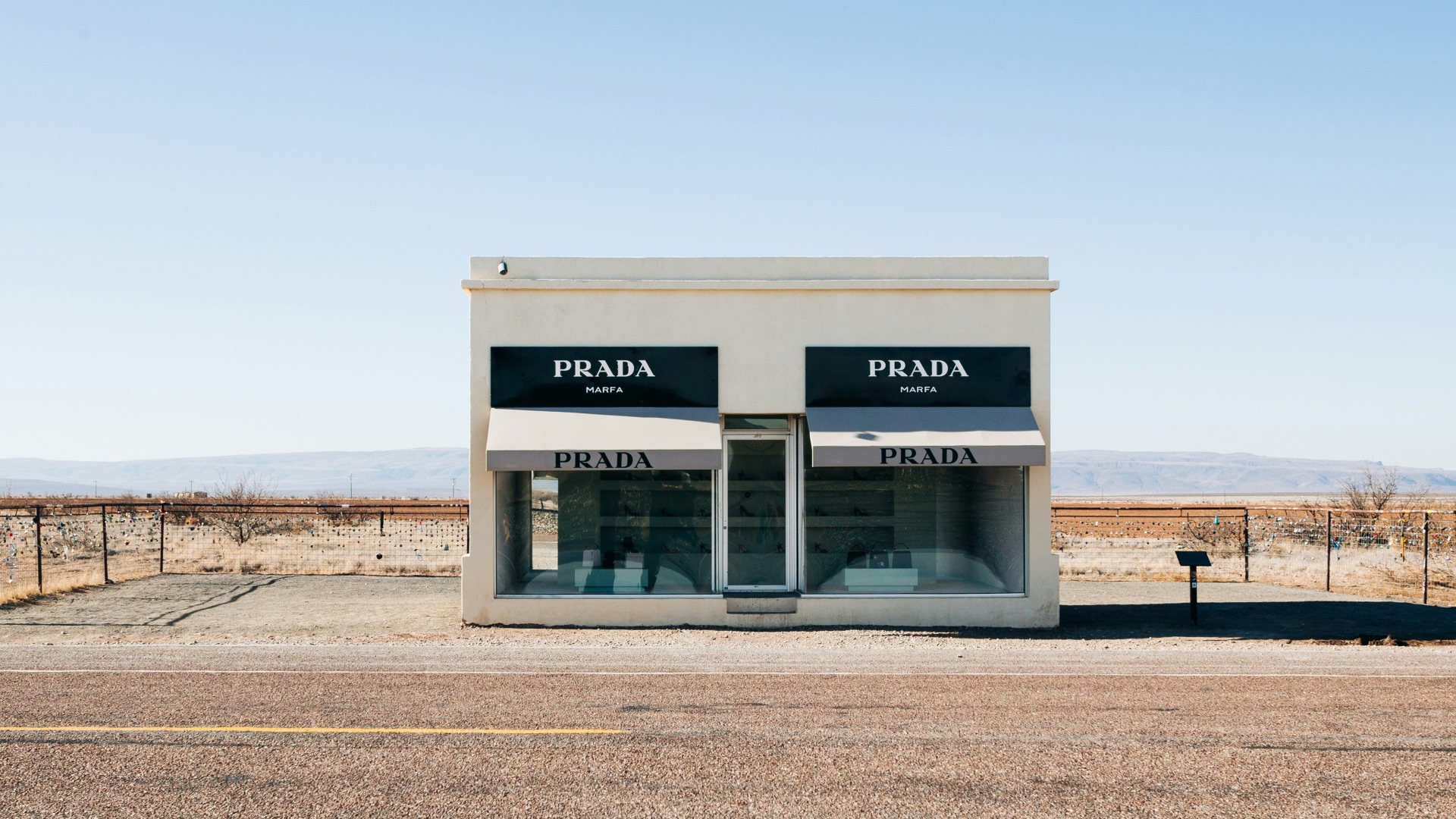
2. Marfa, Texas
Marfa is a small desert town in far west Texas that has become one of the most culturally interesting destinations in the country. It's home to the Chinati Foundation, a world-class contemporary art museum established by minimalist artist Donald Judd, alongside a growing collection of galleries, restaurants, and creative spaces that feel genuinely surprising in such a remote location. The vast, open landscape surrounding the town is beautiful in its own right, and the famous Marfa Lights phenomenon adds an element of intrigue that's hard to find anywhere else.
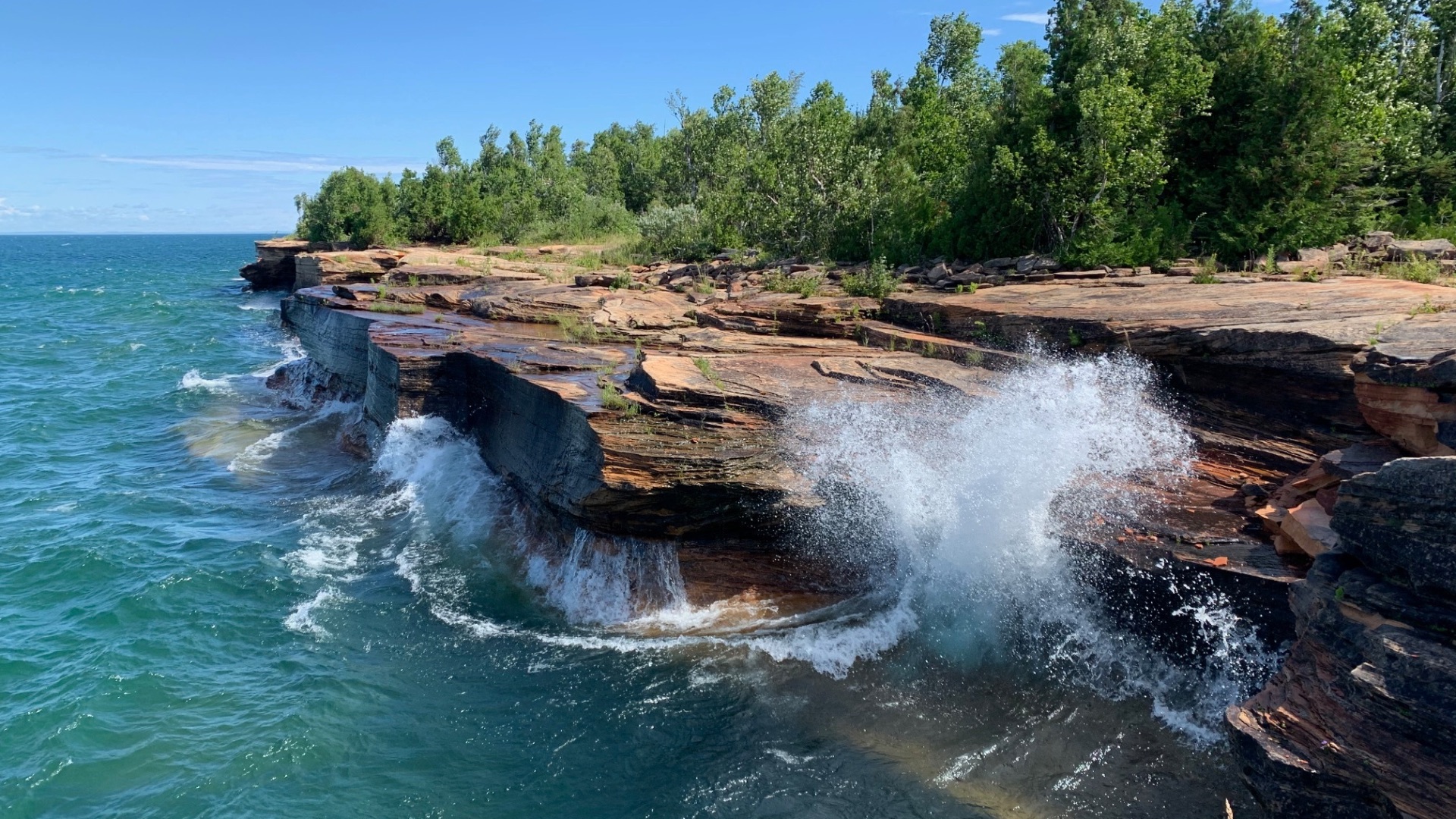
3. Apostle Islands National Lakeshore, Wisconsin
Stretching along the southern shore of Lake Superior, the Apostle Islands are a collection of 21 islands that offer some of the most breathtaking scenery in the Midwest. In winter, the sea caves along the mainland are transformed by extraordinary ice formations that draw a small but devoted community of visitors willing to make the journey. Come summer, the islands are perfect for kayaking, sailing, and camping, and the lack of crowds makes the whole experience feel like a well-kept secret.
4. Natchez, Mississippi
Natchez is one of the oldest cities on the Mississippi River and contains a remarkable concentration of antebellum architecture that rivals anything you'd find in better-known Southern cities. The city takes its history seriously and presents it thoughtfully, with a growing number of museums and tours that address both the grandeur of the plantation era and the brutal reality of the enslaved people who built it. Beyond the history, Natchez has a genuine small-city charm, with good restaurants, a lively arts scene, and a bluff-top setting above the Mississippi River that's genuinely spectacular.
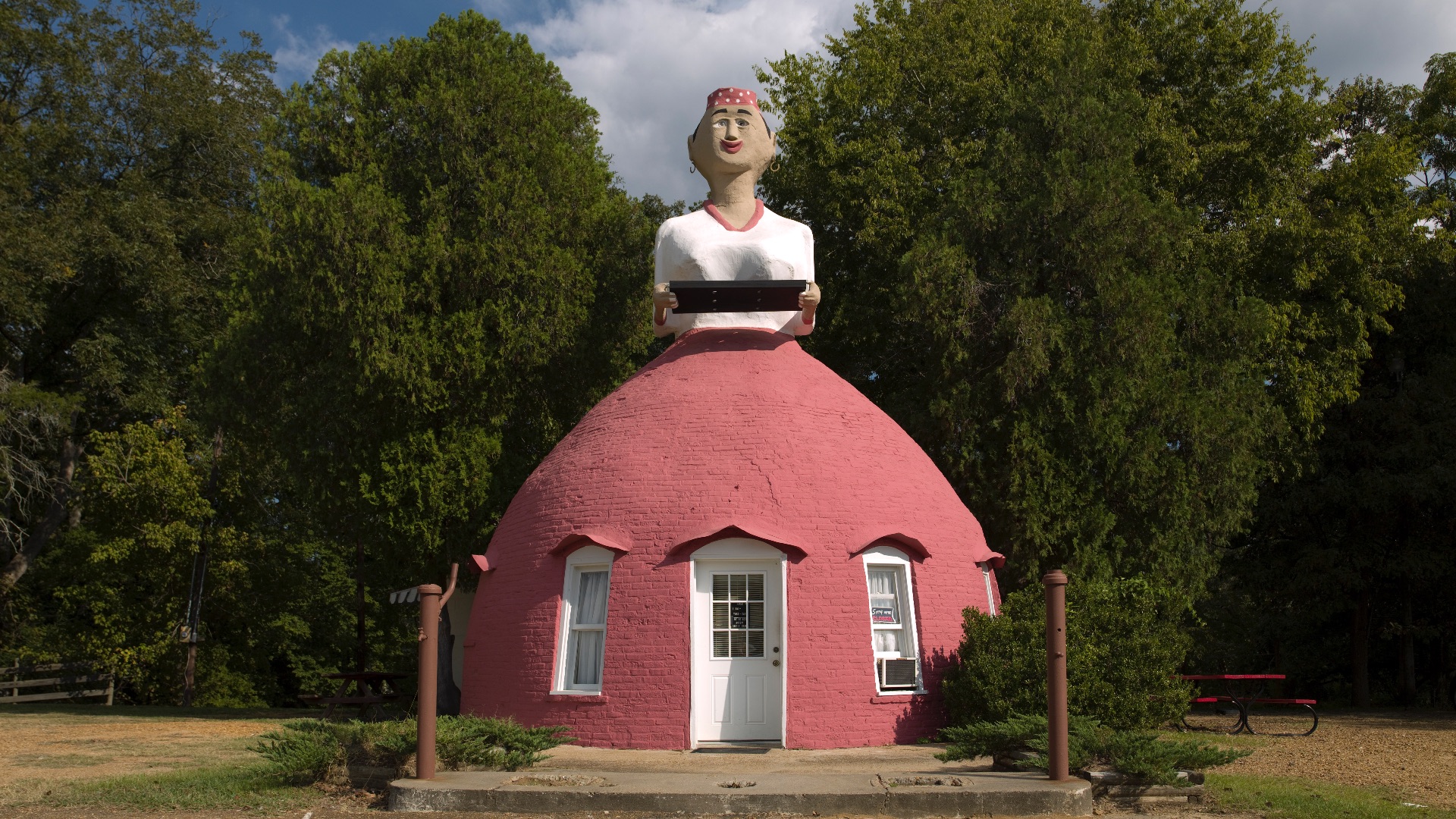 Carol M. Highsmith on Wikimedia
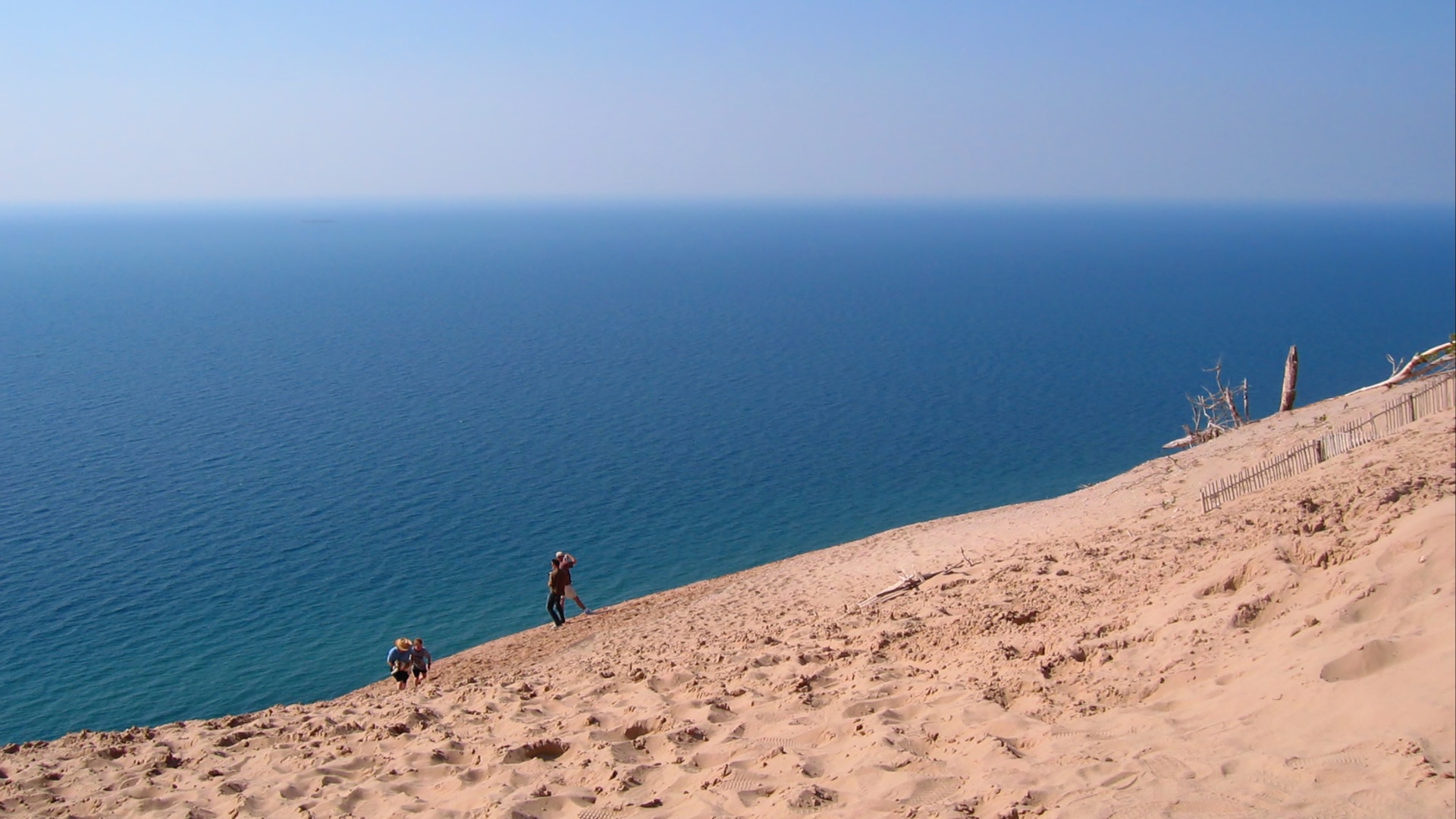
5. Sleeping Bear Dunes National Lakeshore, Michigan
Michigan's Lower Peninsula is home to one of the most underappreciated natural landscapes in the entire country, and Sleeping Bear Dunes is the centerpiece of it. The park features towering sand dunes that rise directly above the crystal-clear waters of Lake Michigan, offering views that are genuinely difficult to believe until you're standing in front of them. It's a long drive from most major cities, but visitors who make the effort consistently leave describing it as one of the most beautiful places they've ever seen in the United States.
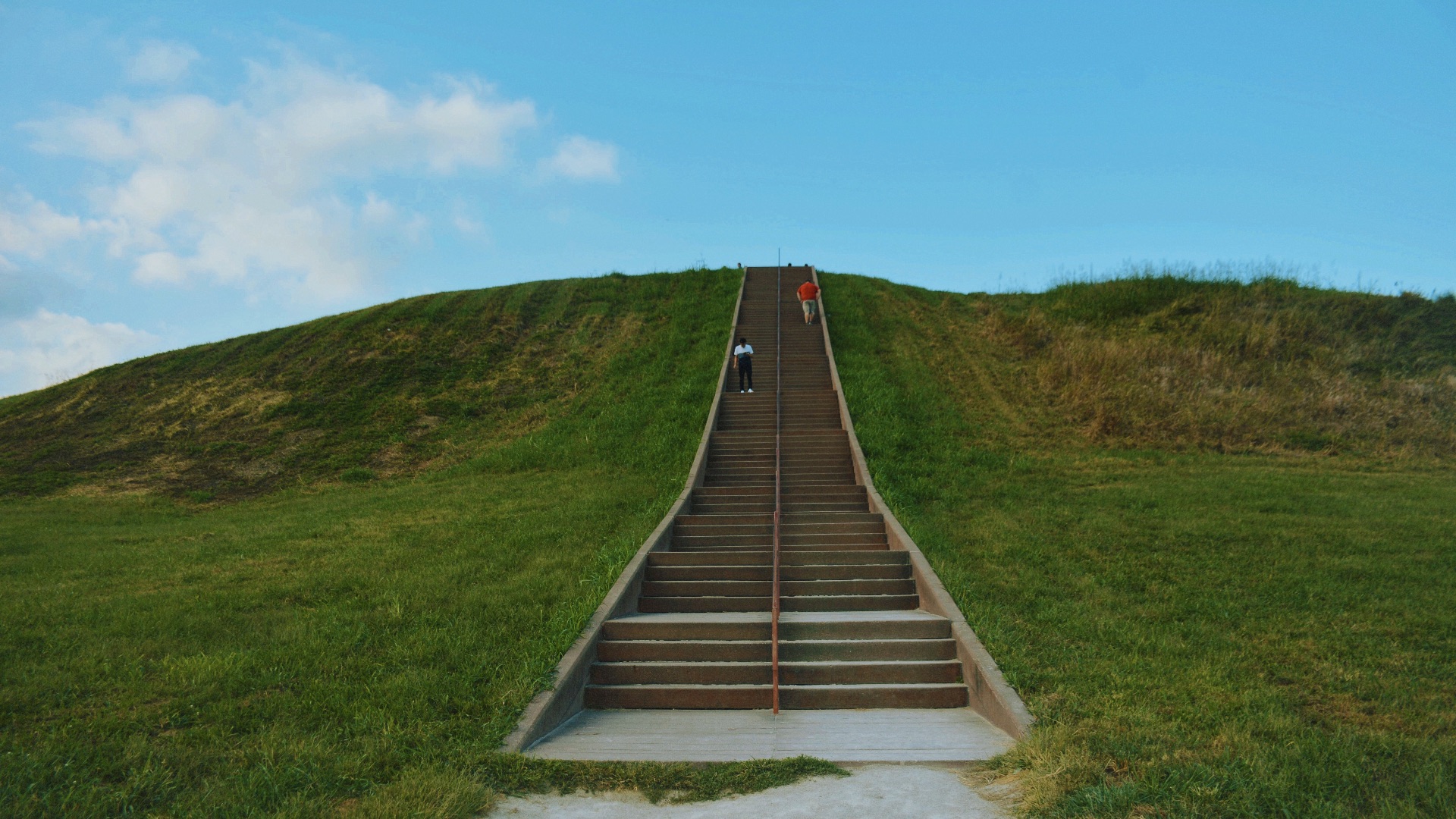
6. Cahokia Mounds, Illinois
Just across the Mississippi River from St. Louis, Cahokia Mounds is a UNESCO World Heritage Site that preserves the remnants of the largest pre-Columbian city north of Mexico. At its peak around 1100 AD, the city was home to an estimated 20,000 people, and the earthen mounds that survive today are an extraordinary testament to the sophistication of the civilization that built them. It's free to visit, genuinely fascinating, and almost completely overlooked by the millions of tourists who pass through the St. Louis area every year.
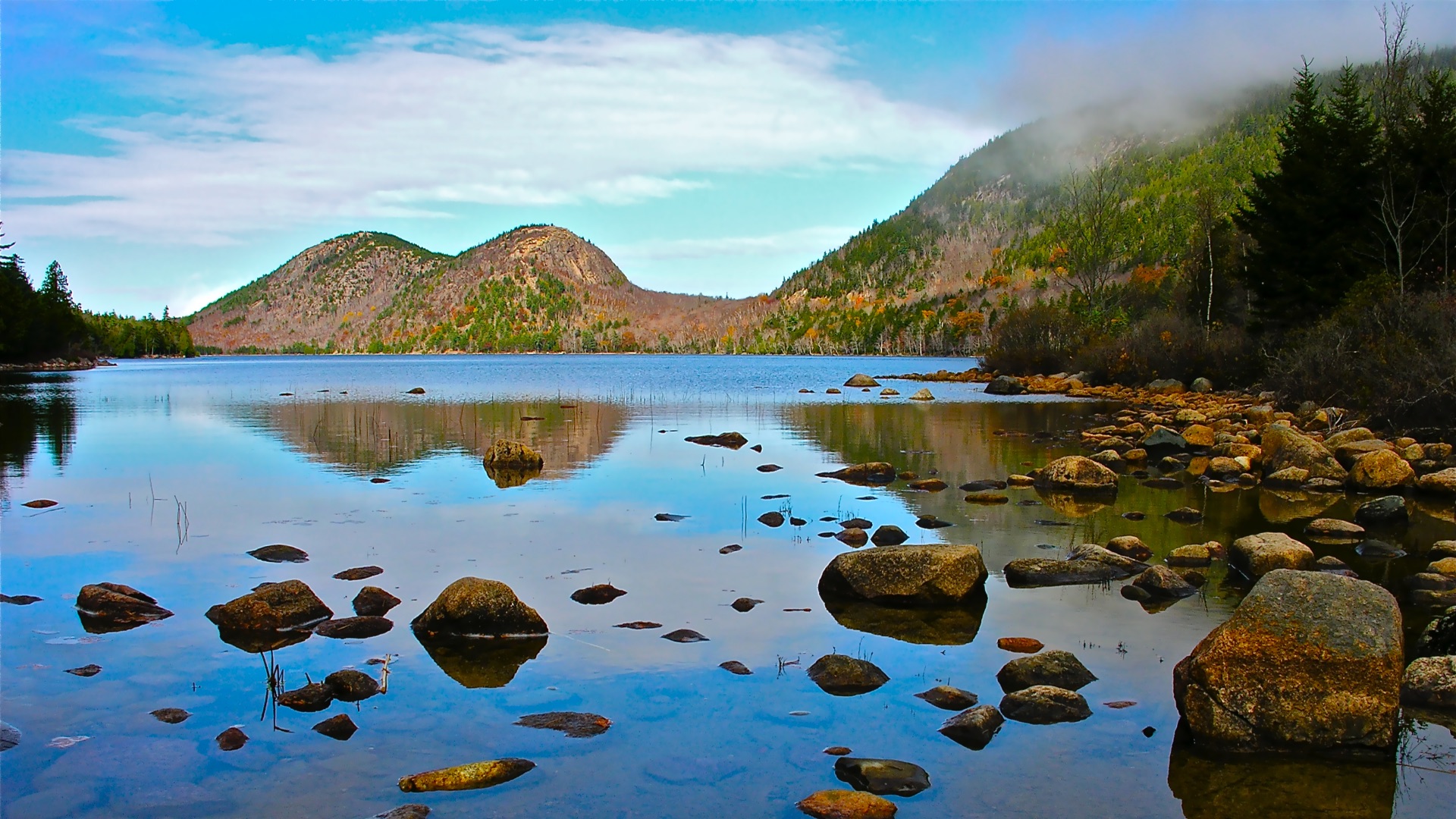
7. Acadia National Park, Maine
Acadia gets a respectable number of visitors each year, but it's still dramatically underappreciated compared to the western national parks that tend to dominate travel conversations. The park combines rocky coastline, dense forests, and granite-capped mountains in a way that's unlike anything else on the East Coast, and the carriage road system built by John D. Rockefeller Jr. makes it exceptionally accessible for cyclists and walkers. Bar Harbor, the gateway town to the park, is charming and well-supplied with great seafood and comfortable lodging options.
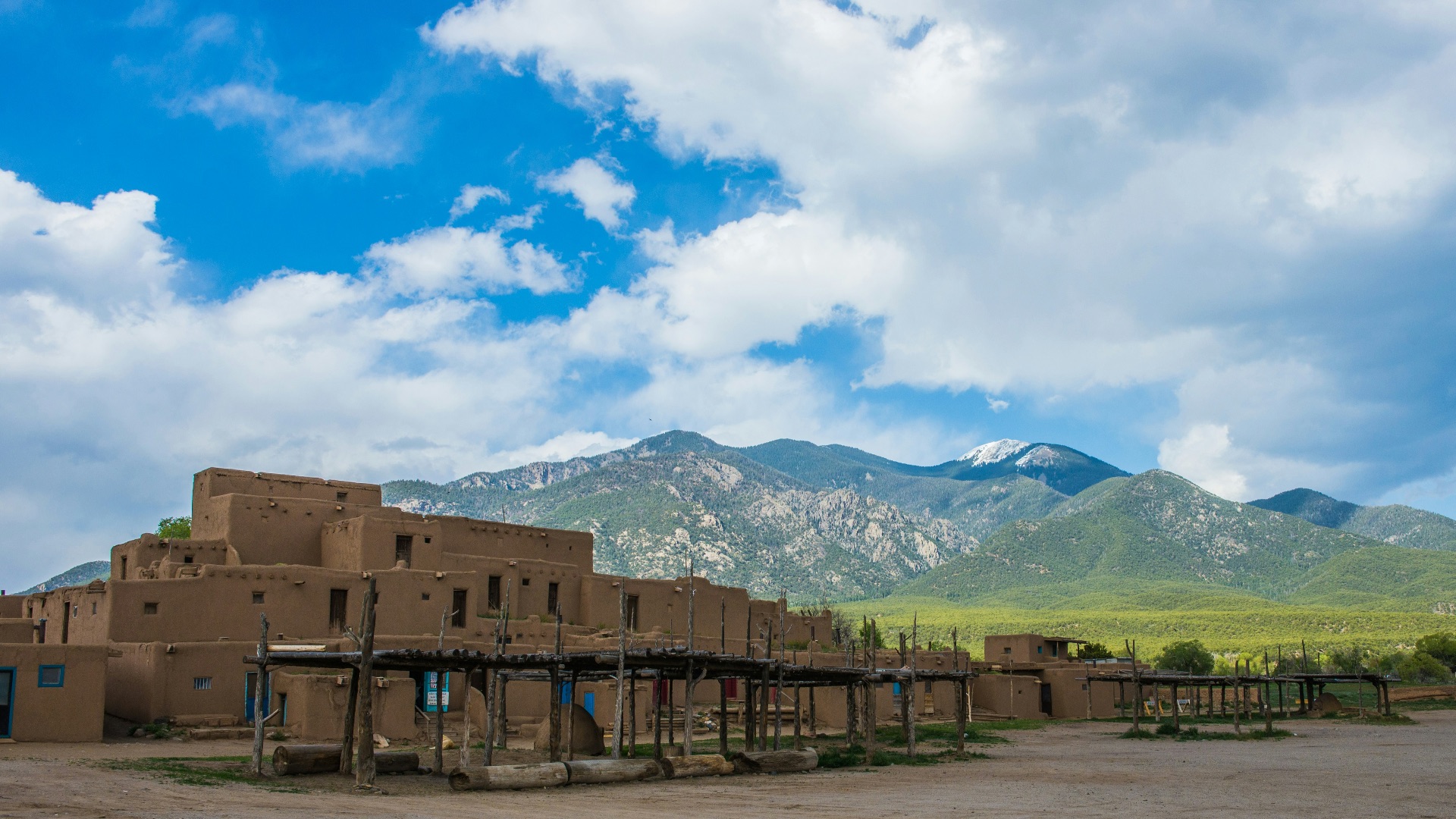
8. Taos, New Mexico
Taos is a small city in northern New Mexico that's been a magnet for artists since the early 20th century, and it's retained a creative energy and sense of character that's increasingly rare in popular tourist destinations. Taos Pueblo, a continuously inhabited Native American community that's been designated both a UNESCO World Heritage Site and a National Historic Landmark, is located just outside the town and offers a profound and thought-provoking experience. The surrounding landscape of high desert, mountain peaks, and the dramatic Taos Gorge makes the area one of the most visually striking in the entire Southwest.
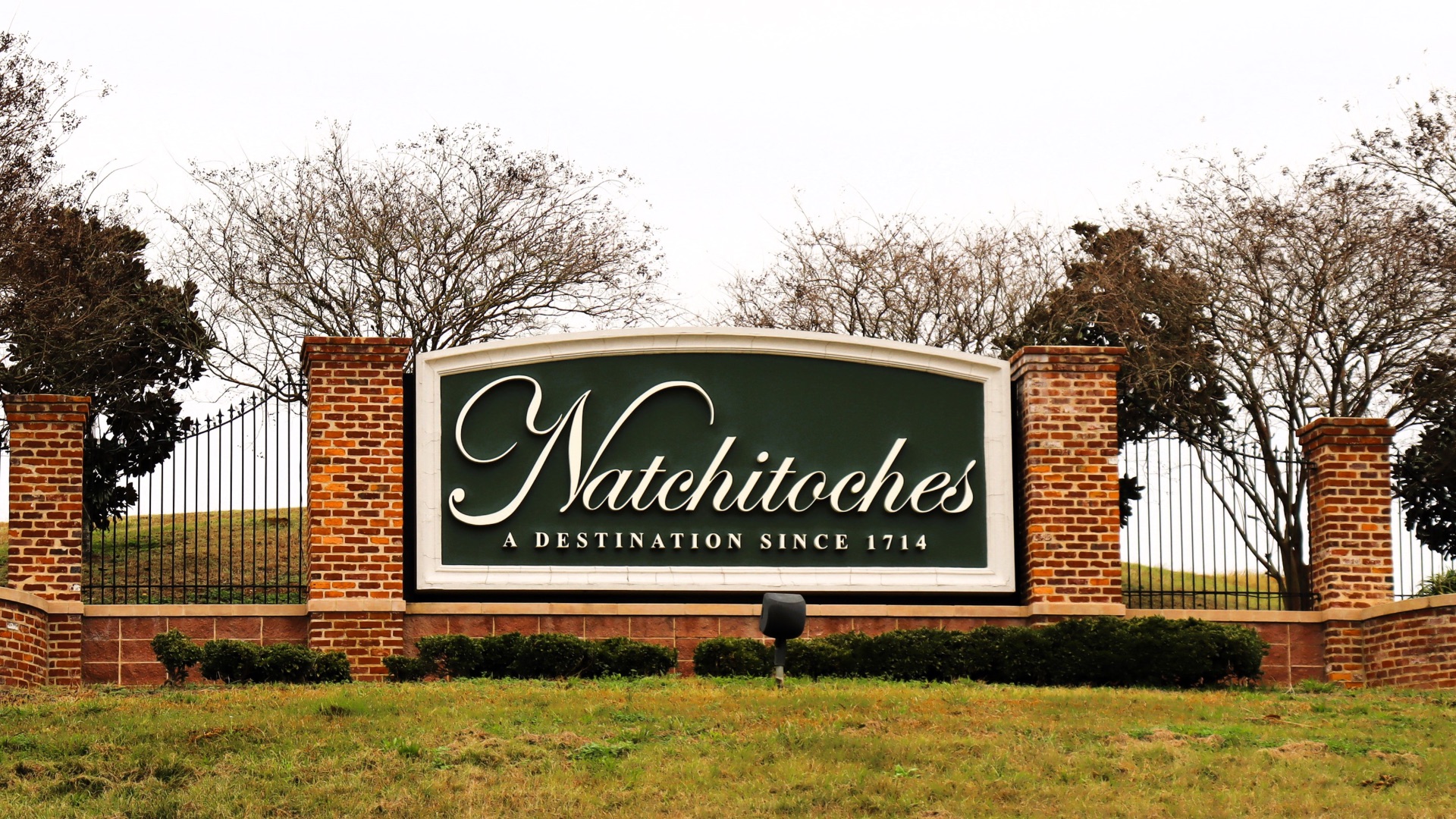
9. Natchitoches, Louisiana
Natchitoches is the oldest permanent European settlement in the Louisiana Purchase territory, yet it receives only a fraction of the tourist traffic that flows into New Orleans. The historic district along the Cane River is lined with beautifully preserved Creole architecture, and the city has a culinary tradition built around meat pies, smothered dishes, and fresh river fish that's worth traveling for in its own right. It's the kind of place where you can genuinely take your time, wander without a strict agenda, and feel like you've discovered something that hasn't been packaged for mass consumption.
10. Olympic National Park, Washington
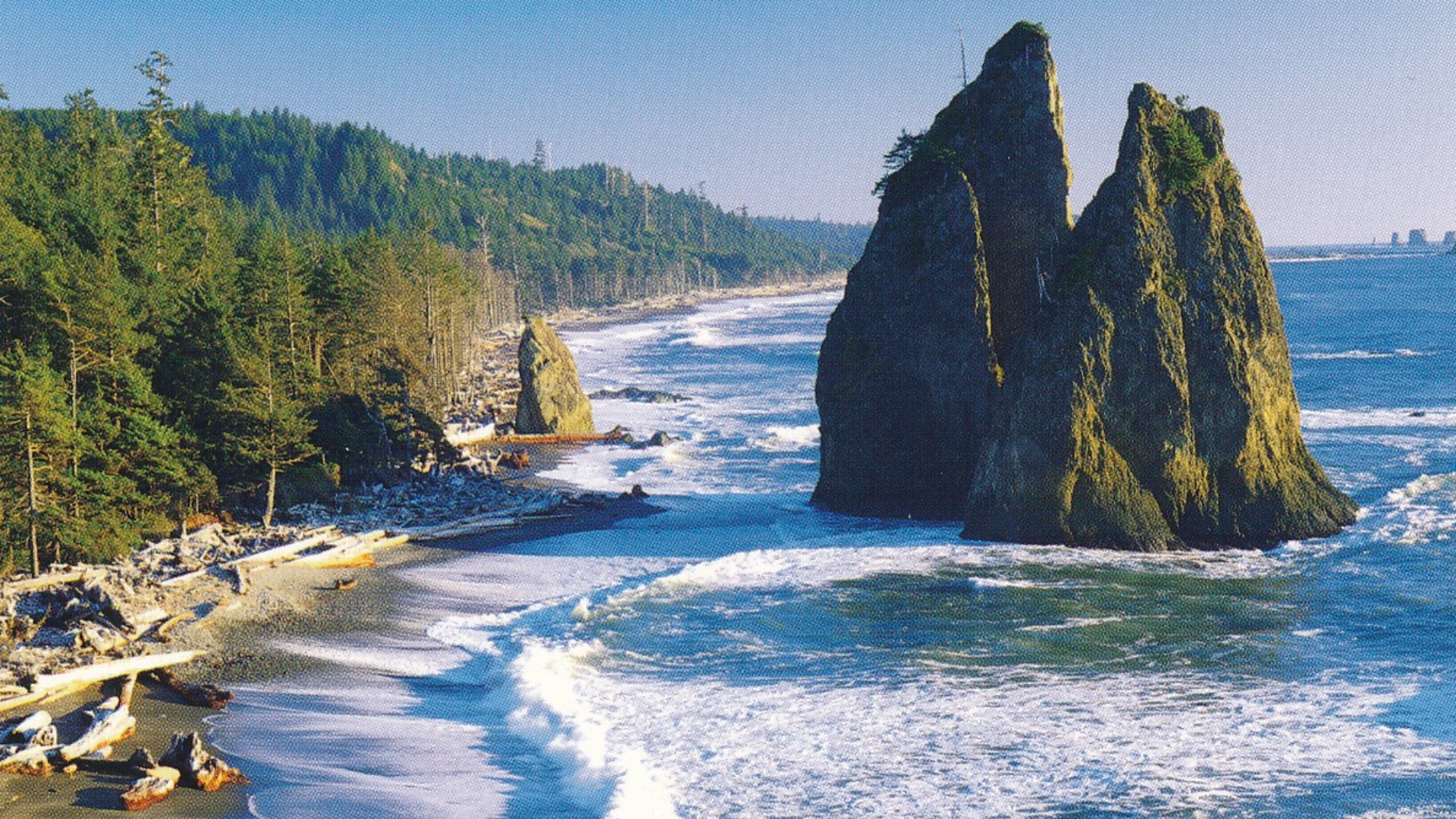
Olympic National Park is one of the most ecologically diverse places in North America, containing temperate rainforest, rugged Pacific coastline, and glacier-capped mountain peaks all within a single park boundary. It's located on the Olympic Peninsula, which requires a bit of intentional travel to reach, and that extra effort appears to be enough to keep visitor numbers well below those of comparable parks in the West. If you're the kind of traveler who wants dramatic, varied scenery without having to fight for a parking spot or reserve a campsite six months in advance, Olympic is one of the best choices you can make.