When Remote Work Changed Neighborhood
Digital nomad culture can look harmless from the outside, since it often shows up as one person with a laptop and a short-term lease. In practice, it piles into the same few walkable neighborhoods with good Wi-Fi, decent cafés, and housing that can be flipped into short stays. When newcomers can pay more than locals, the market adjusts, and the people who already live there feel it first through rent, availability, and the steady churn of strangers in the stairwell. City governments then get pulled into it through licensing fights, enforcement crackdowns, and public anger that keeps showing up at meetings and in the streets. These are 20 cities where the remote-work wave ran into visible pushback and a clear shift in local patience.
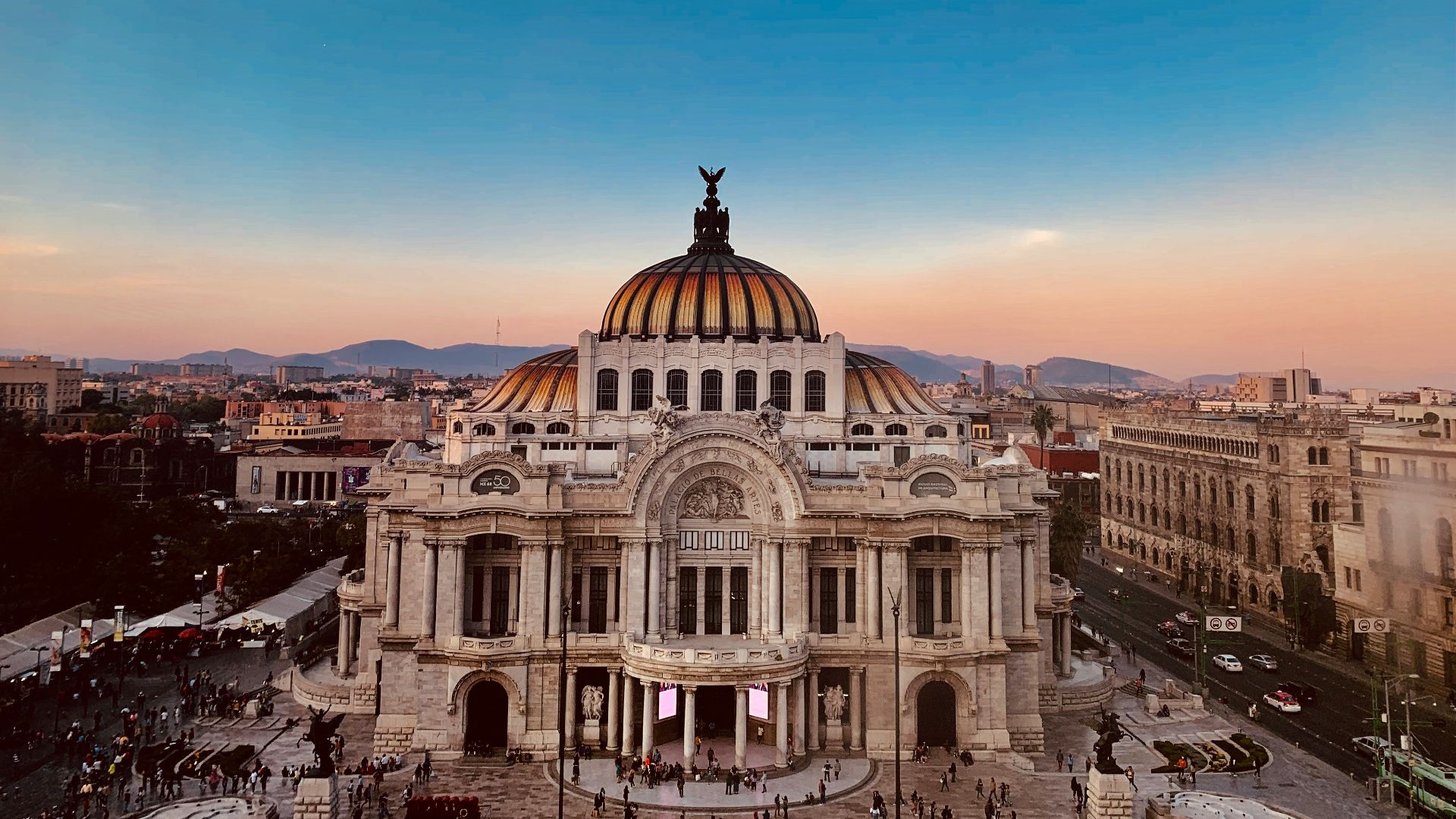
1. Lisbon
Lisbon’s housing debate has been loud for years, with residents and politicians repeatedly pointing at short-term rentals and outside demand. In that climate, nomads often get treaed as part of the same pressure system, even when they stay for months and spend locally.
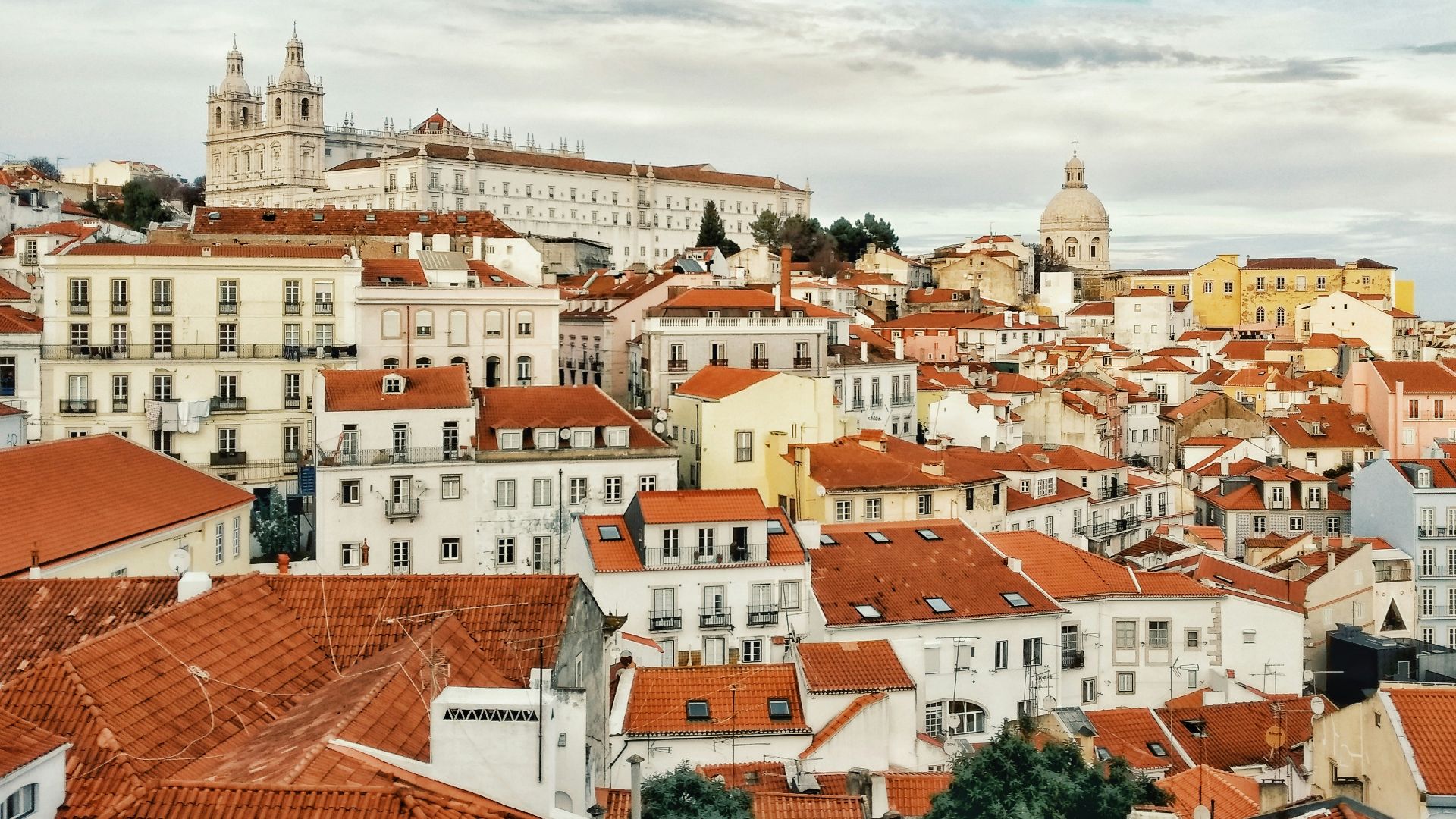
2. Barcelona
Barcelona has seen recurring anti-tourism protests and a city government that has talked openly about limiting visitor impacts. Remote workers tend to land in already stressed central neighborhoods, and the resentment grows when long-term housing feels like it’s being converted into temporary lifestyle inventory.
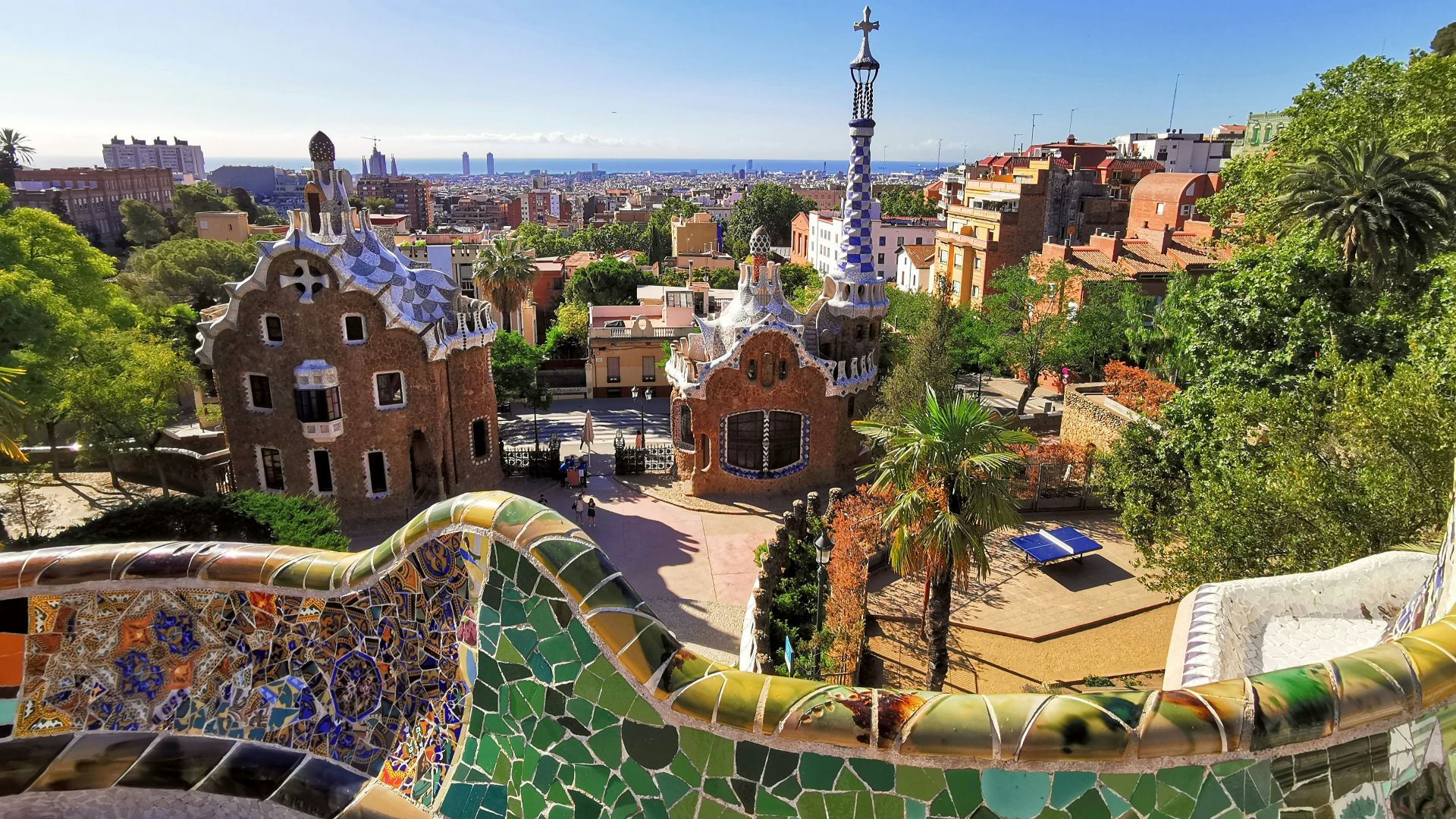
3. Amsterdam
Amsterdam has tightened rules around short-term rentals and enforcement has become part of the city’s identity. Once a city starts policing visitor housing that aggressively, the mood toward extended-stay newcomers can turn skeptical fast.
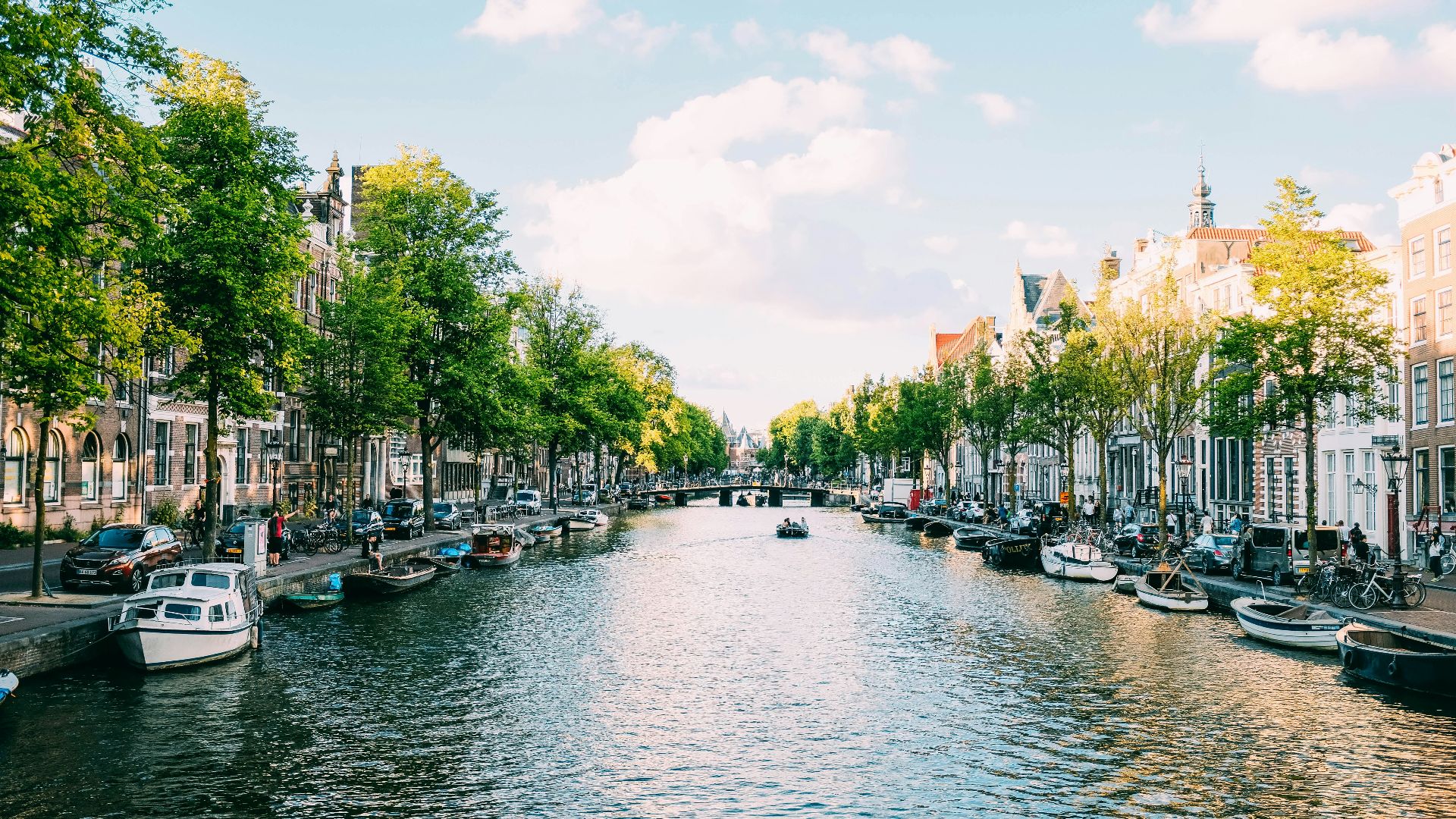
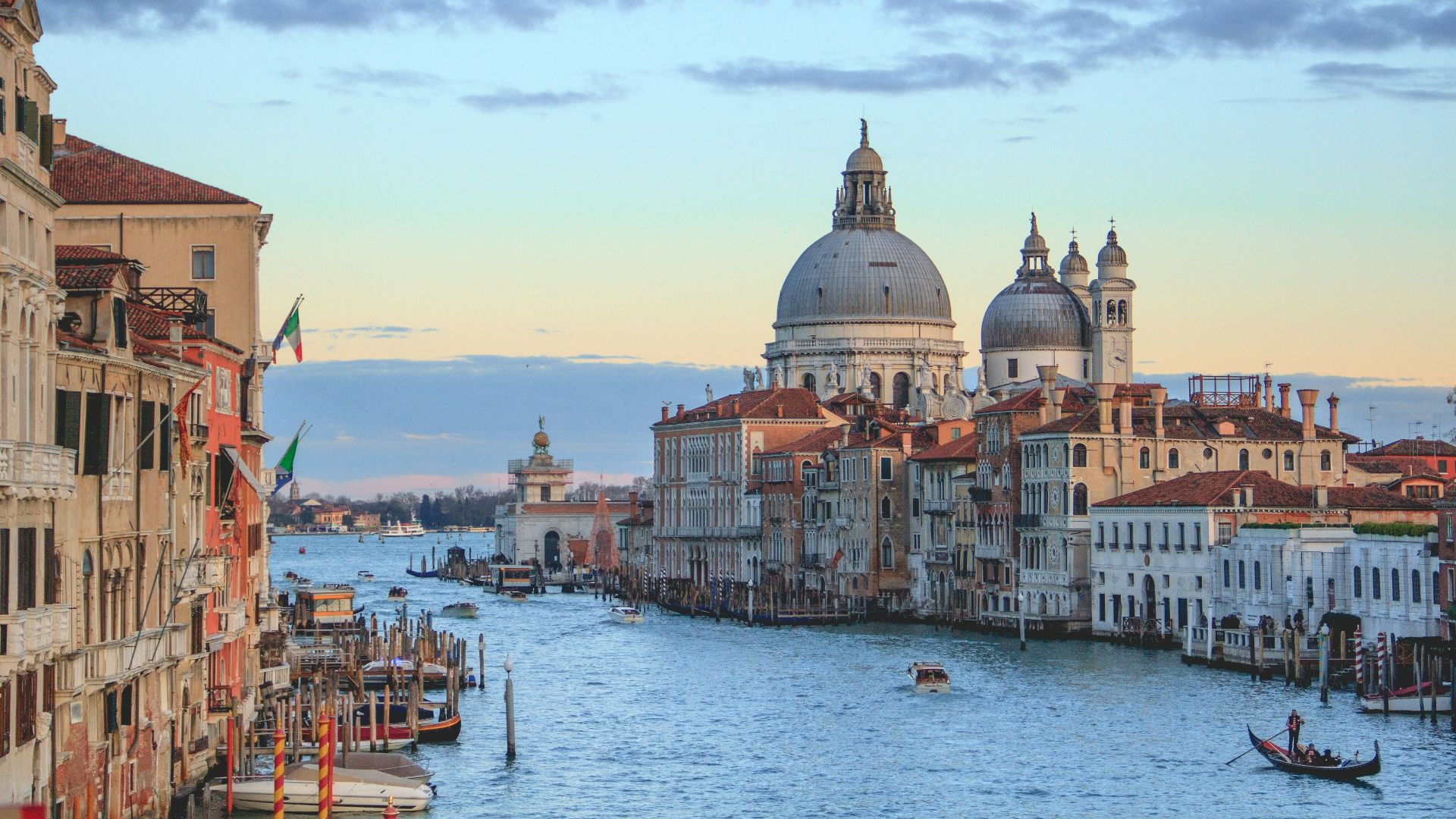
4. Venice
Venice is one of the clearest examples of a city trying to manage overcrowding and protect daily life for residents. When the entire local conversation is about livability, any group that looks like an add-on to tourism gets side-eyed.
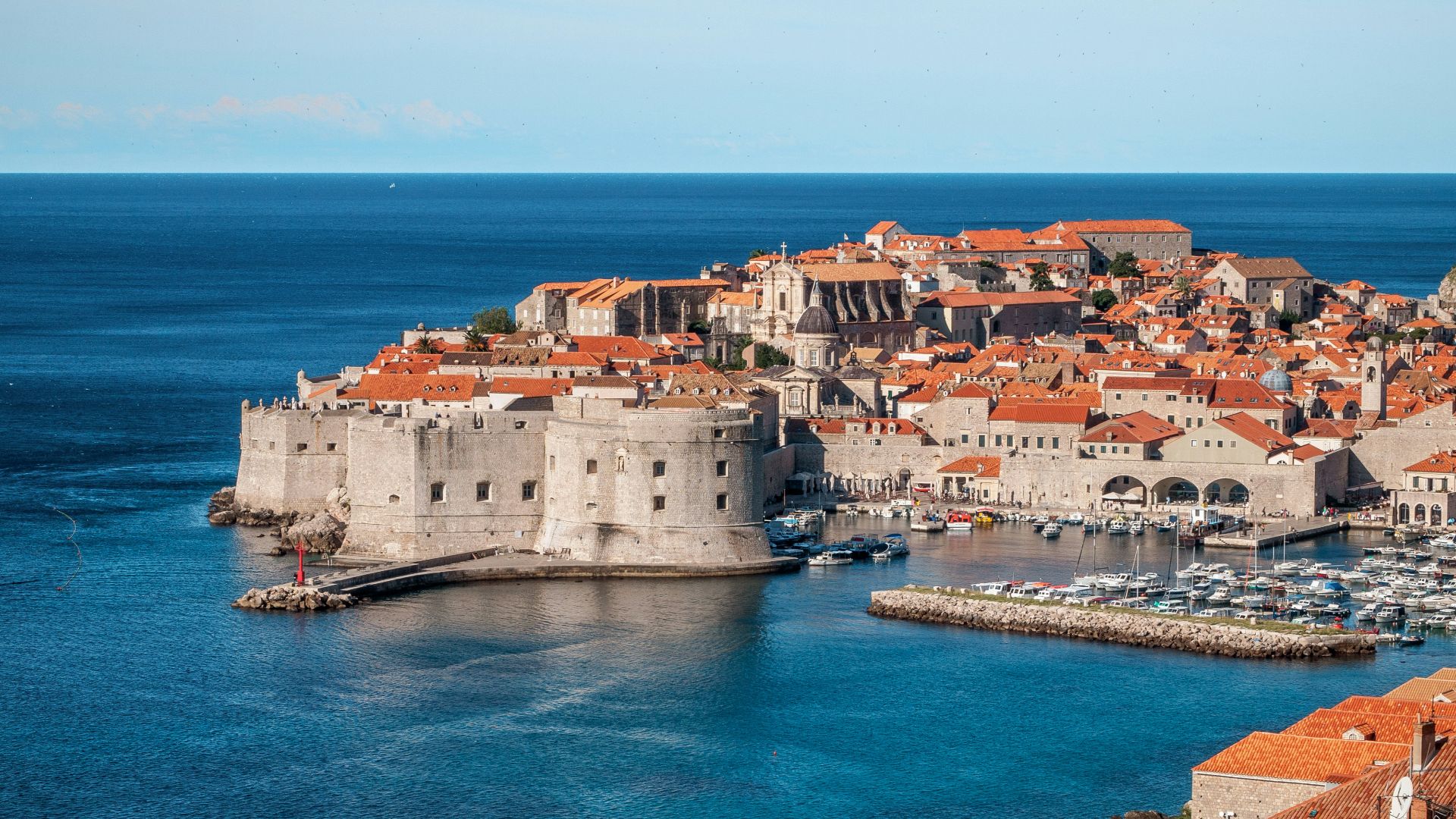
5. Dubrovnik
Dubrovnik’s old town has dealt with heavy visitor volume for years, and that pressure bleeds into housing and basic routines. In a small historic core, even a modest wave of long-stay newcomers can feel like the last straw.
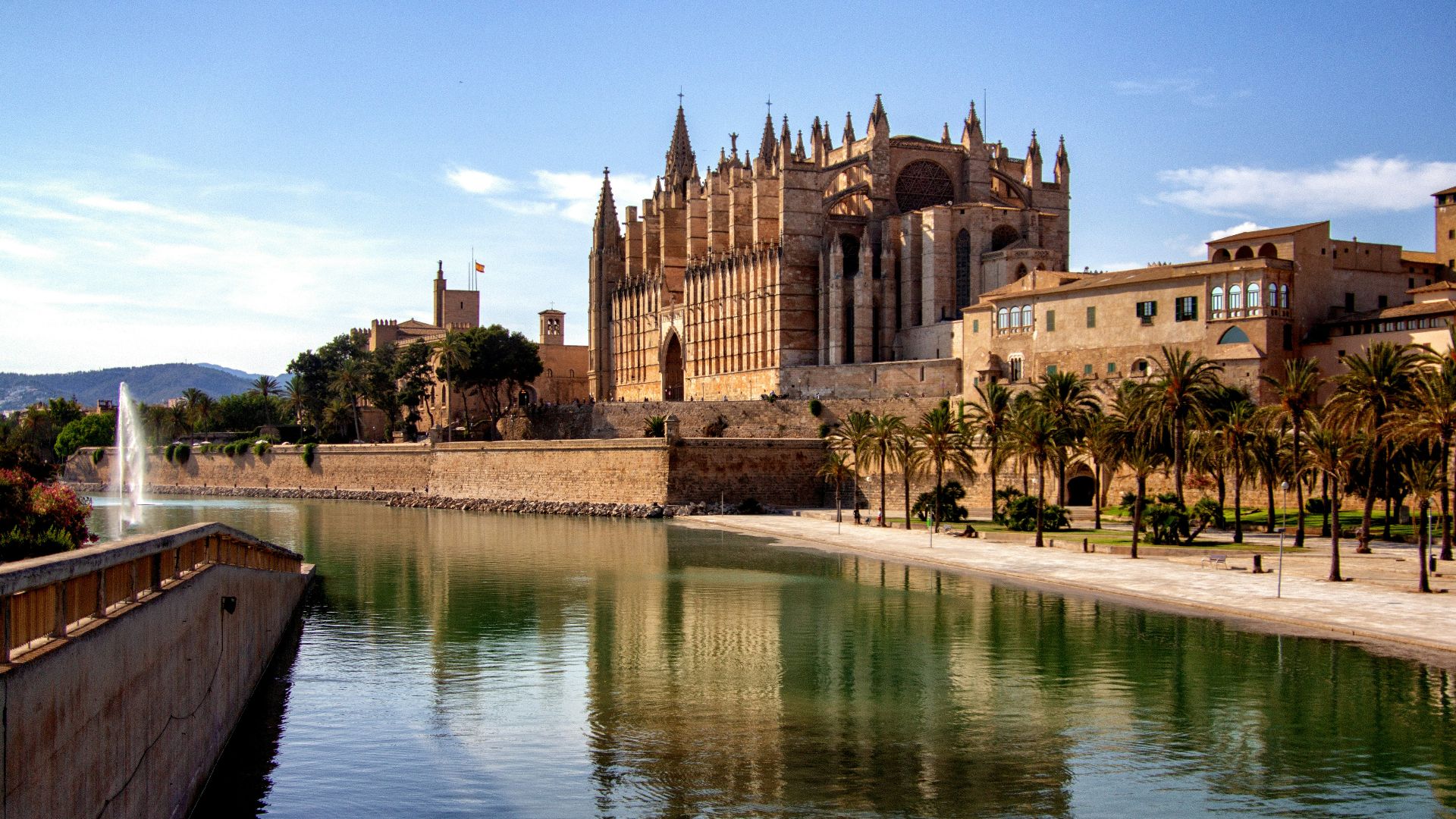
6. Palma De Mallorca
Mallorca has had highly visible protests tied to tourism and housing costs, and Palma sits right in the middle of that frustration. The complaint is usually about the market and the model, yet individuals still get blamed because they are the most visible part.
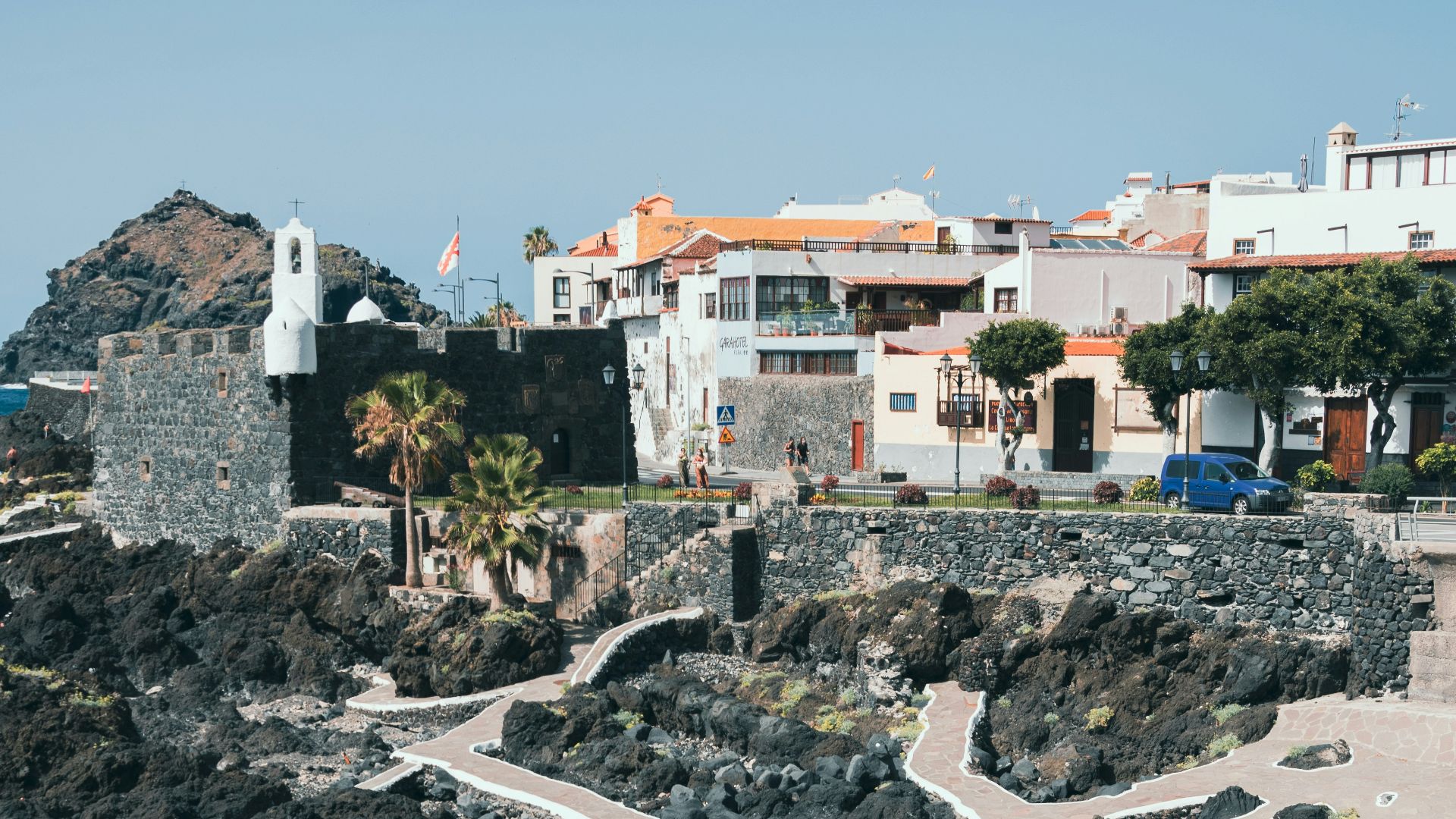
7. Tenerife
Parts of the Canary Islands have seen major demonstrations over tourism’s impact on housing and local wages. When housing is scarce, remote workers paying higher rents can become a symbol for a broader economic imbalance.
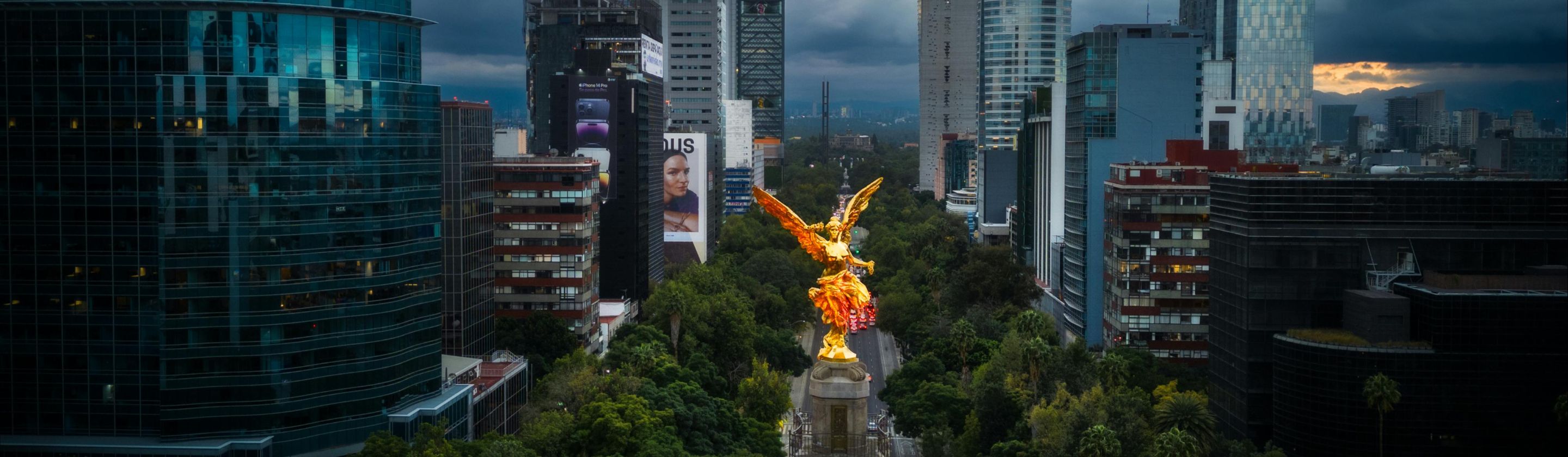
8. Mexico City
Mexico City has had public debates and protests tied to rent increases and neighborhood change, especially in areas that became remote-work magnets. The tension often focuses on short-term rentals and pricing, and nomads get pulled into the argument because the timing lines up.
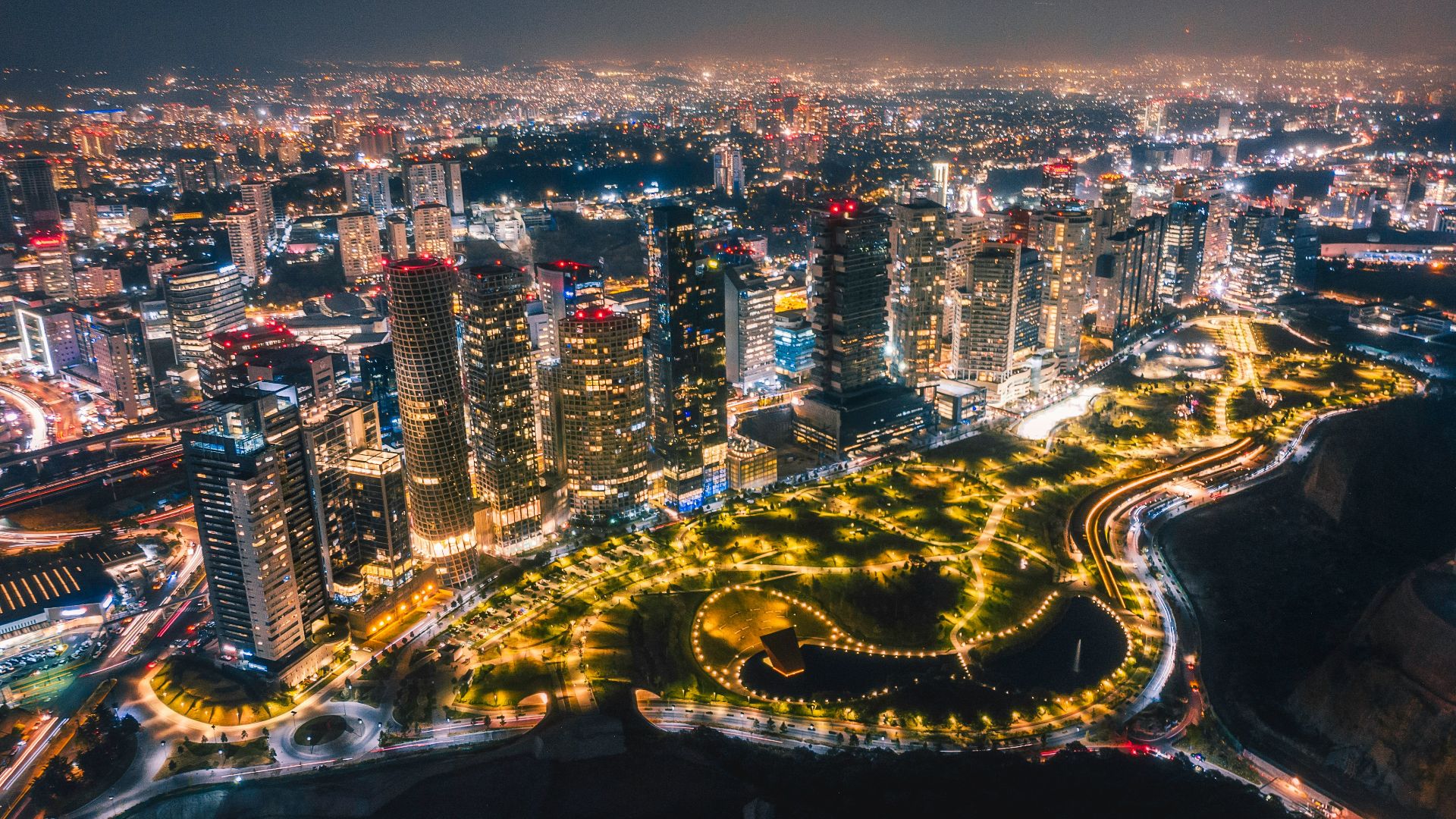
9. Medellín
Medellín’s popularity with remote workers has come with louder local complaints about cost of living and housing competition. The pushback tends to sharpen when the gap between local wages and incoming budgets becomes impossible to ignore.
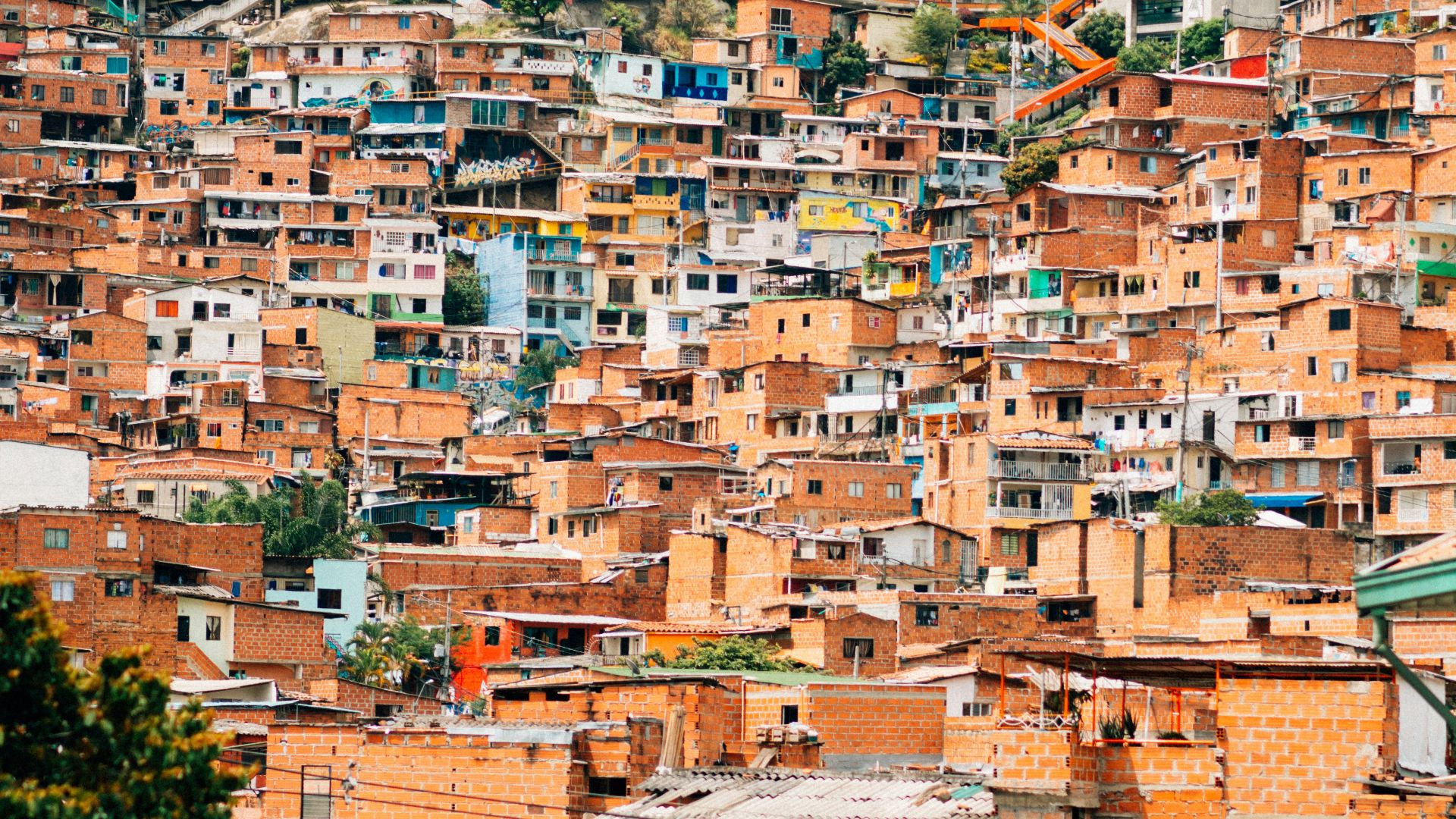
10. Bali, Especially Canggu
Bali has dealt with frequent frustration over foreigners ignoring local norms, overstepping rules, and treating the island like a personal playground. Authorities have also signaled tougher enforcement around visas and work activity, which changes the tone from welcoming to watchful.
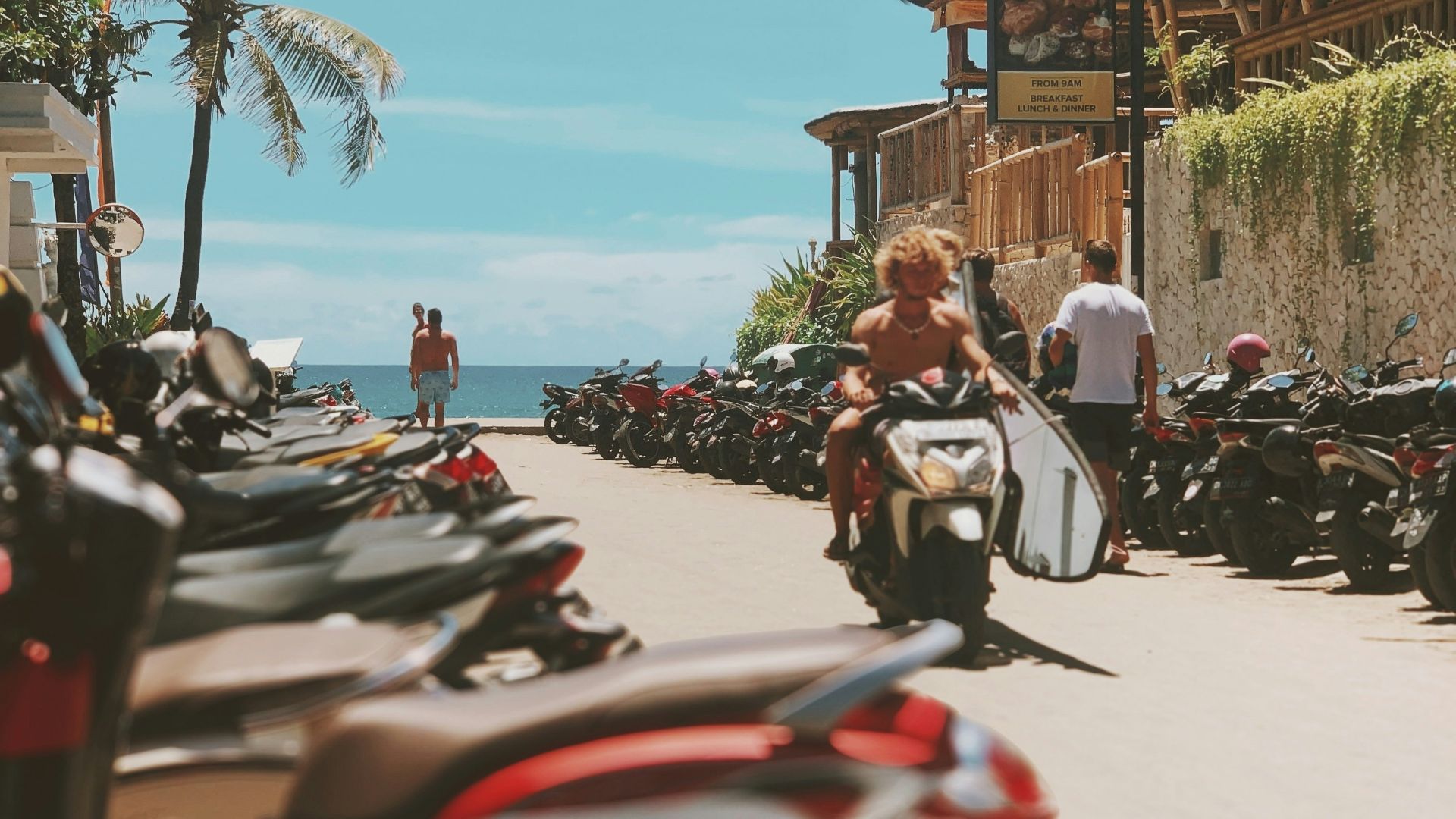
11. Chiang Mai
Chiang Mai has been a long-running hub for remote workers, and that longevity can shift the relationship from novelty to fatigue. When an area gets branded internationally as a cheap base, locals start noticing which cafés, rentals, and services tilt toward outsiders.

12. Phuket
Phuket blends resort living with city services, which attracts long-stay visitors who want convenience. In places where tourism already drives prices, remote workers can feel like tourism that never leaves and keeps competing for the same apartments.
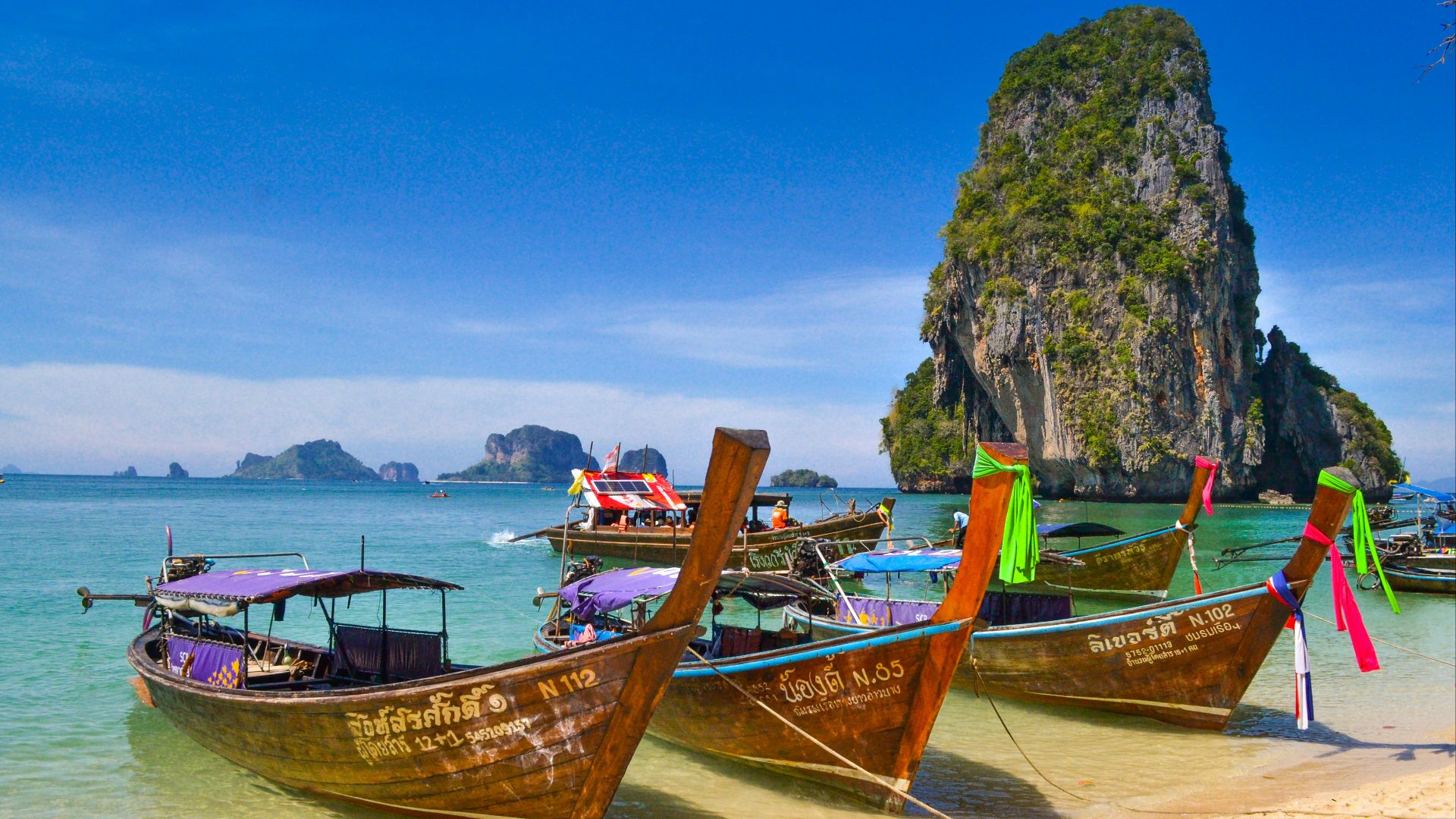
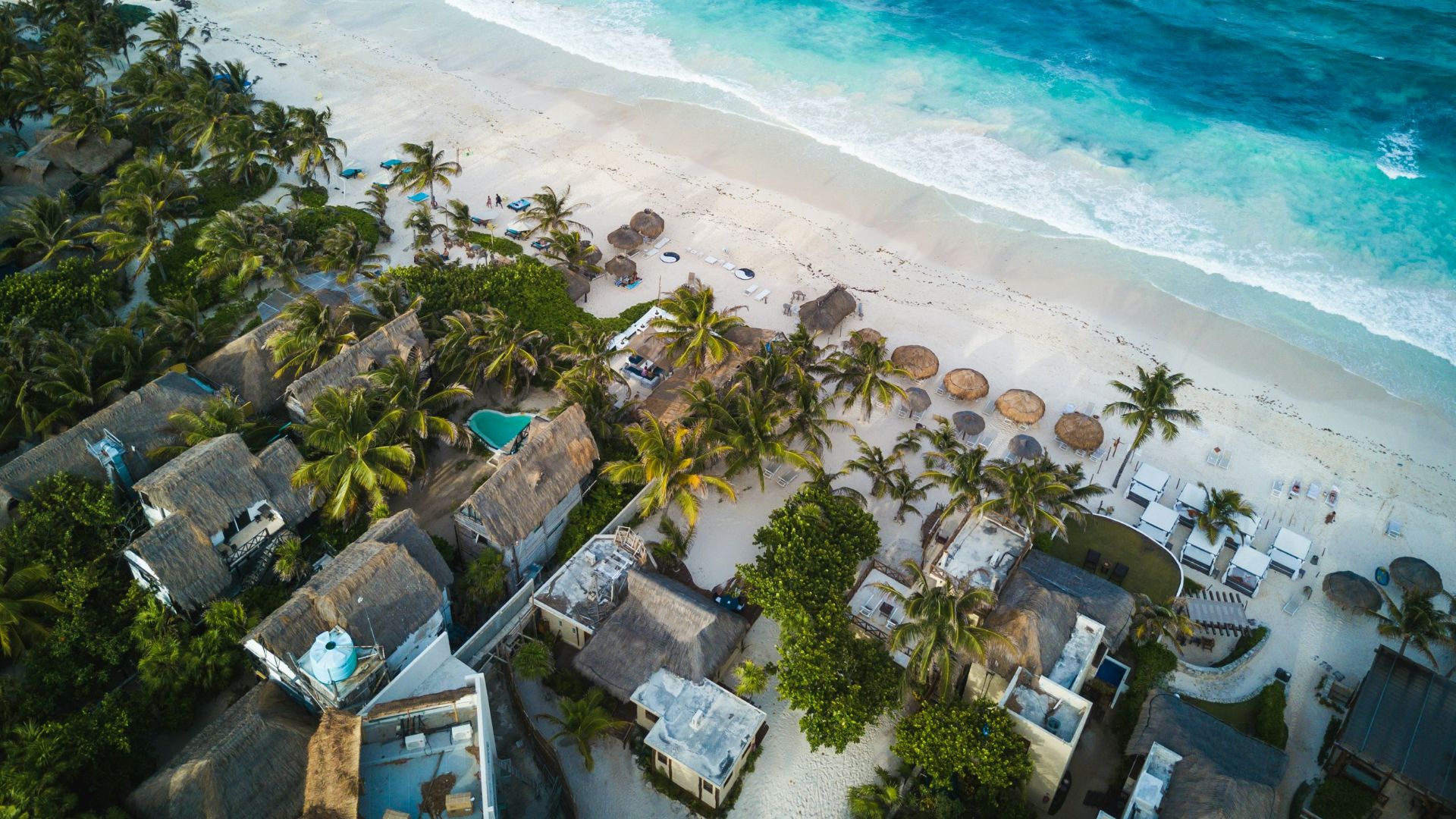
13. Tulum
Tulum’s rapid rise pushed everyday costs upward in a way locals and long-term residents have talked about for years. The tension grows when housing and basic errands start feeling priced for visitors first.
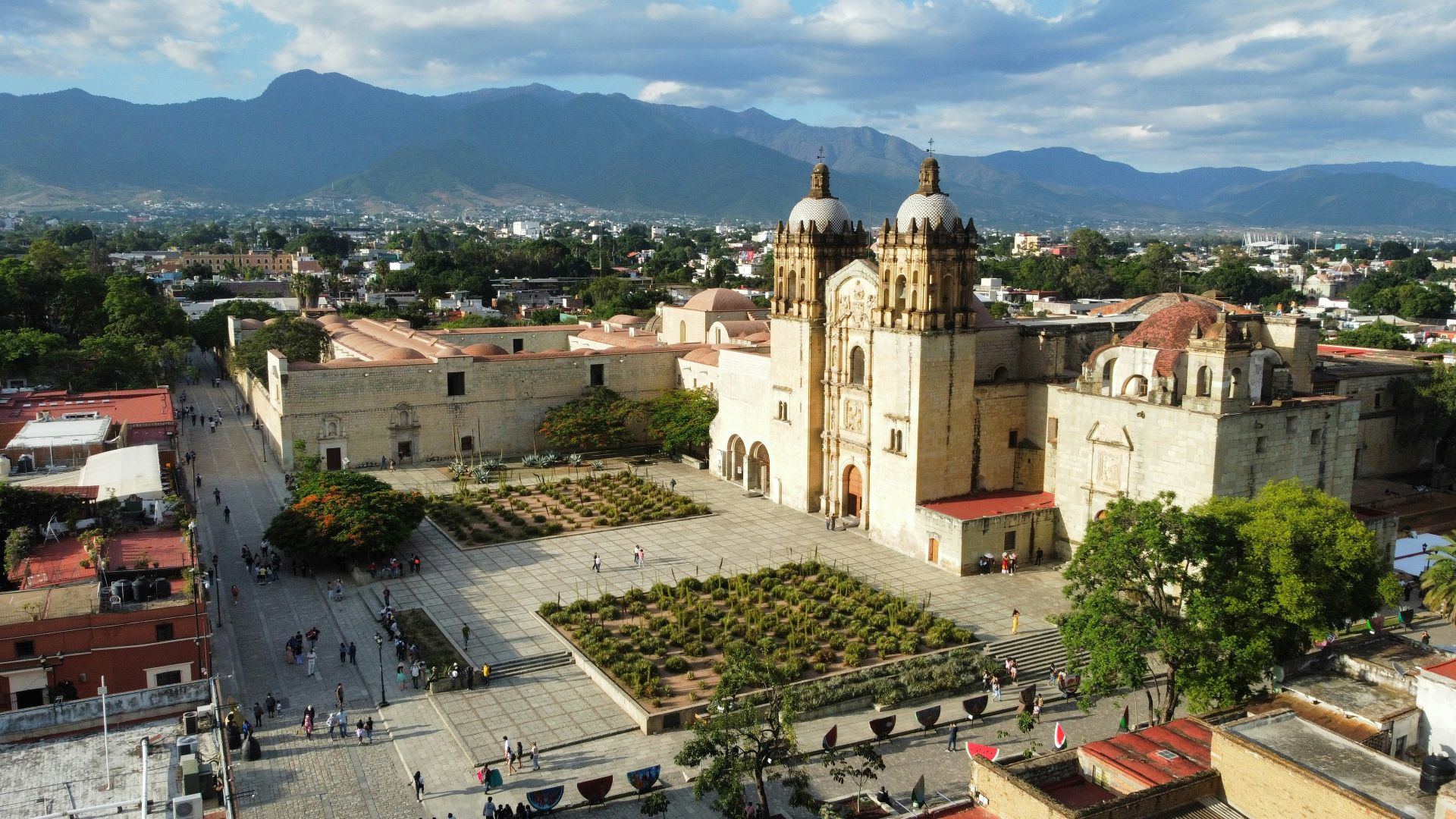
14. Oaxaca City
Oaxaca has faced growing anxiety about short-term rentals and cultural commodification, especially in the most walkable central zones. When a place has a strong local identity, the reaction can turn sharp once residents feel the city is being consumed as an experience.
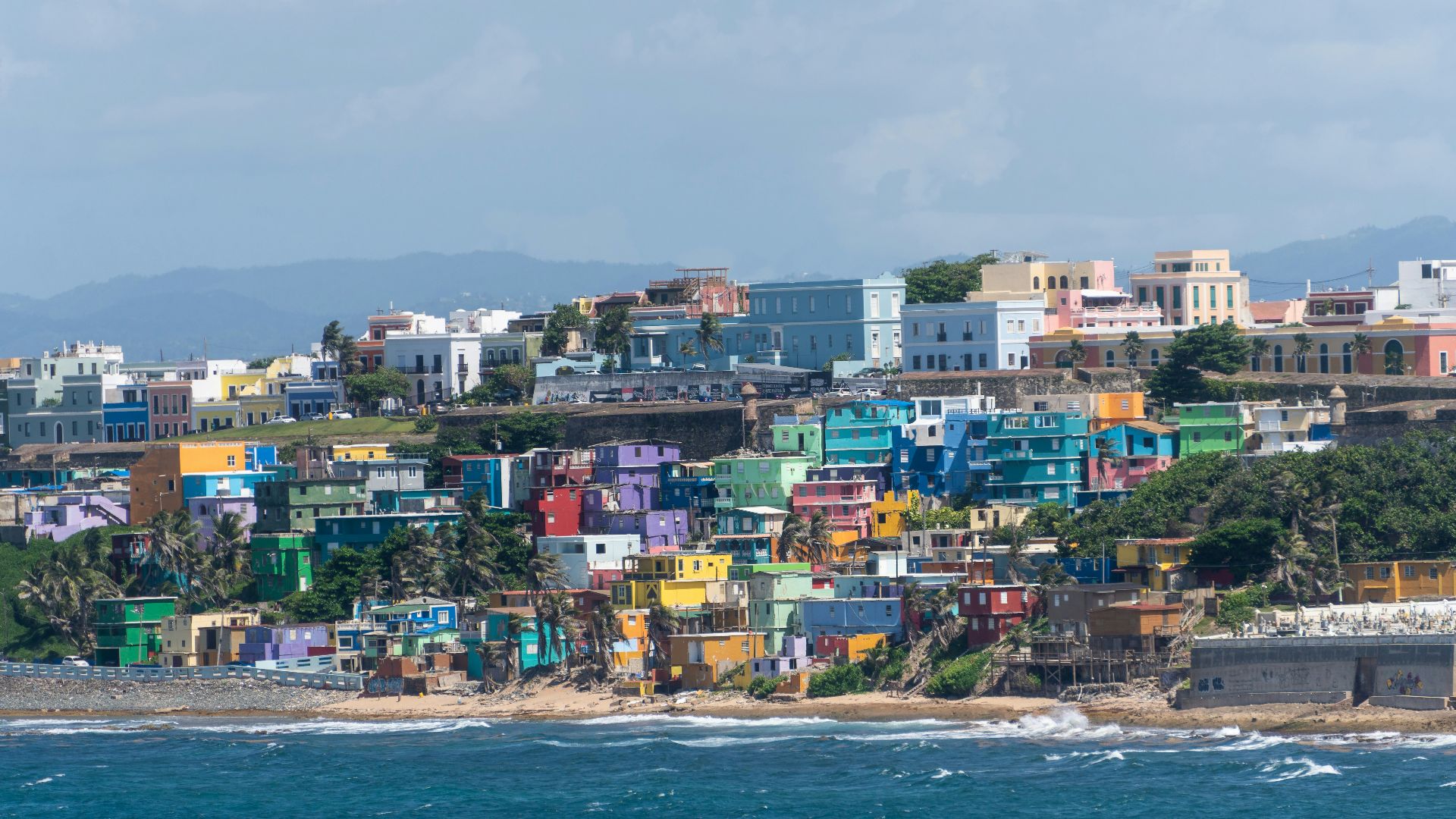
15. San Juan
San Juan sits inside a broader Puerto Rico debate about housing pressure, tax policy, and who benefits from newcomer money. Remote workers can get caught in that crossfire even when they are not the main driver of the problem.
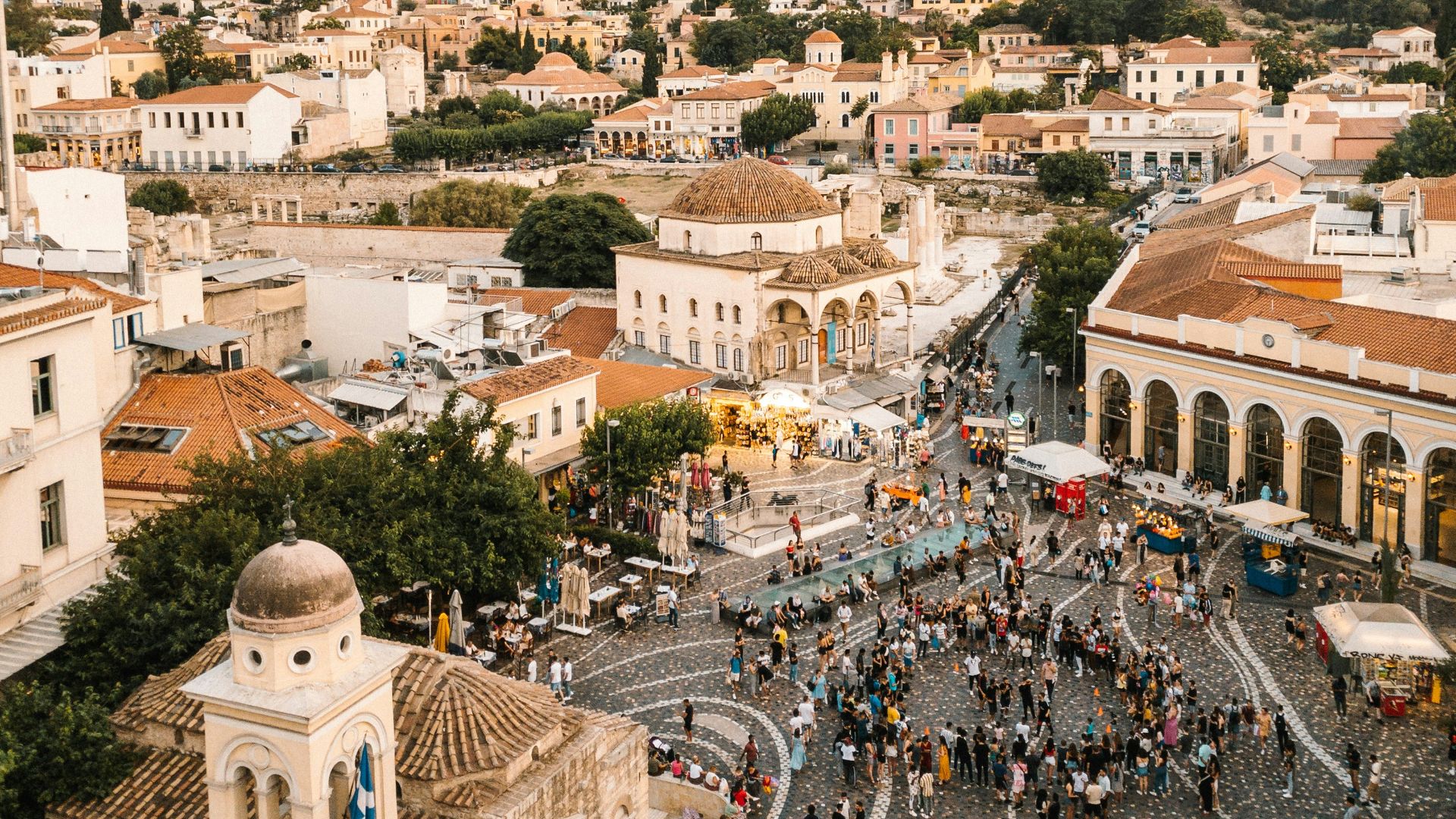
16. Athens
Athens has seen years of argument around short-term rentals in central neighborhoods and what that does to housing availability. When locals feel squeezed, remote workers paying more for the same units can become an easy target.
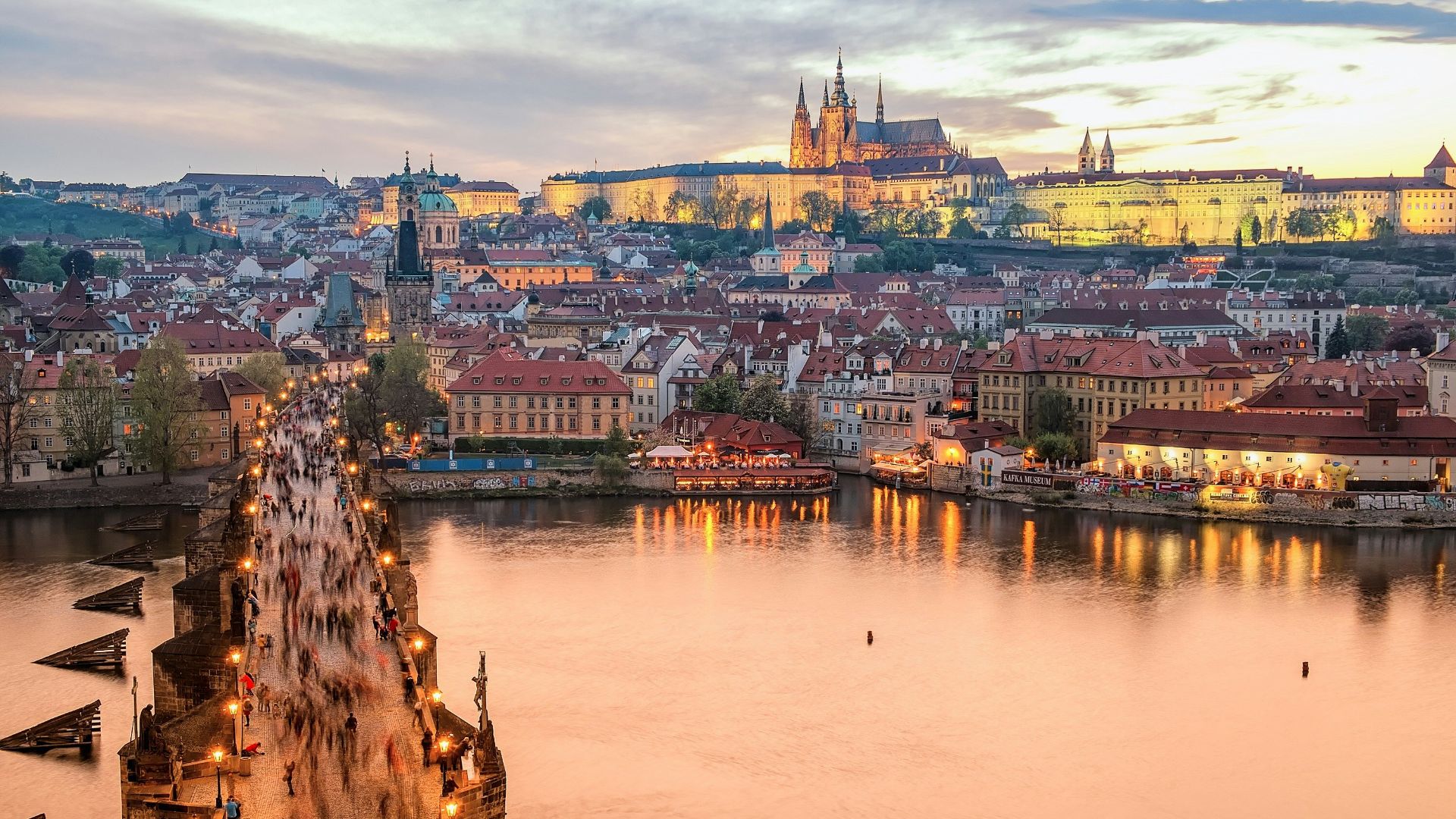
17. Prague
Prague has long wrestled with the conversion of central housing into visitor-oriented rentals. Switching the marketing from weekend tourists to month-to-month remote workers does not change the basic issue for residents trying to find stable housing.
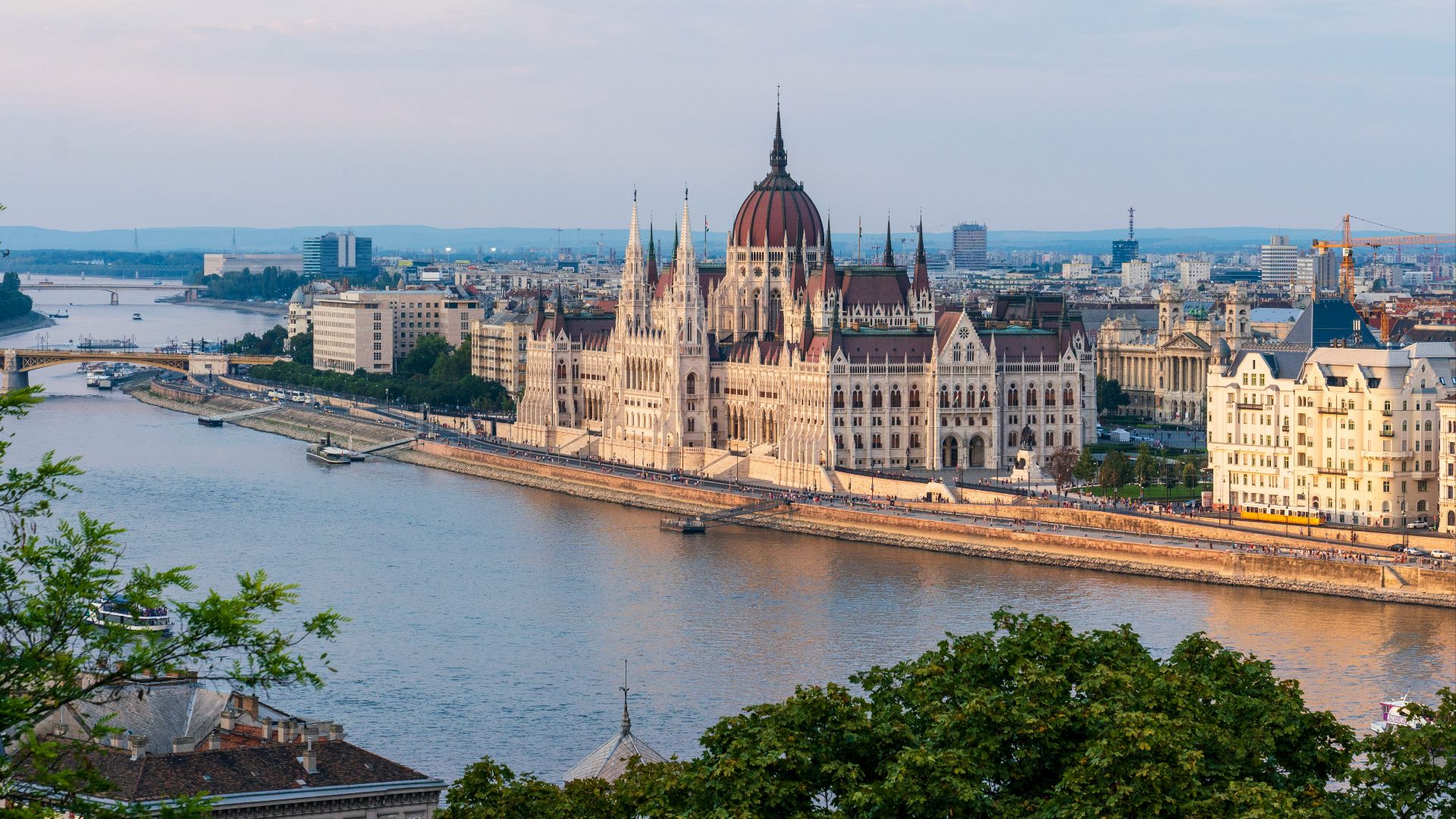
18. Budapest
Budapest built a reputation as a value city for longer stays, and value seekers tend to cluster in the same districts. Once prices rise and locals get pushed outward, the city’s patience with yet another wave of outsiders can thin quickly.
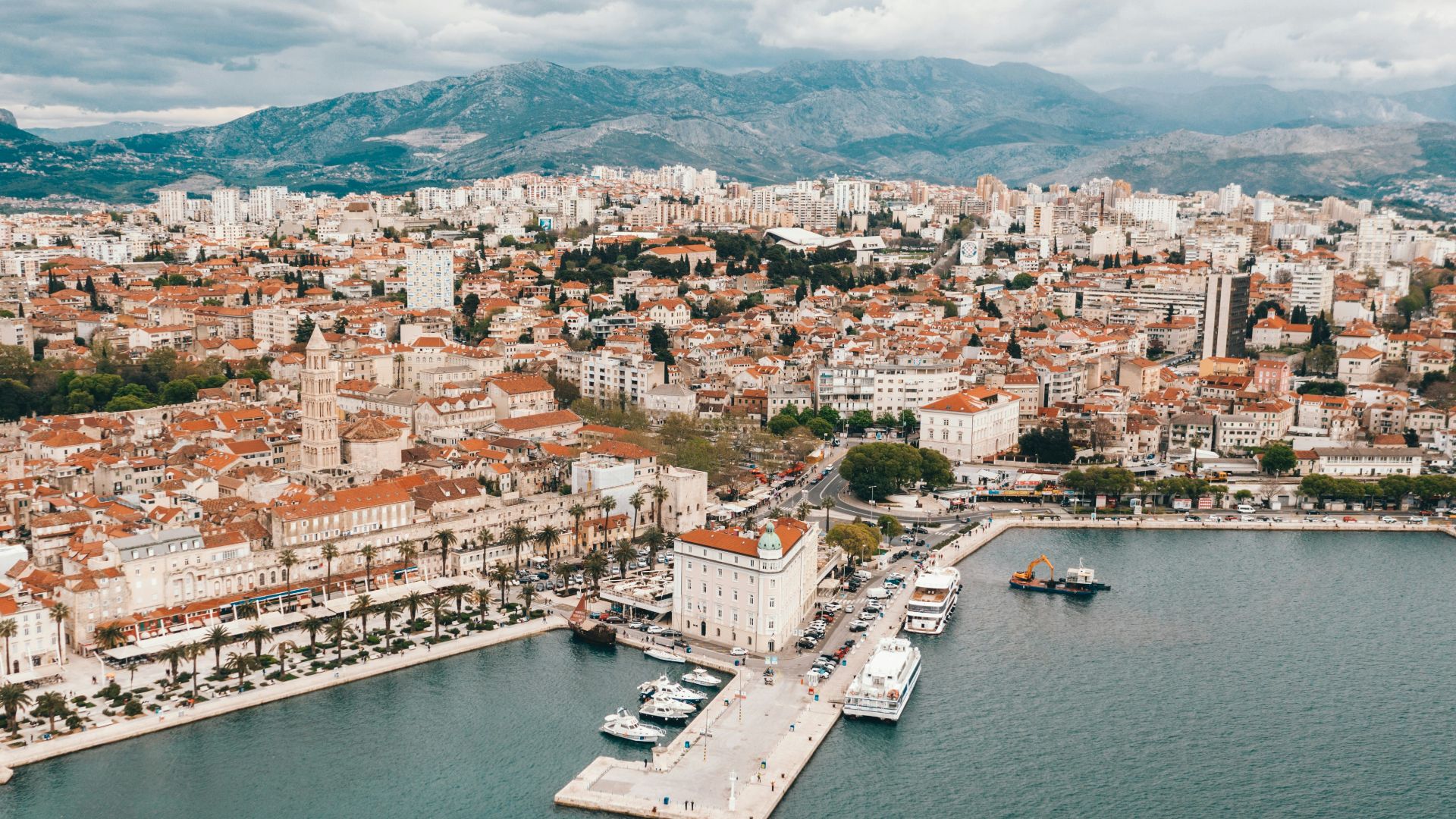
19. Split
Split has dealt with seasonal crowding and housing that shifts toward short-term use, which changes neighborhoods over time. Remote workers arriving outside peak season can still feel like part of the same churn when the housing stock is already tilted away from residents.
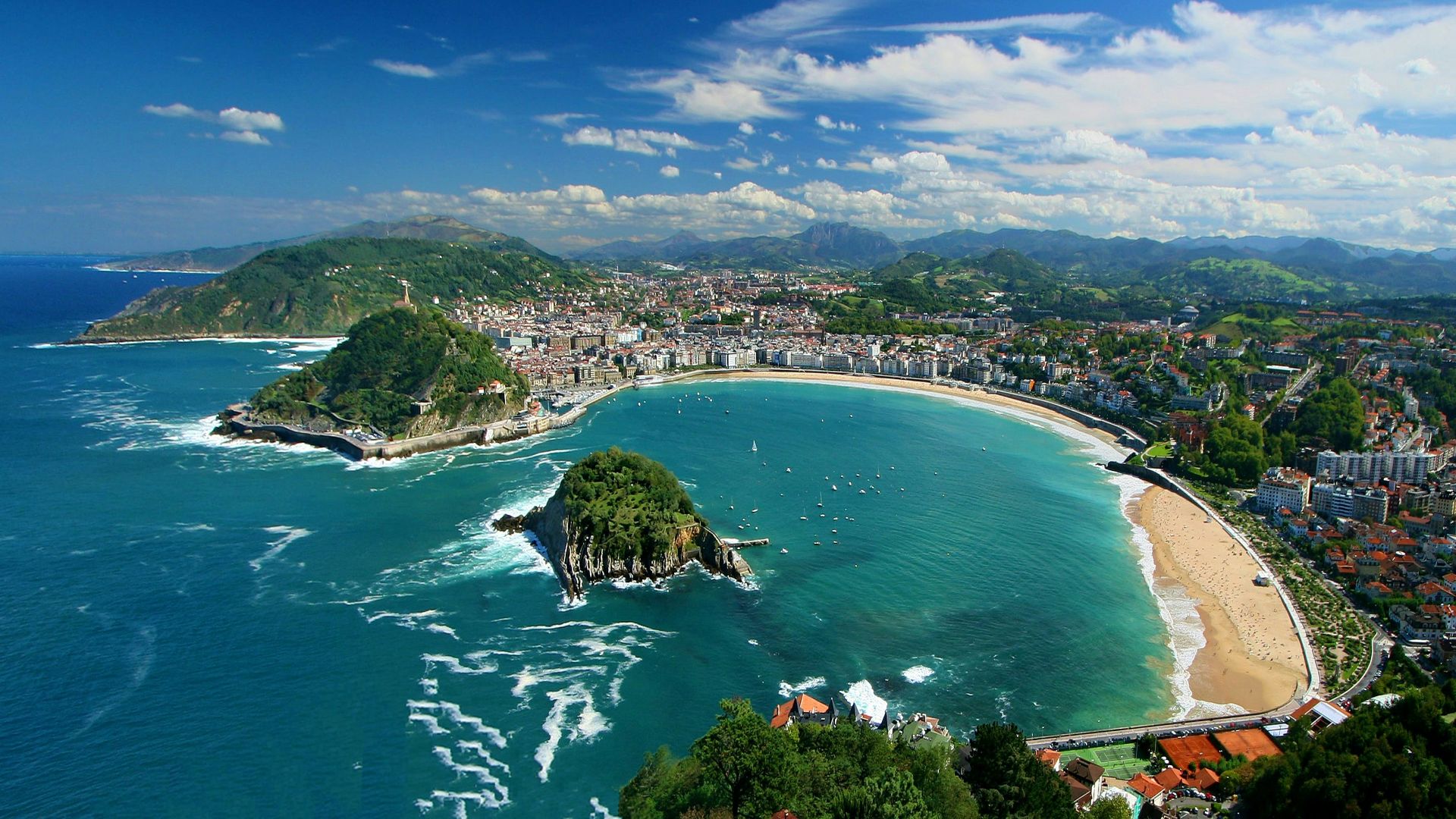
20. San Sebastián
San Sebastián is small, high-demand, and already under pressure during busy seasons, which makes housing sensitivity higher year-round. When locals feel the city is being optimized for visitors, long-stay remote workers can end up lumped into the same category.