Good Manners, Less Chaos, Better Trips
The truth is that most “crowded tourist problems” are actually people problems, and a little awareness goes a long way. When you’re shoulder-to-shoulder in a museum, a market, a national park shuttle line, or a busy beach town, your choices affect everyone’s day, including your own. Small moves like staying mobile, keeping your voice under control, and not blocking the world for one photo can turn a packed place into a genuinely enjoyable one. If you want to see famous spots without adding to the mess, these 20 habits make you the kind of traveler other people silently appreciate.
1. Arrive Earlier Than Feels Reasonable
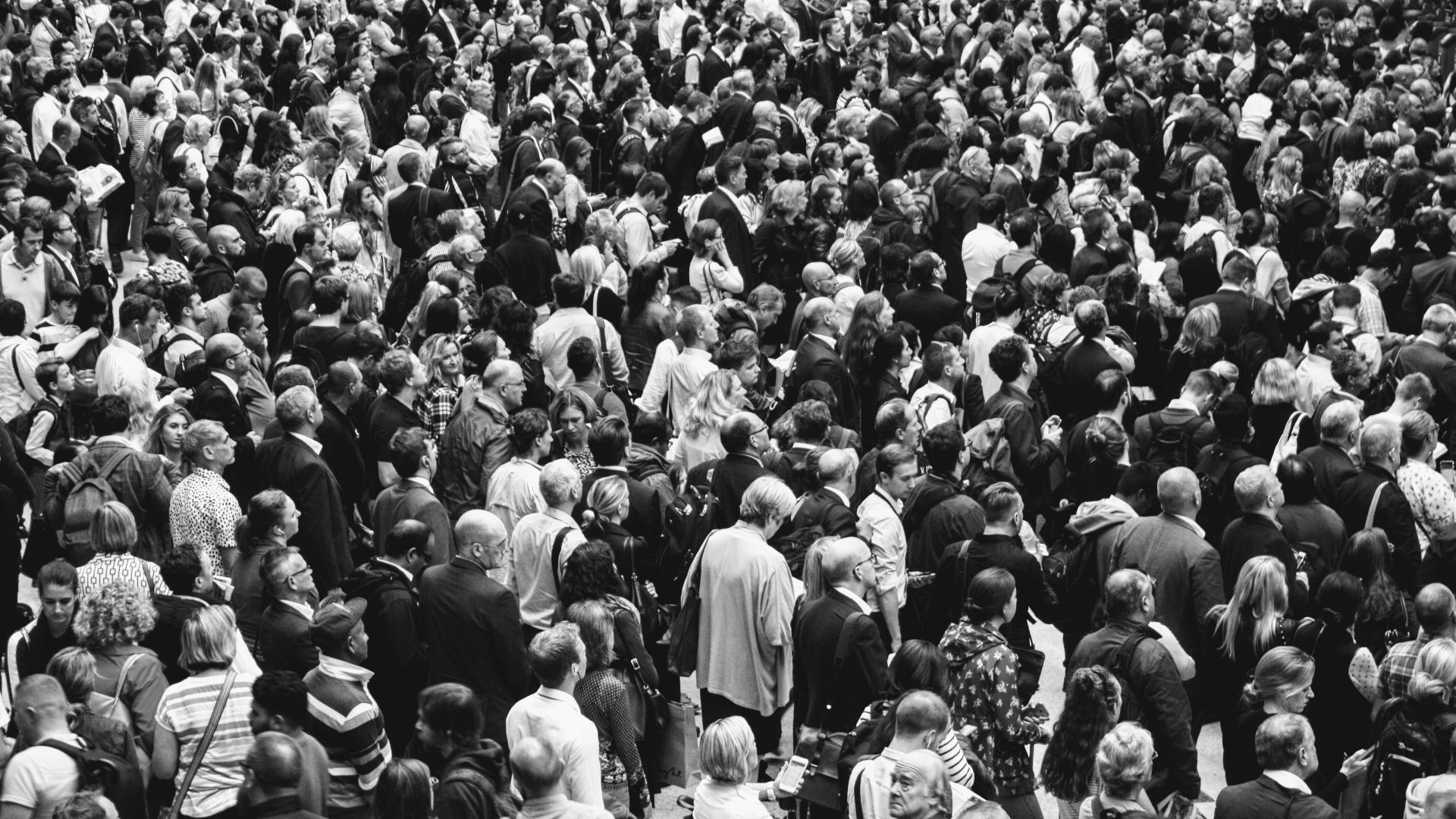
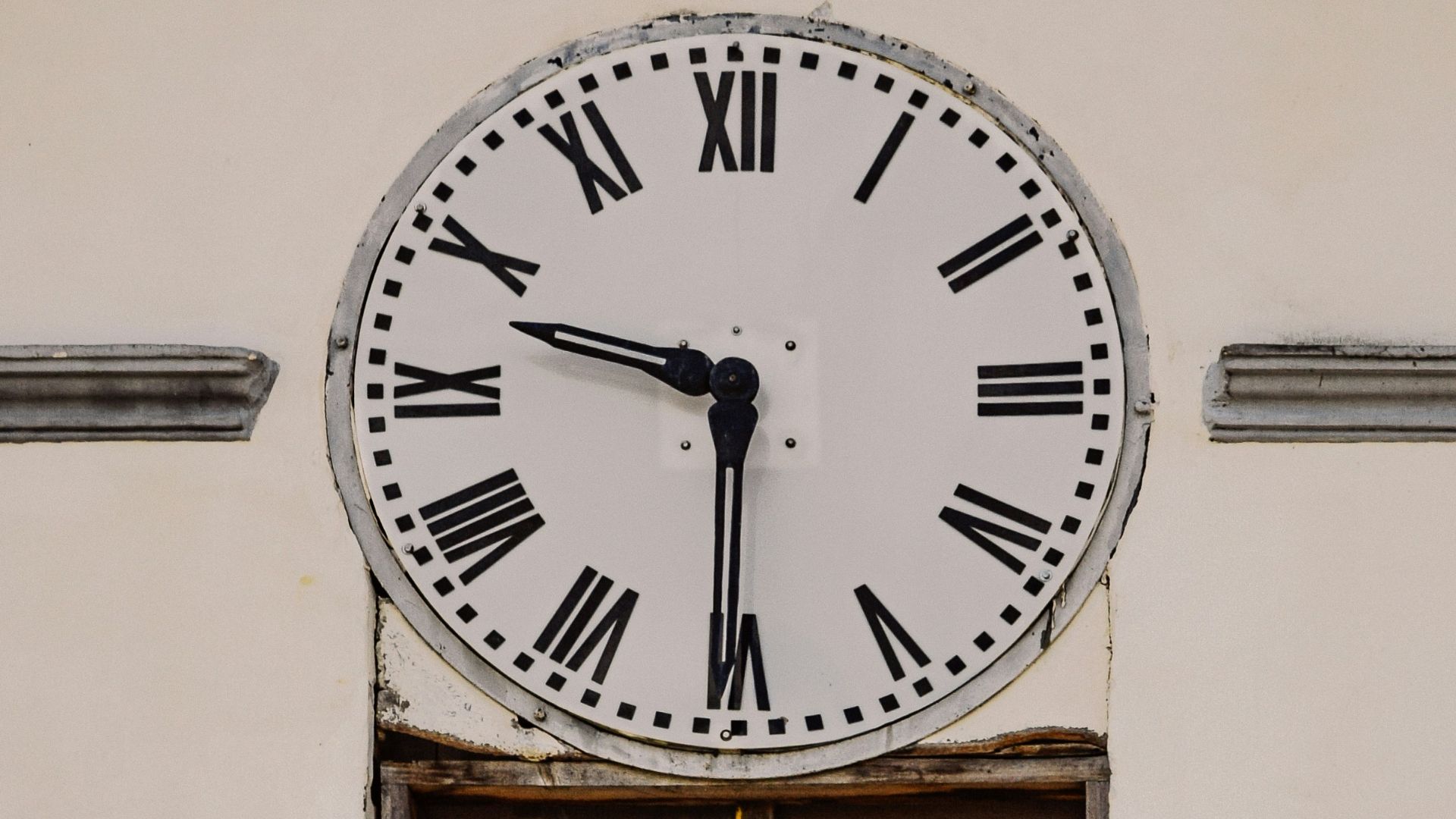
Crowds build on predictable schedules, and the first hour after opening is often the calmest you’ll get. You can move through entrances faster, take photos without a stranger’s elbow in the frame, and start the day with less tension. That early start also buys you flexibility later when lines get long.
2. Book Timed Entry When Available
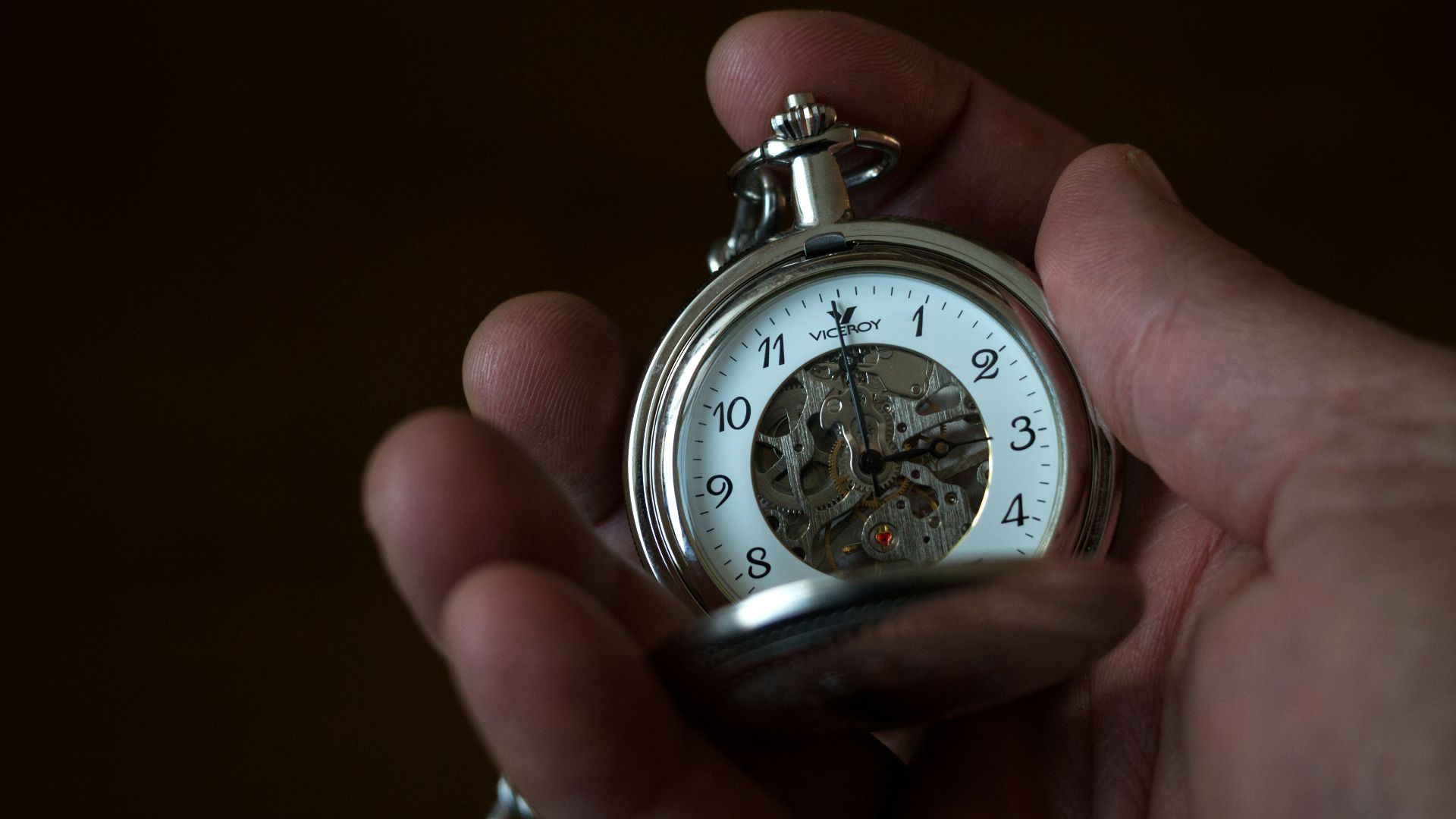
Timed tickets exist because capacity is not infinite, and many major attractions now rely on them to manage flow. When you reserve a slot, you avoid the slow shuffle of people negotiating with a ticket counter that cannot bend. The experience tends to feel smoother because you’re not competing with everyone who showed up whenever.
 Frames For Your Heart on Unsplash
3. Keep Your Group In One Line
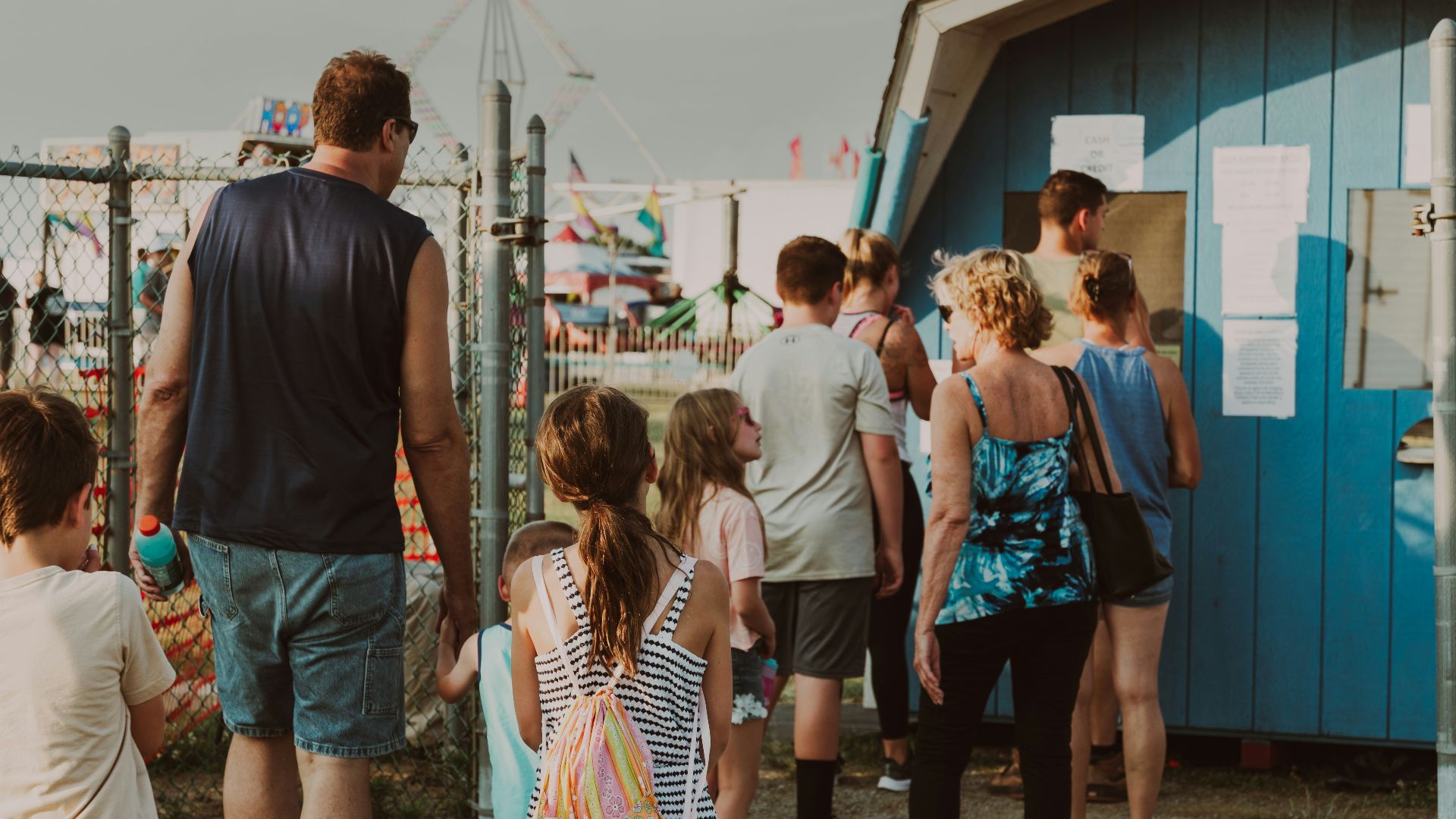
Large groups fanning out across a walkway is how a normal crowd turns into a blockage. Staying single-file or two-abreast keeps the path usable for people moving in both directions.
4. Step Aside Before Stopping
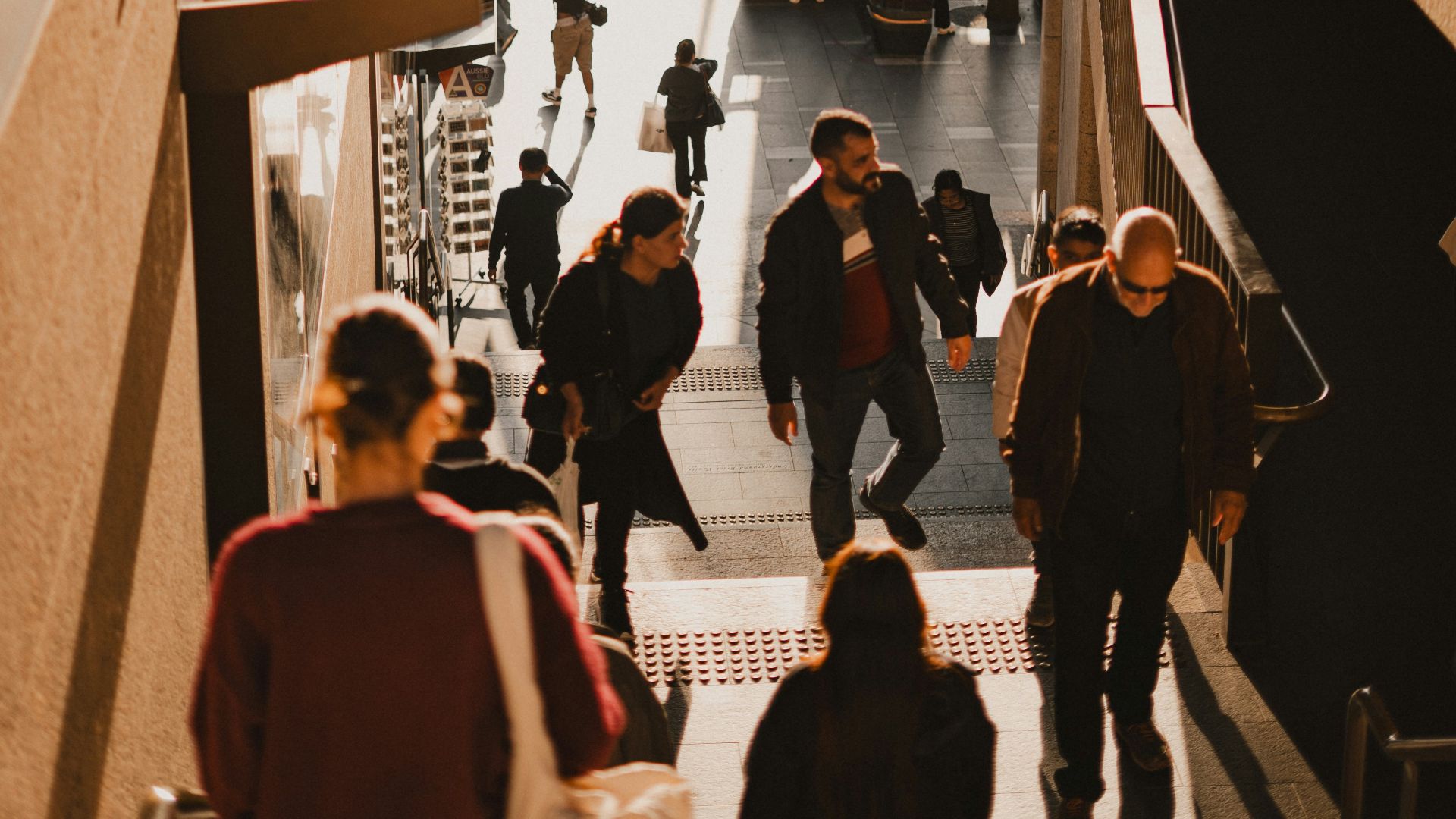
The basic rule is simple: if you need to stop, pull over like you’re parking a car. This matters at the tops of escalators, inside doorways, and on narrow sidewalks where one pause creates a chain reaction. A ten-second habit saves dozens of people from that awkward sidestep dance.

5. Treat Photo Spots Like Turn-Taking
Popular viewpoints work best when people cycle through quickly, even if the scene is beautiful and the lighting is perfect. Take a few shots, check them, and move along so the next person can have their moment.
6. Use A Quiet Voice Indoors
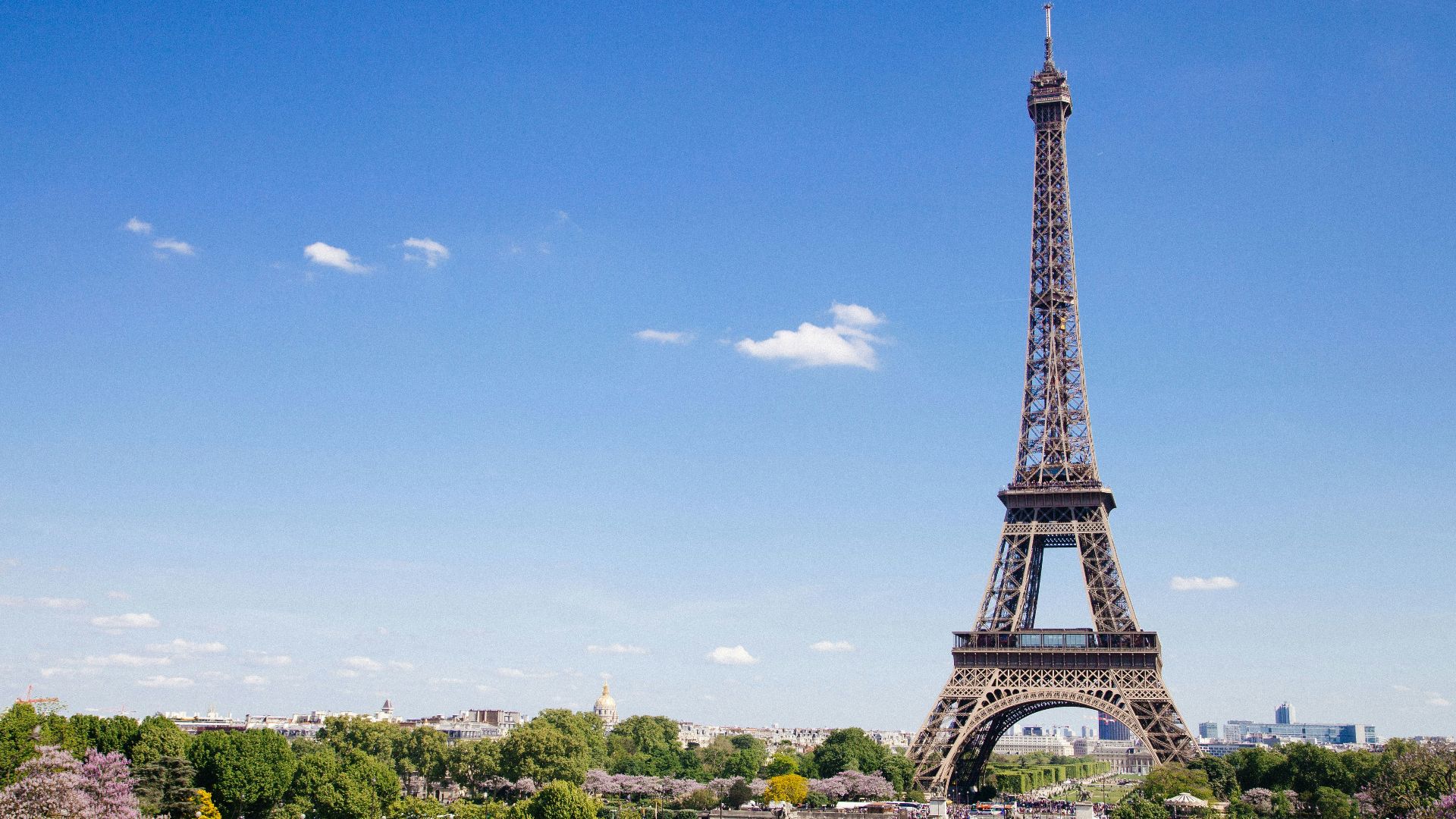
Museums, historic sites, and places of worship amplify sound in ways people forget until they hear someone else. Keeping your voice low is not about being stiff; it’s about not making strangers listen to your full relationship recap. Your group can still chat, just at a volume that respects the space.

7. Learn The Local Line Culture
Queue etiquette changes by country and setting, and crowds expose those differences fast. In some places, lines are strict and orderly, and in others, they look loose until you realize there is still a clear, shared understanding. Watching for a minute before jumping in prevents accidental line-cutting moments that ruin everyone’s mood.
8. Keep Your Bag Under Control
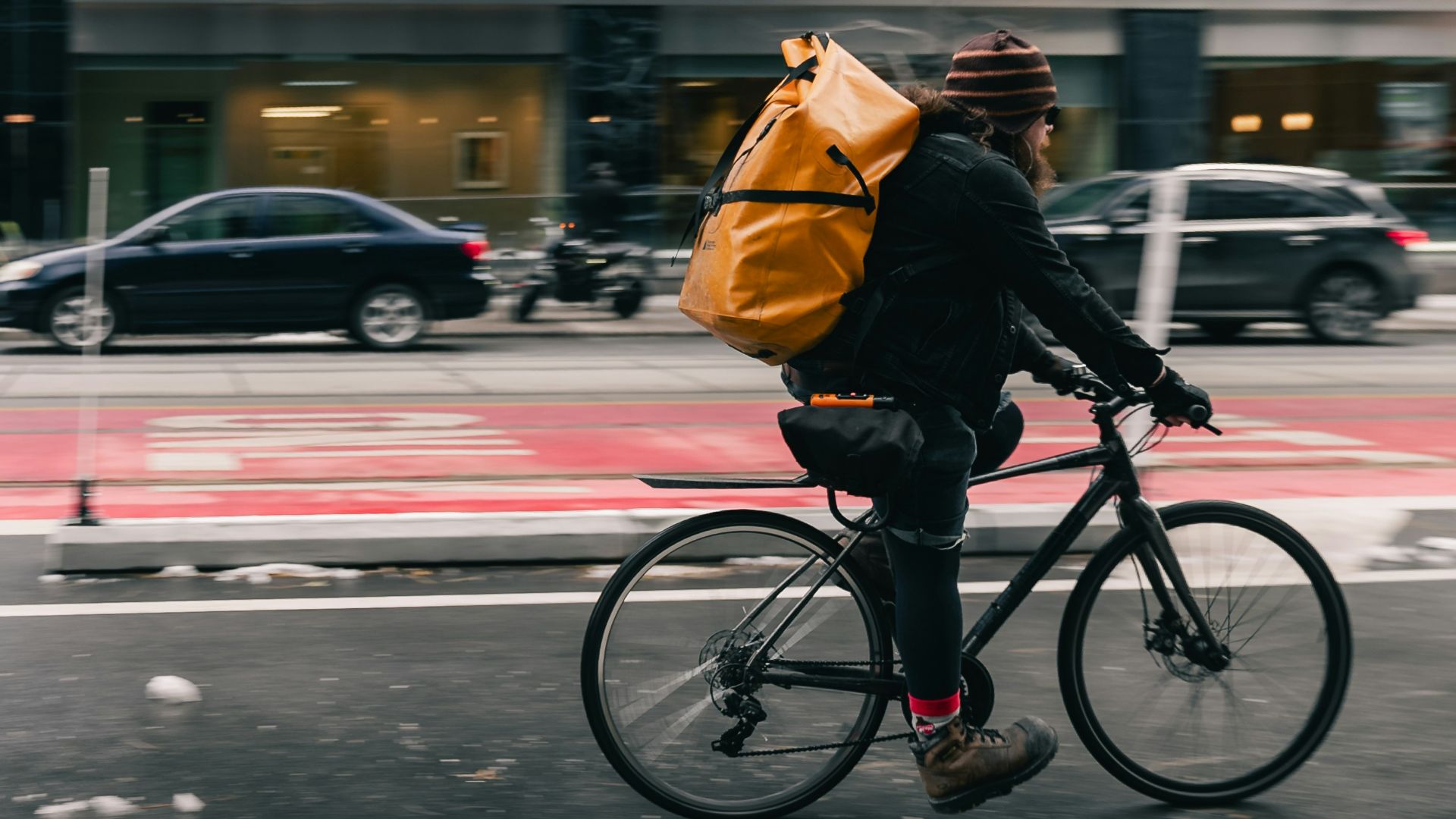
Backpacks, tote bags, and camera slings get wider in crowds, especially when you turn quickly. Wearing your backpack on your front in tight spaces can prevent that accidental bump into someone’s face or drink. A small adjustment makes it easier to pass and less likely to knock into displays.
9. Avoid Sudden Direction Changes
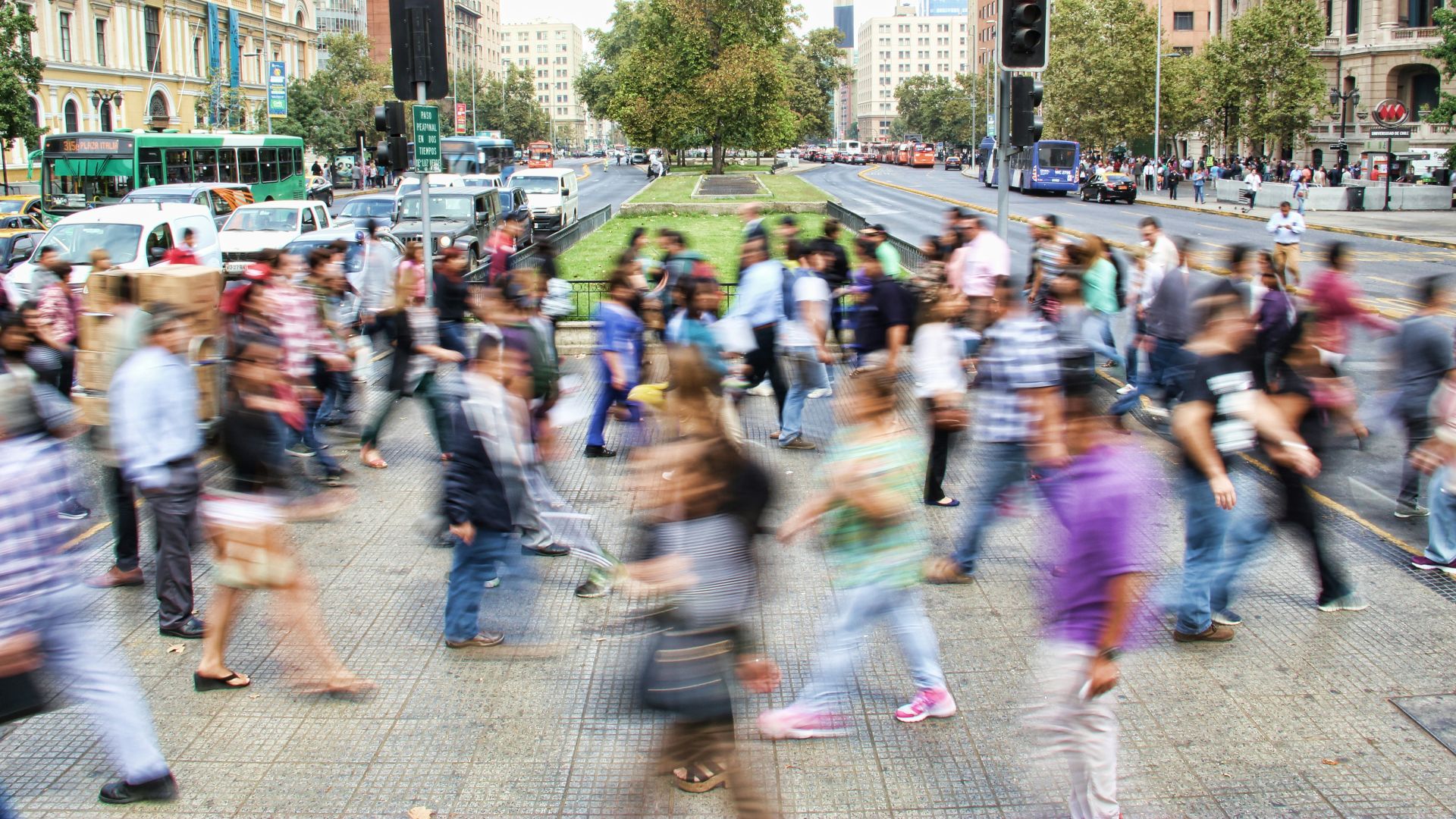
Crowded walkways work best when people move predictably, even if the pace is slow. When you abruptly stop or turn, the person behind you has no time to react, and the entire flow stutters. If you need to change course, glance behind you and shift smoothly.
10. Put Snacks Away Thoughtfully
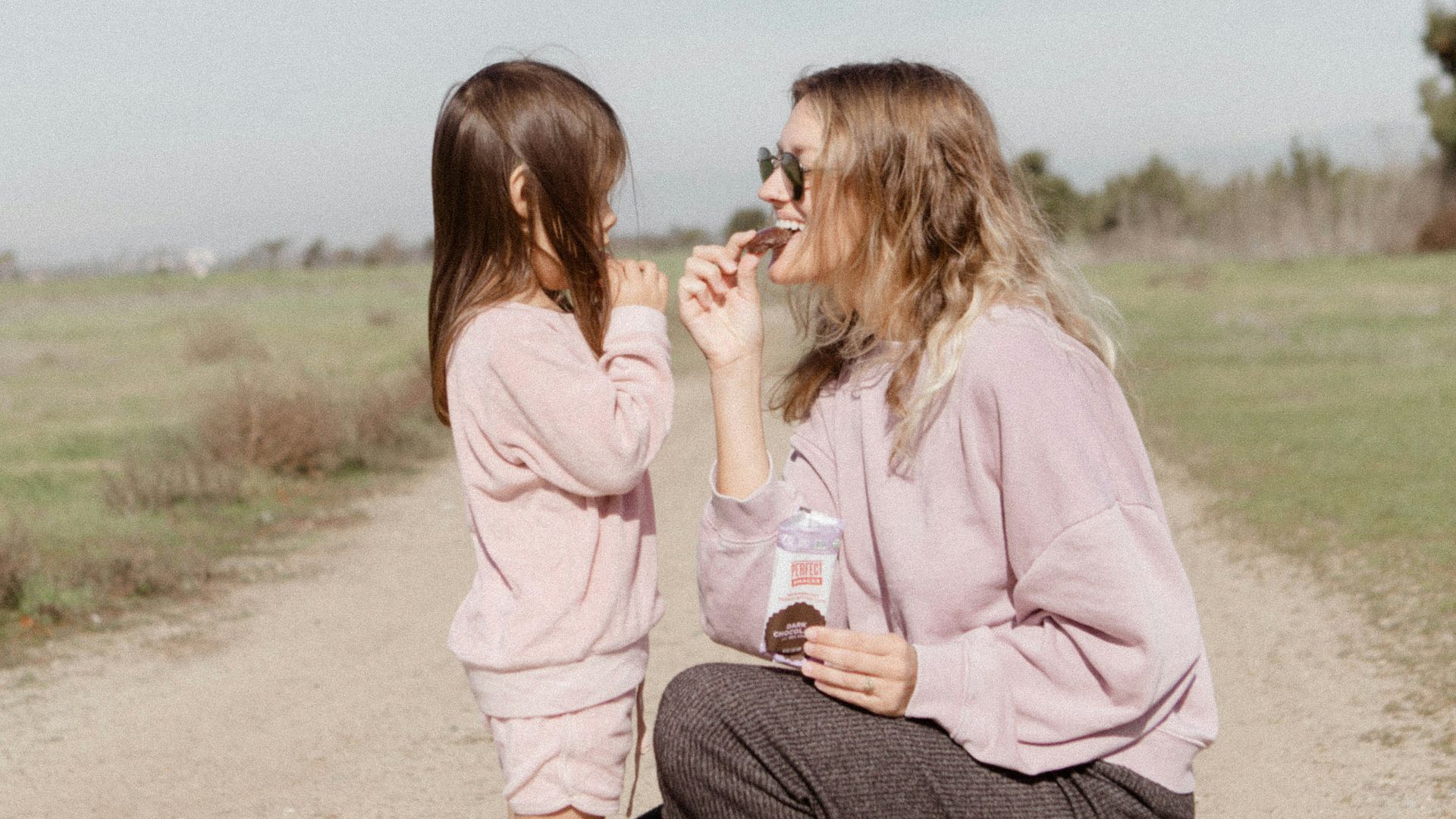
Eating in a crowd is fine until it becomes crumbs, sticky fingers, and wrappers fluttering like tiny flags. Choose a spot off the main path, clean up immediately, and keep food smells contained when you’re indoors. People in line do not need to share the full sensory experience of your tuna sandwich.
11. Respect “No Drone” Zones
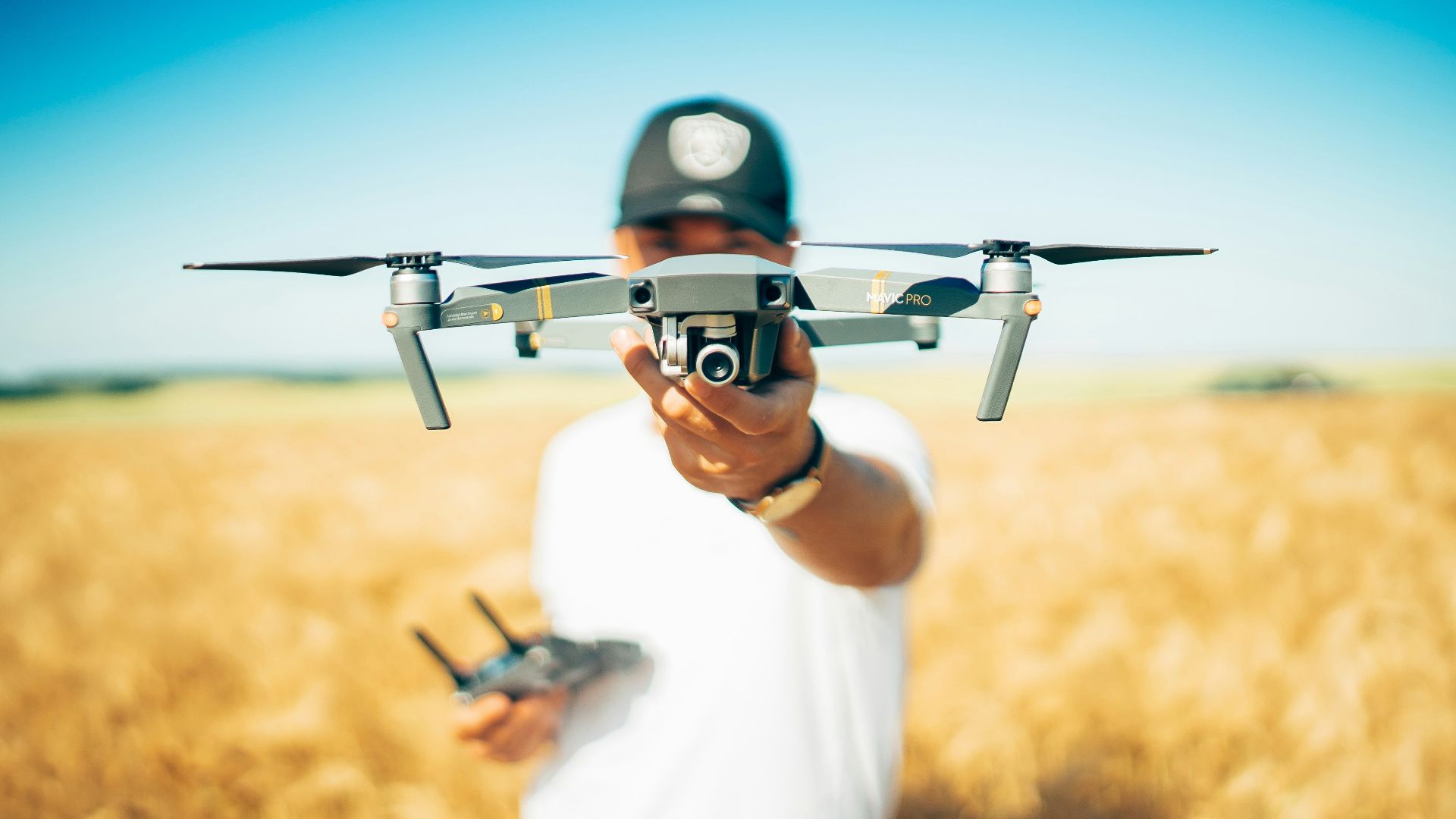
Many parks, beaches, and city centers have restrictions because drones create safety, noise, and privacy issues. These rules are also tied to wildlife protection in many natural areas, where disturbance can affect nesting or feeding behavior. If you want aerial footage, pick a legal location where other people and animals will not pay the price.
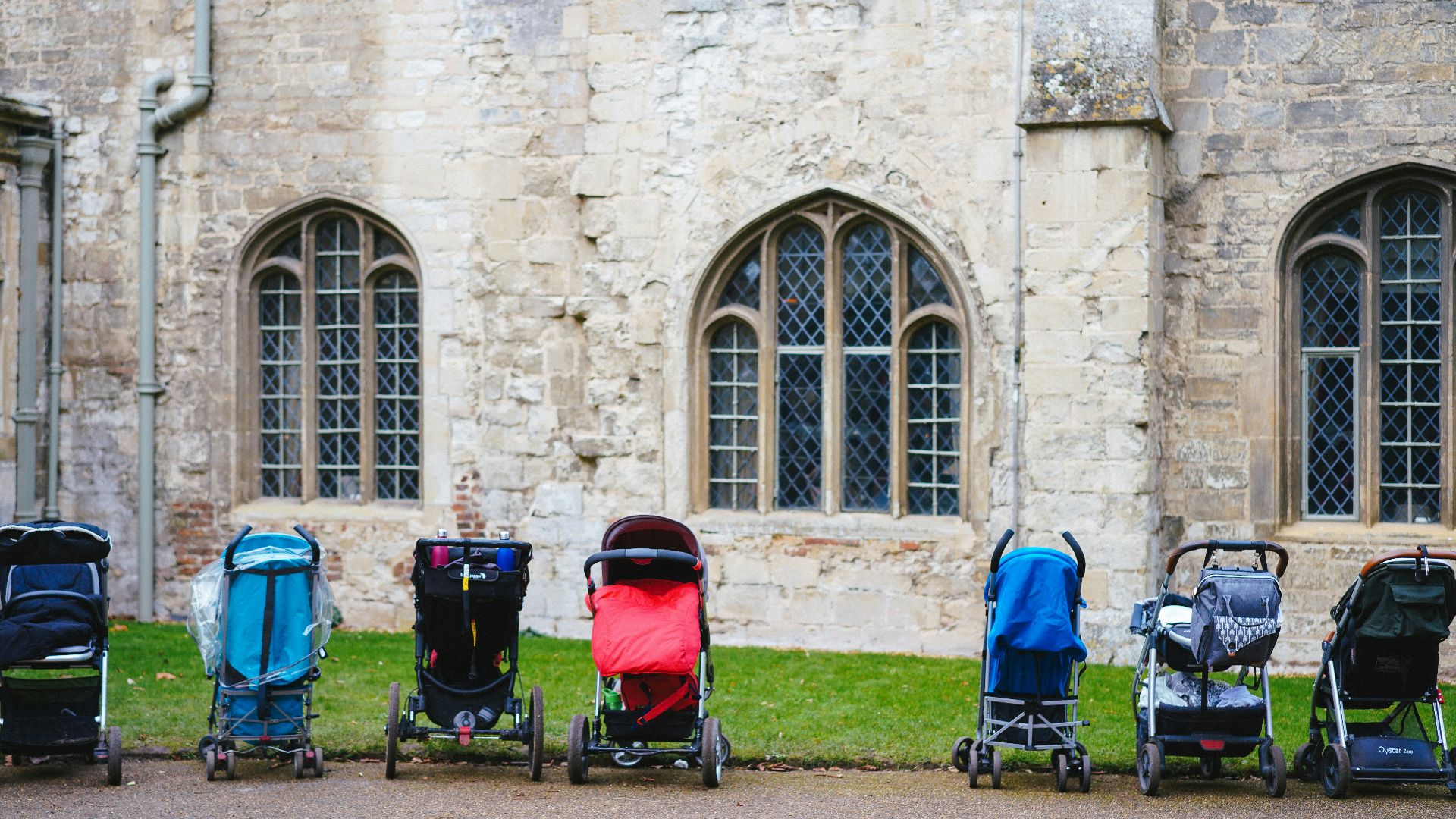
12. Read The Room With Strollers
Strollers are sometimes necessary, but they’re also unfortunately large. Choose wider routes when you can, avoid peak choke points, and keep wheels from blocking doorways.
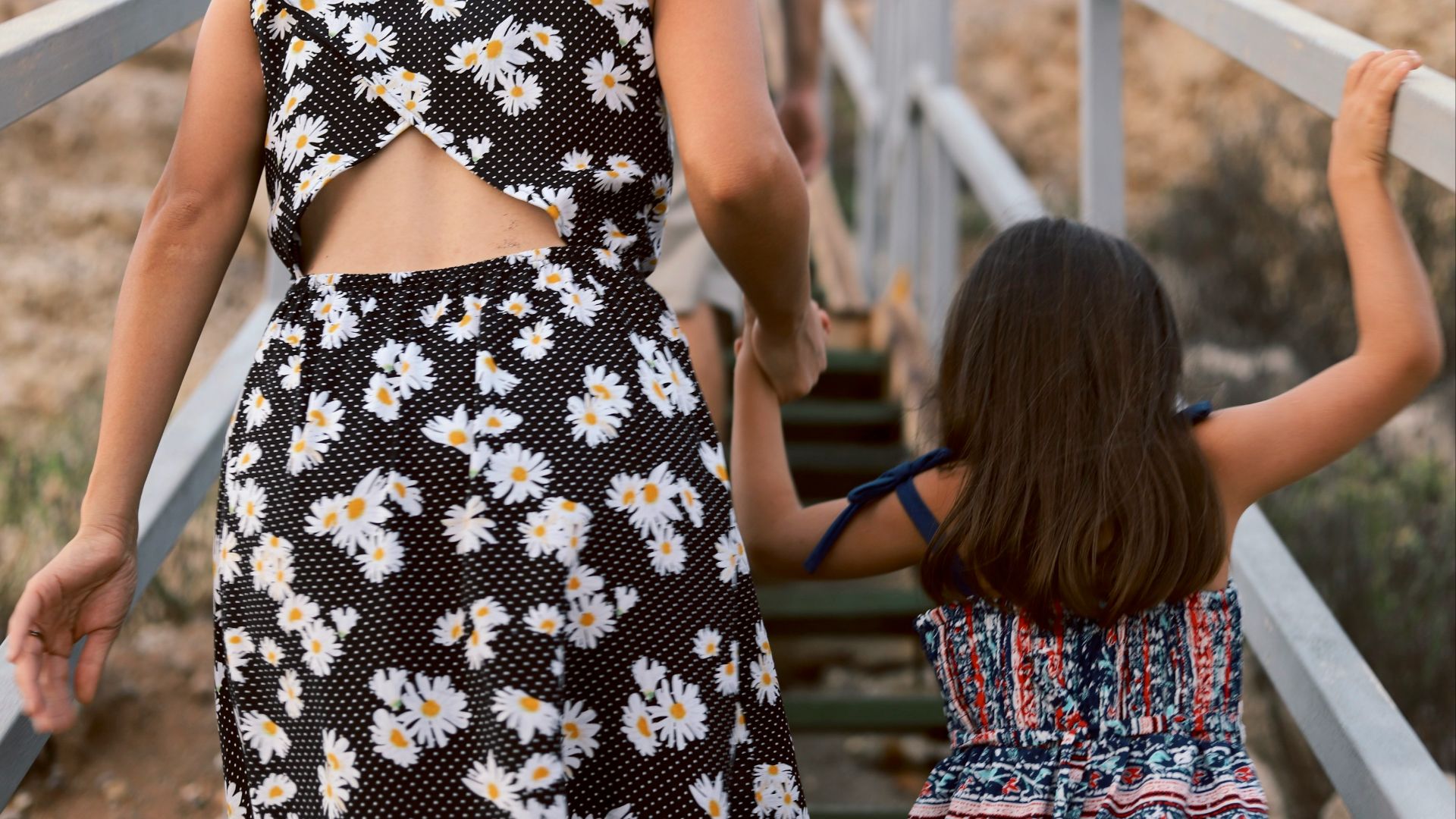
13. Keep Kids Close In Tight Areas
Busy streets and attractions can be overwhelming for kids, which is when wandering happens. Holding hands, using a short verbal check-in, and staying together protect your child and the people around them.
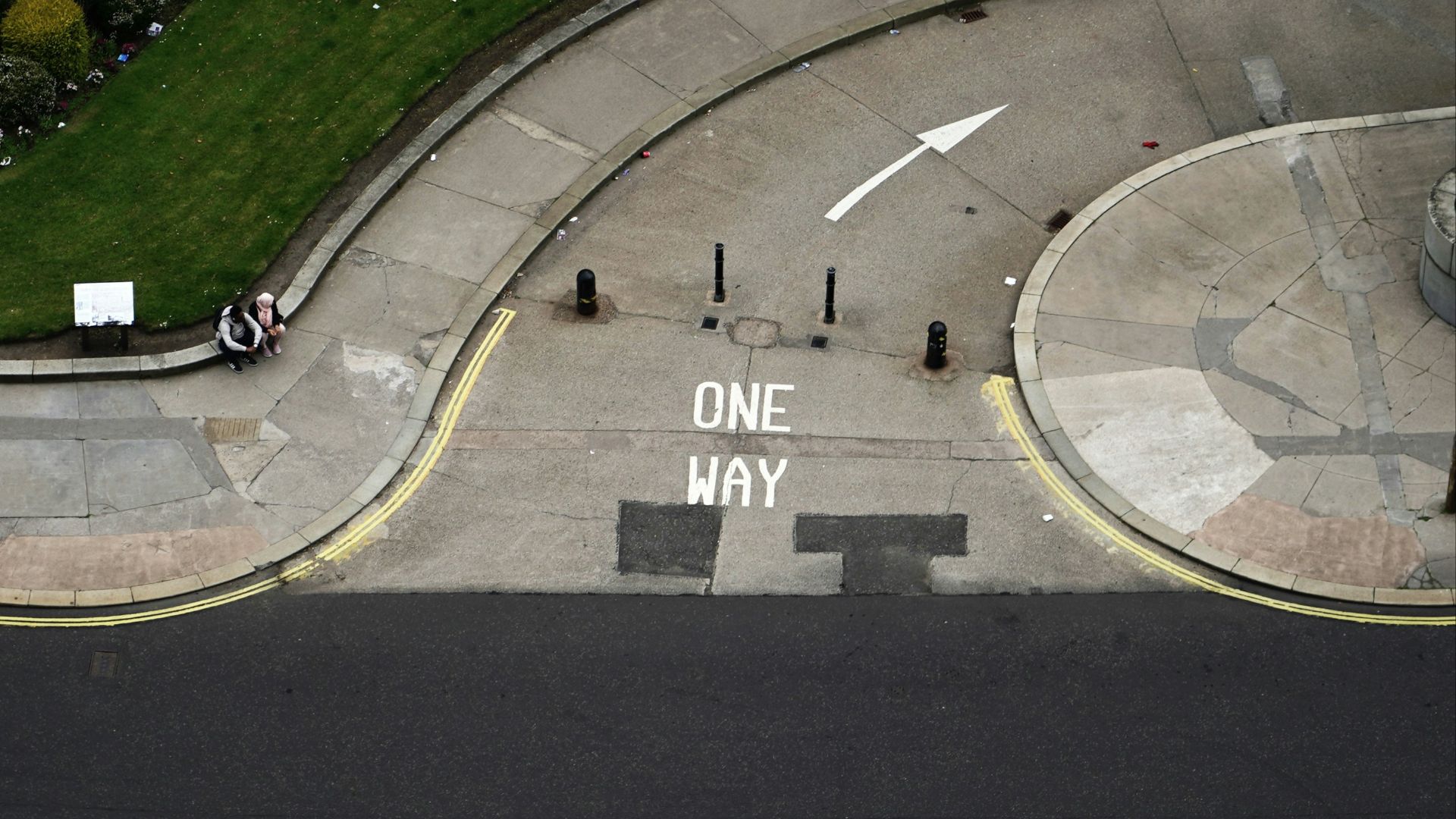
14. Follow The One-Way Flow
When a venue sets one-way routes, it is usually because the space cannot handle two-way traffic. Going against the direction slows everyone down and increases bottlenecks, especially in narrow galleries or small staircases.
 Jonathan Greenaway on Unsplash
15. Tip When Service Is Strained
In crowded destinations, staff are often doing more work for the same number of hours, and the pressure shows in the pace. When tipping is customary, a fair tip is part of being a decent guest, not a reward for perfection. Even small gestures like clearing your table area can make someone’s shift easier.
16. Keep Music To Yourself
Playing music from a phone speaker in a public space is an instant way to become unforgettable for the wrong reason. Headphones solve the problem, and they also let you enjoy your soundtrack without dragging strangers into it. Public spaces already have enough noise.
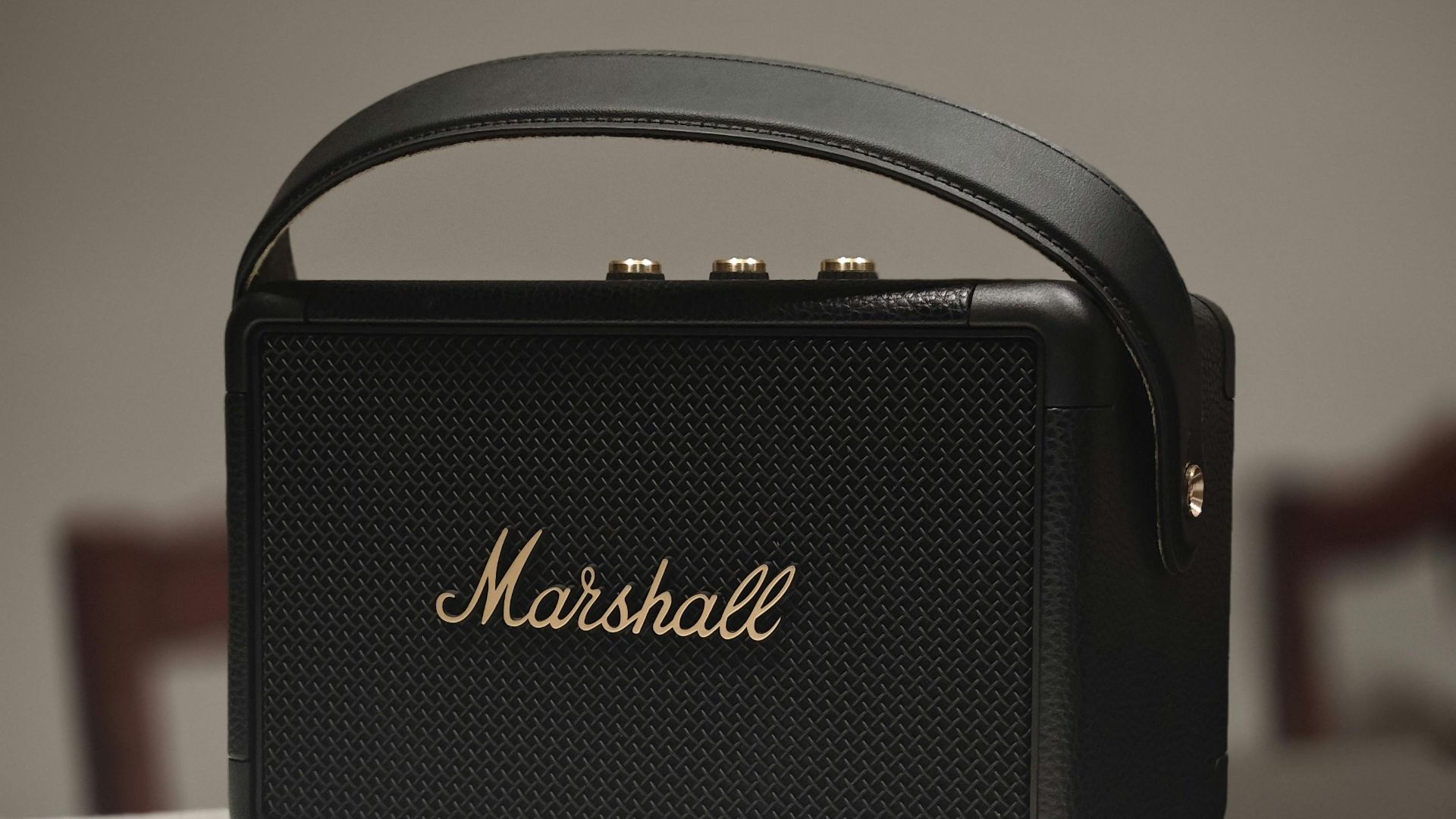
17. Stay Off People’s Personal Space
Crowds shrink the bubble between us, yet we can still avoid unnecessary contact. Give people room when you can, avoid leaning over strangers for photos, and do not treat someone else’s shoulder as a bag rest. A little restraint keeps the shared space less tense.
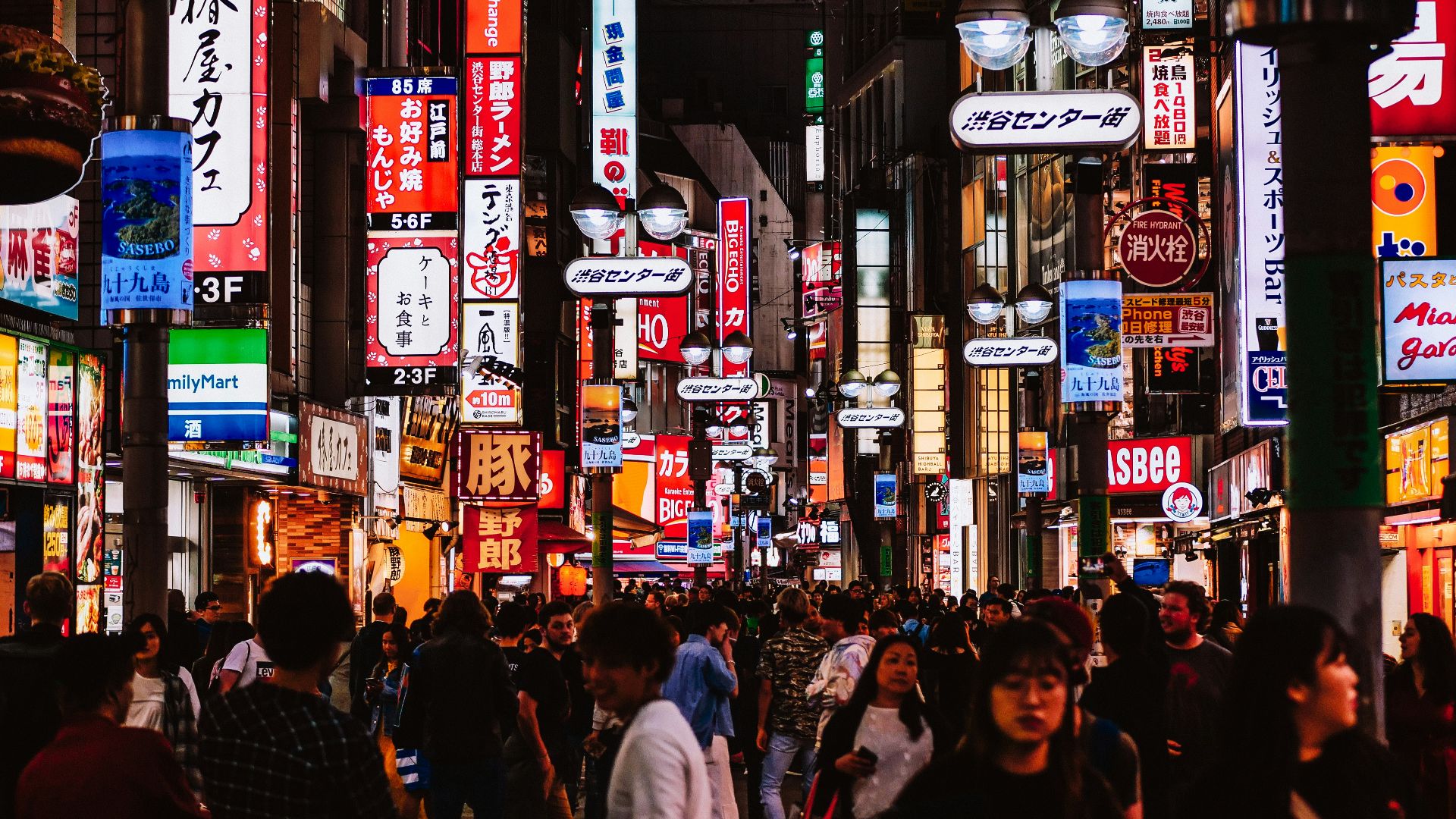
18. Skip Peak Transit Hours
Public transit in tourist cities is often busiest when locals commute, and adding tourist confusion on top of that helps nobody. If your schedule allows, travel mid-morning or early afternoon instead of piling into trains at the exact worst time. You’ll also get more space to navigate maps without blocking doors.
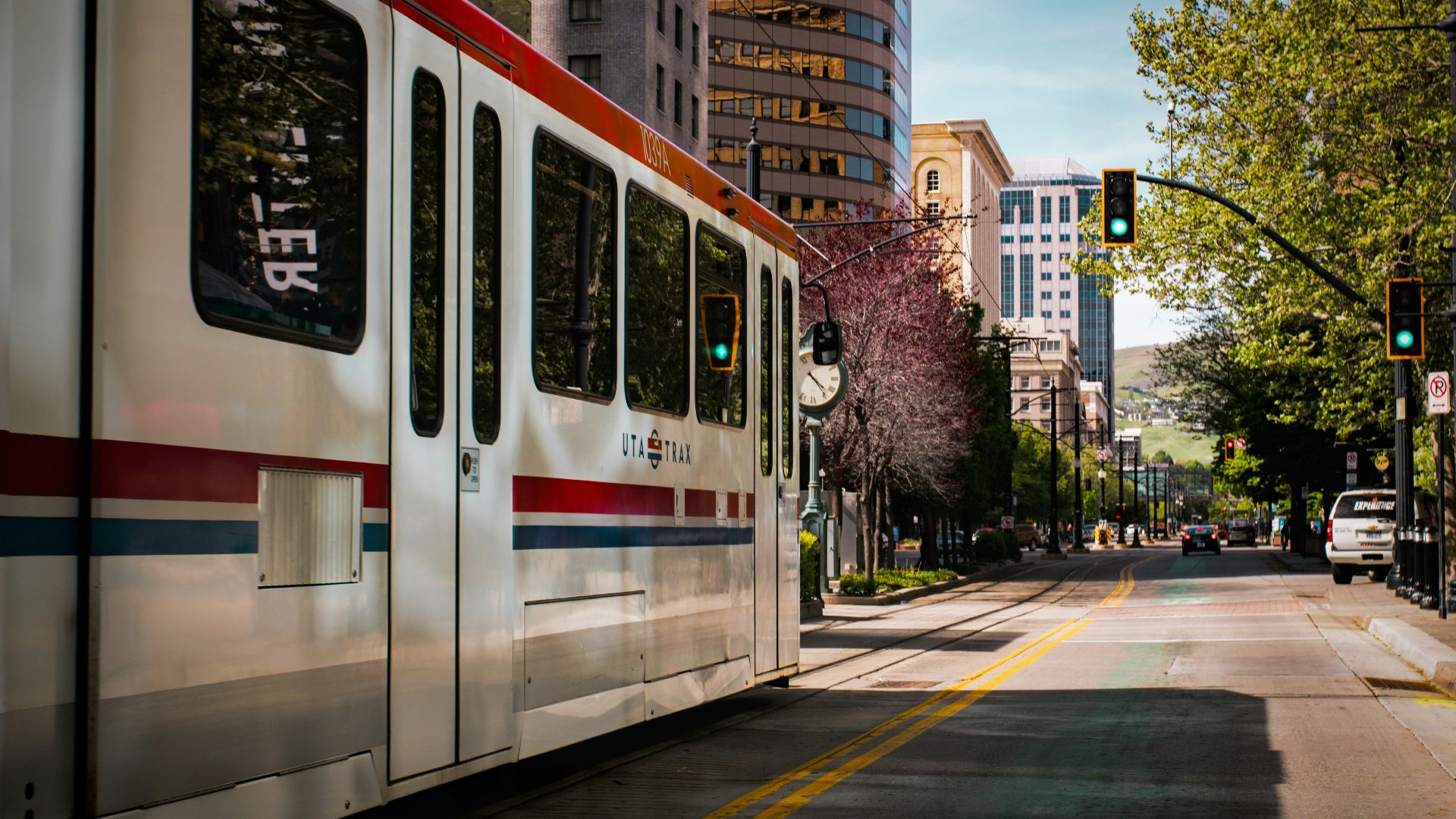
19. Use Restrooms Strategically
Bathroom lines are a predictable pain point, and when you go matters. Going before you desperately need to go keeps you from cutting it close and then acting frantic in a small space. Choosing less central restrooms can also reduce pressure on the busiest facilities.
20. Choose One “Less” Each Day
Crowded trips go better when you are not trying to do everything, because rushing makes people impatient and careless. Pick one thing to skip, whether that is an extra museum, one more market, or a late-night reservation that pushes you past your limit.