Why Tipping Still Sparks Debate
To tip or not to tip? If you live in a country where tipping is normalized, it can feel strange not to leave something on the table to show your thanks, even when you weren't treated to exceptional service. But this, in turn, can shape how you feel about a meal, a haircut, or a taxi ride before you’re even given the bill or done paying, which can sometimes spark annoyance and animosity. So: is tipping always great, or are there some obvious cons? Let's take a deeper look.

1. A Direct Way to Reward Excellent Service
When someone goes above and beyond, tipping lets you show appreciation to thank a worker for going out of their way to give you exceptional service. It can feel satisfying to acknowledge skill, speed, or genuine care on the spot by giving back.

2. Small Tips Can Add Up Meaningfully
Even modest amounts can make a real difference across a long shift, especially in busy service jobs. If you tip consistently, you’re supporting someone’s daily stability rather than offering a rare bonus. The impact is often bigger than it looks from your side of the receipt.
3. It Encourages Attentiveness During the Interaction
Tipping can motivate workers to stay alert to details like timing, accuracy, and follow-through. Since the customer is part of the final outcome, service tends to be more responsive in the moment. You often benefit from quicker fixes and better communication.

4. It Gives Customers a Say in the Experience
A tip can function as feedback that’s more immediate than a survey link you’ll never click. You’re not forced to make a big complaint to express disappointment or appreciation. That subtle leverage can make the interaction feel more balanced.

5. It Can Support Workers in High-Pressure Roles
Service work frequently involves long hours, emotional labor, and constant multitasking. Tipping recognizes that effort without requiring workers to justify their workload. In fast-paced environments, it can be one of the few ways the job feels financially worth it.

6. It Creates a Social Norm of Courtesy
Tipping often nudges people to think about the human being providing the service, not just the product. That can encourage more respectful behavior, especially when customers are stressed or impatient. A culture of tipping sometimes goes hand in hand with basic politeness.

7. It Can Improve Staff Retention in Tip-Heavy Industries
When tipping is reliable, experienced workers are more likely to stick around. That matters because consistency improves service quality over time. As a customer, you often end up with better-trained staff who know what they’re doing.

8. It Recognizes Personal Effort When Service Isn’t Automated
In places where you’re not just tapping a screen and leaving, a tip can reflect the real work happening behind the scenes. It acknowledges the person who refills your water, solves a problem, or handles special requests. That human element is easy to overlook without some way to credit it.
9. It Helps Some Businesses Keep Base Prices Lower
Some employers lean on tipping to avoid raising listed prices as much as they otherwise would. Customers who don’t want to pay more upfront may prefer that structure, even if it’s imperfect. For you, the menu can look cheaper, even though the total may not be.
10. It Can Strengthen the Feeling of Mutual Respect
A thoughtful tip can signal that you noticed the effort, not just the outcome. When done without attitude, it can leave both sides feeling like the interaction was fair. That simple moment of recognition can improve the tone of the whole experience.
But tipping doesn't always come with good feelings, especially when it feels like customers are forced to leave a good chunk on the table. So: what are 10 downsides of tipping? Let's jump into it.

1. It Shifts Employer Responsibility Onto the Customer
The biggest issue is that tipping often fills gaps that wages should cover. Instead of businesses paying workers properly, the customer becomes the backstop. You end up subsidizing payroll decisions you didn’t make.
2. It Creates Stress Around “What’s the Right Amount?”
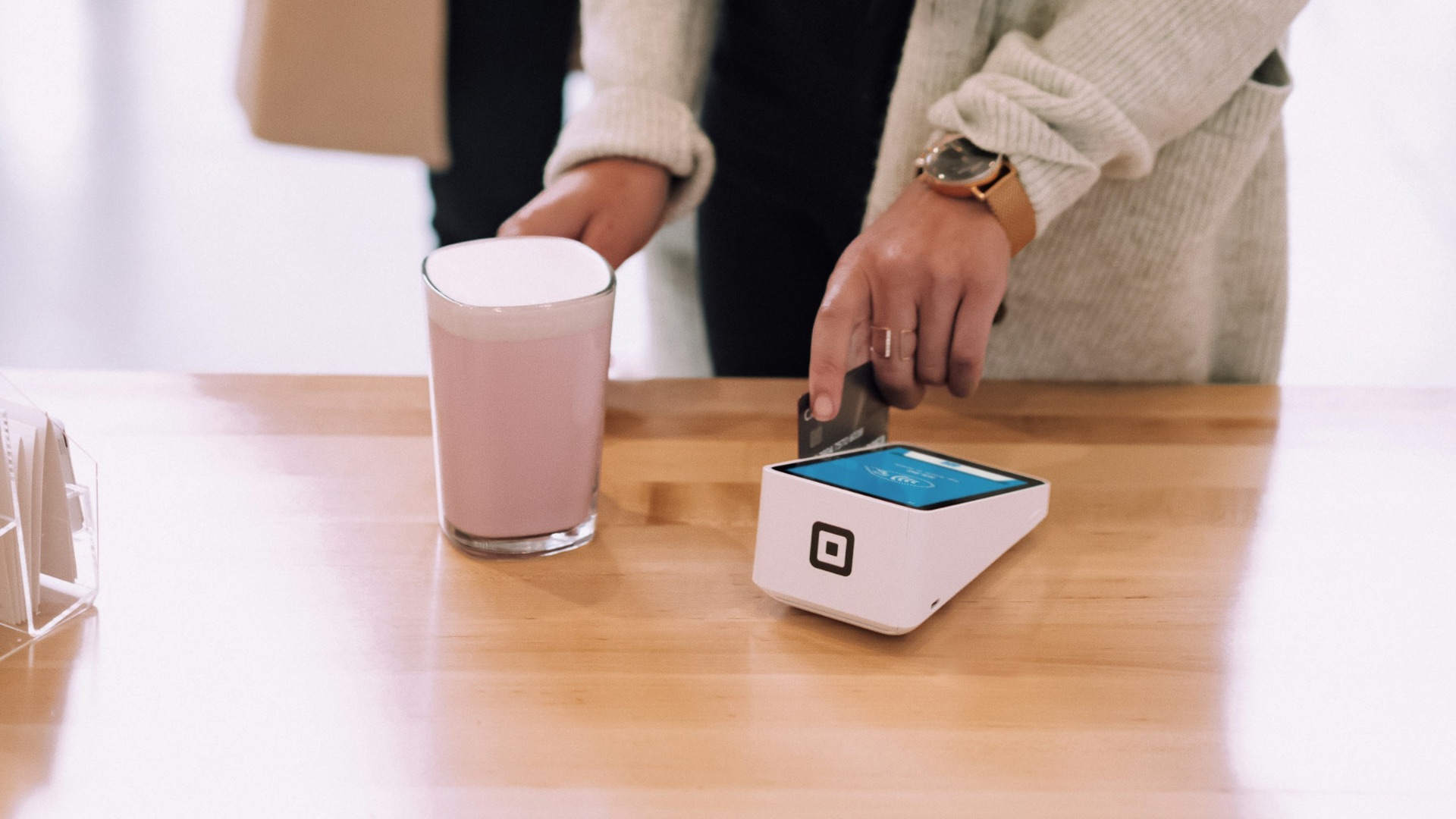
Even people who tip gladly can feel anxious about percentages, norms, and context. The pressure gets worse when every screen suggests a high default tip for minimal service. That awkward mental math can drain the joy from an otherwise simple purchase.

3. It Leads to Uneven Income and Financial Instability
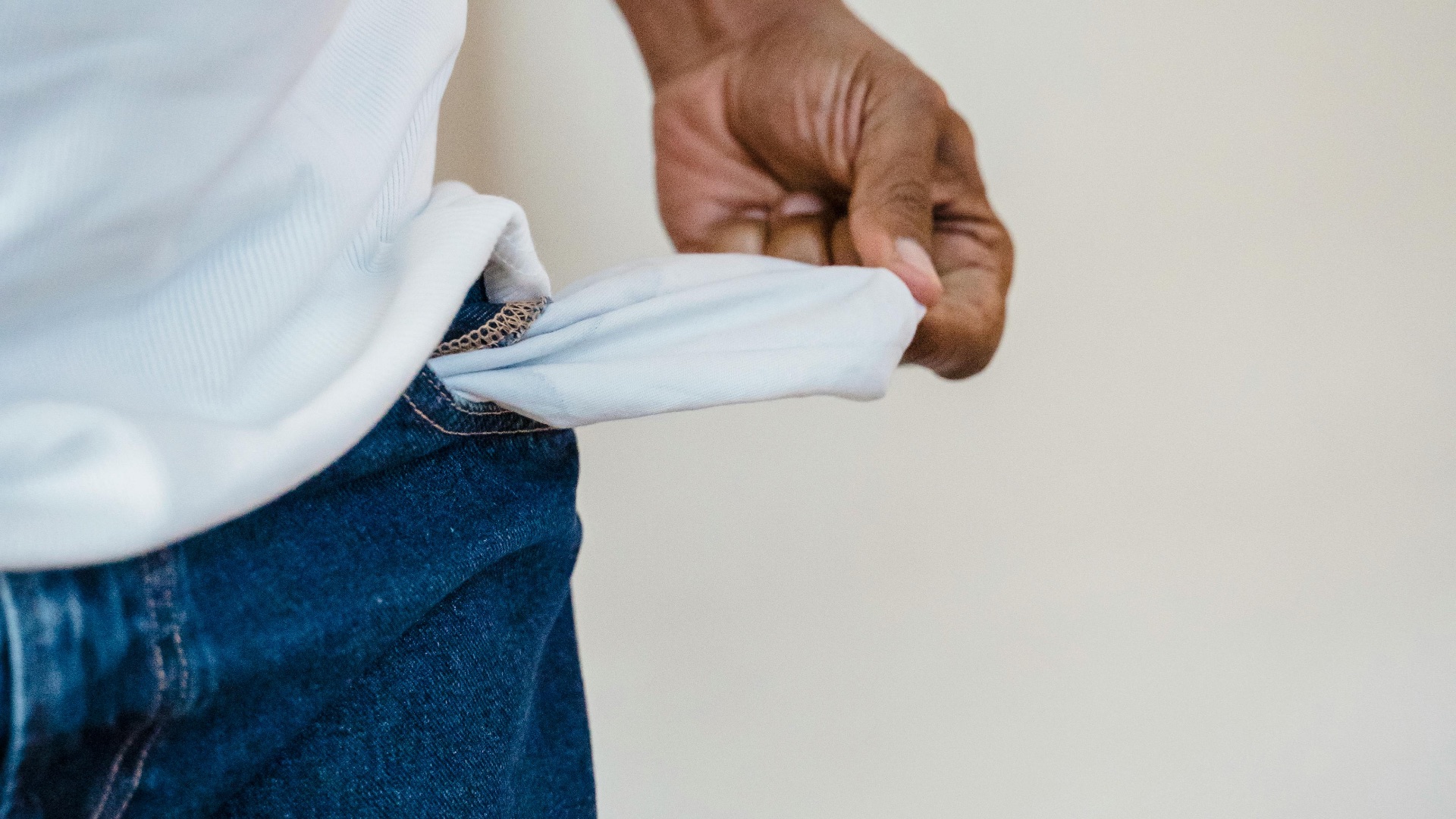
Tip-based earnings can swing wildly from shift to shift depending on many factors, from season to customer mood. Workers may do the same job with drastically different pay outcomes. That unpredictability can make budgeting and long-term planning much harder.
4. Bias Can Influence Who Gets Tipped and How Much
Tipping decisions, unfortunately, can be affected by race, gender, age, accent, or appearance, even when people don’t mean to be unfair. That means pay can depend on customer bias rather than performance. It’s uncomfortable to admit, but it’s a real downside built into the system.
5. It Can Encourage Performative Friendliness
When income depends on tips, workers may feel forced to act cheerful even when they’re exhausted or dealing with difficult customers. The line between professional service and emotional labor gets blurry. As a customer, you might sense that pressure and not like what it does to the interaction.

6. It Penalizes Workers for Problems They Didn’t Cause
A delayed kitchen ticket, a scheduling shortage, or a broken payment system often lands on the server’s tip total. Customers may tip less because the experience went sideways, even if the worker handled it well. That’s a harsh way to assign blame.

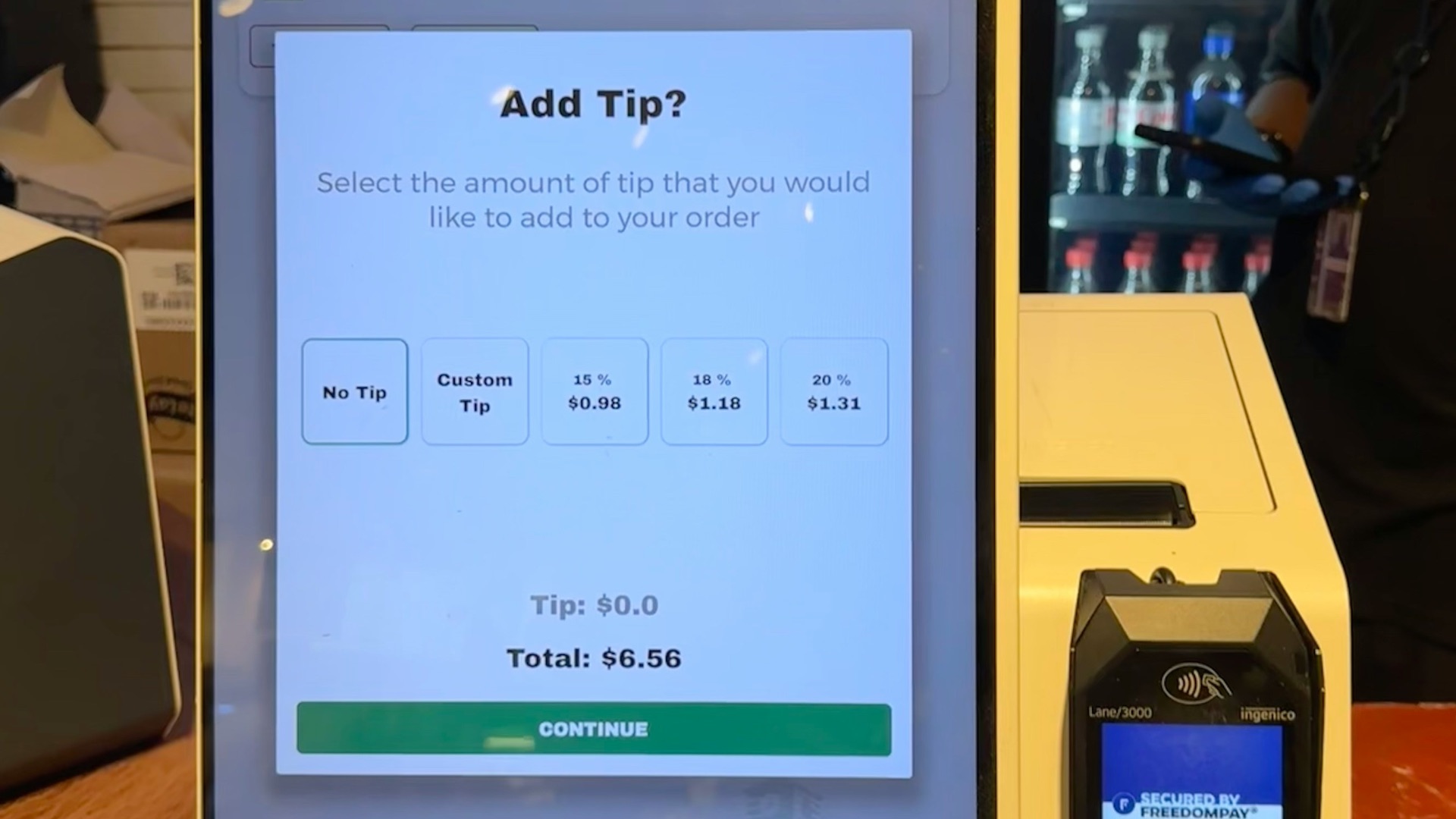
7. Tip Prompts Are Spreading Into Places They Don’t Fit
More businesses now ask for tips in situations that used to be straightforward retail transactions. Those prompts can feel like guilt buttons, especially when there wasn’t real service involved. You’re left wondering whether you’re being generous or just being nudged.
8. It Can Create Tension Between Staff Roles
In many workplaces, the distribution of tips can be complicated and sometimes contentious. Front-of-house roles may earn far more than back-of-house staff who also contribute heavily. That imbalance can breed resentment and make teamwork harder.

9. It Adds Hidden Costs and Blurs True Prices
When tips are expected, the posted price isn’t the full price in practice. That makes it harder to compare options or plan spending accurately. Over time, it can feel like you’re constantly being asked to do an extra calculation just to pay fairly.
10. It Lets Customers “Grade” People
Some customers use tipping as a power move rather than a genuine thank-you. Workers can end up tolerating disrespect because their pay is on the line. That dynamic can turn normal service interactions into something needlessly tense and unfair.