Travel Smart, Stay Healthy
Travel can be fun, but it also puts you in close quarters with new germs, unfamiliar food and water, and environments your body may not be used to. Thankfully, most travel-related illnesses are either avoidable or manageable if you plan ahead and pay attention to a few basic habits. While travelers’ diarrhea is widely cited as the top travel-related illness, you'll want to watch out for other ones on this list to ensure your vacation time doesn't get ruined. Here are 10 of the most common travel illnesses and 10 ways to prevent contracting them.

1. Traveler’s Diarrhea
Traveler's diarrhea, as mentioned, is the top most common illness people typically contract during vacation. You might develop frequent loose stools, cramping, and an urgent need to find a restroom fast. It’s usually linked to contaminated food or water, and it can derail even the most organized itinerary. While it’s often self-limited, it can quickly dehydrate you if you don’t replace fluids.

2. Norovirus
Norovirus tends to hit hard and suddenly, with symptoms like vomiting, diarrhea, and exhaustion that can keep you in bed. It spreads easily in crowded settings like tours, buses, and shared accommodations, since this virus is highly contagious. Hand-to-mouth transmission is common, so surfaces and fingers matter more than people realize.
3. Respiratory Colds and “Travel Cough”
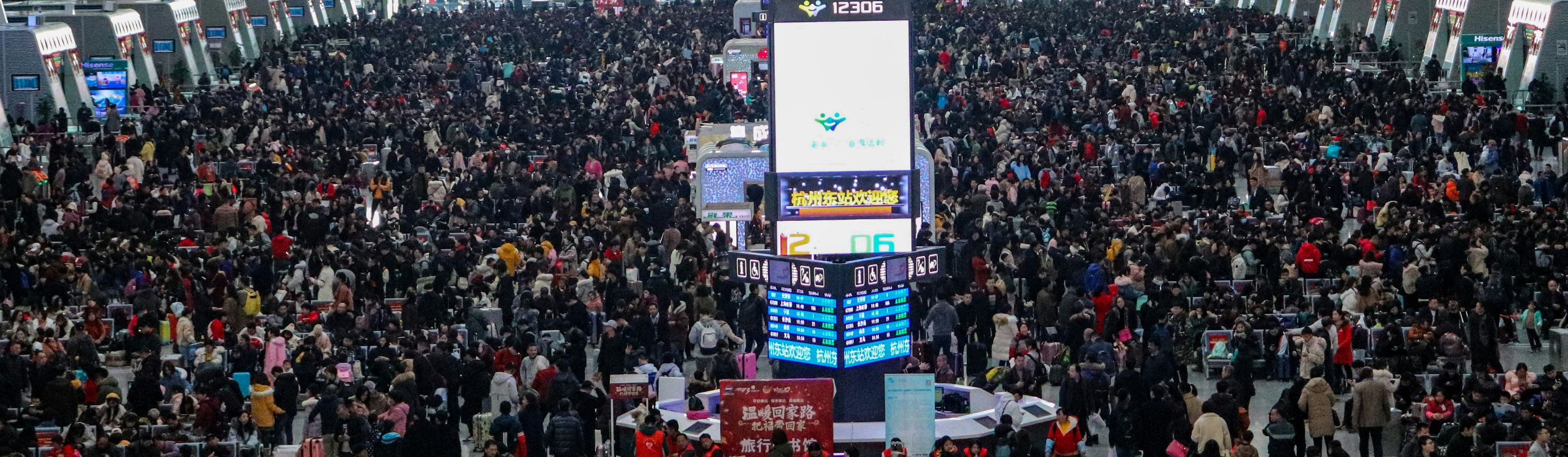
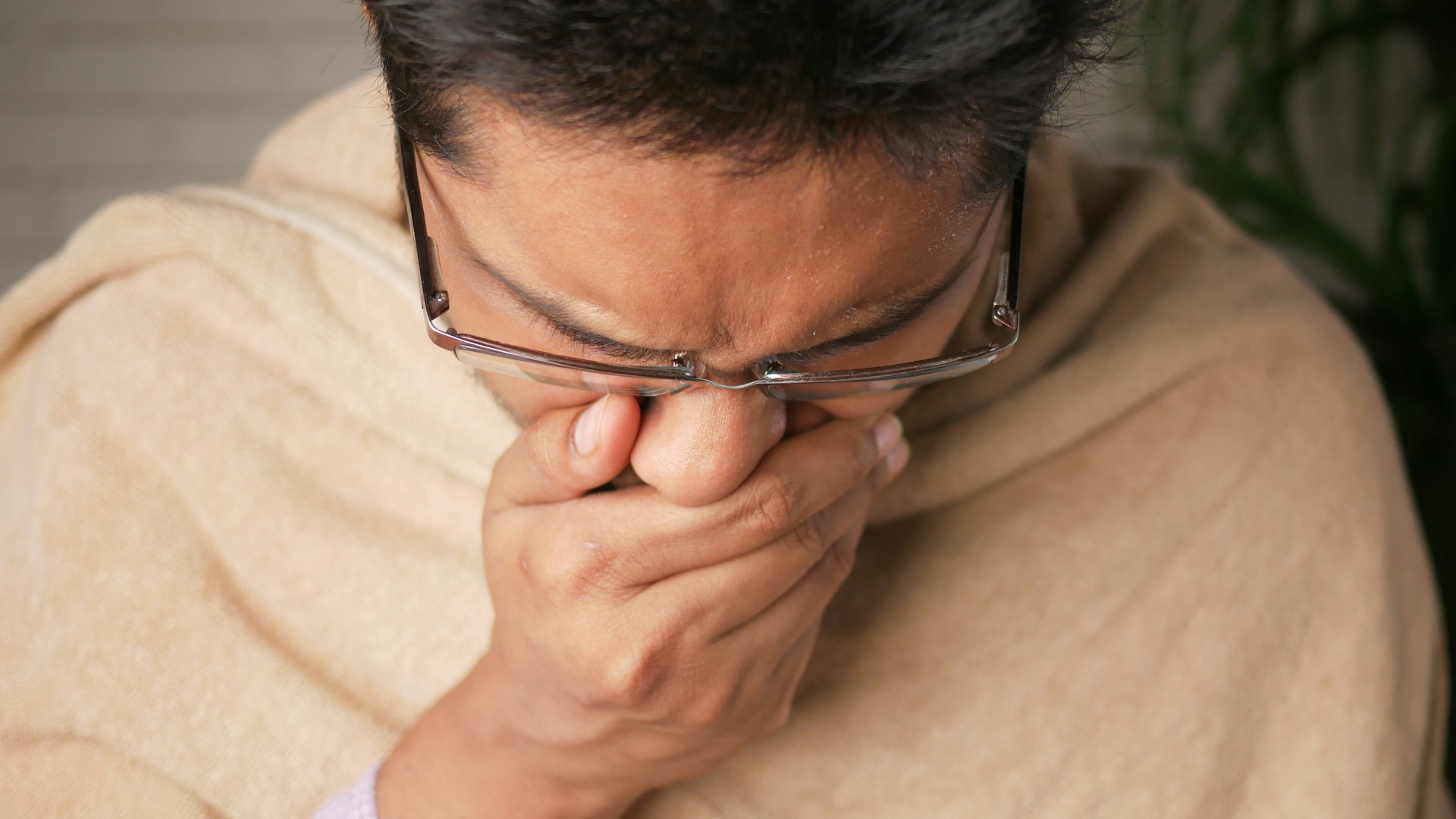
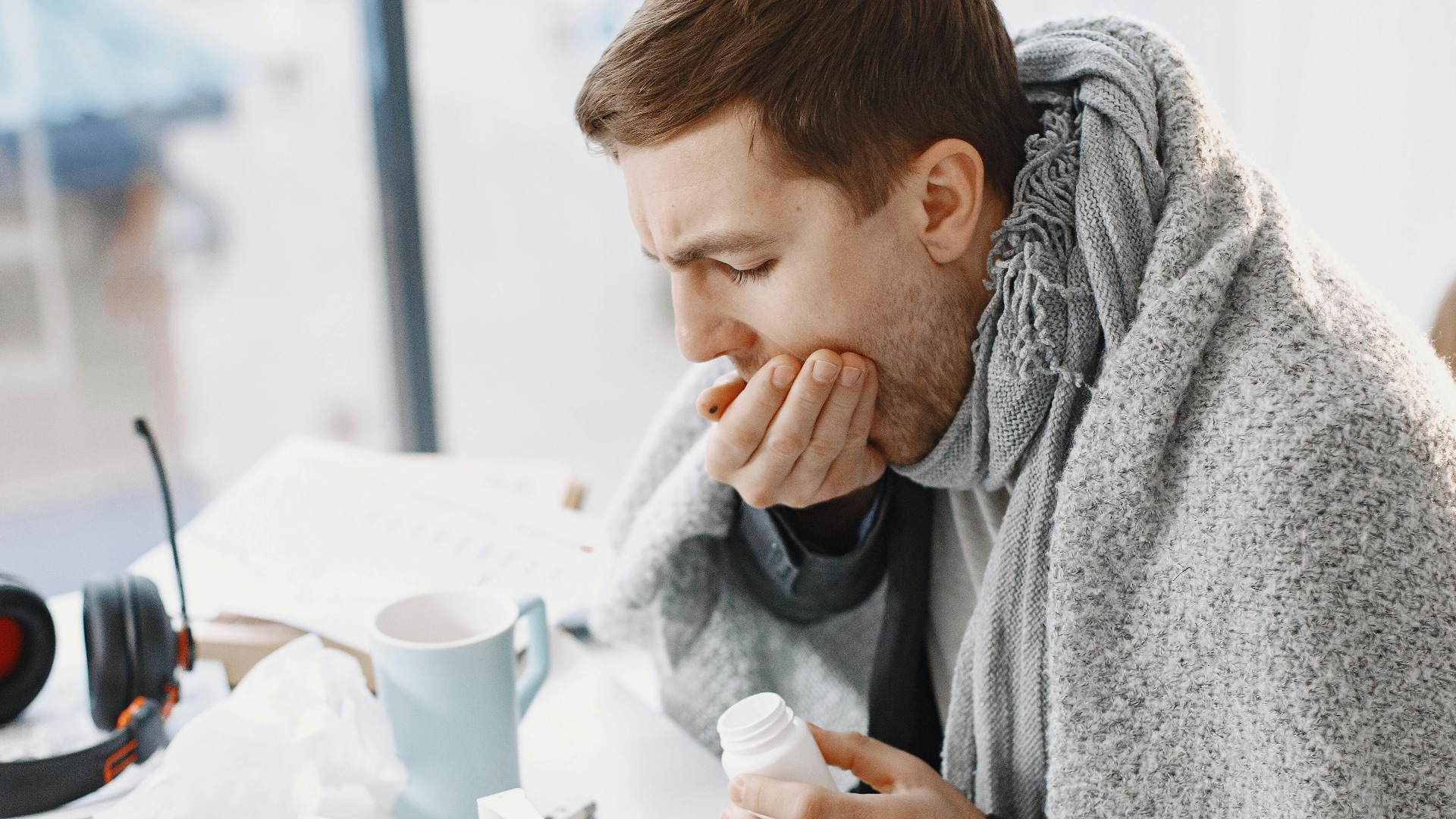
Airports, planes, and packed attractions make it easy to pick up common cold viruses. Symptoms like sore throat, congestion, and coughing can feel even worse when you’re already tired and dehydrated from transit. Even if it’s mild, the sleep disruption can make the rest of your trip feel off.

4. Influenza
Flu isn’t just a bad cold; it can bring fever, body aches, and serious fatigue, too. Close contact during travel raises your odds, especially in peak seasons that may differ from home. If you get sick early in a trip, it can wipe out multiple days at once.
5. COVID-19
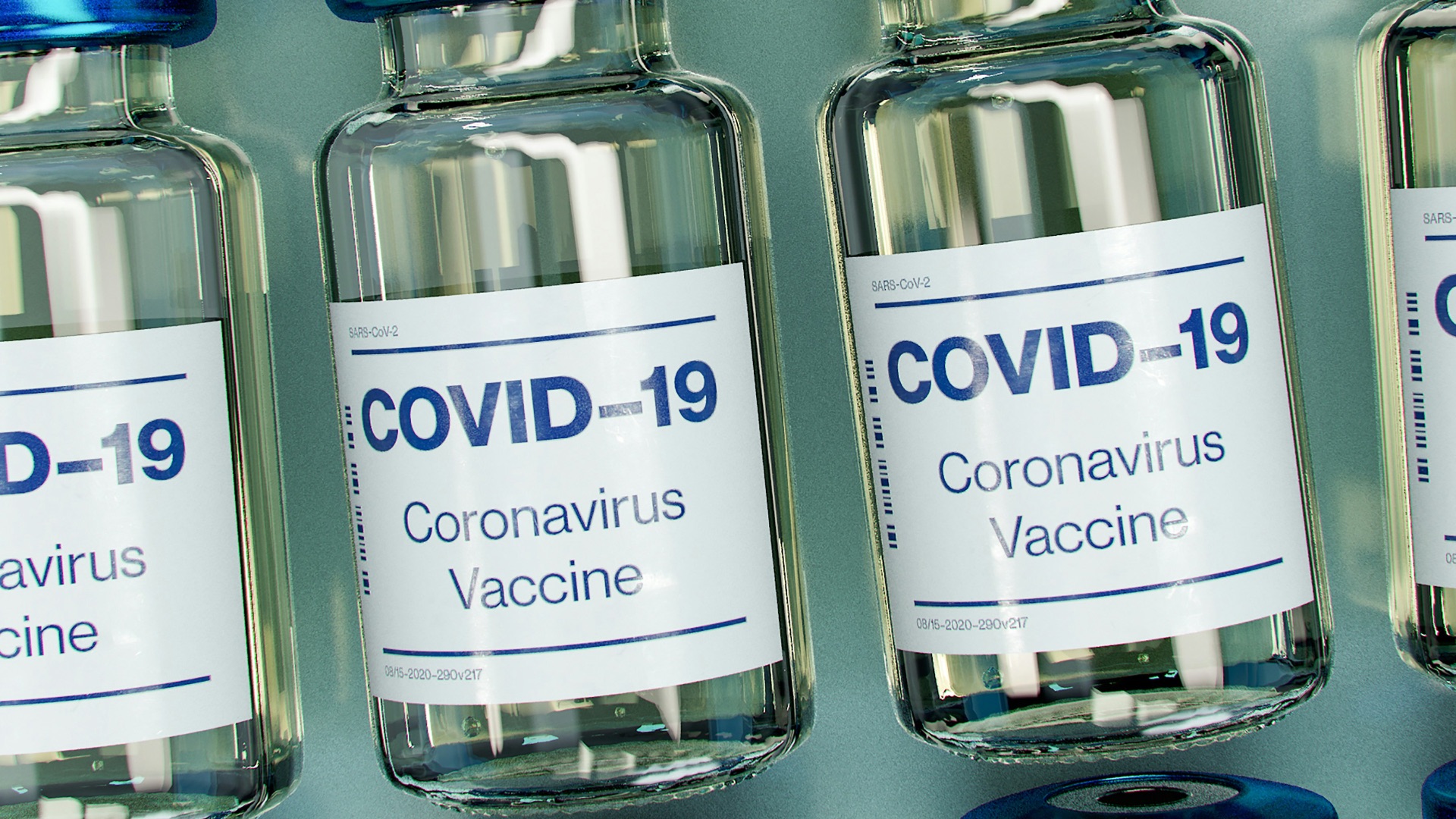
COVID-19 still shows up frequently in travel because of crowded indoor air and frequent contact points. Symptoms vary widely from person to person, from mild congestion to fever and significant fatigue that makes any movement feel miserable. It can also complicate plans if you need to isolate or adjust transportation.
6. Food Poisoning from Bacteria
Bacterial food poisoning often comes with nausea, vomiting, abdominal cramps, and diarrhea that starts within hours to a day after eating. Undercooked foods, ingredients that have gone bad, and cross-contamination are common culprits, so be wary about where you choose to eat.

7. Hepatitis A
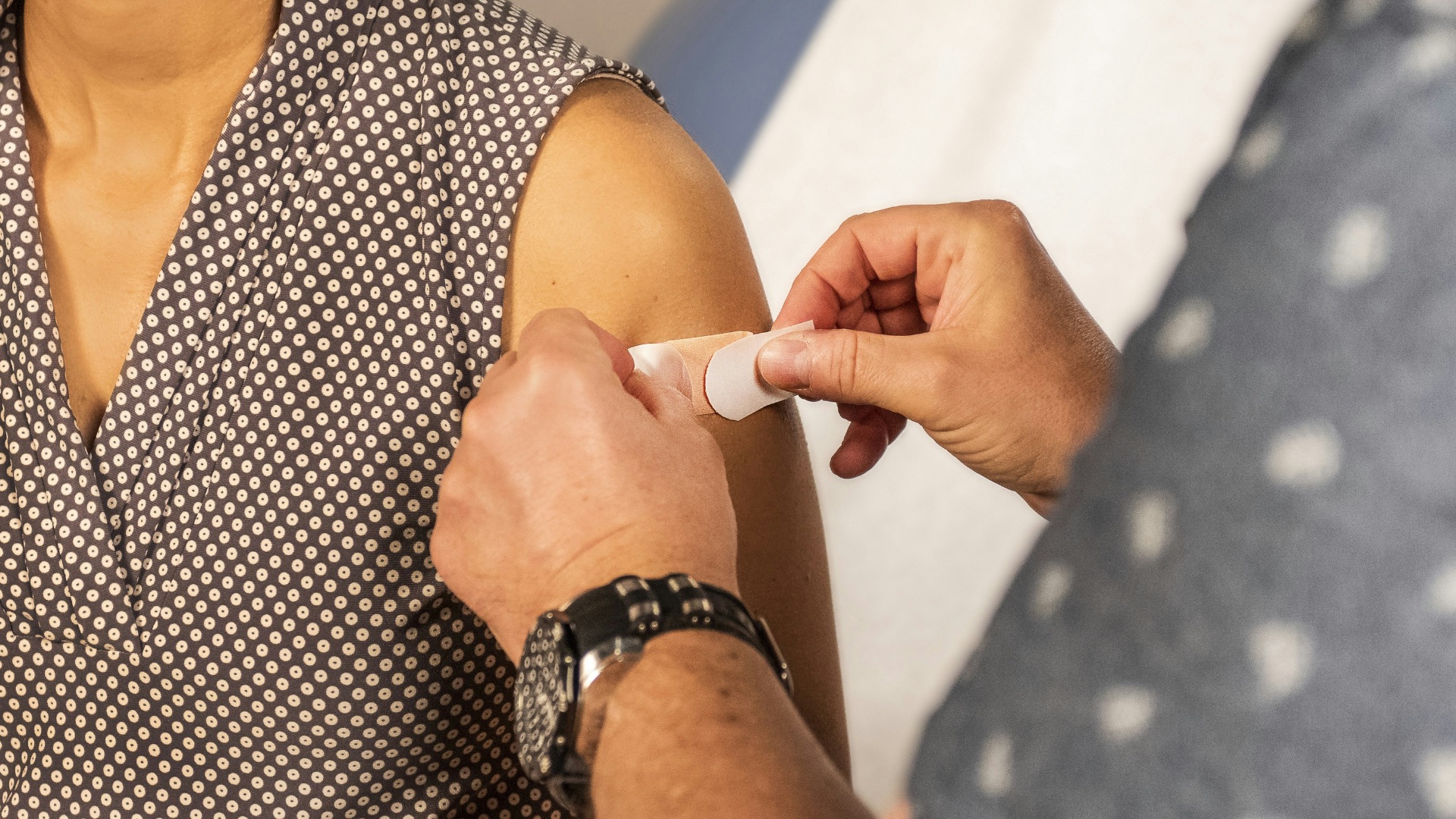
Hepatitis A is a liver infection that can spread through contaminated food and water. It may start with fatigue, nausea, and abdominal discomfort, and some people may even develop jaundice. The illness can linger for weeks, which is not the kind of souvenir you want, so get vaccinated if you haven't already.
8. Typhoid Fever
Typhoid fever is spread through contaminated food or water and can cause prolonged fever, weakness, rashes, and stomach symptoms that don’t resolve quickly. Without proper treatment, it can become life-threatening, so it's important to recognize and treat the illness as soon as you suspect it.

9. Malaria
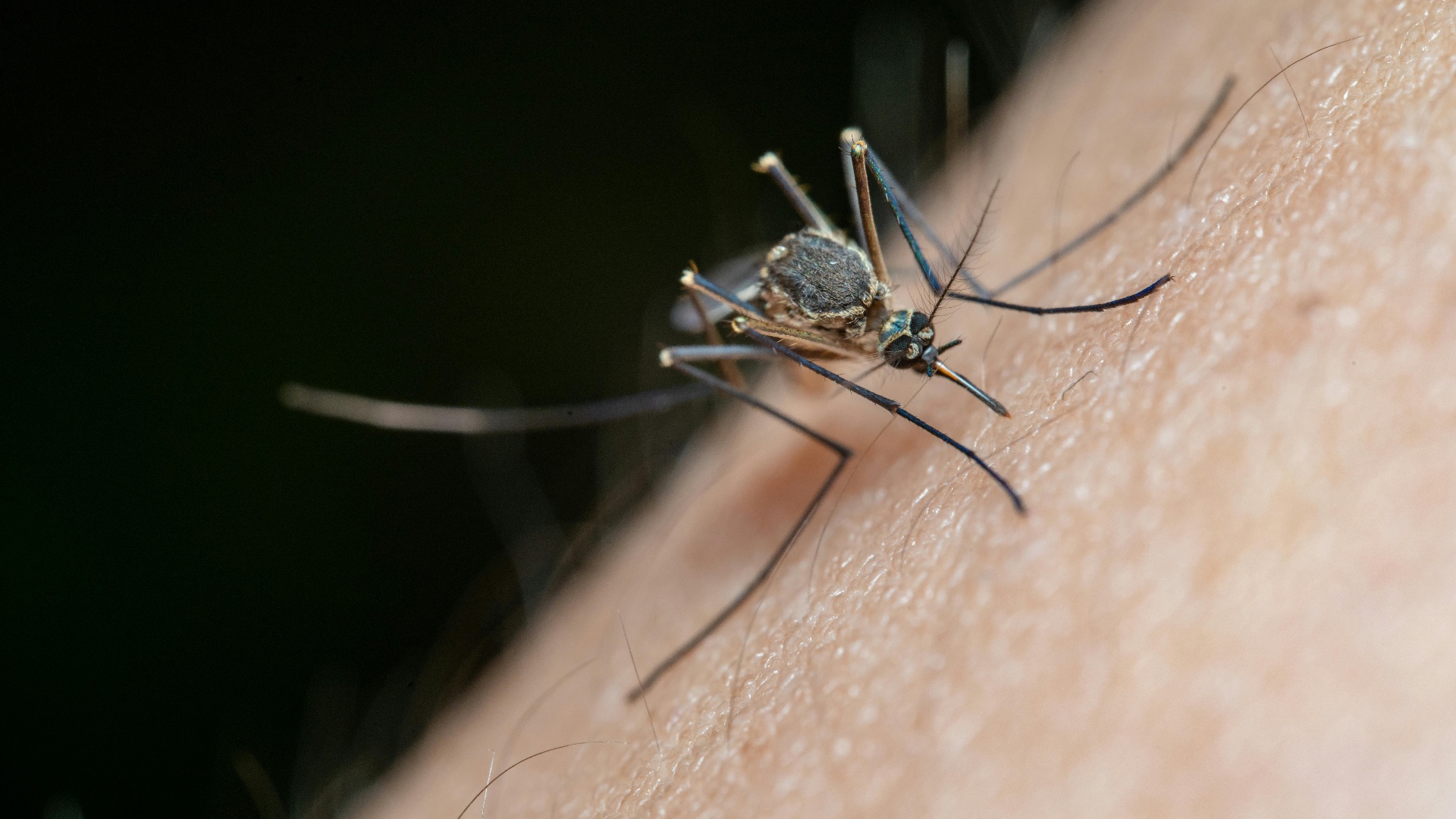
Malaria is transmitted by mosquitoes in certain regions and can cause fever, chills, and intense flu-like symptoms. The timing can be tricky because symptoms may appear after you’ve already moved on from your destination. If you can, wear protective clothing to lessen the chance of getting bitten.
10. Altitude Illness
Another common travel illness is one you might get even before you land at your destination: altitude sickness. If you go up high too quickly, you can end up with headaches, nausea, poor sleep, and shortness of breath. The risk rises with rapid ascent and higher elevations, and it can progress if you ignore early symptoms. To prevent it? Experts recommend staying well-hydrated, and to avoid drinking alcohol or caffeinated beverages before and during flight.
No one wants to get sick when they're traveling, so how can you ensure you stay healthy throughout your trip? Read on for 10 smart tips that will help you prevent contracting unwanted illnesses.
1. Wash Your Hands
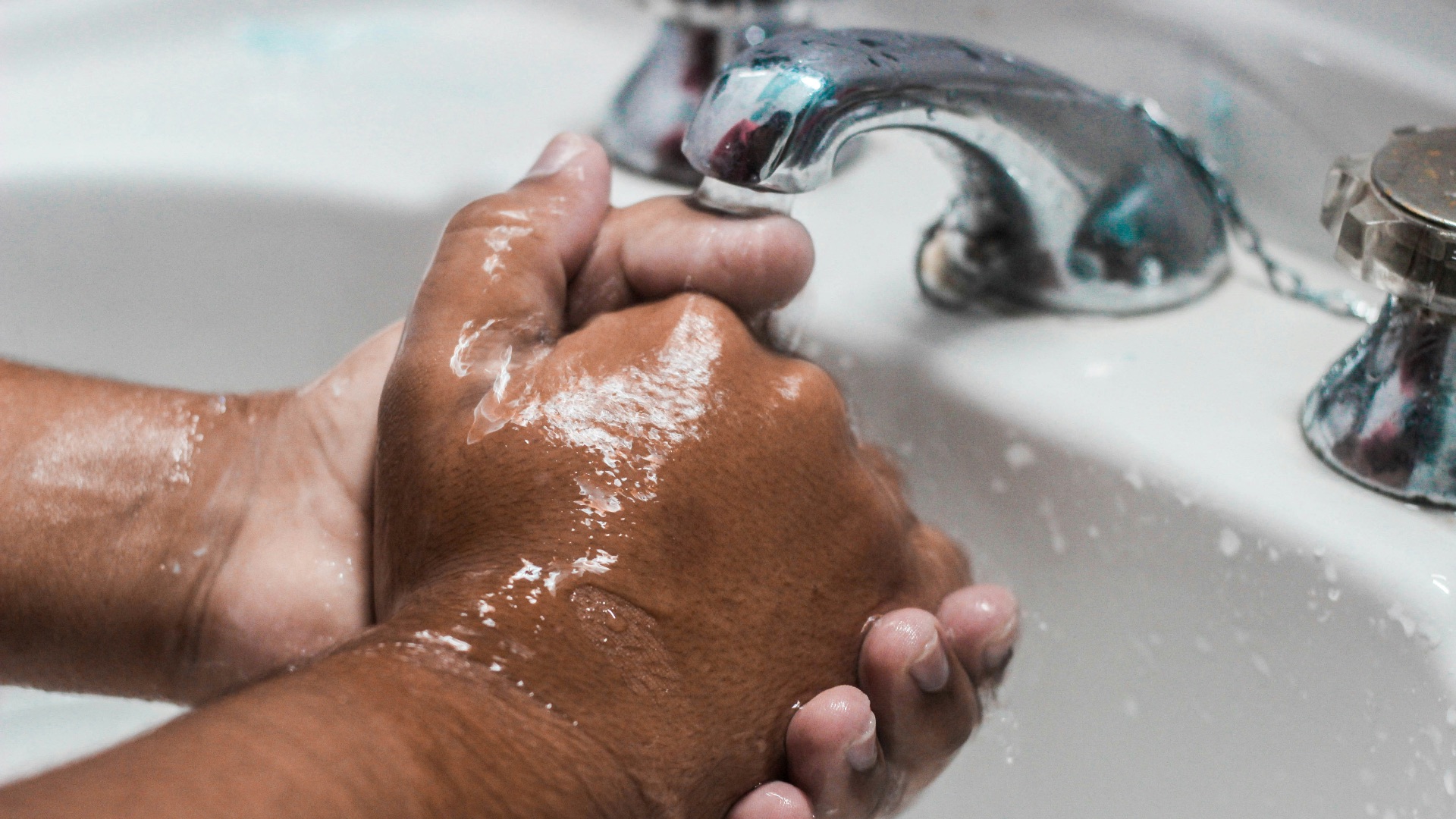
You shouldn't need us to remind you, but make sure to wash your hands before eating, after using the restroom, and after touching high-traffic surfaces, like door handles. Use soap and warm water, and take at least 20 seconds to scrub each finger and palm. When that’s not an option, a hand sanitizer with at least 60% alcohol is a solid backup.
2. Be Selective with Food and Water
No matter where you're traveling, choose foods that are thoroughly cooked and served hot, and be cautious with raw items if you’re unsure about washing practices. Stick to sealed beverages or bottled water, especially when the local supply isn’t reliably safe. If you’re hesitating about putting something in your mouth, it might be best to listen to your gut.

3. Build a Small, Practical Travel Health Kit
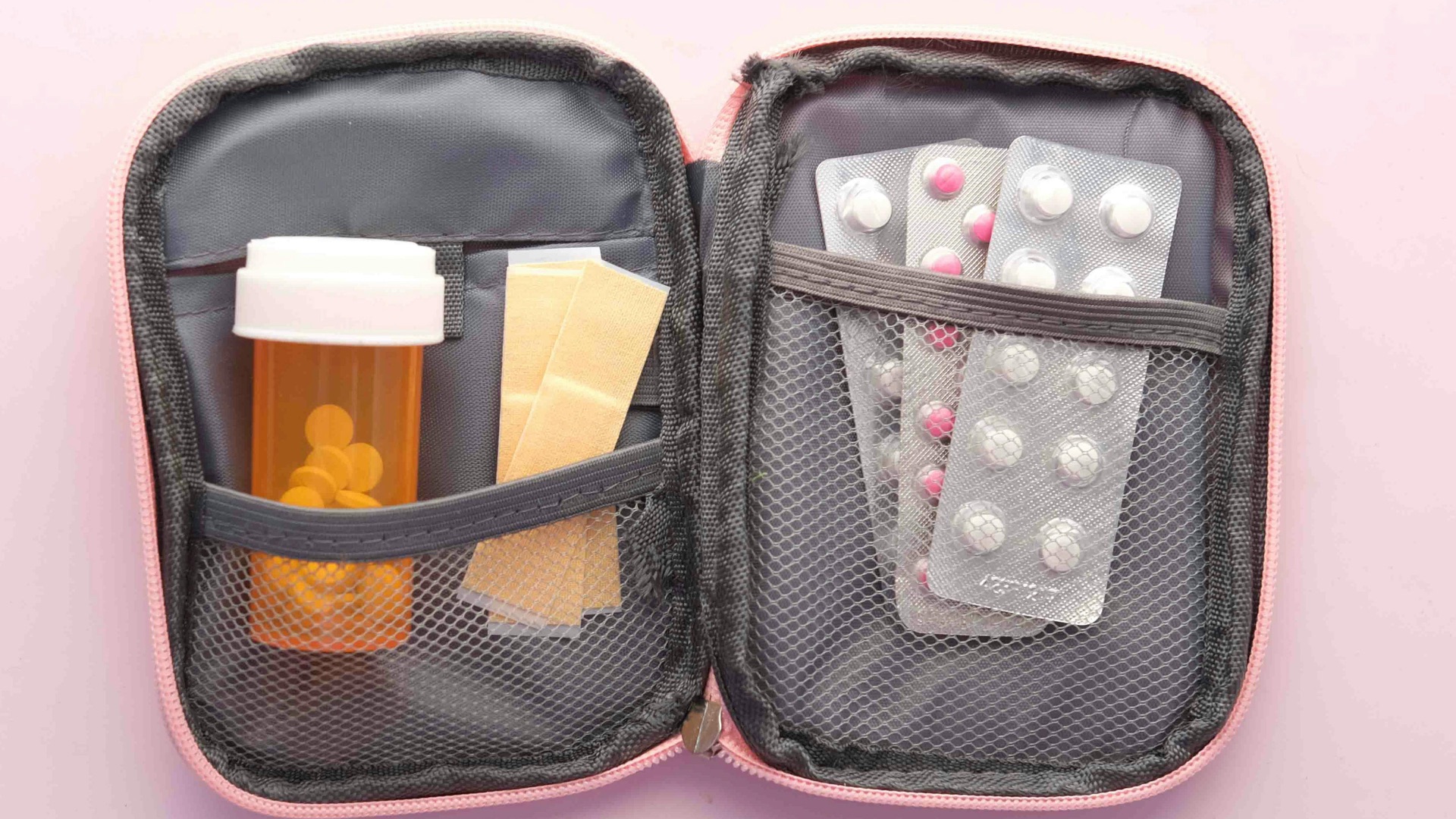
Pack oral rehydration salts, an antidiarrheal, a thermometer, and any basics you know you might need. Include bandages, blister care, and a small supply of pain relievers, too, so minor issues don’t become major hassles later on. Keeping it organized in one pouch makes it much more likely you’ll actually use it.
4. Get the Right Vaccines and Preventive Meds
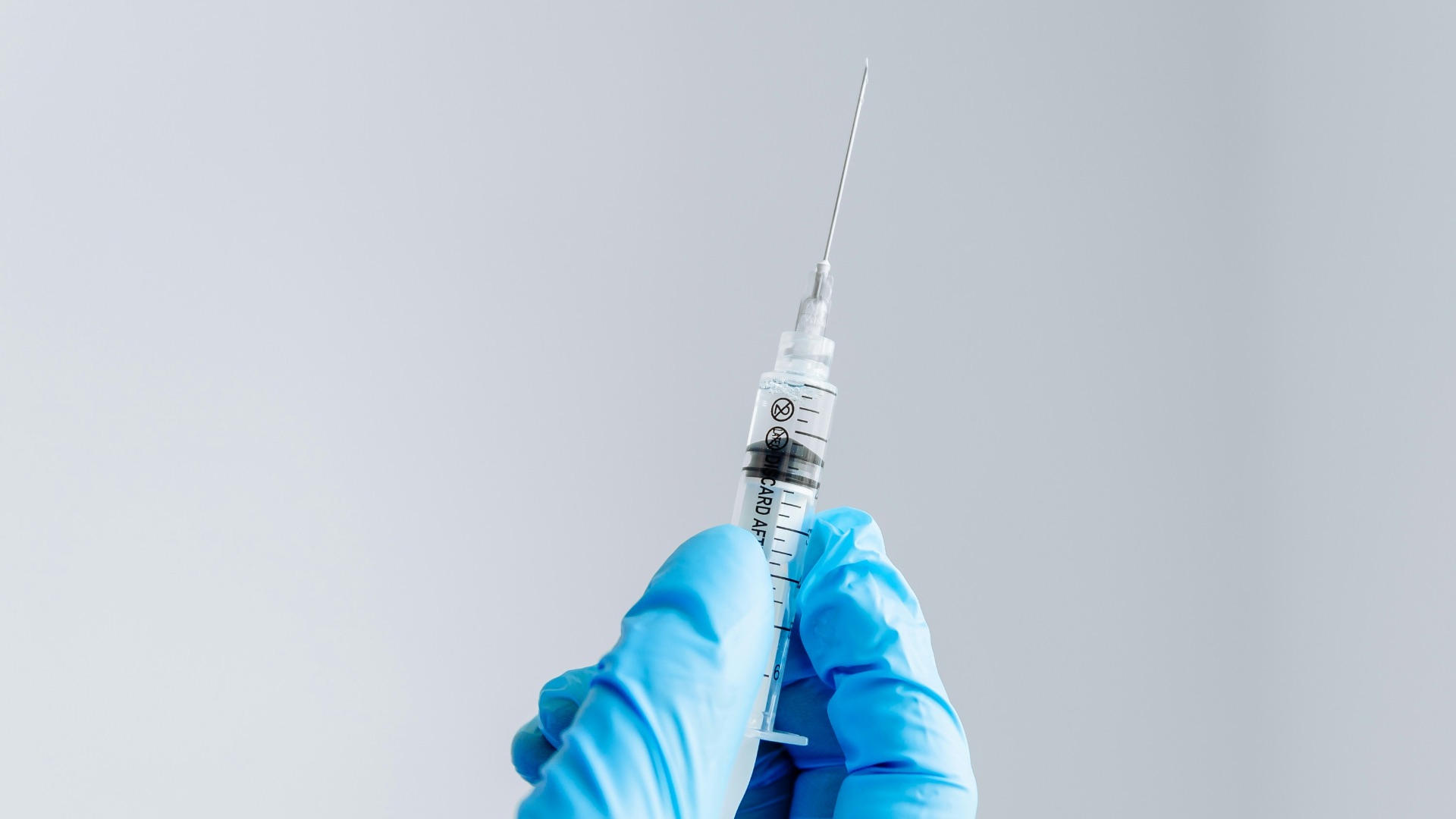
Make sure your routine vaccines are up to date, and then add any travel-specific shots recommended for your destination. Some trips also call for preventive medication planning, and it’s better to handle that at home than scramble abroad. If you’re unsure what applies, check online or ask your primary care doctor.
5. Protect Your Sleep and Don’t Overbook Yourself
Sleep deprivation makes you more vulnerable to infections and slower to recover if you do get sick. Try to avoid stacking late nights with early mornings, especially right after arrival; you'll only set yourself up for a bad vacation if you do. A calmer first day can pay off for the rest of the trip.

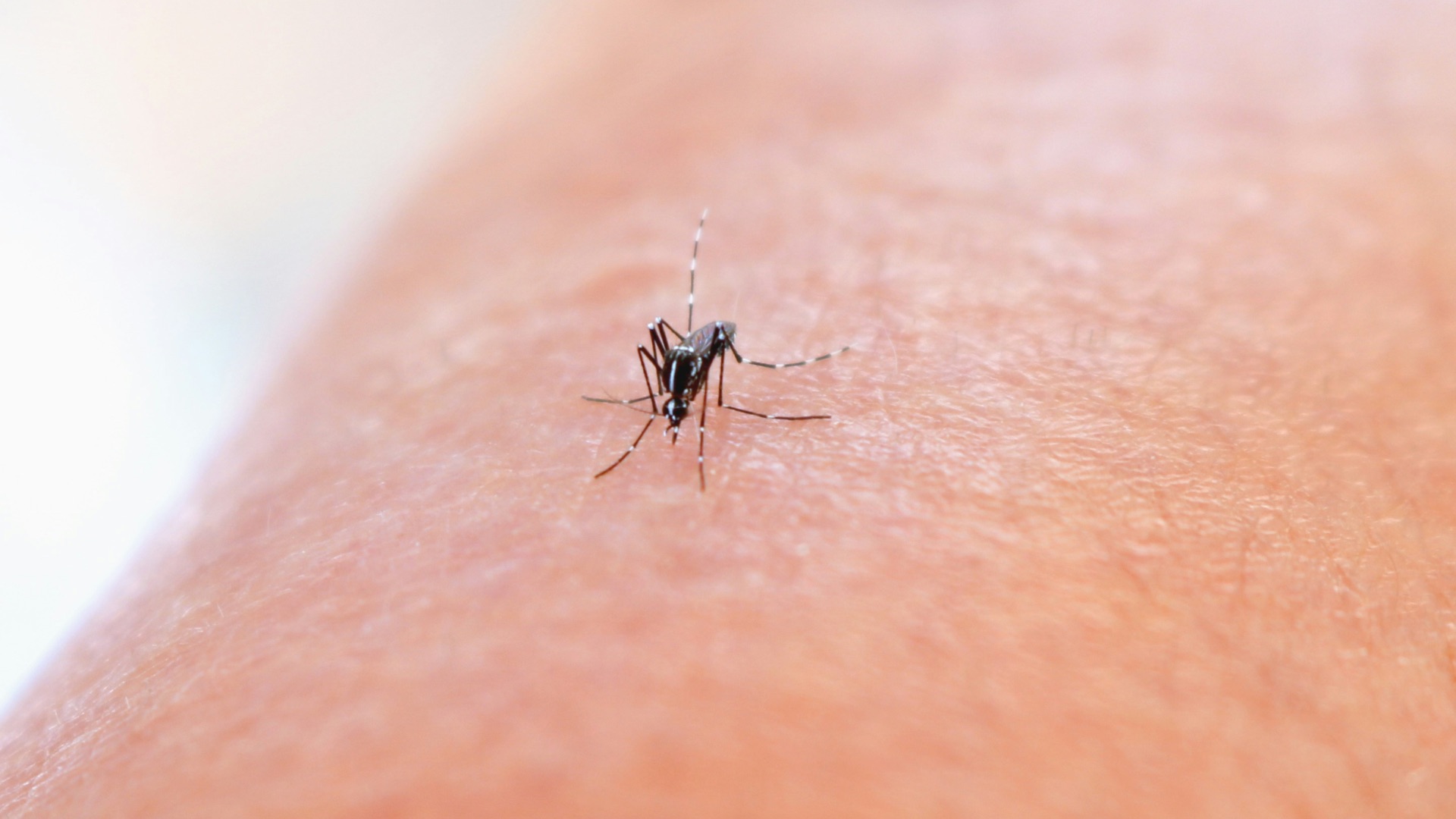
6. Avoid Mosquitoes
Use insect repellent, wear long sleeves and long pants when appropriate, and choose lodging that limits mosquito exposure. You may not have a malaria vaccine available yet in your country, but it's still important to follow preventative measures to ensure you lower your risk as much as possible.
 National Institute of Allergy and Infectious Diseases on Unsplash
7. Plan for Altitude with Your Itinerary
If you're prone to altitude sickness, remember to give yourself time to acclimatize, especially if you’re flying straight into a high-elevation city. If symptoms show up, don’t push through with intense activity, and consider descending if things worsen.

8. Keep Hydration Steady, Especially in Transit
Drink regularly during flights, long drives, and hot-weather days, even if you’re not feeling thirsty. Dehydration can make headaches, fatigue, and stomach issues feel worse than they otherwise would. Balance is key, so pair fluids with electrolytes when you’re sweating a lot or dealing with diarrhea.

9. Practice “Clean Contact” Habits in Crowded Places
Try not to touch your face when you’ve been touching railings, kiosks, and door handles all day. Keep a small bottle of hand sanitizer with you, and wipe down high-touch items like phone screens and earbuds frequently since they’re constantly near your mouth and nose. If you’re sharing a room, keep your own water bottle and utensils separate.

10. Know When to Get Medical Help
If you have a high fever, blood in stool, severe dehydration, confusion, trouble breathing, or symptoms that rapidly worsen, don’t wait it out to see if your condition improves on its own. Use local medical services, travel insurance support lines, or a reputable clinic recommended by your hotel or embassy resources. When it's your health, you should never risk it.