The Quiet Clues That Tell You A Place Cuts Corners
A hotel can have clean sheets, a trendy lobby scent, and a decent review score, and still leave you exposed in ways that don’t show up in the photos. Safety problems tend to live in the boring gaps: doors that don’t latch, staff who are stretched thin, hallways that feel unmanaged, and fire protections that look like they’re waiting for someone else to deal with them. The tricky part is that these issues often feel minor in isolation, especially when you’re juggling bags, trying to find your floor, and just wanting to shower and sleep. Most of us have stayed somewhere that felt a little off and talked ourselves into ignoring it because the room was prepaid or the location was convenient. Here are twenty signals that suggest the property is running on luck.
1. Uncontrolled Main Entrance After Dark
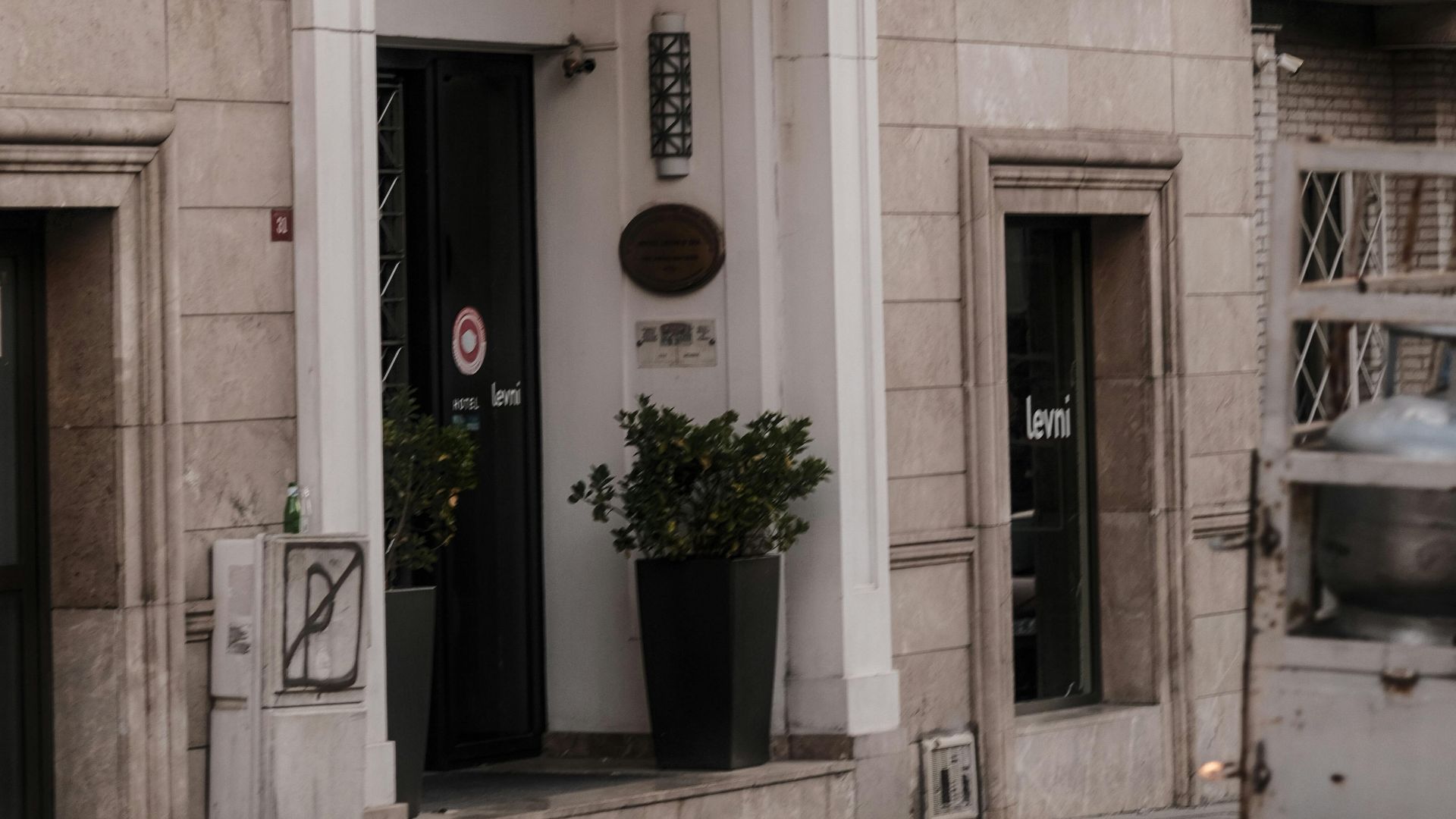
If the lobby doors stay wide open late and people drift in without passing the desk, the building stops feeling like a private space. A safer hotel makes entry feel intentional, even when it’s busy, because access control is the foundation of everything else.
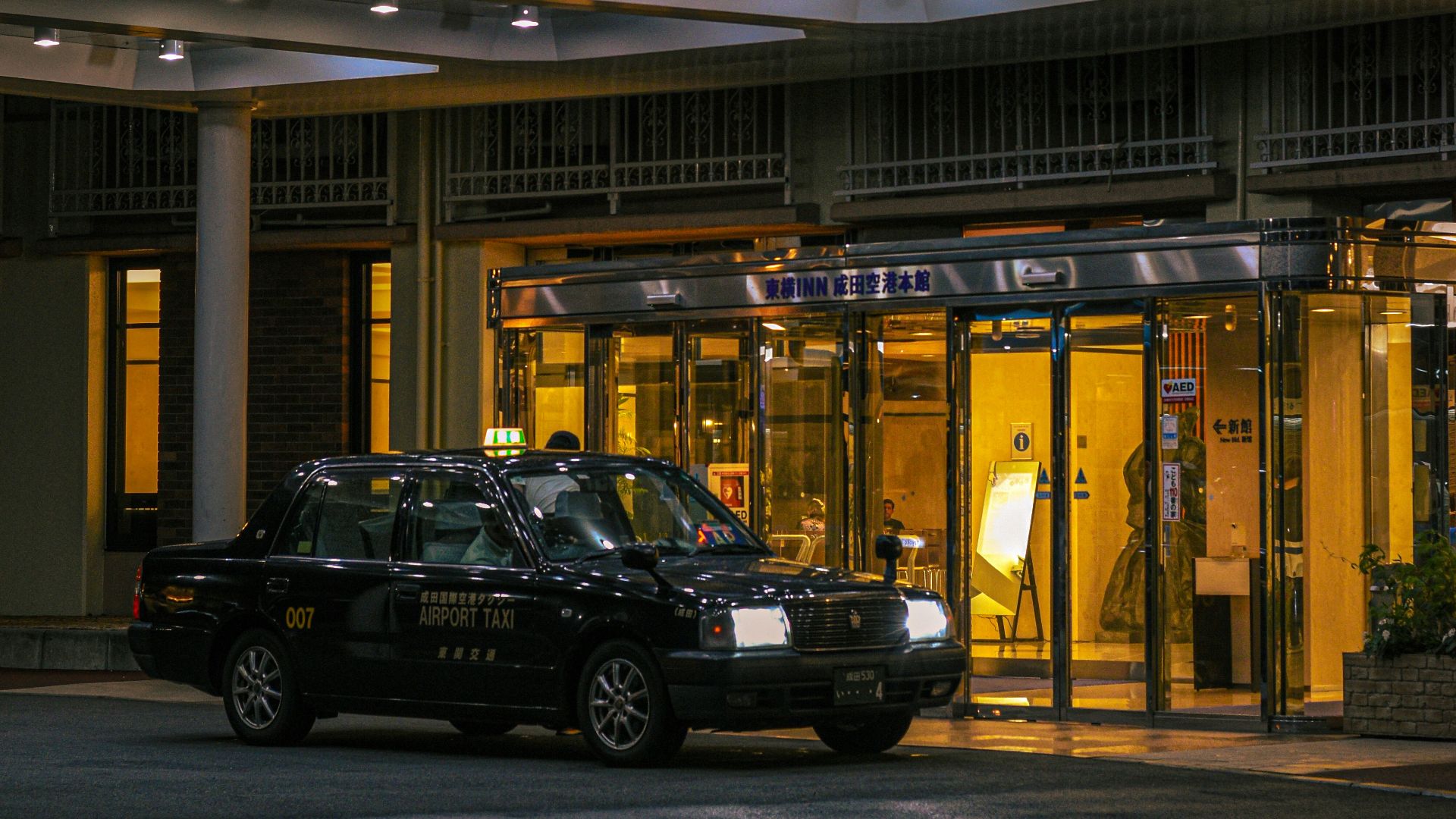
2. A Front Desk That Regularly Sits Empty
A brief step-away is normal. A desk that disappears for long stretches, especially at night, usually means slower response when you need help and more opportunity for the wrong person to blend in.
3. Staff Say Room Numbers Out Loud
When someone repeats your room number clearly within earshot of strangers, it’s a needless leak of information. Hotels with strong privacy habits verify details quietly and avoid announcing where guests are sleeping.

4. Your Key Packet Displays Your Full Room Number
If the sleeve or card holder has your room number printed big, losing it becomes more than a mild inconvenience. Safer properties avoid pairing your location with the tool that opens your door, because small mistakes happen.
5. Side Entrances That Don’t Lock Reliably
A side door that doesn’t latch turns the hotel into a shortcut for anyone looking for one. If you watch the door close and it never clicks, assume it’s functionally open until proven otherwise.
6. Parking Areas With Broken Lighting
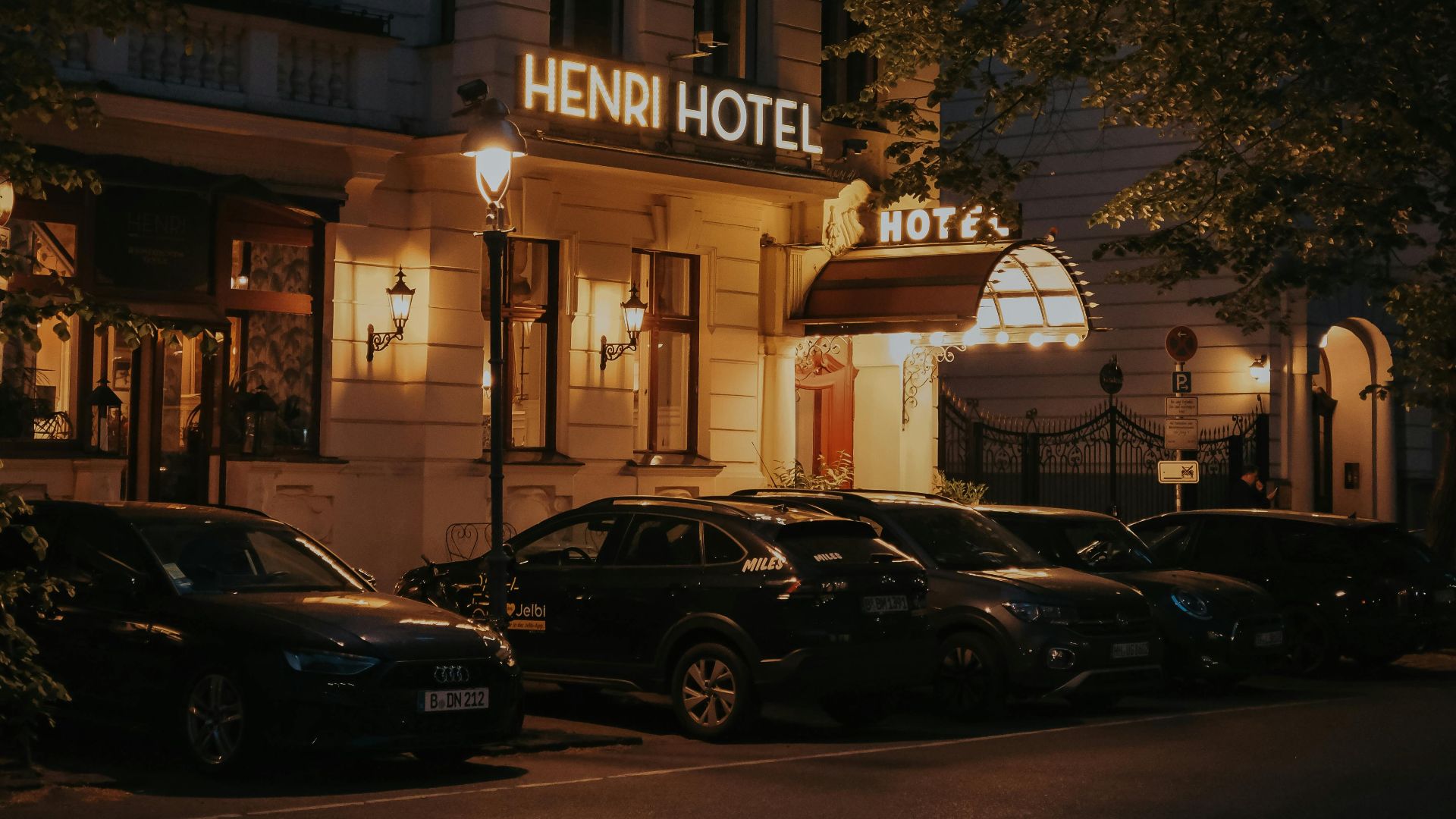
A dim lot makes it easier for someone to linger unseen and harder for you to scan your surroundings. When lights stay broken for days, it also signals slow maintenance, which often shows up in other safety systems.
7. Hallways That Feel Unwatched
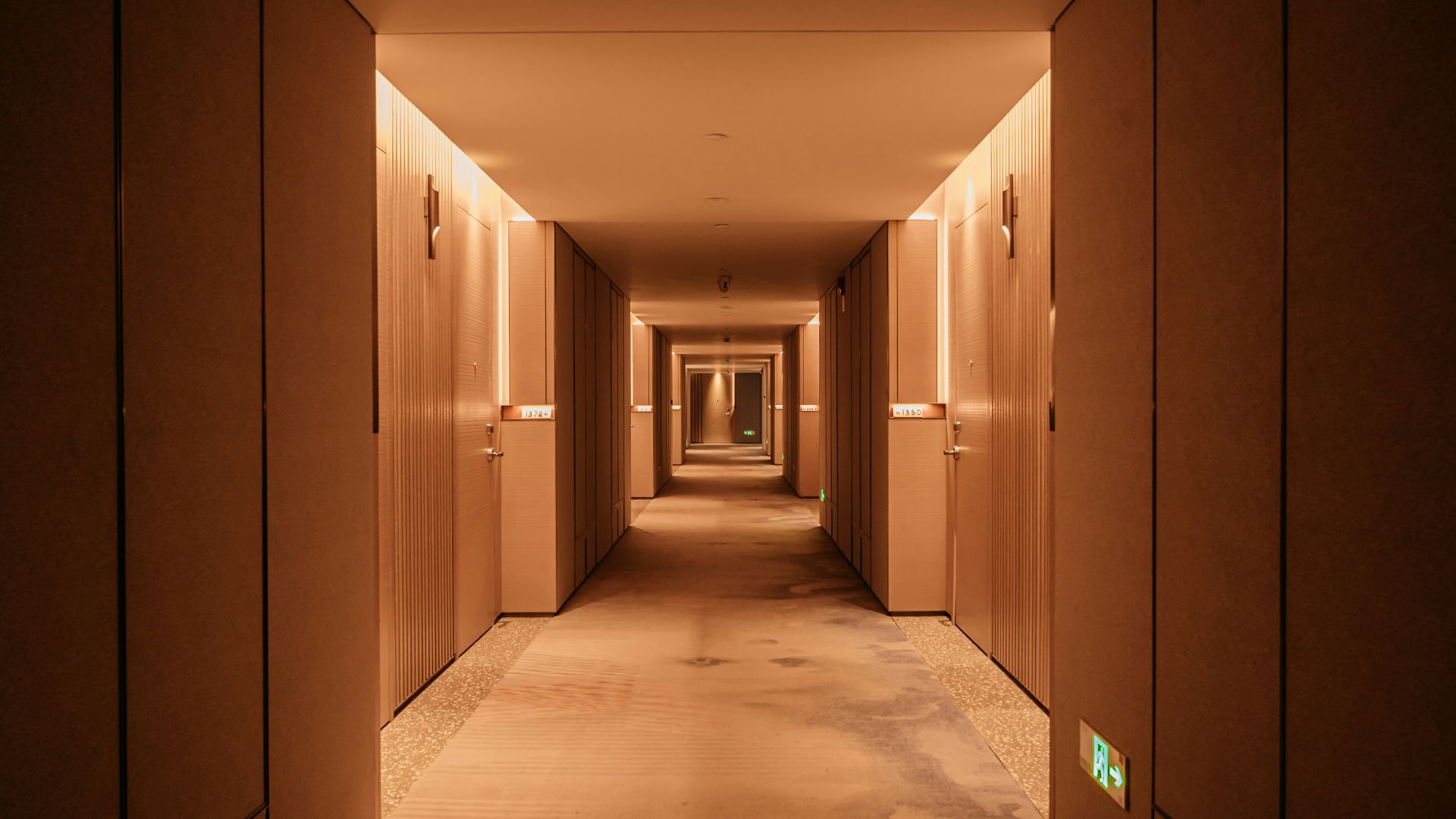
Quiet hallways aren’t automatically unsafe, and an unmanaged vibe is the concern. If the corridor feels like a place where you could call out and nobody would hear, the hotel is telling you it lacks presence.
8. Cameras That Look Neglected Or Performative
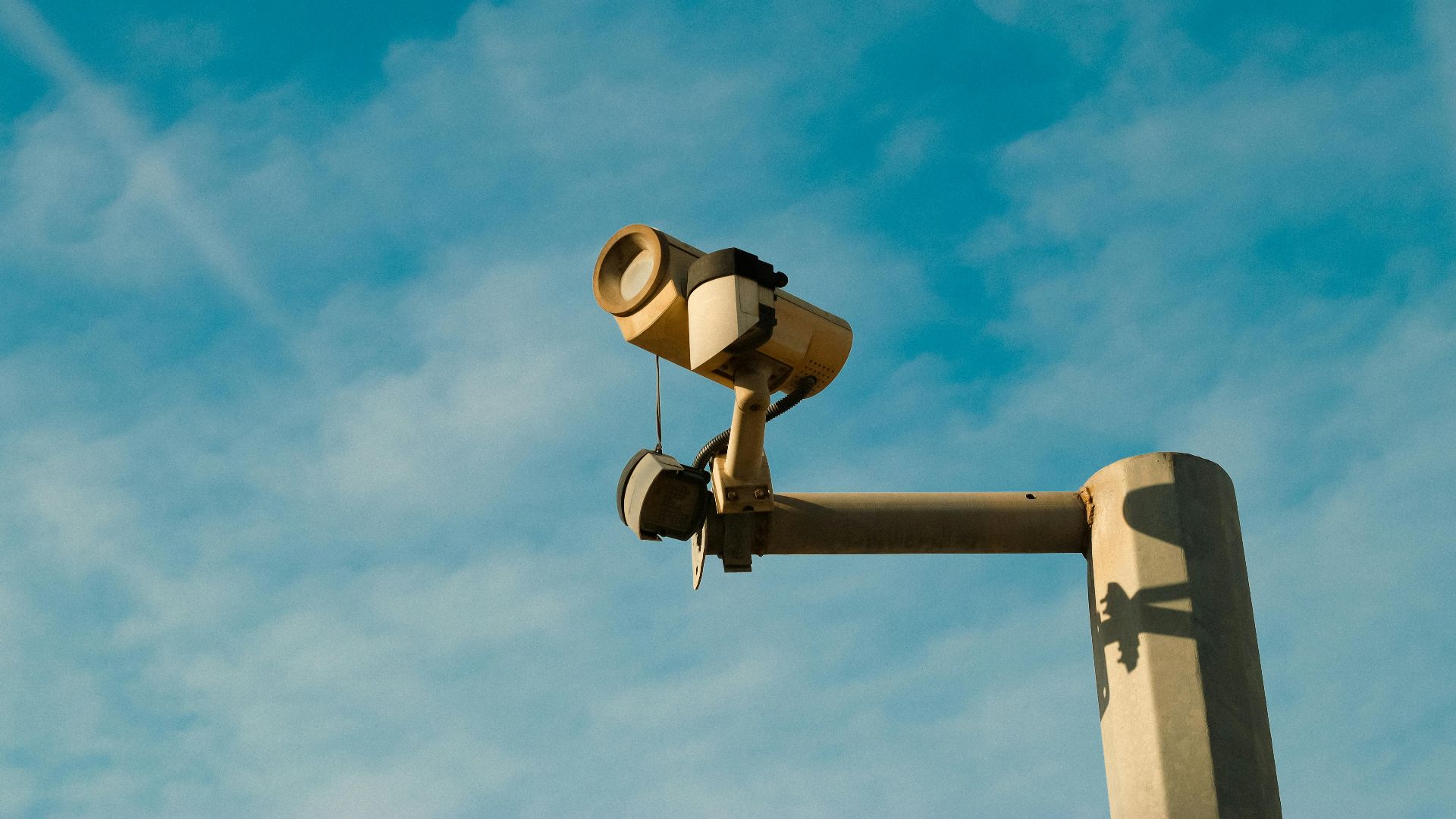
A dusty dome camera or a unit that looks disconnected can be security theater rather than real coverage. Even when cameras are present, poor upkeep suggests the hotel isn’t serious about monitoring or review.
9. Elevators With No Key Control For Guest Floors
In many properties, key-card elevator access is a basic barrier, especially overnight. When anyone can ride up freely, it becomes easier for strangers to roam the same hallway as your room door.
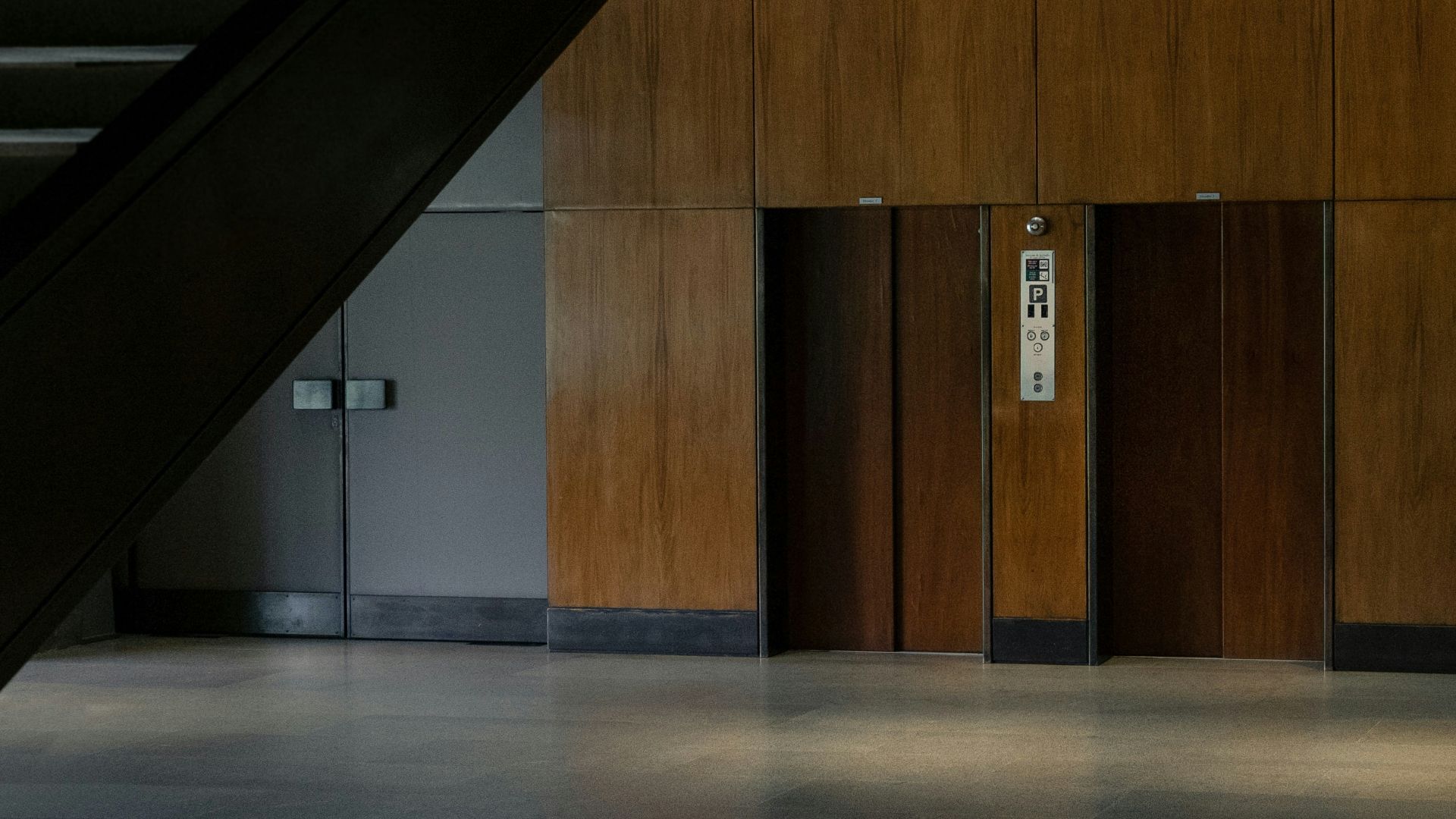
10. Stairwell Doors That Don’t Self-Close
Stairwell doors should close firmly on their own, because those spaces are meant to be controlled and safe in an emergency. A door that sticks open also creates a hidden corner where someone can wait out of view.
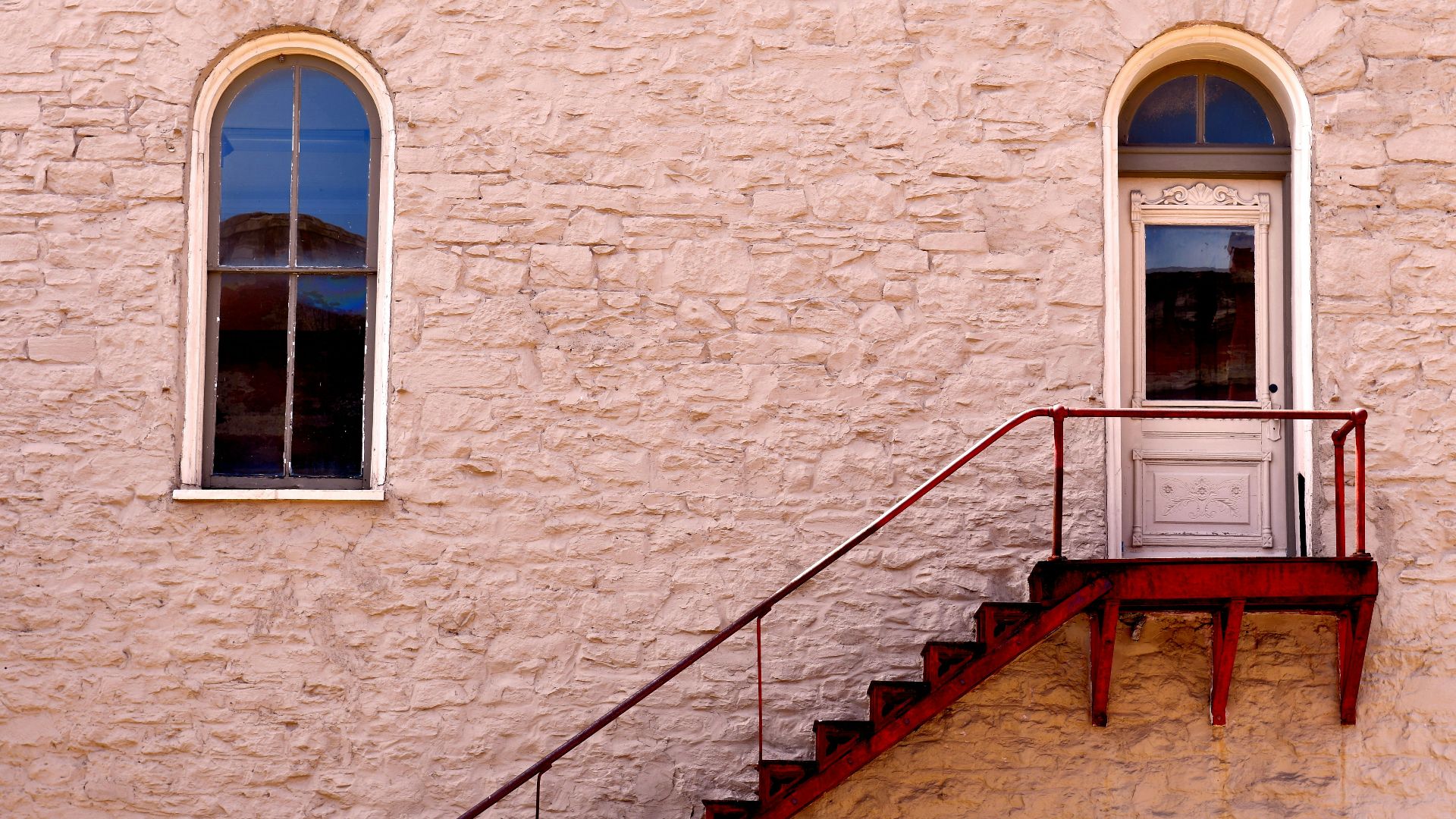
11. A Room Door That Doesn’t Latch Cleanly
A secure door should close and latch without you pulling it twice or leaning your shoulder into it. If you can push the door and feel it flex or rattle, the hardware may not be doing what you think it is.
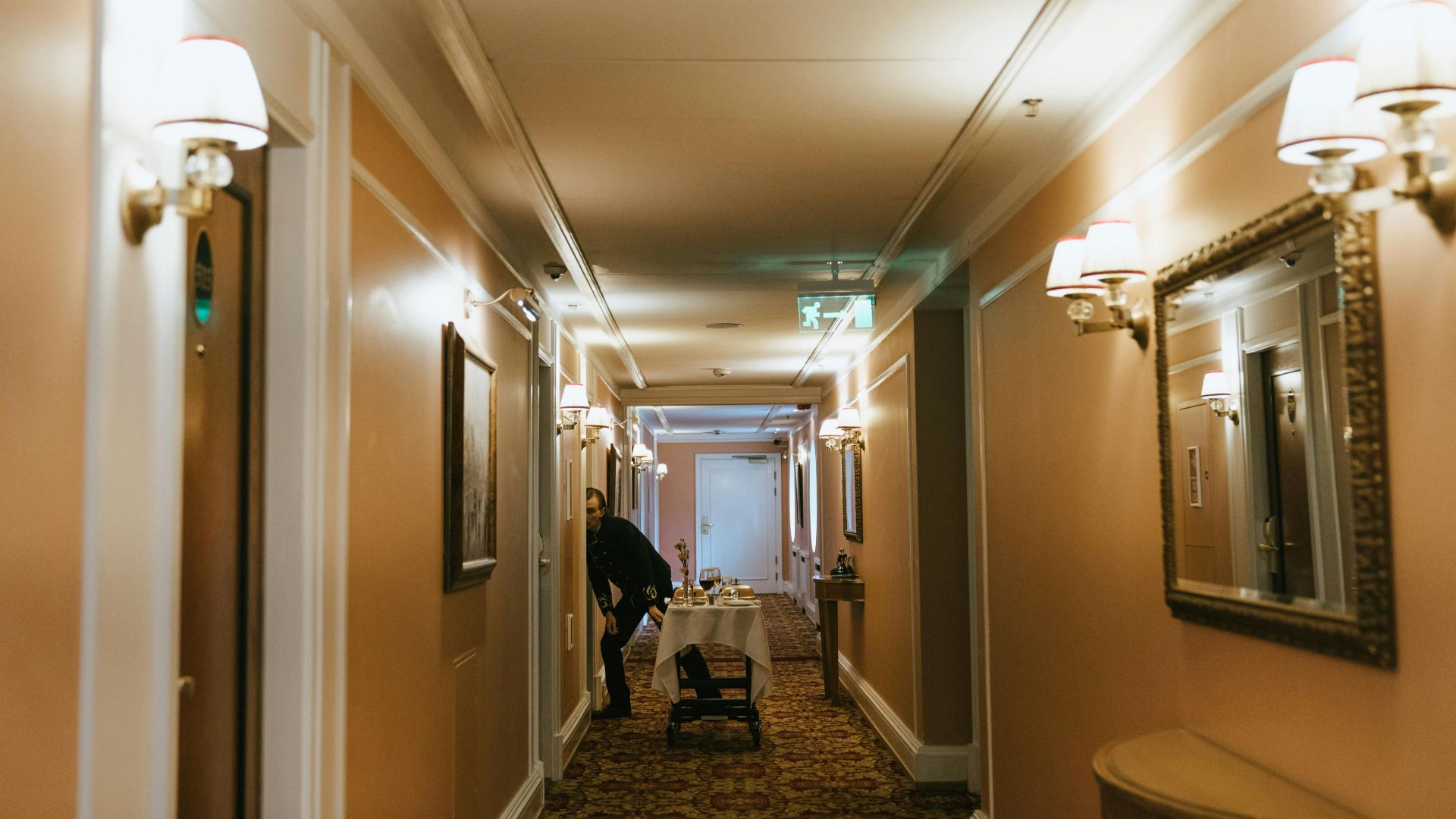
12. Missing Or Loose Deadbolts And Security Latches
A missing deadbolt is obvious, and a loose latch is nearly as bad because it fails under pressure. These are low-cost fixes, so neglect often points to a broader pattern of cutting corners.
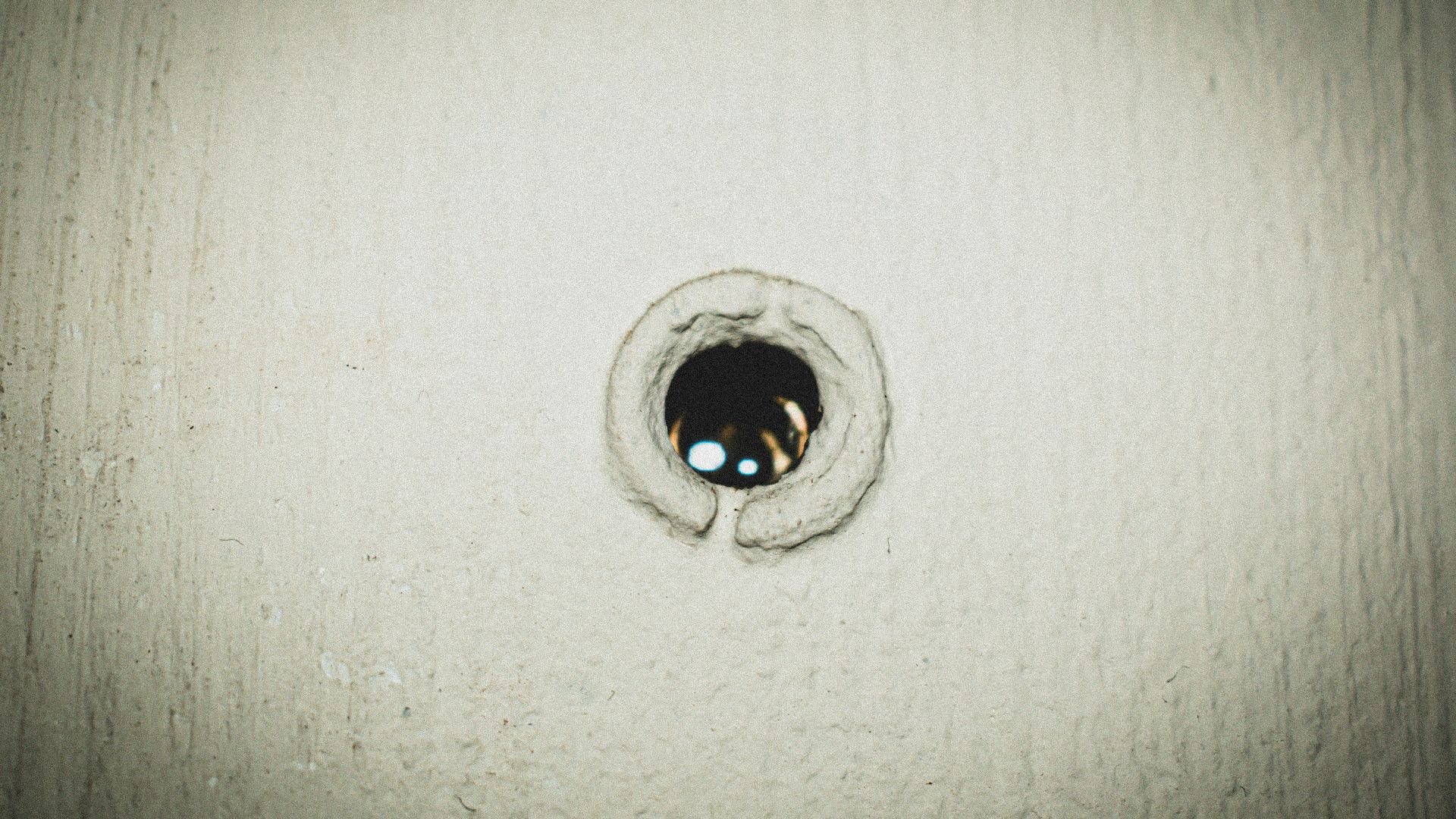
13. A Peephole That’s Missing Or Obstructed
A working peephole is a simple safety feature that lets you verify who is outside before you open up. If it’s painted over, cloudy, or absent, you’re forced into guessing at the worst possible moment.
14. Windows That Don’t Lock Properly
Window locks matter most on lower floors, and they can matter higher up near ledges or adjacent roofs. If the window slides with very little resistance or the lock feels decorative, treat it as an open point in your room’s perimeter.
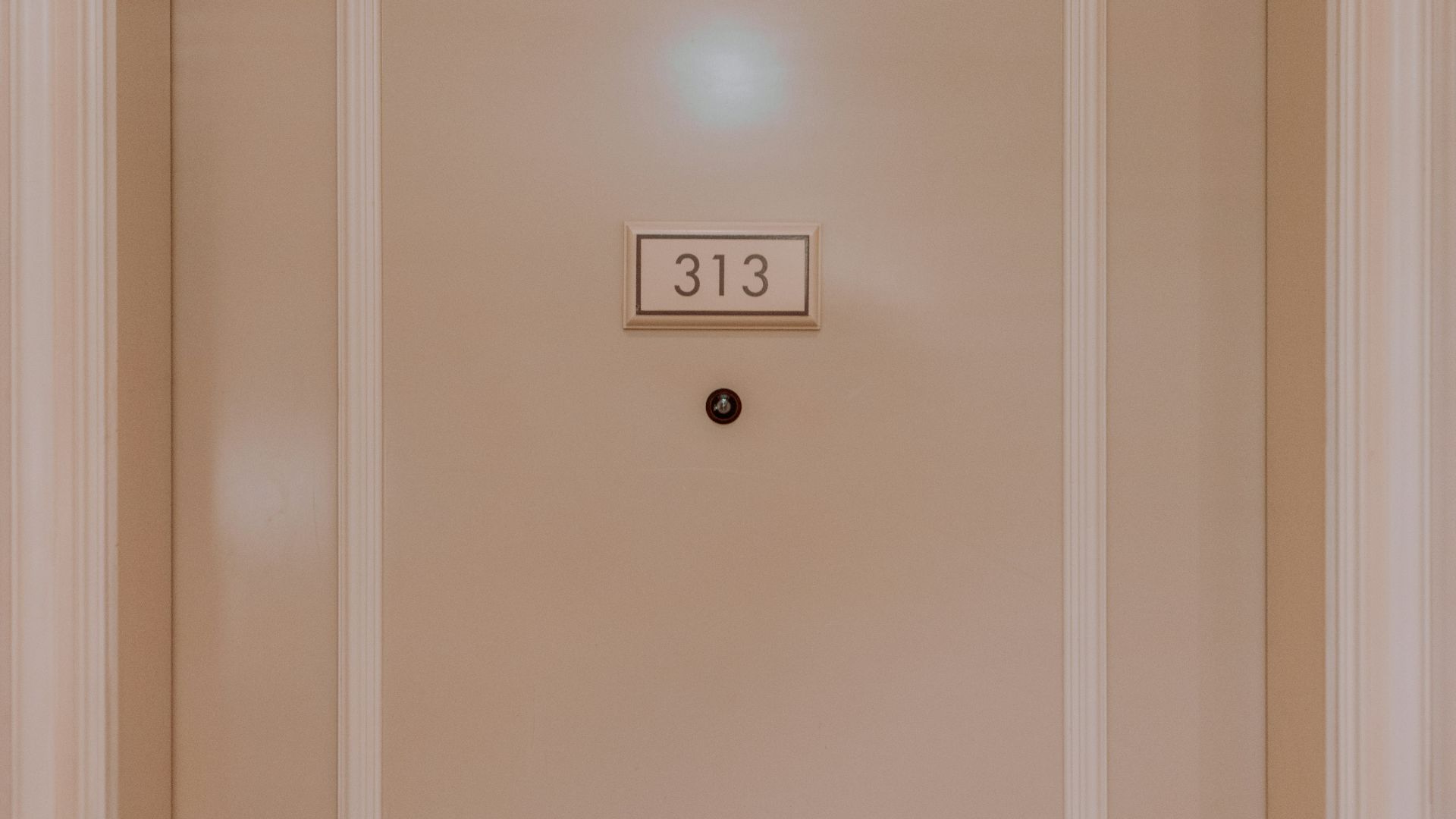
15. Connecting Doors That Feel Thin Or Poorly Secured
Connecting rooms are common, and the security on those doors varies wildly. If the lock looks flimsy or the door shakes when someone moves next door, the barrier between spaces isn’t giving you the privacy you paid for.
 Mohamed Jamil Latrach on Unsplash
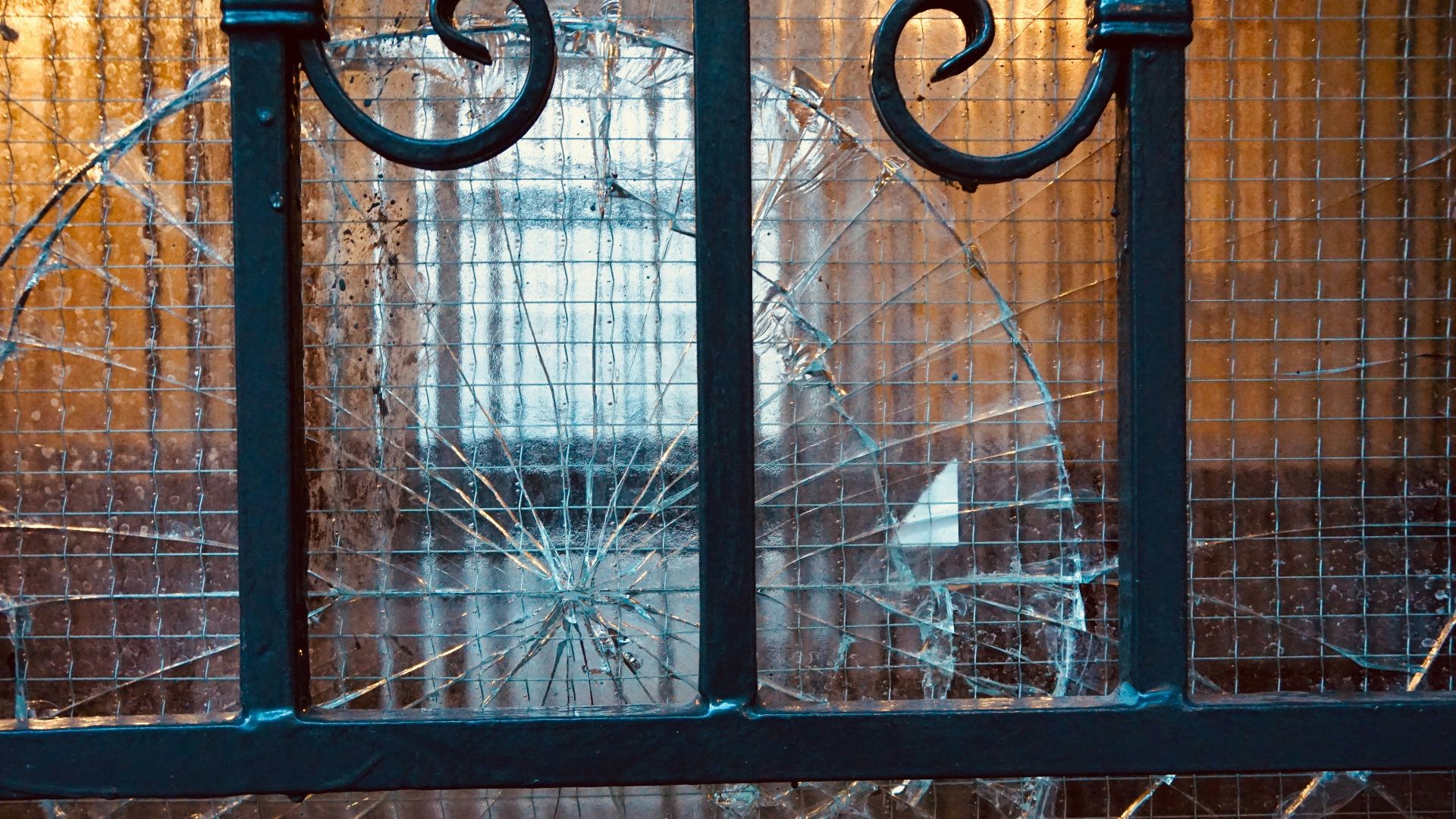
16. Visible Door Frame Damage Or Large Gaps
A door frame that looks splintered or patched can indicate prior forced entry or repeated hard impacts. Gaps around the door also reduce the effectiveness of the lock and make it easier to pry or manipulate.
17. Propped Open Fire Doors Or Blocked Corridors
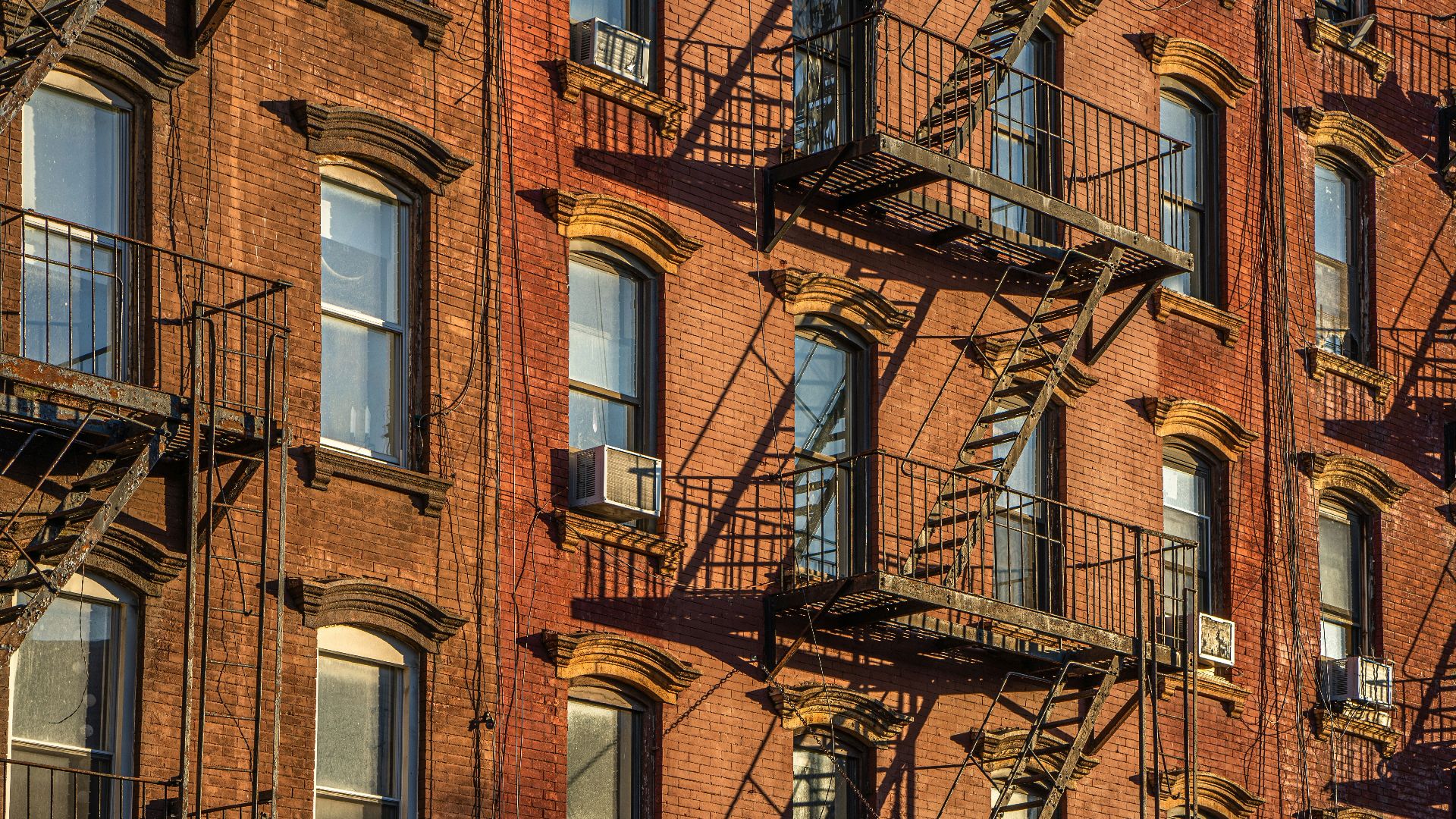
Fire doors are designed to slow smoke and flame, and they work only when they close and seal correctly. If you see them wedged open or hallways narrowed by stored items, the hotel is treating life safety as optional.
18. Smoke Alarms That Look Missing Or Neglected
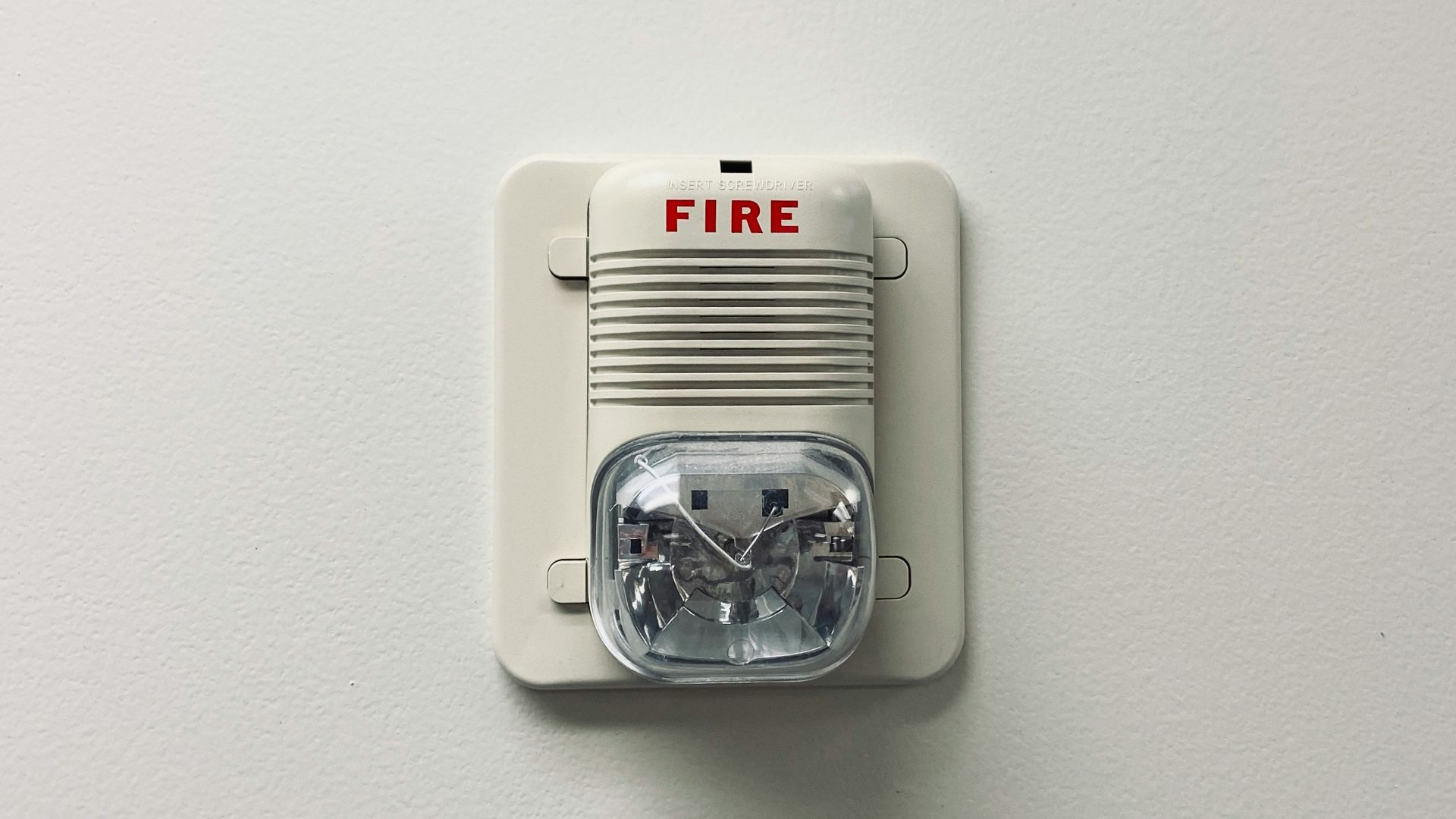
Organizations like the National Fire Protection Association emphasize early warning because smoke moves fast and people are asleep when it matters. If detectors look absent, disabled, or loosely hanging, assume inspections and maintenance are not consistent.
19. Fire Extinguishers That Are Missing Or Overdue
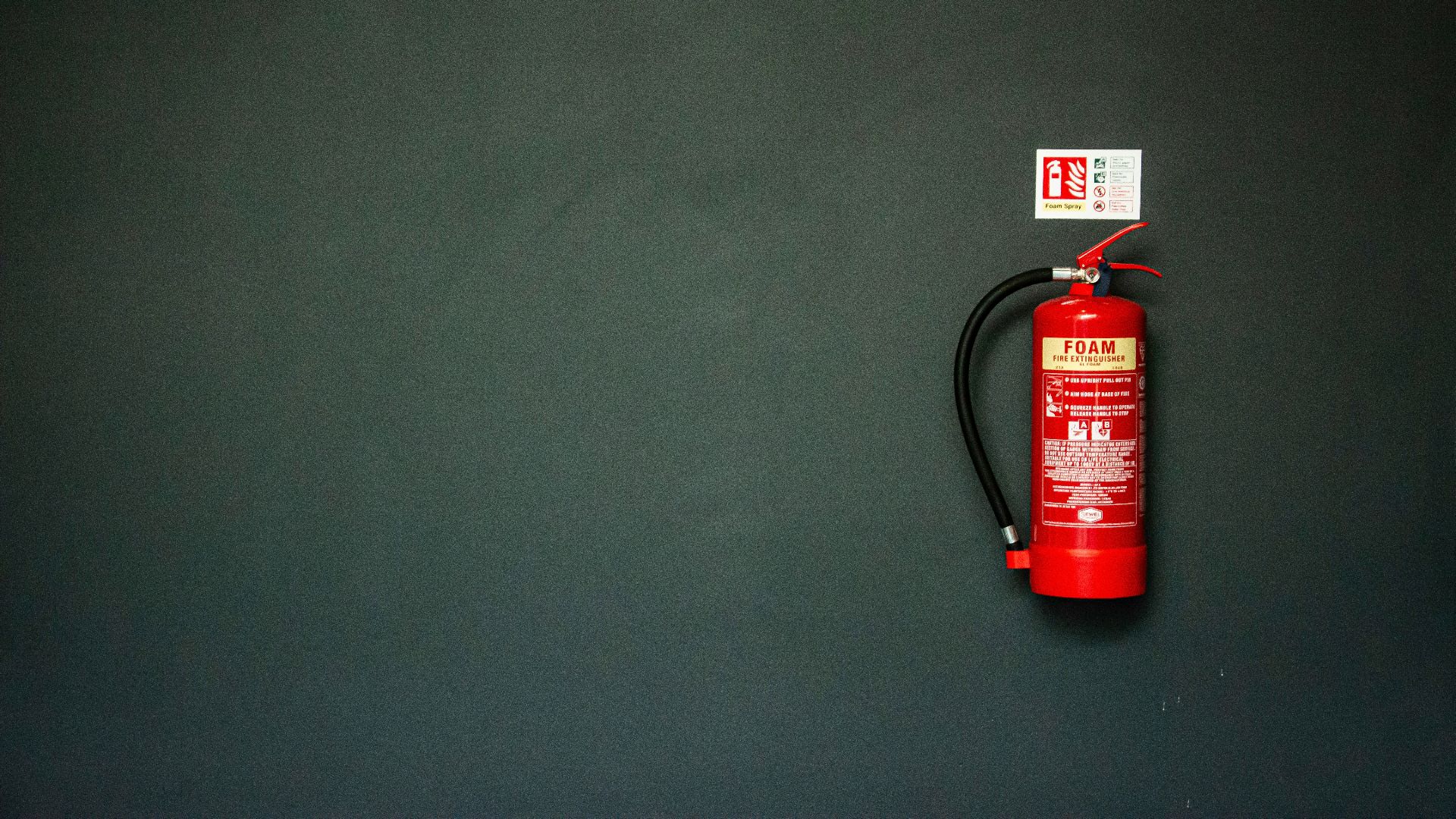
Many extinguishers have inspection tags that show whether checks are being done on schedule, and those checks exist for a reason. If extinguishers are hard to find or the inspection looks long overdue, the building’s safety routine is likely failing in other places too.
20. Confusing Exit Signs And Missing Evacuation Information
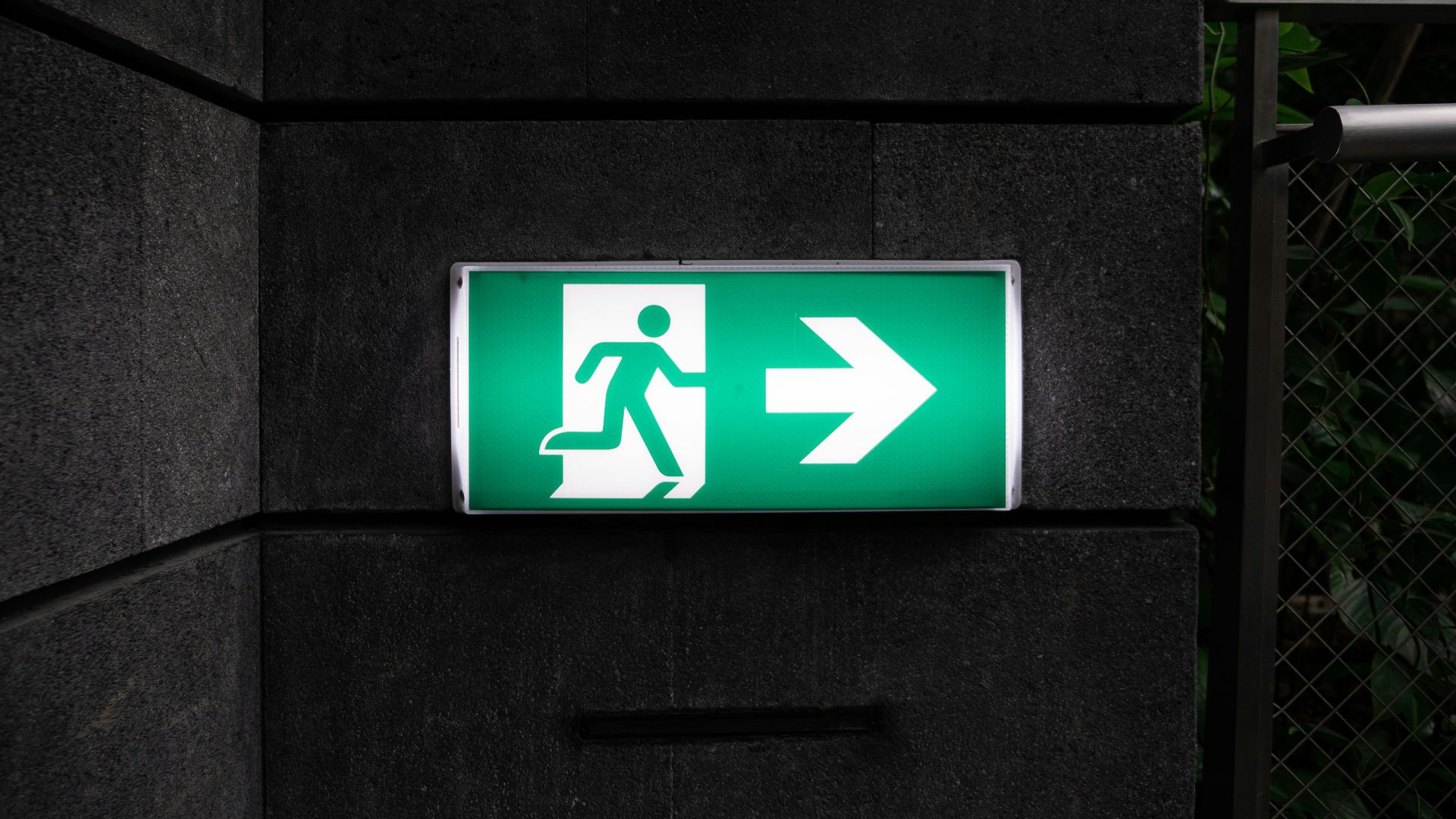
Clear exit signs and posted evacuation maps reduce panic and shave time off decisions when seconds matter. If signage is dim, missing, or oddly placed, the hotel is harder to navigate under stress, which is exactly when you need clarity most.