Big Landscapes, Big Hearts
Northern British Columbia is the part of the map that makes you realize how tiny most trips are. It stretches from the salt-and-spruce North Coast to the Northern Rockies, and it has that rare mix of wild access and everyday life: logging trucks on the highway, a bakery that opens early because people actually work early, and a harbor where the weather changes every five minutes. You can go from ocean air to mountain switchbacks to hot springs without needing a grand plan, just decent timing and a little curiosity.
1. Ride The Inside Passage
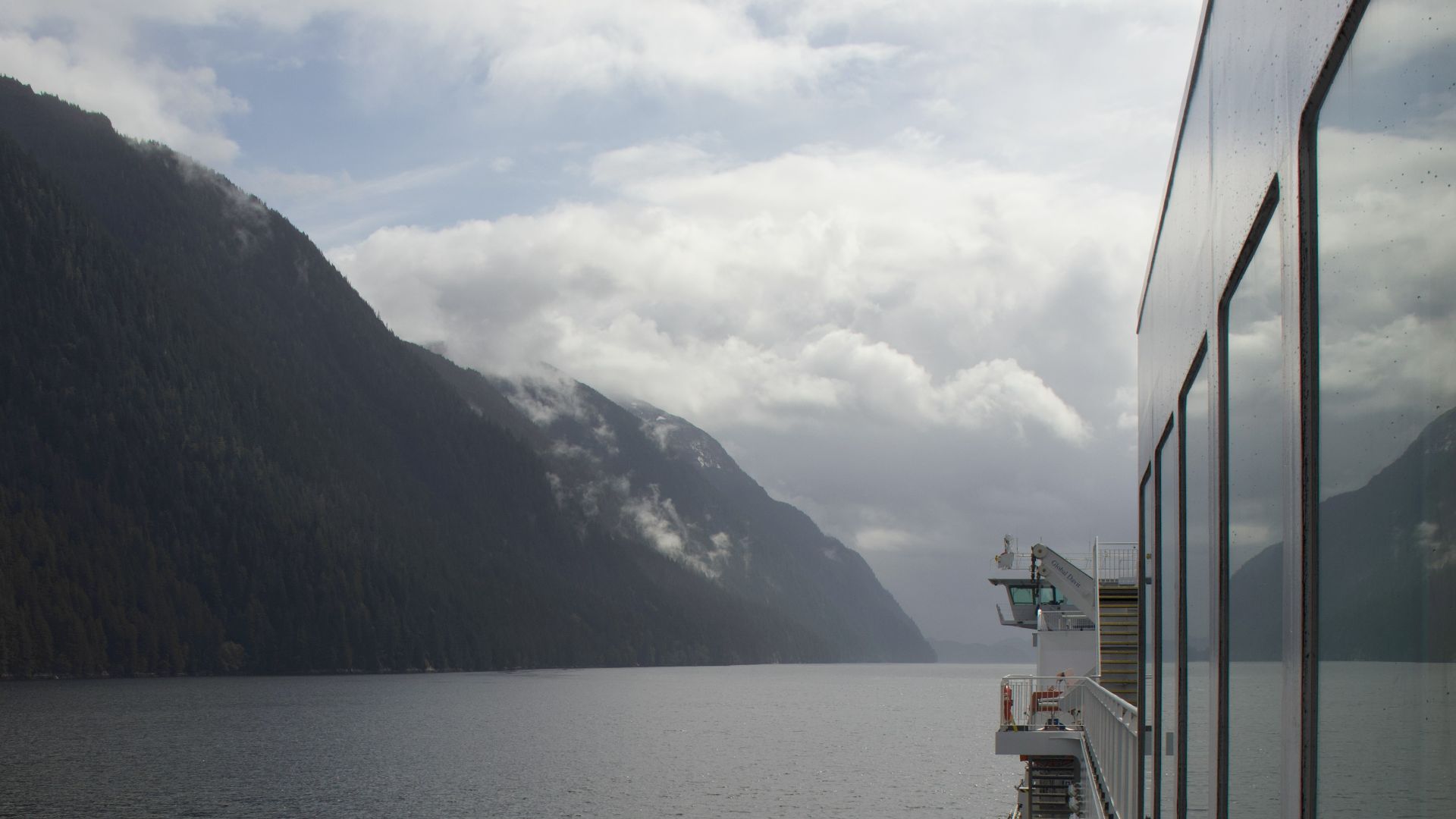
Taking the BC Ferries sailing from Port Hardy to Prince Rupert is one of those travel moves that instantly upgrades a trip. The crossing is famously long, and BC Ferries promotes it as a scenic Inside Passage route where the coastline does the heavy lifting for your entertainment.
 Jasper Malchuk Rasmussen on Unsplash
2. Soak Up Prince Rupert
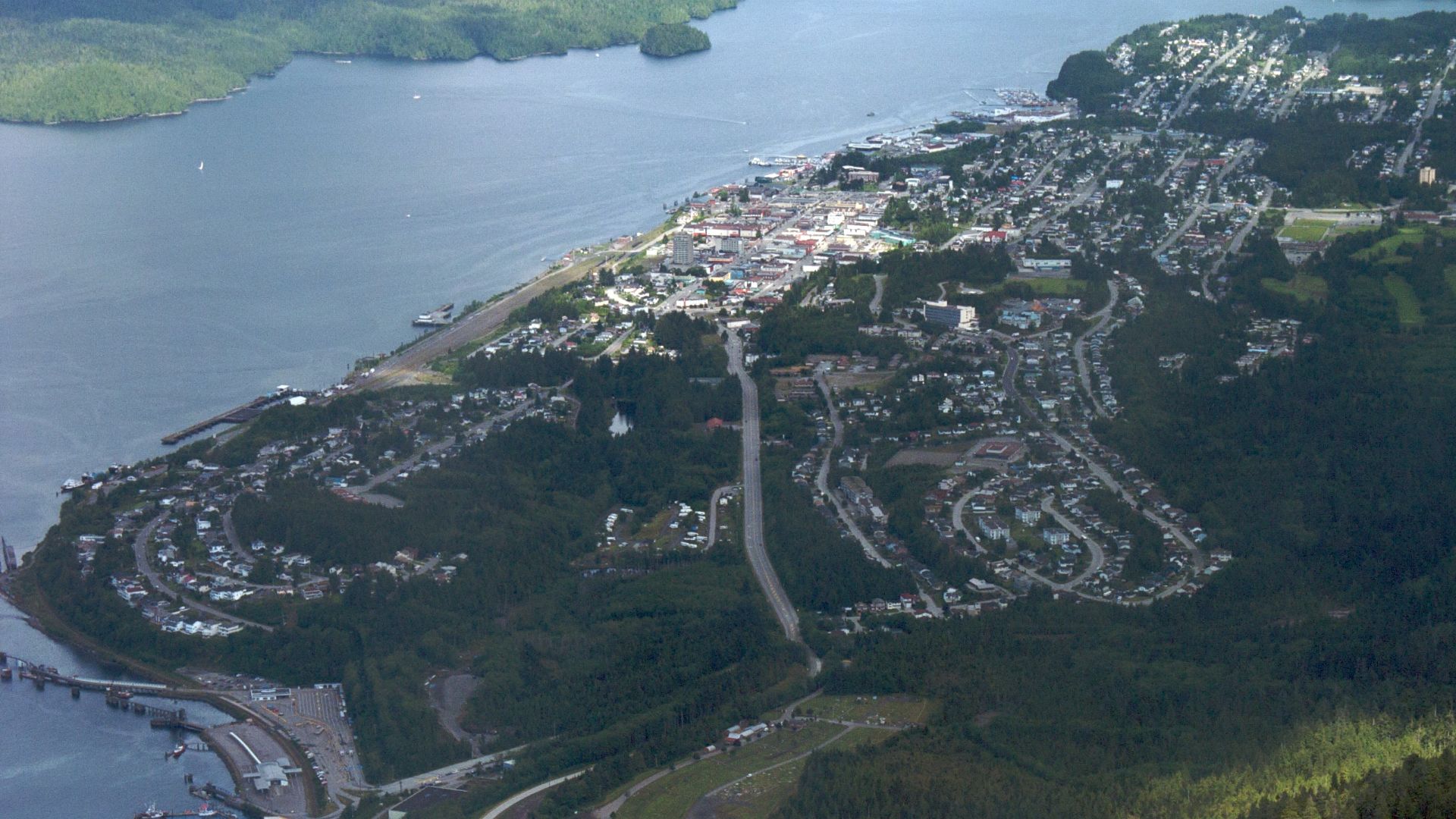
Prince Rupert feels like a working coastal town first and a tourist town second. The harbor air is crisp, the seafood is beyond excellent, and the waterfront has that steady hum of boats coming and going.
3. Take The Skeena Train
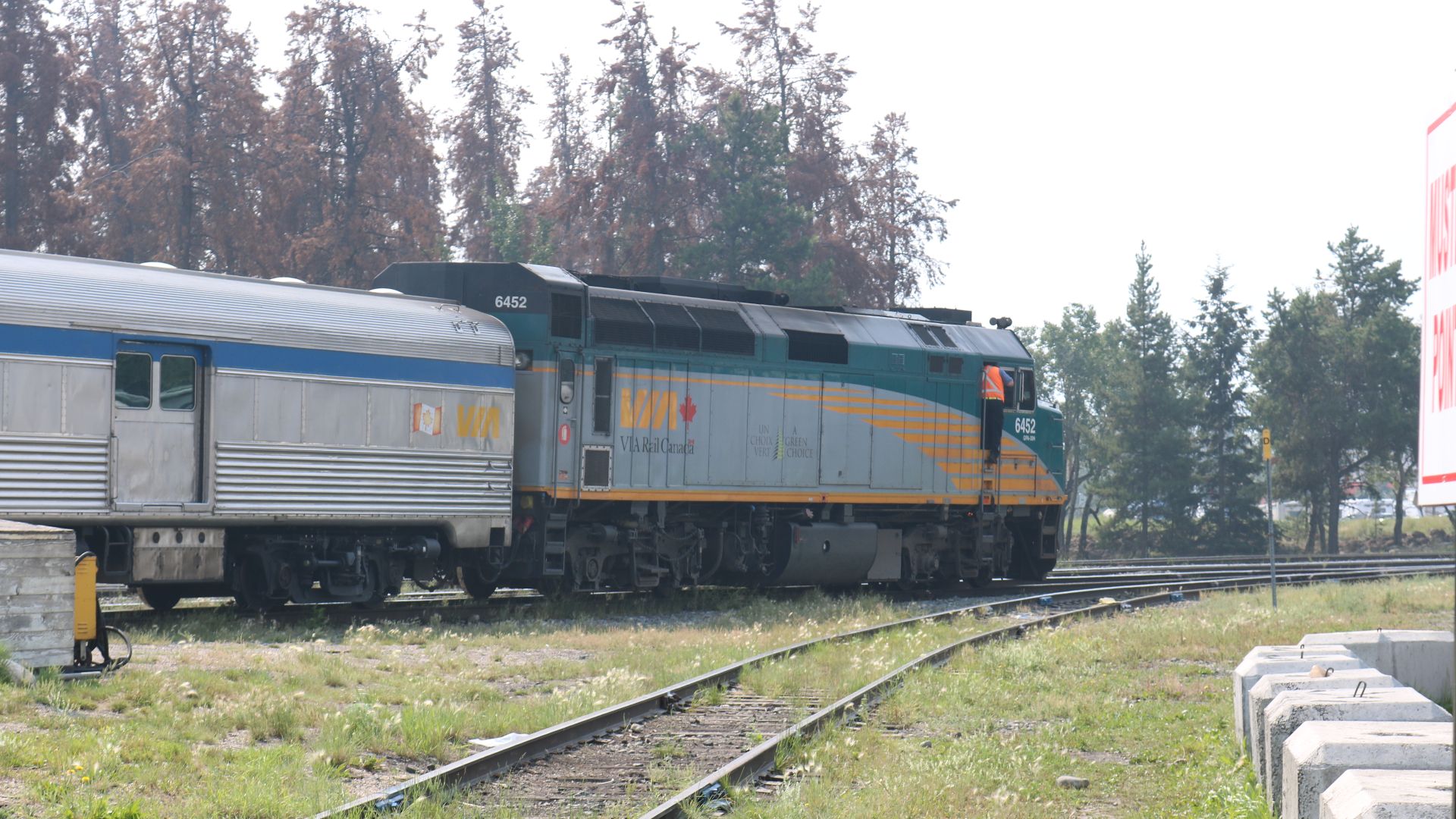
The Jasper–Prince Rupert route on VIA Rail is a daylight ride that’s built for people who don’t want to white-knuckle a highway for hours. It includes an overnight stop in Prince George, which breaks up the journey quite nicely.
4. Visit The Grizzly Sanctuary
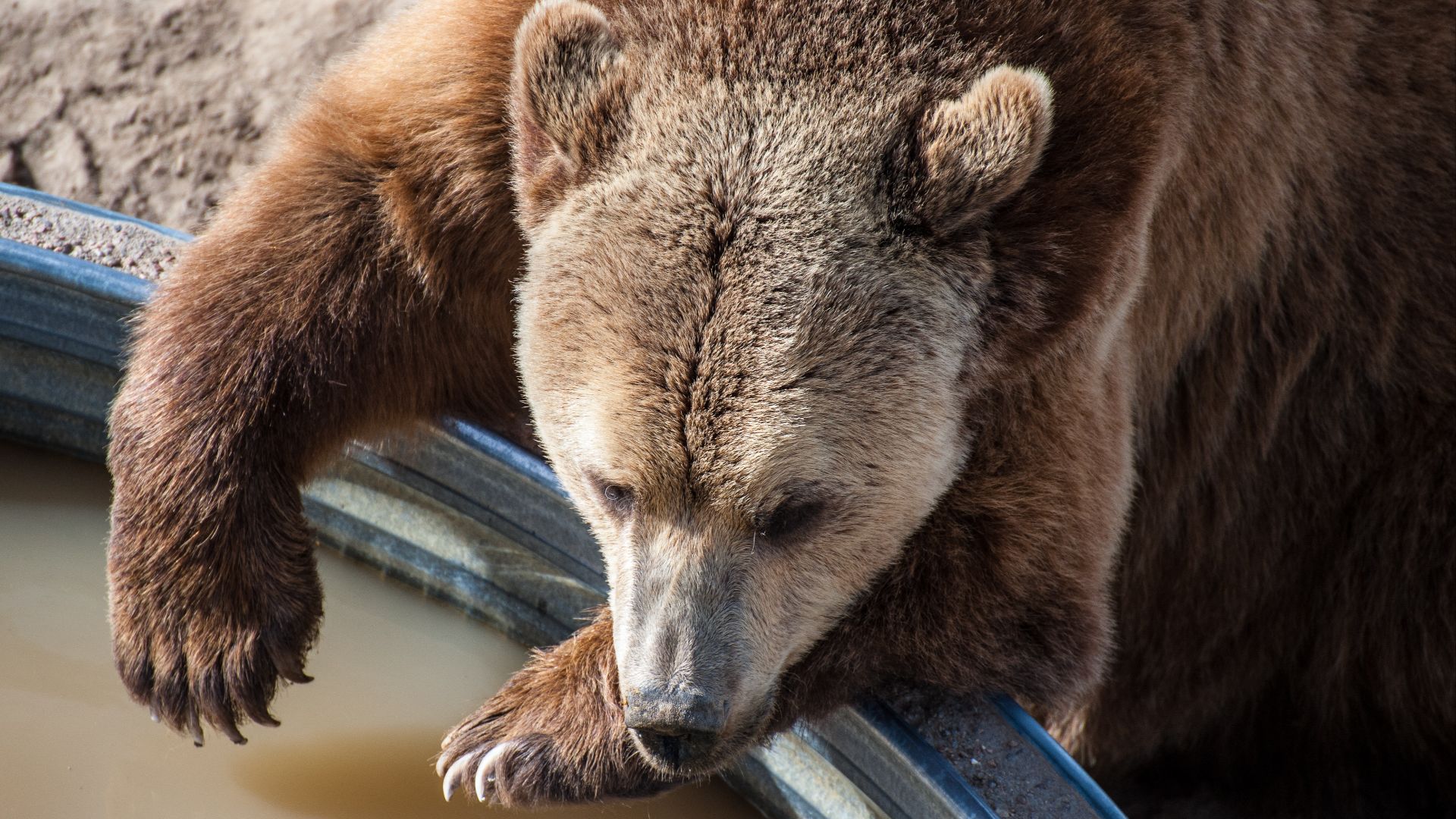
Khutzeymateen Park, also known as the Khutzeymateen/K’tzim-a-deen Grizzly Sanctuary, is a protected area where you can see the Canadian North in all its glory. Access is typically only allowed by permitted guides, which keeps the experience feeling more exclusive as well.
5. Go to Haida Gwaii
Haida Gwaii doesn’t feel like a side trip, and it shouldn’t be treated like one. The islands carry a deep cultural weight alongside all that ocean-and-forest beauty. Gwaii Haanas is cooperatively managed with the Haida, through Parks Canada, and it’s known for rare cultural sites as well as the surrounding marine environment.
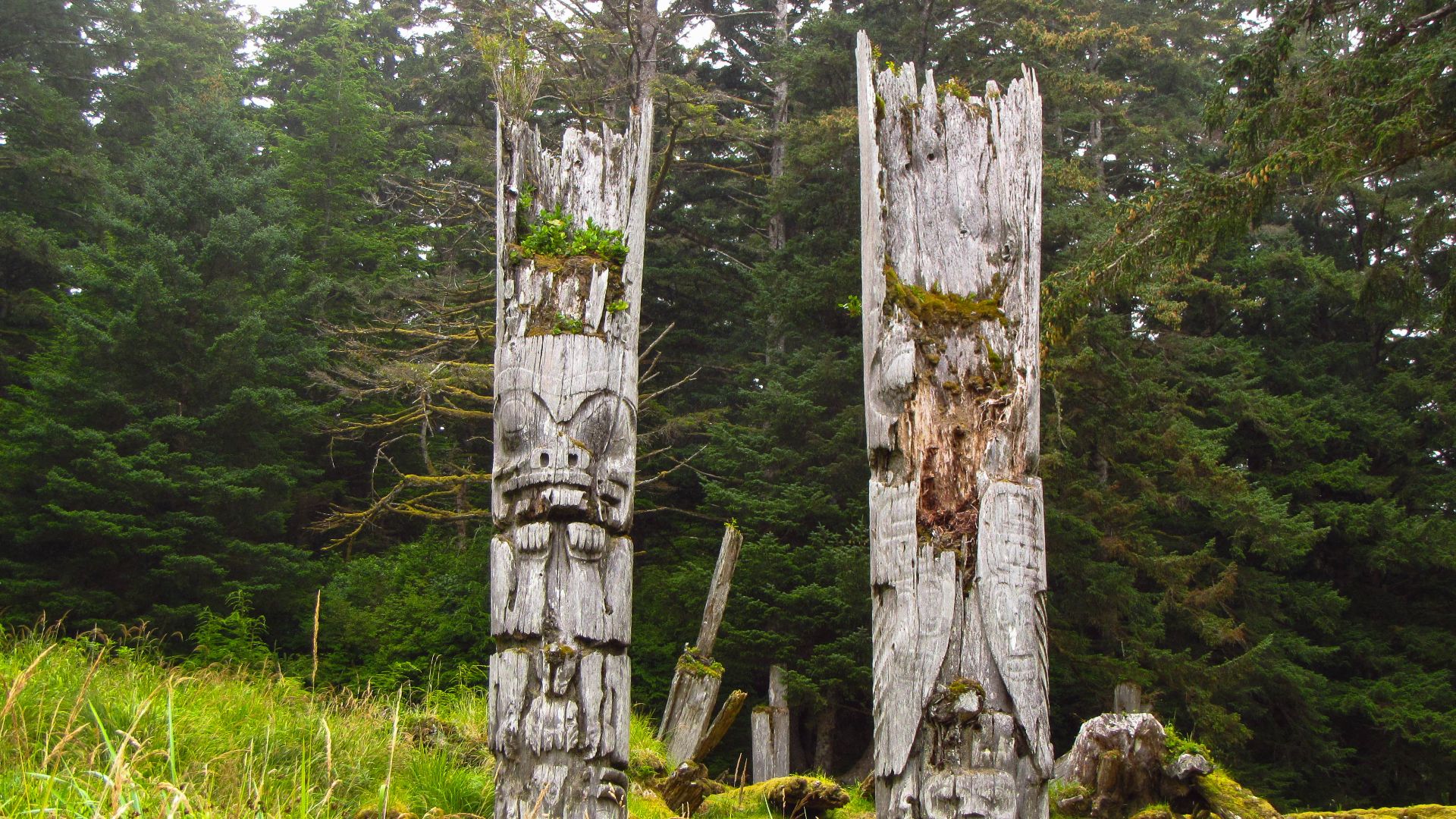
6. Stand In SGang Gwaay
SGang Gwaay is a UNESCO World Heritage Site on Haida Gwaii, recognized for the 19th-century remains of houses and carved pole structures that speak to Haida art and way of life.
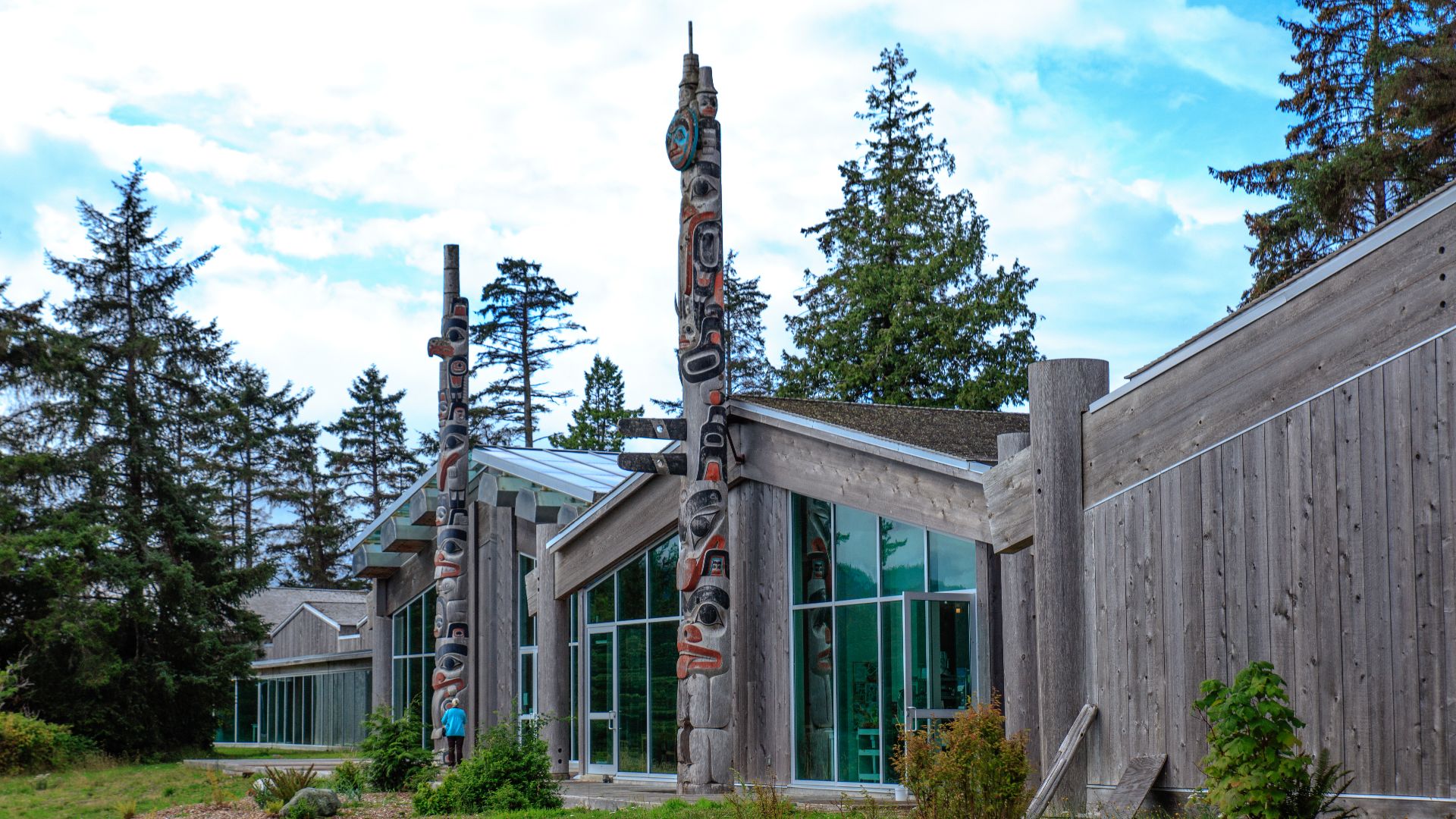
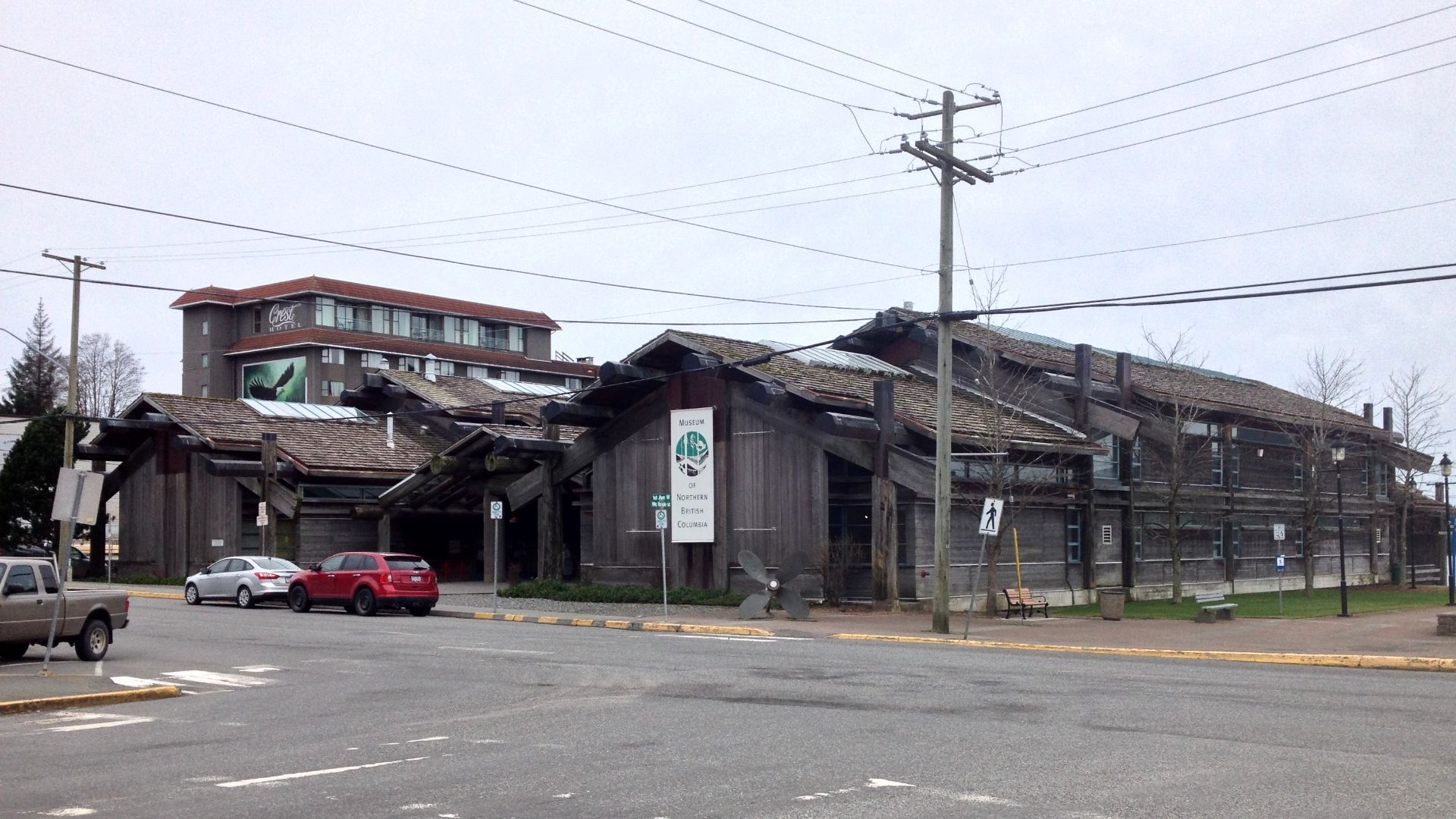
7. Spend Time At The Museum
The Museum of Northern BC in Prince Rupert highlights Northwest Coast culture and history, and the local tourism listings emphasize artifacts and stories spanning thousands of years on the coast.
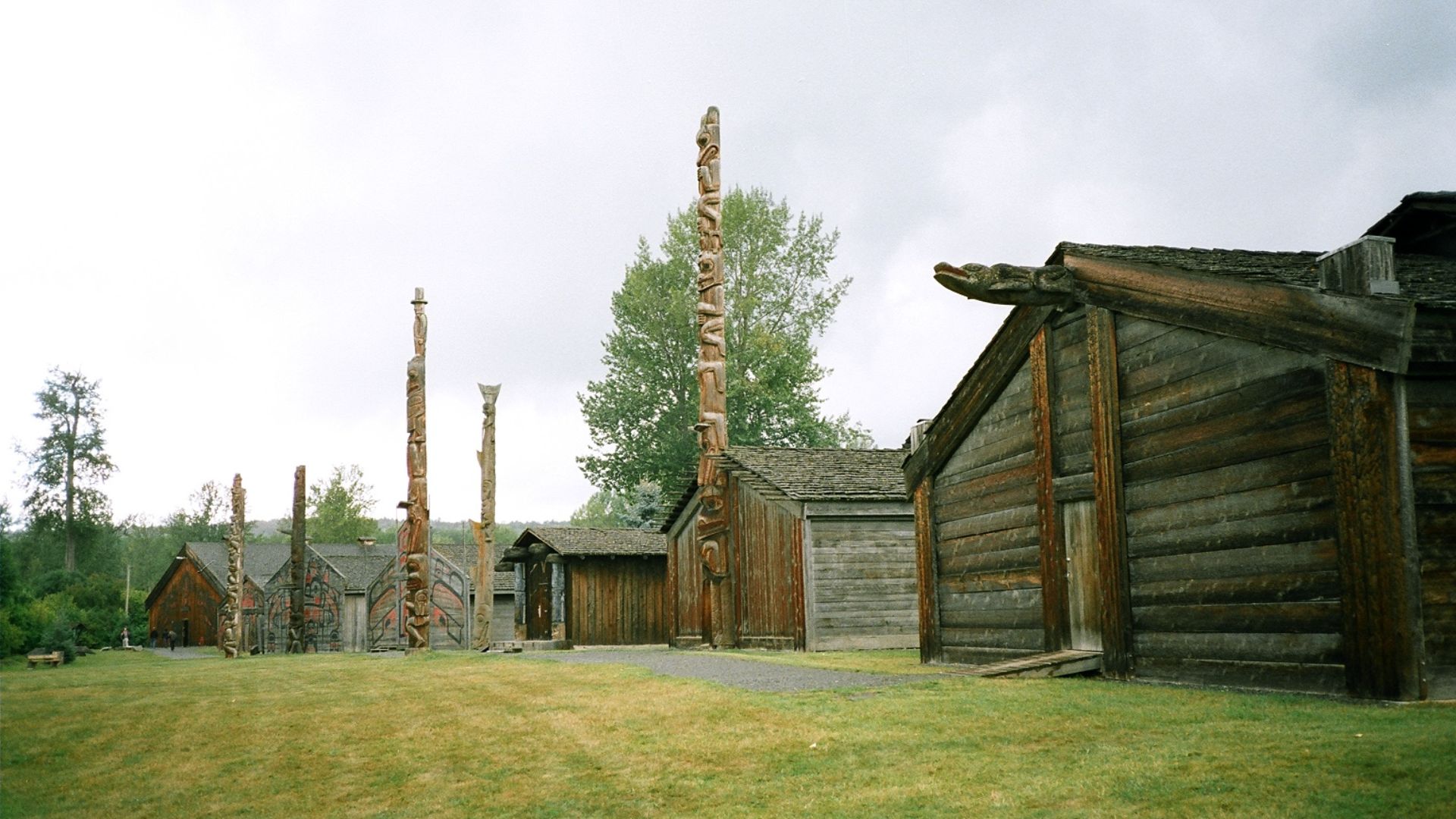
8. Walk Through Ksan
Ksan Historical Village near Hazelton sits in Gitxsan Territory and is designed to preserve and portray Gitxsan culture and history. After you travel through centuries-old buildings, you can visit the site’s museum and even have a quick snack at the Eagle House café.
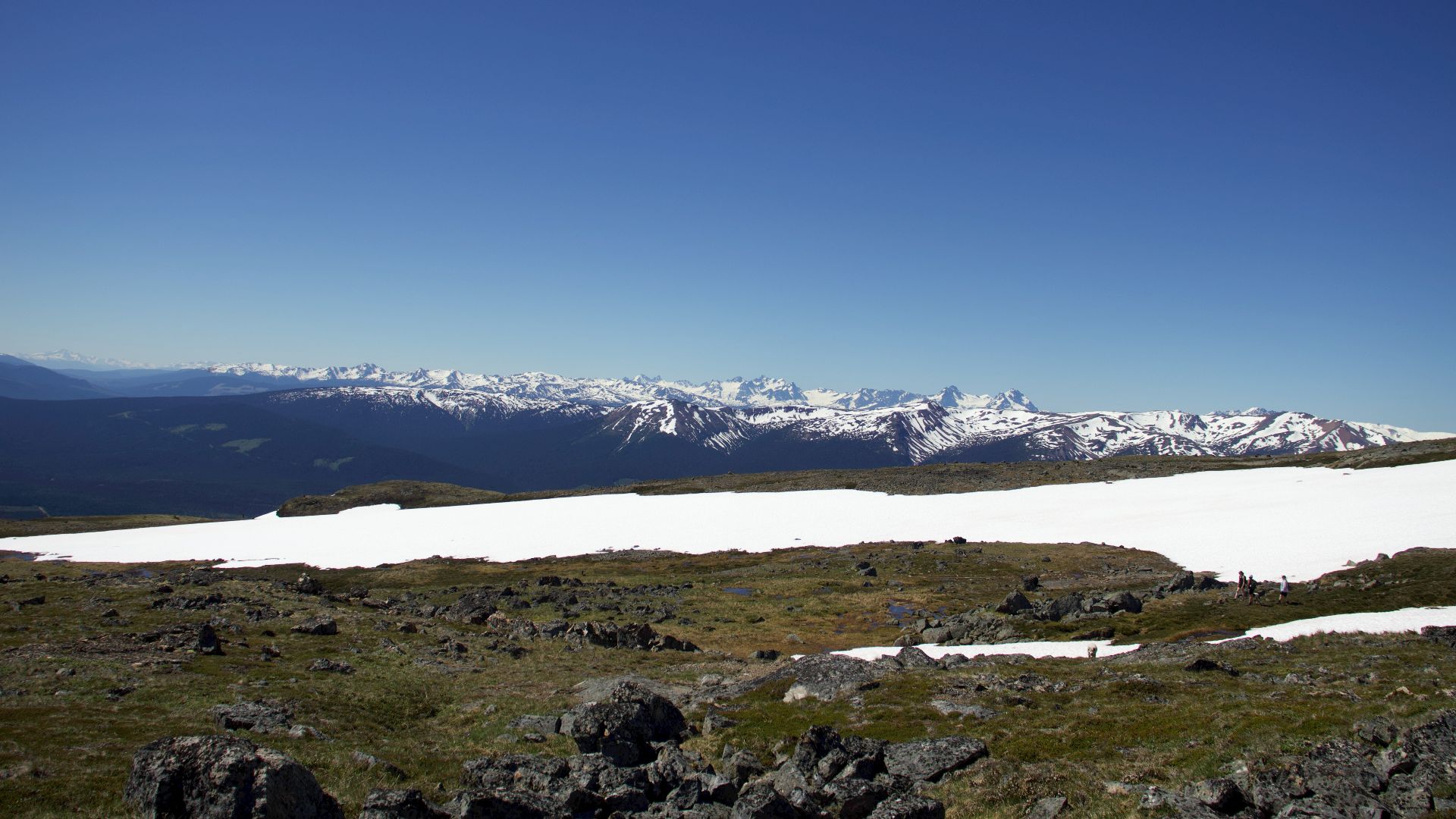
9. Visit Smithers
Smithers has a calm and wonderful demeanor that makes even the busiest of us enter a meditative state. The streets feel human-scaled, and the surrounding peaks make even ordinary errands look scenic.
 Jasper Malchuk Rasmussen on Unsplash
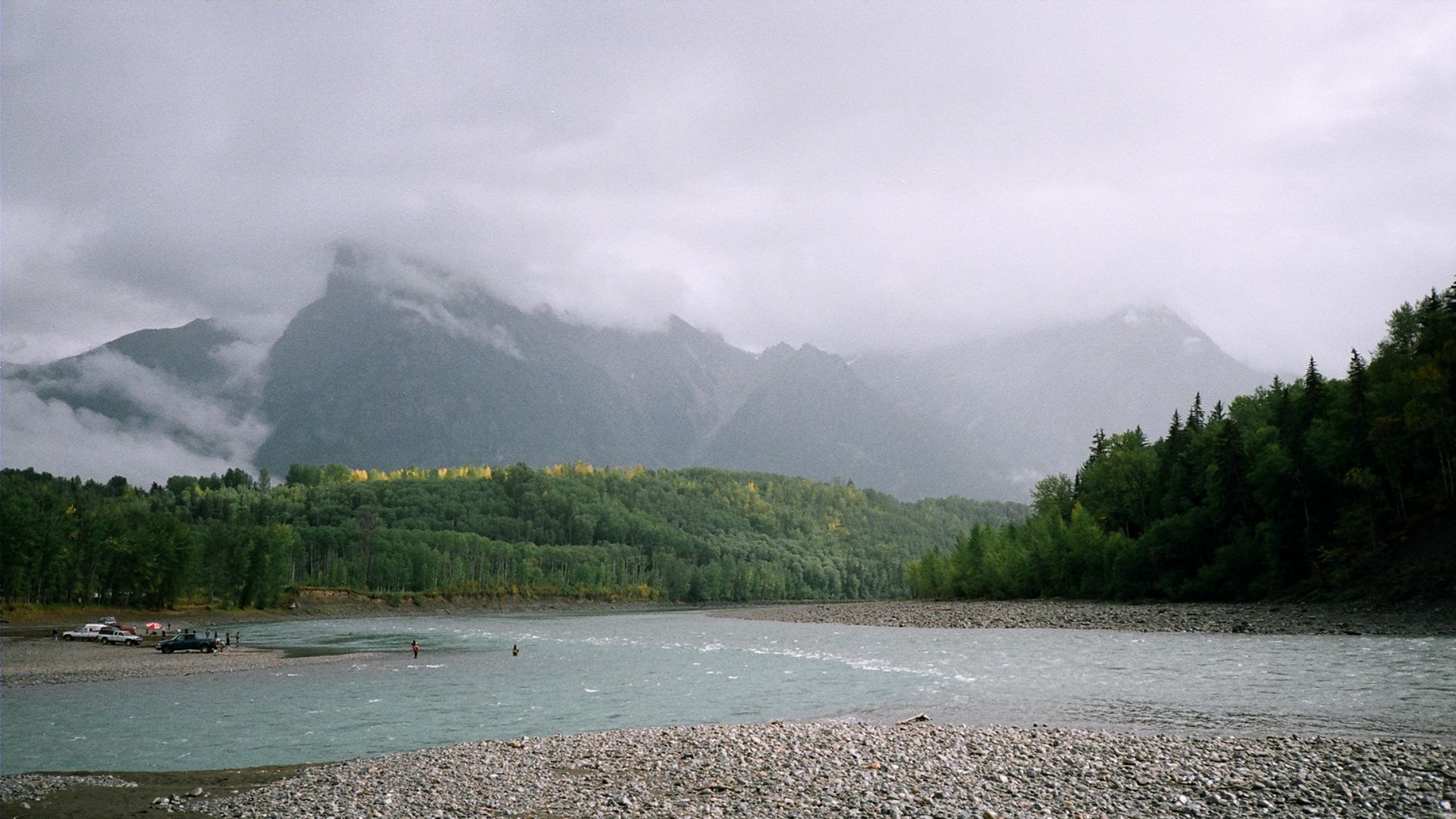
10. Follow The Skeena River
The Skeena region is famous for steelhead, and the fact that the province has a dedicated Skeena Quality Waters Strategy tells you how seriously the fishery is treated. Regulations introduced through that process were explicitly aimed at keeping the steelhead fishery viable for the long run. Even if you’re not fishing, traveling alongside the river is a one-of-a-kind experience.
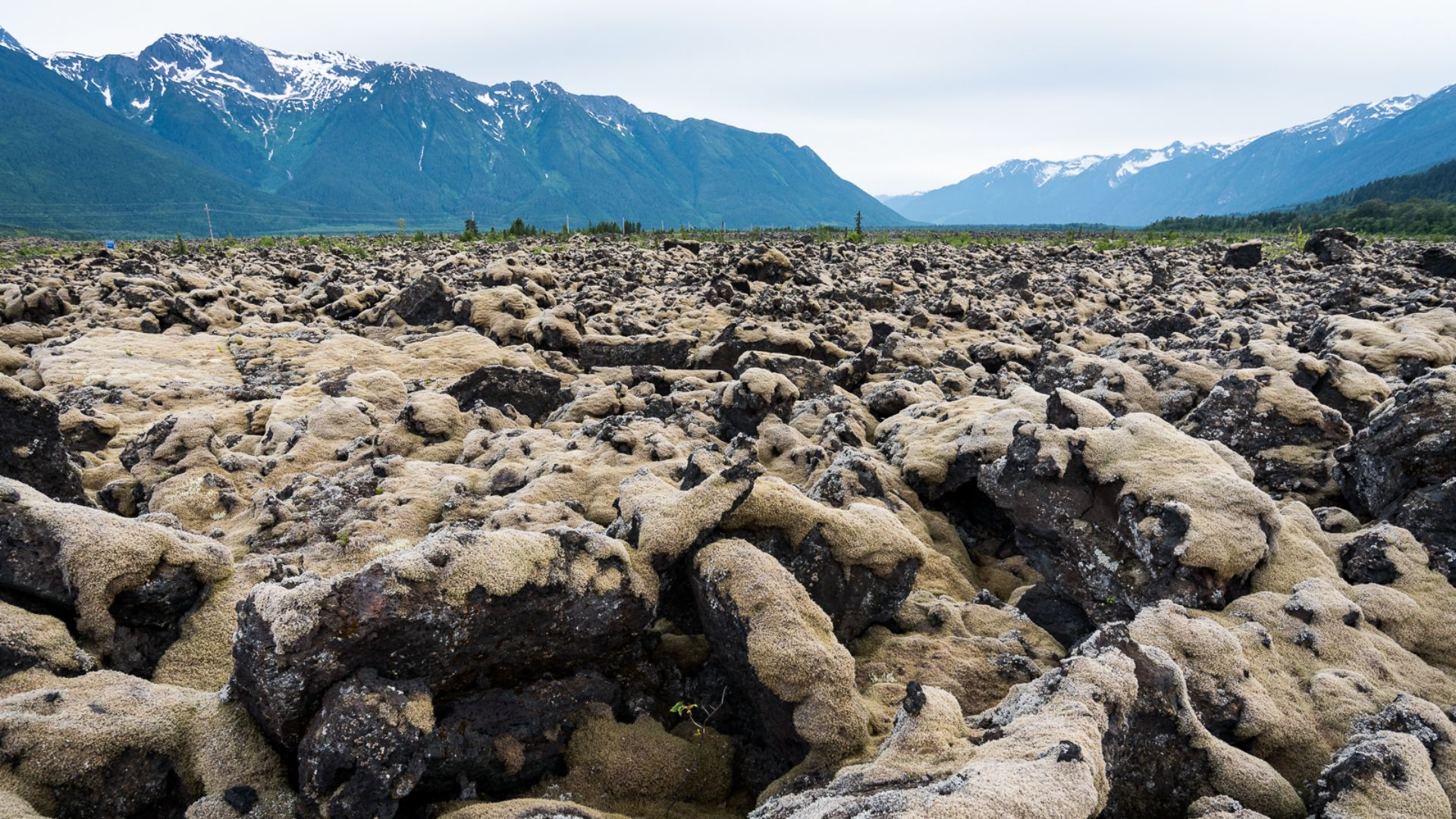
11. See The Nisga’a Lava Beds
Nisga’a Memorial Lava Bed Park is where geology and living culture share the same space, and it’s hard not to be impressed by that pairing. The Nisga’a basalt flow is one of the youngest and most accessible volcanic features in British Columbia, with guided tours that connect the landscape to Nisga’a stories and stewardship.
12. Stop At Bear Glacier
Bear Glacier is visible off Highway 37A on the drive toward Stewart, and it’s a once-in-a-lifetime visual experience. BC Parks notes that the glacier began retreating in the 1940s, and Strohn Lake formed in the basin that opened up.
 Sergio Pérez Mateo on Unsplash
13. Drive Highway 37
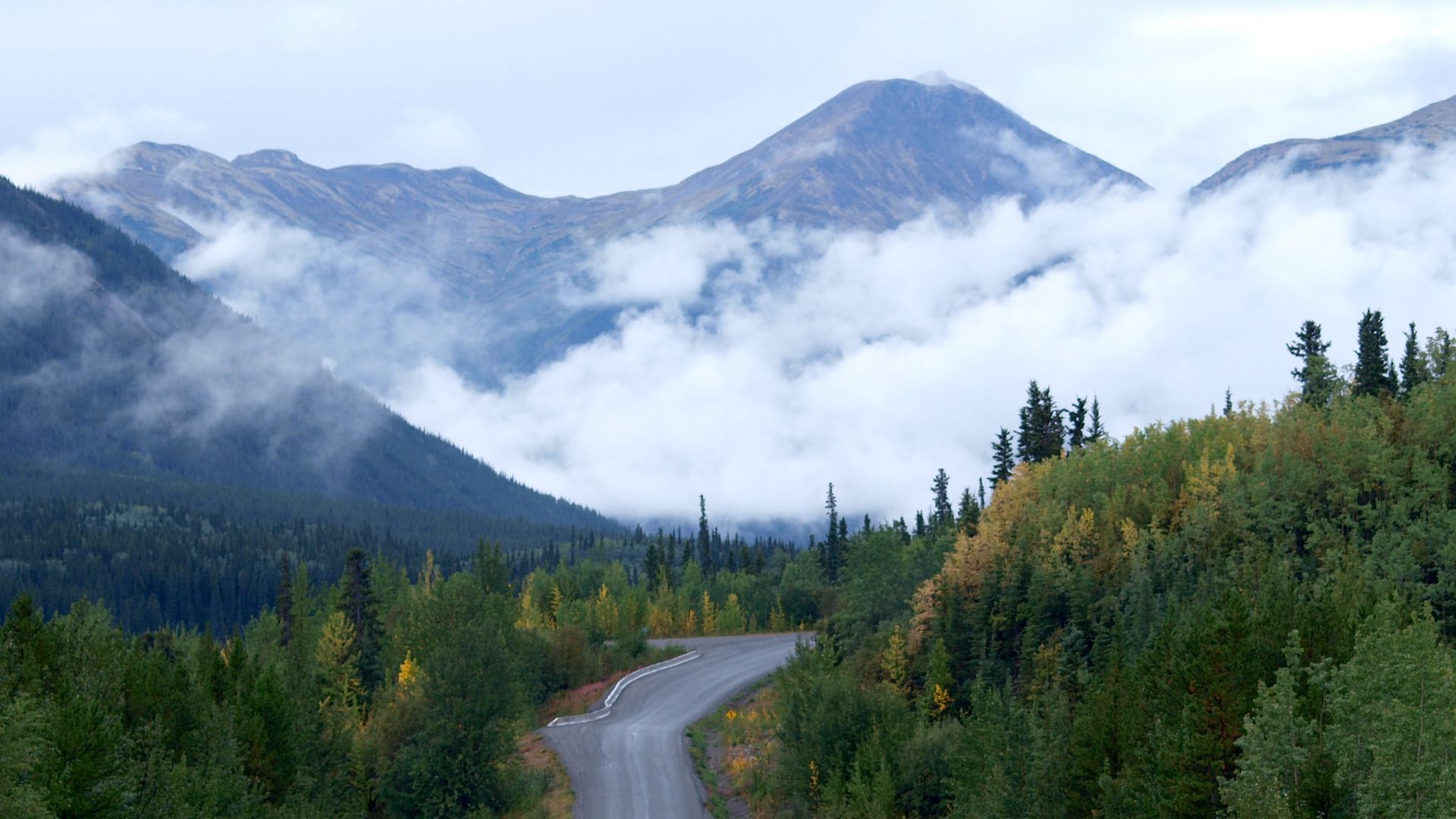
Highway 37, the Stewart–Cassiar route, is one of the best road trip routes on the West Coast. It’s certainly a little more remote than some of the other highways out there, but you’ll be rewarded with a scenic and meditative experience.
14. Snap The Mile Zero Photo
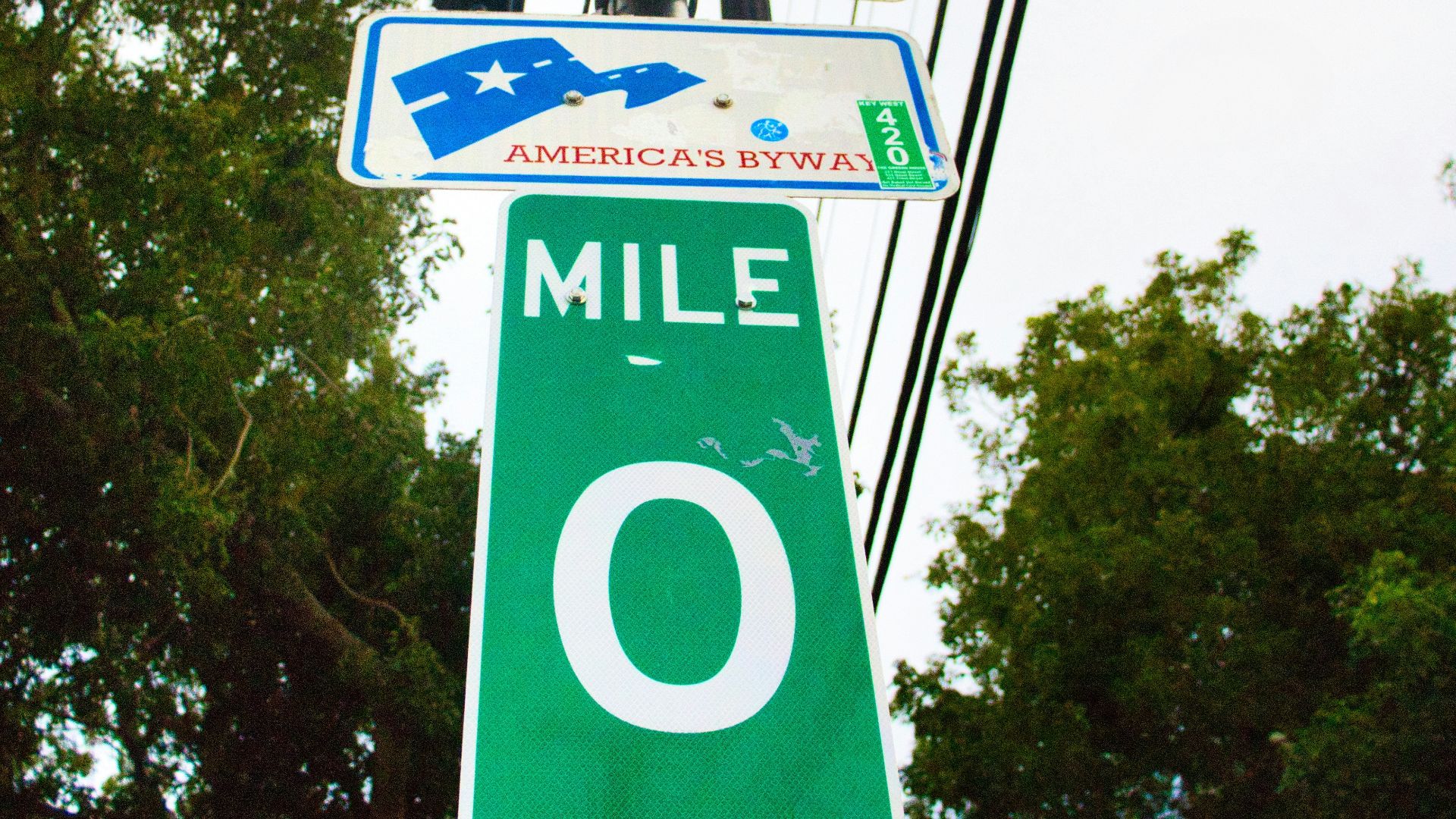
Dawson Creek leans into its Alaska Highway identity, and the Mile 0 marker is the classic proof-of-visit moment. The Mile 0 monument is a cairn and arch in Northern Alberta Railways Park, with interpretive plaques nearby.
15. Appreciate The Alaska Highway History
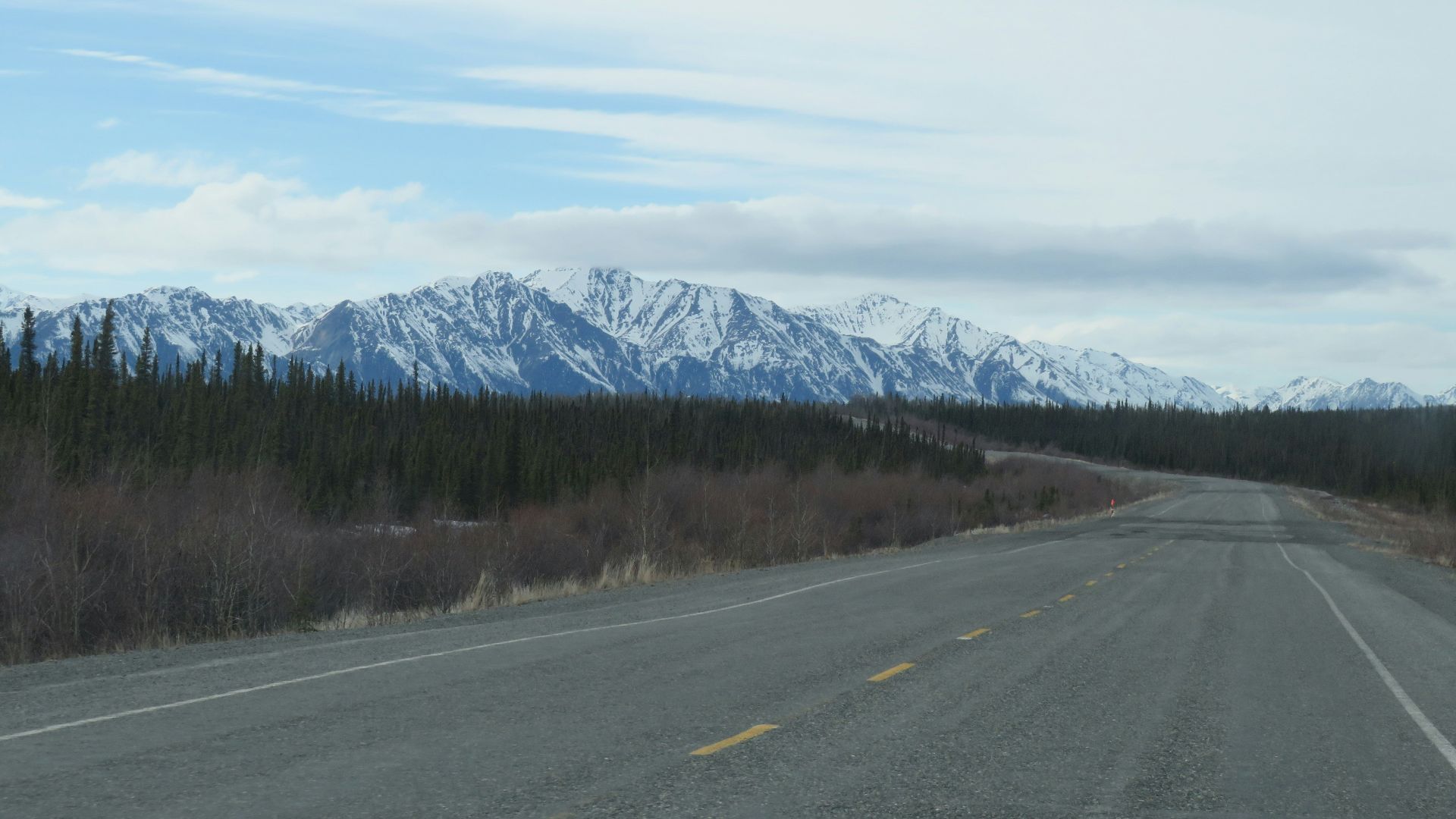
The Alaska Highway isn’t just a pretty drive; it’s a wartime infrastructure project that has stood the test of time. It’s one of the few ways you can access the northern Canadian wilderness, and it can be driven from start to finish in a total of three days.
16. Chase The Northern Lights
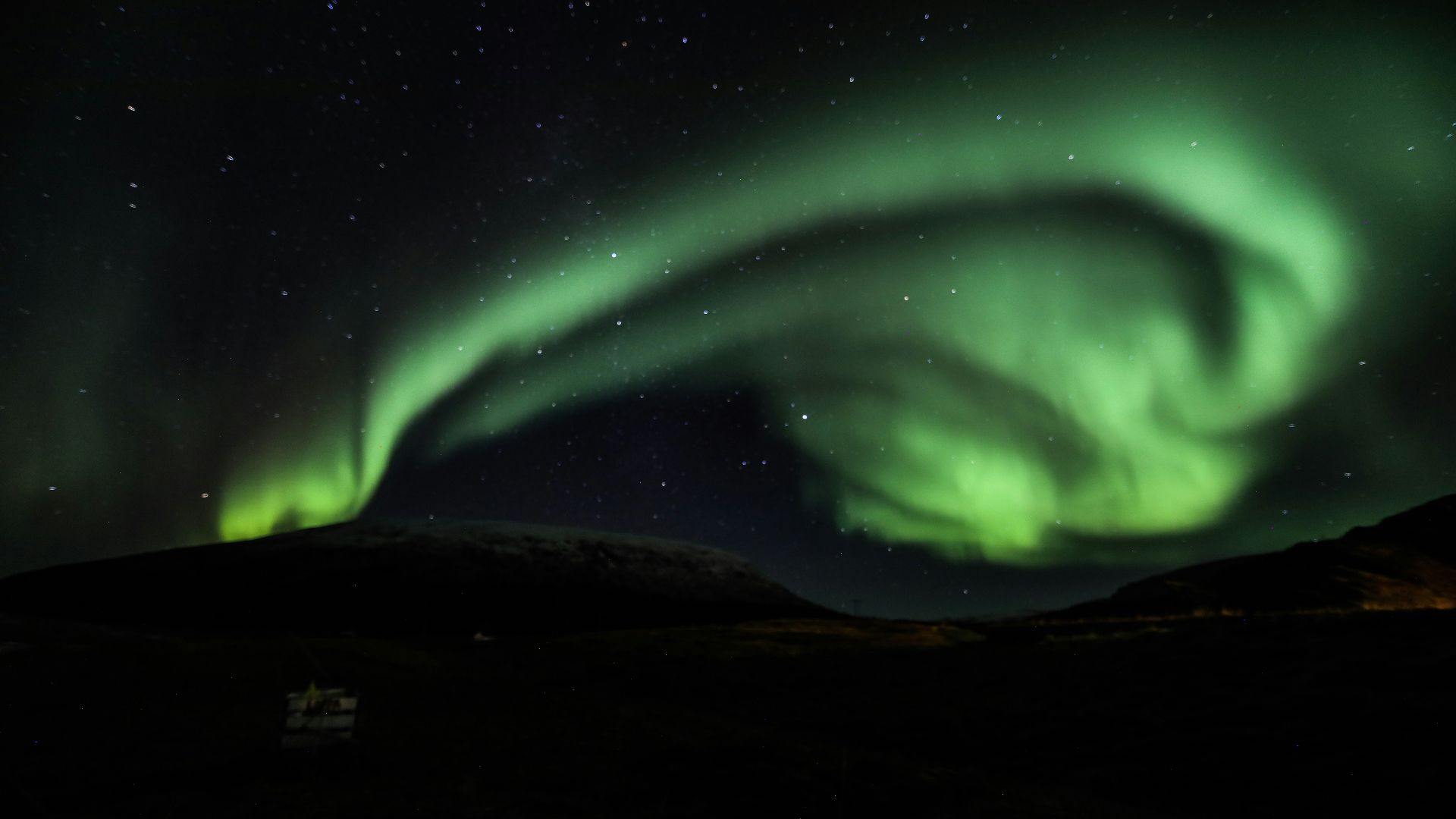
Fort Nelson and the Northern Rockies are positioned for serious night-sky watching, and the local tourism board highlights the region’s placement under the auroral zone. They describe the Northern Lights pathway as being overhead from early August into mid-May, which gives you a long season to catch a good show.
17. Soak At Liard Hot Springs
Liard River Hot Springs Provincial Park is a classic northern stop because it delivers something simple and perfect after a long drive. You can step into the warm water, breathe in boreal forest air, and feel human again.
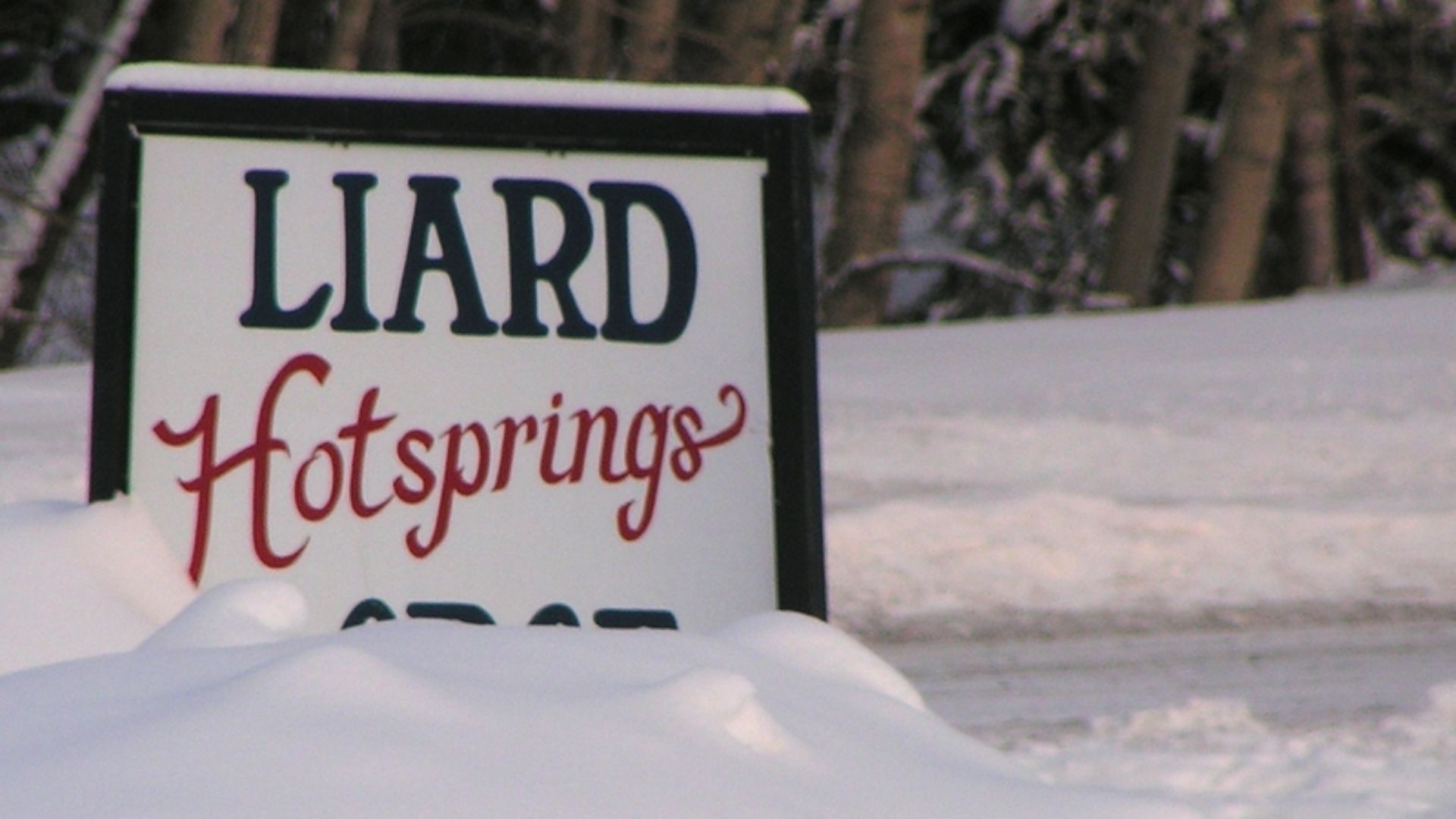 No machine-readable author provided. Qyd assumed (based on copyright claims). on Wikimedia
18. Get Lost In Muskwa-Kechika
The Muskwa-Kechika Management Area is the kind of designation that deals with environmentalism as well as the tourism sector. Not only does it work to preserve a massive area of land in Northern Canada, but it also protects the ecology, water health, and several Indigenous groups that live within its borders.
19. Walk The Ancient Forest
The Ancient Forest/Chun T’oh Whudujut Park protects a rare inland temperate rainforest. The site includes a universal-access boardwalk, plus western red cedars that are estimated to be over a thousand years old.
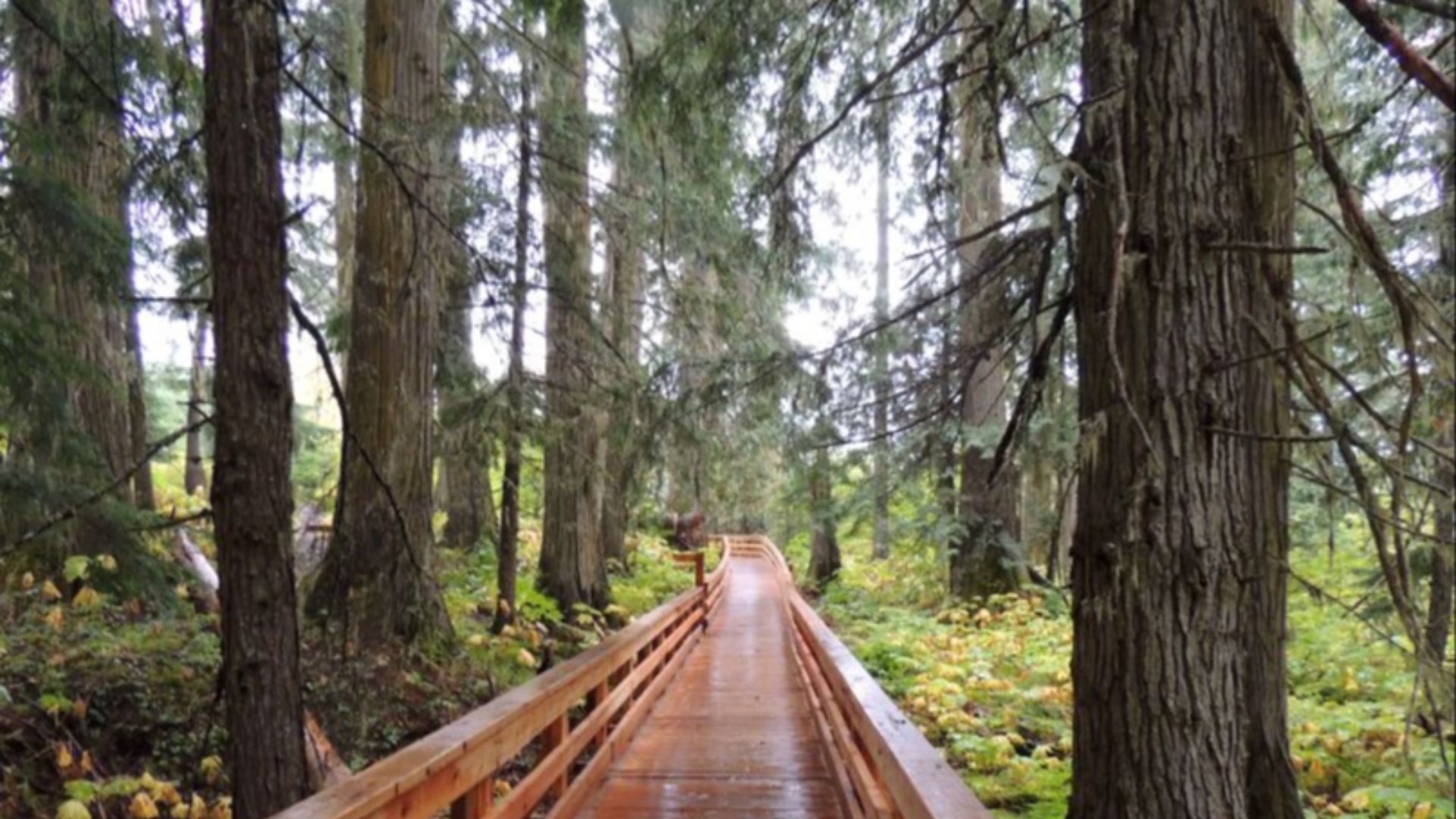 Kevin M Klerks from Kincardine, Canada on Wikimedia
20. Visit Fort St. James
Fort St. James National Historic Site sits on Stuart Lake and preserves the bones of the fur trade era in a way that feels tangible, not dusty. Originally built as a fur trade post, you can walk the grounds and get a clearer sense of how northern communities were shaped long before the personal car was even a thought.
 JERRYE & ROY KLOTZ MD on Wikimedia