The Taj Mahal Is Hiding A Secret Flaw That Could Spell Catastrophe
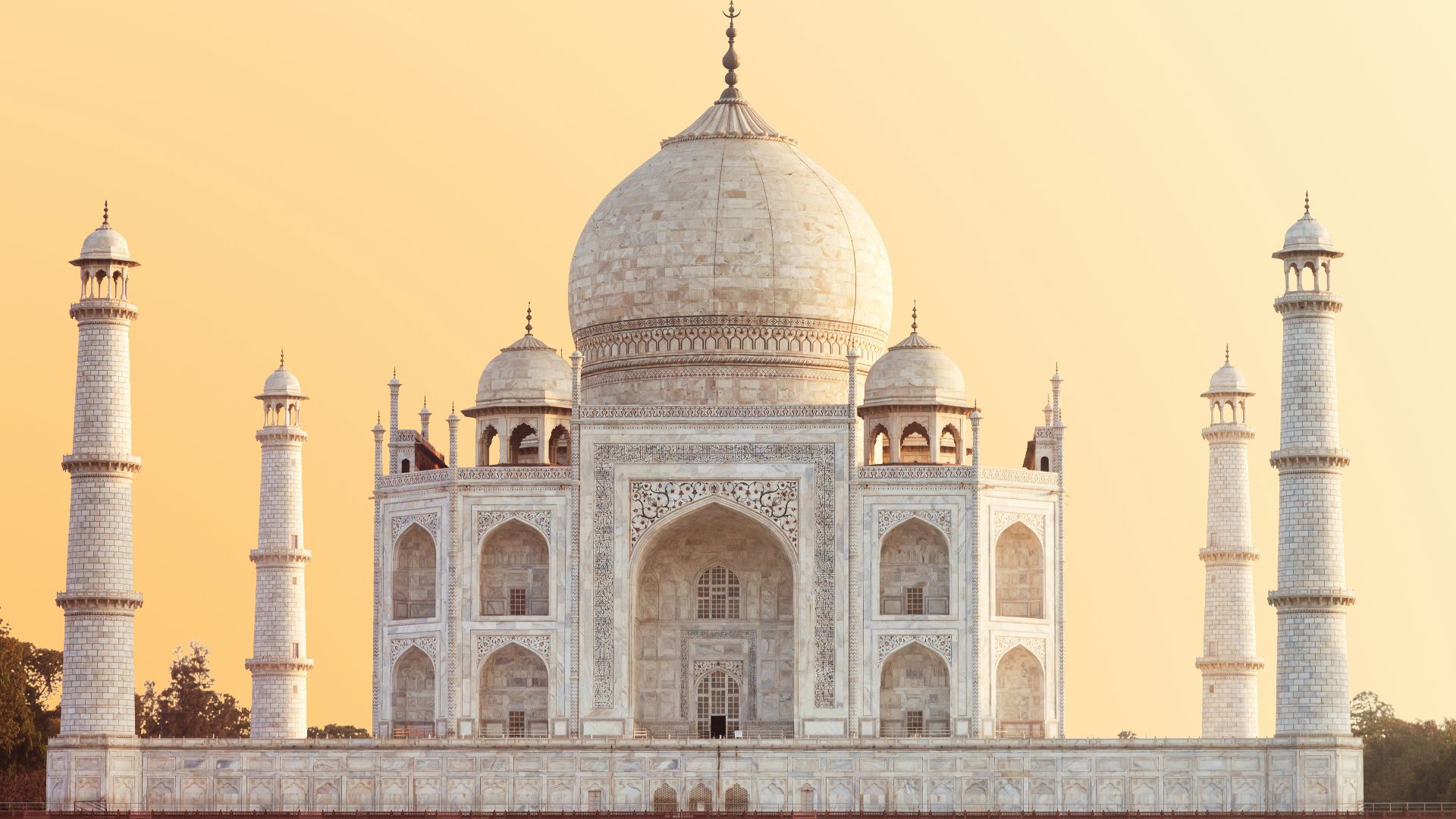
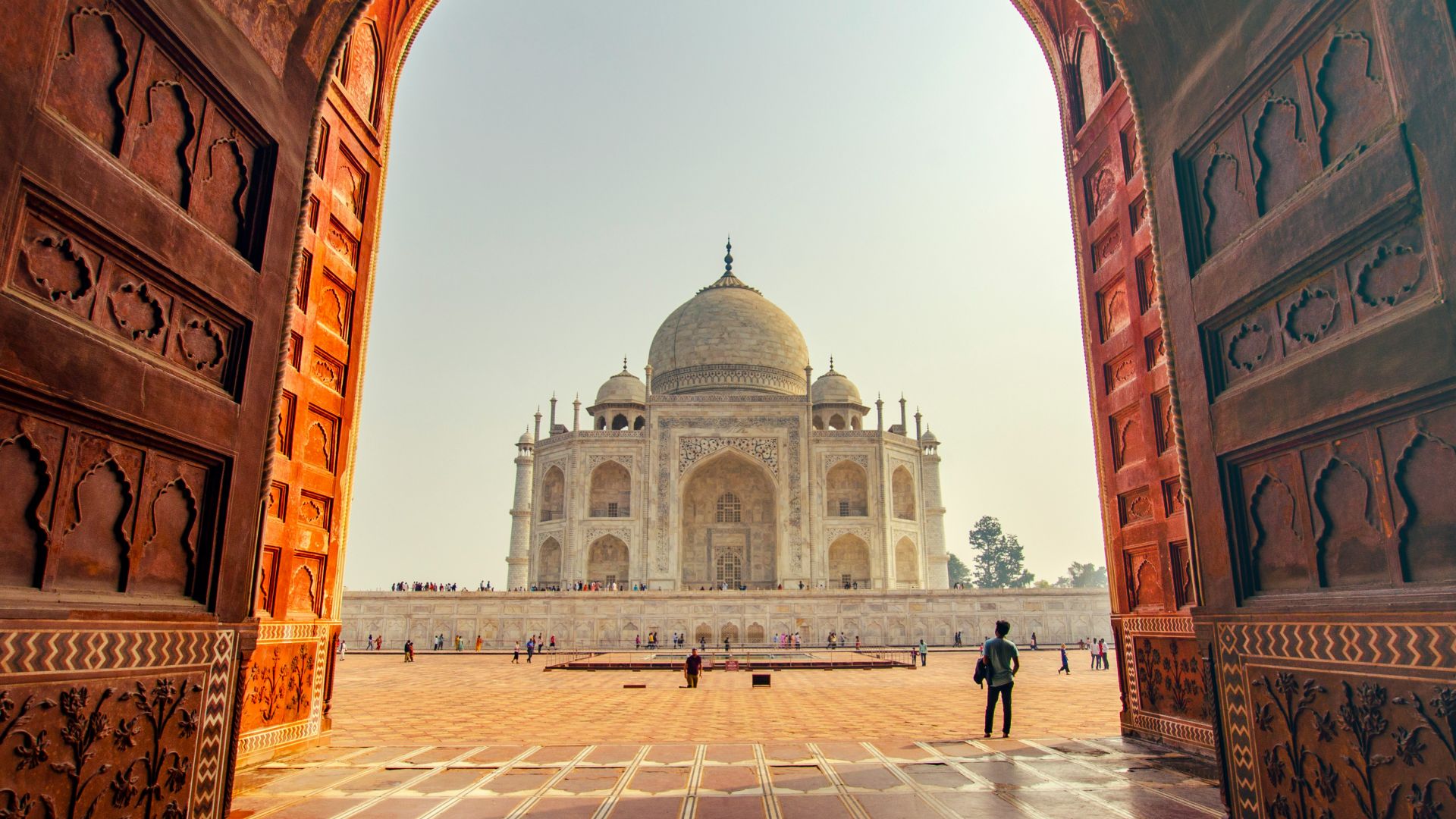
When you think of the Taj Mahal, your mind likely conjures images of pristine white marble, perfect symmetry, and a romance so grand it’s literally etched in stone. It’s widely considered the pinnacle of Mughal architecture, standing as a "teardrop on the cheek of time" that has survived for nearly four centuries. Millions of tourists flock to Agra every year to marvel at its ethereal beauty, rarely suspecting that beneath the shimmering façade lies a ticking clock. The monument wasn’t just built for aesthetics; it was a feat of engineering that relied on a very specific environmental balance to remain upright.
Unfortunately, that delicate balance is currently under threat from a factor the original architects never could’ve predicted: the death of a river. While the building itself looks as sturdy as ever, the invisible foundations are suffering from a "secret flaw" that isn't actually a mistake in design, but a vulnerability to modern climate change. If you were to look deep into the earth beneath the massive structure, you’d find a specialized support system that’s slowly being compromised. Understanding this looming crisis requires us to dive into the ingenious, yet moisture-dependent, world of 17th-century civil engineering.
The Ingenious Ebony Raft Foundation
Underneath all that marble lies a feat of civil engineering nearly every bit as impressive as the tomb itself. Rather than sinking concrete pilings deep into the riverbank soil, builders began by excavating wells and filling them with rubble and mortar. On top of those, they constructed thick platforms of ebony and sal wood. This literal “raft” of wood served as a cushion to provide flexibility, absorb shock loads, and prevent the marble tomb from cracking as soil conditions changed beneath it, even during earthquakes. It worked beautifully, allowing the Taj Mahal to remain perfectly level for over three centuries. The foundation does come with one very important caveat, however.
This wood will only remain solid if it stays completely saturated with water at all times. Buried below the water table in an oxygen-free environment, the timber eventually soaks up enough moisture to make it almost as dense as stone. Without air to sustain decomposition or pests, it will theoretically never rot. The engineers knew that as long as the Yamuna flowed right up next to the Taj Mahal, the wells would stay full of water and that ebony would never dry out. The entire complex can essentially be thought of as an enormous boat anchored in a bog. It wasn’t a problem… until the water level began to recede.
If the river keeps creeping downward, the foundation will become less stable with each passing year. For hundreds of years, Mughal engineers assumed that the Yamuna would always be more than capable of satiating the marble mausoleum’s thirst. No one could have predicted modern stresses like upstream dams, industrial contaminants, and 40 million additional inhabitants causing one of Asia’s great rivers to become a seasonal rivulet. Today, water levels along the Yamuna are falling faster every year, increasingly exposing the wooden beams for the first time since they were installed.
The Drying River and Structural Rot
When the wood in the foundation is exposed to oxygen, it begins to undergo a process of decay that can make the once-strong timber brittle and prone to shrinking. As the moisture disappears, the ebony "fingers" holding up the weight of the marble start to contract, which can lead to uneven settling across the massive platform. You might not notice it at a glance, but even a few inches of shift in a structure this heavy can cause catastrophic stress on the masonry above. Experts have warned that if the wood continues to rot, the entire monument could eventually cave in toward the riverbed.
In recent years, visible signs of this foundational distress have begun to surface in the form of cracks along the tomb’s walls and the surrounding arches. While the Archaeological Survey of India has worked hard to patch these cosmetic issues, they are merely treating the symptoms rather than the cause. The real problem is happening deep underground where no tourist can see, and where the air is slowly eating away at the Taj's hidden supports. It’s a race against time to restore the river’s health before the damage to the timber becomes irreversible.
Beyond the structural worries, the Taj Mahal is also fighting a losing battle against the air and water pollution that plagues the city of Agra. The white Makrana marble is porous, meaning it acts like a sponge for the sulfur dioxide and nitrogen dioxide emitted by nearby factories and heavy traffic. This has led to a phenomenon often called "stone cancer," where the marble loses its luster and turns a sickly shade of yellow or green. You might see workers applying "mud packs" of Multani mitti to the walls, a clay treatment designed to pull the impurities out of the stone and restore its original glow.