What Makes Budget Airlines Different and Why It Matters
Budget airlines promise low fares, but those prices are built on a very specific model that shifts costs away from the ticket and onto the passenger. Instead of bundling services together, these airlines charge separately for nearly everything, which means the real price only becomes clear once you understand the rules. Here are 20 things to know before booking a budget airline.
1. The Advertised Price Is Only the Starting Point
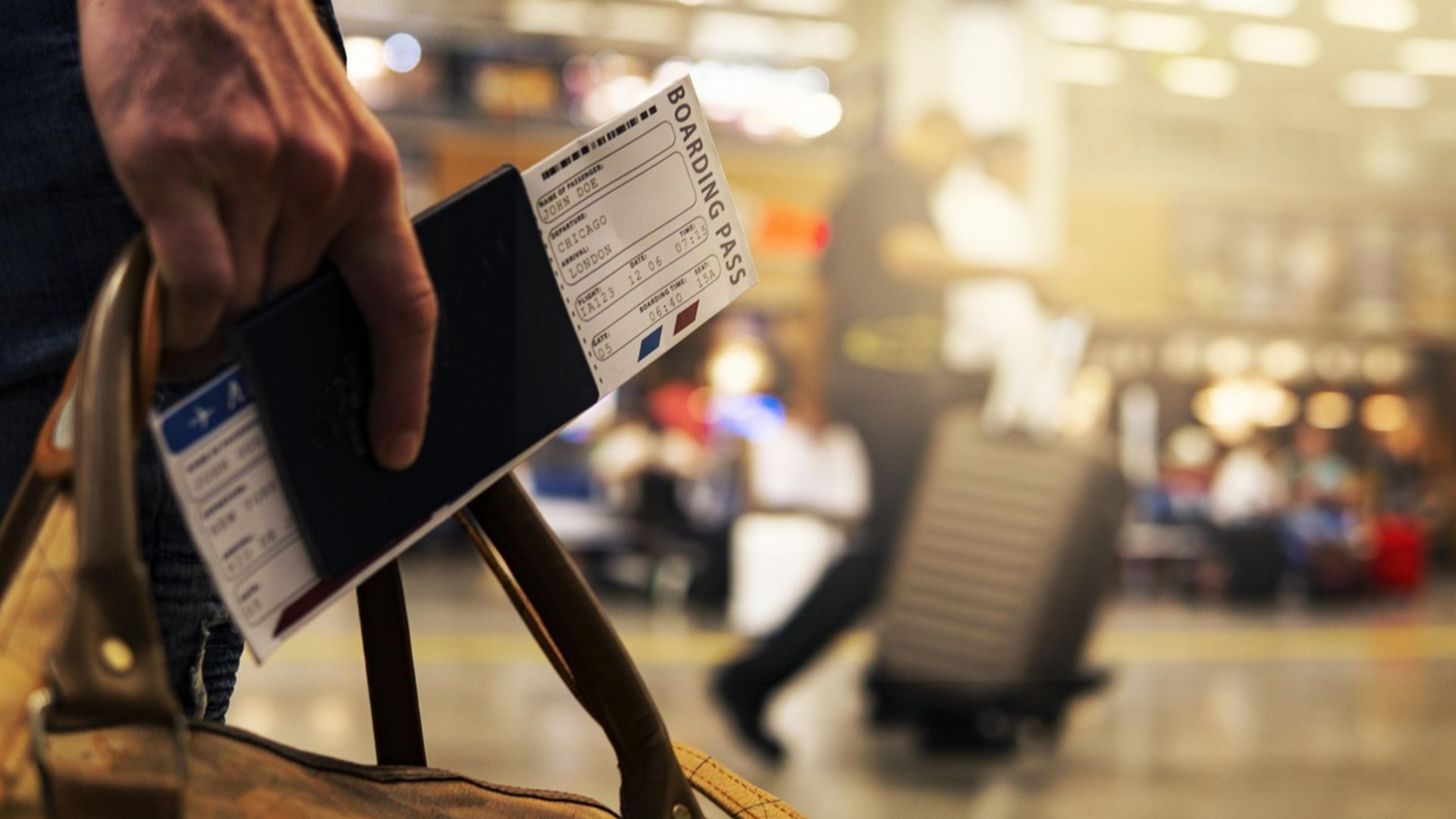
The headline fare on a budget airline is designed to catch your attention, but it usually covers nothing more than the seat itself. Extras like carry-on bags, seat selection, and even printing a boarding pass can be added later for additional fees.
2. Carry-On Rules Are Stricter Than You Expect
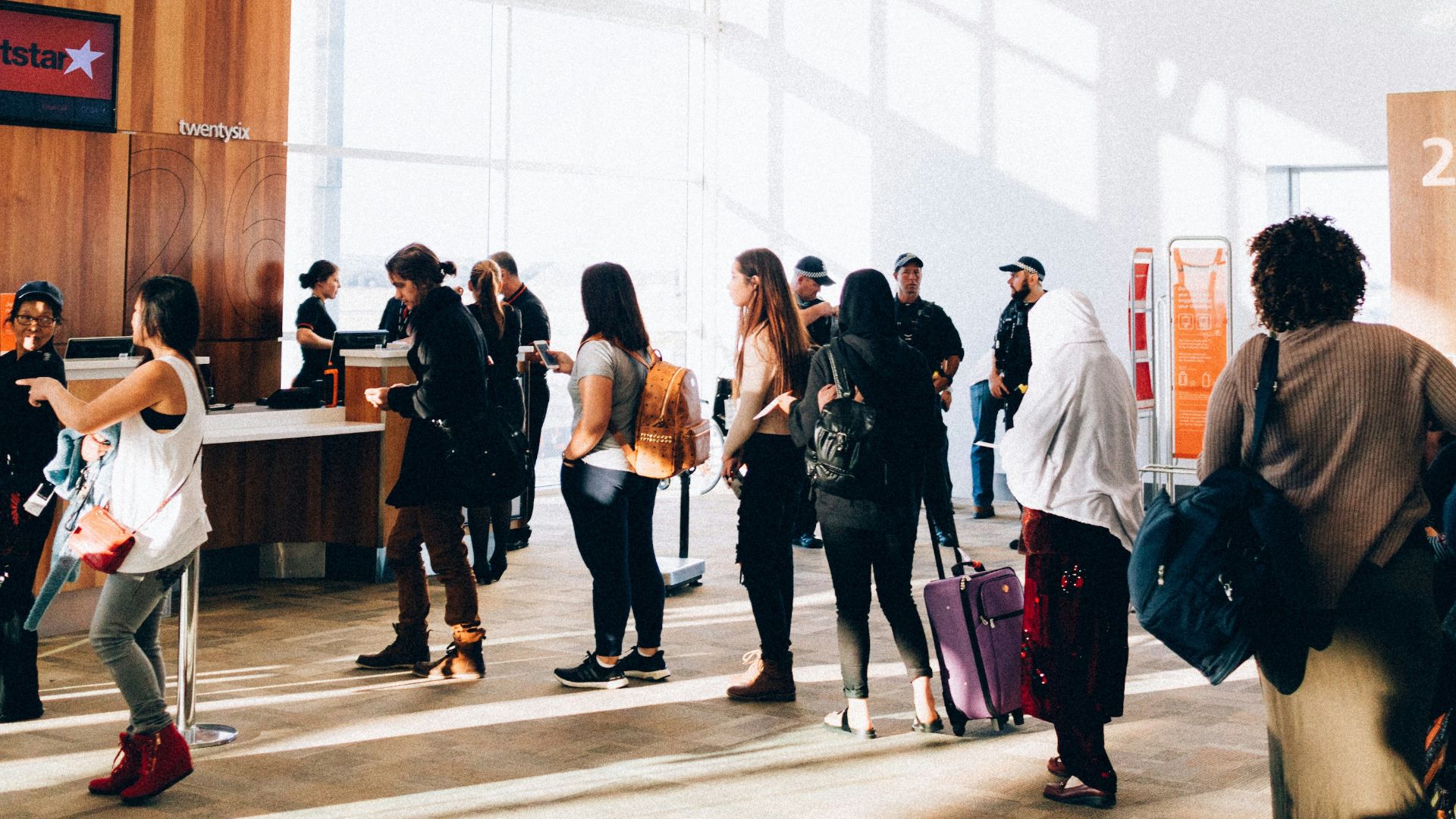
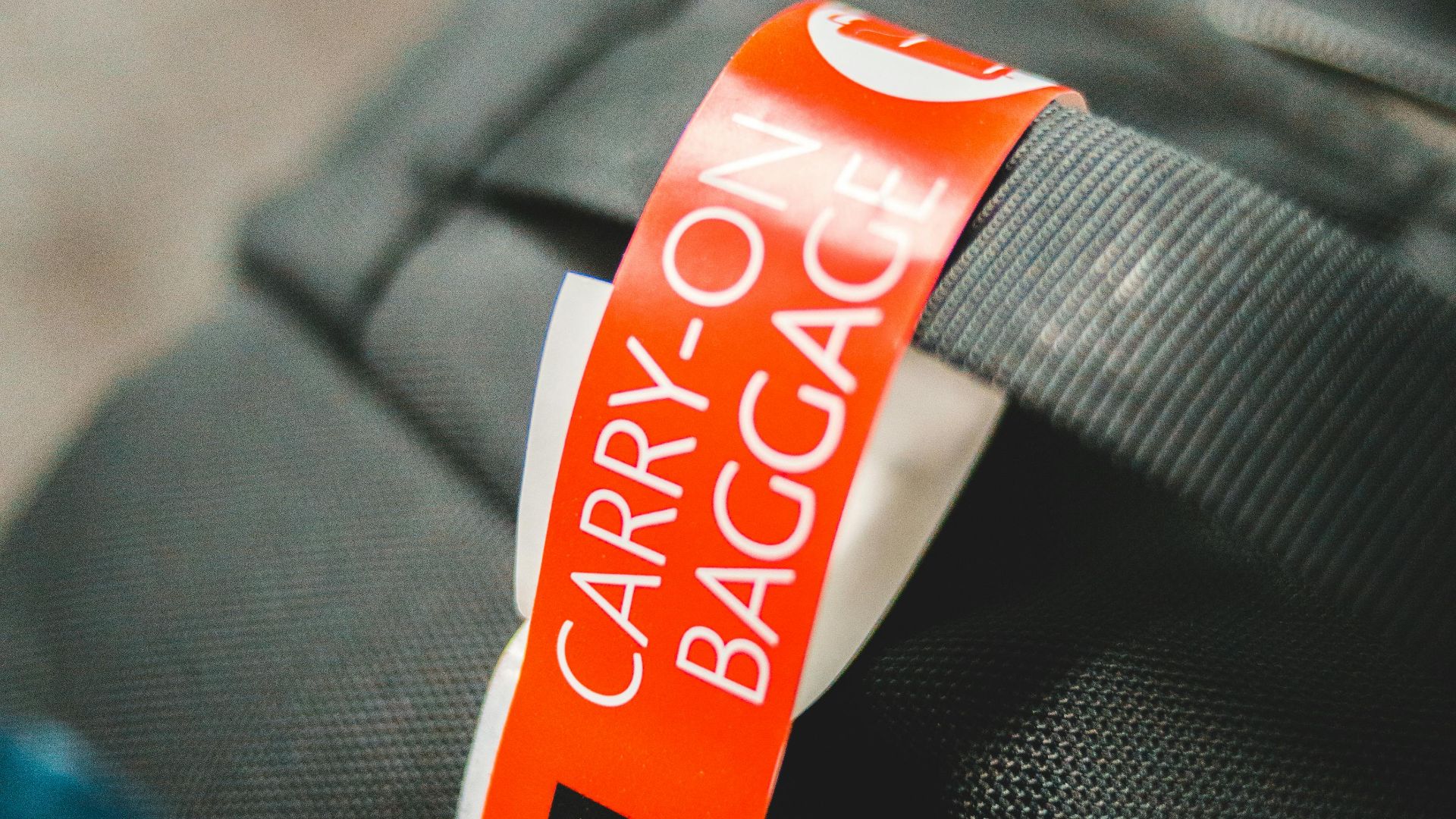
Many budget airlines allow only a small personal item in the cheapest fare, and the size limits are often enforced more strictly than on traditional carriers. If your bag is even slightly too large, you may be charged at the gate, where fees are usually highest.
3. Checked Bags Can Cost More Than You Think
Checked baggage fees on budget airlines can sometimes rival or exceed the cost of the flight itself, especially on short routes. These fees often increase the closer you get to departure, which discourages last-minute changes.
4. Seat Selection Is Usually Not Included
Unlike traditional airlines that often assign seats automatically, budget carriers typically charge extra if you want to choose where you sit. If you skip this option, you may be assigned a random seat at check-in, which can split up groups or place you in less desirable spots.
5. Online Check-In Isn’t Optional
Many budget airlines strongly incentivize online check-in by charging fees for airport check-in or printed boarding passes. This policy assumes passengers are comfortable using apps or home printers, which isn’t always obvious during booking.
 Amsterdam City Archives on Unsplash
6. Food and Drinks Are Almost Always Extra
Complimentary snacks and beverages are rarely part of the budget airline experience, even on longer flights. Anything offered onboard is typically sold at a premium, which can add up quickly. Bringing your own snacks and an empty water bottle to fill after security helps avoid unnecessary spending.

7. Entertainment Isn’t Guaranteed
Budget airlines often remove seatback screens, power outlets, and Wi-Fi to reduce costs and turnaround time. This means your phone, tablet, or book becomes your primary source of entertainment.
8. Secondary Airports Can Add Hidden Costs
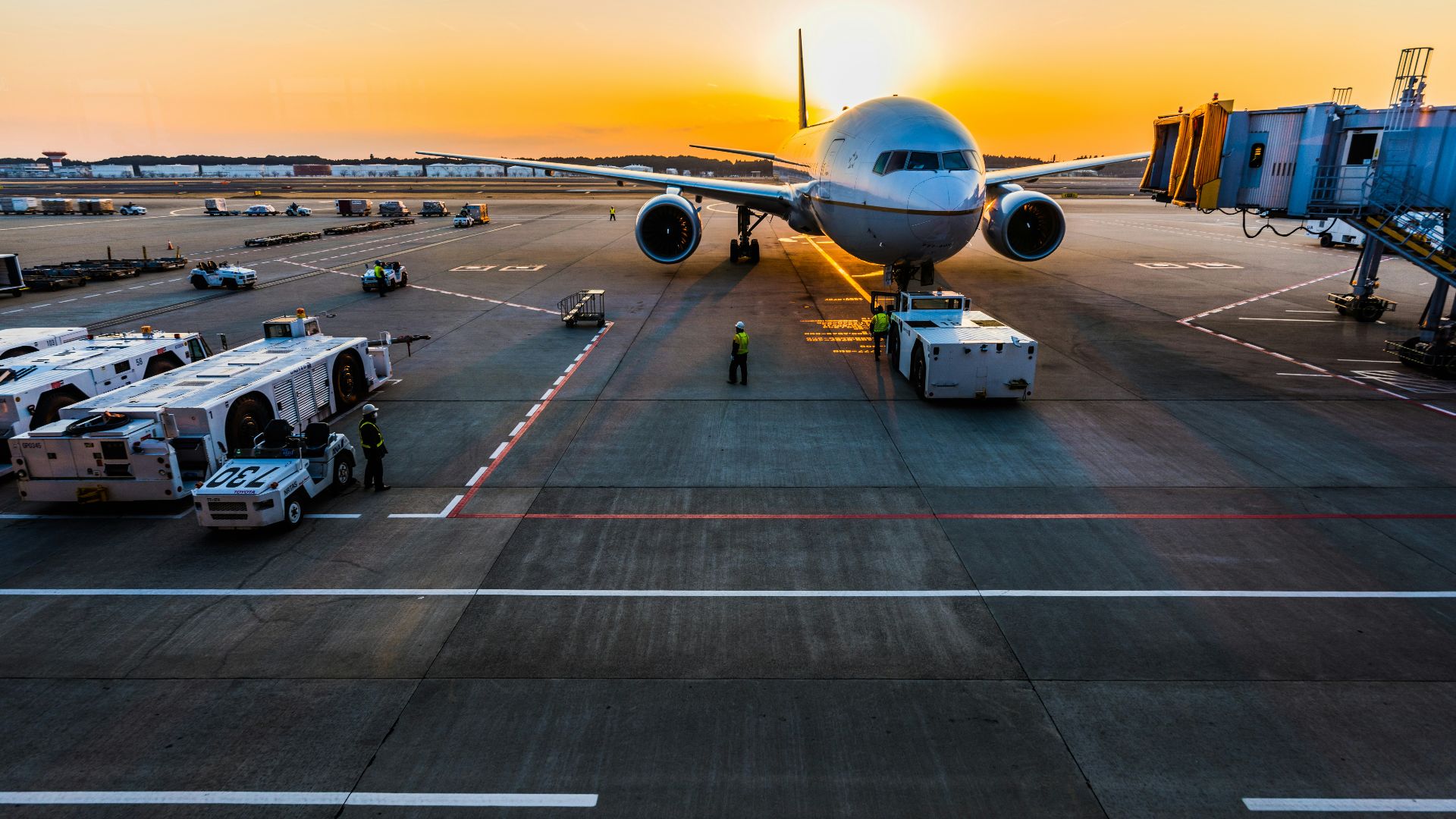
To save money, budget airlines frequently fly into smaller or less central airports. While this reduces ticket prices, it can increase ground transportation time and cost. Taxis, buses, or trains from these airports may be limited or expensive.
9. Timing Matters More Than Loyalty
Budget airlines rely heavily on dynamic pricing, meaning fares fluctuate based on demand rather than loyalty status. Booking early doesn’t always guarantee the lowest price, and prices can rise or fall unexpectedly.
10. Bundles Can Change the Math
Many budget airlines offer bundles that include bags, seat selection, or boarding priority for a flat fee. For travelers who need multiple extras, these packages can be more cost-effective than paying individually. However, bundles aren’t always a deal if you won’t use everything included.
11. Refunds and Changes Are Often Limited
Budget fares are usually restrictive when it comes to refunds and changes, even if the ticket seems inexpensive. Some airlines allow changes but charge a fee plus any fare difference. This can make flexibility surprisingly expensive. Understanding these rules is especially important if your plans aren’t firm.
12. Customer Service Is Lean by Design
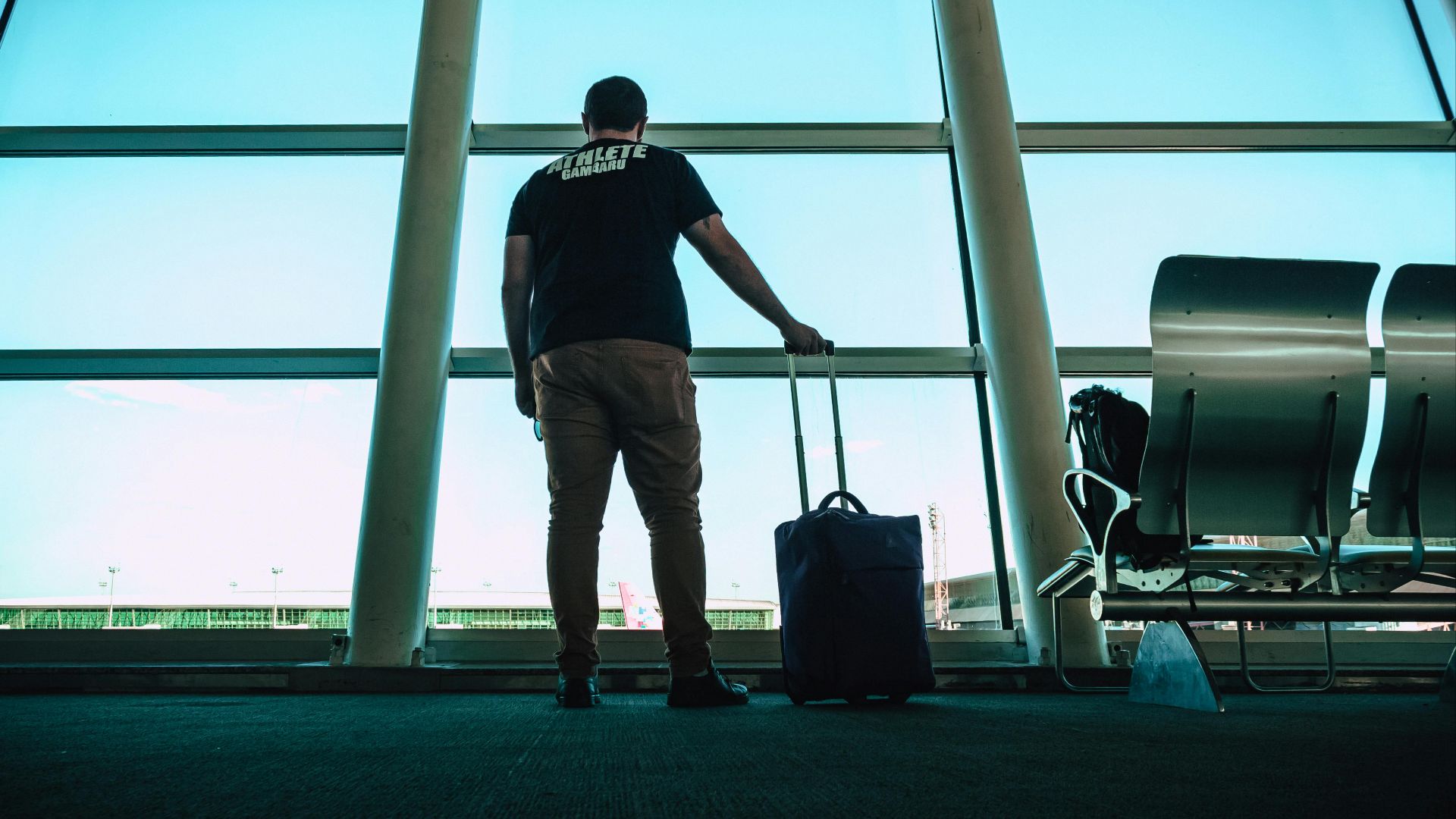
Lower fares often come with reduced customer service options, including limited phone support or slower response times. When problems arise, resolution may take longer than on traditional airlines.
13. Delays Can Have Big Ripple Effects
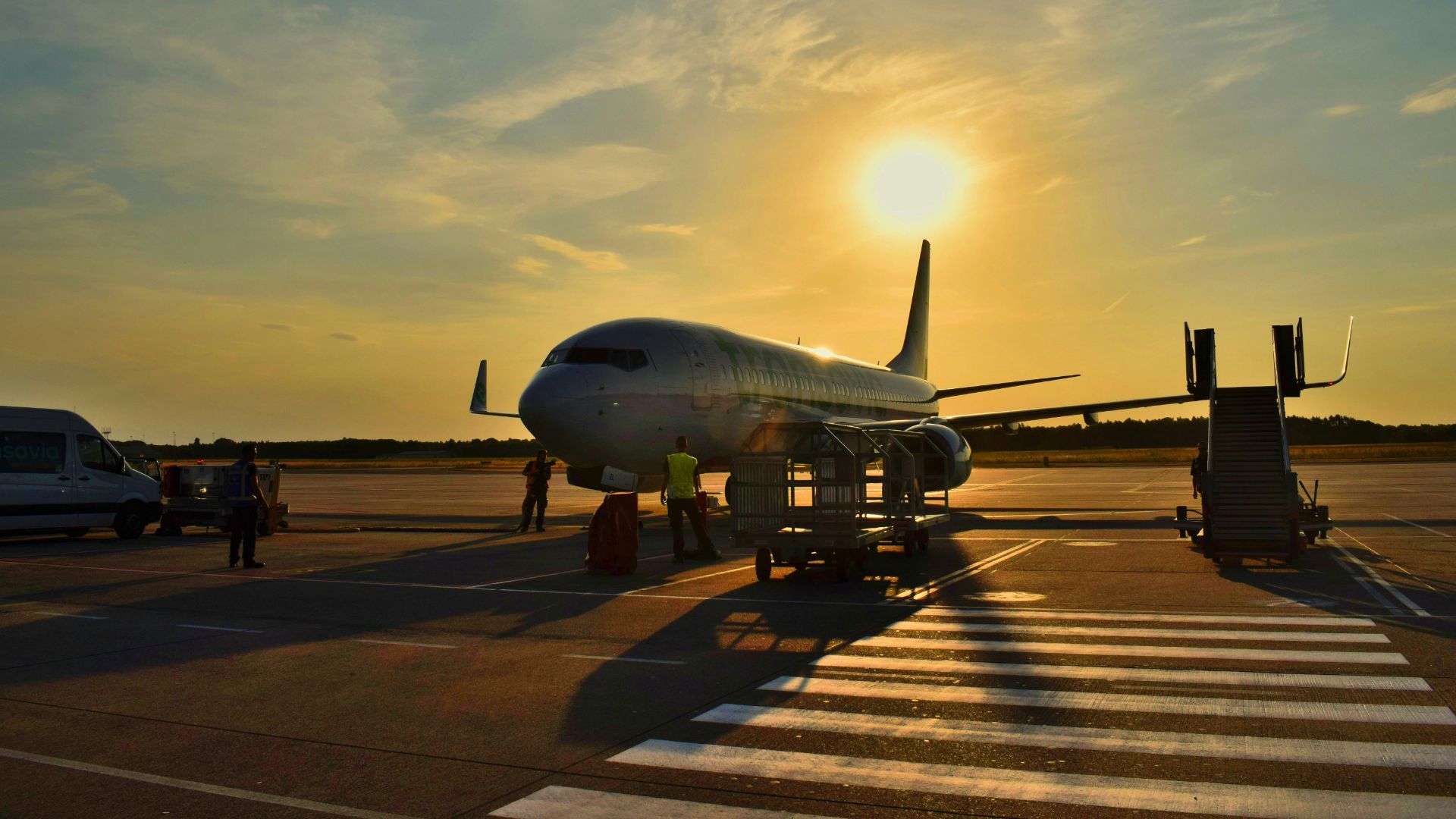
Budget airlines often operate tighter schedules, so when delays occur, there may be fewer backup options available. This can lead to longer waits or cancellations that are harder to rebook. Building buffer time into your plans reduces risk.
14. Boarding Is Highly Structured
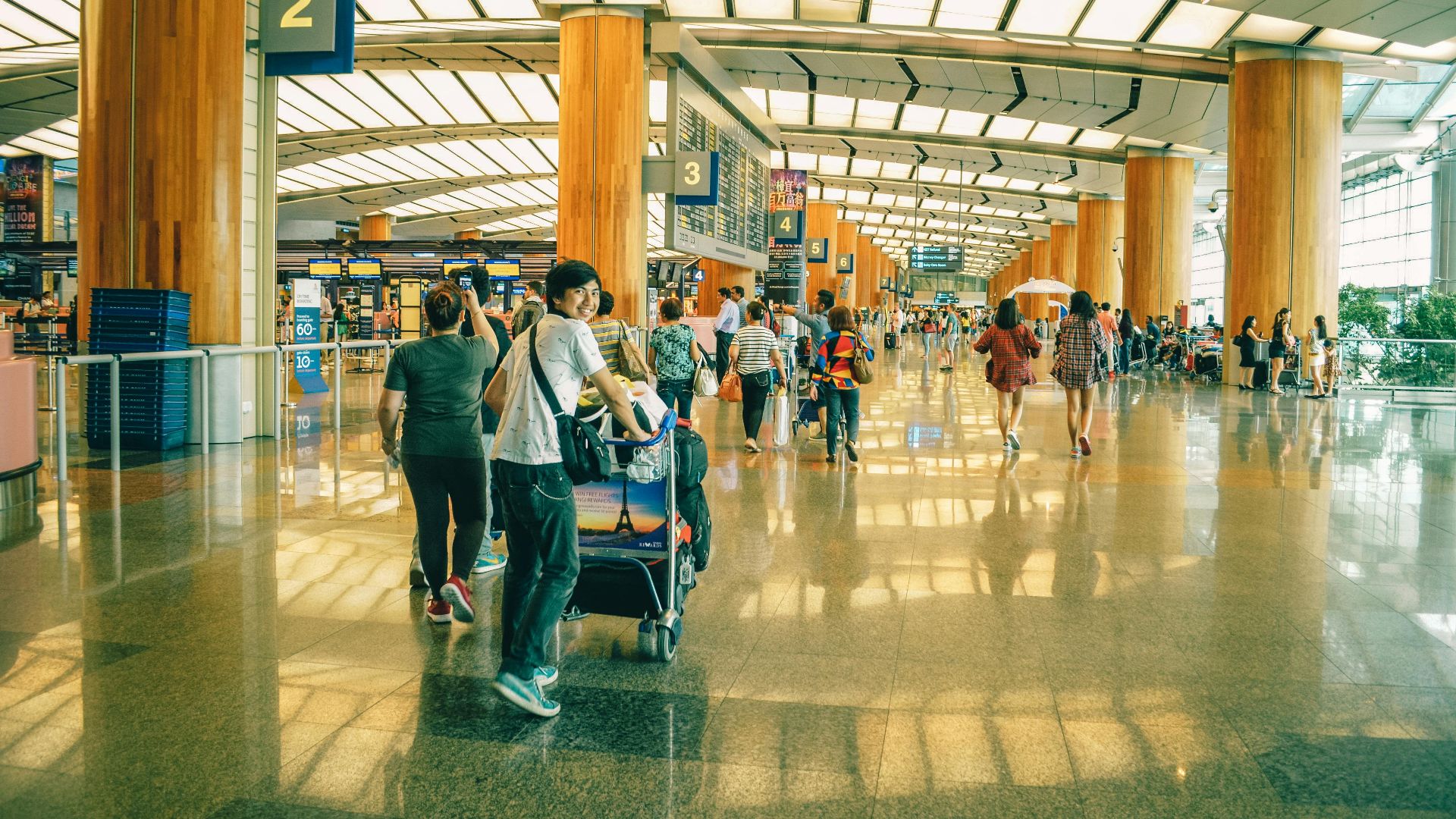
Budget airlines typically assign boarding order based on paid priority rather than seat location. If you don’t pay for early boarding, overhead bin space may fill quickly. This reinforces the importance of understanding baggage rules. Boarding strategy becomes part of the budget airline experience.
15. Comfort Is Not the Priority
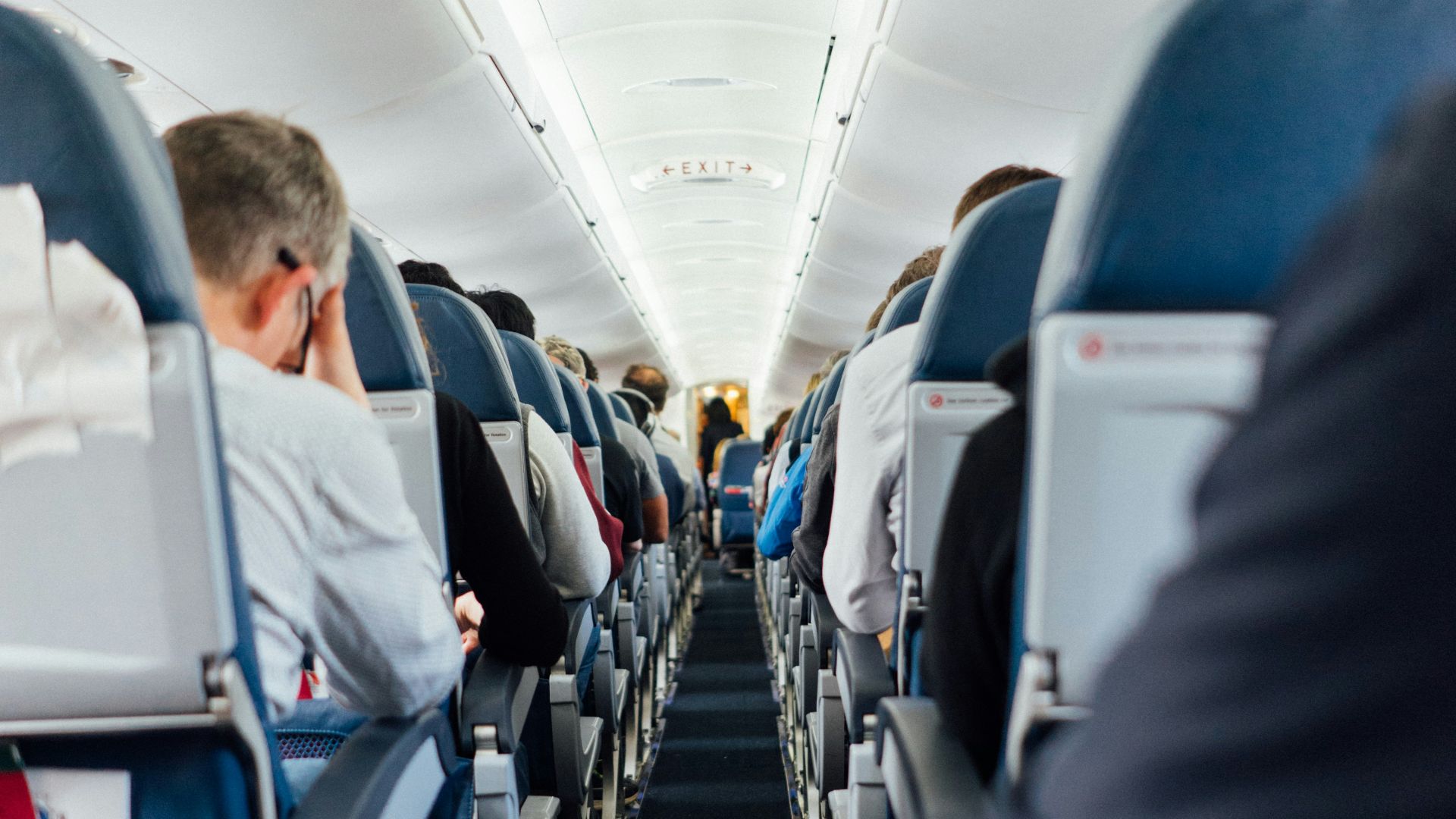
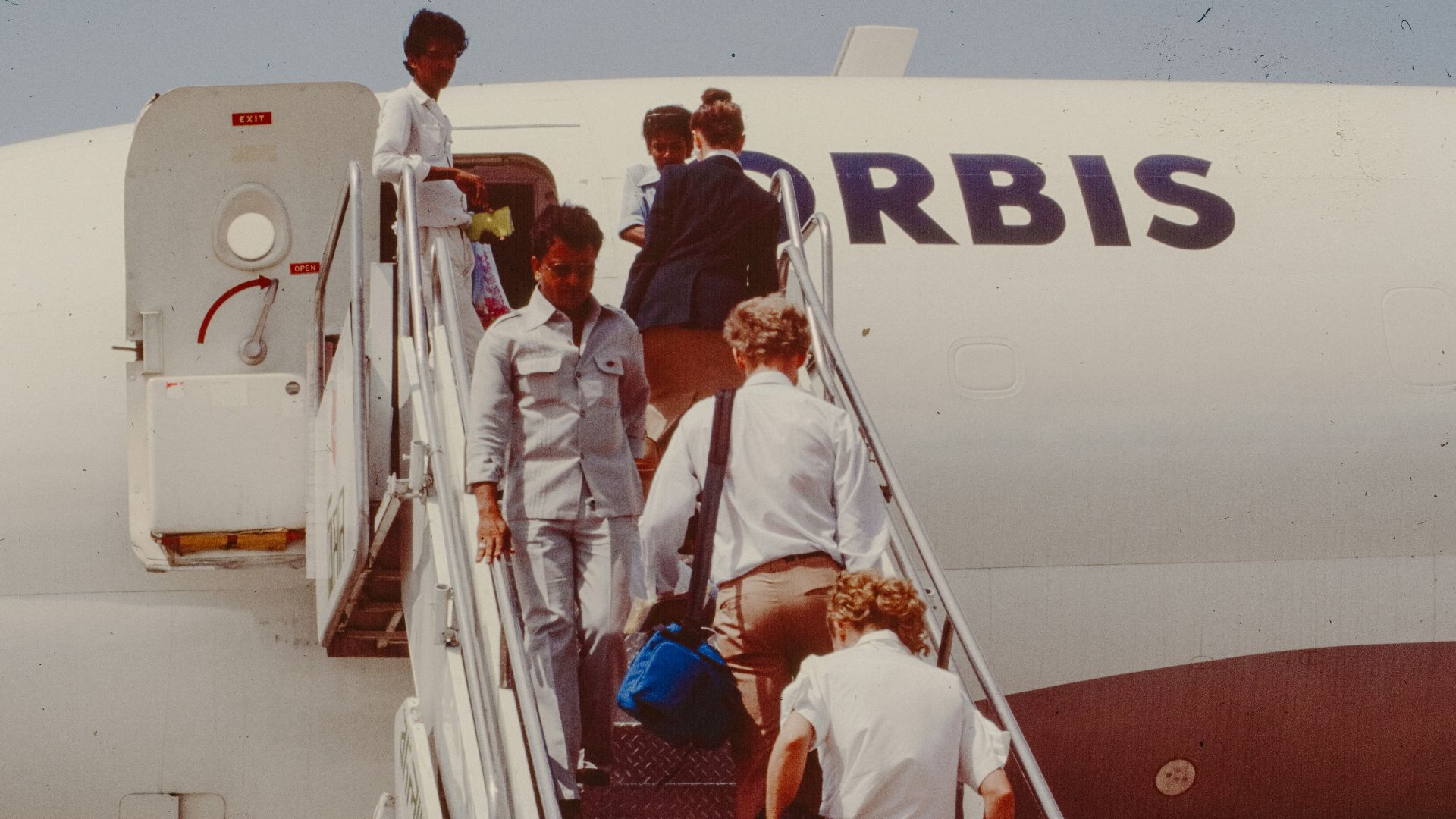
Seats on budget airlines are often slimmer and closer together to maximize capacity. While this helps keep fares low, it can feel cramped on longer flights. Extra-legroom seats are usually available for a fee. Comfort becomes a choice rather than a given.

16. Policies Are Strictly Enforced
Budget airlines rely on strict rule enforcement to maintain efficiency. Exceptions for bag size, timing, or seat changes are rare. Staff are following policy rather than improvising, so knowing the rules beforehand avoids conflict.
17. Short Flights Make More Sense
Budget airlines are often best suited for short trips where extras matter less. On flights under a few hours, limited comfort and amenities are easier to tolerate. The value proposition weakens as flight time increases. Matching flight length to airline type improves satisfaction.

18. Expectations Shape Satisfaction
Many negative experiences come from expecting a budget airline to feel like a full-service carrier. When expectations align with reality, travelers are less likely to feel frustrated.
19. Travel Insurance Can Be Worth It
Because budget fares are restrictive, travel insurance can provide peace of mind. Coverage for delays, cancellations, or missed connections can offset some risks.
20. Reading the Fine Print Pays Off
Budget airlines are transparent about their rules, but those details are easy to skip during booking. Fees and policies are rarely hidden, just overlooked.