
Small Decisions That Snowball Fast
Most travel disasters don’t start with a dramatic moment. They start with a tiny assumption you barely notice, then the trip adds pressure: a ticking clock, a language barrier, a tired brain, and money leaving your account in real time. Airports, border control, and hotels are built for the average case, which means they can be unforgiving when you show up slightly unprepared. The rough part is how ordinary the first step feels, like skipping one last check or packing in a hurry. Once one thing goes wrong, everything else becomes harder, because you’re solving problems while also trying to keep moving. These are twenty everyday travel mistakes that can turn into the kind of story you tell with a forced laugh later.

1. Not Checking Passport Validity Rules Until The Night Before
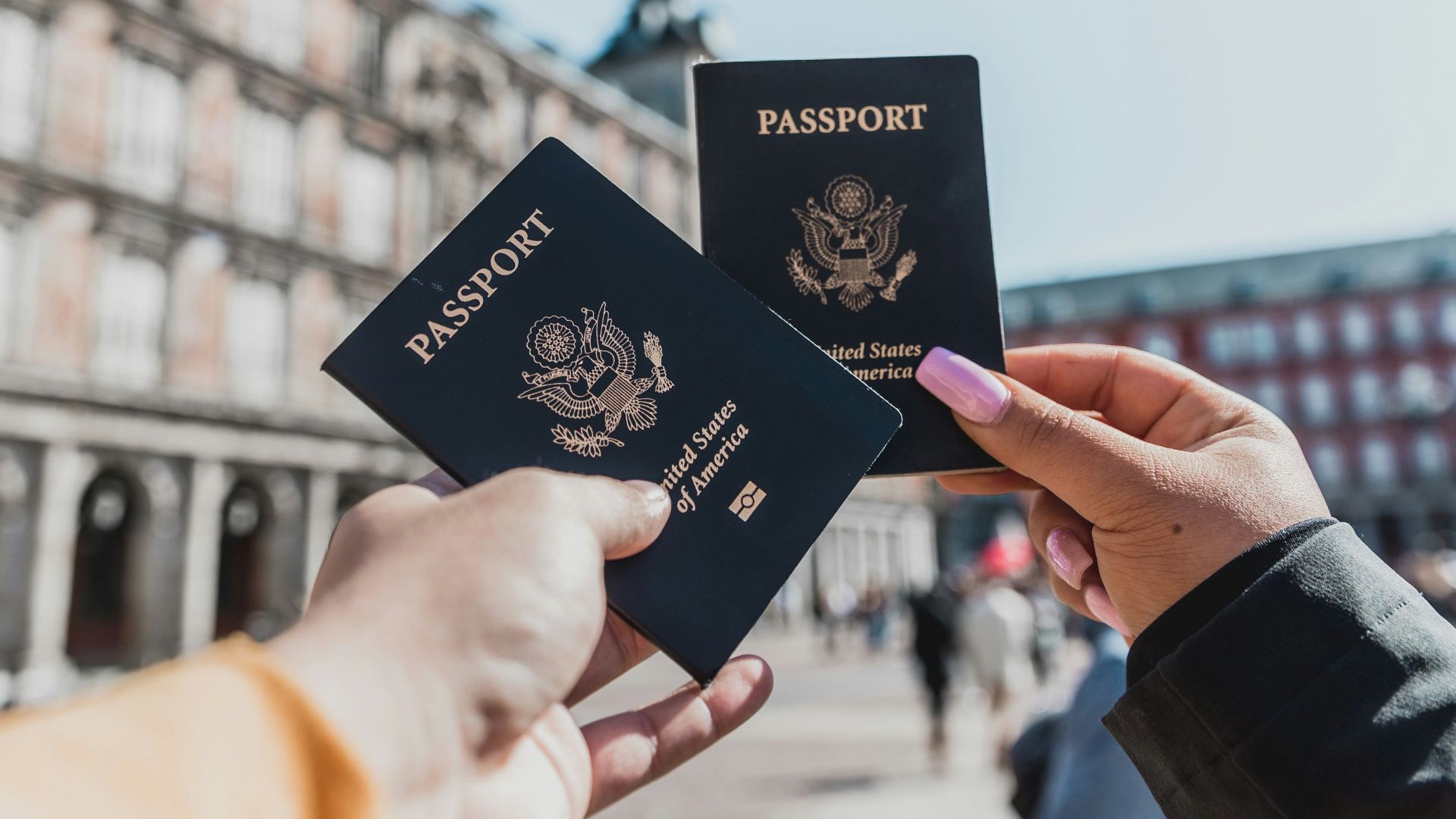
Many places won’t accept a passport that’s “technically valid” if it doesn’t meet their specific rules, and airlines can deny boarding when it doesn’t. For travel in much of the EU and Schengen area, your passport generally needs to be issued within the last 10 years and valid for at least 3 months after the date you plan to leave.
2. Miscounting Your Days In The Schengen Zone
A lot of people think of Europe as one long, casual trip, then learn the hard way that short stays have strict limits. The common rule is 90 days total within any 180-day period across the Schengen area, even if you’re moving between multiple countries.

3. Treating Entry Authorizations Like A Formality
Systems like ESTA for the U.S. or the UK’s ETA can feel like a quick checkbox until you’re trying to apply from an airport Wi-Fi connection with a boarding time looming. ESTA, for example, is an authorization process under the Visa Waiver Program and doesn’t guarantee admission once you land, which means it deserves real attention.

4. Forgetting That Transit Rules Can Apply
A connection is still a border in some places, especially if you have to clear passport control or recheck bags. Travelers get blindsided when a layover country requires a visa, an authorization, or a passport rule they never considered because it wasn’t the final destination. Airlines tend to enforce document rules tightly because they don’t want to be responsible for returning you.
5. Assuming Your Driver’s License Is Enough For A Rental Car
Some countries and rental agencies expect an International Driving Permit alongside your license, and “nobody checks” is not a plan. The problem usually shows up at the counter with a long line behind you and a prepaid reservation you can’t use. Then you’re either scrambling for a workaround or paying a painful same-day alternative.

6. Relying On One Payment Method For The Whole Trip
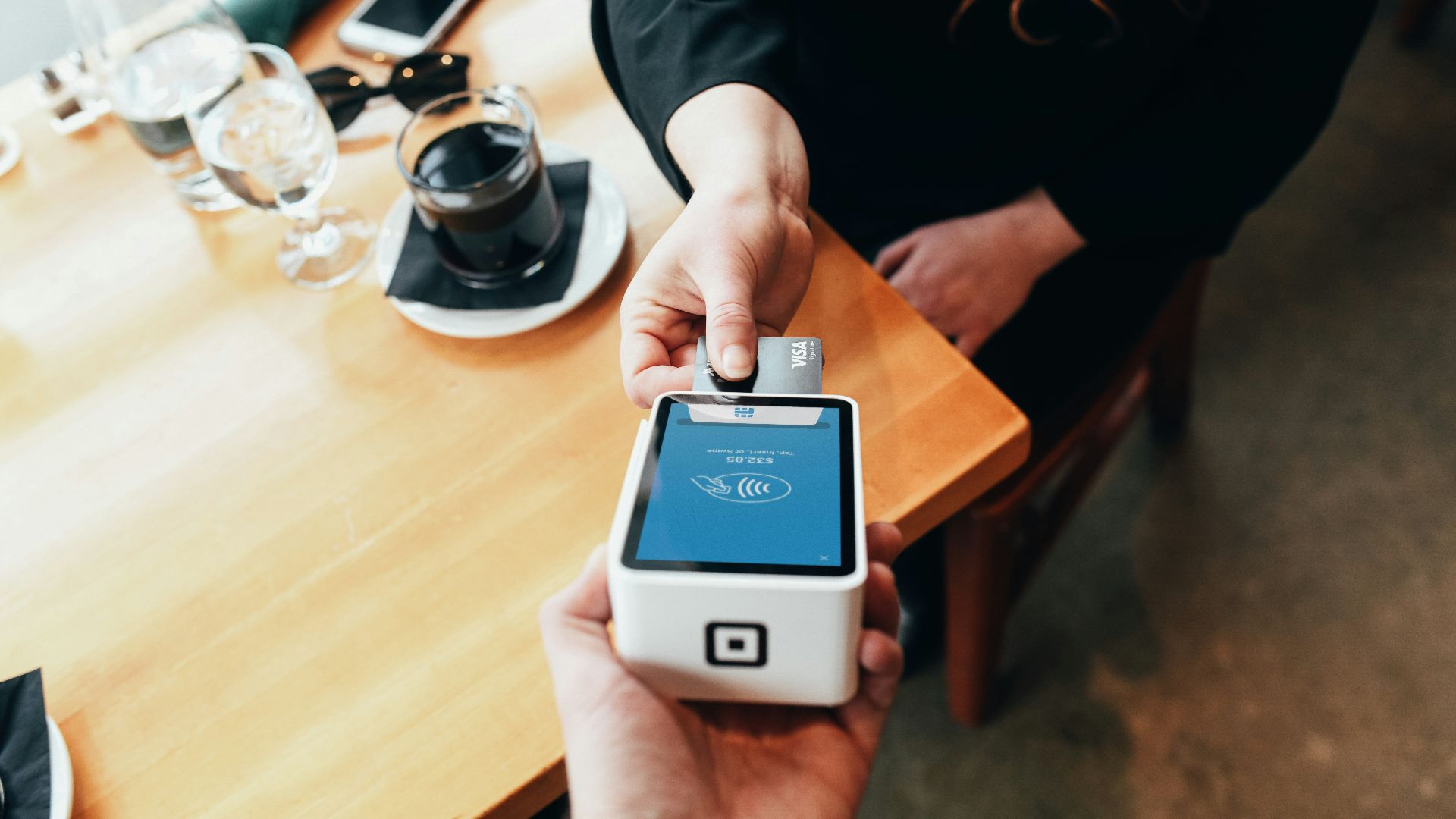
Cards fail for boring reasons: fraud flags, network outages, or a chip reader that refuses your card even though it worked yesterday. When you have only one option, a five-minute purchase turns into a full afternoon of phone calls. A backup card or some emergency cash can be the difference between annoyance and full disruption.
7. Not Telling Your Bank You’re Traveling
Some banks are better than they used to be, and trip-related fraud controls still trigger at the worst times. The classic version is landing late, trying to pay for transit or a hotel deposit, and watching the transaction fail repeatedly. Fixing it can mean calling at odd hours, then waiting while someone “verifies” you.

8. Packing Medications Without A Cushion
If you pack exactly the number of pills you need, a delay or a lost bag turns into a serious problem fast. Some prescriptions are hard to replace abroad, and a pharmacy might not have the same medication name or dosage. Even common items become stressful when you’re trying to solve it while jet-lagged.

9. Keeping Your Only Copies Of Documents In One Place
A single wallet, a single passport sleeve, and a single phone can vanish together in one careless moment. When that happens, you lose identity, money access, and your ability to prove who you are in the same hour. Digital copies help, and a separate physical backup keeps the recovery process from becoming a full shutdown.
10. Skipping Travel Insurance Because It Feels Optional
Insurance often seems unnecessary until something expensive happens, like a medical visit, a missed connection that forces a new flight, or a stolen bag full of essentials. The financial pain is one part, and the logistical pain is the other, because help lines and coverage rules can guide your next steps. A trip can go from fun to frantic when you’re paying every surprise cost yourself.

11. Overpacking Until Your Bag Controls Your Day
A heavy suitcase sounds manageable in your bedroom and becomes a problem on stairs, cobblestones, and crowded trains. Overpacking also makes it easier to lose things because you’re constantly digging, repacking, and leaving items behind in hotel drawers. The stress shows up when you’re late and the bag refuses to cooperate.

12. Underpacking Key Layers And Basics
The opposite mistake is assuming you’ll just buy what you need, then discovering your size, your budget, or store hours are not cooperating. A cold snap or unexpected rain can turn into a miserable day when you don’t have the right layer. The fix is rarely elegant when you’re shopping in a rush.

13. Not Checking The Power Situation Before You Land
Plugs, voltage, and charging needs get ignored until your phone is at 6% and the adapter you packed is wrong. Then you’re looking for a convenience store, and you’re doing it while navigating a new city with a dying battery. Even when you find what you need, tourist-area prices can be a rude surprise.

14. Depending On Your Phone For Everything
Maps, reservations, boarding passes, translation, and banking often live on one device. When it breaks, gets stolen, or locks you out, you’re suddenly trying to rebuild your entire travel brain from scratch. A printed address, a saved confirmation number, or a second way to access accounts can keep you moving.

15. Choosing Tight Connections Because They Look Efficient
Short layovers look great until your first flight is slightly late, your gate is far, or passport control moves slowly. Then you sprint, you miss it anyway, and you join a long line of people trying to get rebooked. Tight connections also leave no room for bathroom breaks, food, or simple mistakes.

16. Arriving At The Airport Like It’s A Local Bus Stop
Airports punish optimism, especially on international flights where document checks and security lines can shift suddenly. Showing up with plenty of time often means very different things depending on the airport, the season, and the airline. The disaster version is watching the door close while you’re still arguing at the counter.

17. Booking A Place Without Reading The Fine Print
Some accommodations have strict check-in windows, hidden cleaning fees, or rules about late arrivals that only appear in the details. The problem usually hits when you arrive tired and realize the front desk is closed or the host expects a message you didn’t send. Then you’re negotiating on a sidewalk with all your bags.

18. Ignoring Local Closures, Strikes, And Holiday Schedules
Museums close, trains stop running, and entire neighborhoods change their rhythm on public holidays. People assume they’ll adapt in the moment, then discover the “quick errand” is impossible because everything is shut. A day can get wasted when the plan depended on services that simply aren’t available.

19. Underestimating How Long “Nearby” Takes In Real Life
A map can make places look close when the actual route involves traffic, ferries, slow buses, or a long walk with luggage. The mistake is stacking plans tightly, then losing hours in transit and spending the day catching up. Travel time is rarely just distance, and cities love to prove that point.

20. Not Building Any Recovery Time Into The Itinerary
Trips go smoother when there’s slack: a free afternoon, a buffer day, or at least a calm morning after a late arrival. When every day is packed, one delay forces you to choose what to sacrifice, and it’s never the thing you wanted to lose. The disaster story usually ends with someone saying they needed a vacation after the vacation.