
Before You Book
No matter whether you're booking a hotel or Airbnb, where you stay can shape your entire trip, for better or worse. If you make mistakes during this stage, you might end up accidentally going over your budget, wasting your time, or leaving yourself (and your travel partners) stuck in a place that doesn’t match the vibe you planned for. So, how do you make sure you make smarter accommodation moves? We've got you covered, so read on.
 Point3D Commercial Imaging Ltd. on Unsplash
1. Booking on Price Alone
If you choose the cheapest option without checking what’s included, you may end up paying more later in fees, extras, or transportation. Low nightly rates can hide how truly unkempt a place is, too, or may be in a location that forces you to take expensive rides everywhere. A "deal" that eats into your budget is not a deal at all.

2. Ignoring the Neighborhood
A place can look perfect online and still sit in an area that doesn’t actually fit your plans. If the neighborhood is far from what you want to do, you’ll spend extra time commuting and less time enjoying yourself. Safety, noise, and late-night options matter too, so don’t treat the address as a minor detail.

3. Not Reading the Most Recent Reviews
Skipping the latest reviews means you might miss a pattern that developed only recently, like construction noise or declining cleanliness. Properties can change fast with new management, staffing issues, or renovations as well. While you don’t need to read everything, you should still read enough to know what's being complained about.

4. Overlooking Extra Fees and Deposits
Cleaning fees, resort fees, and security deposits can turn a “reasonable” rate into a pretty expensive stay. If you don’t total the full cost upfront, your budget may get stretched in the most annoying way. You’ll also avoid surprises if you confirm what’s charged now versus what’s held and released later.

5. Choosing Non-Refundable Without a Real Reason
Non-refundable deals are tempting and may sometimes include perks, but they can become painful if your plans shift even slightly. Flights change, weather happens, and work issues pop up, and suddenly you’re stuck. Unless the savings are truly meaningful and your schedule is locked, go for flexibility.

6. Booking the Wrong Room Type
It’s easy to assume a “standard room” will meet your needs, but you might later realize it doesn’t have a desk, enough beds, or a functional layout. Remember: photos often highlight the best unit, not the one you’ll get. If sleep and comfort matter, make sure to double-check bed size, square footage, and noise-related preferences.

7. Assuming Amenities Actually Work
A listing can promise Wi-Fi, air conditioning, a gym, or hot water, and still deliver a weak version of all of it. When those basics fail, your day gets harder for no good reason. It’s smart to confirm key amenities by reading reviews and, if needed, messaging the property with direct questions.

8. Not Checking Transportation Routes
You might book somewhere “close” on the map without understanding traffic patterns, closest stops, or public transit gaps. A short distance can still be a long, frustrating ride during peak hours, or your accommodation might be located up a hill or in a secluded area. If you’re relying on transit, confirm schedules, walking routes, and late-night options before you commit.

9. Forgetting About Noise
Noise complaints aren’t picky when they’re about thin walls, street traffic, or a bar downstairs that never closes. Even a great location can become miserable if you can’t get some shut-eye. You’ll make better choices if you look for cues like “lively area,” “central,” or repeated comments about sound.

10. Overbooking Your Itinerary and Underbooking Your Sleep
If you choose a place that’s cramped, uncomfortable, or poorly suited to your rhythm, you’ll burn out faster. A bad night’s sleep makes everything feel harder, from tours to meals to patience. You’re not being “extra” when you prioritize rest, you’re being realistic.
So, what are some smarter choices to make? Let's jump into that next.
1. Define Your Non-Negotiables First
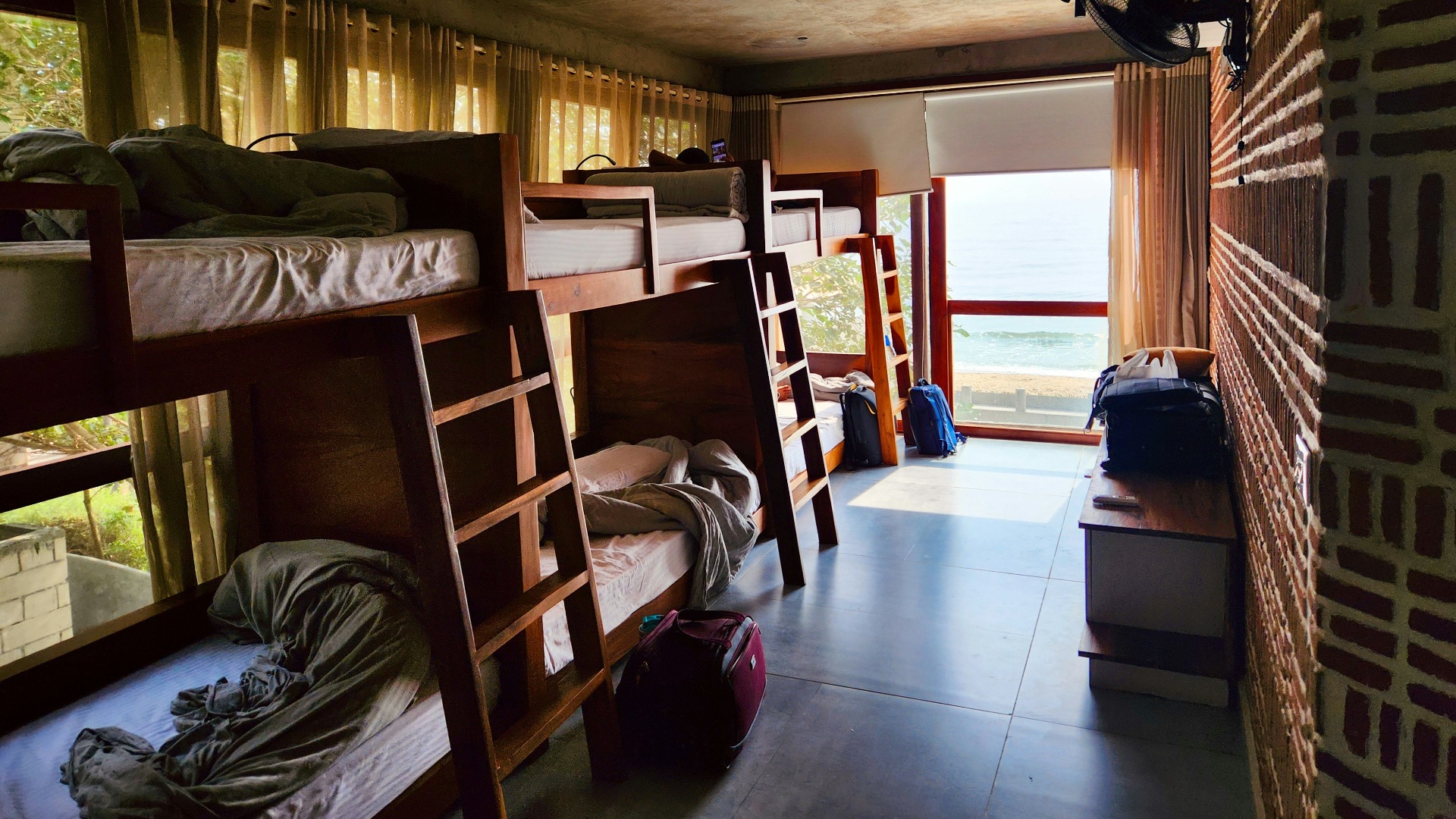
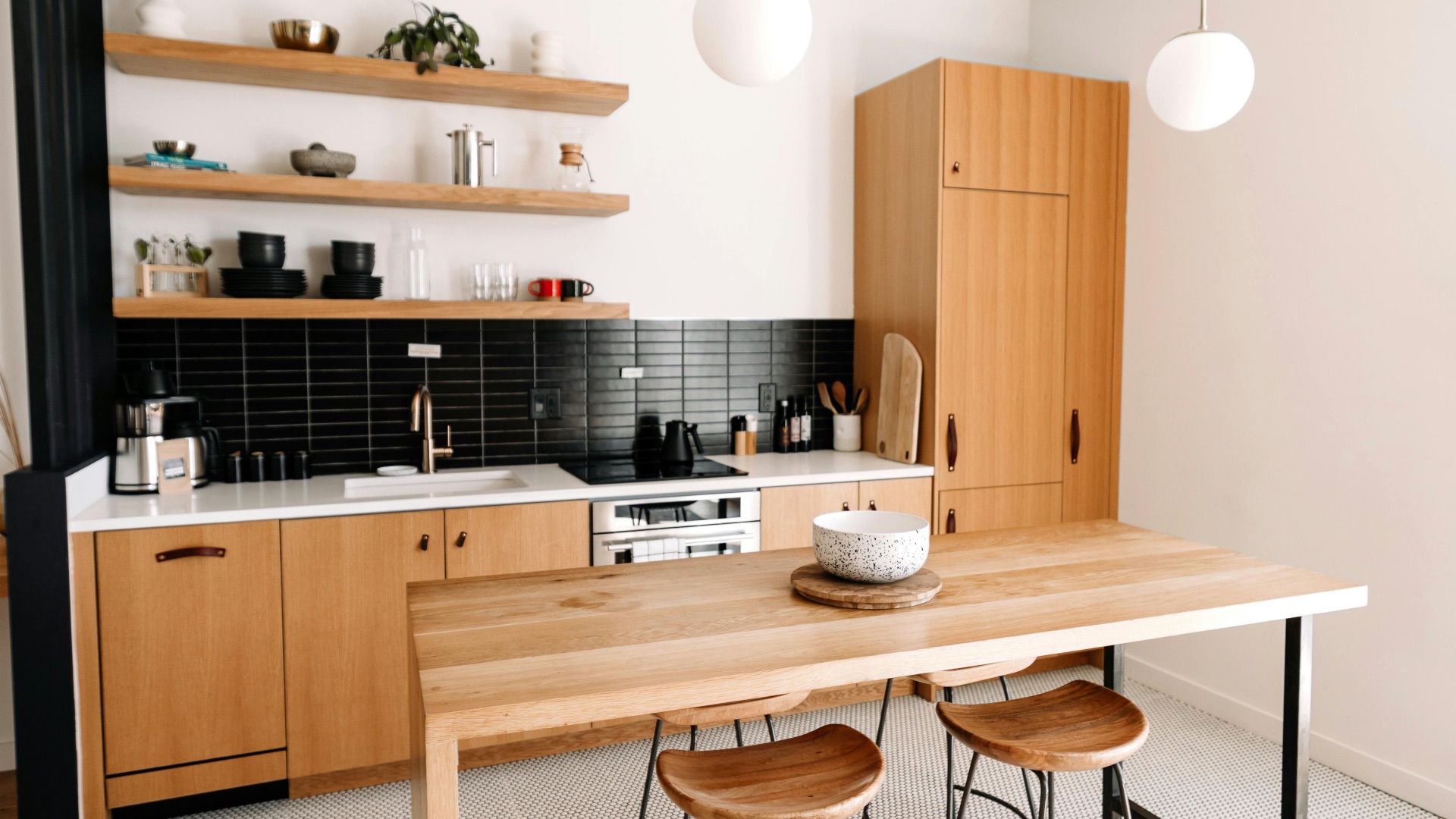
Start by listing what you actually need, like strong, reliable Wi-Fi, an elevator, or a kitchenette. When you know what you're looking for, it’s easier to filter out options. You’ll also waste less time comparing places that were never a good fit in the first place.
2. Research the Area
Don't just focus on the photos; look up the neighborhood’s vibe, how far it is from the airport, transit access, and what’s open at the hours you’ll be coming and going. A quick check of nearby grocery stores, malls, and restaurants can save you a lot of hassle. You’ll feel more confident when the location supports your actual plans.

3. Prioritize Recent Reviews Over Perfect Ratings
A place with a slightly lower score but consistent, specific praise can be a safer bet than a high rating with few and vague comments. Again, make sure to look for patterns around cleanliness, staff responsiveness, and noise levels. You’ll get better signals from reviewers who describe what they genuinely experienced, not just how they felt.

4. Compare Total Cost and Nightly Rate
It's good to compare the nightly rate, but you should also remember the grand total. By adding up taxes, fees, parking, and any required deposits from the get-go, you’ll be seeing the real number. This also helps you spot which places are padding costs through add-ons.

5. Choose Flexibility When Your Trip Has Moving Parts
As mentioned earlier, you want to prioritize options that offer flexibility. If you’re juggling multiple cities, uncertain meeting times, or seasonal weather, refundable policies are often worth the small premium. This will help reduce stress because you’re not locked into a bad situation. You’ll appreciate it most when something changes and you don't have to freak out.

6. Match the Property Type to the Trip Style
For a short, packed itinerary, a simple hotel near transit might beat a large rental far away. For longer stays, a kitchenette and laundry access can matter more than a fancy layout. You’ll enjoy your accommodations more when they support how you’re actually traveling, so don't overlook that part.

7. Ask Direct Questions Before You Book
If something is unclear, message the host or property and ask about the exact thing you're curious about, like noise, bedding, room size, Wi-Fi speed, or check-in steps. Their response time and clarity can tell you a lot about what staying there will feel like. You’ll avoid misunderstandings that no photo can fix.
 Karolina Grabowska www.kaboompics.com on Pexels
8. Confirm the Logistics That Can Break a Stay
Check arrival instructions, late check-in options, luggage storage, and whether there’s a working elevator if you need one; you don't want to arrive tired only to find out the only way up is by taking the stairs! Trust us: you’ll feel more in control when the practical stuff is already solved.

9. Build in a Comfort Buffer
Choose a place with slightly better sleep conditions than you think you’ll need, especially if you have early mornings. Blackout curtains, climate control, and a reliable bed should be non-negotiables. You’ll be more present during the day when you're able to get some peaceful rest.

10. Keep a Simple Backup Plan
Save two or three alternative options in the same area, just in case something goes wrong. If your check-in falls apart or the place isn’t as described, you won’t be scrambling under pressure; you’ll handle surprises faster when you’ve already done a little prep.