What's Different Across the Atlantic
Traveling between the United States and Europe can feel wonderfully familiar until certain surprises sneak up on you. Sure, a lot of the “shock” isn’t too dramatic, but it can still be jarring enough when you encounter it the first time without any prior warning (take, for example, the fact that you often need to pay to use public restrooms in Europe!). If you’re heading abroad or have a friend who's coming to visit for a few days, knowing these culture shocks beforehand can save you a lot of headaches. Here are 10 differences Americans might experience in the EU, and vice versa.

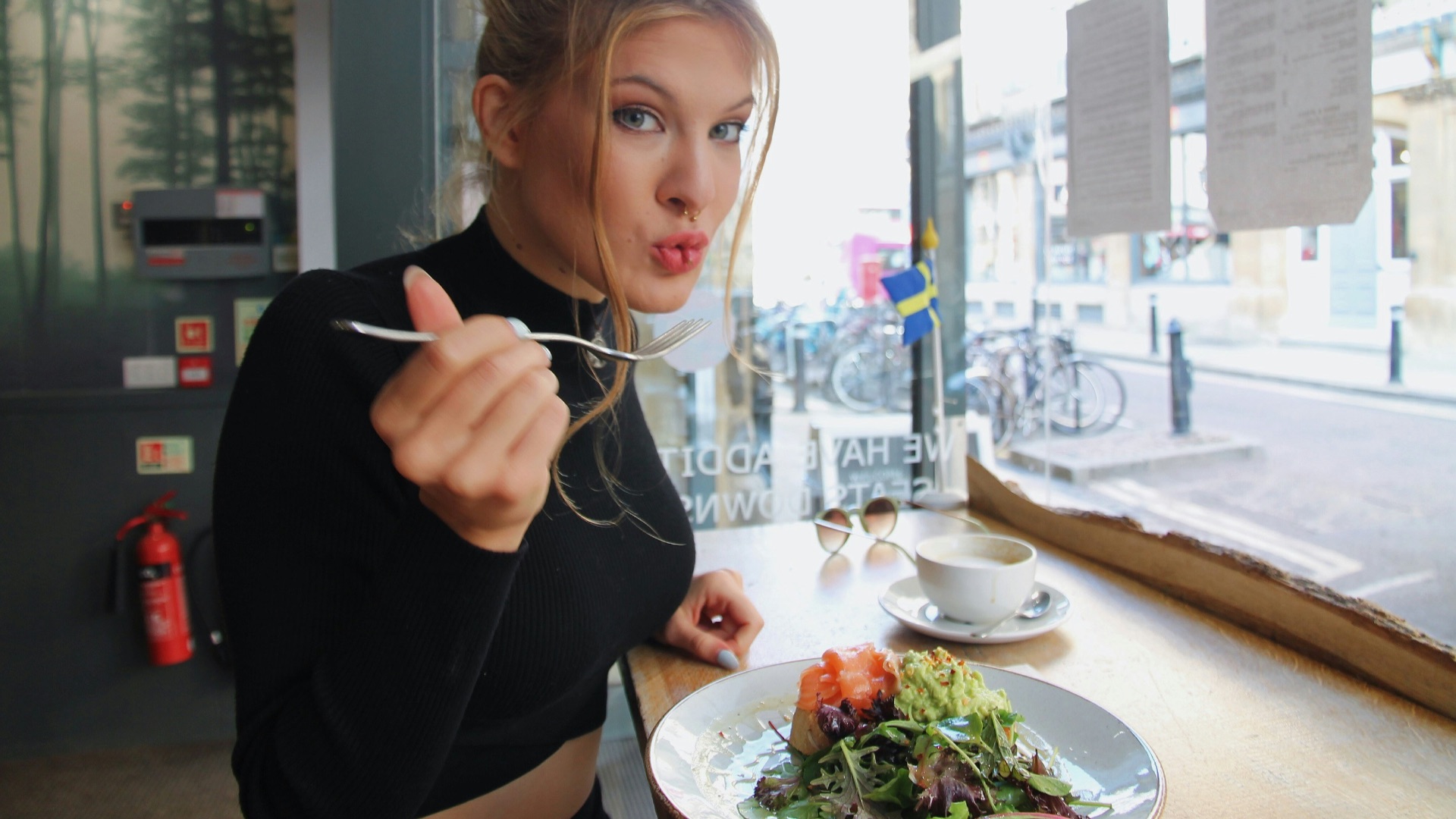
1. Smaller Portions, Slower Meals
In many European countries, restaurant portions can look much more modest compared to what you might be used to in the U.S. Meals also tend to be less rushed, so you may find yourself lingering longer than expected, giving you more time to chat with your company.
2. Coffee Culture Is a Ritual
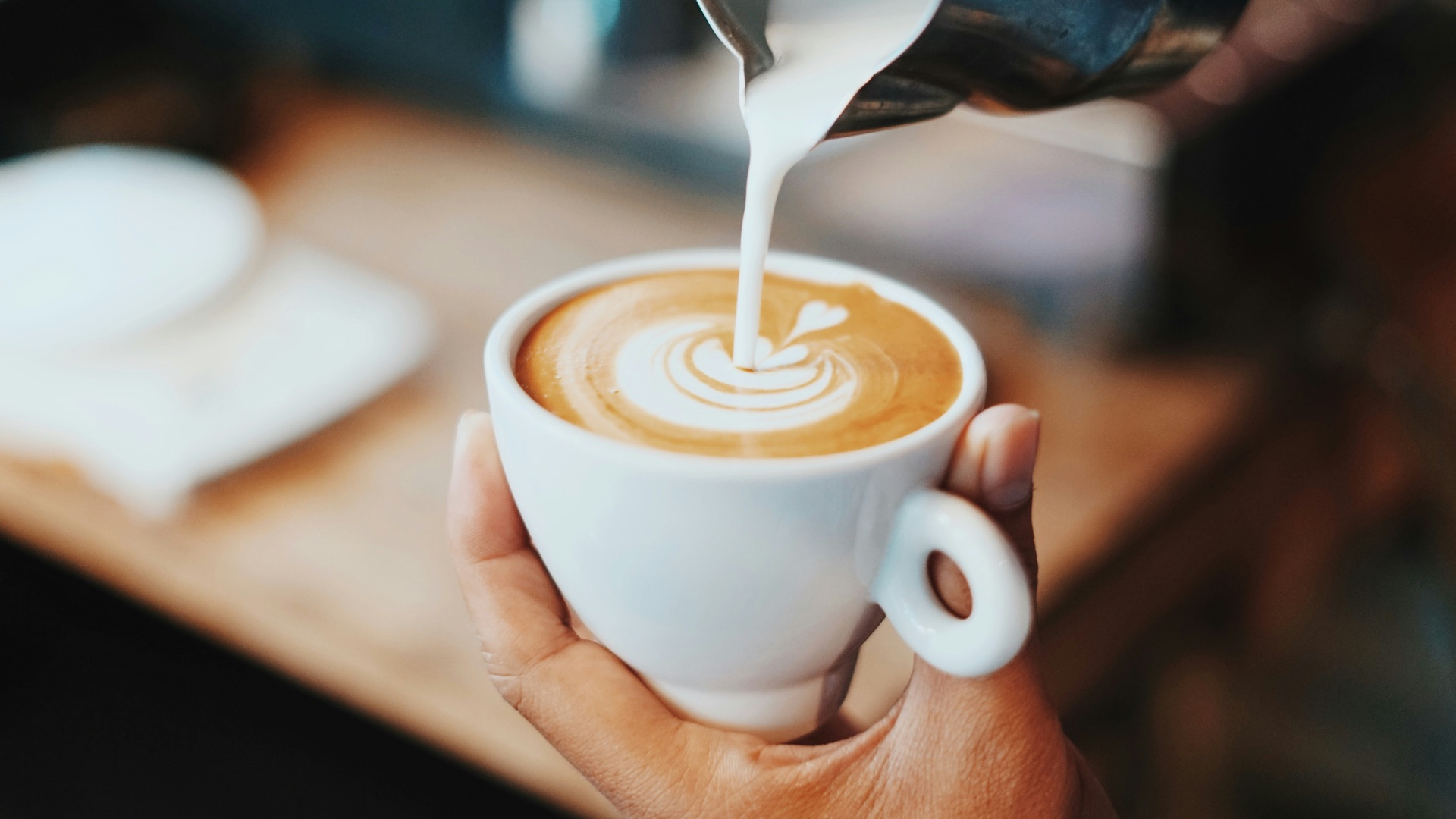
You might notice that coffee is treated as a slower, sit-down ritual in a lot of places in Europe rather than a quick trip at the drive-thru. In many countries, pastries or biscuits are often paired with your drink, and many enjoy spending the time socializing or catching up with family and colleagues.
3. Paying to Use the Bathroom
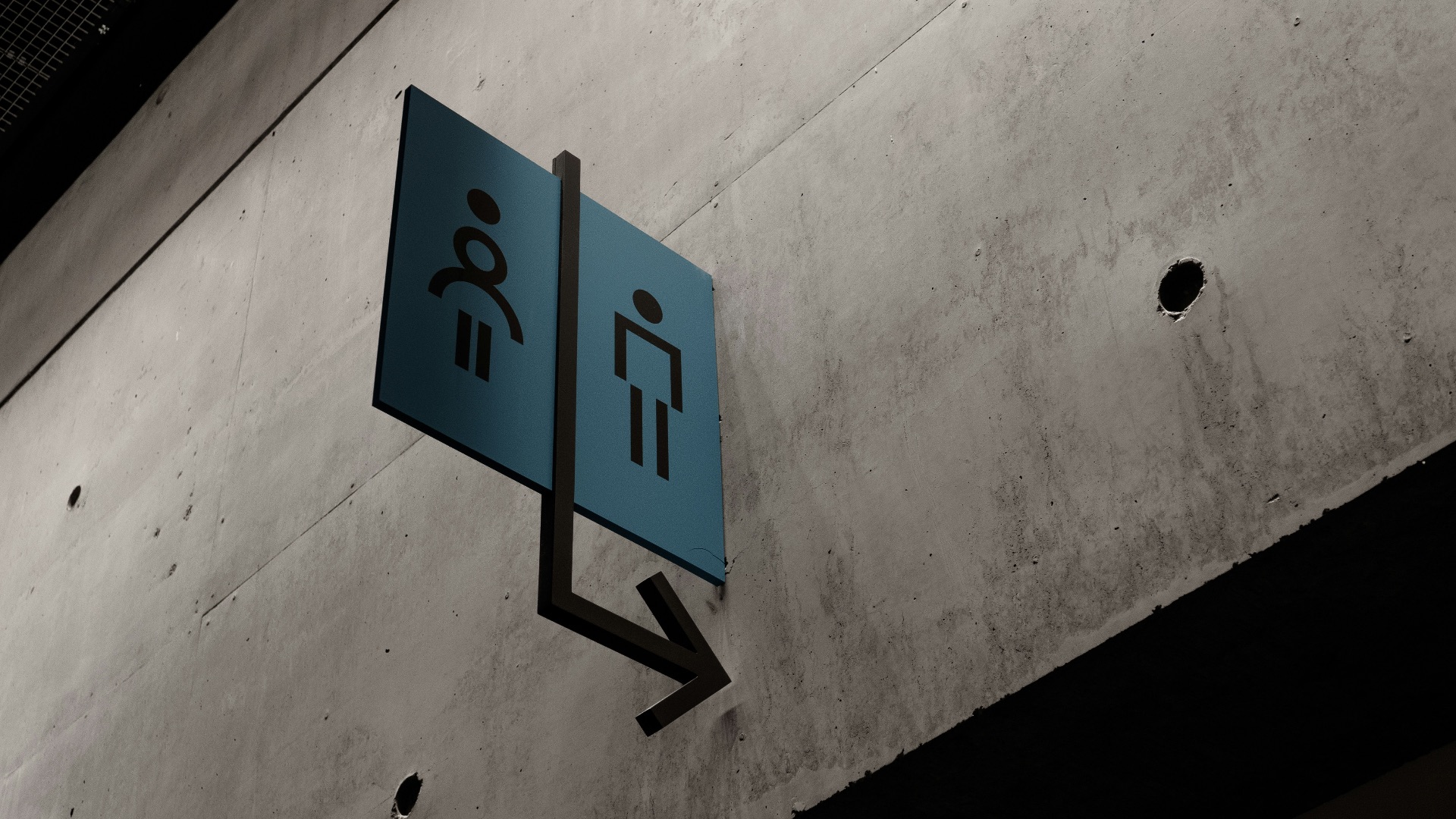
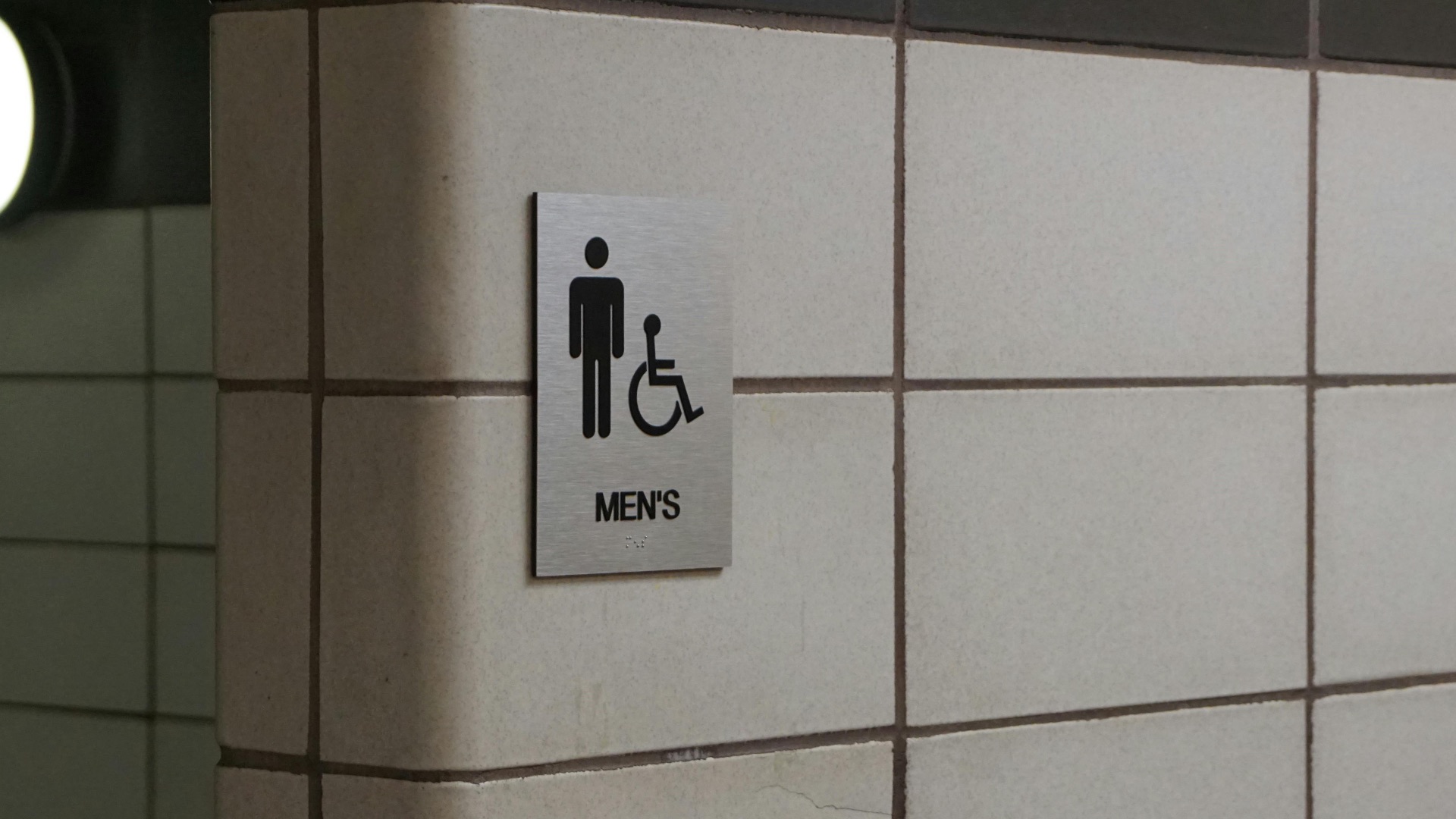
In parts of Europe, it’s normal to pay a small fee to use public restrooms, especially in transit hubs and tourist-heavy areas. You may need coins, a card tap, or a receipt code, so it’s smart to be prepared. Once you expect it, it becomes more of a minor inconvenience than a true crisis.
4. Stores Close Earlier & Sundays Can Be Quiet
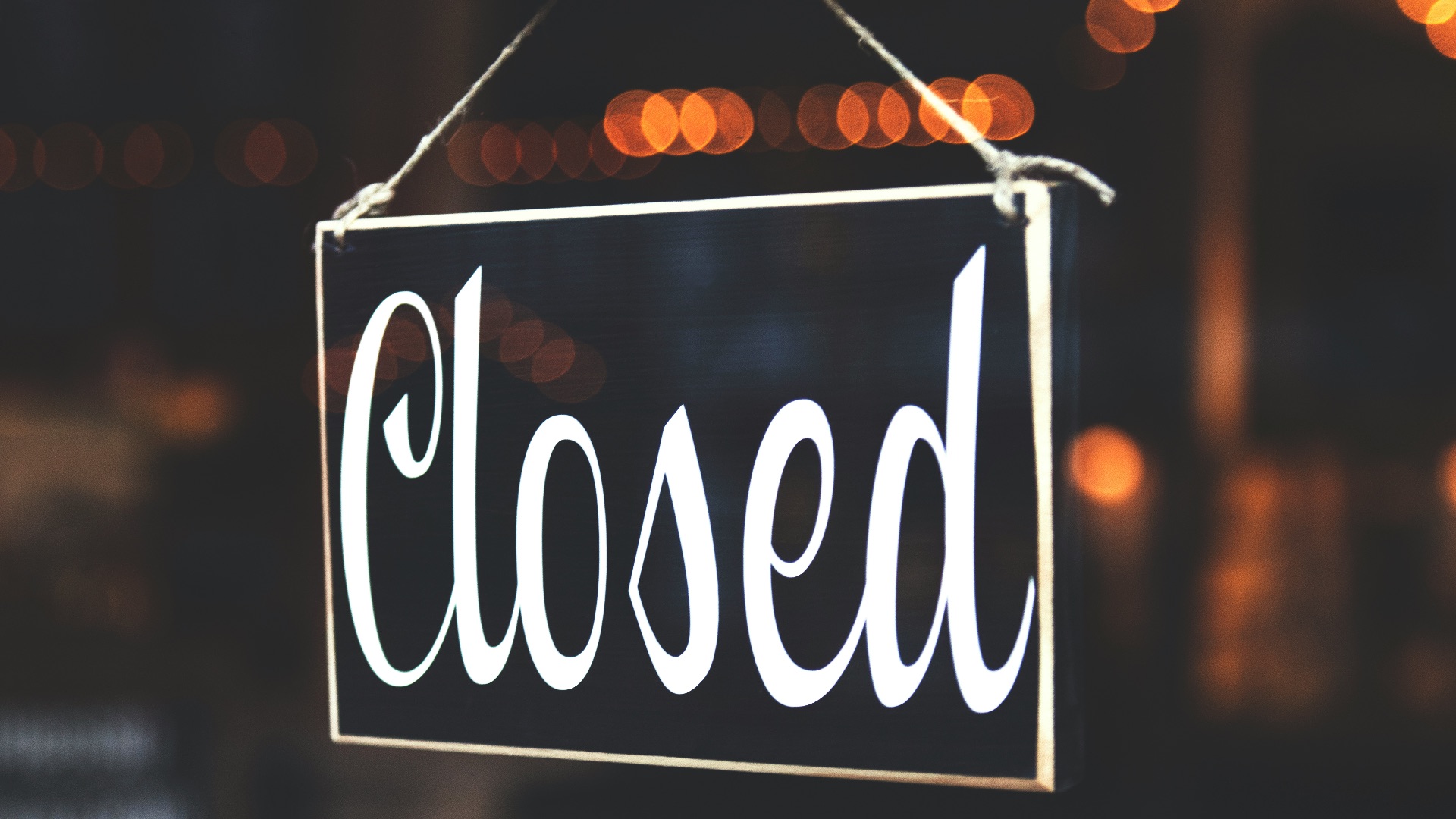
If you’re used to late-night errands and round-the-clock options, European shopping hours can feel surprisingly limited. Many places close earlier than U.S. chains, and Sunday shopping may be restricted or simply uncommon. Planning ahead becomes a real skill, especially if you need basics like groceries.
5. Cash Still Matters in More Places Than You’d Think
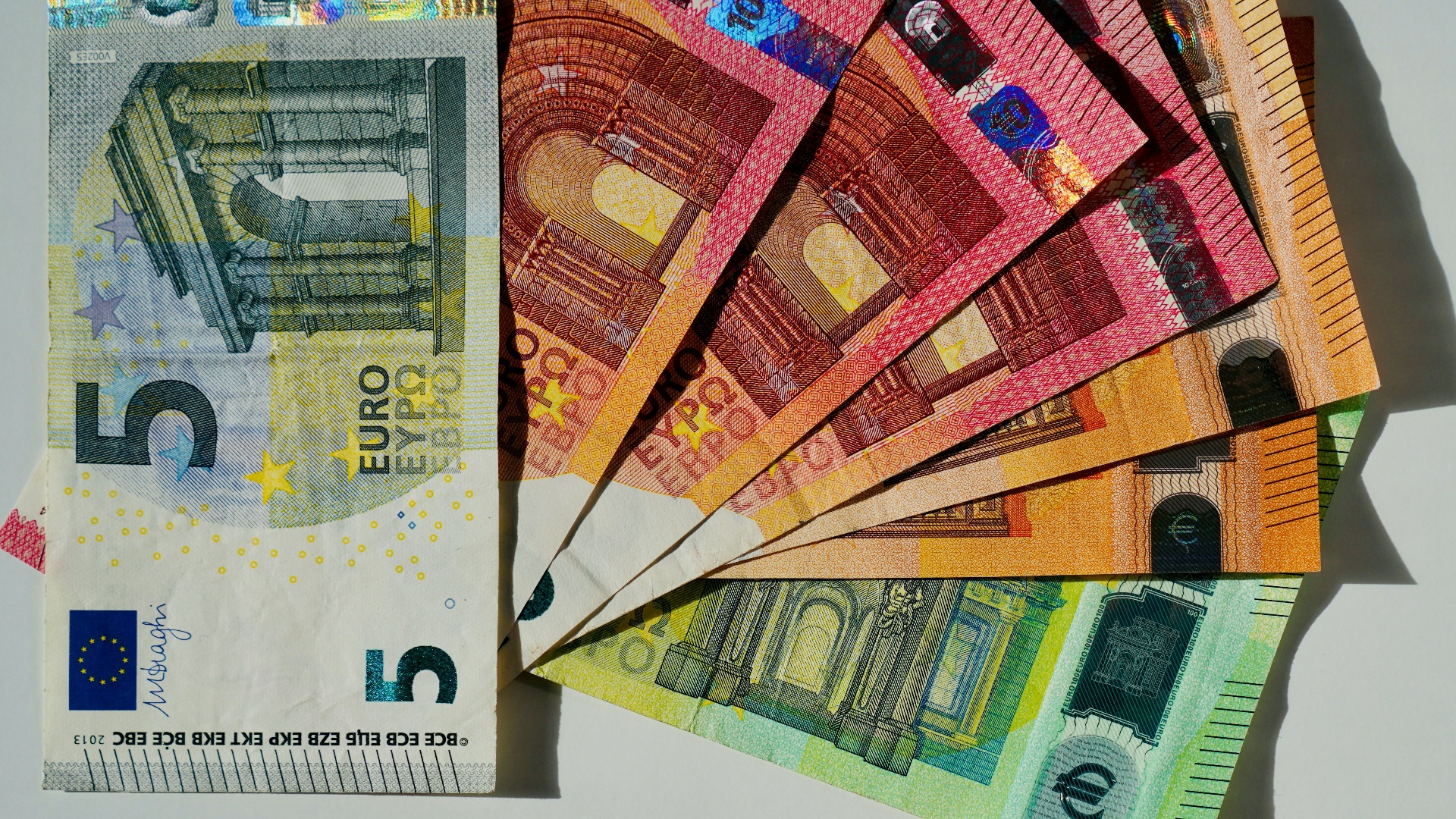
Even with modern payment systems, you’ll still run into cafes, markets, and small shops that prefer cash. The surprise isn’t that cards exist, but that card acceptance can be inconsistent from one neighborhood to the next. Keeping a bit of local currency on hand can save you an awkward moment at the counter.
6. Public Transit Is the Default
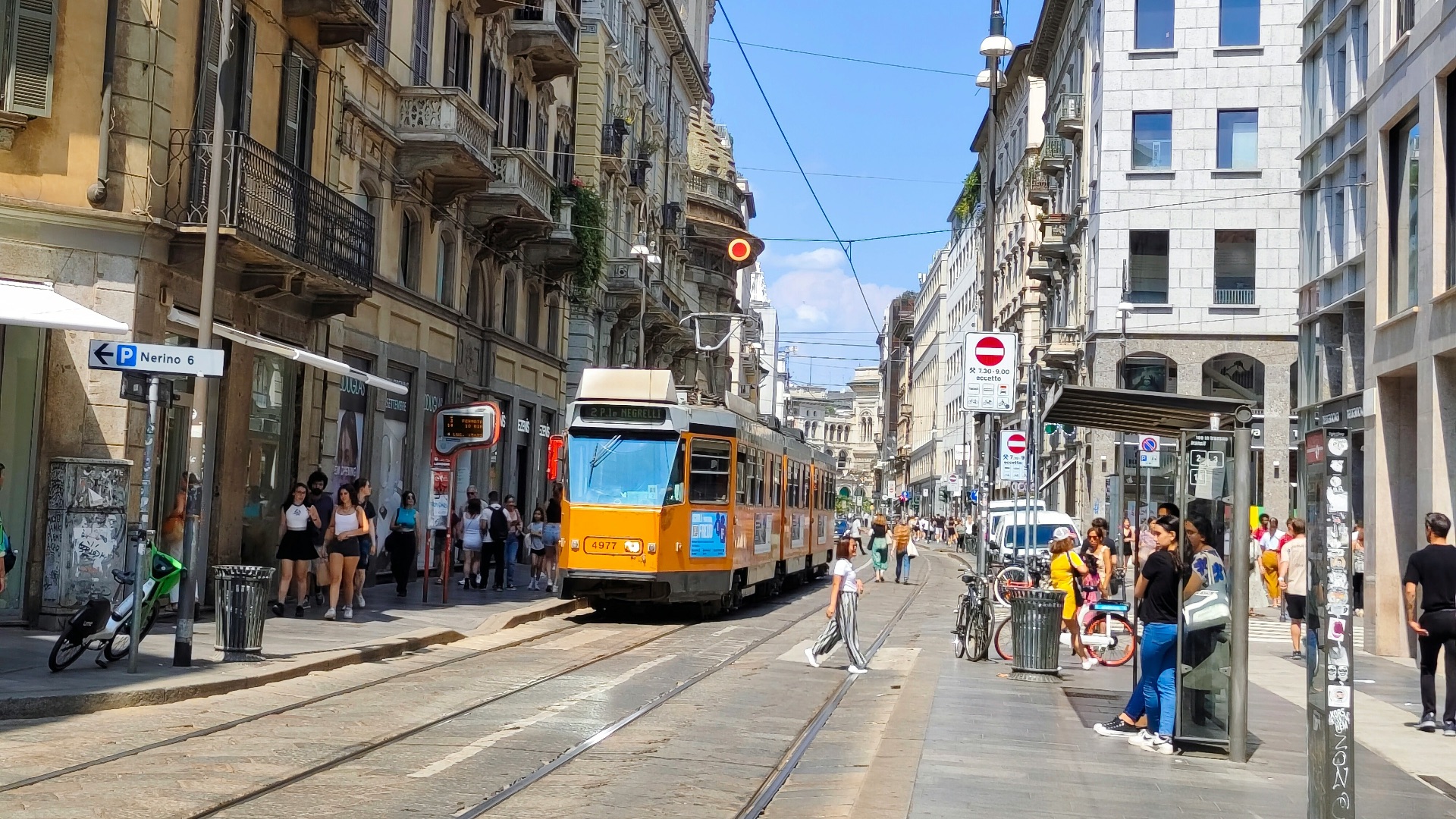
You may be struck by how many people rely on trains, trams, and buses for everyday life. Routes are often extensive, and you’ll see commuters of all ages using transit without it feeling like a last resort. If you’re expecting to drive everywhere, the combination of parking limits and narrow streets can change your mind quickly.
7. City Streets Can Be Tight
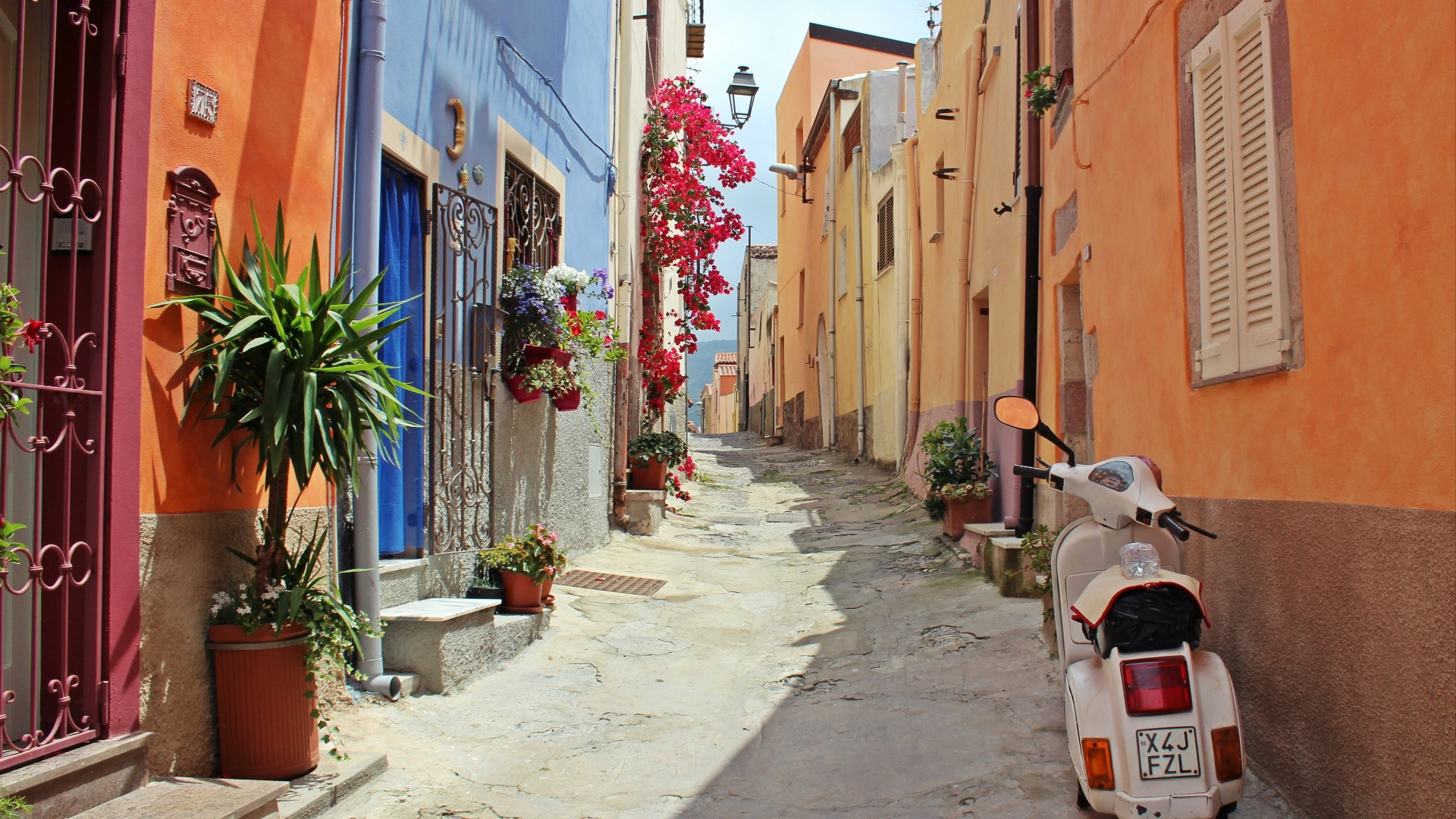
European city centers weren’t designed for modern cars, so lanes can be narrow and turning can be stressful at first. Navigating roundabouts, one-way streets, and limited parking requires focus, especially if you’re coming from a more spacious driving environment. Renting a smaller car and staying calm and patient will usually make the experience far less frustrating.
8. Reserved Service
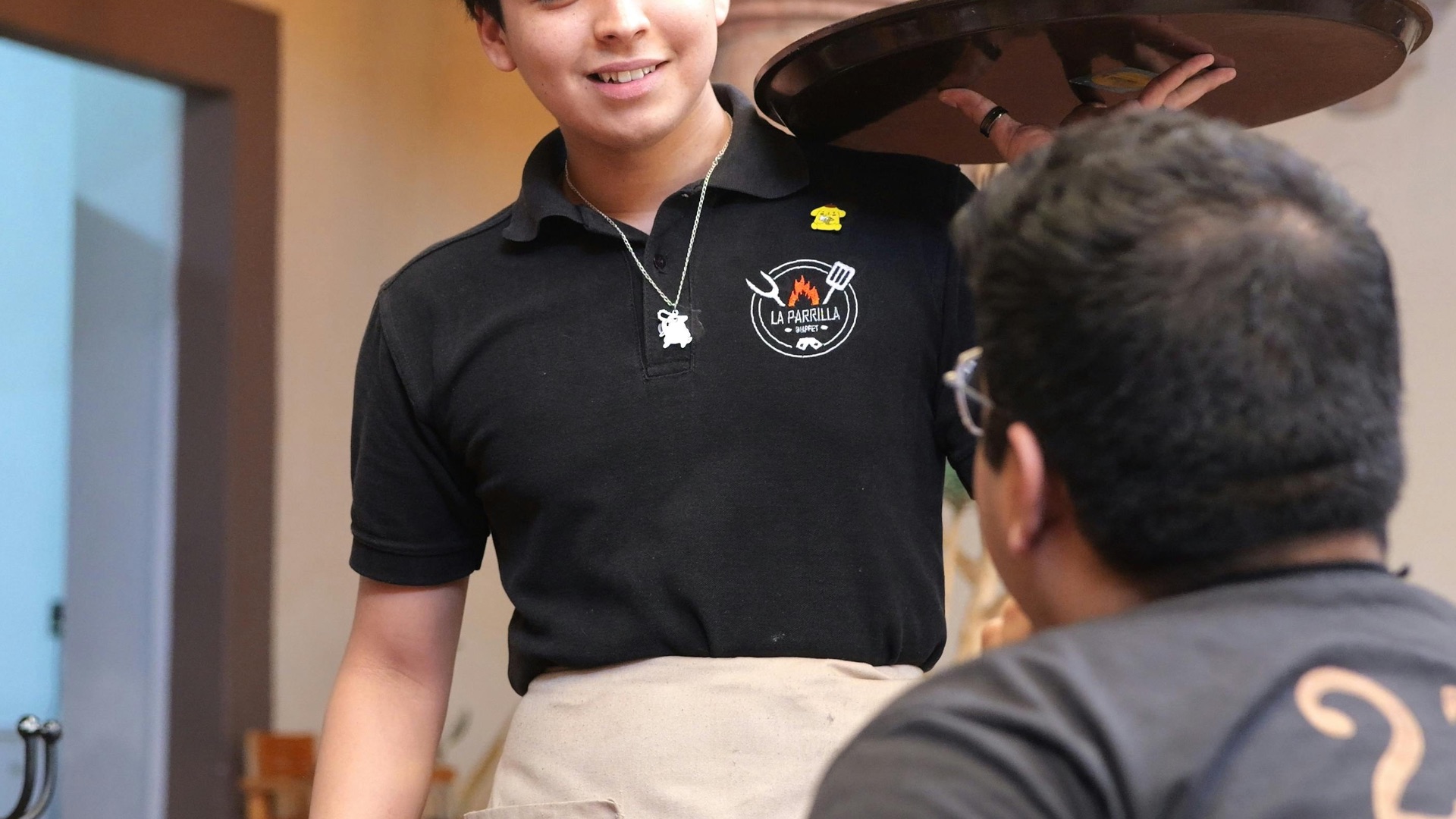
In some European settings, customer service may come across as more reserved or less chatty than what you expect at home. Staff often give you space and don’t check in repeatedly, which can feel hands-off if you’re used to constant attention. It helps to remember that a calmer style can still be professional and perfectly friendly.
9. Smoking Rules Vary
Depending on the country and city, you may see more smoking in outdoor seating areas than you’re accustomed to. Regulations exist, of course, but the day-to-day norms can be looser in certain places, especially at cafés and late-night venues. If smoke bothers you, choosing indoor seating where allowed or sitting farther from the crowd can make a big difference.

10. Water and Ice Aren’t Always Free
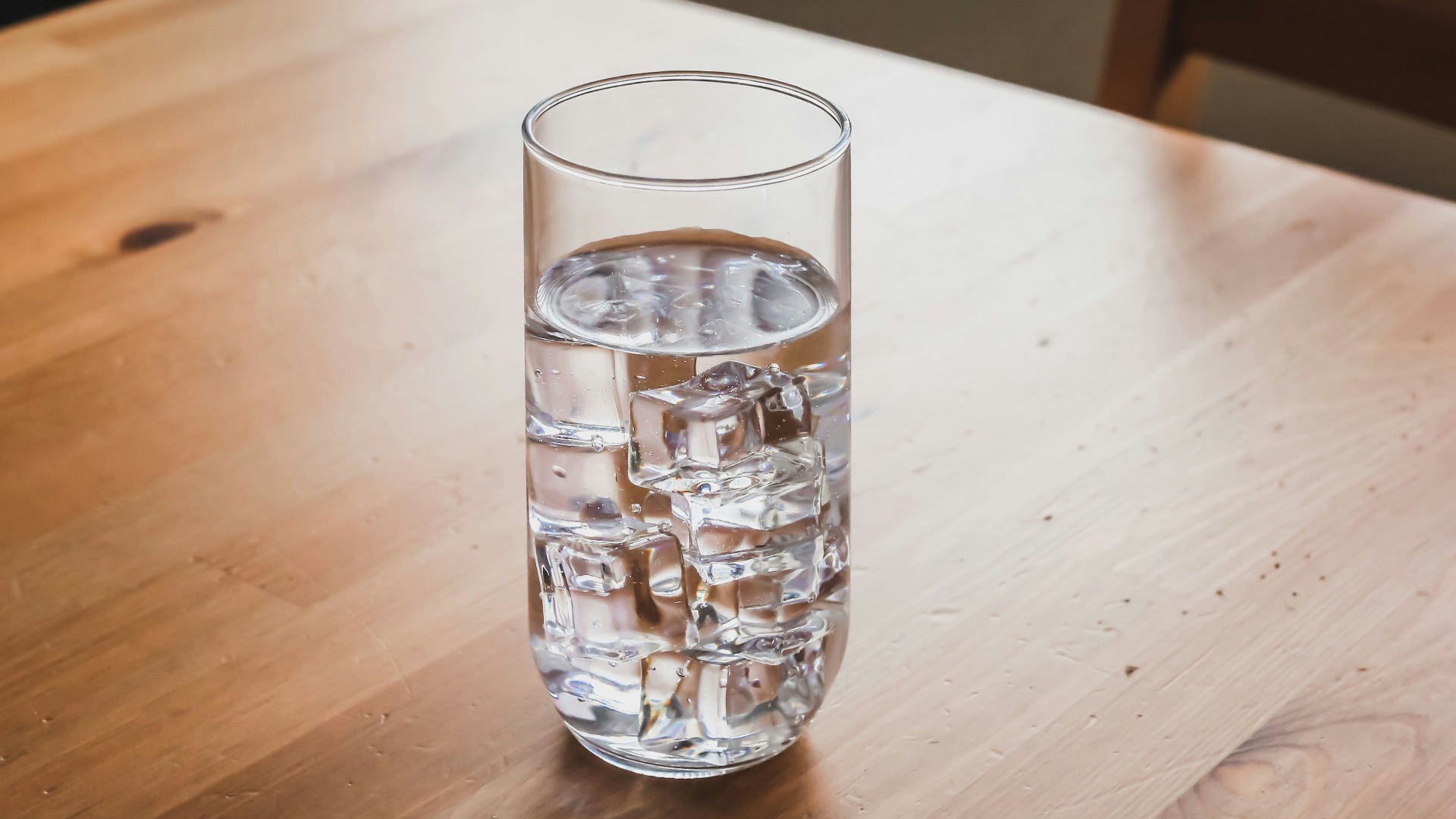
In European restaurants, free tap water isn’t always offered by default, and you may be asked whether you want bottled water instead. Ice can be limited, and refills might not be the standard practice. If you want tap water, asking directly and politely is usually the easiest approach.
Ready for some culture shocks Europeans might experience in the U.S.? Let's dive in.
1. Americans Love Small Talk
If you’re coming to the U.S. from Europe, casual conversation can feel constant and surprisingly personal. People might ask how your day is going, comment on the weather, or chat in line with no formal introduction. It’s generally meant as friendliness, though, and not an invitation to share your life story.

2. Customer Service Can Feel Extra Cheerful & Scripted
The U.S. service style often aims for warmth, enthusiasm, and frequent check-ins. You may hear overly upbeat greetings, which can sometimes come off as performative or too much, but it’s usually just the local standard for being helpful.

3. Tipping Is Rarely Optional
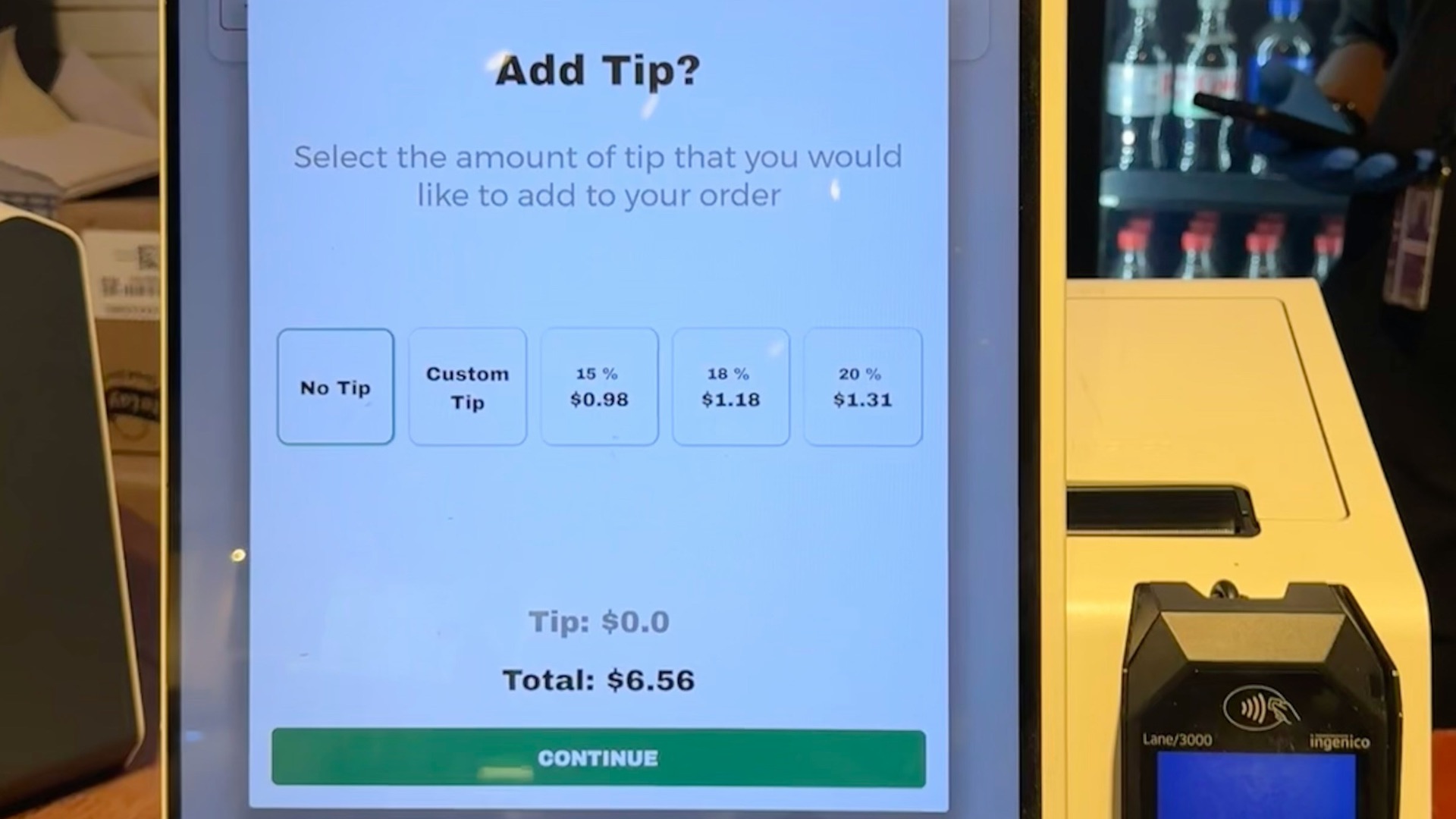
In many parts of the U.S., tipping is expected in restaurants, bars, salons, and even for some deliveries. The percentage-based approach can be confusing if you’re used to service being included in the bill. You’ll want to learn the common ranges quickly so you don’t accidentally under-tip.
4. Sales Tax Appears at the End, Not on the Tag
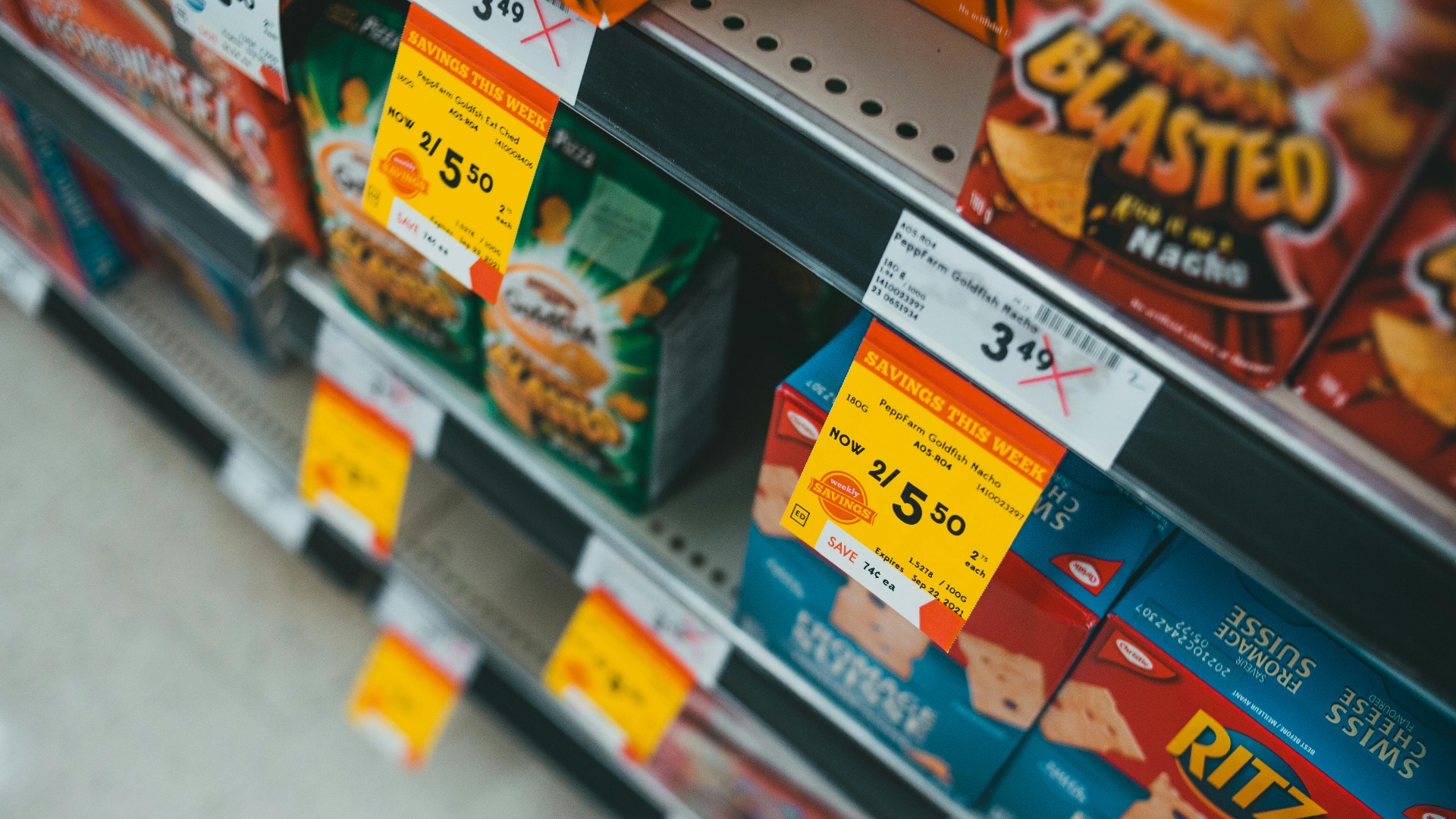
Prices in the U.S. often don’t include sales tax in the posted amount, which can feel inconvenient if you’re used to seeing the total upfront. The same item can cost slightly different amounts depending on the state or even the city. If you’re budgeting closely, it’s smart to build in a little extra cushion at checkout.
5. Portions Can Be Huge
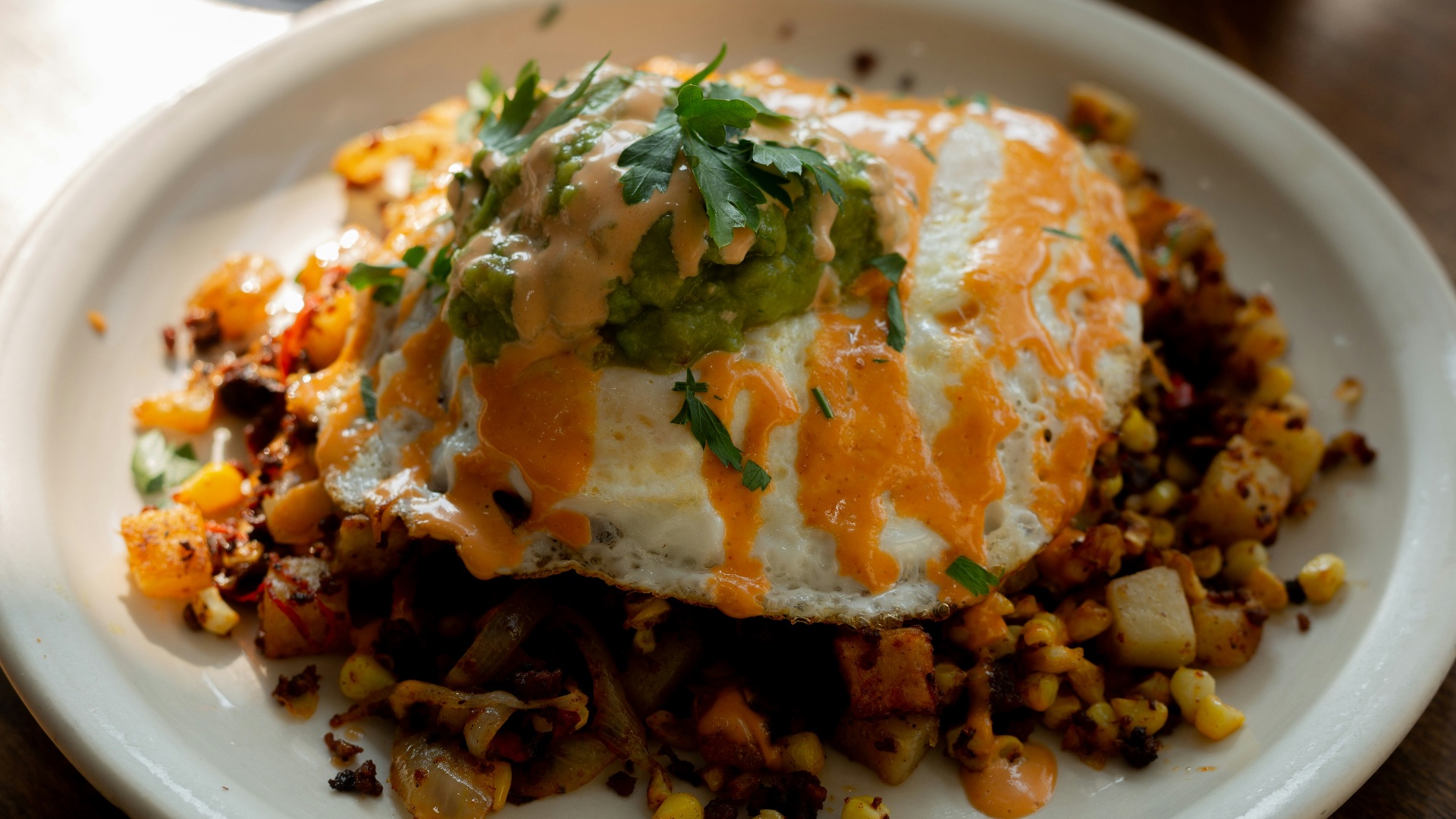
You might be surprised by how much food arrives on a single plate in many American restaurants. If you don't want to overeat, taking leftovers home is common and generally encouraged, so you’ll often be offered a box without hesitation. If you don’t want that much food, splitting an entree or ordering an appetizer as a meal is usually acceptable.
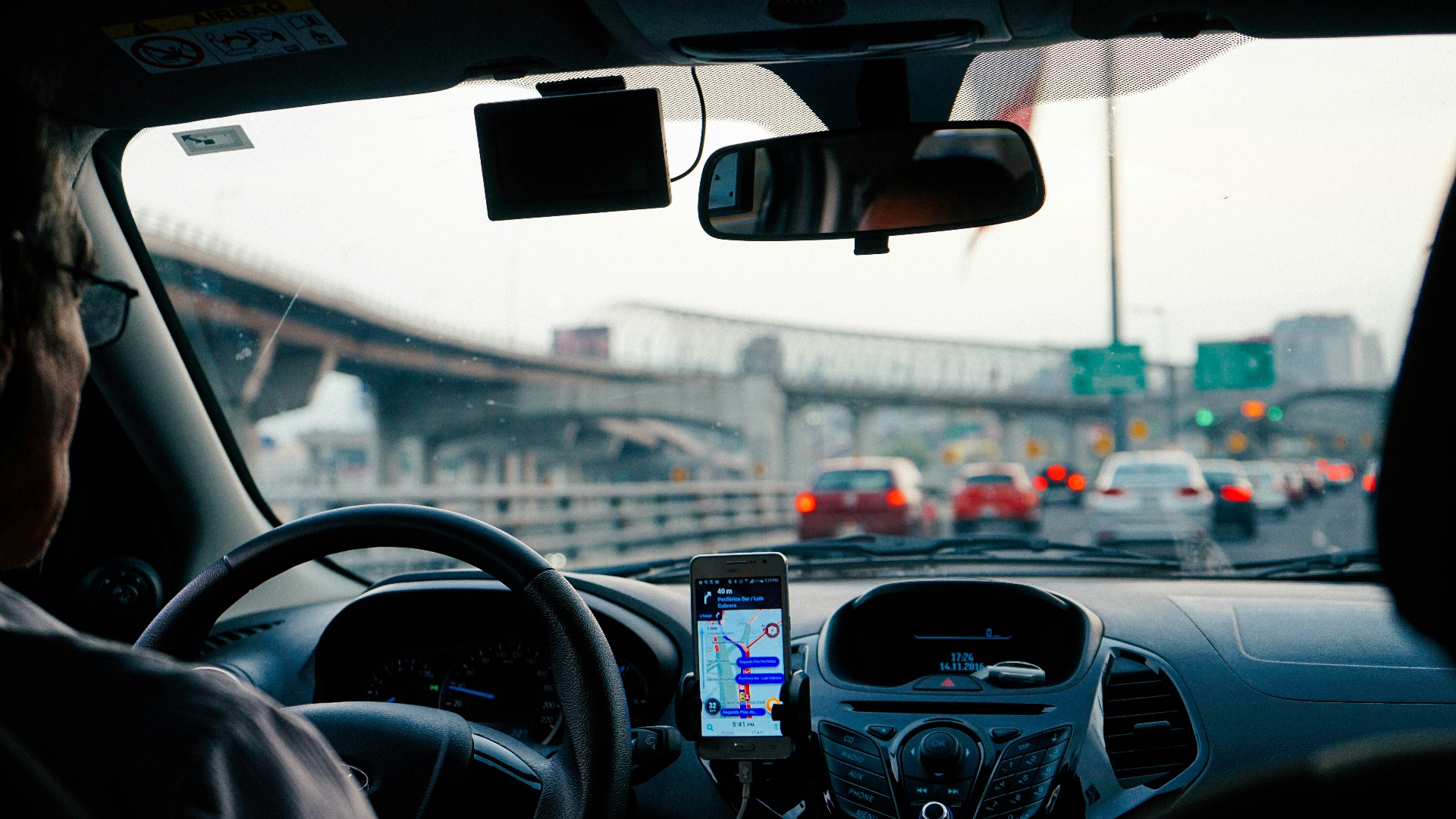
6. Driving Is Often Essential
Outside a handful of dense city centers, daily life in the U.S. is often built around cars. Places that look walkable on a map may still have long distances, limited sidewalks, or transit that doesn’t run frequently. If you’re visiting, planning your transportation early can save you a lot of time and hassle.
7. Free Refills and Bottomless Drinks Are a Thing
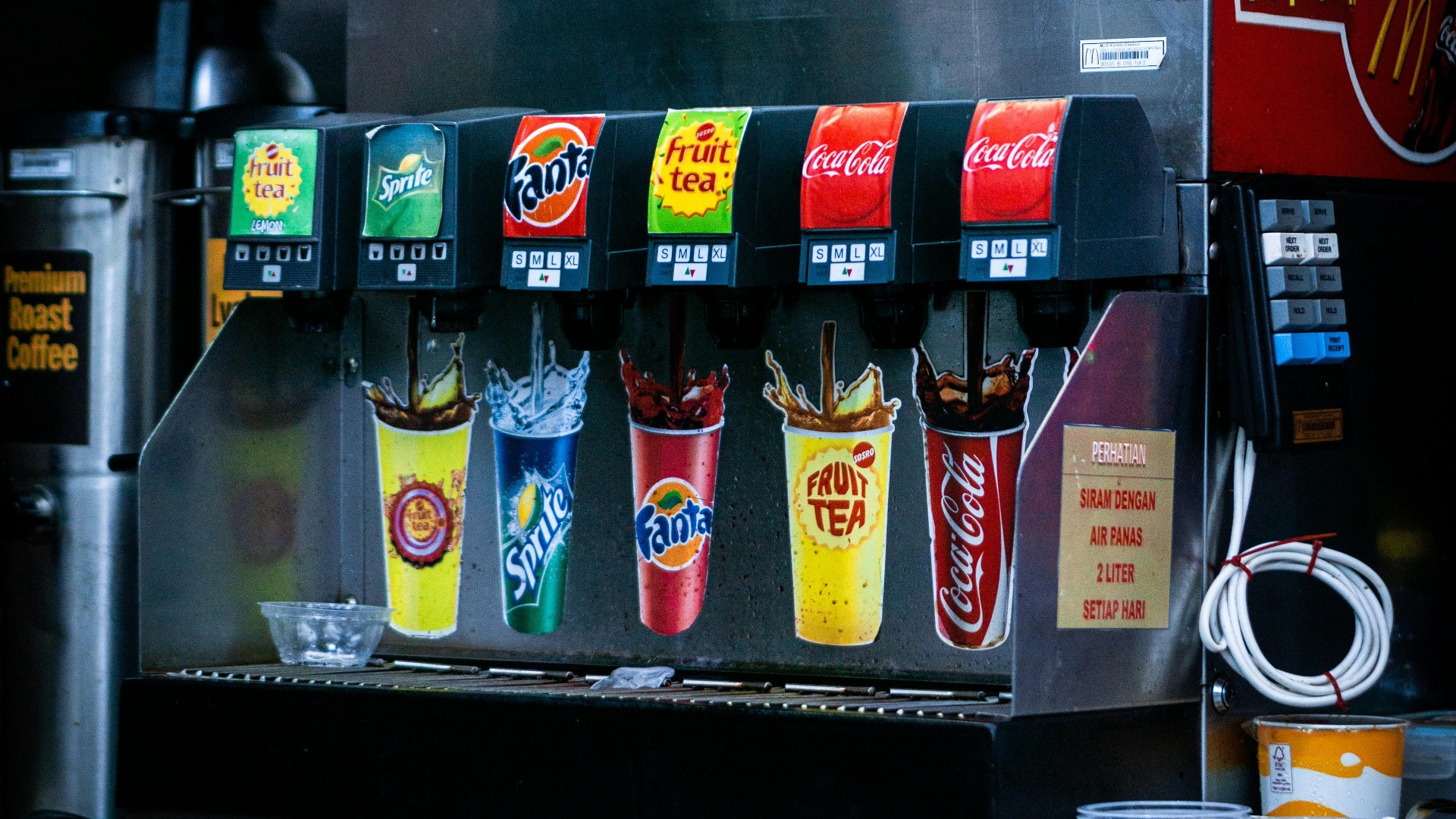
Many American restaurants offer free refills on soft drinks, iced tea, and sometimes coffee. That can be a pleasant surprise, but it also means servers may top up your cup frequently without asking. If you’d rather not have refills, saying so early avoids confusion.
8. Personal Space Norms Can Feel Bigger
In the U.S., people often stand a bit farther apart in lines and casual conversation than in many European settings. Crowding someone can be read as pushy even when you don’t mean it that way. If you mirror the distance others keep, you’ll blend in quickly.
 Priscilla Du Preez 🇨🇦 on Unsplash
9. IDs Get Checked More Than You’d Expect
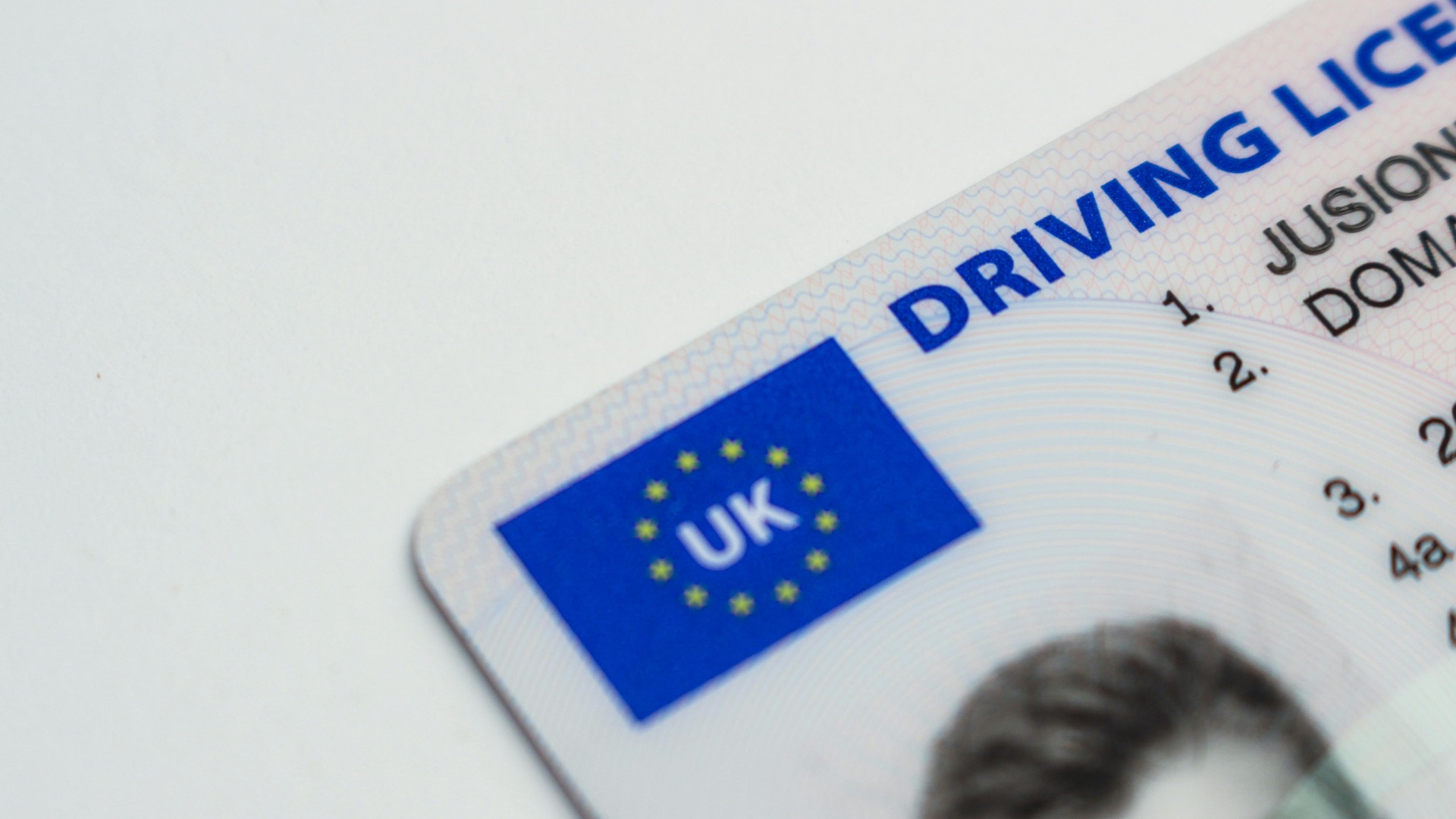
Americans often ask for ID in situations that may feel excessive, such as buying alcohol, entering certain venues, or sometimes even purchasing restricted items. It’s usually policy-driven and done as a form of verification. Keeping your passport or a legally accepted form of identification accessible can prevent inconvenient turnarounds.
10. Free Public Restrooms
Unlike many parts of Europe, you can often use restrooms in stores, restaurants, and gas stations without paying. That said, access can still depend on being a customer, and some places keep restrooms locked in certain neighborhoods; cleanliness also varies. If you’re unsure, a quick, polite ask at the counter usually clears it up.