Small Choices That Add Up Over Time
Frequent flyers often save the most money not through flashy tricks, but through consistent habits built over years of travel. These habits reduce unnecessary spending, protect against surprise costs, and unlock better long-term value. Most of them rely on planning and awareness rather than sacrifice, which makes them easier to maintain. Taken together, they show how smart travel is less about luck and more about systems. Here are 20 travel habits that save frequent flyers thousands.

1. Booking Flights Based on Flexibility, Not Loyalty
Frequent flyers save money by prioritizing price and routing over airline loyalty. Being flexible opens access to competitive fares across multiple carriers. Loyalty programs can be useful, but blind commitment often leads to higher costs. Flexibility allows travelers to respond to real pricing trends. Over time, this habit alone can save thousands.
2. Flying on Less Popular Days and Times
Midweek flights are often cheaper than weekend departures. Early morning and late-night flights also tend to have lower demand. Frequent flyers adjust schedules when possible to capture these savings. This habit reduces both ticket costs and airport congestion. Small timing changes consistently lower expenses.
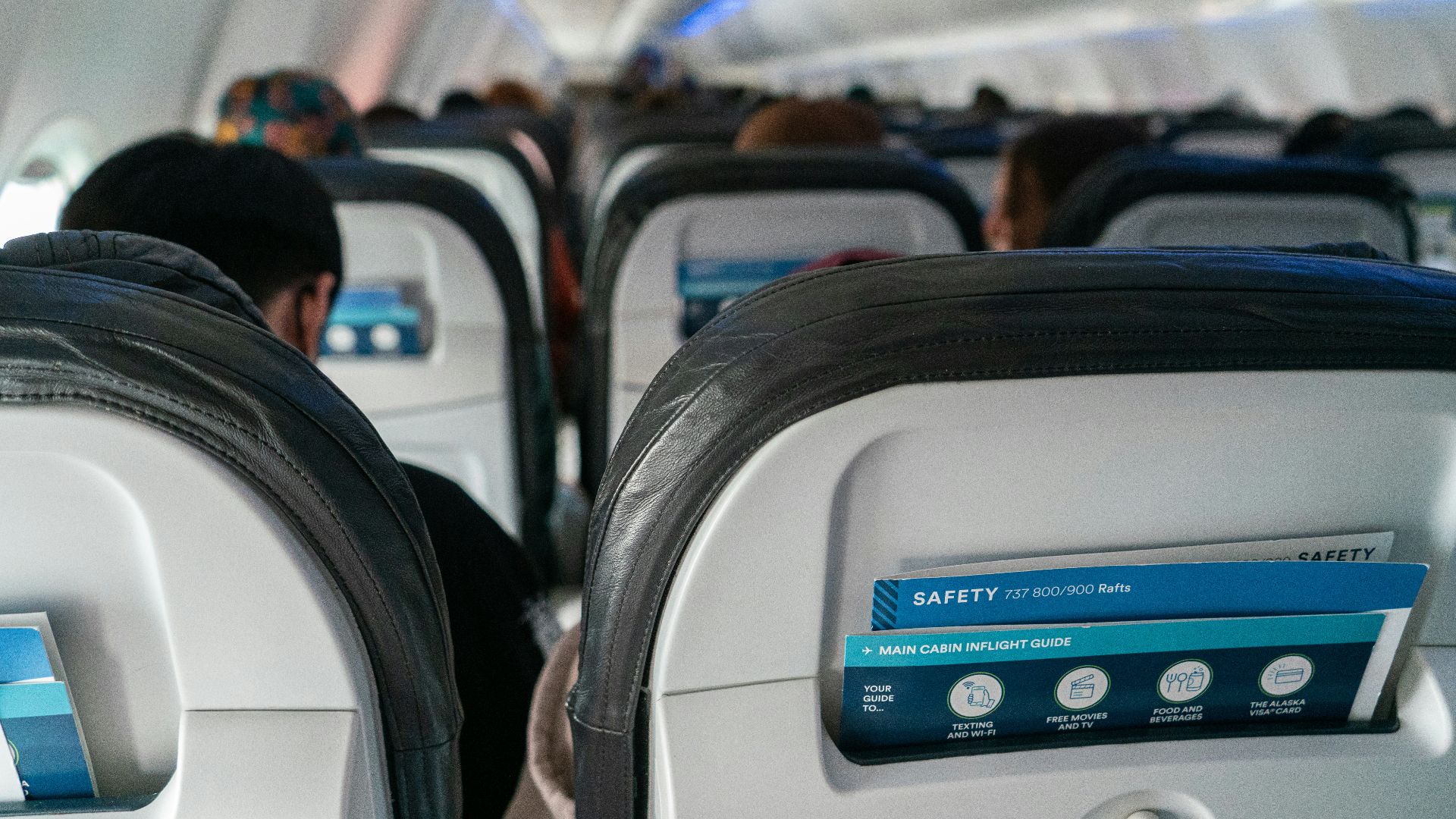
3. Using Price Alerts Instead of Constant Searching
Price alerts remove emotion from booking decisions. Automated tracking highlights real deals instead of temporary spikes. Frequent flyers avoid panic-buying when prices fluctuate. Alerts provide confidence backed by data. This habit prevents overpaying due to urgency.
 Guilherme Stecanella on Unsplash
4. Understanding Fare Classes Before Booking
Not all economy tickets offer the same benefits. Some fares restrict changes, seat selection, or carry-on bags. Frequent flyers read fare rules carefully before purchasing. This habit prevents surprise fees later, as knowledge protects both budget and flexibility.

5. Packing to Avoid Checked Bag Fees
Checked bag fees quietly increase total travel costs. Frequent flyers learn to pack efficiently with carry-on luggage. This saves money on every flight segment and also eliminates time spent at baggage claim. Over many trips, the savings become significant.

6. Choosing Airports Strategically
Alternate airports often offer lower fares than major hubs. Frequent flyers compare nearby options before booking. This habit uncovers better overall value, as strategic airport choice frequently reduces total expenses.
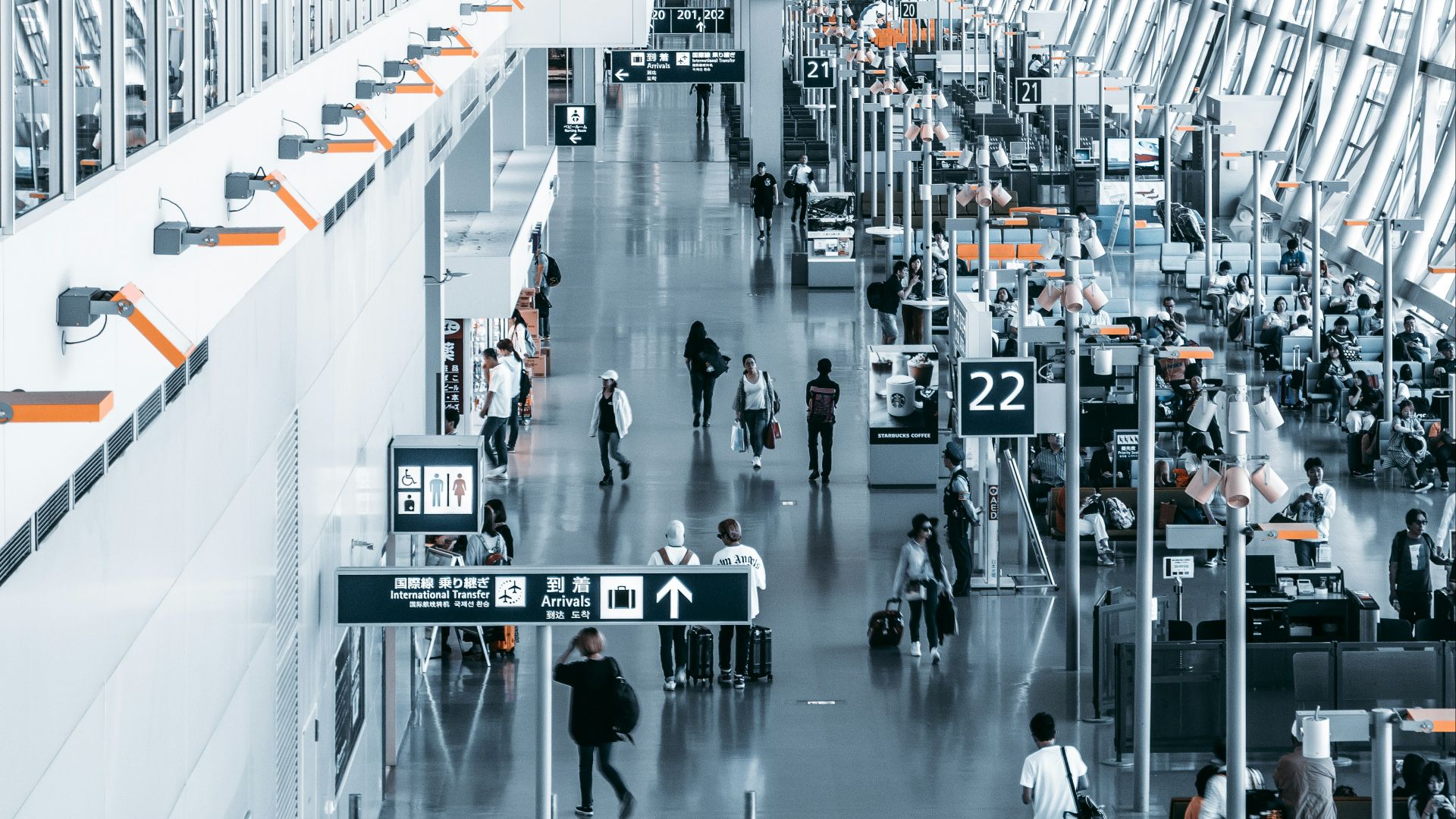
7. Paying With Travel-Friendly Credit Cards
Travel credit cards offer protections that prevent unexpected costs. Benefits like trip delay coverage and rental car insurance add real value. Frequent flyers use these cards intentionally and responsibly. Rewards accumulate over time, and this habit turns everyday spending into future savings.
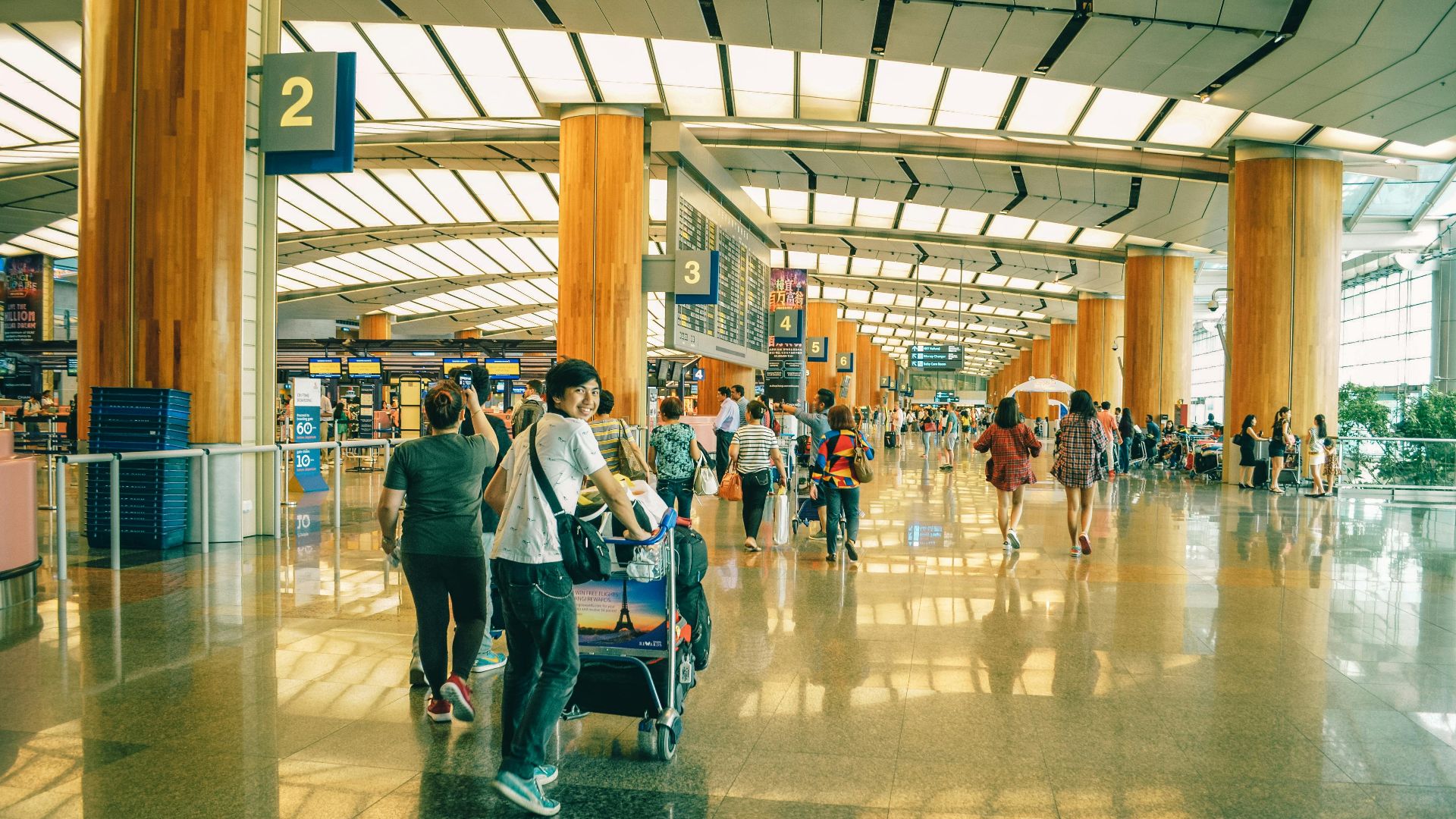
8. Avoiding Dynamic Currency Conversion
Dynamic currency conversion often includes hidden markups. Frequent flyers always choose to pay in the local currency. Banks typically offer better exchange rates than merchants, and many international travelers see steady savings over time.
9. Booking Hotels With Flexible Cancellation
Flexible bookings allow travelers to rebook if prices drop, and frequent flyers secure acceptable rates early by monitoring pricing closer to the stay. Rebooking often results in refunds or lower costs. Patience pays off with this habit.
10. Using Public Transportation When Practical
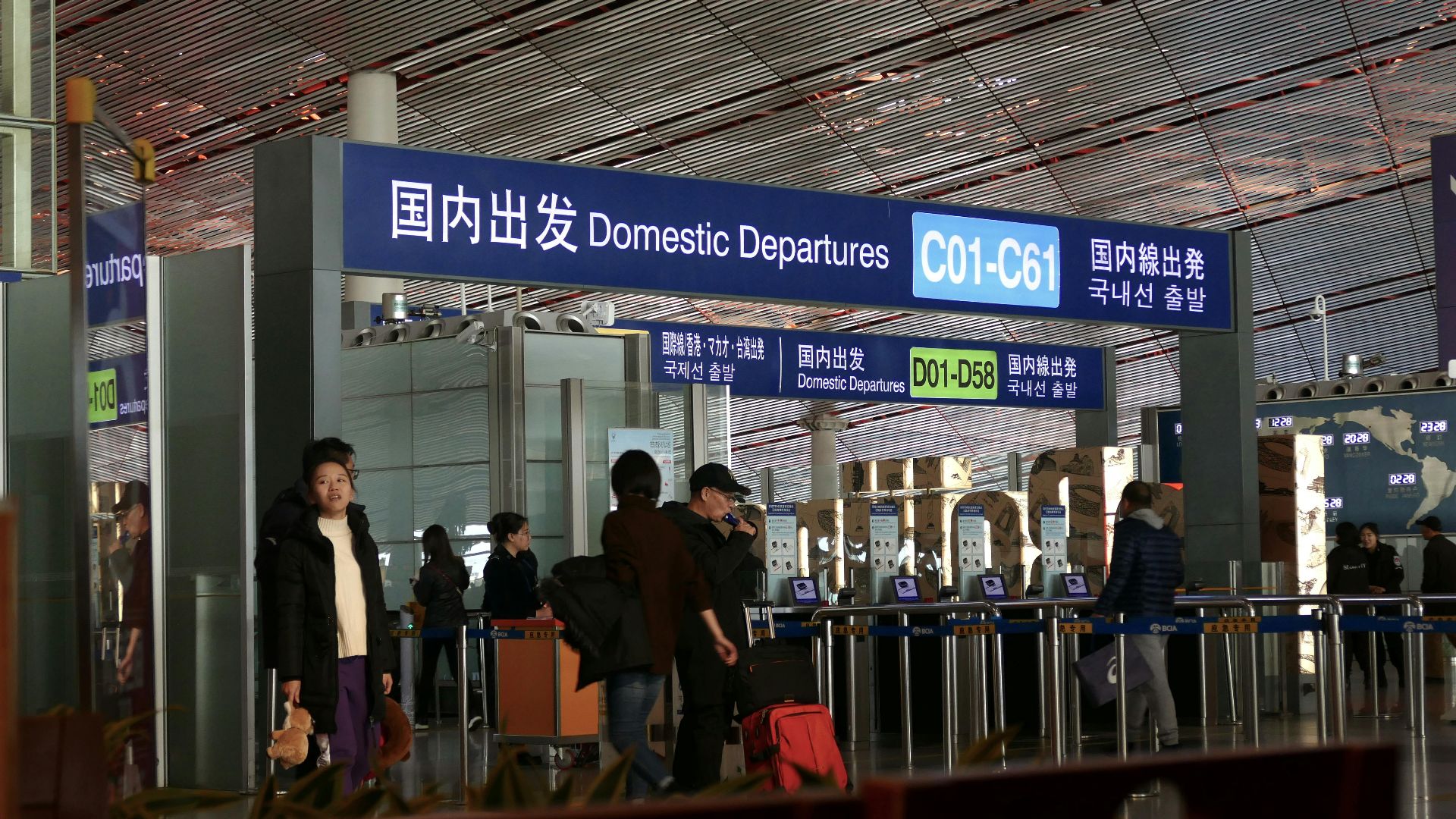
Taxis and ride shares add up quickly in many cities. Frequent flyers research trains and buses in advance. Public transportation is often cheaper and more reliable. This habit cuts daily transportation costs and provides a better sense of place.
11. Joining Hotel Loyalty Programs Selectively
Not all loyalty programs deliver equal value. Frequent flyers concentrate on one or two that match their habits. Focused loyalty leads to meaningful perks, whereas scattered participation rarely pays off. Remember, selectivity maximizes rewards.

12. Skipping Seat Selection Fees When Possible
Seat selection fees are often optional. Frequent flyers accept random seating for short flights, nd treat comfort upgrades as something meant only for longer journeys. This habit avoids paying for marginal benefits. Over time, skipped fees add up.
13. Traveling With Reusable Essentials
Airport purchases are often overpriced and impulsive. Frequent flyers carry reusable bottles, chargers, and adapters. This prevents repeated small expenses and reduces waste as well as cost. Savings accumulate quietly across trips.

14. Eating Strategically at Airports
Airport food prices vary widely by terminal. Frequent flyers research dining options ahead of time. They eat before arriving or choose better-value spots. This habit avoids overpriced meals. Thoughtful planning keeps food spending in check.
15. Booking Flights as One-Way When It Makes Sense
Round-trip tickets are not always the cheapest option. Frequent flyers compare one-way pricing across airlines. This flexibility opens better routing opportunities. It can lower total airfare significantly, so ensure that comparing pricing becomes second nature over time.
16. Using Points for High-Value Redemptions
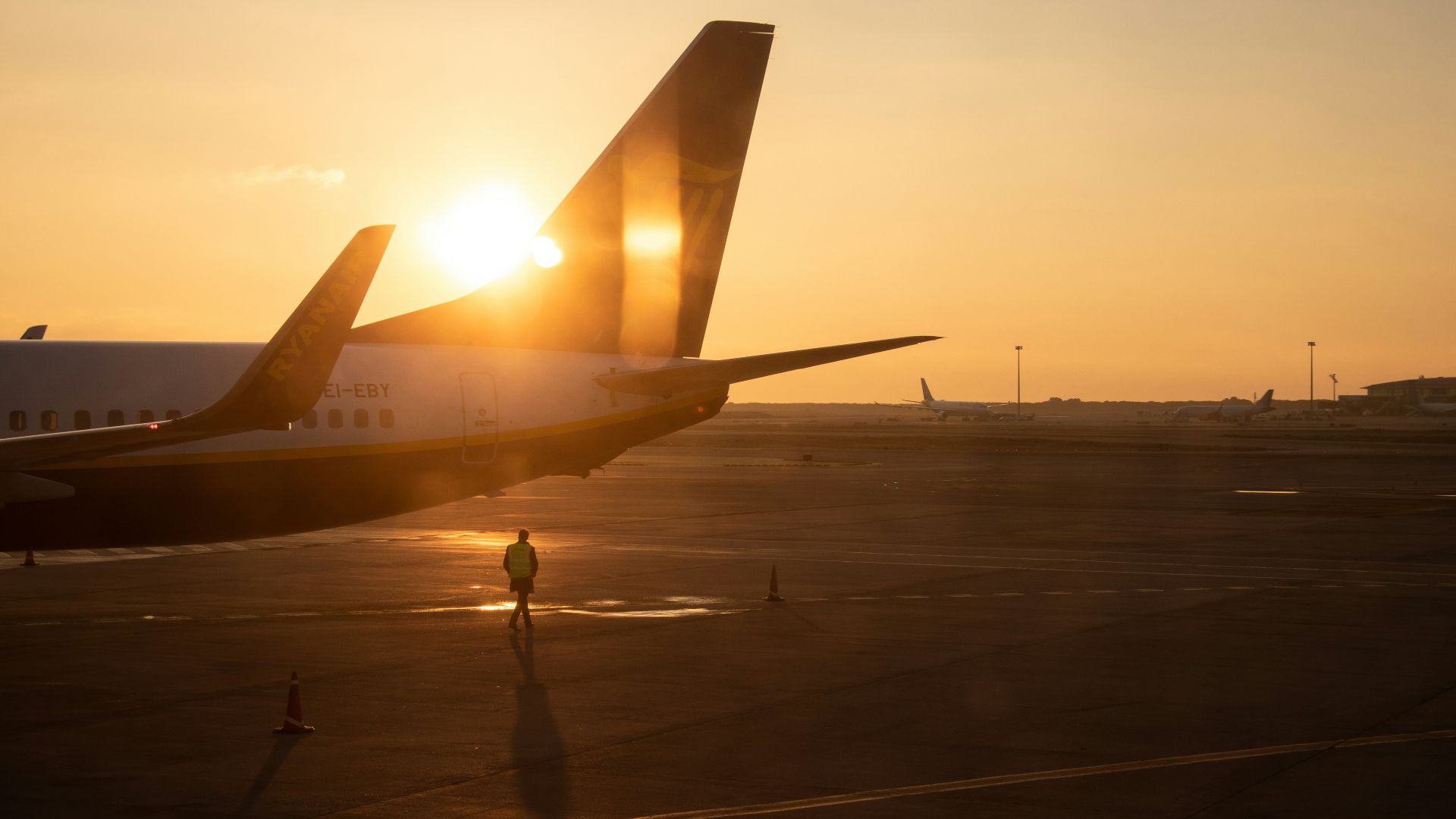
Points offer the best value on expensive routes. Frequent flyers avoid low-return redemptions. They save points for long-haul or peak travel, maximizing value per point. This strategic method stretches rewards much further.
17. Tracking Expenses by Trip
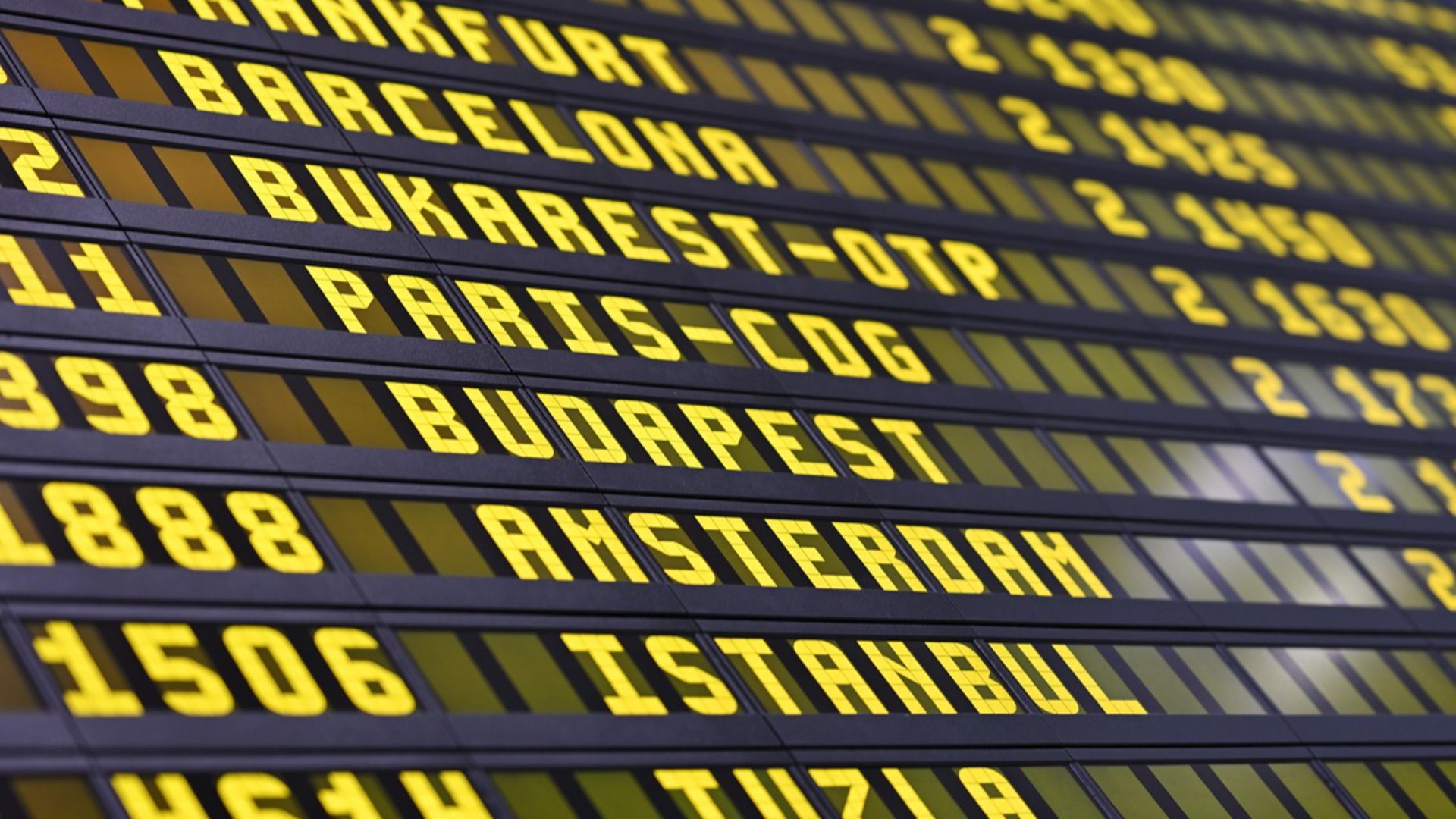
Frequent flyers review total trip costs afterward. This builds awareness of spending patterns, and adjustments are made for future travel. Data replaces guesswork and leads directly to savings.
18. Avoiding Last-Minute Bookings
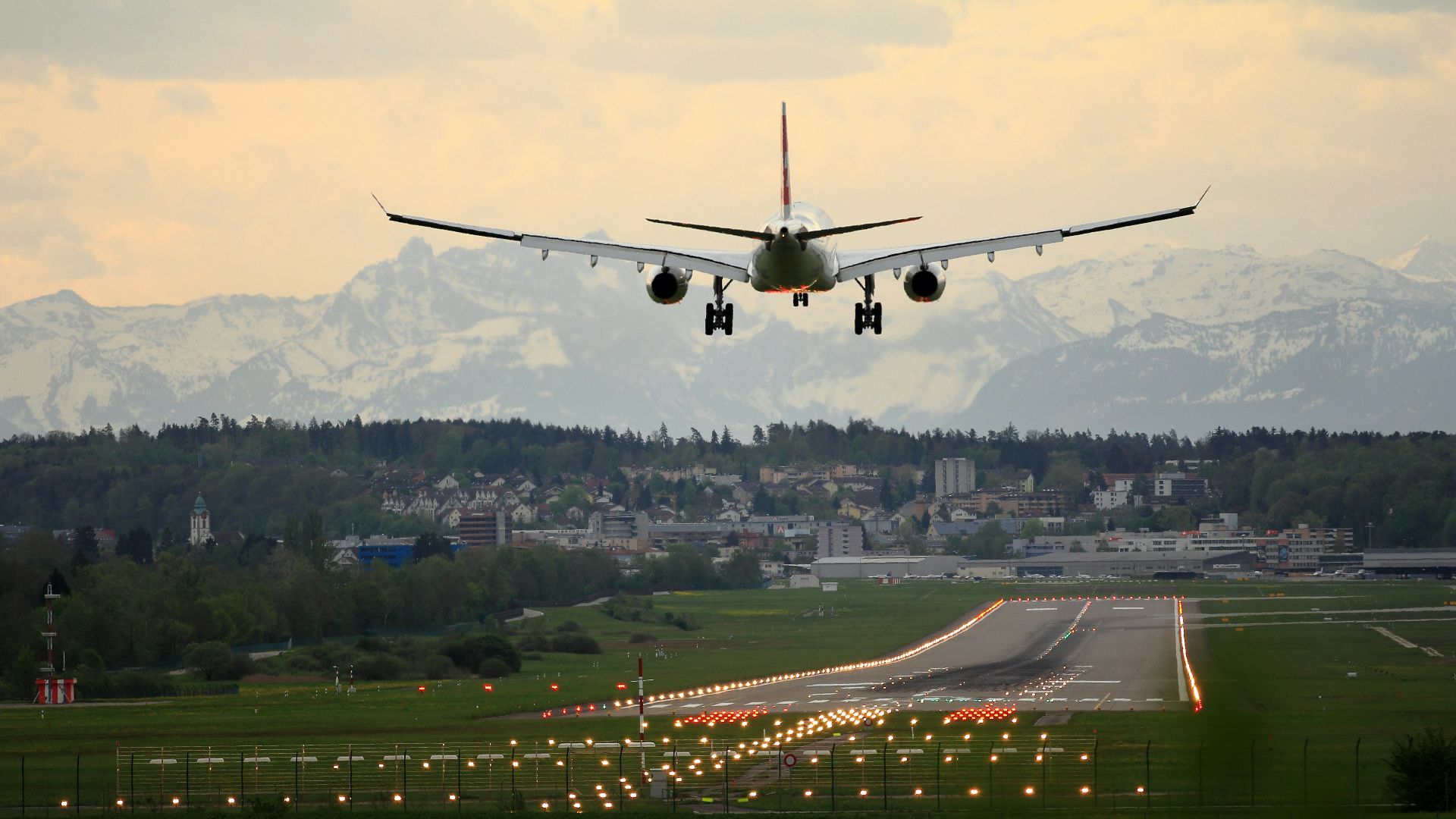
Last-minute travel usually comes with premium pricing. Frequent flyers plan whenever possible, understanding that early booking offers better selection and pricing. This habit reduces stress as well as cost.
 Priscilla Du Preez 🇨🇦 on Unsplash
19. Reading Airline Policies Regularly
Airline rules change more often than many travelers realize. Frequent flyers stay updated on baggage and change policies to mitigate surprises. Knowledge protects budget,s and staying informed avoids preventable fees.
20. Treating Travel Like a System, Not a Splurge
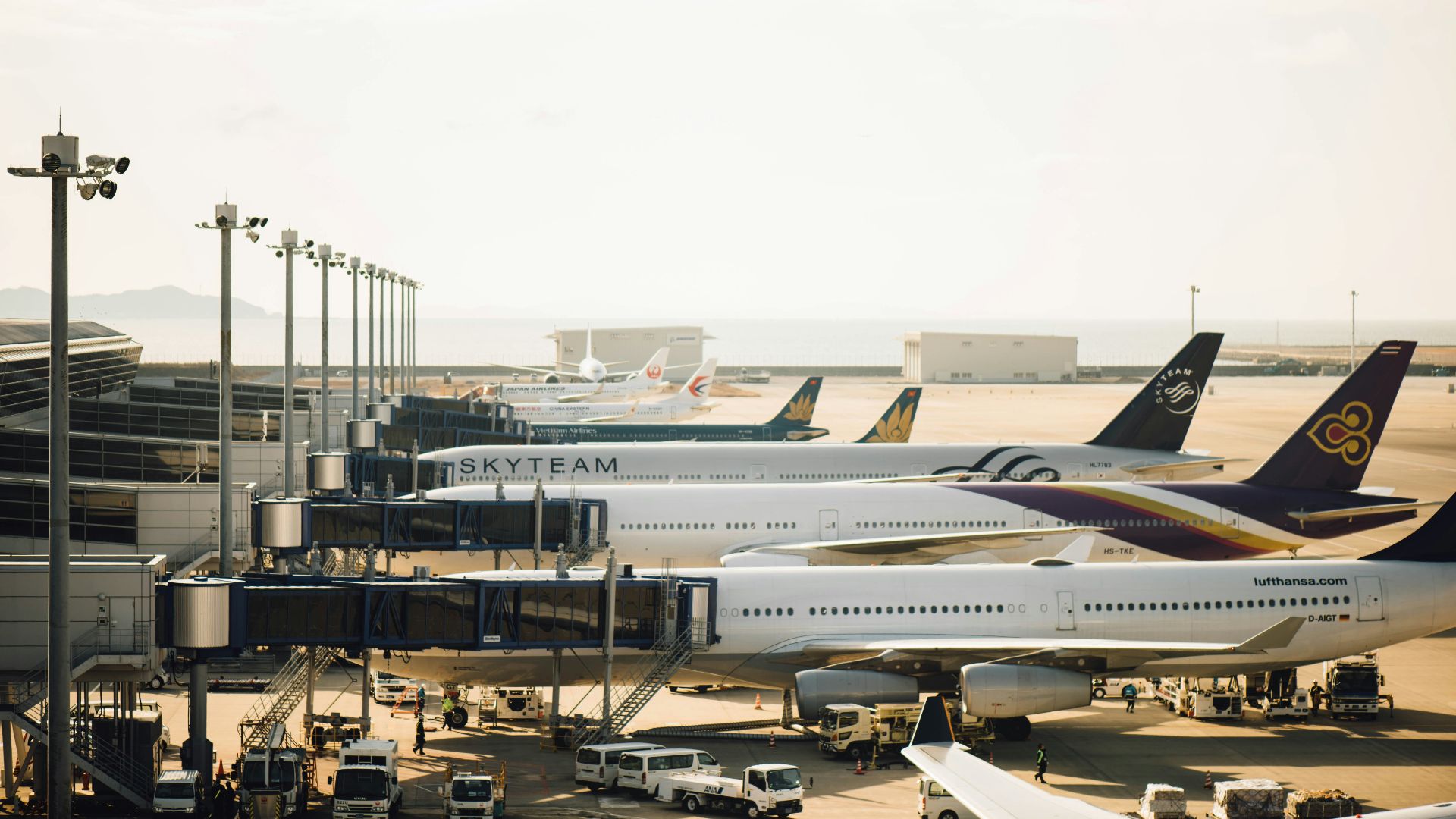
Frequent flyers view travel as a repeatable process. Each trip informs future decisio, ns and small efficiencies compound over time. This mindset turns habits into long-term savings, rewarding consistency more than occasional deals.