The Grift Usually Starts With A Smile And A Favor
Most travel scams don’t begin with intimidation. They begin with a moment where you’re trying to be decent, keep the line moving, and avoid a scene in a place where you don’t fully know the rules. Politeness is a powerful instinct, especially when you’re tired, or already feeling slightly out of place, and scammers know it. They lean on social friction, the mild embarrassment of saying no, and the hope that a small courtesy will stay small. Consular travel advisories and city tourism boards warn about many of the same patterns because they repeat everywhere, just dressed up in local details. Here are 20 scams that keep working because being firm can feel harder than being careful.
 Dominique ROELLINGER on Pexels
1. The Clipboard Petition Trap
Someone approaches with a friendly nod and a clipboard, asking you to sign for a cause that sounds harmless. The signature is just the hook, and the real goal is pressure for a donation while you’re standing still and distracted. A quick no and continued walking is often the safest move, because the longer you pause, the harder it becomes to exit politely.

2. The Friendship Bracelet Or Ring Gift
A person insists on giving you a bracelet, a ring, or a small token, then starts talking like you already agreed to pay. The trick is turning a “gift” into an obligation by using your manners against you, especially if they’ve already touched your wrist or hand. Keeping your hands close, stepping back, and returning the item immediately helps prevent the situation from becoming physical or confusing.

3. The Street Photo Helper Who Won’t Leave
Someone offers to take your photo and seems genuinely helpful, then keeps your phone a beat too long or starts asking for money. The scam works because you don’t want to accuse a stranger of anything while your phone is in their hands. A simple rule helps: only hand your device to people you already trust, or ask another tourist group that’s clearly taking their own photos.

4. The Fake Monk Blessing Or Bracelet Donation
A robed person approaches calmly, offers a blessing or a bracelet, then points to a donation sign or makes the request directly. The social pressure is intense because it’s wrapped in spirituality and public respectability, and nobody wants to look like the person arguing about money with a monk.

5. The Taxi Meter Is Broken Routine
A driver says the meter is not working, then proposes a price that feels reasonable in the moment and expensive after you arrive. It works because you want to get moving, and negotiating feels awkward when you’re already in the car. If you can, confirm the fare method before you get in, or use official taxi stands and rideshare apps where pricing is recorded.

6. The Wrong Change Shuffle
You pay in cash and receive change that is short, often mixed with unfamiliar bills or coins so you doubt your own math. The scam relies on you not wanting to argue over what feels like a small amount, especially with people watching. Counting your change while you’re still at the counter is not rude, it’s normal, and doing it calmly keeps the interaction from escalating.

7. The Currency Exchange Counter With The Magic Rate
A booth advertises an amazing exchange rate, then adds fees, uses a different rate than posted, or short-changes you in the final count. It works because you feel pressure from the line behind you and you don’t want to admit you’re confused by the paperwork. Using bank ATMs, reputable exchange offices, and clearly posted fee structures reduces the chance of a surprise.
8. The ATM Helper Who Offers To Assist
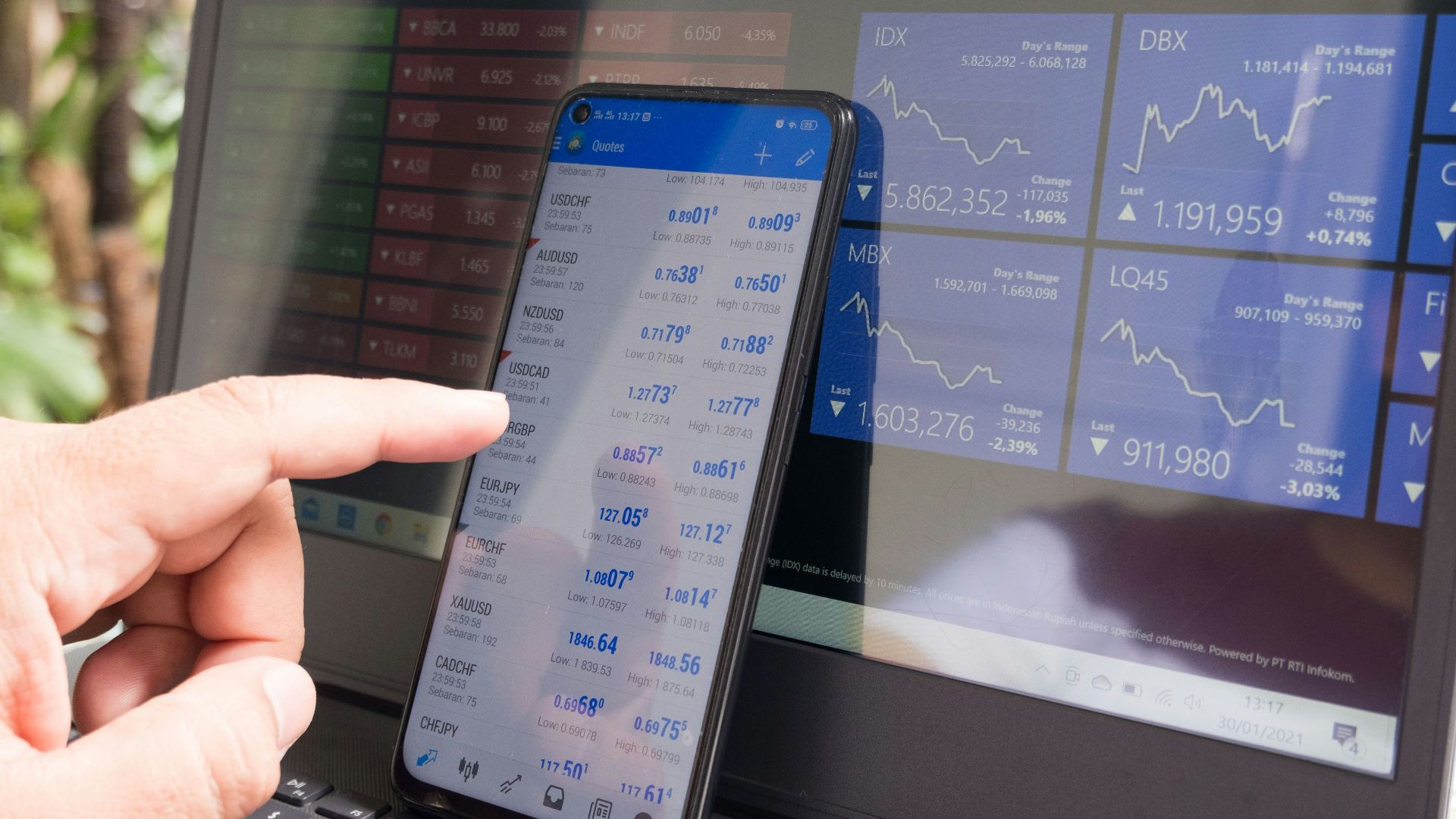
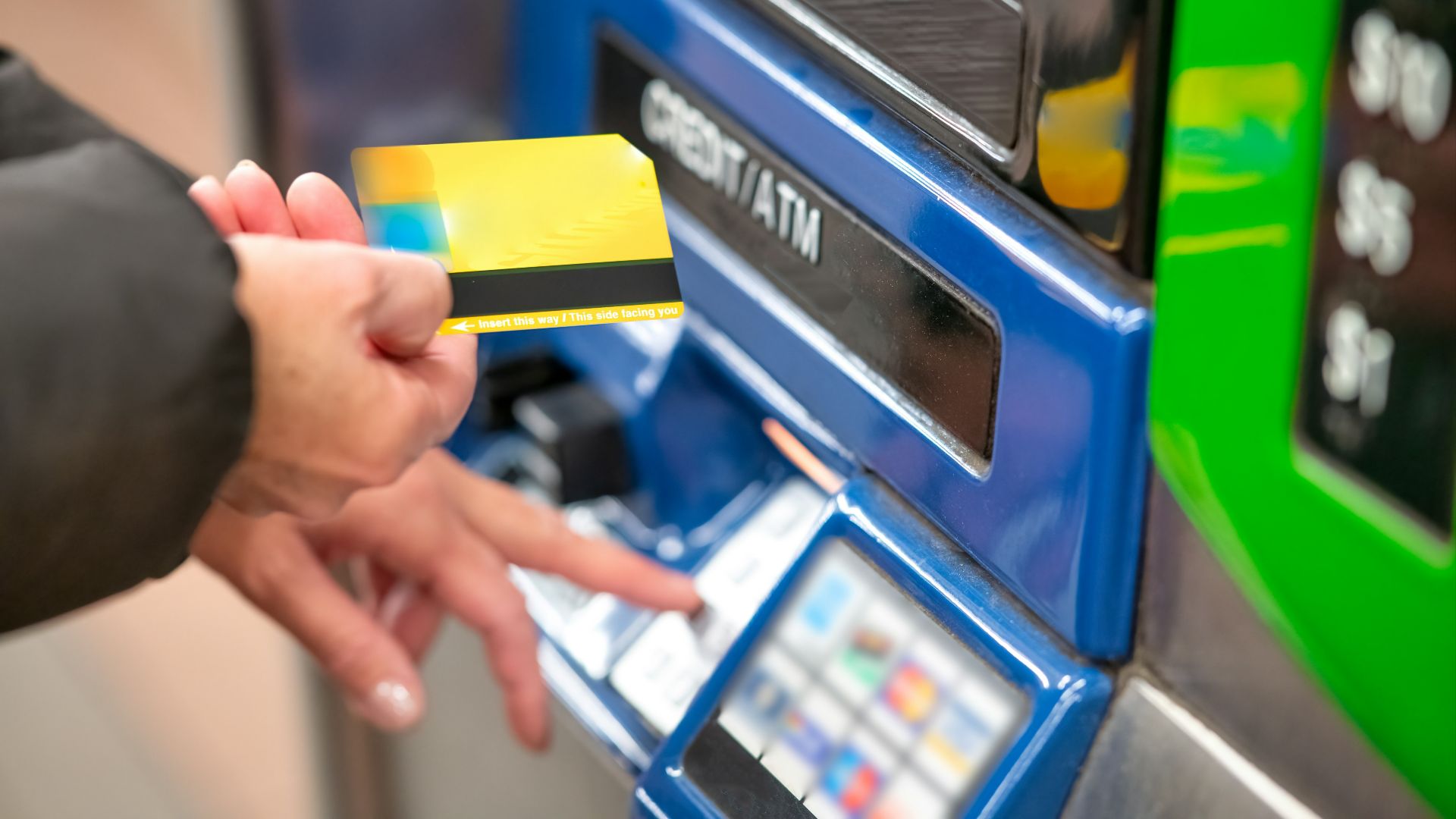
A stranger points out a problem with the ATM, offers to “help,” and positions themselves close enough to see your PIN or swap your card. The politeness trap is that refusing assistance can feel ungrateful when you’re already frustrated by a machine. Stepping away, shielding the keypad, and using an ATM inside a bank lobby is a safer default.
 Giovanni Gagliardi on Unsplash
9. The Fake Police Check
Someone flashes a badge quickly and asks to see your passport, your wallet, or the cash you’re carrying, often claiming it’s a routine inspection. It works because most people comply reflexively with authority, especially in a foreign place where the rules feel high stakes. Real officers can be verified, and it’s reasonable to ask to go to a station or request a uniformed officer before handing anything over.

10. The Staged Spill And Helpful Cleanup
A person “accidentally” spills something on you, then immediately helps wipe it off while a second person reaches for your pockets or bag. The scam depends on your instinct to forgive the accident and accept help, which keeps you distracted and close. Moving away first and checking your belongings before engaging is a simple way to break the pattern.

11. The Dropped Ring Or Gold Find
Someone “finds” a ring near your feet, acts like luck just happened, and offers it to you for a small payment. You’re meant to feel like you’re being offered a deal and also feel rude refusing a gesture that seems generous. The ring is typically worthless, and the clean exit is declining without debate and continuing on.

12. The Rose, Balloon, Or Toy Hand-Off
A vendor presses a flower, a balloon, or a small toy into your hand or into a child’s hand, then demands payment. The politeness pressure hits hard because you don’t want to yank something away from a kid or look cold in public. Keeping hands free and returning the item immediately, without negotiating, prevents the moment from turning into a drawn-out scene.

13. The Menu Swap Or Surprise Pricing
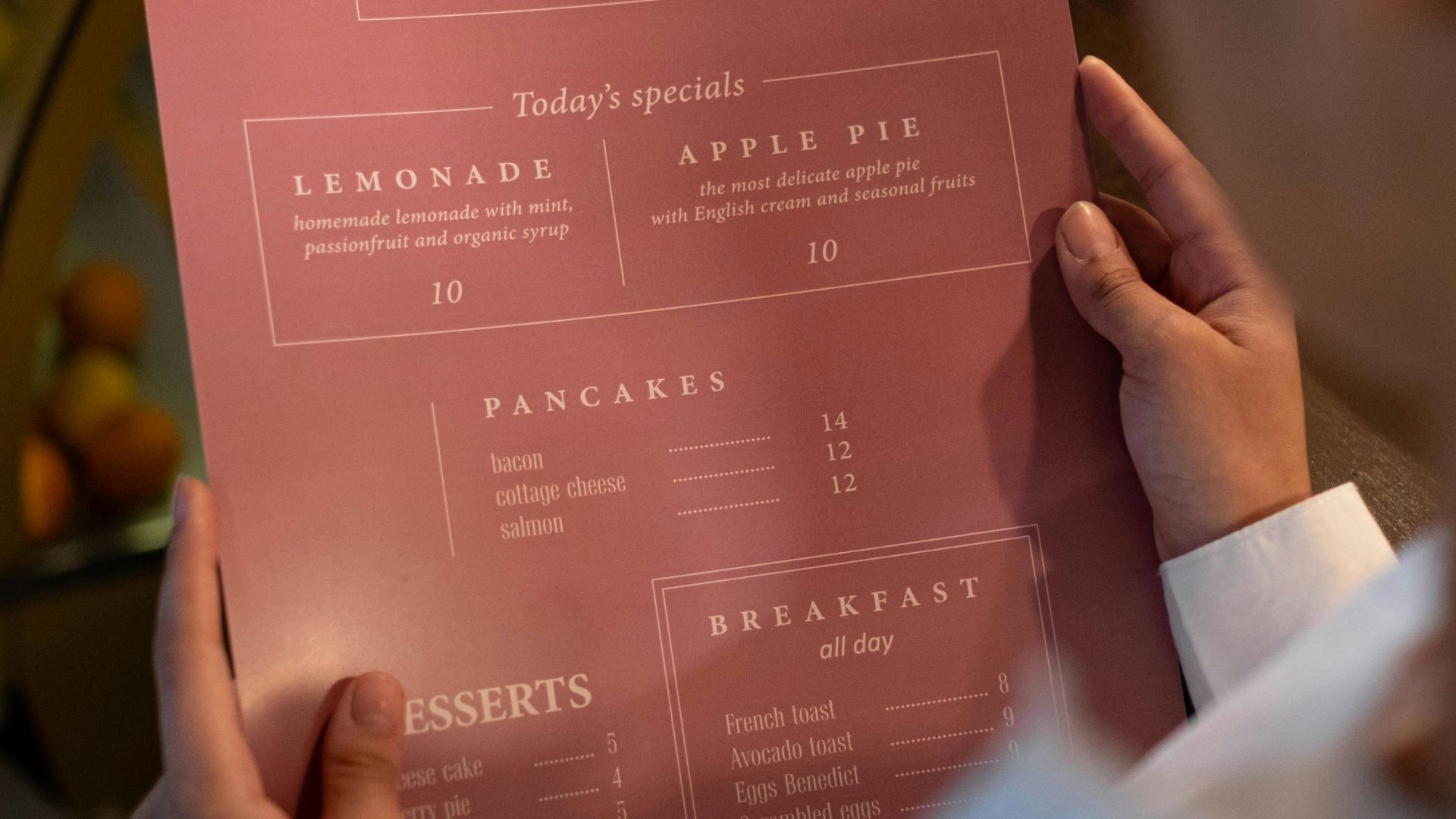
You sit down after seeing one menu outside, then receive a different menu at the table with higher prices or unclear currency. It works because once you’re seated, leaving feels like a confrontation, and many people would rather overpay than argue. Taking a quick photo of the posted menu and confirming prices before ordering gives you a neutral reference if anything changes.
14. The Closed Attraction Redirect
Someone near a landmark tells you it’s closed today, then helpfully directs you to an alternative tour, shop, or taxi. The trick is using your trust and your desire to avoid inconvenience, especially if they sound confident and local. Checking official hours on your own, or walking closer to see for yourself, keeps you from getting steered into someone else’s business.

15. The Unofficial Tour Guide With A Badge-Like Lanyard
A friendly person starts explaining the site, then reveals they expect payment and won’t stop walking with you. It works because you feel like you already accepted the service by listening, and ending the conversation feels harsh. If you want a guide, choose one through an official desk or a reputable operator, and if you don’t, stop early rather than letting the “tour” grow.

16. The Taxi To The Wrong Hotel
You name your hotel and the driver takes you to a similarly named property, or claims your hotel is overbooked and suggests another place. The scam relies on your fatigue and your reluctance to accuse someone of lying when you’re not sure of the local geography. Having the hotel address saved, confirming it on a map, and insisting on the exact destination helps prevent the switch.

17. The Fake Hotel Front Desk Call
You check in, then receive a phone call that sounds official, asking you to confirm your card details due to a “system issue.” It works because the request feels procedural, and you want to resolve problems quickly rather than question the hotel. Hanging up and calling the front desk using the number you already have, not the number provided in the call, is a straightforward safety step.

18. The Bar Tab Confusion
You order one drink, then the bill arrives with extras, inflated prices, or a forced tip that was never discussed. The politeness trap is that you’re in a social space and you don’t want conflict, especially if staff act annoyed or rushed. Paying as you go, asking for a menu before ordering, and leaving if pricing feels unclear keeps the situation simple.
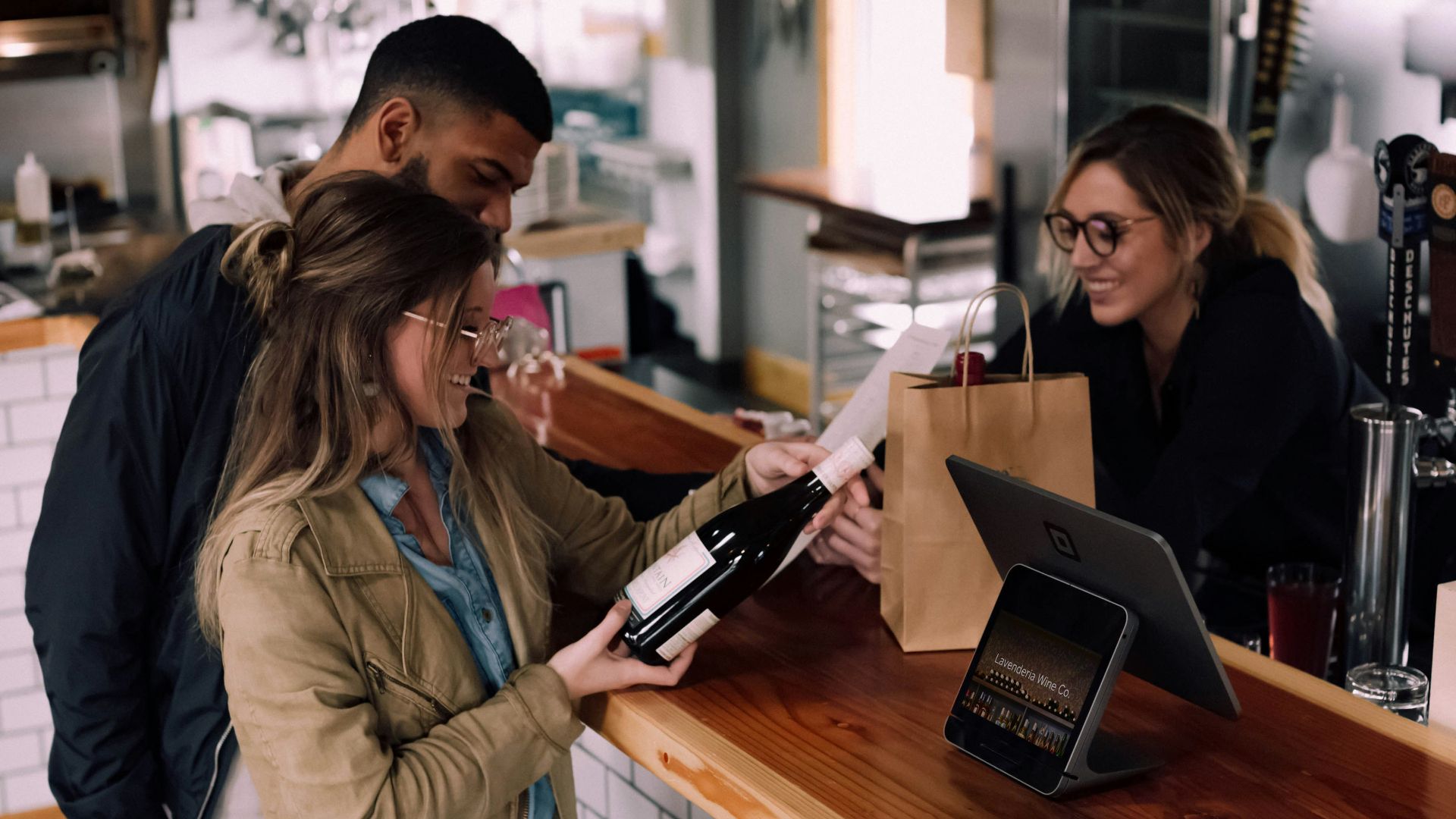
19. The Ticket Seller Standing Just Outside The Venue
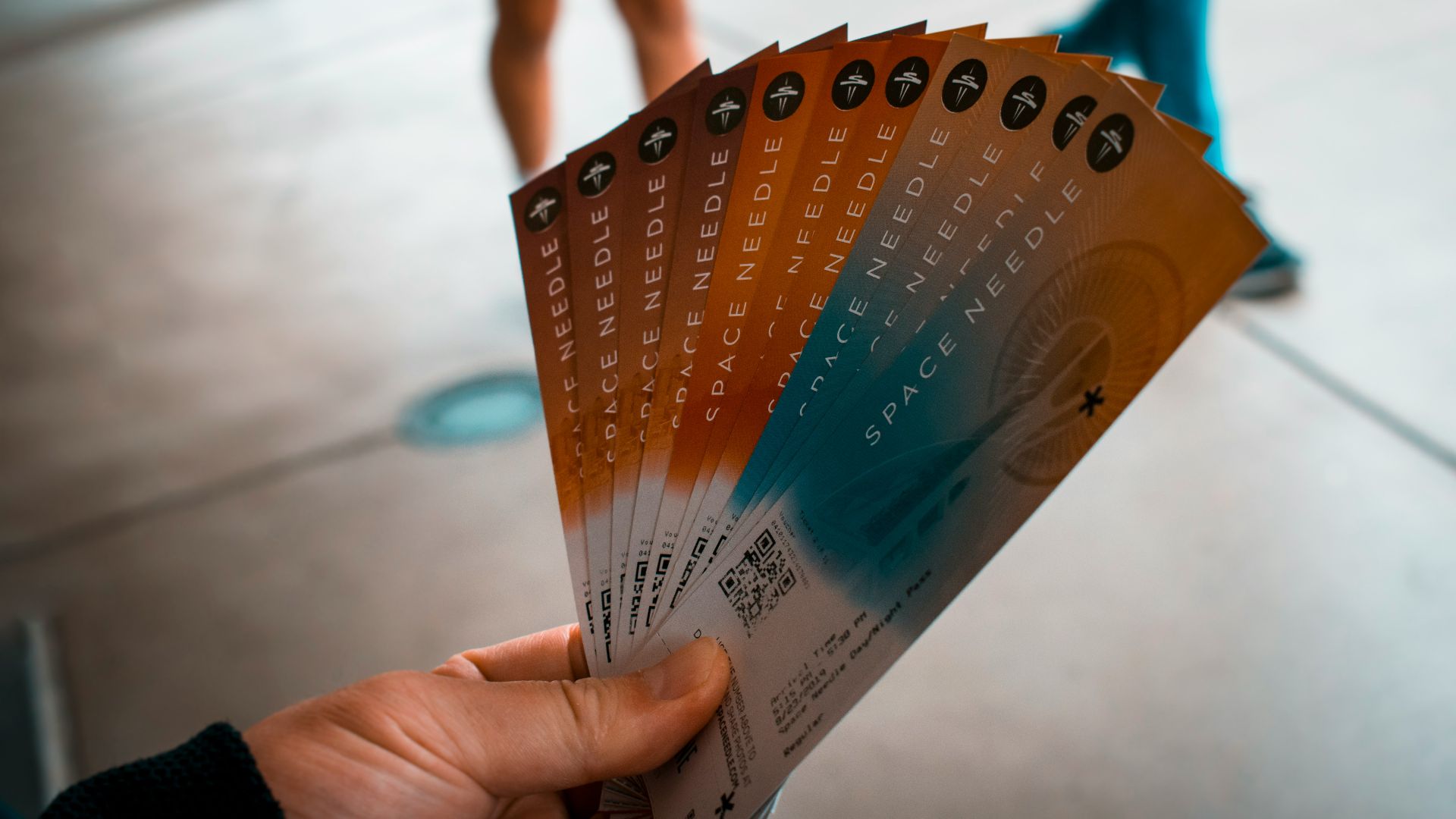
Someone offers tickets that look legitimate, often with a convincing story about not being able to attend. It works because it sounds like a win-win and you don’t want to miss out while you’re already there. Buying through official box offices or authorized sellers is boring, and boring is usually the point when money is involved.
20. The Free Public Wi-Fi That Isn’t
A network name mimics a café, an airport, or a hotel, and you connect because it seems normal and convenient. The scam leans on politeness in a modern form, since it feels dramatic to ask staff to confirm the exact network name or to decline a “free” service. Using your own hotspot, confirming the official network, and avoiding sensitive logins on unknown Wi-Fi can save you from a quiet, expensive headache.