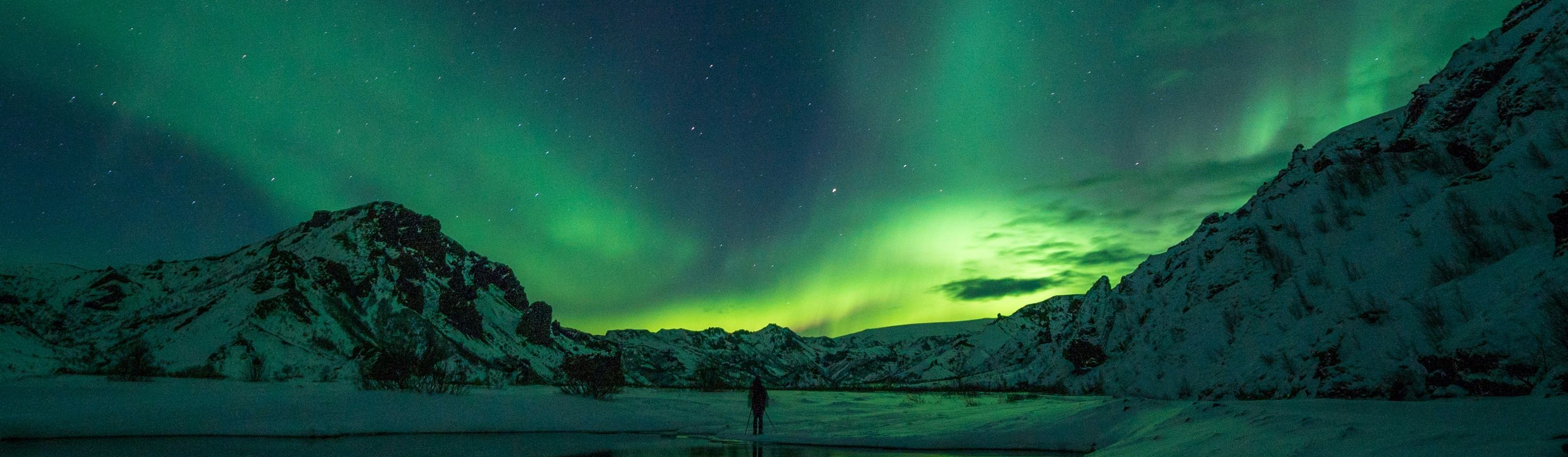
Dark Skies, Big Horizons, And Fewer Headlights
Seeing the Northern Lights in the U.S. usually comes down to three things: latitude, darkness, and timing. The farther north you go, the more often the aurora appears, especially during periods of higher solar activity in the Sun’s roughly eleven-year cycle. You also need a place where the horizon isn’t lit up by storefronts, stadiums, and very bright street lights. If you want locations that give you a real shot and still feel like a great trip even if clouds win, start with these twenty.
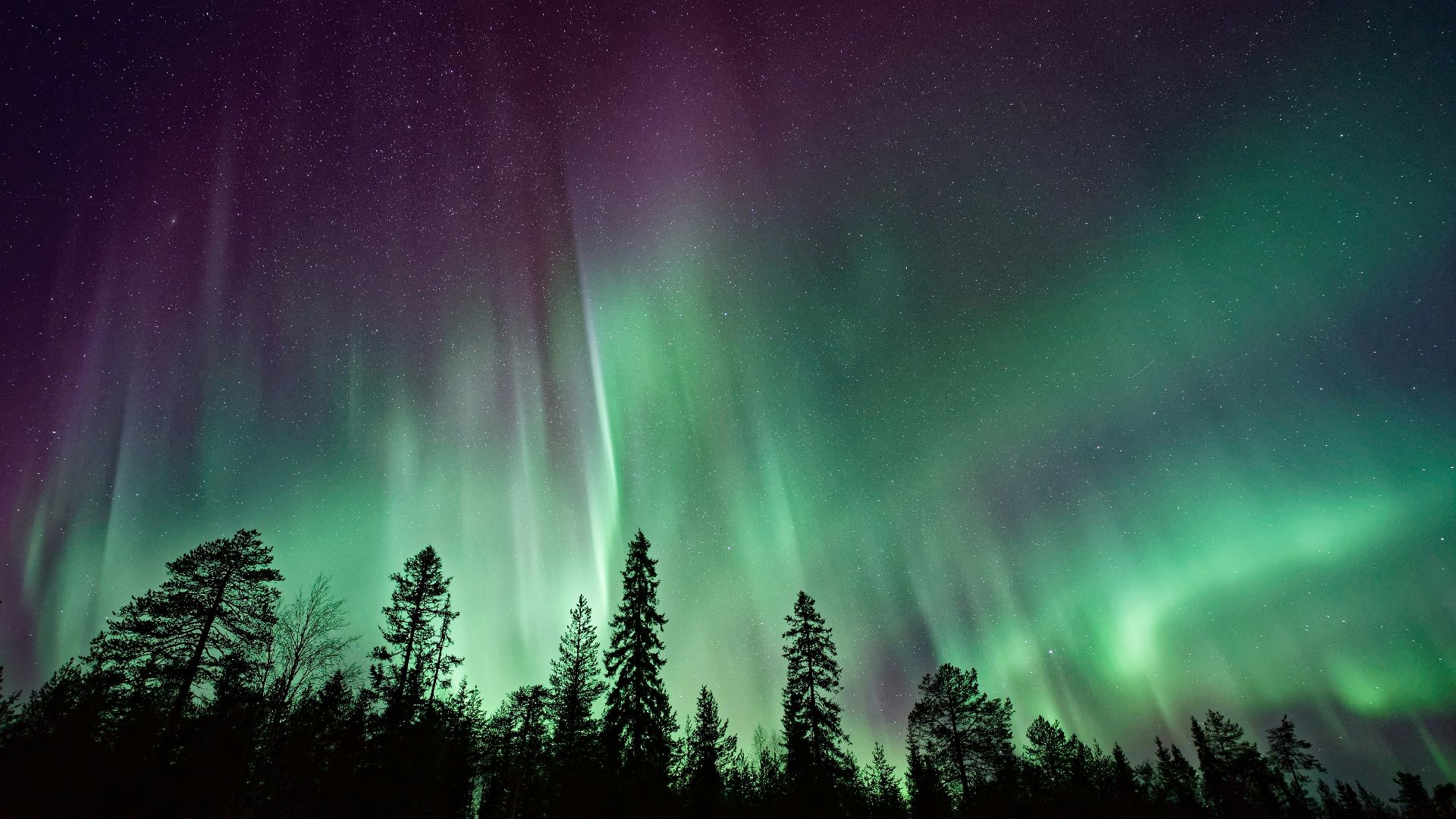
1. Fairbanks, Alaska
Fairbanks sits in a prime latitude for aurora viewing, and it’s surrounded by open areas where you can get away from city lights fast. Winter nights are long, which gives you more chances to catch a clear window without forcing an all-nighter. Just imagine getting to experience this phenomenon on the regular, like some of the locals.
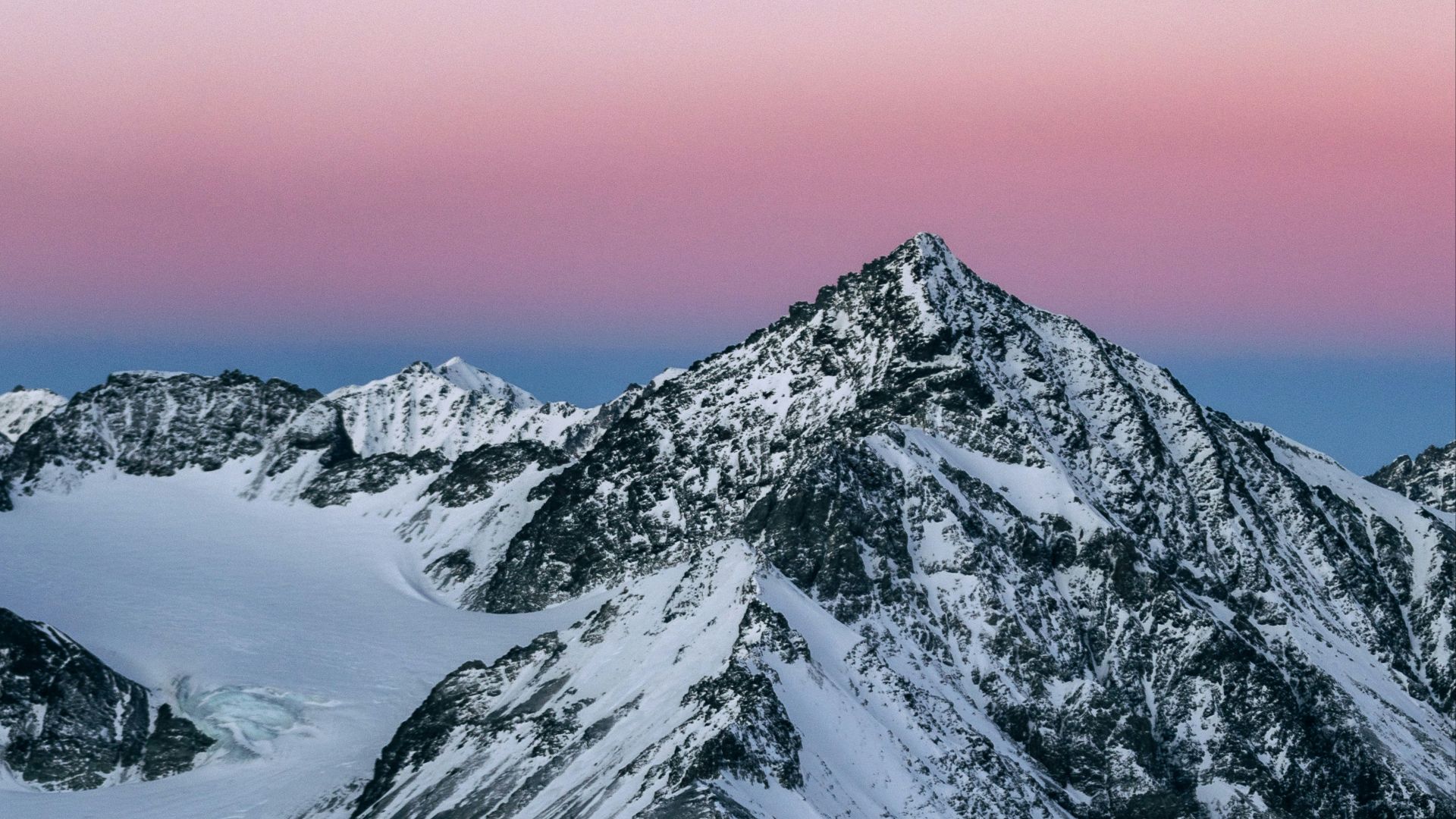
2. Copper Harbor, Michigan
Copper Harbor sits at the tip of the Keweenaw Peninsula, so you get a northern angle and long views across Lake Superior. The town itself is small, which helps keep the sky darker once you step away from the main lights.
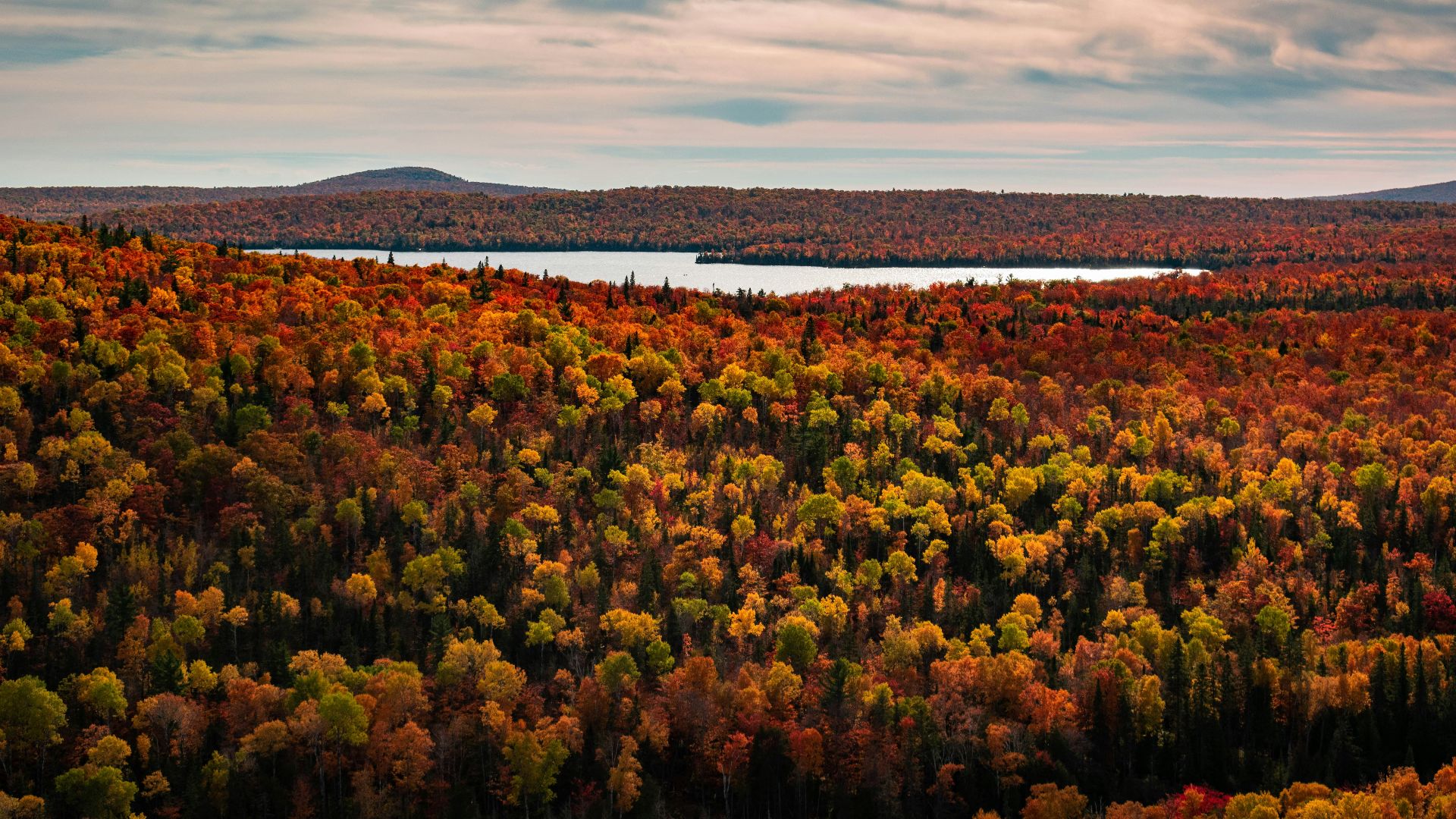 Jonnelle Yankovich on Unsplash
3. Denali National Park, Alaska
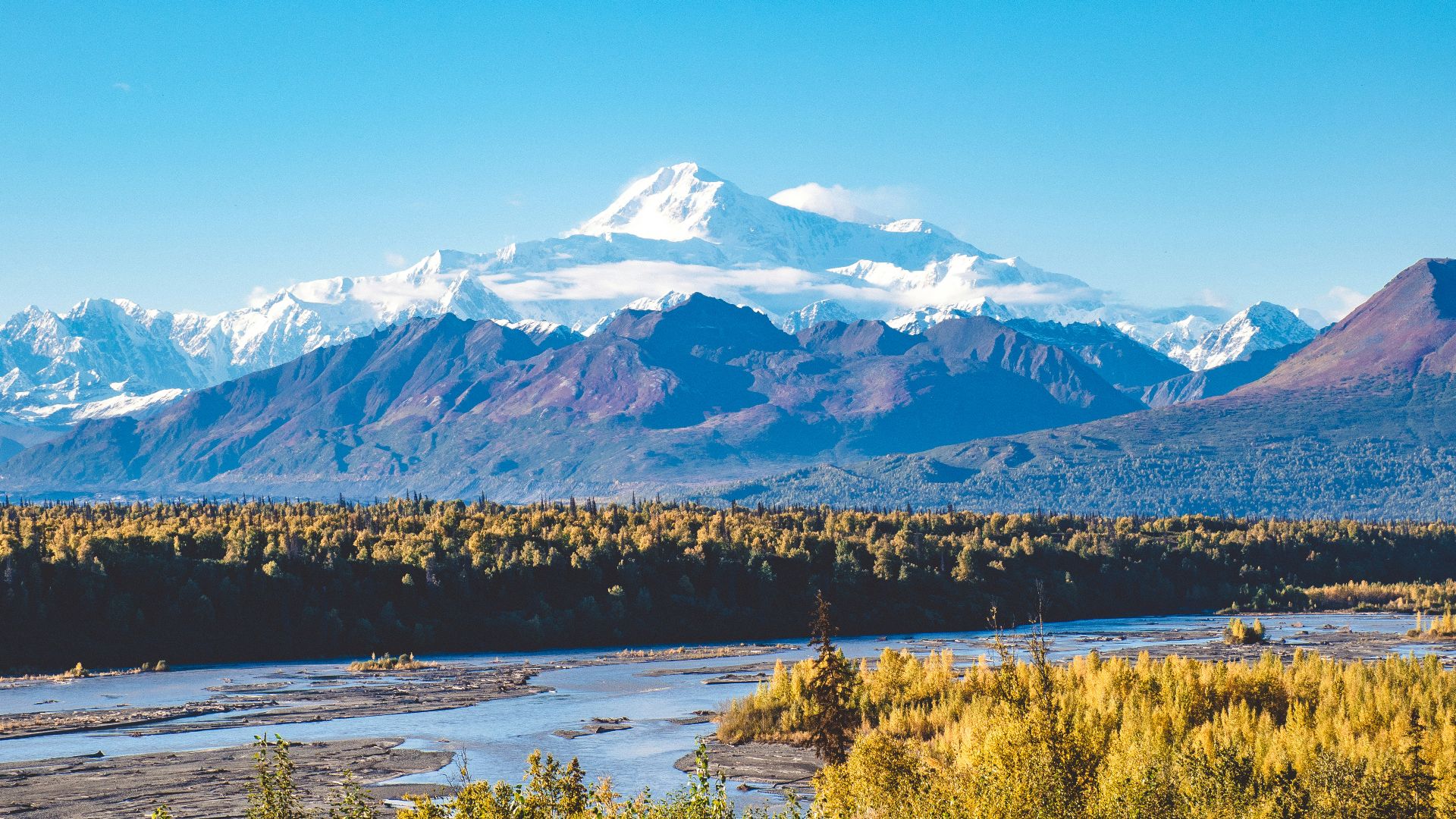
Denali’s surroundings give you wide skies and minimal light pollution, especially when you’re outside the busiest visitor areas. The park is known for unpredictable weather, so it helps to treat aurora watching as part of a larger trip that includes winter scenery and wildlife tracks in fresh snow. When conditions cooperate, the open views can make the lights feel surprisingly close.
4. Voyageurs National Park, Minnesota
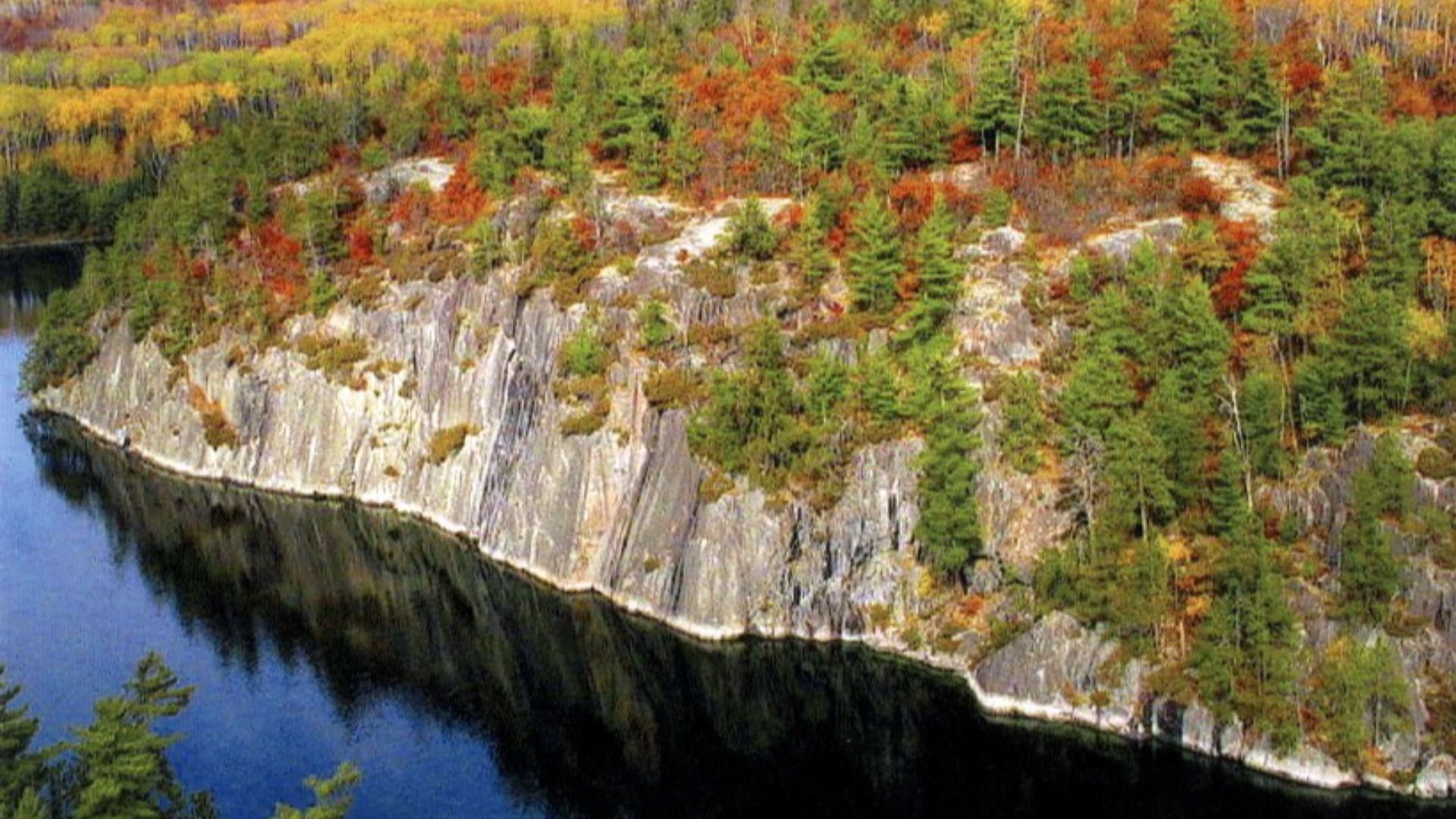
Voyageurs has big water, scattered islands, and dark-sky potential that rewards anyone willing to stay out late. The park’s setting also makes it easier to find a quiet shoreline where headlights are not constantly sweeping through.
5. Nome, Alaska
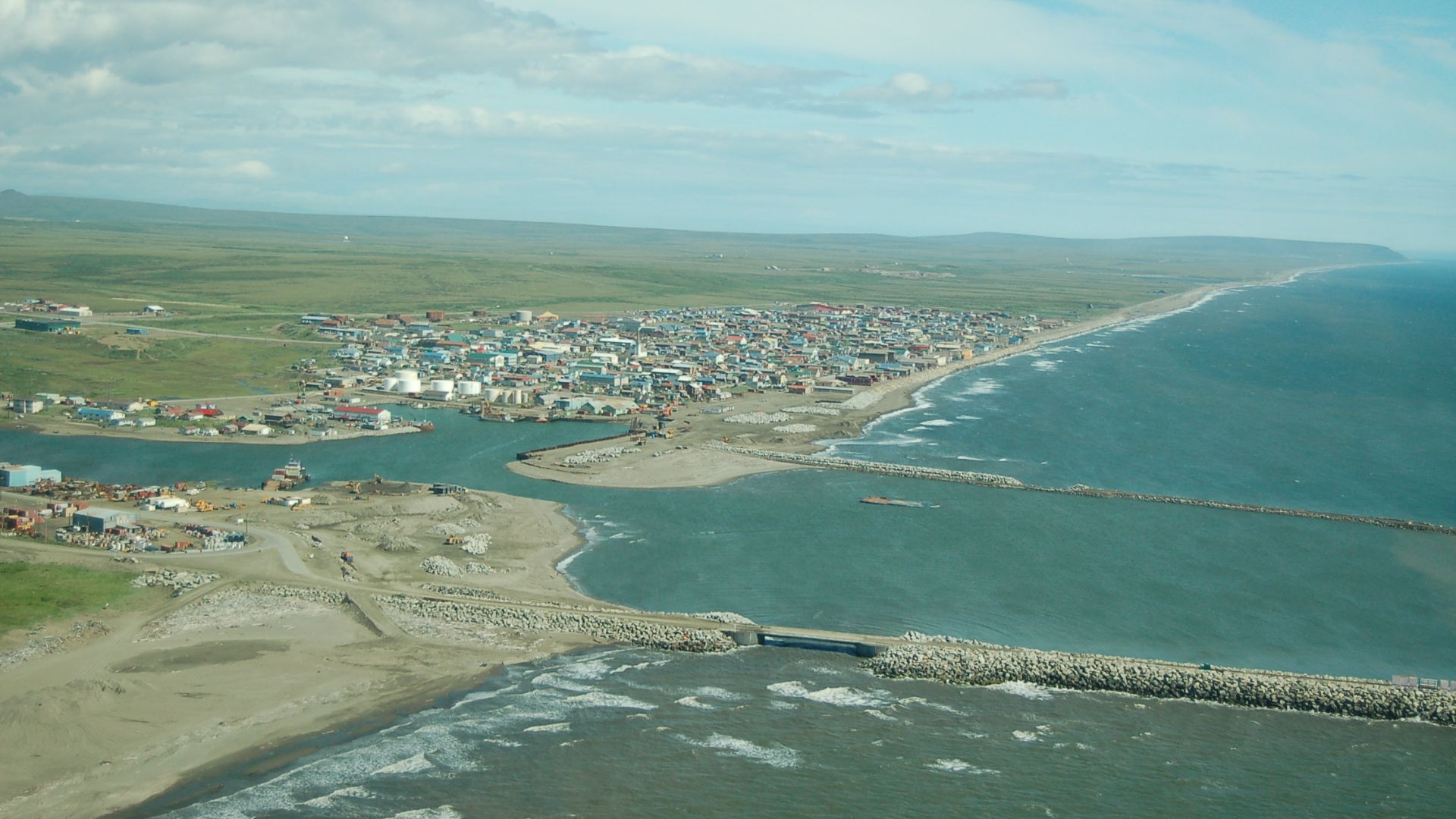
Nome’s coastal setting and northern location give you strong aurora potential, plus a town that still feels like it has its own pace. The horizon can feel wide near the water, which helps when aurora bands spread out low and long. On a calm night, the sound of wind and surf becomes part of the experience.
 ra64 from nome, usa on Wikimedia
6. Grand Marais, Minnesota
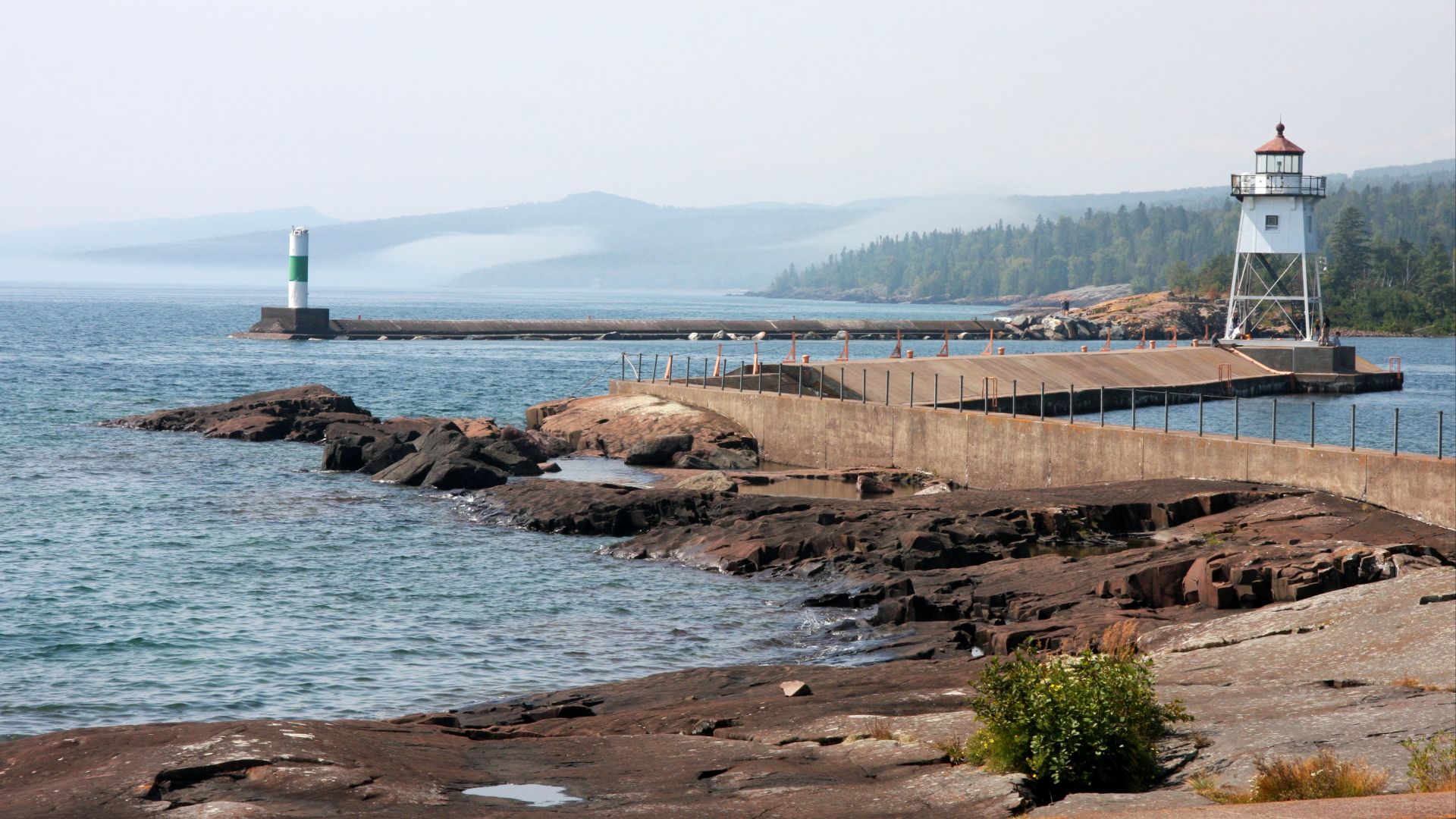
Grand Marais is a friendly Lake Superior town that offers good food and a warm bed after you’ve trekked out to see the aurora borealis. The shoreline gives you an unobstructed north-facing view across the lake. If the lights do not show, you still get a great North Shore trip with hikes and bakeries waiting the next day.
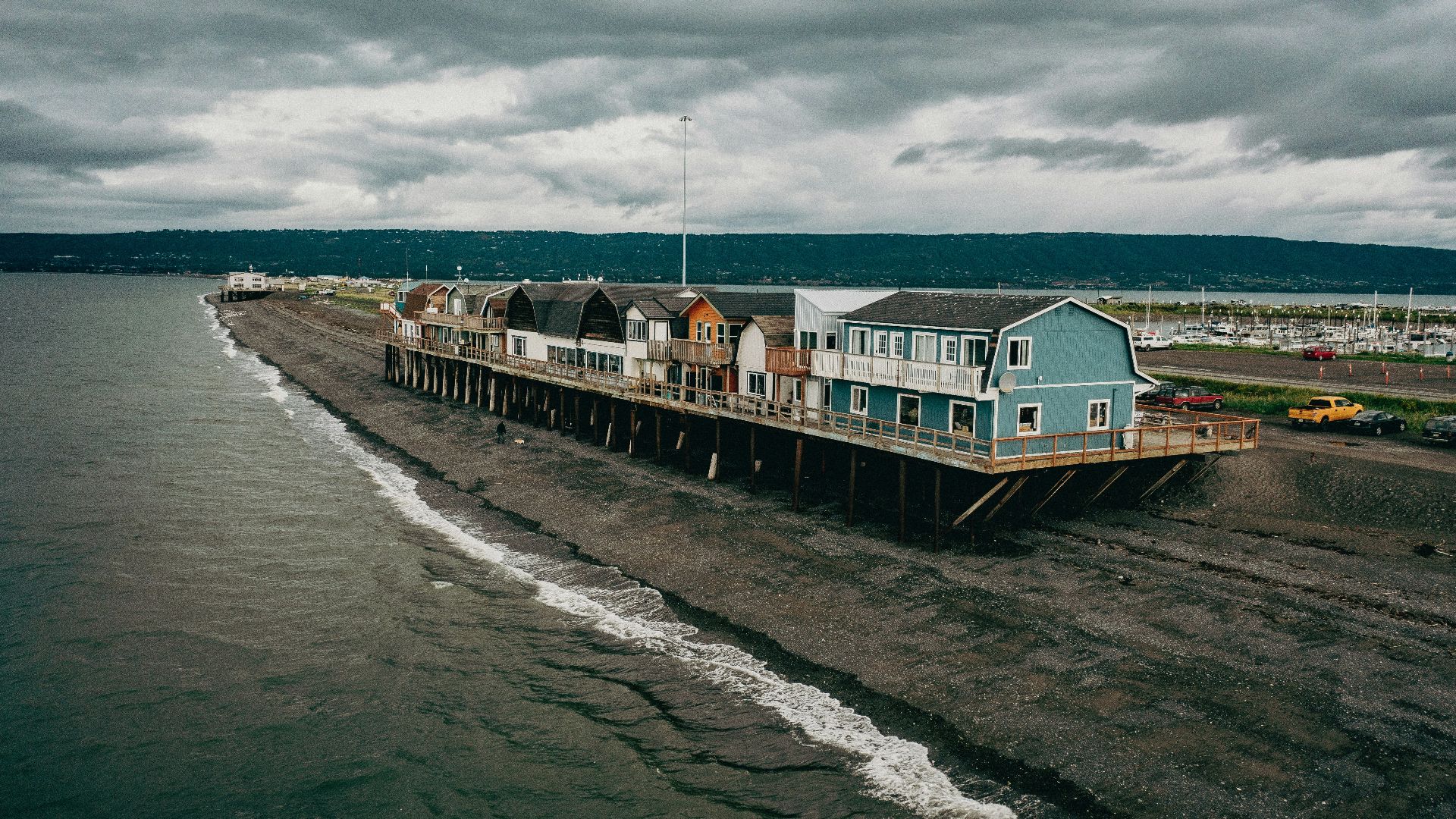
7. Homer Spit, Alaska
The Spit gives you open views over the water and a darker sky than you’d expect from a place with restaurants and inns close by. When the aurora appears here, it often feels like a quiet bonus to a trip that already includes sea air and long, slow sunsets.
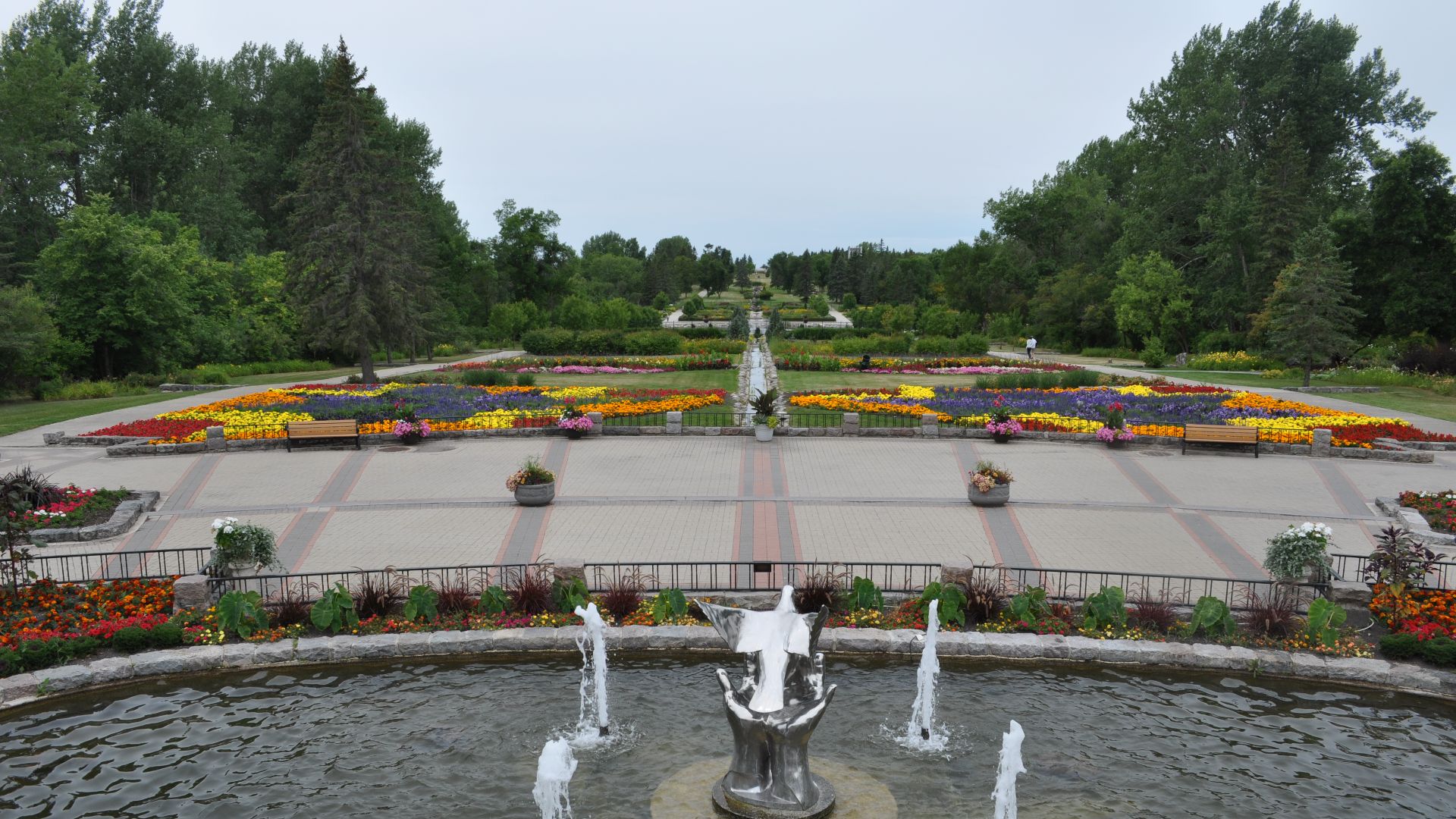
8. International Peace Garden, North Dakota
The International Peace Garden sits near the border and offers wide, flat views that make aurora watching straightforward. The location tends to avoid big-city light domes, which helps when the aurora is present but not especially bright. You can make a full evening out of it without needing to hike far or navigate complicated terrain.
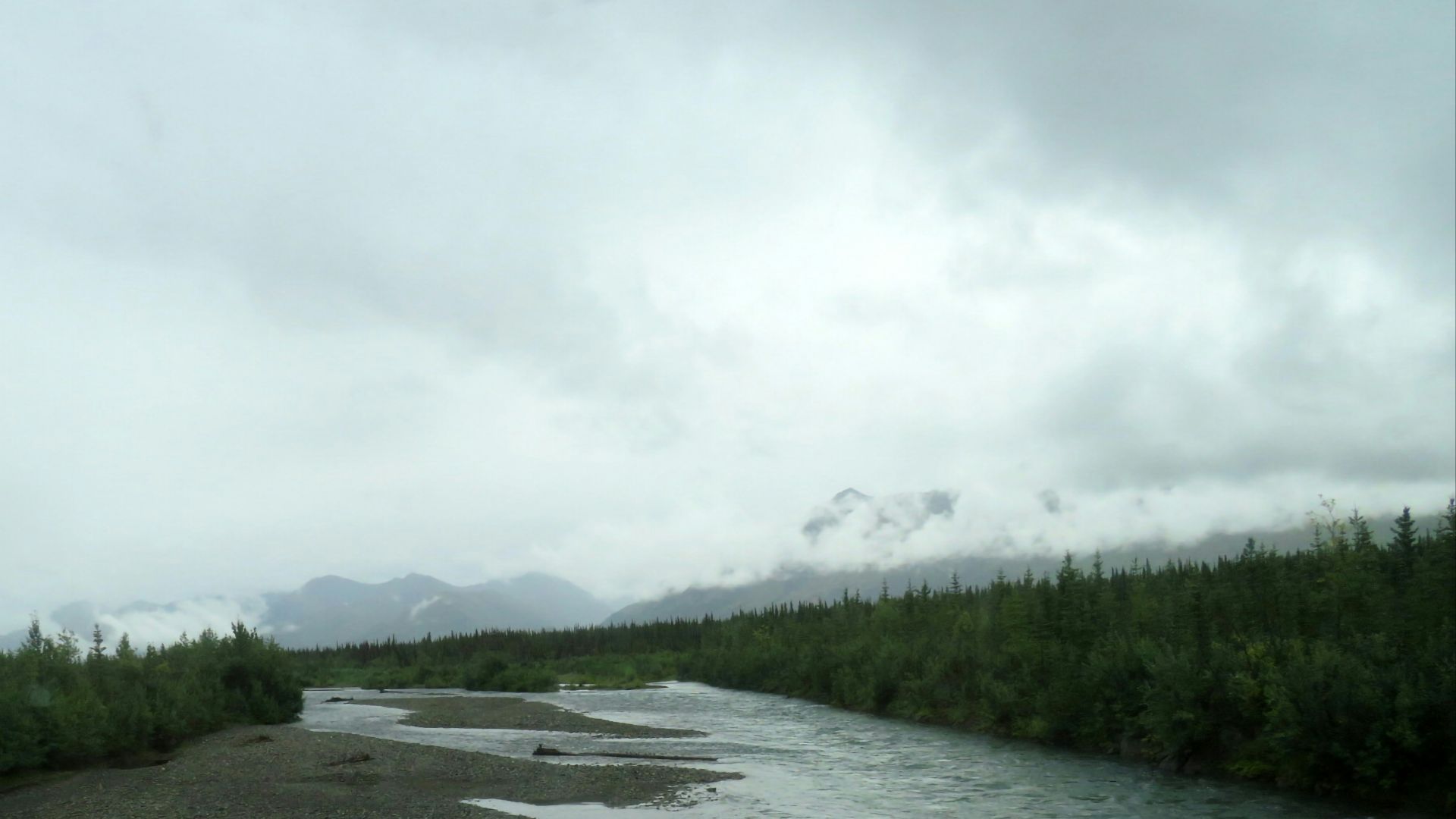
9. Chena Hot Springs Area, Alaska
The road out toward Chena Hot Springs is dark and quiet, making it a perfect spot to see the lights. If you time it right, you can watch the sky and still have a warm place nearby. The setting also makes it easy to stay put, rather than driving around chasing updates on your phone.
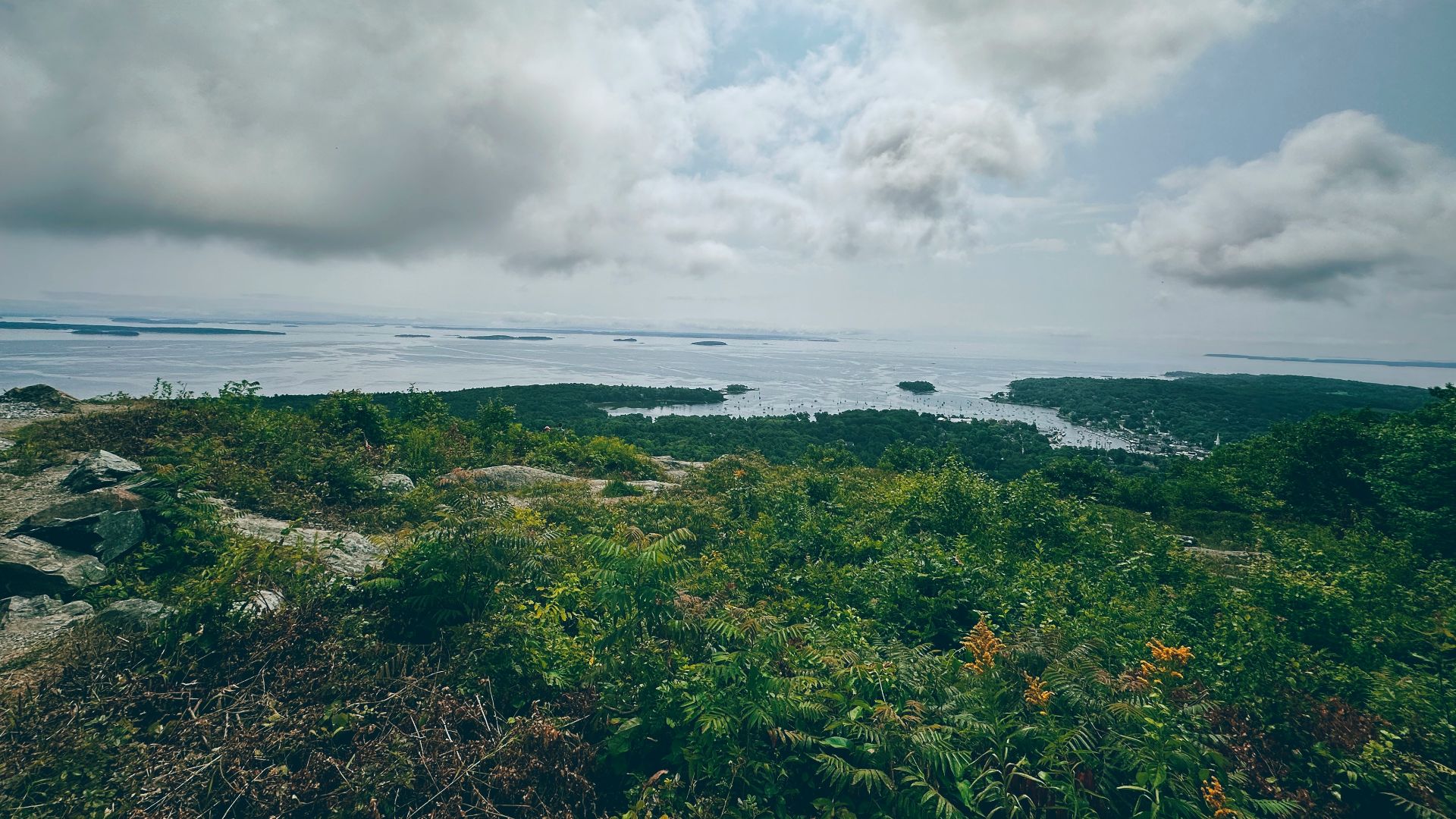
10. Isle Royale National Park, Michigan
Isle Royale is remote enough that darkness comes easily. Getting there takes effort, of course, so it’s the kind of place where you commit to slowing down and letting conditions play out.
11. Dalton Highway Near Coldfoot, Alaska
Coldfoot sits along the Dalton Highway, and the remoteness is the point, since fewer people means fewer lights. Nights here can be brutally cold, so you end up learning how to wait with purpose instead of fidgeting in the dark. The payoff is a sky that feels clean and uninterrupted, especially when the aurora stretches across it for long periods.
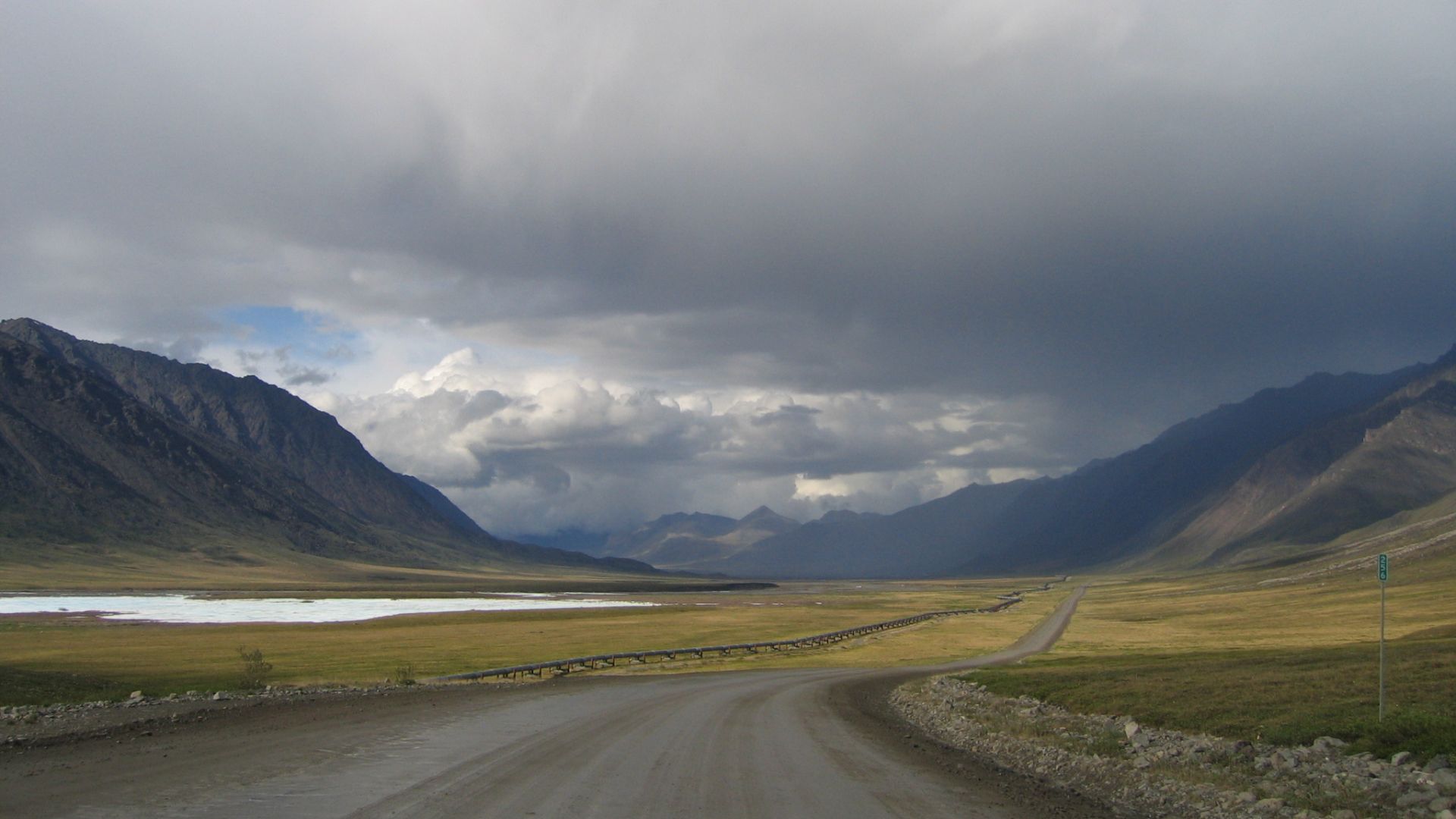 Photo by Micah Bochart on Wikimedia
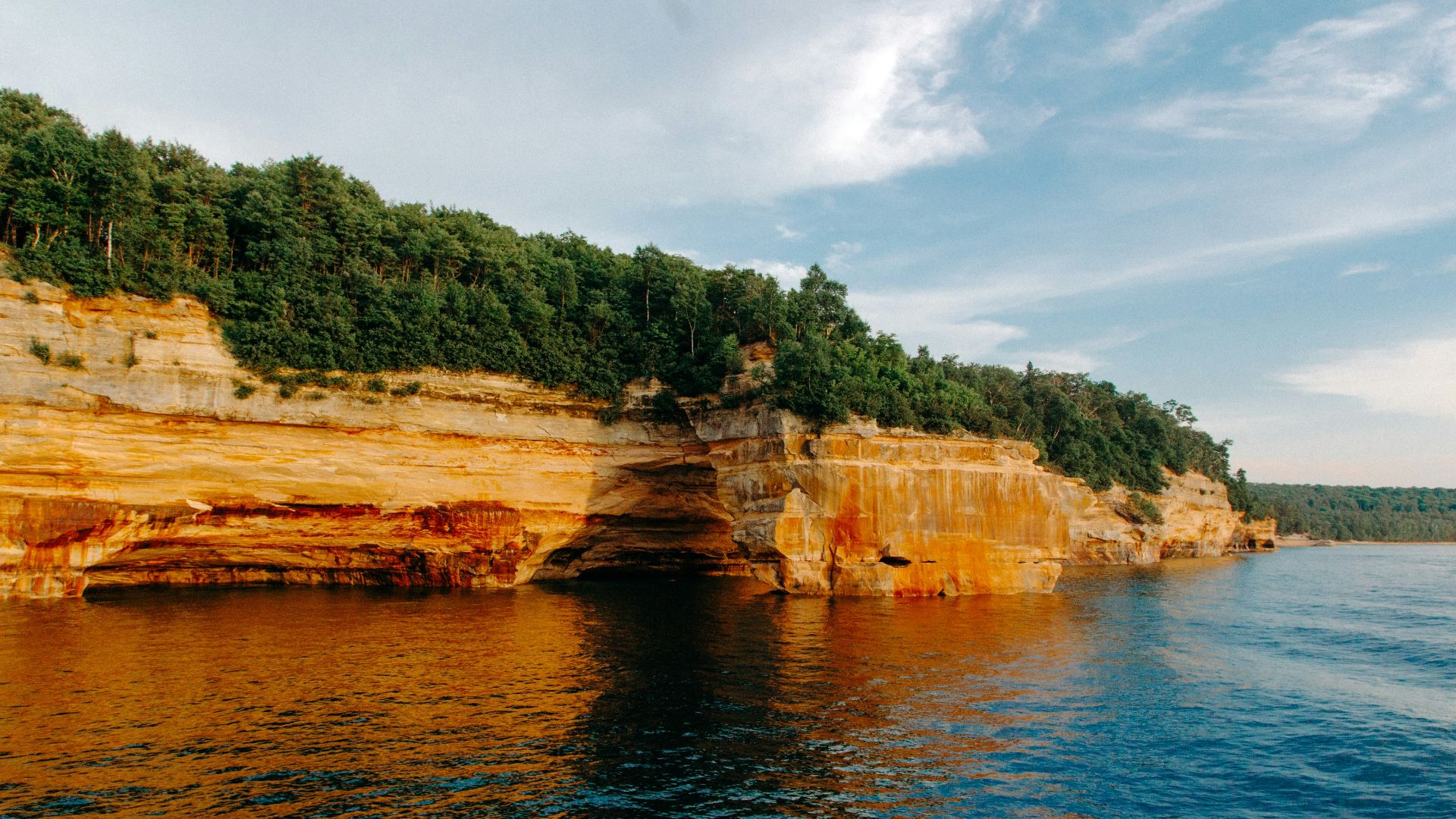
12. Pictured Rocks National Lakeshore, Michigan
Pictured Rocks can deliver great northern views over Lake Superior, especially from open shoreline areas away from busy trailheads. The lake horizon gives you room to watch for low, spreading aurora bands that sometimes show up before the brighter waves. Even when the lights are faint, the combination of water, cliffs, and night air makes the outing feel worth it.
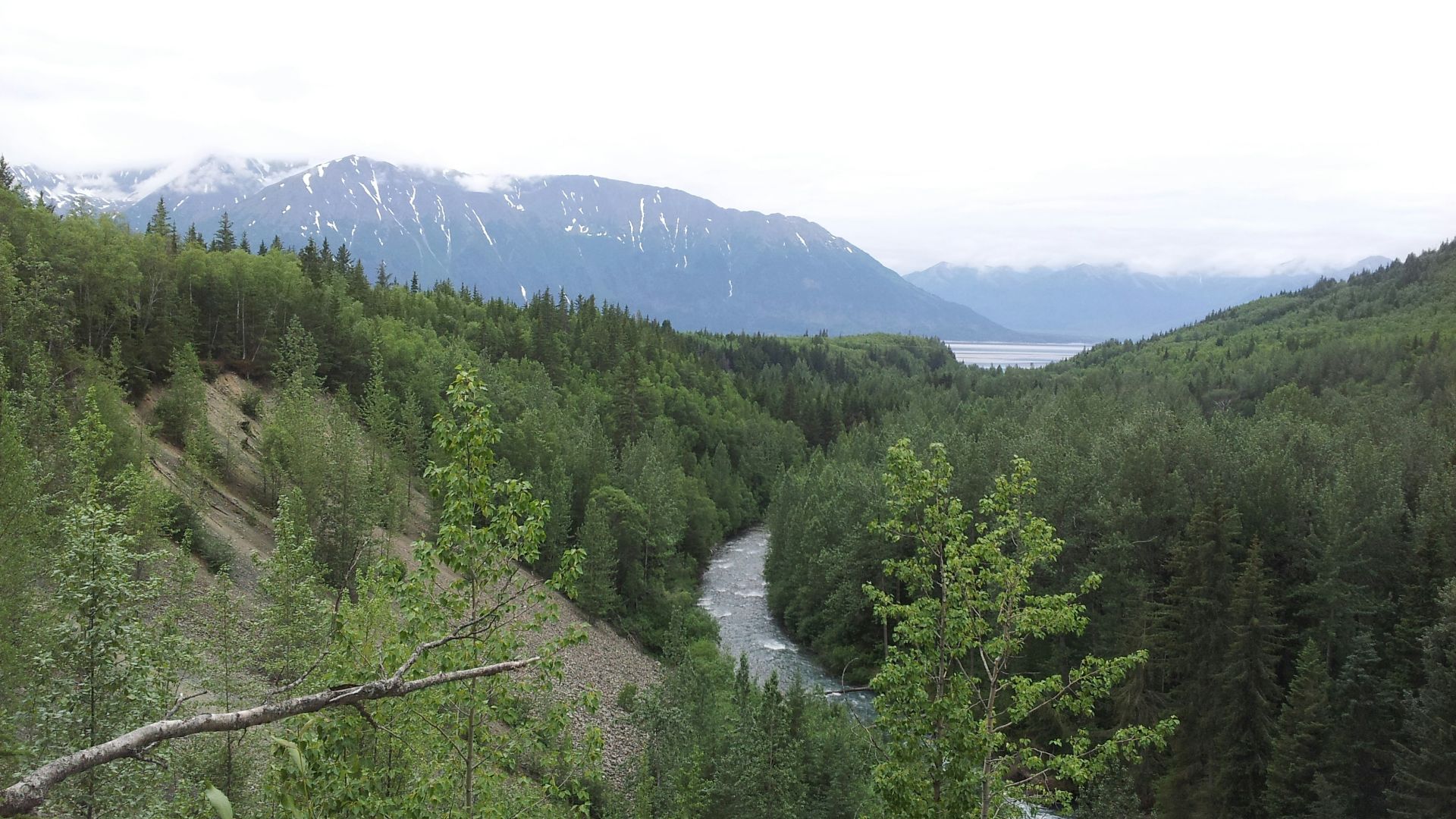
13. Turnagain Arm, Alaska
The drive along Turnagain Arm near Anchorage offers quick access to darker pullouts with mountain silhouettes and open stretches of sky. It’s a smart choice if you want a lower-effort aurora night without committing to a long haul into the Interior.
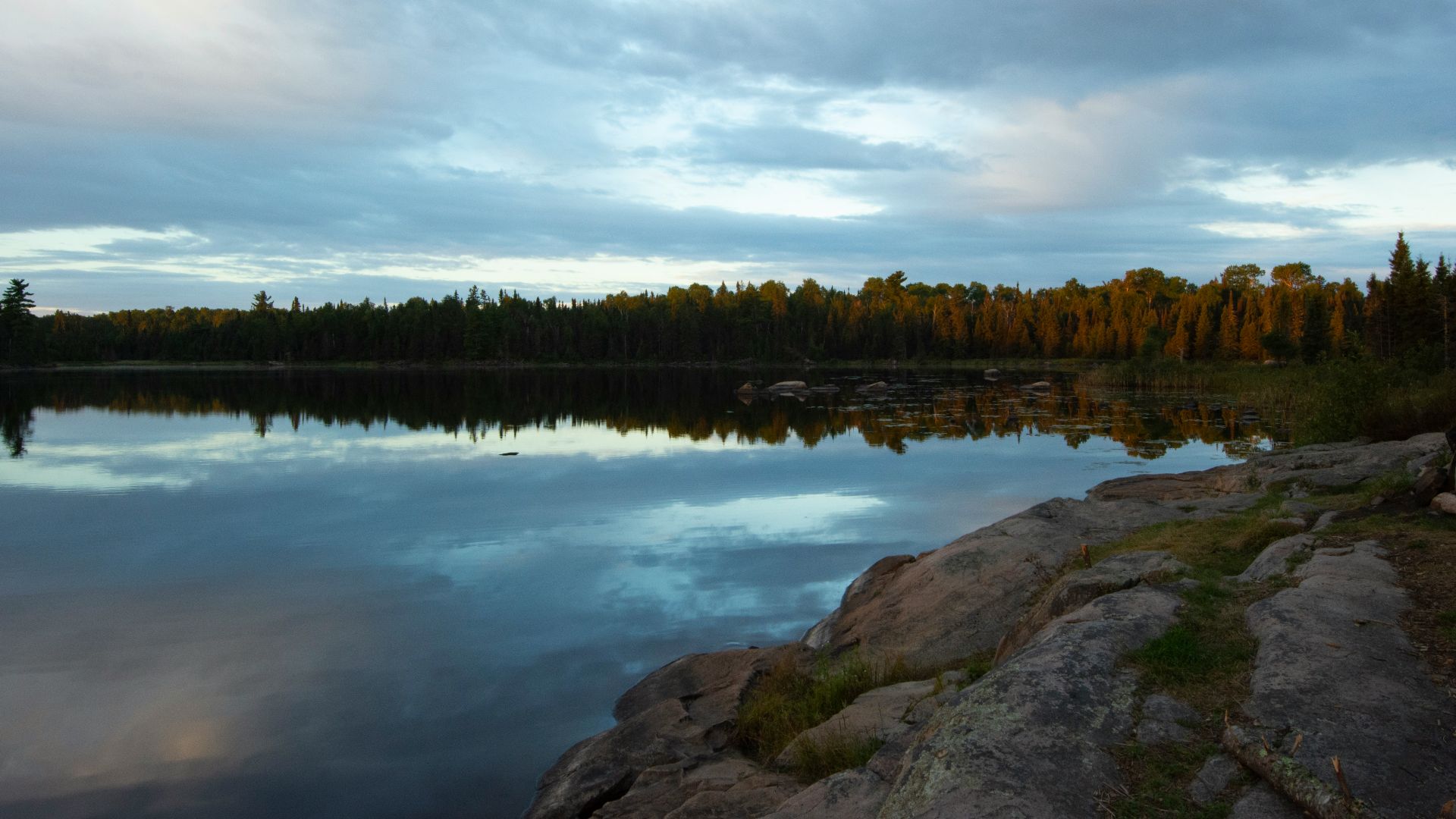
14. Boundary Waters Canoe Area, Minnesota
The Boundary Waters is built for darkness, since it’s a landscape of lakes and forest where the human footprint stays light. You do need to think carefully about safety and timing, because nighttime on the water is not the moment for casual improvising. From a stable shoreline camp, the sky can feel enormous, and any aurora activity stands out fast.
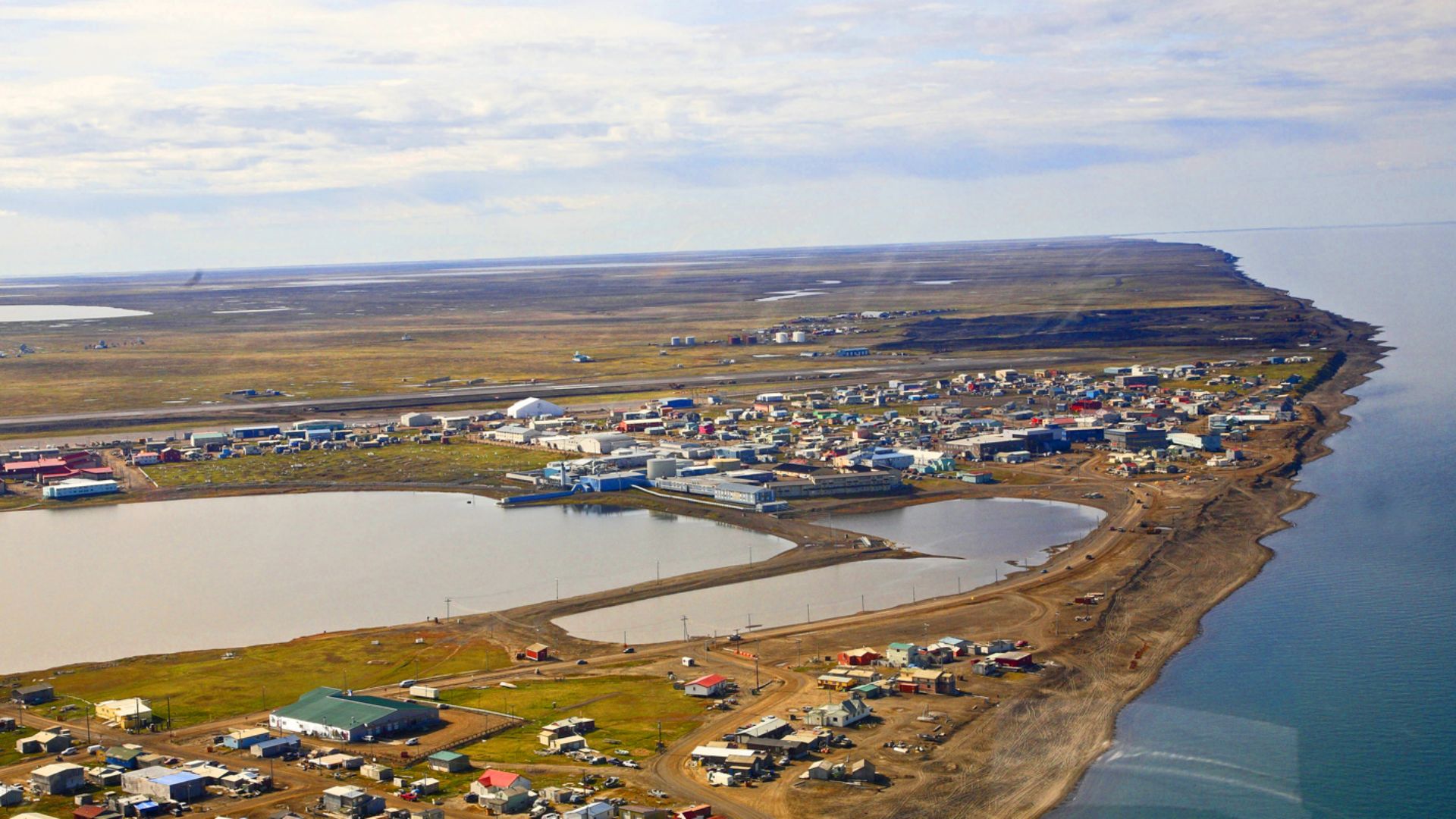
15. Utqiagvik, Alaska
Utqiagvik is one of the northernmost places in the country, and the latitude alone makes aurora watching a serious possibility. The Arctic environment also means weather can be demanding, so the best plan is to treat the lights as a reward, not a guarantee.
 Unknown authorUnknown author on Wikimedia
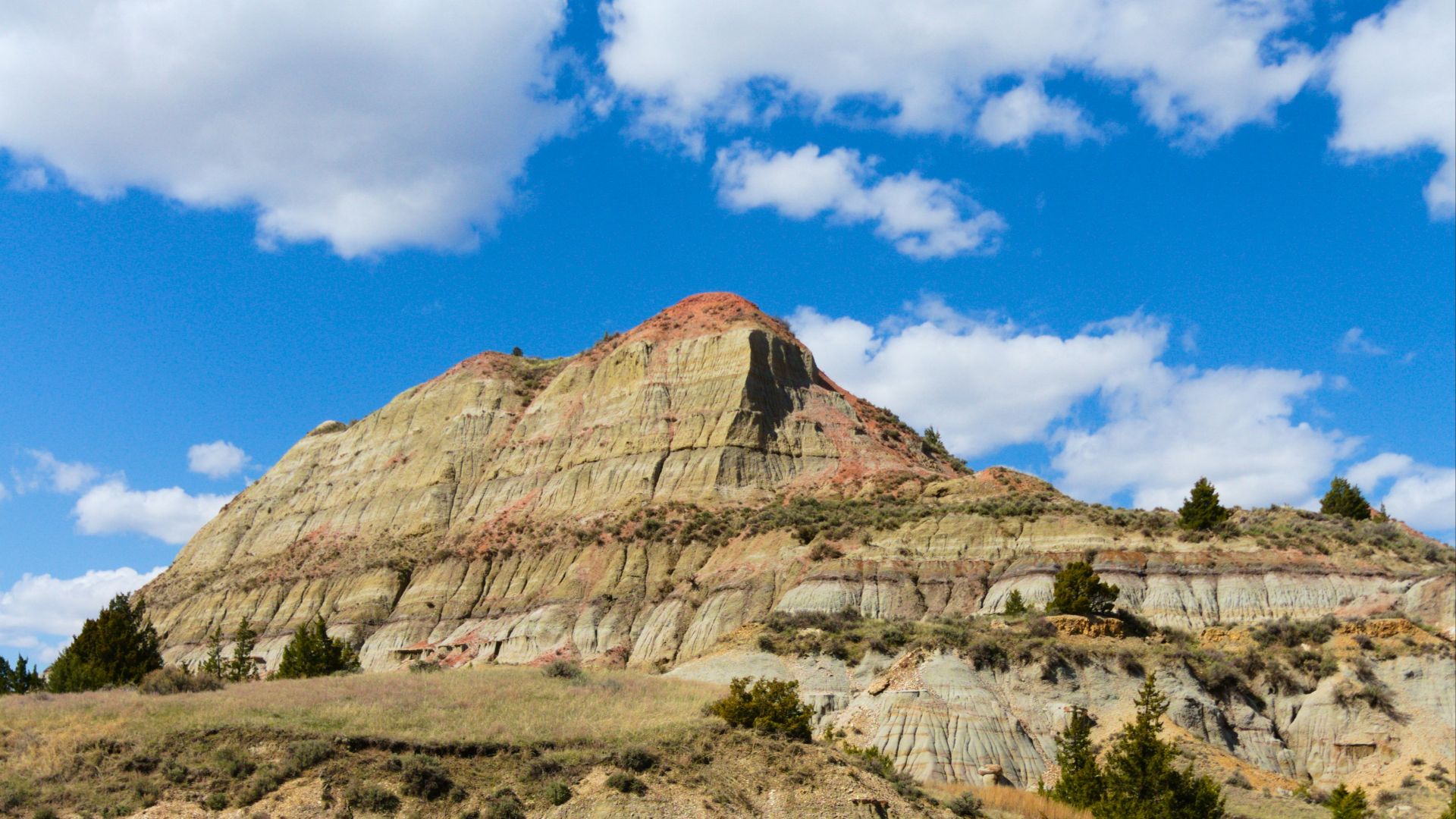
16. Theodore Roosevelt National Park, North Dakota
The badlands in Theodore Roosevelt National Park give you open horizons and fewer artificial lights, especially once you’re away from nearby towns. The terrain also creates natural vantage points where you can sit still and watch the sky without constant distractions.
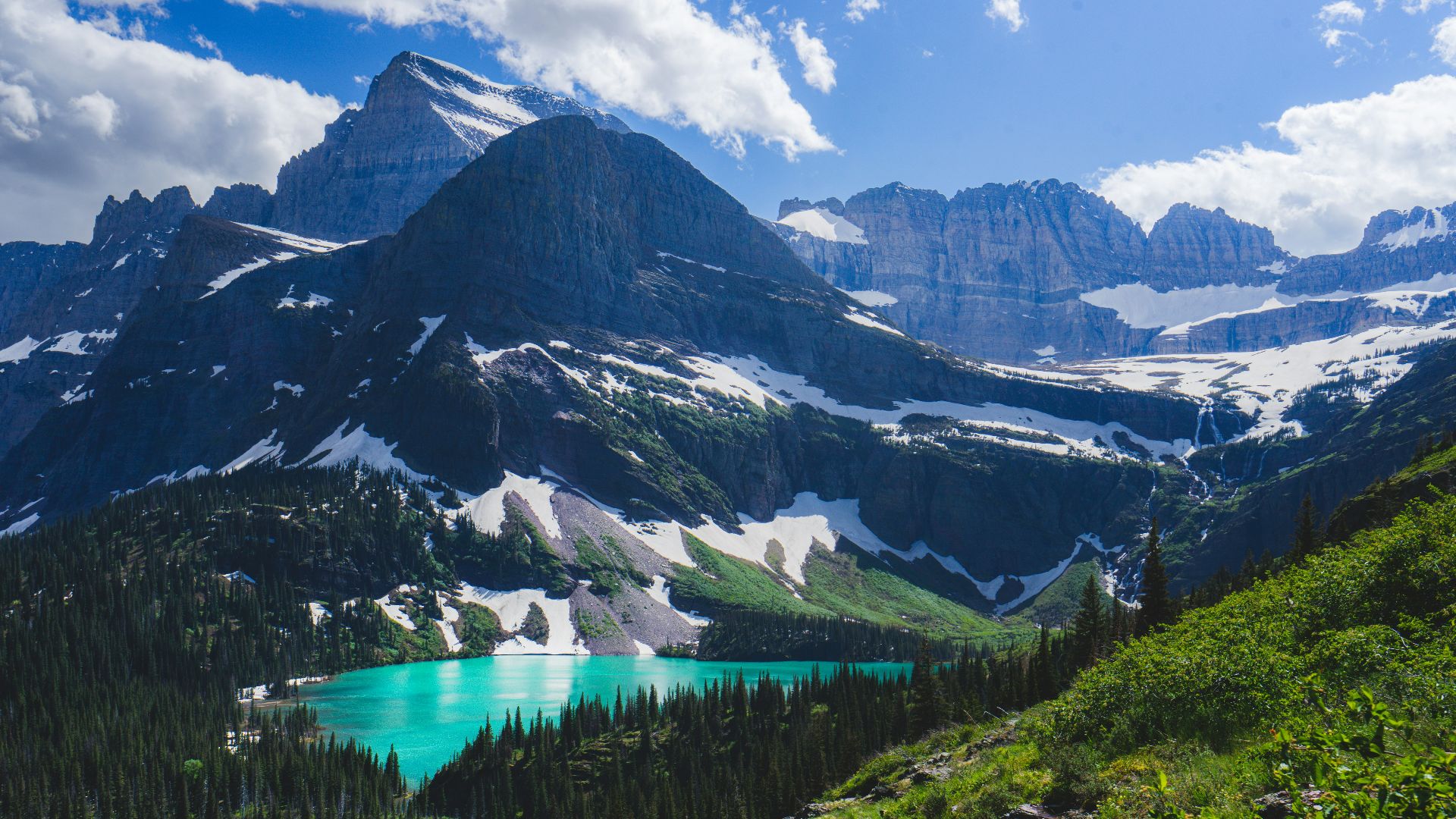
17. Glacier National Park, Montana
Glacier National Park can be a strong aurora option when the skies clear and the nighttime access lines up with your plans. The higher latitude helps, and the park’s natural darkness makes it an easy viewing spot.
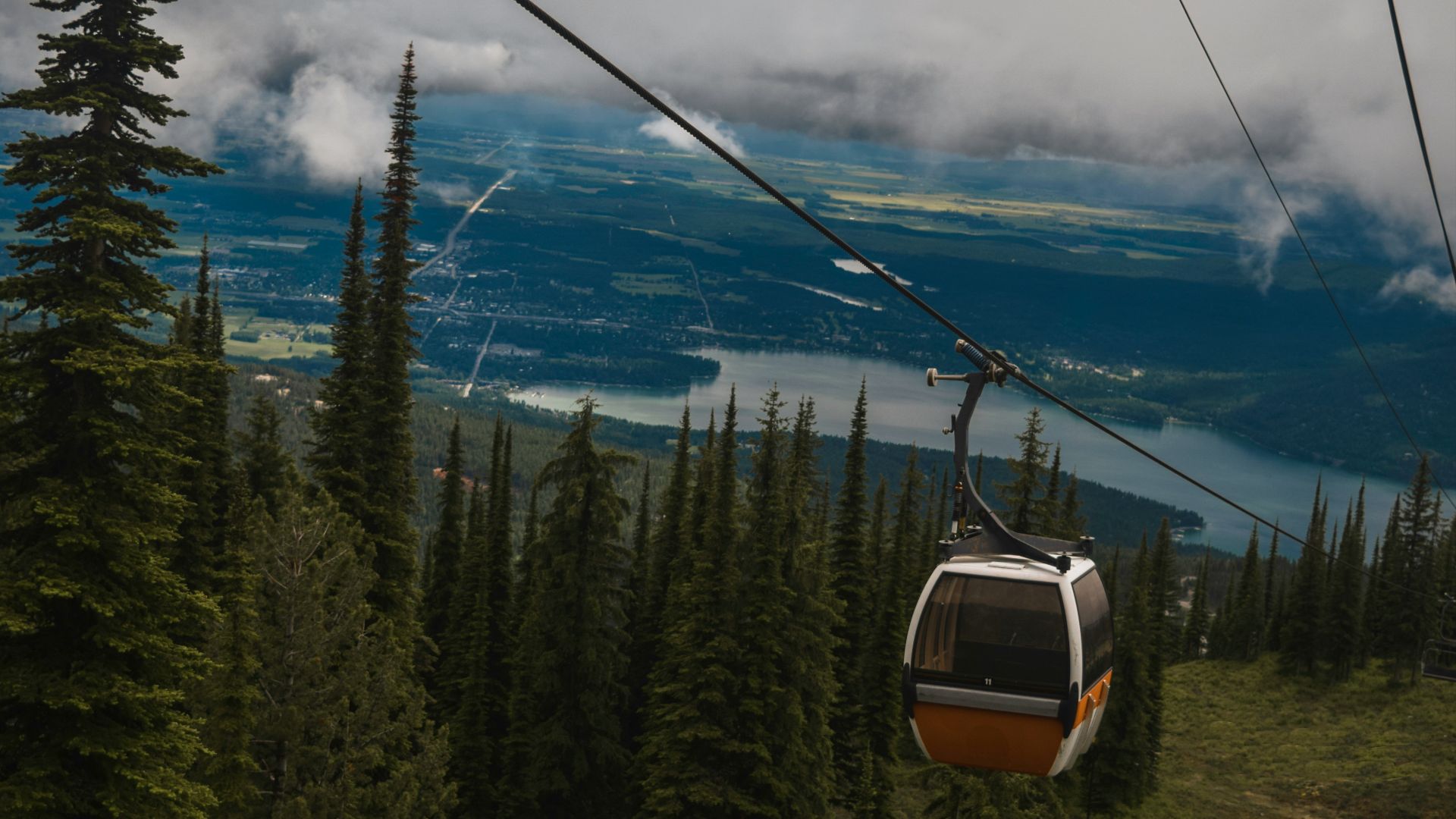
18. Whitefish, Montana
Whitefish puts you close to darker stretches outside town, and the surrounding open areas make it easier to find a clear northern view. The town itself is a comfortable base for winter travel, which matters when you want to sleep and still chase a late-night sky event.
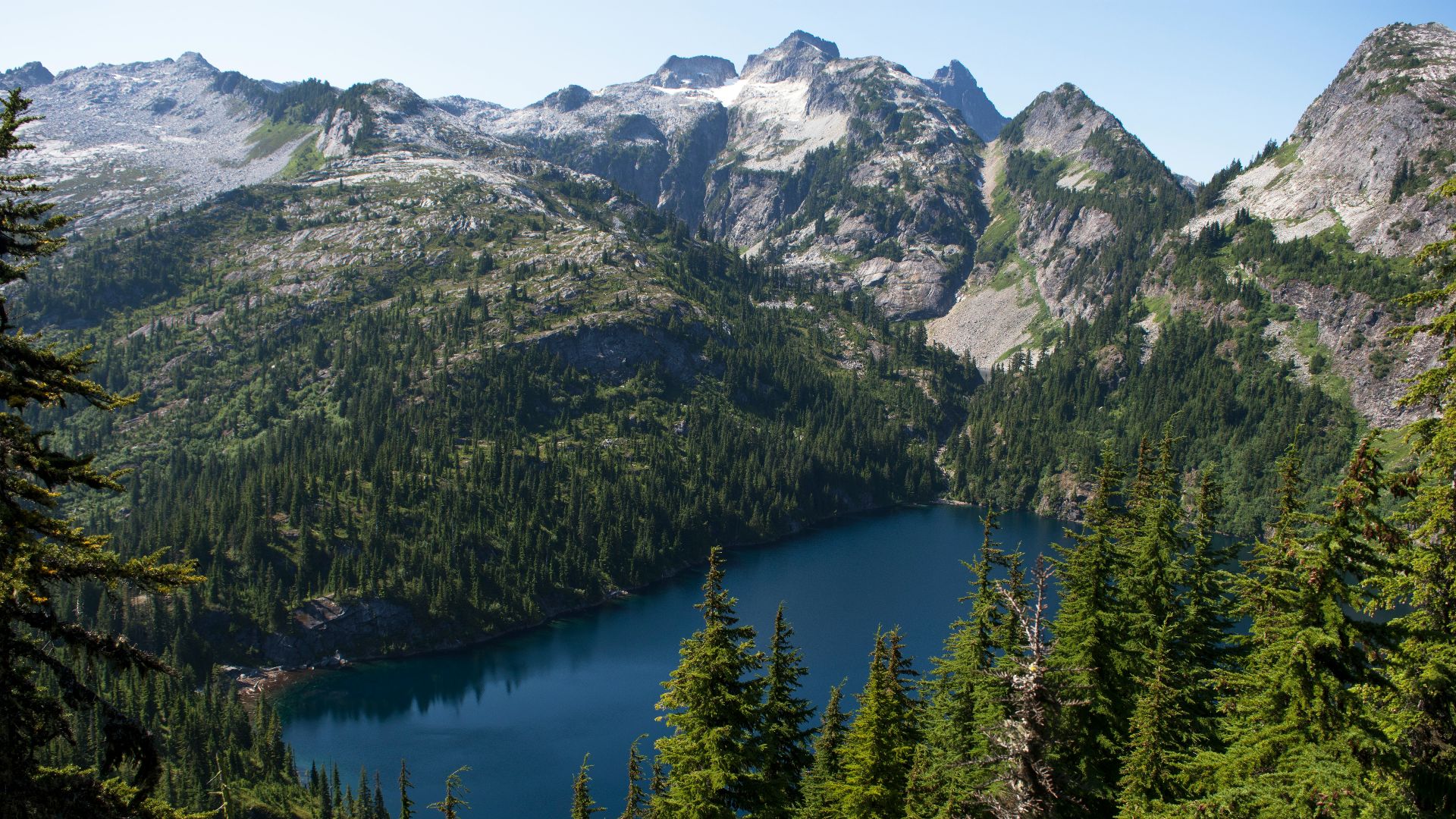
19. North Cascades National Park, Washington
The North Cascades are known for rugged terrain and deep darkness, especially away from highway corridors and well-lit parking areas. Clear nights are not guaranteed in this region, so patience and flexible plans matter more than usual. When conditions align, the combination of cold air and minimal light pollution can make faint auroras easier to spot.
20. Acadia National Park, Maine
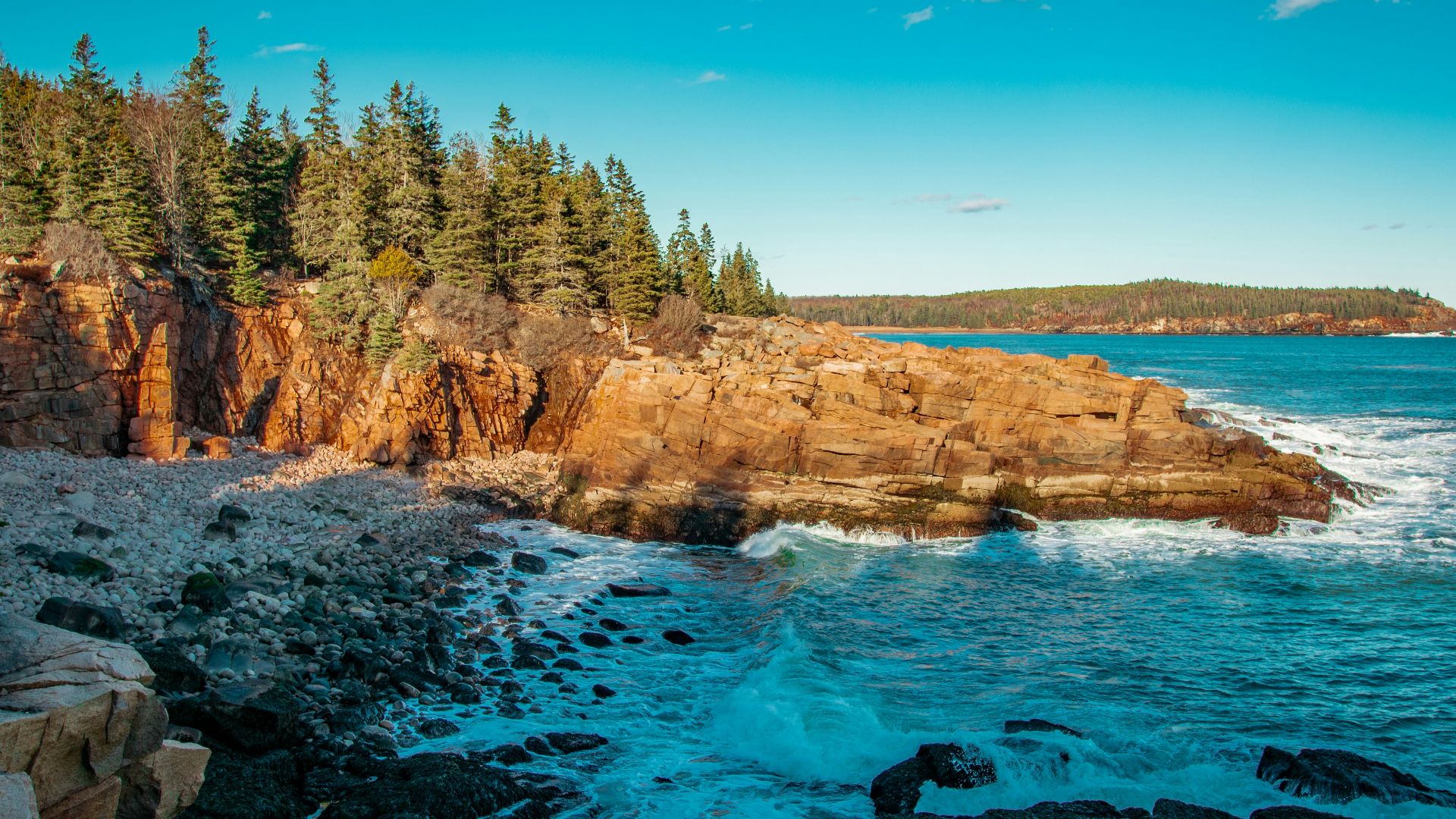
Acadia sits far enough north that auroras do make appearances, especially during stronger geomagnetic events that are tracked on public alert scales. The coastal setting gives you broad, open sky views, and the park has areas where the light pollution stays low compared to more urban parts of the Northeast. A good night here feels like a bonus on top of a trip that already includes ocean air and quiet early mornings.