Family Travel Can Fall Apart Faster Than Expected
Traveling with kids can be deeply rewarding, but it magnifies small planning errors in ways adult-only trips never do. Many common mistakes come from treating family travel like a scaled-up version of solo travel, rather than an entirely different experience with its own rhythms, limitations, and emotional needs. Here are 20 mistakes people make when traveling with kids.

1. Trying to Maintain a Normal Adult Travel Pace
Many parents pack itineraries as if kids can move efficiently between attractions and meals, and this creates constant stress when fatigue inevitably sets in. A slower pace works better because kids need downtime to reset, which ultimately makes the entire trip smoother for everyone. When the schedule allows breathing room, parents also become more patient and flexible.
2. Overpacking “Just in Case” Items
Parents often bring far more gear than necessary out of fear of being unprepared, while forgetting that hauling extra bags creates its own problems. This leads to exhaustion and frustration, especially when navigating airports or public transit with children in tow. Packing lighter makes movement easier and reduces decision fatigue throughout the trip.

3. Ignoring Nap and Sleep Schedules
Skipping naps or pushing bedtimes might seem harmless while traveling, but overtired kids tend to melt down at the worst possible moments. Maintaining some version of a familiar sleep rhythm helps regulate moods and keeps days from unraveling unexpectedly. Even partial consistency can prevent small issues from escalating.

4. Choosing Accommodations Based Only on Price
Budget stays often lack space, quiet, or kid-friendly layouts, which can turn evenings into logistical nightmares. Paying slightly more for comfort, separation, or a kitchen often saves money in the long run by reducing stress and last-minute fixes. Restful nights tend to improve the entire next day.
 Hoi An and Da Nang Photographer on Unsplash
5. Planning Too Many Activities Per Day
Parents sometimes assume kids will get bored without constant stimulation, whereas too much activity overwhelms them quickly. Fewer planned events allow flexibility, which makes it easier to adapt when energy levels suddenly drop. Open time often leads to the most memorable moments.

6. Not Involving Kids in the Planning Process
When kids feel dragged along without context, resistance naturally increases and cooperation becomes harder to maintain. Including them in small decisions builds excitement and gets buy-in because they feel some ownership over the trip. Even minor choices can improve attitudes dramatically.
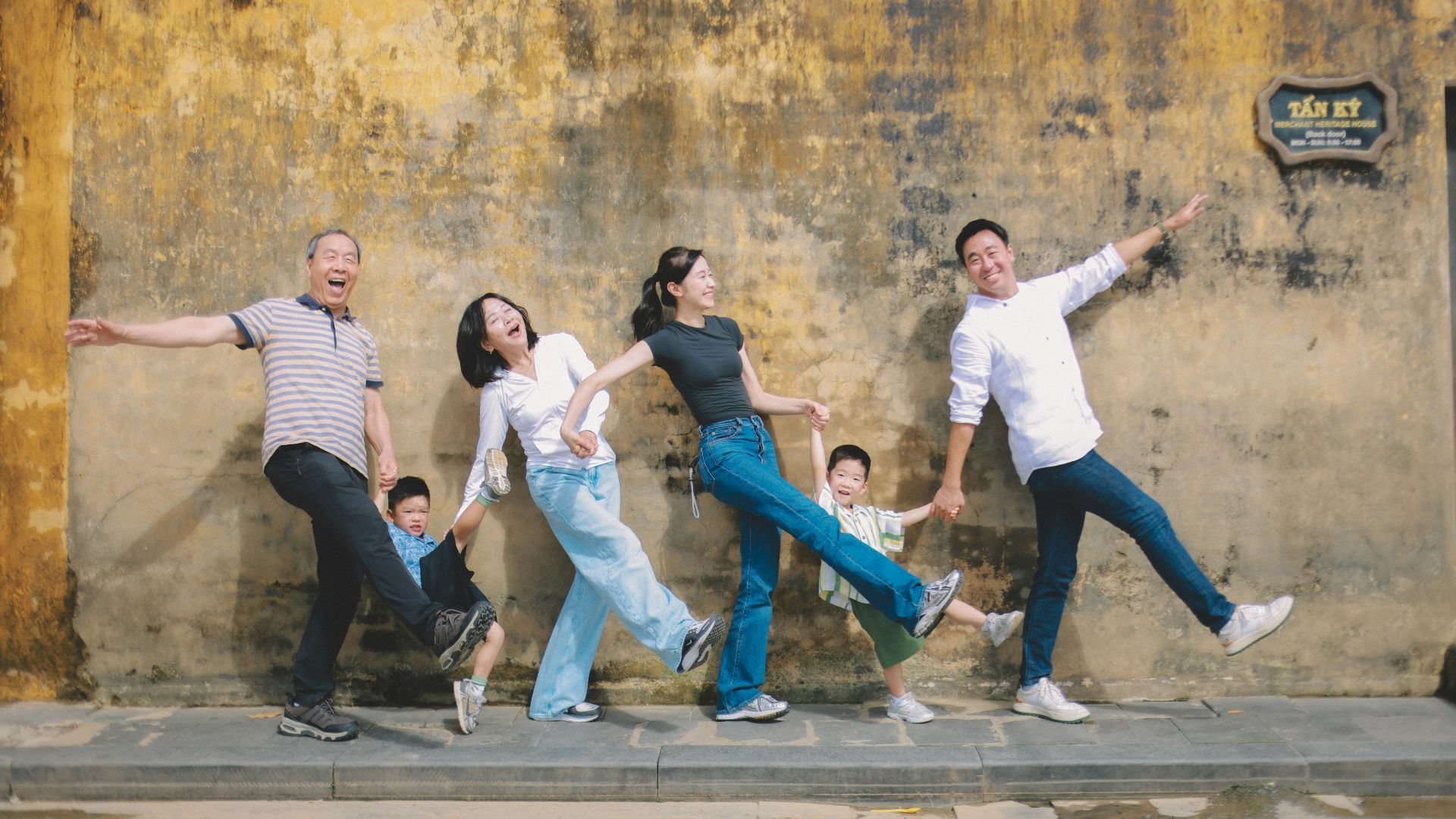 Hoi An and Da Nang Photographer on Unsplash
7. Expecting Kids to Appreciate Adult Attractions
Museums, long tours, and historical sites often fail to hold a child’s attention for extended periods, even if parents are enthusiastic. Balancing adult interests with kid-focused experiences keeps resentment from building on both sides. Compromise creates better moods for everyone involved.

8. Forgetting to Pack Familiar Comfort Items
New environments can feel overwhelming, especially for younger children who rely on routine. Familiar items like a favorite toy or blanket provide emotional grounding, which helps kids adapt more easily to unfamiliar places. Comfort objects often prevent unnecessary stress and tantrums.
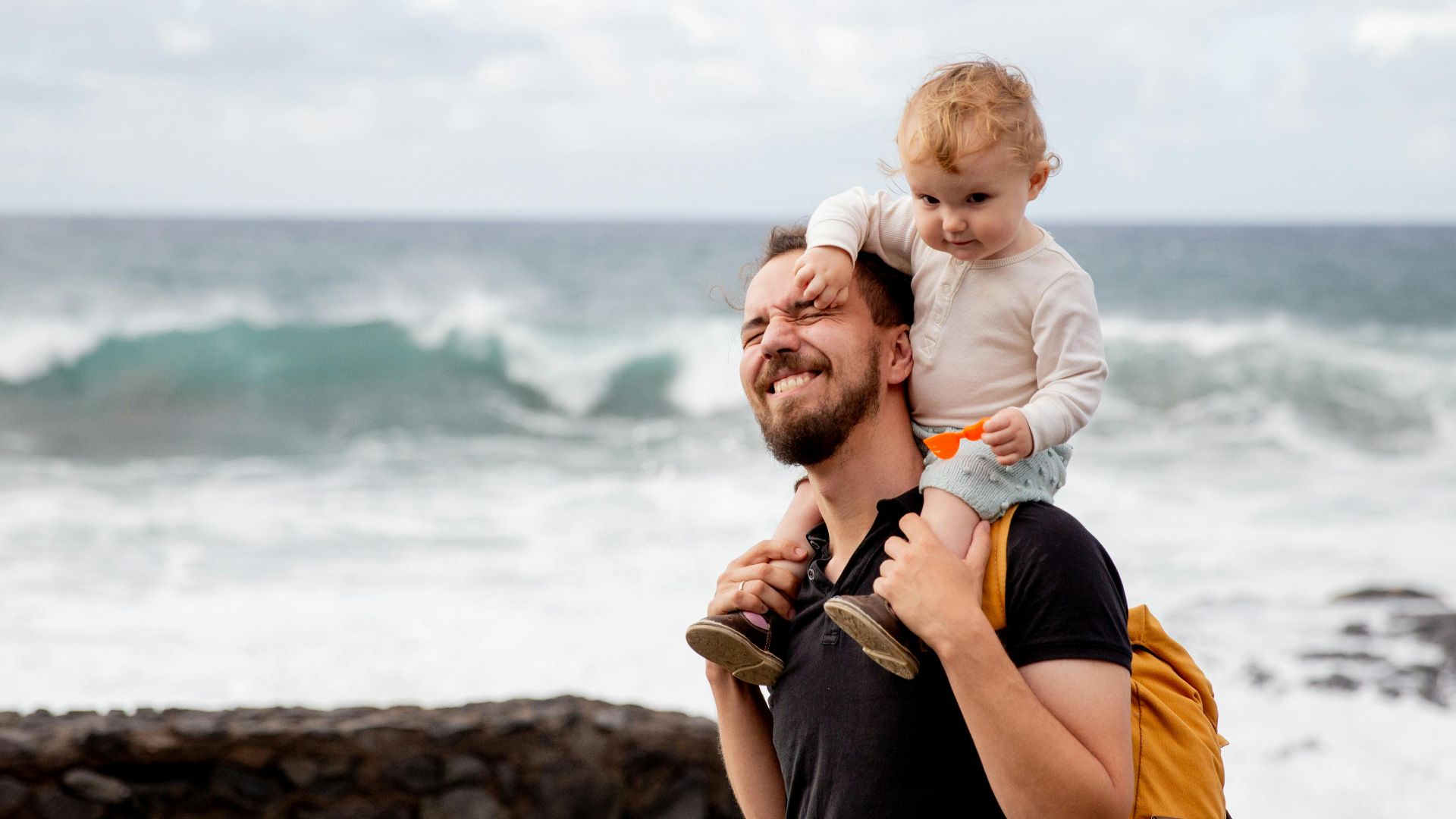
9. Underestimating How Long Transitions Take
Moving from place to place with kids takes significantly longer than expected because bathroom breaks, snacks, and emotional resets are unavoidable. Planning extra buffer time reduces stress and prevents constant rushing.
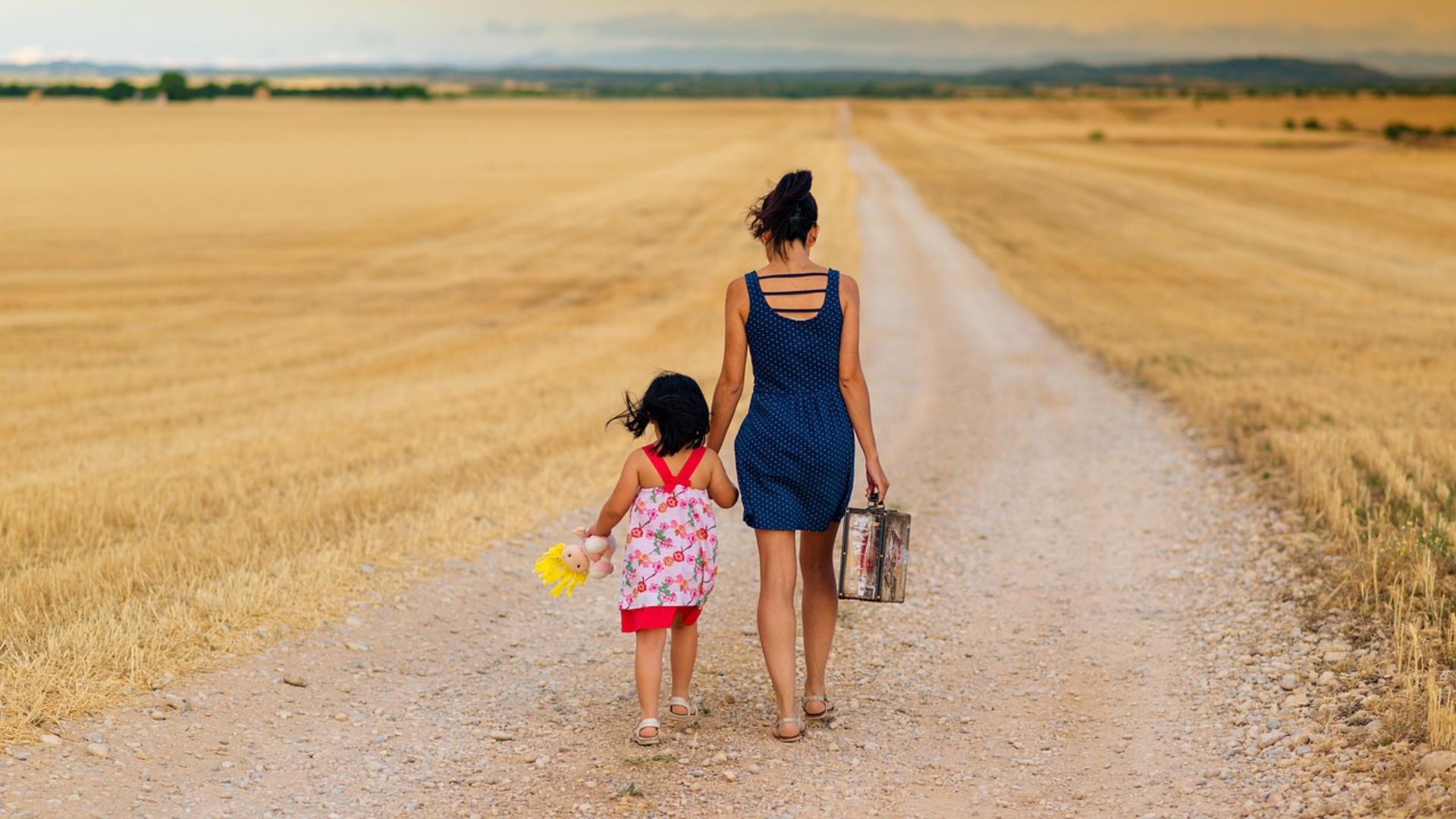
10. Relying Too Heavily on Screen Time
While screens can be helpful tools during travel, excessive reliance often backfires when devices die or limits are enforced. Mixing screen time with interactive activities keeps kids engaged without dependency. Balanced use avoids power struggles and boredom.
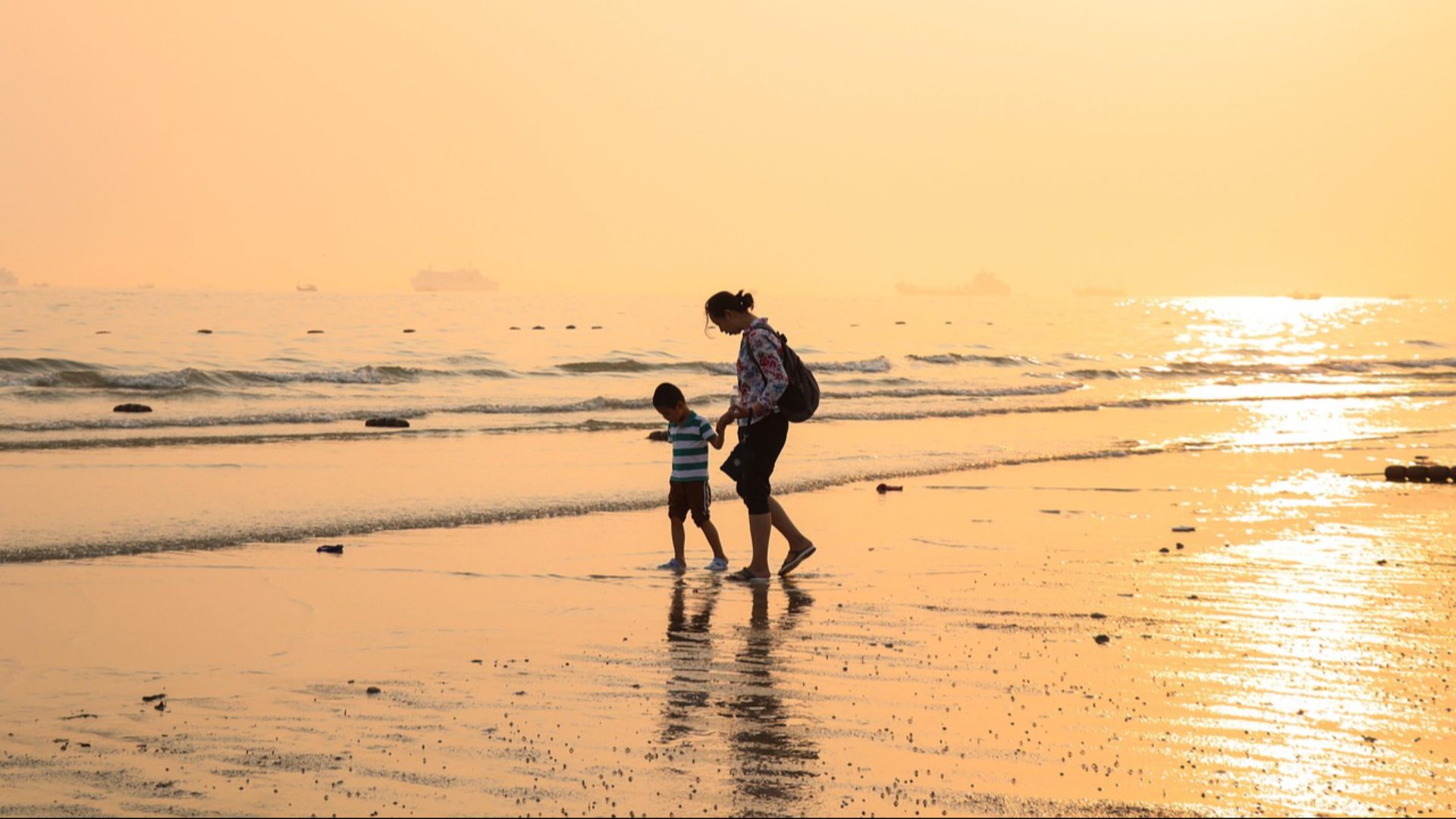
11. Skipping Travel Insurance
Parents sometimes assume nothing will go wrong, even though traveling with kids increases unpredictability. Insurance offers peace of mind because medical issues, cancellations, and delays are more likely to occur. Preparation reduces panic when plans change suddenly.
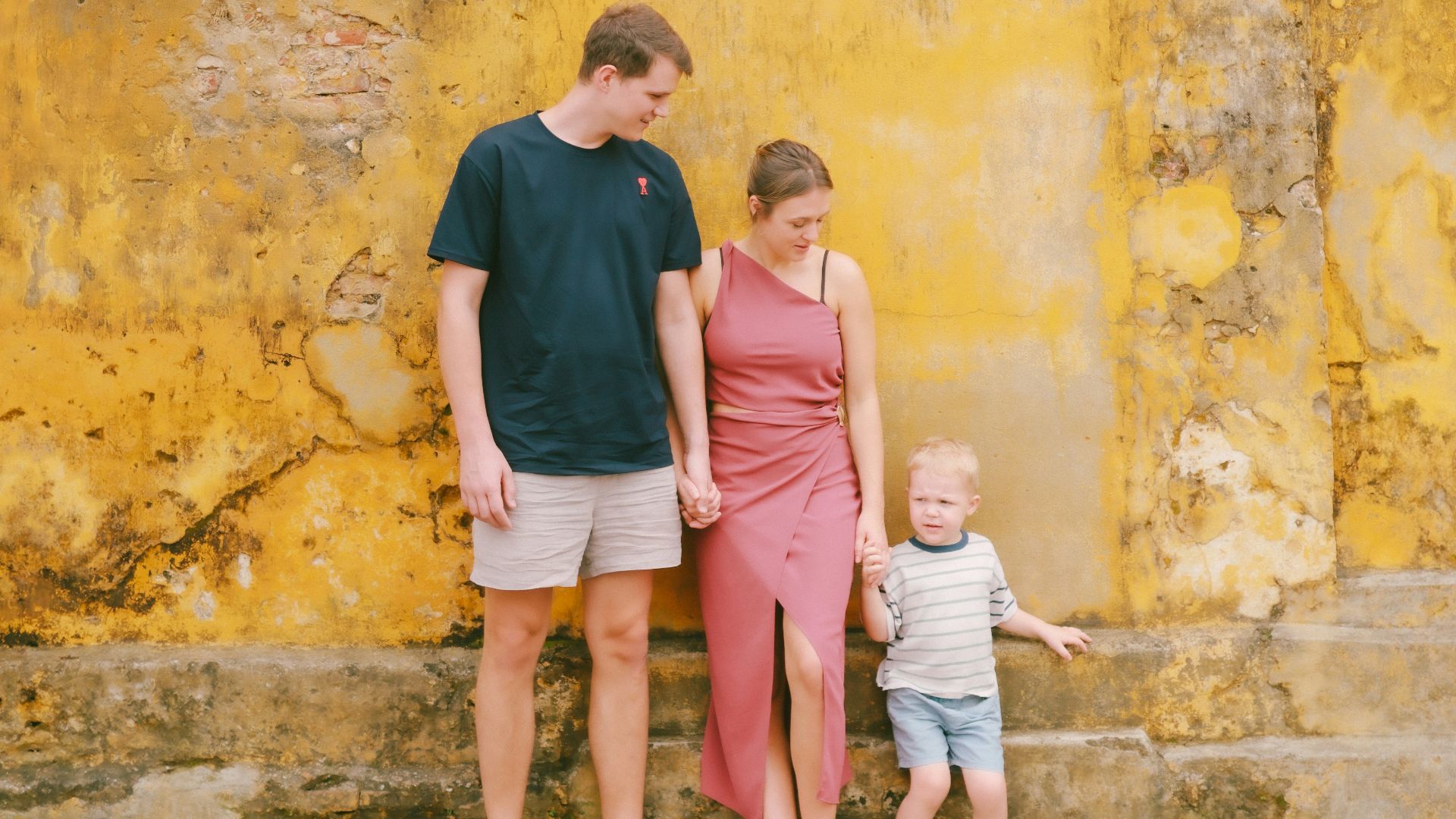 Hoi An and Da Nang Photographer on Unsplash
12. Not Researching Food Options Ahead of Time
Waiting until hunger strikes to find food can trigger meltdowns quickly, especially in unfamiliar places. Knowing where kid-friendly options are located allows parents to act before frustration takes over. Predictable meals help regulate energy and mood.
 Hoi An and Da Nang Photographer on Unsplash
13. Treating Every Meal Like a Cultural Experience
While trying local cuisine is valuable, forcing unfamiliar foods at every meal can create tension and resistance. Mixing adventurous eating with safe options keeps kids fed and parents sane. Balanced expectations prevent mealtime battles.
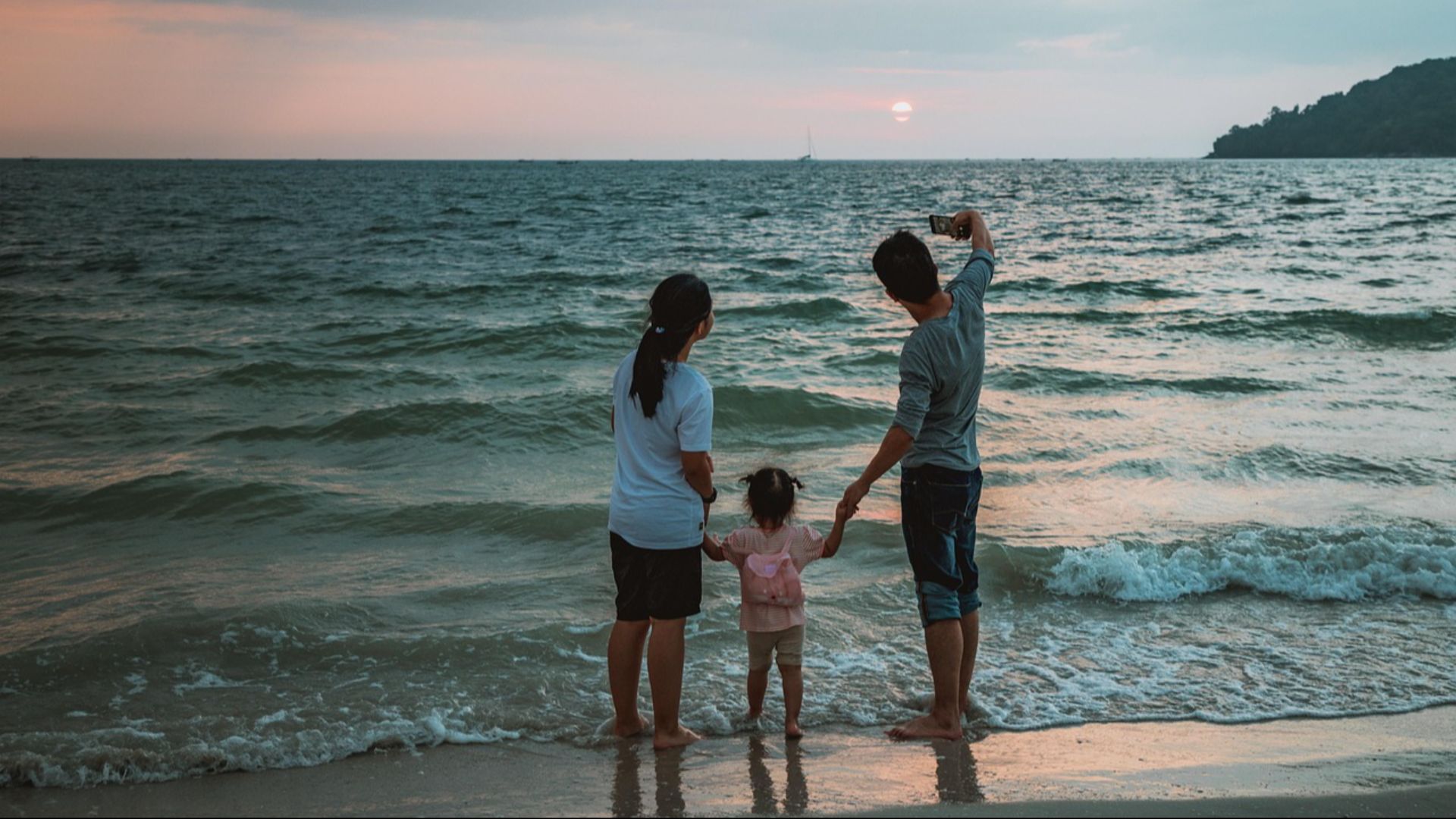
 Luis Becerra Fotógrafo on Pexels
14. Expecting Kids to Carry Their Own Bags Too Early
Parents often overestimate how much kids can handle physically during long travel days. Carrying heavy bags leads to fatigue and complaints, which slow everyone down and create unnecessary conflict. Lightening the load improves morale.

15. Booking Long Travel Days Back-to-Back
Consecutive long travel days drain children faster than adults expect, especially when routines disappear. Spacing out transit days allows recovery time and keeps morale intact. Rest days help reset emotional balance.
16. Ignoring Emotional Transitions
Kids often need time to mentally shift between activities or locations, even when the change seems minor. Acknowledging these transitions helps prevent emotional overload and resistance.

17. Overexplaining the Plan Constantly
Too much information can overwhelm kids rather than reassure them during busy travel days. Simple expectations work better because they reduce anxiety and confusion.
18. Forgetting That Parents Need Breaks Too
Parents sometimes prioritize everyone else’s comfort while neglecting their own needs entirely. Burnout affects patience and decision-making, which directly impacts the whole trip.
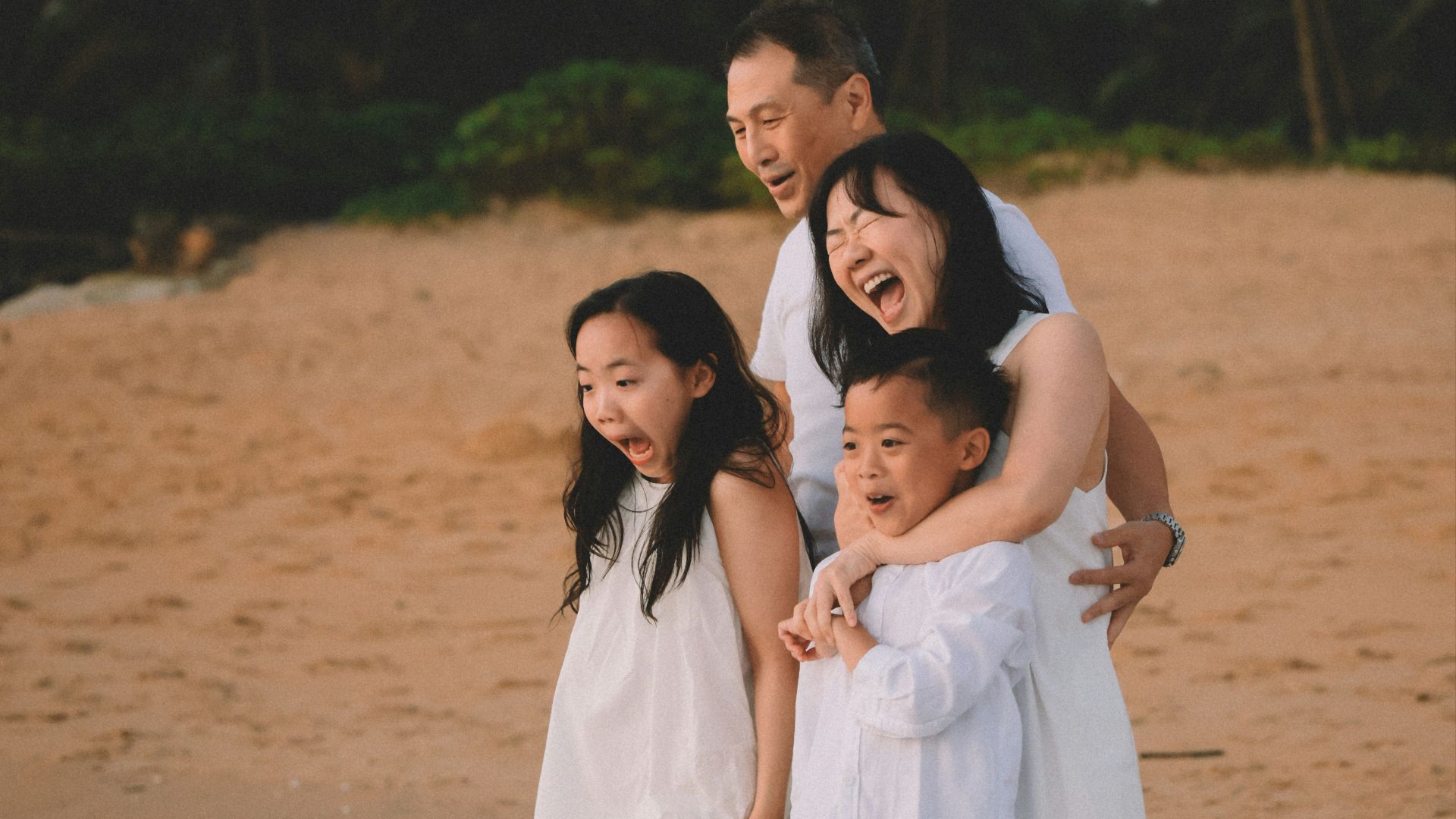 Hoi An and Da Nang Photographer on Unsplash
19. Comparing the Trip to Child-Free Travel
Expecting the same freedom and spontaneity leads to disappointment and frustration. Family travel works best when measured by connection rather than efficiency. Adjusted expectations create more joy.
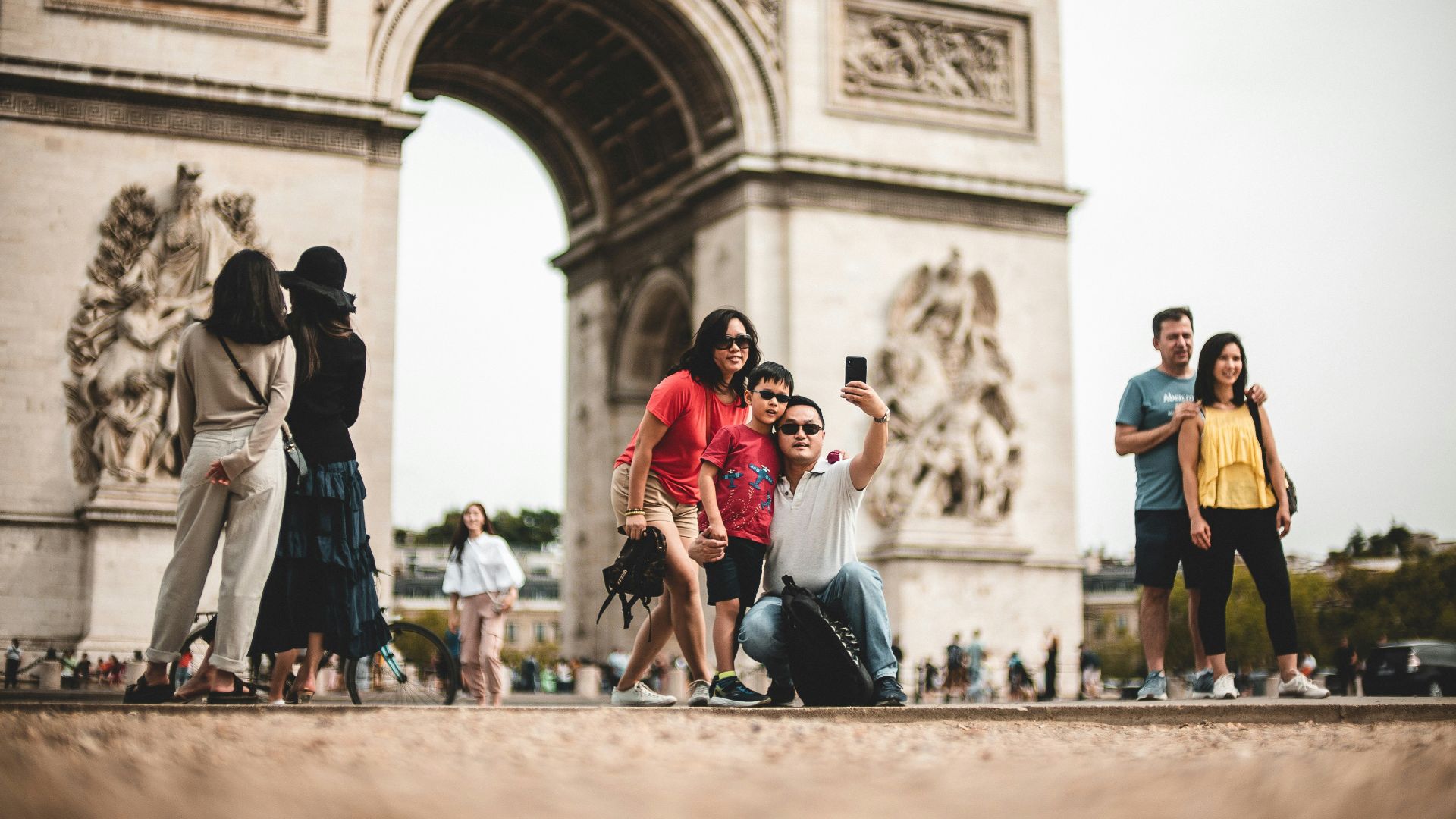
20. Trying to Make Everything Perfect
Chasing perfection adds pressure that kids can sense immediately, which often leads to tension. Letting go of rigid expectations allows genuine moments to happen naturally.