Where Bad Air Has A Season
Air quality problems are not always constant. In many cities, the worst air arrives in a fairly reliable season, driven by weather patterns, heating demand, agricultural burning, wildfire smoke, or dust storms that show up year after year. The tricky part is that bad air can look normal from the sidewalk, especially when fine particles or ozone are the main issue, not visible smoke. Public health agencies like the World Health Organization and many national environmental authorities warn that short-term spikes can affect even healthy people, not just those with asthma or heart disease. These are 20 cities where the air becomes a seasonal hazard often enough that residents plan around it.
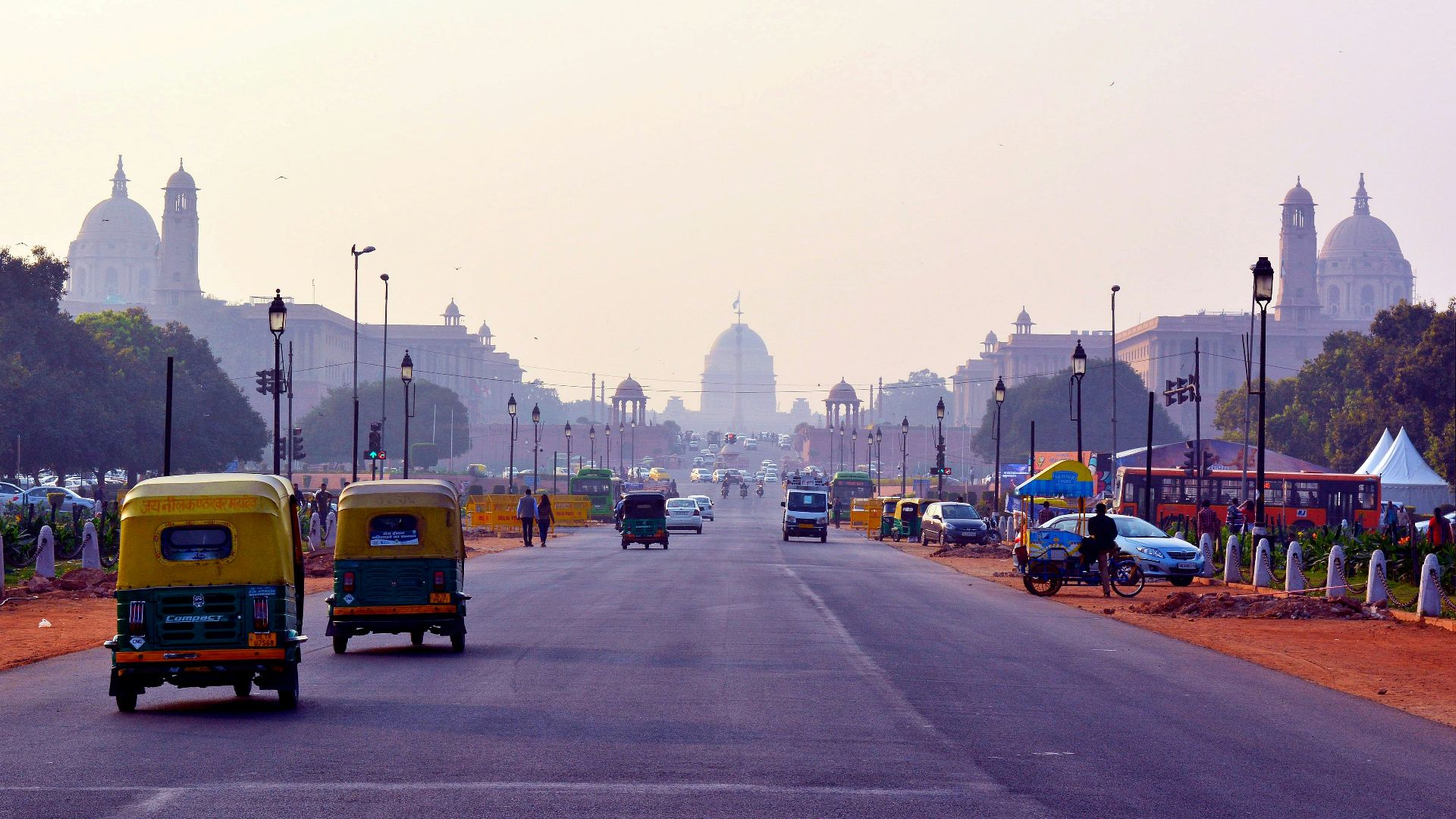
1. Delhi, India
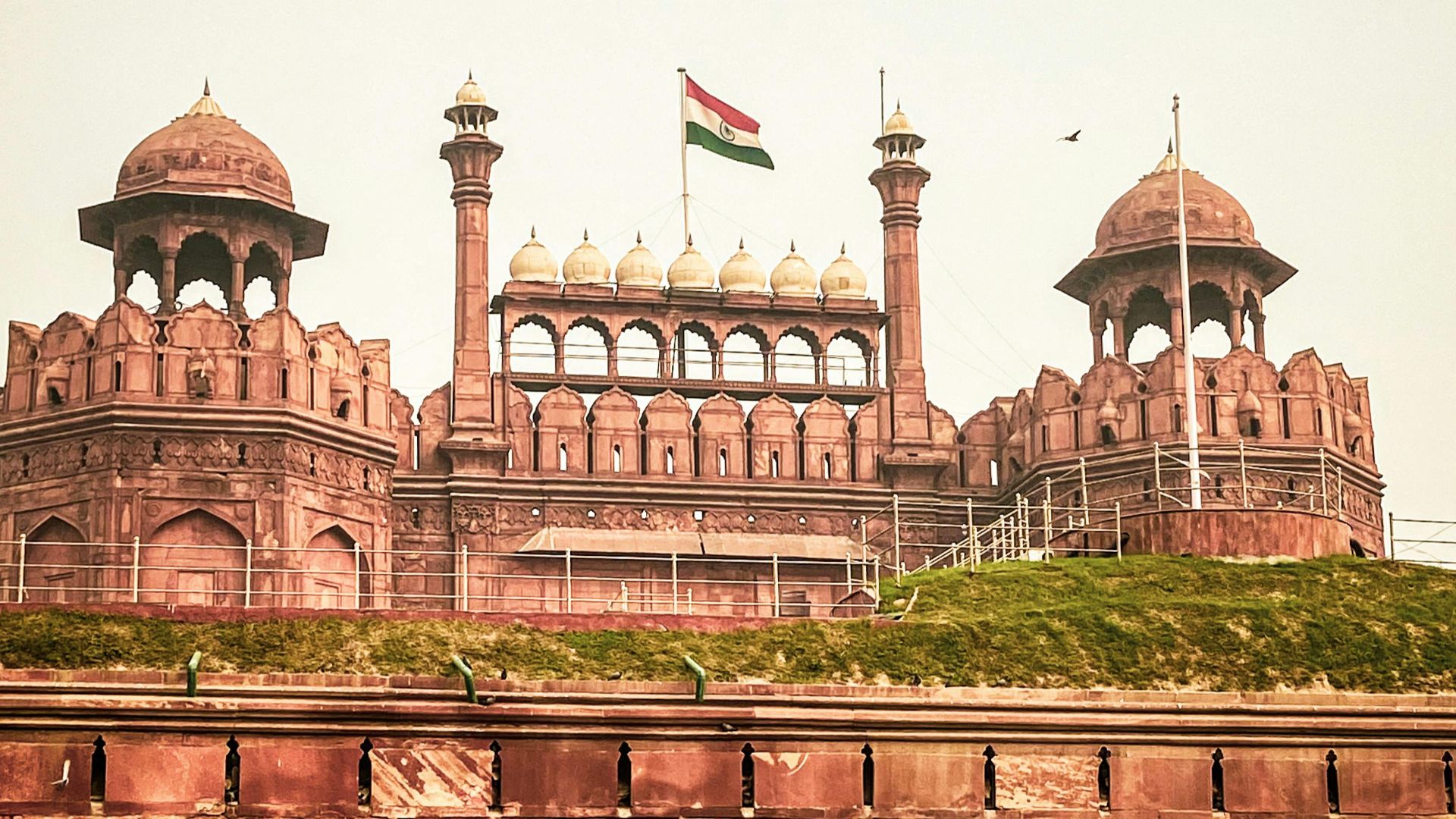
Late fall into winter is when Delhi most often sees severe smog episodes, when cool temperatures and calmer winds can trap pollution close to the ground. Seasonal crop-residue burning in nearby regions can add a sharp, smoky layer to an already heavy mix of traffic, industry, and dust.
2. Lahore, Pakistan
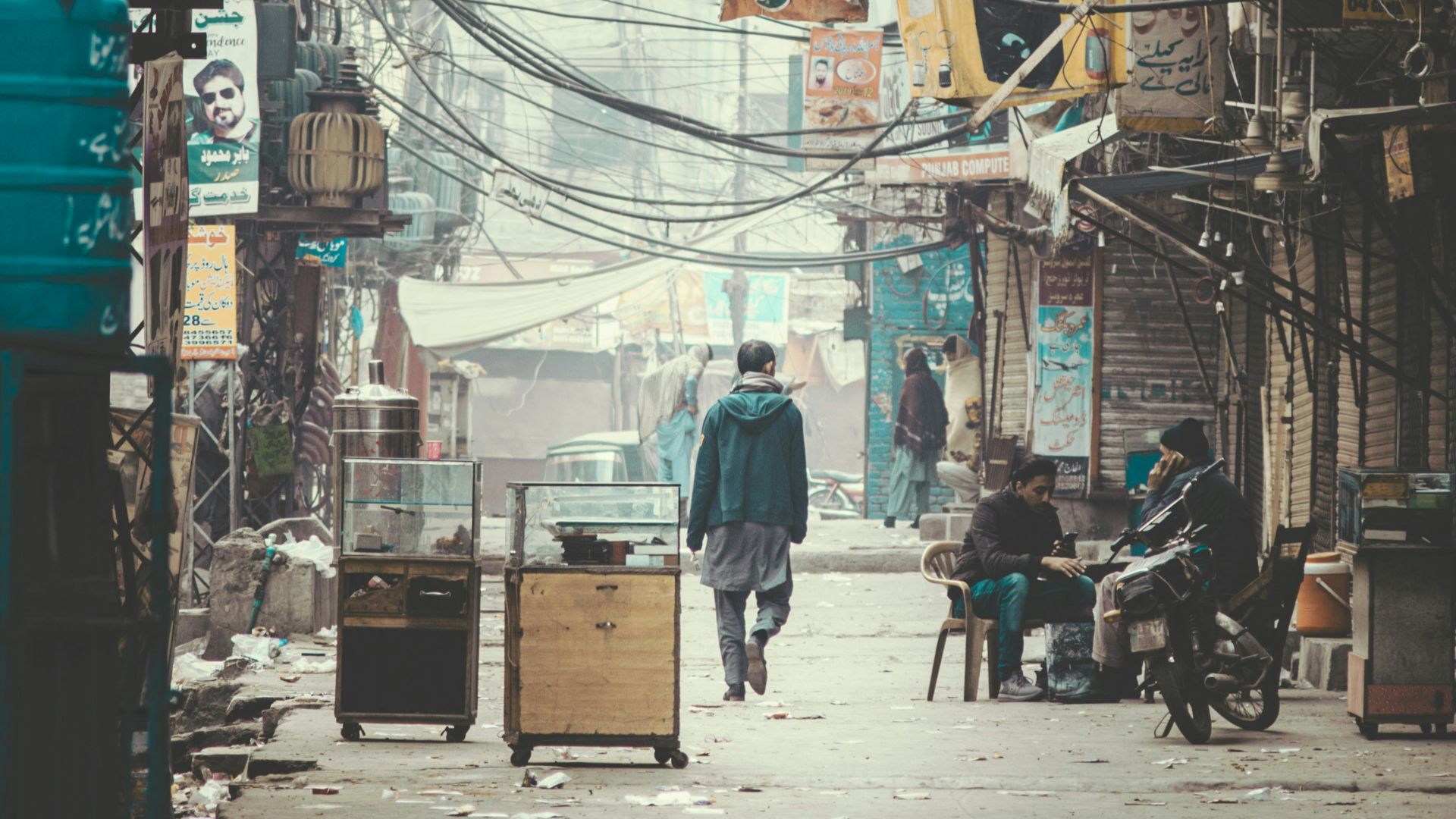
Lahore’s worst stretch typically arrives in late fall and winter, when recurring smog events can push particulate levels into unhealthy ranges for days at a time. The seasonal pattern is tied to a mix of emissions and weather conditions that reduce dispersion, so the problem can linger even when the city looks clear.
3. Dhaka, Bangladesh
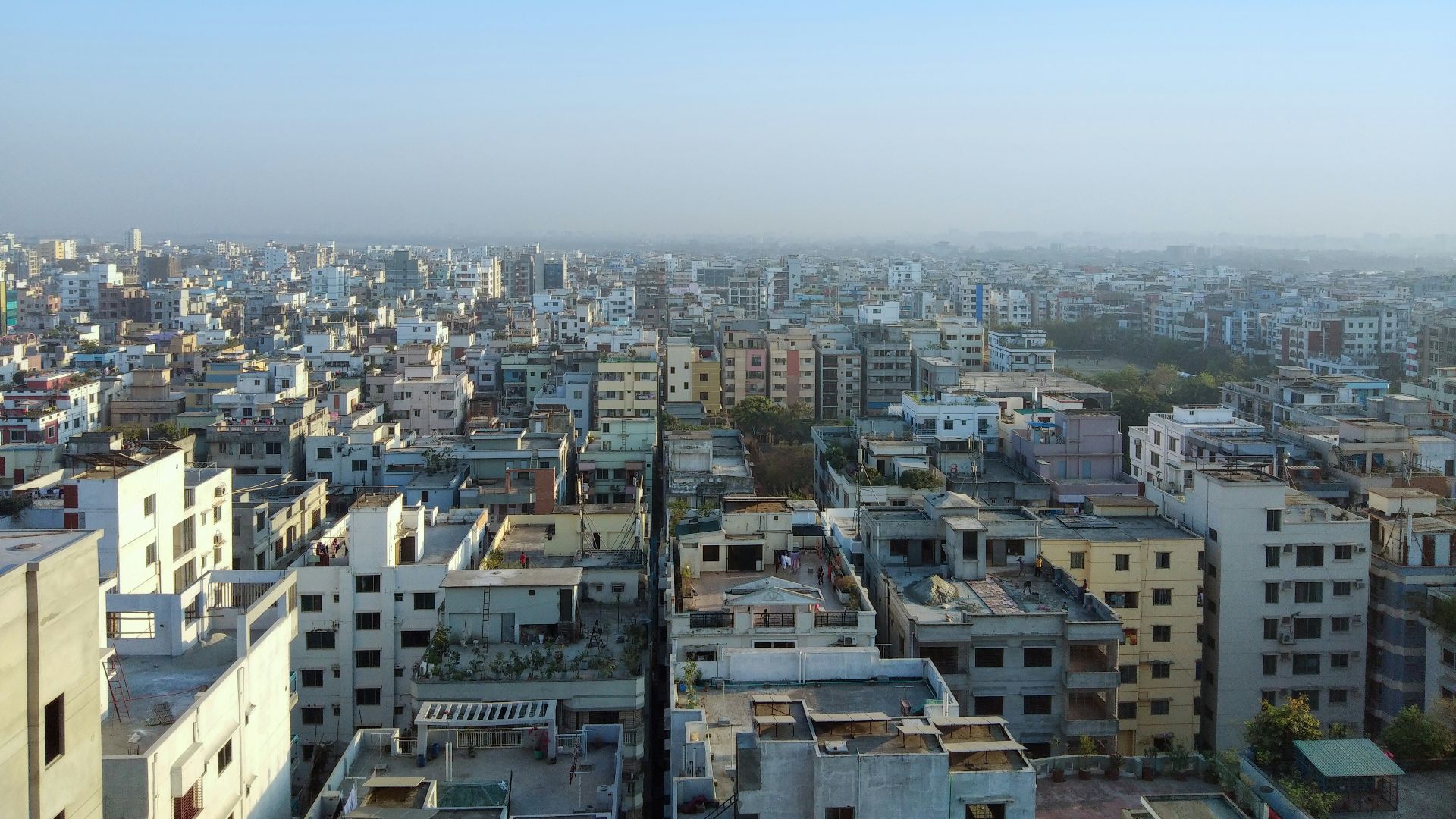
Dhaka’s air is often most polluted in the dry winter months, when fine particles rise and stay elevated for long periods. Seasonal industrial activity and winter meteorology combine in a way that can make everyday outdoor time feel heavier and more irritating to the throat and eyes.
4. Kathmandu, Nepal
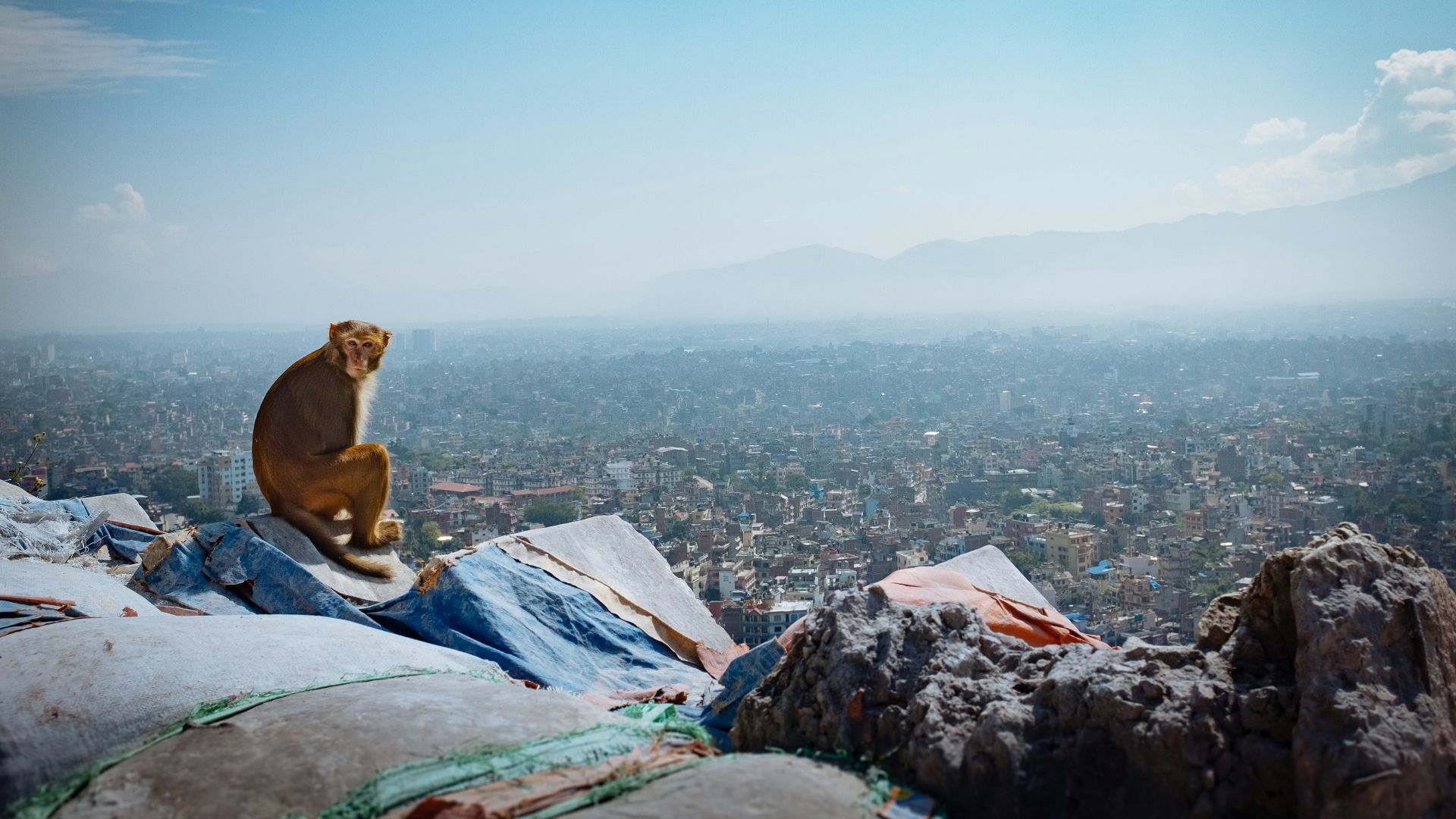
Kathmandu Valley often struggles most in winter, when temperature inversions can trap pollutants in the bowl-shaped geography. The seasonal effect is noticeable because haze can persist, and the relief often arrives only when winds or rain break the pattern.
5. Ulaanbaatar, Mongolia
Ulaanbaatar’s air crisis is strongly winter-driven, with severe particulate pollution linked to heating needs and very cold weather. Inversions and calm air can keep smoke close to street level, making winter a season when air becomes a daily management issue.
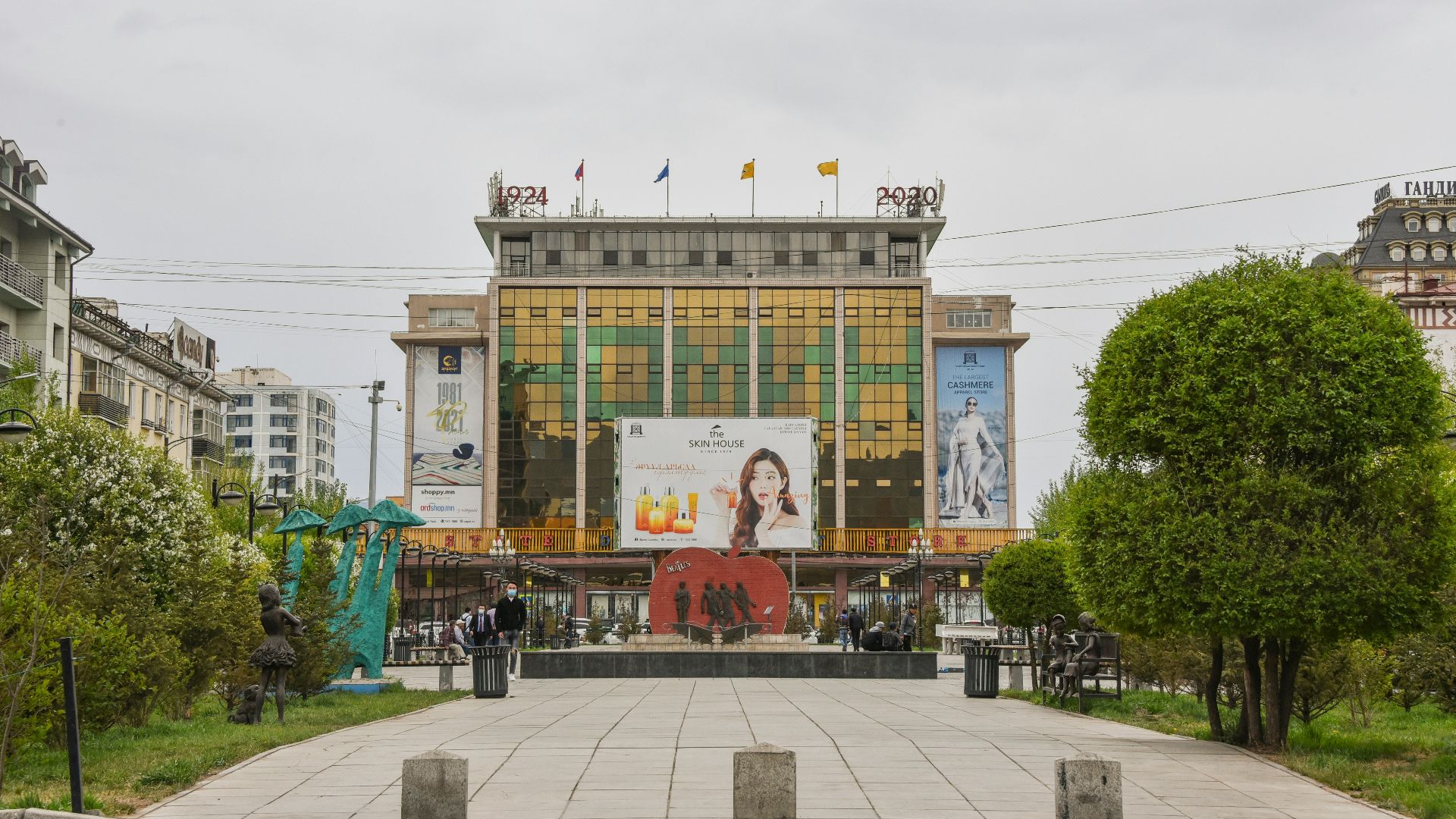
6. Beijing, China
Beijing’s most difficult period has historically clustered around the colder months, when emissions and stagnant weather can combine into prolonged haze events. Even with major policy efforts over the years, winter episodes still matter because they can last and affect large populations at once.
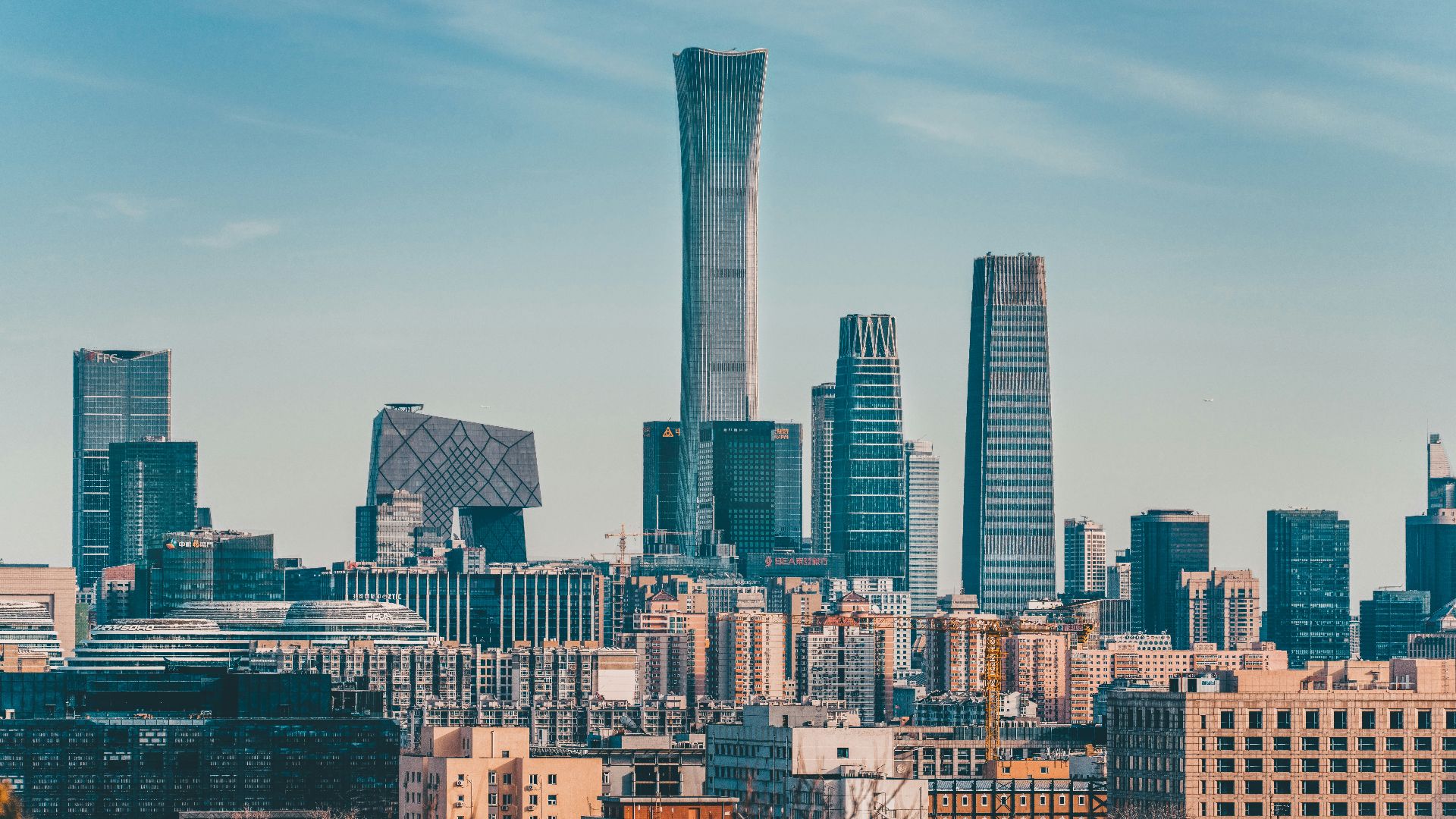
7. Seoul, South Korea
Seoul often sees more severe fine-dust periods in late winter and spring, when regional transport and seasonal conditions can drive noticeable spikes. The days that stand out are the ones where irritation shows up quickly, and outdoor exercise stops feeling like an easy default.
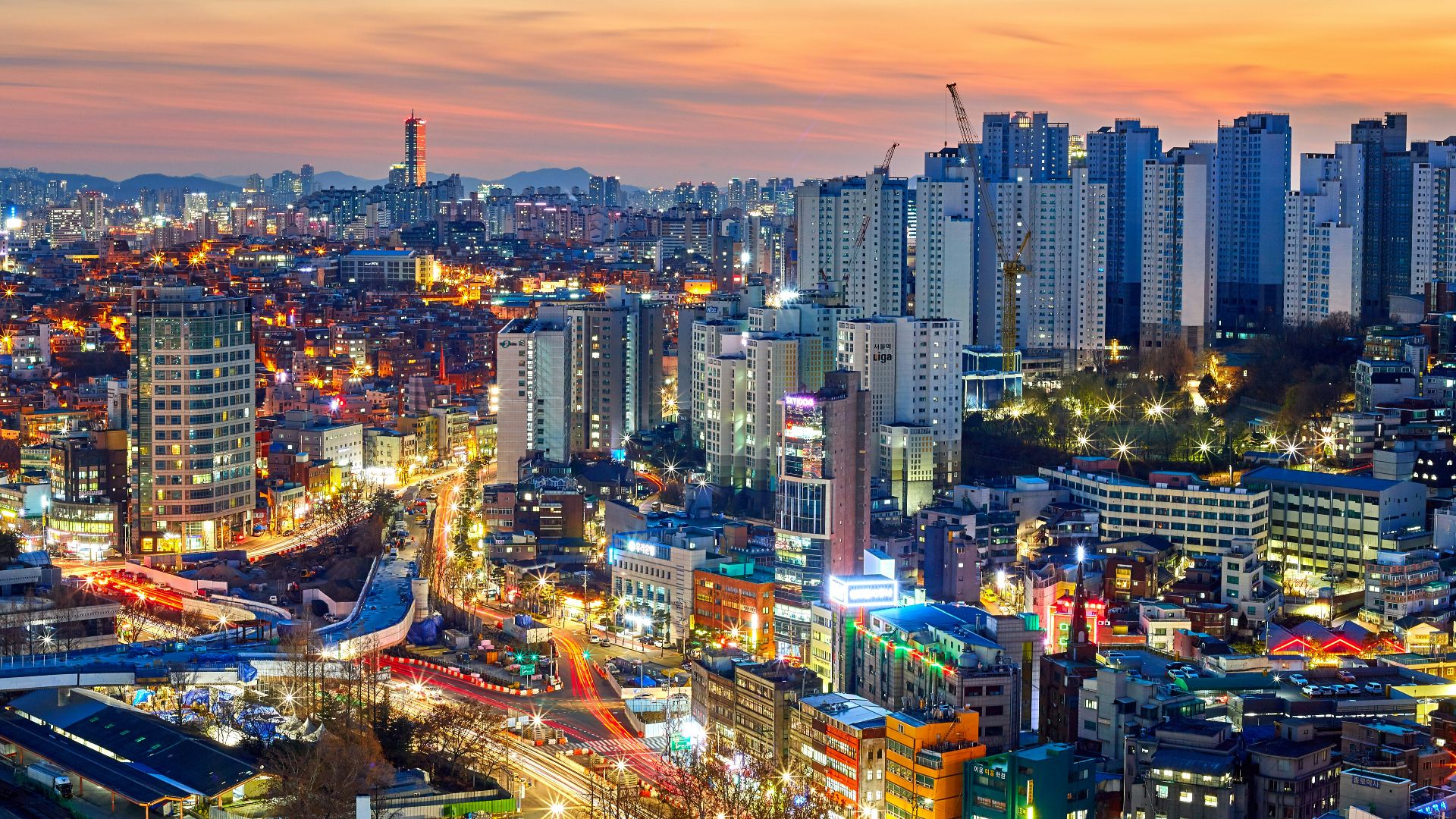
8. Chiang Mai, Thailand
Chiang Mai’s seasonal hazard is the burning season, usually peaking in the late dry season when agricultural burning and fires contribute to heavy smoke and haze. During the worst weeks, it is common to see outdoor plans shrink and masks become normal again.
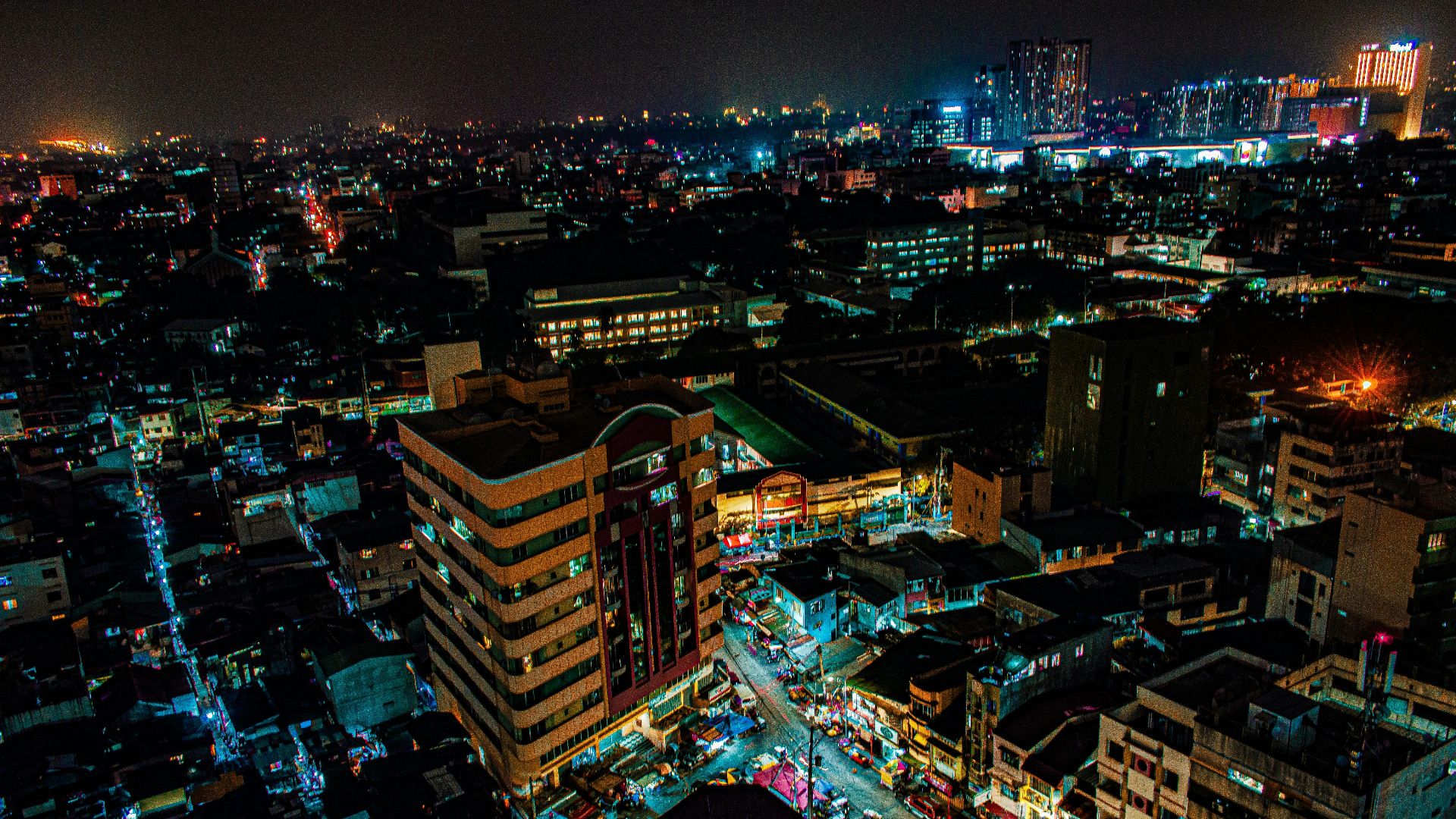
9. Singapore
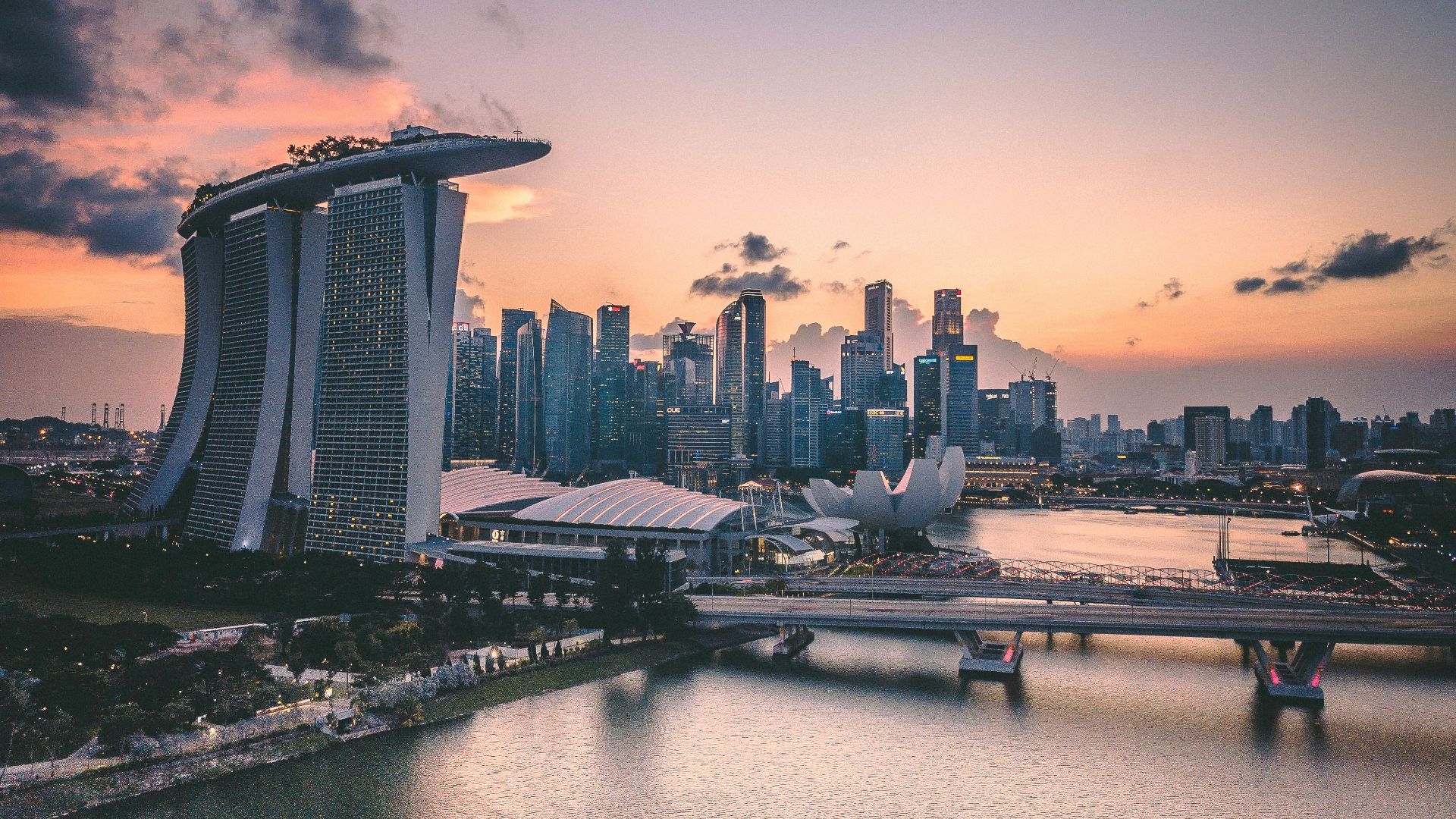
Singapore’s air can change sharply during regional haze seasons, when smoke from large fires elsewhere in Southeast Asia drifts in under certain wind patterns. Some years are mild, and some years are disruptive enough that schools, events, and outdoor routines adjust around air advisories.
10. Kuala Lumpur, Malaysia
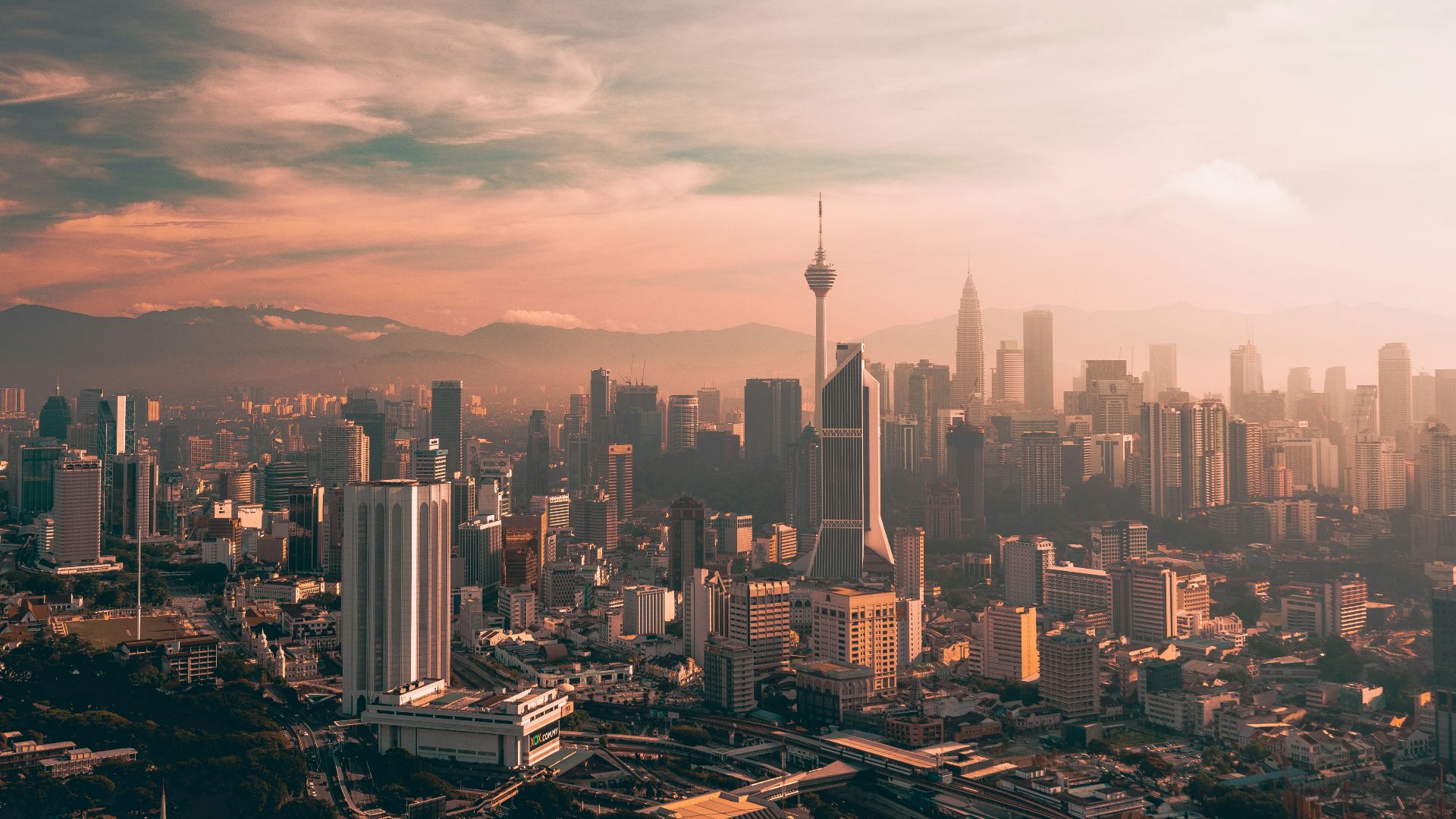
Kuala Lumpur can be hit by the same transboundary haze pattern, and the seasonal nature is part of what makes it disruptive. Even people who tolerate normal urban pollution often notice haze episodes because visibility drops and respiratory irritation becomes common.
11. Jakarta, Indonesia
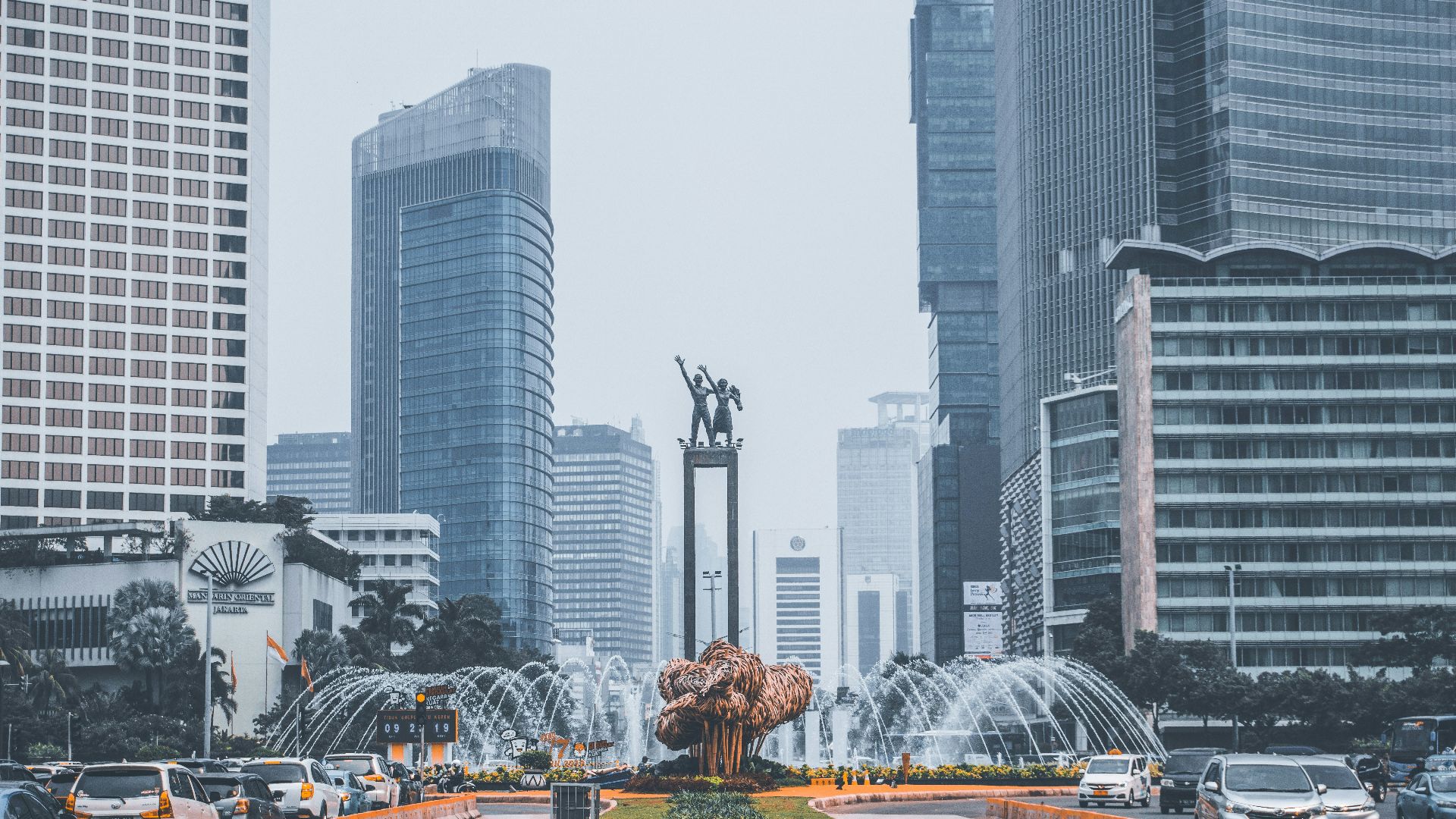
Jakarta deals with major local emissions year-round, yet seasonal haze periods can add an extra burden when regional fires intensify. The difference shows up in how quickly the air feels heavy, especially for anyone spending long hours outdoors.
12. Mexico City, Mexico
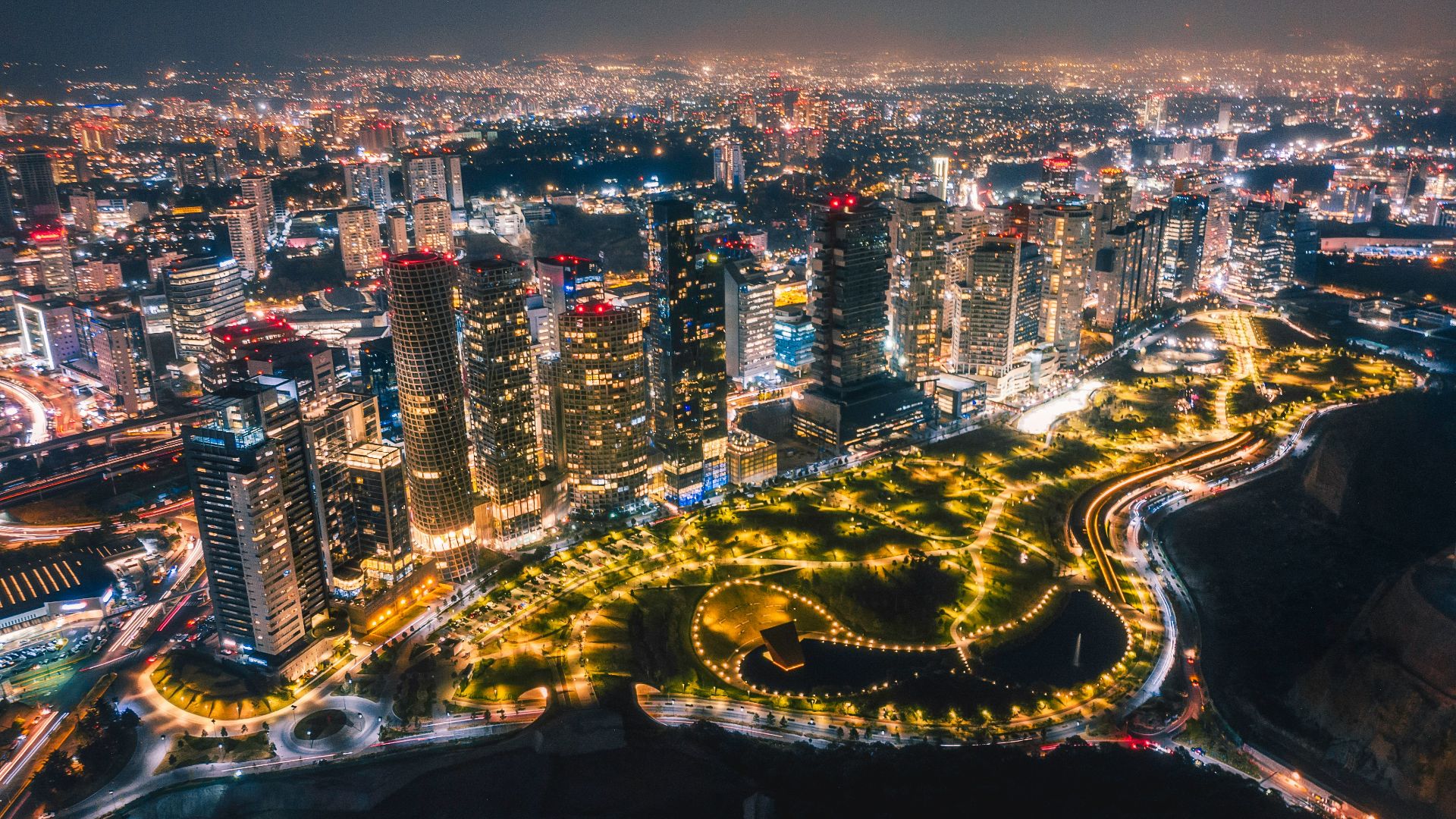
Mexico City is known for a seasonal ozone problem that tends to spike during the hotter, drier part of the year, when sunlight and atmospheric conditions favor ozone formation. Ozone is often invisible, so the hazard can feel confusing, yet it is serious enough that authorities issue advisories and restrictions during peak periods.
13. Los Angeles, United States
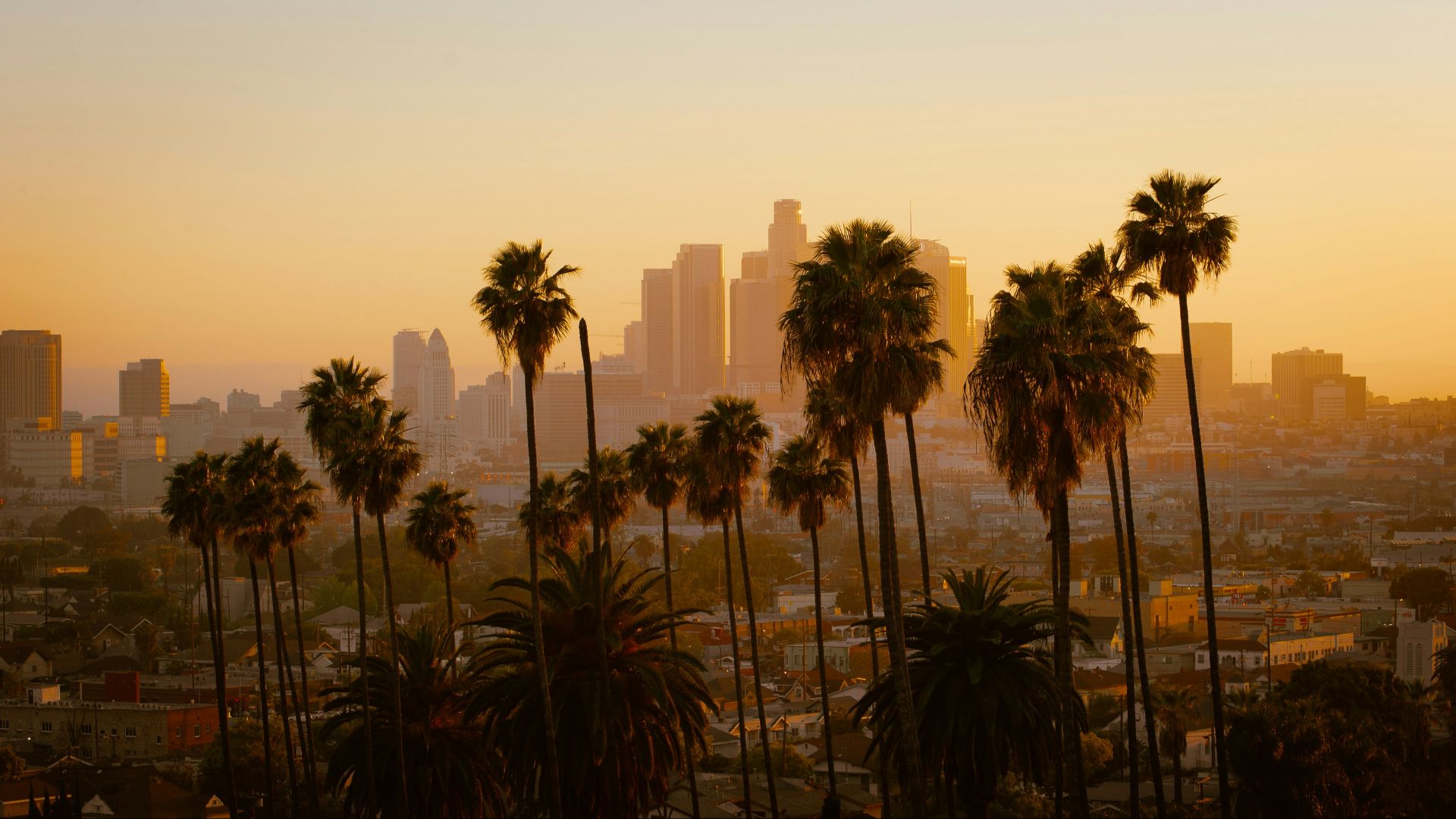
Los Angeles has long dealt with ozone concerns, and wildfire smoke has added a recurring seasonal threat during major fire periods. In late summer and fall, smoke can drive short-term particulate spikes that make outdoor activity feel harsh even far from the flames.
14. San Francisco Bay Area, United States
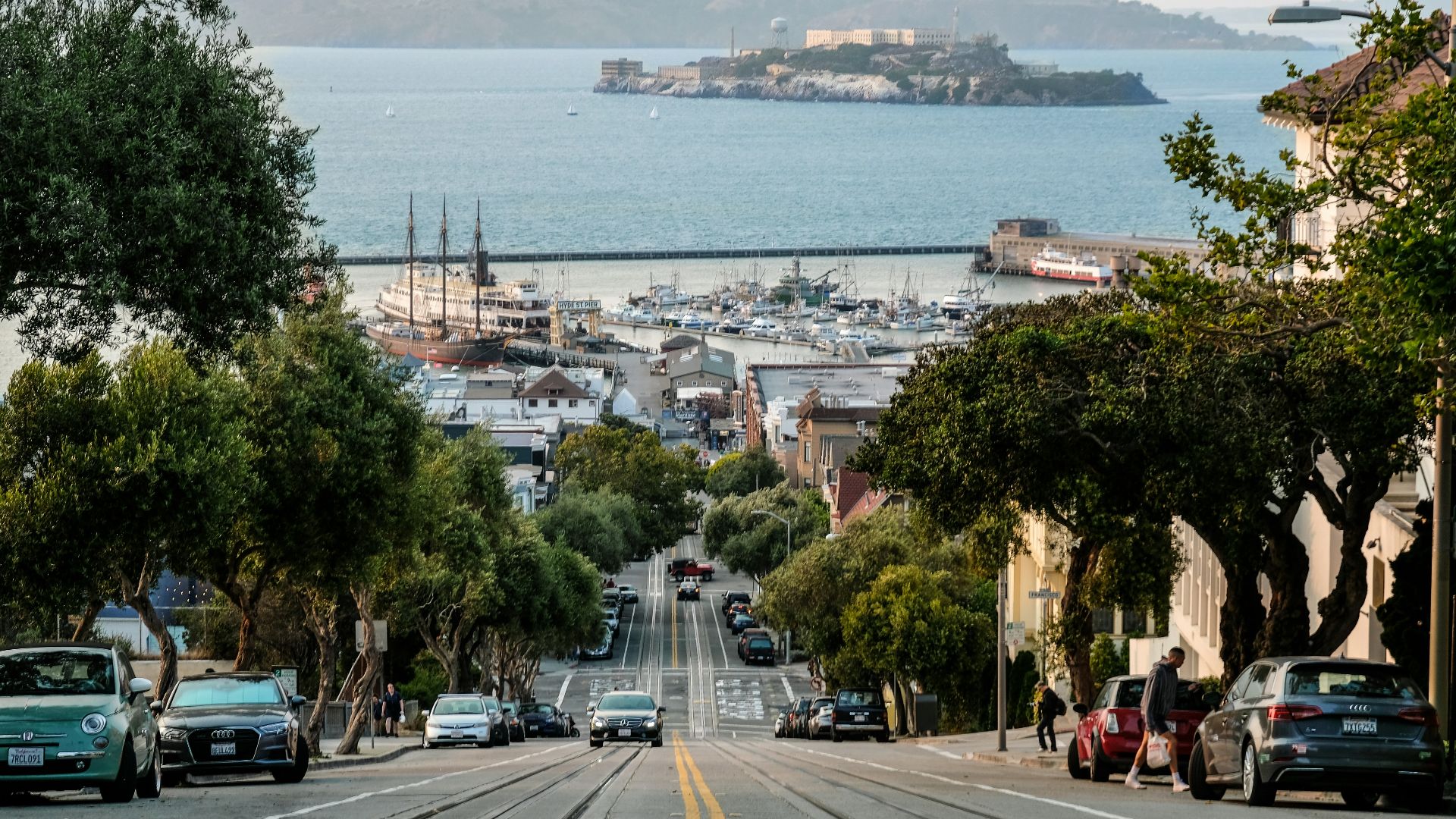
The Bay Area’s seasonal hazard is wildfire smoke, which can arrive during regional fire seasons and settle in for days depending on wind and atmospheric stability. Even when the city itself is not burning, the air can shift quickly from normal to irritating and unhealthy.
15. Salt Lake City, United States
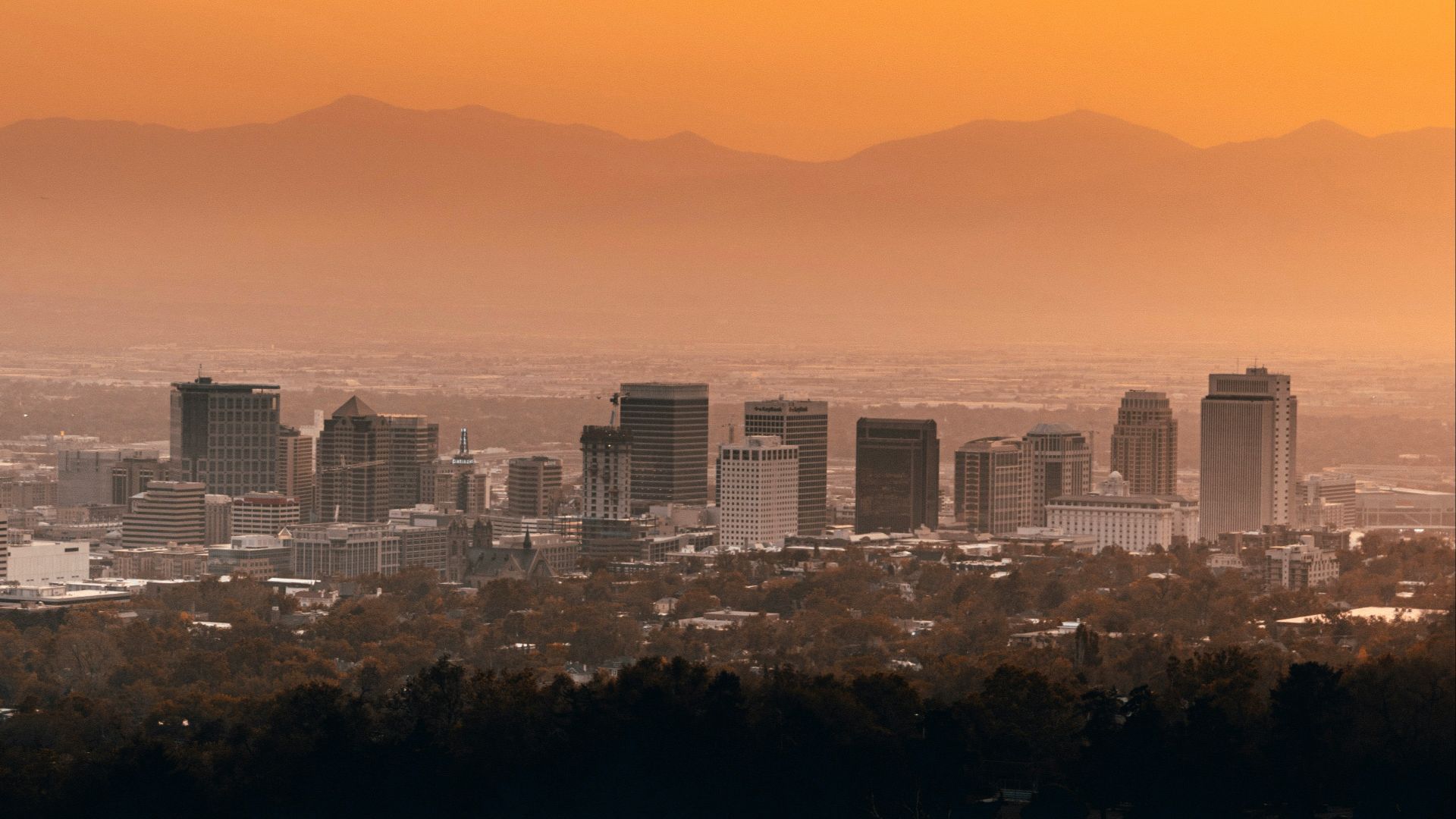
Salt Lake City is known for winter inversions that trap pollution in the valley and drive recurring cold-season air quality alerts. The seasonal pattern is reliable enough that residents often associate certain winter stretches with staying indoors more and watching air quality forecasts closely.
16. Calgary, Canada
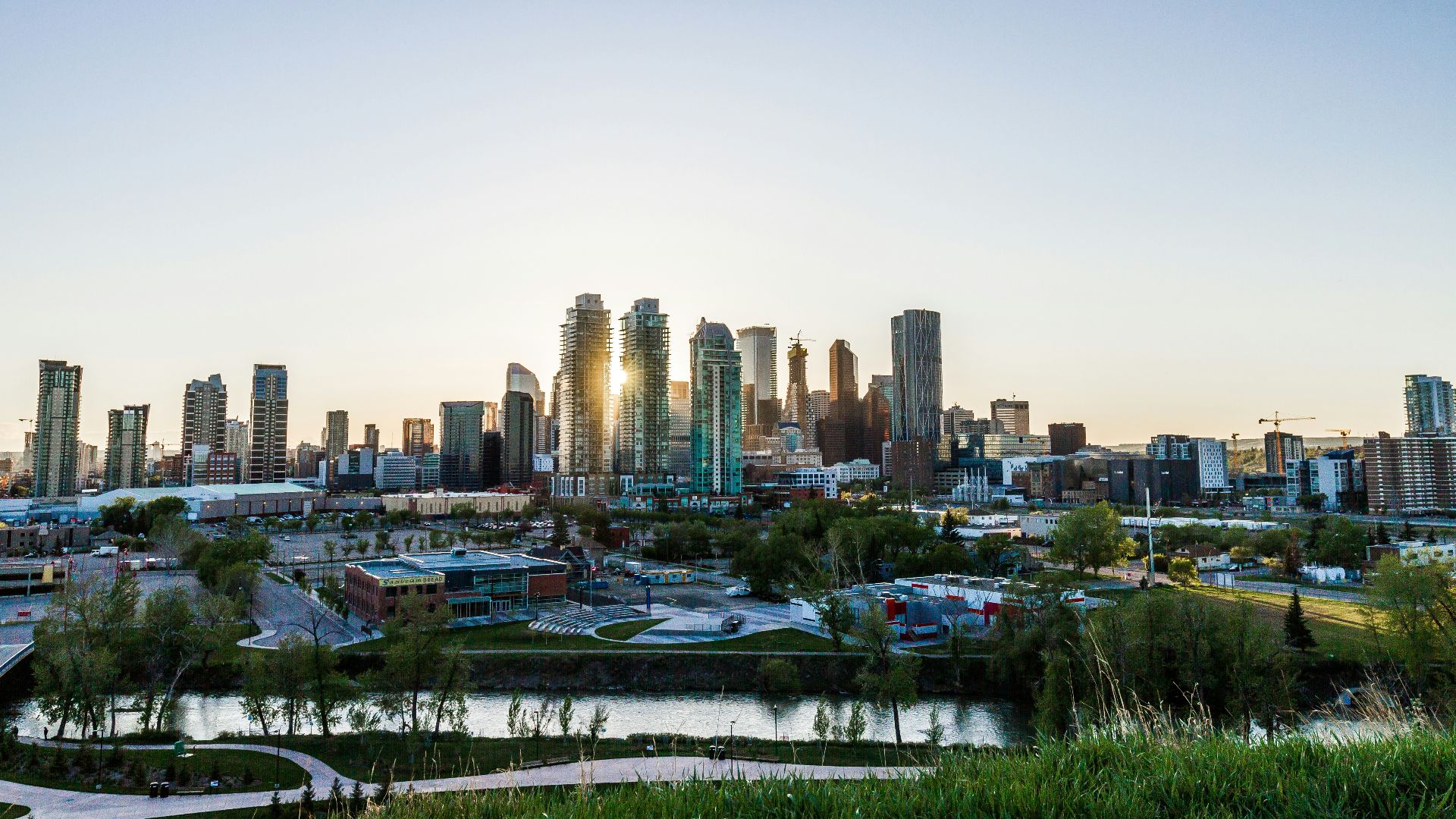
Calgary’s seasonal hazard is wildfire smoke, which can make summer feel unpredictable, with clear days followed by sudden smoky periods. Fine particles from smoke can travel long distances, so the worst days can arrive even when fires are not nearby.
17. Vancouver, Canada
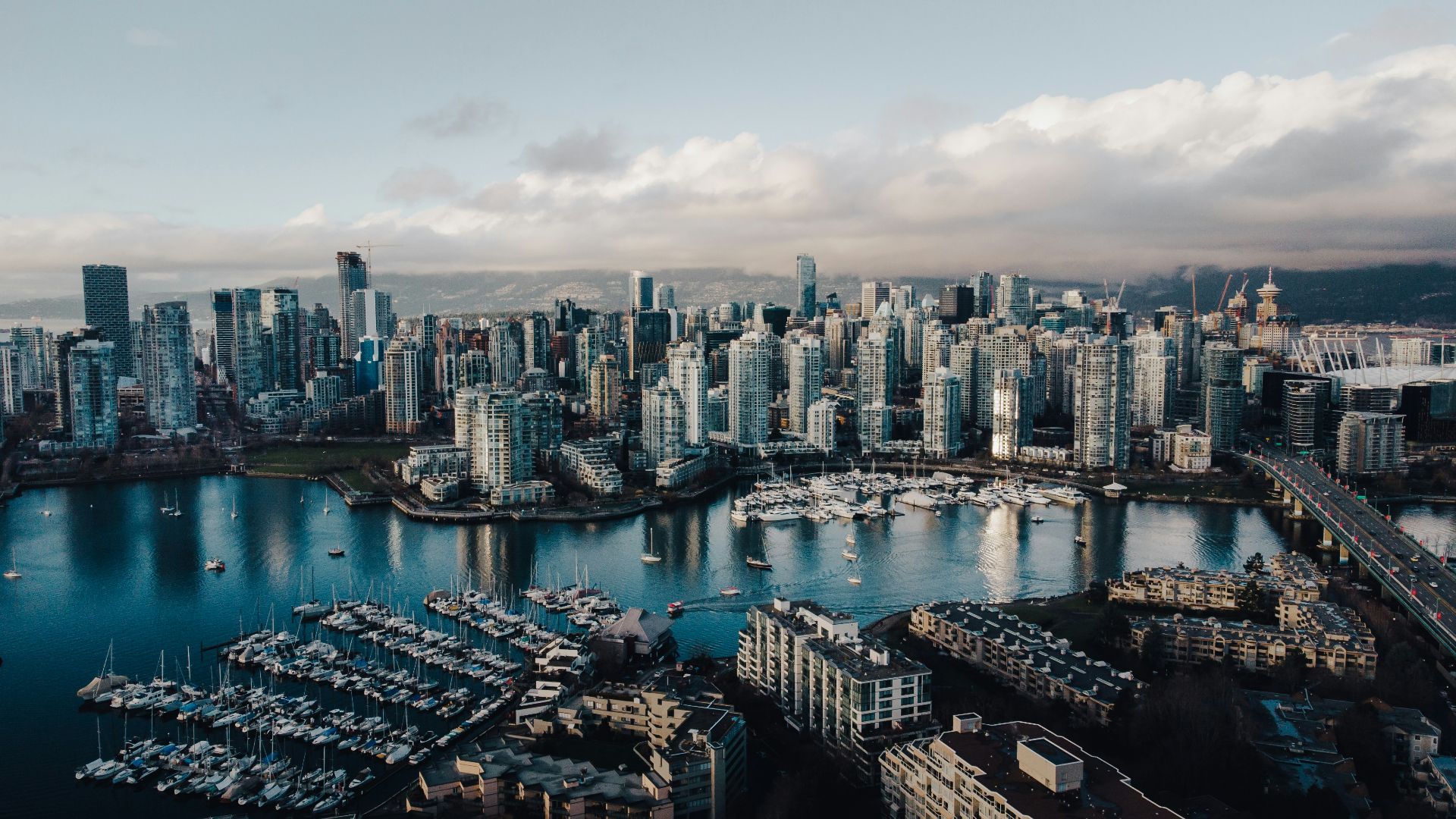
Vancouver also faces seasonal wildfire smoke risk, especially during severe fire seasons in British Columbia and the broader region. The air can shift quickly, and the combination of smoke and warm weather can make outdoor time feel uncomfortable and harder on breathing.
18. Phoenix, United States
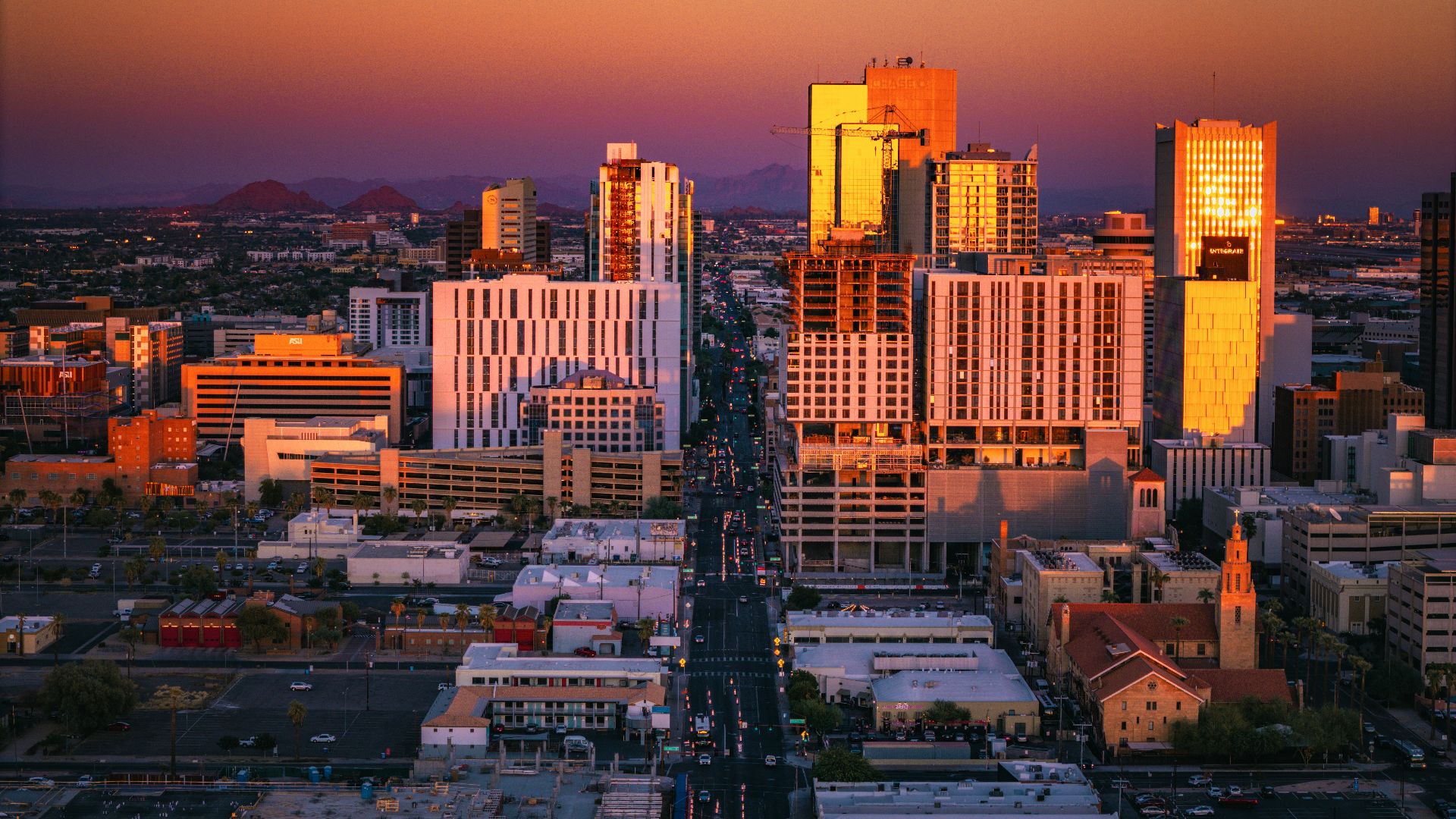
Phoenix has a seasonal dust storm problem tied to the summer monsoon, when strong outflows can kick up large walls of dust and sharply increase airborne particles. These events can turn the air gritty within minutes, and they can be a real hazard for people with respiratory sensitivities.
19. Riyadh, Saudi Arabia
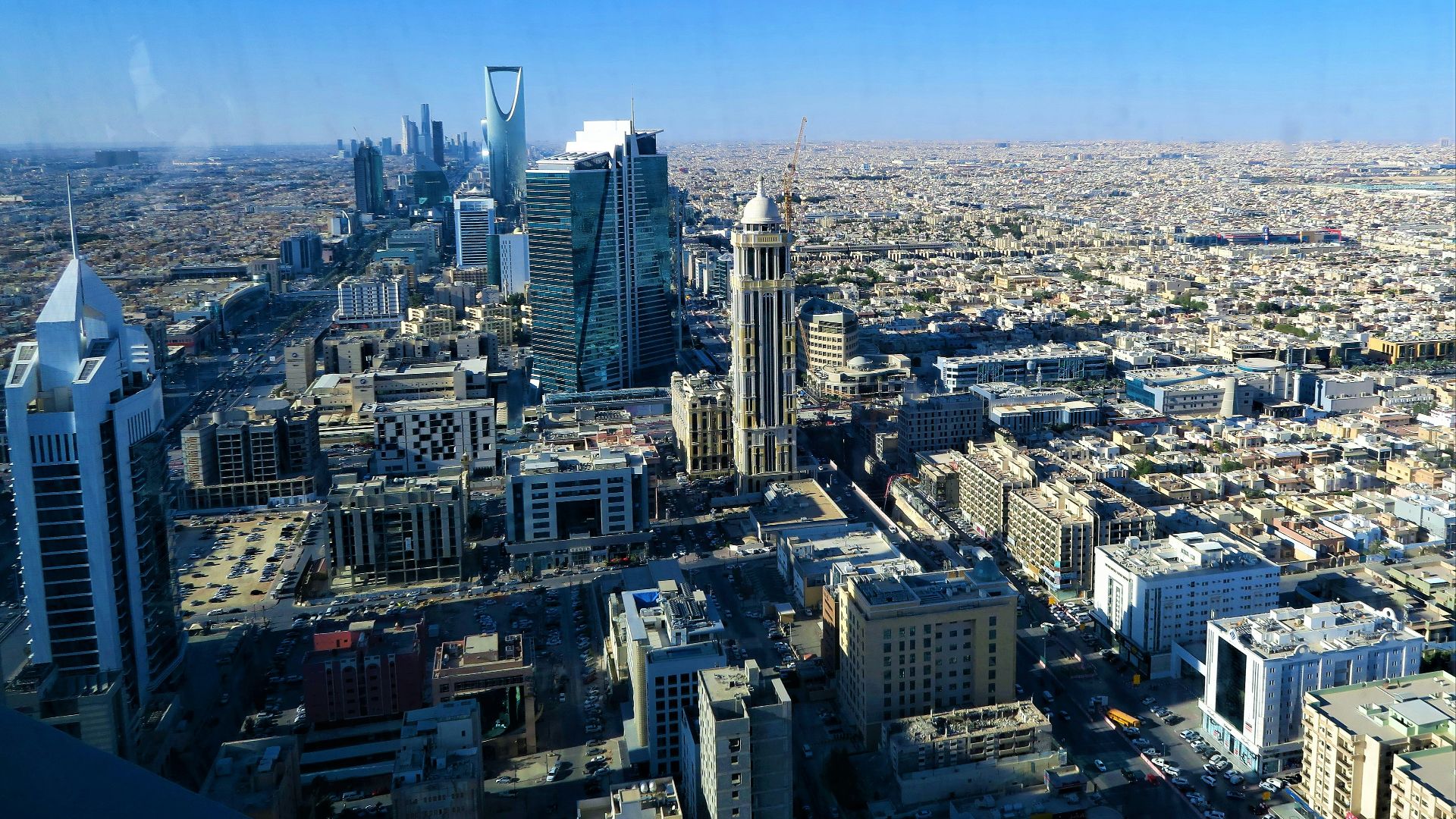
Riyadh commonly faces seasonal dust events, often peaking when regional winds lift and transport desert dust into the city. On heavy days, the air can feel dry and abrasive, and visibility can drop even when there is no rain or smoke.
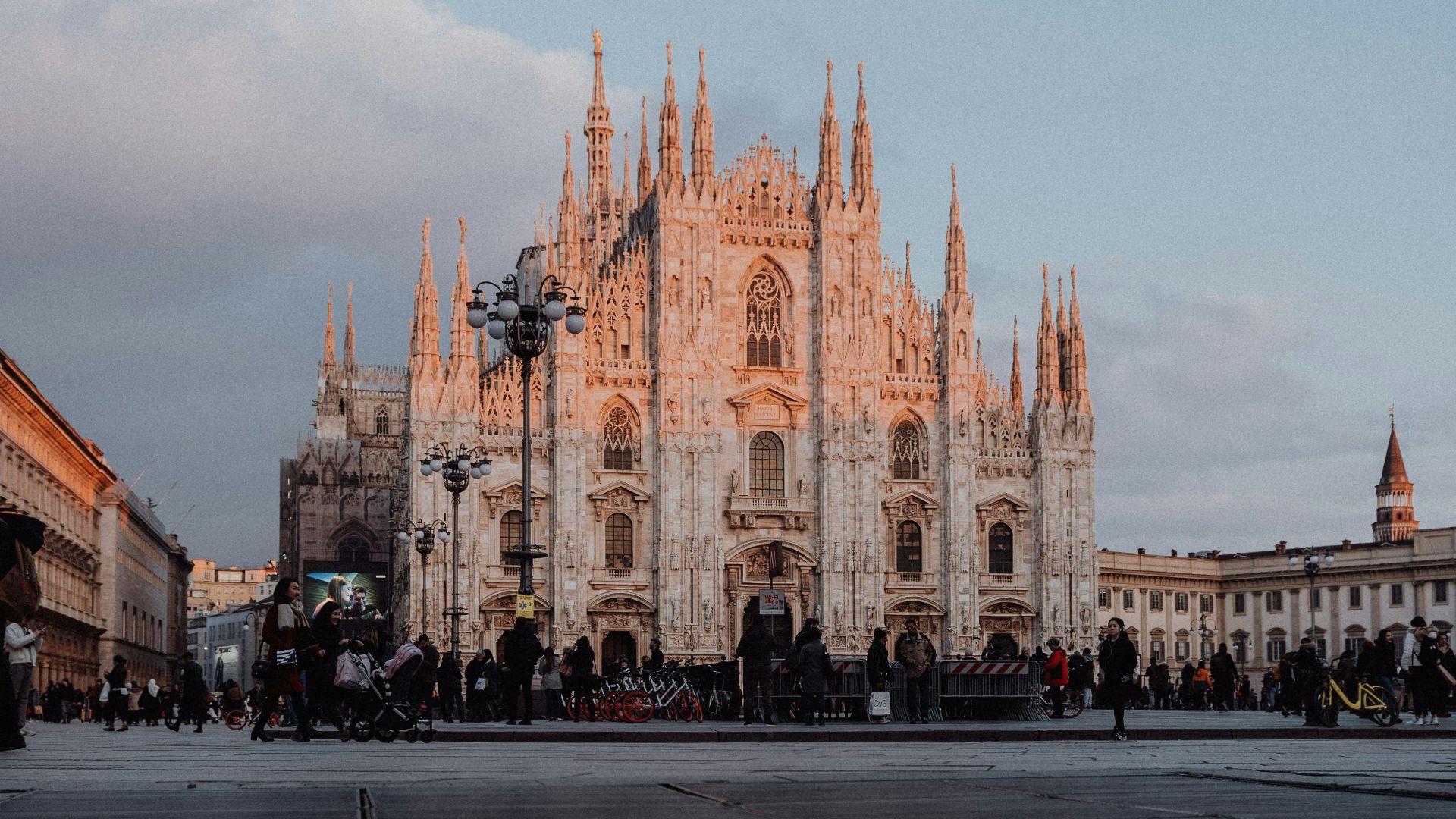
20. Milan, Italy
Milan sits in the Po Valley, where winter meteorology can trap pollutants and contribute to recurring cold-season smog episodes. The seasonal nature shows up in how frequently authorities and residents talk about air measures during winter stretches, not as a rare emergency but as a repeating pattern.