
Rest Is The Real Travel Hack
Travelling is always a lot of fun, but people tend to forget about those little things called time zones. A trip can be perfectly planned and still go sideways when your body is tired, your patience is thin, and every inconvenience almost brings you to tears. Sleep is also the part of travel people tend to worry about the least, like it's just something you need to squeeze in. The good news is that most travel sleep problems are predictable and easily solvable. Keep these mistakes in mind, and you’ll protect the kind of energy that makes a trip feel easy instead of exhausting.

1. Booking The Wrong Flight Time
An early departure seems good at first glance, until you’re awake at three in the morning in another part of the world. Starting a travel day already sleep-deprived makes jet lag worse and lowers your ability to handle delays with grace. A lot of folks like to book overnight flights, so they can sleep on the plane and wake up alongside the rest of the country that they’re visiting.

2. Ignoring Time Zone Strategies
Jumping time zones without any plan can leave you wide awake at night. Research has shown that light exposure plays a major role in shifting the body’s internal clock, which is why a little planning around morning and evening light can help you acclimate much quicker.

3. Pushing Against Jet Lag
Trying to power through jet lag usually turns the first days into a fog. Sleep researchers have long noted that irregular sleep timing and poor light cues prolong your adjustment period, so you’re better off trying to ease into this new routine instead of fighting sleep all day.
4. Overscheduling The First Day
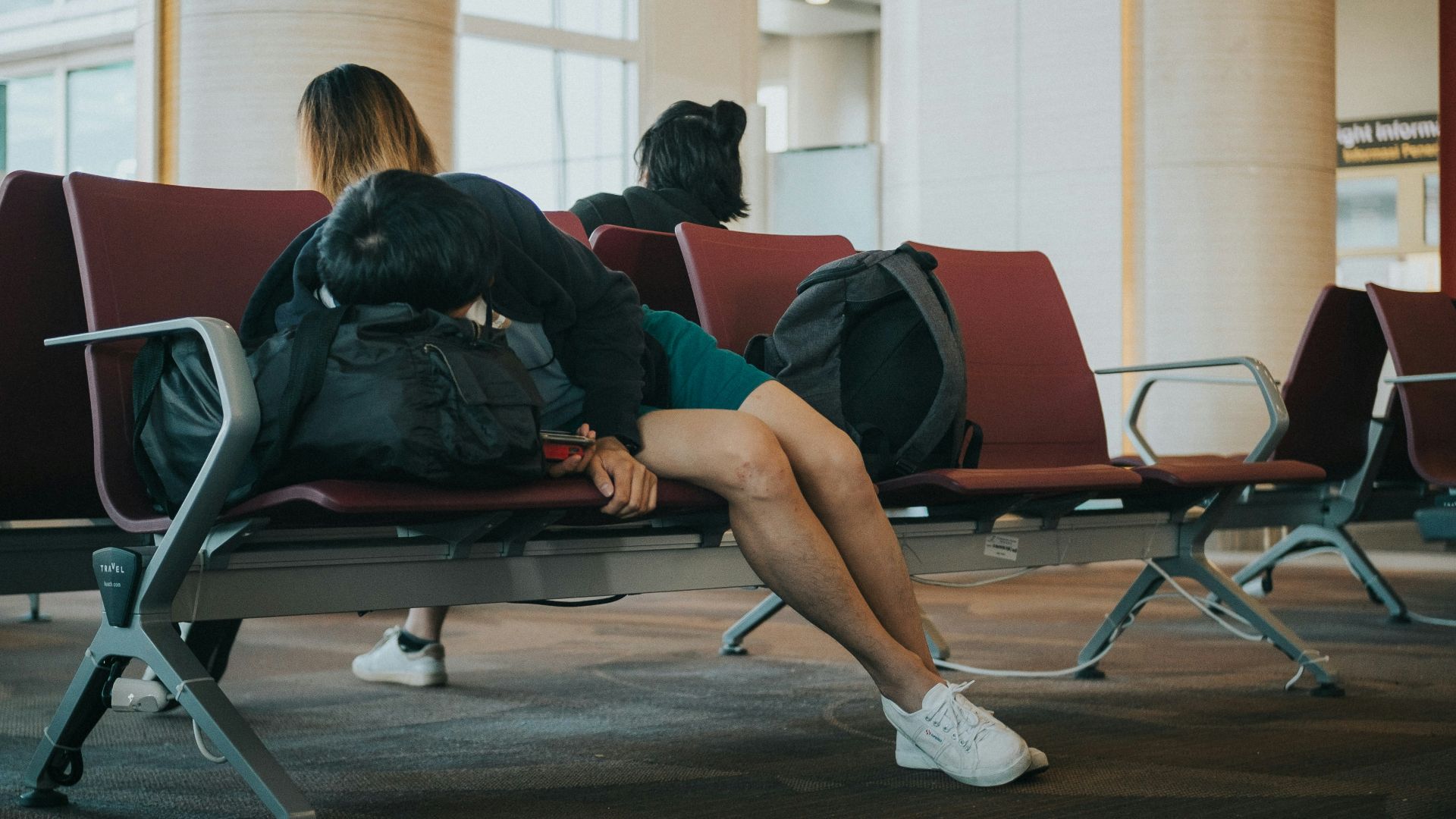
Landing and immediately sprinting into a full itinerary isn’t uncommon among travellers. You’re somewhere new, and you’re excited. In reality, your first day should be about rest. We promise, the museums, coffee shops, and restaurants will still be there the following day.

5. Relying On Late-Night Caffeine
Caffeine feels helpful when you’re exhausted at 4 pm, but it’ll stick around and not let you get to sleep at an appropriate time. You might be better off powering through another few hours and calling it an early night.

6. Drinking Alcohol To Fall Asleep
Alcohol can make you drowsy at first, but sleep studies have consistently found it disrupts sleep quality later in the night. You might fall asleep quickly and still wake up feeling unrefreshed.

7. Forgetting Hydration On Travel Days
Dry cabin air, long walks, and salty meals can leave you more dehydrated than you realize. Dehydration is linked with fatigue and headaches, which make it harder to settle down at night. Make sure to keep some water with you throughout the day to combat this issue.

8. Eating Heavy Right Before Bed
A big late meal can be part of the fun, but it can also keep your body too busy to wind down. Digestive discomfort makes falling asleep slower and can lead to a lighter sleep overall, which will also leave you tired and grumpy the following morning.

9. Forgetting Your Sleep Gear
If you tend to wake up at the slightest noise, making sure you have your sleep gear is critical to getting a good night’s rest. Even if you’re a heavy sleeper, having earplugs, an eye mask, and even something like a white noise machine can help you get the rest you need.

10. Trusting Hotel Curtains
Plenty of hotel curtains are decorative at best, and make shifting your sleep schedule a difficult task. You’re better off wearing an eye mask and sticking to an alarm clock to avoid any accidental early rising.

11. Keeping The Room Too Warm
Many people sleep better in a cooler room, and sleep research has linked lower core body temperature with easier sleep onset. Hotel rooms can run warm, especially with heavy bedding and stubborn thermostats.
12. Assuming One Bad Night Is Fine
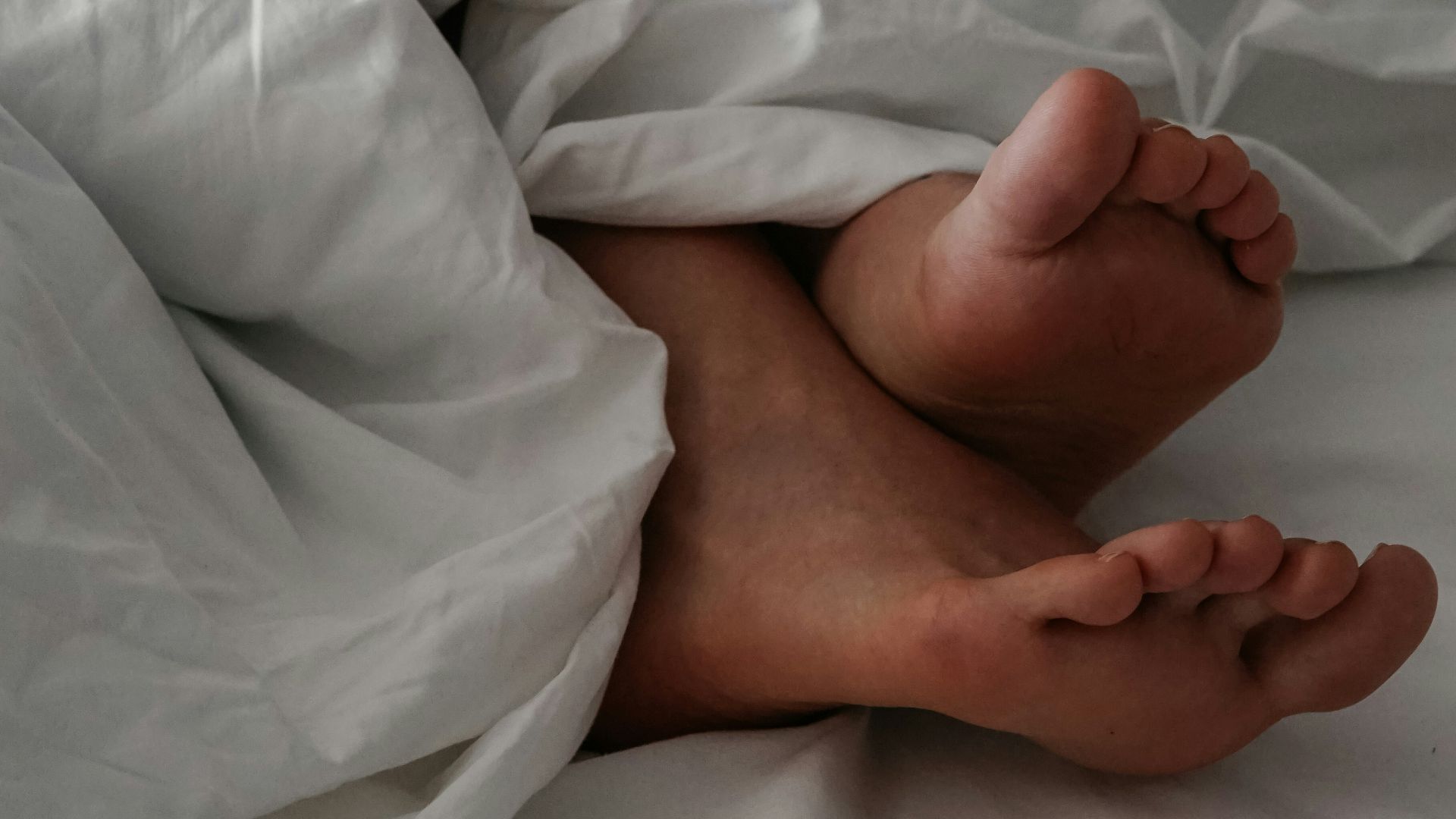
One rough night can affect the entirety of the following day, physically, mentally, and emotionally. Even when you have plans, it may be better for you to switch your itinerary around so you can ensure you’re getting the sleep you need.

13. Spending Evenings On Your Phone
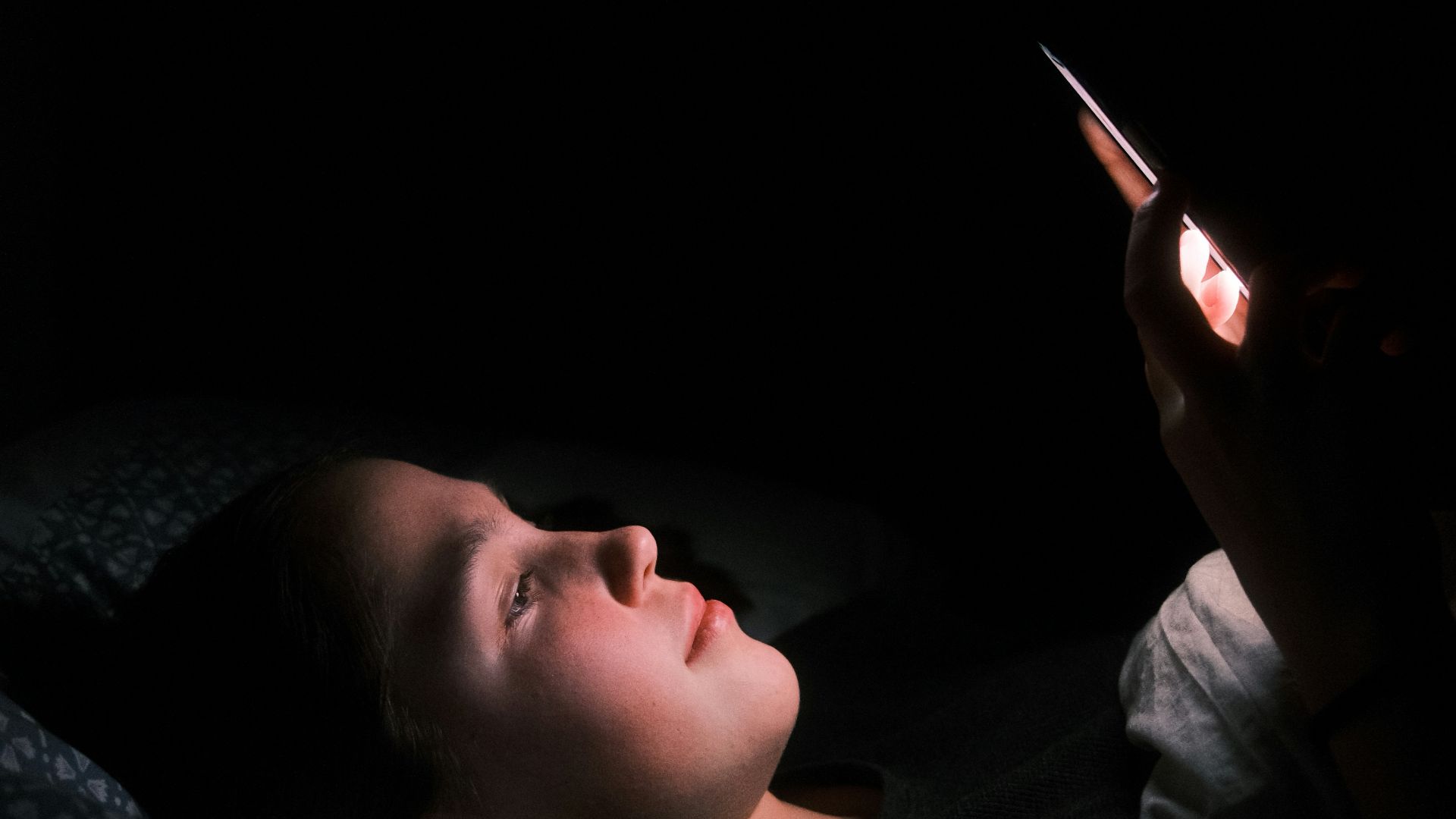
Scrolling in bed steals time and keeps the brain engaged when it should be slowing down. Research on evening light exposure from screens suggests it can delay sleep for many people, especially when the content is stimulating. This is an excellent time to read one of the books you brought with you.
14. Napping Too Long
A quick nap in the middle of the day can be helpful, but napping for a few hours will ruin any jet lag progress you’ve made. You can still take it slow even after you wake up, but the important thing is that you’re awake.

15. Skipping Morning Light
Morning light is one of the strongest cues for setting your internal clock, which is especially important on travel days. If you wake up and stay in dim indoor lighting until noon, your body will think it’s still time to sleep.

16. Treating Every Night Like A Party
We know you want to go out and have fun, but doing so multiple times in a row may ruin your ability to have a good day. Either call it an early night some nights or save your big party nights when you know you have a more relaxed itinerary the next day.

17. Sleeping In Different Beds Nightly
Constant hotel hopping is fun, but it doesn’t allow your body a chance to settle. Sleep is often more fragmented in unfamiliar environments, a well-known effect sometimes called the first-night effect. When you change rooms nightly, you just keep repeating that adjustment.

18. Choosing Noise Over Convenience
Staying in the center of everything can be convenient, yet it often comes with street noise and late-night activity. A room facing a busy road or a nightlife area makes sleeping all the more difficult. Sometimes, a slightly quieter neighborhood is the best luxury you can book.

19. Forgetting About Pillows
A pillow that is too flat or too high can trigger neck discomfort that makes falling asleep harder. Hotel pillows never seem to be perfect, so you’re better off bringing your own if you’re worried that they will affect your sleep.

20. Not Protecting Your Routine
Travel can knock routines loose, and sleep is usually the first thing to get sacrificed. Keeping one or two anchors, like a consistent bedtime window or the same wind-down steps, helps to remind your body that it’s bedtime.