 Antoine Contenseau on Unsplash
Monaco’s footprint is famously tiny, at about 2.084 square kilometers, with about a total resident population of 38,423 people. When that many people live in that little space, it’s no surprise that expansion becomes a part of a city’s need for survival. It ultimately comes down to one 150-year-old question: how to grow when the land runs out?
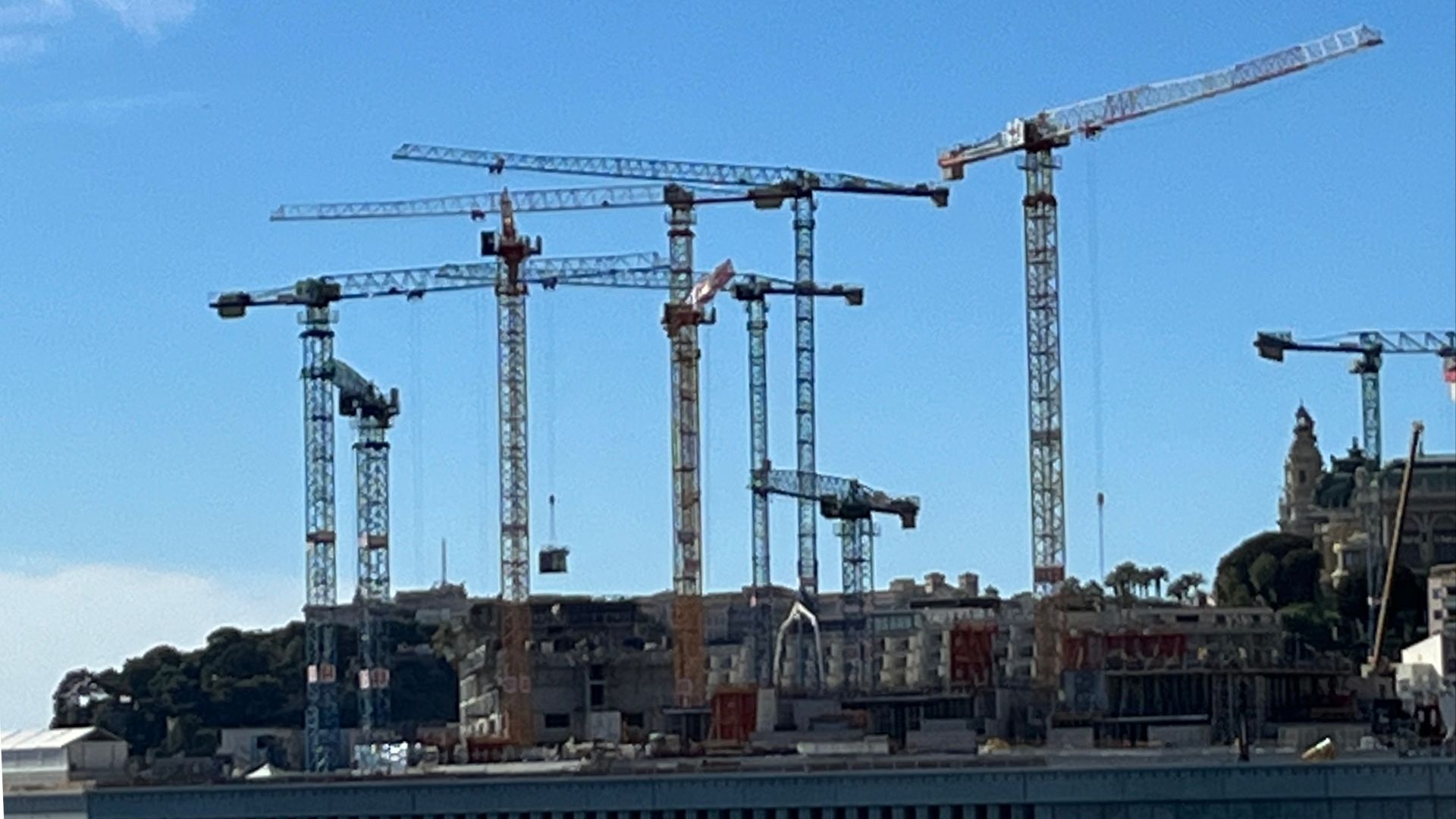
The principality’s newest region, Mareterra, answers that problem. The shining new district looks as if it simply rose out of the sea. In reality, the new area was created by adding reclaimed land off Larvotto, following a pattern Monaco has used for more than a century. The roughly €2 billion project that was unveiled in December 2024 and it’s already stitched into daily life with promenades, plazas, and waterfront seating.
A History Of Small Spaces
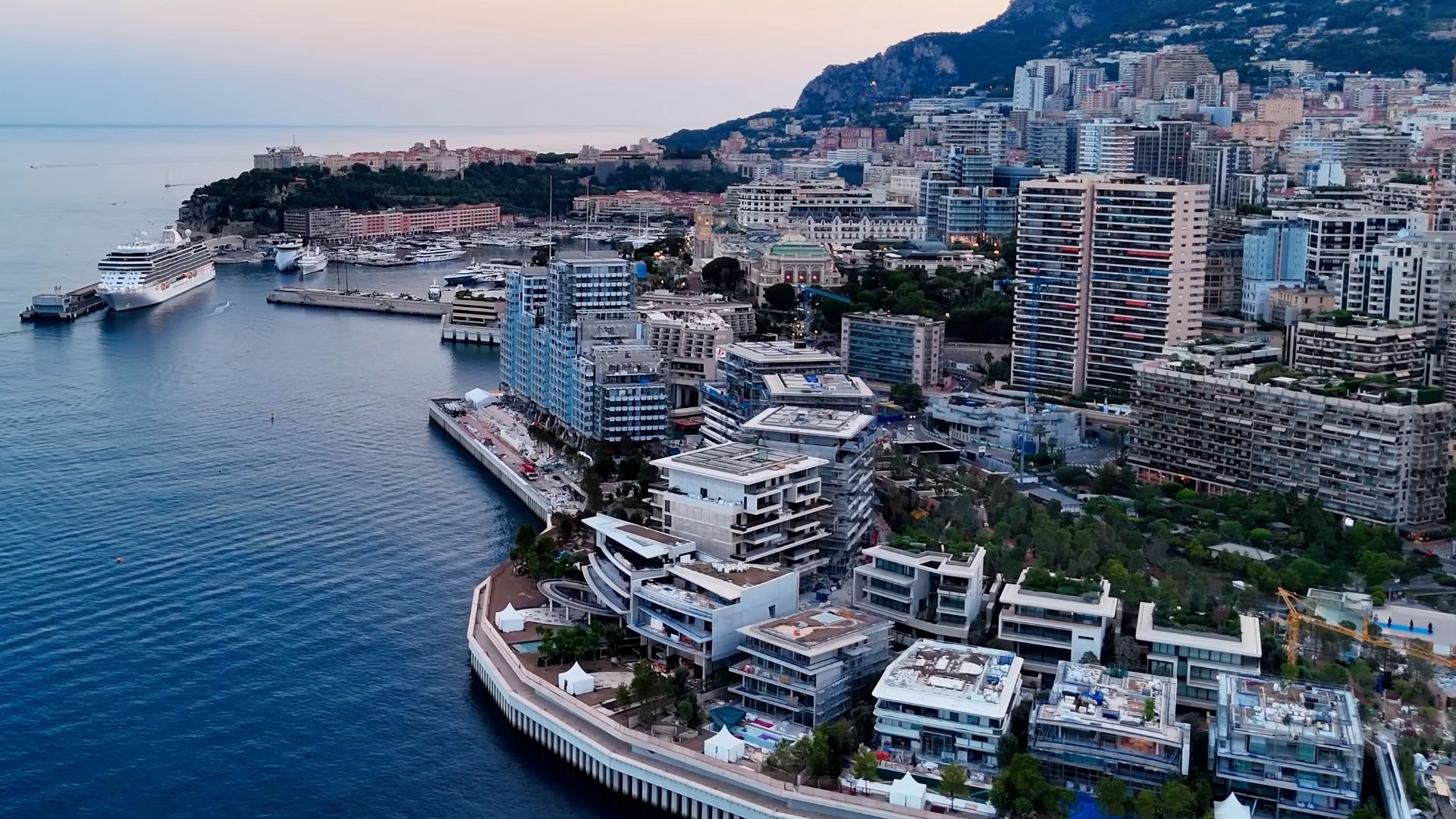
Monaco’s go-to strategy has been to push outward into the Mediterranean, claiming some of its land back from the swelling tides. BBC Travel notes that since 1907, about 25% of Monaco’s territory has been reclaimed, including major areas like Larvotto, Port Hercule, and Fontvieille. In 2013, Prince Albert II announced plans to reclaim six hectares near Larvotto, later naming the project Mareterra to reflect its connection to sea and land.
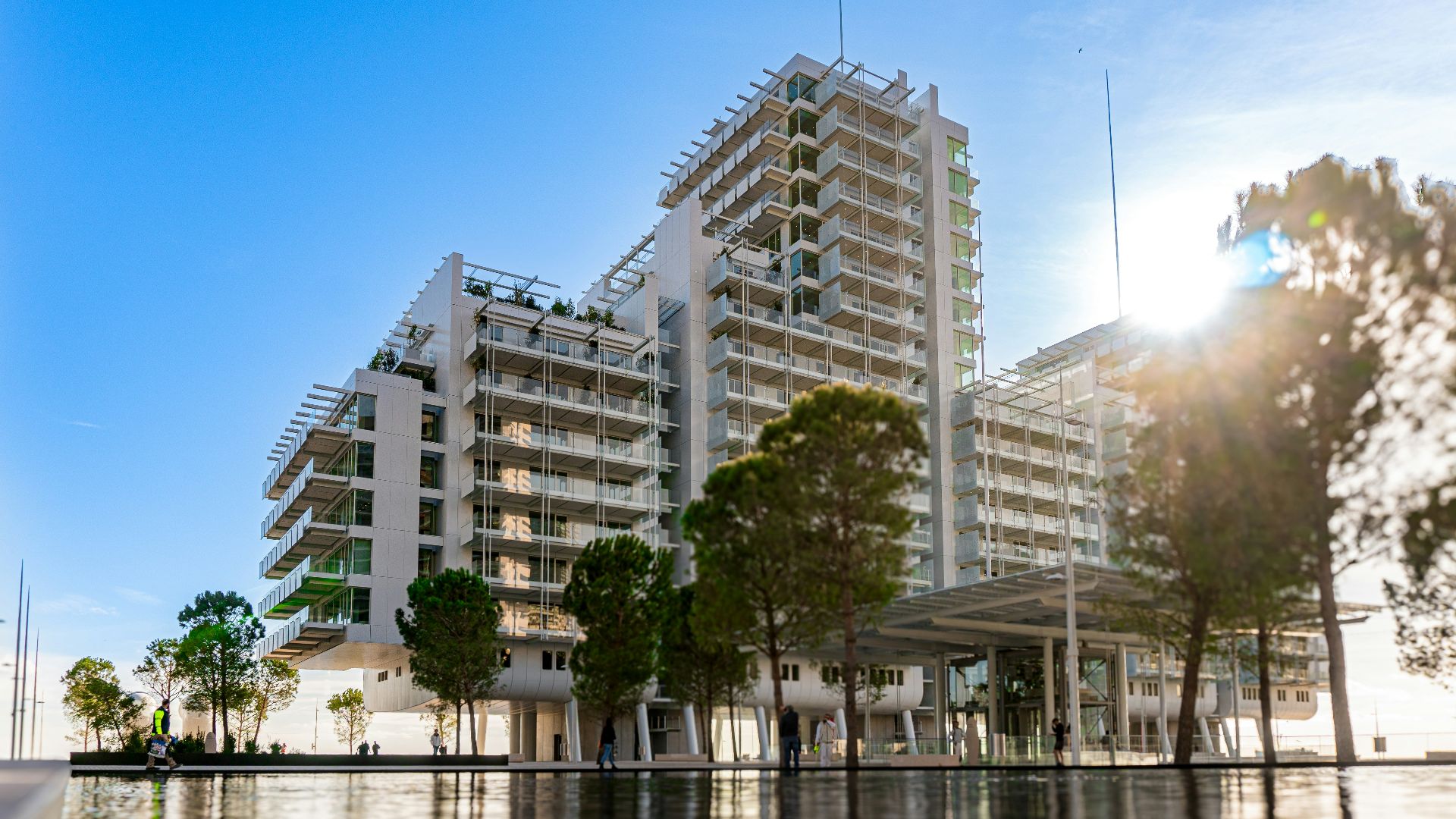
Mareterra consists of two residential apartment blocks (including one by Renzo Piano), 10 villas, four townhouses, a small marina, 14 commercial spaces, and about three hectares of public space. It’s located beside the Grimaldi Forum and the Japanese Garden, and BBC Travel describes it as fitting “like the missing piece of a puzzle” into this stretch of coastline. Design and architecture coverage similarly describes the district as adding six hectares with promenades, parks, and a marina, designed by teams that include Renzo Piano Building Workshop, Valode & Pistre, and Michel Desvigne.
Engineering Under Your Feet
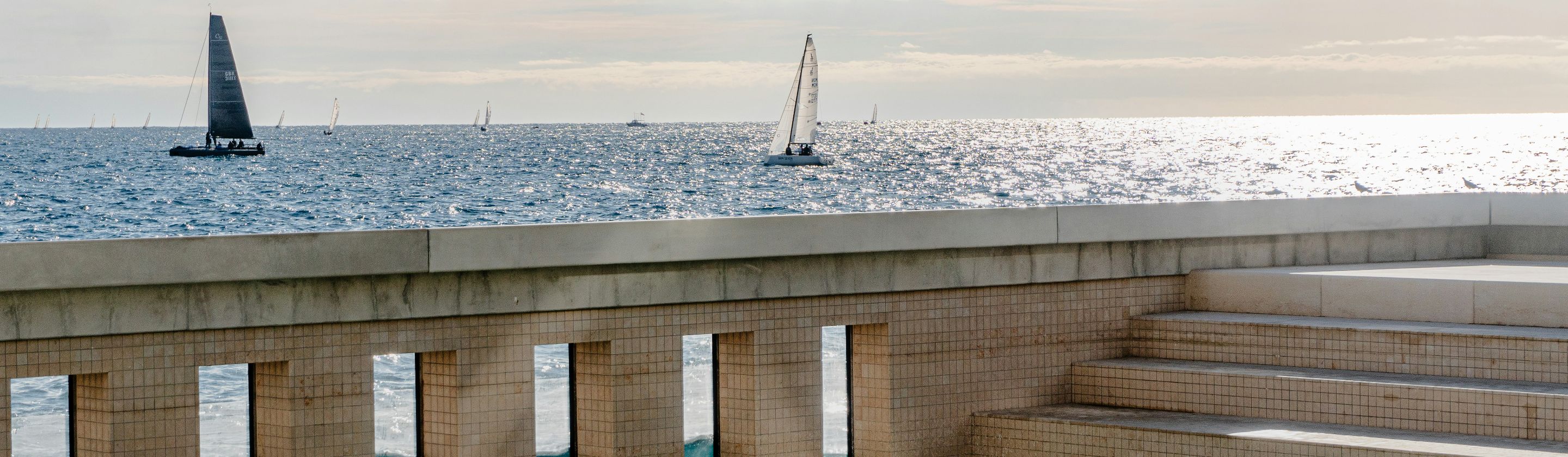
The easiest way to experience Mareterra as a visitor is to simply follow the waterline. BBC Travel describes Promenade Prince Jacques as an 800-meter pedestrian walkway around the sea-facing perimeter.
Beneath that calm surface is a marvel of engineering. The district’s maritime infrastructure includes 18 caissons, each weighing around 10,000 tons and standing around 26 meters high, sitting side by side on the seafloor. Inside one of these spaces, the article explains the Jarlan chamber design that lets water flow in and out, acting as a breakwater for the area.
Mareterra also comes with environmental benefits, implementing grooves and reliefs into the caissons to encourage marine life to colonize them, including hand-sanded segments to add texture. The BBC highlights a delicate challenge: transplanting 384 square meters of Posidonia oceanica, a protected Mediterranean seagrass, using a modified tree spade and moving it about 200 meters to the Larvotto Marine Protected Area. University of Liège coverage of the project also emphasizes the 384 m² scale and frames it as a major scientific advance for seagrass meadow conservation tied to Mareterra’s maritime works.
Seeing Mareterra By Sea
Walking into Mareterra is straightforward, and Monaco’s official tourism site even suggests a route that starts in the district and continues along the coast toward Larvotto. Approaching from the water, though, changes the whole read, because you can actually see the district as reclaimed land rather than “just another pretty waterfront.” BBC Travel captures this illusion perfectly, describing how seamlessly the area blends with the landscape, even though the spot was the Mediterranean Sea eight years ago. A boat ride gives you the clean outline, the protective curve, and the sense of the district as a built shoreline.
Mareterra’s official site also describes a small marina with about 15 berths alongside shops and restaurants, while other local coverage commonly cites 16 berths, including space for boats up to 16 meters. Visitors without yacht access still have options, since private taxi-boat operators run sea transfers around Monaco and along the nearby Riviera.
Once you step back onto land, the neighborhood rewards slow wandering more than checklist sightseeing. VisitMonaco’s overview calls out the seafront Promenade Prince Jacques, the blue grotto that reveals the project’s inner structure, green spaces, and the marina area at Quai du Petit Portier. BBC Travel also mentions small details that make the place feel lived-in, like the La Pinède nature walk, and Quatre Lances, an Alexander Calder sculpture brought out of storage to become a meeting point. The result is a district that’s polished, public-facing, and quietly weird in the best way, because it invites you to enjoy the view while standing on a serious piece of coastal engineering.