Big Trails Meet Small-Town Energy
Some mountain towns become famous almost overnight, and once they do, the crowds usually follow. Emerging mountain towns are different, as they offer access to serious hiking without the inflated prices, packed trailheads, or overdeveloped feel that comes later. These places often sit just outside the spotlight, quietly building reputations among hikers who care more about views than vibes. If you’re looking for epic trails paired with towns that still feel human-sized, these 20 destinations deserve your attention.
1. Salida, Colorado
Salida sits at the edge of the Sawatch Range, offering quick access to high-alpine hikes without the frenzy of nearby resort towns. As trails climb toward fourteeners and remote lakes, the Arkansas River keeps things grounded back in town.
2. Silver City, New Mexico
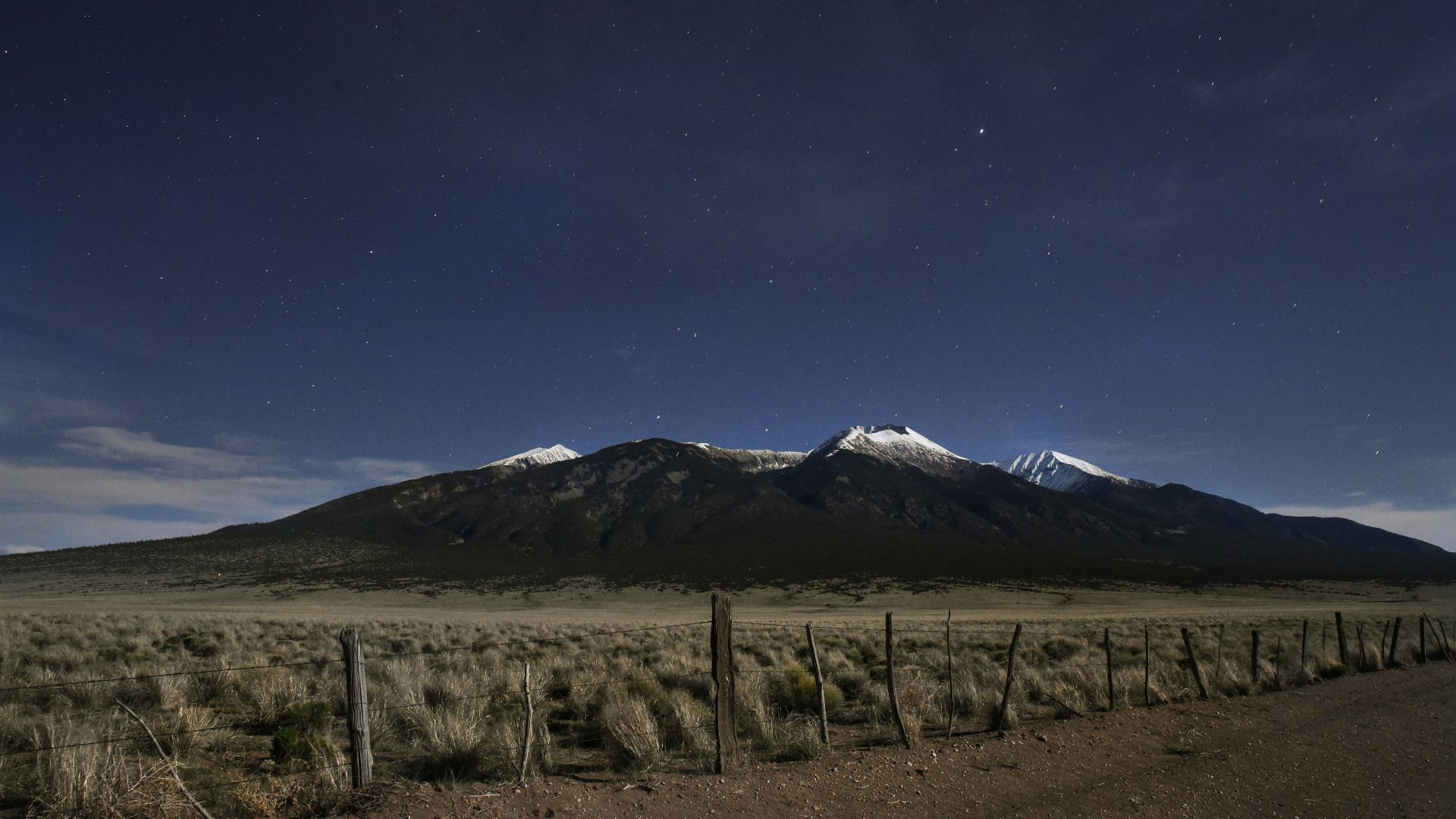
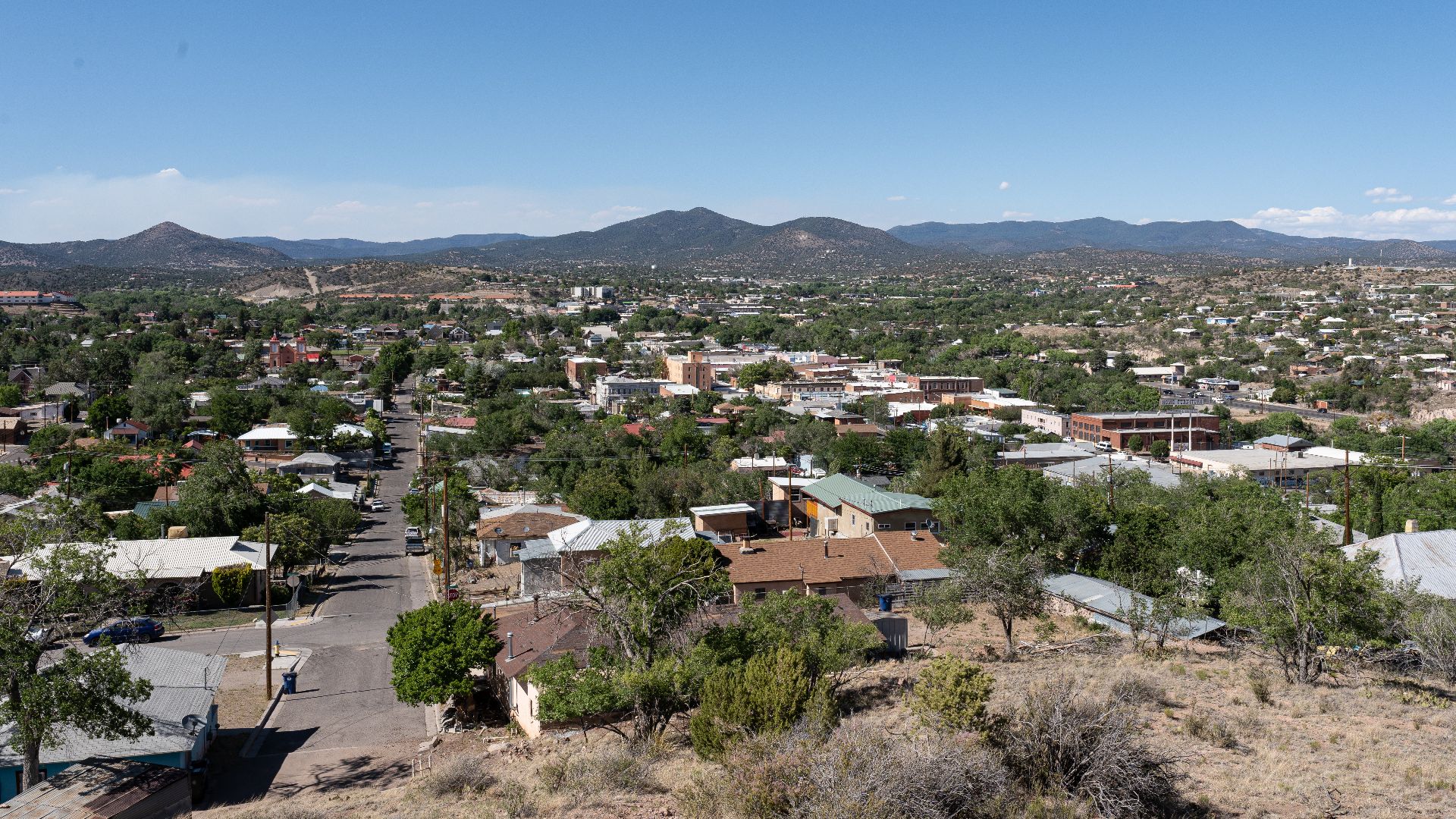
Silver City serves as a gateway to the Gila Wilderness, one of the most underrated hiking regions in the Southwest. Trails wind through canyons, pine forests, and hot springs, offering a huge variety without crowds.
3. Leadville, Colorado
At over 10,000 feet, Leadville forces acclimation whether you like it or not. The surrounding trails climb fast into alpine basins and ridgelines with minimal buildup. While the hiking feels serious, the town remains refreshingly rough around the edges.
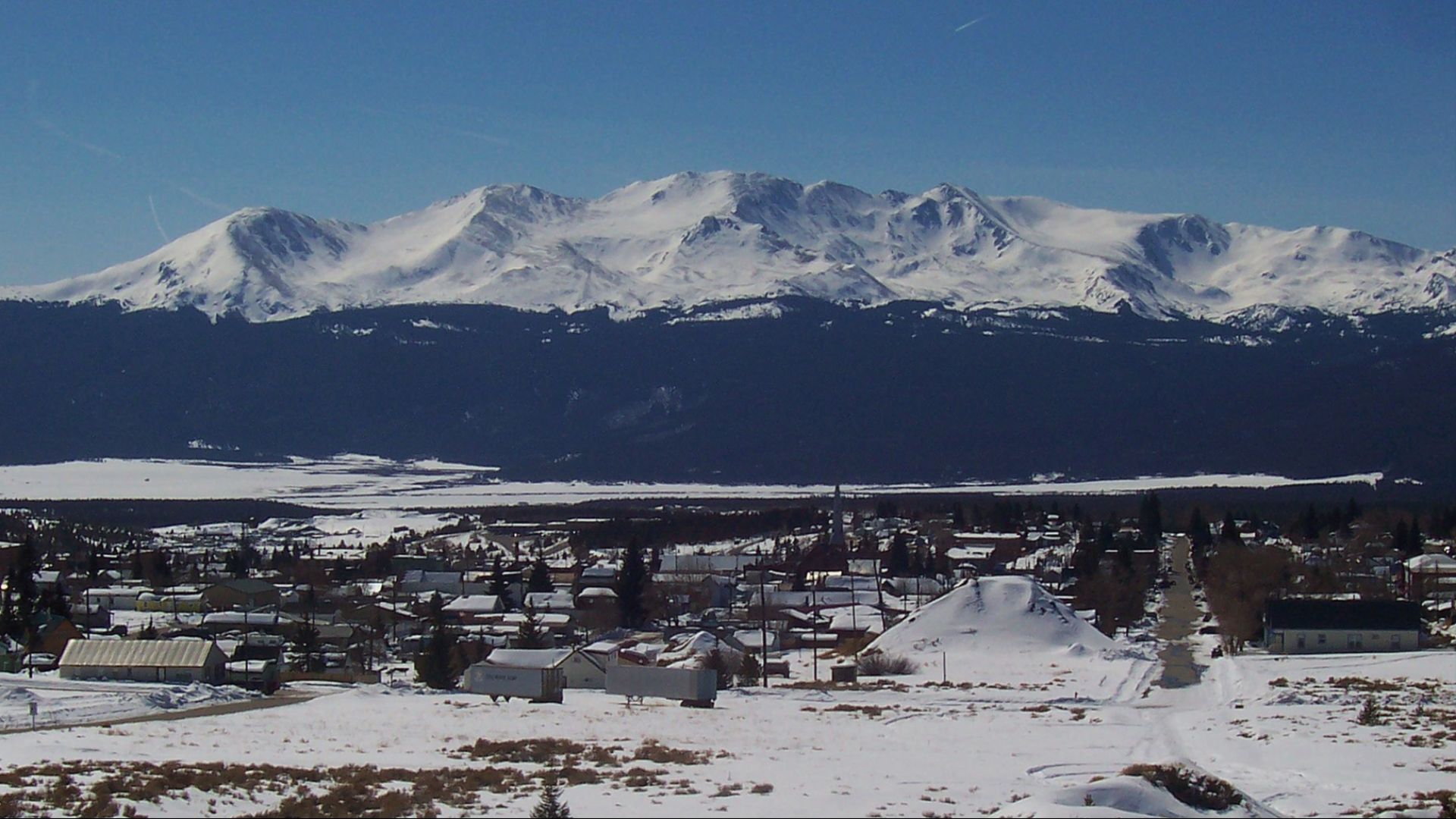 John Holm from Leadville, CO, USA on Wikimedia
4. Bishop, California
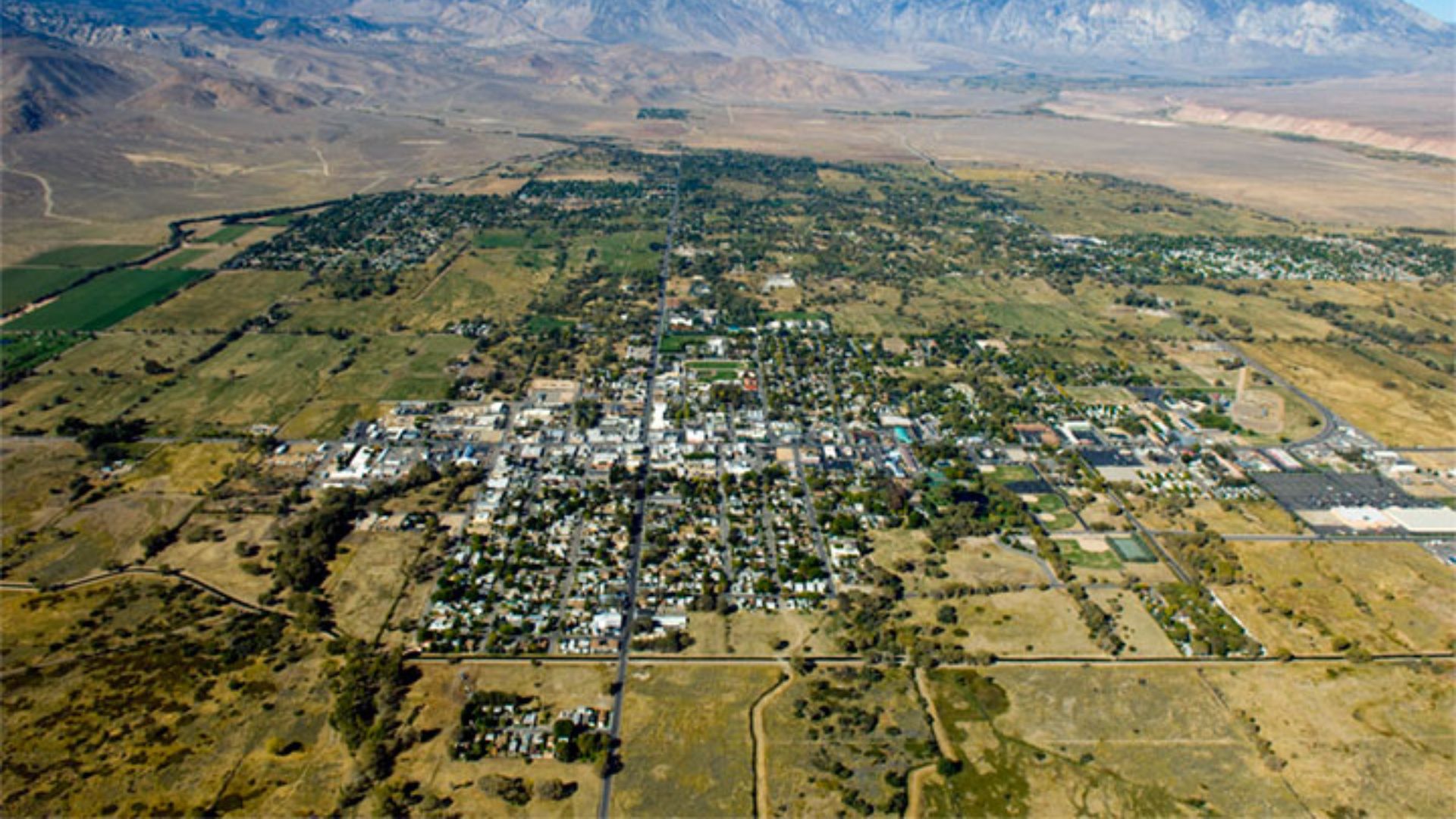
Bishop sits at the eastern edge of the Sierra Nevada, where desert meets dramatic granite peaks. As hikes climb toward alpine lakes and passes, the scenery changes fast and dramatically.
5. Buena Vista, Colorado
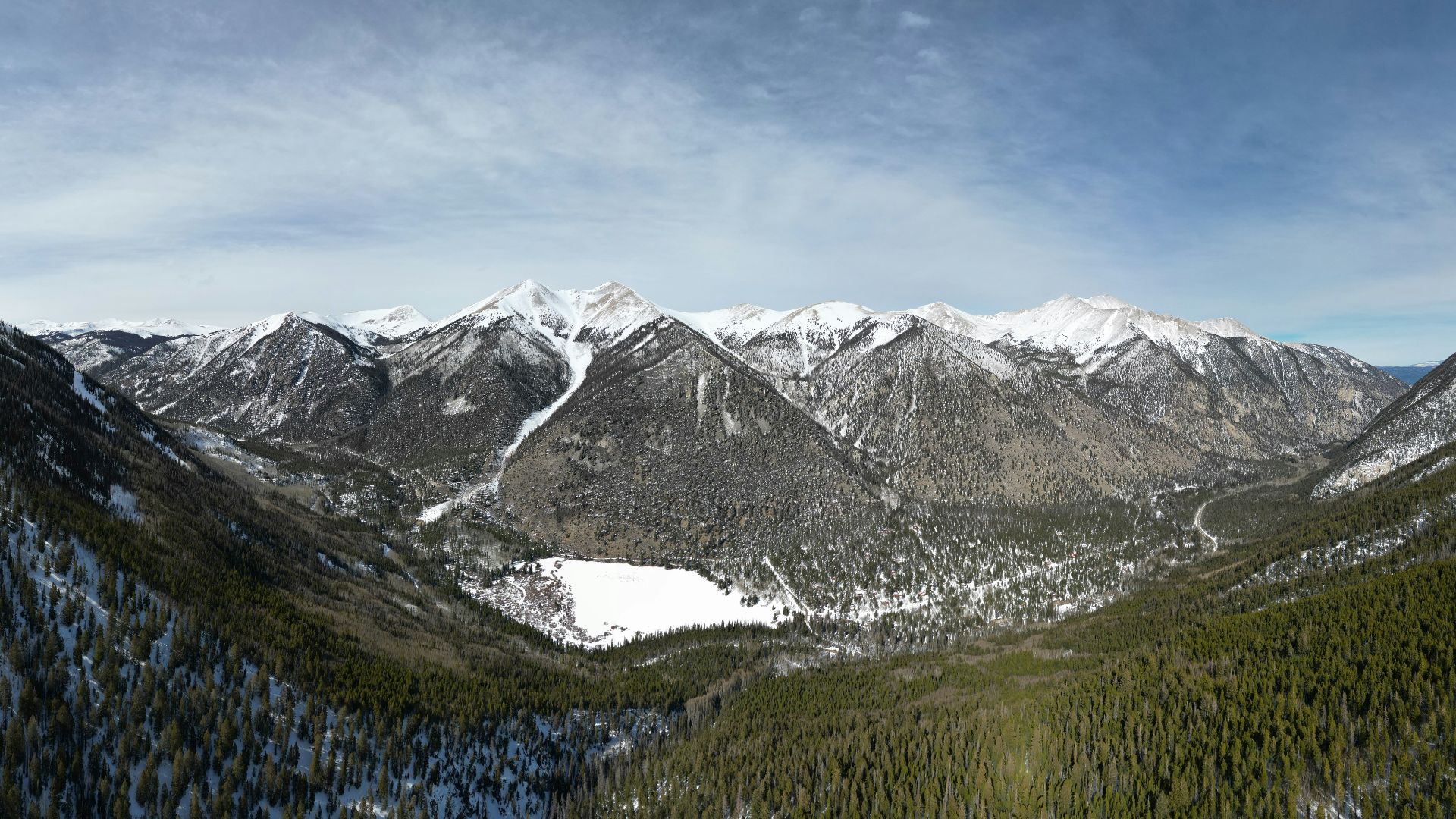
Buena Vista balances accessibility with elevation, making it ideal for hikers easing into big terrain. Trails radiate into the Collegiate Peaks, offering everything from mellow river walks to steep alpine climbs. As tourism grows, the town still holds onto its local feel. It’s friendly without feeling curated.
6. Bovec, Slovenia
Bovec sits in the Julian Alps near Triglav National Park, offering alpine hiking without the crowds found in Western Europe’s bigger destinations. Trails climb through limestone peaks, turquoise river valleys, and high mountain pastures.
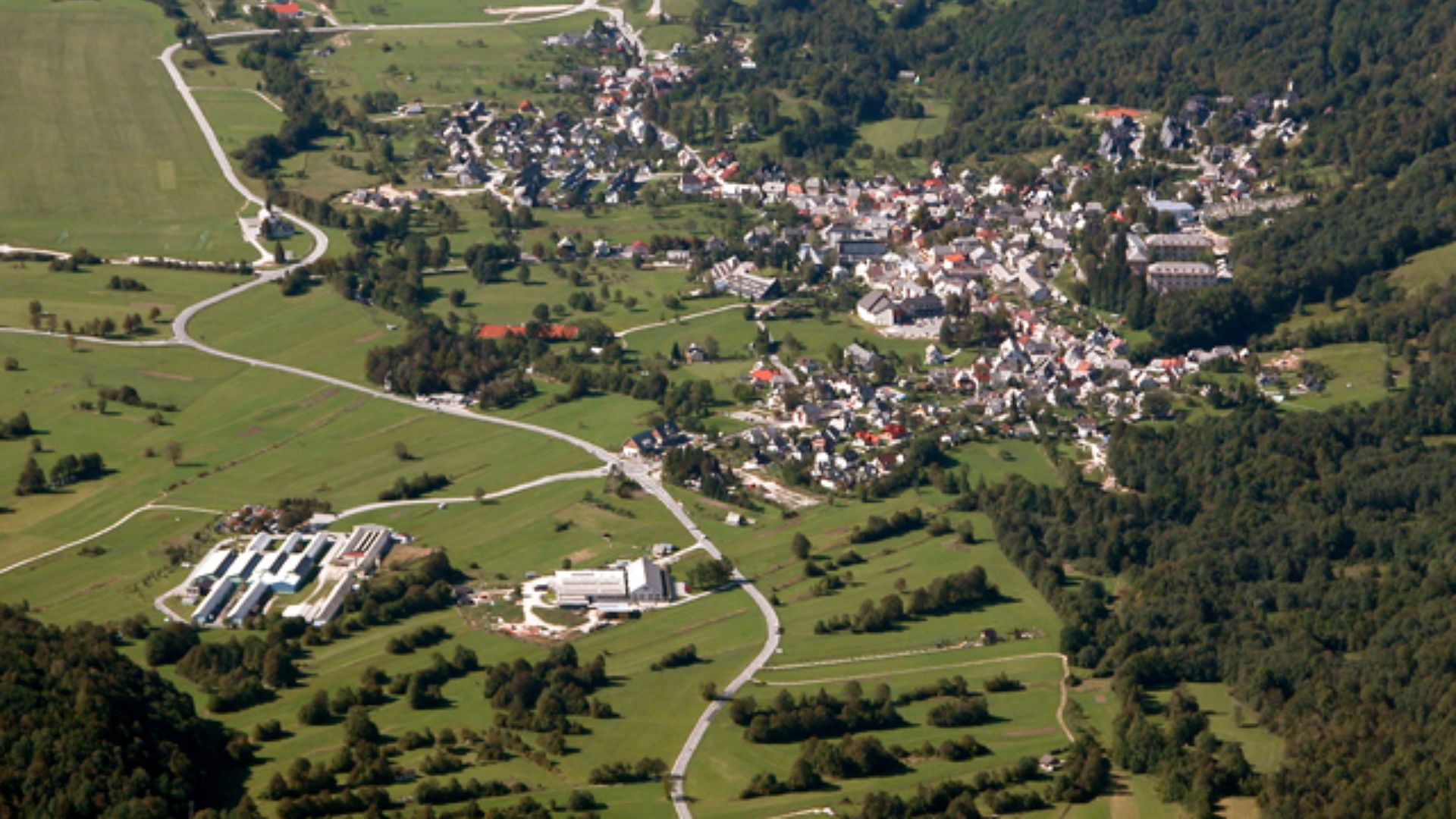 Damjanleban at Slovenian Wikipedia on Wikimedia
7. Ouray, Colorado
Often called the “Switzerland of America,” Ouray earns the comparison on the trail. Hikes rise steeply into waterfalls, box canyons, and jagged peaks. While the town is small, the terrain feels massive. It’s dramatic without being overdeveloped.
8. Ketchum, Idaho
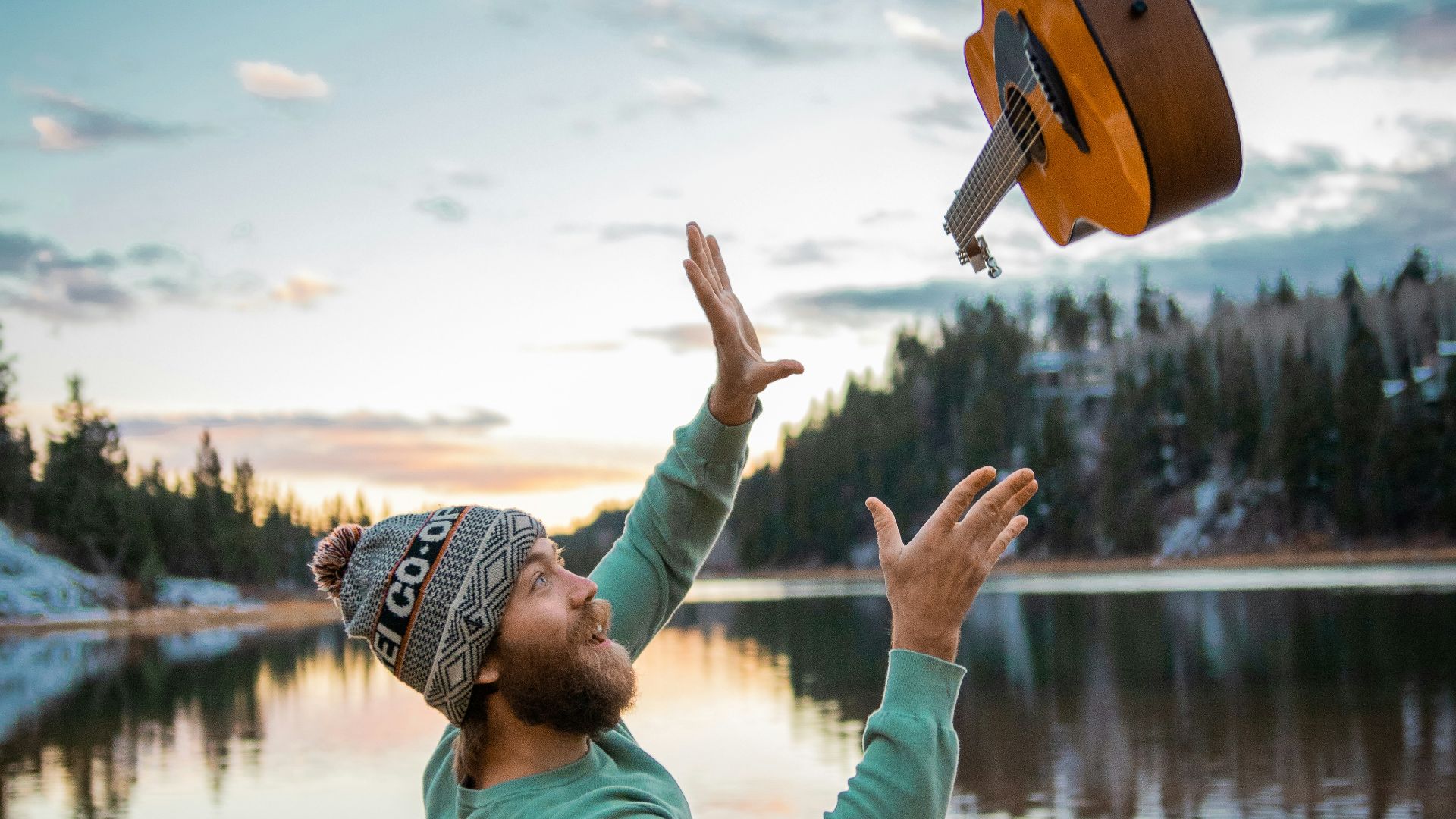
Ketchum offers access to the Sawtooth Mountains, which rival more famous ranges in beauty. Trails climb past sawtooth ridges, alpine lakes, and wide open meadows. As hiking options expand, crowds remain manageable. The town blends outdoor culture with subtle refinement.
9. Cortina d’Ampezzo, Italy
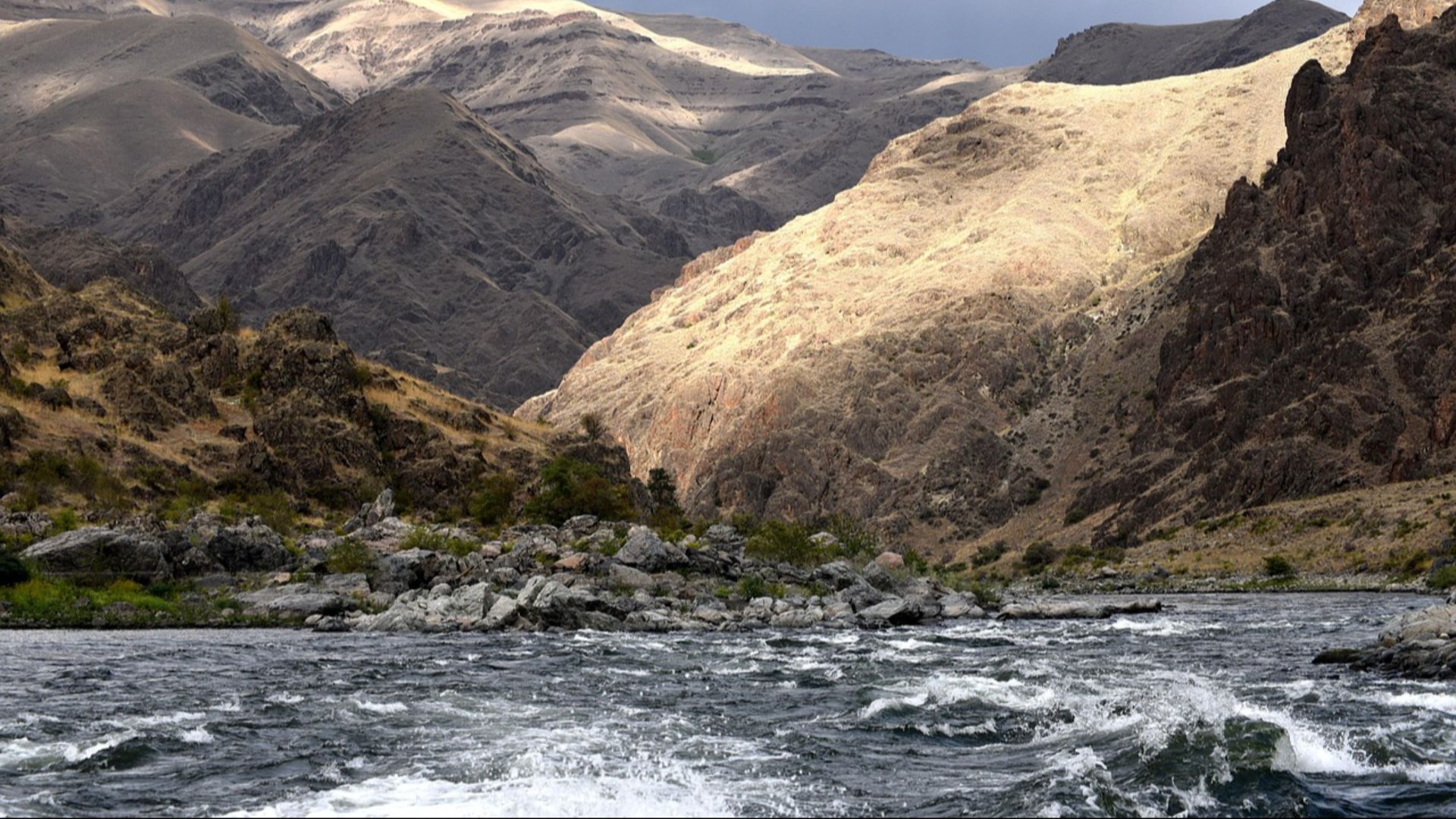
Cortina is famous, but its deeper hiking culture remains underexplored compared to its ski reputation. Trails in the Dolomites stretch across high plateaus, exposed ridgelines, and dramatic vertical faces. As hikers move away from cable cars, solitude increases quickly.
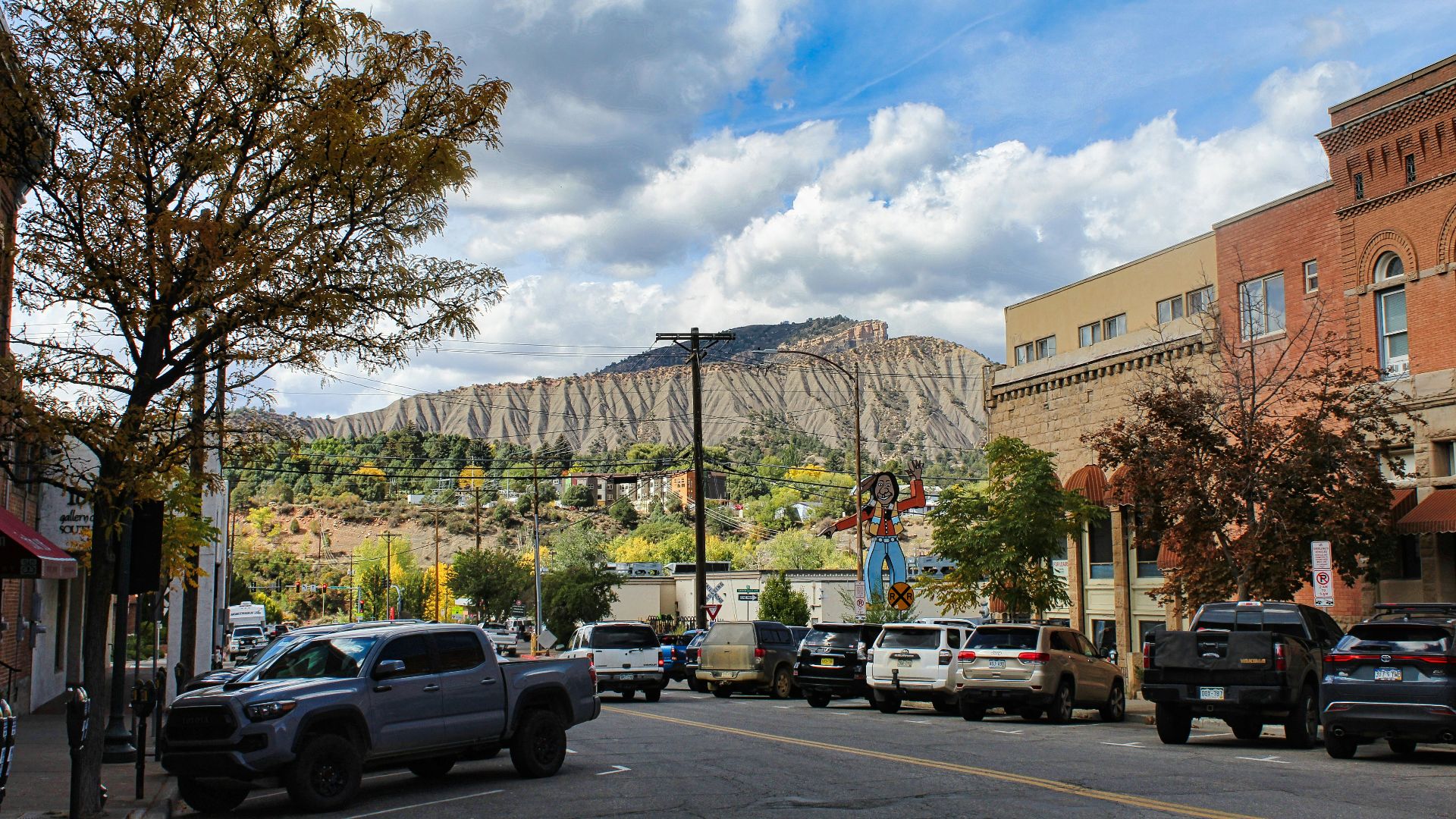
10. Durango, Colorado
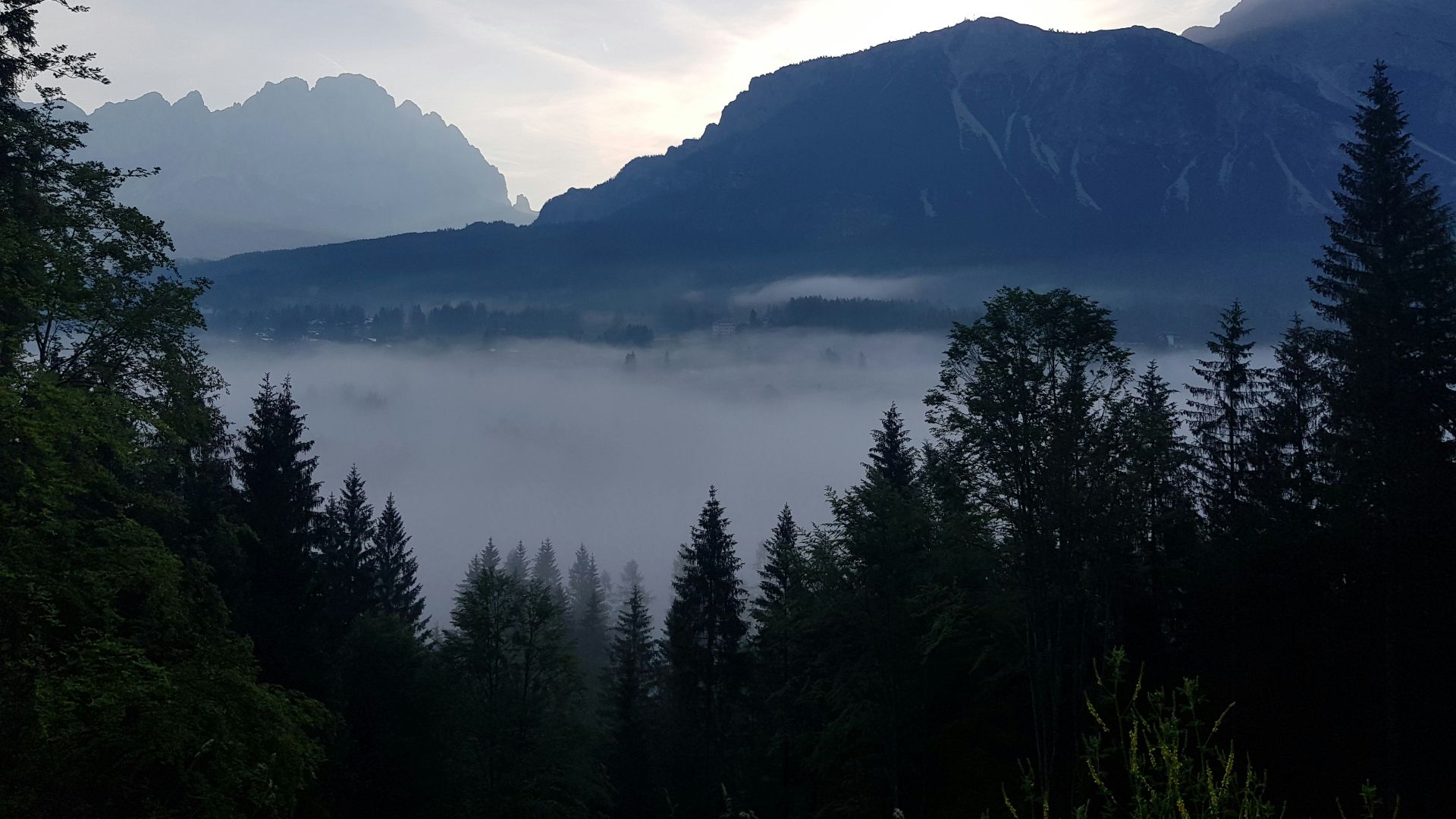
Durango balances a lively downtown with easy access to serious mountain terrain. Trails in the San Juan Mountains deliver long climbs and dramatic payoff. While tourism exists, it hasn’t swallowed the town’s character. Hiking here feels adventurous without being remote.
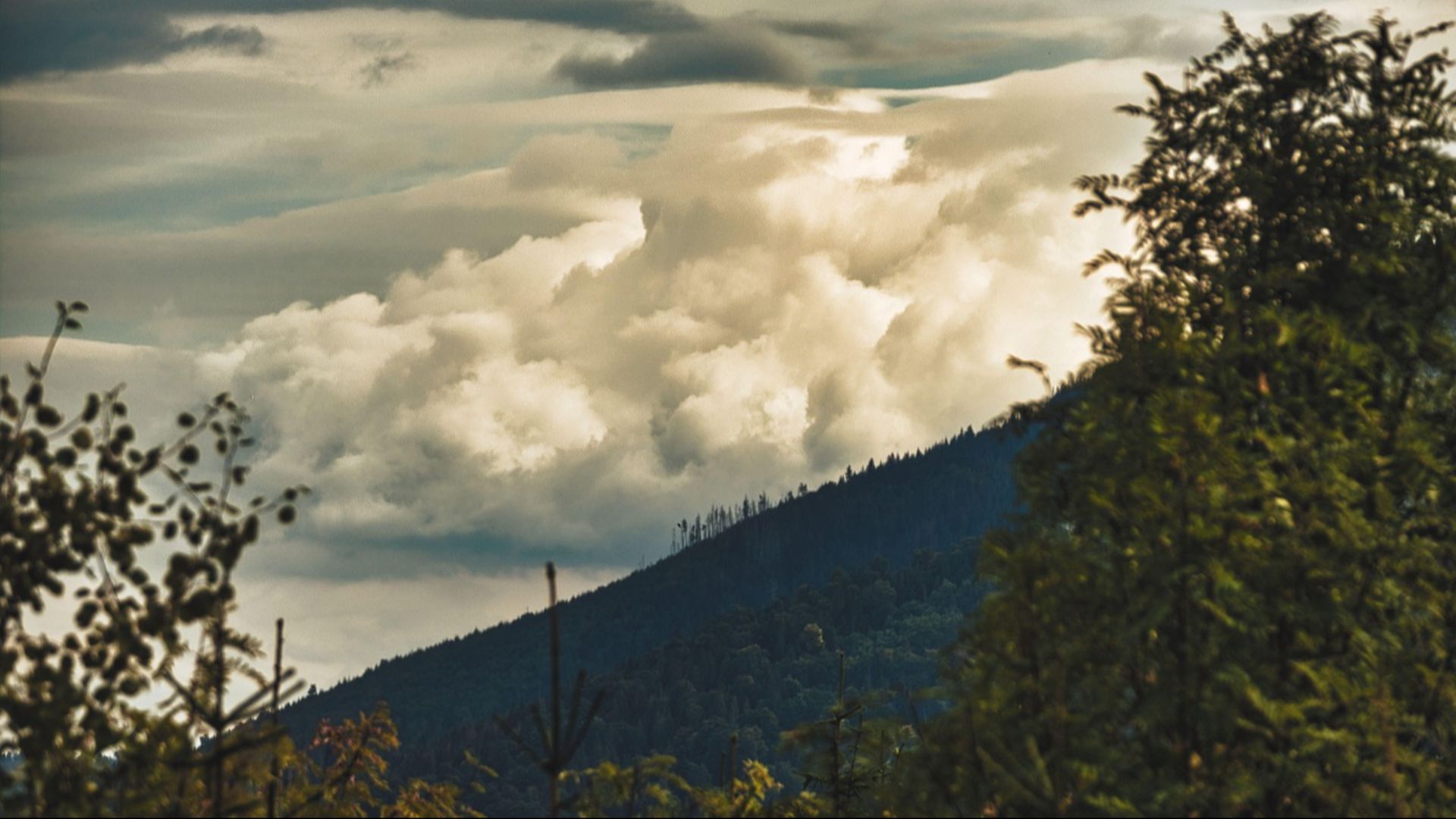
11. Zakopane, Poland
Zakopane sits at the foot of the Tatra Mountains, offering some of Central Europe’s most dramatic hiking. Trails climb rapidly into jagged peaks, alpine lakes, and narrow passes. As elevation increases, the terrain feels surprisingly rugged.
12. Pagosa Springs, Colorado
Pagosa Springs offers access to the Weminuche Wilderness, Colorado’s largest designated wilderness area. Trails stretch deep into remote terrain with minimal infrastructure. As hikes get longer, crowds thin quickly. The town’s hot springs make recovery feel intentional.
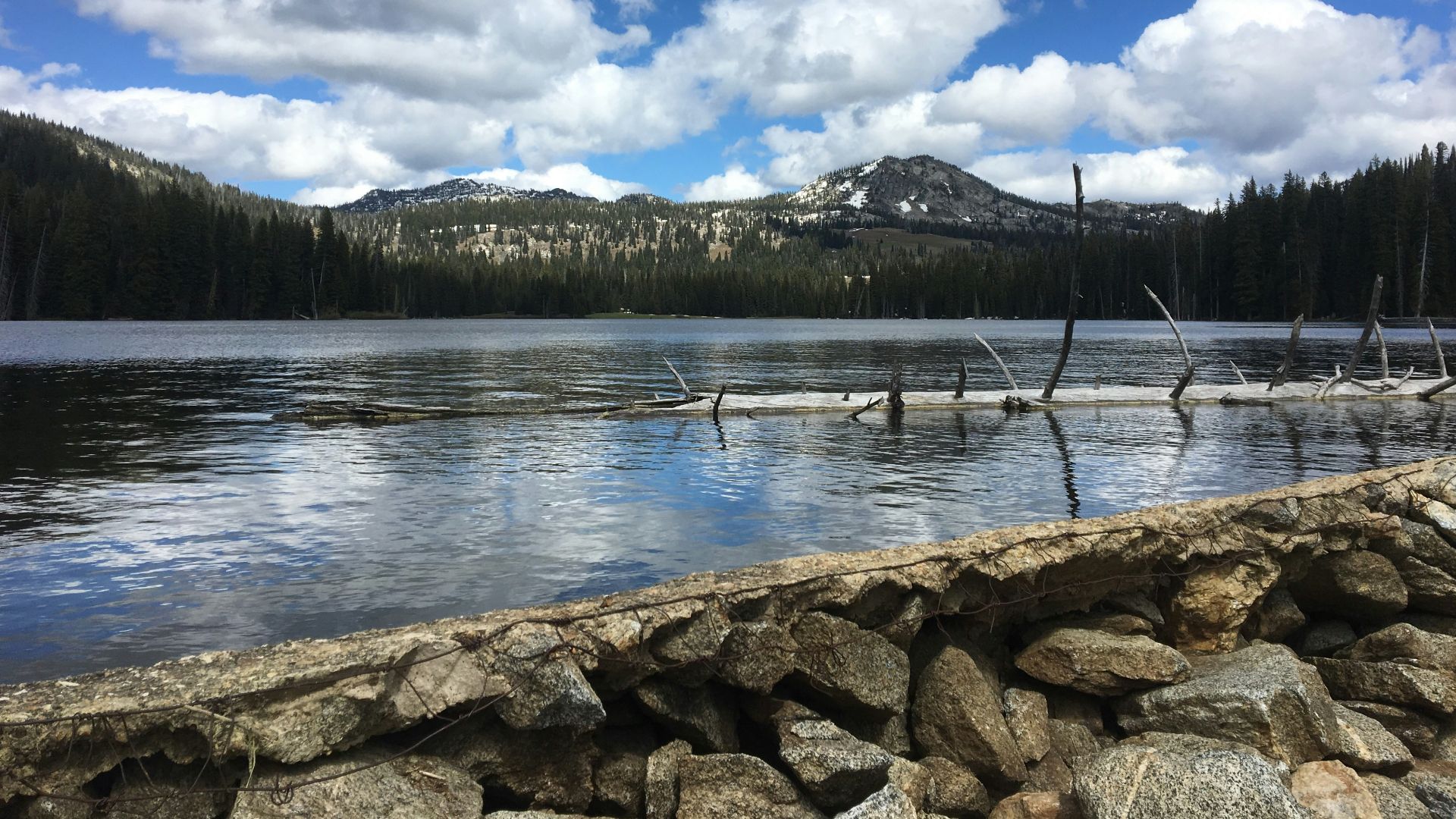
13. McCall, Idaho
McCall sits near Payette National Forest, offering trails that wind through forests and alpine ridges. As elevation increases, the landscape opens dramatically. The hiking feels accessible yet rewarding. It’s a gateway town that still feels authentic.
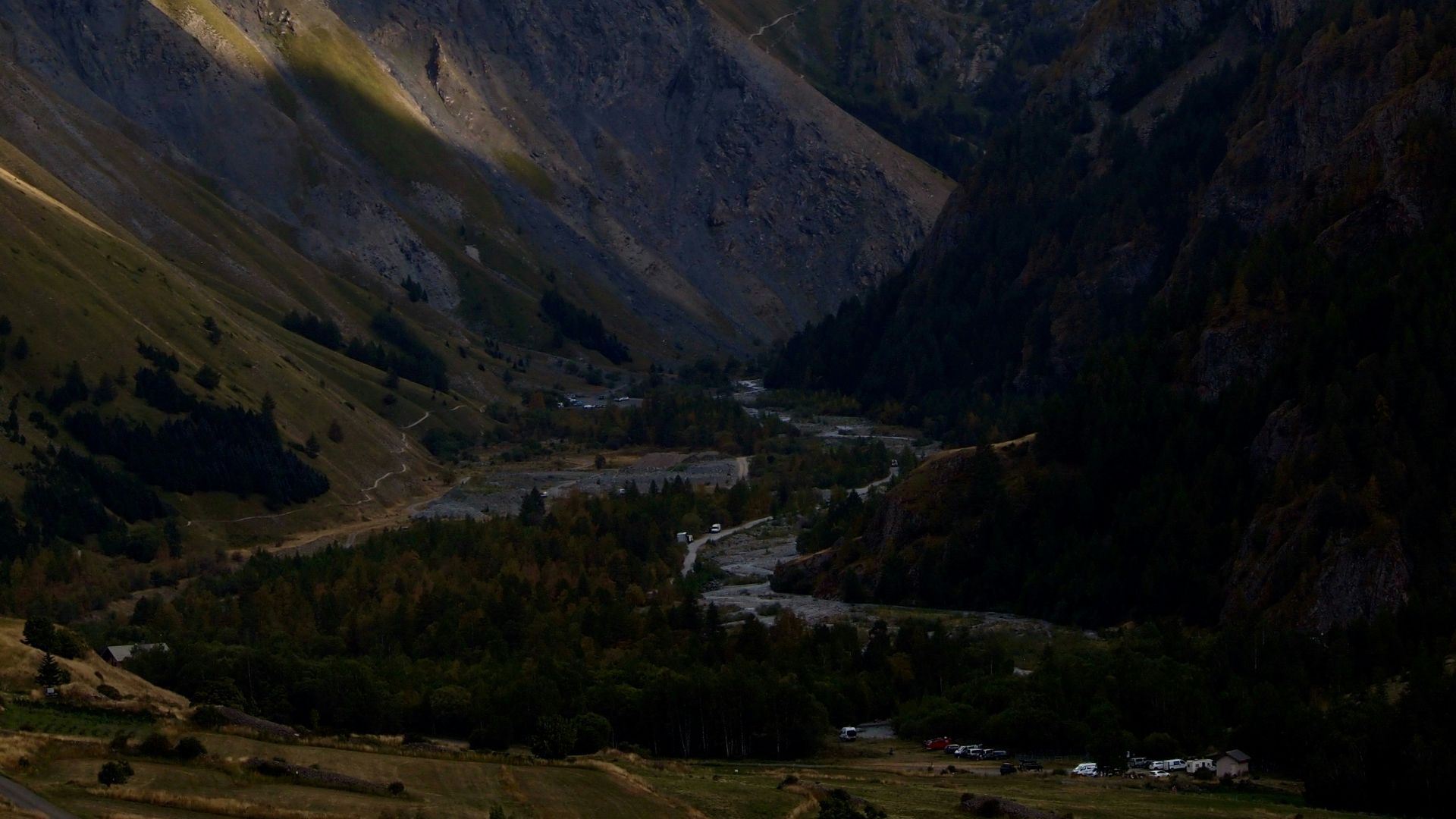
14. Briançon, France
Briançon lies near the Écrins National Park, one of France’s most rugged alpine regions. Trails climb into glaciers, high passes, and long ridgelines with minimal crowding. As hikers gain elevation, the scale of the Alps becomes undeniable. The town feels functional rather than flashy.
15. Truckee, California
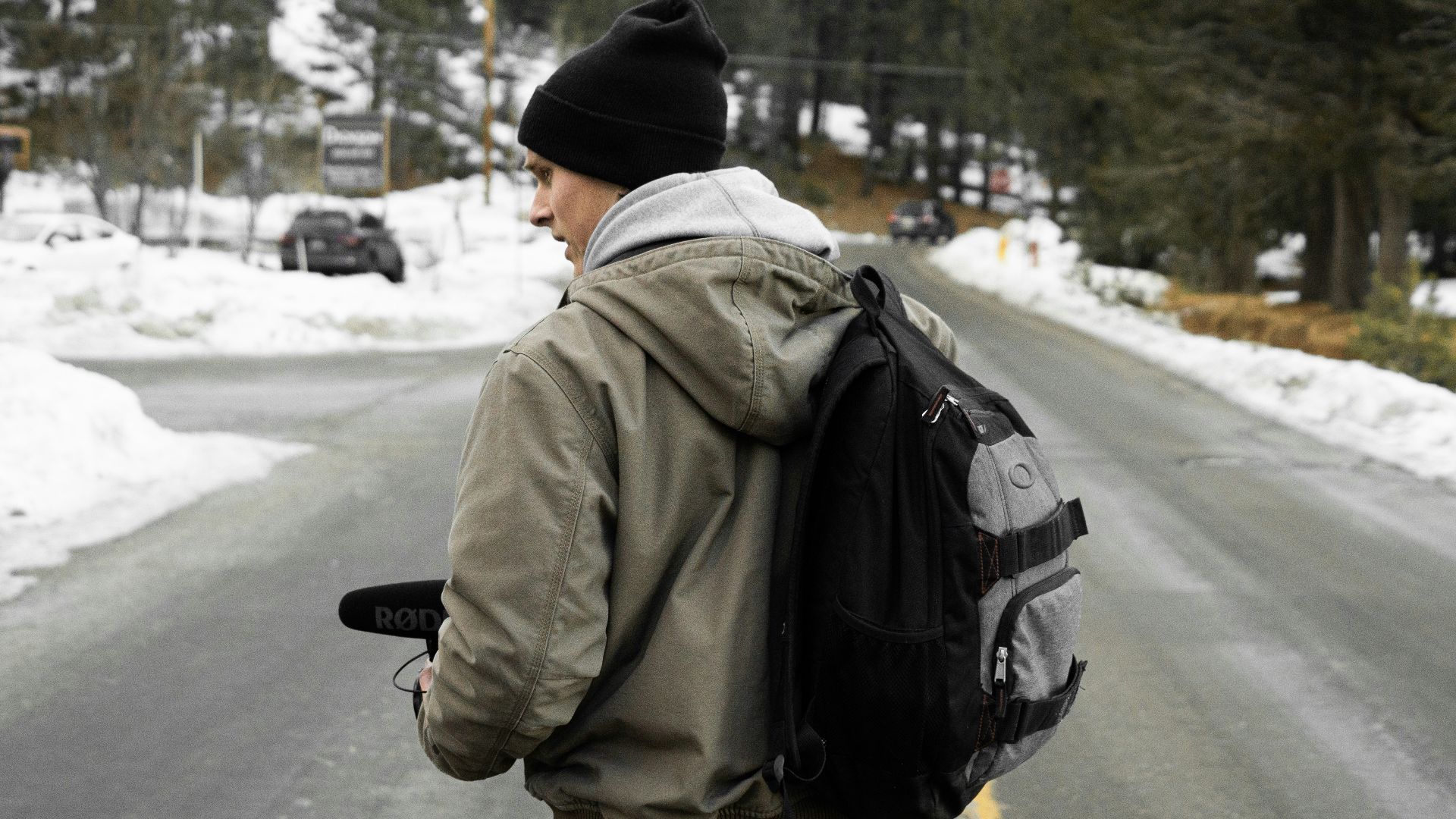
Truckee blends Sierra Nevada access with year-round outdoor culture. Trails climb into alpine terrain quickly, especially in the nearby Tahoe National Forest. While growth is evident, the hiking remains excellent, and it’s a functional mountain town rather than a resort shell.
16. Whitefish, Montana
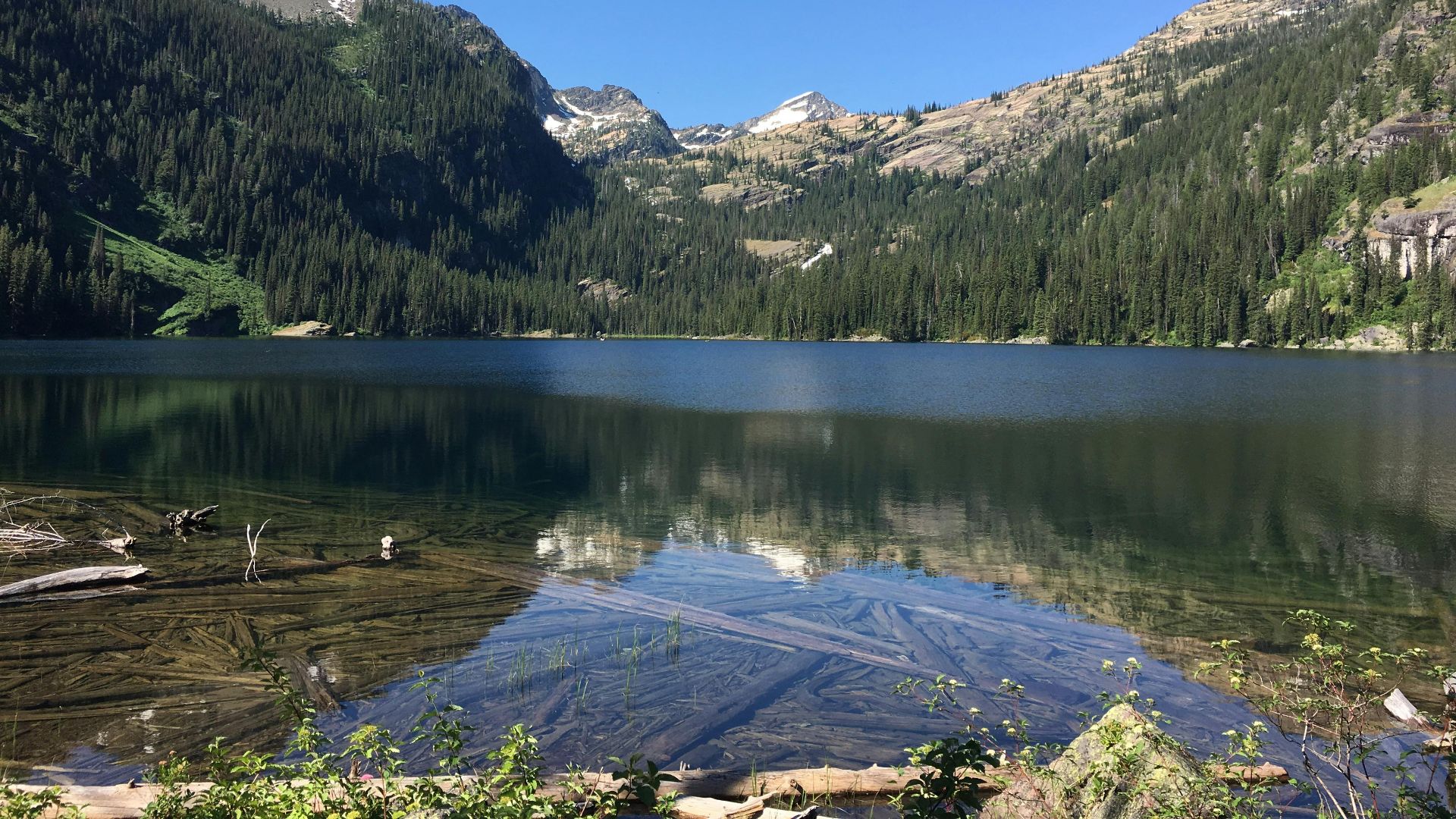
Whitefish benefits from proximity to Glacier National Park without being swallowed by it. Trails nearby offer glacier-carved valleys and long ridge walks. As crowds concentrate inside the park, surrounding hikes stay quieter. The town maintains a balanced pace.
17. Taos, New Mexico
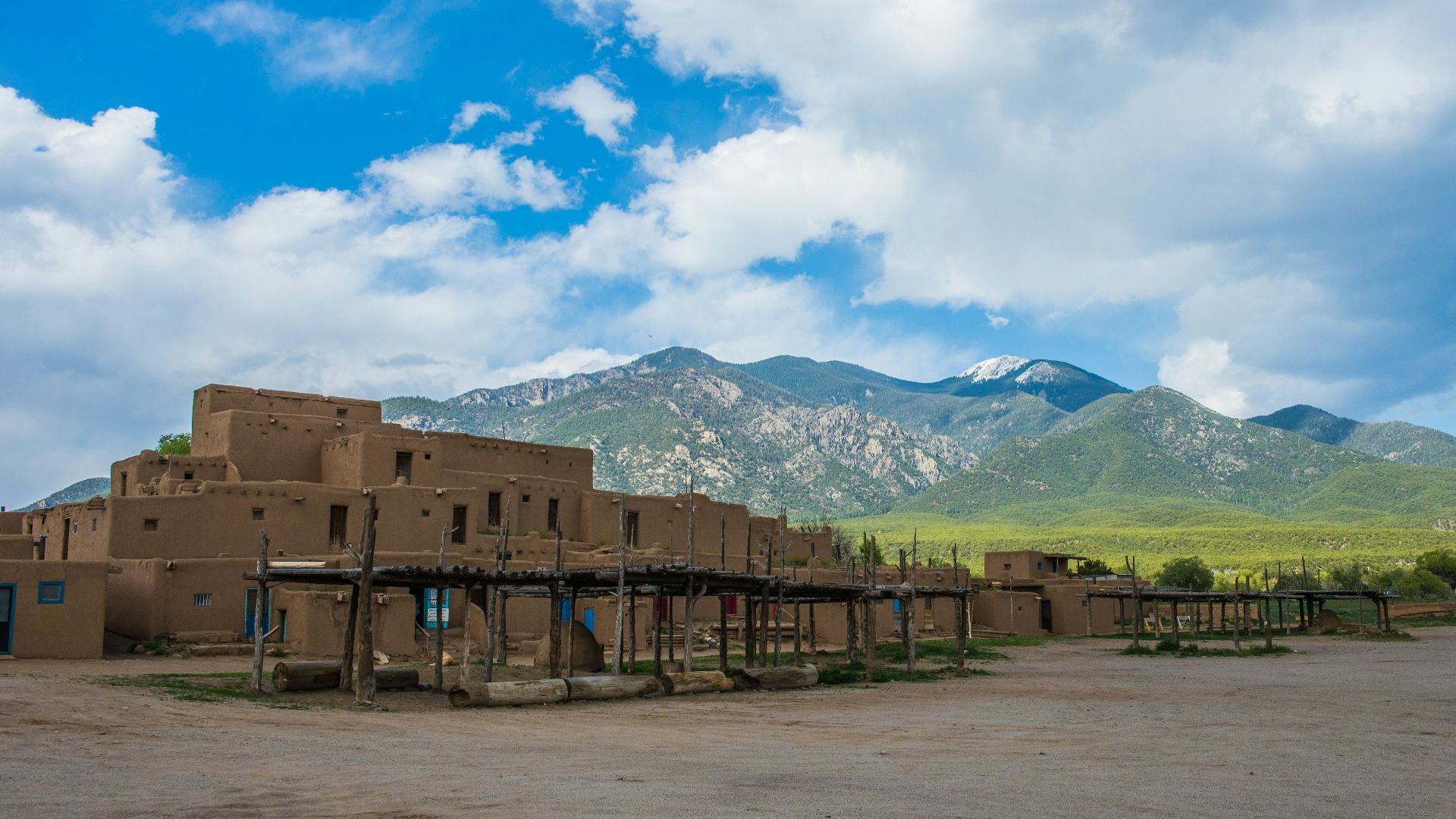
Taos pairs high desert culture with access to the Sangre de Cristo Mountains. Trails rise rapidly from arid landscapes into alpine forests. As elevation shifts, the contrast feels dramatic and rewarding. The town’s identity feels deeply rooted.
18. Mestia, Georgia
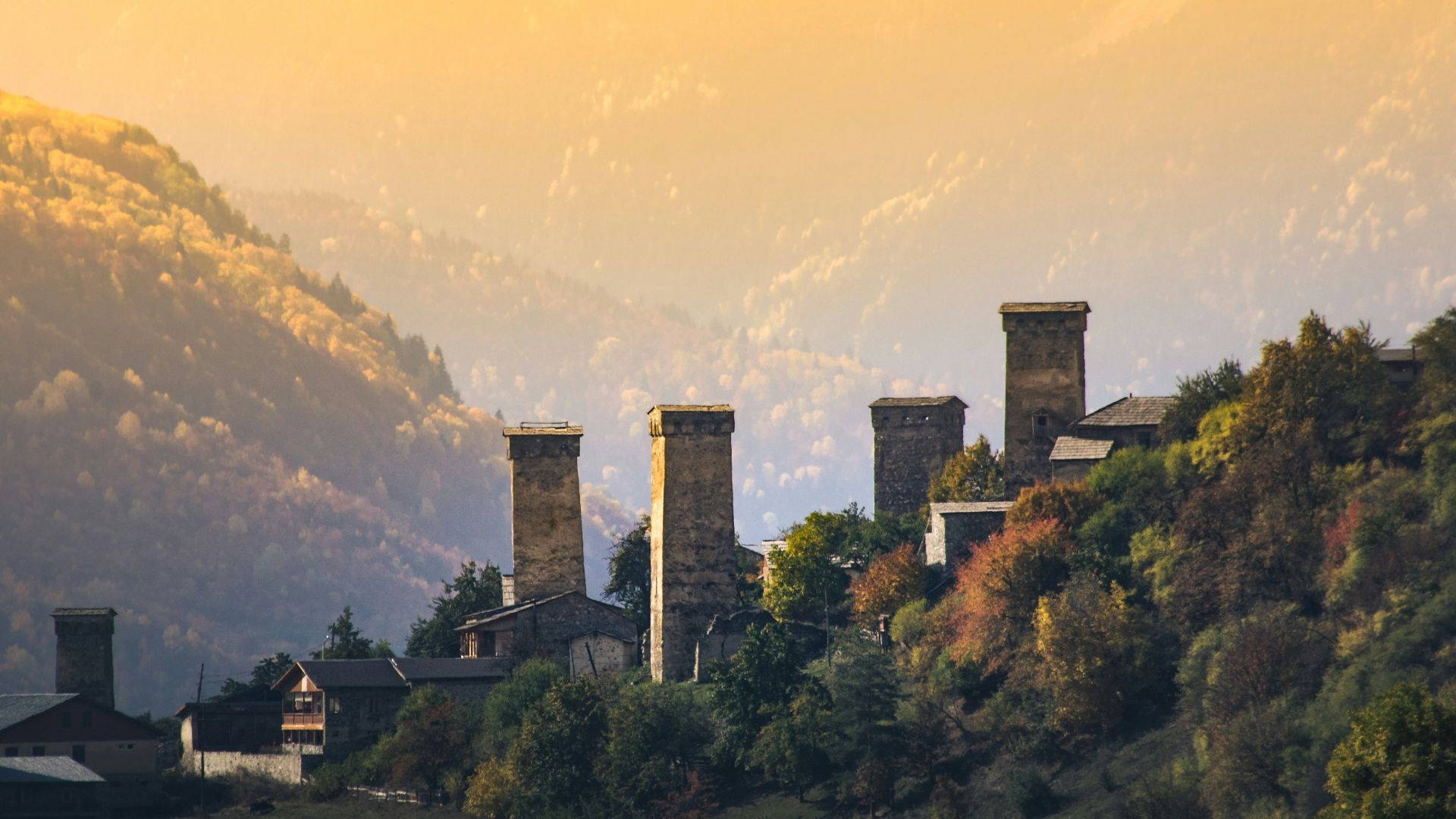
Mestia sits high in the Caucasus Mountains, offering multi-day hikes through remote valleys and medieval villages. Trails pass glaciers, stone towers, and high mountain passes. As infrastructure remains minimal, the hiking feels raw and immersive. It’s one of Europe’s most underrated mountain hubs.
19. Aosta, Italy
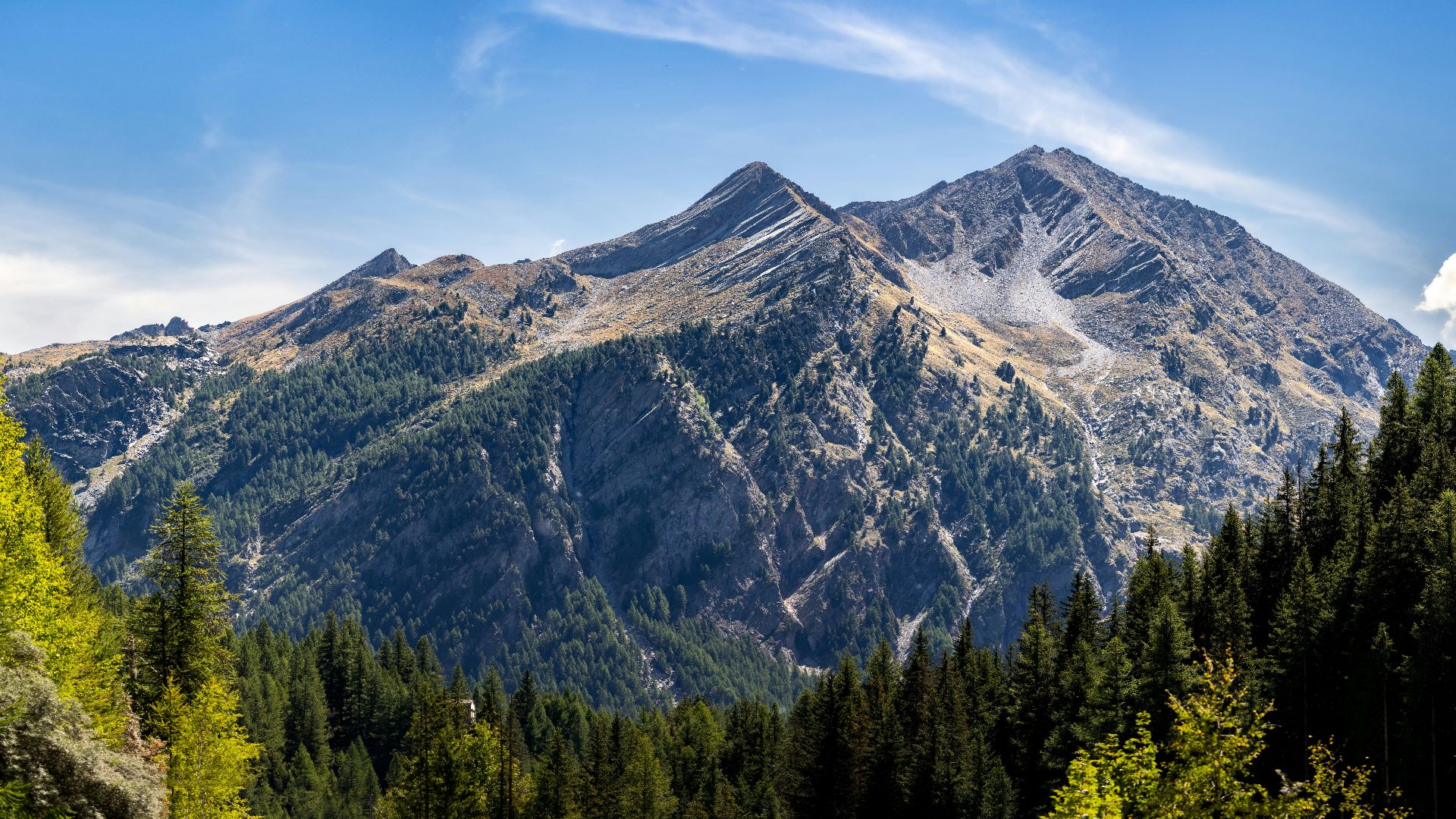
Aosta sits at the crossroads of Mont Blanc, the Matterhorn, and Gran Paradiso. Trails climb into serious alpine terrain with stunning glacial views. As hikers move higher, the crowds thin fast.
20. Ridgway, Colorado
Ridgway sits between Ouray and Telluride but feels worlds apart in pace. Trails lead into the San Juan Mountains with immediate elevation gain. While the scenery is dramatic, the crowds are lighter. It’s a town that still feels discovered rather than marketed.