
Start Adjusting Before You Land
Everyone, from seasoned travelers to infrequent fliers, knows the heartache of jet lag. It isn’t just about feeling sleepy at the wrong time, either—it’s your body clock fighting tooth and nail with the local clock. Though a long flight gives you a rare stretch of uninterrupted time to nudge that clock in the right direction, that really only works if you use it on purpose! Don’t you worry, we’ve put together a nifty list to help you beat that encroaching doom once and for all.

1. Set Your Watch to Destination Time
It’s not enough to set your watch to your destination’s time; your phone should get in on the fun, too. That simple move helps you make better choices about when to sleep, eat, and stay alert. It also keeps you from accidentally building a “home schedule” into your flight.

2. Pick a Sleep Window and Protect It
Look at the destination time and decide whether sleeping on the plane will help you align with night or morning there. Once you choose, commit to it and don’t look back. You’ll avoid random dozing that leaves you groggy and off-rhythm.

3. Use a Pre-Sleep Wind-Down Routine
We already know the importance of winding down before bed, but it’s especially crucial on a long flight! About 30 minutes before you try to sleep, dim your screen and lower the stimulation. A calm routine tells your brain that it’s time to shift gears, even in a cramped seat.
4. Skip Alcohol Even If It’s Free
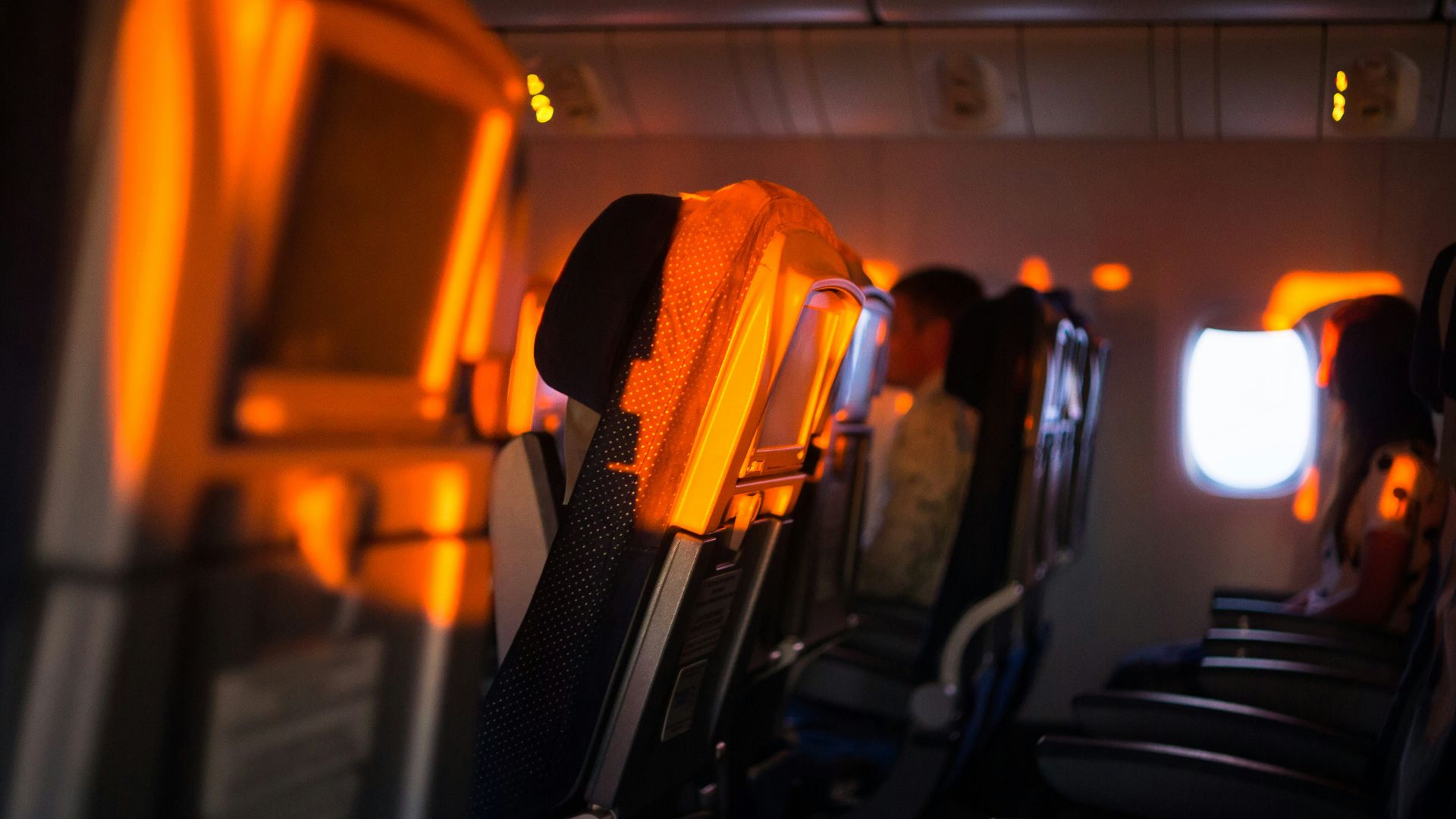
Who among us hasn’t indulged on a flight before? The thing is, a drink might feel relaxing, but it actually fragments sleep and dehydrates you. Poor sleep only makes jet lag hit harder the next day. If you want a treat, go for something that won’t sabotage your recovery.
5. Be Strategic With Caffeine
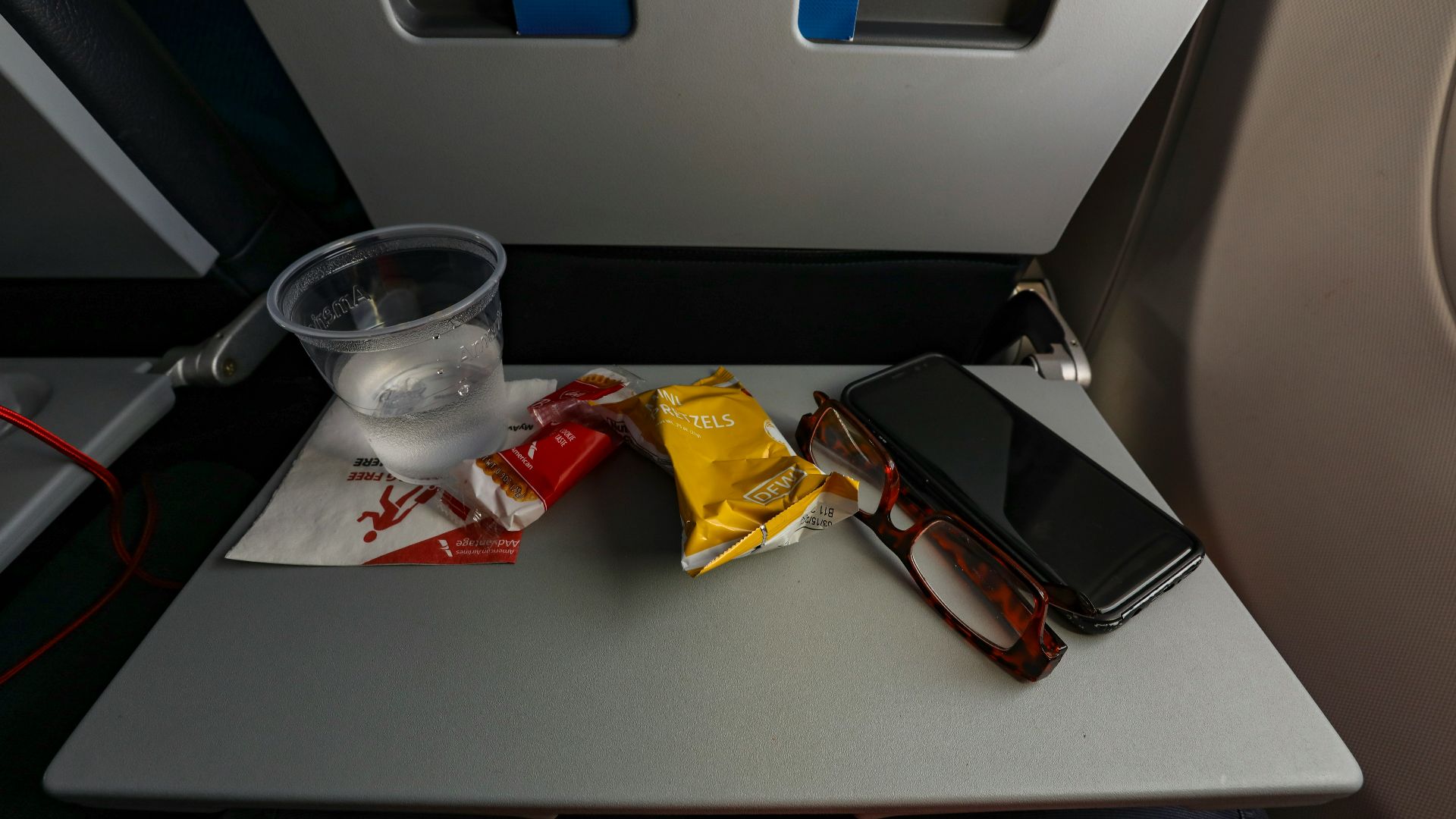
On the other hand, don’t just assume that coffee will solve all your problems! Caffeine’s only helpful if you time it to support the destination’s time, not your boredom. If you’re aiming to sleep, cut it off several hours before your planned sleep window. It’s only when it’s consumed carefully that it keeps you alert instead of wired and miserable.

6. Stay Hydrated
It’s no surprise that cabin air is dry—and dehydration makes fatigue worse than it needs to be. Sip water regularly instead of trying to chug a giant bottle all at once. Your body will thank you when you land and don’t feel like a raisin.
7. Eat in a Way That Matches Where You’re Going
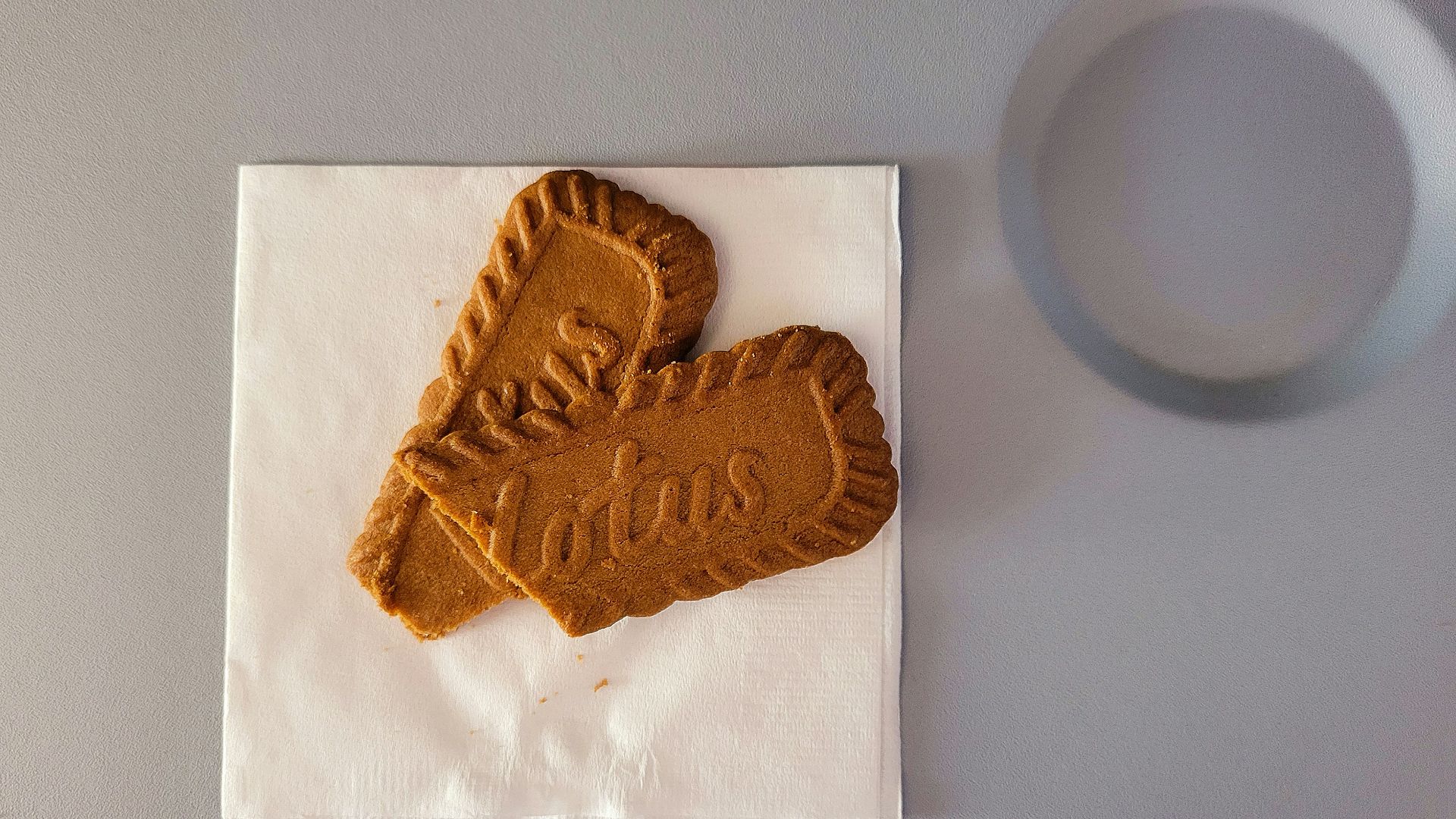
Try to time your meals to your destination’s meal schedule rather than grazing out of habit. Food cues play a role in circadian rhythm, so meal timing can reinforce your new time zone. Don’t sweat it if the airline schedule doesn’t cooperate; a small snack at the right moment still helps.

8. Choose Lighter Foods to Support Better Sleep
Heavy, greasy meals can make you uncomfortable and restless in a seat that’s already not your friend. Opt for lighter options that reduce reflux risk and keep your energy steadier. You’ll be more likely to sleep when you want to and wake up feeling functional.

9. Get Up and Walk the Aisle Every Couple of Hours
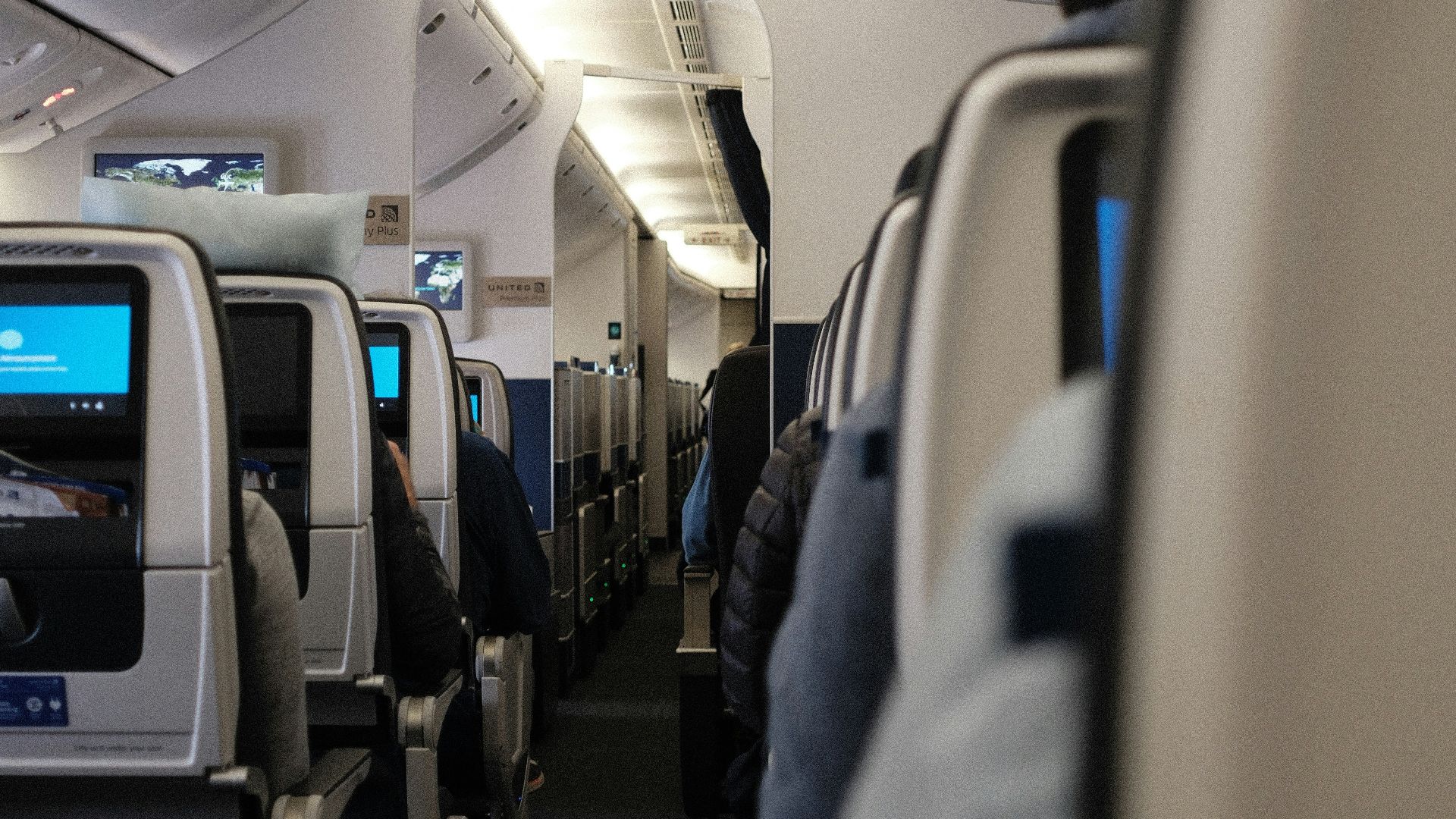
Even outside of jet lag, movement helps circulation, reduces stiffness, and can improve how refreshed you feel afterward. A slow lap or two is enough, and it doesn’t need to look like a fitness demo! Regular walking also breaks the mental monotony that can make you feel more drained.
10. Do Seat Stretches That Target Hips and Ankles
Long periods of sitting can leave you tight and achy, which makes sleep harder and recovery slower. But that’s okay because we have a way to fix it! Gentle ankle circles, knee lifts, and hip shifts are discreet and surprisingly effective. Keeping your body comfortable lowers the odds you’ll arrive feeling battered.
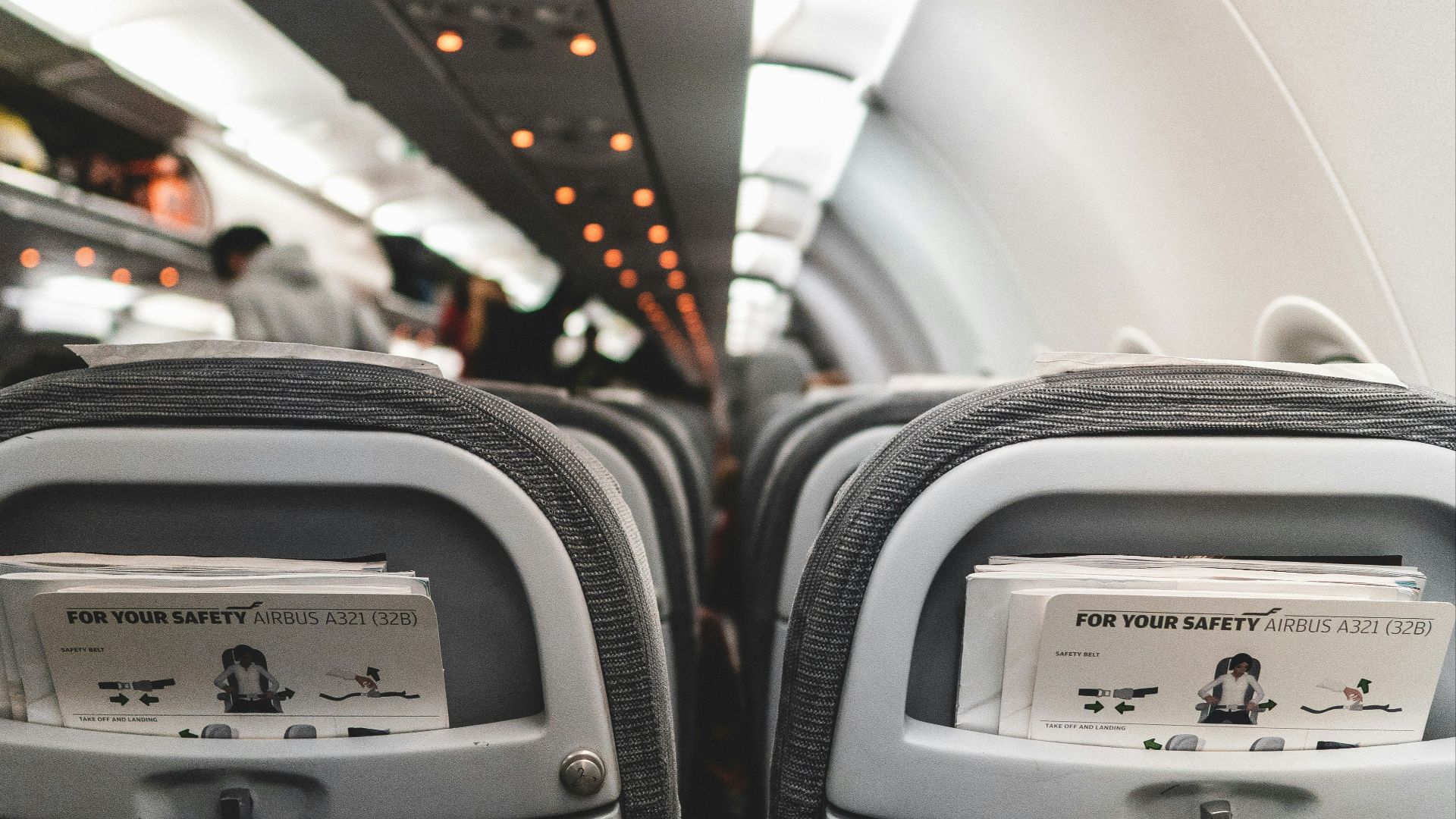
11. Practice Slow Breathing to Lower Stress
Is there anything stress doesn’t ruin? On top of everything else, it also makes jet lag worse because it raises arousal and interferes with sleep onset. To curb it, try a simple pattern like inhaling slowly and exhaling even more slowly for a few minutes. When your nervous system settles down, you’ll feel more in control.
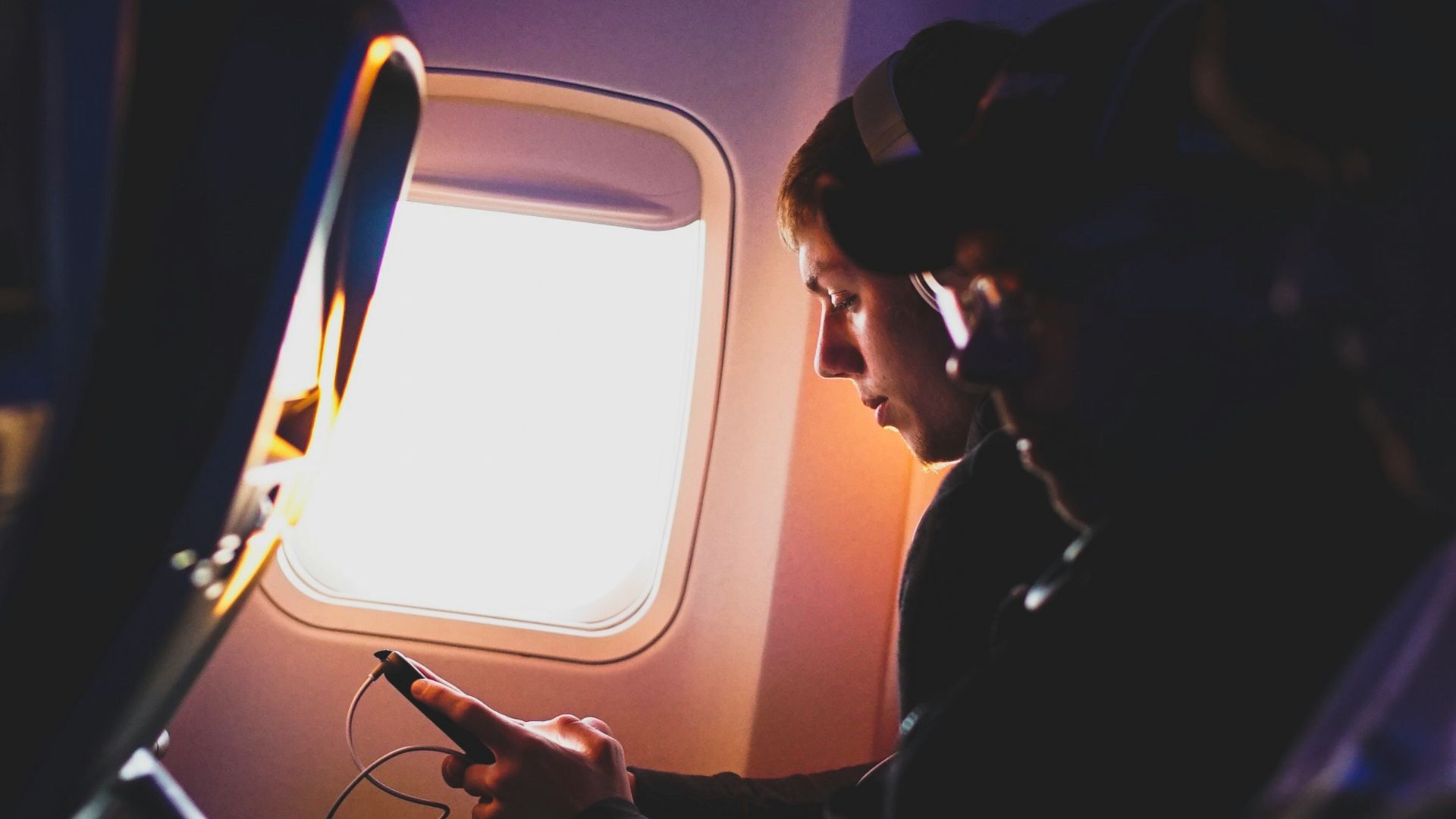
12. Use a Sleep Kit You Actually Like
A neck pillow, eye mask, and earplugs can be the difference between real sleep and miserable half-sleep. Choose gear that feels comfortable rather than whatever looked cute online. Don’t forget that if you can relax physically, your body clock adjustment goes more smoothly.

13. Manage Light Exposure on Purpose
Light is one of the strongest signals for circadian timing. For example, if it’s “night” at your destination, block light with an eye mask and keep screens low. And if it’s “day,” let yourself be in brighter light and avoid hiding under a blanket cave.
14. Try a Short Nap Instead of a Long One
We know that nap sounds appealing, but it only hurts you in the long run! If you’re exhausted but shouldn’t fully sleep yet, take a controlled nap rather than collapsing for hours. A 20–40 minute nap can take the edge off without pushing your schedule off course. Just make sure you set an alarm to keep yourself on track.
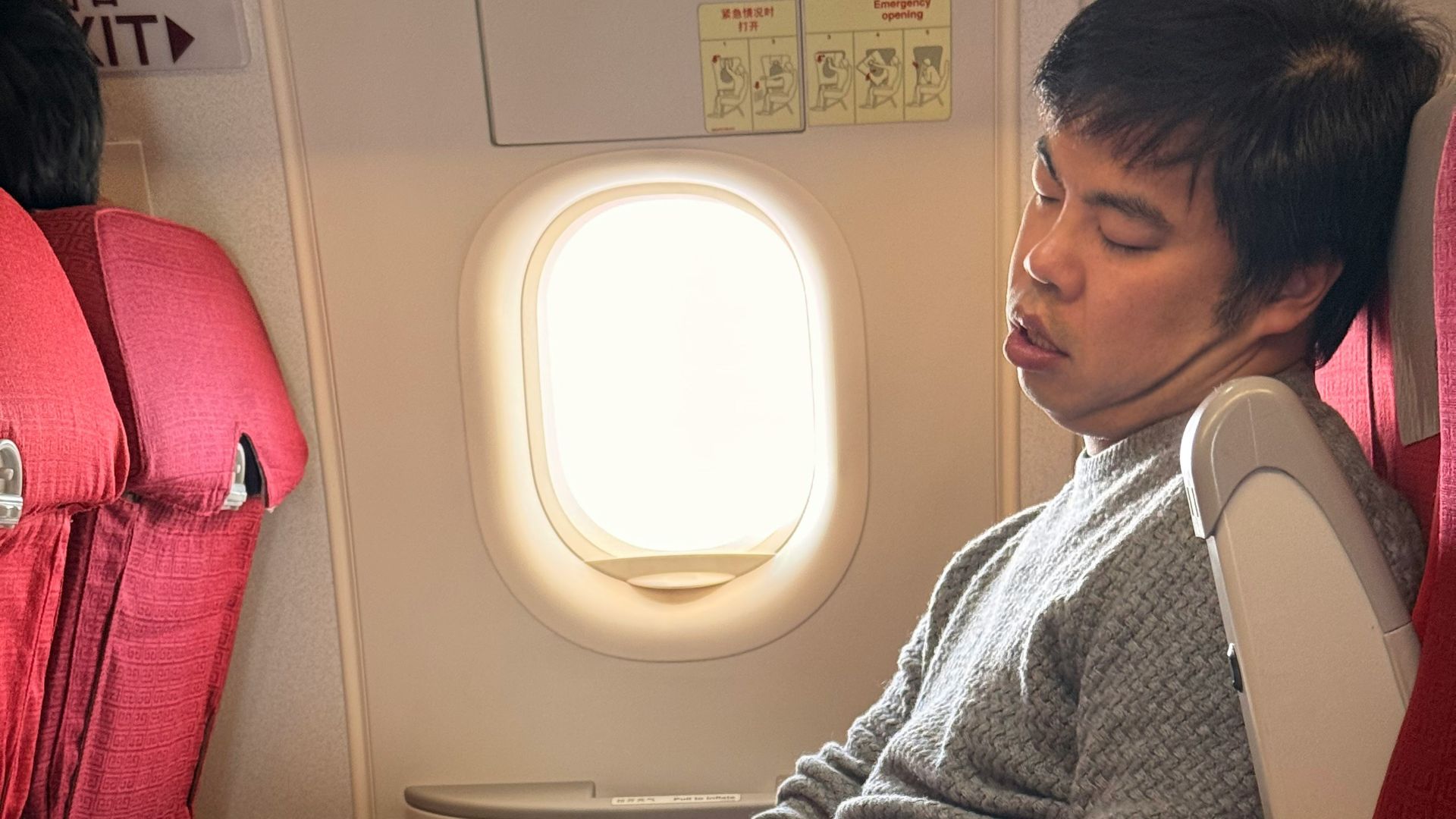
15. Keep Your Feet Warm to Fall Asleep Faster
We know that warm feet sounds like a nightmare—we don’t sleep in socks, either! However, cold feet make it harder to drift off, especially in a chilly cabin. Wear socks and adjust your blanket so your lower body stays comfortable. It’s a small comfort that can make your chosen sleep window more effective.
16. Clean Up and Change Something Before Landing
Don’t underestimate the power of a quick face wash, tooth brushing, or a fresh shirt—those so-called chores can shift you into “arrival mode.” Feeling cleaner also boosts alertness and mood, which makes the transition easier. Best of all, it discourages that foggy, half-asleep shuffle through passport control.

17. Time Your Entertainment to Match Your Goal
Your choices should support your plan, not fight it. Save the most exciting movies or games for times you need to stay awake! When you’re trying to wind down, switch to calmer content or audio without a bright screen.
18. Write a Simple Landing-Day Game Plan
Jet lag feels worse when you land and immediately have to make decisions with a tired brain. Use the flight to outline the first few hours: when you’ll eat, when you’ll get light, and when bedtime is. A tiny plan reduces stress and helps you stick to the schedule you’ve set.

19. Adjust Your Mindset
If you start getting irritated, pause and remind yourself you’re doing a controlled transition, not a perfect one. A calmer attitude reduces tension and makes rest easier to come by, meaning you’ll handle little annoyances better—and that matters more than you think.
 Phyllis Lilienthal on Unsplash
20. Commit to a Local Bedtime No Matter What
As the flight ends, decide that you’re going to follow the destination’s bedtime once you’re there. That commitment keeps you from “accidentally” taking a long late-afternoon nap that wrecks your night. Remember: the first night sets the tone, so give it a clear target and stick to it.