
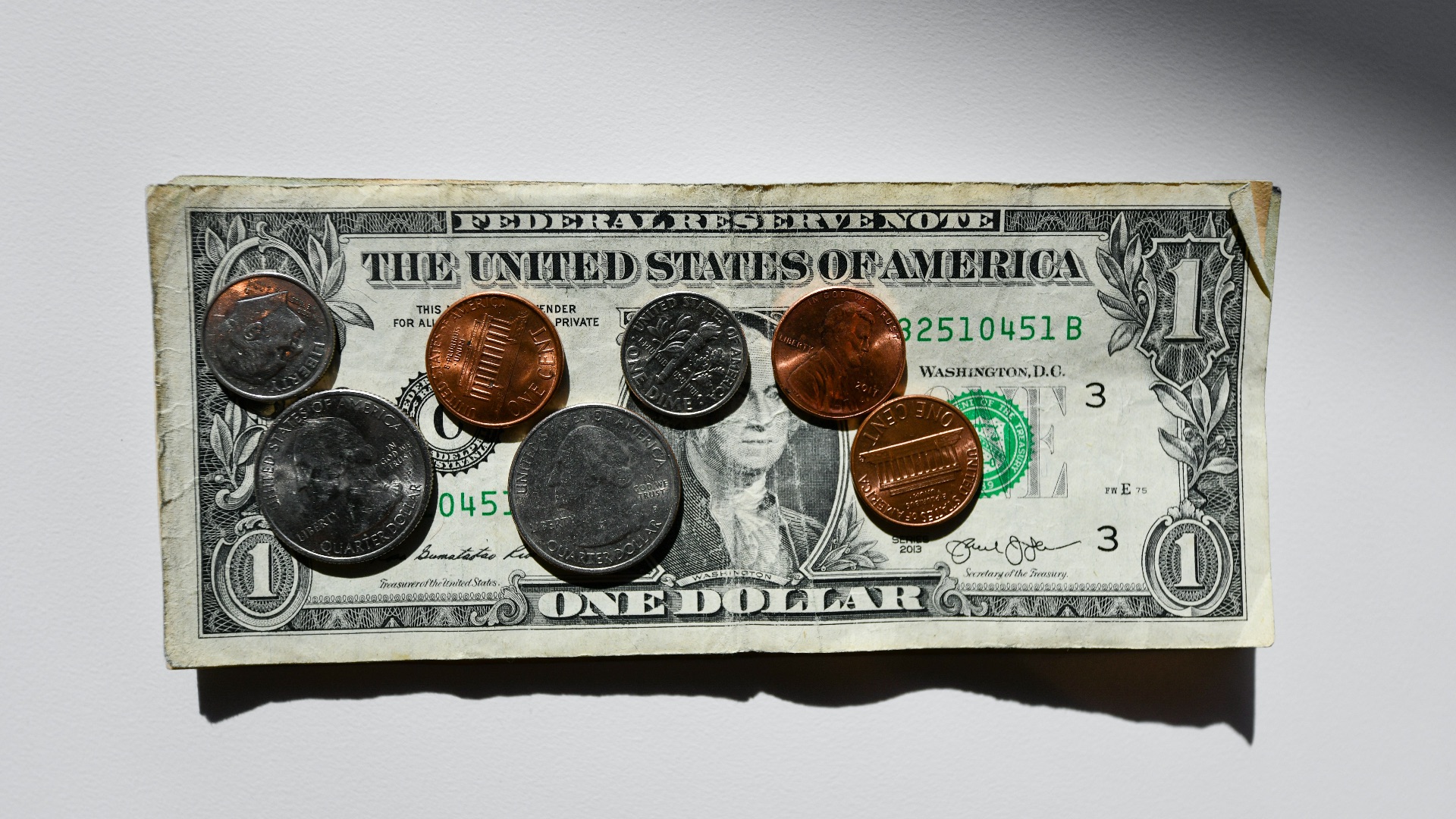
As much as some might disagree, there are upsides to tipping. For one, you get to show appreciation to workers who have gone out of their way to give you top-notch service. But now the culture has spiraled into something invasive. Now the tip prompt follows you everywhere—from coffee counters and kiosks to self-checkout screens and other transactions that don't involve another person. In these latter cases, who, exactly, are we tipping? Why should we feel forced to tip at all?
Nine in 10 Americans say tipping culture has gotten out of control, and that's a sign the system is breaking down. Appreciation can go a long way, sure, and so can showing your gratitude by tacking on a tip when the bill comes, but when a nice gesture becomes something you're expected to do—something you're pressured to do—it doesn't feel as great. And people certainly aren't going to want to choose being kind anymore, either.
The Tip Prompt Is Warping Basic Etiquette
Don't get things twisted. It's not that people don't want to tip because they're unkind or that they've become stingier; it’s more that businesses are asking more often and earlier in the transaction. Digital payment screens make tipping feel like a mandatory step, especially when preset percentages are the default and the worker is standing right there. That design choice can shift tipping from a quick thank-you into a social test, and you’re the one put on the spot.
What makes it worse is how inconsistent the expectations have become across settings that look similar. A barista handing you a drip coffee might trigger the same 20% suggestion as a server managing a full meal, which doesn’t match how most people understand service. On the other hand, you might come across the same prompt asking for the same percentages on a kiosk in a self-service booth. When the rules feel improvised (and utterly absurd), you’re left guessing whether you should stick to being polite or if you're somehow getting played.
Surveys suggest that pressure is a core part of what people are reacting to, not just the money. WalletHub’s reporting highlights that many respondents tip because they feel obligated rather than because service was exceptional, though others may feel resentful and ignore the process altogether. It goes to show that when the whole culture around tipping has gotten out of hand, even generous people start to object the whole ritual.
Tips Are Substituting for Pay, and Consumers Know It
A lot of the frustration comes from the suspicion that tips are filling gaps businesses should cover. In the WalletHub-related reporting, a majority of respondents said they believe businesses are replacing or supplementing employee pay with tips. That may not be true for every job, but it’s believable enough that it’s shaping behavior.
The legal structure around tipped work also helps explain why the issue feels so loaded. Under federal law, employers can take a tip credit and pay a lower direct cash wage to tipped employees as long as wages plus tips meet minimum wage requirements. That framework is part of why tipping has always been more than a bonus in certain industries; it’s built into compensation.
Then there’s the tax reality, which complicates the idea that tips are just informal gratitude. The IRS treats tips as taxable income, and employees are generally required to report monthly tips to their employer if they total at least $20 for that month. So when tipping expands into more transactions, it’s not only your budget that gets messier—workers’ reporting burden can grow too.
So, What Does This All Mean?
If you’re feeling tipping fatigue, you’re not alone, and your frustration isn’t automatically selfish. Other data has shown significant shares of Americans now say tipping should not be expected in more situations than before, reflecting how quickly norms are shifting. Even when people still tip in traditional contexts, they’re increasingly skeptical of add-on prompts in places that used to be tip-free.
At the same time, it’s worth separating the worker in front of you from the system behind them. In many service jobs, tips remain a meaningful portion of take-home pay, and changes in customer behavior can hit workers immediately. The Department of Labor’s guidance makes clear that the employer is responsible for ensuring minimum wage compliance, but in practice, your tip can still be the difference between a decent shift and a lackluster one.
Perhaps a more realistic way to push back is to be intentional rather than reactive. Tip well for genuinely exceptional service, skip or reduce tips for self-service or minimal interaction, and don’t let a screen bully you into a percentage that doesn’t fit the transaction. If enough customers respond consistently, businesses will either raise upfront prices, adjust service models, or clarify what the tip is actually for. Don't get too hopeful; tipping culture is still here to stay. But with enough pressure in the right way, maybe the norm can shift in a better direction.