Kiss Your Favorite Spot Goodbye
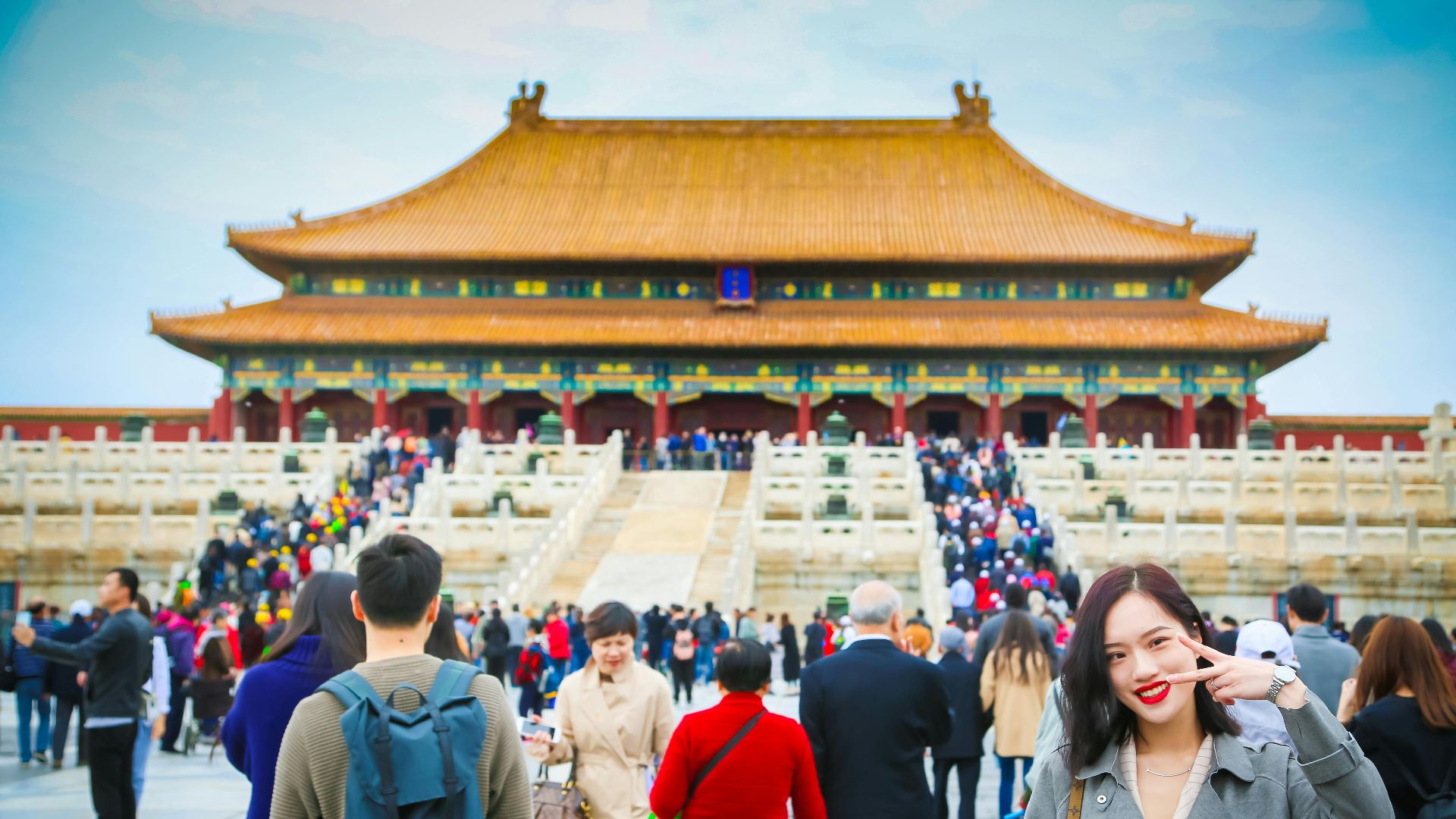
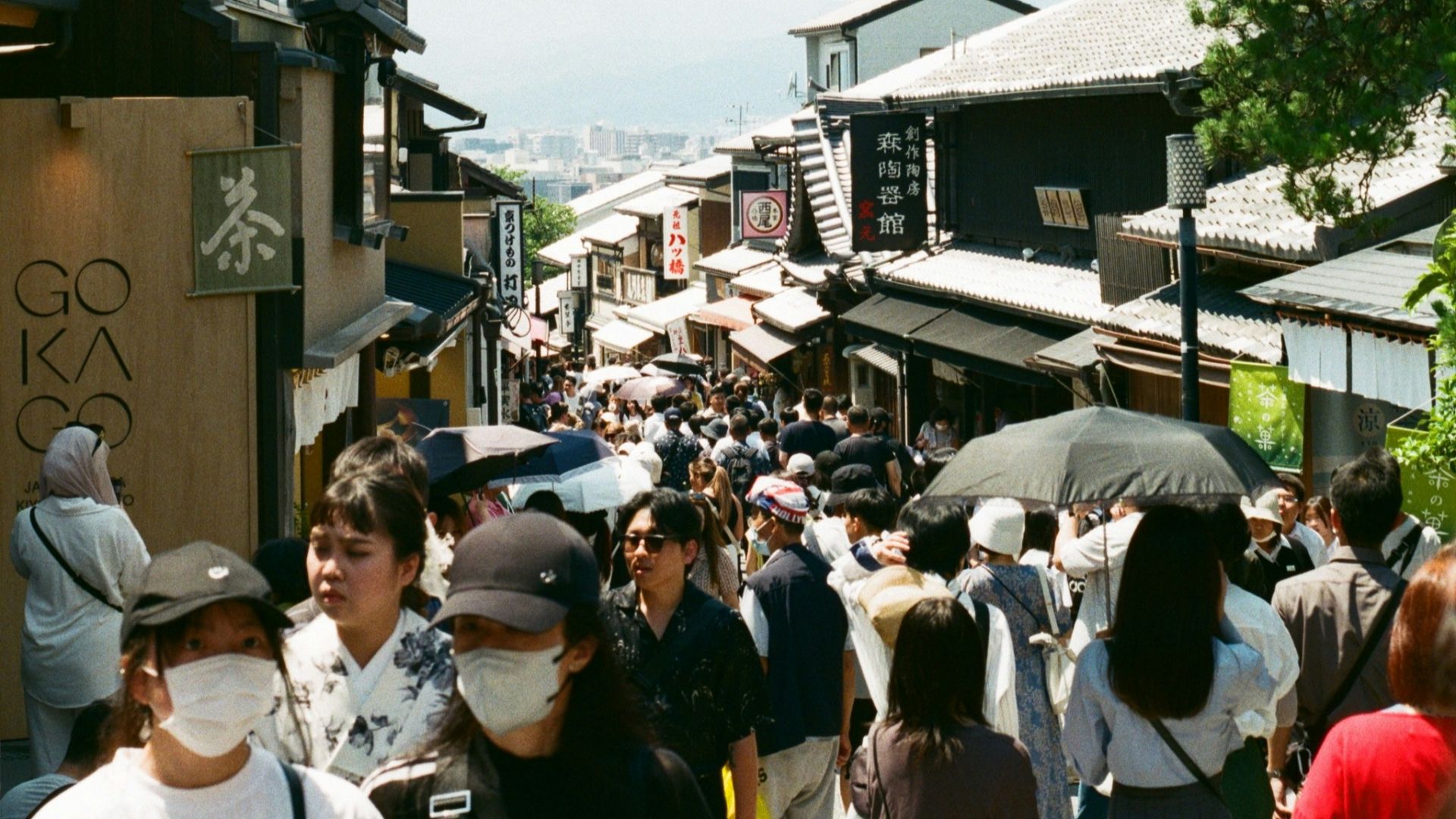
There’s a special kind of dread that hits when your favorite international spot starts showing up all over social media. It doesn’t take much more than a viral hashtag for things to spiral into a zoo, and you don’t have to be a gatekeeper to notice when a destination’s vibe shifts. If you’re paying attention, the signs usually appear well before the crowds fully arrive—and we’re here to break them down.
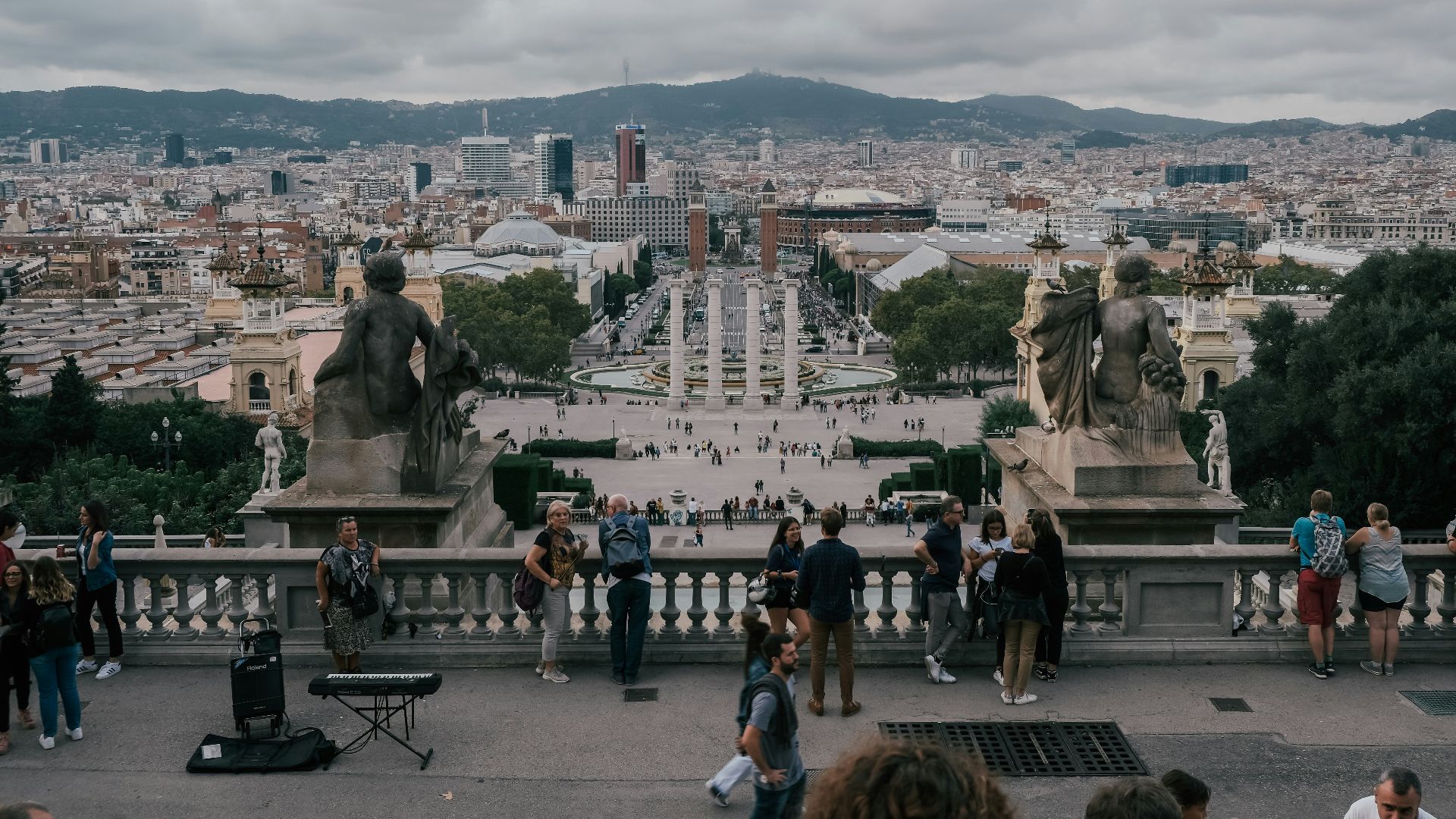
 Illán Riestra Nava on Unsplash
1. It Shows Up In Everyone’s “Underrated” List
One day, something is quietly tucked away from the hullabaloo of a hotspot. Next, your feed is packed with roundup posts calling the place “still undiscovered,” which is always a suspicious claim that leads to a boom. The same highlights get repeated across multiple accounts within a week, and once listicles pile up, the curious crowd tends to follow.
2. The Location Tag Explodes Overnight
You click the tag and realize it went from a handful of posts to a flood in what feels like minutes. Most photos look eerily similar, right down to the angles and captions. You know what that means: your favorite haunt just became the latest social media trend, and heaven knows every influencer will rush to capitalize.
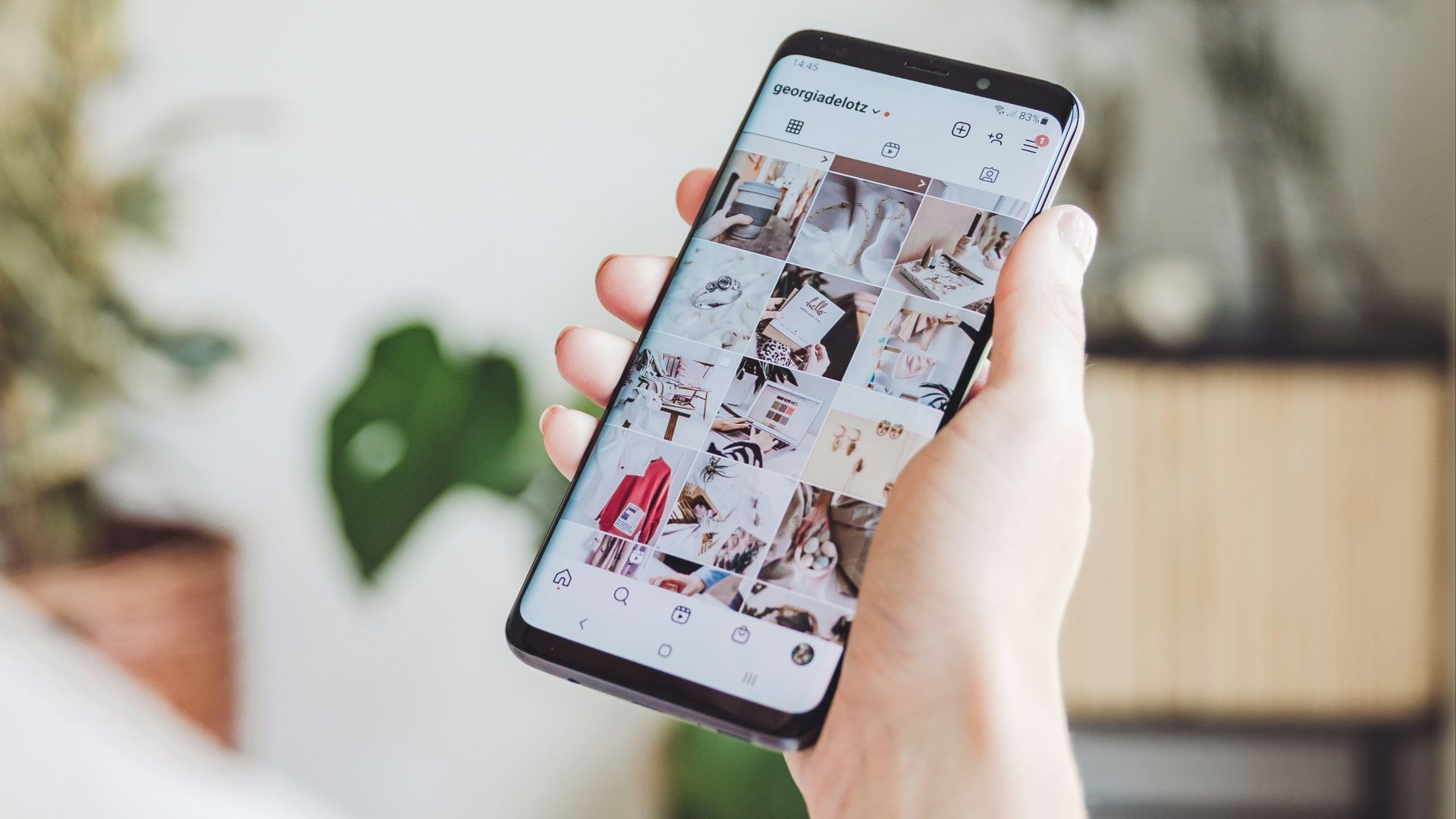
3. Influencers Treat It Like a Stage
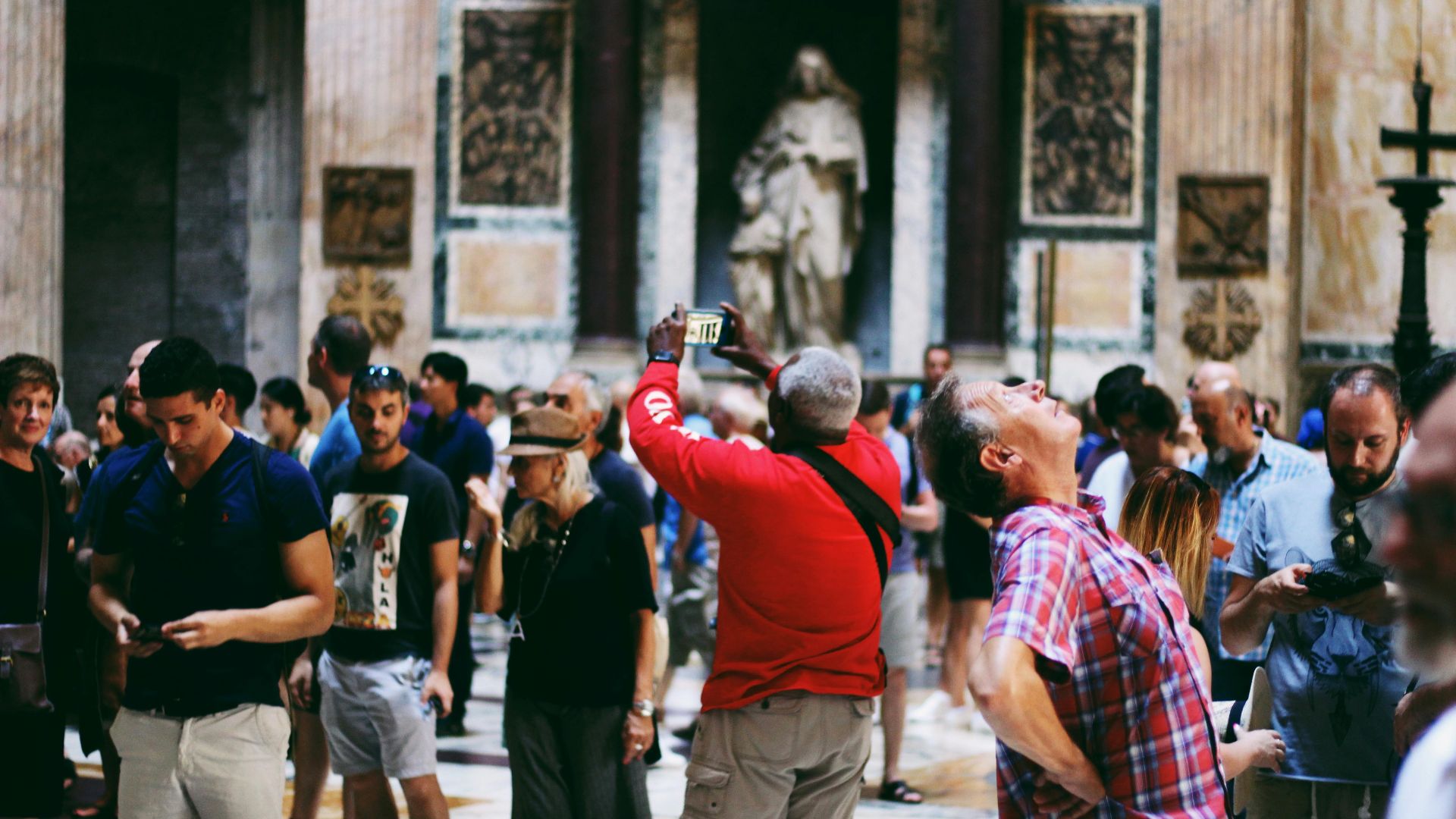
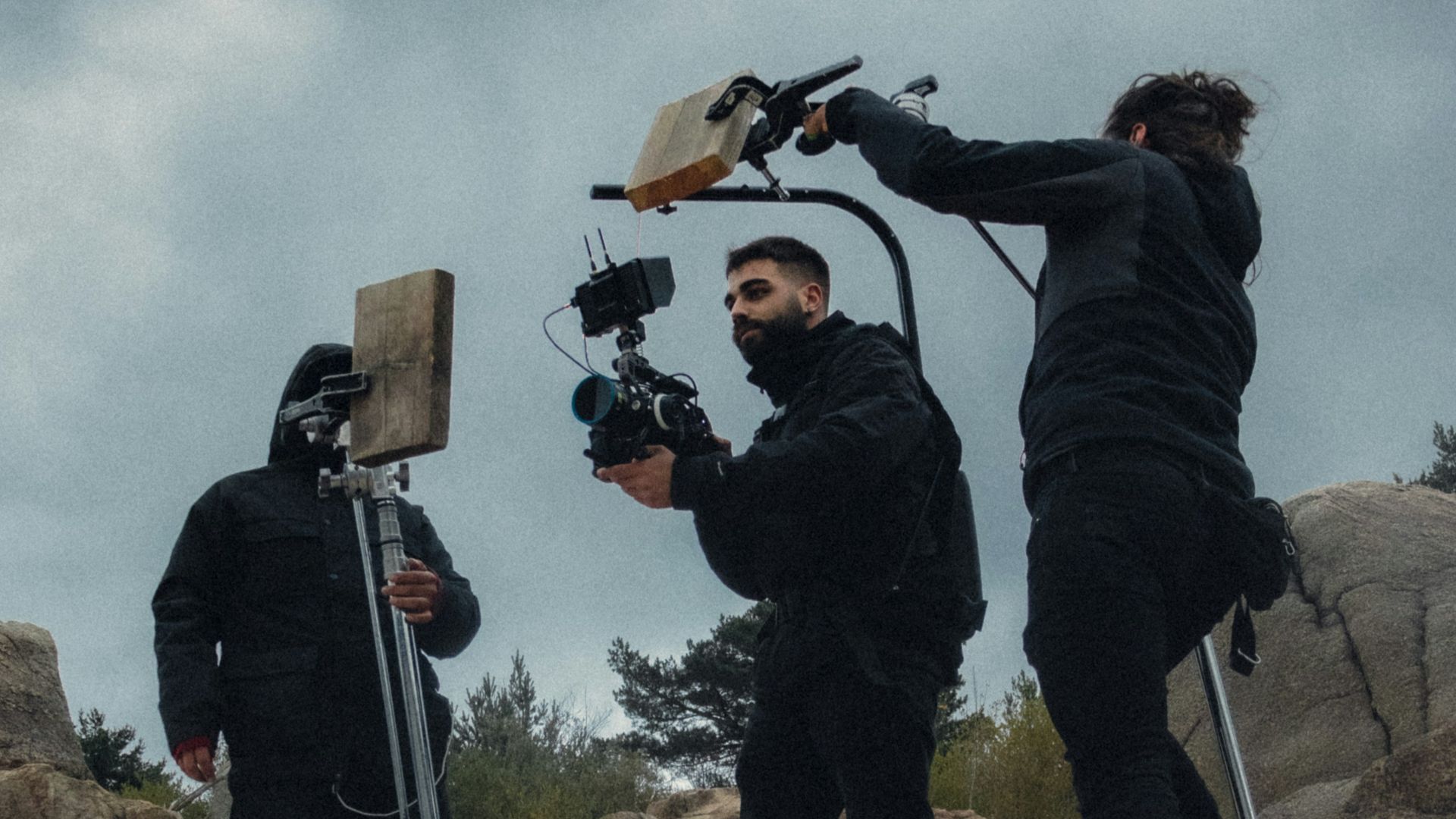
Speaking of influencers, keep an eye out for more tripods, outfit changes, and people waiting their turn for a shot. The energy will always shift from enjoying the place to performing inside it. When the vibe turns into content production, the calm rarely survives.
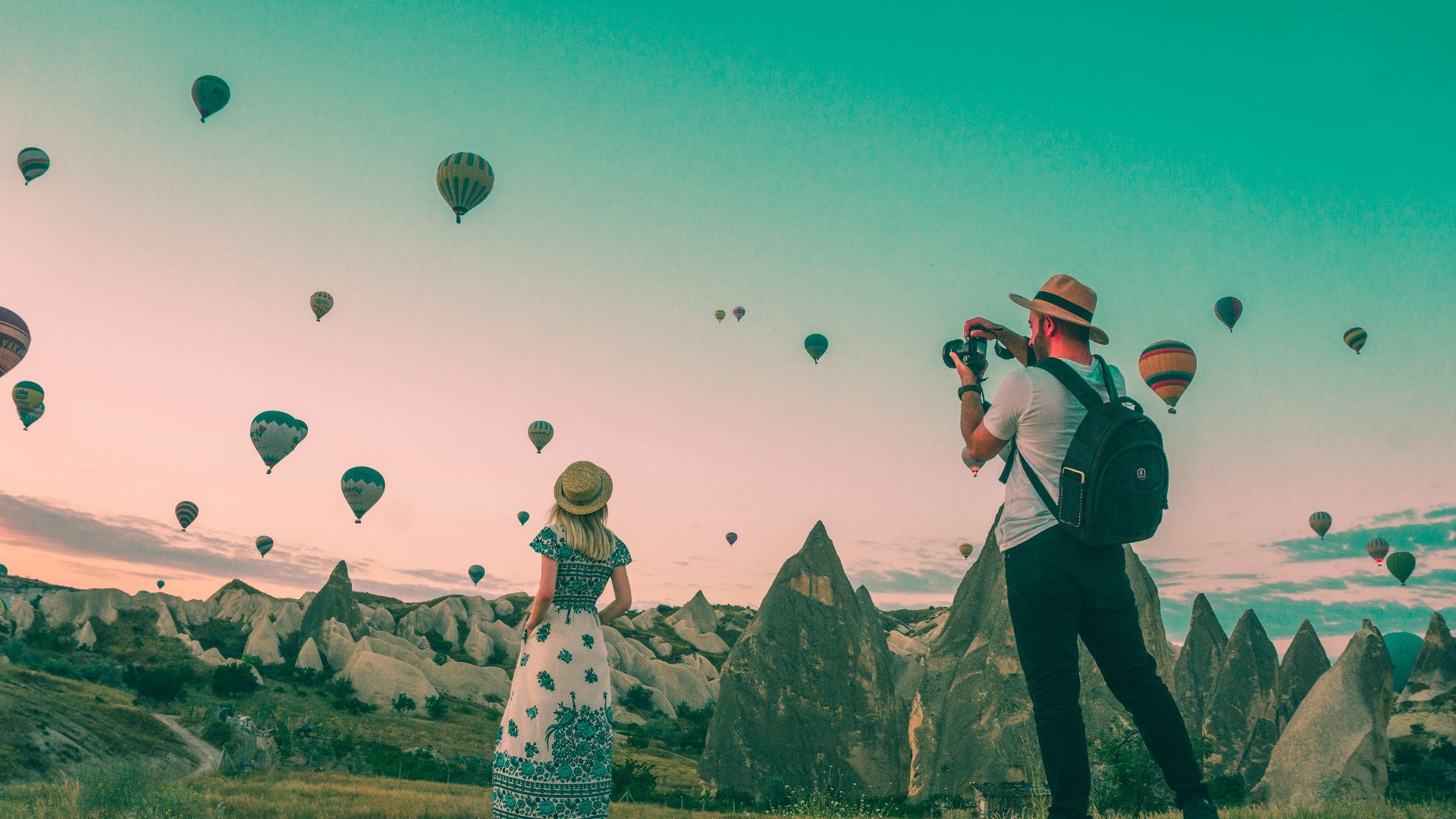
4. The “Best Time to Visit” Suddenly Gets Specific
The beauty of hidden gems is visiting them when the mood strikes. Not anymore! People stop saying “whenever” and start naming exact months, weekdays, and hours. Guides then begin warning you to arrive early or risk missing out. Crowds aren’t far behind.
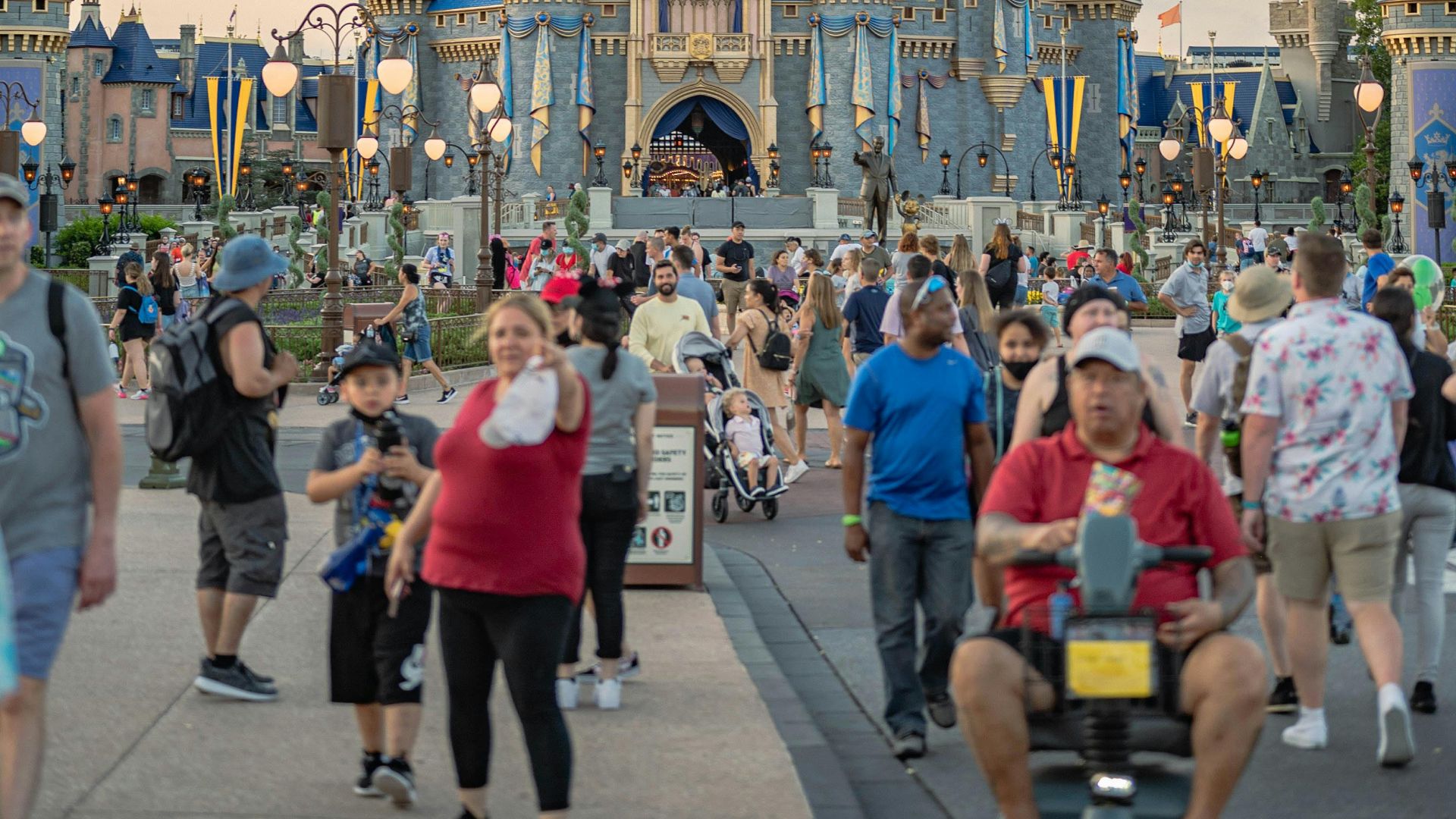
5. Prices Jump Without Any Real Improvements
Menus, entry fees, and rentals creep upward, but the experience doesn’t get better. You pay more, but still deal with longer lines and less space, and that mismatch is a classic sign that demand’s doing all the work.
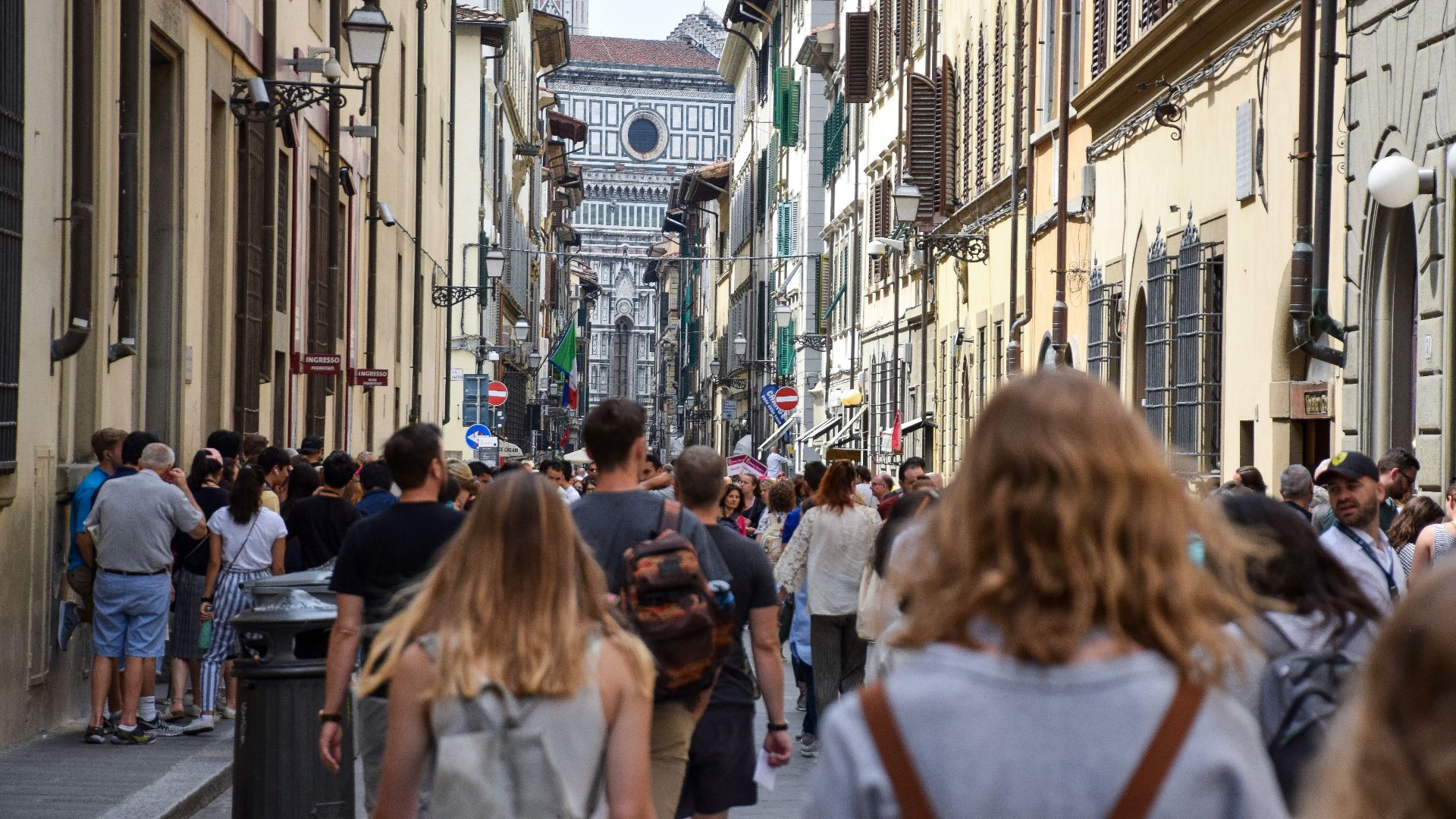
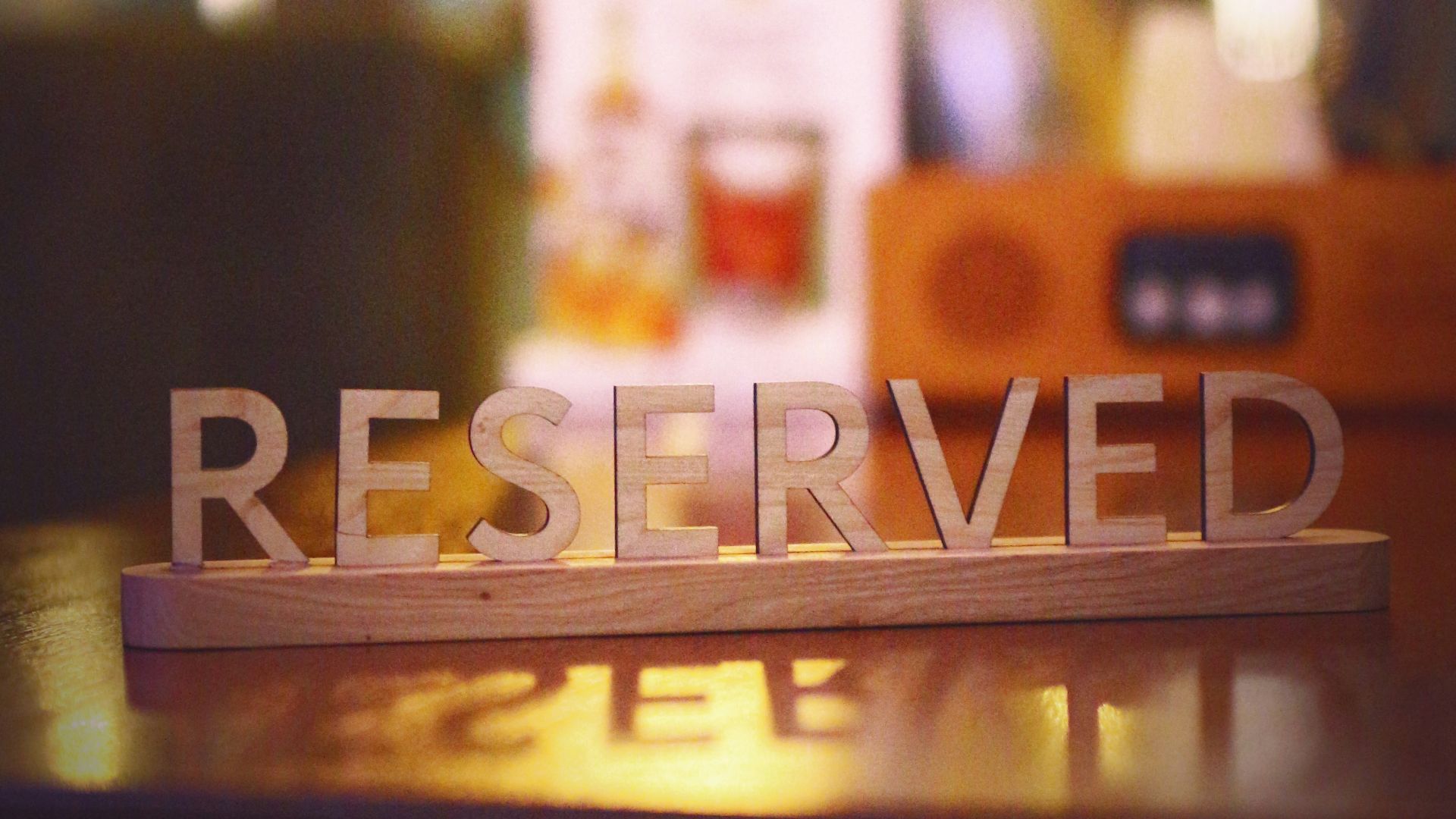
6. Reservations Become the New Norm
Do you remember when you could just walk into your favorite place without a care in the world? Unfortunately, that casual café now requires booking, and the “walk in anytime” spot is suddenly impossible at peak hours.
7. Locals Start Posting “Please Stop Sharing This”
At the very least, it won’t just be you asking for slower traffic! You’ll likely see comments asking people to keep certain places off social media. The tone may sound annoyed, but it usually comes from real pressure in daily life.
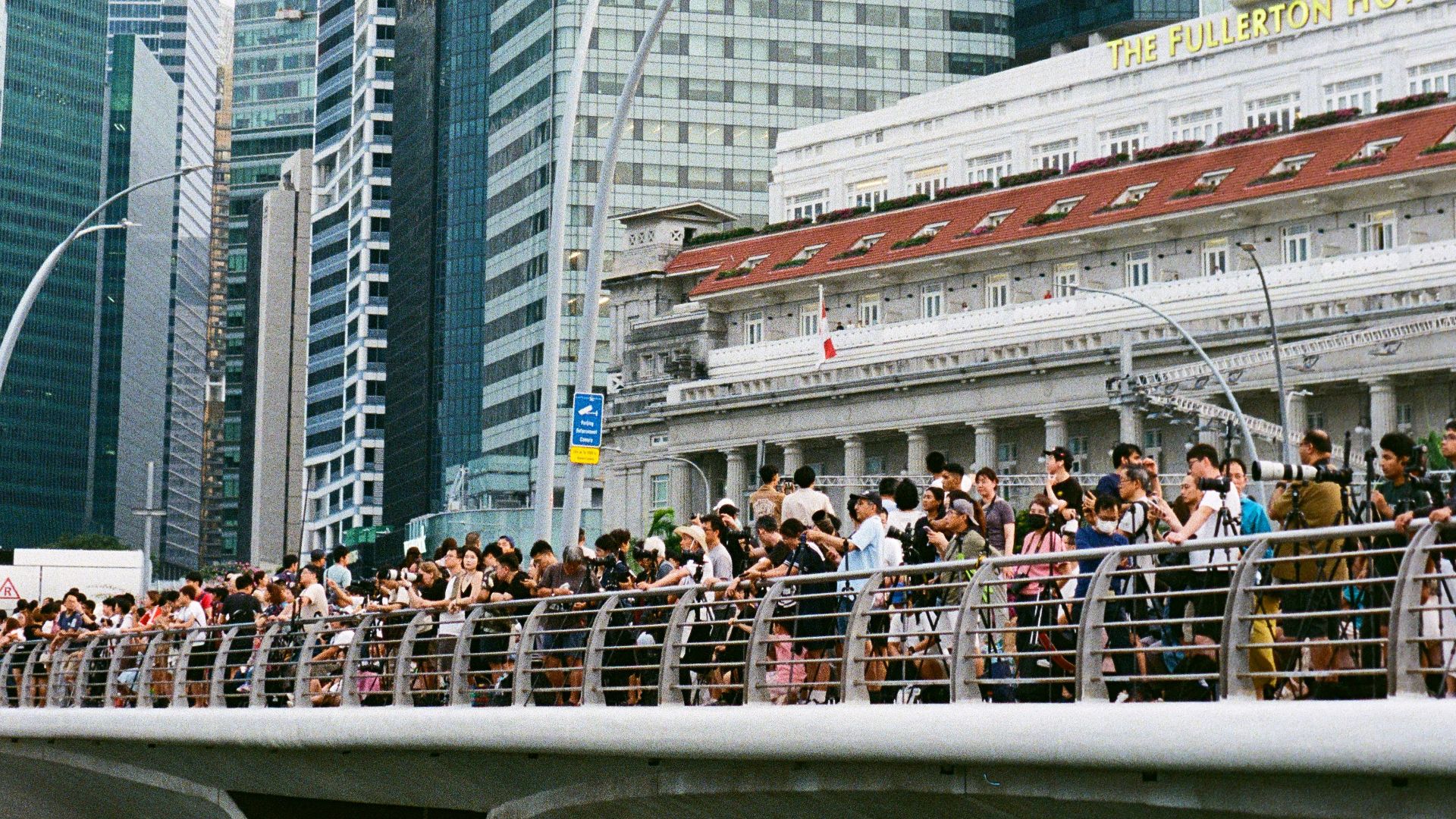
8. The Same Photo Spots Turn Into Mini Lines
Certain viewpoints become crowded simply because they’re popular online. People cluster around a handful of landmarks while ignoring everything else, and when traffic funnels into a few hot spots, wear and tear climb quickly.
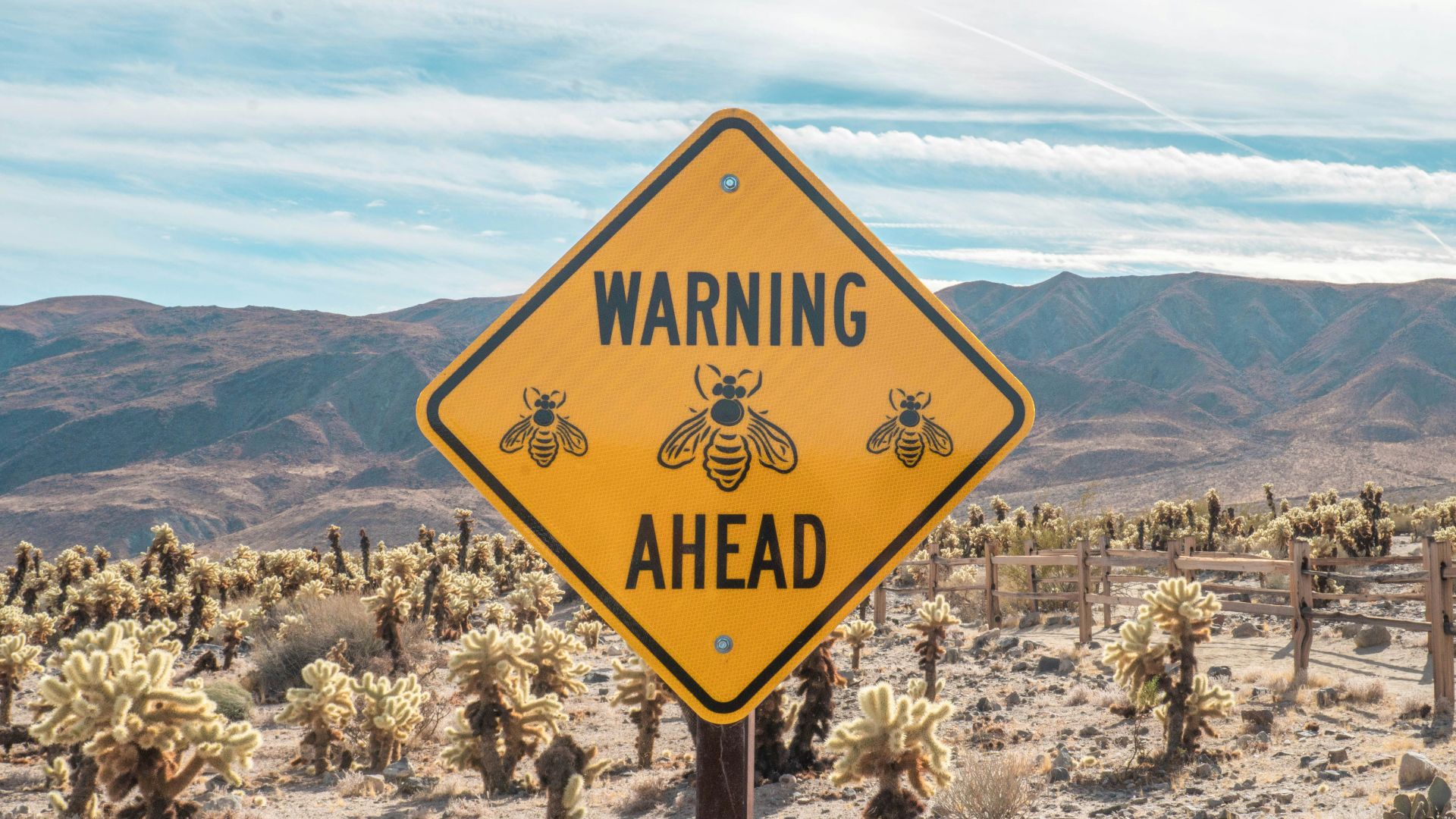
9. New Signs Appear
With more people comes more rule-breaking, and people don’t take kindly to the intrusion. You’ll likely see warning signs pop up where there used to be none. That kind of policing is often a response to behavior that got worse fast.
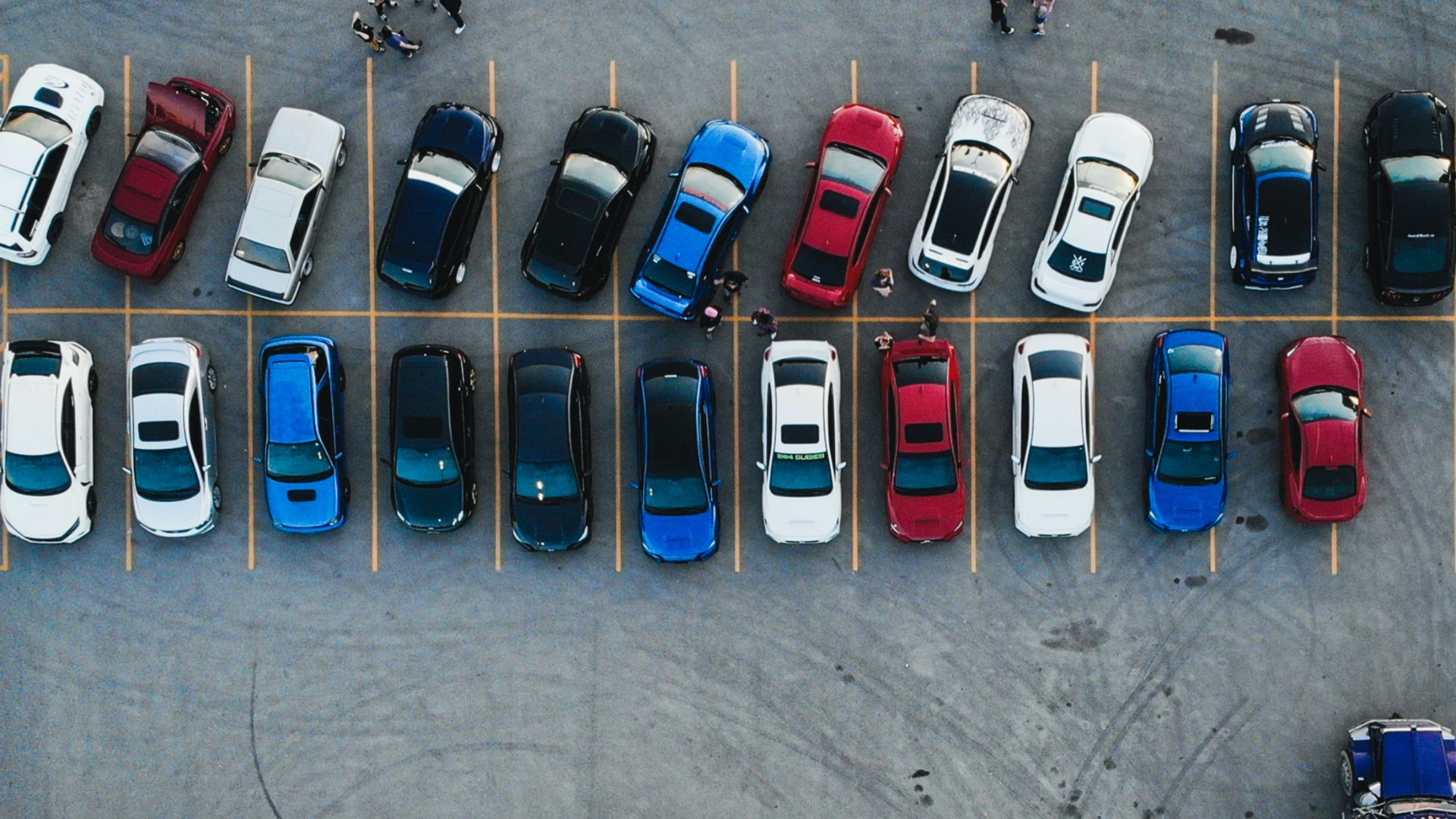
10. The Parking Situation Becomes a Real Problem
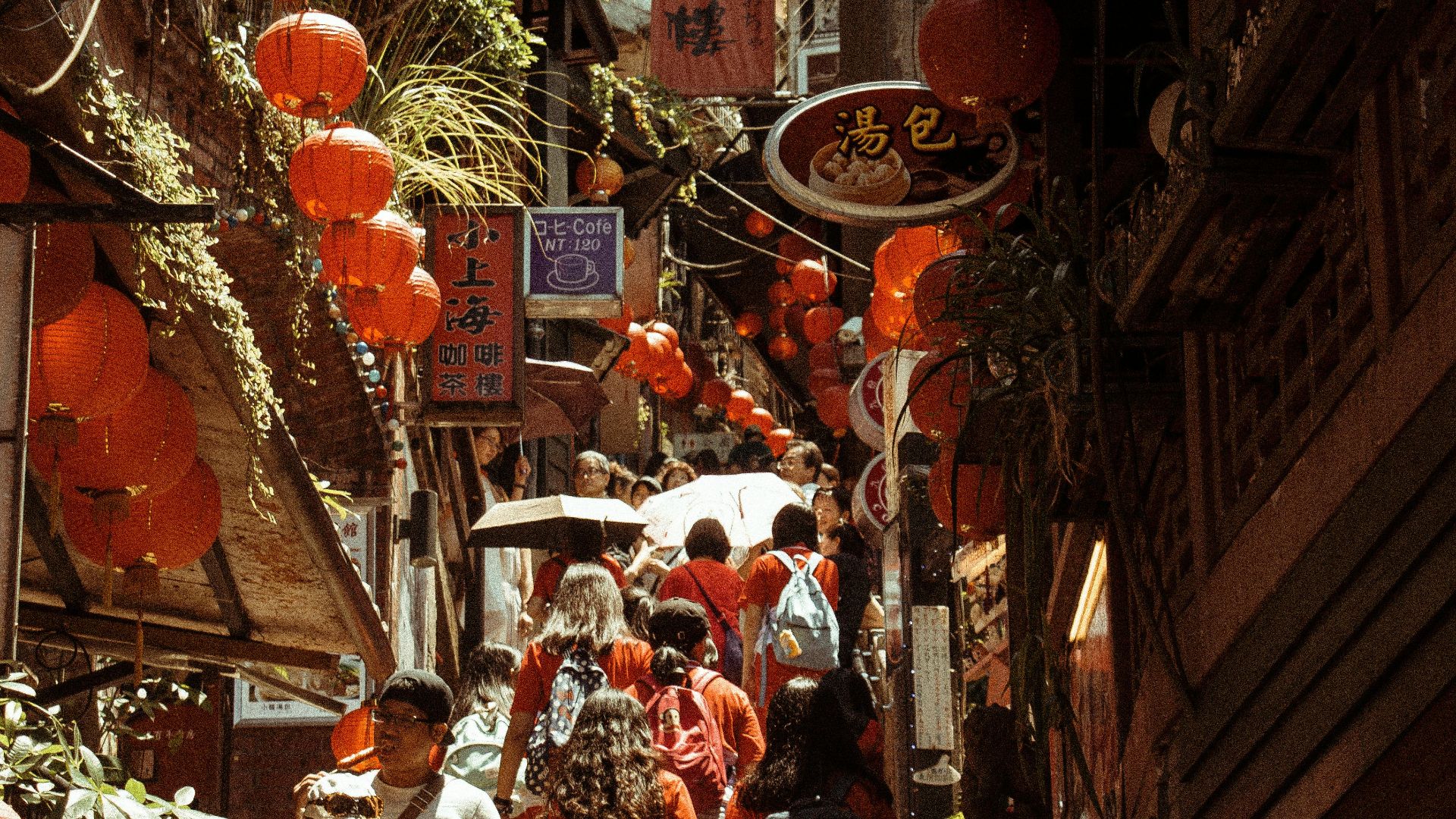
What used to be easy turns into circling, arguments, and improvised shoulder parking. Residents complain about blocked driveways and traffic on quiet streets. And where does that leave you? Probably having to hoof it on foot just to avoid the headache.
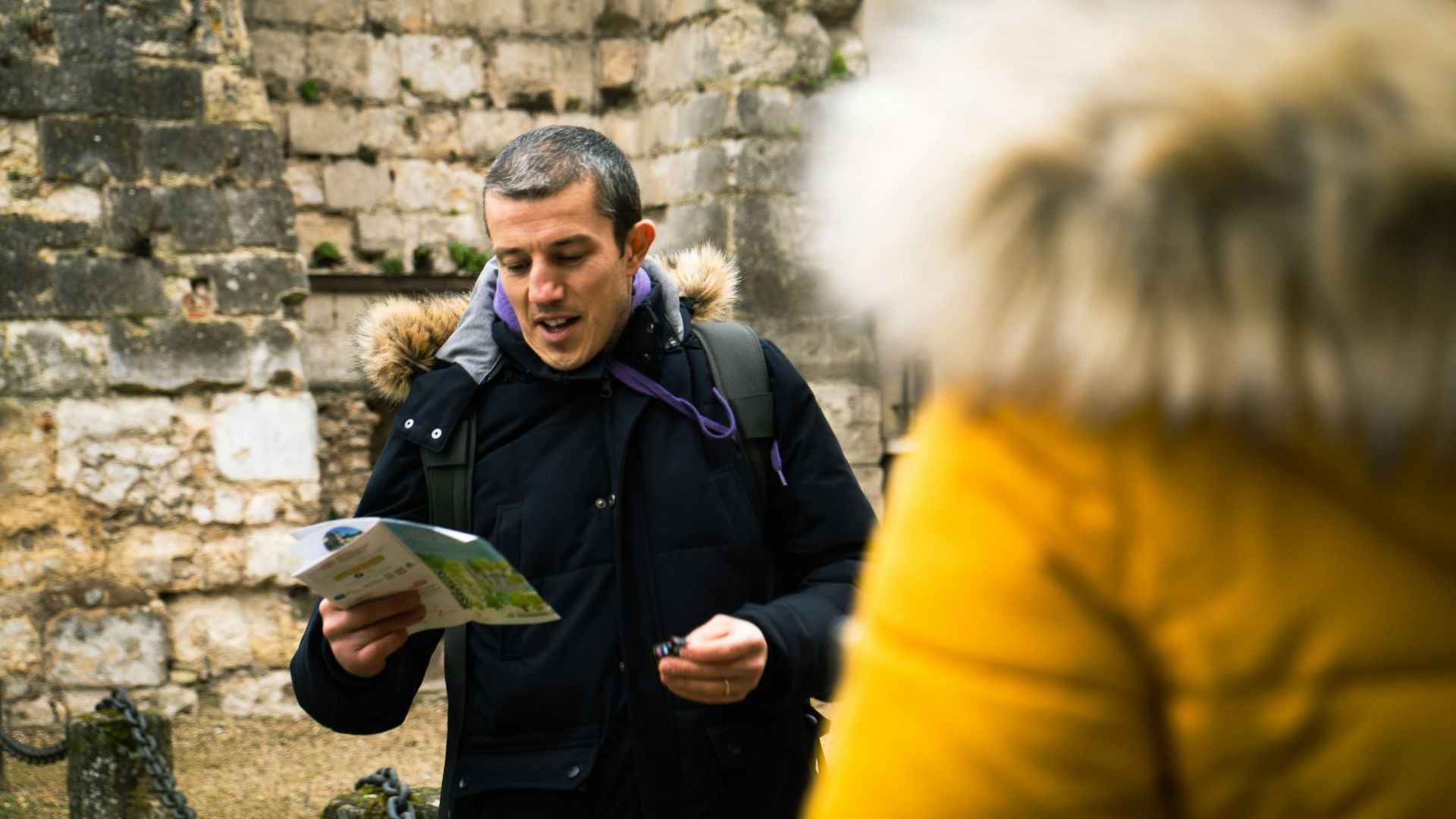
11. Tour Companies Add It as a “Secret Stop”
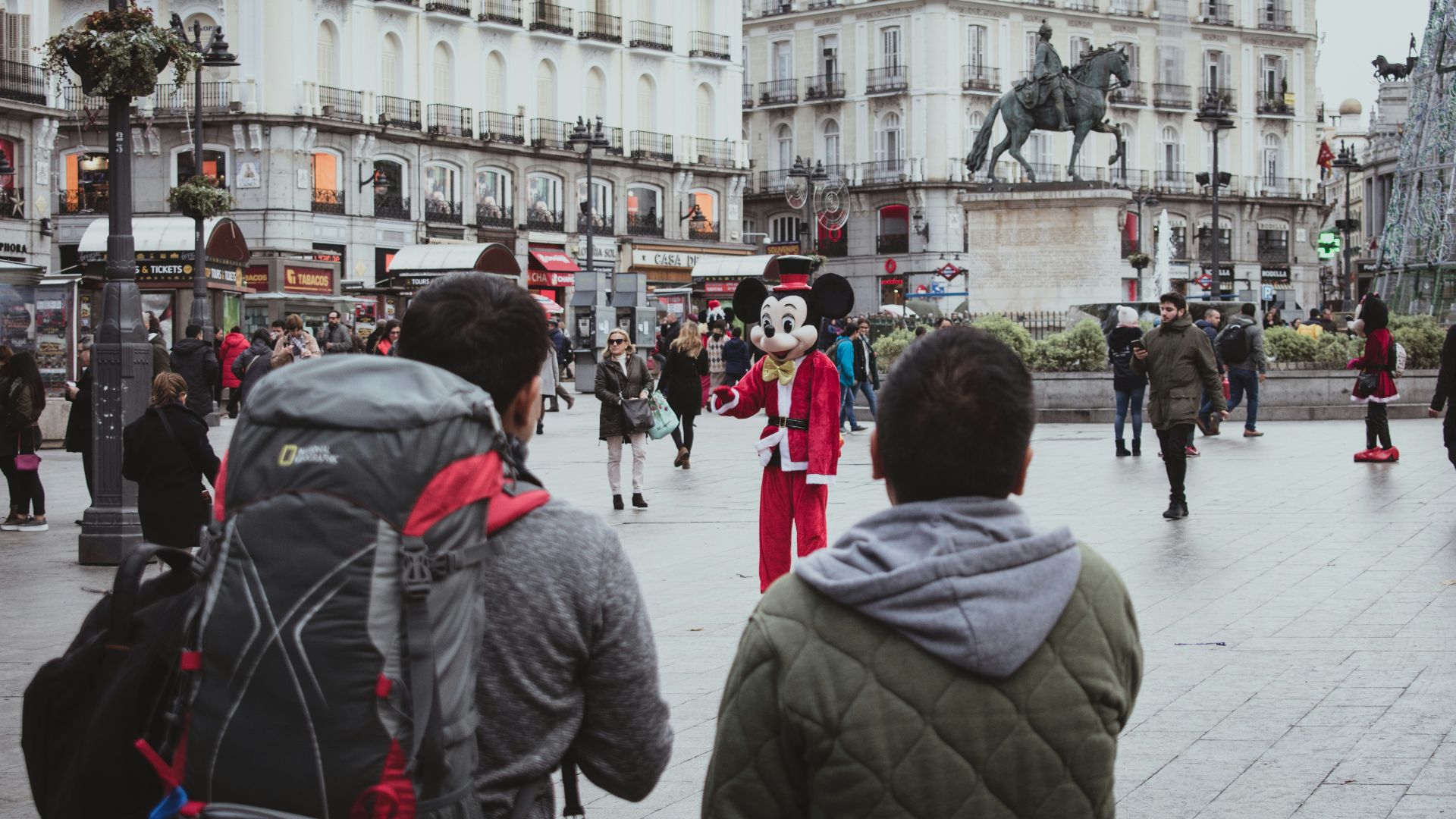
It’s never good when tour guides add to the chaos. You start hearing scripted lines about a “local favorite” that’s apparently on every itinerary. Vans appear, groups arrive in bursts, and the pace feels rushed.
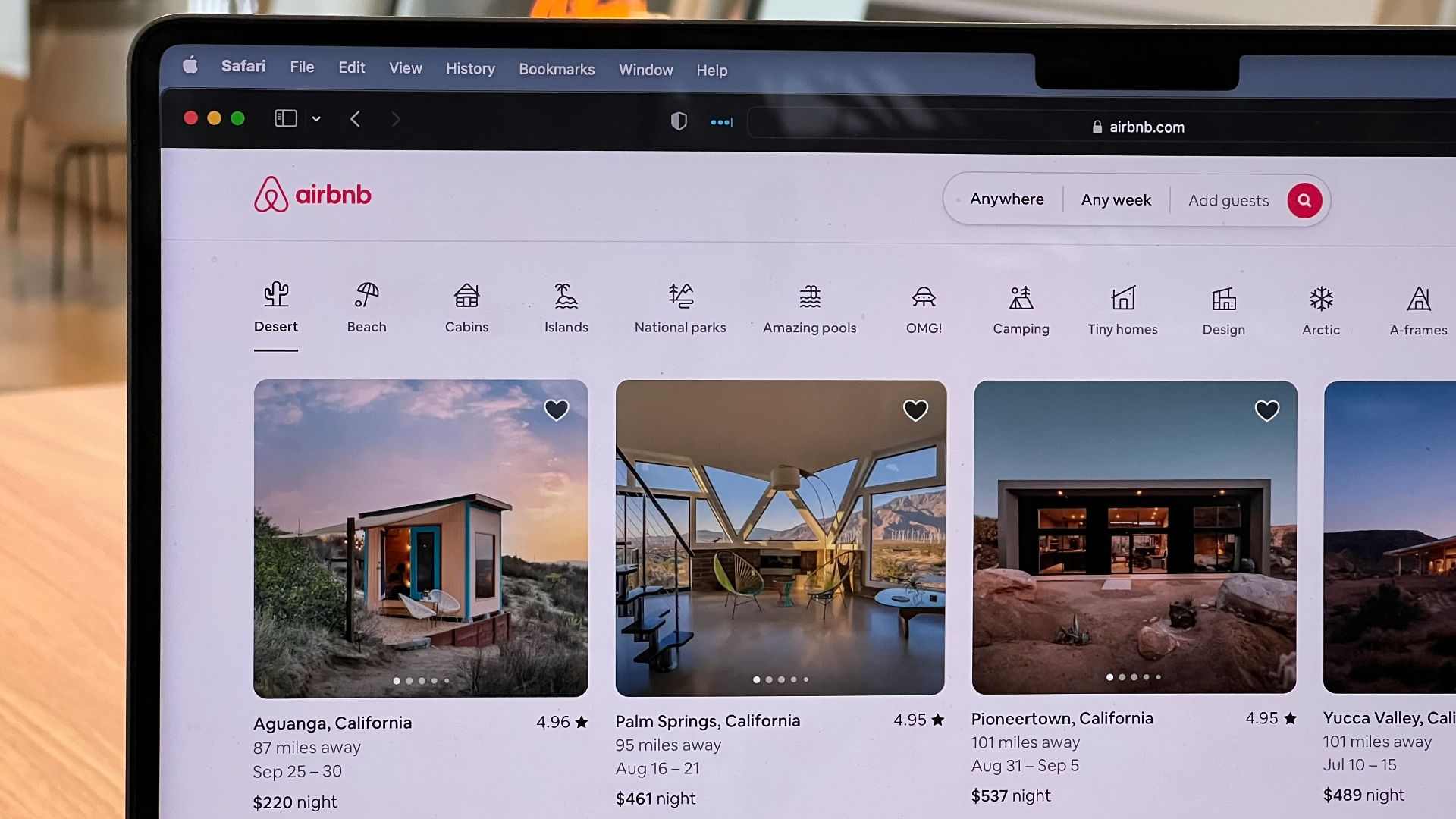
12. Short-Term Rentals Multiply on Every Block
Warning signs. Reservations. A serious lack of parking. It’s already bad, but do you know what tourists need even more? Accommodation! More houses and apartments turn into weekend stays instead of long-term homes, which means the neighborhood starts feeling less familiar and more temporary.
 Oberon Copeland @veryinformed.com on Unsplash
13. The Popular Spots Get Rebranded For Visitors
When an influx of tourists arrives, places try to adapt on the fly. You see new signage, English-only menus, and products aimed at tourists rather than regulars. Places that felt personal start feeling curated and generic. To be fair, it’s not always bad, but it’s rarely subtle.
14. The Food Scene Gets Trendy in a Predictable Way
We haven’t touched on the beloved food yet! But once a spot gets trendy, restaurants pivot toward photogenic dishes and simplified menus that travel well online. Prices climb, portions shrink, and the crowd changes.

15. New Businesses Sell “Local” Merchandise
Oh, what’s that? People on the horizon? Time for gift shops and pop-up stands to appear with the same slogans and mass-produced souvenirs. Next thing you know, the emphasis moves from experience to transactions.
16. Complaints Start Showing Up in Reviews
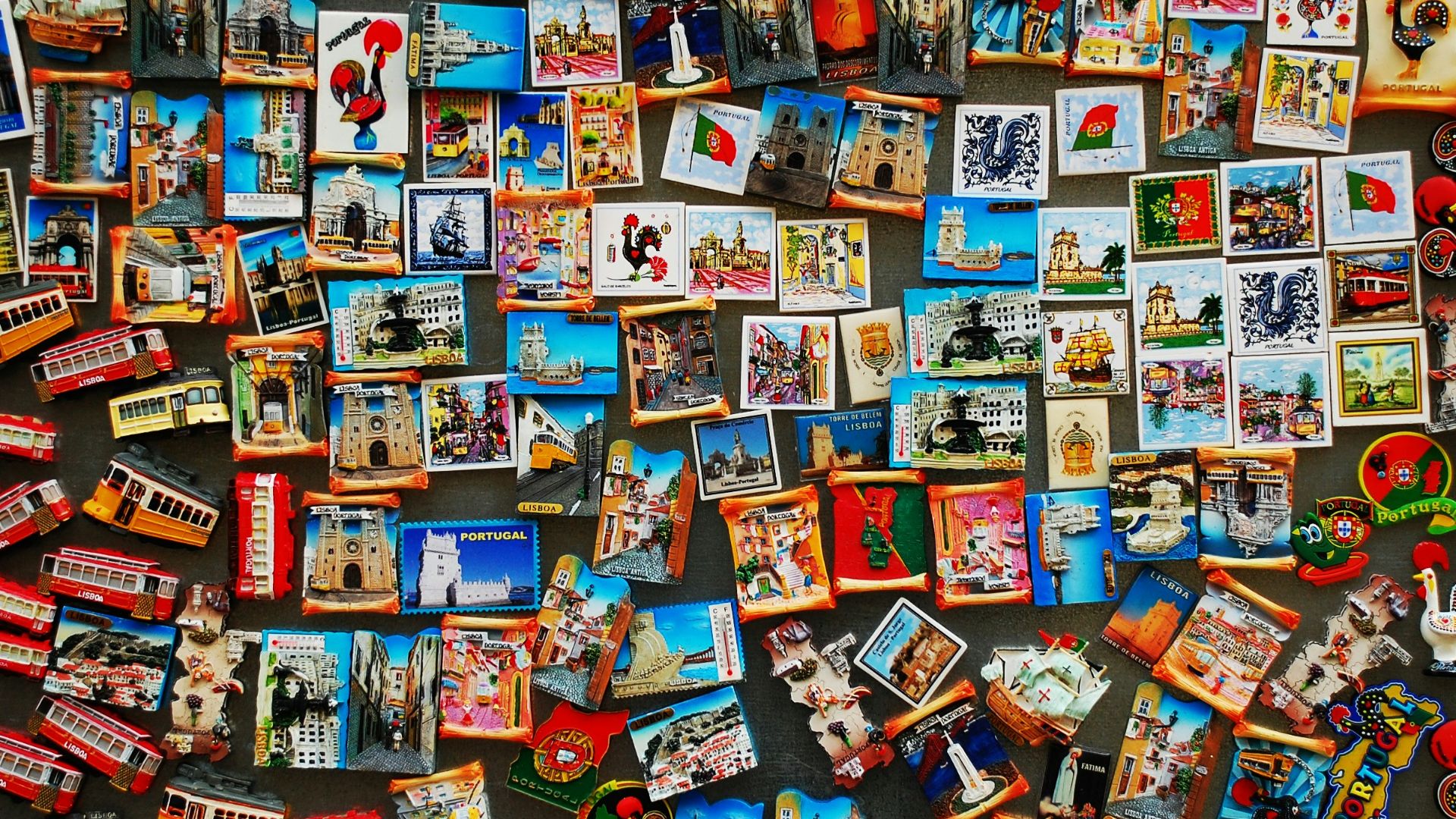
Recent reviews focus less on the destination and more on the hassle of being there—which is never a good sign. People will easily mention noise, waits, and feeling packed in. When that becomes the dominant theme, the word is officially out.
17. The Destination Starts Getting Media Coverage
Popular destinations often show up in lifestyle outlets, trend pieces, and morning-show segments. Sooner or later, the language shifts from “nice place” to “must-visit,” which signals that a broader audience is paying attention. Big exposure usually brings big numbers.
18. Locals Adjust Their Routines to Avoid Visitors
If you thought the influx was tough on you, ask a local how they feel! You hear that residents don’t go downtown on weekends anymore. People might even mention choosing different beaches, trails, or restaurants to escape the crush.
19. The Cleanliness Starts Slipping
Overuse shows up in maintenance long before it shows up in official warnings; it’s hard to keep up with cleanliness when the place is constantly bombarded. Still, that means trash bins fill faster, bathrooms get rough, and the overall upkeep can’t keep up.
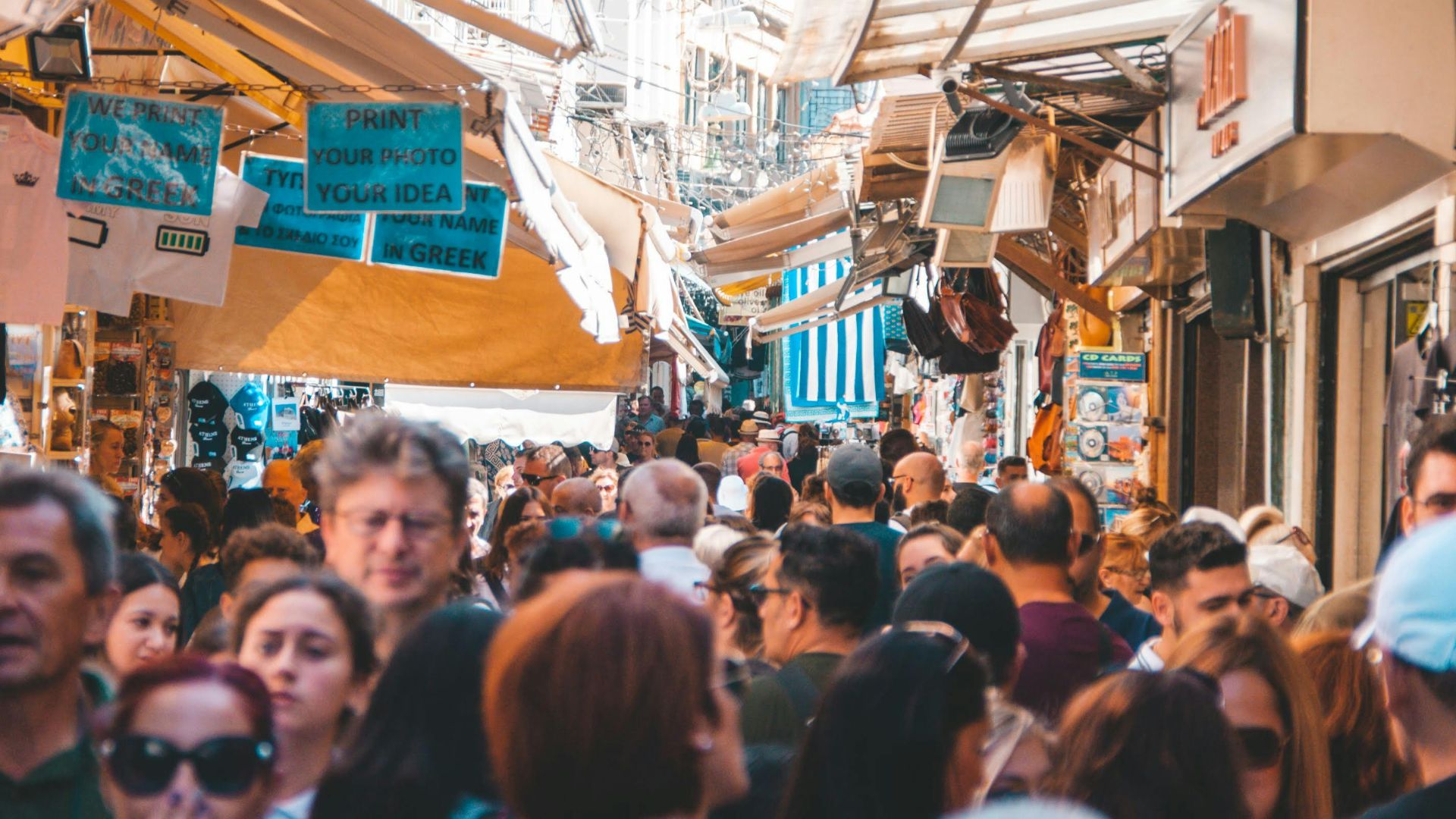
20. New Restrictions Get Announced
After a place picks up steam, don’t be surprised to see permits, caps, timed entry, or access limits roll out. Officials often frame it as preservation, but it’s really a move that comes after things get messy.