These Tiny Bloodsuckers Pack a Punch
Mosquitoes kill more humans than any other animal on Earth—roughly 725,000 deaths annually according to WHO estimates. These diseases don't stay neatly contained in tropical zones anymore, either. Jet travel means you can pick up a parasite in Senegal and develop symptoms back home in Stockholm. Understanding what's out there matters whether you're backpacking through Southeast Asia or attending a conference in Miami. Here are twenty mosquito-borne diseases you should know about before your next trip.
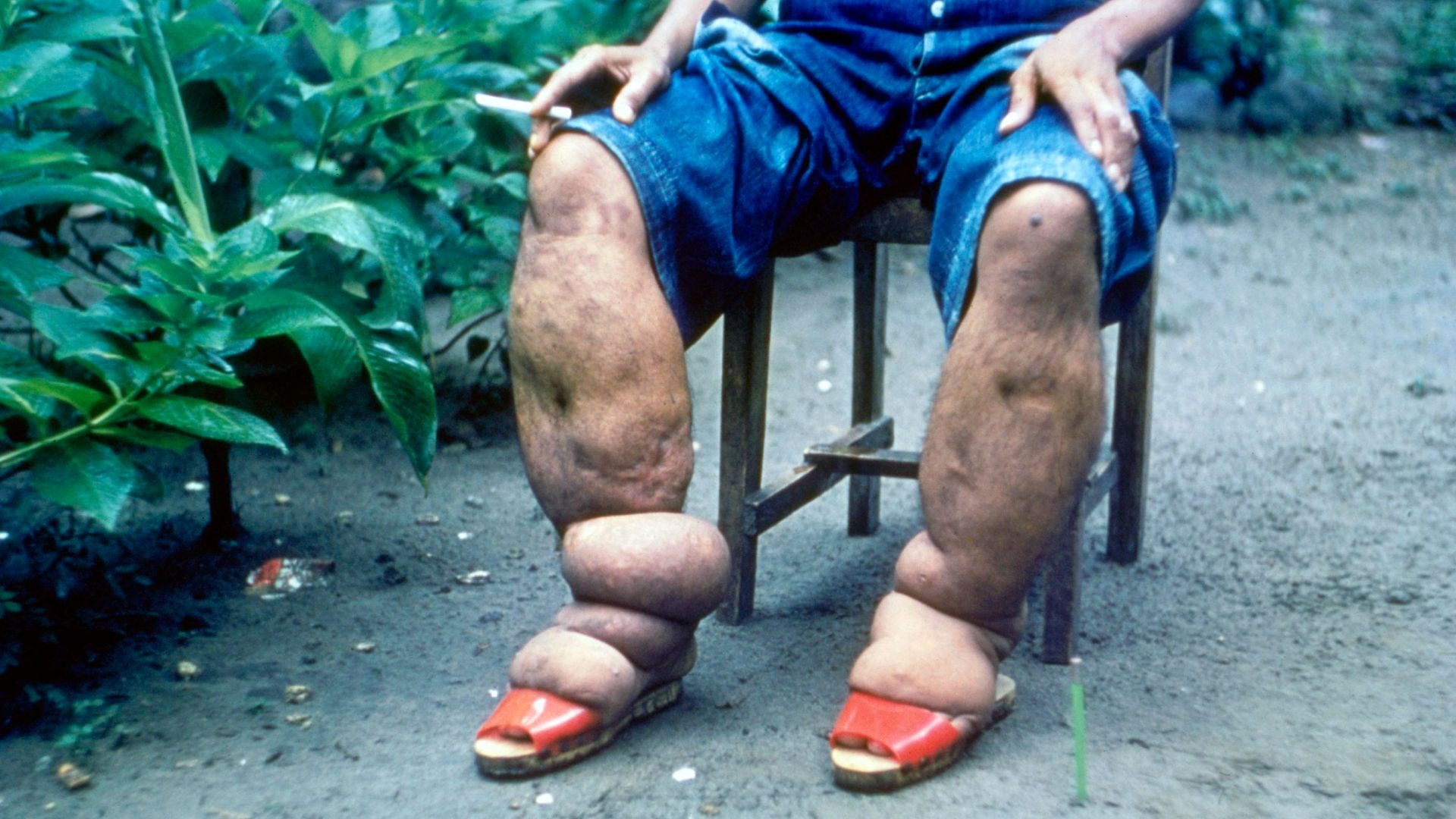 Photo Credit:
Content Providers: CDC/ on Wikimedia
Photo Credit:
Content Providers: CDC/ on Wikimedia
1. Malaria
Caused by Plasmodium parasites transmitted by Anopheles mosquitoes, the disease presents with fever, chills, and flu-like symptoms that cycle every 48 to 72 hours depending on the species. Without treatment, it can progress to cerebral malaria, causing seizures, coma, and death.

2. Dengue Fever
Half the world's population lives in dengue-endemic areas. The Aedes aegypti mosquito, which bites during daylight hours, transmits four types of dengue. Initial infection usually causes high fever, severe headache, pain behind the eyes, and joint and muscle pain—they call it “breakbone fever” for a reason.

3. Zika Virus
The virus, transmitted primarily by Aedes mosquitoes, causes mild symptoms of rash, fever, joint pain, and conjunctivitis in most people. Pregnant women face devastating risks. Congenital Zika syndrome causes severe brain abnormalities, developmental delays, and other birth defects.
 Felipe Fittipaldi / Wellcome Photography Prize 2019 on Wikimedia
4. Chikungunya
The name comes from the Kimakonde language, meaning “to become contorted,” describing the stooped posture joint pain causes. Aedes mosquitoes spread this alphavirus across Africa, Asia, and the Americas. Acute symptoms include fever, severe joint pain, muscle pain, headache, nausea, and rash.
5. Yellow Fever
This disease killed thousands during the construction of the Panama Canal. The virus causes fever, chills, headache, muscle aches, and nausea in its initial phase. About 15% enter a toxic phase within 24 hours, where fever returns alongside jaundice, abdominal pain, and bleeding from the mouth, nose, eyes, and stomach.
6. West Nile Virus
First identified in Uganda's West Nile district in 1937, this virus reached North America by 1999. About 80% of infected people show no symptoms. The remaining 20% develop fever, headache, body aches, vomiting, diarrhea, or rash. Roughly one in 150 infected people develop severe neurological illness.
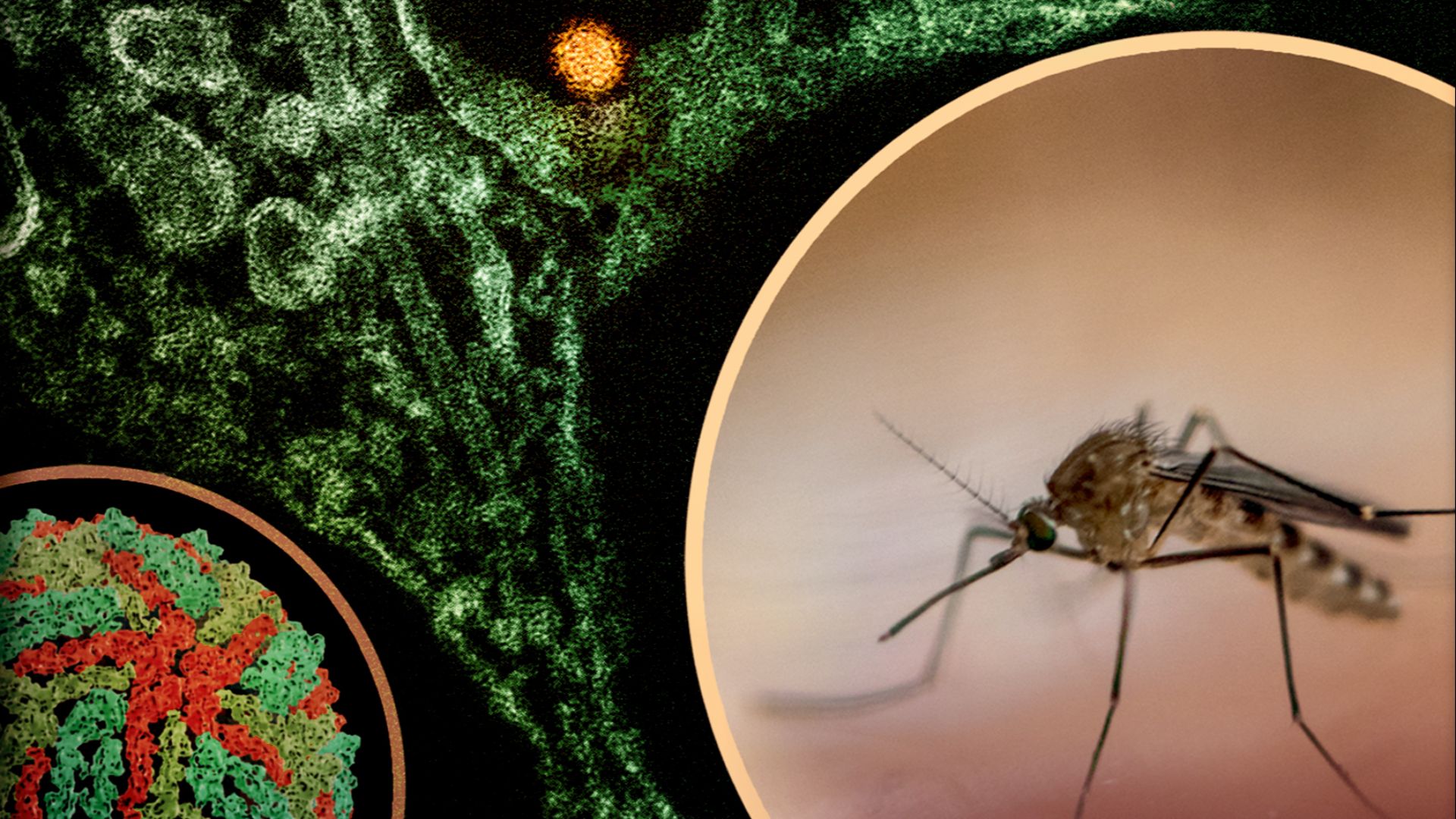
7. Japanese Encephalitis
This flavivirus circulates in rural agricultural areas of Asia and the western Pacific. Mosquitoes breeding in rice paddies spread it between pigs, wading birds, and humans. Around 68,000 clinical cases occur annually, with fatality rates of 20 to 30%. Most infections cause no symptoms.

8. Rift Valley Fever
Named for Kenya's Rift Valley, where it was first described in 1931, this virus primarily affects livestock. Humans contract it through mosquito bites or contact with infected animal blood or tissue. Most cases cause flu-like symptoms. Around 1% develop hemorrhagic fever with bleeding from the gums, vomiting blood, and passing bloody stool.
9. La Crosse Encephalitis
This mosquito-borne virus, first identified in La Crosse, Wisconsin, in 1963, causes about 80 to 100 cases annually in the United States. Children under 16 are most commonly affected. Symptoms range from mild flu-like illness to severe encephalitis with seizures. Mortality remains low at less than 1%.

10. Eastern Equine Encephalitis
Among the most deadly mosquito-borne diseases in North America, EEE has a 30% fatality rate. Around 10 cases occur annually in the United States, primarily along the Atlantic and Gulf coasts. Symptoms begin with fever, chills, and malaise, progressing rapidly to encephalitis with seizures, coma, and death.

11. St. Louis Encephalitis
This flavivirus occurs throughout the Americas. Elderly people face higher risks of severe disease. Symptoms include fever, headache, dizziness, nausea, and malaise. Recent years have seen fewer than 10 annual cases in the United States.

12. Murray Valley Encephalitis
Endemic to Australia and Papua New Guinea, most infections cause no symptoms. Severe cases develop headache, neck stiffness, confusion, and seizures. Survivors often face permanent neurological symptoms.

13. Lymphatic Filariasis
More than 120 million people are infected with filarial worms transmitted by various mosquito species. The worms lodge in the lymphatic system, causing chronic inflammation and obstruction, which in turn leads to massive swelling of limbs.
 U.S. Navy photo by Petty Officer 2nd Class Deirdre Marsac on Wikimedia
14. Venezuelan Equine Encephalitis
Outbreaks of this alphavirus occur in northern South America and Central America. Culex and Aedes mosquitoes transmit it to horses and then on to humans. The 1995 outbreak in Colombia and Venezuela affected tens of thousands.

15. Mayaro Virus
Mayaro virus causes fever, rash, and debilitating joint pain. Haemagogus mosquitoes in South American rainforests transmit it. The disease was considered rare, affecting mainly forest workers and hunters, but recent evidence suggests expansion into urban areas.

16. Oropouche Fever
This virus causes explosive outbreaks in South America and the Caribbean. A specific species of midge is primarily responsible for spreading it, though mosquitoes can transmit it as well. Symptoms appear suddenly with high fever, severe headache, chills, and muscle and joint pain. The 1980 outbreak in Belém, Brazil, affected over 100,000 people.
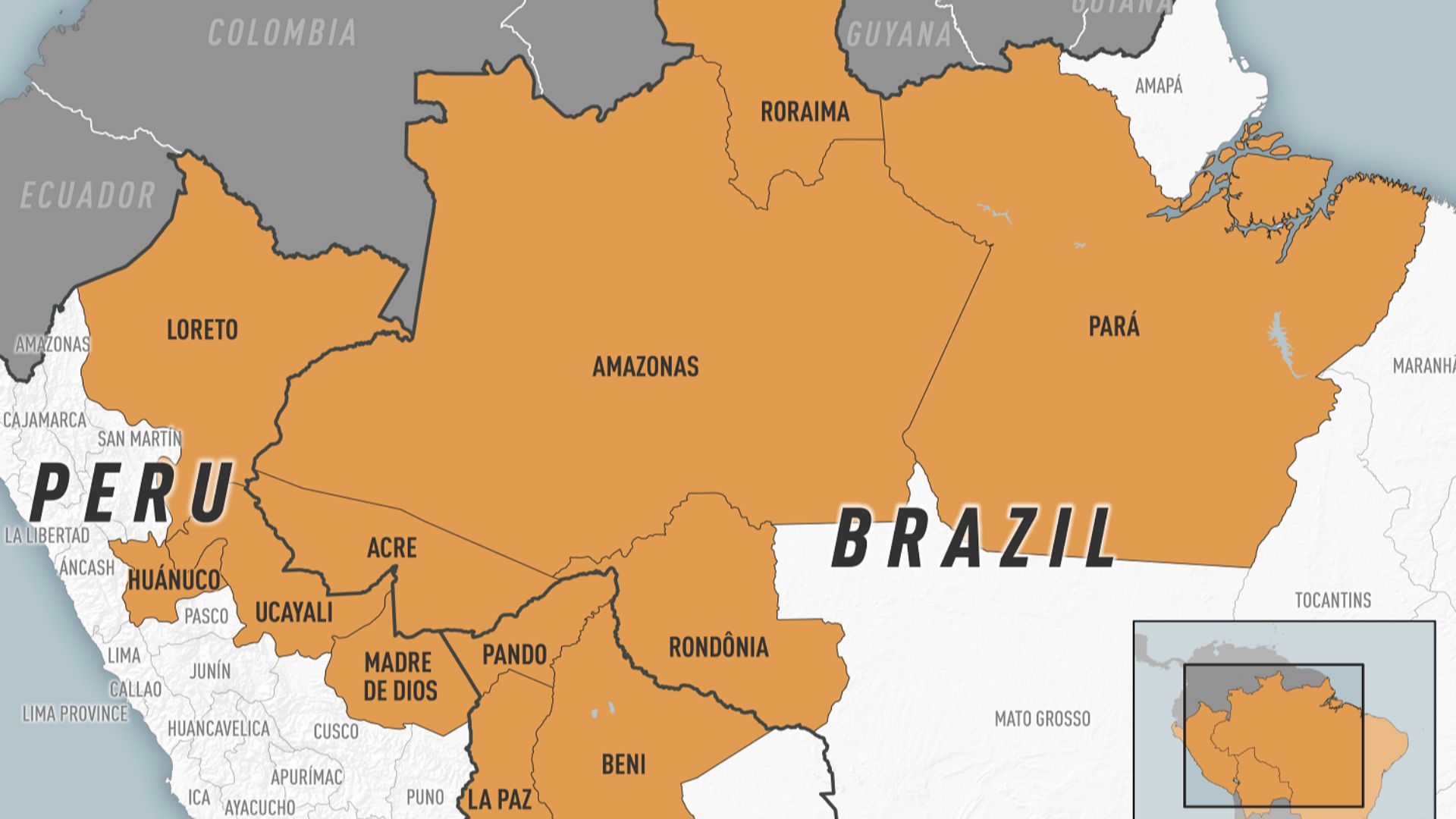
17. Sindbis Virus
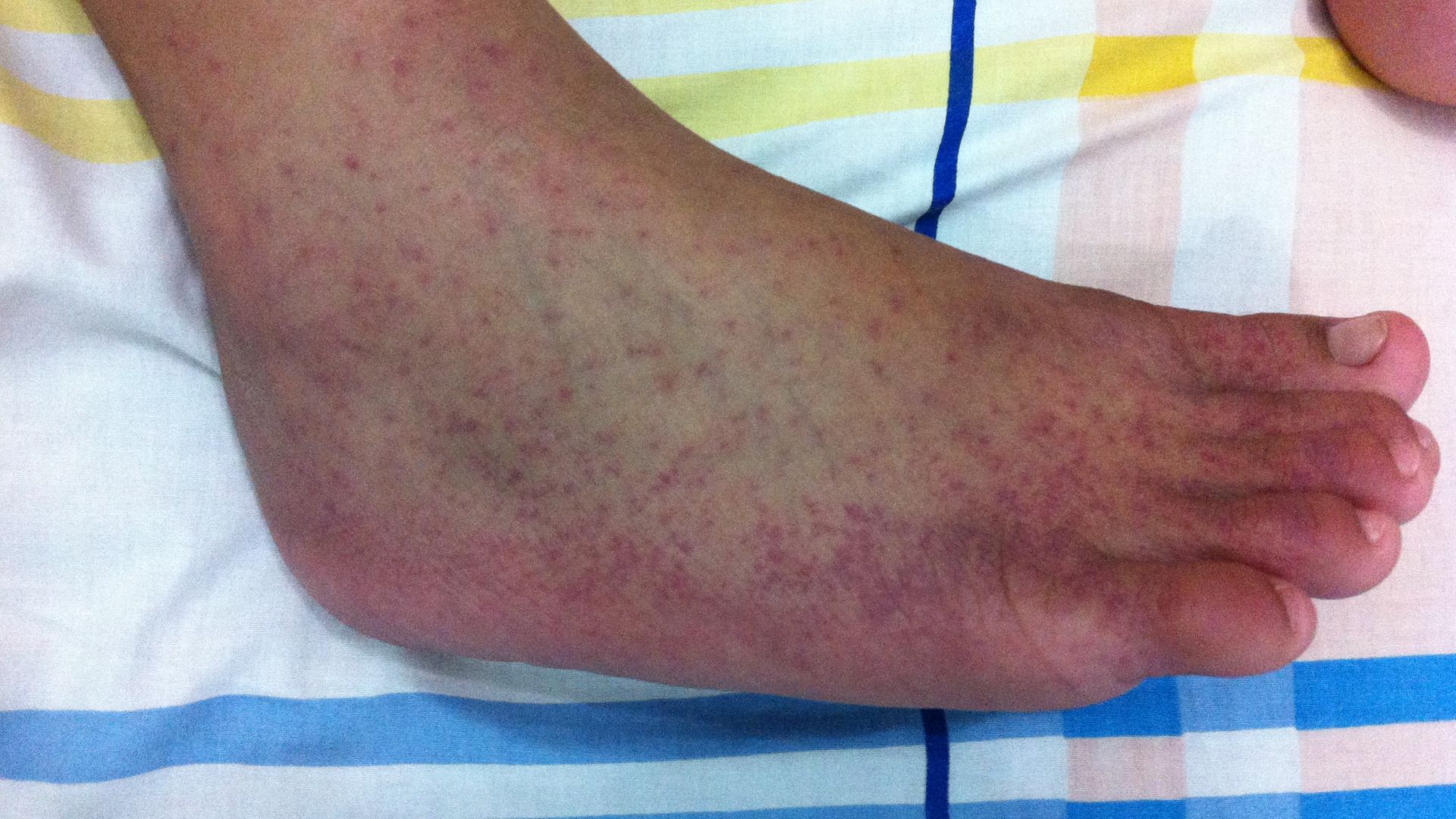
Culex mosquitoes transmit it across Europe, Africa, Asia, and Australia. When illness develops, patients experience rash, joint pain, and mild fever. Joint pain can persist for months or even years, resembling rheumatoid arthritis.
 Kurkela S, Manni T, Vaheri A, Vapalahti O. on Wikimedia
18. Ross River Virus
Australia's most common mosquito-borne disease causes widespread joint pain. Around 5,000 cases occur annually. Symptoms include fever, rash, fatigue, and painful, swollen joints affecting the wrists, knees, ankles, and small joints of the hands and feet. The 1979–1980 outbreak in the Pacific Islands affected over 60,000 people.

19. Barmah Forest Virus
This virus occurs in Australia, causing around 1,000 cases annually. Symptoms include fever, rash, and widespread joint pain. Fatigue and lethargy can persist for months. The virus was first isolated in 1974 from mosquitoes in the Barmah Forest of Victoria.

20. Usutu Virus
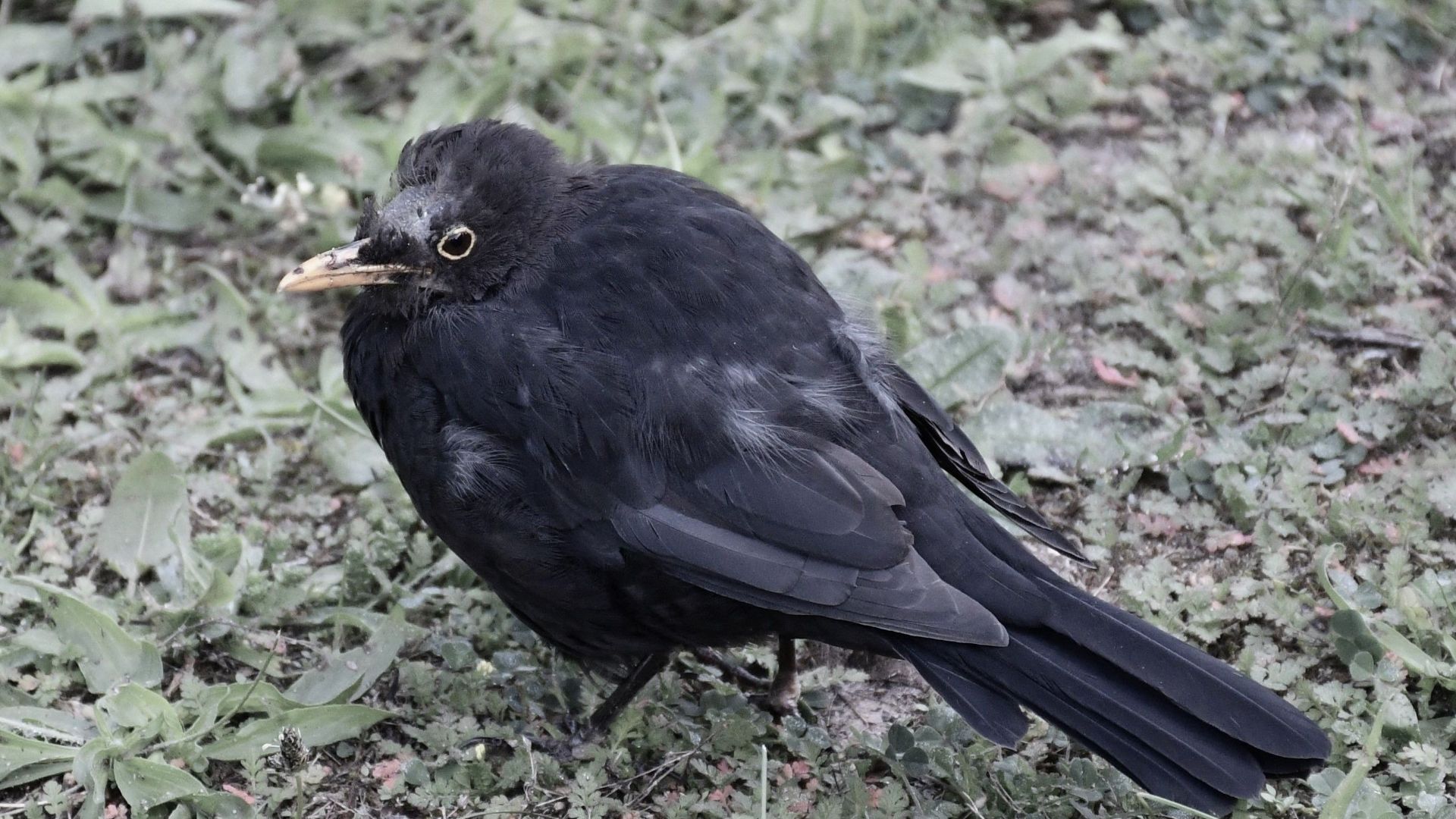
This virus was brought to Europe from Africa, causing notable bird die-offs, particularly among blackbirds. Symptomatic cases report fever, headache, and rashes. The virus was first identified in Austria in 2001 and has since spread across Europe.