When Stone And Bronze Become Public Arguments
Statues are supposed to settle history into something solid and quiet. In practice, they often do the opposite, freezing old power structures in public space long after societies have moved on. The anger aimed at certain monuments rarely comes from aesthetics alone, even when the design is part of the problem. It comes from who is honored, who is ignored, and who is asked to walk past that symbolism every day. What follows is a look at statues that became flashpoints, magnets for protest, ridicule, or outright removal.
1. Confederate Statues (United States)
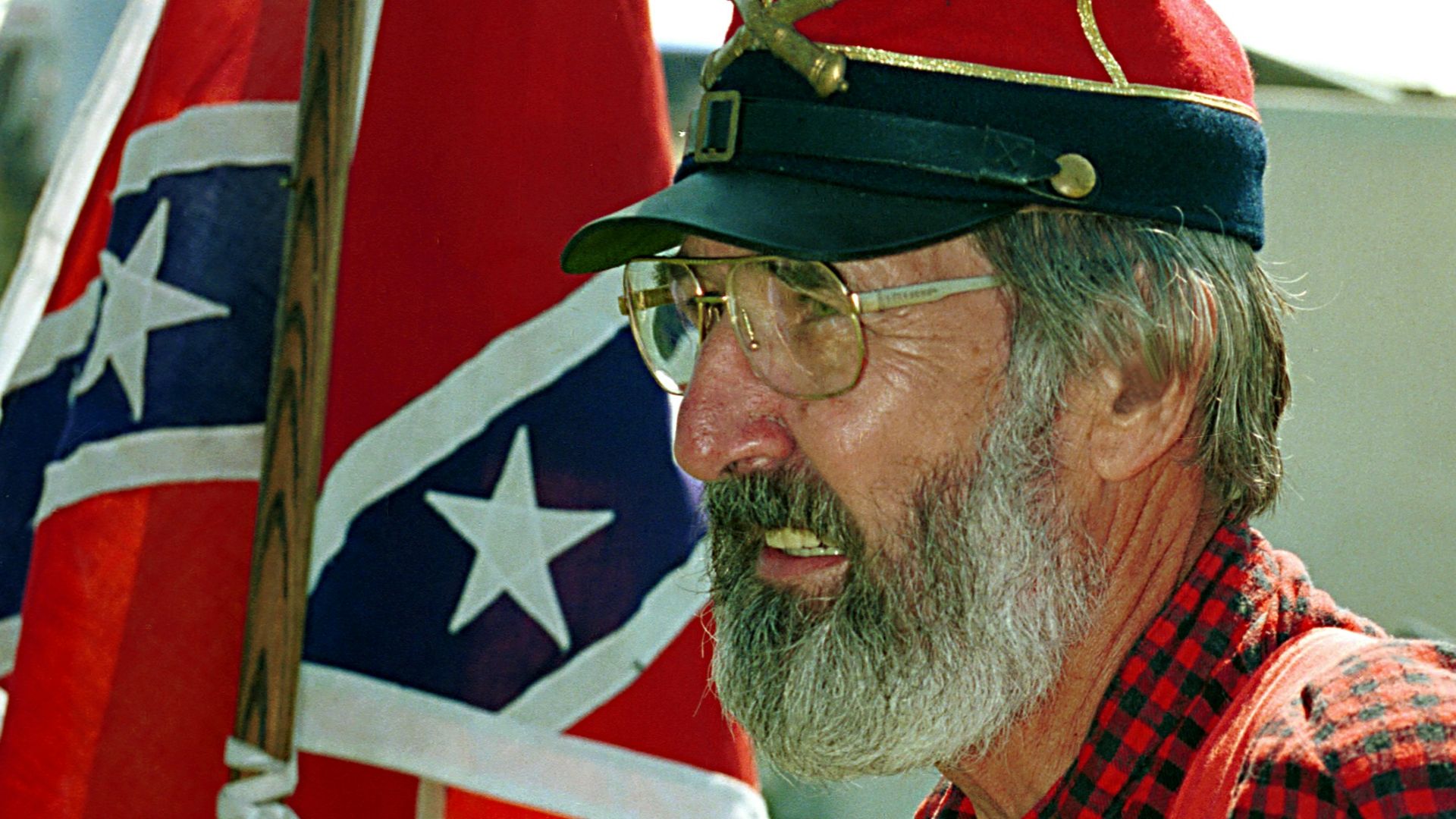
Confederate monuments spread across Southern cities during the Jim Crow era, not immediately after the Civil War. Many were erected by groups like the United Daughters of the Confederacy to reinforce white supremacy. Their presence has sparked sustained protests and removals across the U.S.
 Phyllis Lilienthal on Unsplash
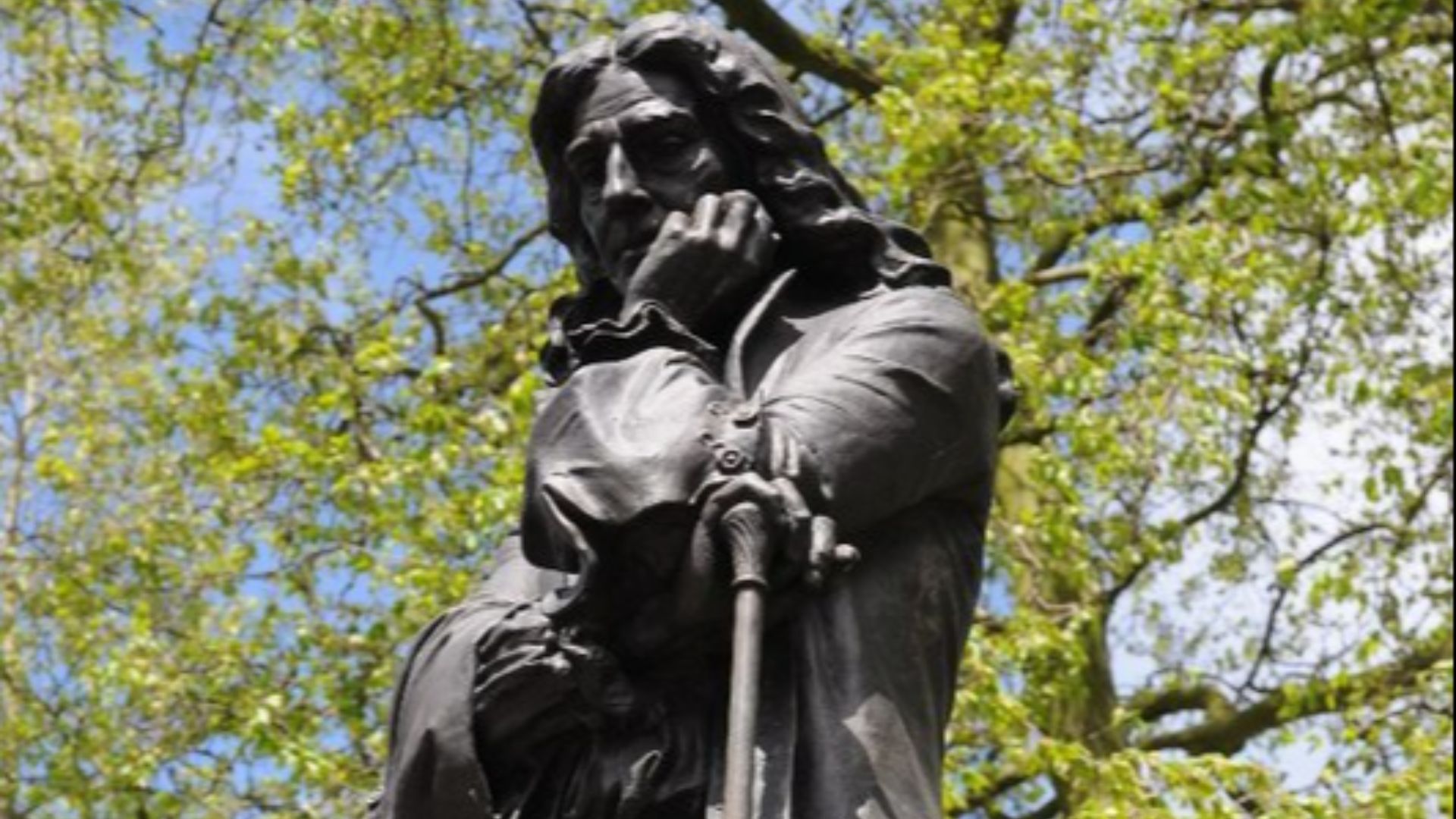
2. Edward Colston (Bristol, England)
Colston was a wealthy slave trader memorialized as a philanthropist. For years, residents challenged the selective memory behind his statue. Protesters pulled it down in 2020 and threw it into the harbor, an act widely documented by museums and historians.
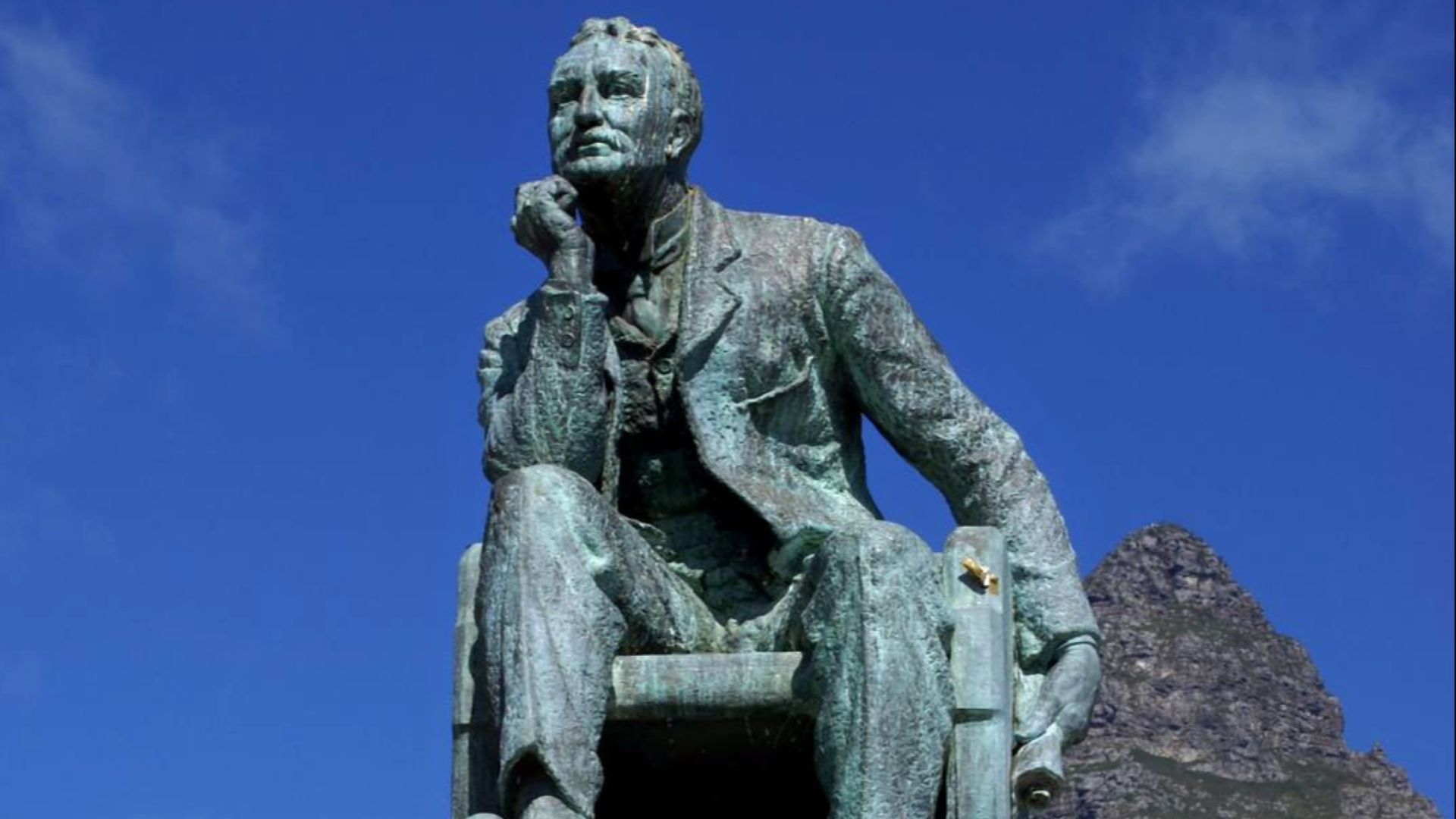
3. Cecil Rhodes (Oxford, England)
Rhodes symbolizes British imperialism and colonial exploitation in southern Africa. Students and faculty at Oxford have debated his statue for years under the Rhodes Must Fall movement. The controversy exposed how institutions grapple with their own legacies.
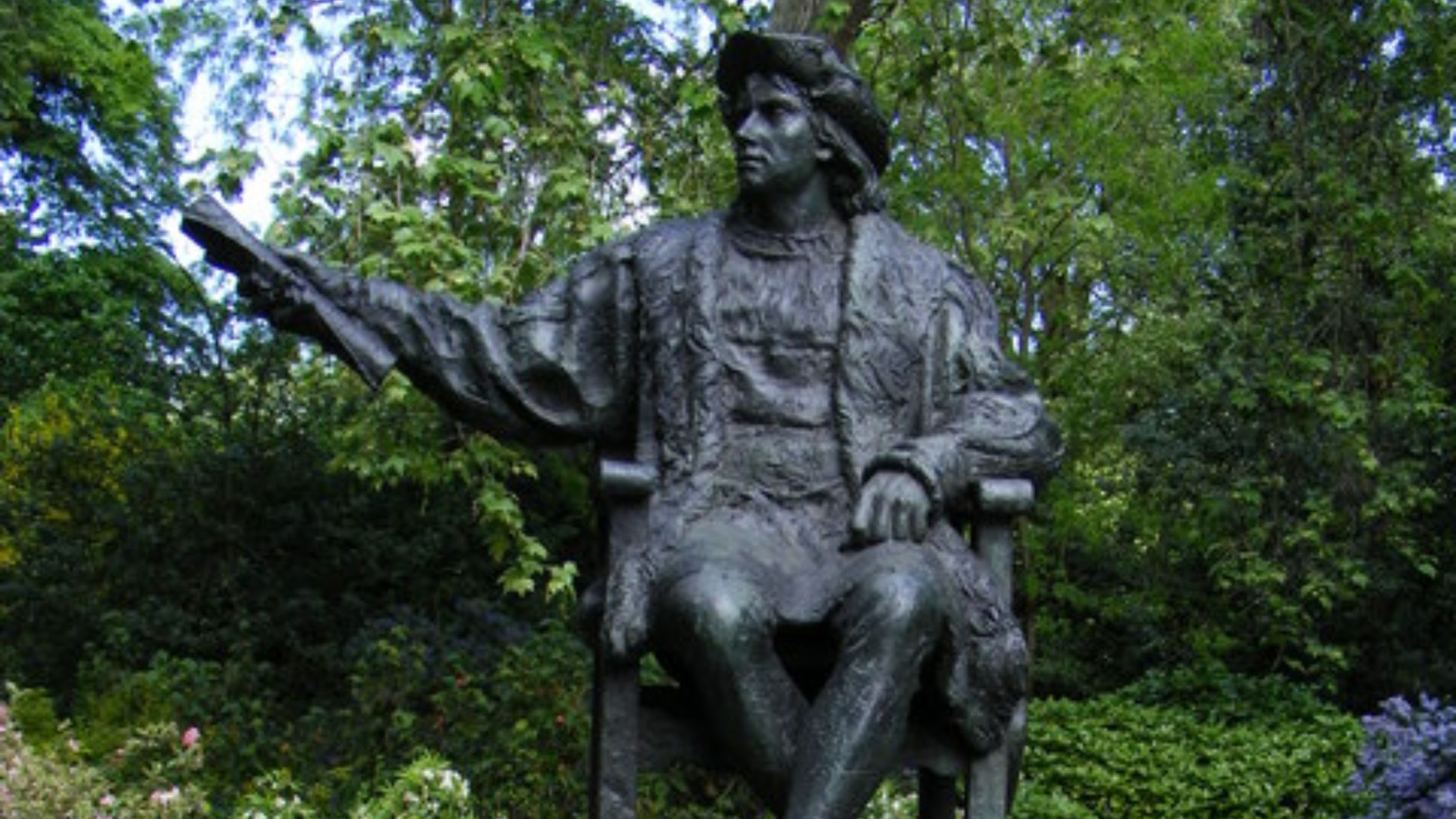
4. Christopher Columbus (Global)
Columbus statues once symbolized exploration and ambition. Indigenous groups and historians have long pointed to the violence and exploitation tied to his expeditions. Many cities have removed or recontextualized these monuments.
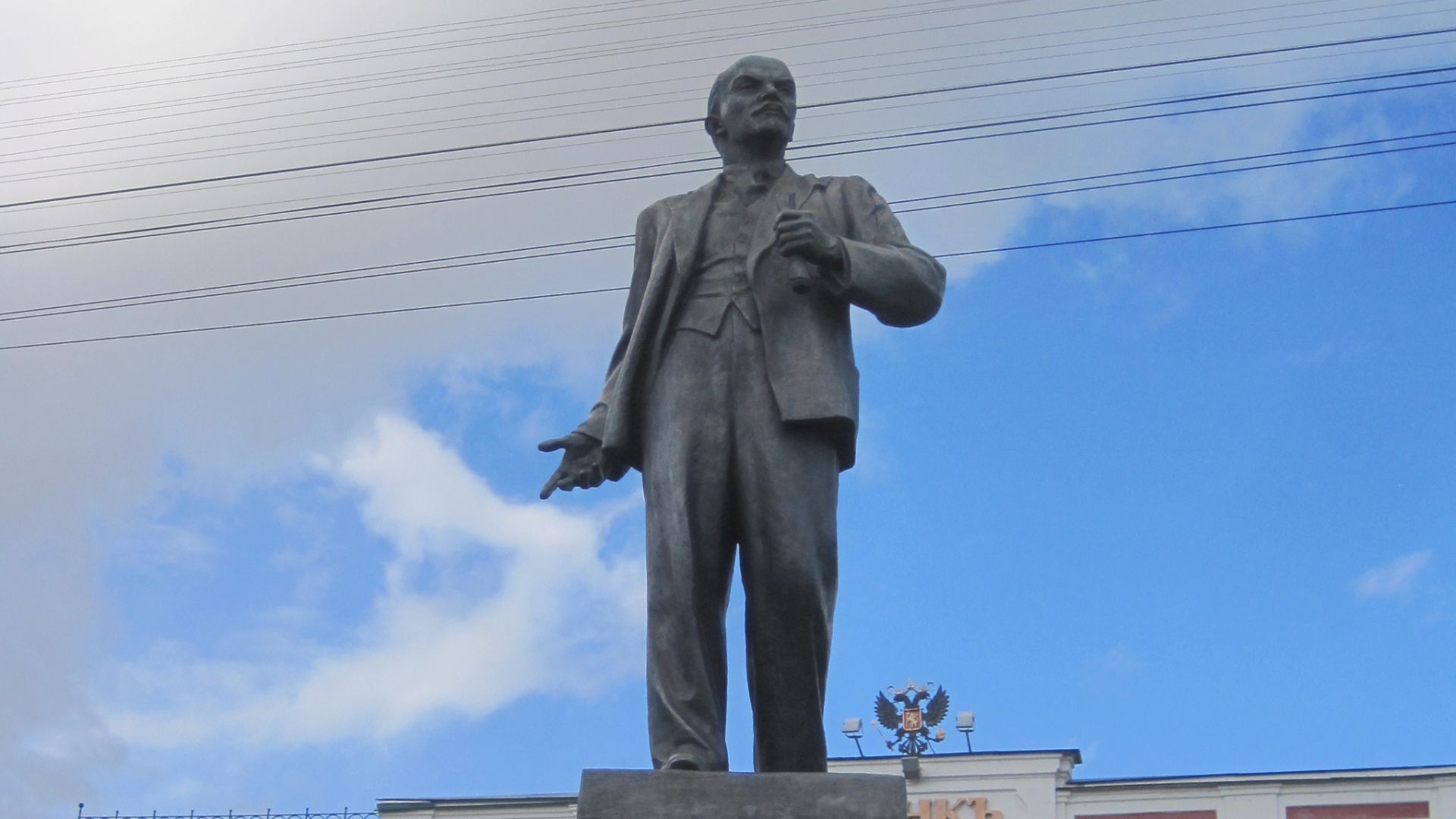
5. Vladimir Lenin (Eastern Europe)
Lenin monuments dominated public squares across the Soviet Union. After its collapse, many countries removed them as symbols of repression. Their dismantling often marked political turning points.
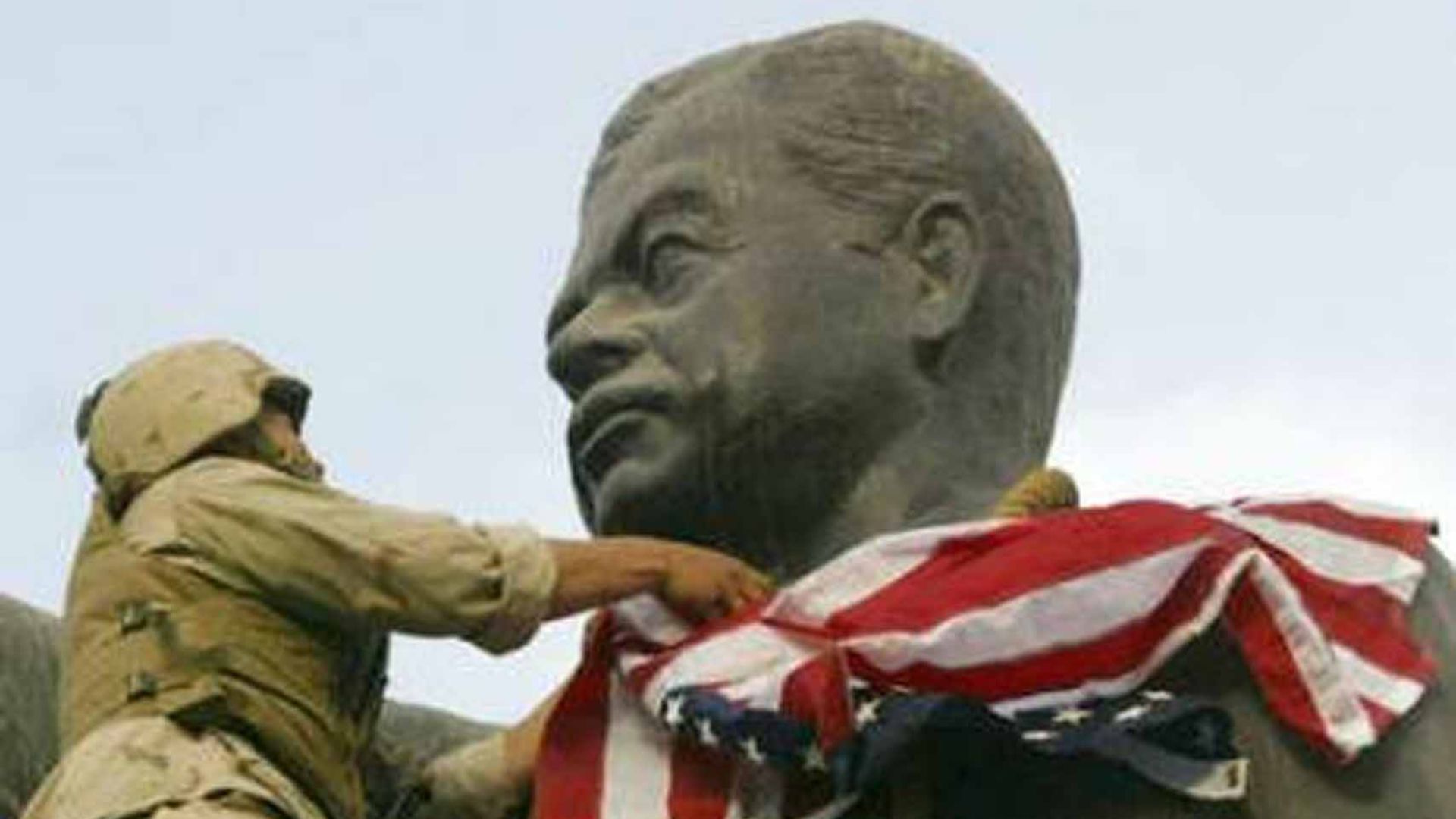
6. Saddam Hussein (Baghdad, Iraq)
The toppling of Saddam Hussein’s statue in 2003 became a global image. The monument represented authoritarian power more than national pride. Its fall was broadcast worldwide as symbolic regime change.
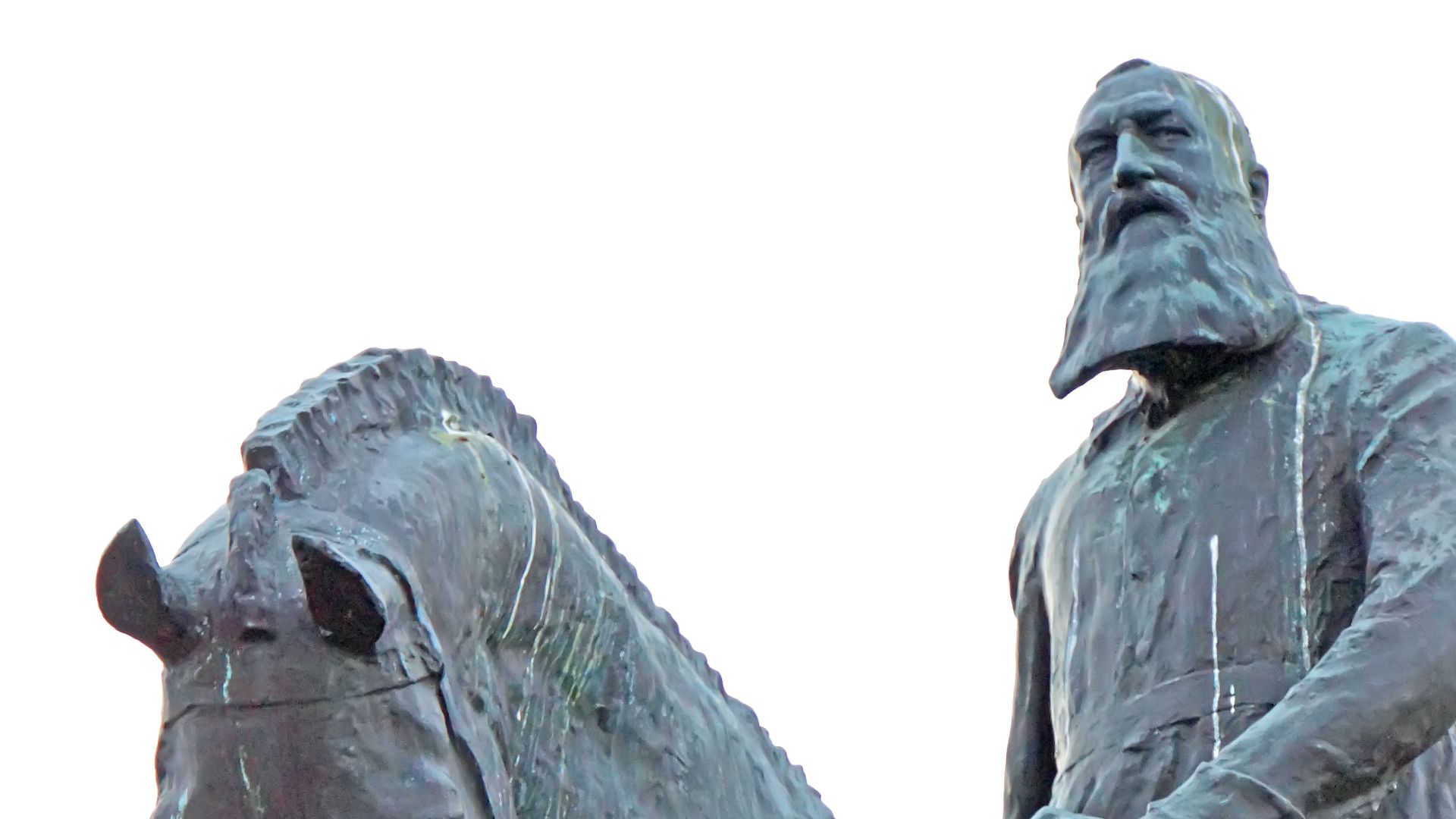
7. King Leopold II (Belgium)
Leopold II ruled the Congo Free State with extreme brutality in the late nineteenth century. His statues in Belgium sparked renewed outrage as awareness of colonial atrocities grew. Activists have called for removals or historical context plaques.
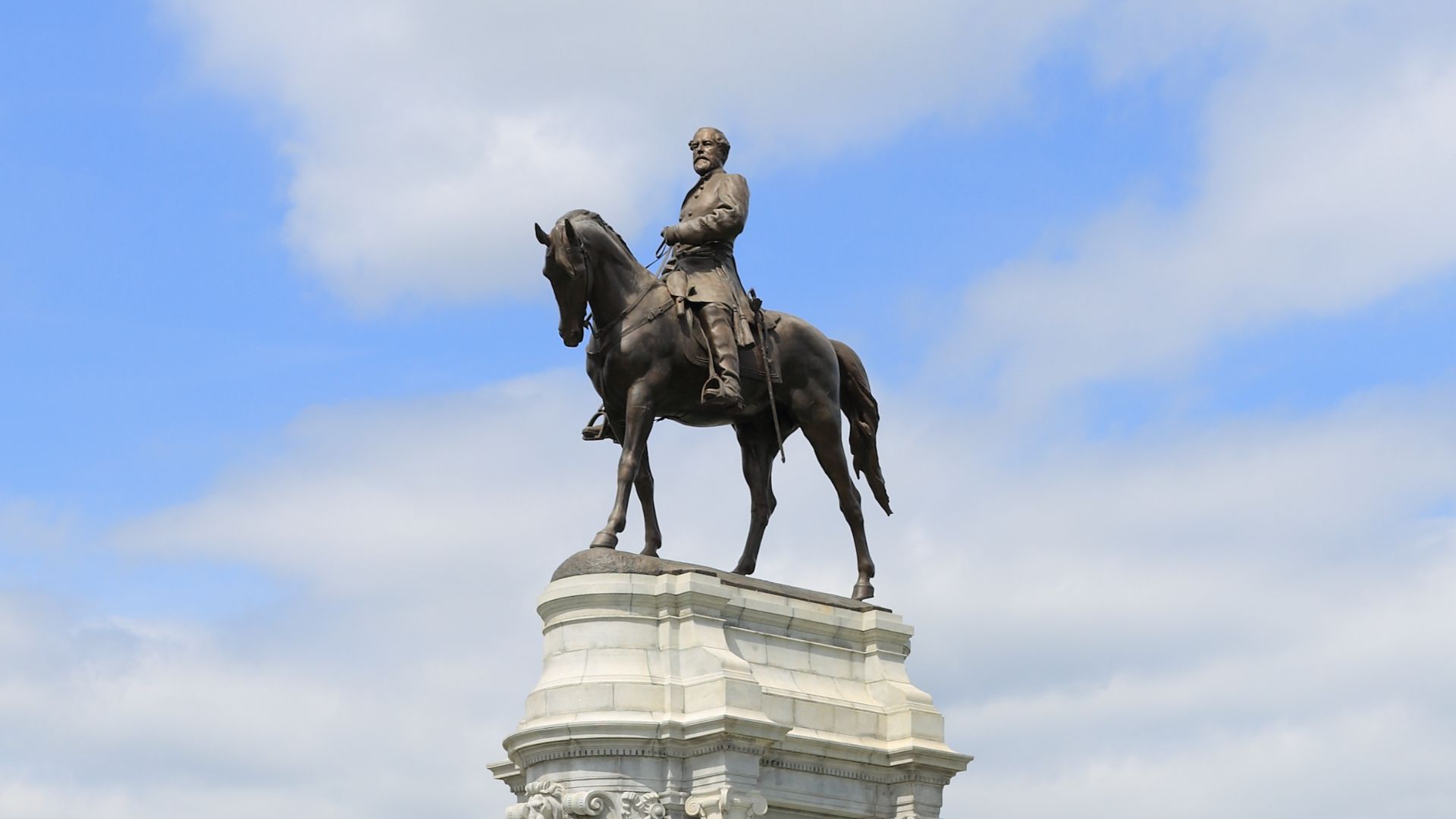
8. Robert E. Lee (Charlottesville, Virginia)
This statue became a focal point for the 2017 Unite the Right rally. What had long stood quietly in a park suddenly represented modern extremist movements. Its removal followed years of legal and public pressure.
 Martin Falbisoner on Wikimedia
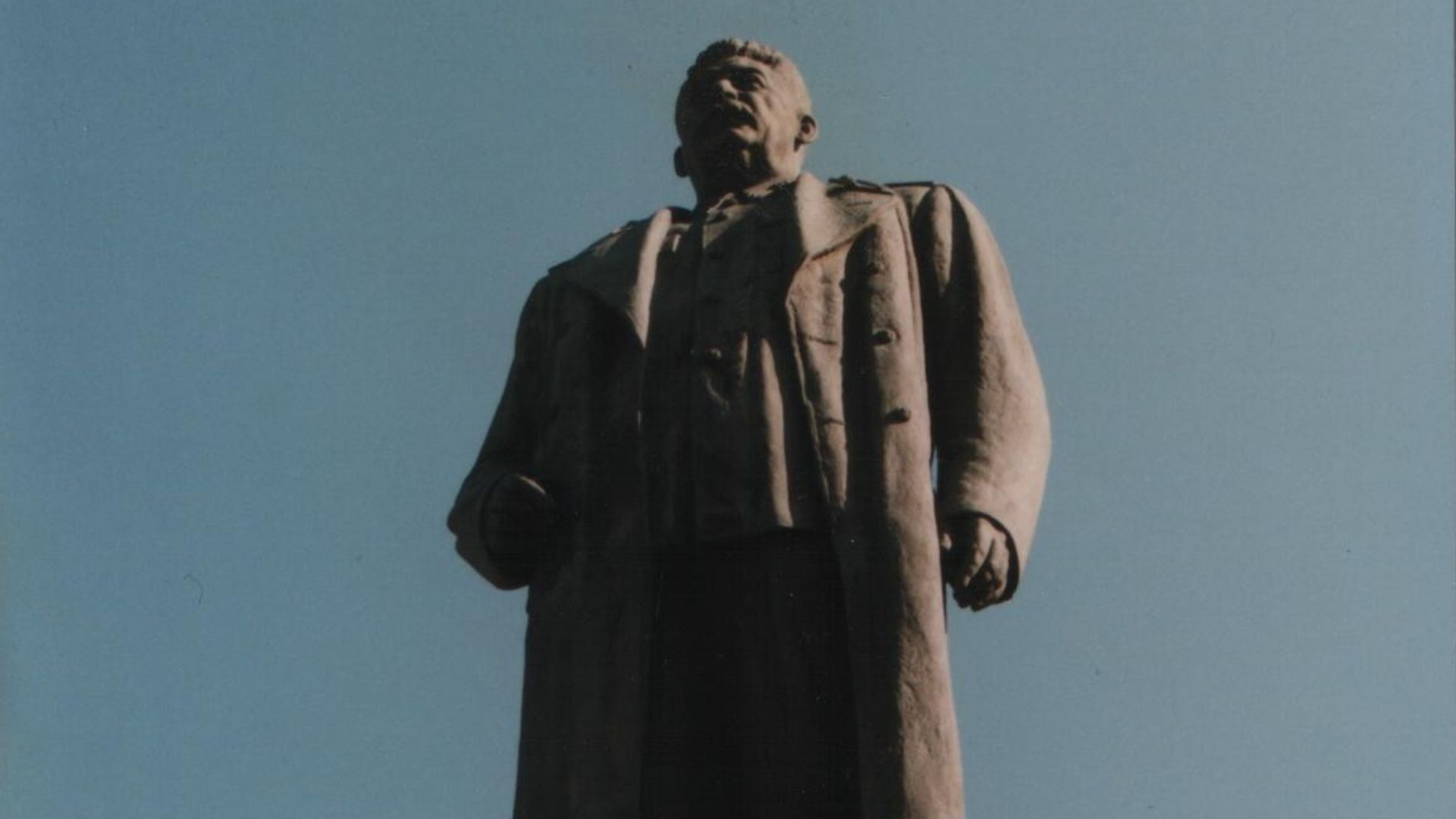
9. Stalin Statues (Former Soviet States)
Joseph Stalin statues once dominated cities through enforced reverence. After his crimes became widely acknowledged, many were removed or destroyed. Where they remain, they tend to provoke strong reactions.
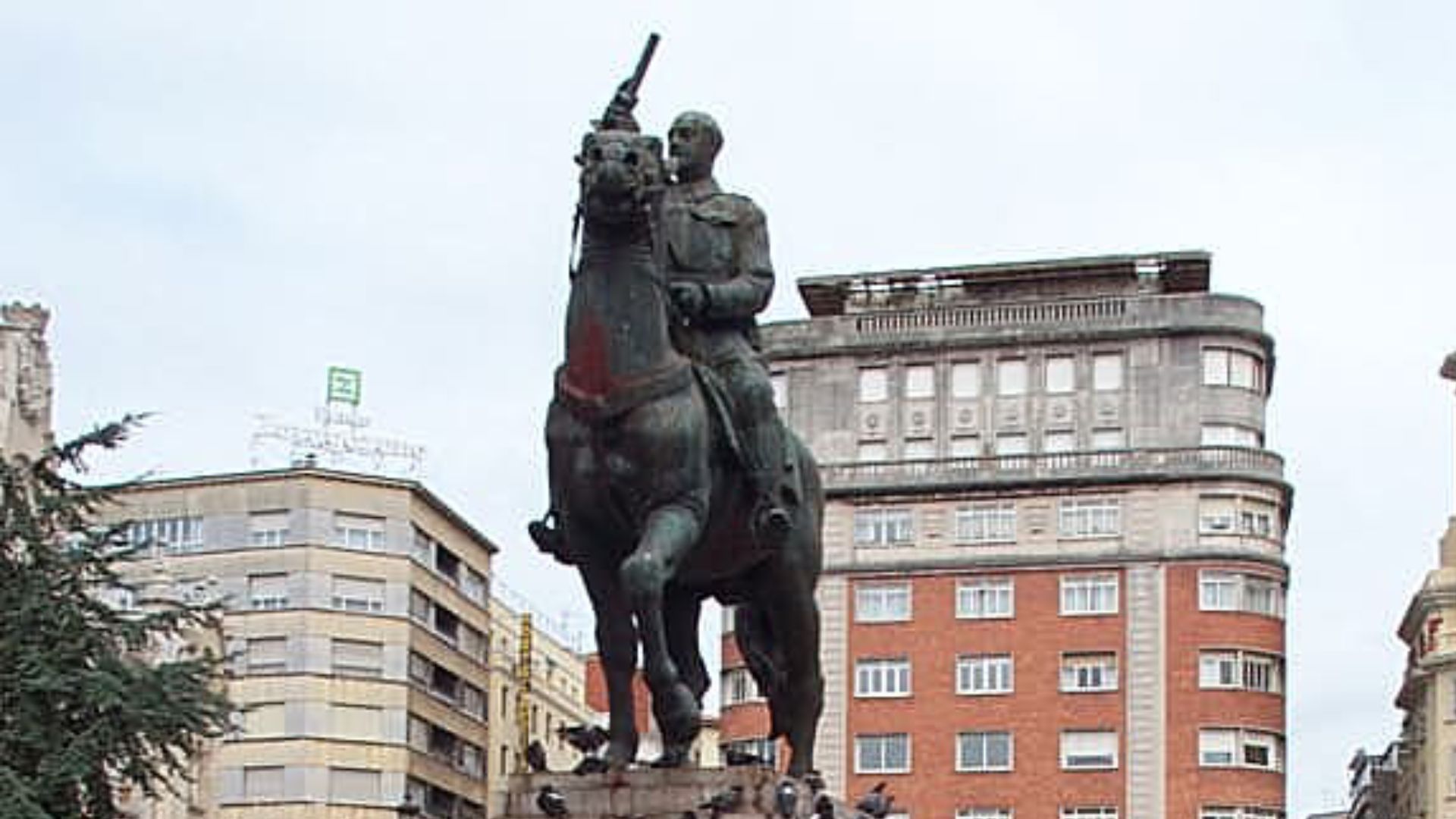
10. Francisco Franco (Spain)
Franco ruled Spain as a dictator until 1975. Statues honoring him became controversial during Spain’s transition to democracy. Many were removed under historical memory laws.
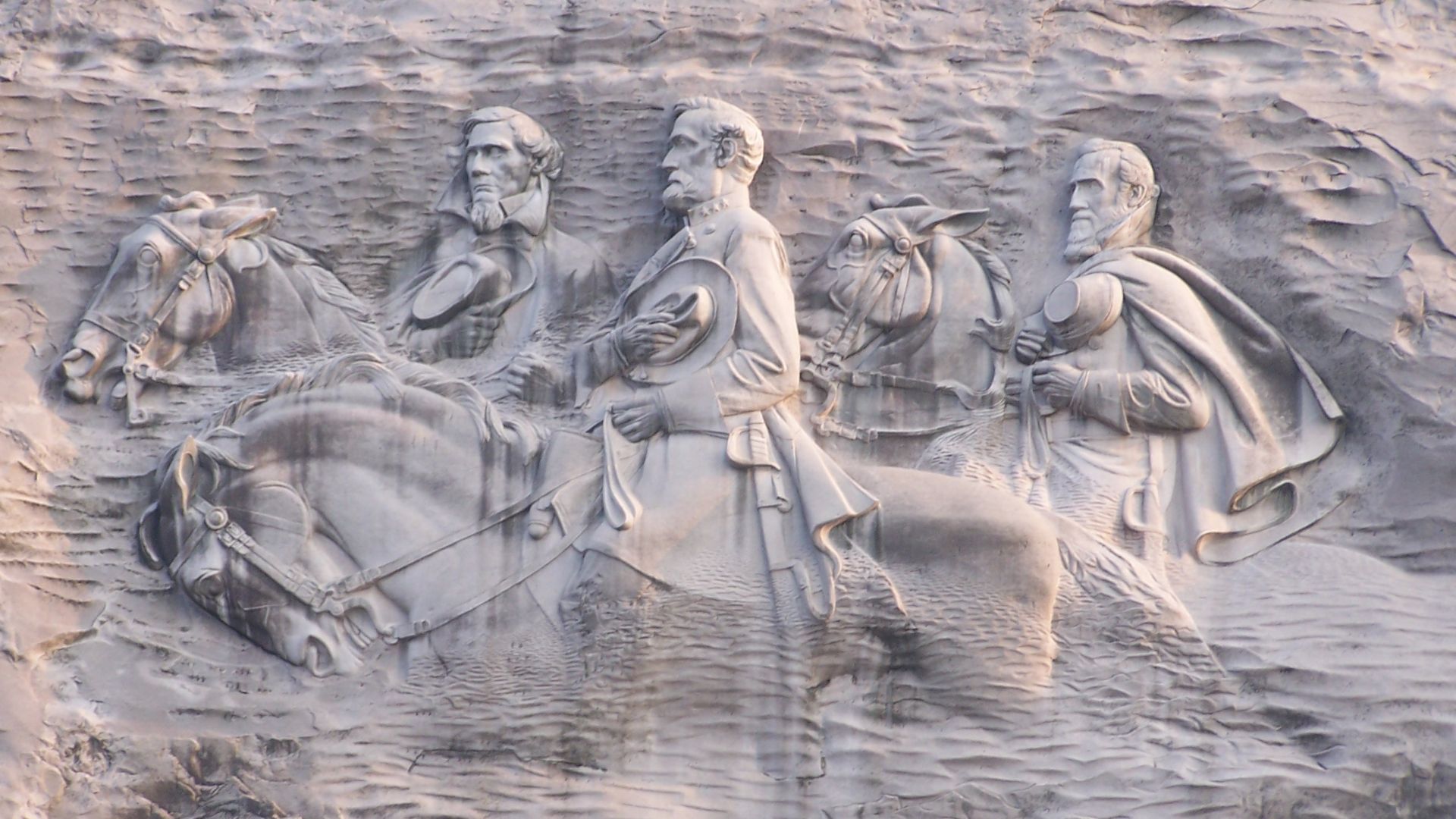
11. Confederate Memorial Carvings (Stone Mountain, Georgia)
The massive relief carving features Confederate leaders etched into rock. Critics argue its scale glorifies a violent past. The site remains one of the most contested monuments in the U.S.
 Mark Griffin (user Weatherman) on Wikimedia
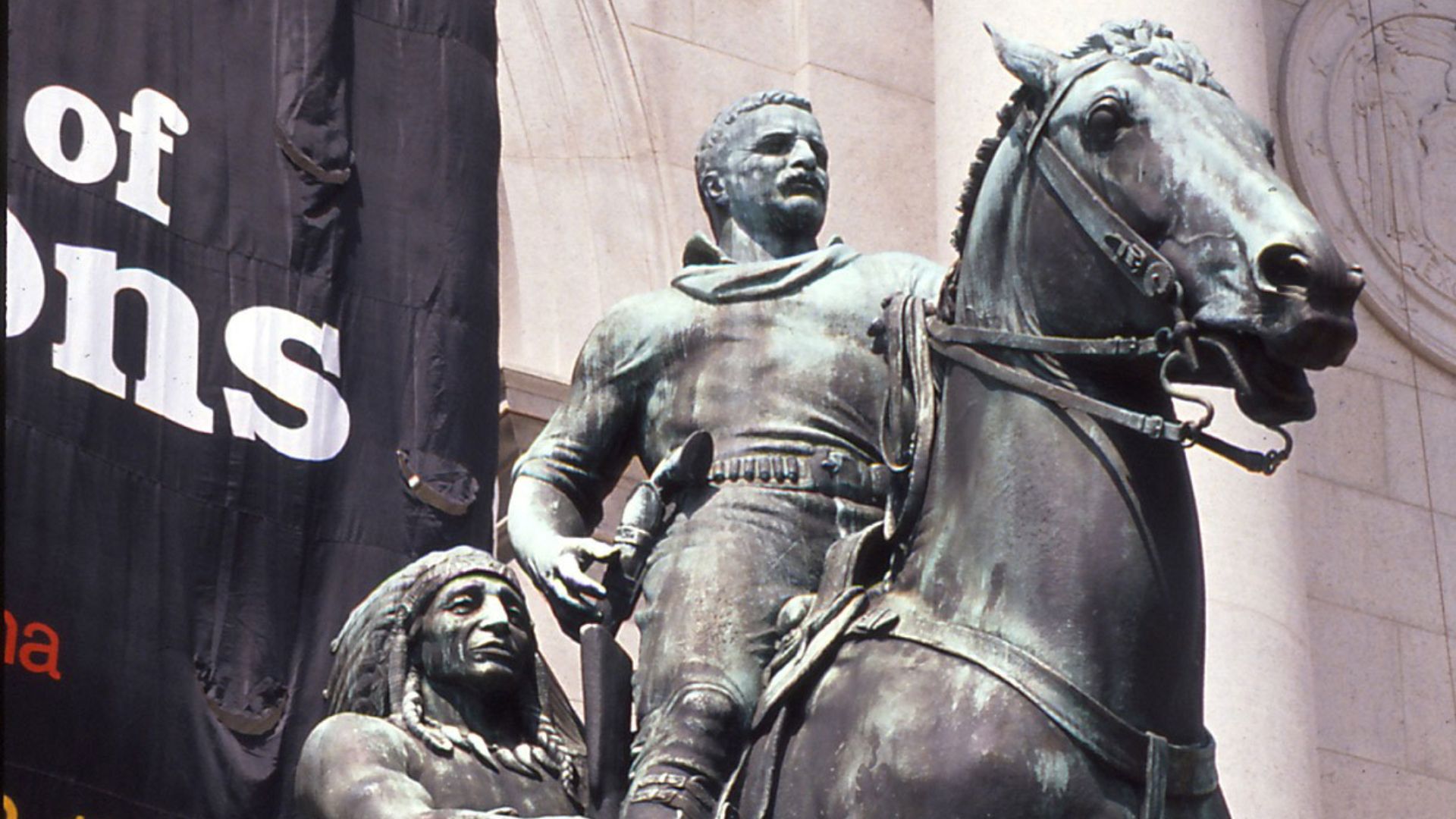
12. Theodore Roosevelt (New York City)
The statue outside the American Museum of Natural History depicted Roosevelt elevated above Indigenous and African figures. Critics highlighted its racial hierarchy imagery. The museum supported its removal in 2020.
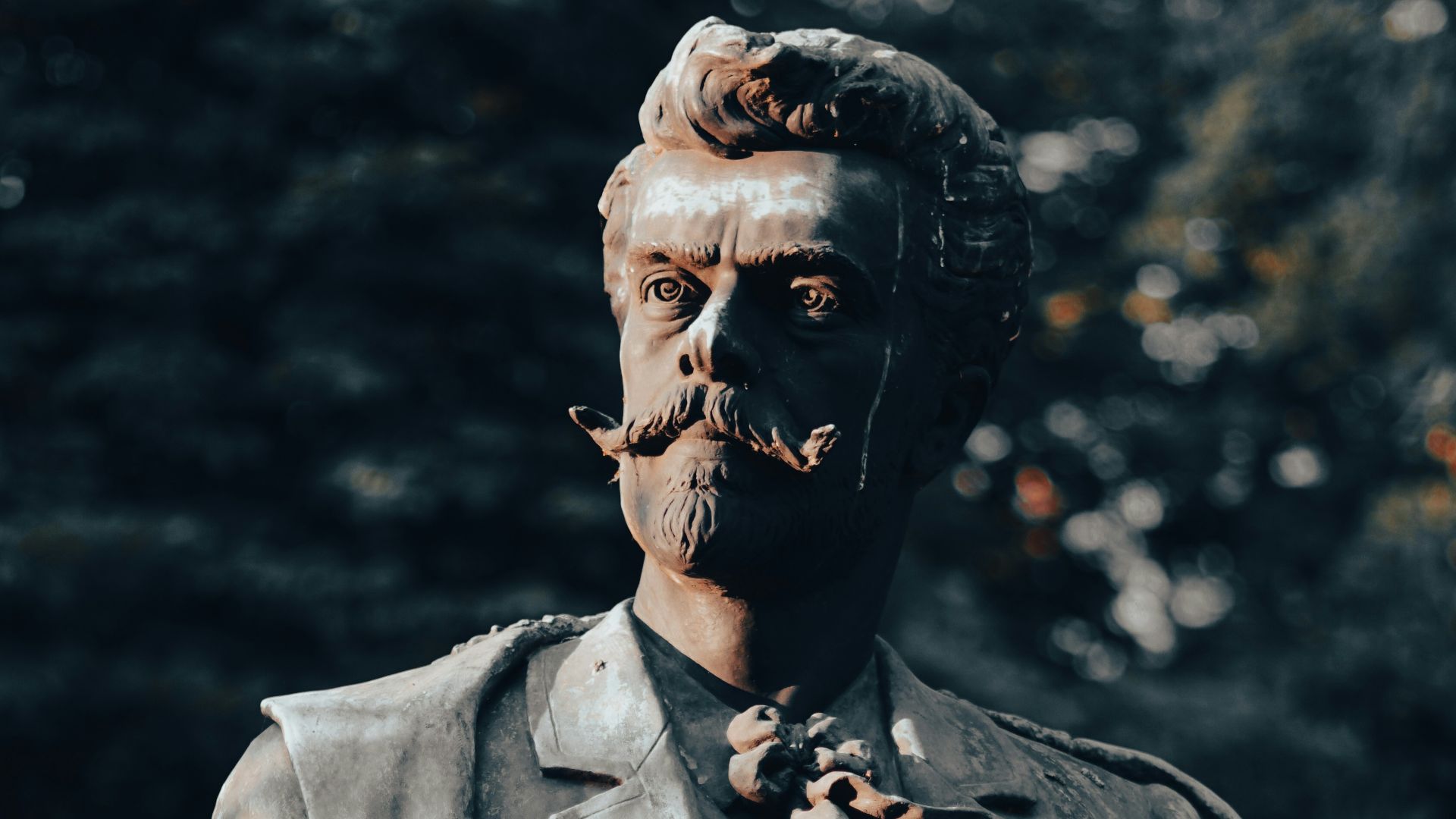
13. Augusto Pinochet (Chile)
Pinochet’s dictatorship left thousands dead or disappeared. Any public memorials associated with him face immediate backlash. Chile continues to debate how to handle physical reminders of that era.
14. Confederate Soldiers Monument (Durham, North Carolina)
This statue stood for nearly a century before protesters toppled it in 2017. Its removal reflected changing attitudes toward Confederate symbolism. The moment spread quickly online.
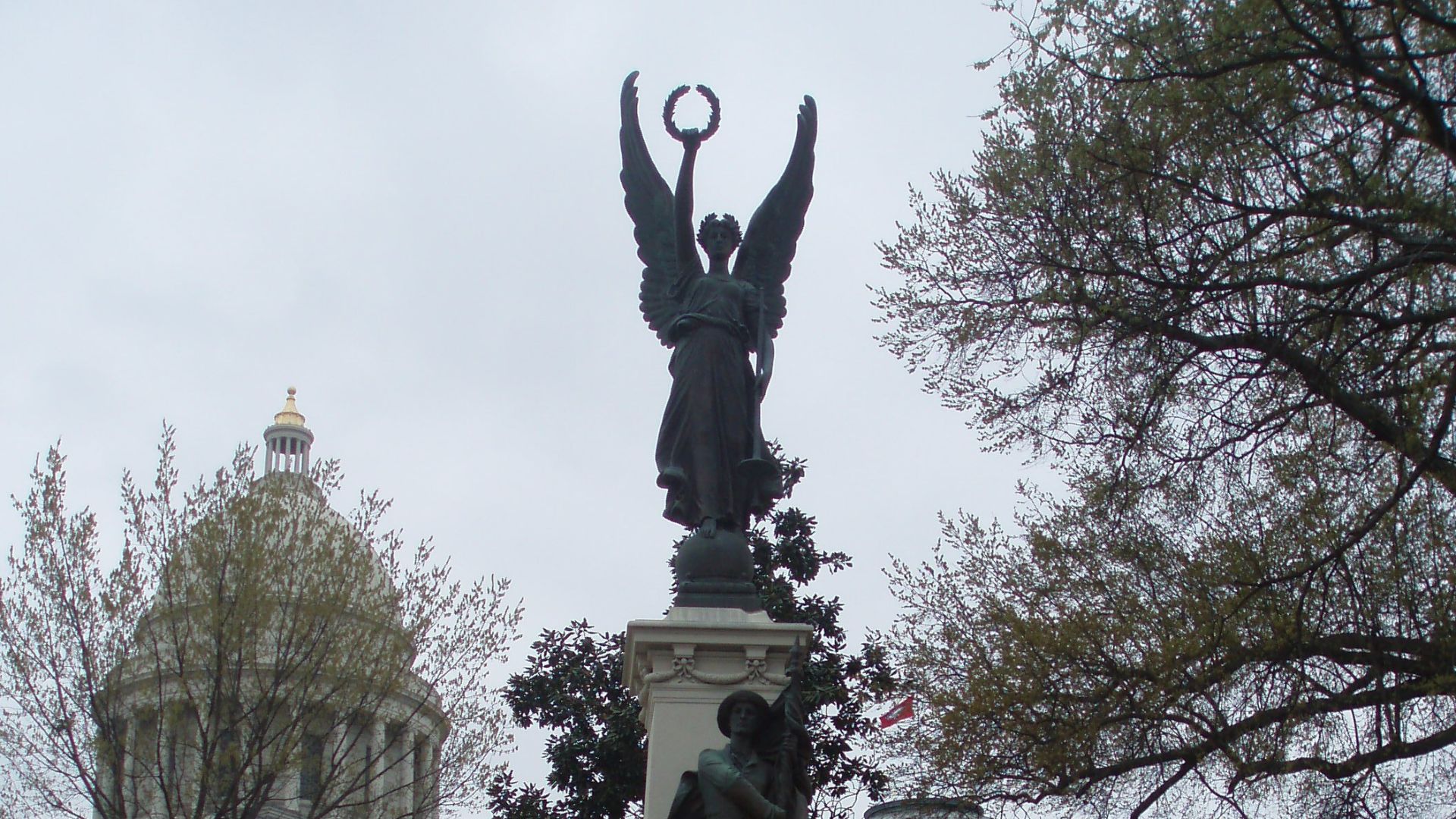
15. Robert Milligan (London)
Milligan was a prominent slave trader honored near West India Quay. Local authorities removed the statue after public campaigns highlighted its origins. The decision aligned with broader reevaluations of British history.
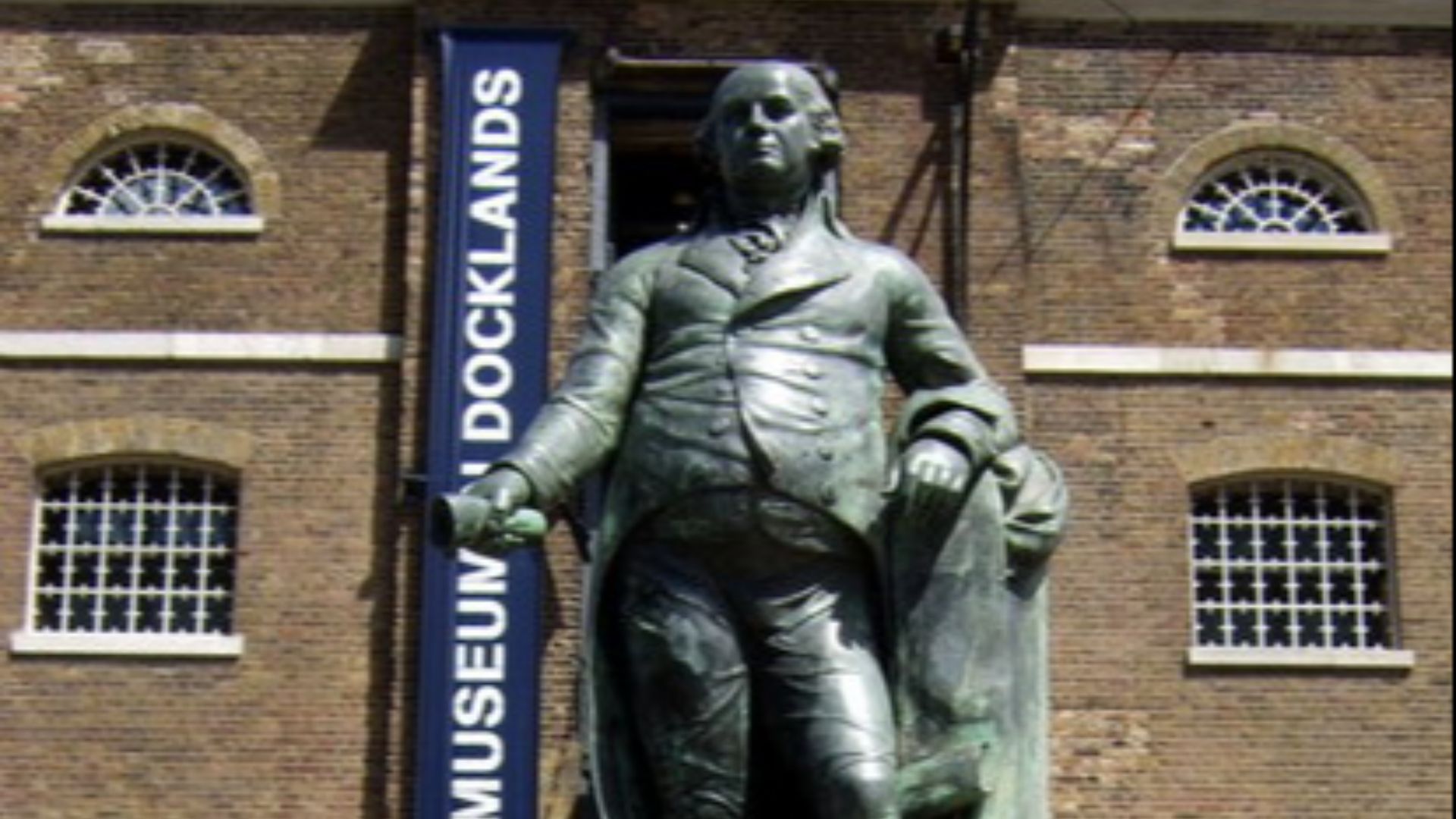
16. Mao Zedong (China)
Mao statues remain common, though his legacy includes famine and political purges. Public criticism is tightly controlled, creating a quiet tension around these monuments. Their presence reflects state-approved memory.
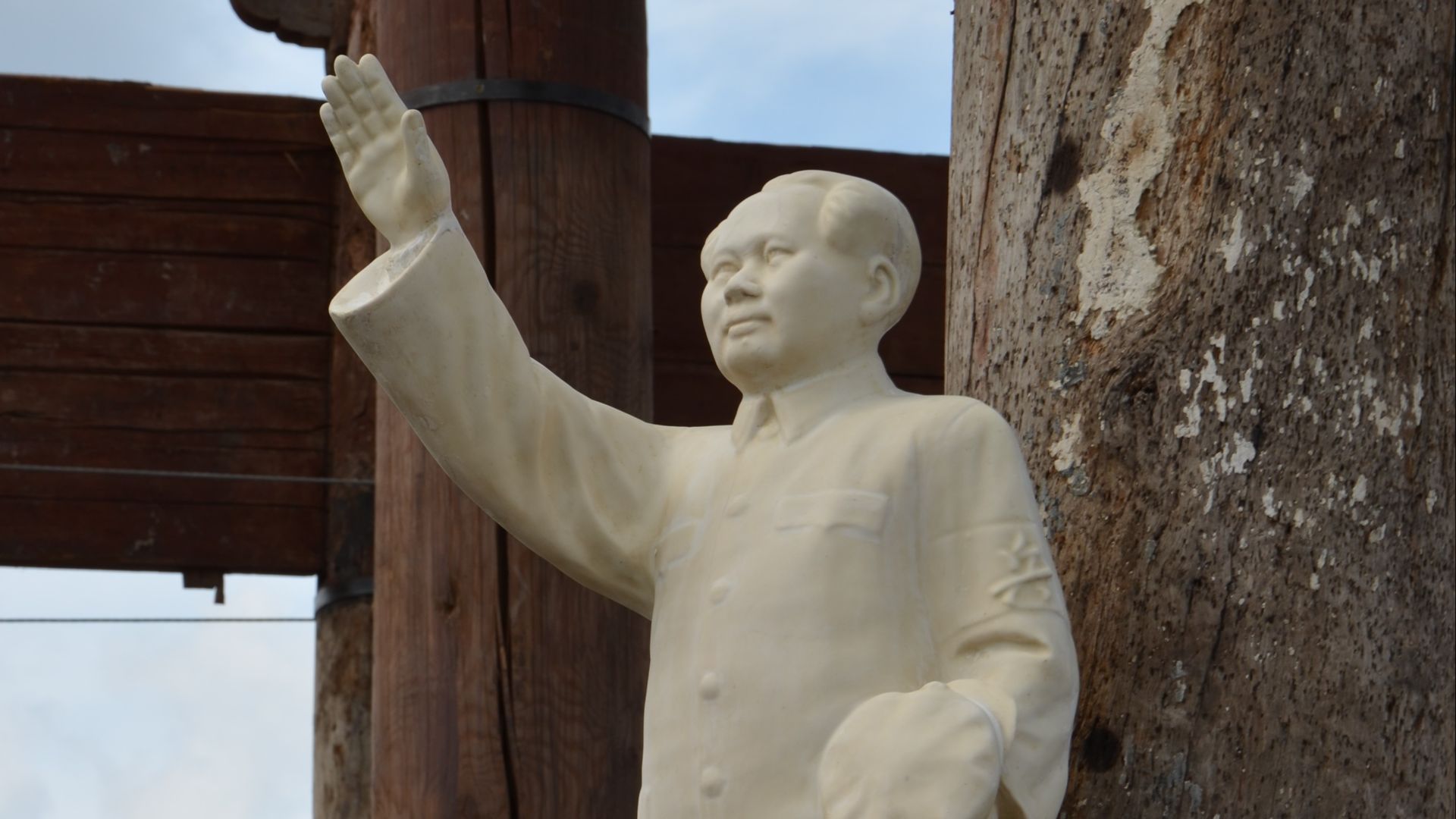
17. Andrew Jackson (United States)
Jackson’s role in the Trail of Tears has fueled opposition to his statues. Indigenous activists have challenged his continued celebration. Some cities have relocated or reconsidered these monuments.
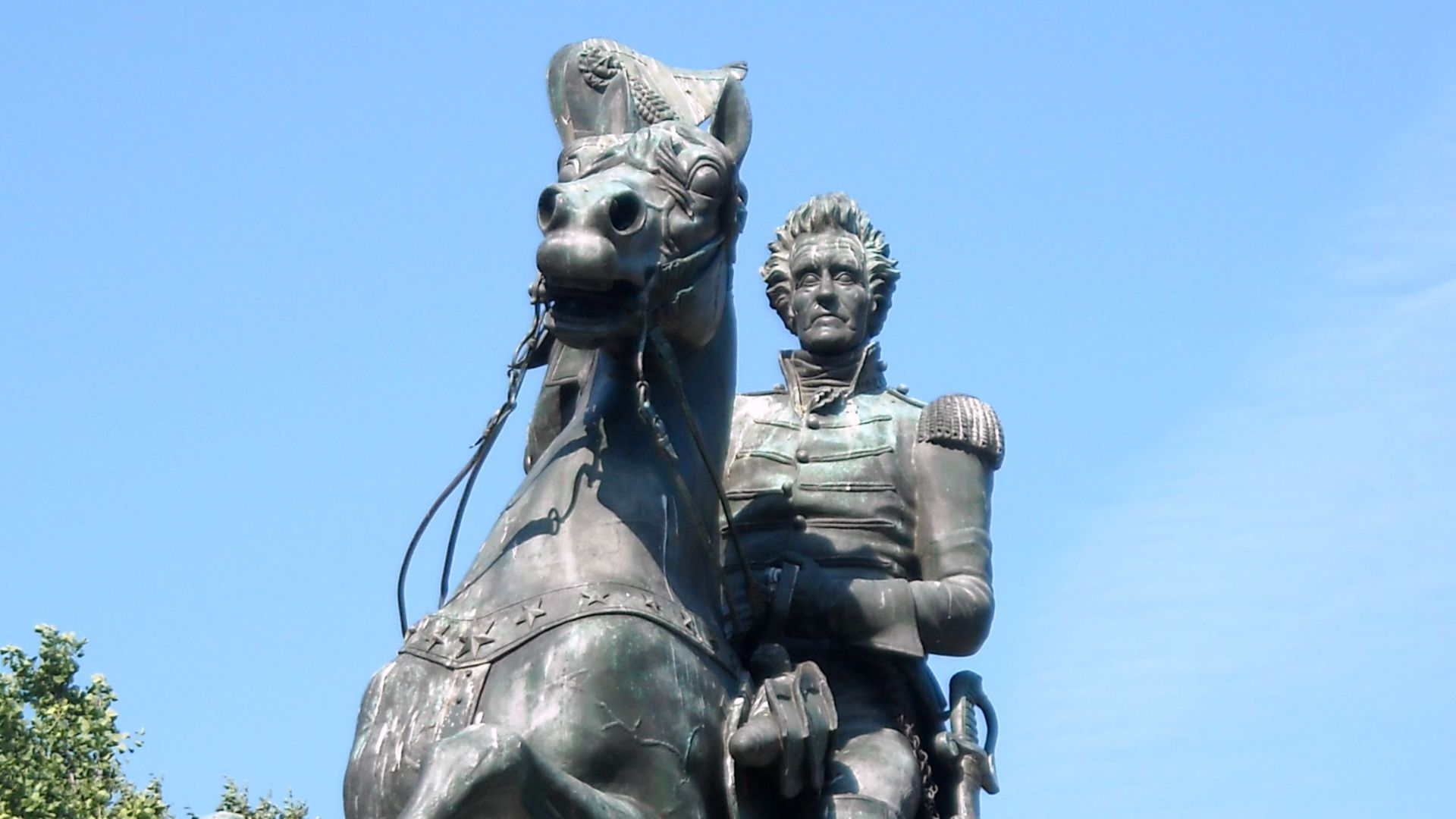 AgnosticPreachersKid on Wikimedia
18. Slave Trader (Caribbean)
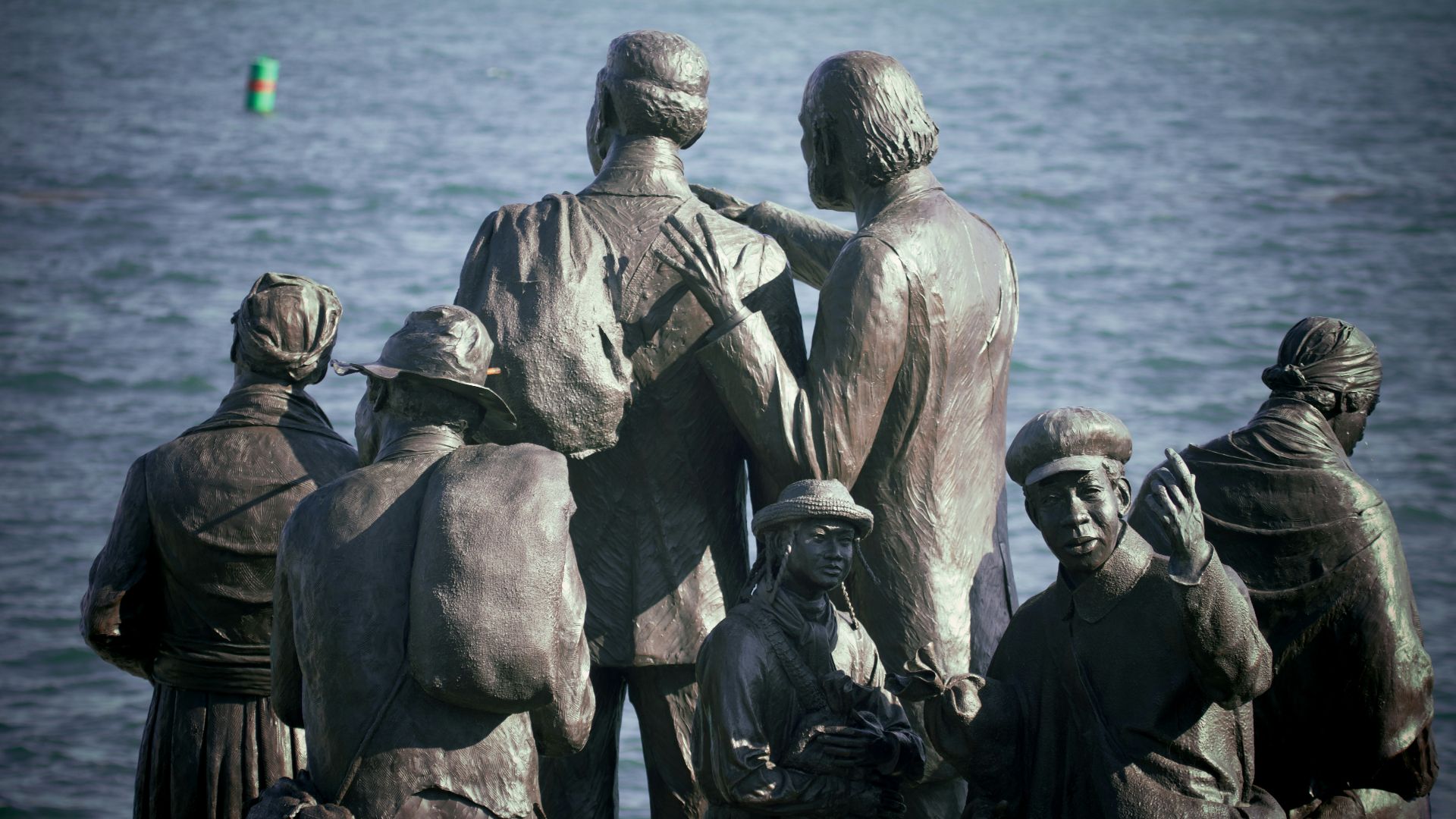
Several Caribbean nations inherited colonial monuments honoring enslavers. These statues conflict sharply with post-independence identity. Movements for removal often accompany broader decolonization efforts.
 Destiny Photography on Unsplash
19. Confederate Jefferson Davis
As president of the Confederacy, Davis symbolizes secession and slavery. His statues have been removed from state capitols and public grounds. The removals often follow prolonged legal battles.
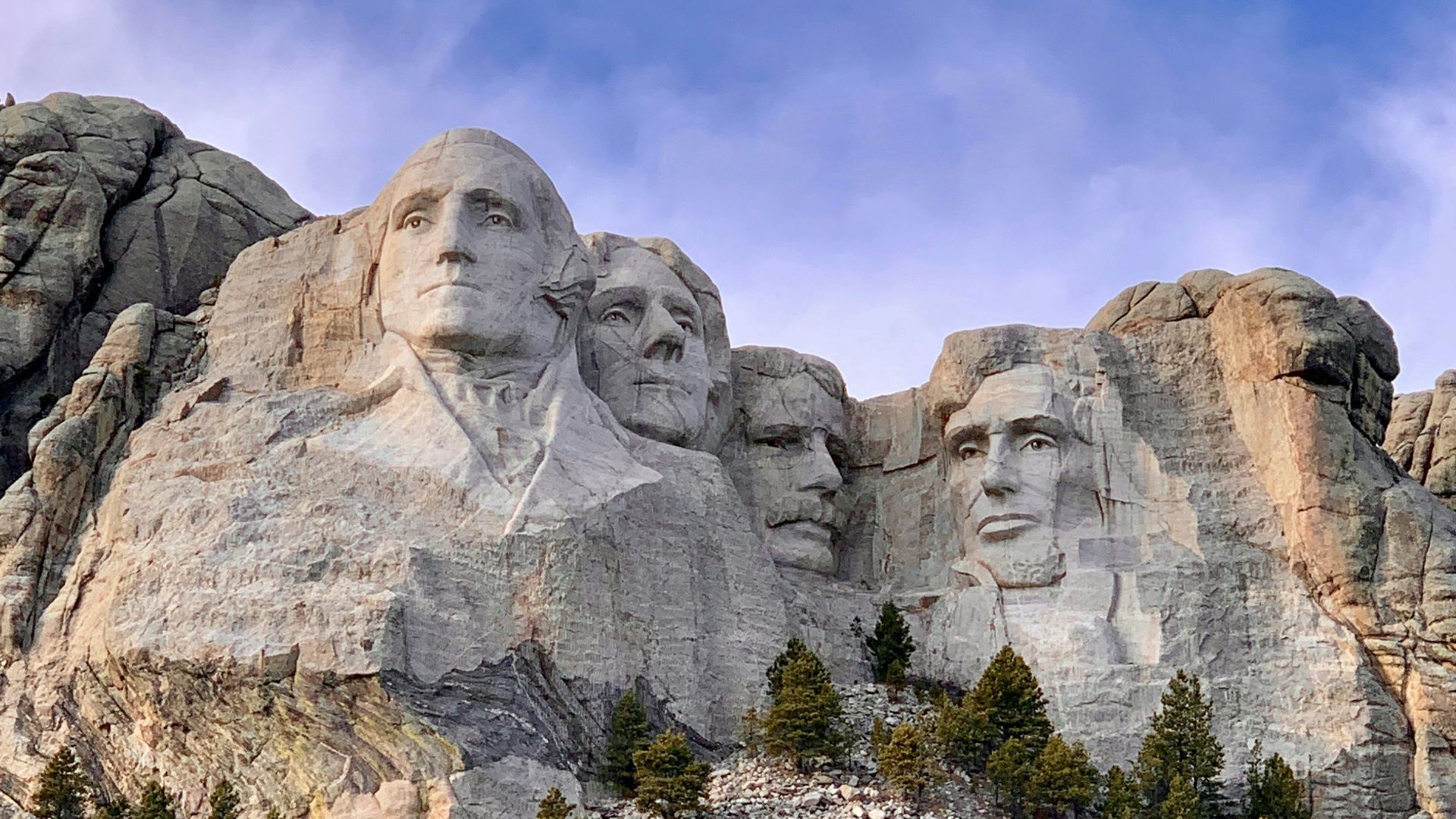
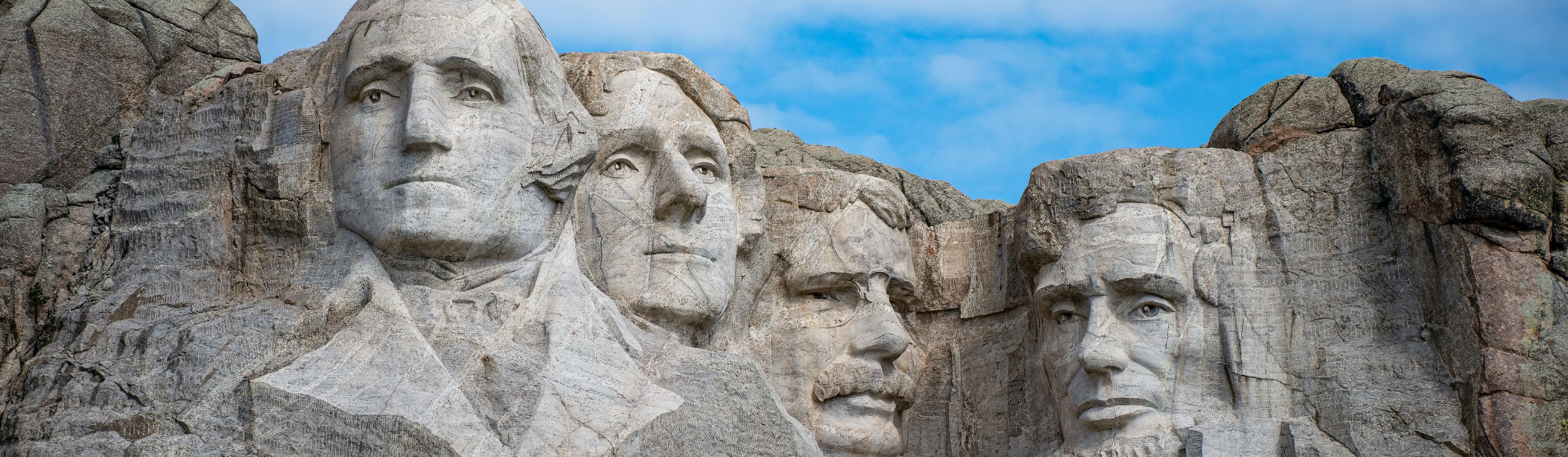
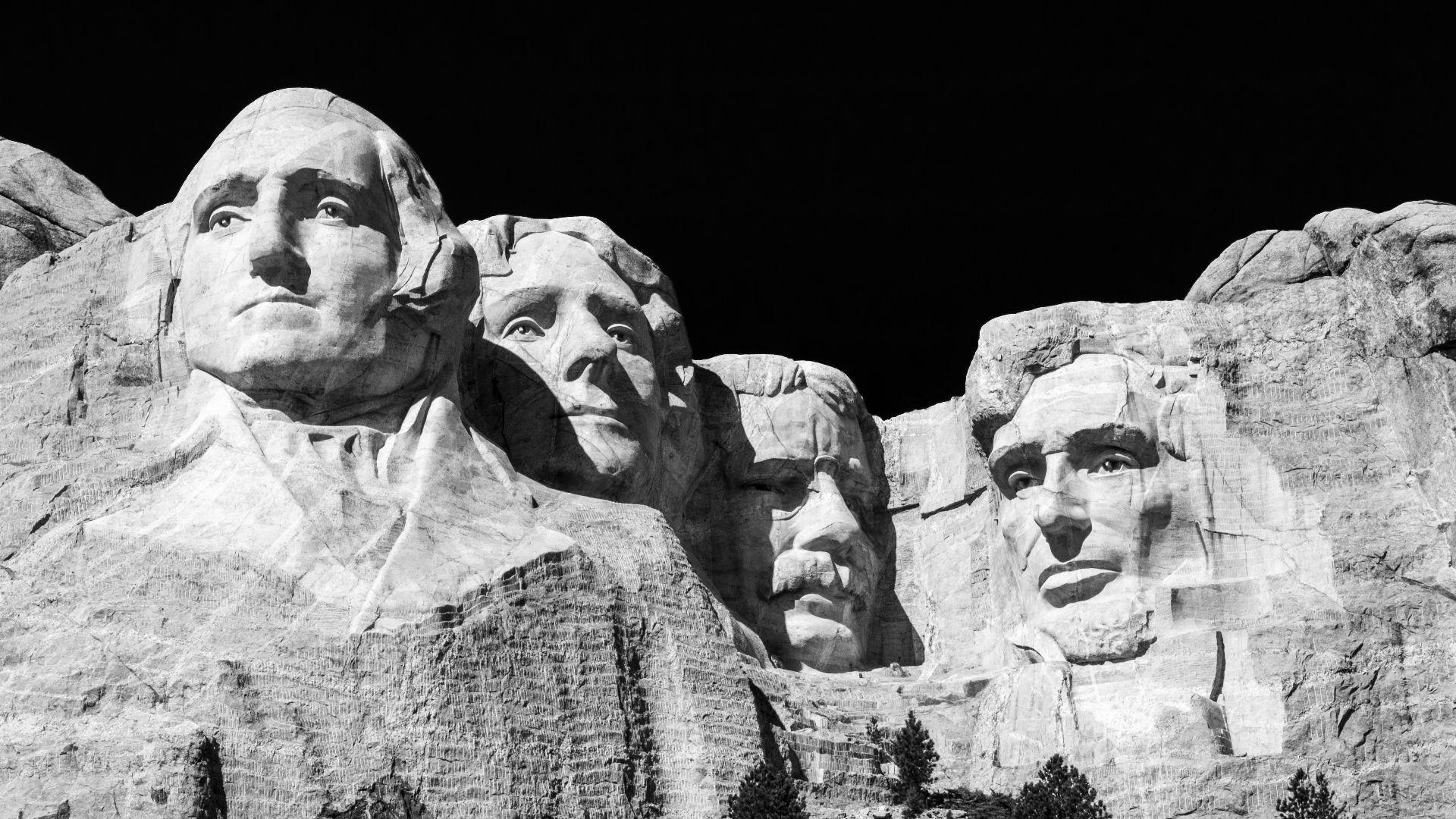
20. Mount Rushmore (South Dakota, United States)
Mount Rushmore is admired as an engineering feat and criticized as a cultural insult. The monument was carved into land sacred to the Lakota Sioux, despite treaty protections later ignored by the U.S. government. For many, its scale amplifies the sense of historical erasure rather than national pride.