Don’t Embarrass Yourself on Your Next Excursion
Travel is a lot more fun when you’re not second-guessing how to say the place you’re headed. We know it sounds like a “do it right or don’t do it at all” kind of thing, but locals usually appreciate the effort even if you’re not perfect. The good news is that most “tricky” destination names have one simple fix, whether it’s the stress, a silent letter, or a sound your eyes didn’t expect. We’re here with a friendly cheat sheet so you’ll sound more confident when you book.

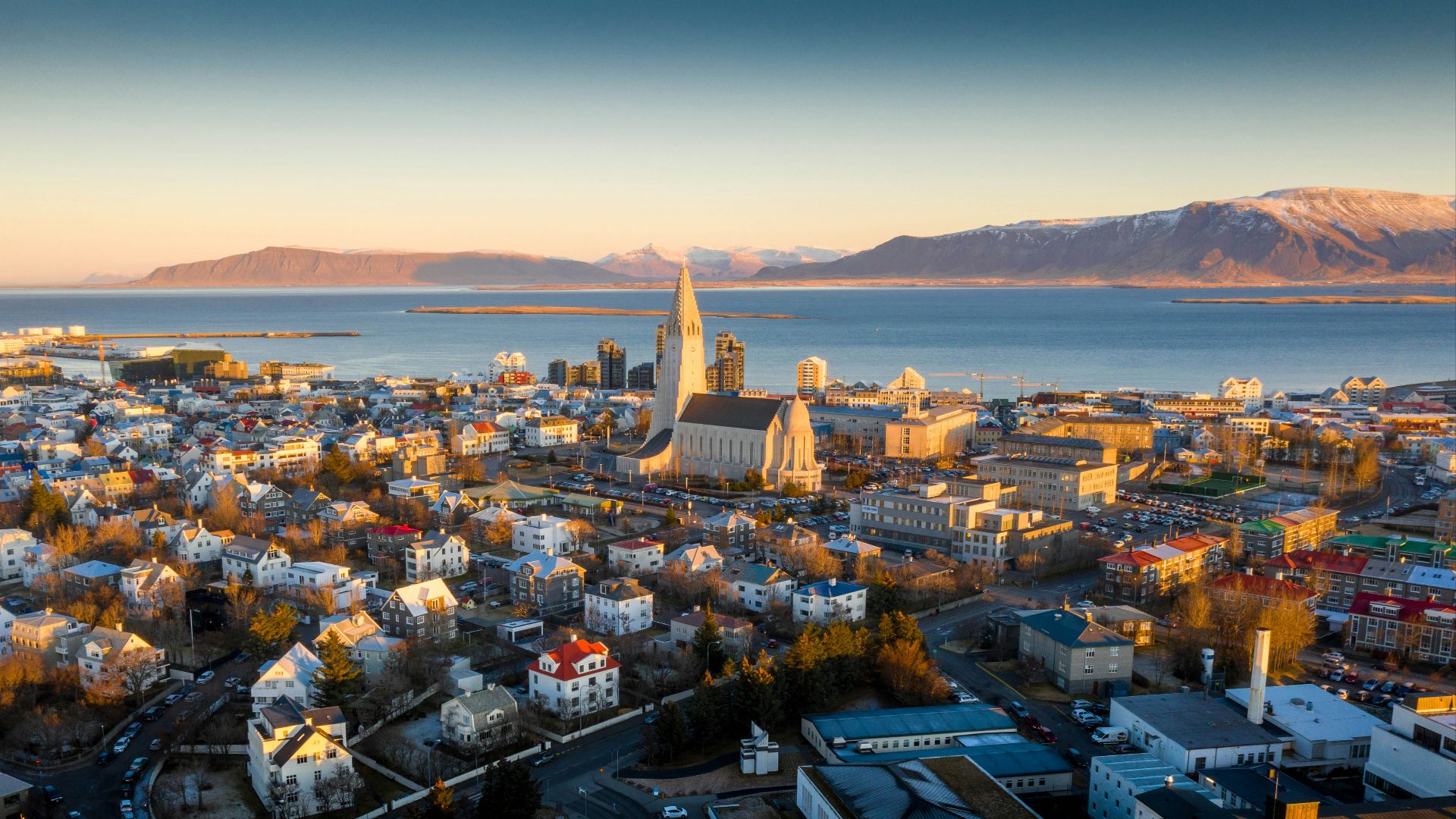
1. Reykjavík, Iceland
A lot of people get tangled up and say something like “Rake-ya-vik,” especially when they’re reading it off a flight board. Luckily, pronunciation isn’t as unattainable as you think! A solid English-friendly version is RAYK-yah-vik, with the emphasis up front and the middle syllable kept quick. If you give the first part a confident “RAYK” and don’t drag out the ending, you’ll sound ready for the hot springs.
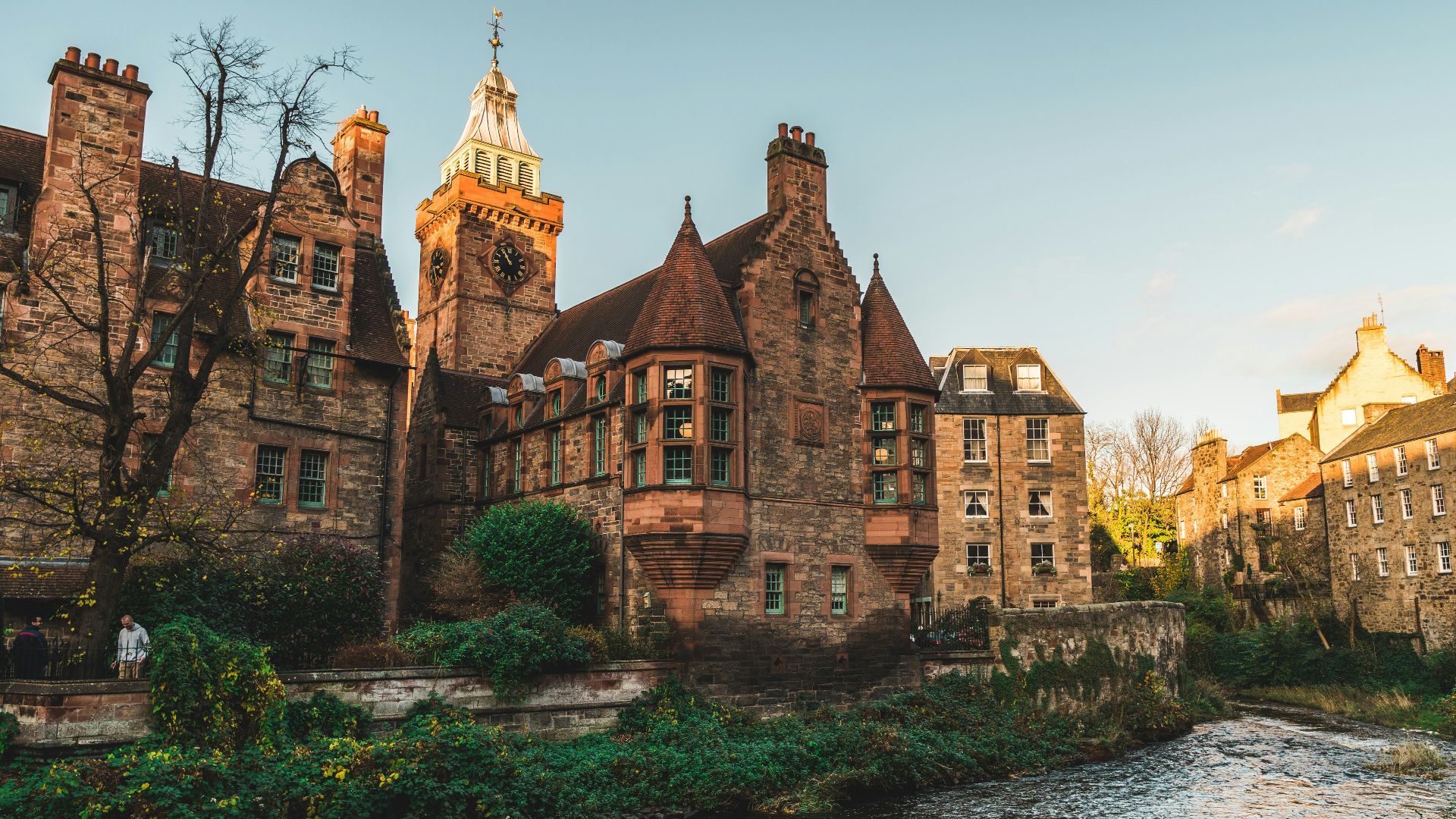
2. Edinburgh, Scotland
You’ll hear visitors bravely attempt “Ed-in-burg,” and it usually comes out heavier than they intended. It also comes out wrong! In everyday speech, it’s closer to ED-in-bruh. Say it smoothly as one connected phrase, and you’ll avoid that awkward pause where people restart the word.
3. Kyoto, Japan
If you’ve been saying “Kai-OH-toe,” you’re not alone—the spelling definitely doesn’t help anyone unfamiliar with the language. Most English speakers go with KYOH-toh, in two clean beats, with the first syllable doing the work. Keep the rhythm gentle and steady, and you’ll find it’s much easier to say.

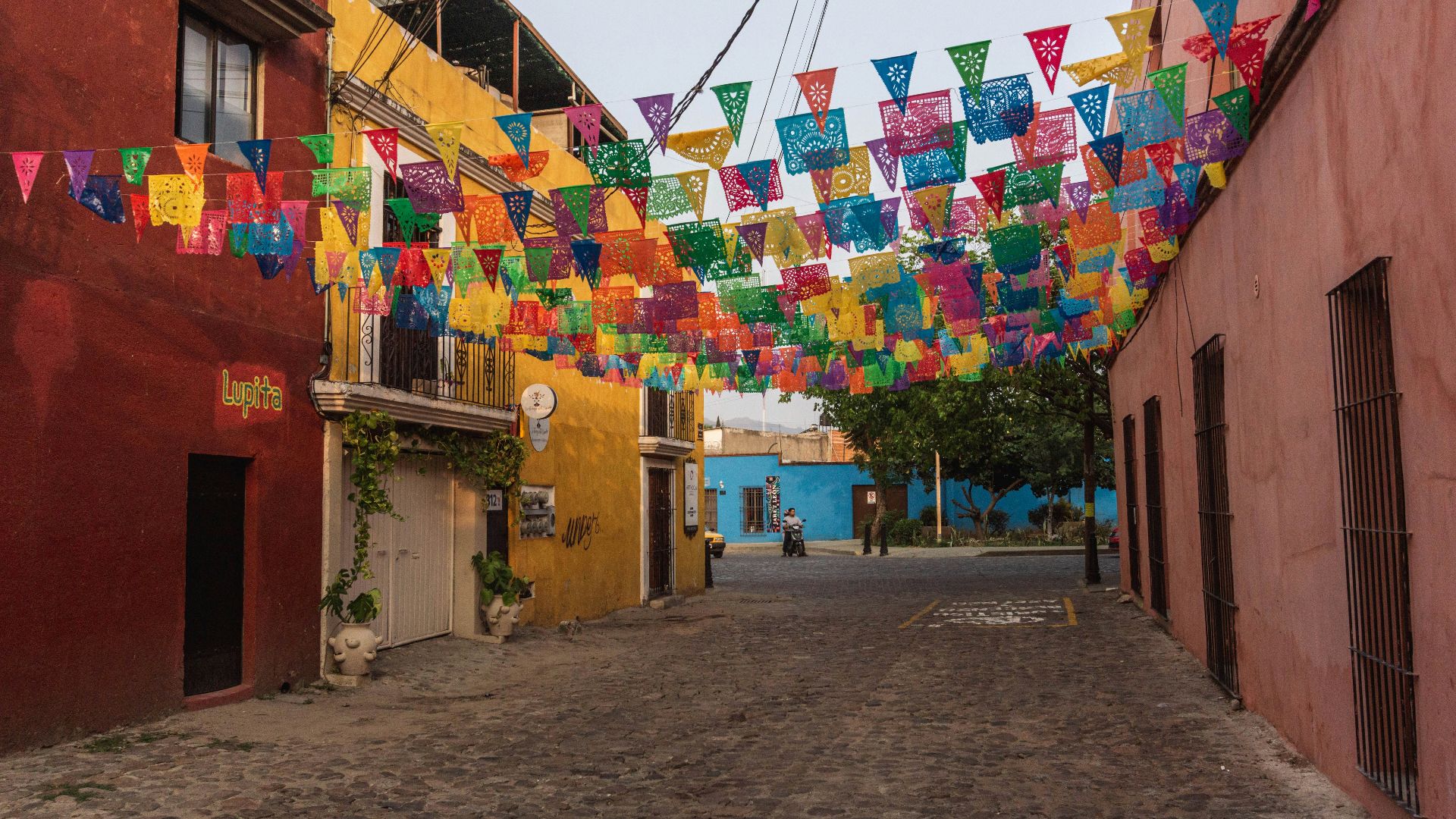
4. Oaxaca, México
The spelling tempts people into “Oh-AH-kah,” which is a classic tourist tell and sometimes earns a polite correction. The actual pronunciation most travelers aim for is wah-HAH-kah, with the stress on the second syllable and the opening sound kept light.
5. Phuket, Thailand
Ah, yes, the one location that’s found its way into several immature poems. However, once you learn how to actually say it, you’ll realize we all got it wrong this whole time! The commonly taught pronunciation is POO-ket, with a clear “P” sound that keeps the word respectable in any conversation. Say it plainly, avoid overemphasizing any letters, and you’ll have zero trouble being understood.

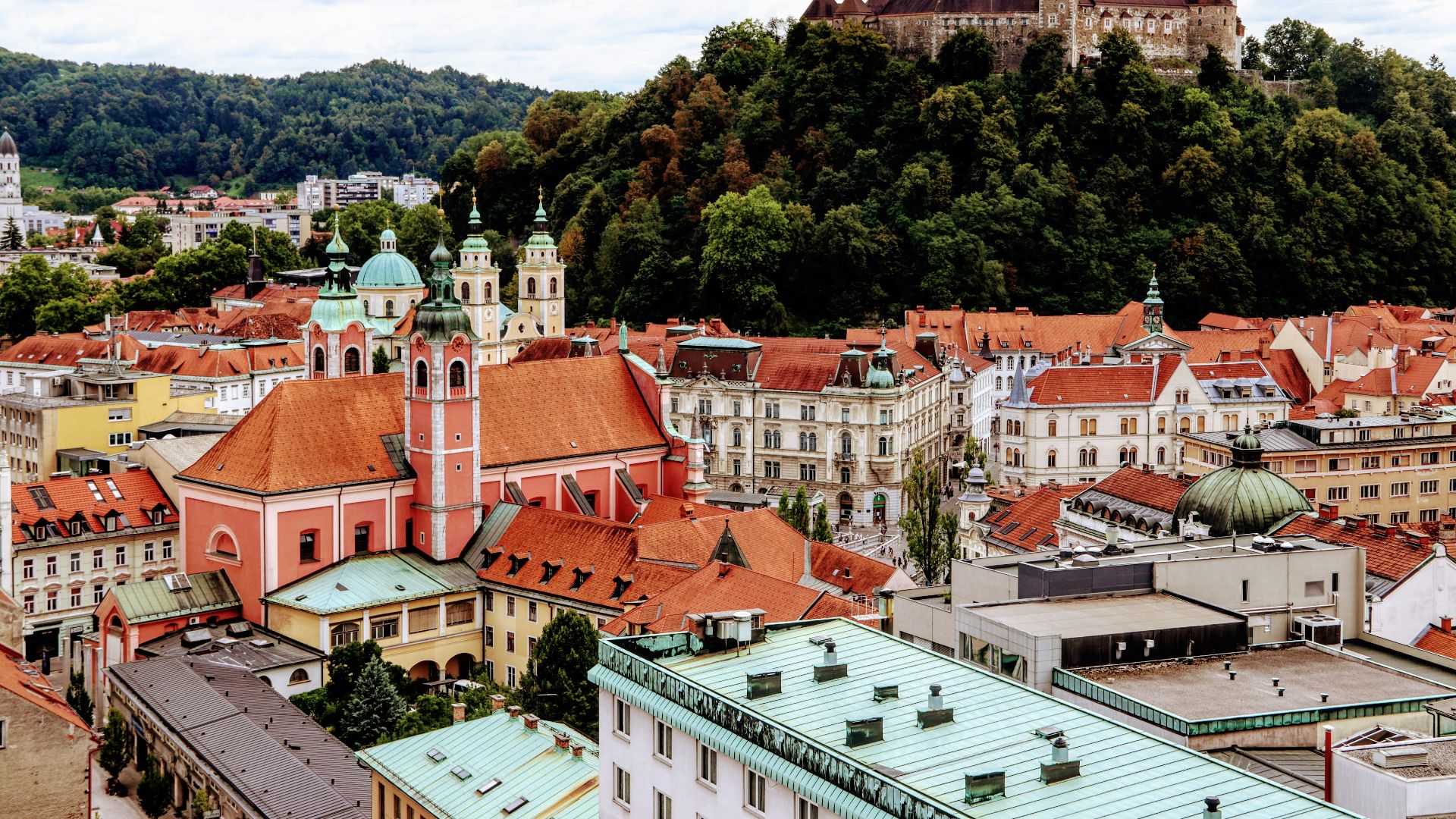
6. Ljubljana, Slovenia
This one looks like it was designed to scare off nonlocals, mostly because your eyes don’t know where to land first. Well, don’t you worry; a helpful approximation is lyoo-BLYAH-nah. If the “lj” feels tricky, focus on getting the beat right—the cadence does more than perfection.
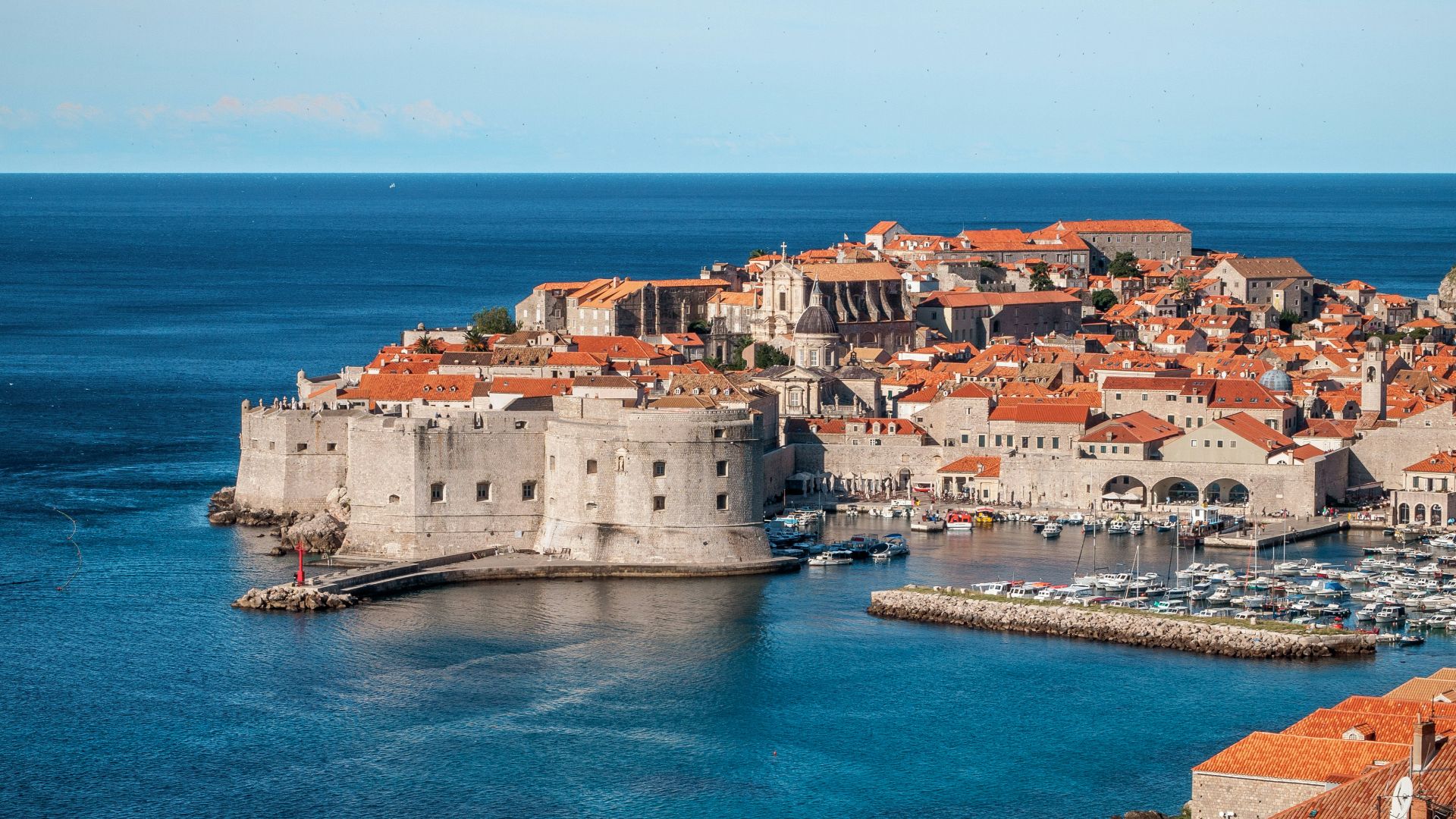
7. Dubrovnik, Croatia
Many first-timers say “Doo-brov-nick” and then wonder why it sounds slightly off when they hear locals say it quickly. In English, it’s actually doo-BROVE-nik, with the emphasis in the middle and the final syllable kept short. Keep your pace natural, and you’ll be able to say it without losing your place.
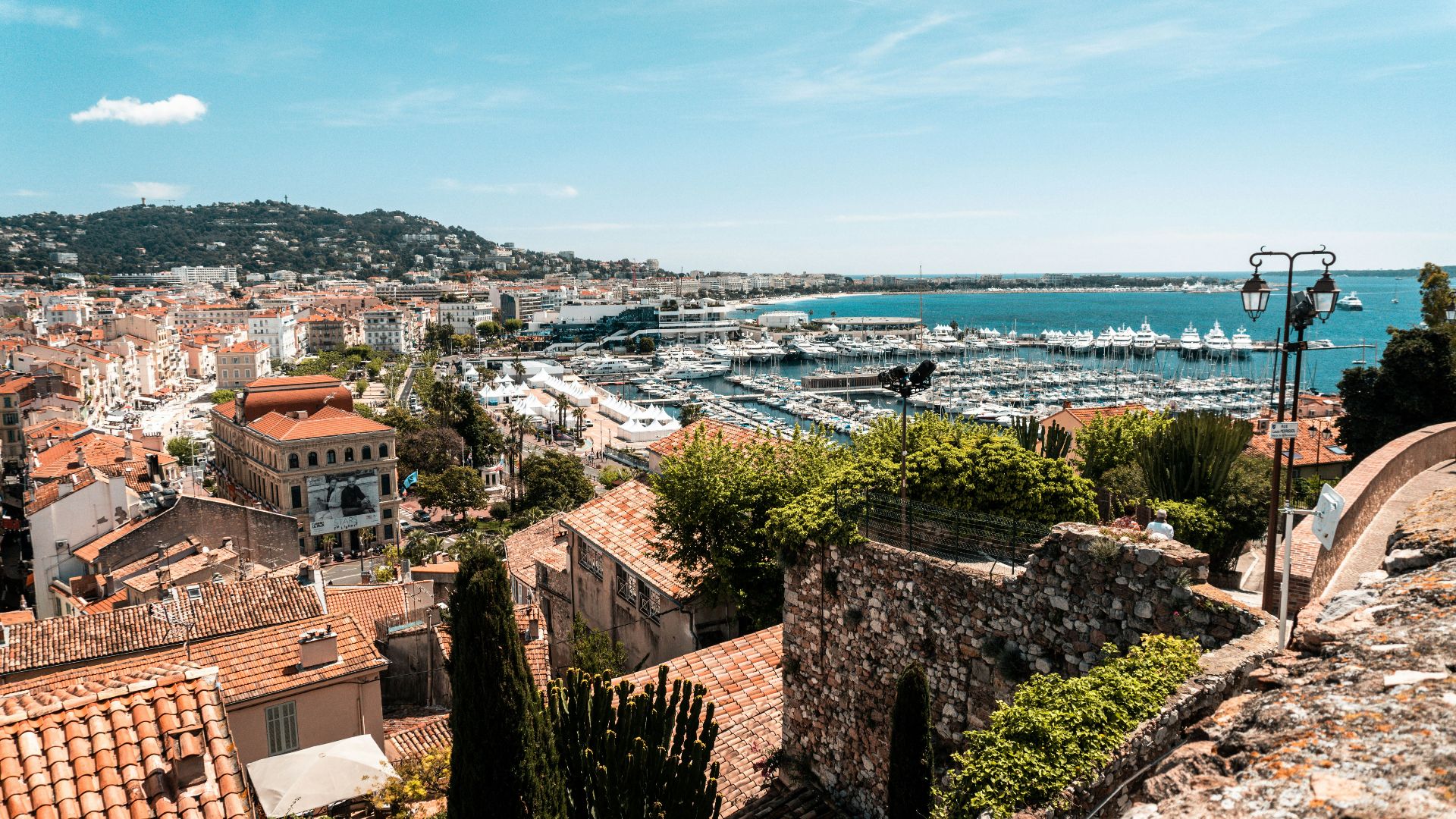
8. Cannes, France
If you say “Canz,” you’ll look like a giant tourist, and locals can spot you a mile away. In English, it’s typically KAN, quick and clean, with no extra sounds tagged on at the end. The trick is to commit to the simplicity; second-guessing is what makes it come out wrong.
9. Bordeaux, France
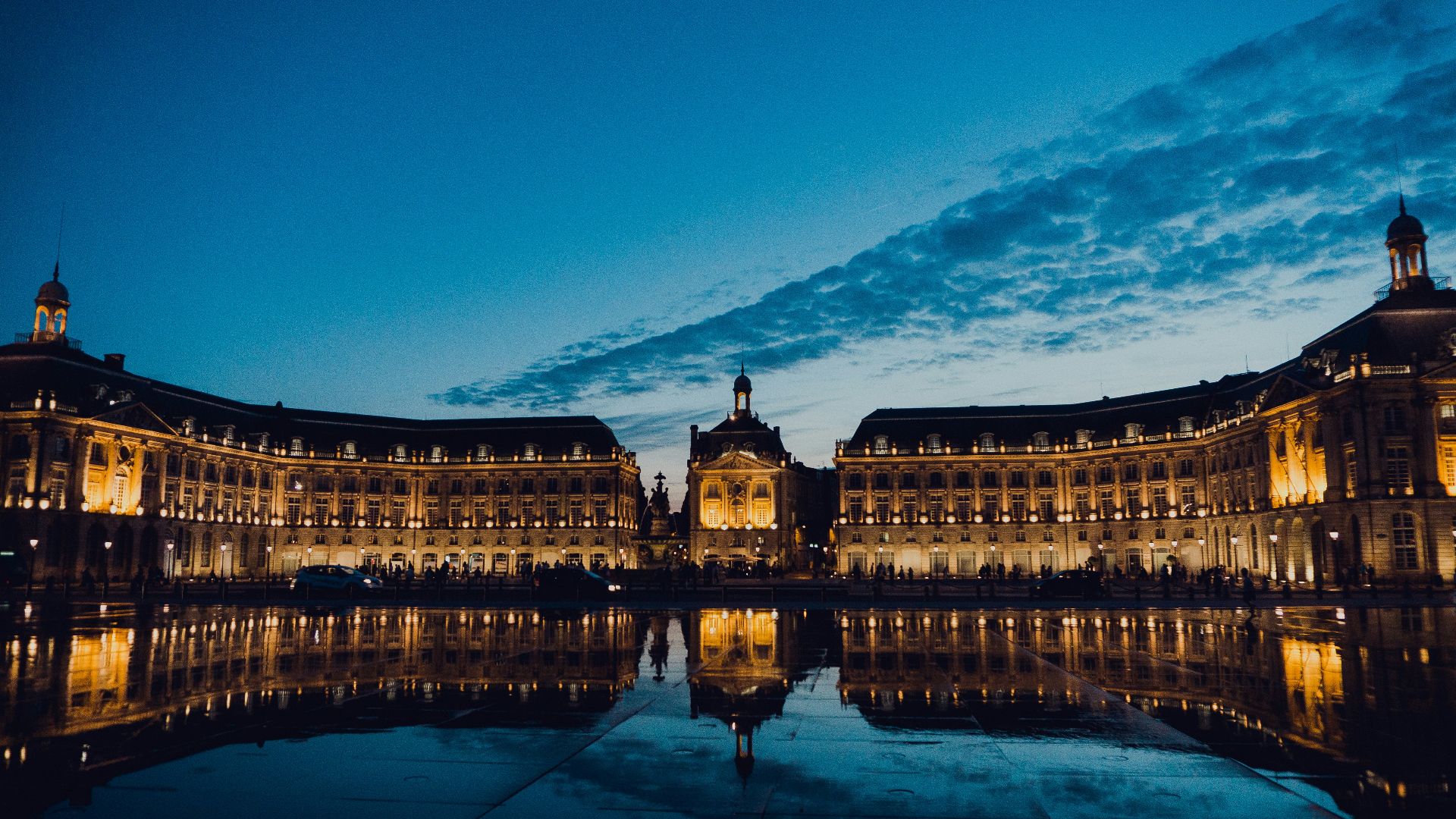
People love to pronounce every letter and end up with something like “Bor-dee-ox.” Sure, it’s enthusiastic, but it’s also inaccurate. A common English rendering is bor-DOH, with the ending rounded off and the middle kept tidy.
10. Mallorca, Spain
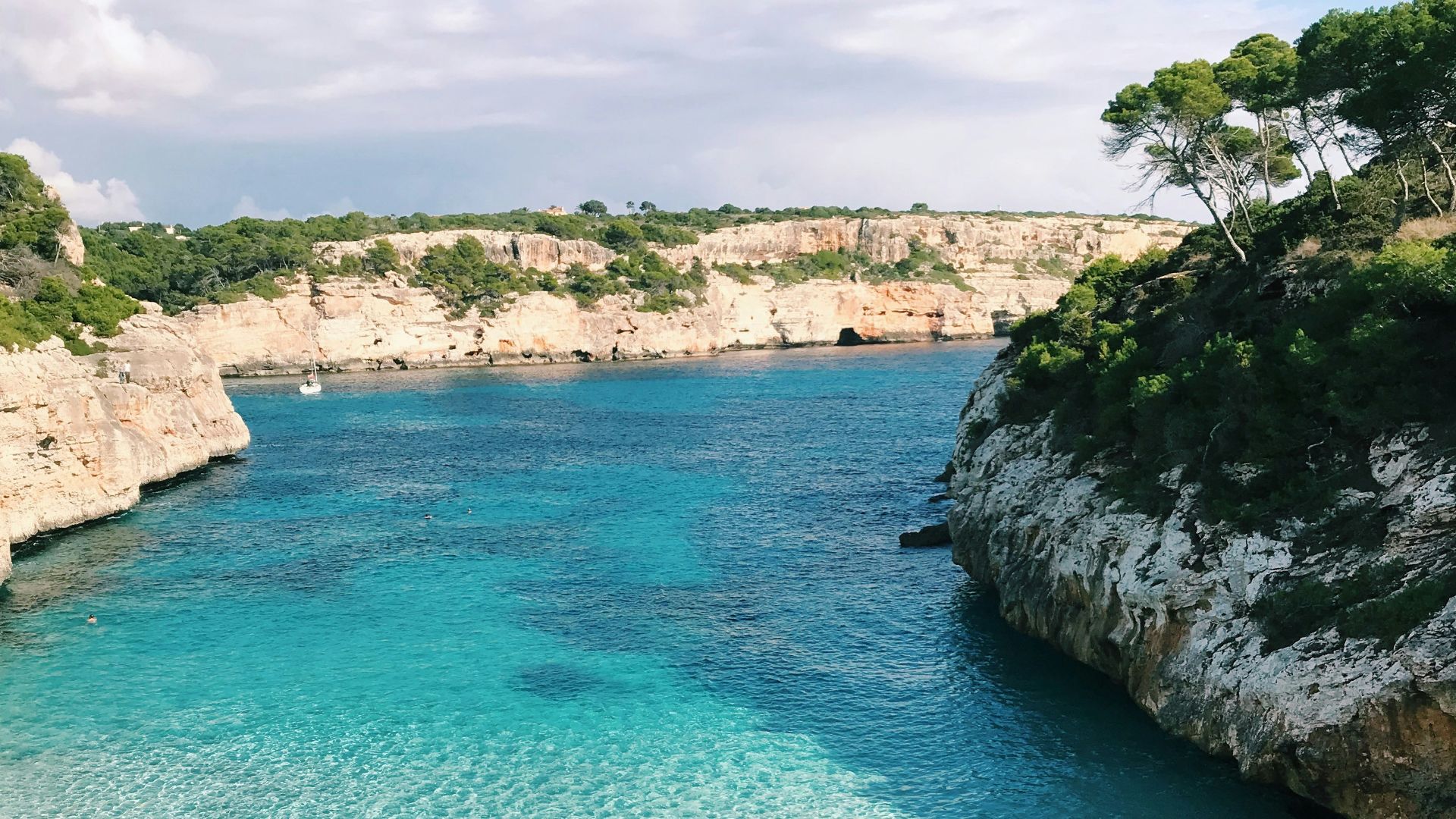
You might see “Majorca” and assume it’s said exactly as it’s spelled. If it’s your first time visiting, that’s a reasonable mistake given how often that happens in English. However, in American English, you’ll often hear muh-YOR-kuh or mah-YOR-kuh, and both sound natural in conversation. Just avoid “mall-OR-kah,” and you’ll be fine!
11. Machu Picchu, Peru
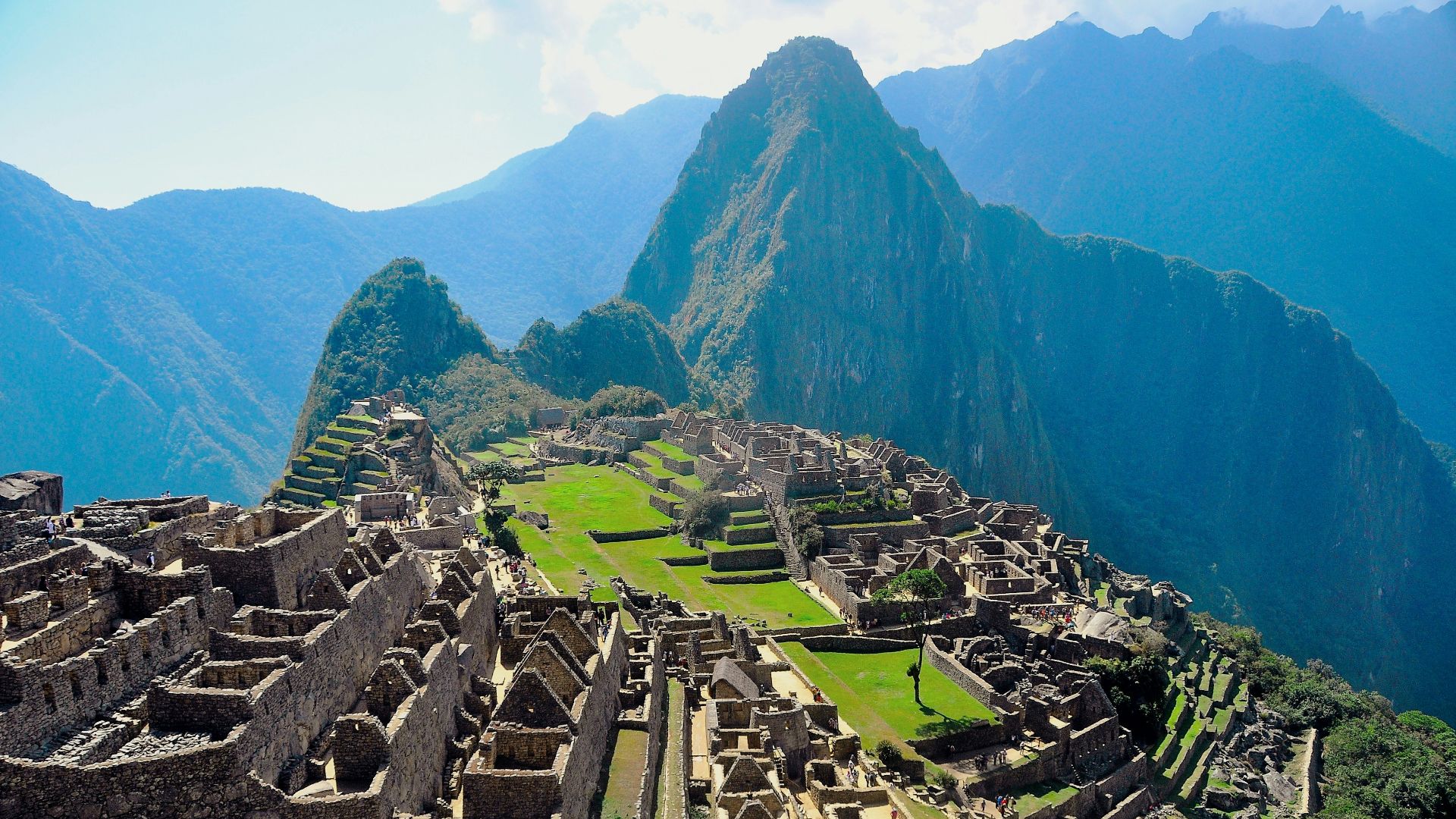
This common bucket list destination gets mangled into “Ma-choo PEE-choo” with random emphasis, and that’s not exactly correct. A steadier, widely used pronunciation is MAH-choo PEEK-choo, with both “ch” sounds crisp and the second word kept tight. If you keep your stress consistent, you won’t trip over it.
12. Siem Reap, Cambodia
Some travelers race through Siem Reap and accidentally drop a syllable. They then try to fix it by adding one that was never there. Well, no more! In English, you’ll often hear SEE-em ree-AP, with both parts clearly stated and the second word given a clean finish. Say it at a moderate pace, and it’ll come out smoothly.

13. Curaçao
This one gets turned into “Cure-a-cow,” and while people usually understand you, it’s not the best look. A common English pronunciation is KYUR-uh-sow, with the last syllable rhyming with “cow” and the middle kept light. Keep the “s” sound clear and don’t overwork the vowels.
14. Buenos Aires, Argentina
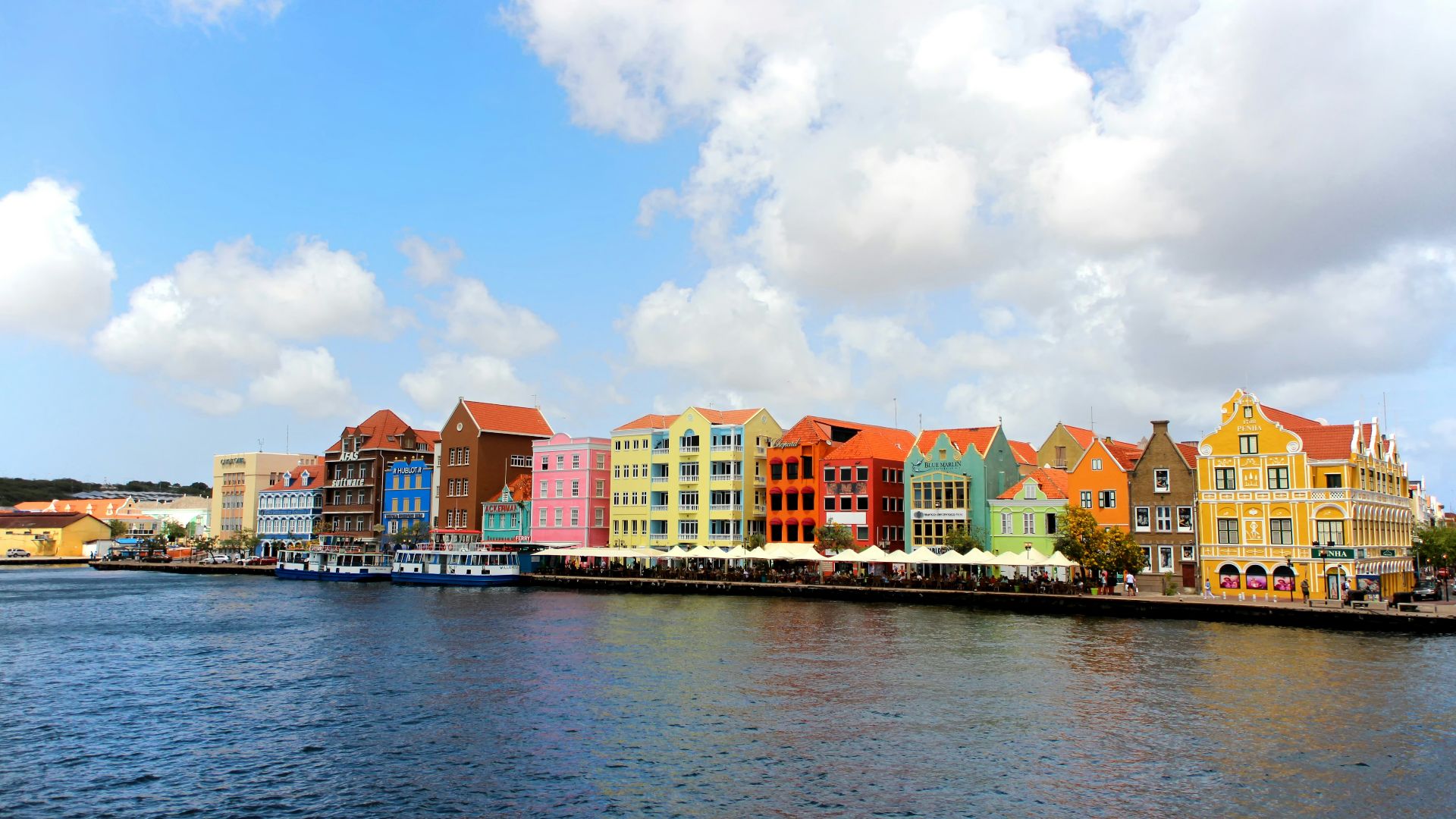
It’s easy to default to a flat “Boo-en-os Air-eez,” especially if you’re reading it quickly. But a more natural English-friendly version is BWAY-nos EYE-res, with a clear “EYE” in the second word and a smoother first word. If you connect the syllables instead of separating them, you’ll sound fluent without trying too hard.
15. Doha, Qatar
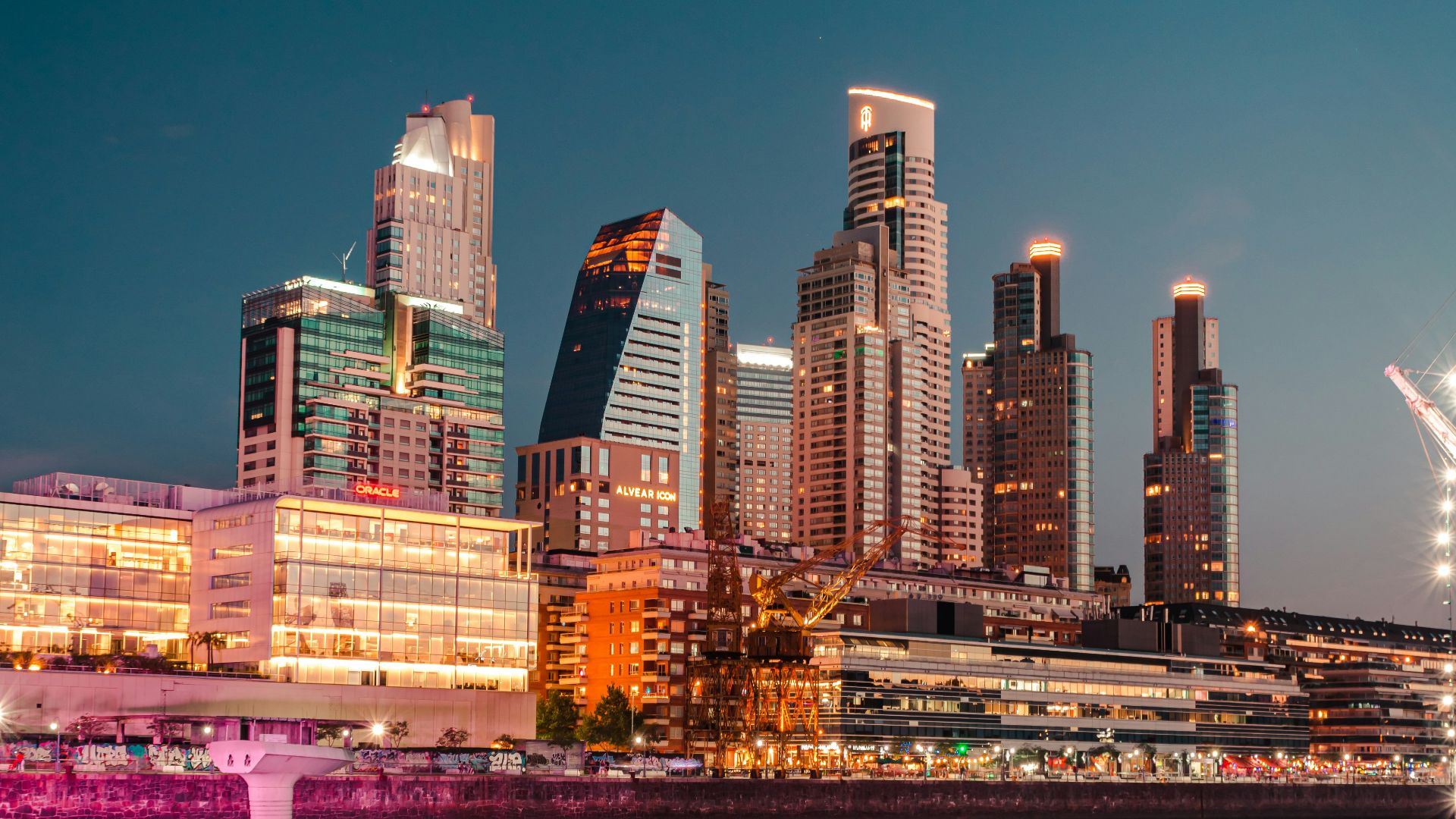
Lots of people overcomplicate this by stretching the first sound, but there’s no need! The usual English pronunciation is simply DOH-uh, short, direct, and easy to repeat if someone asks you to clarify.
16. Versailles, France
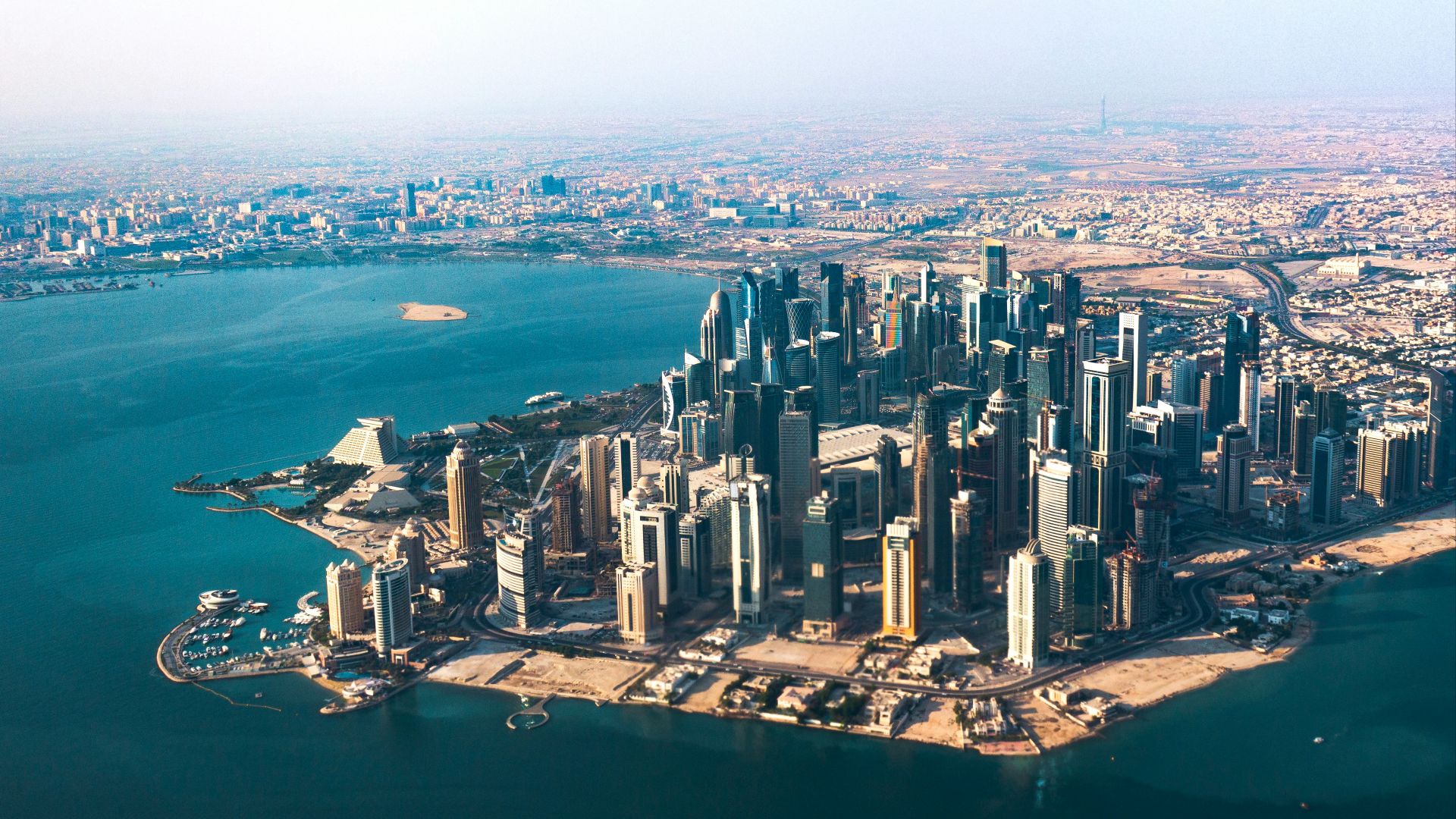
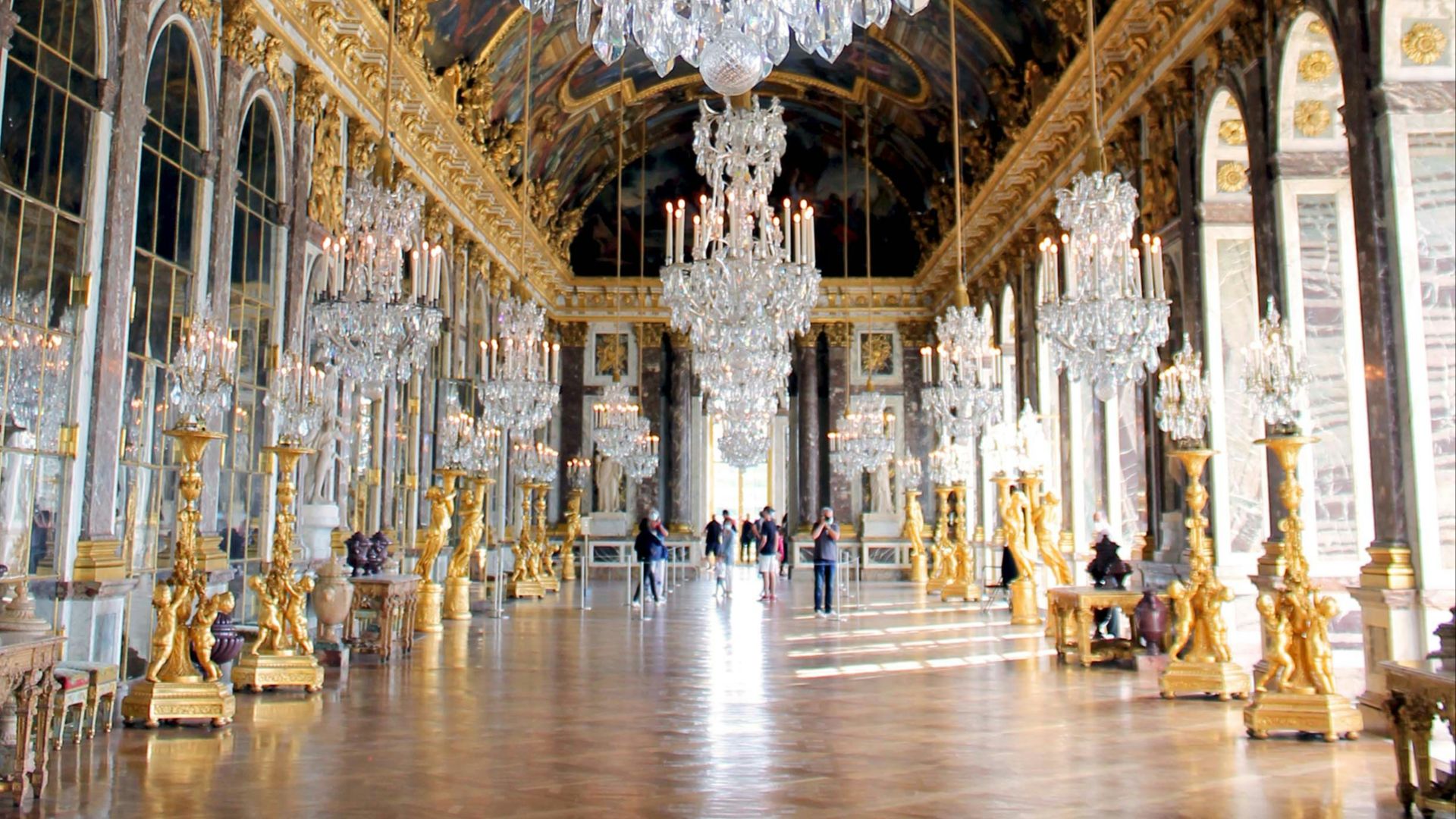
Here’s the thing: if you say “Ver-sails,” someone will eventually correct you. To say it properly, in American English, it’s commonly ver-SY, with the ending clipped and the stress on the second part. Don’t linger on the final sound, and you’ll avoid turning a simple destination into a small project.
 Jessica Kantak Bailey on Unsplash
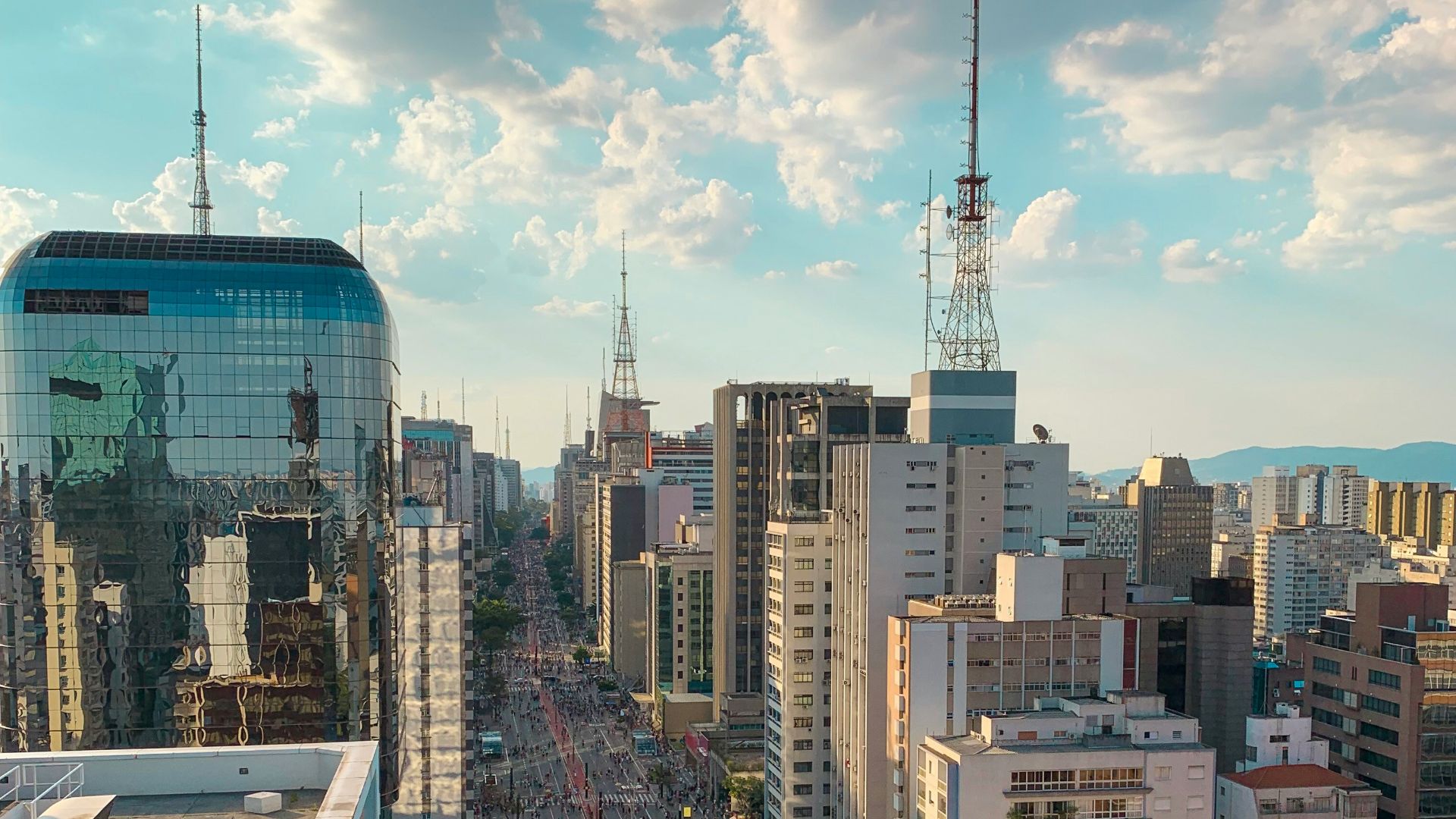
17. São Paulo, Brazil
You’ll hear “Sow Paul-oh” a lot, and it’s close enough to be understood, but it misses the usual rhythm people expect. An approachable pronunciation is sow POW-loo, with the “POW” taking center stage. Say it in one sweep to sound more comfortable.
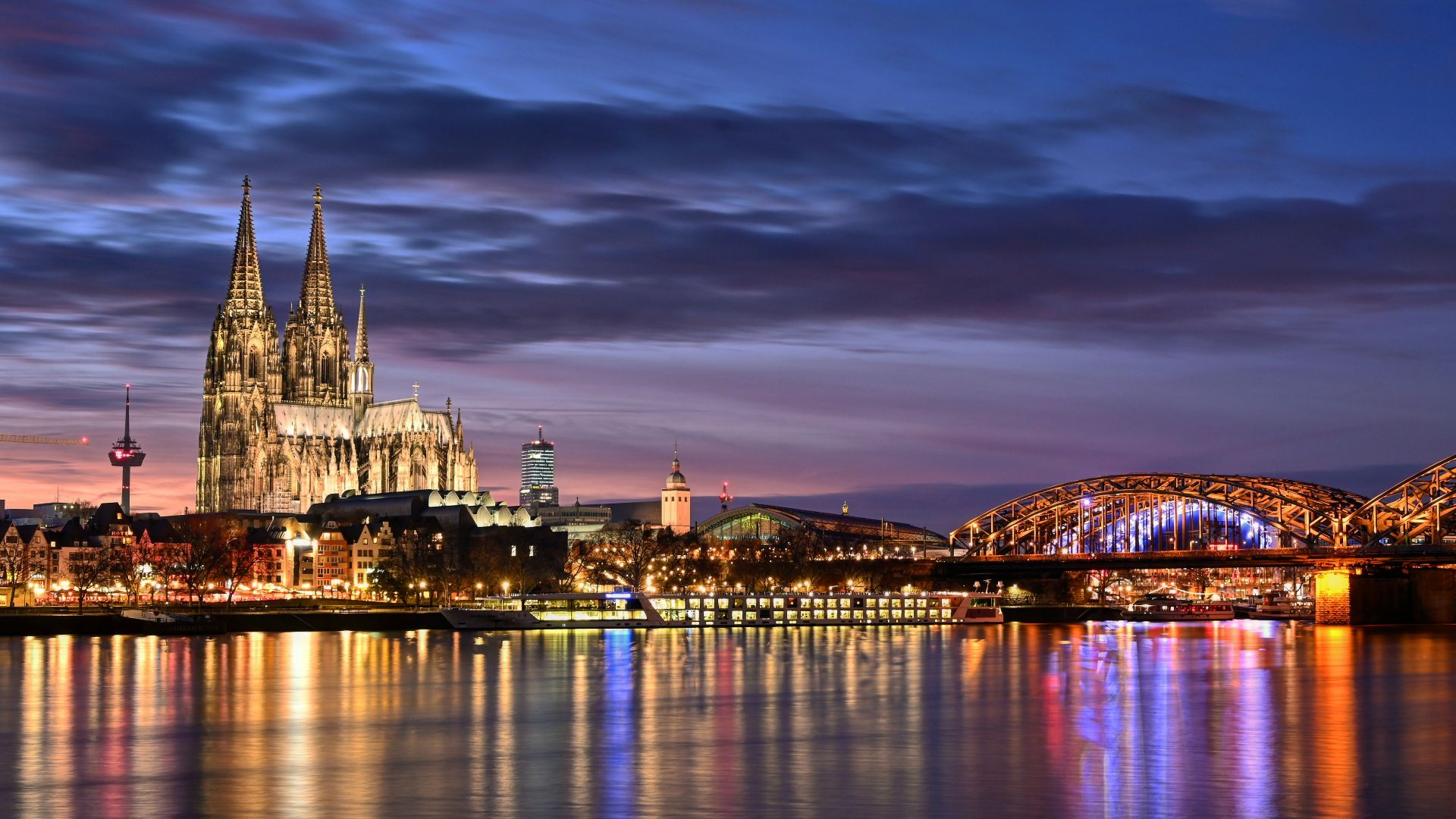
18. Cologne, Germany
This one tricks people into pronouncing it like “colon,” and then the conversation immediately becomes about something else. In English, it’s kuh-LOHN, and the soft first syllable matters more than you’d think! Stick to that simple two-part flow to avoid the accidental detour.
19. Yosemite, USA
Plenty of tourists still say “Yoze-might,” which is impressively confident for something that’s not the intended pronunciation. The correct way is yoh-SEM-ih-tee, with the stress in the middle and the ending pronounced fully. Once you get that “SEM” syllable right, the rest falls into place.

20. Fiji
Some people try to make it fancy and drift into “Fie-jee,” but that just sounds like they’re auditioning for a travel commercial. The standard pronunciation is FEE-jee. It’s simple. It’s bright. And it’s easy to say in any sentence.