Closed For Unexpected Reasons
Tourists often plan trips assuming places will be open when they arrive. Then you show up to a locked gate, a sign on the door, and a staff member shrugging in a way that feels oddly final. Closures are not always caused by obvious things like storms or strikes. Sometimes it’s wildlife protection, a religious schedule, a local custom, or a safety rule that only kicks in under very specific conditions. Other times it’s something mundane, like staffing or maintenance, that still shuts the whole experience down. Here are 20 places that close for reasons tourists don’t expect.
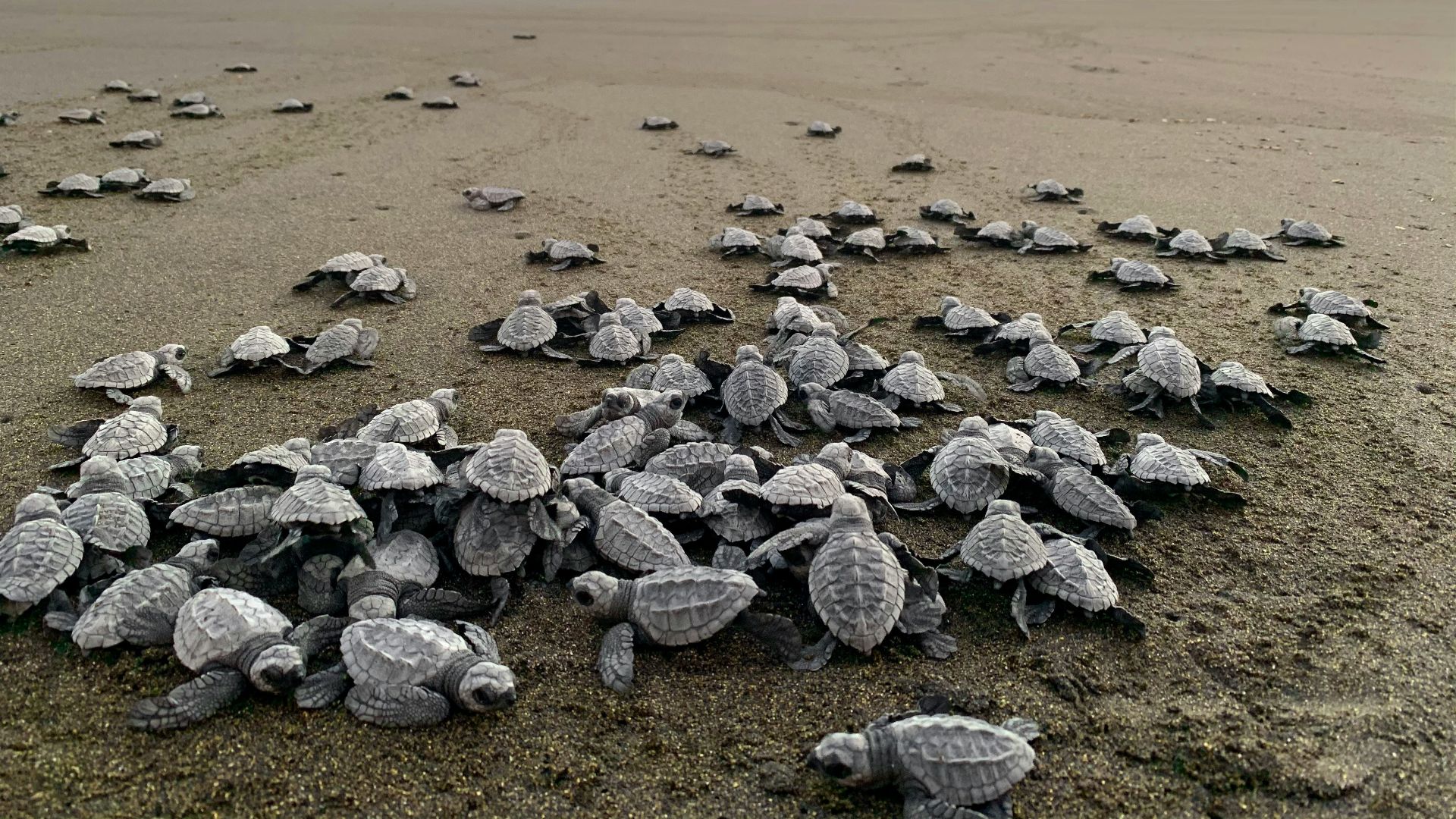
1. Beaches Closed For Turtle Nesting
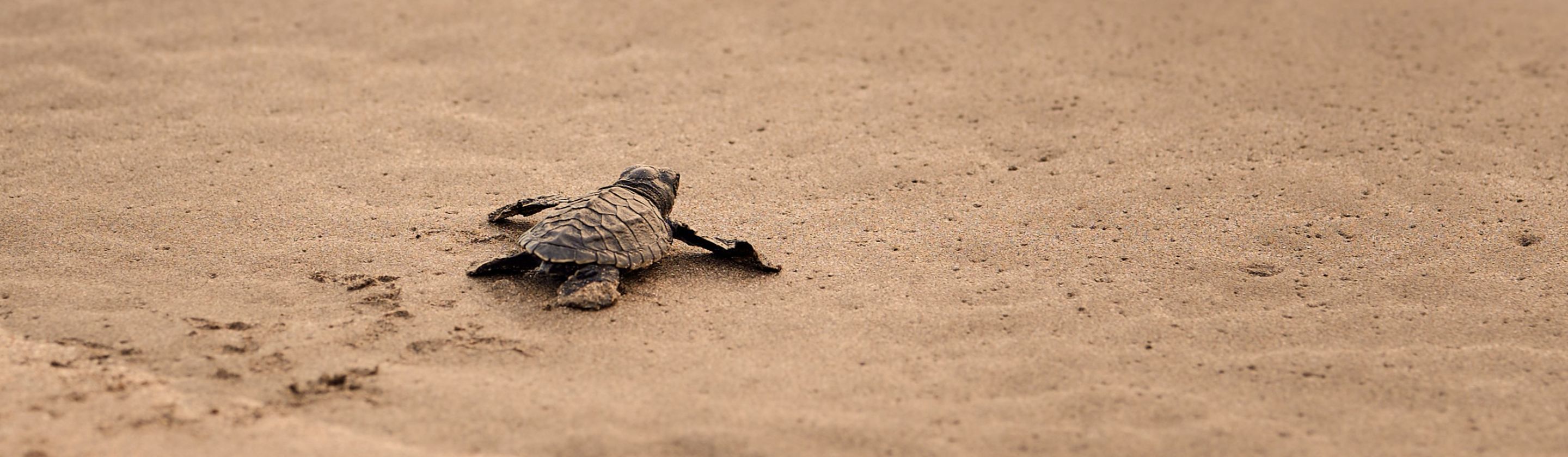
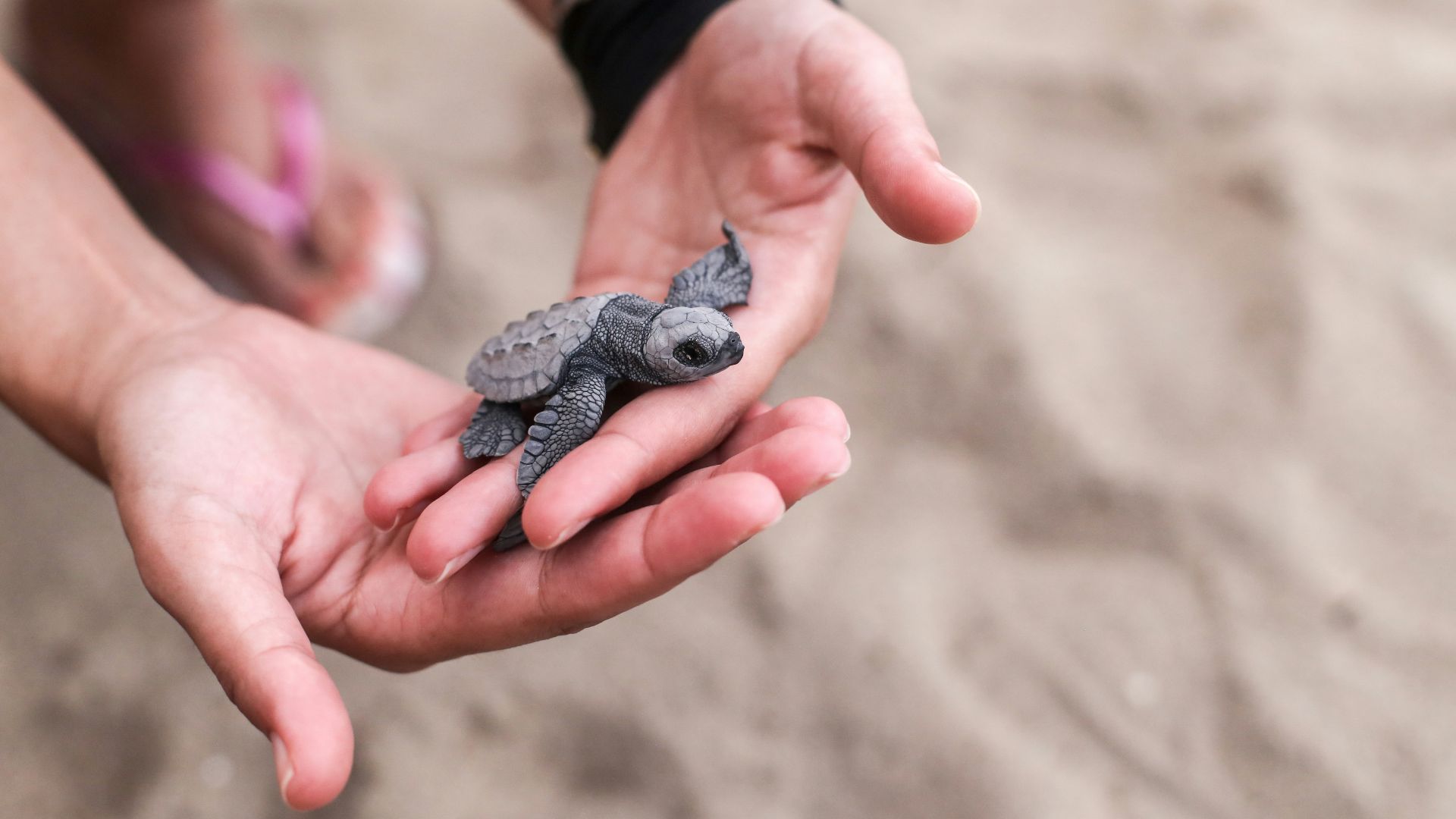
Some beaches block off sections or restrict access during nesting season to protect turtles and hatchlings. Bright lights, noise, and foot traffic can disrupt nesting and make it harder for hatchlings to reach the water safely.
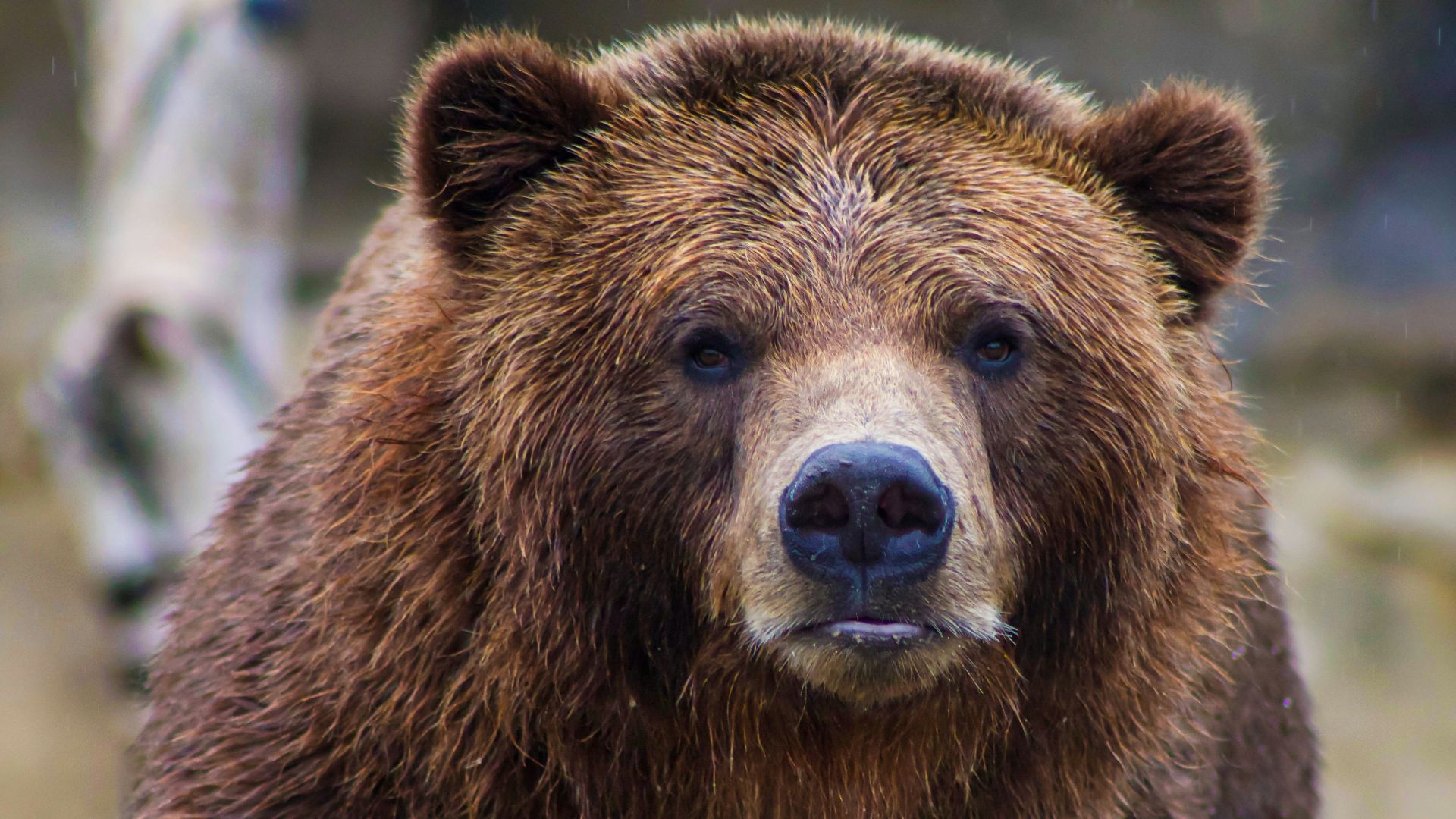
2. Trails Closed For Bear Activity
Trails can close when bears are feeding nearby or showing signs of getting too comfortable around people. Rangers would rather shut a trail for a week than deal with a dangerous encounter or a bear that has learned to associate hikers with snacks.
3. Shops Closed Midday For Siesta
In some towns, businesses close for a few hours in the afternoon and reopen later in the day. Visitors often assume it’s random, but it can be a normal schedule built around heat, family meals, and a slower daily rhythm.

4. Museums Closed For Private Events
Museums sometimes close early or close completely for galas, weddings, and corporate events. Even major museums do this, so you can arrive ready for art and walk straight into velvet ropes and security politely steering you away.
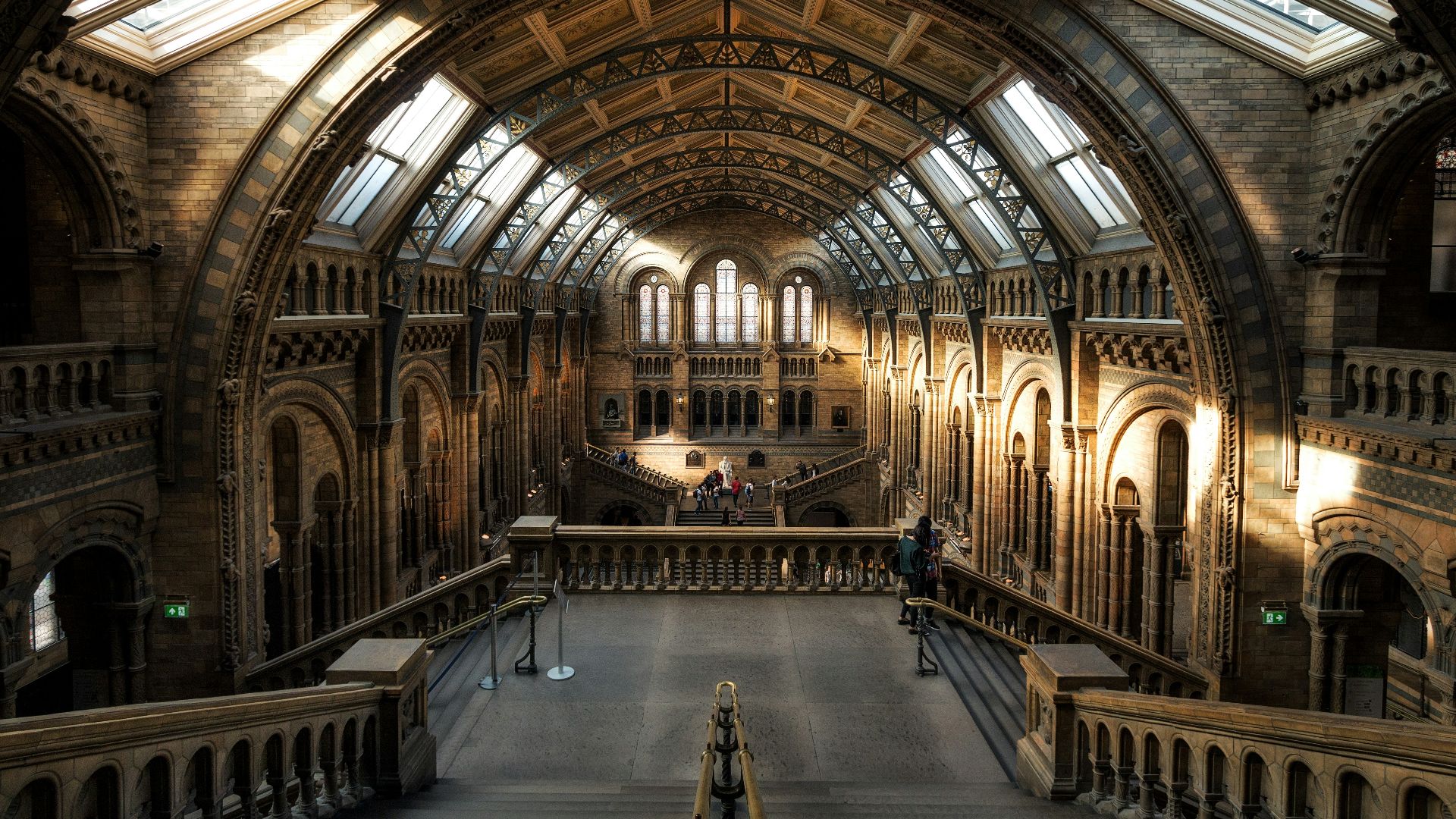
5. Churches Closed During Services
Many churches and cathedrals limit tourist entry during worship services. Some allow visitors to sit quietly in the back, but others close fully, restrict certain areas, or enforce strict no-photo rules until the service ends.
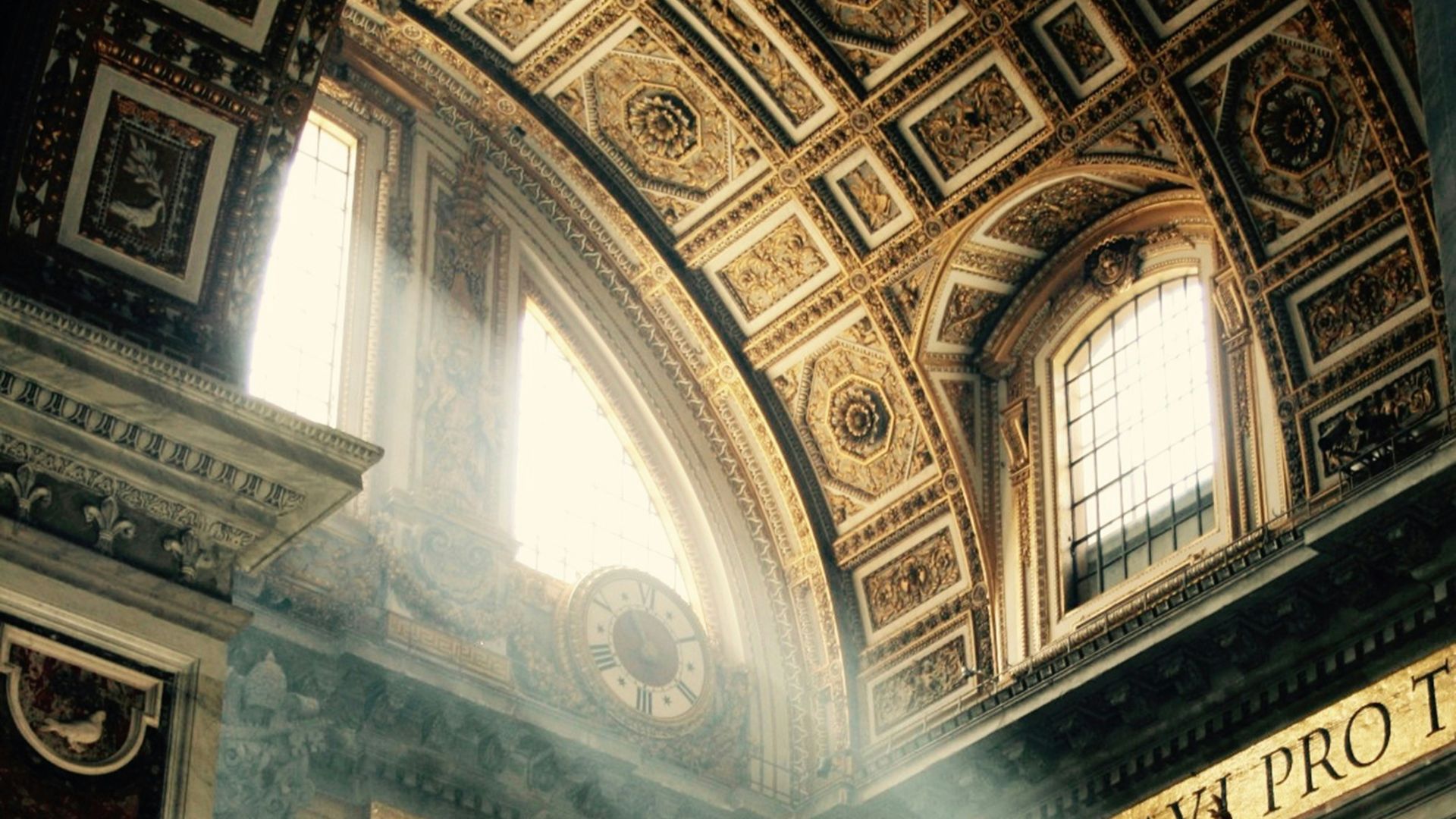
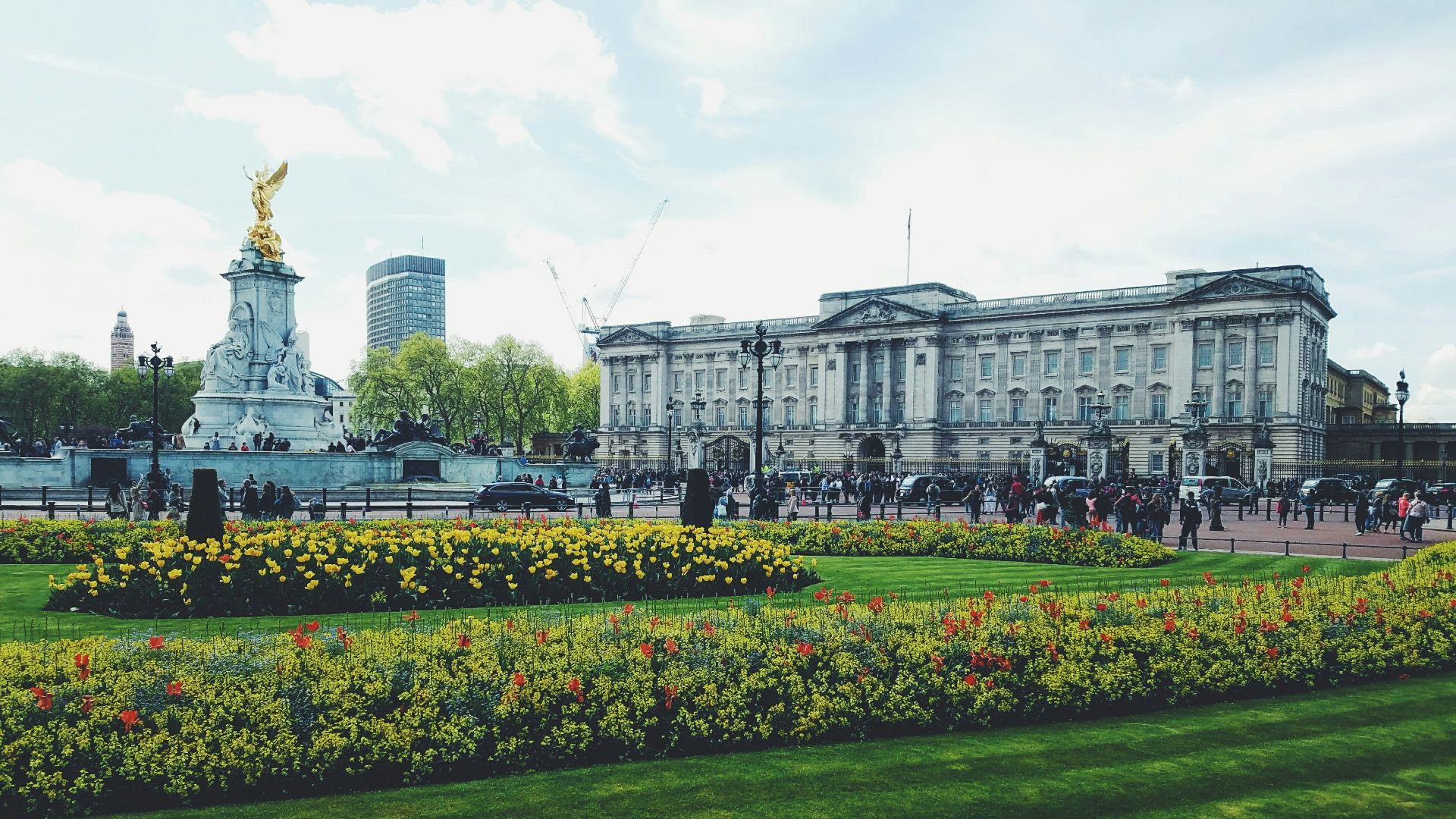
6. Palaces Closed When Royals Are Home
Royal residences can close when the monarch or royal family is in residence. From the outside it can look like a normal open day, then you find out the building is doing what it was built for: being used, not toured.
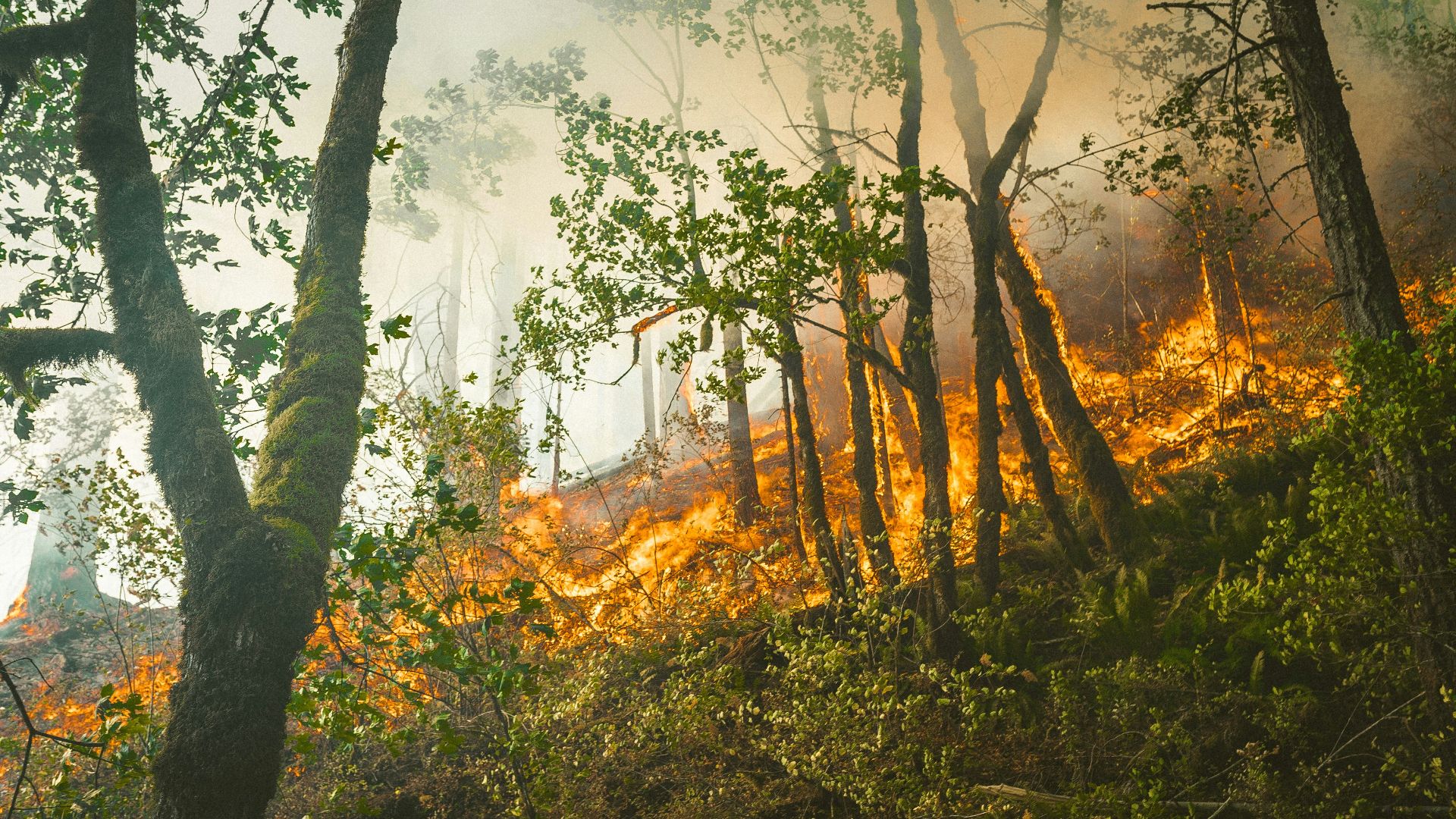
7. Parks Closed For Controlled Burns
National parks and reserves may close areas during planned burns or when smoke makes conditions unsafe. It can feel confusing because the landscape looks calm, but land managers use controlled fire to reduce future wildfire risk and protect ecosystems.
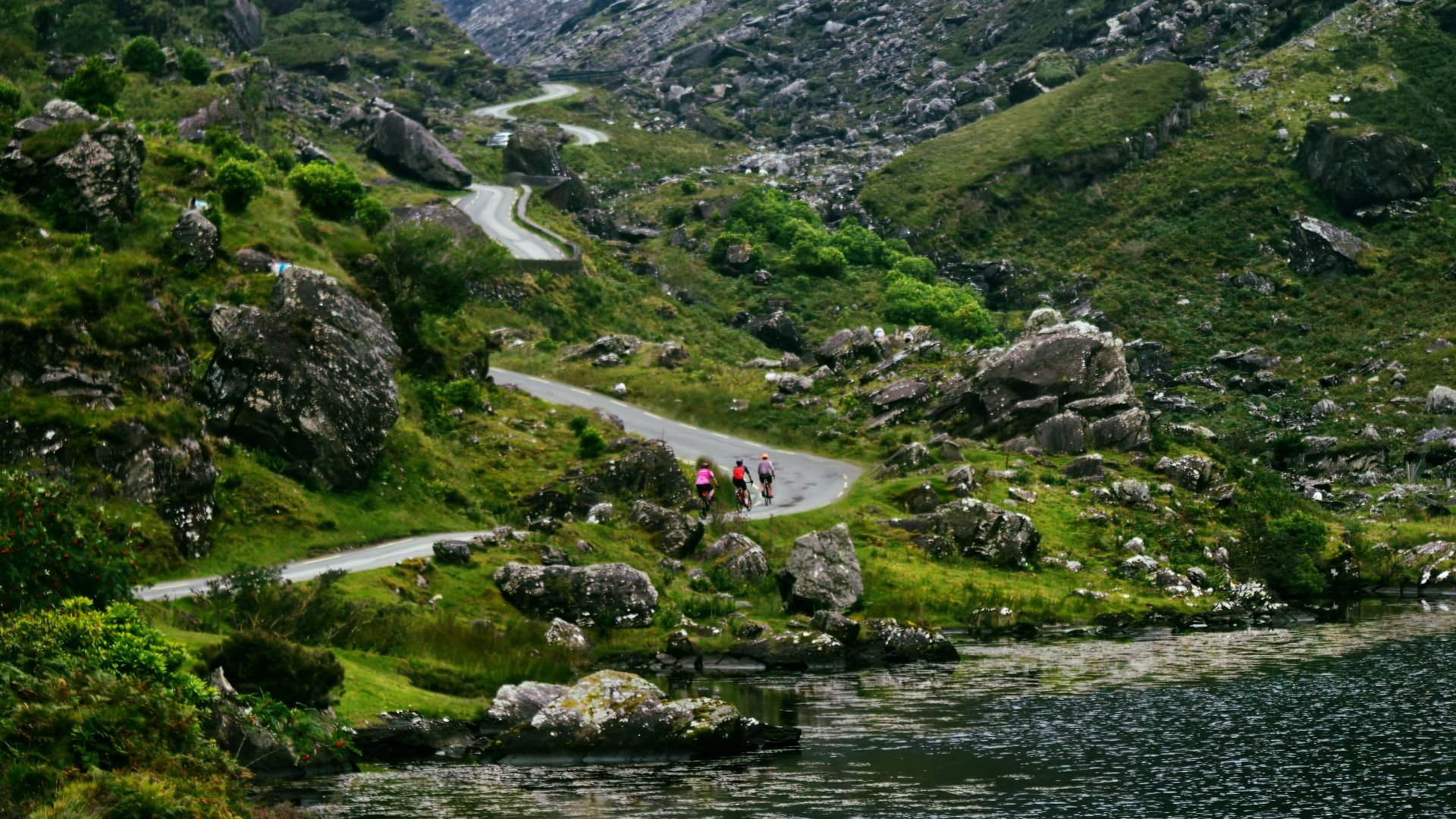
8. Scenic Roads Closed For Races
Popular coastal drives and mountain roads sometimes close for bike races or marathons. Tourists show up expecting a scenic cruise and instead find barricades, volunteers, and detours that add an hour to the day.
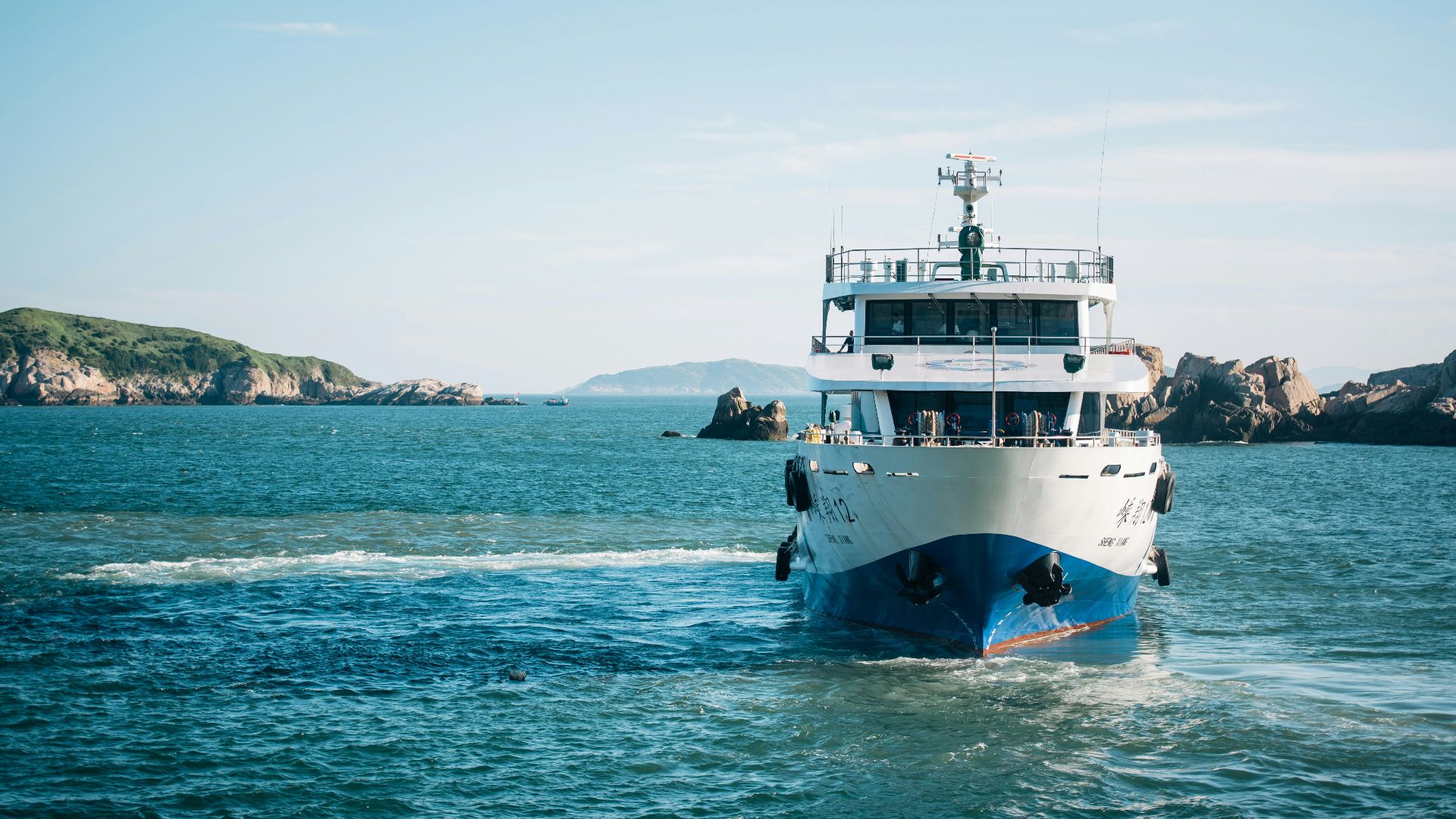
9. Islands Closed When Ferries Stop
Island visits can collapse fast when high winds or rough seas cancel ferries. Even if the mainland feels fine, the crossing can be unsafe, and cancellations can turn a day trip into a sudden lesson in weather and timetables.
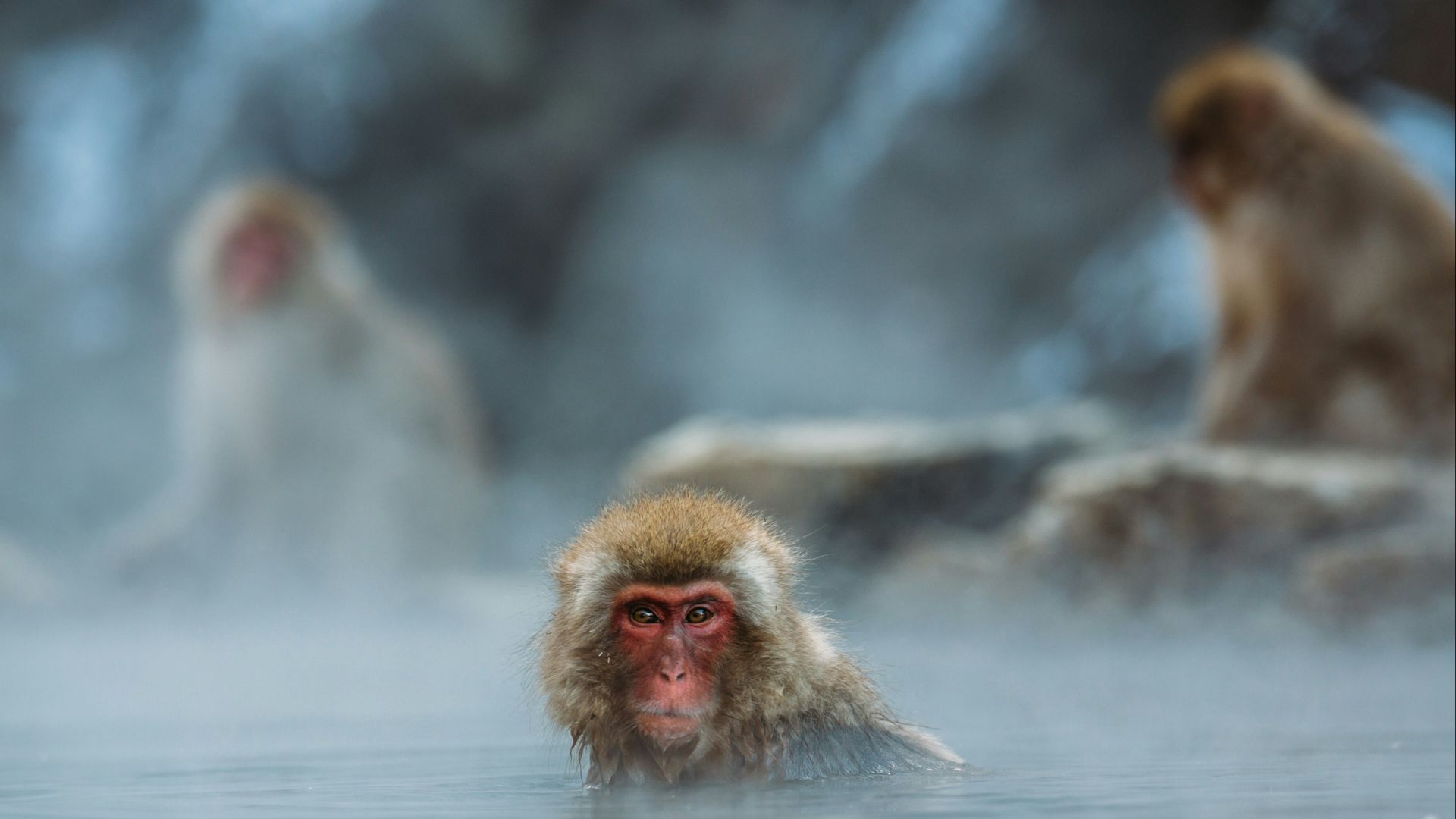
10. Hot Springs Closed For Water Safety
Hot springs and bathing areas can close after water tests show bacteria issues or after storms change water quality. The water might look exactly the same, but the risk isn’t visible, so closures are the only responsible call.
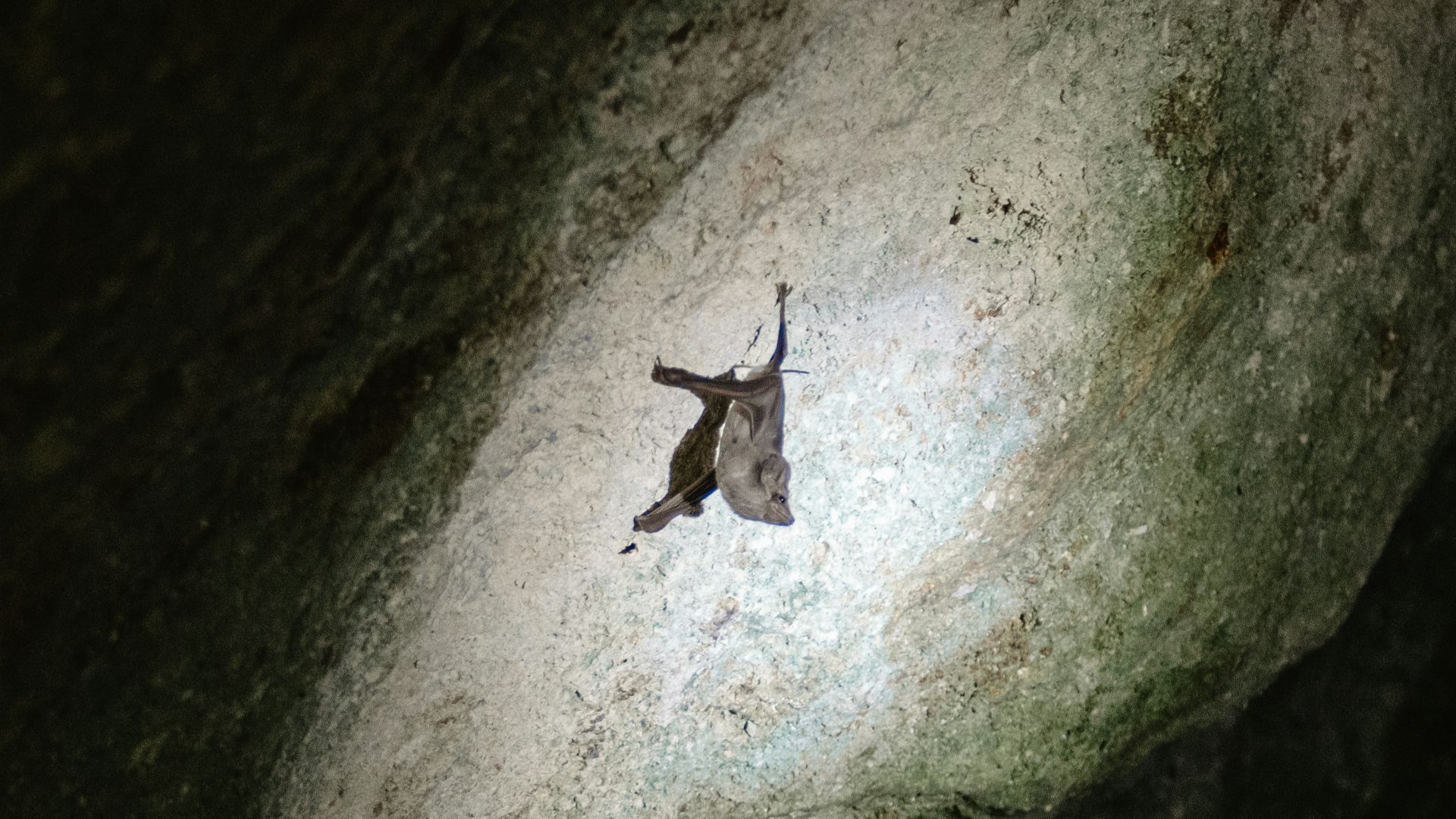
11. Caves Closed To Protect Bats
Caves can shut down seasonally for bat hibernation or breeding. Some closures also reduce the risk of people spreading diseases that harm bat populations, which means your tour gets canceled so the ecosystem can keep functioning.
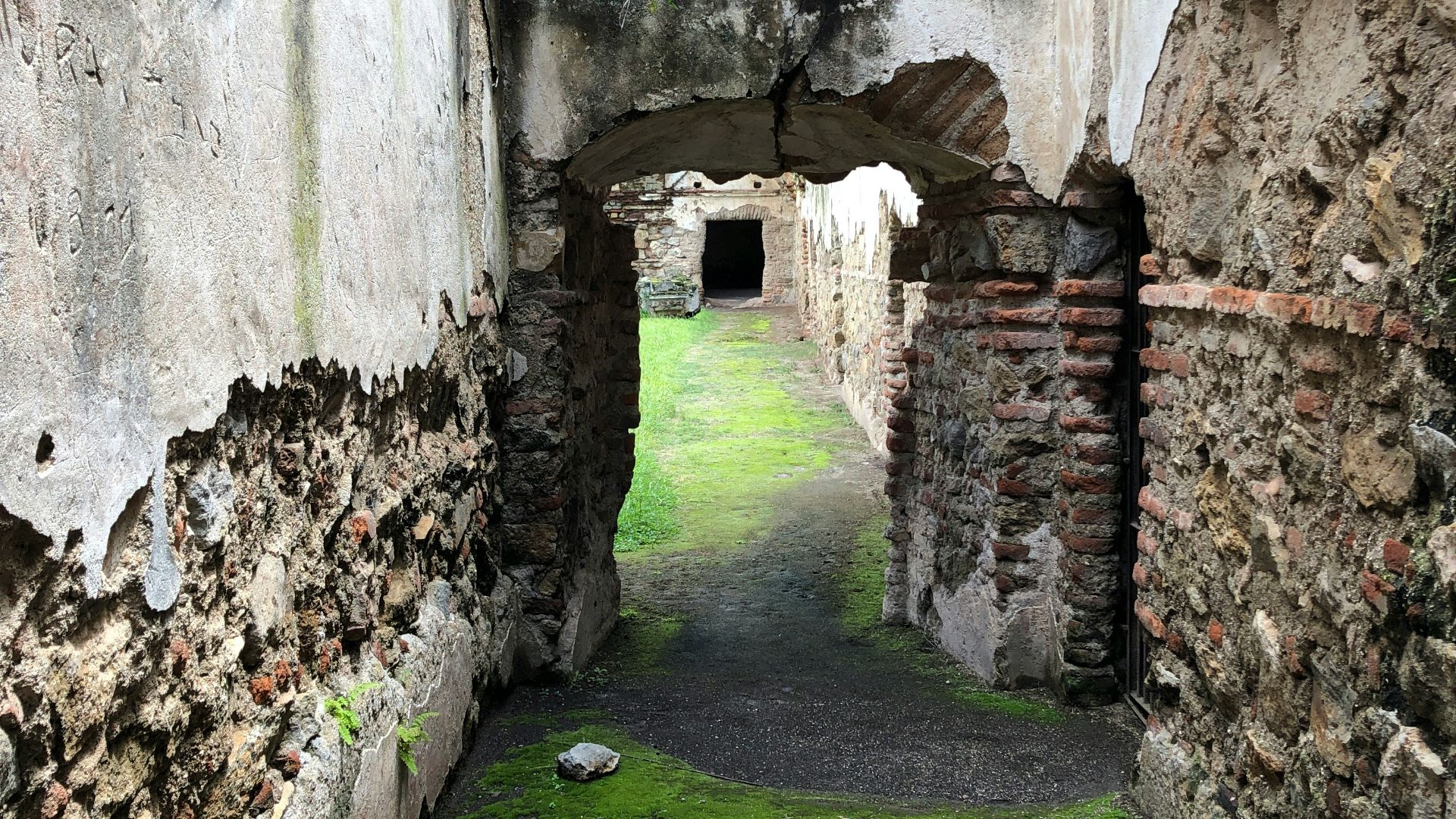
12. Historic Sites Closed For Stabilization
Old ruins and historic buildings often close when steps, walls, or foundations need urgent repair. Preservation work can be slow and unglamorous, but without it, the place you came to see may not survive the next decade.
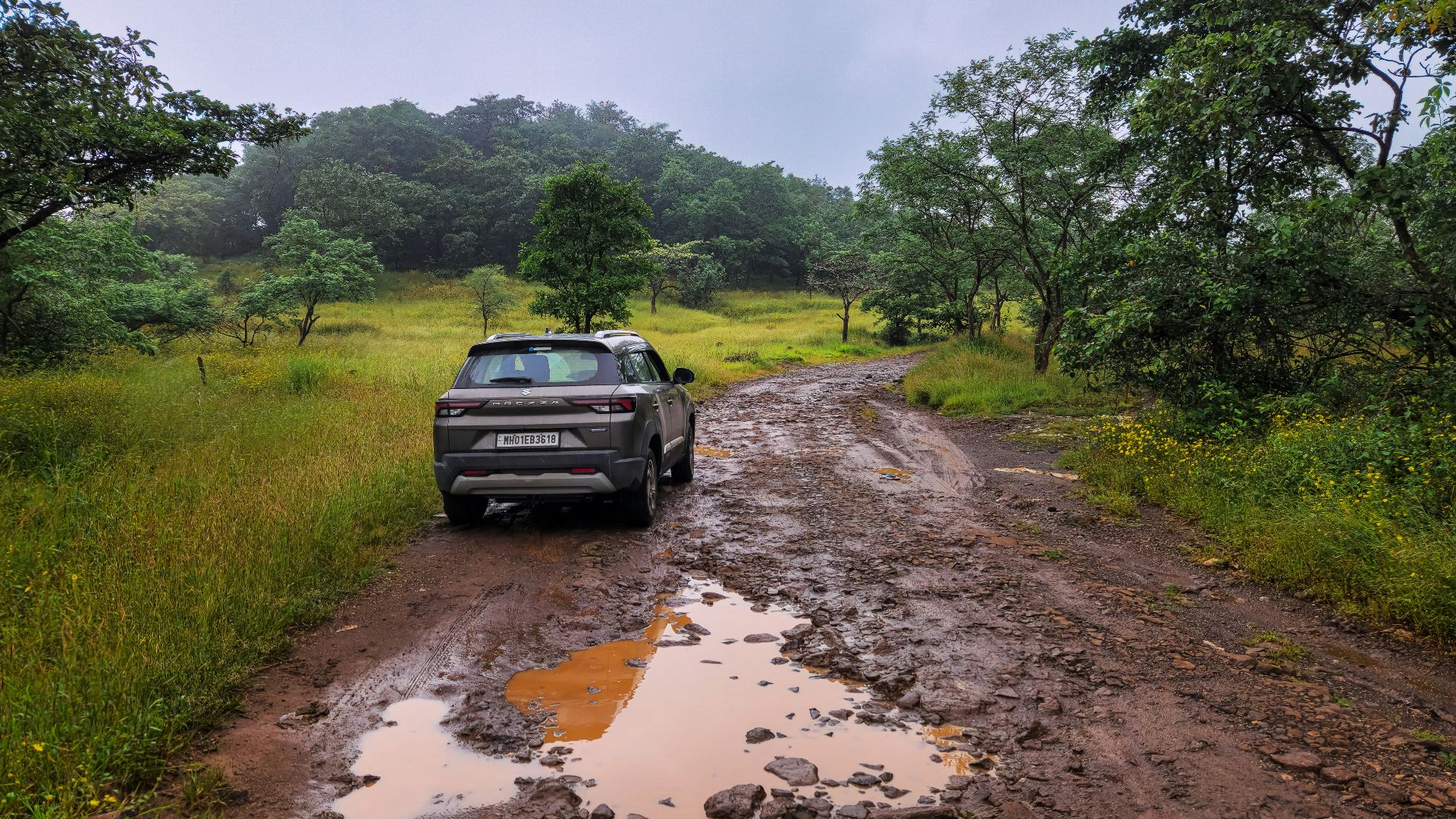
13. Trails Closed Because They’re Too Muddy
After heavy rain, parks may close trails to prevent erosion and long-term damage. Mud also turns a simple walk into a safety problem, and rescue operations get harder when the path is basically a slide.
14. Markets Closed On Mondays
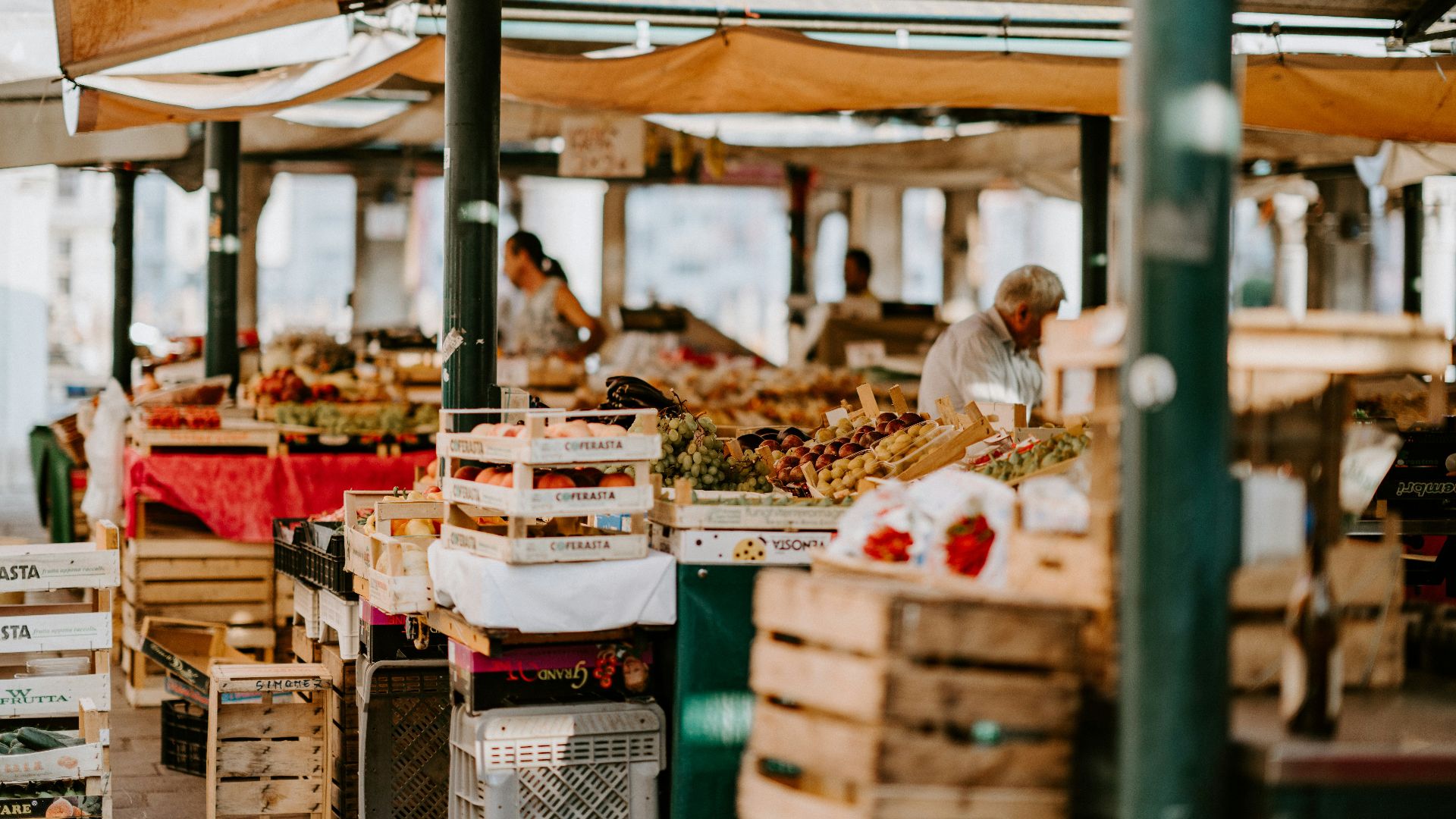
Many famous markets, fish stalls, and small vendors take Monday off. Tourists plan a food day and find shutters because Monday is the standard rest and restocking day in plenty of cities.
15. Beaches Closed For Jellyfish Blooms
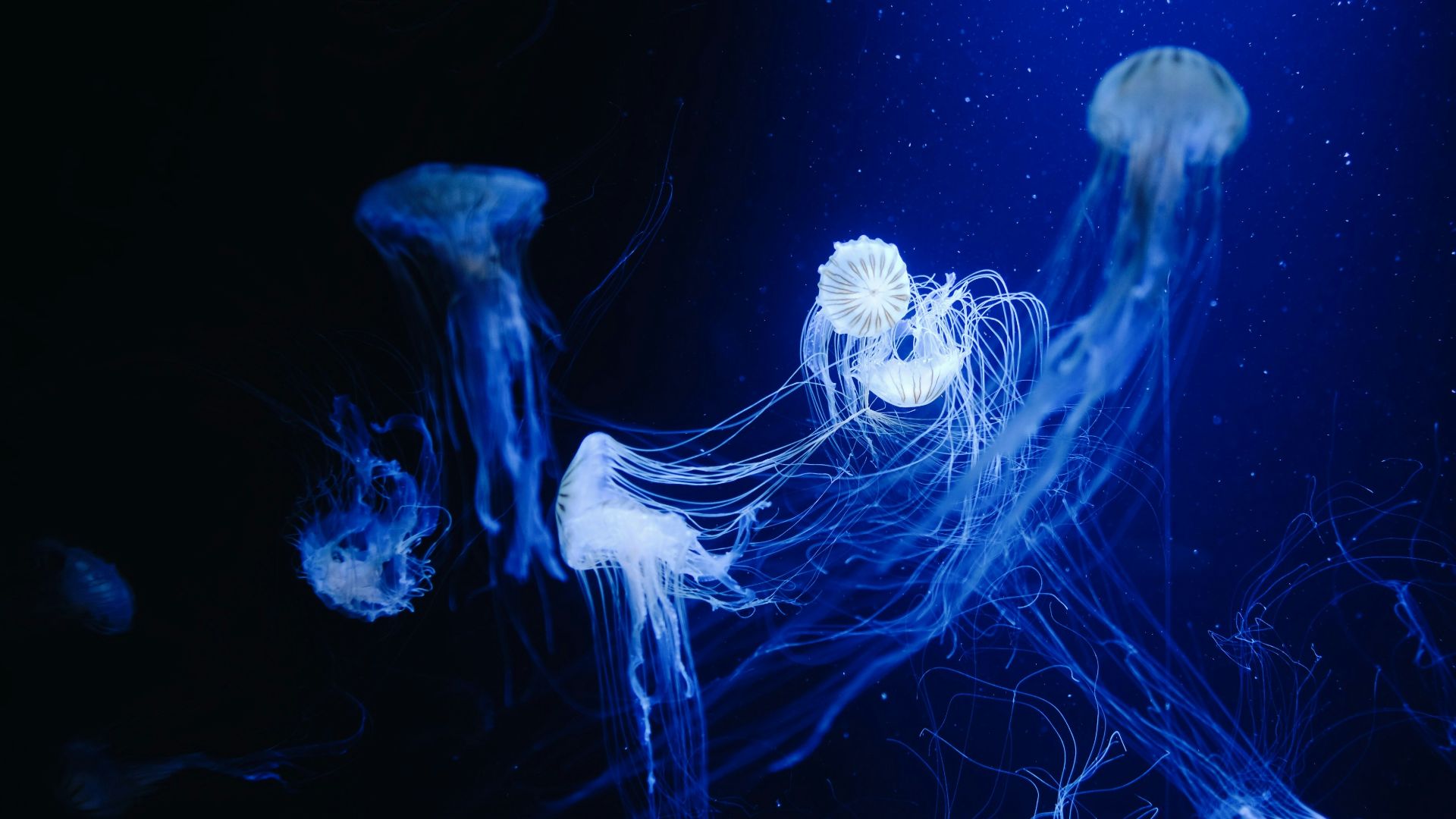
Swimming areas can close when jellyfish numbers surge. Even strong swimmers can get stung repeatedly, and lifeguards would rather keep everyone on shore than manage a day of constant medical issues.
16. Viewpoints Closed After Drone Violations
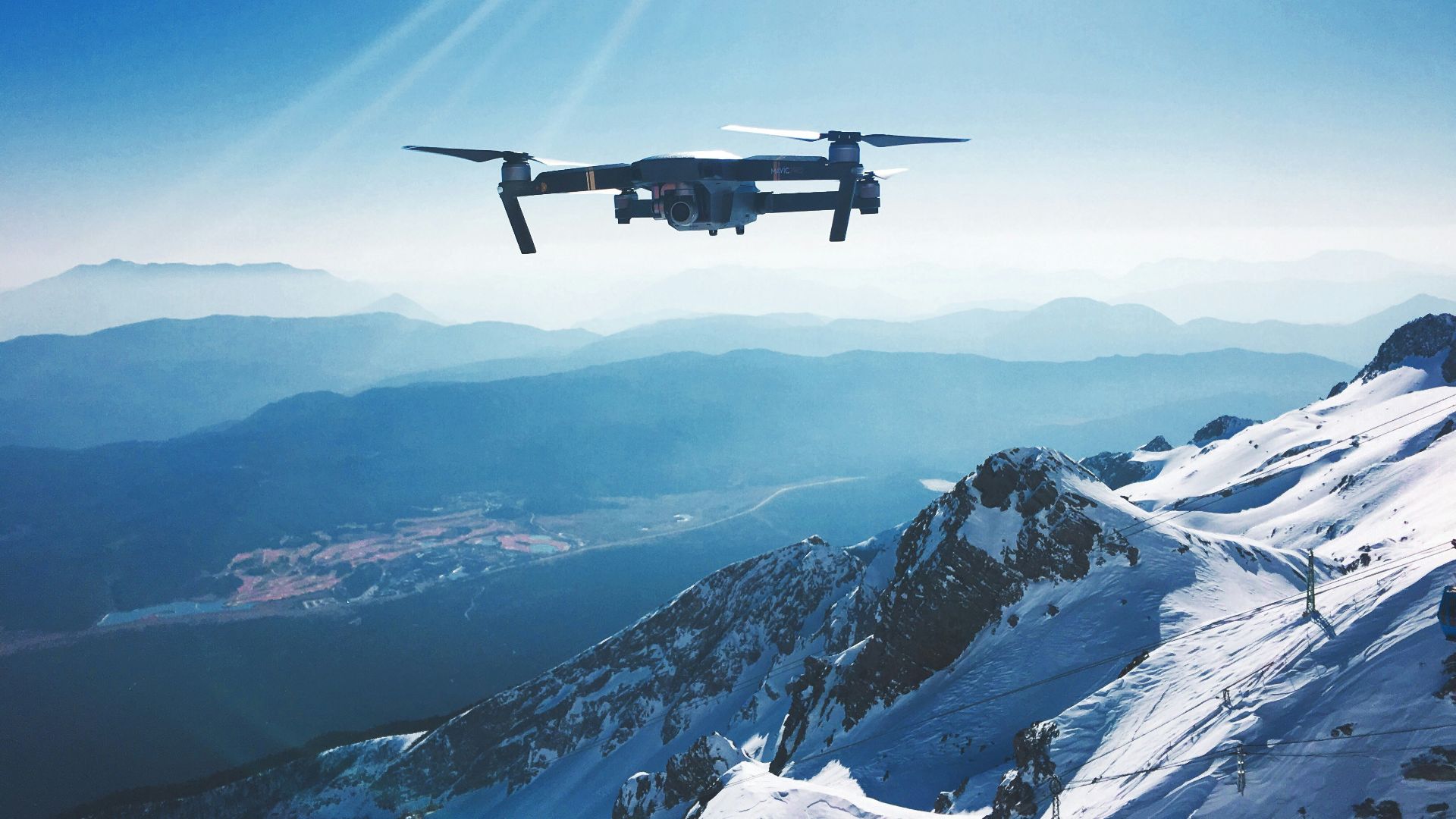
Some scenic overlooks and monuments tighten access after repeated drone incidents. Rules can change quickly when drones fly too close to crowds, wildlife, or restricted areas, and the fix is often a closure or new permit system.
17. Train Lines Slowed Or Closed For Extreme Heat
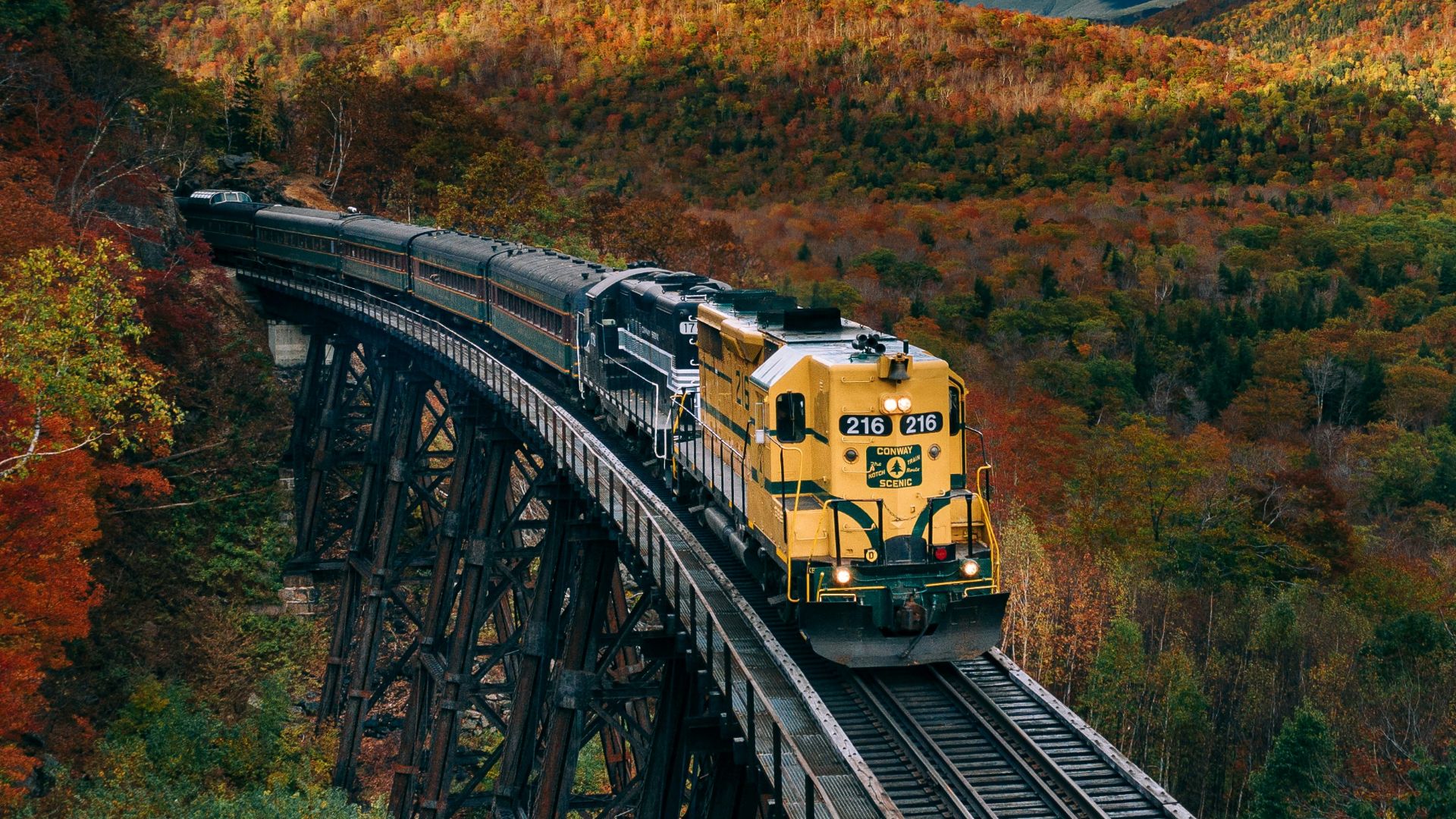
Rail systems sometimes reduce service during extreme heat because tracks can expand and warp. It feels strange when the sky is clear, but infrastructure has limits, and slowing trains can prevent serious accidents.
18. Waterfalls Limited During Drought
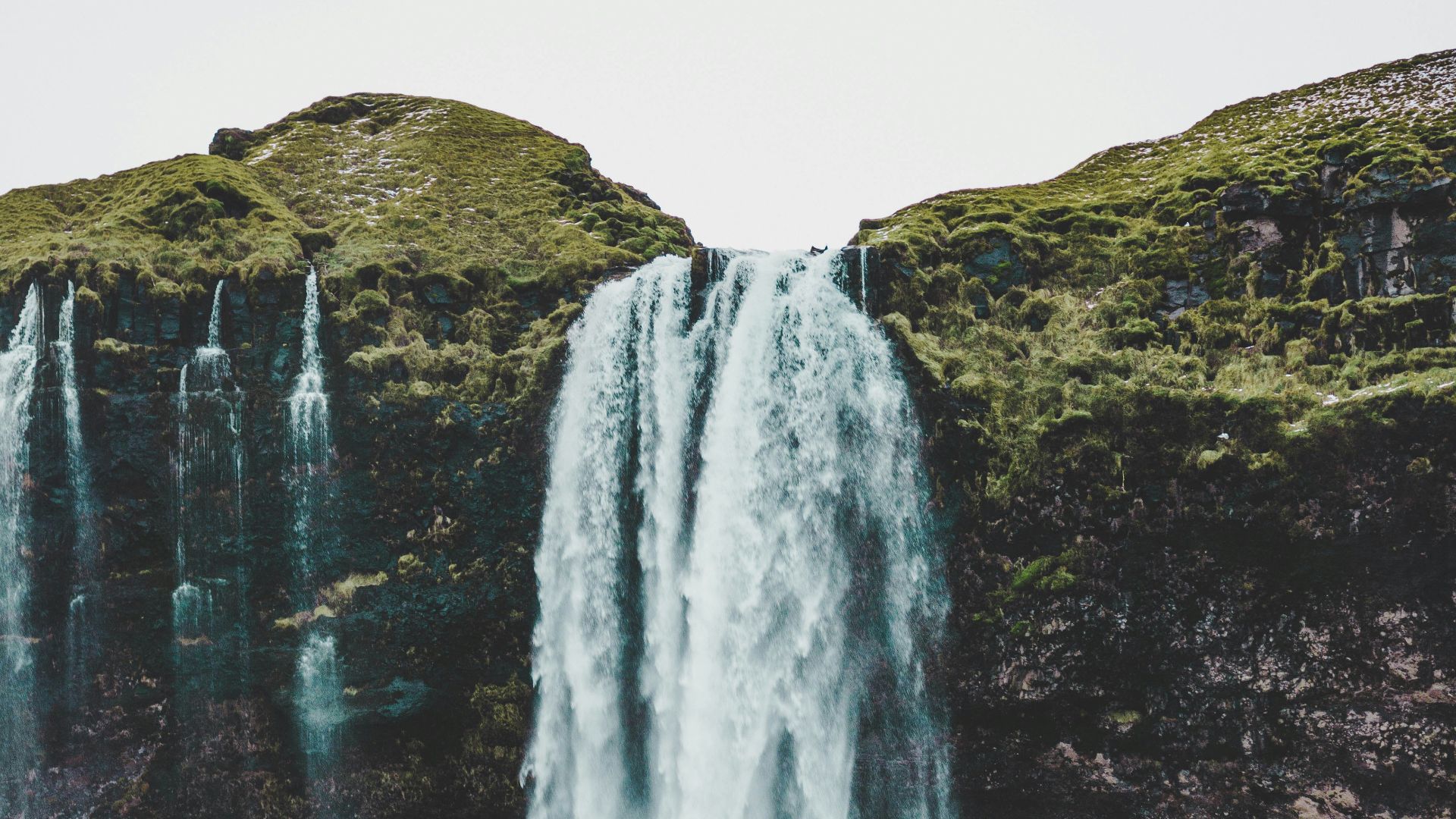
In dry seasons, waterfalls can shrink dramatically, and some parks restrict access for conservation or safety. Tourists arrive expecting roaring water and find a trickle, or a closed trail meant to protect fragile terrain.
19. Squares Closed For Filming
City squares and landmarks can close for film shoots, TV production, or commercials. Crews block off space, redirect foot traffic, and turn a public place into a controlled set, which means your perfect photo spot becomes off-limits.

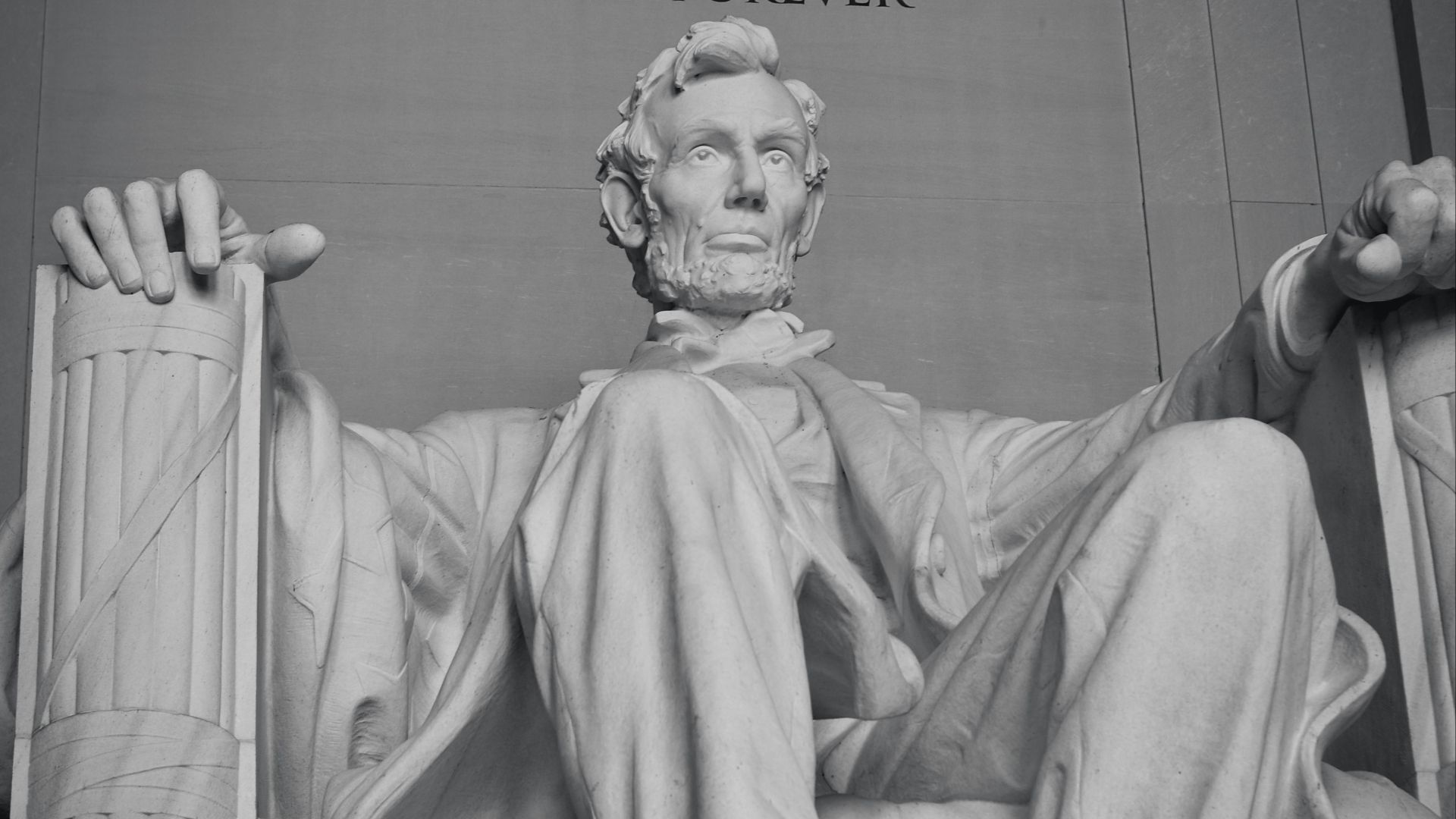
20. Monuments Closed For National Mourning
Public sites may close or run limited hours during national mourning days, memorial anniversaries, or major funerals. Tourists don’t always expect solemn public events to affect access, but in many places, they do.