Nature Meets Genius
Gardens tell stories that transcend borders and centuries. Some were born from limestone quarries, others from royal decrees. Each one holds secrets in its soil—ancient hydraulic systems, composer hideaways, and ashes of fashion legends. These aren't just pretty spaces with flowers. They're living museums where history breathes through every petal and pathway. Let's wander through some of the world's most extraordinary green sanctuaries.
 Kent Wang from Barcelona, Spain on Wikimedia
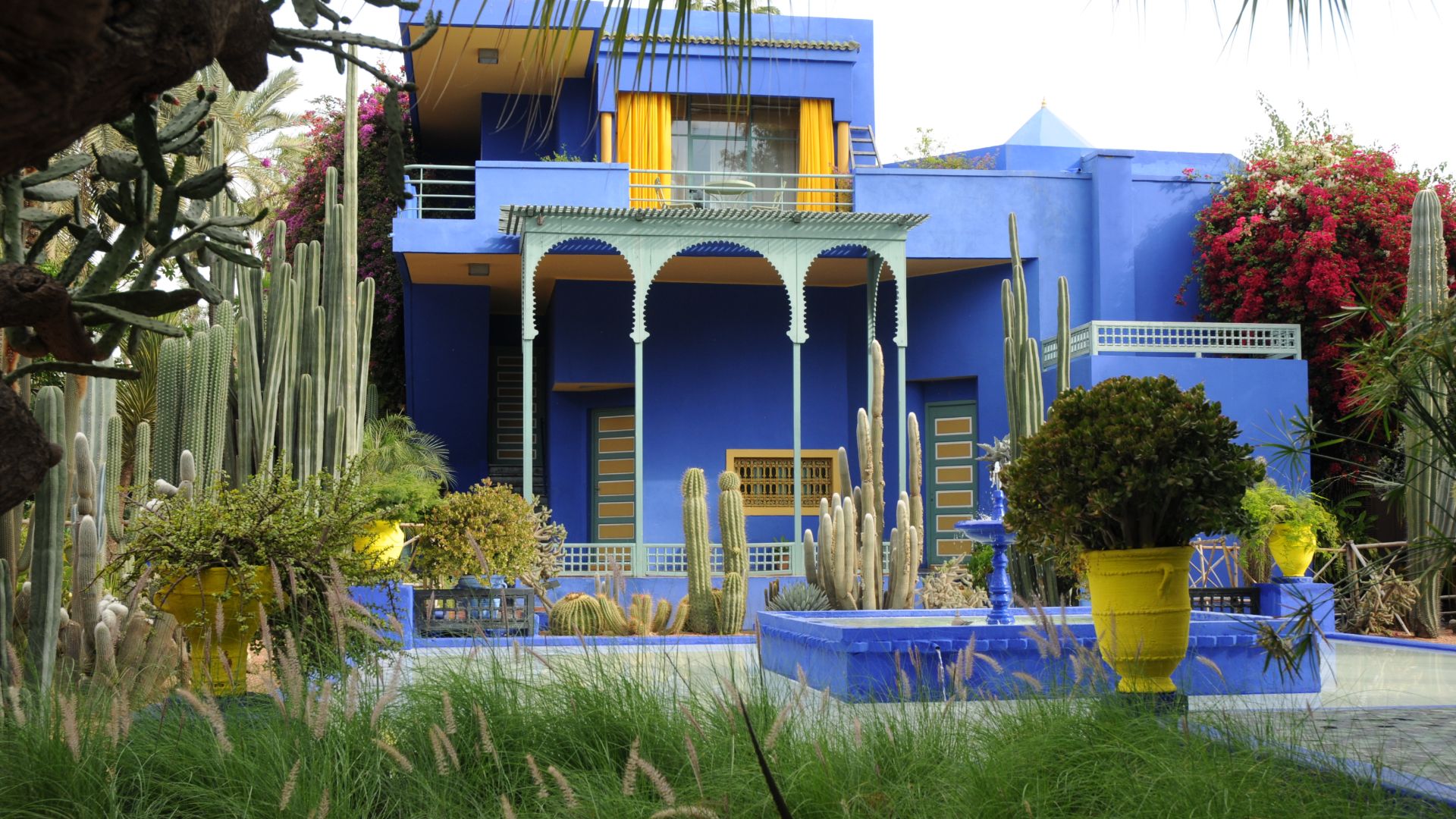
1. Jardin Majorelle: Marrakesh, Morocco
What started as French painter Jacques Majorelle's personal passion project in 1923 eventually became one of Morocco's most photographed destinations. The garden showcases a striking Cubist villa designed by architect Paul Sinoir. This oasis houses the Berber Museum with its indigenous art.
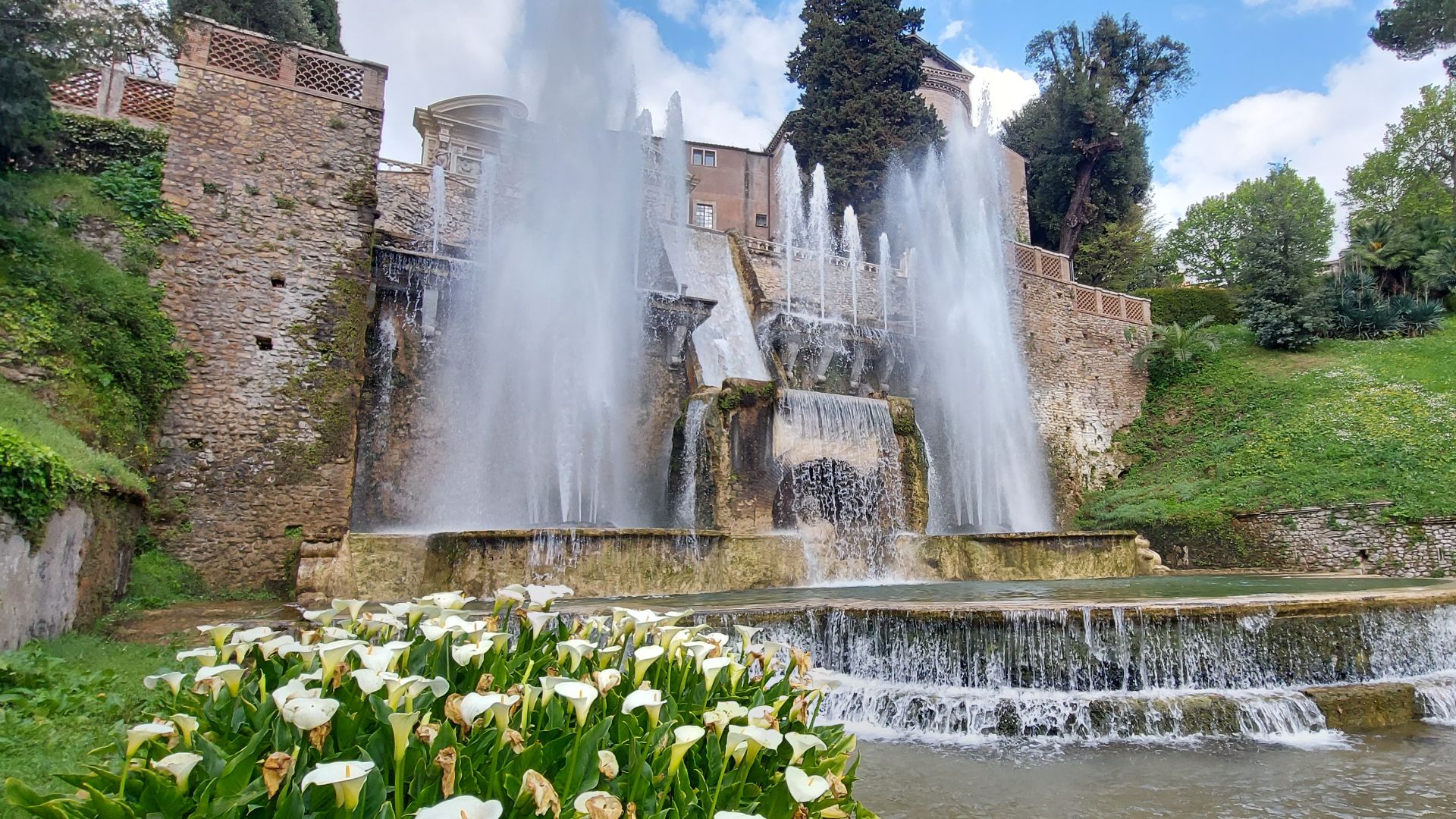
2. Villa D'este: Tivoli, Italy
Composer Franz Liszt once called this Renaissance marvel home, drawing musical inspiration from its cascading waters and writing pieces that echo the fountains' rhythms. Cardinal Ippolito II d'Este commissioned this 16th-century masterpiece when he converted a hillside into terraced gardens.
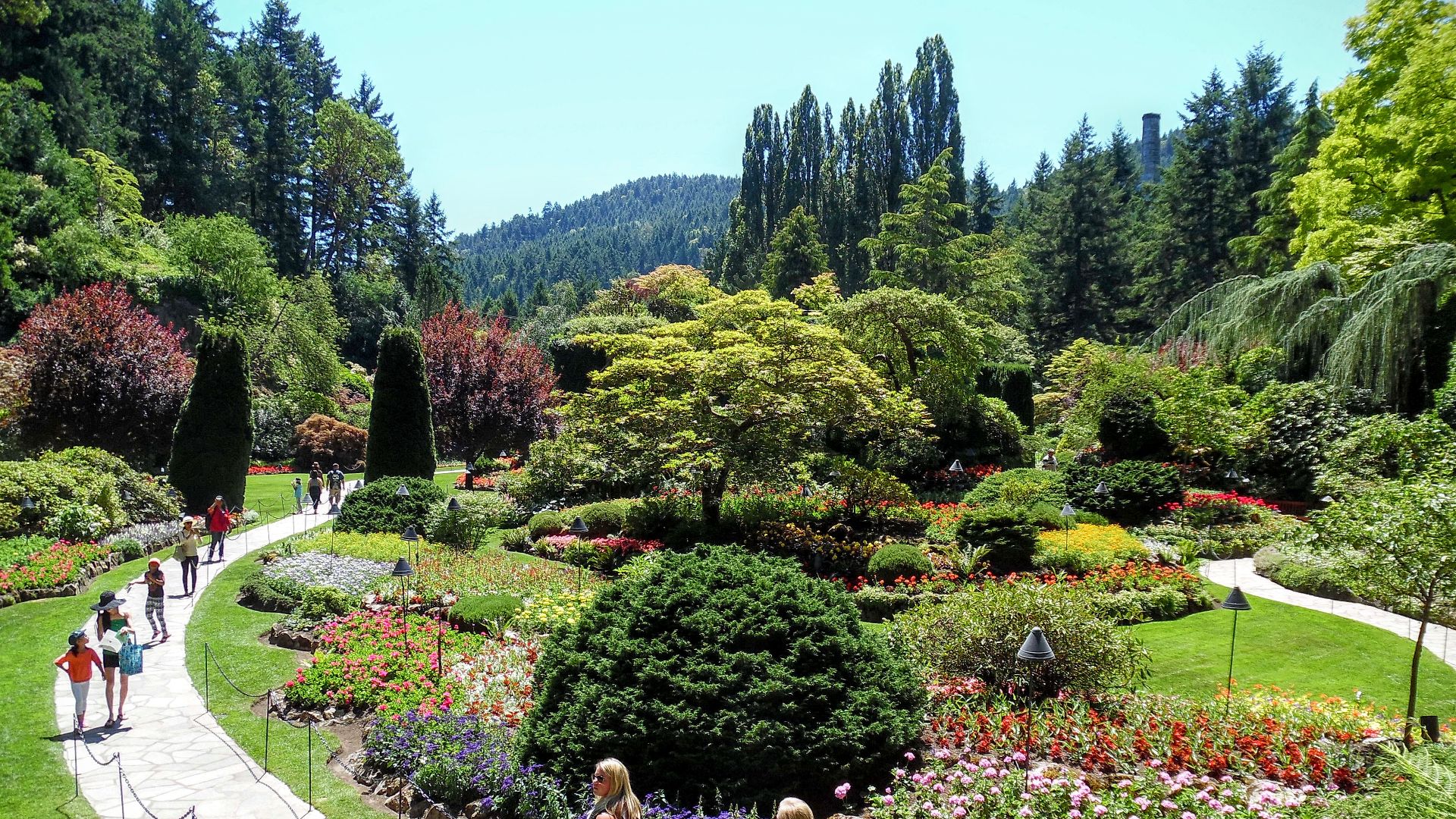
3. The Butchart Gardens: British Columbia, Canada
Standing at this National Historic Site of Canada today, you'd never guess it began as an exhausted limestone quarry in 1904. The transformation covers 22 spectacular hectares, with the Sunken Garden serving as the crown jewel where mining once scarred the earth.
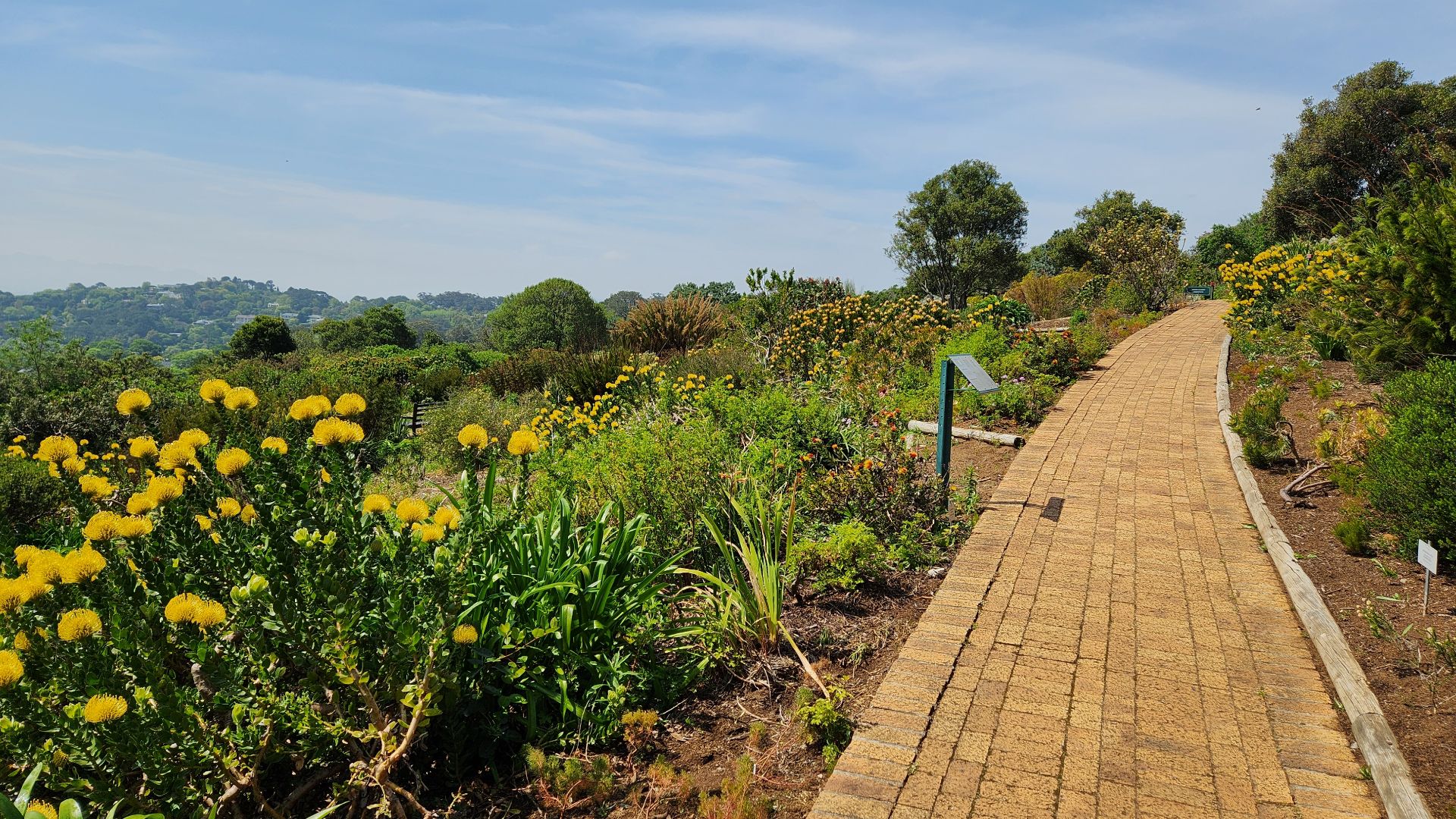
4. Kirstenbosch National Botanical Garden: Cape Town, South Africa
More than 200 bird species call this 1913-founded sanctuary home, creating a living symphony beneath Table Mountain's dramatic slopes. Dedicated exclusively to preserving South Africa's indigenous flora, the garden serves as both a conservation laboratory and public paradise.
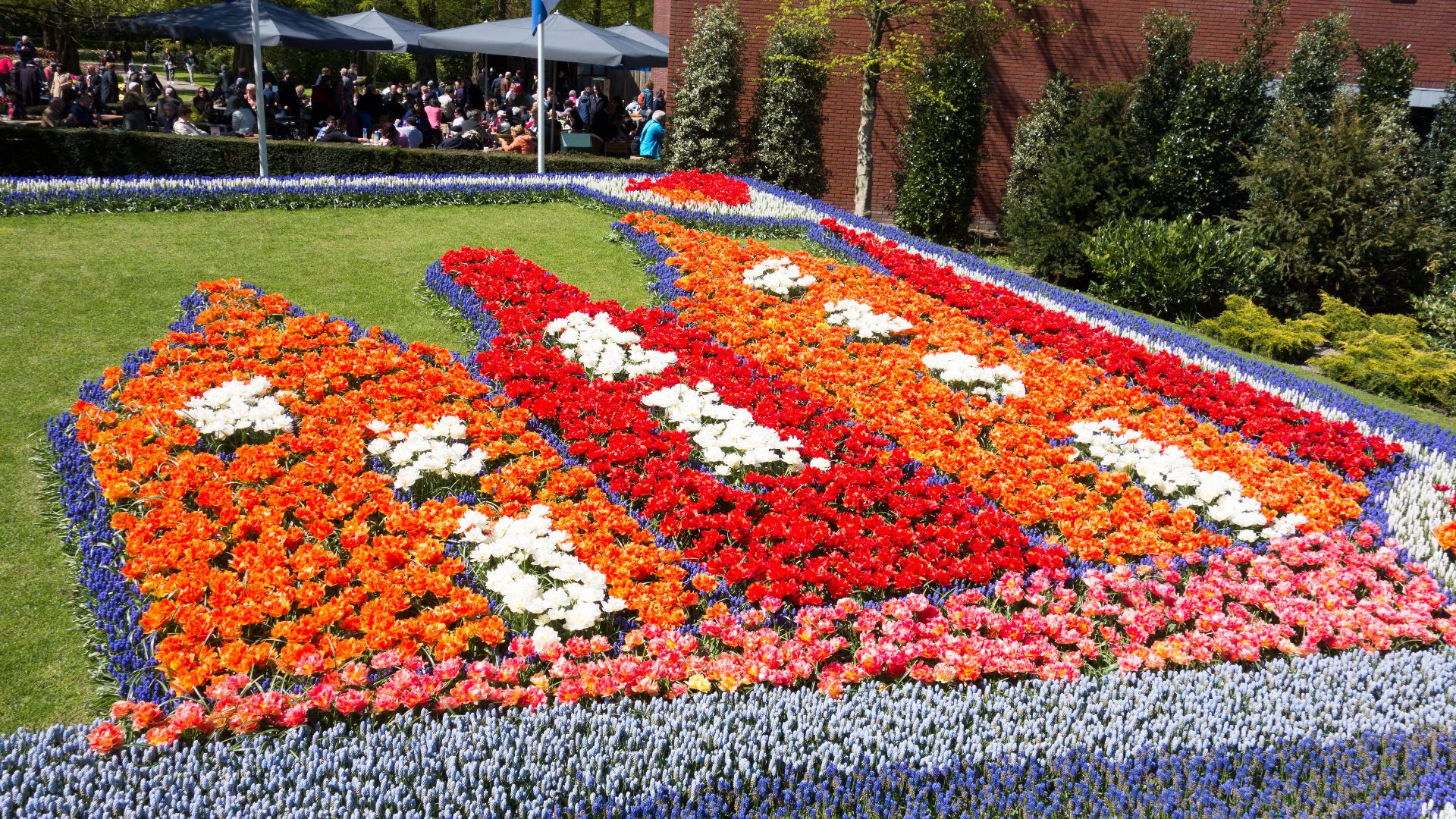
5. Keukenhof: Lisse, Netherlands
Seven million bulbs convert these 32 hectares annually into what's rightfully called the "Garden of Europe”. Established in 1949, Keukenhof serves as a vibrant showcase where Dutch flower growers display their latest cultivars and colors in meticulously designed landscapes.
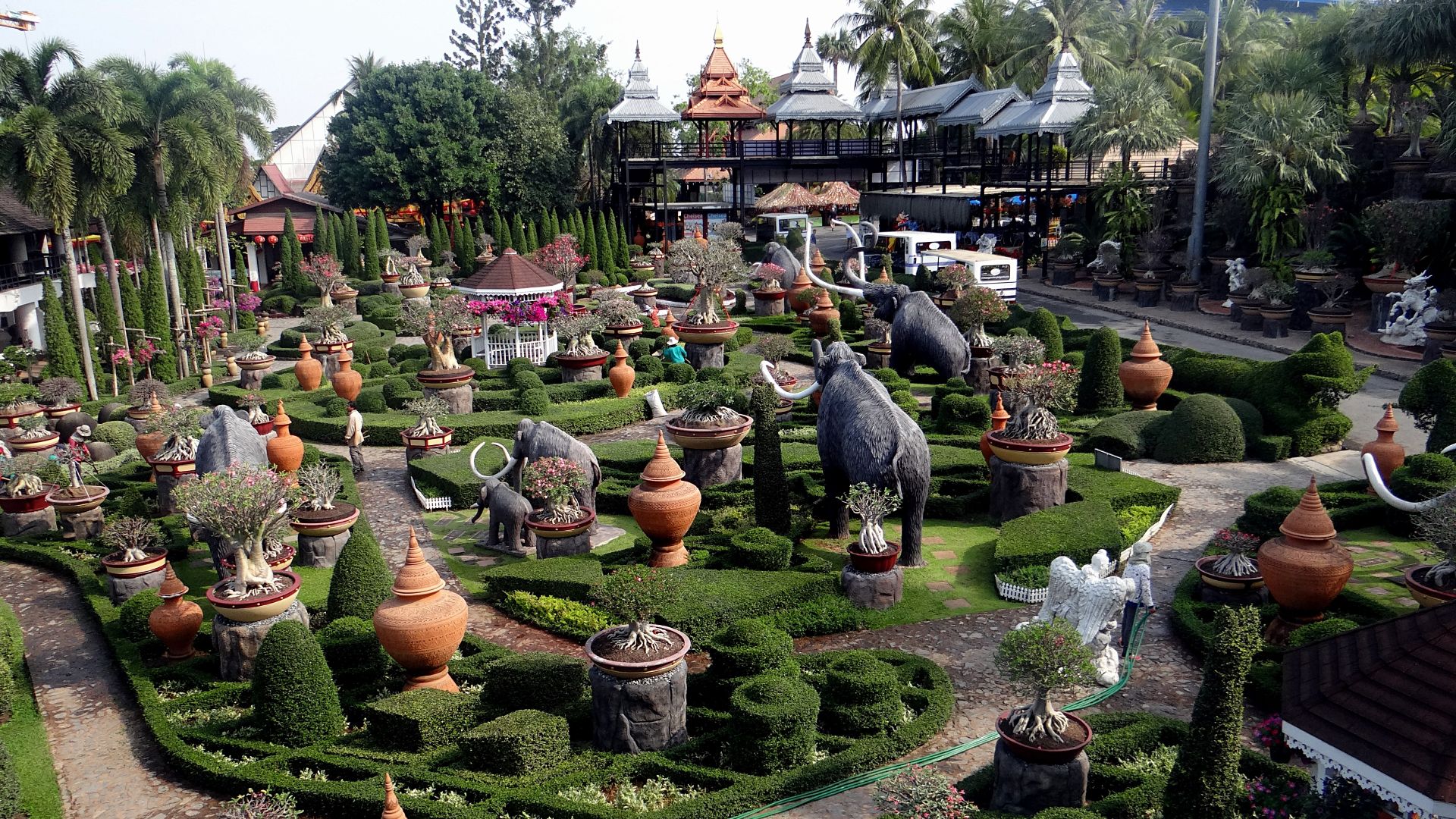
6. Nong Nooch Tropical Botanical Garden: Pattaya, Thailand
Originally purchased as farmland, these 500 acres underwent an extraordinary change after owner Nongnooch Tansacha visited gardens abroad and returned home inspired. Opened to the public in 1980, the complex features themed gardens representing botanical styles from cultures worldwide.
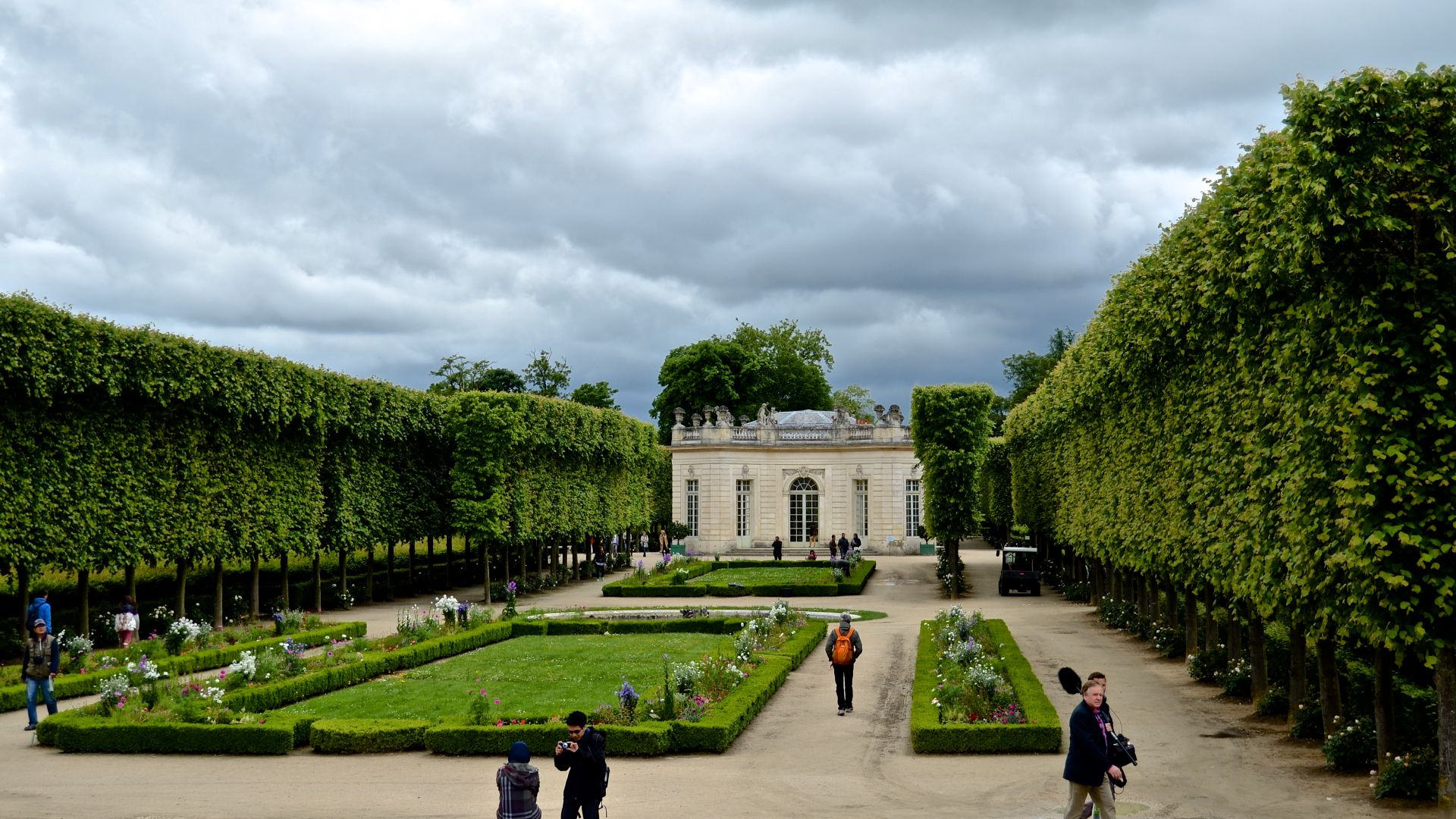
7. Gardens Of Versailles: Versailles, France
Famous architect André Le Nôtre received Louis XIV's commission in 1661 and created formal gardens that would define French landscape design for centuries. The Grand Canal stretches toward the horizon while over 50 fountains punctuate the geometric parterres.
 David McSpadden from Daly City, United States on Wikimedia
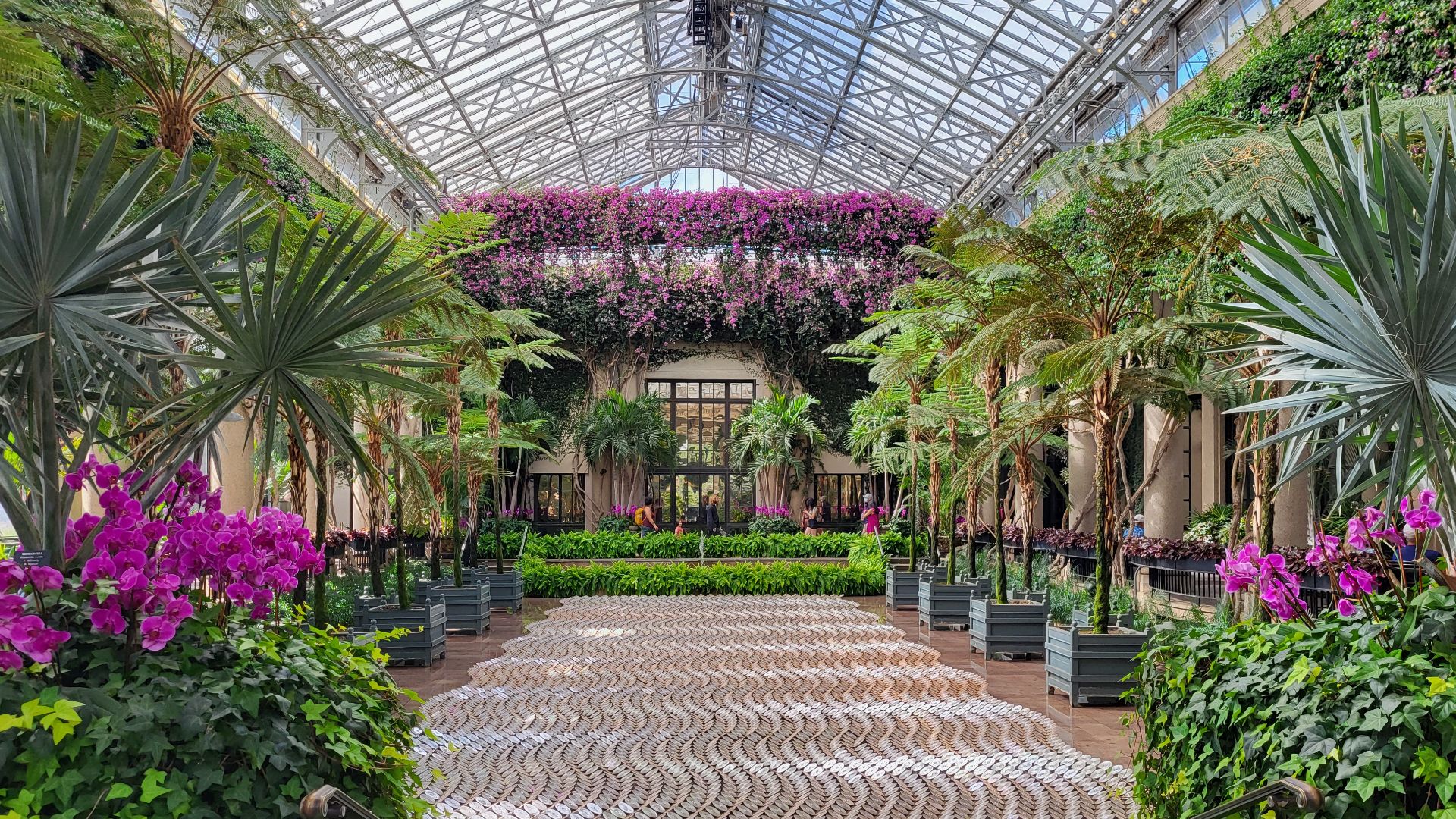
8. Longwood Gardens: Kennett Square, Pennsylvania, USA
Spanning gardens, woodlands, and meadows, Longwood offers diverse landscapes that change with each season and showcase horticultural innovation. "A Longwood Christmas" draws thousands annually. The founder's vision extended beyond mere beauty—he created an educational institution that continues inspiring gardeners.
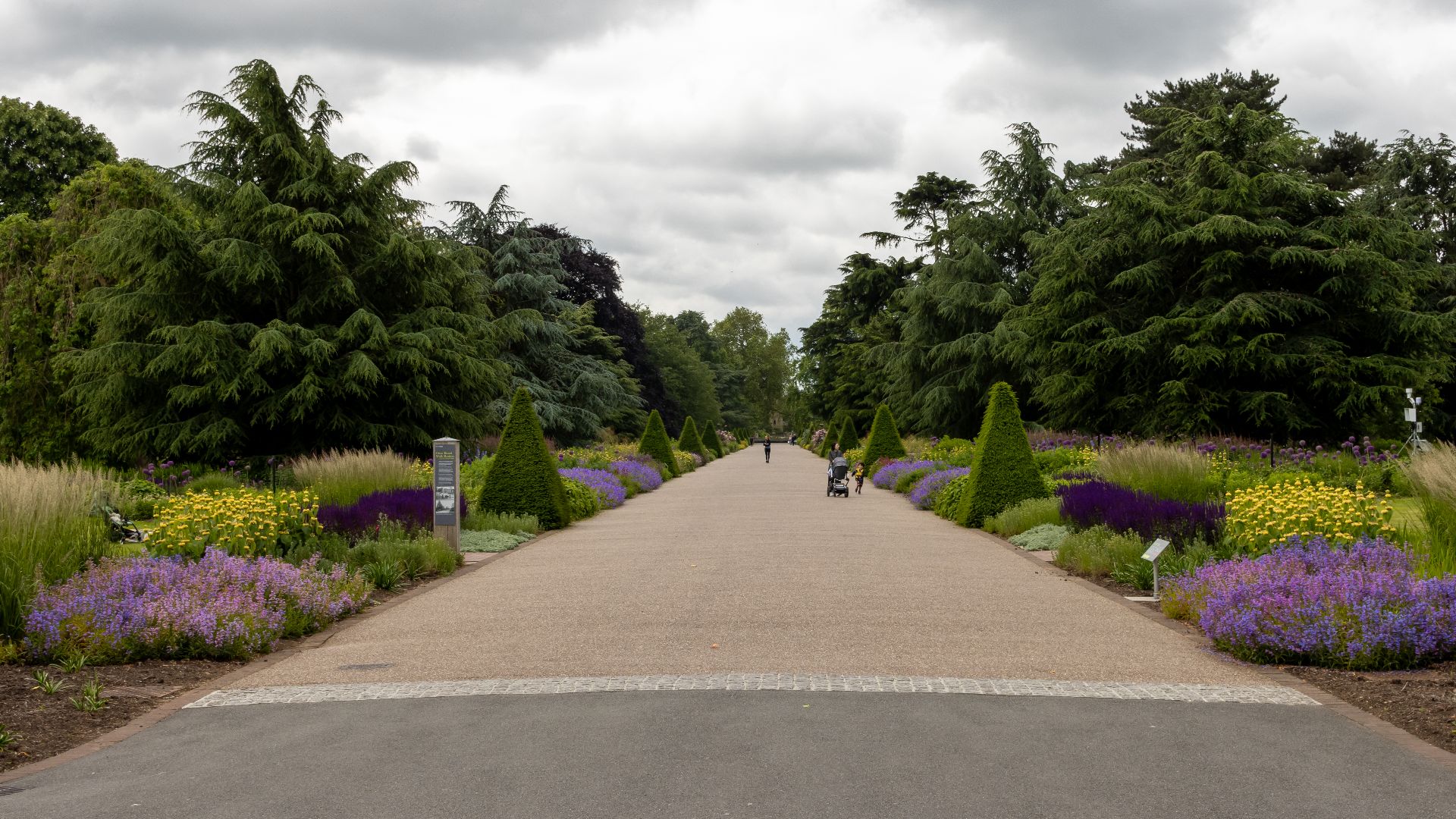
9. Royal Botanic Gardens, Kew: London, UK
The Temperate House stands as the world's largest surviving Victorian glasshouse, sheltering endangered species within its historic iron framework. Established in 1759 in southwest London, Kew has evolved into a scientific powerhouse housing over 50,000 plant species.
 Photograph by Mike Peel (www.mikepeel.net). on Wikimedia
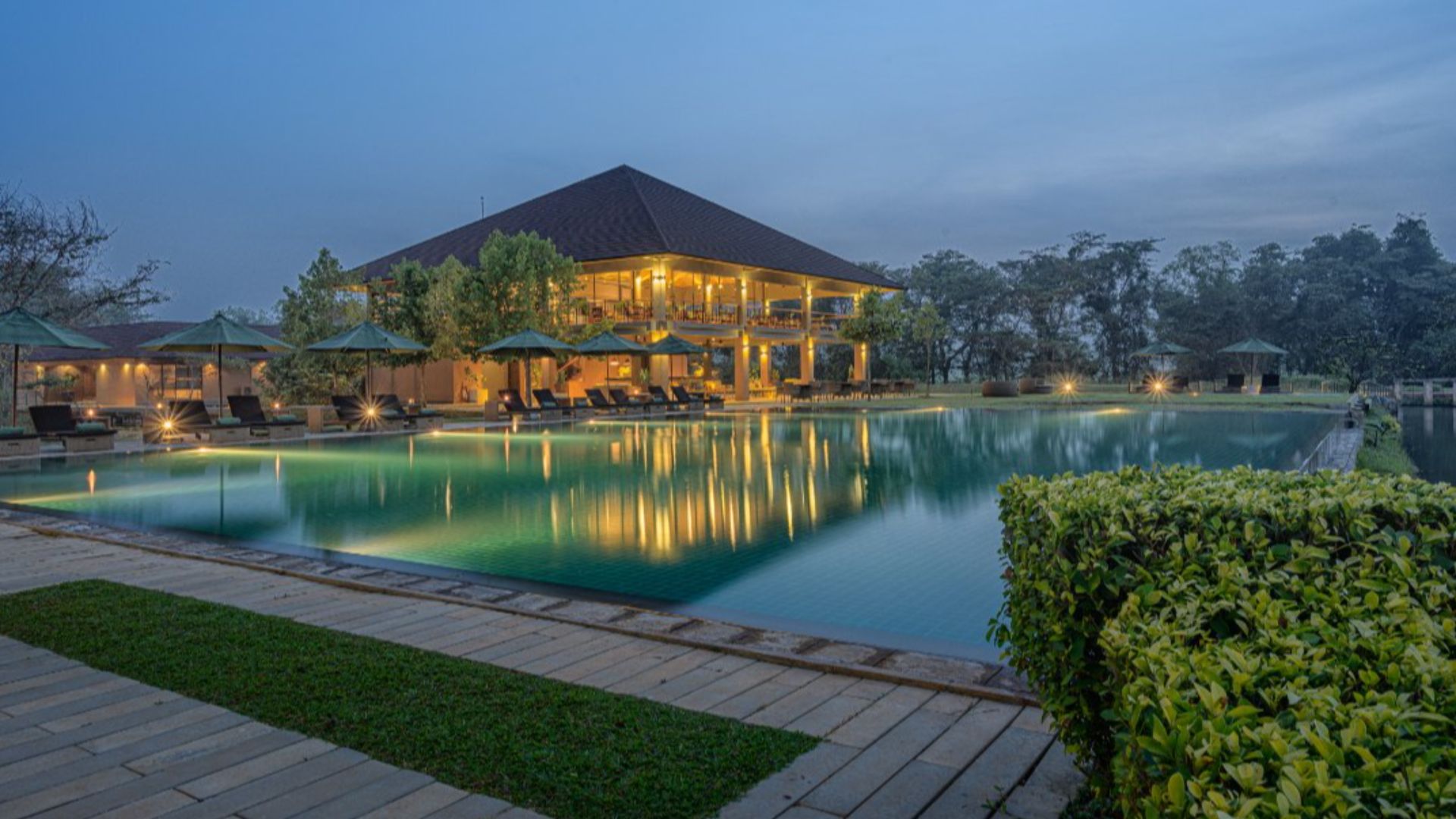
10. Garden Of Sigiriya: Sigiriya, Sri Lanka
Among South Asia's oldest landscaped gardens, these 5th-century water features demonstrate hydraulic engineering that still impresses modern experts. King Kashyapa built this complex system centuries before European formal gardens emerged, using advanced techniques to craft fountains, pools, and channels.
 Unknown authorUnknown author on Wikimedia
11. Summer Palace Gardens: Beijing, China
Kunming Lake and Longevity Hill form the heart of this Qing Dynasty masterpiece, constructed between 1750 and 1764 as an imperial retreat from Beijing's summer heat. The designers drew inspiration from Hangzhou's West Lake, recreating its scenic beauty on a grand scale.
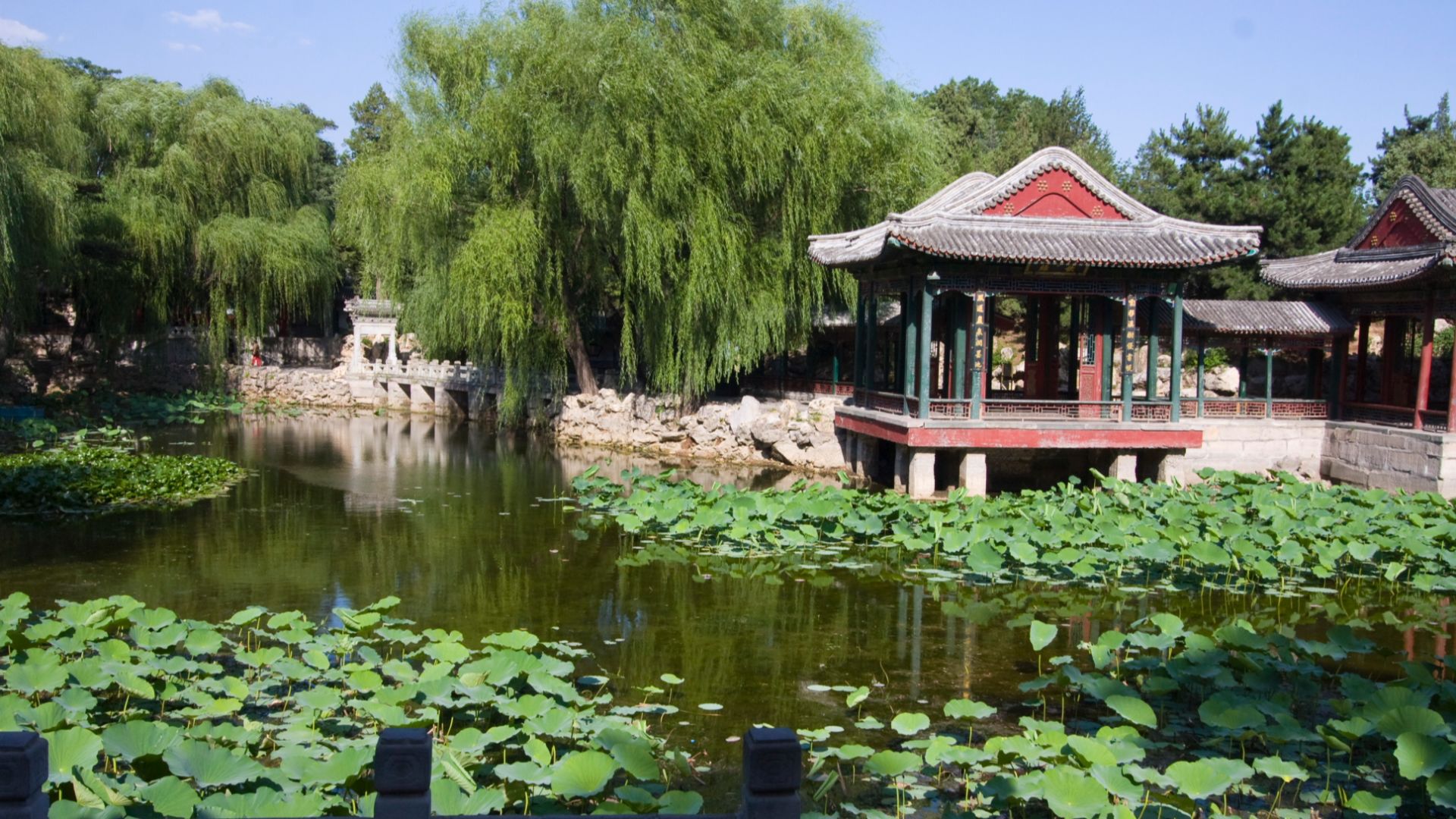 Bridget Coila from New Orleans, USA on Wikimedia
12. Rundāle Palace Gardens: Pilsrundāle, Latvia
Wartime damage left these magnificent grounds in ruins, requiring extensive 20th-century restoration to return them to their former glory and revive Rastrelli's original vision. The gardens showcase geometric precision characteristic of European baroque design, with clipped hedges and symmetrical parterres.
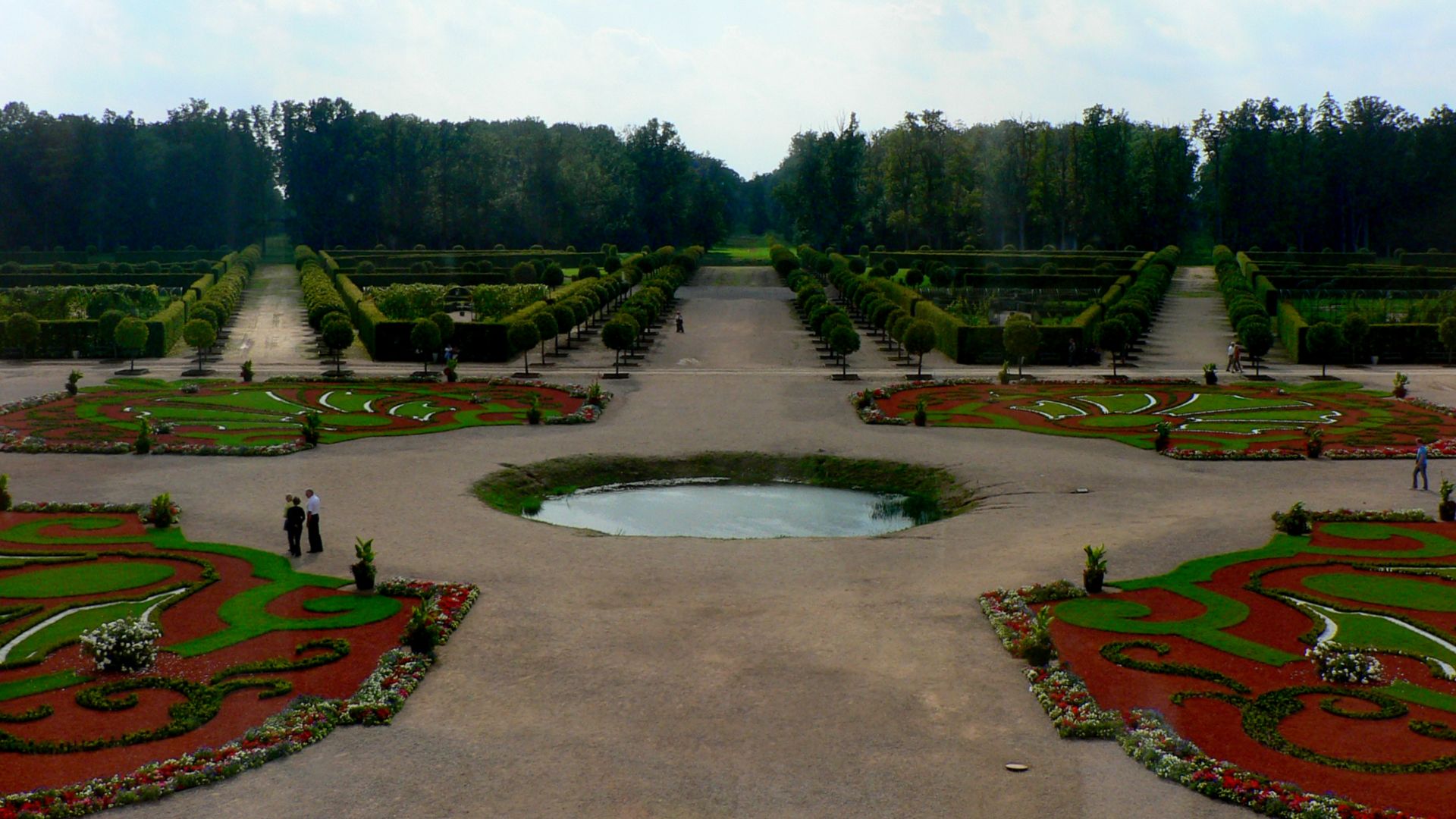
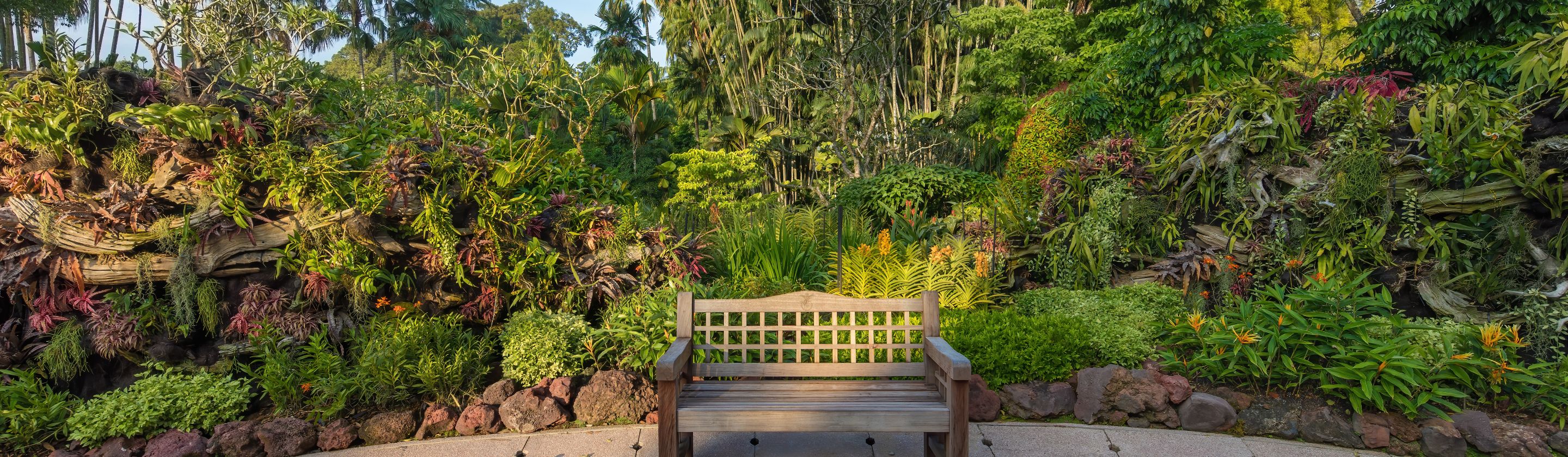
13. Singapore Botanic Gardens: Singapore
This 82-hectare tropical paradise, established in 1859, played an unexpected economic role in developing Singapore's rubber industry and forever changing the region's agricultural scenario. Located in central Singapore, the gardens evolved from a colonial botanical research station into a UNESCO World Heritage Site.
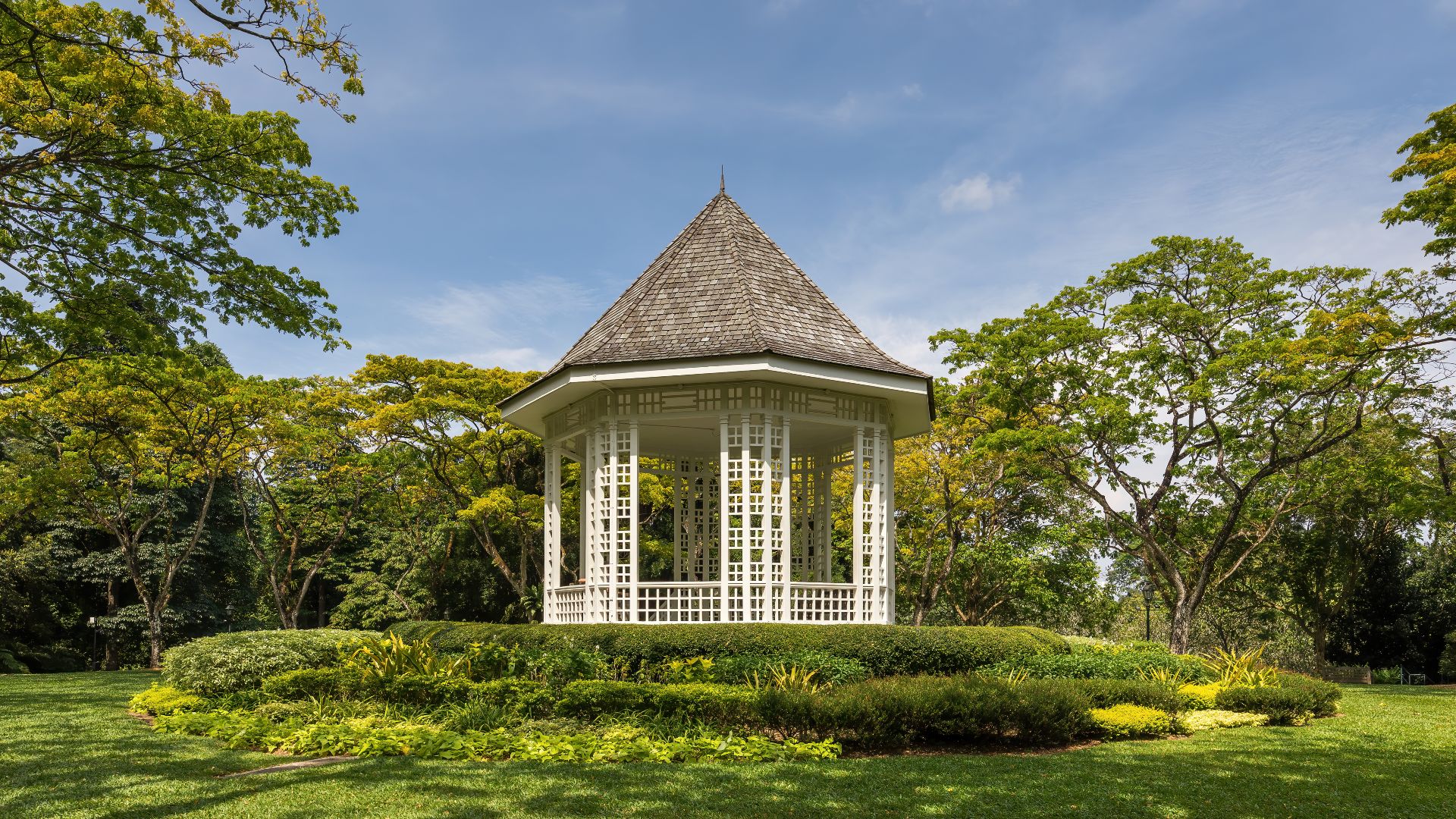
14. Ryoan-Ji Zen Garden: Kyoto, Japan
Fifteen stones arranged across raked gravel craft one of Zen Buddhism's most contemplative spaces, yet the garden's design ensures only fourteen stones are visible from any single viewpoint. It was founded in 1450 as a Zen temple affiliated with the Rinzai sect.
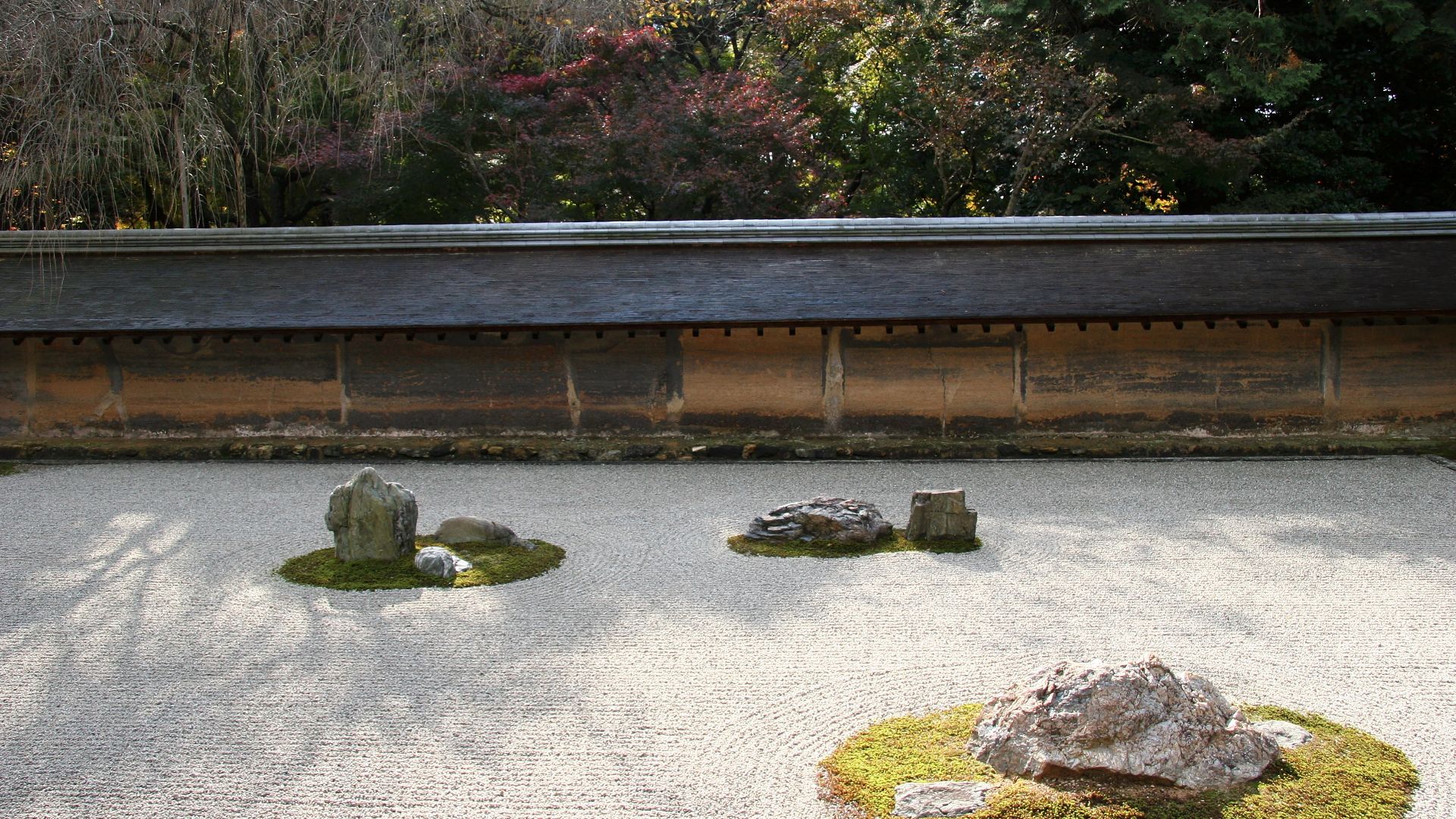
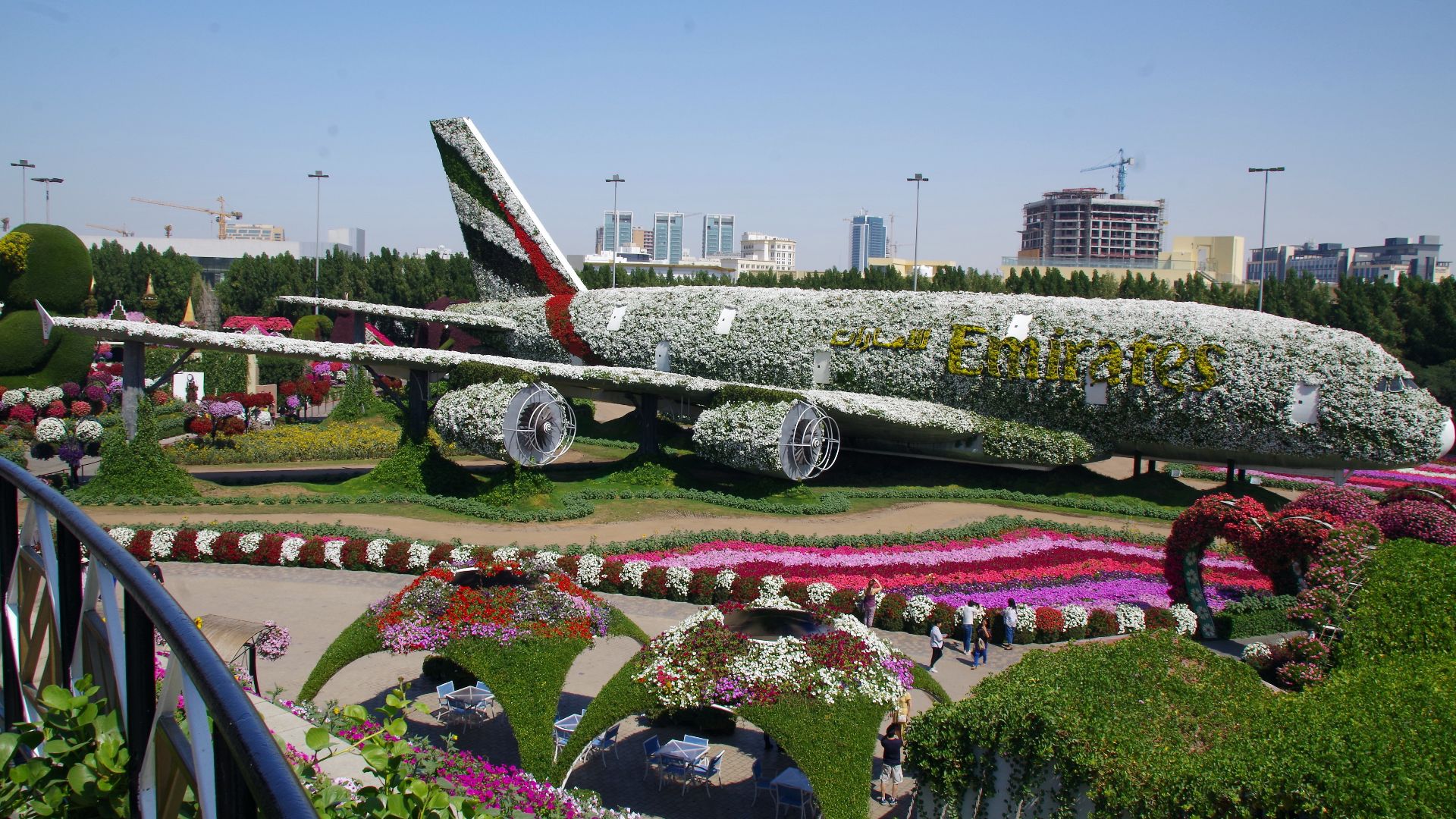
15. Dubai Miracle Garden: Dubai, UAE
Over 150 million flowers bloom across 72,000 square meters, making this 2013 creation the world's largest natural flower garden in one of Earth's most inhospitable climates. Advanced irrigation systems and climate control allow petunias and marigolds to thrive where only desert once existed.
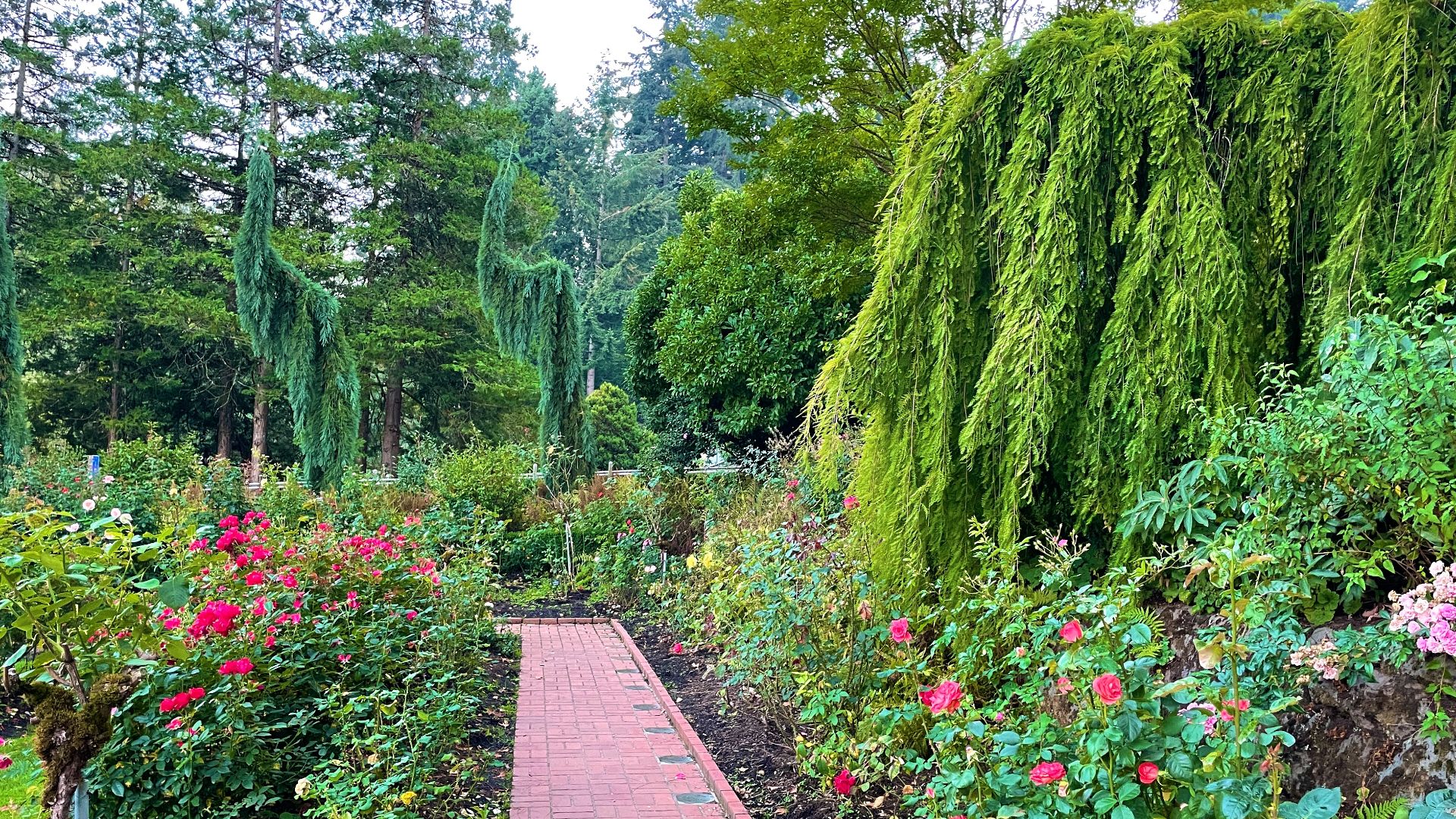
16. Portland International Rose Test Garden: Portland, Oregon, USA
World War I's outbreak in 1917 inspired this garden's creation as a safe haven for European rose varieties threatened by wartime destruction, establishing Portland's identity as the "City of Roses." Over 10,000 rose bushes now grow here.
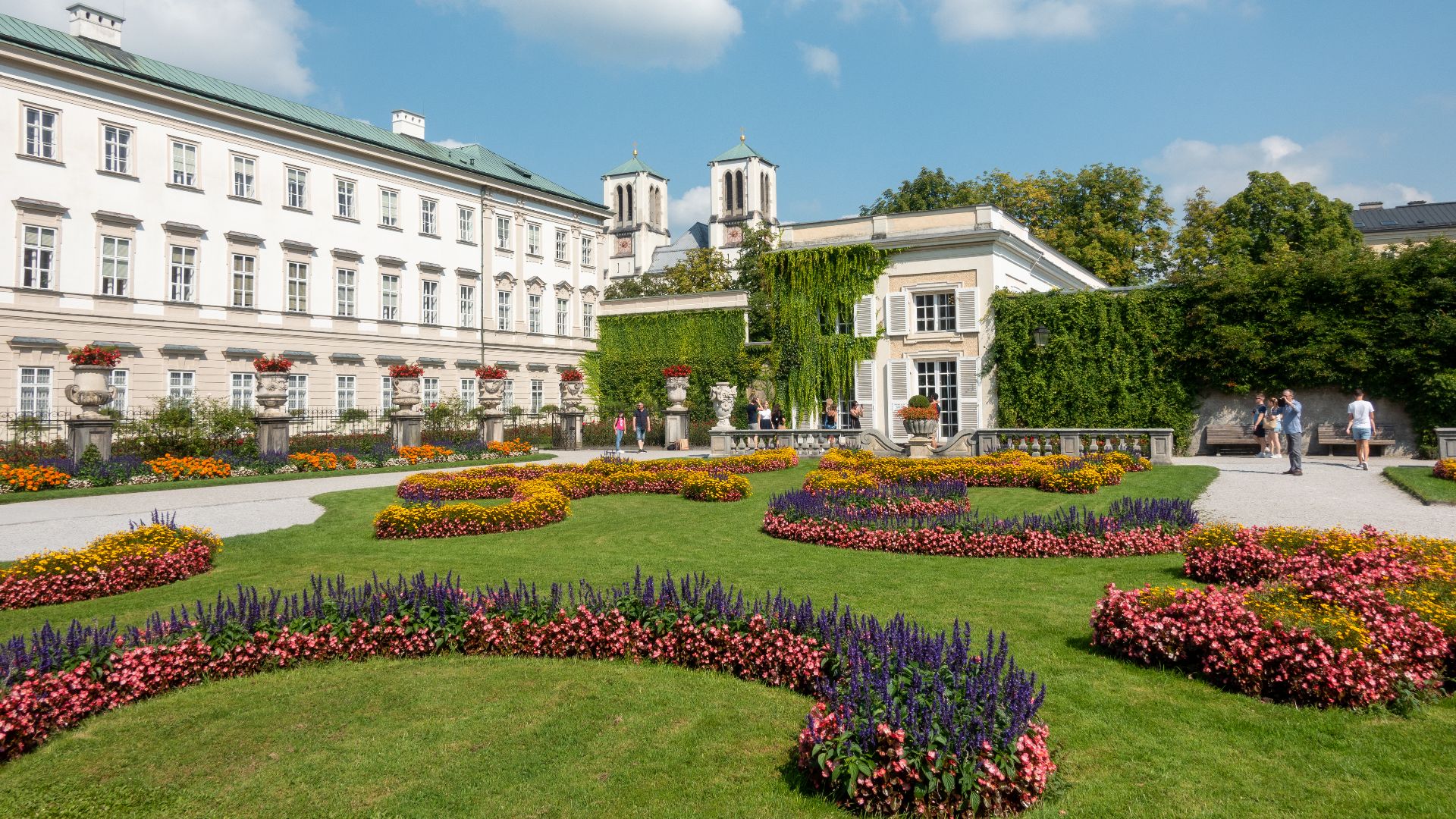
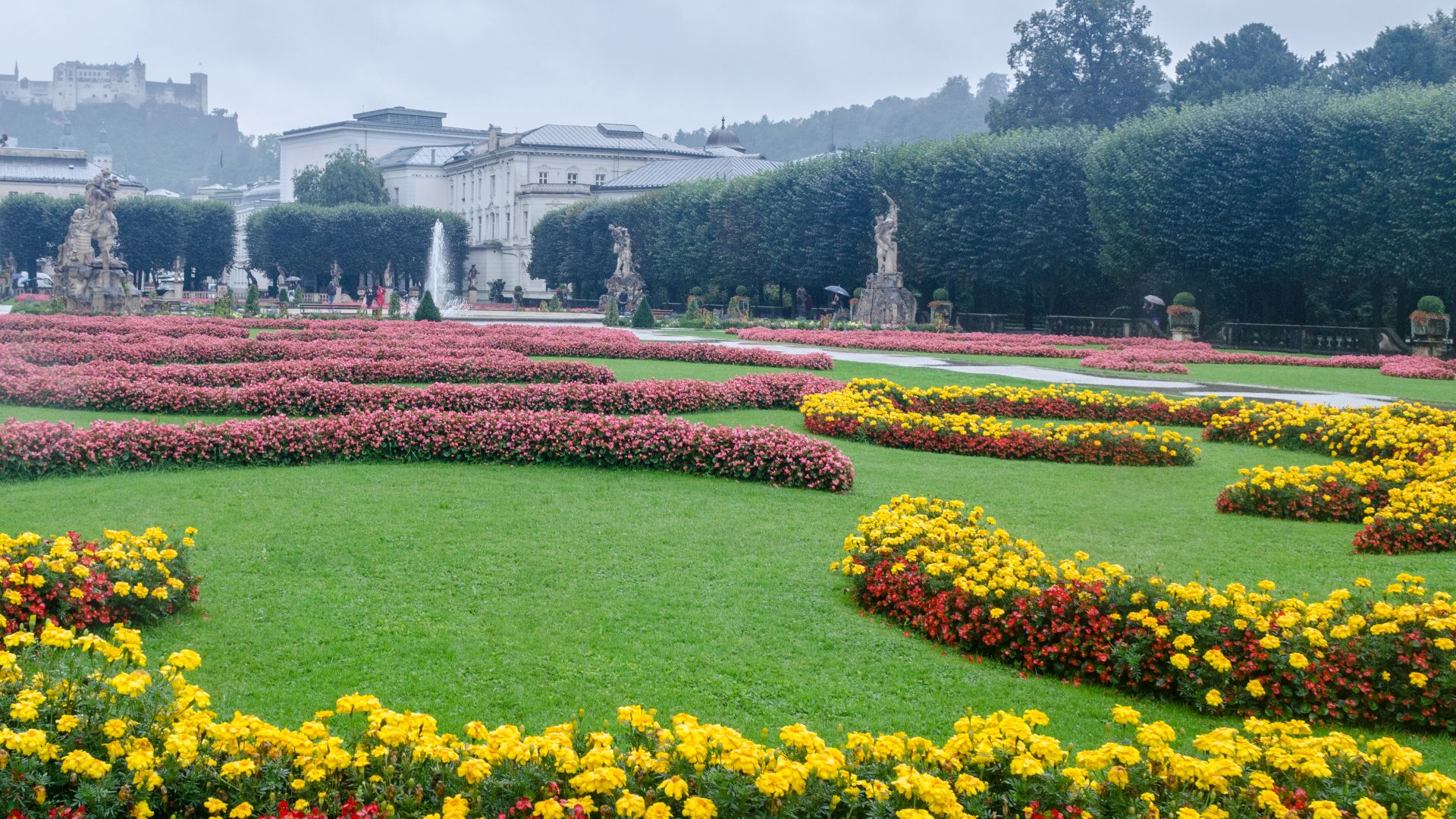
17. Mirabell Gardens: Salzburg, Austria
Mirabell gardens gained unexpected fame through cinema when The Sound of Music featured them during the iconic "Do-Re-Me" scene, forever linking the Austrian baroque layout with Hollywood musical magic. Carefully trimmed hedges create outdoor rooms that frame views of Salzburg's fortress.
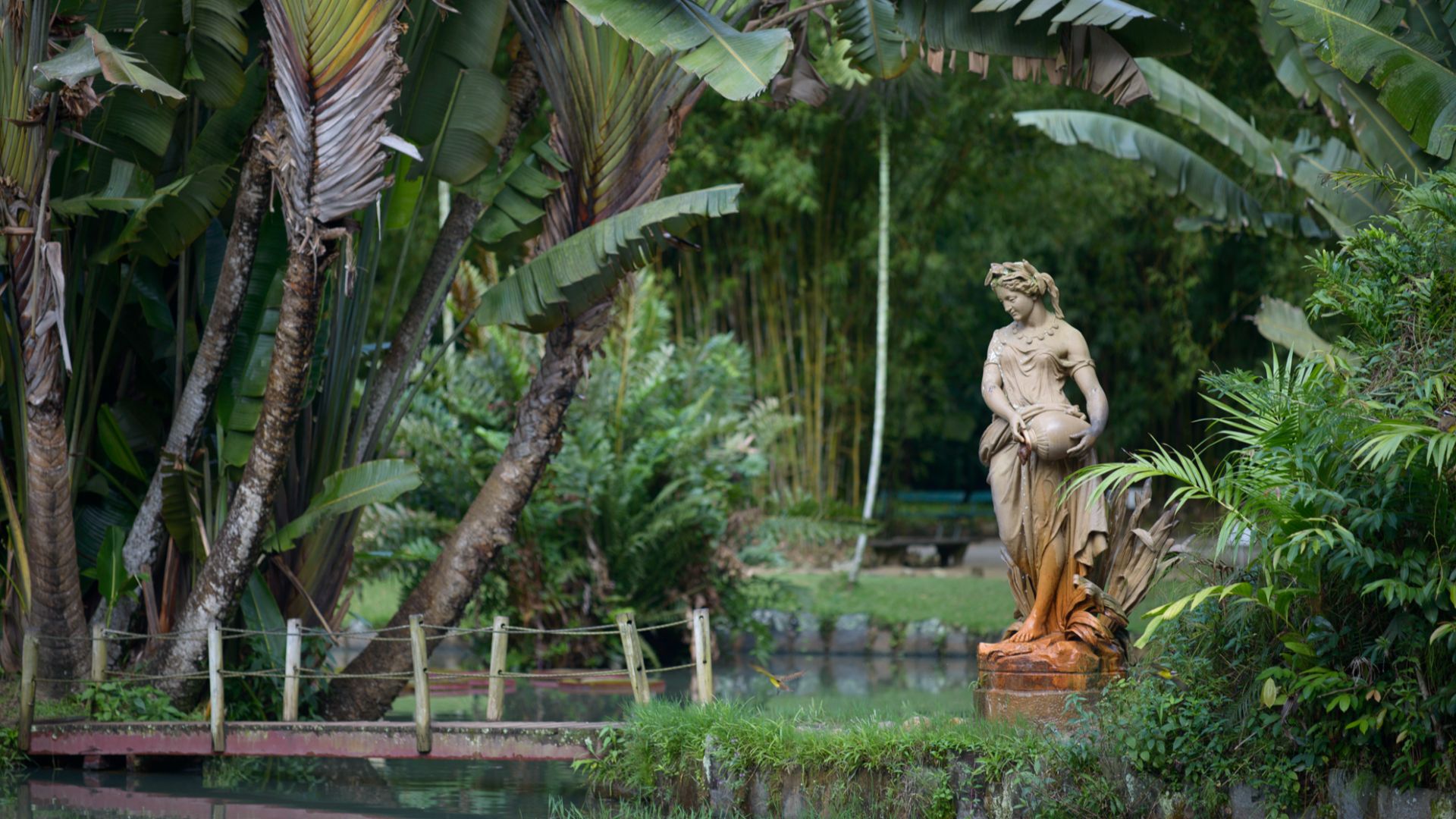
18. Jardim Botânico Do Rio De Janeiro: Rio De Janeiro, Brazil
King John VI of Portugal founded this botanical sanctuary in 1808, establishing historic avenues of royal palms that remain the garden's signature feature two centuries later. Covering 137 hectares, the gardens house over 6,500 plant species representing Brazilian biodiversity.
 Jimmy Baikovicius from Montevideo, Uruguay on Wikimedia
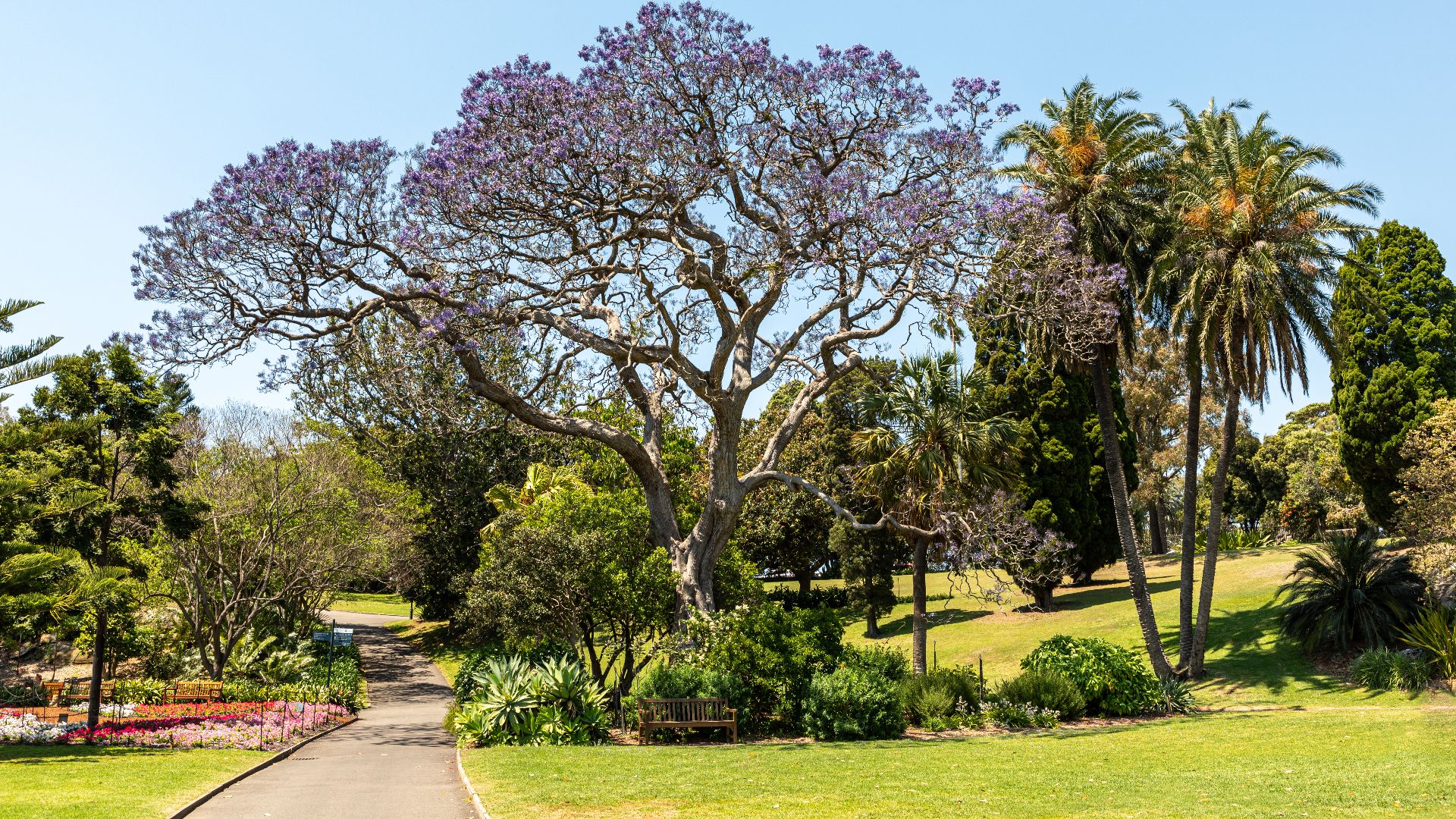
19. Royal Botanic Garden Sydney: Sydney, Australia
Australia's oldest botanic garden occupies 30 prime hectares along Sydney Harbour, established in 1816 when European settlers first attempted to cultivate plants in this unfamiliar continent. About 27,000 cultivated plants grow here, showcasing both native Australian species and international collections.
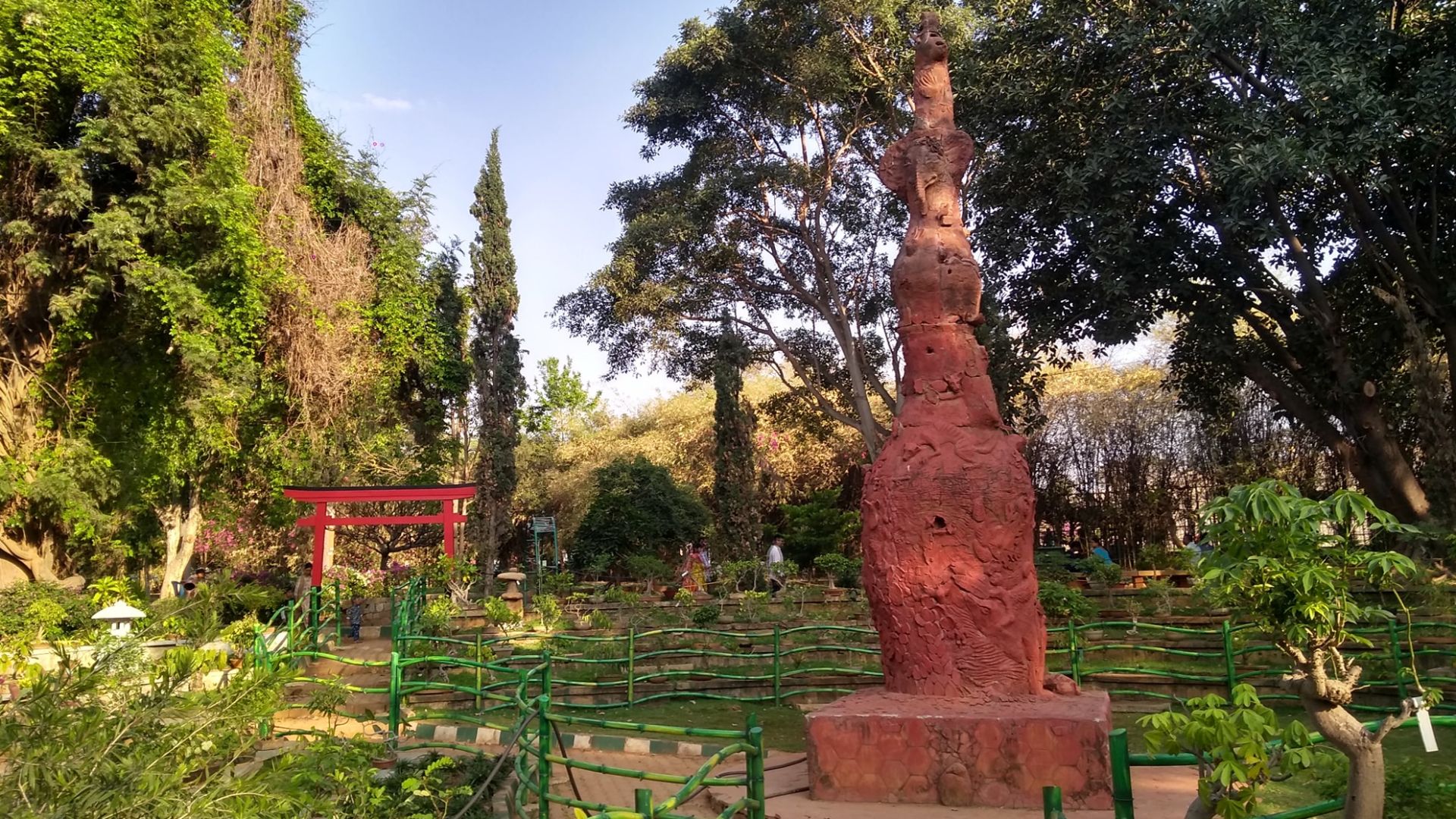
20. Lalbagh Botanical Garden: Bangalore, India
Hyder Ali, ruler of Mysore, founded this garden in 1760, creating a botanical legacy that his son Tipu Sultan would later expand into Bangalore's green jewel. The iconic Glass House draws inspiration from London's Crystal Palace, bringing Victorian architectural grandeur to tropical Indian settings.