Care, Precision, And Everyday Beauty
Japan has a reputation for elevating ordinary routines into something deliberate and quietly beautiful. This does not come from spectacle or excess, but from attention, repetition, and respect for materials and time. Many of these practices are documented, taught, and preserved through centuries-old traditions, while others show up in daily life without ceremony. Together, they reflect a culture that values process as much as outcome. The following twenty examples show how craft, care, and intention shape everything from food to walking down the street.
1. Tea Preparation
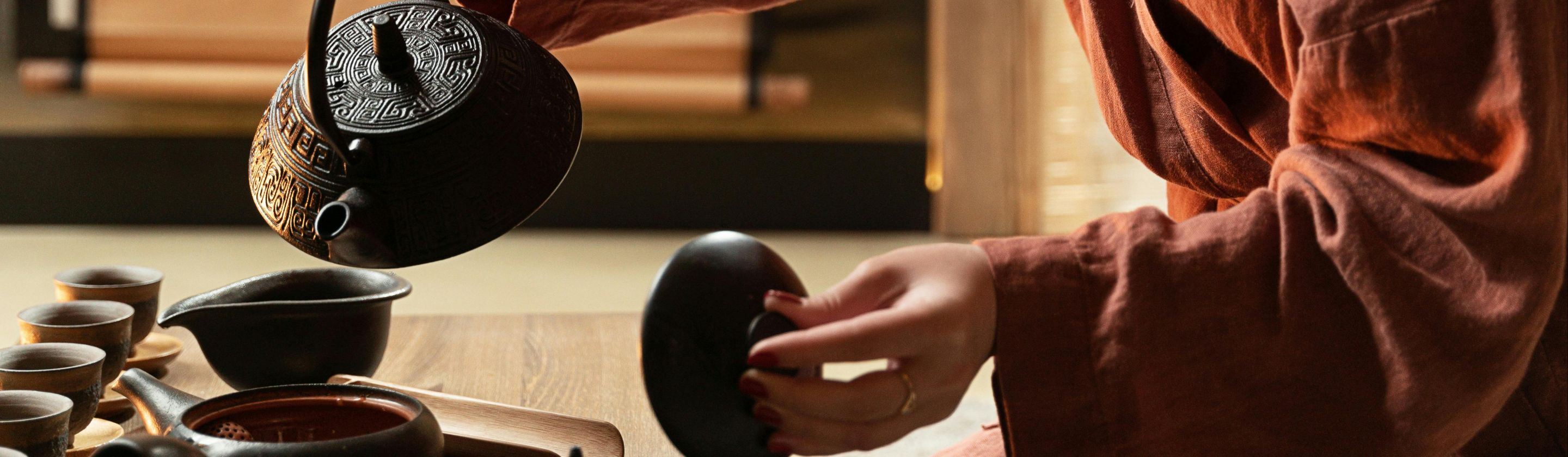
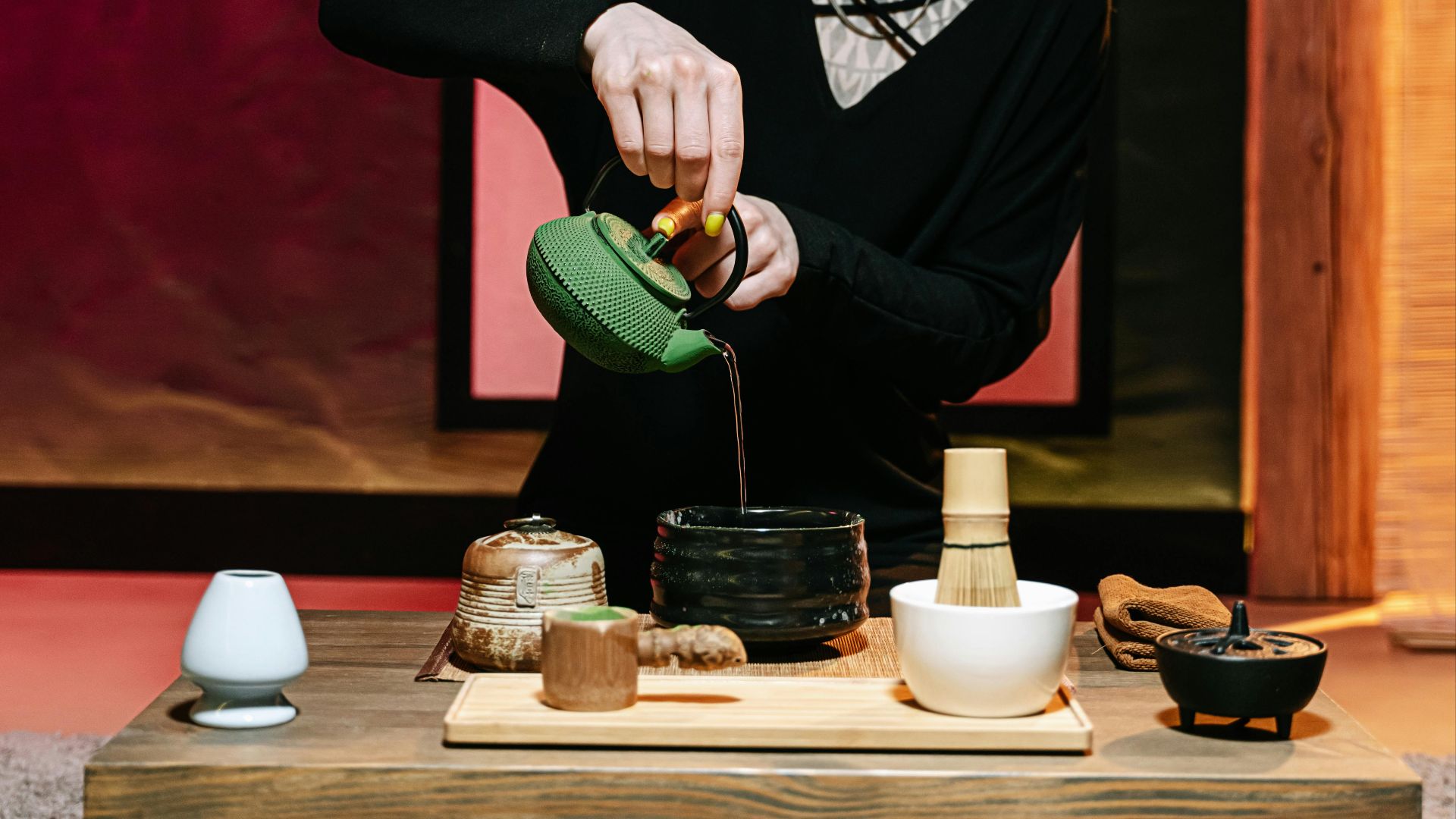
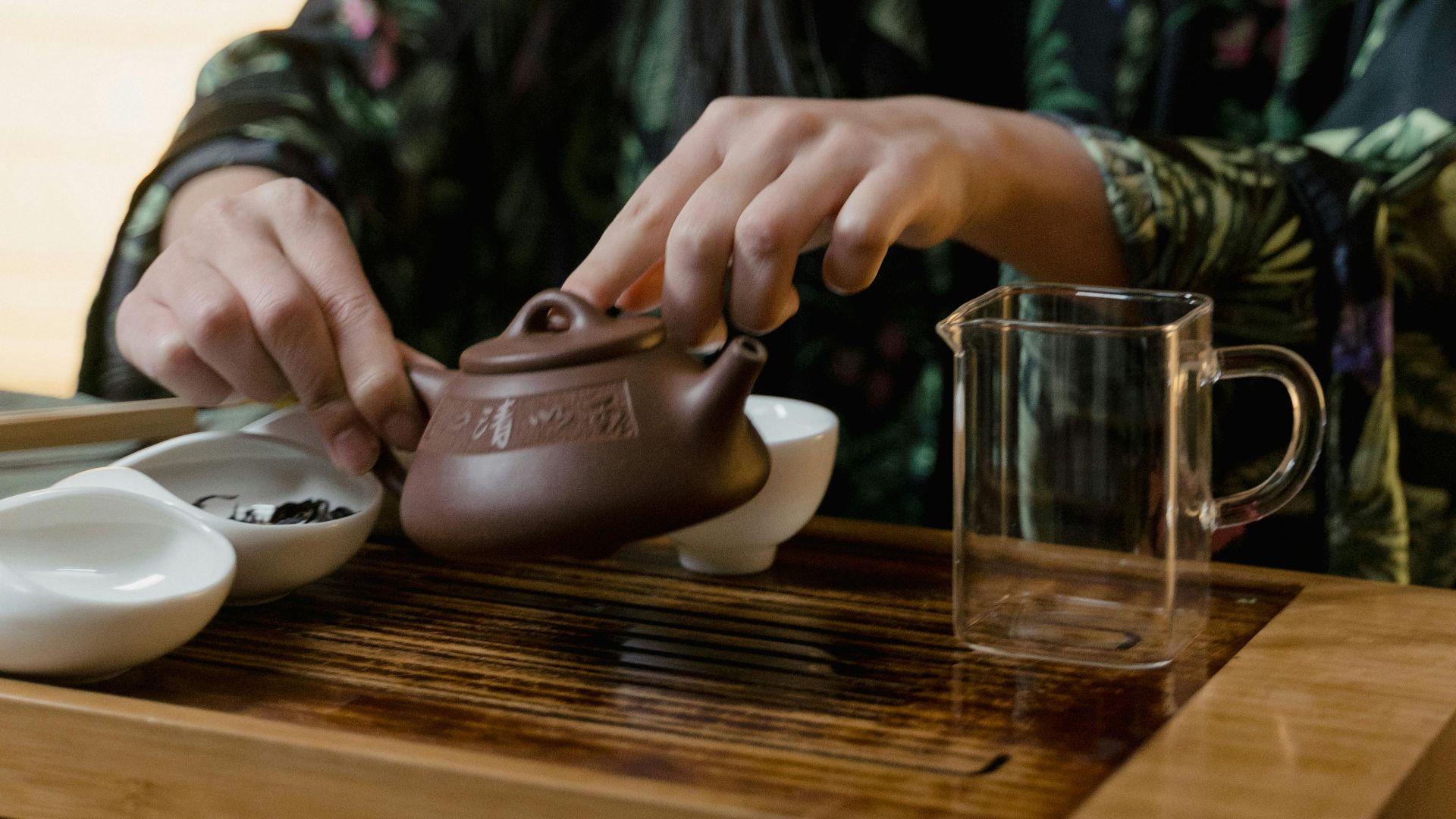
The Japanese tea ceremony, or chanoyu, is a codified practice with roots in Zen Buddhism. Every movement, from folding the cloth to placing the cup, is intentional. UNESCO recognized it as an Intangible Cultural Heritage for its cultural significance.
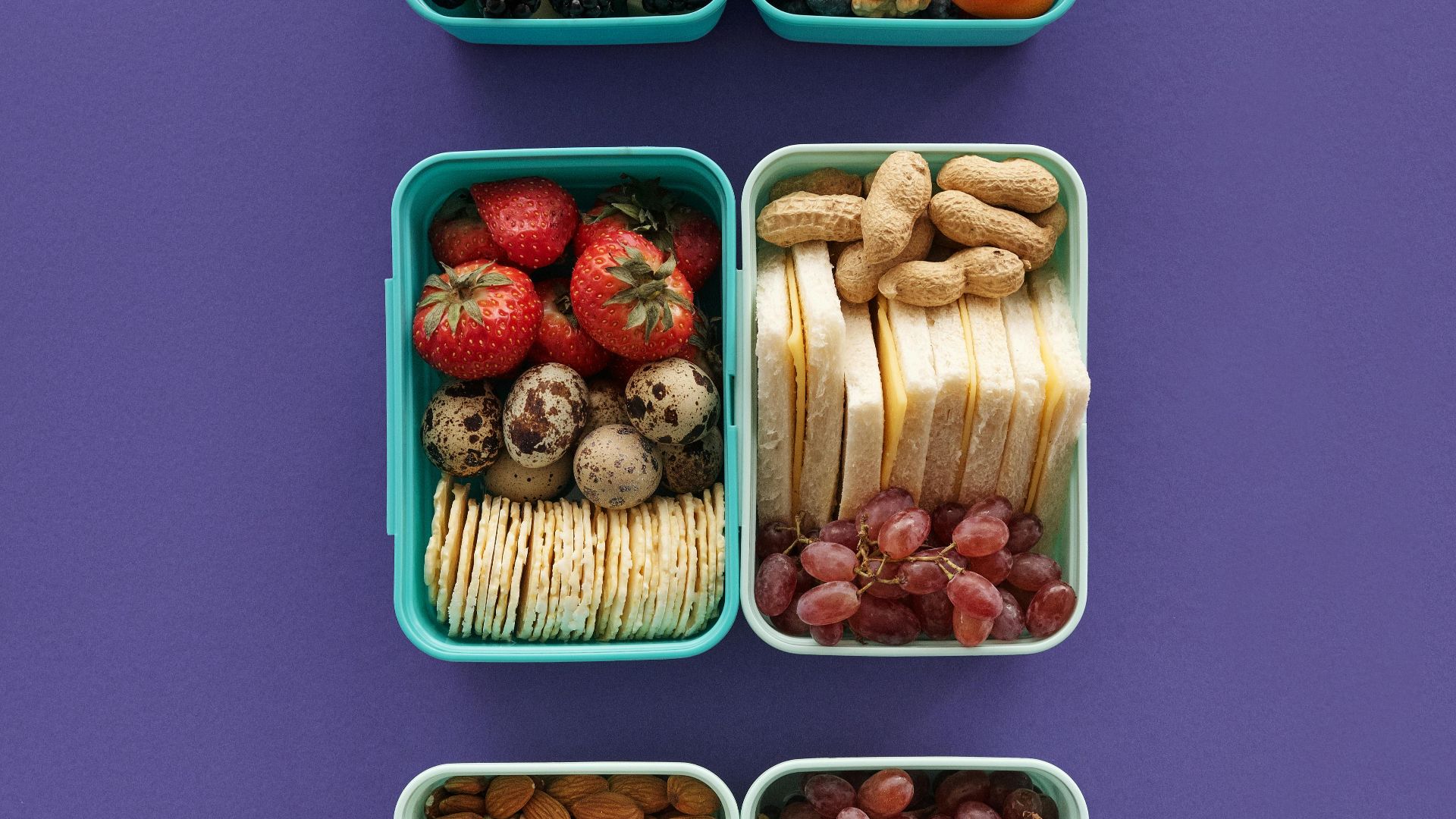
2. Bento Box Assembly
Bento boxes balance color, texture, nutrition, and portion size. Japanese nutrition guidelines emphasize visual variety alongside dietary balance. Even convenience-store bento often reflect this aesthetic discipline.
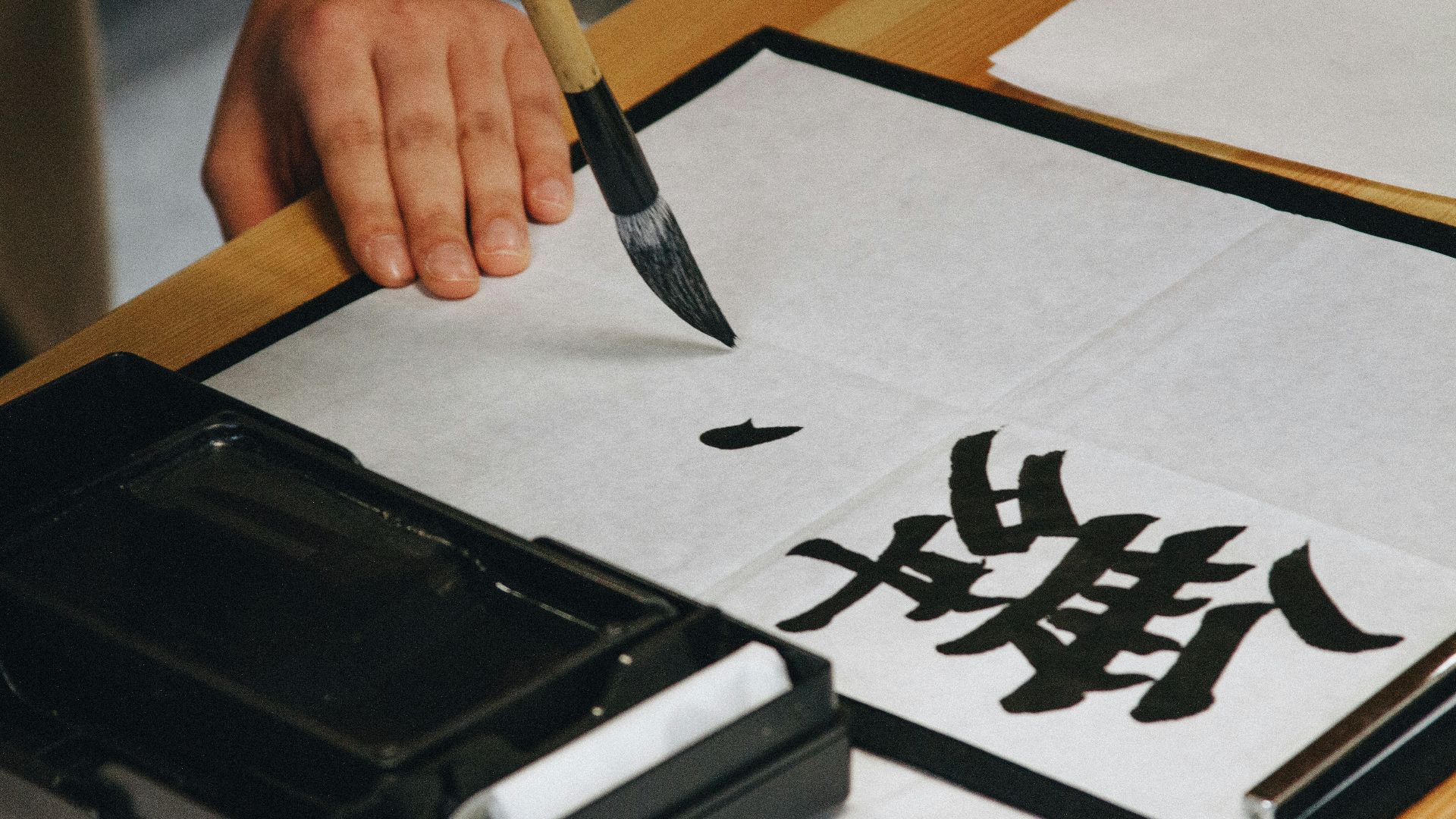
3. Calligraphy
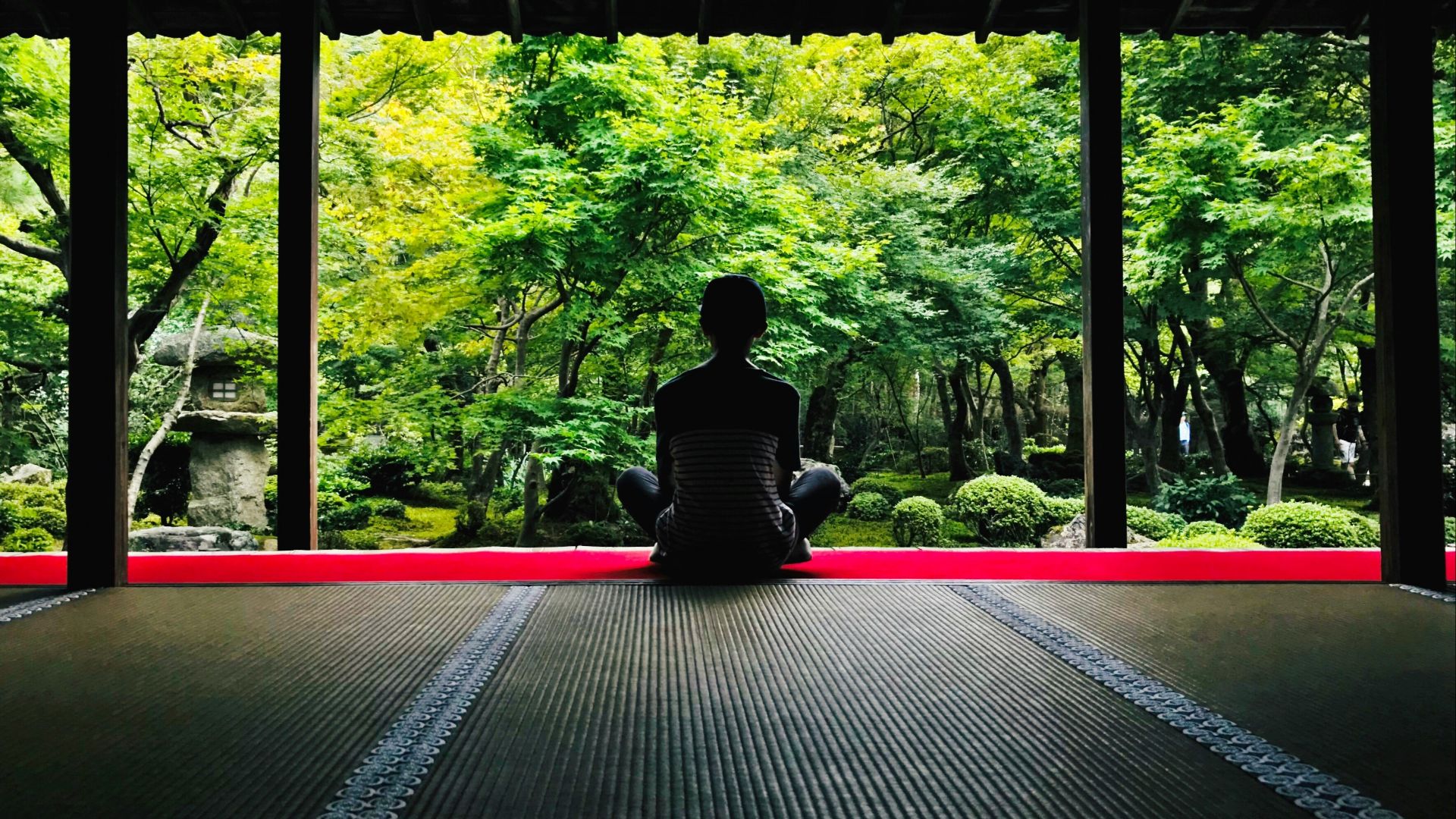
Shodo treats writing as a physical and spiritual act. Brush pressure, ink flow, and posture matter as much as the final characters. Schools still teach it as part of cultural education.
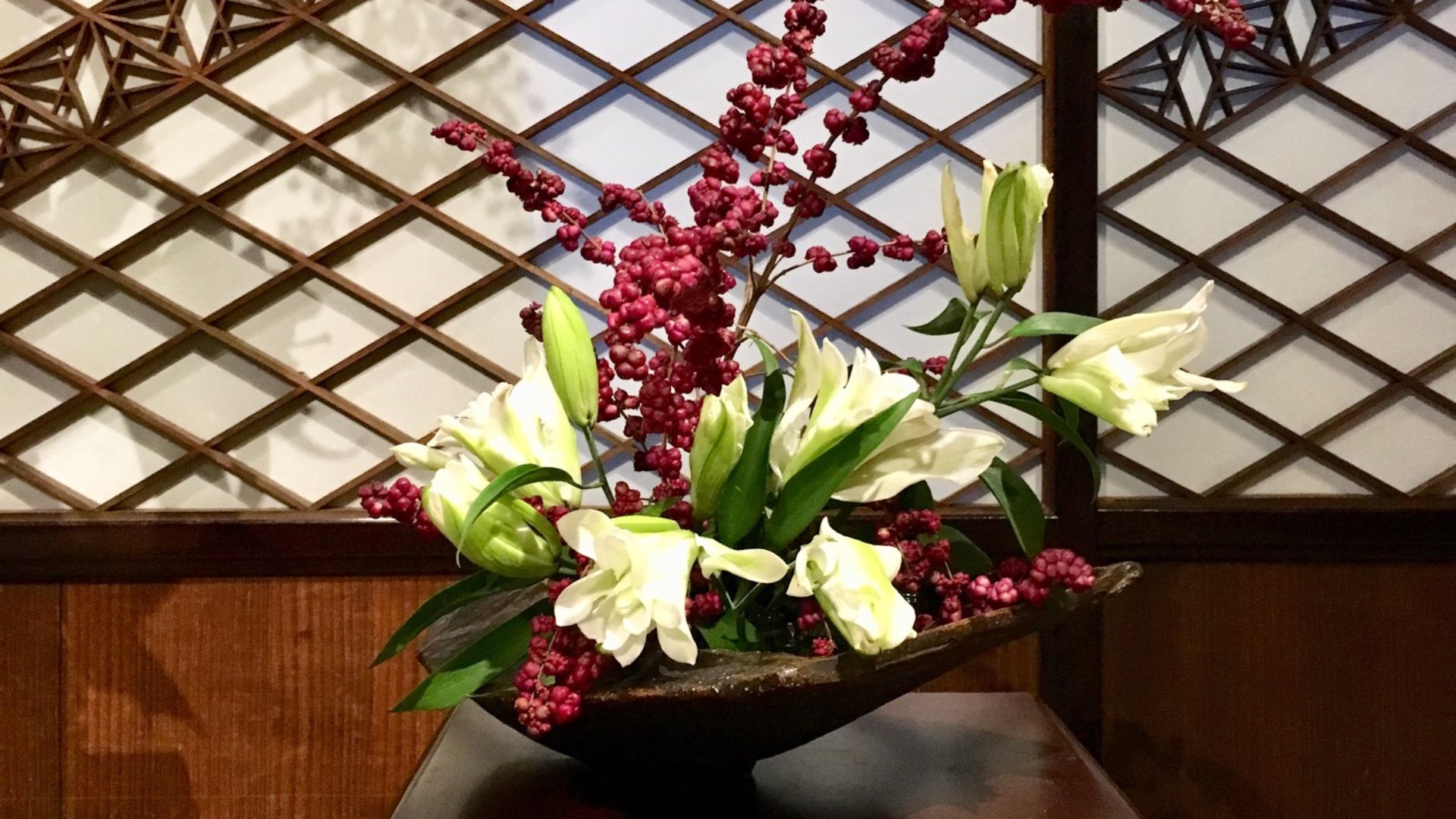
4. Flower Arrangement
Ikebana focuses on space, asymmetry, and seasonal awareness. Unlike Western floral design, empty space is considered part of the composition. Formal schools date back hundreds of years.
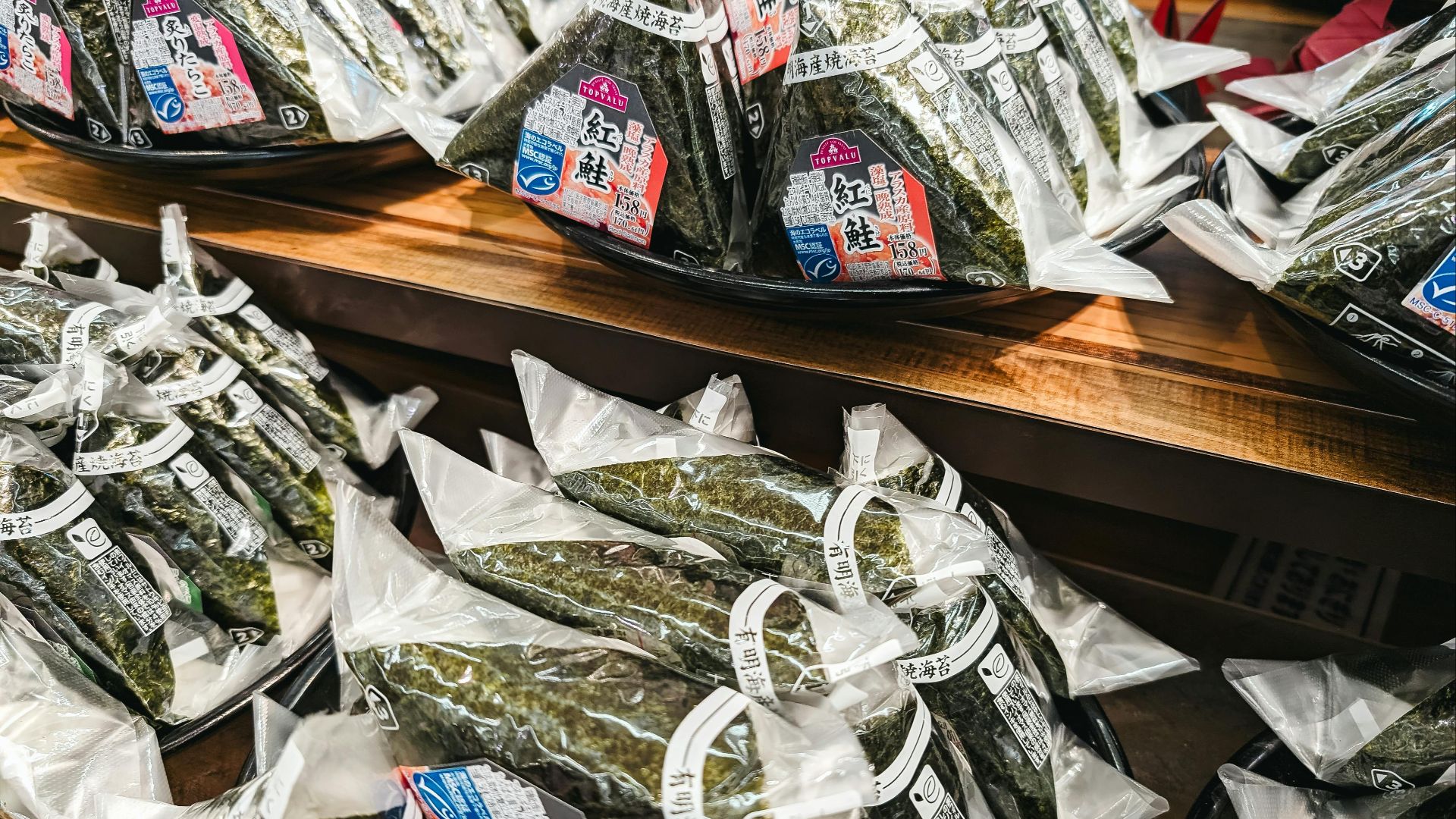
5. Food Packaging
Japanese packaging often prioritizes presentation and protection equally. Studies in retail design note Japan’s emphasis on individual wrapping for freshness and respect. Even simple sweets arrive carefully boxed.
6. Knife Making
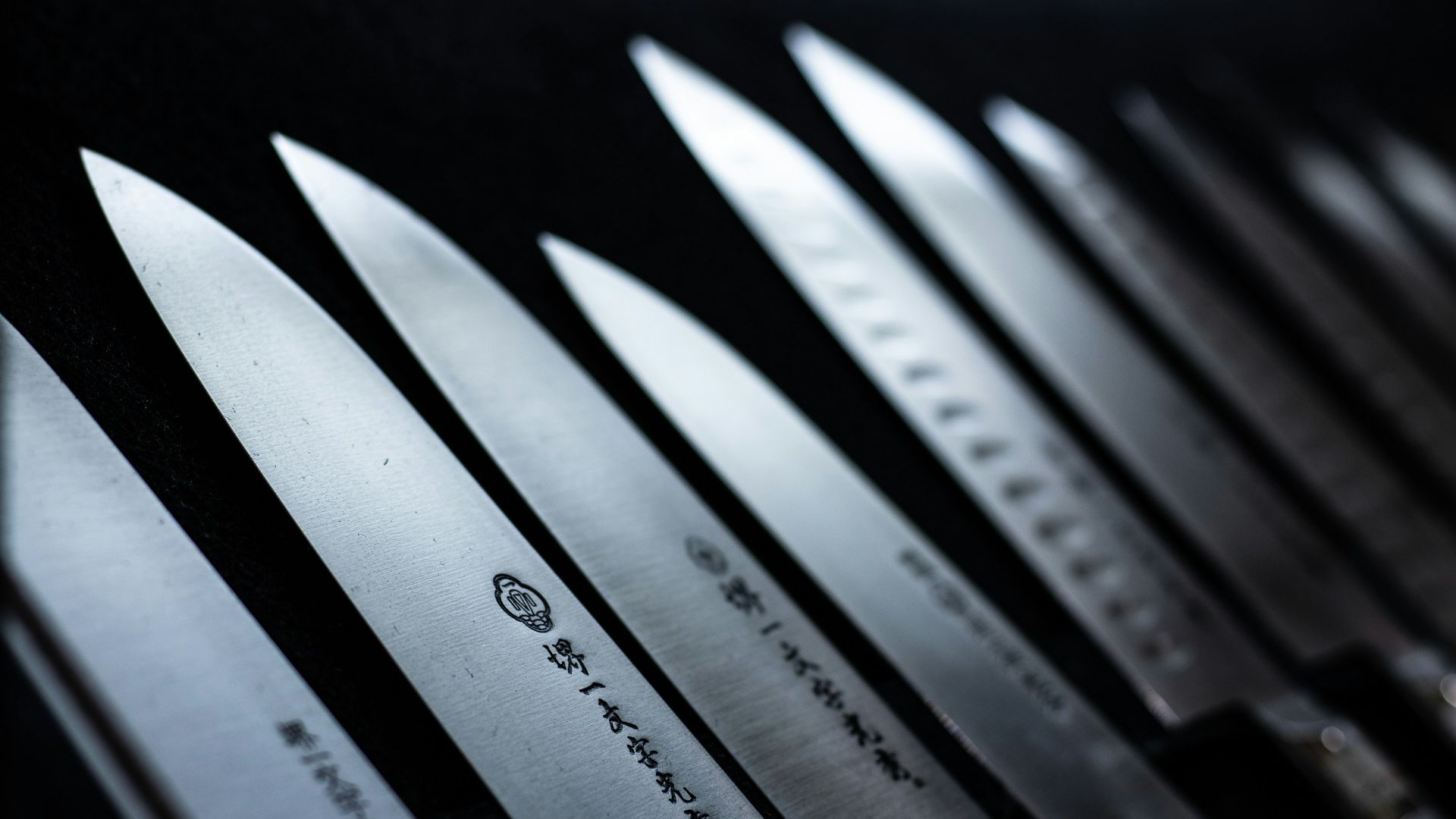
Traditional Japanese knives are forged using techniques adapted from samurai swordsmithing. Regions like Sakai remain internationally respected for blade craftsmanship. Professional chefs often treat their knives as lifelong tools.
7. Public Transit Etiquette
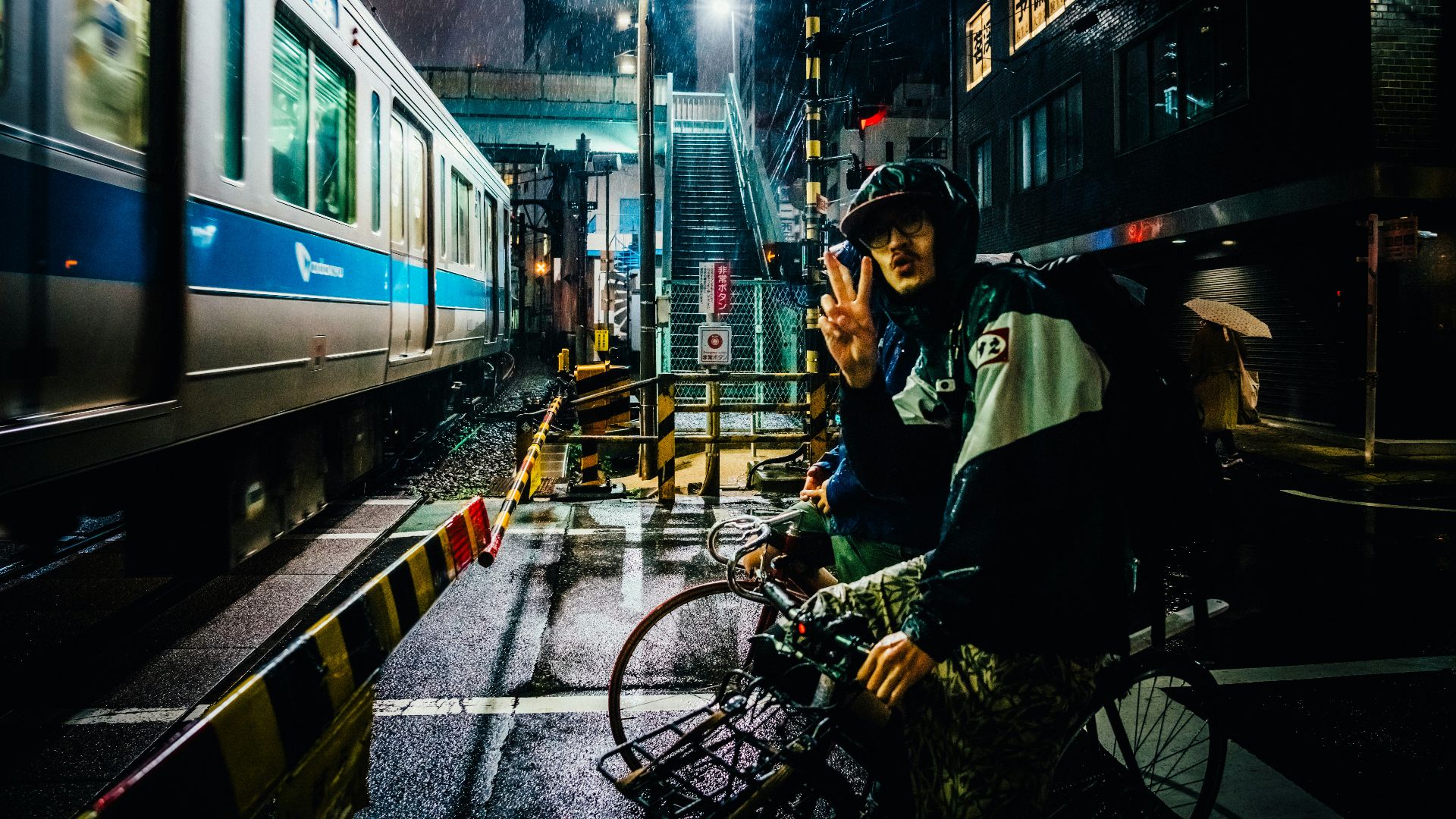
Train boarding lines, quiet cars, and synchronized platform behavior reflect collective choreography. Tokyo Metro publishes detailed etiquette guides for riders. The result feels rehearsed, even during rush hour.
 Victoriano Izquierdo on Unsplash
8. Gift Wrapping
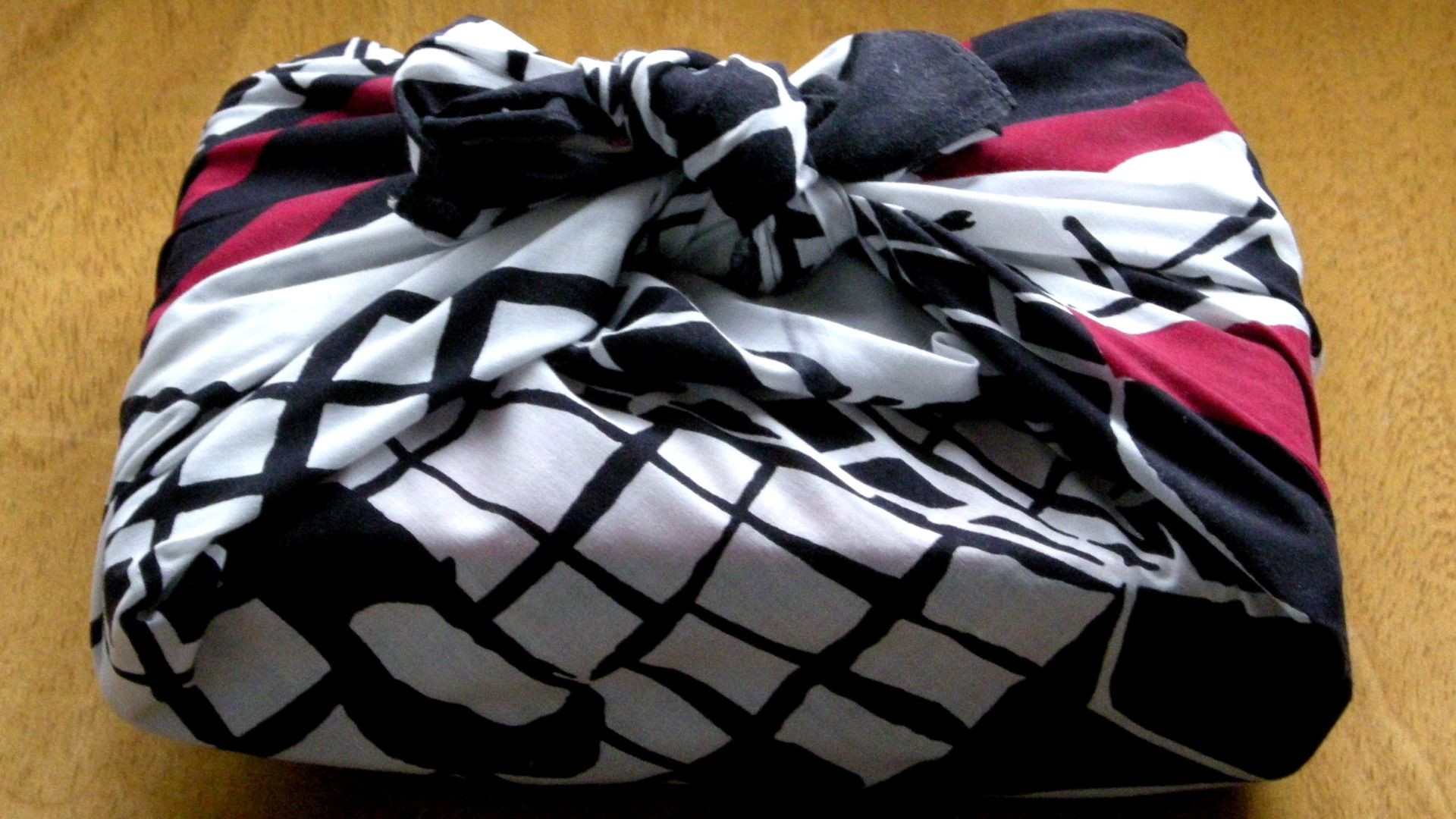
Wrapping is considered part of the gift itself. The practice of furoshiki uses cloth instead of paper, dating back to the Edo period. How something is given communicates intention and respect.
 Friedensreich Hundertwasser (design), uploader (photograph). on Wikimedia
9. Stationery Design
Japanese notebooks, pens, and planners are designed for tactile pleasure and precision. Brands like Midori and Pilot focus on paper quality and ink flow. Stationery shops feel closer to galleries than stores.
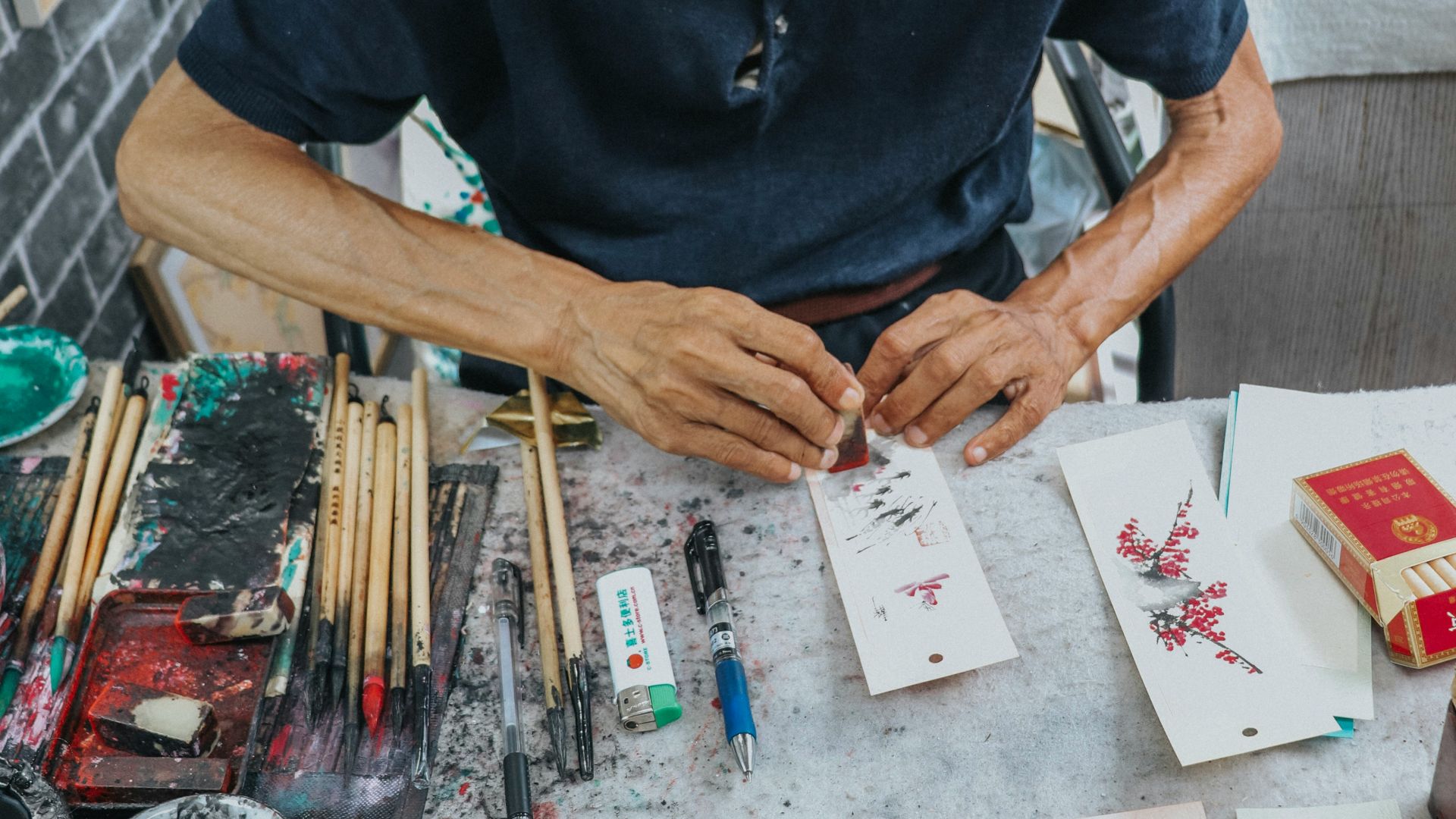
10. Craftsmanship As Identity
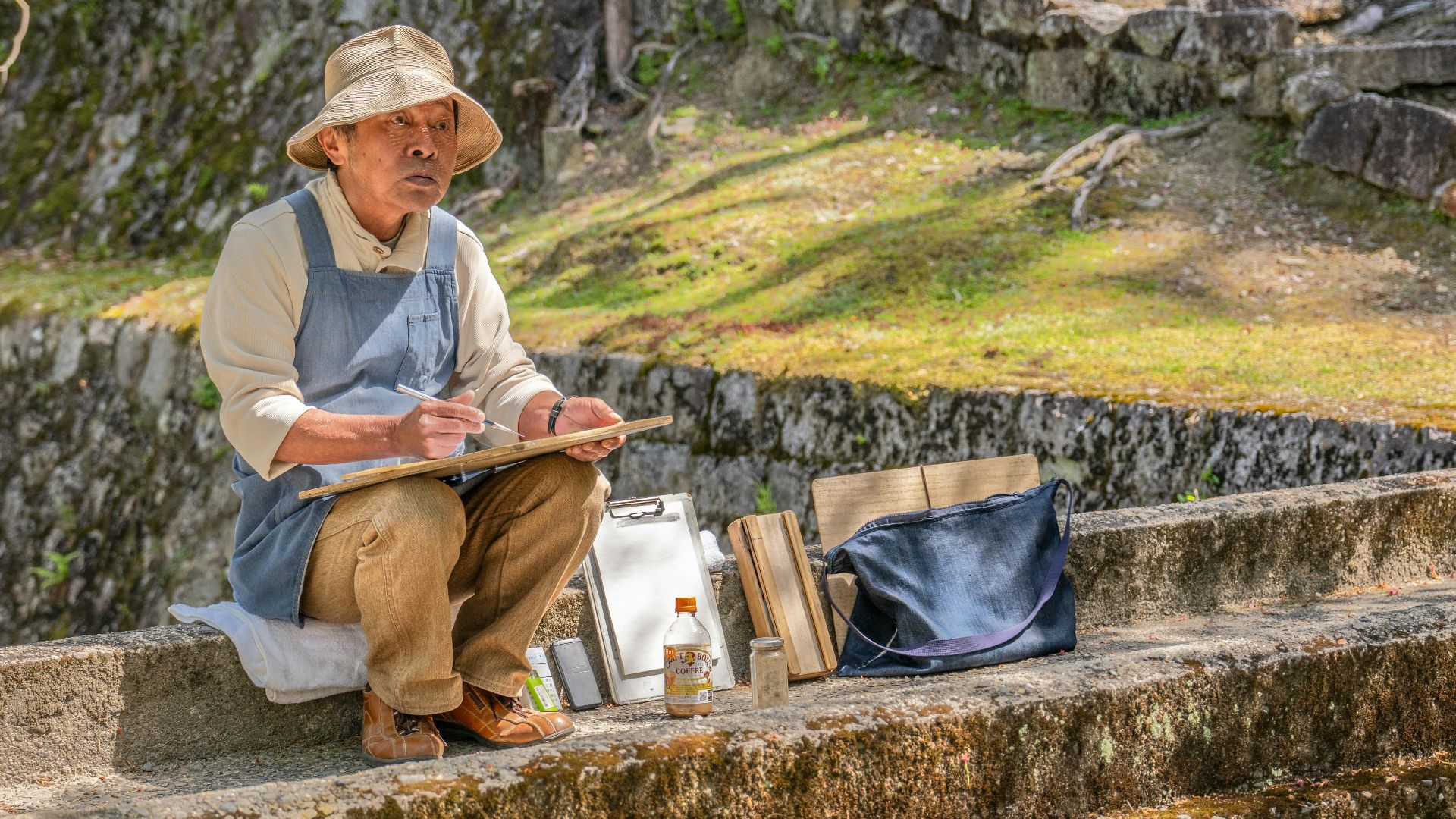
The concept of shokunin describes a craftsman devoted to continuous improvement. This applies to potters, chefs, carpenters, and even cleaners. Japanese government programs formally recognize master artisans as Living National Treasures.
 Victoria Laroche Creux on Unsplash
11. Cleaning As Ritual
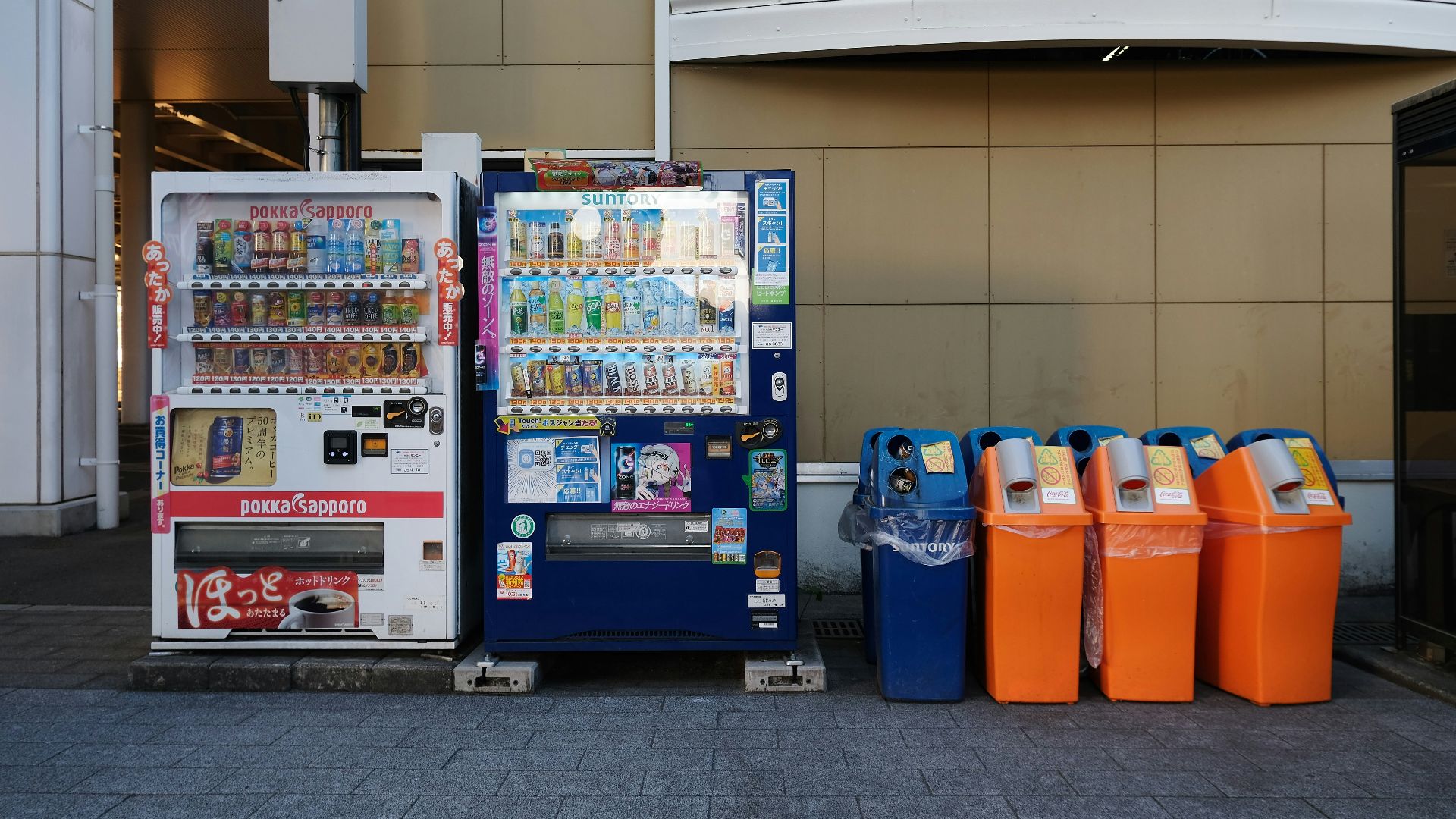
Students clean their own classrooms in Japanese schools. This practice is documented by the Ministry of Education as part of moral education. Cleaning becomes shared responsibility rather than punishment.
12. Seasonal Awareness
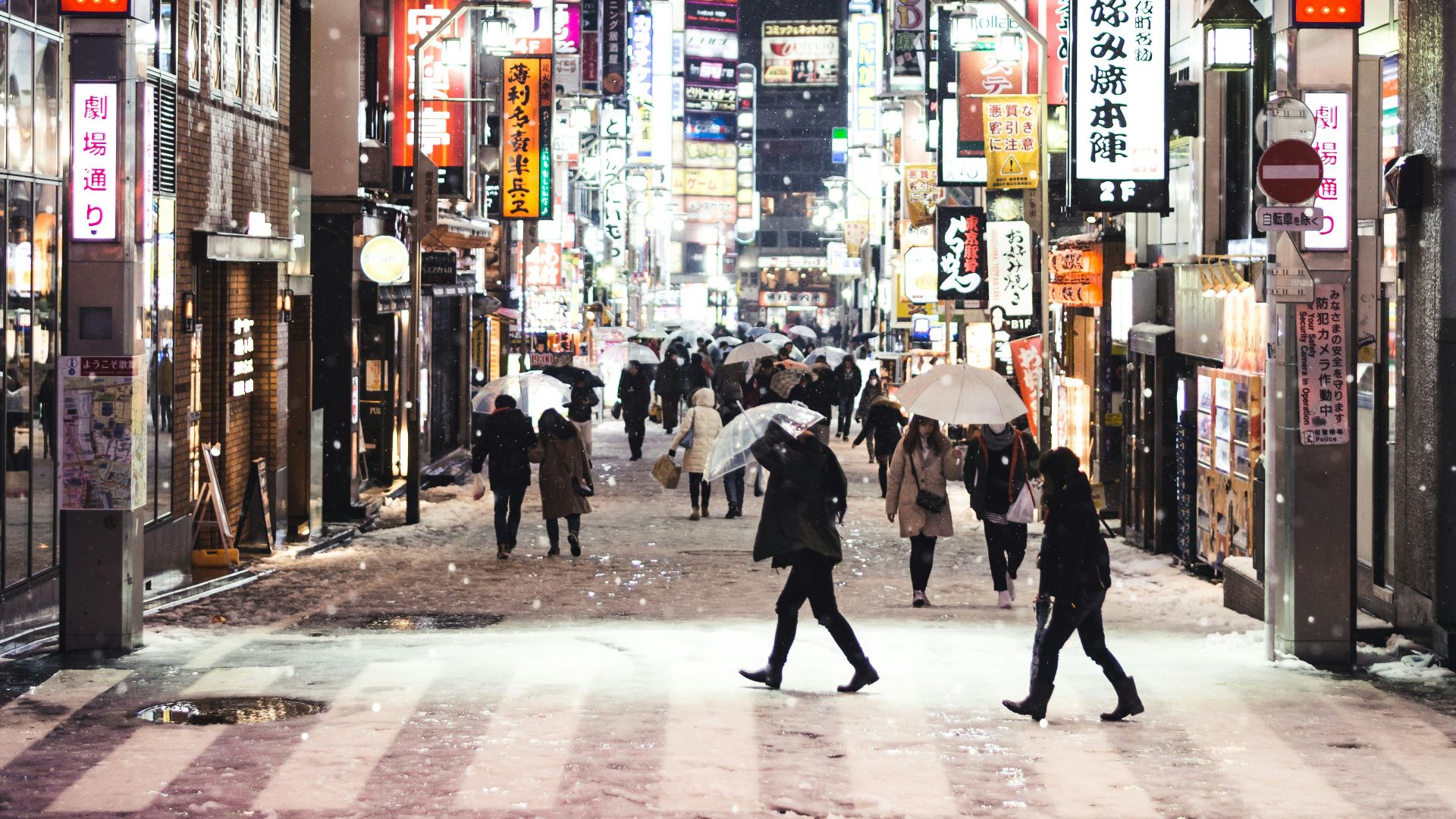
Seasonality shapes menus, clothing, and language. The Japanese calendar traditionally divides the year into 72 micro-seasons. This attentiveness shows up in poetry, food, and festivals.
13. Train Station Melodies
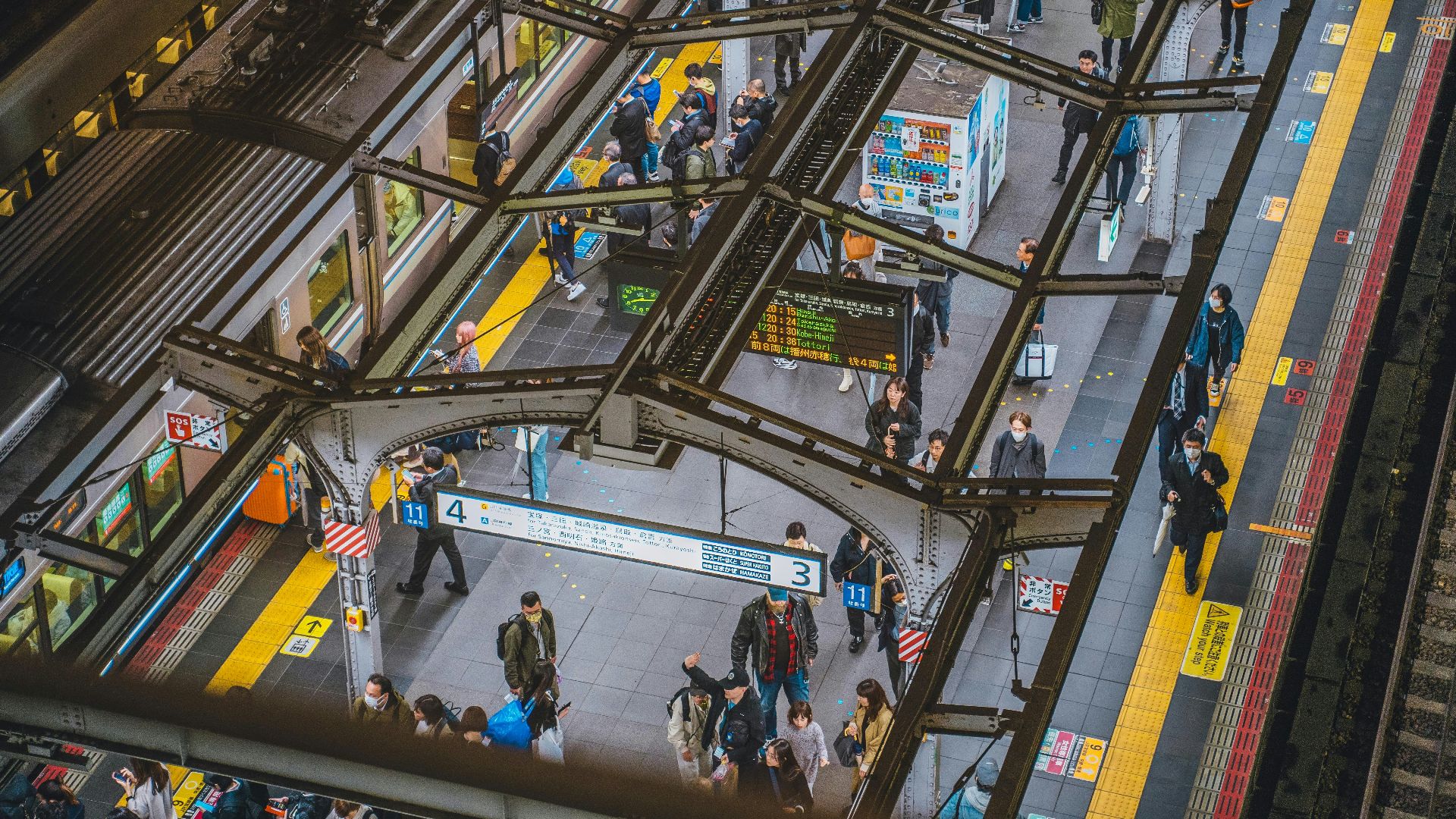
Many stations play unique departure jingles. Railway operators introduced them to reduce stress and improve flow. Over time, they became part of local identity.
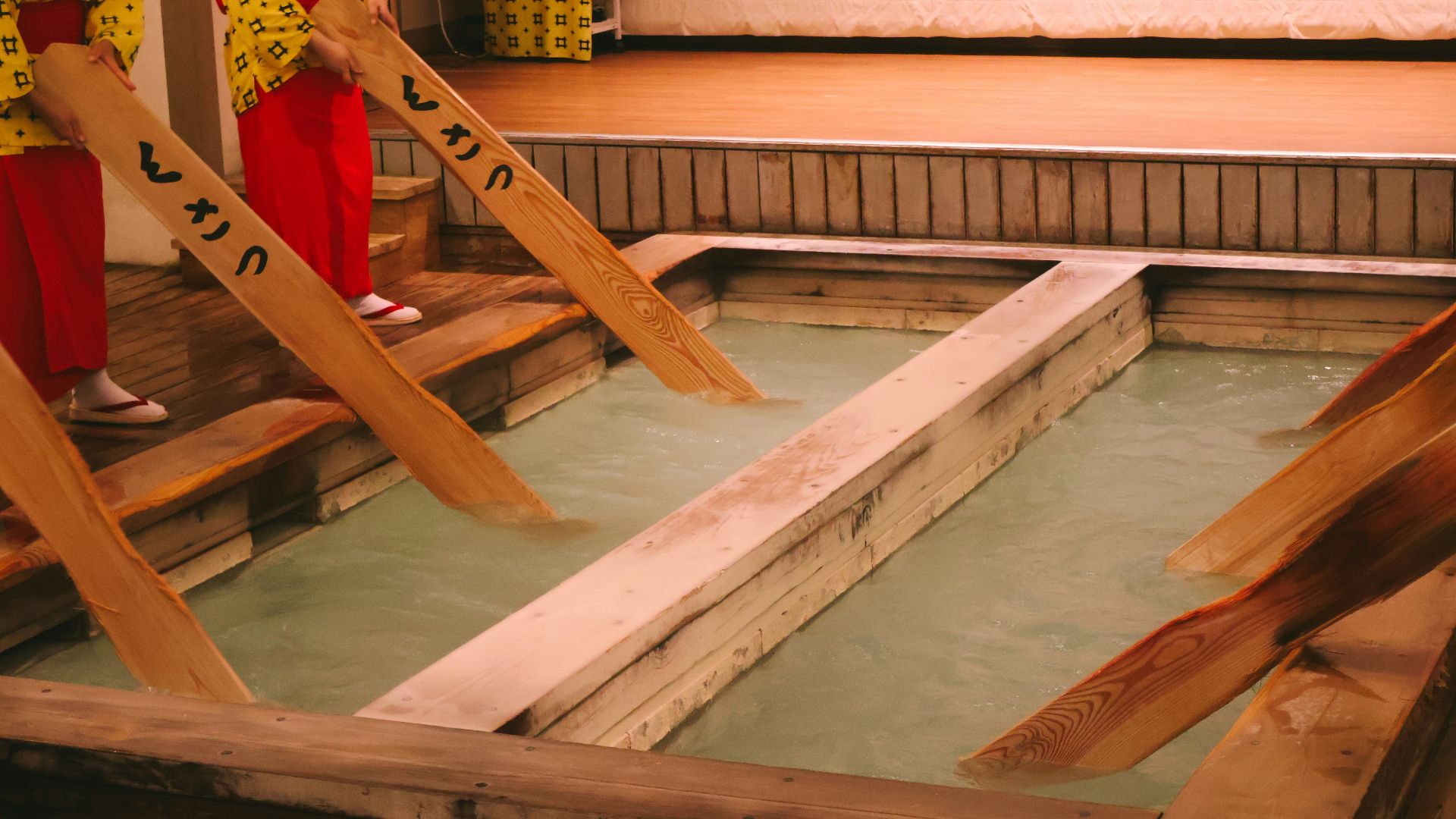
14. Bathing Culture
The onsen tradition treats bathing as restoration rather than hygiene alone. Etiquette emphasizes washing before entering communal baths. Many hot springs are regulated and protected as cultural sites.
15. Architecture Of Small Spaces
Japanese architects are known for maximizing tiny footprints. Urban housing research often cites Japan as a leader in compact design. Light, proportion, and flow receive careful consideration.
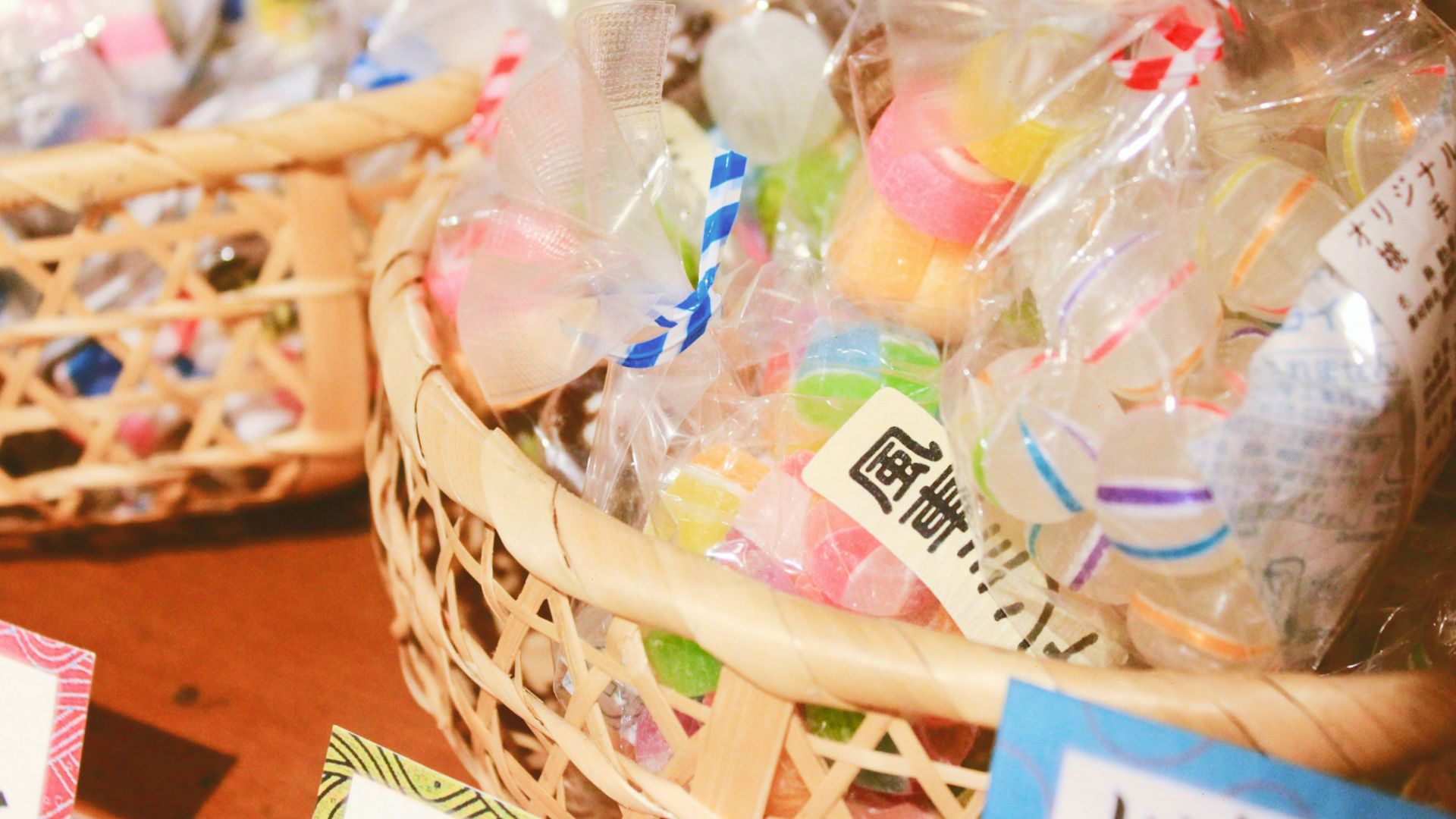
16. Candy Making
Traditional wagashi sweets reflect seasons and natural forms. Ingredients and colors change throughout the year. Many shops still handcraft designs daily.
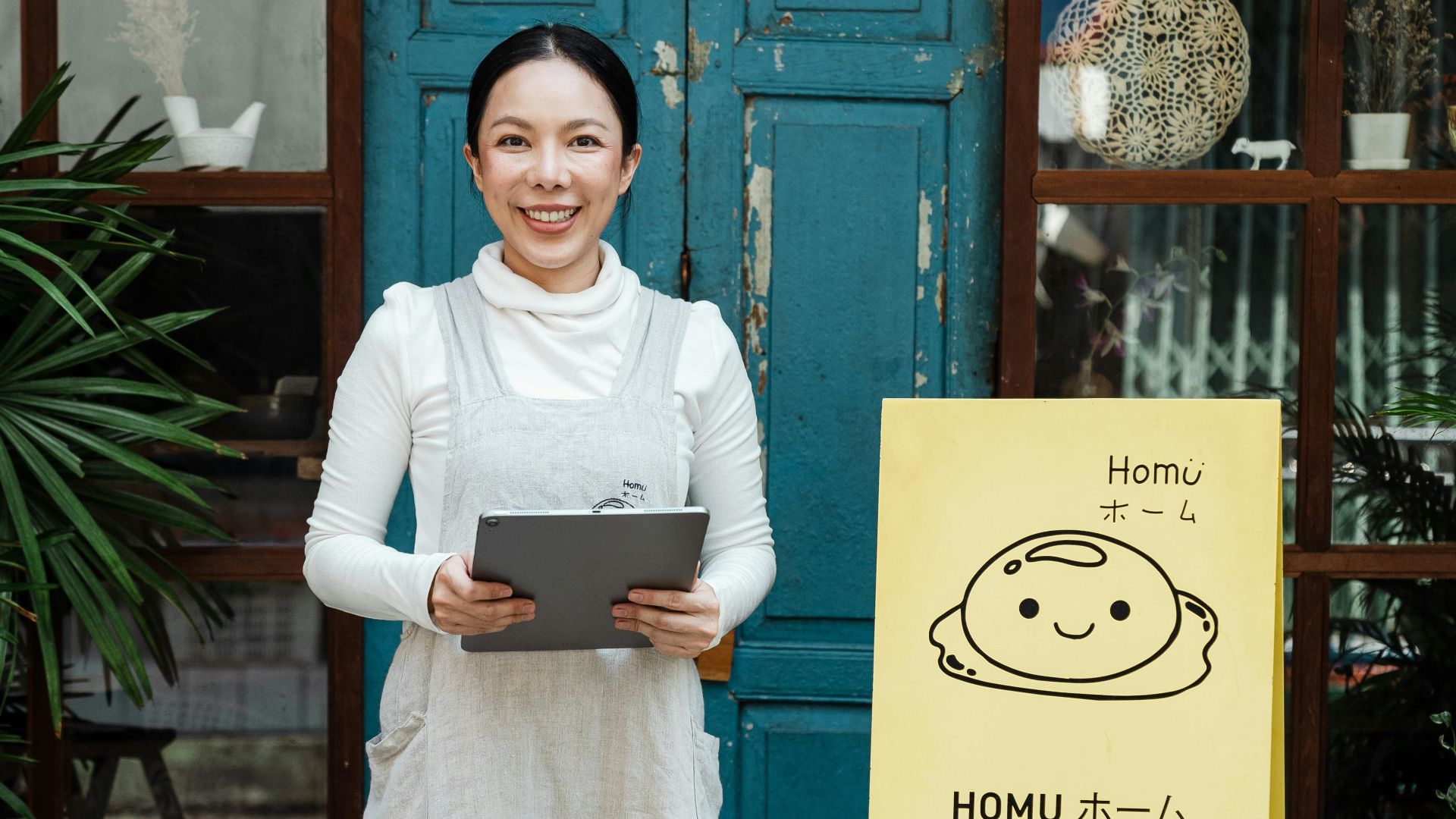
17. Customer Service
Omotenashi describes hospitality without expectation of reward. Studies in service culture often reference Japan for consistency and attentiveness. The experience feels choreographed but sincere.
18. Repairing Broken Objects
Kintsugi repairs broken pottery with lacquer mixed with gold. The philosophy values visible repair rather than concealment. Museums and craft schools continue to teach the technique.
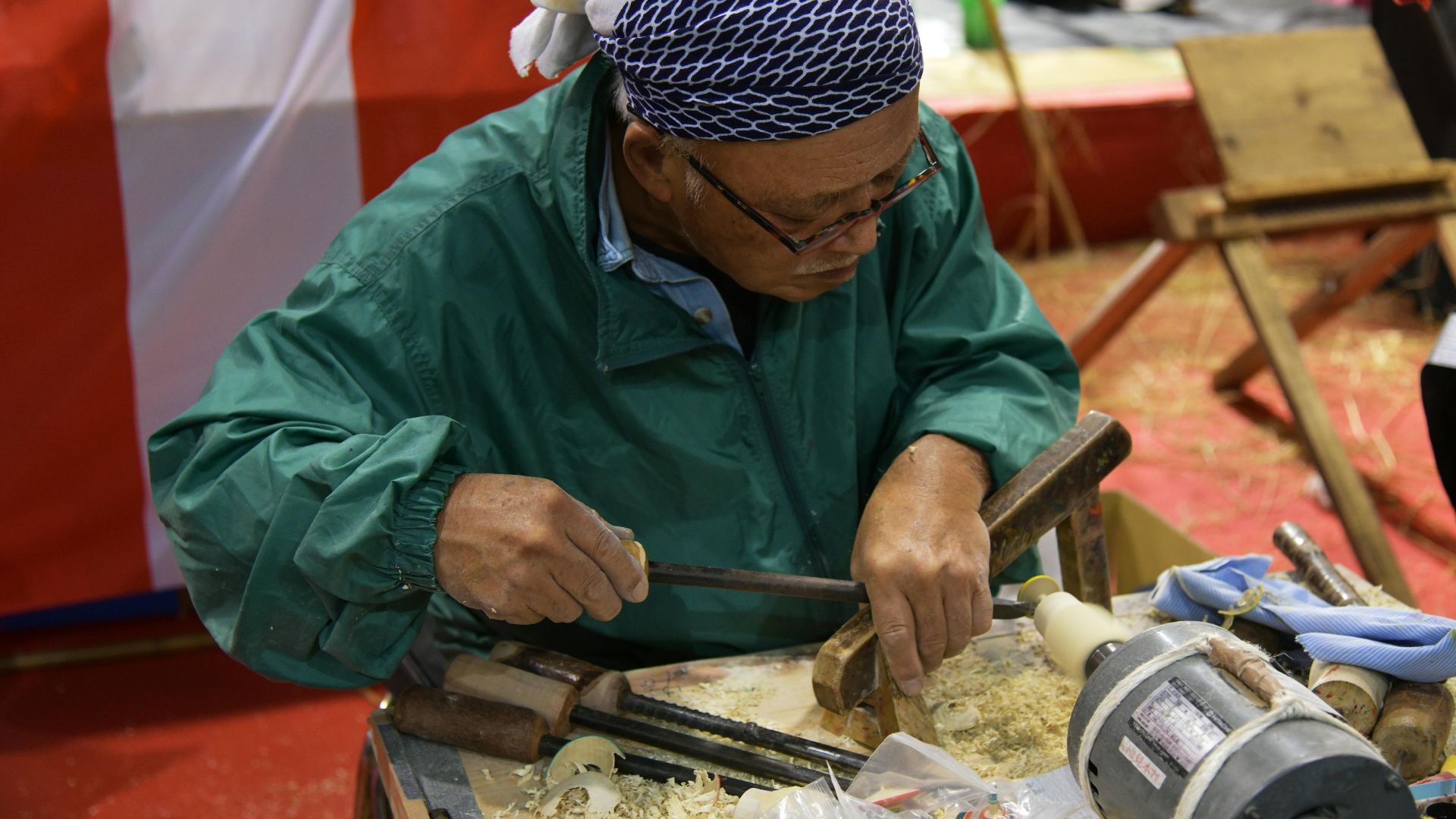
19. Food Replicas
Many restaurants display realistic plastic food models called sampuru. The practice began in the early 20th century to help customers order visually. The replicas are handcrafted with surprising detail.
20. Walking As Presence
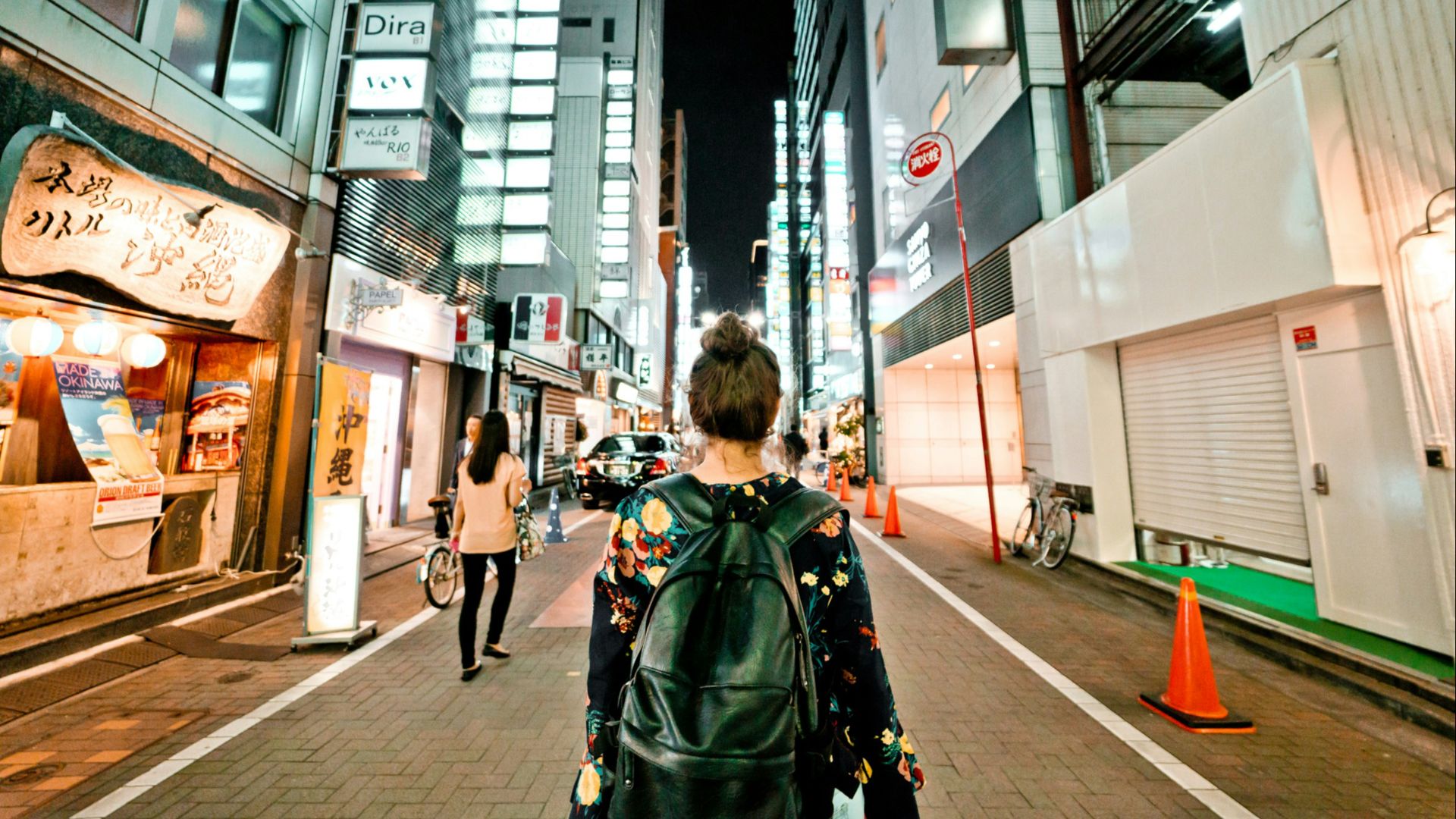
Even walking is shaped by awareness of others. Avoiding phone calls, staying left or right depending on the city, and adjusting pace reflect collective flow. The street becomes shared space rather than individual territory.