 Hush Naidoo Jade Photography on Unsplash
There are a few things everyone associates with New Orleans. Bourbon Street, jazz, and New Orleans carry the city's reputation on their back for many who have never visited to the Big Easy. However, while New Orleans is synonymous with Mardi Gras, it wasn't the first American city to celebrate the holiday.
Where Was The First Mardi Gras?
To uncover the truth about Mardi Gras, we have to drive two hours east to another portside city with a long history: Mobile, Alabama. What's now one of the largest cities in Alabama was also the capital of French Louisiana from 1702-1720. In those days, French Louisiana occupied a huge swath of North America, up the Midwest to Quebec.
Mobile's deep-water harbor and strategic position offered an optimal outpost for French colonial power. They had room for a naval base against the Spanish and British as well as trade opportunities with the Chickasaw and Choctaw. When the capital was eventually moved due to flooding, Biloxi was chosen before New Orleans.
Now that we have set the stage for America's first Mardi Gras, let's get into it.
Mardi Gras festivities such as pancake breakfast and parades emerged in Medieval Europe sometime after the 6th Century. Before then, the beginning of Lent was often a more somber (and sober) affair filled with fasting and reflection. When French settlers crossed the Atlantic and landed in Mobile, they brought their cultural practices with them.
300 Years Of Tradition
 Library of Congress on Unsplash
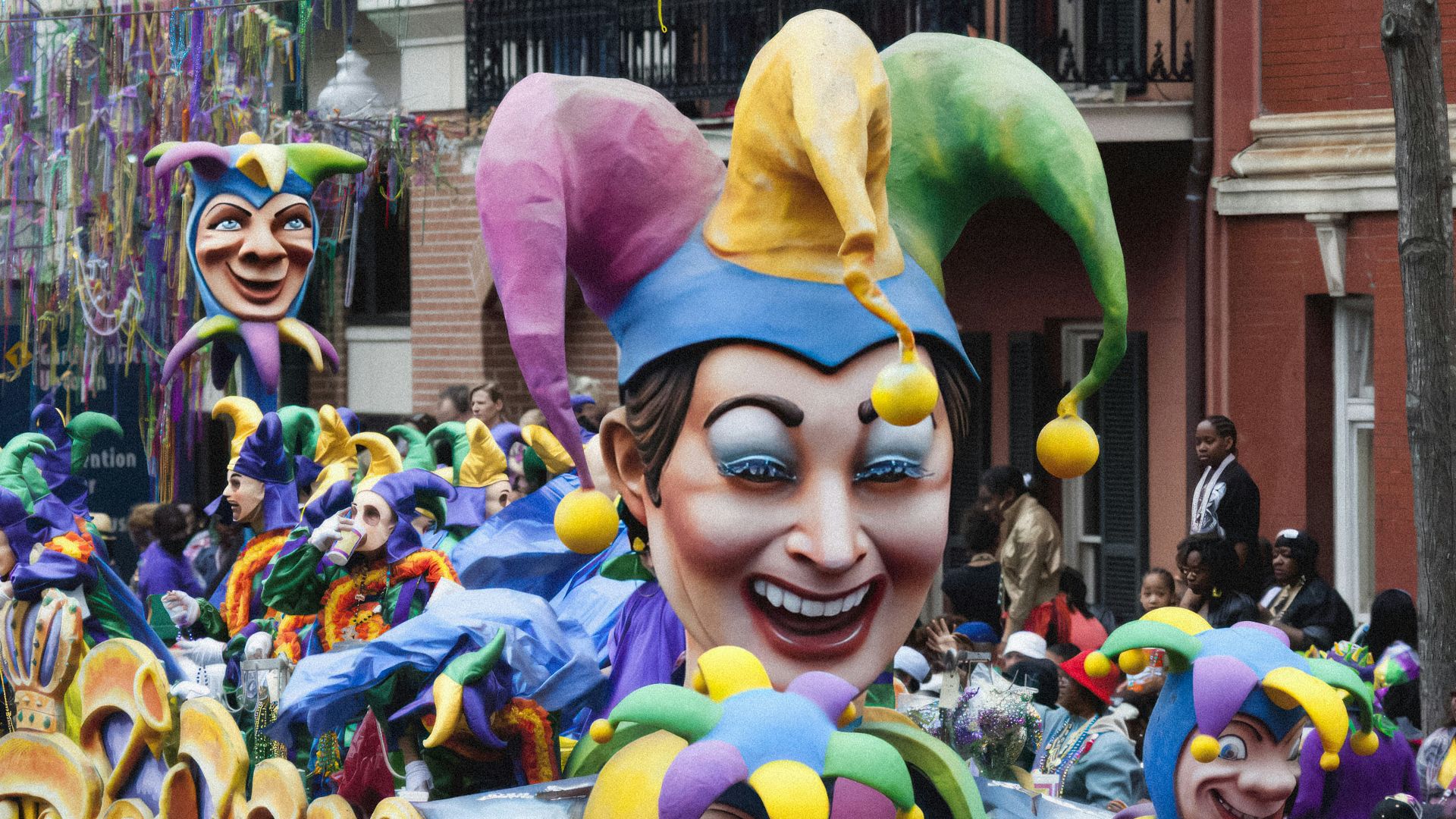
In 1703, just one year after Mobile became the colonial capital, the settlement of Fort Louis de la Mobile celebrated Mardi Gras. While reports of a NoLa-based celebration in 1699 exist, they aren't as well documented. Furthermore, New Orleans wasn't officially founded until 1718, if we're being pedantic.
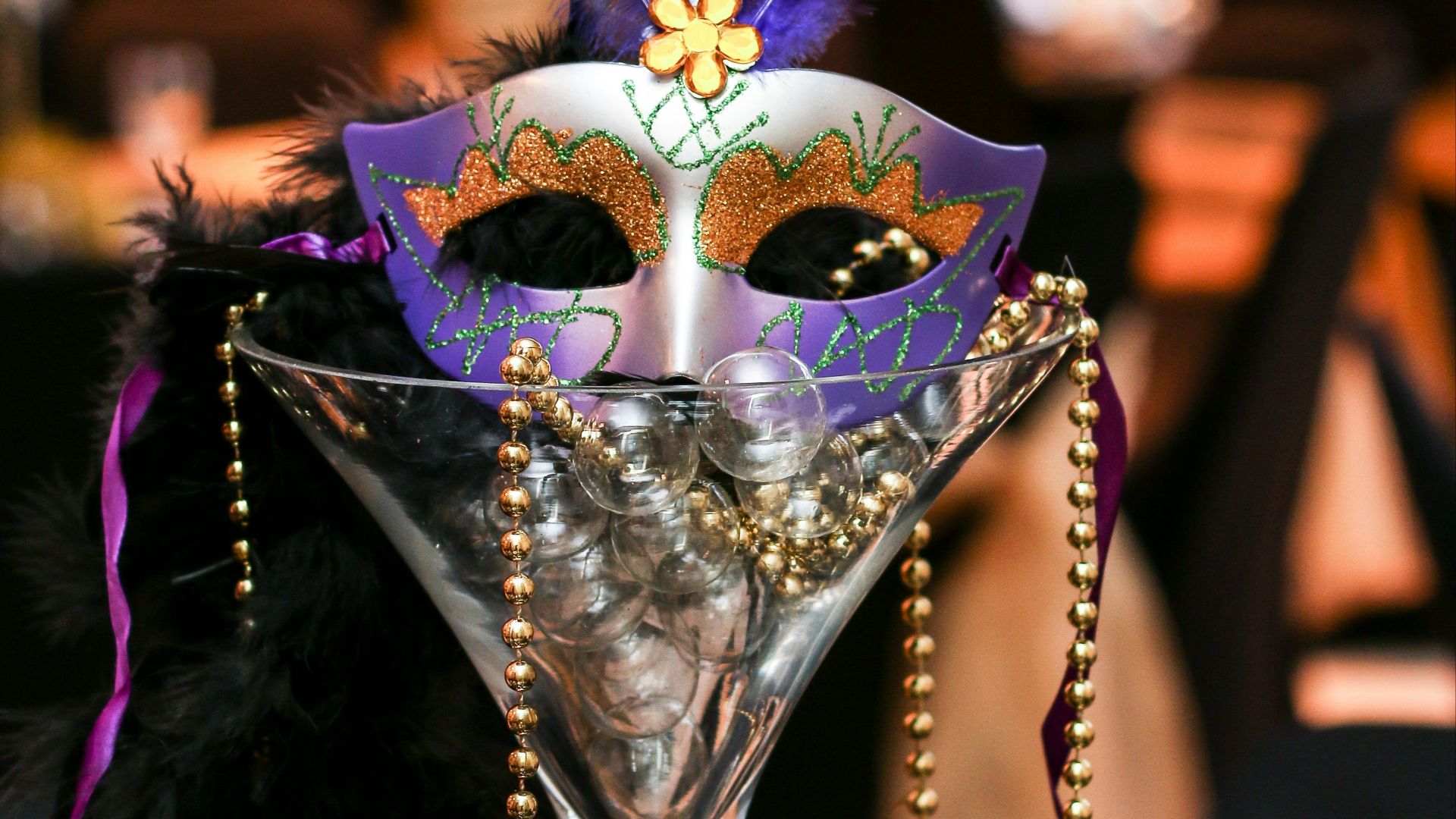
In 1704, the first Mystic Societies—a staple of modern Mardi Gras festivites—were formed. The Société de Saint Louis held the first masked ball, the Masque de la Mobile held the first masked ball. These masked balls were held strictly for social clubs, with secret membership lists and elaborate dress codes.
A few years later, the first parade was held when 16 men carted a papier-mâché cows' head down Main Street. Today, Mystic Societies, elaborate parades, and even masked balls remain among the most important social events in Mobile.
Though the capital was moved away from Mobile due to flooding concerns and the city came under British control, Mardi Gras never went away. If anything, it evolved to fit both the times and an ever-growing population. Today, Mobile's Mardi Gras celebrations draw not only from French and Creole traditions, but also Spanish and Swedish.
Mardi Gras Today
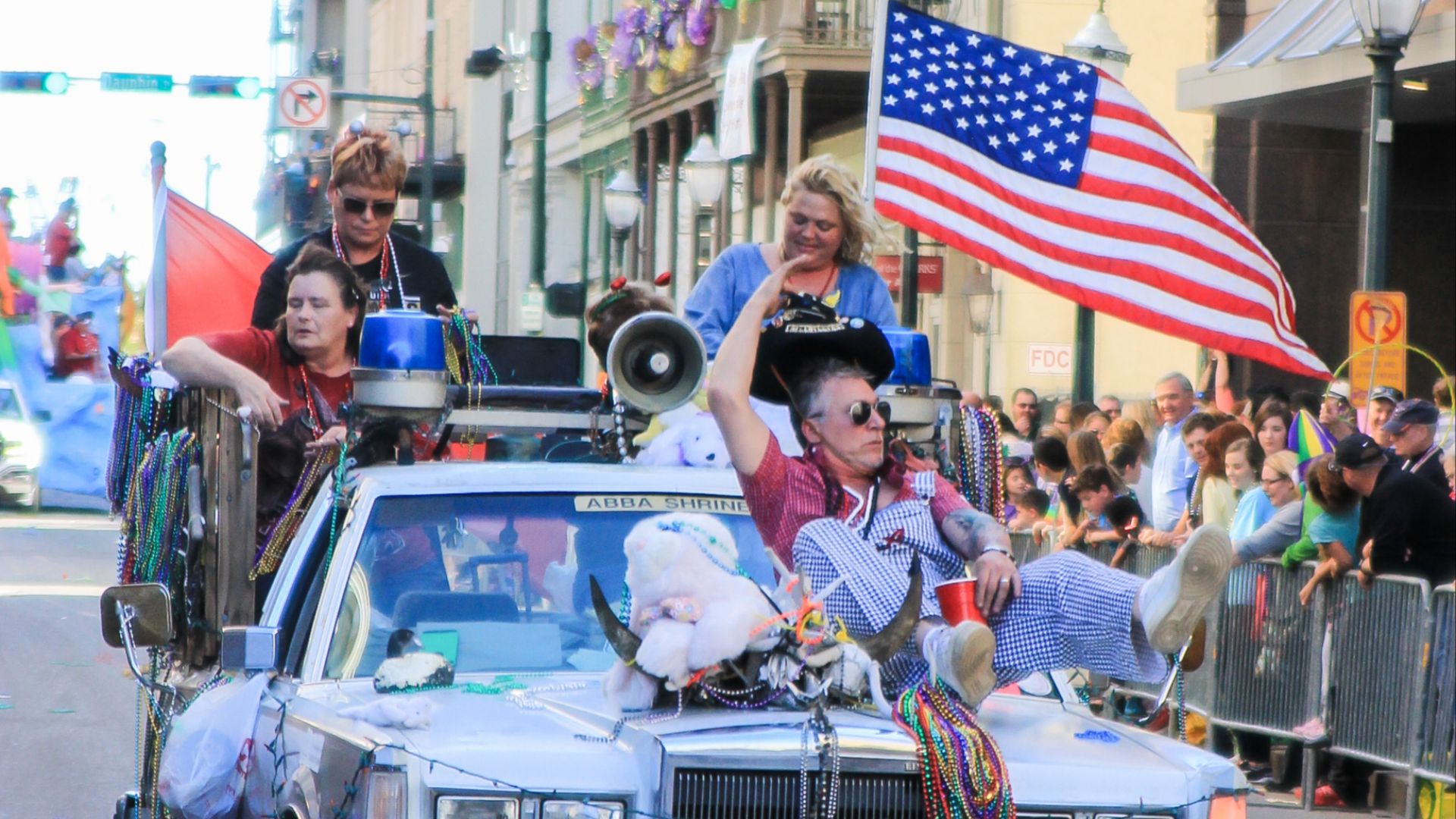
Over the course of three centuries, Mystic Societies have come and gone gone. While some of the oldest are still accepting members—if you can finagle an invitation—others have sprung up to allow membership to a wider range of people. One thing that hasn't changed is the festival itself.
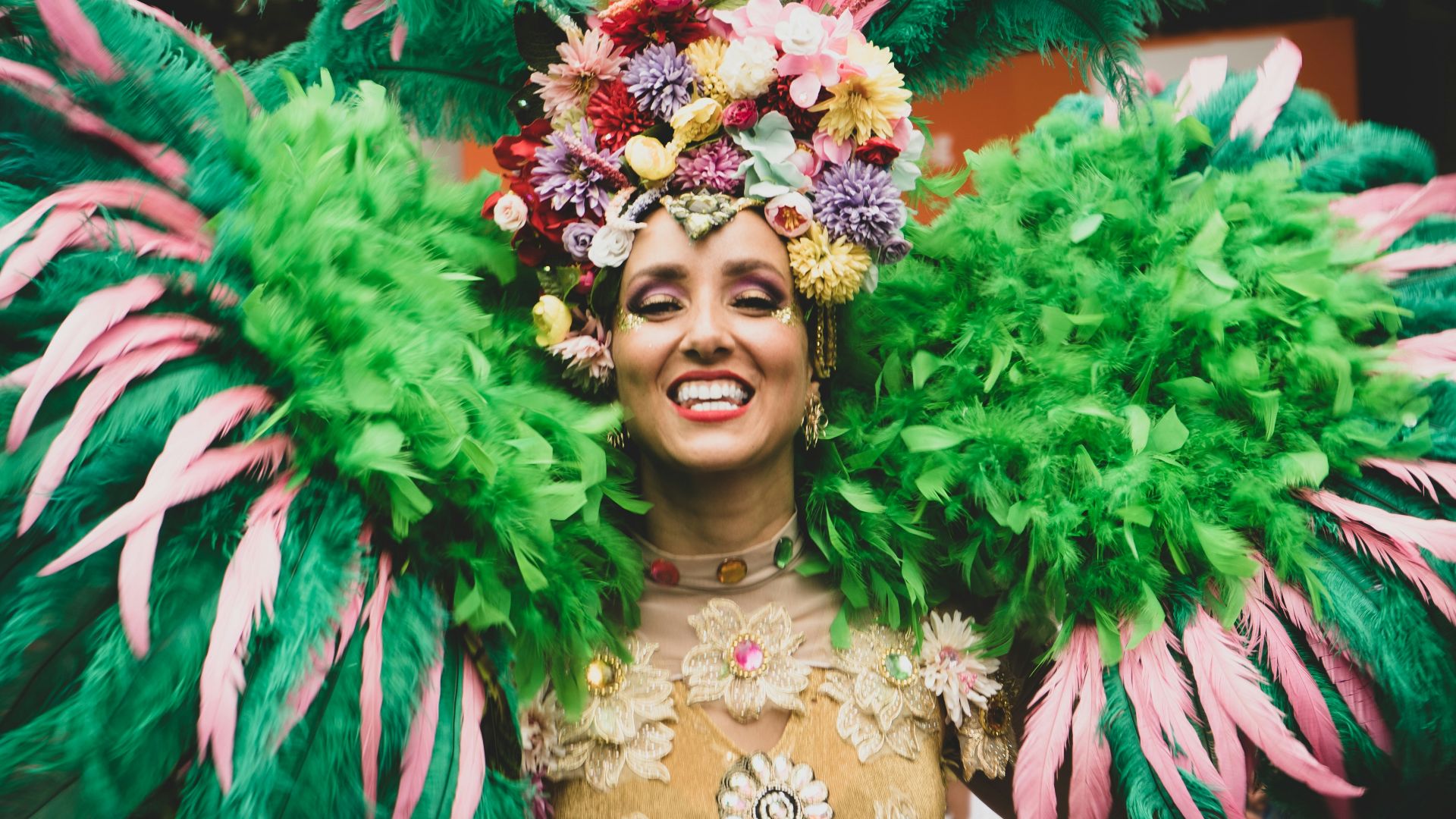
Mobilians go all out for Mardi Gras. Designing and decorating floats is its own industry, working 'round the clock to ensure floats adhere to regulations. From atop these multi-level floats, society members throw beeds, dubloons, and Moon Pies to revelers.
More than 1 million people attend Mobile's Mardi Gras celebrations, and there are many family-friendly celebrations in addition to adult-oriented ones. So, if you've always wanted to celebrate Mardi Gras in style, consider paying a trip to Mobile. Festivities run from New Years' Eve to Mardi Gras.