
Footloose Furry Friends
Your pet is a part of the family, so why wouldn’t you want them to join you on your travels? Unfortunately, travel (especially air travel) with animals can complicate an already stressful process. However, if you know what to look for, you can create a wonderful experience for all members of the family, while keeping them happy and safe.
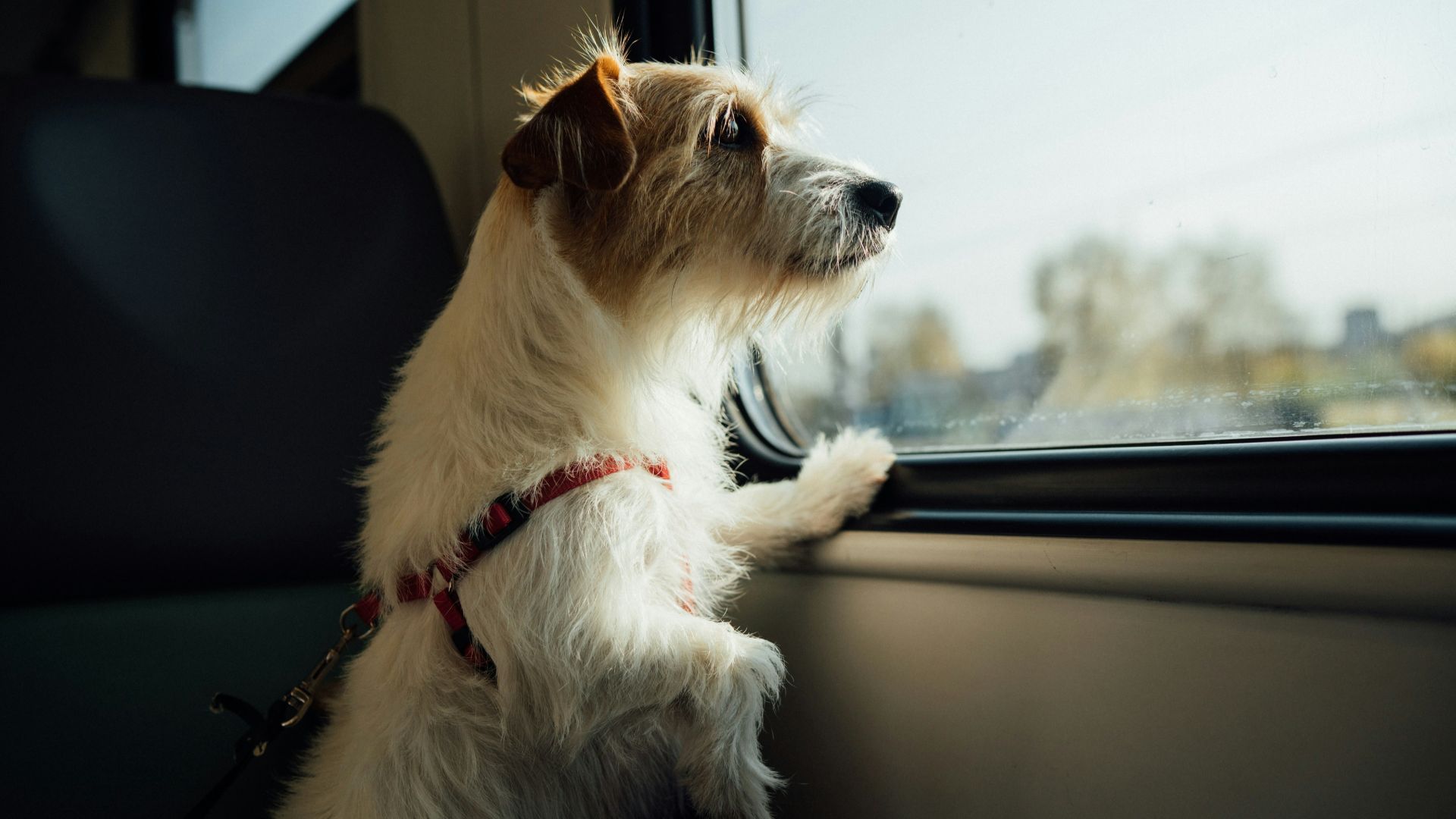
1. Choose A Pet-Friendly Destination
If you’re choosing to bring your pet along for your next vacation, a little more lodging research is required. Make sure you’re picking campsites, Airbnbs, hotels, or other spots that will happily accept a furry friend as well as humans.

2. Go To The Vet Beforehand
Before strapping your pet into an airplane seat, it’s best to give them a checkup well before your trip. Ensure that your pet doesn’t have any underlying health concerns, is up to date on all their shots, and is relatively not at risk of contracting anything during your travels. If you’re planning on being outside, flea, tick, and mite medication would also be appropriate.
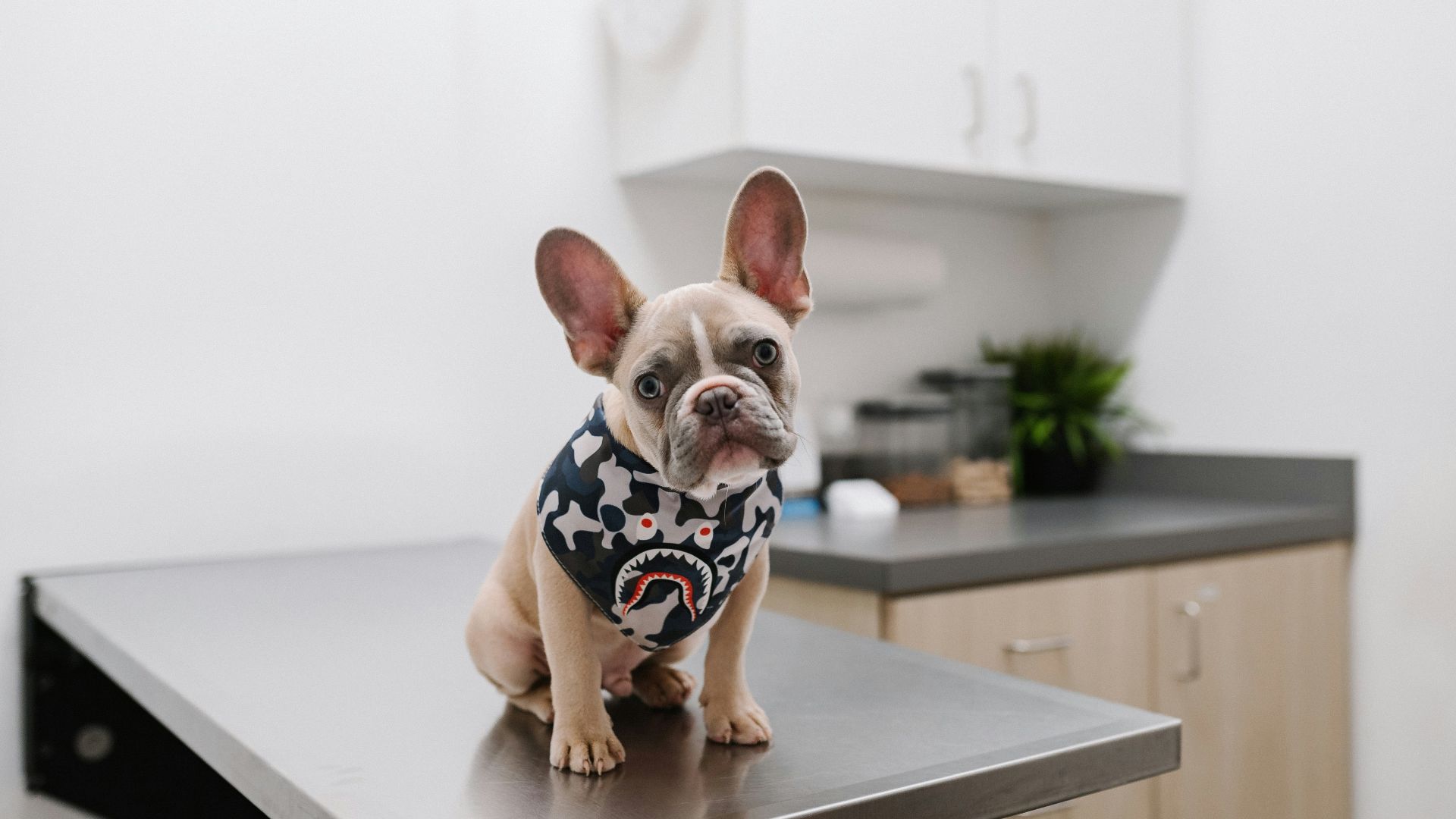
3. Keep Records Handy
If you’re traveling by plane or crossing a border of some kind, it’s a good idea to keep your pet's vaccinations, medical history, ownership information, or other important documents with you. This will help if you’re planning on dropping a pet off at a daycare or if you have an emergency situation.

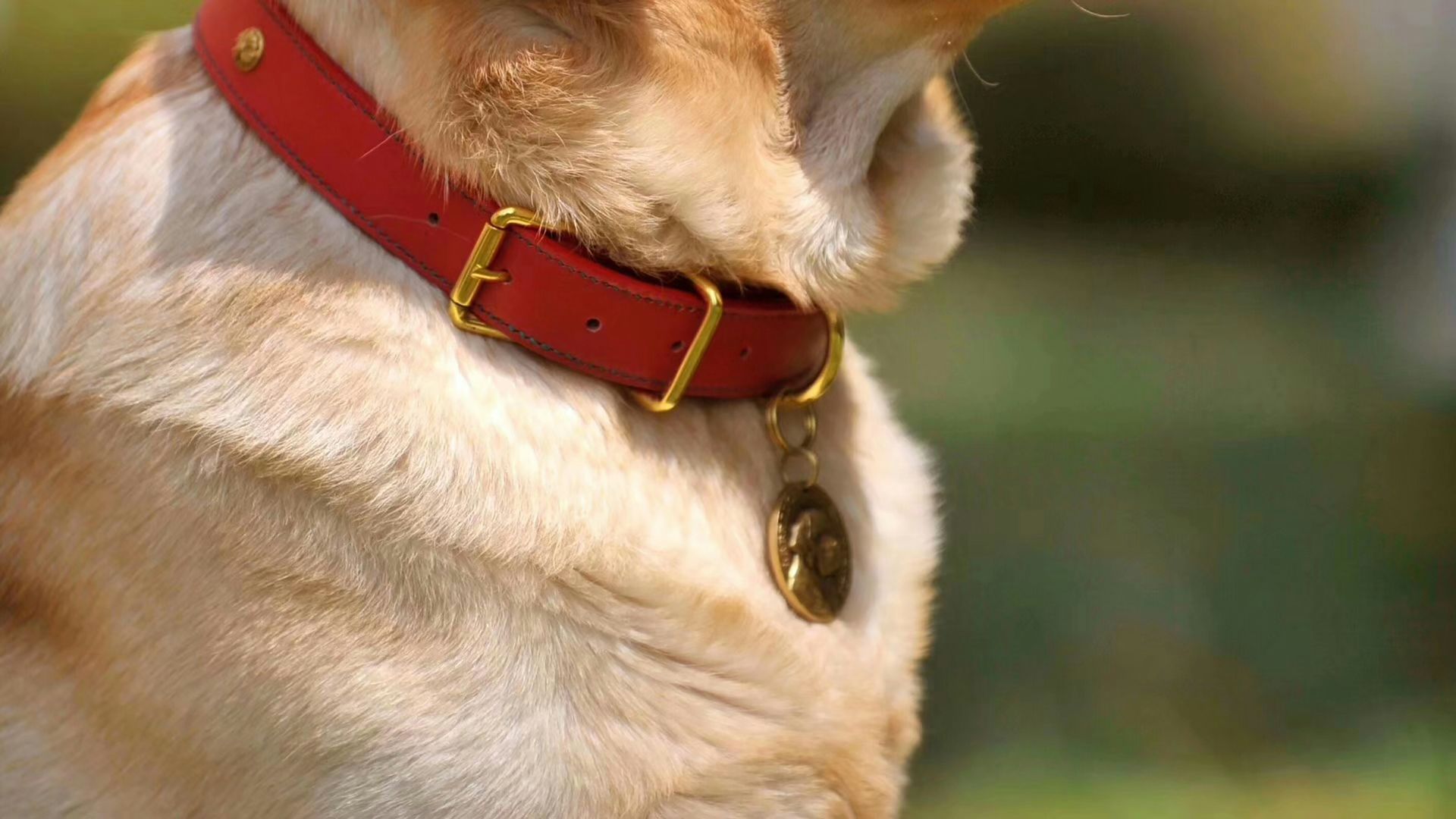
4. Tag Your Pet
A combination of a collar with GPS and a microchip is always a good idea in case your furry friend gets separated from you. Make sure that the collar information is up-to-date, as well as the microchip registration information.
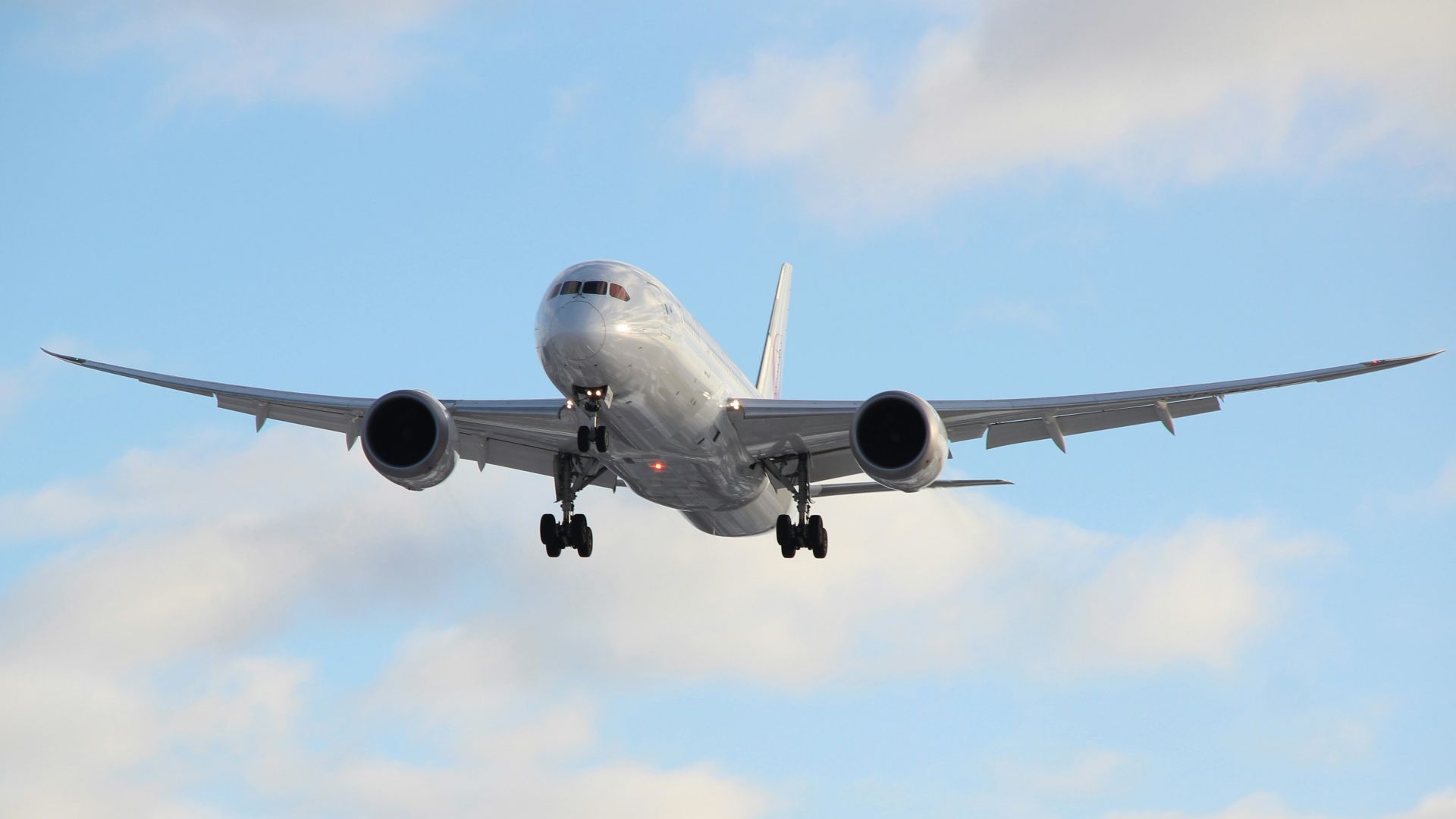
5. Check The Airline
Not every airline, or flight, is pet-friendly. Your best bet is to visit an airline website and search for their pet policy. It’s also recommended that you book flights directly through the airline, just to ensure there aren't any slip-ups when booking from third-party websites.
6. Crate Train
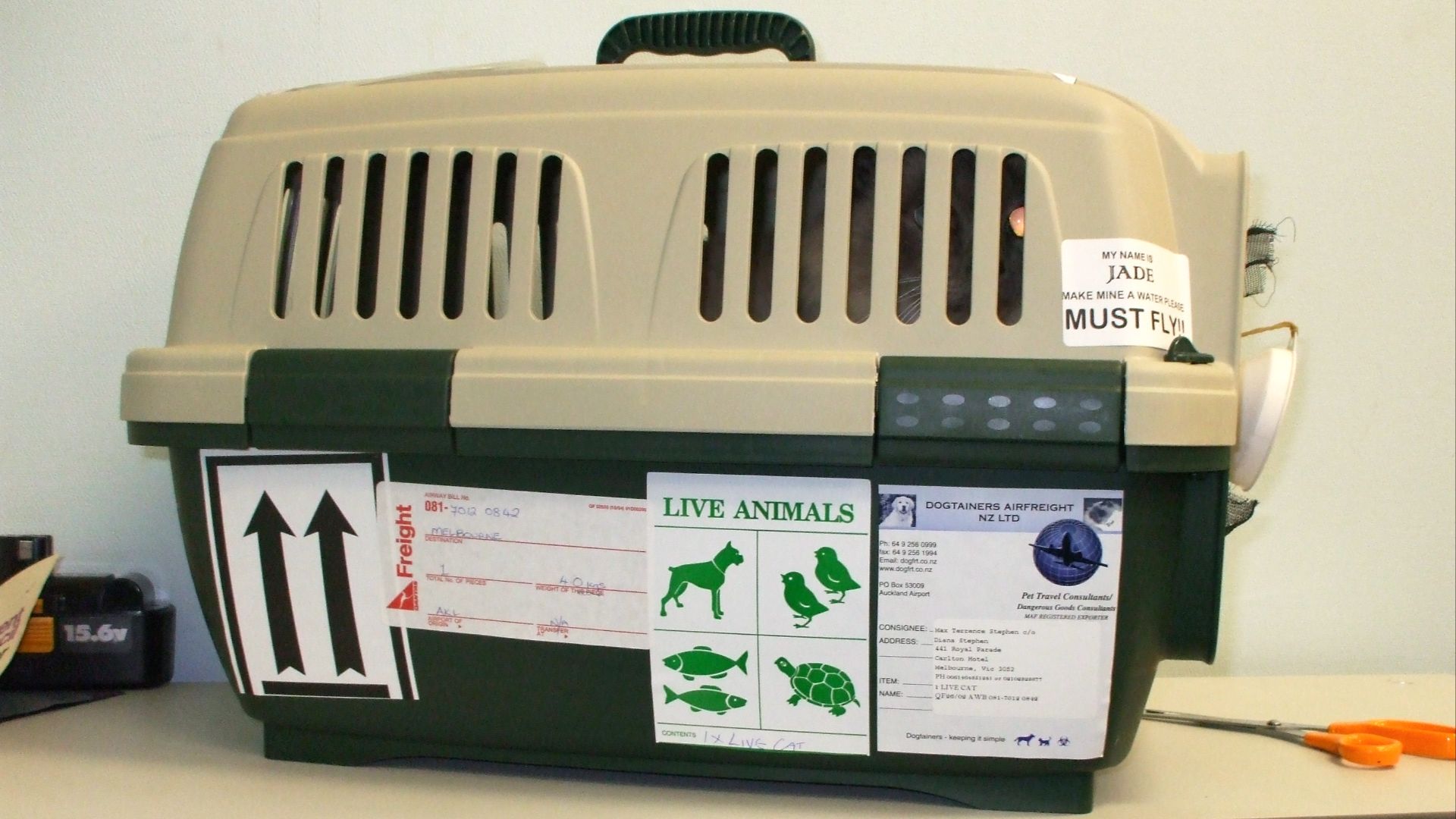
If your pet isn’t quite a fan of the crate, it's crucial for everyone’s well-being if you crate train them beforehand. Start slowly, engaging your pet with treats, toys, and meals in and around the crate space. Keep your pet confined for a short amount of time, increasing the amount of time as your pet gets more comfortable.
7. Carry A Photo
Should the unthinkable happen, having a couple of photos of your pet that you can share if they get lost is a good idea. One is just fine to show to folks, but multiple that you could post around your temporary living area would also be helpful.

8. Medicate If Necessary
You should always consult with your vet before medicating a pet for travel, as they’ll know the appropriate medications for your furry friend. While sedation is discouraged for air travel, anti-anxiety or motion sickness medication could be beneficial.
9. Pack Smart
Just like babies, pets also need a grab bag of essentials. Food, leashes, treats, water, pads, toys, or other comfort items would be useful to keep on hand. It's also a good idea to label their carrier or crate, just on the off chance you get separated.

10. Reducing Sickness
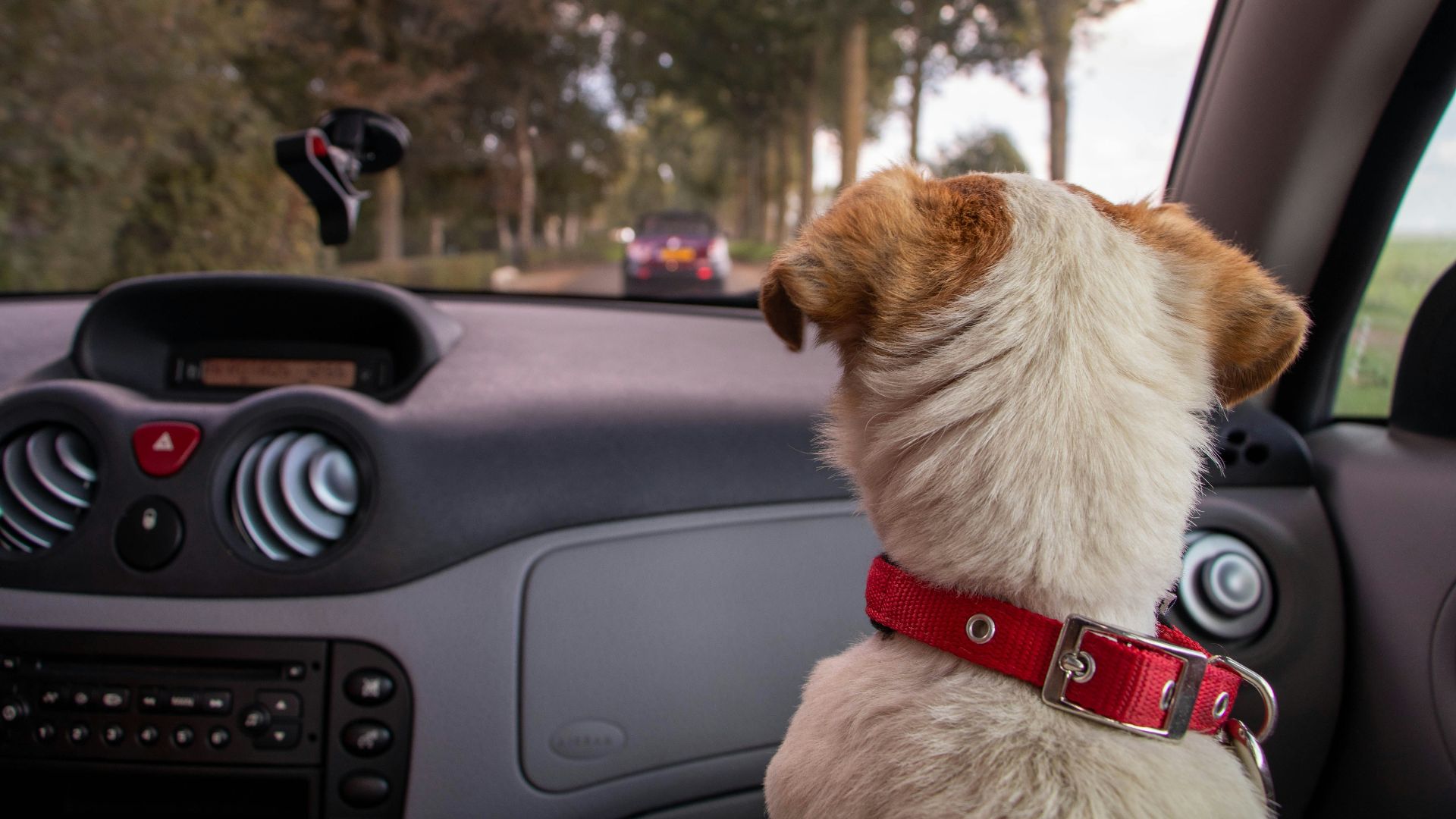
Your best bet to reduce air or car sickness in your pets is to avoid feeding them right before travel, and allow them to use the washroom before a long stretch of travel. If you’re travelling by car, allow for frequent stops to let your pet use the washroom. Calming aids are also helpful in this situation.
11. Get An Extra Seat
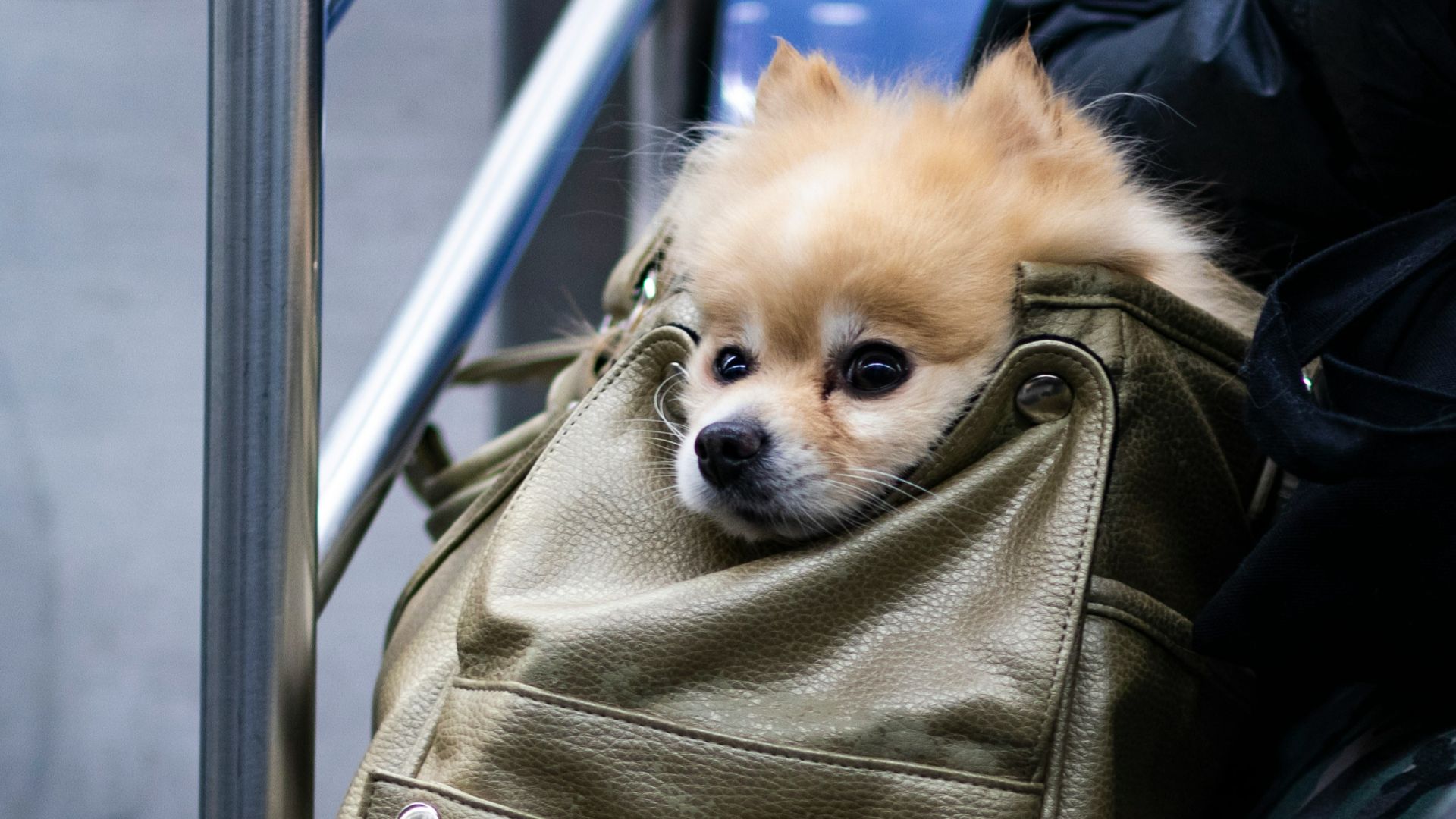
While not every airline requires you to purchase two seats to fly with your pet, it's still not a bad idea to do so. Buying two seats will provide you with more legroom and a bit more space to reach your animal. It can also minimize stress in your pet.
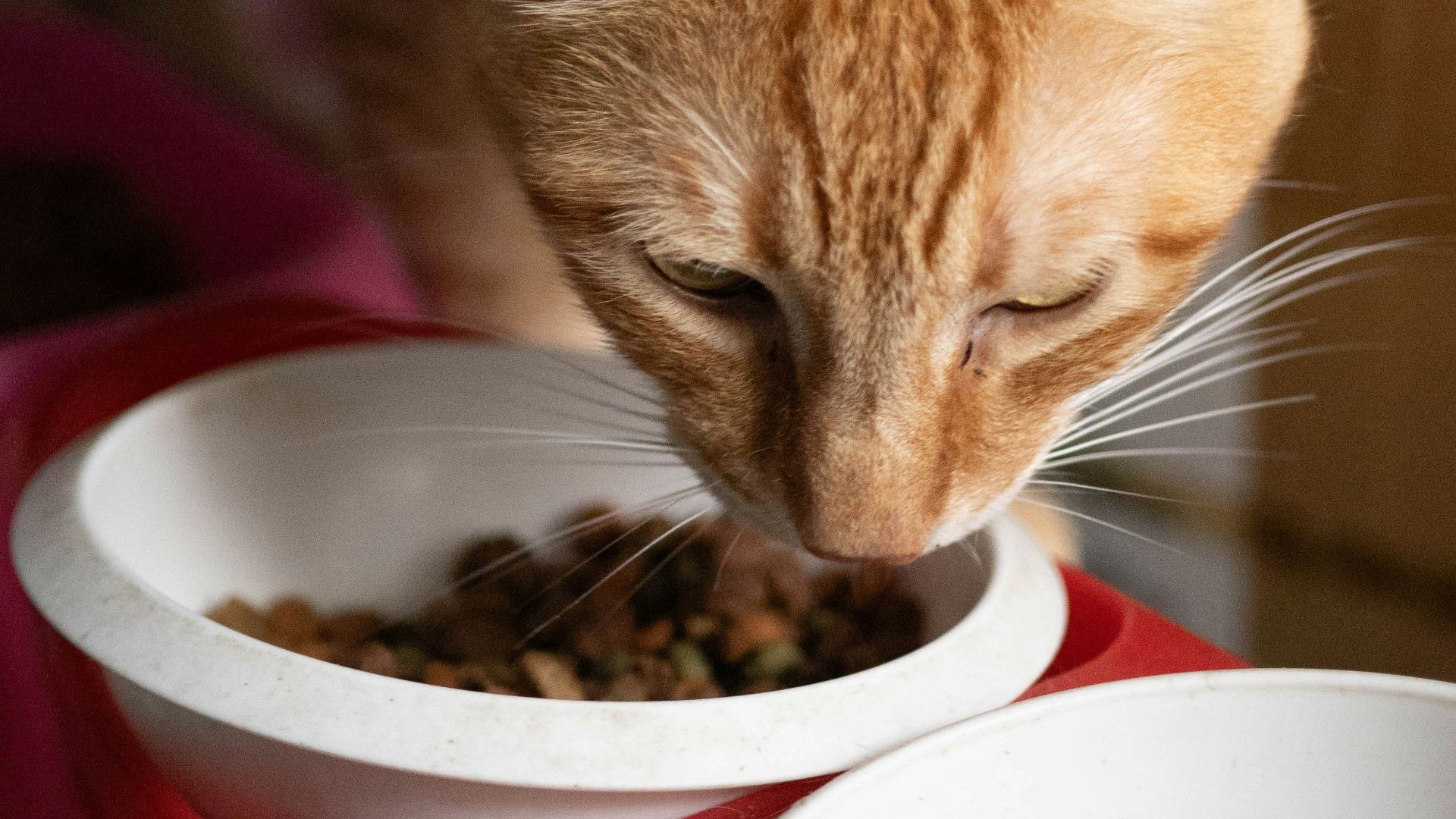
12. Stick To Routine
Even if you’re changing time zones, it's best to maintain your pet's feeding schedule. They’re already stressed, and the last thing you need to do is stress them out further by messing up when they’re expecting food.
 Javier Garcia Chavez on Unsplash
13. Stretch Their Legs
If you’re traveling by car, more frequent stops are usually recommended for pets' comfort. Work a bit of play time, bathroom stops, and a good dose of fresh air into your travel schedule. We promise, it will be good for them, and good for you.
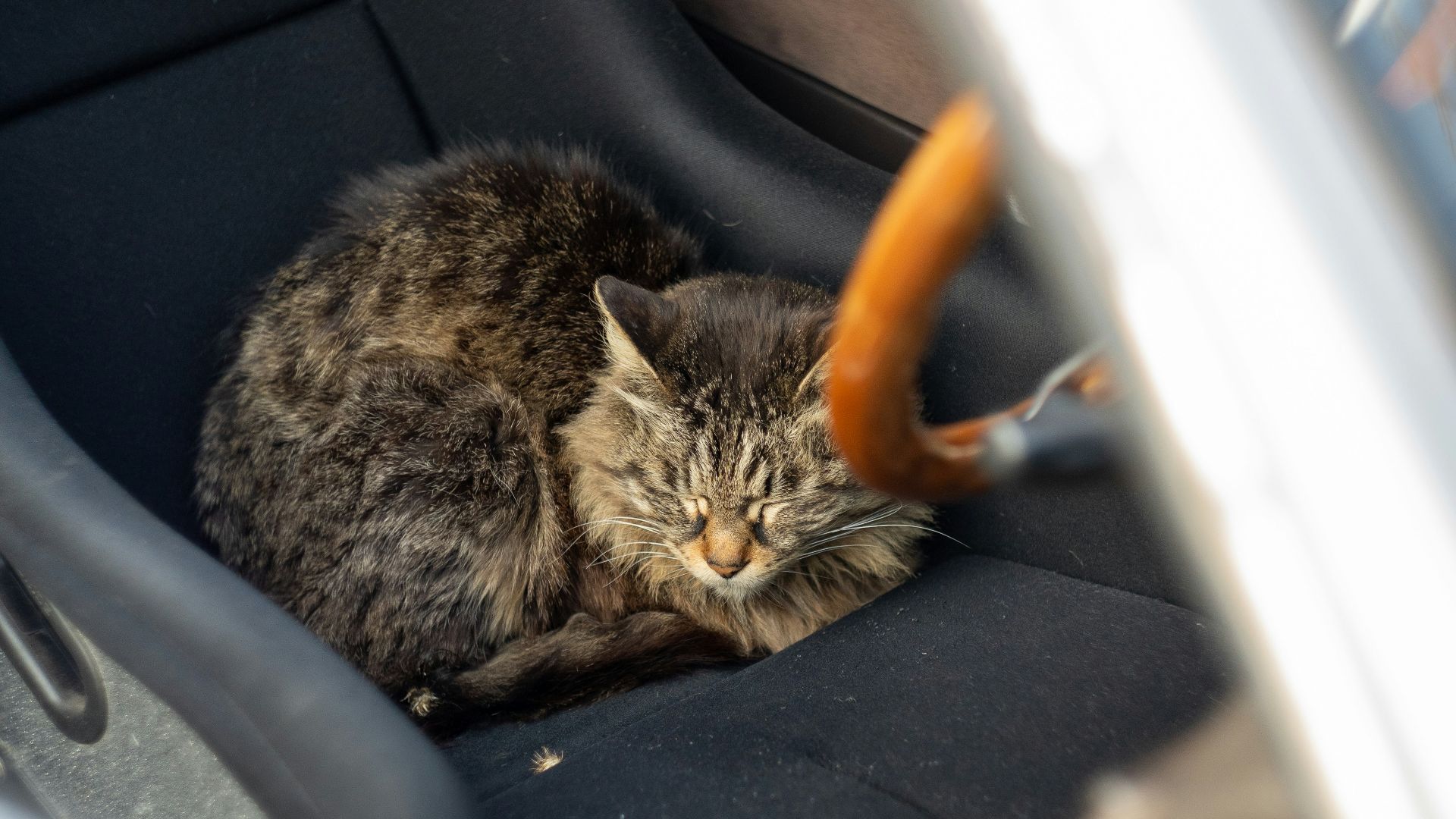
14. Don’t Leave Them Unattended
Even if you’re just running to the washroom, don’t leave pets in hot vehicles. If you absolutely have to leave them, always always ensure the car will remain cool, your doors are locked, and your pet is unable to escape.
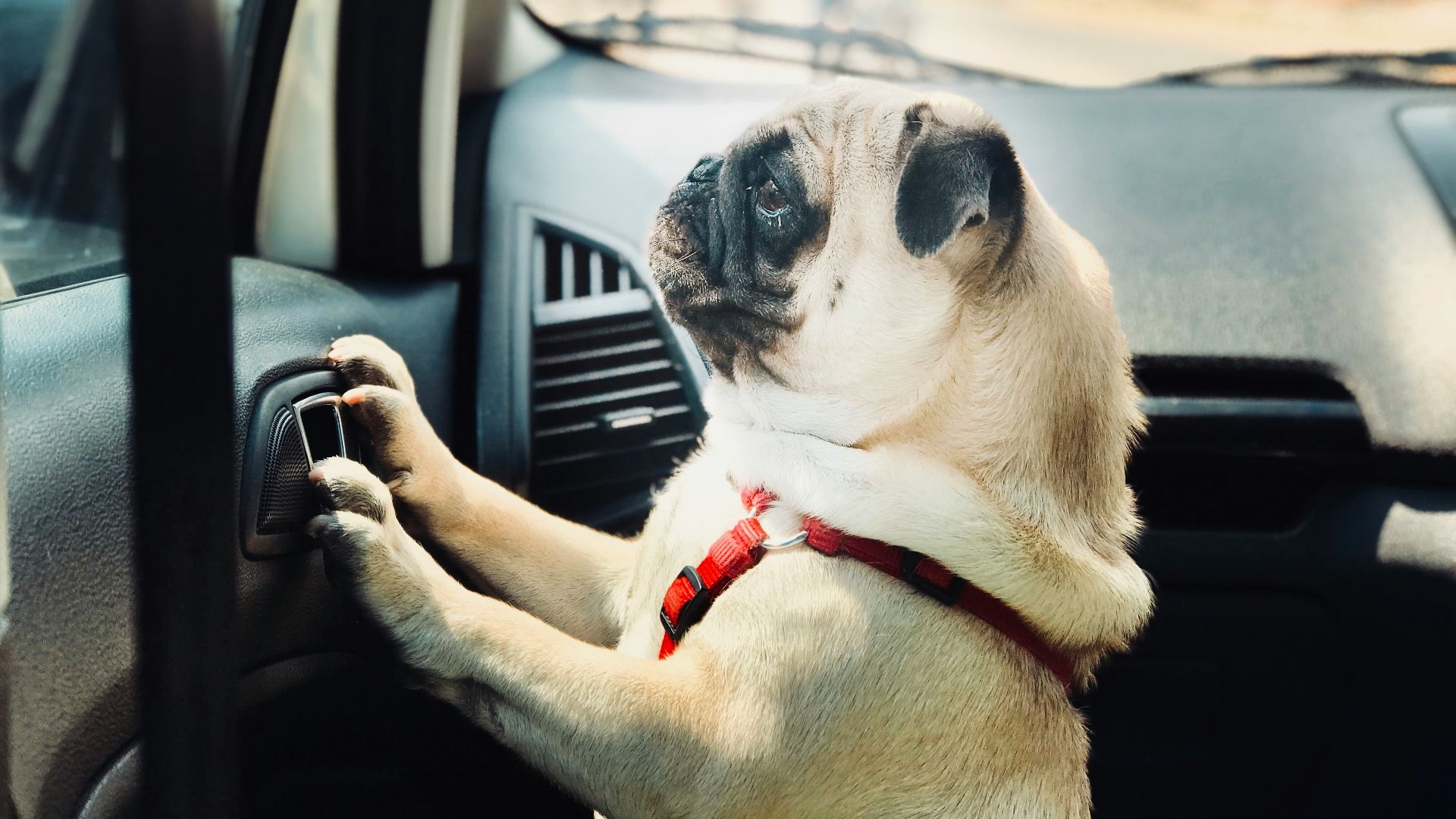
15. Tire Them Out
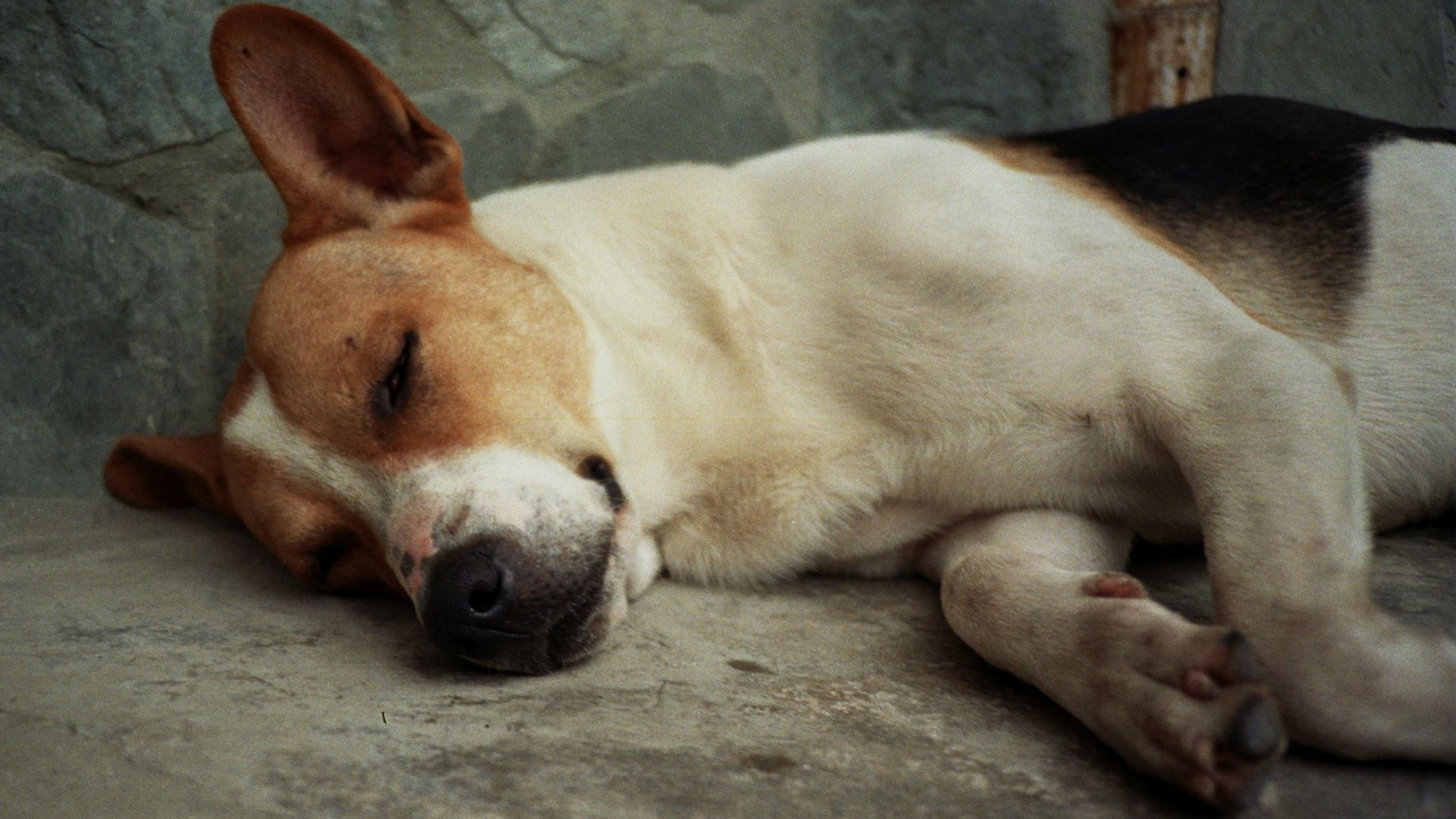
The best-case situation for a seamless travel day is to absolutely tucker your pets out before getting into a plane, train, or automobile. If you’re lucky, they’ll sleep for most of the journey, feeling relaxed and in high spirits.
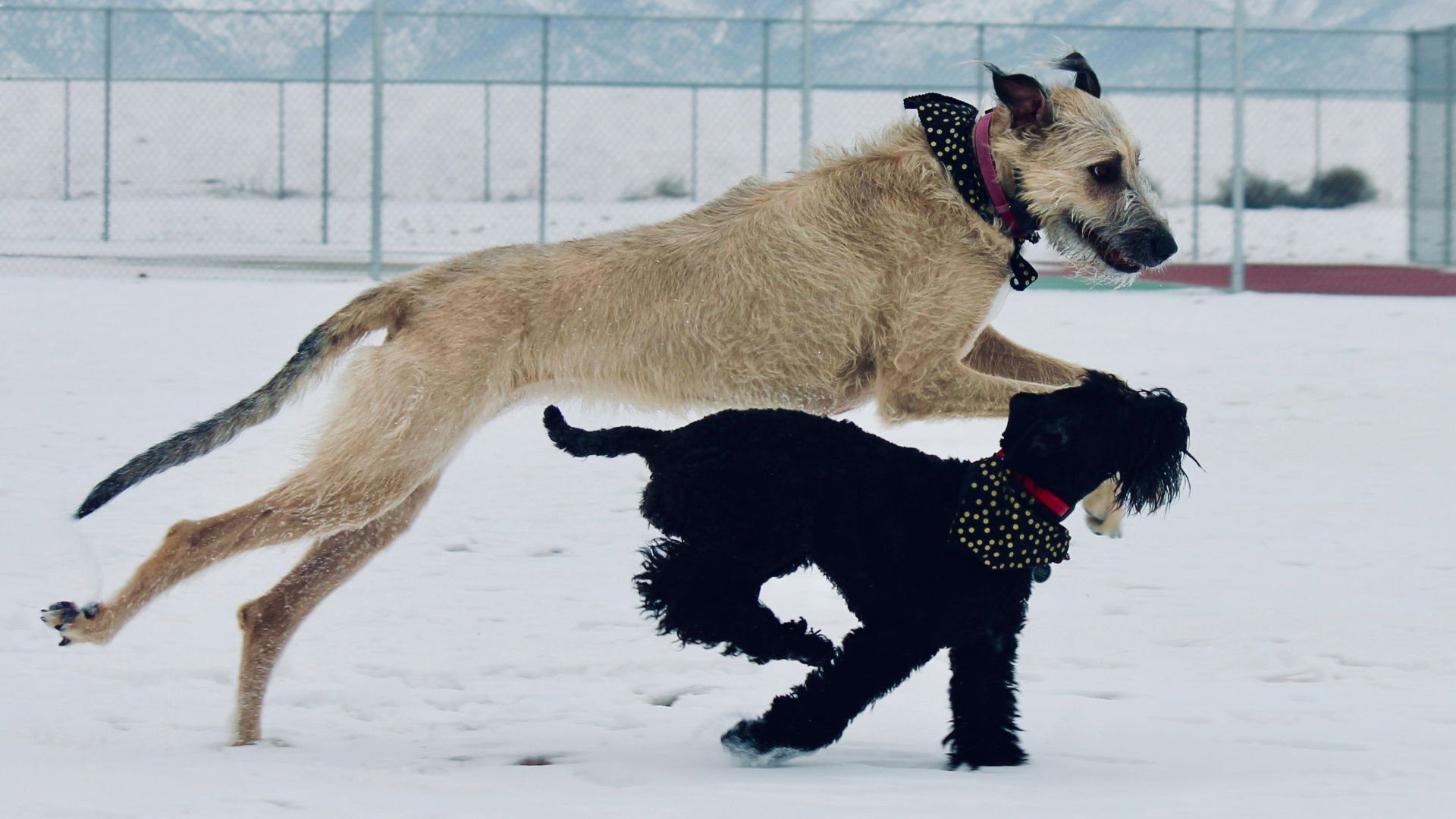
16. Keep Them Hydrated
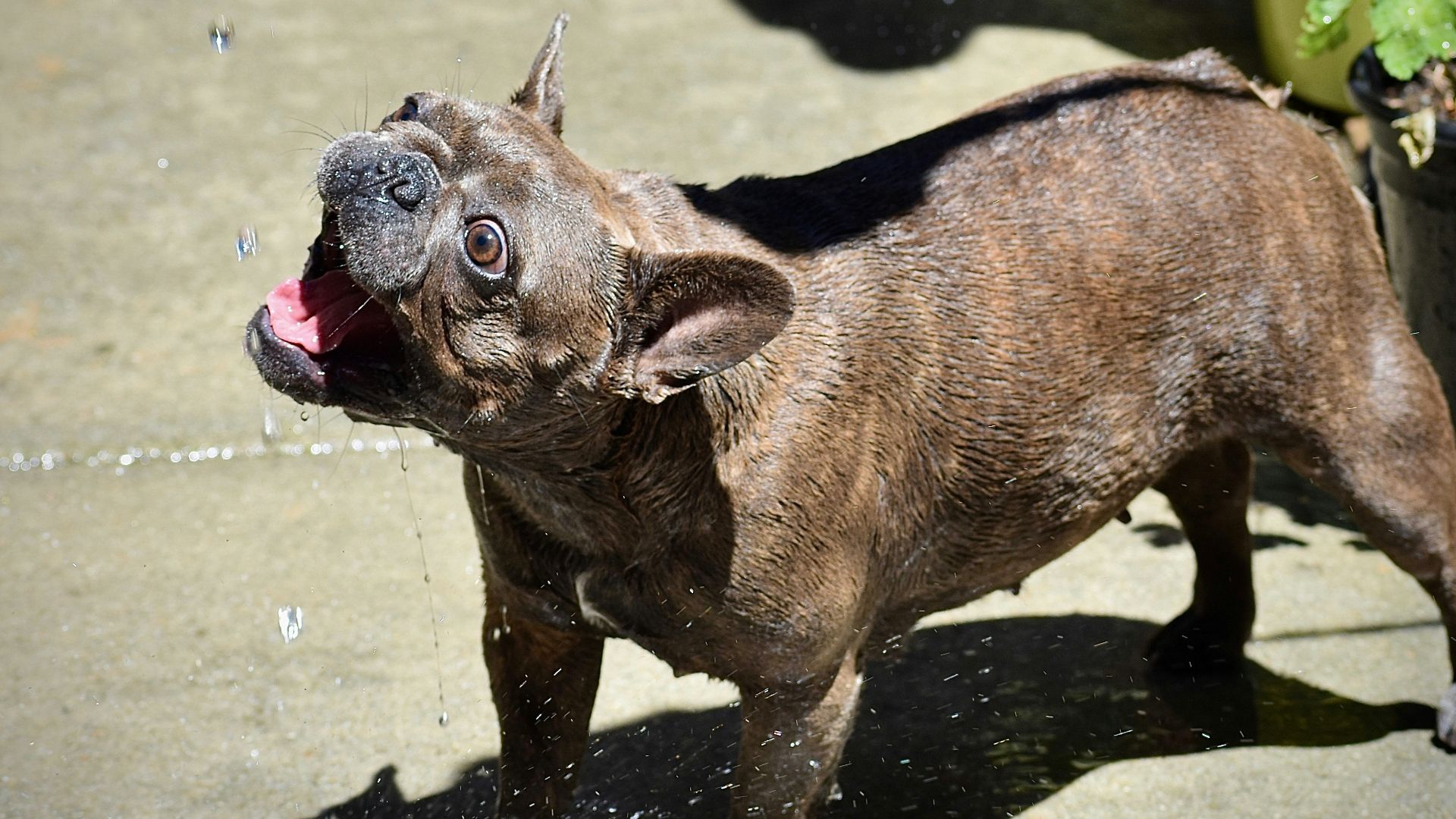
Water should always be available to your animals, or you should be making sure to regularly stop to give them some if you can’t leave a bowl open for them. Dogs especially lose plenty of moisture through panting, and are at risk of dehydration if they’re stressed or are running a high temperature.
17. Travel Kitty Litter
Necessity breeds invention, and luckily, you have plenty of options for smell-free travel with your kitty. If you and your cat are heading onto a plane, a smell-proof kitty litter box is your best friend. Your pet will be able to use the washroom, and won’t grace the plane with that familiar kitty litter smell.
18. Make Sure They’re Comfortable
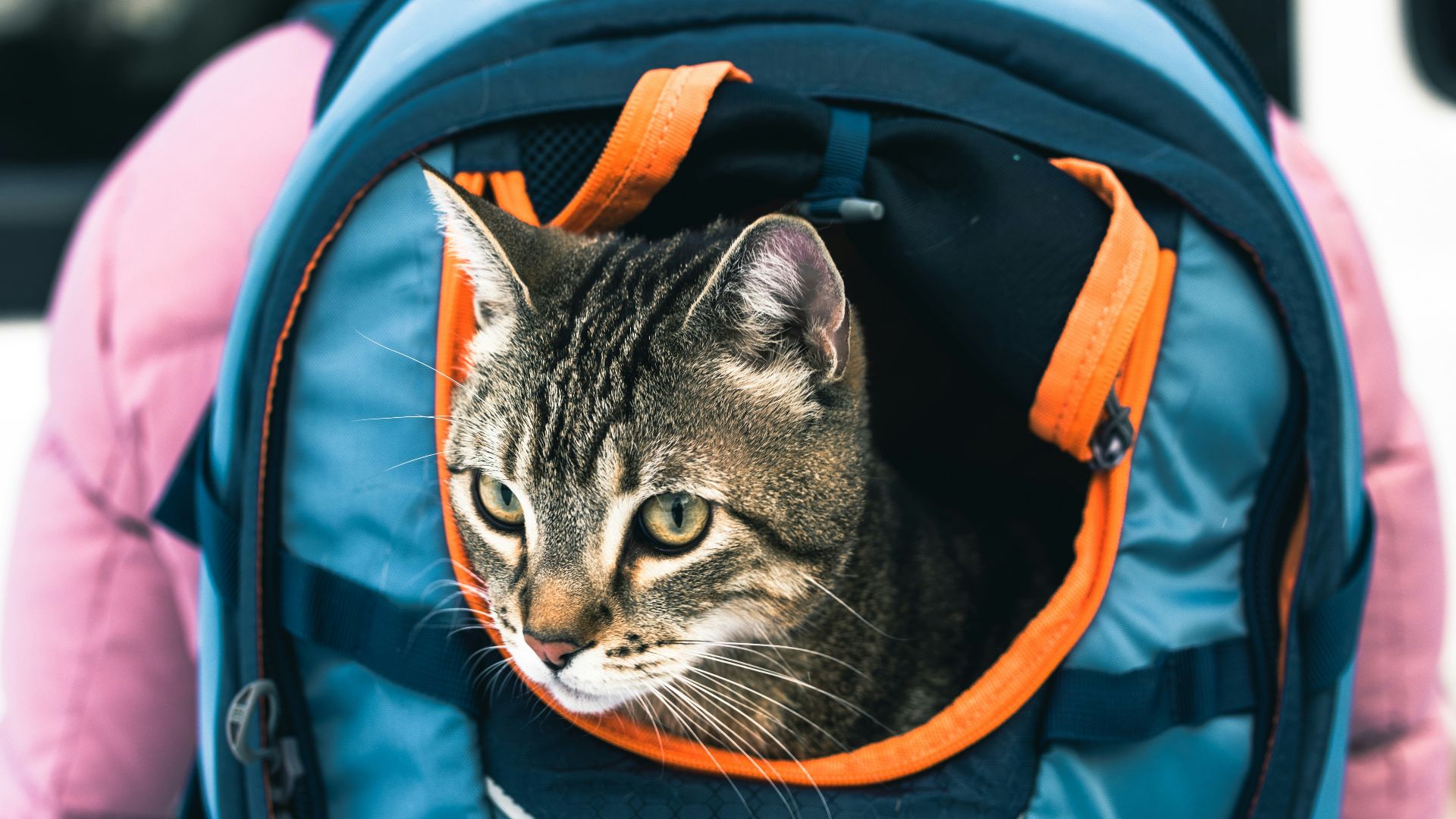
Above all else, your pet must be as comfortable as possible. This means while you’re traveling, but also once you get to your destination. Familiar-smelling blankets, clothes, and toys are a huge help, and having a designated pet space for your animal in your lodging will do wonders to keep stress levels as low as possible.

19. Leave The TV On
If you have to leave your pet in your lodging, it may be a good idea to keep the TV on when you head out. This can create the feeling that people are nearby, reducing separation anxiety. A TV can also provide a distraction and mask any potential noises coming from nearby.
 Glenn Carstens-Peters on Unsplash
20. Create An Emergency Plan
Travel doesn’t always go as planned, so having an emergency plan for yourself and your pet can provide some peace of mind. Take stock of nearby vets or boarding facilities, and keep records, food, and water on hand.