Waking Up In Vegas: How Las Vegas Became America's Wildest City Of Lights
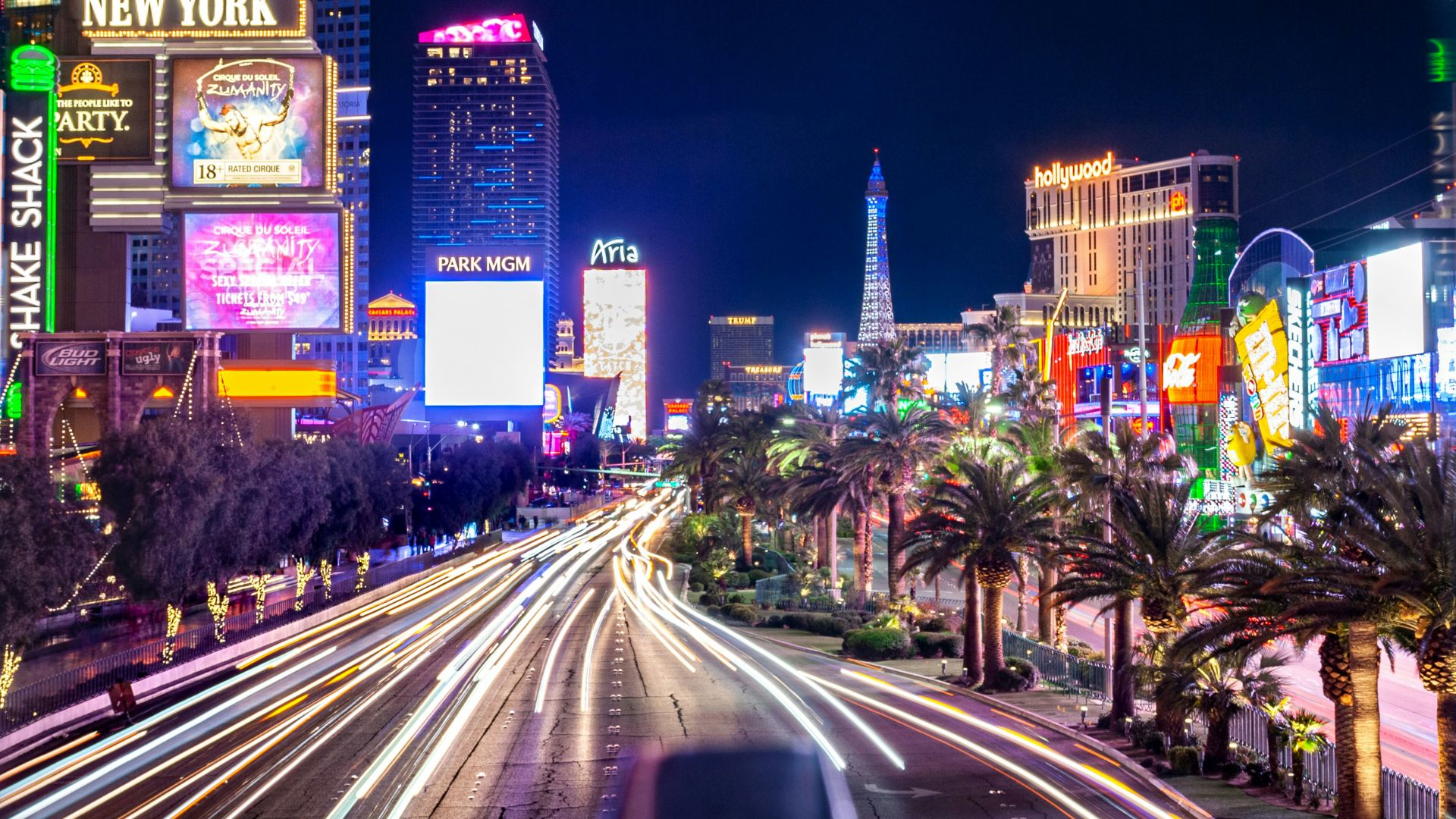
A night in Las Vegas surrounds visitors with neon glow, bustling streets, and the constant hum of a city built for spectacle. The desert around it makes the brightness feel almost unreal, leading many travelers to often wonder how a quiet settlement became America’s most notorious City of Lights.
Curiosity grows as each towering resort and illuminated marquee reveals another chapter. The story ahead follows that transformation, exploring its beginnings, its rise as an entertainment giant, and the legacy that continues to shape the city to this day.
From Desert Outpost To Entertainment Capital
Early Las Vegas began as a modest railroad stop in the early twentieth century, serving workers, travelers, and a small community that relied on the nearby springs for water. Growth remained slow until 1931, when Nevada legalized gambling and opened the door to an entirely new economic path. The timing also aligned with the construction of the Hoover Dam, which brought thousands of laborers to the region and injected steady income into local businesses.
New residents sought recreation after long shifts, and entrepreneurs quickly understood the opportunity. Casinos appeared steadily, followed by hotels eager to capture the rising demand for entertainment. Even nightlife expanded as more performers visited the area, changing the rhythm of the desert town. Las Vegas gradually embraced this emerging identity and continued building an atmosphere designed around leisure and escape. Those early decades also laid the foundation for the massive entertainment scene that would eventually dominate the Strip.
The Neon Boom And Cultural Transformation
Mid-century Las Vegas discovered its signature look when neon signs took over the skyline. Designers used the technology to create glowing displays that promised glamour, fortune, and the occasional lucky break. Iconic casinos and showrooms followed, which attracted celebrities who turned the city into their personal playground. Tourists eventually flocked to watch the larger-than-life acts that existed nowhere else in the country.
Behind the scenes, however, organized crime shaped early business decisions, guiding investments and construction with a confidence that banks of the era rarely showed. The city leaned into its new identity and marketed itself as a place where rules softened, and inhibitions stayed home. That approach worked better than anyone expected since visitors embraced the freedom, and Las Vegas secured a reputation that still draws crowds eager for a taste of unfiltered extravagance.
Las Vegas Today—A Global City Of Lights
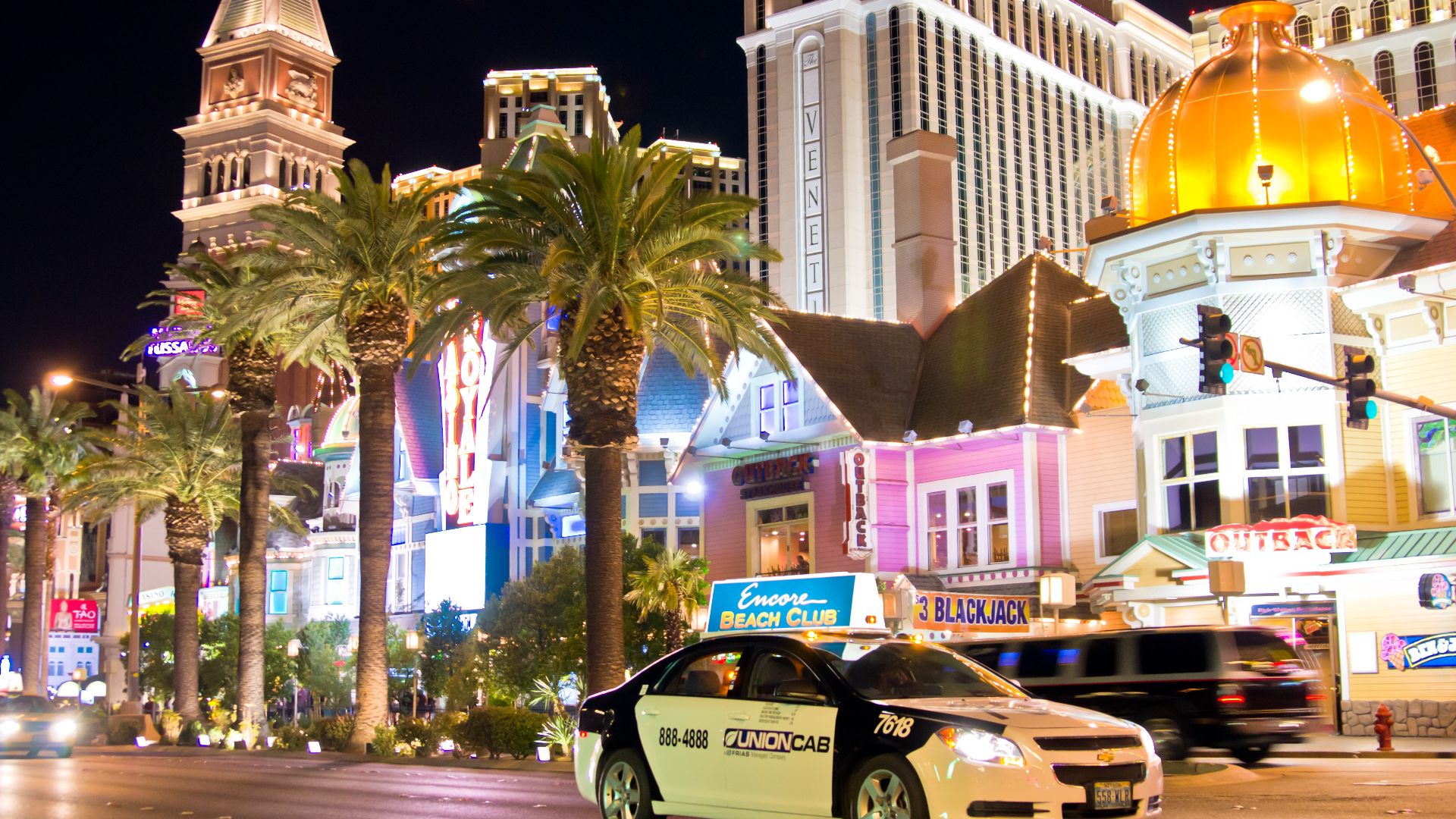 Antoine Taveneaux on Wikimedia
Modern Las Vegas continued redefining itself with mega-resorts and themed hotels that rival entire amusement parks. The city also expanded beyond gaming and became a center for conventions, world tours, and upscale dining. New attractions welcomed families as well as adults seeking nightlife, blending two identities that somehow coexist.
Tourists now flock to Vegas for everything from live entertainment to milestone celebrations and high-end vacations. Through these changes, the city preserved its instinct for reinvention. Thus, Las Vegas stands as a symbol of spectacle and ambition, shaped by history yet always reaching for a brighter future.