Travel warnings are easy to ignore until a friend calls sobbing from their resort vacation. The U.S. Department of State has kept several Mexican states under Level 2: Exercise Increased Caution for years, though the reminders cycle back into headlines whenever incidents near tourist zones flare up. Resorts still glow with turquoise pools, and the breakfast buffets still smell like warm conchas, yet the tension hangs in the air like the charge before a storm.
Violence Spilling Toward Tourist Corridors
Federal data from Mexico’s Secretariado Ejecutivo del Sistema Nacional de Seguridad Pública shows that Quintana Roo, home to Cancún and Playa del Carmen, has recorded fluctuating spikes in cartel-linked crime since 2021. Frequent shootings near resort beaches have startled visitors who’d expected the predictable rhythm of sunburns and margaritas.
Many of these incidents unfolded just outside the glossy hotel zones. You could walk past souvenir stands selling neon snorkels and never realize a turf dispute simmered behind them.
Police Presence That Reassures, Then Unsettles
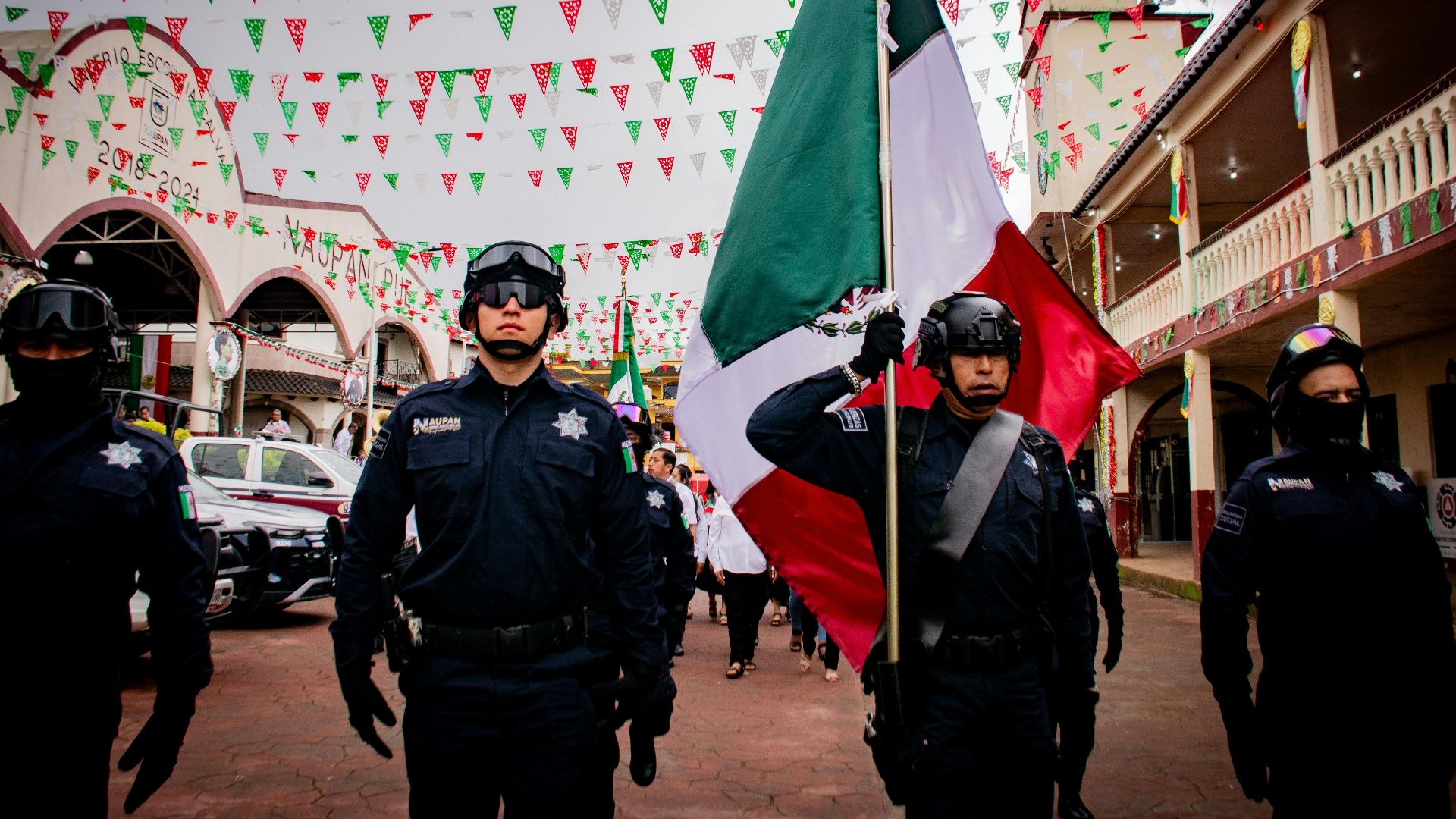
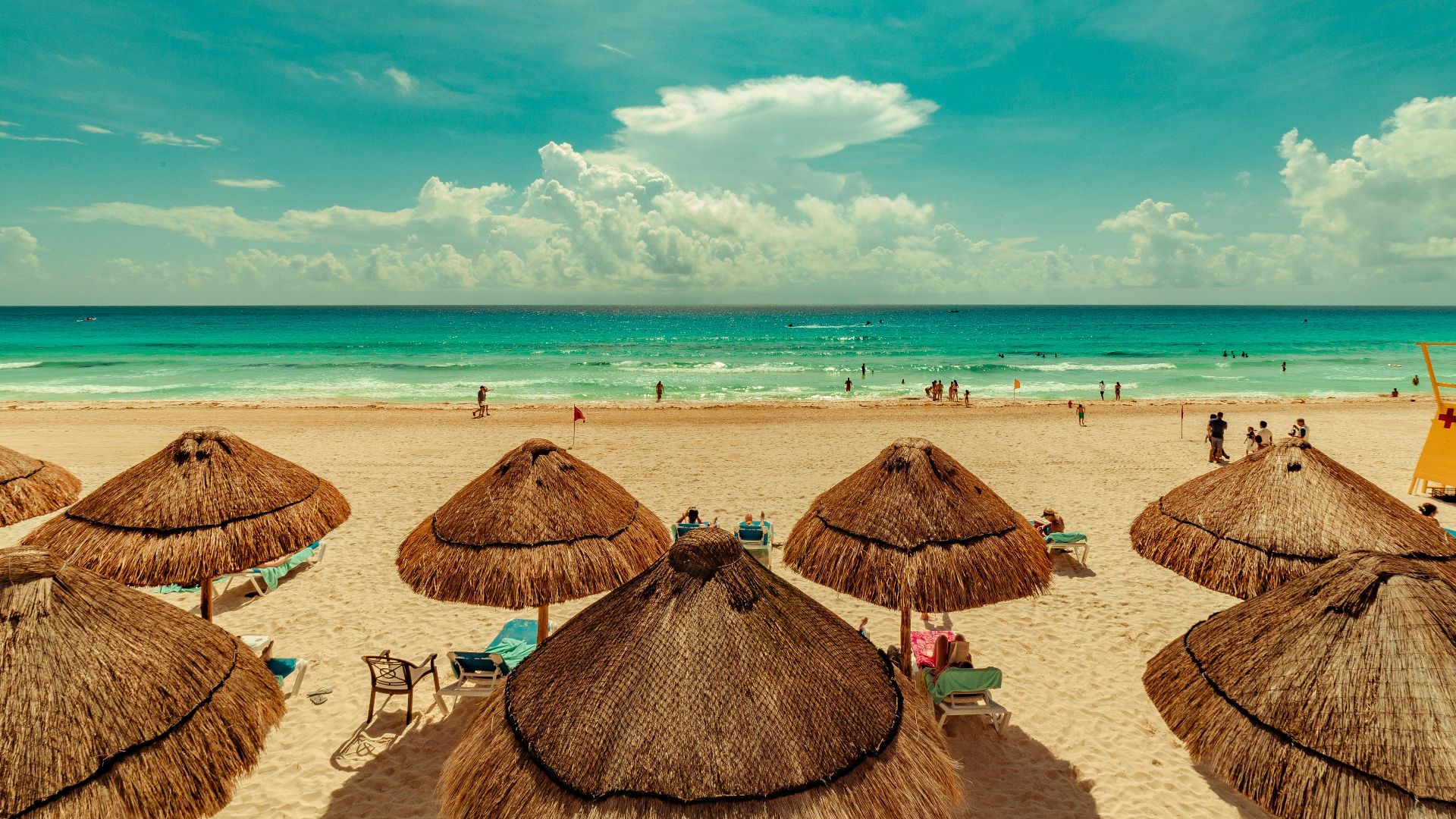
Tourists often notice the National Guard patrolling beaches in crisp uniforms. At first it feels reassuring, then it grows oddly jarring, as if the scenery and the security don’t match. The State Department has explained that increased law enforcement in resort regions often reflects attempts to stabilize local conditions rather than imminent danger.
As part of operations like "Summer Vacation 2025,” 7,000 troops and police have been sent to Cancun and Riviera Maya to safeguard high-traffic zones amid cartel activity. Some visitors interpret the patrols as proof that everything is under control. Others read them as a sign that the situation is beginning to deteriorate.
Alcohol Safety and Counterfeit Concerns
Warnings aren’t only about violence. Several years ago, the U.S. Embassy collected reports from travelers who experienced blackouts after drinking small amounts of alcohol at resort bars in Quintana Roo. Mexican regulators later seized thousands of gallons of illegally produced liquor during inspections. The matter quieted down, though similar incidents have also occurred more recently in 2024.
State Department advisories continue to recommend vigilance, noting that while resort zones like Cancún maintain high safety standards through patrols and inspections, petty scams and drink tampering remain outliers amid millions of safe visits annually. Travelers report seamless experiences by sticking to hotel all-inclusives and avoiding street vendors or unverified nightlife.
Transportation Risks Outside the Hotel Gates
 José Pablo Domínguez on Unsplash
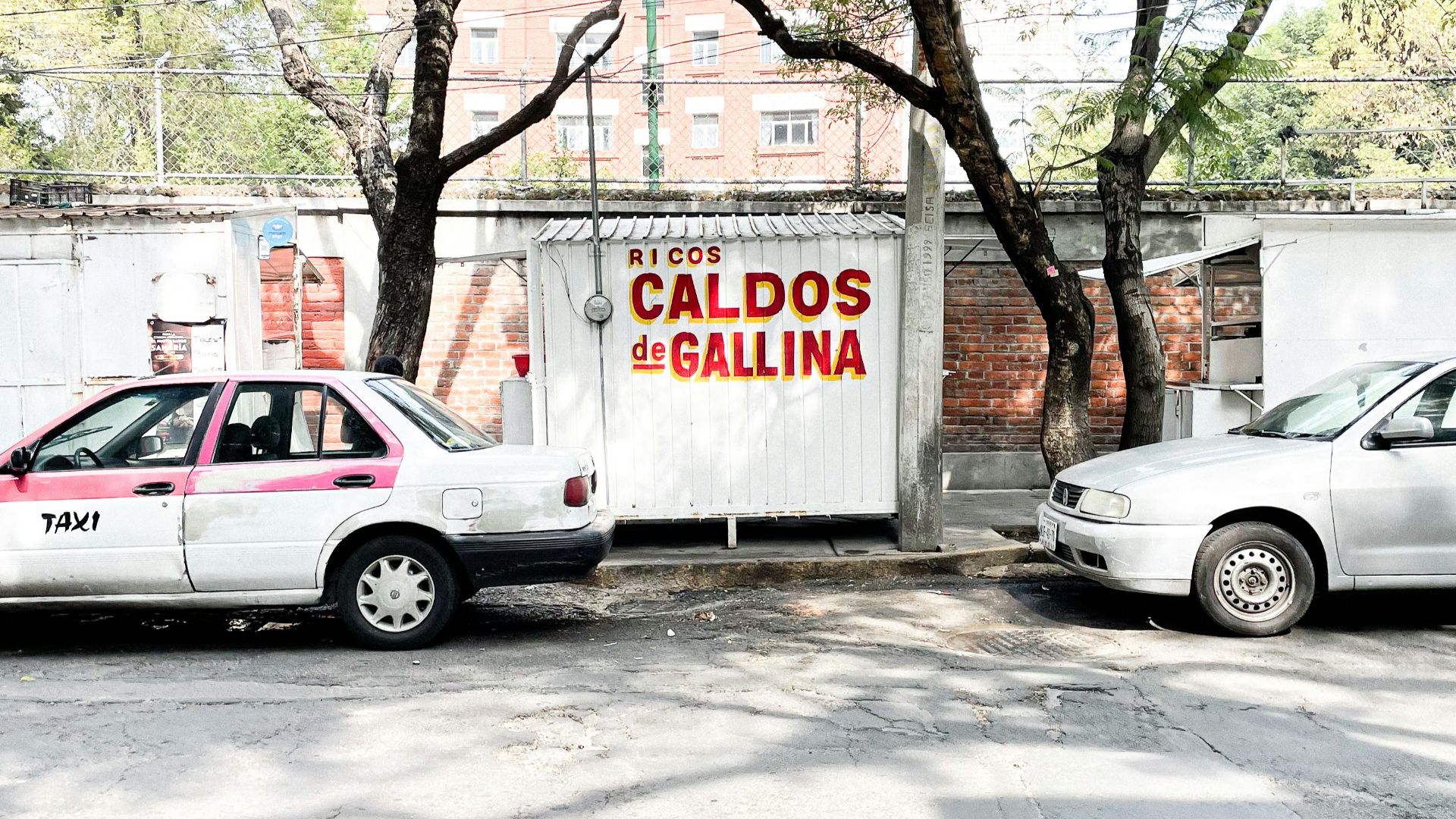
Official advisories also mention unregulated taxis and ride services. Tourists step onto sidewalks in Cabo or Cancún and encounter drivers quoting prices that swing wildly. The State Department discourages using non-app-based taxis in certain areas due to past harassment complaints and occasional vehicle robberies.
Pre-arrange rides through hotel concierges, official stands at airports, or apps like Uber and Didi, which offer tracking and fixed fares. The advisory notes that while resort zones maintain robust tourist protections, street taxis can lead to disputes or unsafe detours.
Natural Hazards That Get Less Attention
Warnings sometimes fold in environmental risks. Sargassum blooms along the Riviera Maya intensified in 2025, with satellite tracking from Mexico’s national meteorological service (SMN) reporting record influxes peaking May-July.
Massive floating mats inundated Cancún, Playa del Carmen, and Tulum beaches, piling up meters thick and emitting foul odors as they decomposed, forcing resort crews to clear stretches before dawn using heavy machinery.