

You've been dreaming about that European summer for months. Your flights are booked, your hotels reserved, maybe even a rail pass purchased. Then you start reading about new entry requirements, biometric screening, and travel authorizations that didn't exist last year. The rules changed while you were planning, and suddenly that straightforward vacation needs additional paperwork, fees, and appointments you hadn't budgeted for. Welcome to 2025, where getting into countries has become significantly more complicated than it used to be.
Europe's Getting Expensive Before You Even Arrive
Starting in late 2026, Americans heading to most of Europe need something called ETIAS. The European Travel Information and Authorization System requires U.S. citizens to apply online for travel authorization before visiting 30 European countries, including France, Italy, Spain, and Germany.
The application costs €20, which doesn't sound terrible until you're paying for a family of four. That's another hundred bucks on top of everything else. Kids under 18 and adults over 70 get it free, at least. Your ETIAS stays valid for three years or until your passport expires, whichever comes first.
The UK Went Its Own Direction
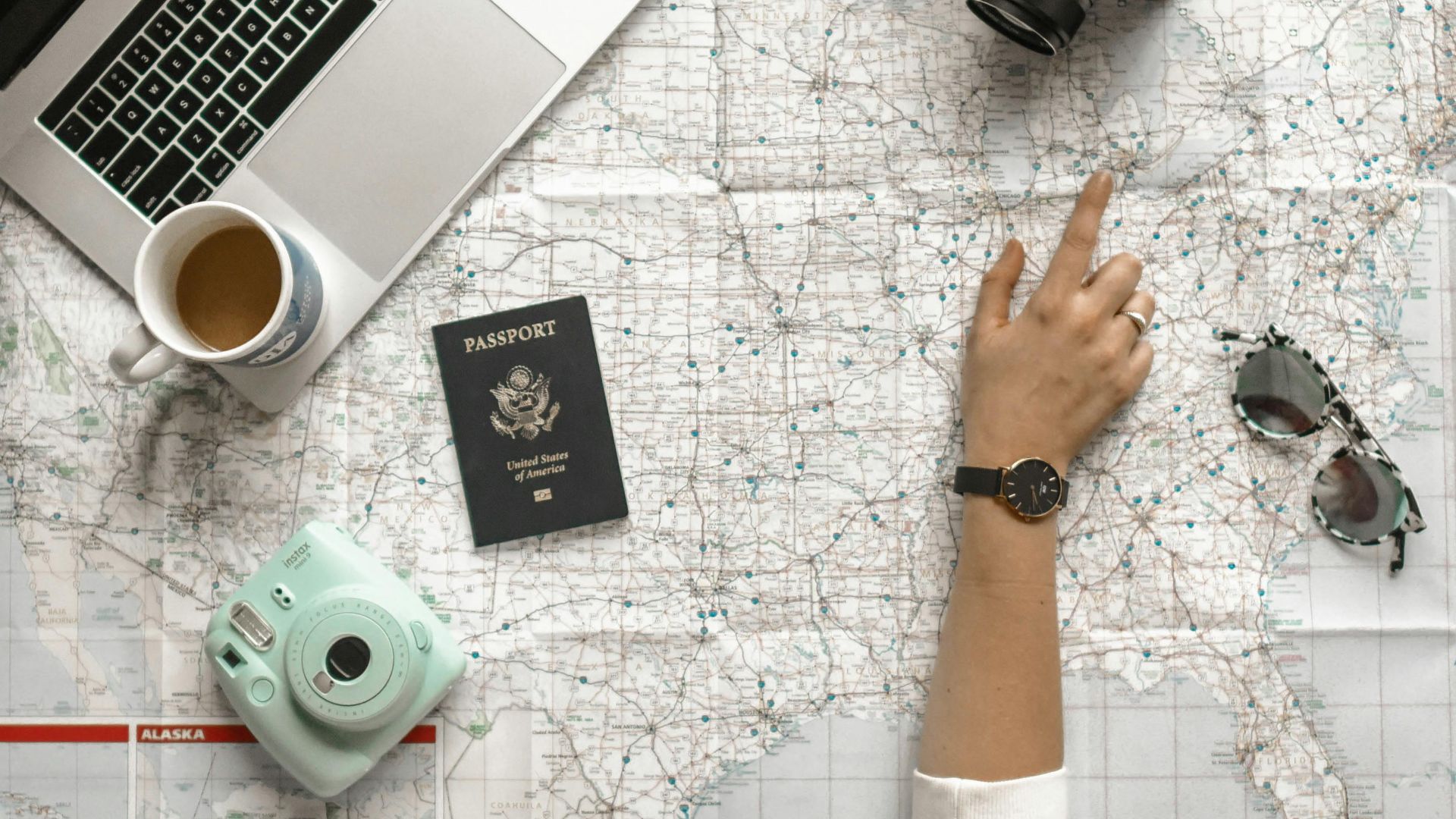
British ETA requirements started rolling out this year for most travelers. Americans visiting England, Scotland, Wales, or Northern Ireland for tourism or business now need an Electronic Travel Authorization.
The UK's system operates separately from Europe's ETIAS because, well, Brexit. That means if you're doing London then Paris, you need both authorizations. That’s two applications, two fees, and two different government websites to navigate. The costs add up fast when you're planning a multi-country trip.
Biometric Registration Is Coming Whether You Like It
As of October 12, 2025, non-EU nationals traveling to 29 European countries go through the Entry and Exit System. That means fingerprints and facial images get collected and stored digitally at the border. Your passport details, entry dates, exit dates, all tracked in a central database.
Think of it like the system the U.S. uses for foreign visitors, except now Americans are the ones getting photographed and fingerprinted. The EES modernizes border management, they say. Makes travel safer and more efficient. Maybe so, though standing in line while your biometrics get processed doesn't feel particularly efficient when you're jet-lagged and anxious to start your vacation.
U.S. Tourist Visa Fees Keep Climbing
Americans traveling to Europe face new costs, sure, but people visiting the United States got hit even harder. The U.S. Visa Integrity Fee adds a minimum $250 charge to all approved nonimmigrant visas starting October 1, 2025.
The interview requirement is the real problem. Most B-1/B-2 visa applicants now need to appear in person, including renewals that used to be handled by mail. Consulates in high-demand countries got overwhelmed immediately. Wait times that were two to three weeks ballooned to several months.
As of September 6, 2025, nonimmigrant visa applications must be submitted in the applicant's country of residence or nationality when you used to be able to apply wherever was convenient. Now people need to travel to their home country just to submit paperwork, which is expensive and time-consuming for anyone living abroad.
Other Countries Are Adding Requirements
Israel launched its ETA-IL system starting January 1, 2025, requiring nationals from 99 visa-exempt countries to apply online for travel authorization before visiting. Thailand expanded its e-visa system, which actually made things easier for some travelers. Cambodia cut e-visa fees to $30 for tourists and $35 for business travelers, down from $36 and $42.
Namibia went the opposite direction. Starting April 1, 2025, citizens of 31 countries including the U.S., Canada, and France need visas where none were required before. Applications moved online, which is convenient, except now you need a visa for a country that never required one previously.
With so many countries redefining the rules, keeping track of what you actually need for any given destination has become a part-time job. So before you embark on that spontaneous weekend to another country, you’d better check the visa requirements first, because they’ve probably changed since you last looked.