I Gave My Church 23 Years of Service—Then They Turned On Me and Everything I Trusted Fell Apart
I Gave My Church 23 Years of Service—Then They Turned On Me and Everything I Trusted Fell Apart
I Gave My Church 23 Years of Service—Then They Turned On Me and Everything I Trusted Fell Apart
The Kitchen Before Dawn
I pulled into the church parking lot at 5:30 AM, just like I had every Sunday for the past twenty-three years. The sky was still that deep purple-black that comes right before dawn, and the streetlights cast long shadows across the empty asphalt. My key slid into the side door lock with that familiar click, and I felt that same quiet satisfaction I always did—this was my domain, my ministry, the place where I'd poured out my heart since Tom died. The kitchen smelled like lemon cleaner from Wednesday's deep scrub, and I flipped on the overhead lights, watching them flicker to life one by one. I started the industrial coffee maker first, listening to it gurgle and hiss as I pulled out my handwritten checklist from the drawer. Communion bread needed slicing, the fellowship hall tables needed setting, and I had three casseroles in the fridge that needed reheating for the potluck after service. This kitchen had become more than a workspace—it was where I'd found purpose again after losing Tom, where the church family had wrapped around me like a warm blanket when I thought I'd never stop shivering from grief. I was reaching for the bread knife when movement outside caught my eye, and I glanced through the window to see Pastor Michael's sedan pulling in way earlier than usual. He climbed out carrying a manila folder that looked too thick, too formal for a Sunday morning.
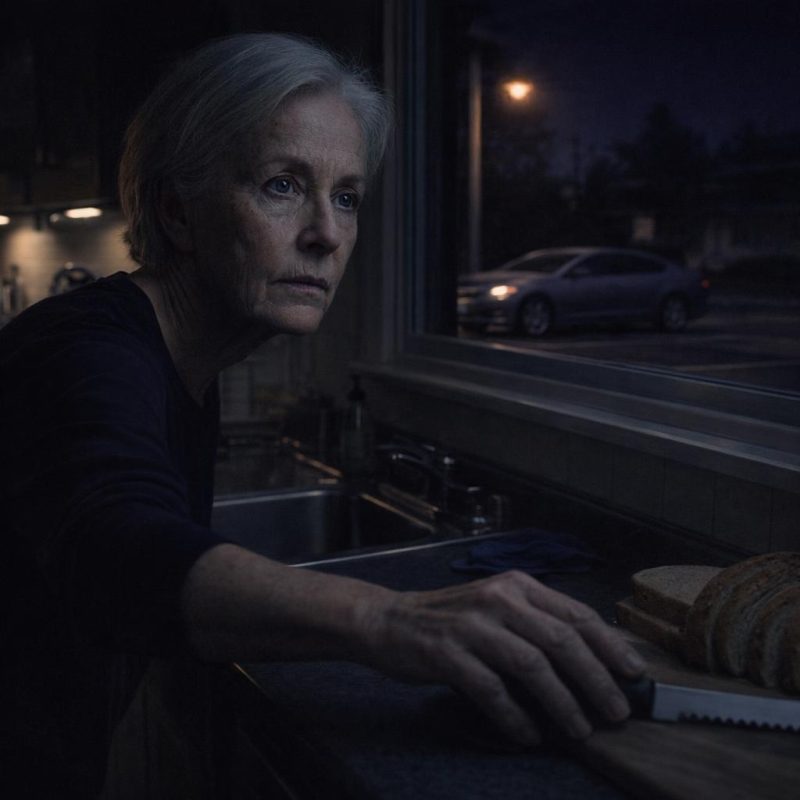 Image by RM AI
An Unusual Announcement
Pastor Michael knocked on the kitchen doorframe about twenty minutes later, giving me that gentle smile he always wore but looking somehow tired around the eyes. "Claire, do you have a moment before service? I'd like to chat in my office." I wiped my hands on my apron and followed him down the hallway, past the Sunday school classrooms with their construction paper decorations. His office smelled like old books and the peppermint candies he kept in a bowl on his desk. He gestured for me to sit, then settled into his chair with that folder—the one I'd seen him carrying—resting between us. "We're having a special meeting next week about kitchen operations," he said, using that careful tone he reserved for delicate church business. "Just an operational review, really. We want to make sure we're moving forward in the best way possible." I felt a little flutter of pride, wondering if they were finally going to do what the deacons had joked about last year—naming the kitchen after me. "Is this about the new dishwasher fund?" I asked, but he just smiled and said it was more comprehensive than that. His eyes kept drifting to the papers on his desk instead of meeting mine directly. He assured me it was nothing to worry about, that my years of service were deeply valued, but something about the way he said it made the words feel hollow, like he was reading from a script he didn't quite believe.
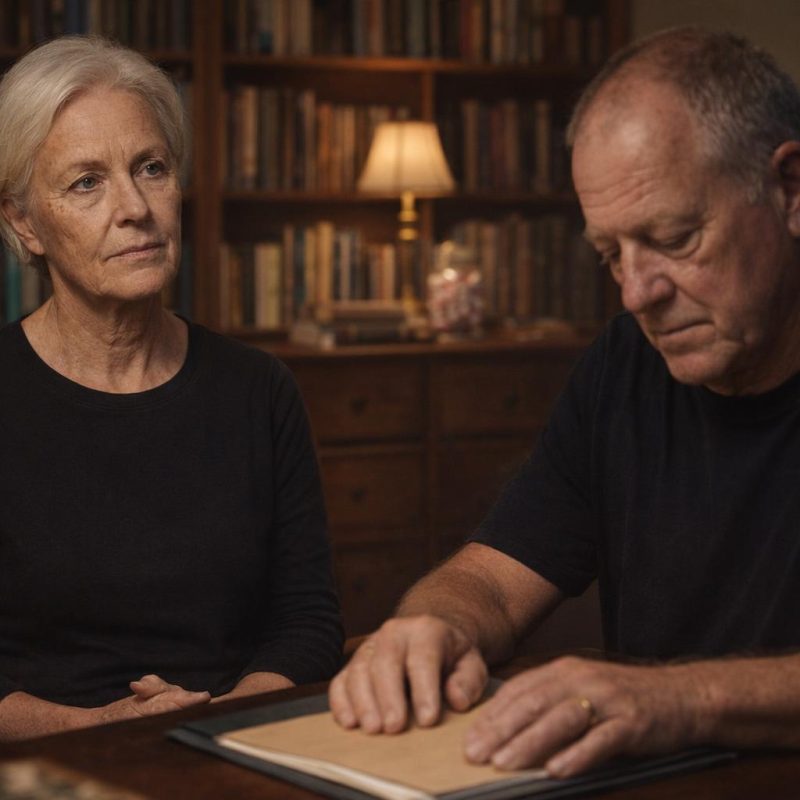 Image by RM AI
Meeting the New Committee
I walked into the conference room the following Tuesday evening expecting maybe a plaque or a cake, something to mark all those years of five-thirty mornings and potluck coordination. Instead, I found Pastor Michael sitting at the head of the table with two women I recognized from Sunday services. Ruth gave me a small, nervous smile from her seat by the window, her hands folded in her lap like she was praying. The other woman—Denise, I remembered her name was Denise—sat across from her in a crisp navy blazer that looked more boardroom than church basement. "Claire, thank you for coming," Pastor Michael began, and I noticed he had that folder open in front of him now. "I'd like to introduce our new kitchen operations committee. Denise has graciously agreed to serve as committee head." The words hit me sideways. Denise had only been attending our church for maybe a year, and I'd barely exchanged more than pleasantries with her after services. She smiled at me across the table, her teeth very white, her expression warm and professional. "I'm so excited to support the wonderful work you've been doing, Claire," she said, but something about that smile bothered me—it was perfectly shaped but didn't quite reach her eyes, like a photograph of warmth rather than the real thing. Ruth shifted in her seat, looking down at her hands, and I realized this wasn't a celebration at all.
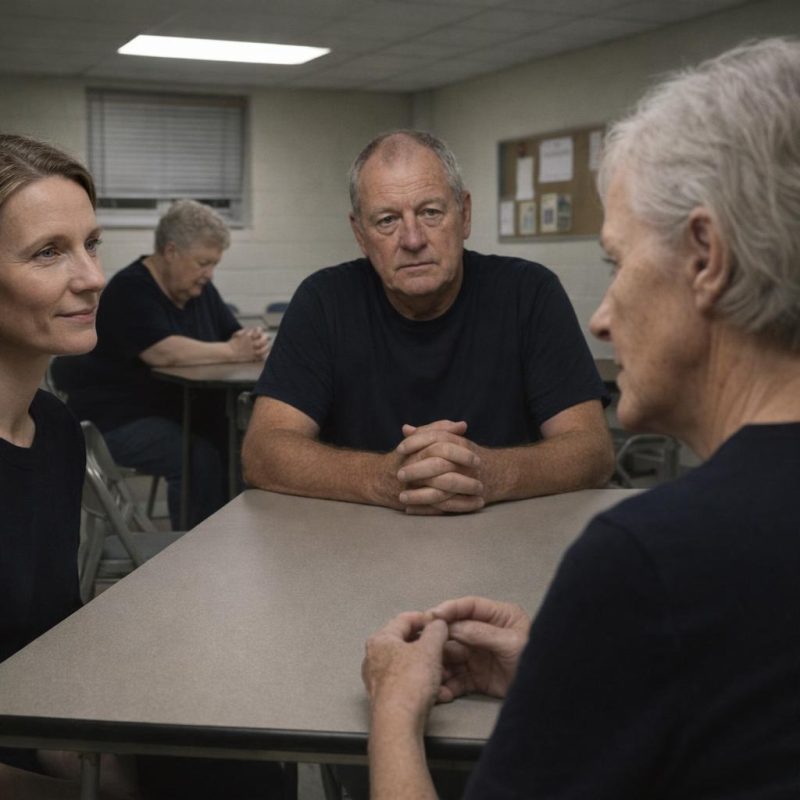 Image by RM AI
Modernization Plans
Denise opened a leather portfolio and began talking about modernization, efficiency, accountability—words that made my two decades of handwritten recipe cards and receipt logs sound like relics from another century. "We're thinking digital record-keeping would bring more transparency," she explained, clicking her pen in a steady rhythm. "The congregation deserves to see clear documentation of how kitchen funds are being used." I felt my spine straighten a little. I'd always been meticulous with my records, every grocery receipt taped into my ledger, every donation noted in my careful cursive. "I'm happy to show you my system," I offered. "It's all there, organized by month and event." Denise's smile didn't waver. "I'm sure it is, Claire. But we're looking at transitioning to methods that are a bit more... current. Something everyone can access and understand easily." Pastor Michael nodded along like this all made perfect sense, like progress was obviously good and my way was obviously old. I tried to explain how I tracked inventory, how I knew every pot and pan in that kitchen, but Denise kept using phrases like "moving forward" and "best practices" that made me feel like I was defending something already obsolete. When the meeting ended, she touched my arm and said she hoped we could work together, her fingers cool through my cardigan sleeve. I smiled back and said of course, but walking to my car, I couldn't shake the feeling that she'd just politely asked me to step aside.
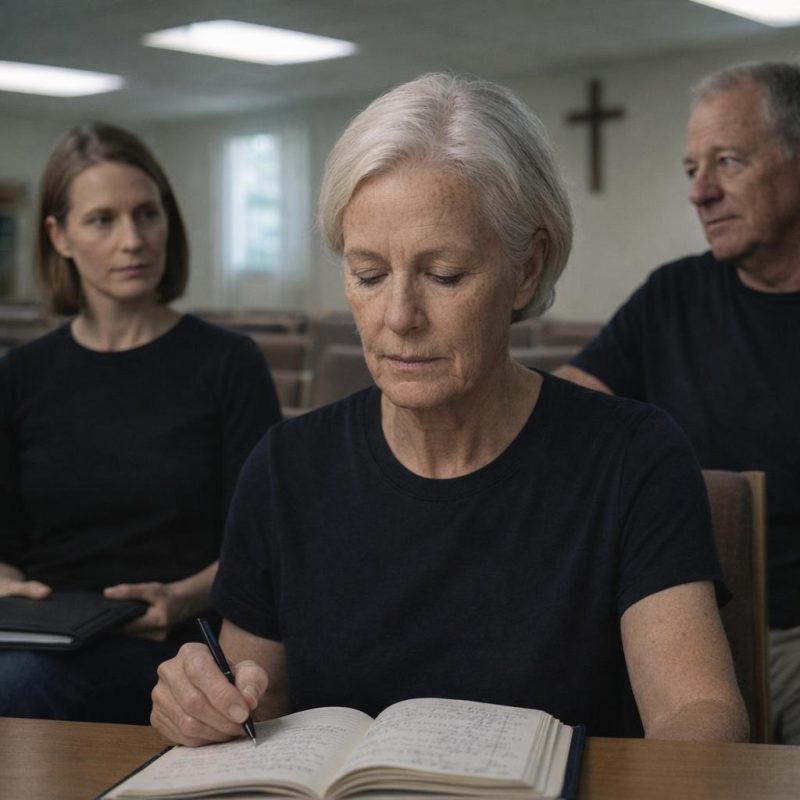 Image by RM AI
Shifting Glances
That Sunday felt wrong from the moment I started setting out the coffee urns. I'd smile at people I'd known for years, and they'd glance away like they'd suddenly remembered something urgent across the room. Margaret, who always asked about my garden, suddenly needed to check on her grandkids in the nursery. Bill, who'd been eating my lemon bars for a decade, grabbed his coffee without making eye contact. I kept replaying the committee meeting in my mind, trying to figure out what I'd said that could have offended anyone, but I came up empty. The conversations in the fellowship hall had a strange quality—they'd be flowing normally until I approached, then they'd stutter and shift to weather or the upcoming missions trip. I felt like I was walking through my own church wearing an invisible sign that everyone could read except me. I tried to catch Ruth's eye across the room, hoping for some explanation, some reassurance that I was imagining things. When our gazes finally met, I expected to see the usual kindness there, maybe some encouragement. Instead, what I saw made my stomach drop—it wasn't judgment or disapproval in her gentle, aged face. It was pity.
 Image by RM AI
Changes Without Consultation
I arrived Wednesday morning to prep for the women's Bible study luncheon and immediately knew something was different. The supply closet had been completely reorganized—my baking supplies were on different shelves, everything labeled with neat printed tags I'd never seen before. New sign-in sheets hung by the door, protocols for equipment use that I'd never been consulted about. I was standing there trying to process it when Denise walked in carrying a box of new storage containers. "Oh good, you're here," she said brightly. "I hope you don't mind—I implemented some of those efficiency improvements we discussed. Didn't want to burden you with the reorganization work." I felt heat creep up my neck. "I would have helped. This is... I mean, I've had a system that's worked for years." She set down the box and gave me that same professional smile. "Of course, and it's been wonderful. We're just building on that foundation." I took a breath, trying to be gracious, trying to be the bigger person. Then I went to unlock the storage room where I kept my financial records and ledgers, and the key wouldn't turn. The lock had been changed. "Oh, that," Denise said when I mentioned it. "New security measure. I'll make sure you get a key soon, I just haven't had a chance yet." But standing there with my old key useless in my hand, I couldn't help wondering why someone would lock me out of records I'd been keeping for over two decades.
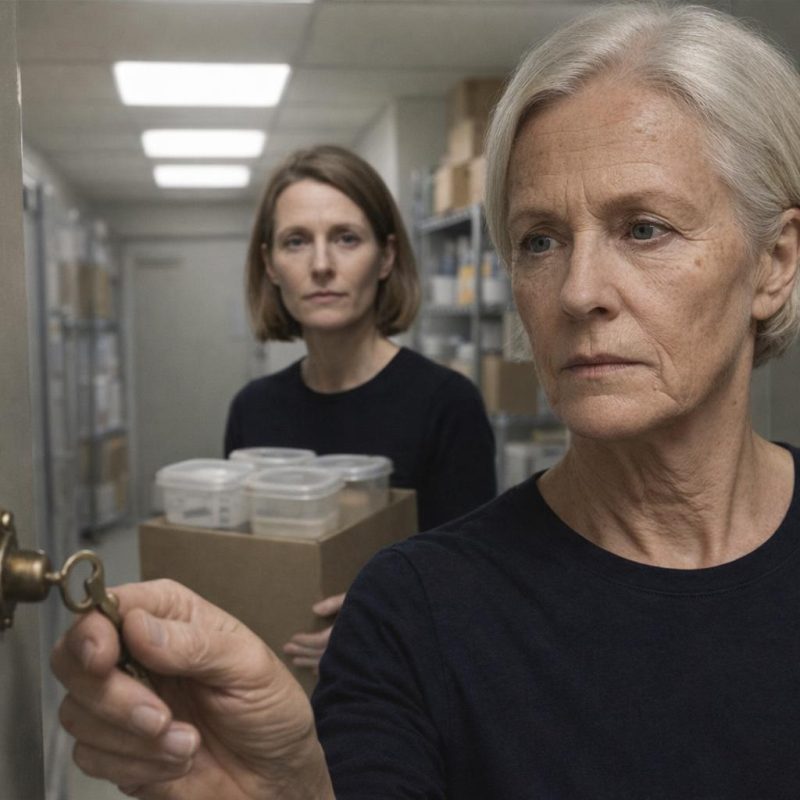 Image by RM AI
The Missing Dish
My blue casserole dish was gone. I'd used that dish for years—it was the perfect size for my chicken and rice, the one with the tiny chip on the handle that I'd learned to work around. I checked every cabinet twice, moved aside stacks of serving platters, even looked in the dishwasher though I knew I'd hand-washed it after last week's potluck. "Looking for something?" Denise asked, appearing in the doorway. I explained about the dish, and she tilted her head thoughtfully. "Are you sure you didn't take it home? Sometimes after a long event, it's easy to pack things up without thinking." The suggestion stopped me cold. I was certain I hadn't taken it home, but the way she said it—so reasonable, so kind—made me second-guess myself. "I don't think so, but..." "It happens to all of us," she said, patting my shoulder. "Keeping track of everything can be overwhelming. Maybe check your cabinets at home?" That night, I stood in my own kitchen and methodically opened every single cabinet, checked the garage shelves, even looked in the basement storage. The dish wasn't there. It had never been there. But lying in bed that night, staring at the ceiling, I couldn't stop replaying Denise's words—"keeping track of everything can be overwhelming"—and wondering if maybe, possibly, I was starting to forget things I used to know for certain.
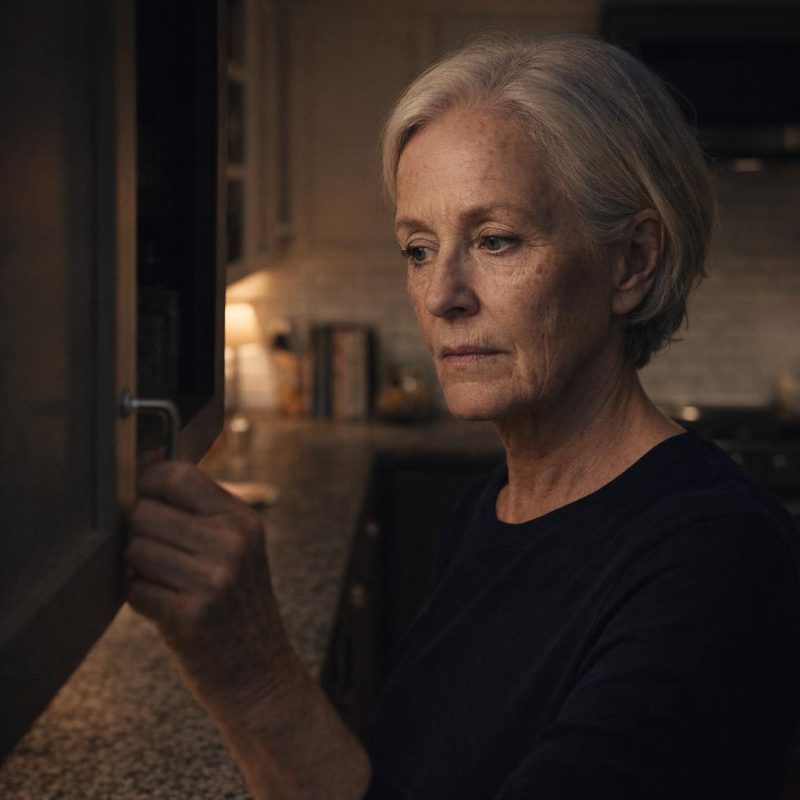 Image by RM AI
Ruth's Silence
Ruth appeared at my pew before service started, her white permed hair catching the light from the stained glass windows. She slid in beside me, and I could see her hands trembling slightly in her lap. "Claire, I wanted to—" she began, then her eyes darted past my shoulder and her whole expression changed. "How was your week?" The shift was so abrupt it felt like whiplash. I turned to see what had caught her attention, but there were just people filing in for service, no one obviously watching us. "Ruth, what's wrong?" I asked quietly. "You can talk to me about anything." Her eyes filled with tears, and for a moment I thought she was going to tell me whatever was clearly eating at her. But she just shook her head, pressed her lips together, and stood up. "I should get back to my seat. Harold will wonder where I am." I watched her walk back to her usual pew three rows behind mine, saw her lean close to her husband's ear. I couldn't hear the words, but I saw her shoulders shake, saw Harold put his arm around her. Then, just as the organ music started, I heard her whisper carry across the quiet sanctuary—"I can't do this anymore." By the time I turned around fully, she was already staring straight ahead at the altar, and I was left wondering what exactly it was that Ruth couldn't do, and why she looked so broken about it.
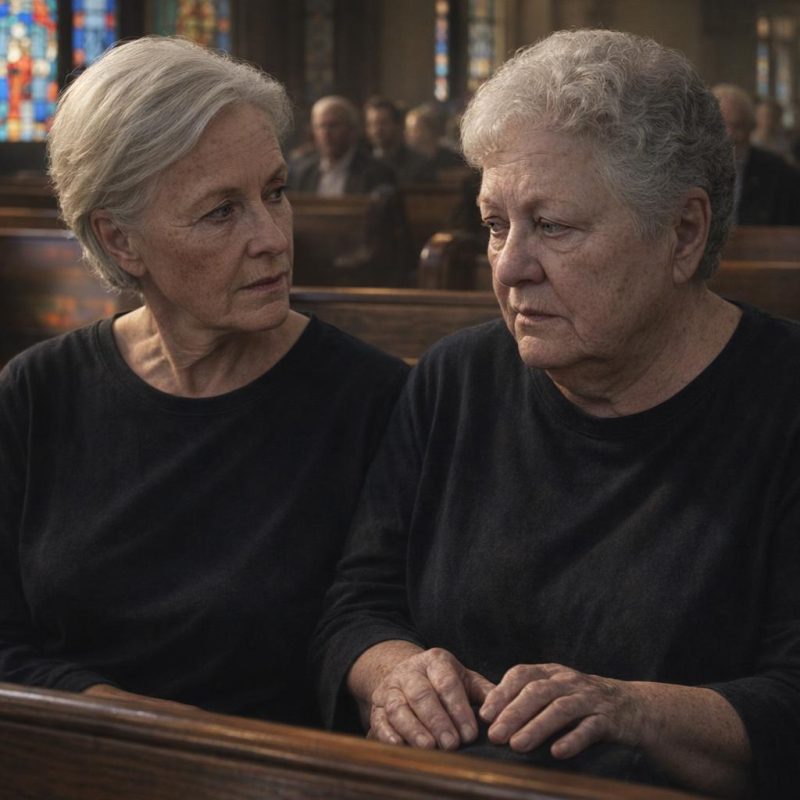 Image by RM AI
Called to Order
The conference room felt smaller than I remembered, even though I'd been in there dozens of times for potlucks and planning meetings. Pastor Michael sat at the head of the table with his hands folded, his wire-rimmed glasses catching the fluorescent light in a way that made his eyes hard to read. Denise sat to his right with a stack of manila folders arranged just so in front of her, her blonde hair perfectly styled even though it was a Tuesday afternoon. Ruth was there too, tucked into the corner seat, her floral print dress seeming to fade into the wallpaper as she studied her hands. I took the chair across from Pastor Michael, and the distance between us felt like miles even though the table was maybe six feet wide. He cleared his throat and thanked me for coming, then thanked me for my years of service—past tense, like I was already gone. The other committee members, people I'd served alongside for years, wouldn't quite meet my eyes. My hands were shaking in my lap, so I pressed them flat against my thighs. Denise opened a folder on the table and said the words that made my stomach drop: 'We need to discuss some financial irregularities.'
 Image by RM AI
The Accusations
Denise slid a spreadsheet across the table, and I stared at rows of highlighted numbers that were supposed to represent my kitchen budget over the past eight months. She walked through it line by line—three hundred dollars in cash withdrawals that didn't match any receipts, supply orders from vendors I'd never heard of, discrepancies between what I'd supposedly purchased and what actually showed up in the pantry inventory. Her voice stayed professional, almost gentle, like she was explaining a difficult diagnosis to a patient. I recognized some of the receipts she showed me, ones I'd turned in myself for flour and sugar and coffee, but others looked wrong—different handwriting, stores on the other side of town I'd never been to, dates that didn't line up with my calendar. I tried to interrupt, to explain that I kept careful records and some of these didn't make sense. Pastor Michael raised his hand and the formality in his voice made me feel like I was in a courtroom instead of a church. Denise kept going, stacking allegation on top of allegation, and I sat there trying to make sense of claims that seemed impossible. I opened my mouth to defend myself, but Pastor Michael raised his hand and said they needed to finish presenting their findings first.
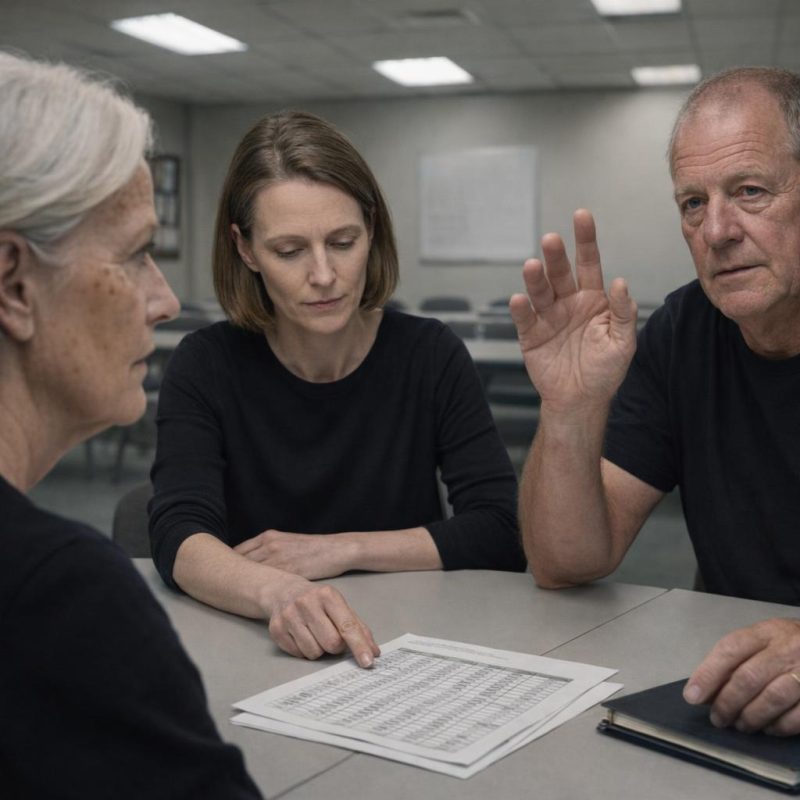 Image by RM AI
No One Speaks Up
When they finally let me speak, I explained my system—the handwritten ledger I'd kept for years, every purchase documented with date and purpose, every receipt taped to the corresponding page. I pointed out the receipts I recognized and questioned the ones I didn't, my voice getting higher as I tried to make them understand that some of these documents had never crossed my desk. Denise listened with her head tilted, then asked why I couldn't explain every single discrepancy if my records were so thorough. Pastor Michael wanted to know if I kept backup copies at home, and I said yes, I could bring them in, I could show them everything. But even as I talked, I could see their faces staying carefully blank, professionally neutral, like they'd already made up their minds and were just going through the motions. I looked at Ruth, who'd worked beside me in that kitchen for five years, who knew how meticulous I was about every penny. She was staring at her hands, her fingers twisted together so tight her knuckles had gone white. I scanned the other faces around the table, people I'd served with and laughed with and prayed with for more than two decades. Not one person spoke up. Not one person said they'd seen my careful work or vouched for my character. When I finally asked if anyone would vouch for my character, for my twenty-three years of integrity, the silence stretched so long I thought I might suffocate.
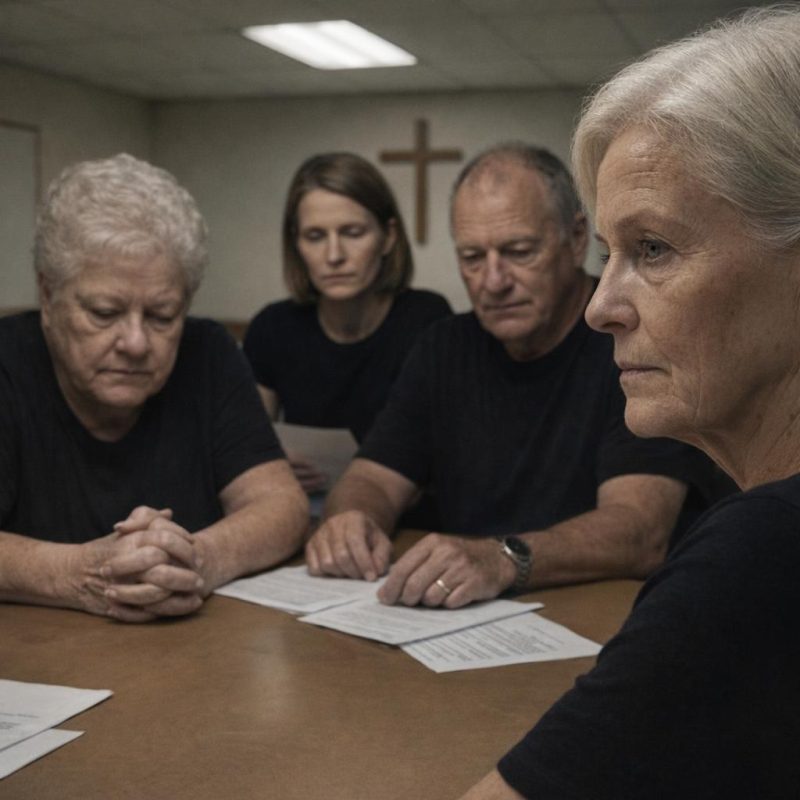 Image by RM AI
Escorted Out
Pastor Michael's voice was quiet when he said they had no choice but to suspend me pending the outcome of their investigation. The word 'pending' should have offered hope, but the way he said it felt final, like a door closing. He asked me to leave my apron and keys on the table, and I stared at the worn fabric of that apron, the one I'd washed and ironed every week for years, the one that smelled like cinnamon and coffee and Sunday mornings. My hands shook as I untied it, folded it into a neat square the way I always did, and set it down next to my key ring. Pastor Michael offered to walk me out, which might have seemed kind except it felt like being escorted from the building. We walked past the kitchen in silence, and I glanced through the window at the industrial mixer, the shelves I'd organized, the recipe cards in my handwriting taped to the cabinet doors. I reached my car and sat in silence, unable to process what had happened, my hands still trembling on the steering wheel. I folded my apron with hands that wouldn't stop shaking, and as I walked out of the church I'd called home for more than two decades, I realized the lock had already been changed on the kitchen door.
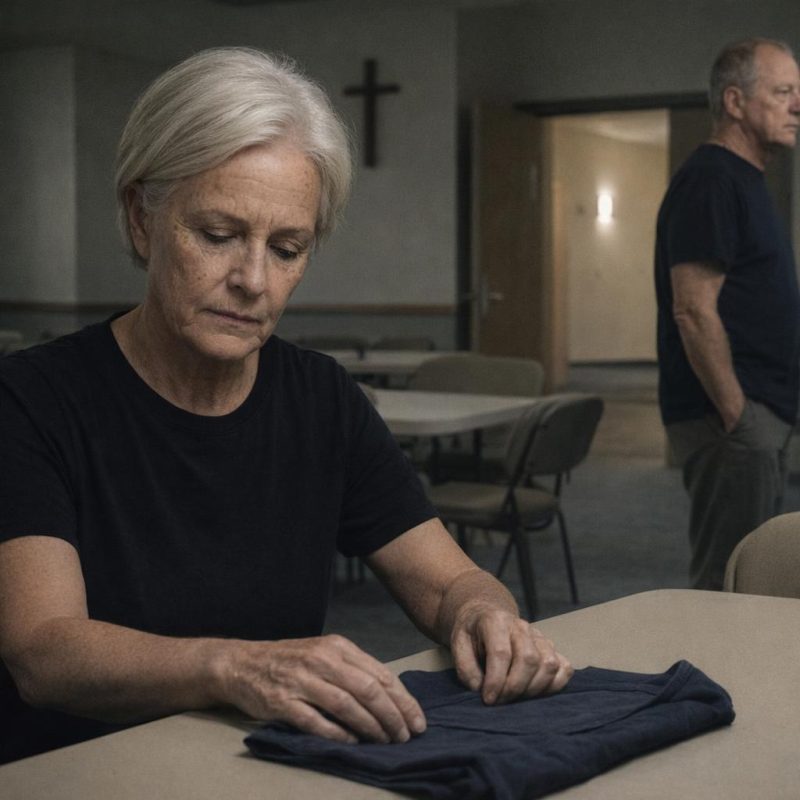 Image by RM AI
Empty Hours
I don't remember driving home. One minute I was sitting in my car in the church parking lot, and the next I was at my kitchen table with no memory of the route I'd taken. The house felt too quiet, the kind of silence that presses against your eardrums and makes you aware of your own breathing. I'd spent so many years rushing from church to home and back again that I'd forgotten what it felt like to have empty hours stretching ahead with nothing to fill them. I sat there as the afternoon light moved across the table, replaying the meeting in my mind, searching for the moment where I could have defended myself better, explained more clearly. Maybe I had made mistakes I didn't remember. Maybe my record-keeping wasn't as good as I thought. The doubts crept in like cold water, and I couldn't seem to stop them. My phone sat silent on the counter—no calls from church friends, no one checking to see if I was okay. I thought about David, my late husband, and how he would have known exactly what to say to make this bearable. The shadows grew longer and I just sat there, unable to move, unable to think past the weight pressing down on my chest. The doorbell rang just as darkness fell, and through the peephole I saw Gloria from next door holding a pie, her face full of something I desperately needed: belief.
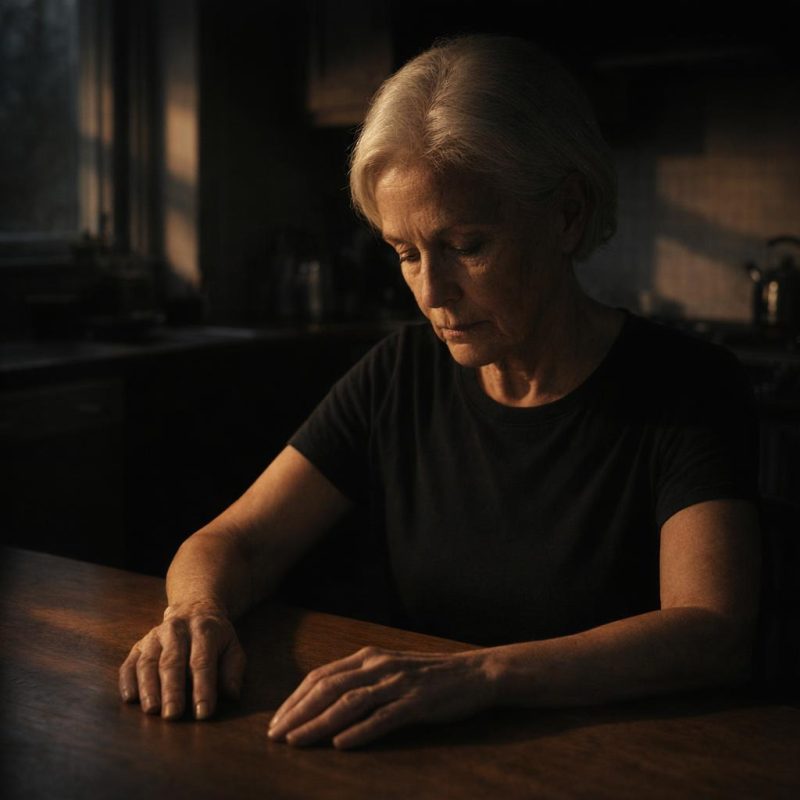 Image by RM AI
Searching for Clues
The next morning I pulled out every calendar, notebook, and receipt folder I'd kept at home from the past three years. I spread them across my dining room table and started cross-referencing, desperate to find whatever mistake I'd made that could explain the accusations. My handwriting stared back at me from page after page—neat columns of dates, amounts, purposes, vendor names. Every single entry was documented, reasonable, accounted for. I found the receipts for the flour order in March, the coffee supplier invoice from June, the bulk sugar purchase in September. Nothing was missing from my records. Nothing suggested the kind of financial chaos Denise had described. I tried to remember the specific receipts she'd shown me in that meeting, the ones that looked wrong. There was one from a restaurant supply store I'd never used, another from a date when I'd been home sick with the flu according to my calendar. The more I looked, the more I realized something impossible: several of the receipts presented in that meeting had never existed in my files at all. I would have remembered purchasing from those vendors, would have recorded them in my ledger. Some of the handwriting on those receipts hadn't even looked like mine. The more I examined my own records, the more I realized the receipts shown in that meeting weren't just different from mine—some of them had never existed in my files at all.
 Image by RM AI
Gloria's Pie and Questions
Gloria didn't wait for an invitation. She walked into my kitchen, set down her apple pie, and poured two cups of coffee like she'd done it a hundred times before. 'I've known you fifteen years, Claire,' she said, settling into the chair across from me with her bright eyes fixed on my face. 'And I don't believe a word of what's being said.' The relief that washed over me was so strong I had to blink back tears. She asked me to walk her through everything that had happened, and I did, starting with the meeting and ending with my discovery about the receipts that didn't match my records. Gloria listened without interrupting, her sharp mind clearly working through the details. When I finished, she sat back and crossed her arms. 'The whole thing moved too fast,' she said. 'They suspended you immediately, changed the locks before you even knew what was happening. Why wouldn't they give you the benefit of the doubt after twenty-three years?' I hadn't thought about it that way. She tapped her fingers on the table, her expression thoughtful. 'And Pastor Michael—he's always been so gentle with everyone. This doesn't seem like him.' Then she leaned forward, her eyes narrowing in that way that meant she'd spotted something important. She leaned forward and asked me something no one else had: 'Who benefits from you being gone?'
 Image by RM AI
Tom's Call
I waited until evening to call Tom, partly because I knew he'd be done with work and partly because I needed time to figure out how to explain this without falling apart. He answered on the second ring, and I could hear the smile in his voice fade as I told him what had happened. 'They accused you of what?' His disbelief was immediate and fierce, and something in my chest loosened at hearing it. I walked him through the allegations, the suspension, the changed locks, trying to keep my voice steady. He asked if I wanted him to fly home, and I could hear him already pulling up flight schedules in the background. 'Not yet,' I said, though part of me wanted him there desperately. 'I'm still trying to understand what's happening.' Tom started asking questions—detailed, logical questions about the timeline, the specific accusations, the people involved. 'Mom, you've been keeping household budgets and church records since I was a kid,' he said. 'You've never been careless with money. You still balance your checkbook to the penny.' He was right. I'd taught him to be meticulous because I was meticulous. It was who I'd always been. Before hanging up, he said something that stuck with me: 'Mom, you've never been careless with anything in your life—why would you start now?'
 Image by RM AI
Gloria's Theory
Gloria came back the next morning with a spiral notepad and a determined expression that reminded me of a detective settling in for a long interrogation. She poured herself coffee without asking—we were past formalities now—and sat across from me at the kitchen table with her pen already poised. 'Tell me everything you know about Denise,' she said, flipping to a fresh page. I started with the basics: Denise had appeared at church about a year ago, maybe thirteen months, joining on a Sunday when we'd had a visiting missionary speak. She'd seemed pleasant enough, well-dressed, articulate. Within weeks she was volunteering for committees, offering to help with the church directory, suggesting improvements to the bulletin format. 'She knew exactly how to make herself useful,' I said, and Gloria's pen scratched across the paper. I told her how Pastor Michael had taken to Denise's ideas immediately, how she'd moved from newcomer to trusted advisor faster than anyone I'd seen. Gloria asked about personal details—where Denise lived, what she did for work, whether she had family in the area. I opened my mouth to answer and realized I had no idea. We'd worked together for a year, sat in meetings, coordinated events, and I couldn't tell you a single meaningful thing about her life outside those church walls. It struck me with an uncomfortable jolt that despite a year of church attendance together, I knew almost nothing about Denise except that she'd managed to gain everyone's trust remarkably fast.
 Image by RM AI
The Restricted Records
Gloria tapped her pen against the notepad and asked when I'd last actually seen the complete financial records—not summaries, but the full ledgers and receipts. I started to answer, then stopped as the timeline assembled itself in my mind. 'Denise suggested a new filing system,' I said slowly, remembering the conversation in the church office. It had been last spring, maybe six months ago, when she'd proposed digitizing everything for better organization. She'd made it sound so reasonable, so modern, explaining how we could access reports more easily if everything was in spreadsheets instead of my handwritten ledgers. I'd been grateful, honestly—it seemed like she was taking a burden off my shoulders. She'd started providing me with weekly summaries, neat printed pages with categories and totals, and I'd worked from those instead of the full records. At the time it felt like progress, like the church was finally catching up with the twenty-first century. 'So you haven't seen the actual detailed accounts since then?' Gloria asked, and I felt my stomach drop. She was right. For nearly half a year, I'd been working from weekly summaries Denise provided while she controlled access to the actual detailed accounts.
 Image by RM AI
The Decision to Investigate
I sat alone that evening with Gloria's notepad spread across my lap, pages filled with questions and timelines that didn't add up to innocent mistakes. The house felt too quiet, the kind of silence that makes you hear your own thoughts too clearly. I'd spent three days waiting—waiting for the church investigation, waiting for someone to realize this was wrong, waiting for the truth to somehow reveal itself without me having to fight for it. But looking at those notes, at the pattern of restricted access and convenient timing, I understood that waiting wasn't enough. If I wanted to know what was really happening, I'd have to find out myself. The thought scared me more than I wanted to admit. I'd never been the confrontational type, never pushed back when it might cause discomfort. But I also couldn't just sit in my house, suspended and silent, while my reputation crumbled based on accusations I didn't understand. I pulled out my own notebook and started making a list of people who might have information—long-time church members who'd known me for years, people who might have heard things or noticed details I'd missed. I needed to understand what stories were being told about me, whether everyone had heard the same version of events. The first person I'd call would be Ruth, whose tears in the sanctuary told me she knew something she was afraid to say.
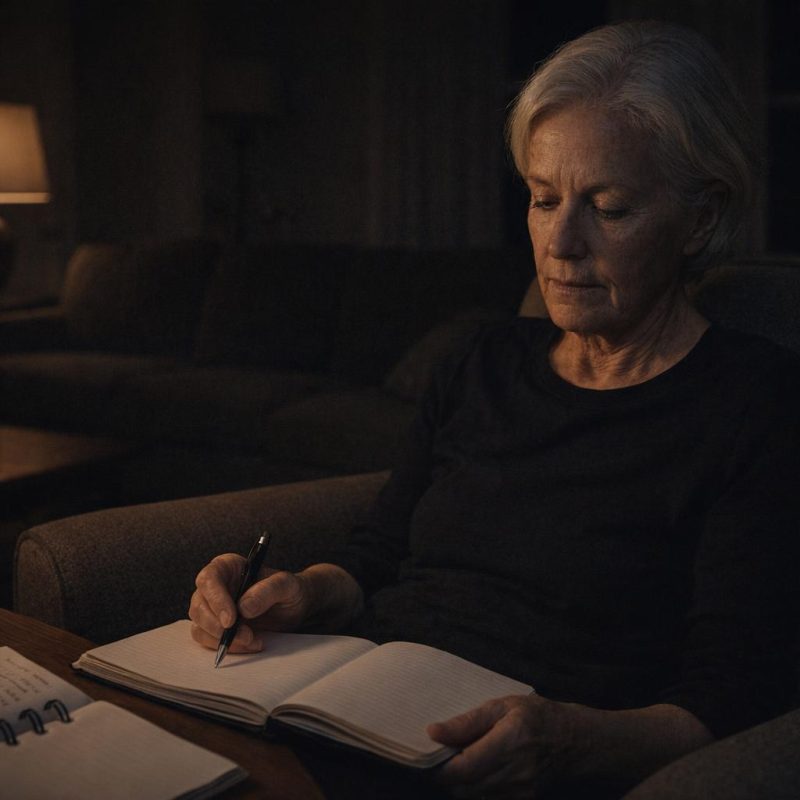 Image by RM AI
Reaching Out
I started making phone calls that afternoon, keeping my voice casual and friendly, like I was just checking in with old friends during a difficult time. The first call was to Margaret, who'd been in the women's Bible study with me for fifteen years. She was sympathetic but vague, mentioning something about financial record-keeping problems that needed to be sorted out. The second call went to Jim, who'd served on the building committee when we'd renovated the fellowship hall. He seemed uncomfortable, saying he'd heard I was resistant to new procedures and that there'd been some concerns about my management style. By the third call—to Sandra from the choir—I was taking notes. She'd been told there were issues with kitchen inventory and budget oversight, nothing specific but serious enough to warrant a temporary suspension. I kept calling, kept listening, and the pattern became impossible to ignore. Everyone had a slightly different version of why I'd been suspended, as if the story had been tailored for each audience. Some heard about financial misconduct, others about resistance to change, a few about vague professionalism concerns. None of them had the complete picture, and the variations seemed too precise to be simple miscommunication. By the third call, I noticed something strange: everyone had a slightly different version of why I'd been suspended, as if the story had been tailored for each audience.
 Image by RM AI
Fractured Narratives
I spent the next morning compiling everything I'd heard into a single document, writing out each person's account with as much detail as I could remember. Gloria came over after lunch and helped me organize the information, creating columns for who said what and when they'd heard it. The contradictions were stark when laid out side by side. Some people had been told I'd made serious financial errors; others heard I was simply resistant to modernization. A few had vague concerns about my professionalism, while others thought it was about kitchen management issues. The stories didn't just differ in emphasis—they contradicted each other in fundamental ways. But the most troubling discovery came when I noticed a pattern in my notes: three different people had mentioned, almost as an aside, that they'd been told it would be better not to contact me during the investigation. Margaret said someone had suggested it might compromise the process. Jim thought he'd heard it from a committee member. Sandra couldn't remember who'd mentioned it, just that it seemed like the right thing to do. None of them could point to an official instruction or remember exactly who'd given them that advice. The isolation hadn't been accidental—it had been engineered through quiet suggestions that spread like whispers through the congregation. The most troubling discovery was that three people mentioned being specifically told not to contact me, though none could remember who gave that instruction.
 Image by RM AI
The Silent Treatment
I'd been trying to reach Ruth for two days, leaving messages that went unreturned, before she finally answered my call on a Thursday afternoon. Her voice was thick with tears before she even said hello. 'I'm so sorry, Claire,' she said, and I could hear her struggling to compose herself. 'I should have called you back. I should have come to see you.' I told her it was okay, that I understood things were complicated, but she interrupted me. 'No, you don't understand. I was told—someone said it would be better for everyone if I kept my distance until the investigation concluded.' Her voice cracked on the last word. I asked who had told her that, trying to keep my own voice steady, but she couldn't or wouldn't say. She just kept apologizing, saying she felt terrible about abandoning me when I needed friends most. We talked for a few more minutes, Ruth crying and me trying to reassure her even though I felt like crying myself. Just before she hung up, her voice dropped to almost a whisper. 'Claire, I saw something in the kitchen a few weeks ago. Something with the receipts or paperwork that seemed off. I convinced myself it was nothing, that I'd misunderstood what I was seeing.' She paused, and I could hear her breathing. Before she hung up, Ruth whispered that she'd seen something in the kitchen weeks ago that bothered her, but she'd convinced herself it was nothing until now.
 Image by RM AI
Mapping the Web
Gloria spread out our notes across her dining room table the next afternoon, and I watched as she started connecting information with colored markers like she was mapping a conspiracy. Red lines for who told whom about my suspension. Blue for people who'd been advised to keep their distance. Green for timeline markers showing when each person learned different versions of the story. She worked methodically, her arthritic hands steady despite the detailed work, and gradually a web emerged across the papers. Every conversation we'd documented, every piece of information that had spread through the congregation, every suggestion to maintain distance—Gloria traced them all back to their sources. I stood beside her, watching the pattern take shape, and felt something cold settle in my chest. The threads didn't scatter randomly across the congregation. They converged. Every path led back to one common point, one person who'd been present for or initiated every conversation where someone learned to keep their distance from me. Denise had briefed certain people when Pastor Michael made announcements. She'd initiated casual conversations with others, expressing concern about the situation. She'd been in the room, on the phone, or mentioned by name in nearly every instance where information about my suspension had spread. The visual made it undeniable. Every thread led back to one common point: Denise had been present for or initiated every conversation where someone learned to keep their distance from me.
 Image by RM AI
Selective Truth
I went back through my notes that evening with fresh eyes, looking at not just what people had been told but who had been told what. The pattern Gloria's map had revealed went deeper than I'd first understood. I noticed that people who would naturally question the accusations—my closest friends, people who'd known me for decades—had received the vaguest, most confusing explanations. Margaret got contradictory information that left her uncertain what to believe. Jim heard multiple versions that didn't align. But people who were newer to the church, who didn't know me as well, had been given the most specific and damning allegations about financial misconduct. They had details, numbers, serious-sounding concerns that would be hard to dismiss. Gloria came over and we reviewed the correlation together. 'Look at this,' she said, pointing to my notes. 'Everyone who got detailed accusations was someone who'd accept them without much question. Everyone who got vague stories was someone who might defend you.' The targeting seemed too precise to be coincidental, too carefully calibrated to be accidental. Someone would need to know the congregation intimately—who was loyal to whom, who would question authority, who would accept what they were told. The variations seemed too precise to be coincidental, as though different versions had been given to different people based on how much they'd believe or how much they'd defend me.
 Image by RM AI
Common Thread
I went back through my notes that evening with fresh eyes, looking at not just what people had been told but who had been told what. The pattern Gloria's map had revealed went deeper than I'd first understood, and I started creating a timeline of the past year—every change to kitchen operations, every new procedure, every moment when my access had been quietly restricted. Gloria sat across from me at my kitchen table, her reading glasses perched on her nose as we worked through the details together. What emerged made my stomach tighten. Denise's name appeared at every crucial juncture. She'd suggested the filing system change back in March. She'd proposed the new committee structure in June. She'd volunteered to digitize all the records in August. She'd been present when Pastor Michael made the decision about the new approval process in September. The correlation was striking, but I couldn't prove the connections were intentional—each individual action seemed reasonable enough on its own. 'This could all be coincidence,' I said, though my voice lacked conviction. Gloria looked at me over her glasses. 'Could be,' she said. 'But it's one hell of a coincidence.' I still couldn't prove she'd done anything deliberately wrong, but I couldn't shake the feeling that I'd been carefully removed piece by piece, like a building being dismantled from the inside.
 Image by RM AI
Following the Paper Trail
The next morning, I started making careful phone calls, asking questions about who currently managed the kitchen's financial records. I kept my tone casual, like I was just curious about how things were running now that I wasn't involved. What I learned made my chest feel tight. Denise had positioned herself as the sole keeper of all documentation. Every receipt, every invoice, every expense report went directly to her. The current volunteers gave her their paperwork, and she handled everything from there. No one else had direct access to the detailed accounts anymore. When I asked one of the volunteers how the church treasurer reviewed expenses—trying to sound like I was just making conversation—she told me something that stopped me cold. Margaret hadn't actually seen the detailed kitchen records in months. She only received summary reports that Denise provided. This was different from how we'd always done things. Previously, the treasurer had full access to all documentation, could review actual receipts and detailed expenses whenever she wanted. Now everything flowed through Denise first, filtered and summarized before anyone else saw it. When I asked how the church treasurer reviewed expenses, I learned that Margaret hadn't actually seen the detailed kitchen records in months, only summary reports Denise provided.
 Image by RM AI
Twelve Months of Change
Gloria came over the next afternoon and we spread everything out on my dining room table—notes, timeline, every scrap of information we'd gathered. We constructed a complete month-by-month picture of Denise's first year at the church, and seeing it laid out like that made something cold settle in my chest. Month one and two, she'd joined the church and attended regularly, friendly and engaged. Month three and four, she'd volunteered for various committees, always helpful and enthusiastic. Month five and six, she'd gained Pastor Michael's trust, becoming someone he consulted on decisions. Month seven and eight, she'd suggested modernization improvements that sounded reasonable. Month nine and ten, she'd taken over the financial record-keeping, streamlining everything. Month eleven and twelve, she'd formed the new committee and become its head. The progression showed a steady accumulation of influence that happened faster than either of us had noticed while we were living through it. Each step had seemed reasonable in isolation, but together they formed something that made my skin prickle. 'This is fast,' Gloria said quietly. 'Too fast for a normal volunteer trajectory.' I nodded, staring at the timeline. The transition had been so smooth and gradual that no one had questioned it until now, which made me wonder if I was the first person to stand in the way of something or just the first one who'd noticed.
 Image by RM AI
The Discouragement
I spent the next few days having casual conversations with current kitchen volunteers, asking how things were going and listening more than I talked. What I heard troubled me in ways I couldn't quite articulate at first. Through these conversations, I learned that Denise had a habit of gently discouraging anyone who wanted to double-check numbers or review past records. One volunteer mentioned wanting to look at previous years' receipts to see how much we'd typically spent on Easter supplies. Denise had told her everything was already organized and verified, made it sound like going through old files would be redundant and time-consuming. Another volunteer had asked about reviewing the budget breakdown, and Denise had responded with polite surprise, as though the question itself suggested a lack of trust in her competence. Her tone was always reasonable, always friendly, but the effect was the same—people felt uncomfortable pressing the issue, so they didn't. No one actually looked at the files she controlled. No one independently verified anything. I recognized this as subtle gatekeeping, the kind that's hard to call out because it never involves an outright refusal. She never refused directly, just made it seem unnecessary or even slightly insulting to question her work, which meant no one ever actually looked at the files she controlled.
 Image by RM AI
The Archive Request
I decided that if informal inquiries weren't getting me anywhere, maybe a formal approach would work better. I sat down at my computer and wrote a careful letter to the church office, requesting copies of the kitchen's financial records from the past year. I cited my need to defend myself against the allegations, kept the tone professional and reasonable. I printed it out, signed it, and delivered it in person to the church office on a Tuesday morning. The administrator—a kind woman named Beth who'd always been friendly—read it while I waited, her expression uncertain. 'I'll need to check with the committee before releasing any documents,' she said apologetically. I felt my jaw tighten. 'These are records I personally created and maintained,' I pointed out, trying to keep my voice level. 'I understand,' Beth said, and she did look genuinely sympathetic. 'But there are new procedures now for document access. I promise I'll get back to you within a few days.' I thanked her and left, frustration building in my chest as I walked to my car. The records I'd created, the documentation of work I'd done for twenty-three years, were now treated as restricted information I needed permission to see. The office administrator told me she'd need to check with the committee before releasing any documents, which struck me as odd since these were records I'd personally created and maintained.
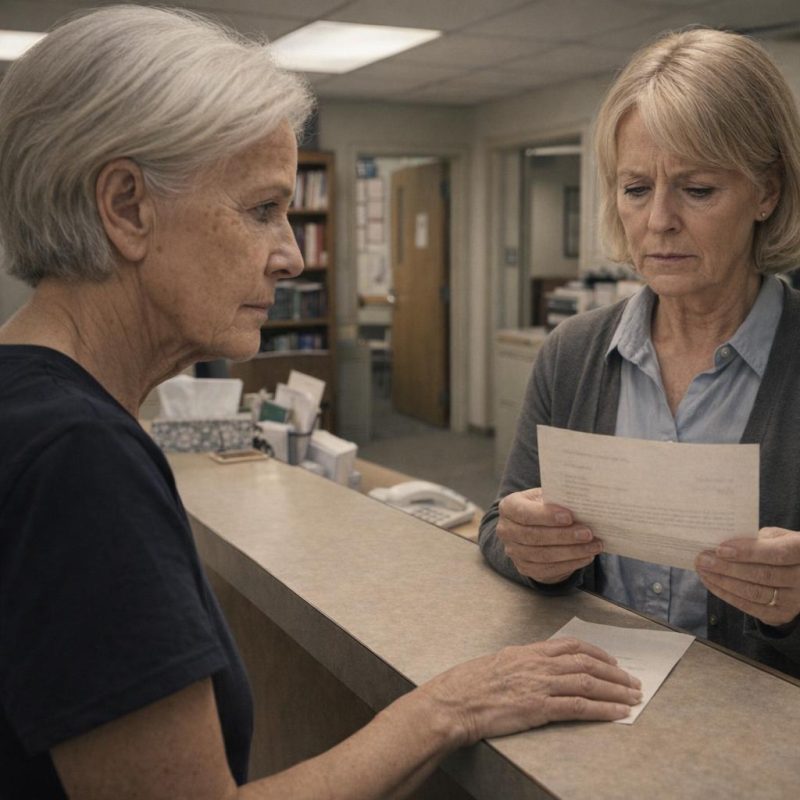 Image by RM AI
Access Denied
Three days later, the church office called. I answered on the second ring, hope and dread mixing in my stomach. Beth's voice was apologetic as she delivered the news—the committee had denied my request for financial records. The reason given was that releasing them during an ongoing investigation would be inappropriate. 'But I need those records to defend myself,' I said, hearing the frustration crack through my careful composure. 'I know,' Beth said softly. 'I'm sorry, Claire. The decision is final.' I asked who specifically had denied the request, but got only a vague answer about committee consensus. After I hung up, I sat at my kitchen table and stared at the wall, the phone still in my hand. The circularity of the situation was maddening. I couldn't defend myself without the records. But I couldn't access the records because of the investigation. The people investigating me were the same ones controlling what evidence I could see. I was trapped in an impossible position, locked out of the very information I needed to prove my innocence. The official channels I'd trusted my whole life weren't going to help me. I hung up the phone and stared at the wall, recognizing for the first time that the people conducting the investigation into me were the same ones controlling what evidence I could see to defend myself.
 Image by RM AI
Inside Information
Gloria came over that evening and found me still sitting at the kitchen table, the denied request letter in front of me. She took one look at my face and put the kettle on without asking. 'Official channels are clearly blocked,' she said as she settled into the chair across from me. 'So we stop trying to work through them.' I looked up at her. 'What do you mean?' She leaned forward, her bright eyes sharp with purpose. 'We talk to people who currently work in the kitchen. People who might see things firsthand, who know what's actually happening in there now.' I felt a flicker of something—not quite hope, but maybe determination. 'I've tried talking to some of them,' I said. 'They're nervous.' 'Then we find someone who's already got questions of their own,' Gloria said. 'Someone trustworthy and observant. Someone who might be relieved to have someone to talk to.' We spent the next hour making a list of current kitchen volunteers, trying to identify who might be willing to have an honest conversation. I worried about putting anyone at risk, about someone else facing what I was facing. But Gloria pointed out that people sometimes notice things and don't know what to do with what they've seen. The challenge would be finding someone willing to talk honestly without fearing they'd be the next person under scrutiny.
 Image by RM AI
Careful Questions
Over the next week, I began making casual inquiries with current volunteers, running into them at the grocery store or calling to ask how they were doing. I'd ease into questions about kitchen operations, asking about procedures and paperwork without revealing my real interest in who controlled what. How were things running? Who did they report to? How did the receipt system work now? Most of the responses troubled me. People were polite but evasive, giving short, careful answers that stuck to minimal facts. When I tried to build rapport, asking follow-up questions or sharing stories from my own time in the kitchen, I hit walls. No one volunteered additional information. No one elaborated beyond what I'd specifically asked. I could sense fear or caution in their responses, a nervousness that hadn't been there in my day. One woman actually glanced around her own kitchen before answering a simple question about who collected the receipts, as though someone might be listening. The atmosphere had changed completely from when I'd been in charge. Questions seemed discouraged, curiosity unwelcome. I made mental notes but got little concrete information, and by the end of the week I felt discouraged. Most seemed nervous even discussing basic logistics, and it seemed that whatever atmosphere had developed, it discouraged questions and curiosity.
 Image by RM AI
The Culture of Silence
I'd almost given up on getting any real information when one of the volunteers—someone I'd trained years ago but didn't know well—called me back after our initial conversation. She asked if we could talk again, and something in her voice made me say yes immediately. We met at a coffee shop two towns over, which should have told me something right there. She stirred her coffee for a long time before speaking, glancing around the nearly empty café like she expected someone to materialize. Finally, she leaned forward and said that all the current volunteers had been told to report any unusual questions or concerns directly to Denise. It was framed as a chain of command thing, she explained, just keeping communication efficient and organized. But the way she said it, the nervous edge in her voice, suggested it felt like something else entirely. I asked her what kind of questions would be considered unusual, trying to keep my tone casual even though my heart was pounding. She looked uncomfortable, her fingers tightening around her cup, and said anything about finances or past procedures. Questions about how things used to work were discouraged, she admitted, and she seemed nervous even having this conversation with me, checking the door every few minutes like we were doing something wrong.
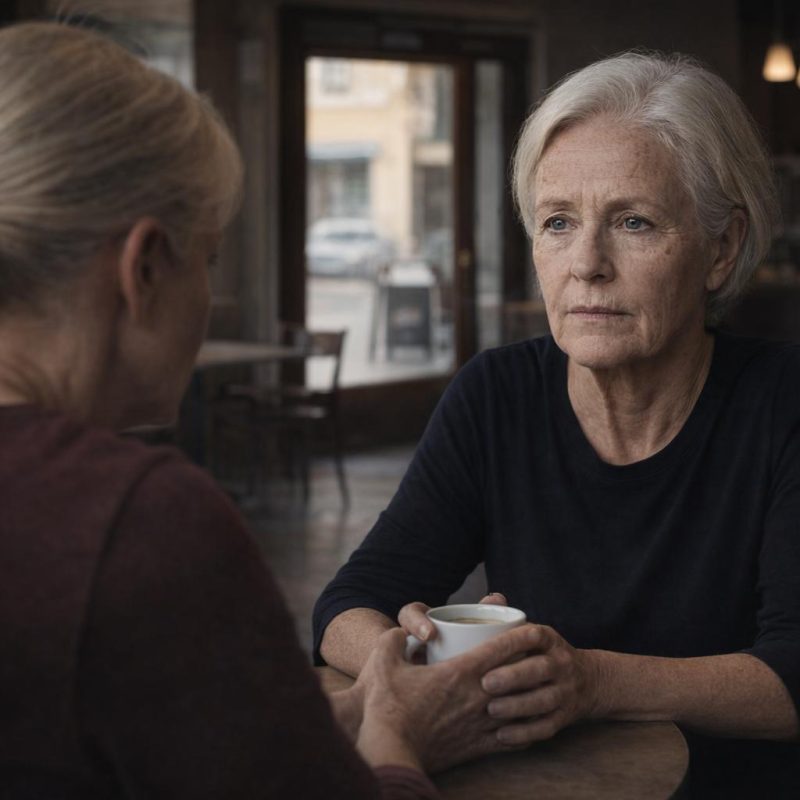 Image by RM AI
Hitting Walls
Three weeks had passed since my suspension, and I sat at my kitchen table surrounded by notes that Gloria and I had compiled. We had patterns—the timing of Denise's arrival, the sudden policy changes, the atmosphere of fear among volunteers, the way information had been locked down. But patterns weren't proof. I couldn't access the financial records that would show what had actually happened to the money. The volunteers wouldn't talk openly, too frightened of whatever consequences Denise had implied. Every official channel had closed against me, and I felt the weight of all those closed doors pressing down until I could barely breathe. Gloria found me there, staring at our careful documentation like it might suddenly reveal something we'd missed. She sat down across from me and we reviewed everything again, hoping for a detail we'd overlooked. Finally, she asked the question I'd been avoiding for days: what if we couldn't prove anything? What if I had to accept this loss, this stain on my reputation, and just try to move forward? I hadn't wanted to face that possibility, hadn't let myself consider that justice might not come. We sat together in the quiet of my kitchen, and the weight of potential defeat settled over both of us like a heavy blanket.
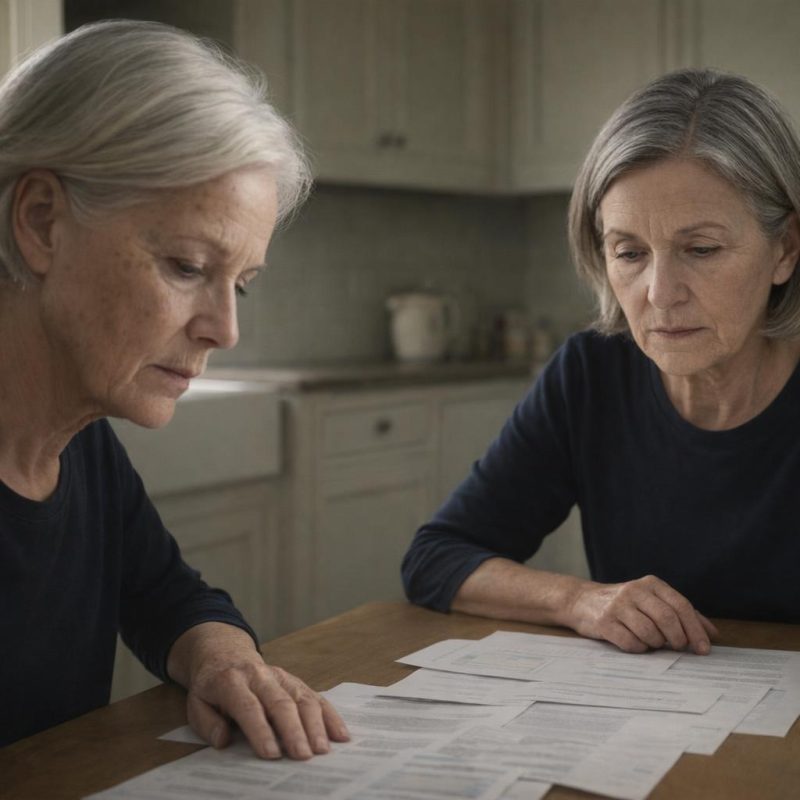 Image by RM AI
Considering Surrender
I spent that weekend alone, really alone, thinking about what it would mean to let this go. Saturday morning I made coffee and sat in the living room where my husband and I used to read the paper together, and I tried to imagine a life without the church that had been my whole world for twenty-three years. What would I do with my Sundays? Could I find another church, start over somewhere nobody knew my name or the accusations against me? Tom called Saturday afternoon and we talked for an hour about my options. He said he'd support whatever I decided, that sometimes walking away was the braver choice. I thought about what my husband would have advised, tried to hear his voice in my memory, but I couldn't be sure anymore. Sunday morning came and for the first time in decades, I didn't get dressed for church. I stayed in my pajamas until noon, feeling both the loss and a strange, guilty relief. By Sunday evening, I'd almost convinced myself that peace mattered more than justice, that I could build a different future somewhere else. I was sitting in the growing darkness, not bothering to turn on lights, when the doorbell rang. I wasn't expecting anyone, and for a moment I considered not answering at all.
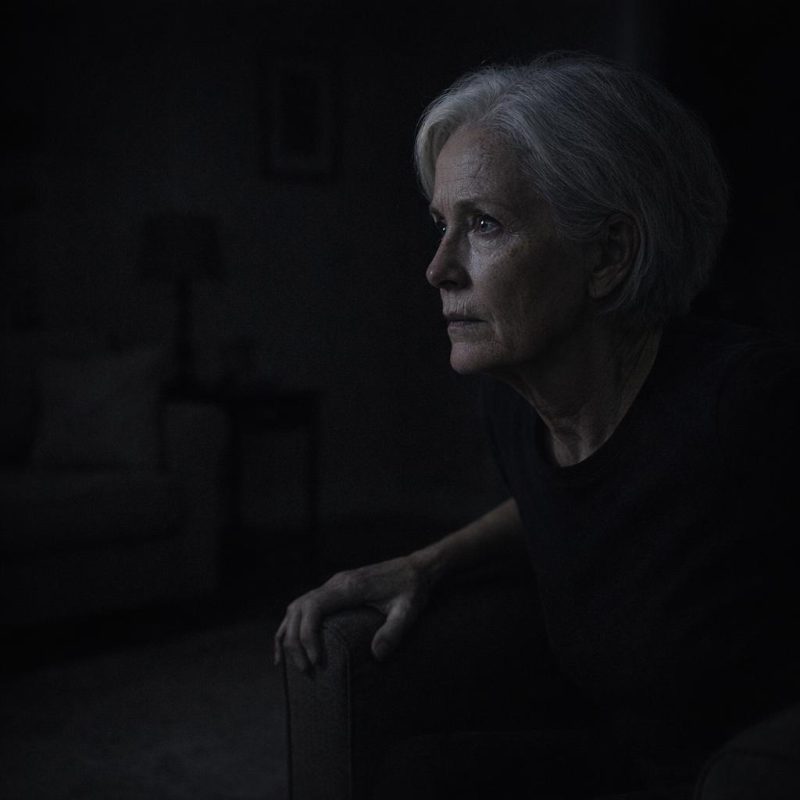 Image by RM AI
An Unexpected Ally
When I opened the door, Emily stood on my porch with an expression I recognized from my own mirror—nervous, scared, but determined. She was a young woman I'd taught in the kitchen years ago, someone I'd seen occasionally at church but hadn't spoken to much since my suspension. She clutched a canvas bag to her chest like it contained something precious or dangerous, maybe both. She said she had something I needed to see, but she was frightened to show me, and her voice shook on the words. I invited her inside quickly, sensing that whatever had brought her here, she needed to feel safe. Before she stepped through the doorway, she glanced over her shoulder at the empty street, a quick, furtive look that made my stomach tighten. I closed the door behind her and offered coffee, anything to help her relax, because her hands were trembling. She sat on my couch but kept the bag in her lap, holding it like a shield. She told me she'd been wrestling with this decision for weeks, that she couldn't sleep, couldn't stop thinking about it. Finally, she said, she couldn't live with staying silent anymore, even though coming here terrified her.
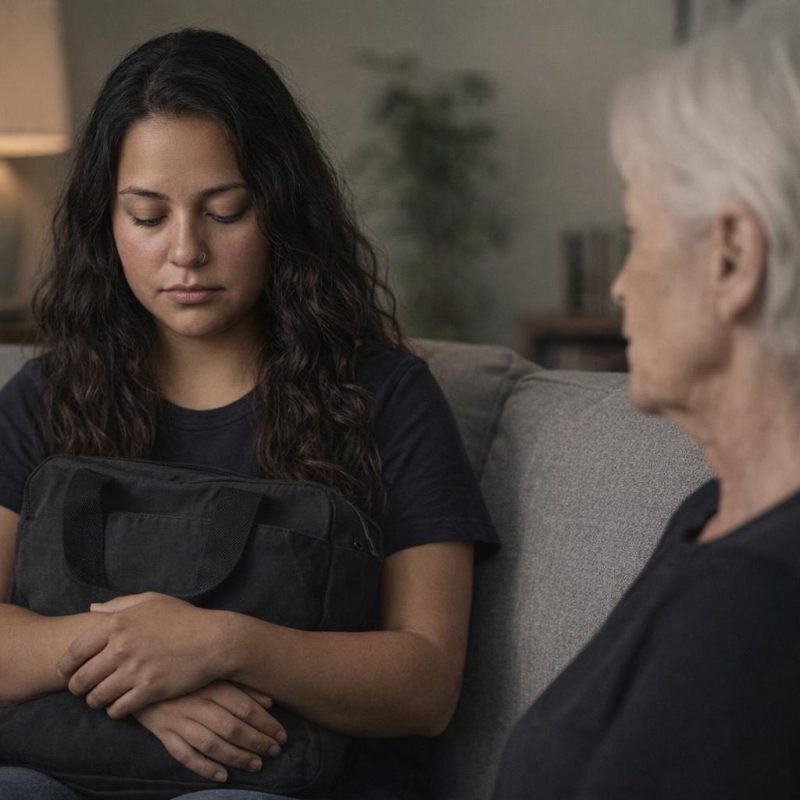 Image by RM AI
The Copied Files
Emily sat forward on my couch, still holding that bag, and began to explain. She'd been volunteering in the church kitchen for the past few months, she said, and Denise had asked her to help organize the financial records. It was presented as a simple filing task—categorize receipts, put everything in order, make the system more efficient. But as Emily worked through the documents, something bothered her. Some receipts looked different from others in ways she couldn't quite name at first. The handwriting varied, the paper quality wasn't consistent, and the more she looked, the more uneasy she felt. She wasn't sure what it meant, she told me, but she couldn't shake the feeling that something was wrong. So she'd made copies before filing the originals away, and she'd brought those copies to show me. She pulled a stack of photocopied receipts from her bag and spread them across my coffee table, and I leaned forward to look. My hands began to shake before I'd even read a single line, because I could already see these weren't documents I'd ever created. Some of them looked like attempts to match my handwriting, the way someone might practice a signature, but they weren't mine.
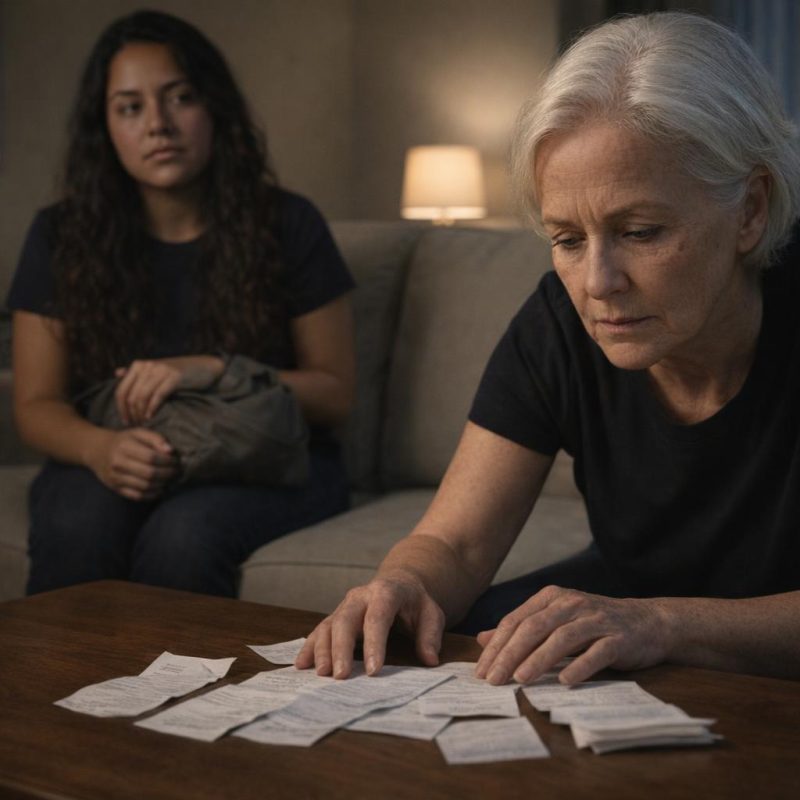 Image by RM AI
Evidence on the Table
We moved to the kitchen table where the light was better, and I spread all of Emily's copied documents out in a systematic grid. I went to my home office and retrieved my personal records—the copies I'd always kept of genuine receipts, my own backup system that I'd maintained for years. I began comparing them side by side, and Emily watched as I worked through each document methodically. Some of the receipts matched my records exactly, the ones I recognized as legitimate. But others appeared to be for the same purchases with different amounts, or for vendors I'd never used, or for dates that didn't align with my calendar. Emily pointed out the ones that had particularly bothered her, and I examined the handwriting under the bright kitchen light. The signatures didn't match my writing style—the numbers were formed differently than I formed them, the dates were written in a format I never used. I felt my chest tighten as I called Gloria, and she arrived within twenty minutes. She took one look at what we'd found, studied several documents with her sharp eyes, and said the words I'd been afraid to think: someone had forged these receipts.
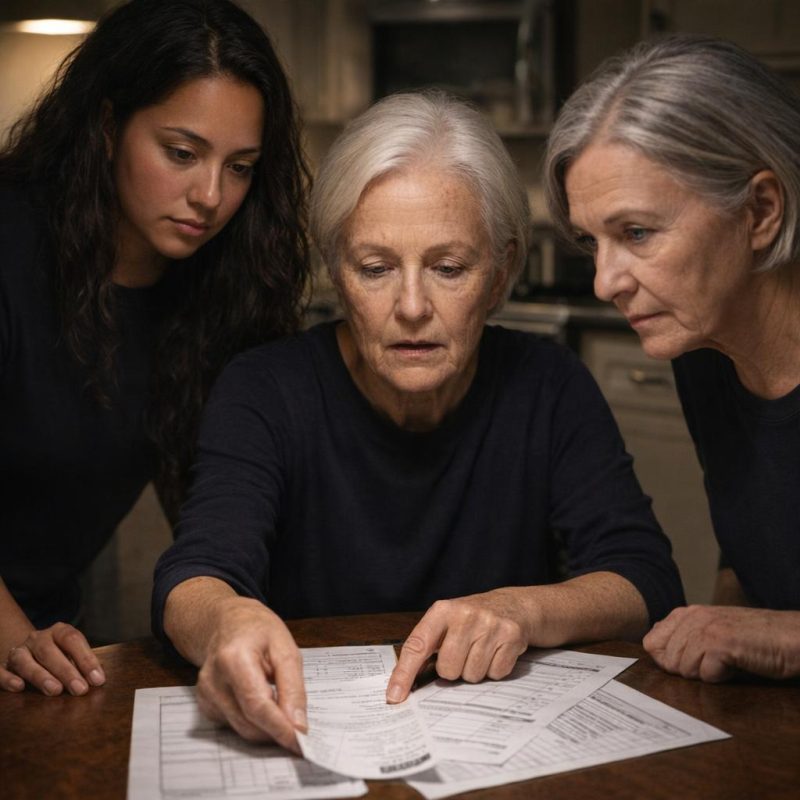 Image by RM AI
Falsified Records
The three of us worked through the evening, documenting every discrepancy between the forged receipts and my genuine records. We created lists, comparison charts, noting every detail that didn't match. The genuine receipts showed my actual purchases and amounts, the real transactions I'd made for church events. The forged receipts showed inflated amounts, different vendors, purchases I'd never made. I studied the handwriting on the false documents, and what I saw made my skin crawl. Someone had tried to mimic my writing style, and they'd done a decent job—good enough to fool someone who didn't know my handwriting well. But it was imperfect in ways that told a story. The attempt showed practice rather than natural writing, like someone had sat down with samples of my signature and worked to copy it. Letter formations were slightly wrong, the flow wasn't natural, and the signature had that careful, practiced quality instead of the unconscious ease of genuine writing. I never used certain abbreviations that appeared on these forgeries, and the date format was different from my standard. Emily described how these forged documents had been mixed in with genuine receipts in the files, making it hard to spot the false ones among the real. Gloria photographed everything, and we built our documentation carefully. The systematic nature of the forgeries became clear—someone had spent considerable time creating false evidence.
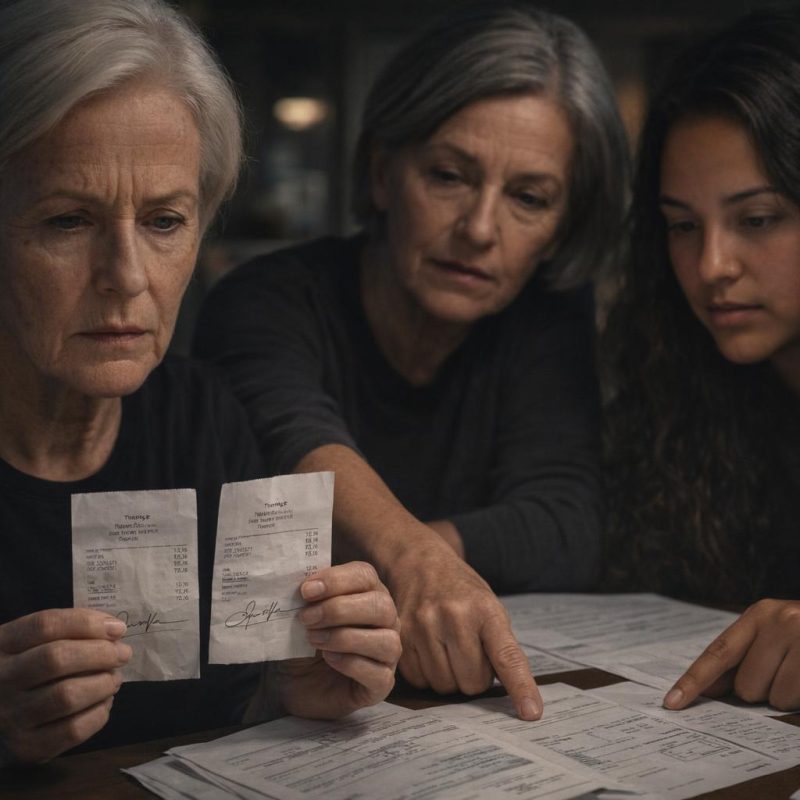 Image by RM AI
Altered Dates
Emily leaned over the timeline we'd been building and pointed to several receipts with dates that caught her attention. She helped maintain the church calendar, she explained, and she cross-referenced those dates against the schedule. Her finger stopped on a two-week period last year when the kitchen had been closed for renovations. Several of the forged receipts were dated during that closure—purchases I couldn't possibly have made because I wasn't even in the building. I pulled out my personal calendar and we checked more dates together. Some of the receipts fell on days when I'd been visiting my son in another state, and I had plane tickets and photos to prove I'd been gone. Gloria found more impossible dates, and we documented each one carefully. These weren't random errors or confused record-keeping. Someone had created purchases for days when I wasn't present, when I couldn't have been in the kitchen at all. The receipts showed transactions that had never happened, money that was unaccounted for, and they were all attributed to me. As we built the timeline of impossible receipts, the cold understanding settled over me like ice water. These weren't just forgeries meant to confuse the records—they were specifically designed to frame me for theft.
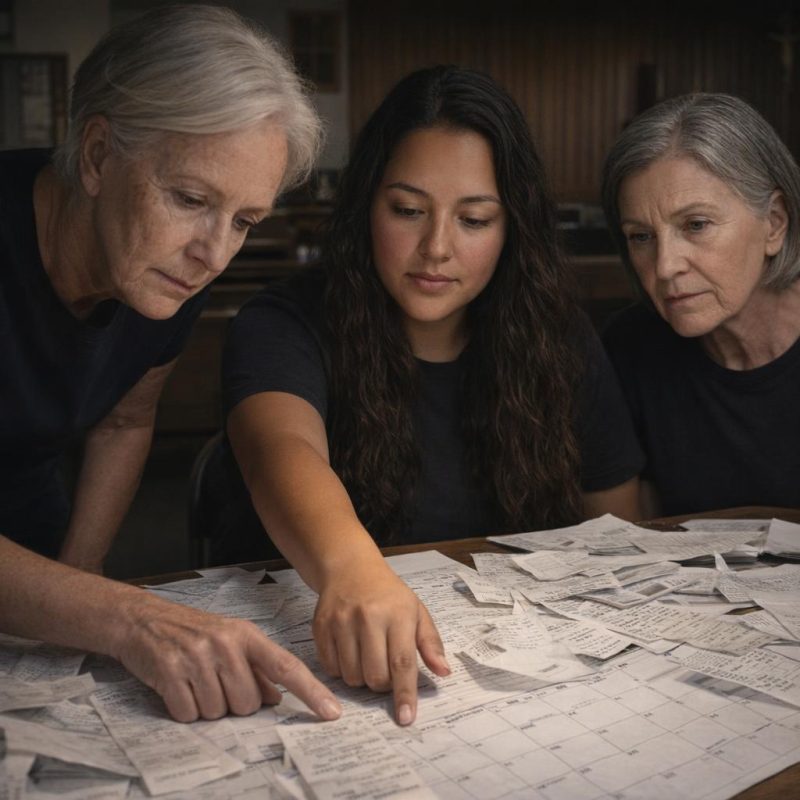 Image by RM AI
Complete Control
Emily leaned forward, her ponytail swinging as she pulled out a folder she'd brought from home. She'd been thinking about this all night, she said, and she wanted to walk us through exactly how the paperwork system worked now. Every single receipt that came into the kitchen—whether from volunteers, delivery drivers, or anyone else—went directly to Denise's hands first. Not to a filing cabinet, not to a shared inbox, just to Denise. She'd created new protocols about six months after I left, Emily explained, training everyone that consistency meant one person handling all financial documents. Denise had been so professional about it, explaining that multiple touchpoints created confusion and errors, that having everything flow through her office ensured nothing got lost or misfiled. Emily described how volunteers were specifically instructed to place receipts in a locked box that only Denise had the key to, how invoices were delivered to Denise's desk, how even the petty cash log went through her review before being stored. I took notes while my jaw clenched tighter with each detail. Gloria asked if anyone else ever handled the documents at any stage—maybe to file them, or cross-reference them, or prepare reports. Emily shook her head slowly and said Denise had made it very clear that multiple touchpoints created confusion, and I felt my anger rise like water behind a dam I was barely holding back.
 Image by RM AI
Questions Discouraged
Emily's voice got quieter as she described what happened when she'd tried to double-check something. It was about four months ago, she said, and she'd noticed a receipt for produce that seemed unusually high—nearly double what she remembered the delivery being. She'd asked Denise if she could see the corresponding invoice to verify the amount, just to make sure everything matched up properly. Denise had smiled warmly and said of course the records were accurate, but then she'd added something that made Emily's stomach twist. She'd said that verification implied a lack of trust, and wasn't it insulting to suggest that her organization might be flawed? Emily had felt embarrassed, like she'd accused Denise of something terrible, and she'd apologized and never asked again. Gloria leaned forward and asked if Emily had ever seen anyone successfully review the financial records. Emily thought for a long moment, then shook her head—she couldn't recall a single instance of anyone being allowed to look closely at the kitchen finances. Other volunteers had mentioned similar experiences, she added, where polite questions were met with polite but firm discouragement. I processed this information with a growing unease that felt like ice spreading through my chest. I was beginning to suspect the discouragement of questions wasn't about efficiency at all, but I still couldn't prove what I feared might be true.
 Image by RM AI
The Unspoken Fear
Gloria sat back in her chair and surveyed the evidence spread across my kitchen table—the forged receipts with their too-perfect handwriting, Emily's timeline of information control, the documentation of discouraged oversight, the impossible dates when I couldn't have made purchases. She was quiet for a long moment, and I could see her putting pieces together the way she'd done crossword puzzles for forty years. Then she looked at me with those penetrating eyes and said what I'd been too afraid to let myself believe: that my removal from the kitchen wasn't about modernization or adapting to new methods. It was about getting me out of the way. I wanted to argue with her, to find some other explanation that didn't involve such calculated cruelty, but my mouth wouldn't form the words. Emily sat very still, her hands folded in her lap, and admitted she'd been thinking the same thing but hadn't wanted to say it out loud. The pattern was too consistent—the control of information, the elimination of the one person who knew every normal expense and vendor, the accusations that came right after I was locked out of records. Gloria said it gently but firmly: someone needed me gone, and they'd found a way to make it happen. Every alternative explanation I tried to construct fell apart under the weight of what we'd found. I wanted to deny it, wanted to believe in some misunderstanding or series of unfortunate coincidences, but every piece of evidence pointed toward a truth I couldn't deny much longer.
 Image by RM AI
The Real Target
I pulled the timeline toward me again and traced the dates with my finger, seeing them differently now. Twenty-three years meant I knew every seasonal pattern of kitchen expenses, every reliable vendor, every normal fluctuation in the budget. I would have noticed if costs suddenly spiked without explanation. I would have questioned unfamiliar supplier names or unusual purchase amounts. My handwritten records, kept faithfully for over two decades, would have conflicted with any altered documentation. The accusations had come almost immediately after I was removed from the kitchen—right when I no longer had access to compare my records against current ones. I hadn't been removed for failing to adapt to new methods. I had been removed because I was the one person who would have eventually noticed what was happening. The validation of not being crazy, of not being outdated or incompetent, washed over me like a wave. But it came with something else—a fury I didn't know I was capable of feeling. My trust had been weaponized against me. My dedication had been turned into a vulnerability. Twenty-three years of service had made me inconvenient to someone, and they'd found a way to eliminate that inconvenience. Gloria and Emily watched my face change, watched the grief that had been weighing me down transform into something harder and cleaner. For the first time in weeks, I wasn't sad—I was angry.
 Image by RM AI
The Truth Laid Bare
I forced myself to say it out loud, to stop dancing around the conclusion that all the evidence pointed toward. Denise had been taking money from the kitchen budget. The forged receipts weren't random errors—they were a false paper trail designed to implicate me in theft that I'd never committed. My removal had eliminated the one person who would have caught the discrepancies between real expenses and fabricated ones. The accusations weren't mistakes or misunderstandings. They were cover for the real theft, a way to discredit me before I could discover what was happening and expose it. Every modernization change, every new protocol, every restriction on access—it had all been about controlling information and preventing oversight. The committee had been manipulated into targeting me, fed carefully constructed evidence that made me look guilty. The different stories told to different congregation members had prevented anyone from mounting a unified defense on my behalf. I was meant to be disgraced, silenced, and removed from any position where I might notice the truth. Gloria confirmed this matched everything we'd found. Emily provided the inside view that completed the picture. The truth settled into my bones with devastating clarity: Denise had been embezzling funds and she'd framed me to make sure no one would ever look closely enough to discover her theft. Everything I'd trusted—the accusations, the investigation, the committee's concern—had been built on lies designed to protect a thief, and I had almost let it destroy me.
 Image by RM AI
Building the Case
Emily opened her notebook and walked us through every financial change she'd witnessed since joining the kitchen staff eighteen months ago. The first changes had been small—adjustments to how receipts were logged, suggestions about organizing invoices differently. Then came the centralization, where all financial documents started flowing exclusively through Denise's office. Records were moved to filing cabinets that only Denise accessed, kept in spaces that required her key. Digital systems were promised to make everything more efficient, but the shared access never materialized—only Denise could view the files. I mapped Emily's timeline against my own records, correlating when my access had been restricted with when each new control measure was implemented. Gloria helped us create a visual timeline on poster board, marking each change with dates and descriptions. We identified specific receipts that showed discrepancies and calculated rough estimates of how much money might have been diverted over the past year and a half. The numbers made my stomach turn. Then we planned our approach—what evidence to present first, how to walk the committee through our findings, who might be most receptive to hearing the truth. We discussed Pastor Michael's likely response, considered which committee members had seemed uncertain during my hearing, strategized about presenting information in a way that would be impossible to dismiss. By the time we finished mapping the changes against my own records, we had a comprehensive picture of exactly how the embezzlement had been hidden—and exactly how to expose it.
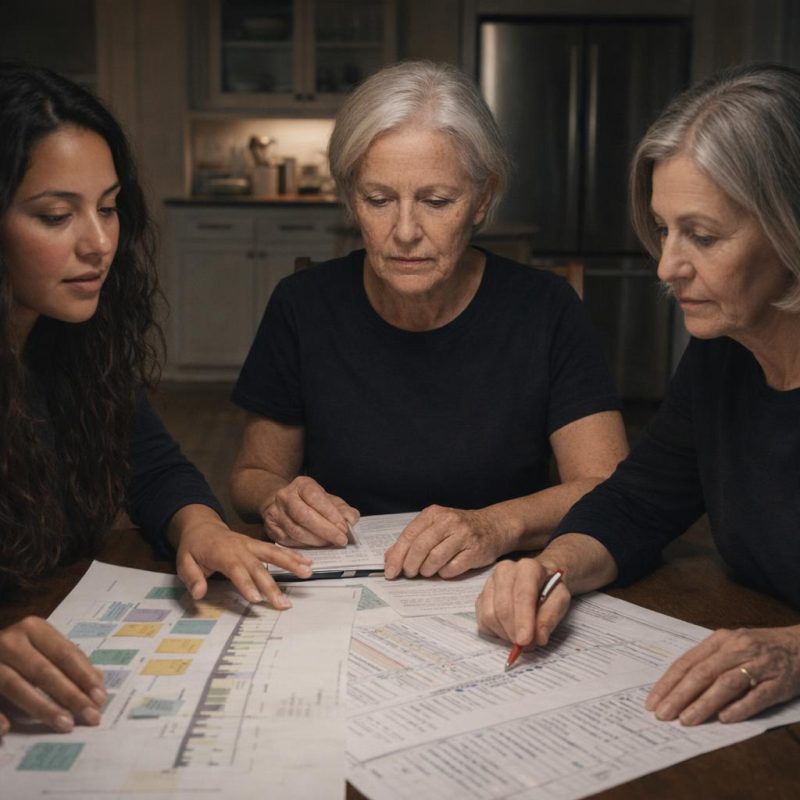 Image by RM AI
Organizing the Evidence
Gloria cleared her dining room table and we spread out folders across the polished wood surface, organizing every piece of evidence into clear categories. Folder one contained the forged receipts with detailed analysis of the handwriting discrepancies—how the signatures didn't match my genuine ones, how the dates fell on impossible days. Folder two held my authentic records showing accurate accounting over twenty-three years, demonstrating my actual pattern of careful documentation. Folder three compiled Emily's firsthand observations about information control and the systematic discouragement of oversight. Folder four presented the timeline showing correlation between Denise's changes and my restricted access. Folder five documented the different stories told to various congregation members, preventing unified response. Gloria insisted we make copies of everything and store the originals in her safe deposit box in case anything went missing. We practiced how to present the information clearly and calmly. Emily rehearsed her testimony, her voice growing steadier with each run-through. I wrote a summary of my investigation process, explaining how I'd discovered each piece of evidence. We anticipated possible objections—that I was bitter, that I was making accusations out of spite—and prepared measured responses. The evidence was comprehensive and professionally organized, but our success still depended on whether the committee would be willing to see the truth. When we finished, we had a presentation that would make the truth undeniable to anyone willing to look—the only question was whether the committee would be willing.
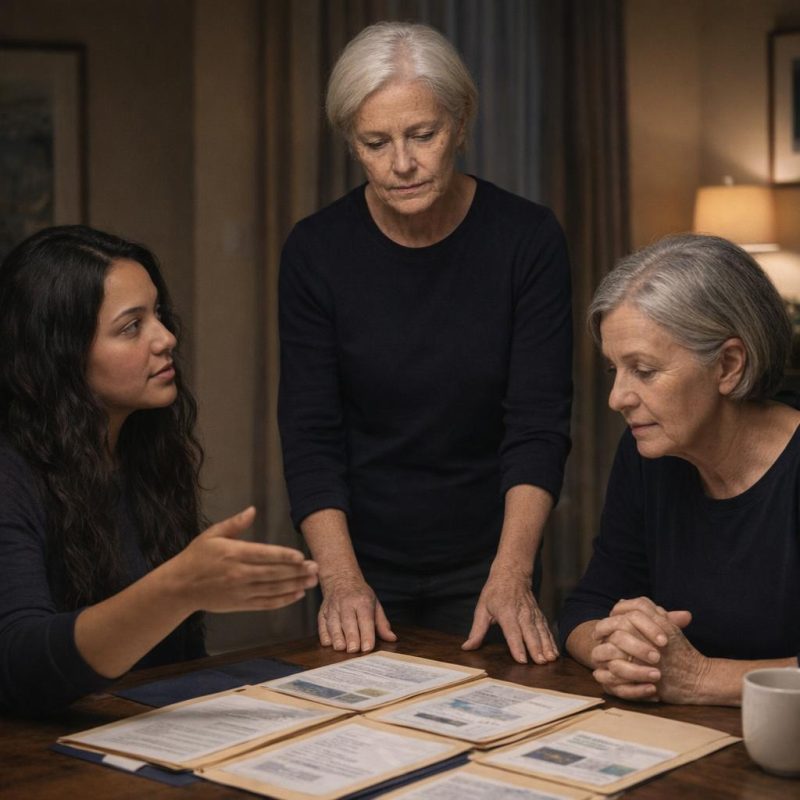 Image by RM AI
Requesting an Audience
I called the church office on Monday morning and asked to speak with the administrator about scheduling. My voice was steady as I explained that I had information relevant to the investigation of the kitchen finances, information that Pastor Michael and the committee needed to see. The administrator sounded surprised—I could hear it in the pause before she responded. She asked me to hold while she consulted with leadership, and I waited through several minutes of soft hold music, my heart beating harder with each passing second. When she came back on the line, she said the committee had agreed to meet with me in three days, Thursday afternoon at two o'clock in the conference room. I asked who would be present at the meeting. She listed Pastor Michael and the committee members, then added almost as an afterthought that Denise had specifically requested to be there as well. I thanked her calmly and confirmed the time and location before hanging up. Then I sat at my kitchen table with the weight of what was coming pressing down on my shoulders. Three days to prepare myself mentally for the confrontation. Three days for Denise to prepare as well, though she didn't know what evidence I'd gathered. I called Gloria and Emily to tell them the meeting was scheduled. The administrator put me on hold for several minutes before returning to say the committee would meet with me in three days—and that Denise had specifically asked to be present.
 Image by RM AI
The Night Before
I didn't sleep that night. I lay in bed watching the ceiling fan turn slow circles in the darkness, my mind running through every piece of evidence I'd organized, every document I'd copied, every conversation I'd had with Gloria and Emily. The folder sat on my kitchen table downstairs, everything arranged in perfect order, but I kept mentally reviewing it anyway—the forged receipts, the timeline of my restricted access, the pattern of controlled information. I thought about each committee member who would be sitting across from me, remembering how they'd looked at me during that first meeting when Denise made her accusations, the doubt in their eyes, the way they'd avoided my gaze. Would they listen this time? Would they even want to hear what I had to say? Around three in the morning I got up and made tea, then sat at the table reviewing the physical evidence one more time even though I'd already memorized every detail. Gloria had offered to come with me, to sit beside me during the meeting, but I'd told her no—I needed to do this myself. Emily would testify if needed, and that was enough. As the first gray light of dawn finally crept through my kitchen curtains, I realized something had shifted in my prayers. I wasn't asking God for vindication anymore, wasn't begging Him to make them believe me. I was praying for the courage to speak truth even if they refused to hear it, to stand firm even if I stood alone.
 Image by RM AI
Returning to Sacred Ground
I drove to the church on Thursday afternoon with my evidence folder on the passenger seat beside me, my hands steady on the wheel even though my heart was pounding. The parking lot looked exactly the same as it had for twenty-three years—the same cracks in the asphalt, the same oak tree shading the handicapped spaces—but everything felt different now. I walked toward the building carrying that folder like a shield, each step heavy with the weight of what was about to happen. I hadn't been inside since they'd escorted me out, hadn't walked through these doors as anything but a trusted servant. This time I entered through the front entrance, not the kitchen side door I'd used for decades. The hallway stretched ahead of me, familiar and foreign at once. I passed the kitchen—my kitchen—without stopping, though I felt its pull. The meeting room was at the end of the hall, and I walked toward it with deliberate steps, my sensible shoes quiet on the tile floor. When I opened the door, the committee was already assembled around the long table. Pastor Michael sat at the head looking tired and older than I remembered. Several committee members shifted uncomfortably in their seats when they saw me. And there was Denise, seated calmly with her hands folded on the table, her smile perfectly pleasant when our eyes met. I took the seat directly across from her, placed my evidence folder on the table with deliberate care, and understood that whatever happened in the next hour would determine whether truth or lies would win.
 Image by RM AI
The Presentation Begins
Pastor Michael called the meeting to order with a quiet clearing of his throat, and I thanked them for agreeing to see me. My voice came out steadier than I'd expected. I opened my folder and began presenting the evidence methodically, starting with the forged receipts that had been used to accuse me of theft. I placed them on the table, then set my genuine records beside them for direct comparison. The handwriting was different—anyone could see that if they looked closely. The signatures didn't match mine, not in the slant or the pressure or the way the letters connected. Some of the dates fell on days when I hadn't even been at the church, times when I'd been visiting my son or attending a funeral out of town. The committee members leaned forward to examine the documents, and I watched several of them exchange uncomfortable glances. Ruth picked up one of the forged receipts and studied it with dawning understanding in her eyes. Pastor Michael adjusted his wire-rimmed glasses and compared the signatures carefully, his expression growing more troubled with each document he reviewed. I maintained a professional, factual tone throughout, letting the evidence speak for itself rather than making accusations. When I asked rhetorically who had created these false documents, Denise's composed expression flickered for just a moment—her smile wavering, her eyes showing something harder underneath—before she recovered. But I'd seen it, and I was pretty sure others had too.
 Image by RM AI
Cracks in the Facade
I continued presenting evidence systematically, showing them the timeline of how my access had been restricted, documenting the information control structure that had been put in place. I explained how all financial documents now flowed only through Denise, how volunteers had been actively discouraged from asking questions about the records, how the new system had eliminated every check and balance that had existed before. The committee members' body language shifted as I spoke—they sat back in their chairs, crossed their arms, began looking at Denise with different eyes. She maintained her smile, but it looked strained now, stretched too tight across her face. Her eyes showed calculation as she processed the threat, weighing her options, planning her response. Pastor Michael started asking clarifying questions, his gentle voice taking on an edge I'd never heard before. Then he turned to Denise directly and asked why volunteers had been told never to verify receipts against actual purchases. The pause before she answered lasted just a moment too long. Her explanation, when it finally came, sounded rehearsed and inadequate—something about efficiency and streamlining processes and not wanting to burden volunteers with unnecessary work. But the careful composure she'd maintained throughout the meeting was cracking now, desperation beginning to show through the polished exterior. Ruth watched Denise with new understanding, and I could feel the room's energy fundamentally changing.
 Image by RM AI
A Witness Speaks
A knock at the meeting room door interrupted the proceedings, and Emily entered looking nervous but determined, her long ponytail swinging as she walked. Pastor Michael asked who she was, and I explained that Emily had relevant testimony to offer about her experience working in the kitchen. Denise's expression hardened immediately when she saw Emily, her pleasant mask slipping for a moment. The committee agreed to hear from her, and Emily sat down and began describing what she'd witnessed. Her voice shook at first, but she continued—telling them about working under the new structure, about how all paperwork went through Denise, about specific incidents when she'd been discouraged from asking questions. She described feeling that something was wrong but not knowing what, not understanding why simple verification made people uncomfortable. She explained why she'd finally come to me with those copied receipts, her uncertainty and fear. Pastor Michael asked follow-up questions, and Emily answered honestly, admitting her own confusion at first, her hesitation to speak up. Her testimony gave flesh and blood to the documentary evidence, made it personal and real. Denise attempted to interject, but Pastor Michael asked her to wait her turn. When Emily described being told that questioning the records was the same as calling Denise a liar, Pastor Michael closed his eyes briefly, and I saw him finally beginning to understand.
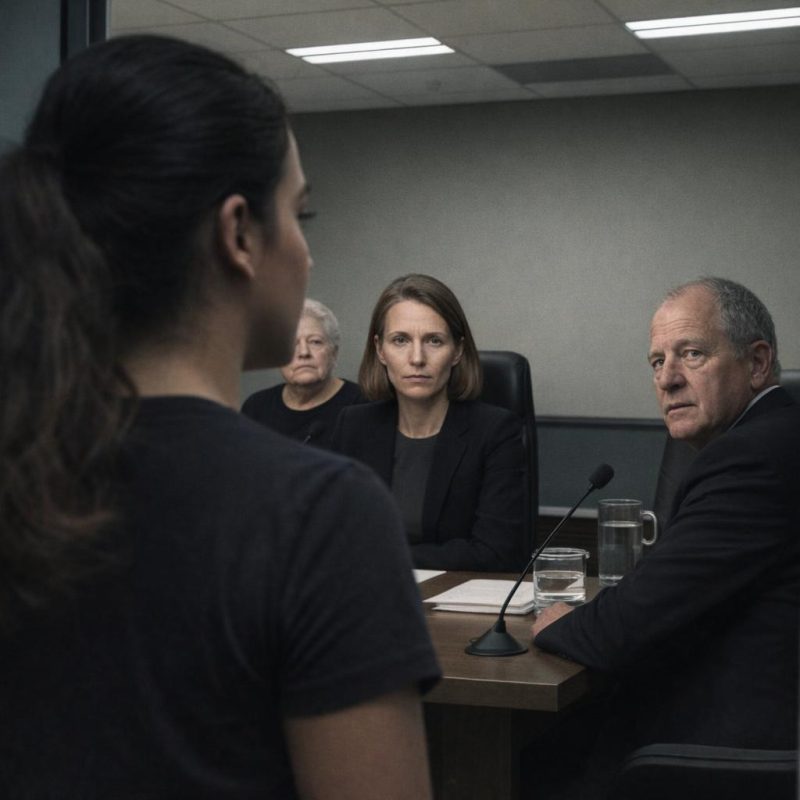 Image by RM AI
The Silence of Understanding
The room fell into a heavy quiet after Emily finished speaking. The committee members looked from the evidence spread across the table to Denise to each other, and I could see the uncomfortable realization settling over each face like a weight. They exchanged glances that said what no one wanted to speak aloud yet. The silence stretched uncomfortably, filled with the sound of someone shifting in their chair, the hum of the fluorescent lights overhead. Denise sat very still, watching everyone, her hands folded on the table in front of her. I waited, feeling vindication approaching but not quite arrived, knowing that someone needed to break this silence before we could move forward. The moment felt suspended, fragile, like we were all holding our breath. Then Ruth spoke up, her voice small and trembling in a way I'd never heard before. She said she should have spoken up weeks ago, that she'd seen something and convinced herself she'd misunderstood. She'd witnessed Denise altering a receipt in the kitchen, changing numbers on a document that should have been final. Ruth had told herself at the time that she must have been mistaken, that there must have been a reasonable explanation, but now she realized what she'd actually seen. Her confession broke the dam. Other committee members shifted in their seats, and Denise's face showed a flash of something like fear before she could control it. Ruth apologized to me for not speaking sooner, and I nodded, grateful that the truth was finally emerging.
 Image by RM AI
Defense Denied
Denise finally broke her silence to defend herself, her voice tight and controlled. She claimed the evidence had been misinterpreted, that Emily had misunderstood normal administrative procedures, that she knew nothing about any forged receipts. The committee members looked skeptical, their expressions no longer sympathetic. Pastor Michael began asking pointed questions, requesting explanations for specific discrepancies in the documentation. Denise's answers started contradicting each other almost immediately—first she said she'd never handled those particular receipts, then she admitted she'd organized all the paperwork as part of her role. She couldn't explain why her statements conflicted, couldn't reconcile the inconsistencies that were becoming more obvious with each word she spoke. The committee members noticed, exchanging glances that spoke volumes. Pastor Michael brought up Ruth's eyewitness account, his voice gentle but firm, and asked Denise directly to explain what Ruth had seen—why she'd been altering a receipt in the kitchen that day. Denise's mouth opened to answer, but nothing came out. She closed it, opened it again, and still no words emerged. The silence spoke louder than any explanation could have. Everyone in that room understood what it meant when someone couldn't answer a simple, direct question. Her defense had completely collapsed, and in that moment everyone in the room knew.
 Image by RM AI
The Numbers Don't Lie
Pastor Michael called Margaret and asked her to bring the church's official financial records to the meeting. She arrived twenty minutes later with her tablet and organized files, her neat brown bob swinging as she took a seat and began comparing the official records to both the forged receipts and my genuine documentation. My records matched the legitimate church purchases perfectly—every date, every vendor, every amount. The forged receipts showed inflated amounts or purchases that had never actually been made, and the difference between them represented missing money. Margaret worked methodically, her professional precision making the pattern undeniably clear. The funds had been diverted through small repeated adjustments, amounts buried in routine expenses that went unnoticed because Denise had controlled all oversight. Margaret traced each discrepancy with the kind of detail-oriented focus that left no room for doubt. After nearly twenty minutes of careful analysis, she calculated a preliminary total of the missing funds. When she announced the number, several committee members gasped audibly. The amount was substantial—thousands of dollars over the course of months. Denise stared at the table, unable to meet anyone's eyes, her carefully styled blonde hair falling forward to hide her face. I felt exhausted but grimly satisfied, the weight of vindication settling over me like a heavy blanket. The truth was finally official, confirmed by professional analysis, and Margaret stated clearly that this required immediate further investigation and likely involvement of law enforcement.
 Image by RM AI
The Vote
Pastor Michael cleared his throat and straightened his shoulders, looking around the table at each committee member in turn. "Based on the evidence presented tonight," he said, his voice steady despite the gravity of the moment, "I'm calling for a formal vote on whether to launch an official investigation into the handling of kitchen finances." The motion was seconded immediately by Margaret, who sat with her tablet still open to the damning spreadsheet comparisons. "All in favor?" Pastor Michael asked, and every single hand in that room went up without a moment's hesitation—Ruth's trembling slightly, Emily's firm and certain, Margaret's businesslike and decisive. The vote was unanimous. They also voted to suspend Denise from all committee responsibilities pending the investigation and to clear me of all accusations immediately, which Pastor Michael stated with what sounded like genuine remorse in his voice. He apologized on behalf of the committee for what I'd endured, and I accepted with a simple nod because I was too exhausted for speeches. Denise was asked to surrender her access to church records, and she complied silently, sliding her key across the table without looking up. Then she stood, gathered her purse, and walked out of that meeting room without glancing at anyone, her carefully styled blonde hair the last thing I saw as the door closed behind her. Emily squeezed my hand under the table, and I realized something had shifted inside me—the weight I'd been carrying for weeks had finally begun to lift.
 Image by RM AI
Quiet Departure
I stayed home for three days after that committee meeting, just processing everything that had happened, drinking tea in my kitchen and staring out the window at the bare November branches. Gloria showed up on the third afternoon with a casserole and news that she delivered in her characteristically direct way. "Denise resigned," she said, settling into my kitchen chair with the purposeful movements I'd come to appreciate. "Submitted her letter yesterday. Cited personal reasons requiring her to relocate." She was already packing, Gloria told me, already making arrangements to move away from town entirely. The church leadership was handling it quietly—no public scandal, no dramatic announcements, just a vague explanation that protected the church's reputation while allowing those who needed to know the truth to understand what had really happened. Some members would never know the full details, and others had already pieced together enough to draw their own conclusions. I felt neither triumphant nor disappointed by this quiet ending. The truth was known by the people who mattered, justice had been served without public spectacle, and Denise had no real choice but to leave before the investigation revealed everything. "Some endings are quiet rather than dramatic," I told Gloria, and she nodded with those bright, penetrating eyes that had seen through Denise from the beginning. The official explanation was vague, but the truth was understood by everyone who needed to know, and I found that was enough.
 Image by RM AI
A Private Apology
The knock on my door came on Thursday evening, unexpected and tentative. Pastor Michael stood on my porch looking older than I'd ever seen him, his shoulders slightly stooped, his wire-rimmed glasses catching the porch light. I invited him in, surprised but not unwelcoming, and he sat in my living room struggling to find words for several long moments. Finally, he offered a direct, personal apology that I could tell had cost him a great deal of pride to make. He admitted he'd let his desire for modernization blind him, that he'd trusted someone new over someone proven, that he'd failed to question the accusations properly or defend me the way twenty-three years of faithful service should have warranted. His remorse appeared genuine and deep, etched into every line of his face. I listened without interrupting, acknowledging silently that yes, his choices had hurt me, but also recognizing that he'd been manipulated by someone far more calculating than he'd understood. Forgiveness didn't mean pretending nothing had happened or that the wound would disappear overnight. But holding onto bitterness would only poison me, not him, and I'd learned enough about my own worth these past weeks to know I didn't need to carry that weight. "Forgiveness is the only path forward," I told him quietly, "for both of us." When he asked if I'd consider returning to my kitchen responsibilities, I said I needed time to think about it—not because I was punishing him, but because I needed to return on my own terms.
 Image by RM AI
Standing Ground
Sunday morning arrived cold and clear, and I drove to the church with my hands steady on the wheel. I entered through the kitchen door that had once been locked against me, and the room looked exactly as I'd left it—same counters, same equipment, same coffee maker that had brewed thousands of pots under my watch. But I saw it all differently now, through eyes that had learned hard lessons about loyalty and worth. I retrieved my apron from the hook where I'd left it weeks ago and tied it around my waist deliberately, the familiar gesture carrying new weight and meaning. As I began preparing the coffee with movements honed by decades of Sunday mornings, I understood that the routine was unchanged but I had changed in ways that would never fully reverse. I'd learned that loyalty doesn't mean accepting mistreatment, that trust should be given wisely rather than blindly, and that my worth doesn't depend on others' recognition—though I can certainly remind them when they forget. The first congregants began arriving, some looking embarrassed, others visibly relieved to see me back. I greeted them with genuine warmth because I'd reclaimed this place on my own terms, not because it had been graciously returned to me. As the coffee began to brew and the familiar sounds of Sunday morning filled the air, I realized this wasn't just about cooking anymore—it was about standing my ground, even when the people around me had turned away, and knowing my own worth even when others forgot it.
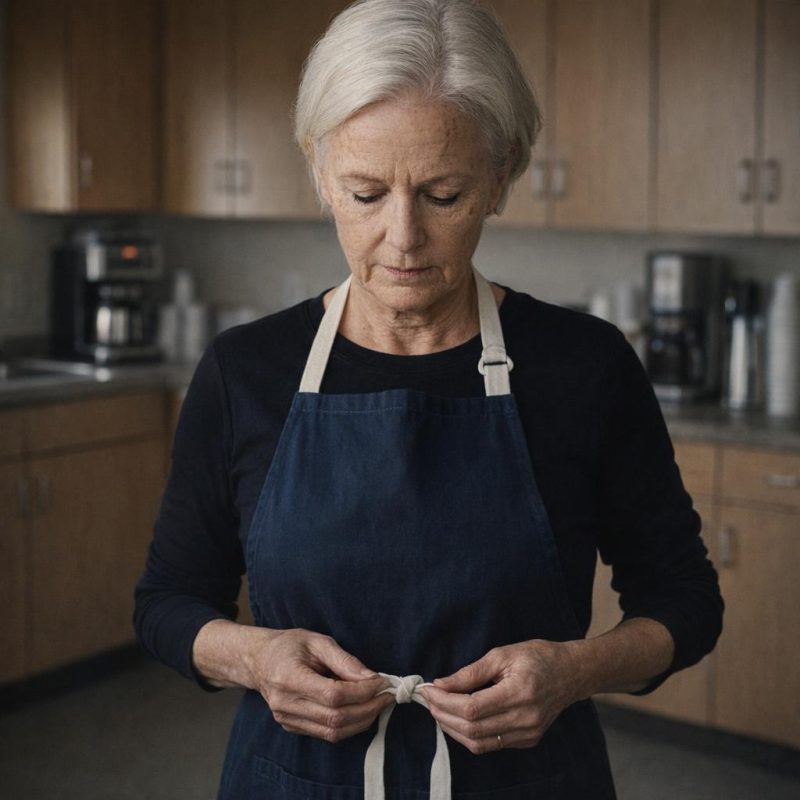 Image by RM AI