The Perfect Proposal
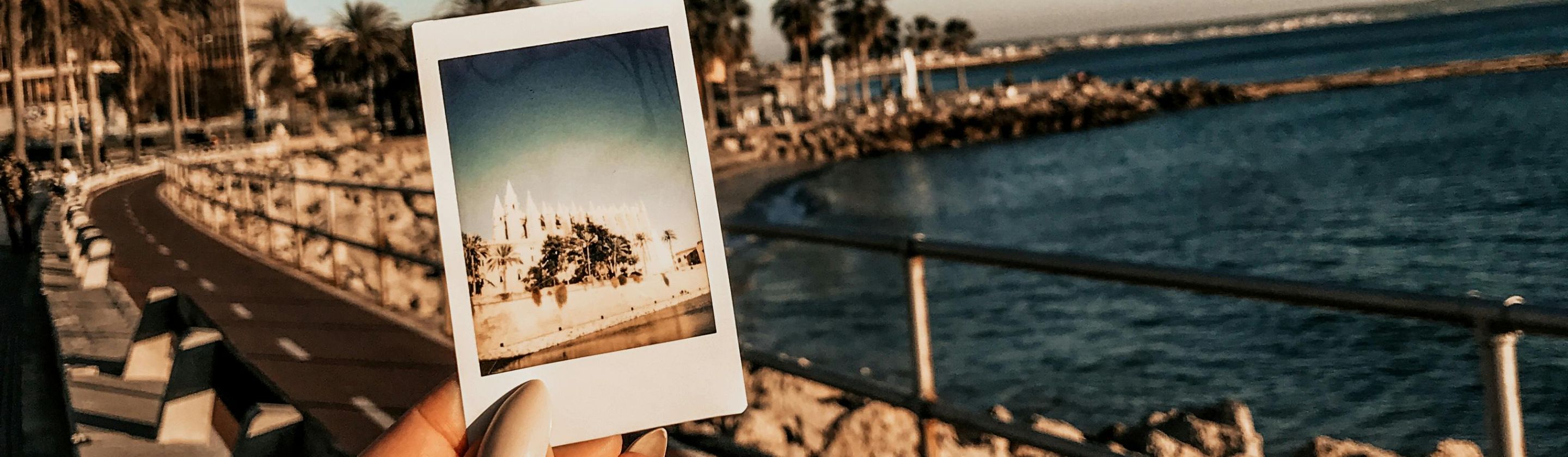
I proposed to Emily on a Friday evening in June, the kind where the sun takes forever to set and everything feels suspended in golden light. We'd been together for two years, and she was everything I'd been looking for—grounded, easygoing, the kind of person who could laugh at herself and never made drama out of small things. I'd planned it for weeks, obsessing over every detail, making sure the beach was exactly right, the timing perfect. When I got down on one knee, my hands were shaking so badly I almost dropped the ring. She laughed—that beautiful, unguarded laugh—and said yes before I'd even finished asking. We sat there in the sand for hours afterward, her head on my shoulder, talking about our future like it was this simple, beautiful thing we were building together. I remember thinking I'd finally gotten it right. I remember feeling like everything in my life had been leading to that moment. Three weeks later, I started to wonder if I'd made the biggest mistake of my life.
 Image by RM AI
The First Sign
The change was subtle at first, the kind of thing you tell yourself you're imagining. Emily started planning the wedding the day after I proposed, which seemed normal enough—she'd always been organized, the type who kept lists and color-coded her calendar. But within days, she had binders. Plural. Thick ones with tabs and printed spreadsheets and vendor contracts she'd apparently already been researching. I'd come home from work to find her surrounded by fabric swatches, talking rapidly about chair rentals and floral arrangements I'd never heard of. 'Shouldn't we talk about what we both want?' I asked one evening, trying to sound casual. She looked up from her laptop, smiled this tight little smile, and said, 'Of course we should.' But then she kept typing. I suggested maybe looking at this one venue my coworker had recommended—a barn upstate, really beautiful, affordable. Emily nodded, still smiling, still typing. 'Don't worry,' she said. 'I've already picked the perfect place.'
 Image by RM AI
Jake's Observation
Jake and I met for drinks on a Thursday, our usual spot, the kind of dive bar where they knew our orders before we sat down. He'd been my best friend since college, and he knew me well enough to read the tension I was trying to hide. 'So how's engaged life?' he asked, and I gave him the standard answer—great, exciting, busy with planning. He took a long pull from his beer, not quite looking at me. 'Emily seems different,' he said finally. I felt myself bristle immediately. Different how? 'I don't know, man. Just... more intense? Like at your birthday thing last week, she was talking about the wedding nonstop. Couldn't really talk about anything else.' I defended her, of course. She's excited, it's a big deal, you don't understand what wedding planning is like. Jake raised his hands in surrender, said he was sure it was nothing. We changed the subject, talked about work and sports and nothing important. I laughed it off, but his words stayed with me longer than I wanted to admit.
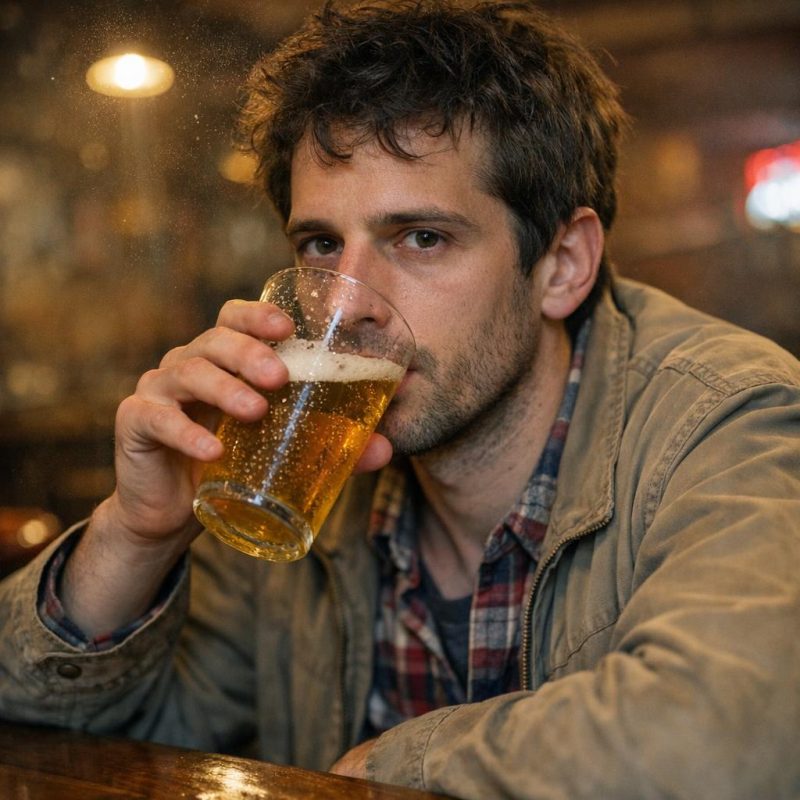 Image by RM AI
The Family Dinner
My parents invited us for dinner on a Sunday, the kind of casual thing we'd done a hundred times before. My mom made her famous lasagna, and we sat around the same table I'd eaten at my entire childhood. Everything felt normal until dessert, when my mom asked about our plans for the future—kids, where we'd live, that kind of thing. Before I could open my mouth, Emily launched into this detailed presentation. We'd have three children, she explained, the first within eighteen months of marriage. She outlined the exact timeline: when we'd start trying, what neighborhoods we'd move to, how we'd handle childcare and schooling. She talked about parenting philosophies I'd never heard her mention—specific discipline strategies, educational approaches, even what activities our hypothetical children would participate in. I sat there with my fork halfway to my mouth, completely frozen. We'd talked about wanting kids someday, sure, but nothing like this. Nothing this specific, this decided. My mother's eyes flicked to me with concern, but I had no words to explain what had just happened.
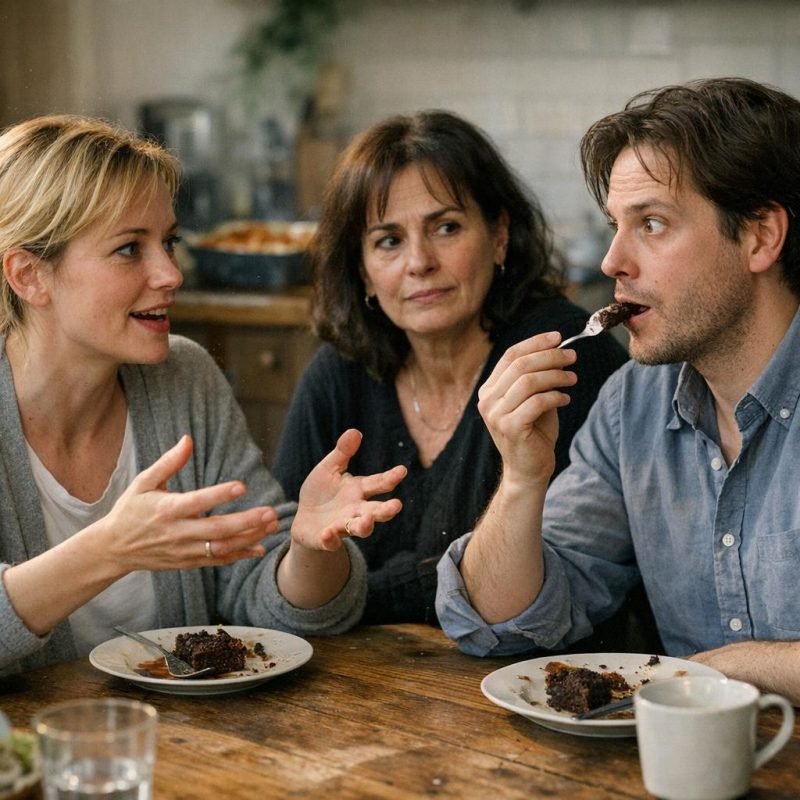 Image by RM AI
The Drive Home
The drive home was silent for the first ten minutes. Emily scrolled through her phone while I gripped the steering wheel, trying to figure out how to start the conversation. Finally, at a red light, I just said it: 'That was a lot of information you shared tonight.' She didn't look up. 'Your parents seemed interested.' I took a breath. 'Em, we've never discussed most of that stuff. The timeline, the neighborhoods, the parenting approaches—when did we decide all that?' Now she looked at me, and her expression wasn't what I expected. Not embarrassed or apologetic. Something harder. 'We've talked about wanting kids,' she said. 'I thought you knew what you were signing up for.' The light turned green. Someone honked behind us. I pressed the gas, my mind racing. What I was signing up for? It was such a strange way to phrase it, like our engagement was a contract I'd failed to read carefully. Like my confusion was the problem, not her assumptions. We didn't speak for the rest of the drive, and the silence felt different than it ever had before.
 Image by RM AI
Sarah's Coffee
I met Sarah for coffee on a Saturday morning, desperately needing to talk to someone who knew both of us but might give me an honest take. She'd been friends with both Emily and me for years, one of those rare people who could be trusted completely. We got our usual table by the window, and I tried to ease into it, but Sarah saw through me immediately. 'What's going on?' she asked. So I told her. About the planning, the decisions being made without me, the dinner with my parents. As I talked, I realized I was describing a relationship I barely recognized. The words coming out of my mouth sounded concerning even to me, but I kept adding qualifiers—maybe I was overreacting, maybe this was normal wedding stress, maybe I just wasn't communicating clearly. Sarah listened without interrupting, her expression growing more serious. When I finally stopped talking, she asked me point-blank: 'Are you happy?' and I couldn't answer immediately.
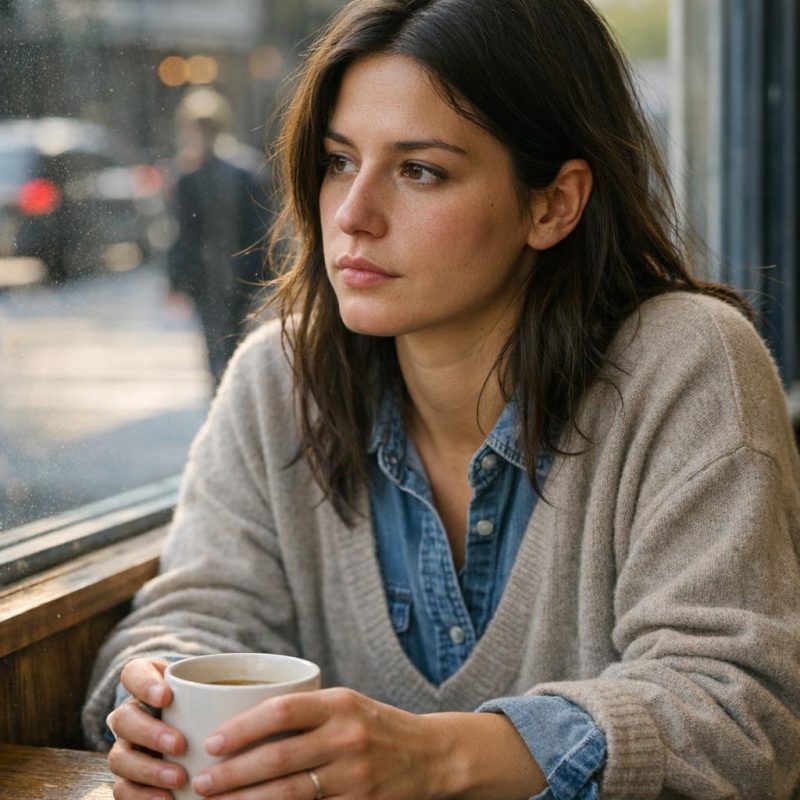 Image by RM AI
The Financial Spreadsheet
Two days later, Emily presented me with a spreadsheet. Literally—she'd printed it out, color-coded, with multiple tabs. It was a complete financial plan for our marriage: how much we'd each contribute to joint accounts, spending limits for different categories, savings goals, investment strategies. I stared at it, feeling like I'd been handed a business proposal. Some of it made sense—we'd talked about combining finances eventually—but the specifics were staggering. She'd allocated my entire salary, decided what percentage I could spend on hobbies and personal items, set up automatic transfers I hadn't agreed to. 'This seems really thorough,' I said carefully. 'But shouldn't we create something like this together?' Emily looked genuinely confused by the question. 'I have a finance degree,' she said. 'You studied literature. It's more efficient if I handle this.' Efficient. That word again. When I pointed out that efficiency wasn't really the point, that I wanted to feel like an equal partner in these decisions, she said it was 'more efficient' her way.
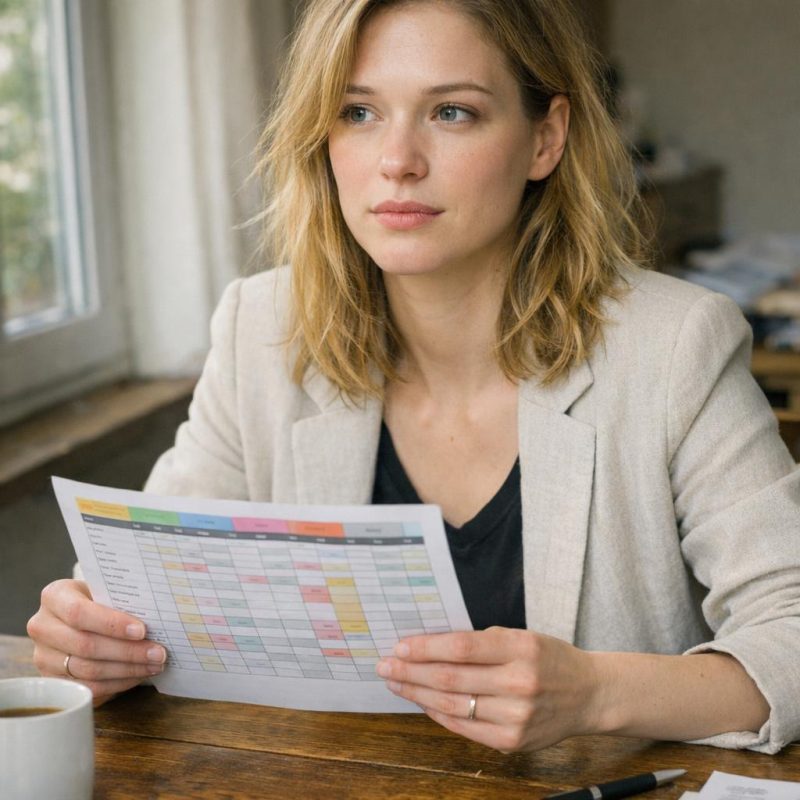 Image by RM AI
The Guest List Dispute
I found the guest list by accident, left open on Emily's laptop when she went to take a shower. At first, I thought it was just a draft—surely she'd meant to show me, to get my input. Then I started reading the names. My college roommate wasn't on it. Neither was Marcus, who I'd known since high school. Three guys from my soccer league were missing. Even Jake's name had a question mark next to it. I counted—she'd removed nearly a third of the people I'd expected to invite. When Emily came back, towel-drying her hair, I asked about it as calmly as I could manage. She barely glanced at the screen. 'I optimized it,' she said. 'Optimized how?' She explained about table arrangements, social dynamics, people who wouldn't mesh well with 'the overall aesthetic' she was creating. I asked if we could discuss adding some people back. Her expression went flat. She told me the list was 'optimized' and refused to discuss additions.
 Image by RM AI
Sleepless Nights
That night, I lay in bed staring at the ceiling while Emily slept peacefully beside me. I kept replaying the conversation about the guest list, turning it over in my mind like a Rubik's cube I couldn't solve. Was I being too sensitive? Maybe she really was just trying to make sure the wedding ran smoothly. But then why did it feel like my throat was closing every time I thought about that 'optimized' list? I tried to rationalize it—wedding planning is stressful, people get particular about details, this is normal. Except it didn't feel normal. It felt like I was being edited out of my own life, one decision at a time. I wanted to wake Emily up and have it out right there, demand that we talk about what was happening between us. But what would I even say? That I felt uncomfortable? That something was off? She'd just tell me I was being dramatic again. Around 3 AM, I gave up on sleep and went to the living room, sitting in the dark with my laptop. I typed 'wedding planning controlling behavior' into Google, then immediately closed the browser. The answer never came, but the dread kept building.
 Image by RM AI
Marcus Weighs In
At work the next day, I must have looked as exhausted as I felt because Marcus pulled me aside during lunch. We'd started at the company around the same time, and over the years he'd become more than just a colleague—he was one of the few people I trusted with the messy stuff. 'You look like hell,' he said, setting down his sandwich. I told him about the guest list situation, trying to make it sound less dramatic than it felt. Marcus went quiet for a long moment, then leaned back in his chair. 'Look, I'm not going to tell you what to do,' he started, 'but ignoring red flags is exactly how I ended up in a miserable marriage.' He told me about his ex-wife, how small controlling behaviors had escalated over time until he felt like he was living someone else's life. 'I kept thinking it would get better after the wedding,' he said. 'It got worse.' His face was serious in a way I'd rarely seen. 'Don't wait until you're stuck,' he said, and I felt the walls closing in.
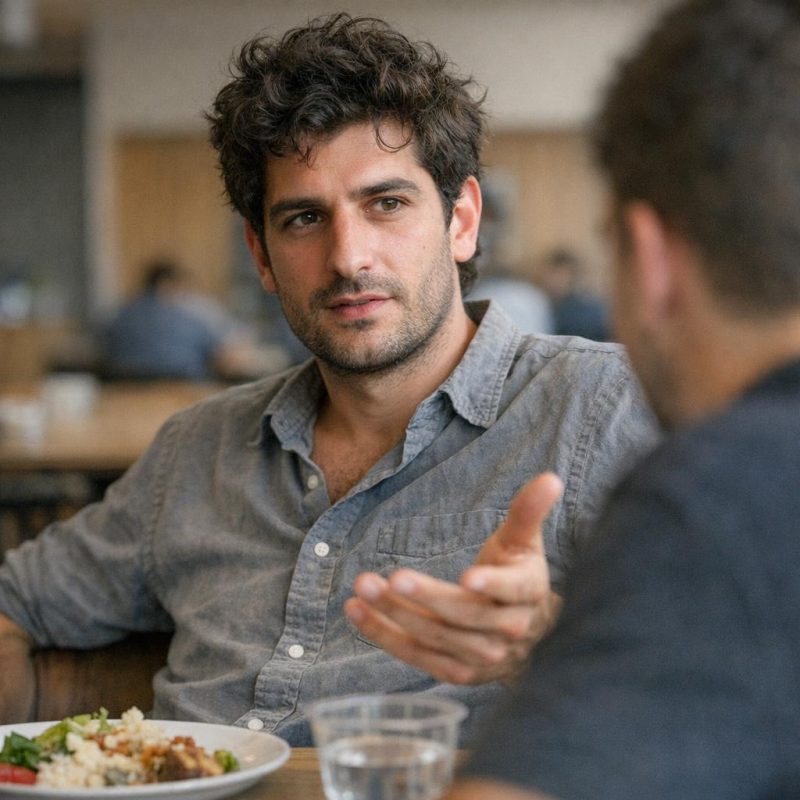 Image by RM AI
The Apartment Hunt
The following Saturday, Emily came home from what I thought was a yoga class, but turned out to be apartment viewings. She had her laptop out before she'd even taken off her shoes, pulling up photos of a two-bedroom in a neighborhood I'd never expressed interest in living. 'This is the one,' she announced, scrolling through the listing. I asked when we were going to look at places together. She waved the question away like it was irrelevant. 'I know what we need,' she said. 'You'd just agree with whatever I suggested anyway, so I saved us both time.' The apartment was nice enough—hardwood floors, good natural light—but it was near her sister's place, far from my office, and decorated in the photos with the same stark minimalism Emily loved and I found cold. I tried to bring up concerns about the commute. 'You can adjust your schedule,' she said simply. She'd already put down a deposit. The lease started in six weeks, whether I'd agreed to it or not. I realized she was building our life as if I were an accessory, not a partner.
 Image by RM AI
Meeting Linda
Emily's mother Linda arrived that Wednesday for a week-long visit, and I understood immediately where Emily had learned her worldview. Over dinner the first night, Linda held court about her own wedding forty years ago, describing in detail how she'd 'managed every aspect' while Emily's father 'stayed out of the way.' She said it approvingly, like this was the natural order of things. 'Marriage is really a woman's domain,' Linda explained, refilling her wine glass. 'The husband's role is to support her vision.' She looked at me pointedly. 'A smart man knows when to step back and let his wife create the home she wants.' Emily was nodding along, actually nodding, like this was wisdom being passed down through generations. I tried to laugh it off, make a joke about partnerships being a team effort. Linda's smile didn't reach her eyes. 'Of course, dear,' she said in a tone that meant the opposite. Later, I caught them looking at wedding magazines together, Emily's head on her mother's shoulder, both of them completely absorbed. Emily nodded along approvingly, and I understood where this worldview had come from.
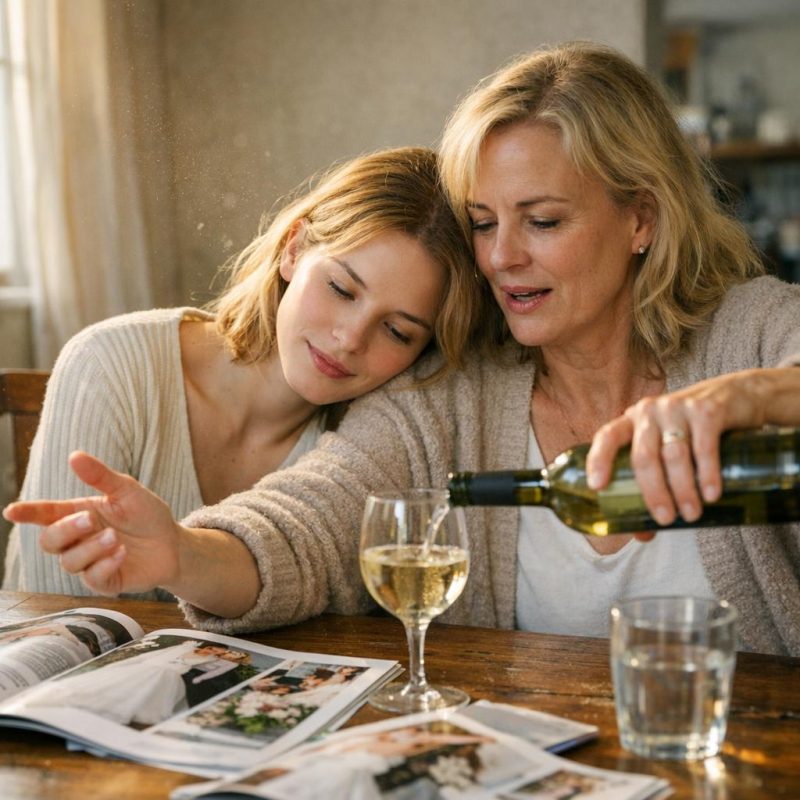 Image by RM AI
The Registry Incident
The wedding registry appeared online two days after Linda left, complete and public without me ever seeing a draft. I only found out because my sister texted me asking why everything on the list looked like it belonged in a design museum. She wasn't wrong—it was all white ceramics, geometric vases, and furniture that looked uncomfortable to actually use. Nothing I would have chosen. Not a single item. I called Emily at work, trying to keep my voice level. 'When were you planning to tell me about the registry?' There was a pause. 'I sent you an email about it,' she said, though we both knew she hadn't. I asked if we could go through it together, maybe add some things that reflected both of our tastes. 'It's already done,' she said flatly. 'We need to have it ready for the save-the-dates.' I pushed back—surely we could edit it, add a few things? Her voice went sharp. 'Why are you being unnecessarily difficult about details?' she said. 'This is what registries look like. This is what people expect.' I hung up feeling like I'd been erased from my own wedding, one curated item at a time.
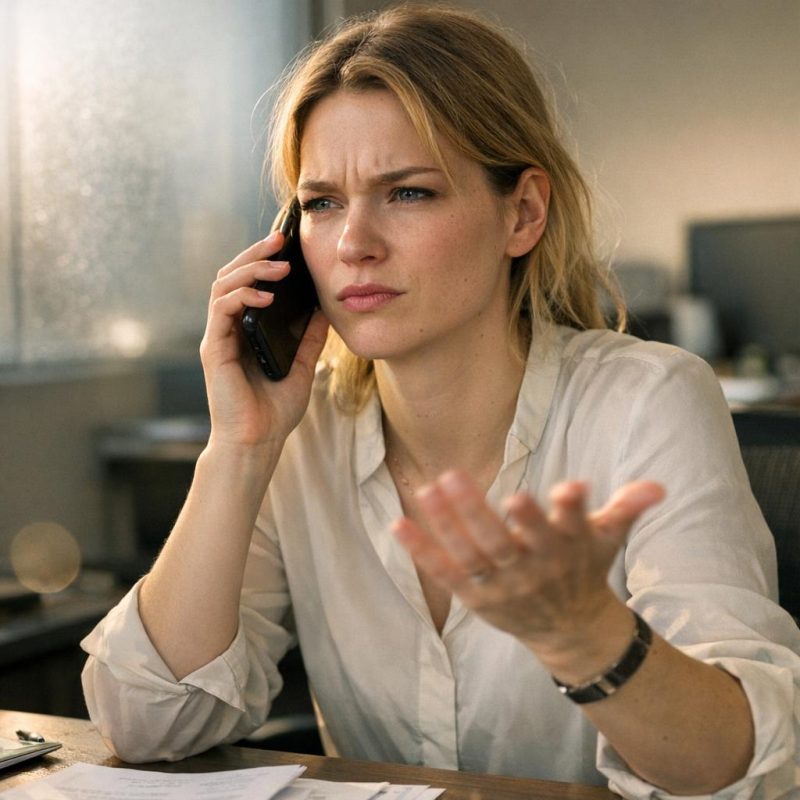 Image by RM AI
The Old Photographs
Emily asked me to grab something from her storage closet the next weekend—a box of holiday decorations she wanted to go through. I pulled down the wrong box first, and when I opened it, I found photographs. Lots of them. Most were of Emily in her early twenties, but several showed her with a guy I didn't recognize, his arm around her waist in that unmistakable couple pose. They looked serious—multiple photos, different locations, clearly taken over time. Emily had never mentioned a significant ex, and I'd always assumed I was her first real long-term relationship. When she came into the room, I was still holding one of the photos. 'Who's this?' I asked, keeping my tone casual. Her entire face went blank. Not surprised, not embarrassed—blank, like a mask sliding into place. 'Just someone I dated years ago,' she said, taking the photo from my hand and placing it back in the box. 'Nothing important.' I started to ask how long they'd been together, but she was already changing the subject, asking if I'd found the decorations. When I asked about it casually, her face went blank before she changed the subject.
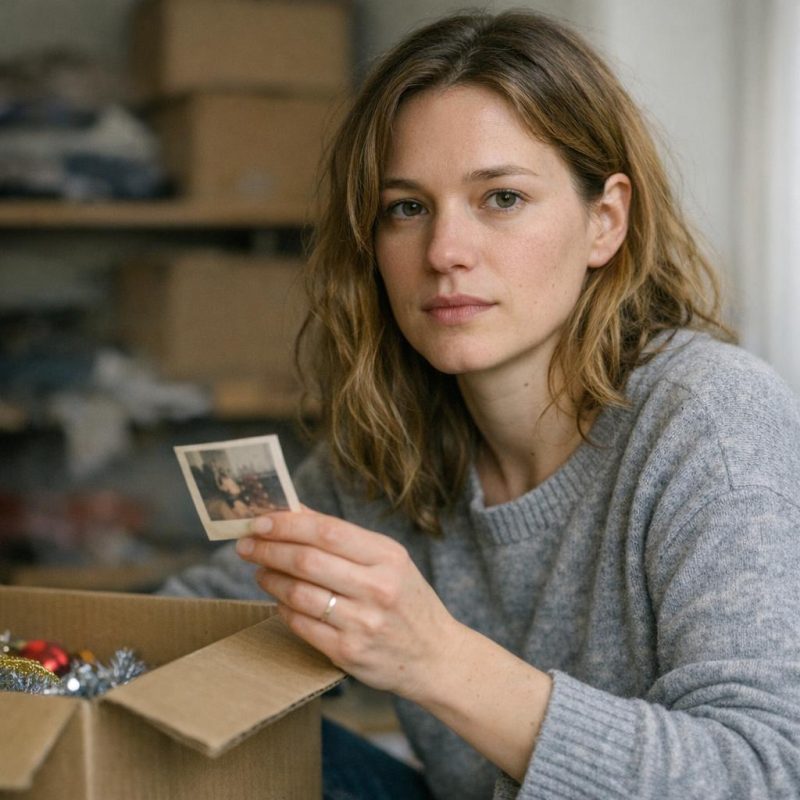 Image by RM AI
David's Exclusion
David texted me out of the blue asking if he should expect a save-the-date, since he hadn't heard anything yet. We'd been roommates junior and senior year of college, stayed close after graduation, and I'd always assumed he'd be at my wedding. I'd apparently never explicitly told Emily to add him to the list. That evening, I brought it up. 'Hey, I need to add David to the guest list,' I said. Emily was scrolling through her phone and didn't look up. 'Who?' I explained who David was—one of my closest friends for nearly a decade. 'Oh,' she said. 'No, we don't have room.' I stared at her. We'd cut a third of my original list. There was definitely room. 'Emily, this is important to me. David should be there.' She finally looked up, her expression unreadable. 'It's not necessary,' she said simply, like she was declining an optional add-on at checkout. Something inside me snapped—not into anger exactly, but into a cold, clear certainty. This wasn't about optimal table arrangements or aesthetic cohesion. This was about control. 'It's not necessary,' she said, and I felt something inside me snap.
 Image by RM AI
The Decision
I spent that entire night awake again, but this time I wasn't confused. I was finally seeing clearly. When had I last felt excited about the wedding? When had I last imagined our actual marriage with anything other than a sense of dread? I tried to remember the moment I'd proposed, that feeling of absolute certainty that Emily was the person I wanted to spend my life with. I couldn't find it anymore. It was buried under months of being dismissed, overruled, and quietly erased from every decision. The wedding had become something I was enduring rather than celebrating, and the marriage ahead looked like more of the same stretching out indefinitely. Every time I tried to picture our future—the apartment she'd chosen, the life she was designing—I felt claustrophobic. This wasn't cold feet. This wasn't normal wedding stress. This was my gut screaming at me to pay attention before it was too late. I realized I wasn't excited about the wedding anymore—I was dreading it. I knew I had to tell her, but I had no idea how to start that conversation.
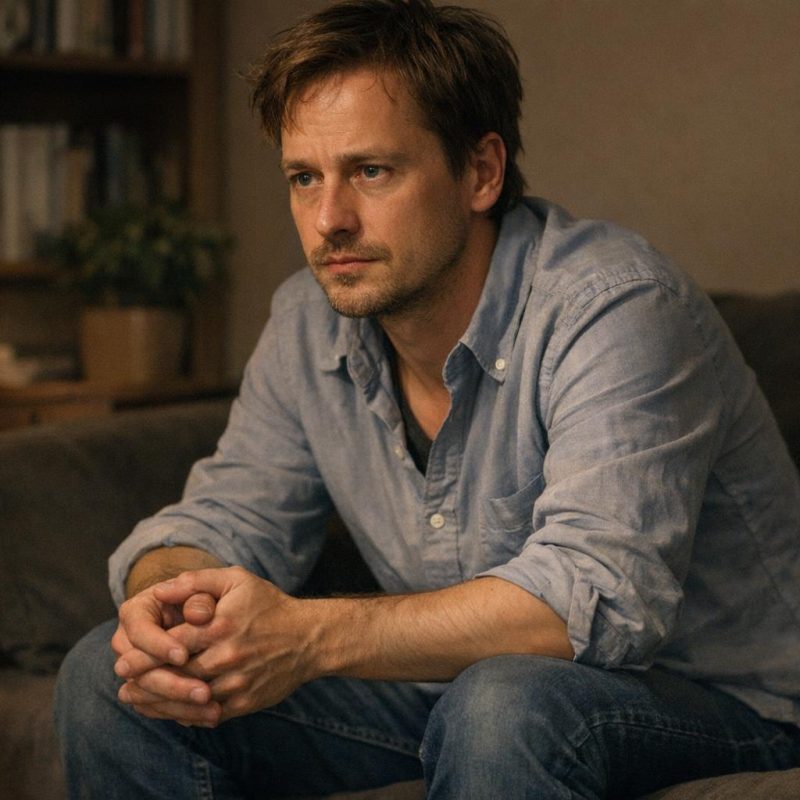 Image by RM AI
Jake's Support
I met Jake at our usual coffee shop two days later, and I could barely look him in the eye when I started talking. 'I think I need to call off the engagement,' I said, and the words felt both terrifying and liberating at the same time. I expected him to tell me I was being rash, that every couple goes through rough patches, that I was throwing away something good. Instead, he just nodded slowly and said, 'I've been waiting for you to say that.' He told me he'd watched me disappear over the past few months, that I'd stopped laughing the way I used to, that I seemed like I was performing my own life rather than living it. 'Emily's not a bad person,' he said carefully, 'but the person you've become around her? That's not you, man.' We sat there for an hour while I laid out everything—the wedding decisions, the apartment, the way my opinions had become inconvenient obstacles to her vision. Jake didn't interrupt once. When I finally finished, he leaned back and said something that cut right through all my remaining doubt. 'Trust your gut,' he said, and I realized mine had been screaming for weeks.
 Image by RM AI
The Wedding Planner's Confession
Claire, our wedding planner, called me the next day asking if we could meet privately, which immediately felt unusual. We met at her office, and she looked genuinely uncomfortable as she poured us both coffee. 'I probably shouldn't be telling you this,' she started, 'but I've been doing this job for twelve years, and I've never experienced anything quite like working with Emily.' She explained that Emily had been calling her at all hours, changing decisions that had already been finalized, demanding vendor meetings that specifically excluded me. 'She told me you were too busy with work to be involved,' Claire said, 'but when I suggested video calls so you could participate, she got extremely defensive.' Claire showed me email threads I'd never seen—Emily had been corresponding about our wedding for weeks without copying me on anything. There were details about the ceremony I knew nothing about, menu choices I'd never approved, even a seating chart that separated me from my own family during the reception. Claire looked at me with something like pity in her eyes. 'I've never had a bride refuse to include the groom in decisions,' she said quietly.
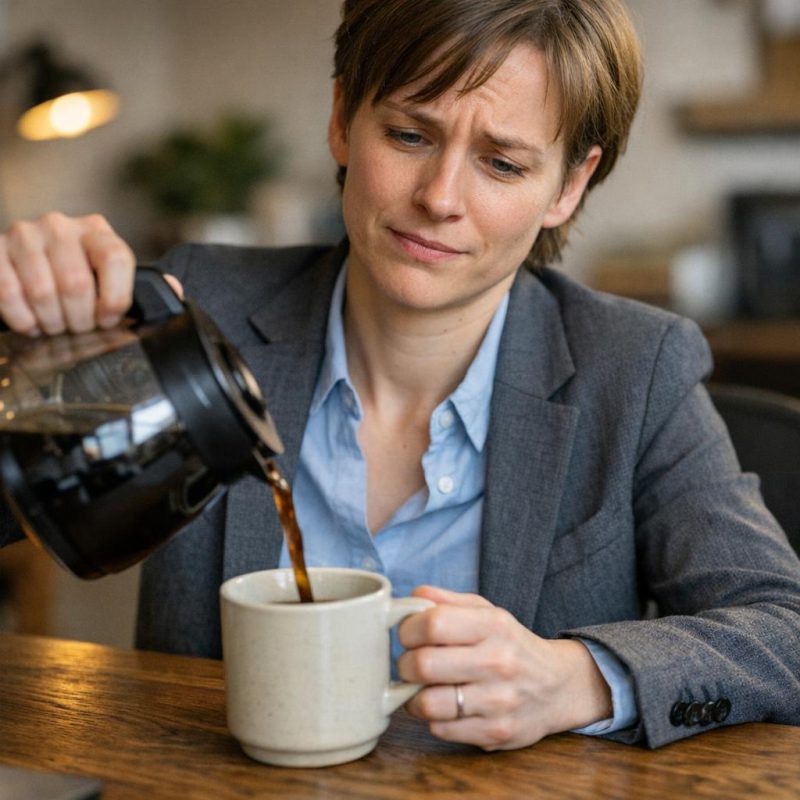 Image by RM AI
The Confrontation
I asked Emily to meet me at a neutral location—a park near her place—because I knew I needed to do this somewhere I could leave if necessary. She arrived looking annoyed that I'd been 'mysterious' about why we were meeting, and I didn't waste time with small talk. 'I need to take a step back from the engagement,' I said, and I watched her face cycle through confusion, disbelief, and something that looked almost like panic. I explained as calmly as I could—how I'd felt erased from the wedding planning, how every conversation had become a negotiation I was losing, how I couldn't recognize the relationship we'd built in what we'd become. 'I've tried to talk to you about this before,' I said, 'but you keep dismissing how I feel.' She sat perfectly still while I talked, her expression hardening with each point I made. I expected anger or tears or something, but instead she just stared at me with this blank, calculating look. When I finally stopped talking, the silence stretched out between us for what felt like forever. She stared at me like I'd spoken a foreign language, then asked if I was having a breakdown.
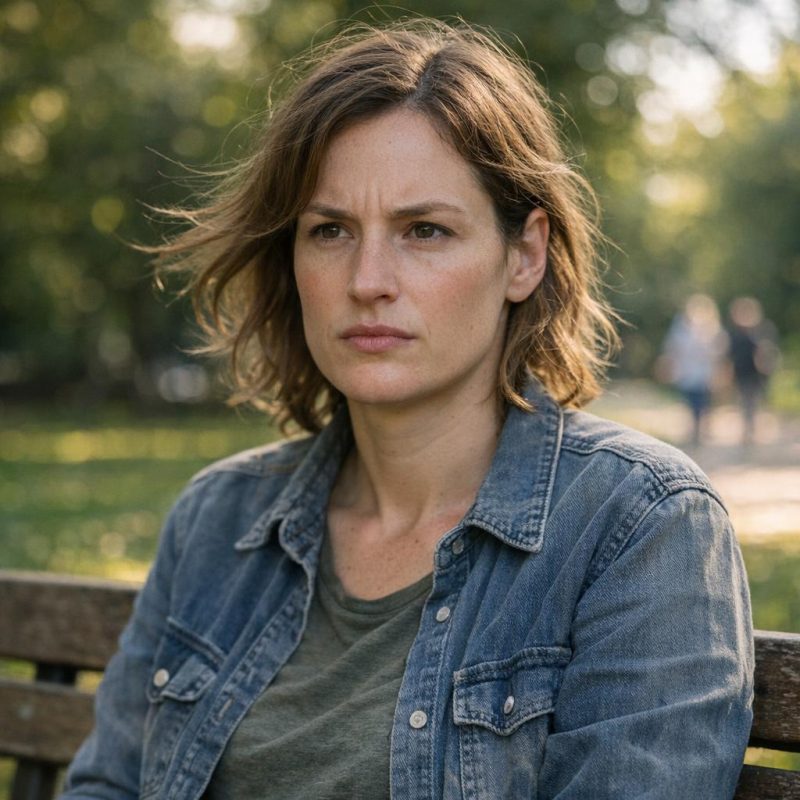 Image by RM AI
The Gaslighting
Emily's whole demeanor shifted into something I can only describe as aggressively reasonable. 'You're overthinking everything,' she said in this calm, almost therapist-like tone. 'All couples go through adjustments after getting engaged. It's completely normal to feel overwhelmed.' She reached for my hand, and I instinctively pulled back, which made her frown. 'I think you're experiencing cold feet, and you're retrofitting all these narratives to justify it,' she continued. She started reframing every concern I'd raised—the apartment was practical, the wedding decisions were just her being organized, my exclusion from planning was me being too passive and then resenting her for taking initiative. 'I've been trying to take pressure off you because you seemed stressed,' she said, making it sound like she'd been doing me favors I was too ungrateful to appreciate. The scary thing was how plausible it all sounded when she said it like that. She had an explanation for everything, delivered with such confidence that I could feel my resolve starting to wobble. For a moment, I almost believed her—but then I remembered how quiet I'd become in my own life.
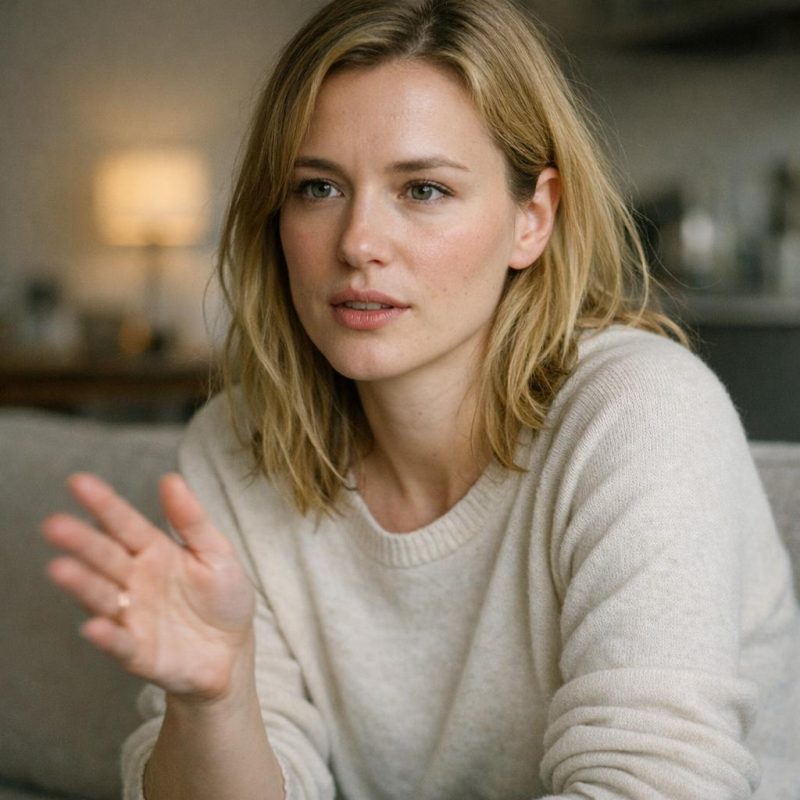 Image by RM AI
The Tears
That's when the tears started. Not loud crying, but this quiet, wounded thing that made me feel like the worst person alive. 'How can you question us after everything we've built together?' she asked, her voice breaking. She talked about our history, the moments we'd shared, the future she'd imagined for us. 'I've been planning our dream wedding,' she said, 'and you're acting like I've been torturing you.' She made it sound like I was being cruel and irrational, like I was destroying something beautiful because of some quarter-life crisis. 'I love you,' she said, tears streaming down her face. 'I've loved you from the beginning. And you're throwing it all away because wedding planning is stressful?' Every word was designed to make me feel guilty, and it was working. I felt like the villain in our story, the person who was sabotaging something good because he couldn't handle normal relationship challenges. But even as I felt that guilt crushing me, there was this small voice in the back of my mind that wouldn't shut up. I felt like the villain, but I couldn't shake the feeling that her tears were strategic.
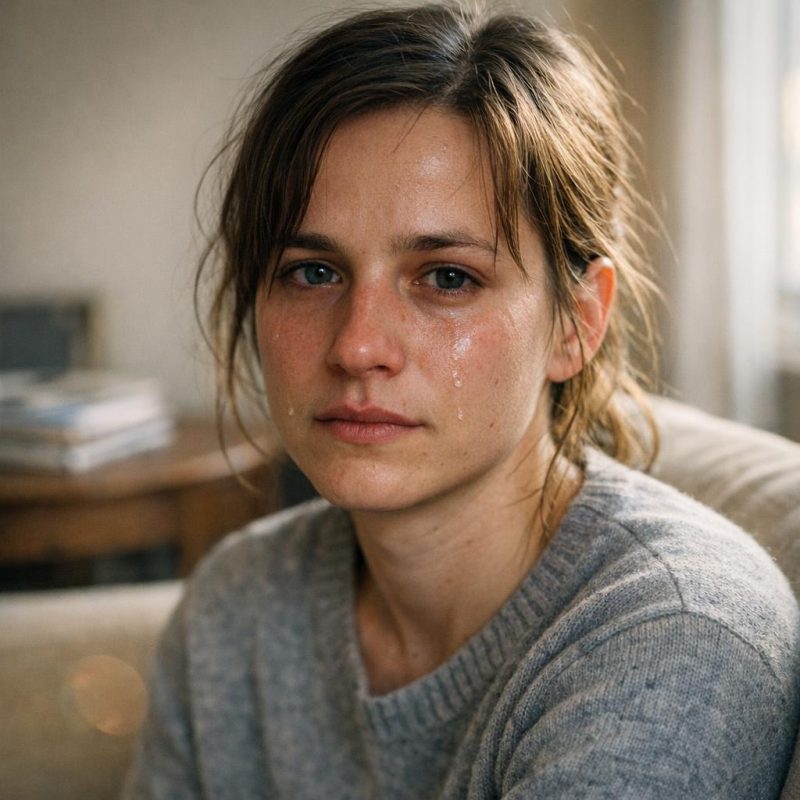 Image by RM AI
The Ultimatum
Emily's tears dried up faster than seemed natural, and her expression hardened into something I'd never seen before. 'I need you to make a decision,' she said, her voice suddenly cold and clear. 'Either commit fully to this wedding and stop sabotaging everything I've worked for, or end it. But stop waffling.' The word 'waffling' hit me like a slap. I'd just poured my heart out about feeling erased and dismissed, and she was treating it like I was being indecisive about dinner plans. 'I've put everything into this relationship,' she continued. 'I've planned our entire future, and I need to know if you're in or out. I can't keep dealing with this uncertainty.' There was no acknowledgment of anything I'd said, no willingness to discuss or compromise. It was ultimatum as power play—force me to either submit completely or be the bad guy who walked away. I looked at her sitting there with her arms crossed, waiting for me to fold, and something crystallized in my mind. I realized she was trying to force my hand, and that told me everything I needed to know.
 Image by RM AI
The Break
I took a breath and said the words I'd been building toward for weeks. 'The engagement is off.' Emily's face went through this rapid sequence of emotions—shock, disbelief, anger, and then something that looked almost like genuine confusion. 'You can't be serious,' she said, and for the first time in our conversation, she seemed actually rattled. 'We're supposed to get married in three months. Everything's been planned.' I noticed she said 'everything's been planned,' not 'I love you' or 'we can work on this.' Her shock seemed genuine—as if she couldn't believe the script had failed. I'd expected her to fight harder, to cycle back to tears or anger, but instead she just sat there looking stunned. 'I need time to process this,' she finally said, her voice barely above a whisper. 'This is a huge decision. You're making a huge mistake.' I could feel myself starting to waver under the weight of her disbelief, so I agreed to give us both space. She asked for time to process, and I agreed to one week of space.
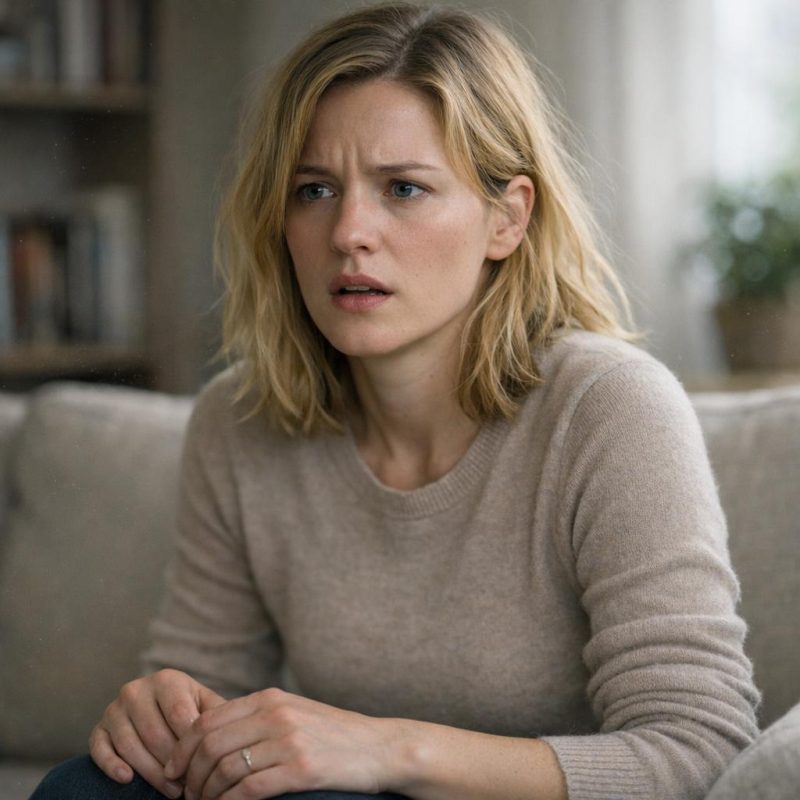 Image by RM AI
The Aftermath
Jake helped me move my stuff out of Emily's apartment two days later while she was at work. We didn't take everything—I wasn't ready to admit it was permanent yet—but I grabbed enough clothes and essentials to last a while. Jake's spare room was small and smelled faintly of his gym bag, but it felt like a sanctuary. I kept expecting to feel this rush of relief, this weight lifting off my shoulders now that I'd finally done it. People always talk about that, right? The freedom that comes with ending something that wasn't working. But instead, I just felt hollow. I'd sit on Jake's couch scrolling through photos of Emily and me from happier times, trying to figure out where it had all gone wrong. Had I overreacted? Was I throwing away something real because I couldn't handle the stress of wedding planning? Jake would find me like that and just shake his head. 'Give it time,' he'd say. But time felt like this vast, empty thing stretching out ahead of me. Part of me expected relief, but instead I felt hollow and confused.
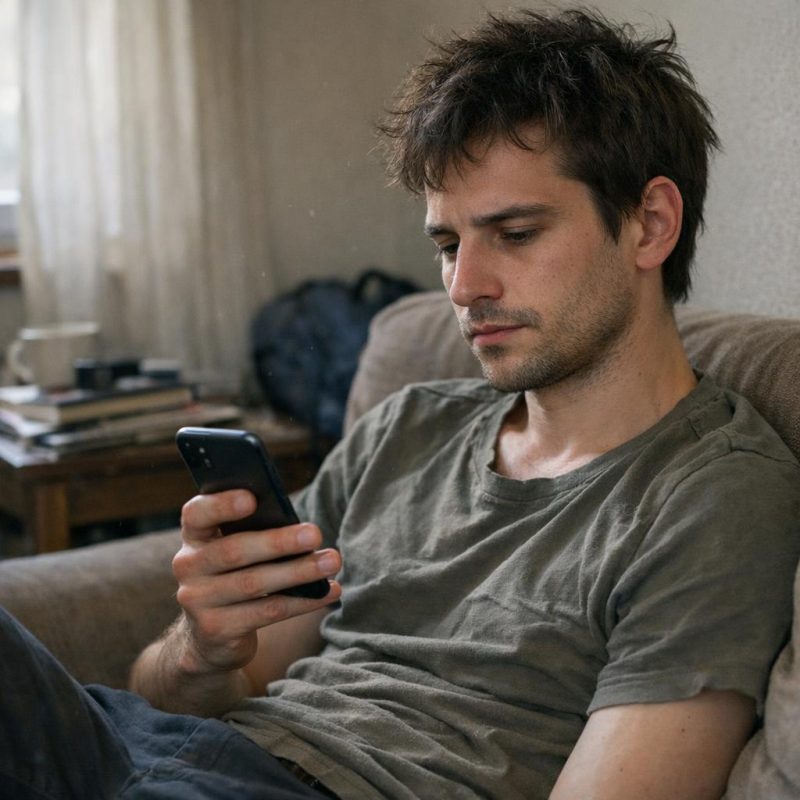 Image by RM AI
The Calls
The calls started the next day. Emily would ring me at work, then again during lunch, then in the evening. At first, she was apologetic—'I know I messed up, I just want to talk this through'—but by the third day, her tone had shifted. 'You're being dramatic,' she said during one call I stupidly answered. 'All couples fight about wedding stuff. You're acting like I committed some crime.' I tried to explain that it wasn't about one fight, that it was about everything, but she'd twist my words around until I felt like I was the one being unreasonable. Jake would watch me hang up looking exhausted and just shake his head. The calls kept coming, sometimes three or four a day. She'd leave voicemails that started sweet and ended bitter. 'I guess you never really loved me if you could just throw this away so easily.' My finger hovered over the block button more times than I could count, but something always stopped me. Then she left a message that made my decision easy: 'You're sabotaging your own happiness because you're scared of commitment.' I stopped answering after that.
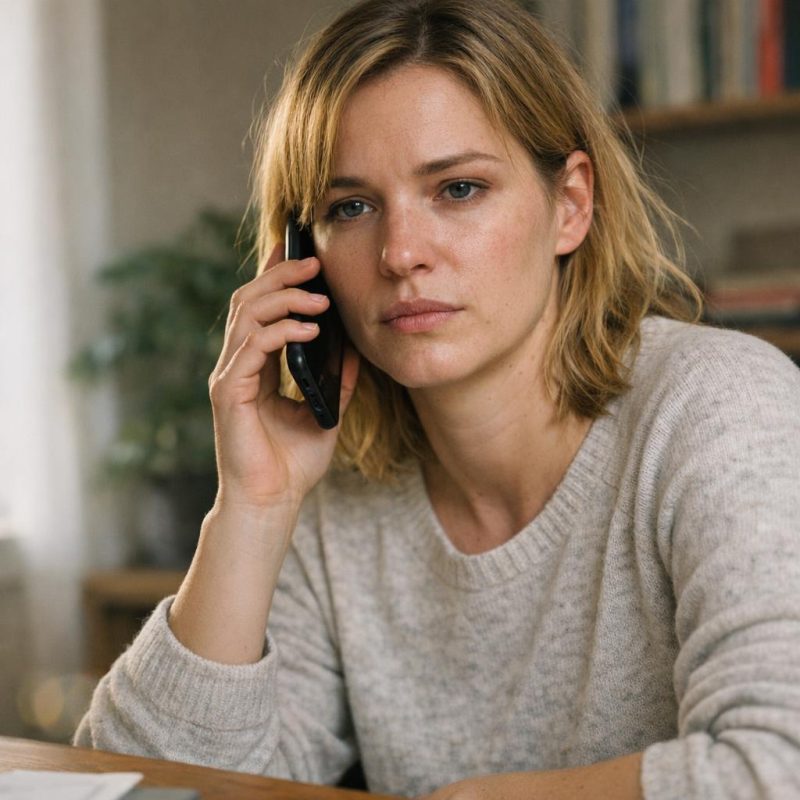 Image by RM AI
My Mother's Concern
My mother called on a Saturday morning, her voice careful in that way mothers get when they're trying not to overstep. 'Your father and I heard you moved out,' she said. 'We wanted to check on you.' I expected her to try to talk me into giving Emily another chance—my mom's always been a romantic, always believed in working things out. But instead, she went quiet for a moment, then said something that caught me completely off guard. 'I've been worried about Emily's behavior for weeks now. The way she spoke to you at the engagement party, how she'd dismiss your opinions when we'd all have dinner together.' I sat up straighter on Jake's couch. My mom had noticed? 'Why didn't you say anything?' I asked. She sighed. 'I didn't want to interfere. You're an adult, and I thought maybe I was seeing things that weren't there.' We talked for another hour, and by the end, I felt lighter than I had in days. 'I didn't want to interfere,' she said before we hung up, 'but I'm glad you trusted yourself.'
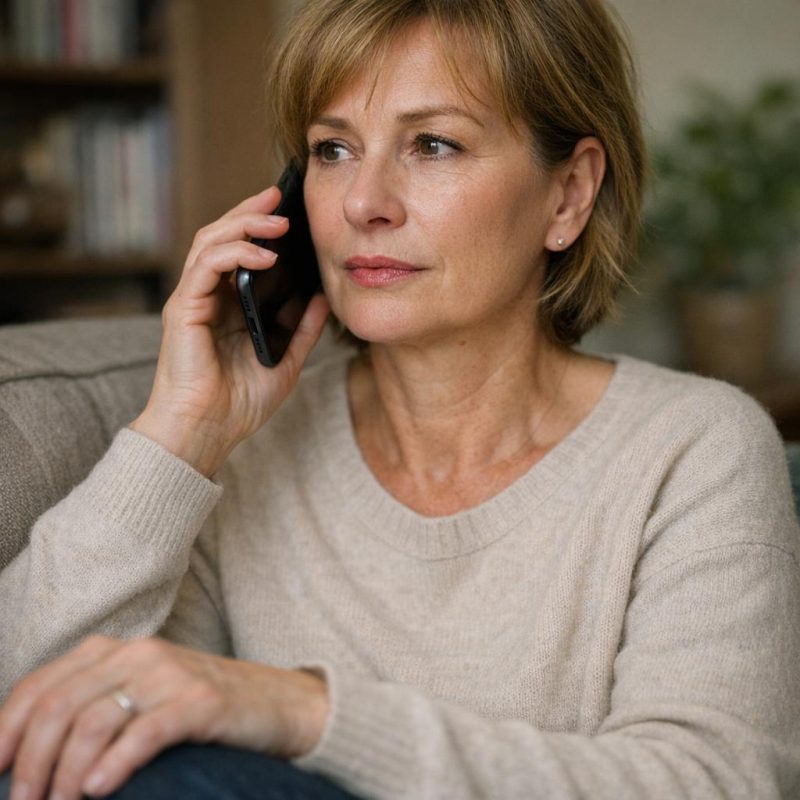 Image by RM AI
Sarah's Question
Sarah invited me out for coffee the following Tuesday. We'd been friends since college, and she'd always had this way of asking the uncomfortable questions nobody else would. We were halfway through our lattes when she leaned forward and said, 'Can I ask you something? Did you ever look into Emily's past relationships?' The question threw me. 'What do you mean, look into them?' Sarah shrugged. 'Like, did she tell you about her exes? How those relationships ended?' I thought back through all our conversations, and I realized something strange. Emily had been incredibly vague about her dating history. A mention of 'someone in college' here, a reference to 'a guy I dated for a while' there, but never any names, never any details. I'd told her about my ex-girlfriend Rachel, about the messy breakup that had wrecked me for months. But Emily had always deflected when I'd ask about hers. 'She said her past was her past,' I told Sarah. 'That we should focus on our future together.' Sarah gave me this look I couldn't quite read. Emily had always been vague about her exes, and now that vagueness felt deliberate.
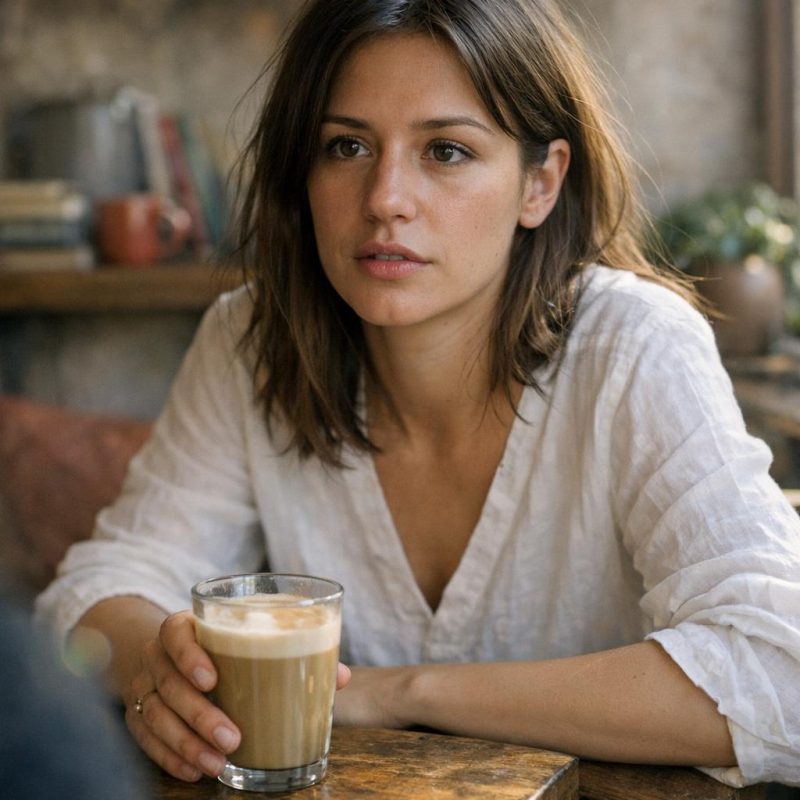 Image by RM AI
The Social Media Search
I told myself I wouldn't do it. That looking through Emily's social media history was crossing some line, violating some unspoken privacy rule even though we'd broken up. But Sarah's question had planted something in my brain that I couldn't shake. That night, alone in Jake's spare room, I opened Emily's Instagram and started scrolling backward. Way backward, past our relationship, past the point where I'd even known her. Her posts from four years ago showed a completely different life—different friend group, different city, different version of Emily. She looked younger, happier somehow. And then I saw it. A photo from what looked like a dinner party, Emily laughing at a table full of people. Her left hand was clearly visible, resting on the table. The image quality was decent enough that I could zoom in. My stomach dropped. In the photos, she wore what looked like an engagement ring.
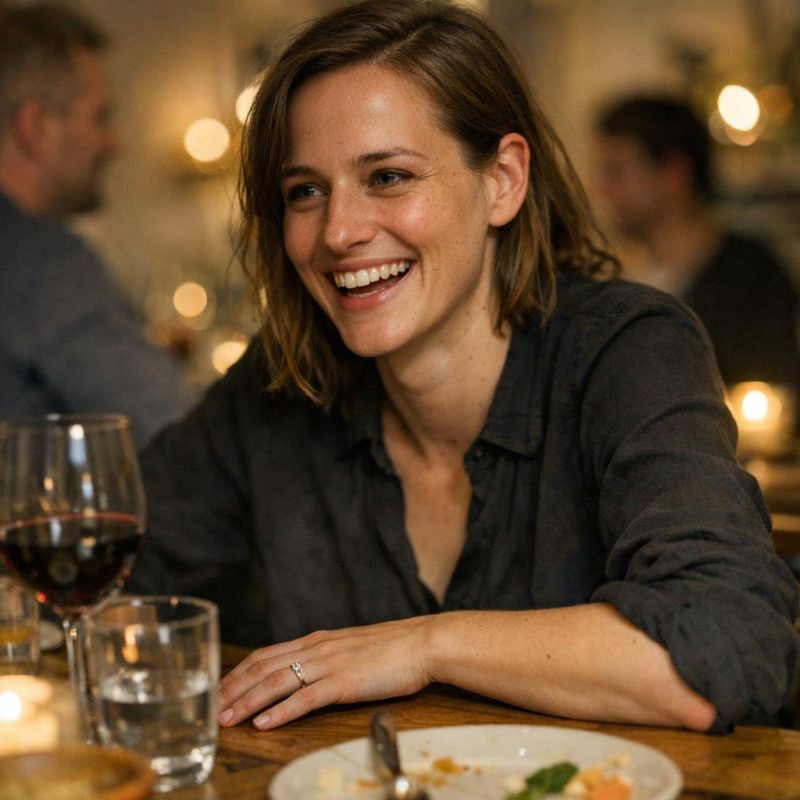 Image by RM AI
The Name
I spent the next hour going through every photo from that time period, my heart pounding harder with each swipe. The comments on those old posts were what really got me. Emily's friends—people I'd never heard her mention—kept tagging someone named Daniel. 'You two are so cute!' 'Daniel's a lucky guy!' 'Can't wait for the big day!' I felt sick. Emily had told me I was her first serious relationship, that she'd never felt this way about anyone before. But here was evidence of something substantial, something she'd completely erased from her personal history. I kept scrolling, kept reading. The posts stopped abruptly around late 2019. No explanation, no farewell photo, just silence. Then I found it—a comment from one of Emily's friends, posted three months after the last Daniel photo, on a picture of Emily looking somber at what appeared to be a bar. One comment from years ago read, 'So sad about the wedding, but you'll find the right one!'
 Image by RM AI
The Second Name
I couldn't stop. It was like pulling at a thread and watching an entire sweater unravel. I went back further, scrolling through years of Emily's carefully curated digital life, and that's when I found him. Marcus. Another name that appeared repeatedly in photos from 2017 and early 2018, another man whose arm was around Emily's waist, another set of couple photos at restaurants and hiking trails. And there it was again—that same unmistakable sparkle on her left hand in several photos. Different ring, different time, different guy. Same pattern. My hands were shaking as I pieced together the timeline. Marcus's last appearance: February 2018. Daniel's first appearance: November 2018. Me: January 2022. The math was making me dizzy. I grabbed my phone and opened the notes app, typing out what I'd found just to make sure I wasn't imagining it. Two different men. Two different engagement periods. Two relationships she'd never mentioned to me, not even once, not even in passing. Emily had been engaged at least twice before me, and she'd never mentioned it once.
 Image by RM AI
The Therapist
I found Dr. Brennan through my insurance website at two in the morning, sent an email explaining I needed an urgent appointment, and somehow got a slot for the next afternoon. I showed up early, my laptop in my bag with screenshots I'd taken of everything I'd found. Dr. Brennan was in his fifties, with wire-rimmed glasses and the kind of calm demeanor that probably worked wonders on most patients. I wasn't sure it would work on me. I spent the first twenty minutes explaining everything—the engagement, Emily's behavior, the breakup, what I'd discovered online. Dr. Brennan listened without interrupting, occasionally jotting notes. When I finished, he was quiet for a long moment. 'These patterns you're describing,' he said carefully. 'The repeated engagements, the erasure of past relationships, the behavioral changes after commitment. Have you considered that this might not be accidental?' I stared at him. 'What do you mean, not accidental?' Dr. Brennan leaned forward slightly. Dr. Brennan asked if I'd considered that the pattern might be intentional, and my blood ran cold.
 Image by RM AI
The Search for Daniel
I left Dr. Brennan's office in a daze, his words echoing in my head. Intentional. The word felt absurd and terrifying at the same time. But I needed to know more. I needed to talk to someone who'd been through this before me. It took me three days to work up the courage, but I finally tracked down Daniel through a mutual friend of a friend on Facebook. His profile was private, but I could see enough to confirm he was the right person—same face from Emily's old photos, now a few years older. I sent him a message, trying to sound casual and probably failing miserably. 'Hi Daniel, I know this is random, but I was engaged to Emily and recently came across some old photos. I was hoping we could talk about your experience with her. I'm trying to understand some things.' I hit send before I could overthink it. My phone buzzed less than an hour later. I opened the notification with trembling hands. He responded within an hour: 'I wondered when you'd reach out. We need to talk.'
 Image by RM AI
Daniel's Story
We met at a coffee shop near his office two days later. Daniel looked tired, like someone who'd been carrying something heavy for a long time. He ordered a black coffee and got straight to the point. 'The first six months were incredible,' he said. 'She was everything I'd ever wanted. Supportive, fun, spontaneous. Then I proposed, and it was like a switch flipped.' I felt my chest tighten as he described what came next. The constant criticism disguised as concern. The way she'd isolate him from friends by making plans impossible to keep. The financial control that started with 'helping' him budget and ended with her monitoring every purchase. The jealousy over female coworkers that made him dread going to work. 'I thought maybe it was wedding stress,' he said, staring into his cup. 'Or cold feet manifesting weirdly. But it kept getting worse. She'd apologize, cry, promise to change, then do it all again the next week.' I could barely breathe. It was like listening to someone narrate my own life. 'She became a different person overnight,' he said, and I felt like I was hearing my own story.
 Image by RM AI
The Timeline
Daniel's engagement lasted exactly four months before he ended it. 'I kept trying to make it work,' he said, rubbing his face. 'Kept thinking if I just loved her better, communicated more clearly, gave her what she needed, things would go back to how they were.' But they never did. He described the same escalation I'd experienced—every boundary he set became evidence he didn't love her enough. Every concern he raised was twisted into an attack on her character. She'd accused him of changing, of not being the man she'd fallen in love with, when all he'd done was ask for basic respect. Finally, he couldn't take it anymore. He sat her down and told her the engagement was off. 'What shocked me most,' he said, leaning forward, 'was her reaction. She acted genuinely stunned. Like she couldn't believe this was happening. Like I was the one who'd changed the rules without warning.' He shook his head slowly. 'She even asked if we could go to couples therapy, start over, make it work. As if the previous four months hadn't happened at all.' He said Emily had acted genuinely shocked when he called it off, as if she couldn't believe it was happening.
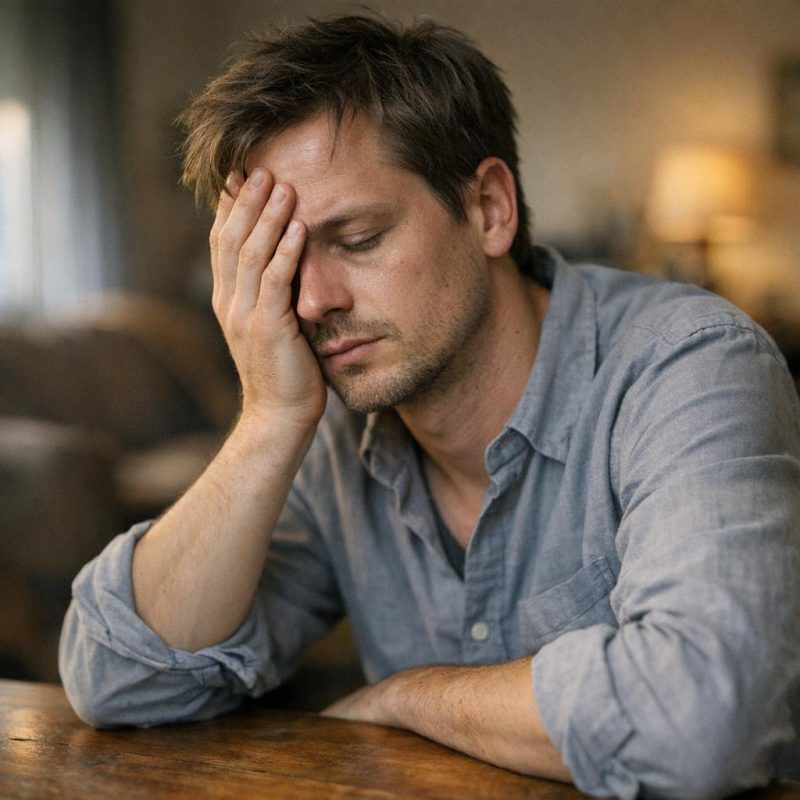 Image by RM AI
The Warning Daniel Never Gave
The question had been nagging at me since I'd first reached out to him. 'Why didn't you warn anyone?' I asked, trying not to sound accusatory. 'Why didn't you tell the next guy what happened?' Daniel looked at me with something between shame and frustration. 'Because she convinced me I was the problem,' he said quietly. 'After we broke up, she told everyone I'd changed after the proposal. That I'd become controlling and jealous and impossible to please. Some of our mutual friends actually reached out to check on her, make sure she was okay. A few stopped talking to me entirely.' He paused, collecting himself. 'And the worst part? I started to believe it. I spent a year in therapy trying to figure out what was wrong with me. Why I couldn't handle commitment. Why I'd sabotaged something good.' His voice cracked slightly. 'It wasn't until I heard she'd gotten engaged again that I started questioning the narrative. But by then, what was I supposed to do? Track the guy down and sound like a bitter ex?' 'I thought I was crazy,' he said. 'She was that good.'
 Image by RM AI
Finding Michael
I was processing everything Daniel had told me when he said something that made my blood run cold. 'You should talk to Michael.' I looked up sharply. 'Who?' 'Michael Chen. He was engaged to Emily before me. About six months before, I think.' He pulled out his phone and scrolled through his contacts. 'I didn't know about him until after my engagement ended. Ran into him at a mutual friend's party and we got talking. Realized we had Emily in common.' Daniel's expression darkened. 'That's when I knew something was really wrong. That it wasn't just me.' He forwarded me Michael's LinkedIn profile. 'I'm warning you though—he took it harder than I did. Went through a really rough patch after they split. He might not want to relive it.' I stared at the profile photo on my phone. Michael looked young, maybe late twenties, with kind eyes and an easy smile. The kind of guy who probably never saw it coming. 'Did he describe the same thing?' I asked. Daniel nodded grimly. 'Word for word.' He warned me that Michael had taken it hard and might not want to talk.
 Image by RM AI
Michael's Silence
I spent an hour crafting the LinkedIn message to Michael, trying to find the right balance between honest and not completely insane. 'Hi Michael, this is going to sound strange, but I was recently engaged to Emily and ended things after some concerning patterns emerged. I spoke with Daniel, who suggested I reach out to you. I'm trying to understand what happened and would really appreciate the chance to talk if you're willing.' I hit send and immediately felt sick. What was I doing? Tracking down my ex's exes like some kind of stalker? But I needed to know. Three days passed with no response. I checked LinkedIn obsessively, saw that he'd viewed my profile twice but hadn't replied. Maybe Daniel was right. Maybe Michael wanted nothing to do with this. Maybe I should just let it go and move on with my life. Then, on the third night, my phone buzzed with a notification. I opened it with shaking hands. Michael's message was only six words long, but they hit me like a freight train. When he finally replied, his message was brief: 'How did you figure it out?'
 Image by RM AI
The Phone Call with Michael
Michael called me the next evening. His voice was quiet, careful, like someone defusing a bomb. 'I need to know what made you suspicious,' he said. So I told him everything—the changes after the proposal, the controlling behavior, the financial manipulation, Dr. Brennan's observations. He was silent for a long moment. Then he started talking, and I felt the room tilt around me. His story was identical to mine and Daniel's. Not just similar—identical. The same progression from perfect to controlling. The same phrases Emily had used. 'You're not the man I thought you were.' 'If you really loved me, you'd want this too.' 'Everyone else's partner does this without complaining.' The same gaslighting when he tried to address it. The same tearful apologies followed by repeated behavior. Even the specific things she'd tried to control matched—his finances, his friendships, his phone access, his time. 'I thought I was losing my mind,' Michael said. 'I'd never experienced anything like it. No frame of reference for what was happening.' He exhaled shakily. 'She's done this at least three times,' he said. 'Maybe more.'
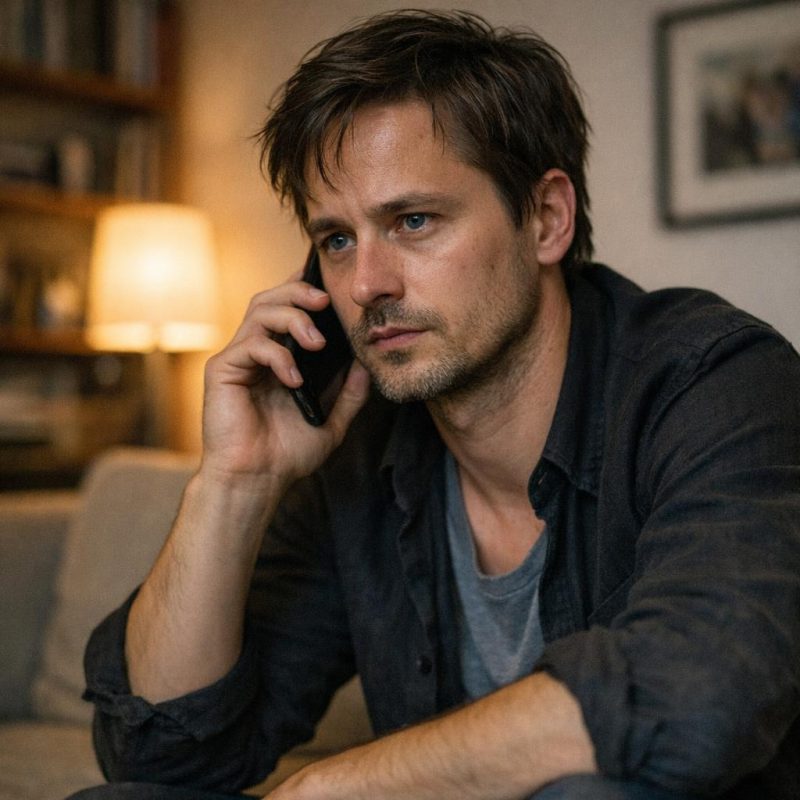 Image by RM AI
The Shared Document
Two hours after our call, Michael emailed me a Google Doc. 'I kept notes during the relationship,' his message said. 'My therapist suggested it when I couldn't figure out if I was remembering things correctly. You should read this.' I opened the document at midnight, sitting alone in my apartment. What I saw made my hands go numb. Michael had documented everything—dates, conversations, incidents. And it read like someone had transcribed my own relationship. The way Emily had 'suggested' he close his savings account and open a joint one 'for transparency.' The guilt trips when he wanted to see his friends. The accusations of emotional cheating when he mentioned a female colleague. The crying fits that derailed any attempt at serious conversation. Even her apologies followed the same script. 'I'm so sorry, I don't know what came over me. You know I love you more than anything. I'm just scared of losing you.' The document was twenty-three pages long. Every page reflected my own experience back at me like a mirror. Same controlling behaviors, same deflections, same emotional manipulation—all following an identical script.
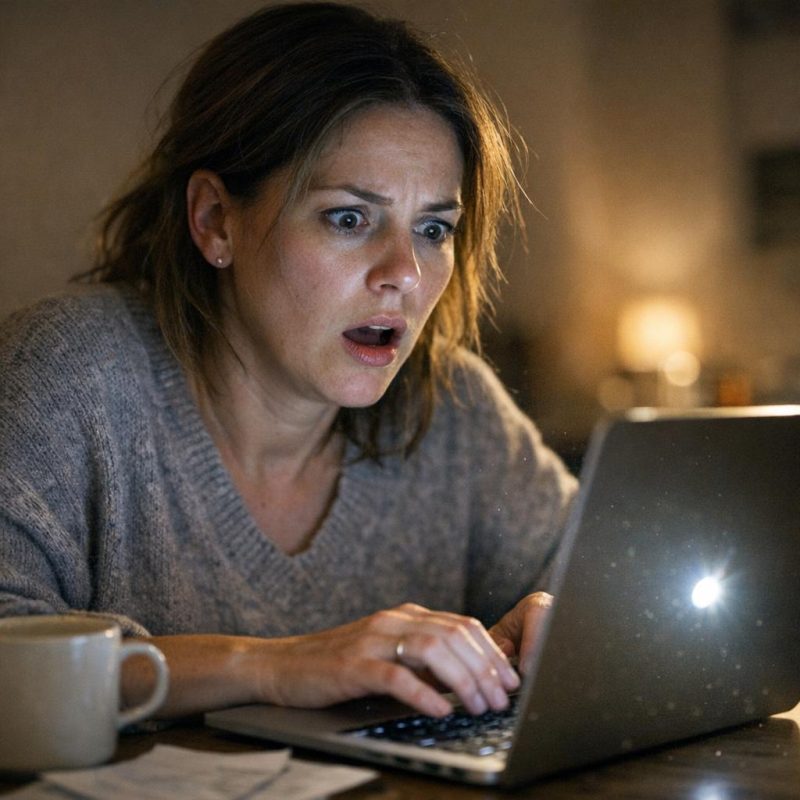 Image by RM AI
The Question of Why
I called Michael back the next day, my mind racing with questions I couldn't answer. 'I don't understand,' I said. 'Why would she keep doing this? Why pursue engagements if she's just going to act this way and drive people away?' It didn't make sense. If she wanted to get married, why sabotage every relationship? If she didn't want to get married, why accept proposals? Michael was quiet for a moment. I could hear him breathing on the other end of the line. 'I've thought about this a lot,' he finally said. 'Spent two years turning it over in my head, trying to understand. At first I thought maybe she had some kind of fear of commitment that manifested as control. Or maybe she was testing us somehow, seeing if we'd stay no matter what.' He paused. 'But the more I've reflected on it, the more I think we're looking at it wrong. What if it's not sabotage? What if the engagement is what she actually wants, and everything after is just... what happens when she gets it?' I felt ice in my stomach. Michael suggested it might not be sabotage—it might be the point.
 Image by RM AI
The Research
I spent the next three days glued to my laptop, falling down every research rabbit hole I could find. Relationship patterns, attachment theory, personality disorders—I read academic papers, forum posts, psychology blogs, anything that might explain what I'd experienced. What I found rattled me. There were articles about people who pursued commitment not as a foundation for partnership, but as a form of validation. The engagement itself was the goal, the achievement to be unlocked. The relationship afterward became almost an afterthought, something to be controlled and managed rather than nurtured. These people often cycled through partners, each time genuinely believing 'this is the one' in the moment, but unable to sustain the vulnerability that actual intimacy required. The descriptions were uncomfortably familiar. The rapid intensity at the beginning. The shift after commitment was secured. The need for control masquerading as preference. The inability to tolerate the partner's independent existence. I highlighted passages, took screenshots, made notes in the margins. It all fit Emily so perfectly it made my chest tight. But here's the thing—patterns aren't proof, and I still didn't know if any of this was intentional or just... who she was.
 Image by RM AI
Emily's Reappearance
Emily showed up at Jake's apartment on a Tuesday evening. I was there watching a game, trying to feel normal again, when she knocked. Jake looked at me, eyebrows raised, and I shrugged—I had no idea she was coming. She looked smaller somehow, her eyes red like she'd been crying. 'Can we talk?' she asked, looking directly at me. 'I know I messed up. I know I was controlling and unfair, and I've been doing a lot of thinking.' She sat down without waiting for an invitation, hands clasped in her lap. 'I want another chance. I can change, I promise. I've already started seeing a therapist. I realize now how my anxiety made me act, and I'm working on it.' The words sounded right. Vulnerable, accountable, promising. For a moment—just a flash—I felt that old pull, the desire to believe her. Then she said, 'I know I pushed you away when all you wanted was to be close to me,' and something clicked. That exact phrase. Michael had written it in his email, a direct quote from Emily during their reconciliation attempt. I almost believed her until I realized she was reading from the same script Michael had already shared with me.
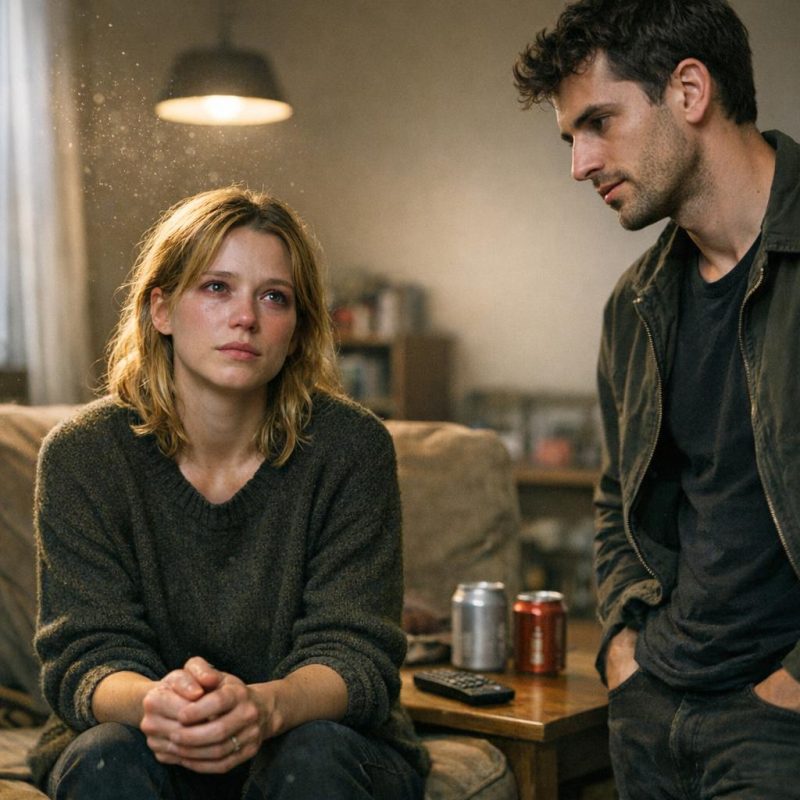 Image by RM AI
The Confrontation About the Past
I waited until Jake excused himself to the kitchen. Then I looked at Emily and asked the question that had been burning in my mind. 'Tell me about Daniel and Michael.' Her face did something I'd never seen before—it went completely blank. Not surprised, not defensive, just... empty. Like I'd unplugged something. The expression lasted maybe two seconds, but it felt longer. Then she blinked and her features rearranged into indignation. 'Excuse me?' she said, her voice sharp. 'What are you talking about?' I held her gaze. 'Your exes. The other men you were engaged to. I spoke with them.' Color flooded her cheeks, but it wasn't embarrassment—it was anger. 'You did what? You've been investigating me? Going through my past, stalking my previous relationships?' She stood up, grabbing her purse. 'That's psychotic. That's actually insane behavior.' I started to respond, but she was already at the door. 'I came here to apologize, to try to fix things, and you've been doing... this?' She shook her head like I disgusted her. 'We're done. Completely done.' She walked out without another word, and I sat there feeling like I'd just watched a completely different person wear Emily's face.
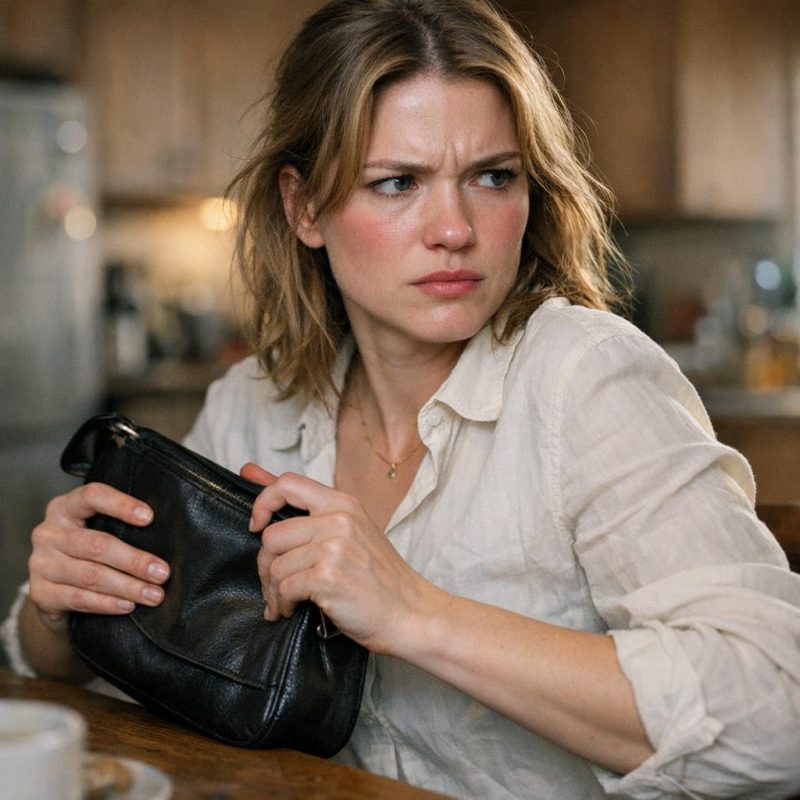 Image by RM AI
Jake's Revelation
After Emily left, Jake came back from the kitchen with two beers and an uncomfortable expression. 'There's something I should probably tell you,' he said, not meeting my eyes. 'I wasn't sure if it mattered, but after that...' He sat down heavily. 'A few weeks before you guys broke up, I came home early one day. Emily was here—you'd given her a key—and she was going through your stuff.' I stared at him. 'Going through my stuff?' He nodded. 'She was in your room, had your drawer open. The one where you keep important documents and things. When I walked in, she jumped like I'd caught her doing something wrong. She said she was looking for a phone charger, but dude, she had papers in her hand.' The beer in my hand had gone warm. 'Why didn't you tell me?' Jake looked miserable. 'I thought it was weird but figured you knew. Like maybe you'd asked her to find something. I didn't want to create drama over nothing.' He paused. 'But it wasn't nothing, was it?' I felt another piece click into place, the picture becoming clearer and so much worse than I'd imagined.
 Image by RM AI
The Journal
Emily had left a box of things at Jake's place—books, a sweater, some toiletries. I'd been avoiding going through it, but after Jake's revelation, I dumped everything onto my bed. Most of it was exactly what you'd expect. Then I found a small notebook tucked into the side pocket of a yoga bag, the kind you might use for grocery lists or daily tasks. But when I opened it, my blood went cold. The pages were filled with notes. 'Relationship phases' with timelines next to them. 'Optimal engagement timing: 8-12 months.' Lists of behaviors under headers like 'Building Investment' and 'Maintaining Frame.' There was a section on managing different personality types, strategies for different scenarios. My name appeared three times, always in context with notes about my responses to specific situations she'd created. This wasn't a diary. It wasn't someone processing their feelings or working through relationship anxiety. The entries were clinical, methodical, strategic. There was no love in these pages, no confusion or genuine emotion. Just calculations and tactics and careful planning. This wasn't about love at all—it was something else entirely, something that made my hands shake as I turned the pages.
 Image by RM AI
The Coded Language
The later pages used abbreviations and codes I couldn't fully decipher—shorthand she must have developed for herself. 'NA-type' and 'HC-response' and strings of letters that meant nothing to me. But one section near the middle was written in plain English, maybe from before she'd developed her coded system. It was titled 'Candidate Qualities' and my stomach turned as I read. 'Emotionally available but not overly demanding. Stable career, established routines. Non-confrontational—conflict avoidance preferred. Strong friend group but not enmeshed. Family oriented but with appropriate boundaries. Demonstrated commitment capacity in past.' Below that was another list: 'Green flags to display: vulnerability at appropriate moments, enthusiasm for his interests, flexibility early on, clear future orientation.' I read it three times. Then I read it again. These weren't observations about me—these were criteria she'd been looking for before she even met me. Traits she'd screened for, qualities that made me suitable. I recognized myself in the descriptions perfectly, saw exactly how I'd fit her checklist. I'd thought she loved me for who I was, but really, I'd just matched the profile of what she needed.
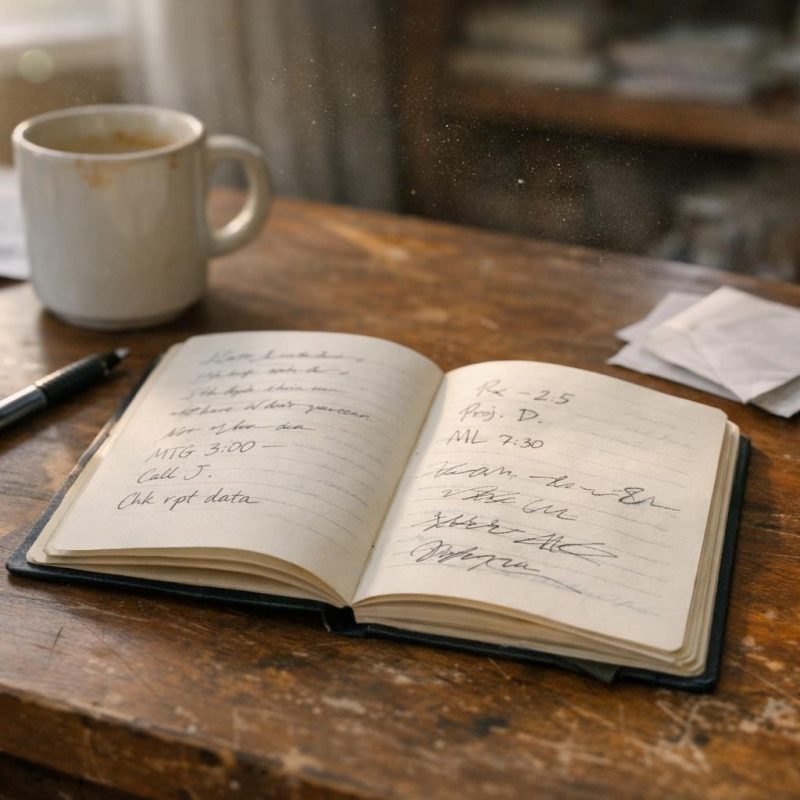 Image by RM AI
Connecting with Daniel and Michael
I photographed every page of that journal and sent them to Daniel and Michael. Their responses came within hours—shock, recognition, and a grim determination to understand the full scope of what had happened to us. We set up a video call for that weekend, the three of us in different time zones, strangers brought together by the same devastating experience. We spent four hours comparing notes, laying everything out chronologically. The timeline was sickening in its precision. Daniel's engagement: fourteen months together, ring at eleven months, breakup three months later. Michael's: sixteen months total, engaged at ten months, over four months after. Mine: thirteen months, engaged at nine, done by month thirteen. The patterns were identical—the love bombing, the gradual control, the isolation, the fights over nothing, the scripted reconciliation attempts. Even our proposal stories were similar: romantic settings, tears, her saying she'd 'never been this happy,' all of us thinking we'd found something rare and real. We'd all been told we were 'different from her exes.' We'd all felt special, chosen. As we laid out the evidence side by side, the identical pattern became undeniable—this wasn't random, wasn't just bad luck or incompatibility, but something deliberate and repeating.
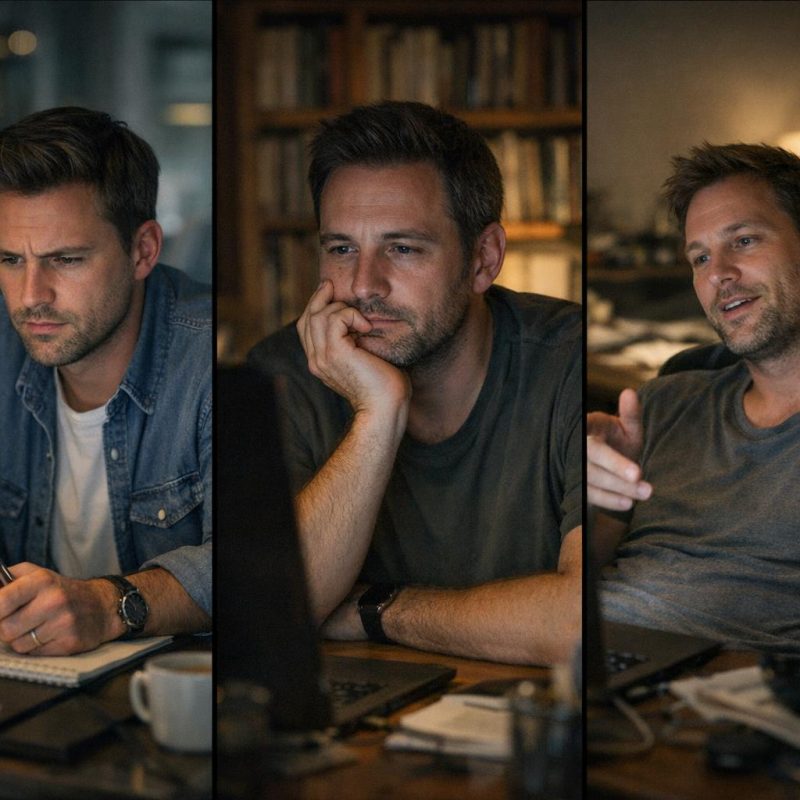 Image by RM AI
The Truth Revealed
That's when Michael told us about the private investigator. 'After we broke up, I couldn't let it go,' he said, looking uncomfortable. 'I needed to understand what had happened. So I hired someone to look into her past.' He pulled up a file on his screen. 'Emily had been engaged twice before me. Before any of us knew her. Different cities, different years, but the same pattern.' He showed us the documentation—copies of social media announcements, interviews with those men's friends, timelines that matched ours almost exactly. 'The investigator found five engagements total, including ours. Each time the relationship lasted between twelve and sixteen months. Each time she was the one who ended it, always after a period of escalating conflict that she instigated. Each time she moved to a new city shortly after.' My throat felt tight. 'Why?' Michael shook his head. 'That's the thing—the investigator couldn't determine motive, just pattern. But look at the timeline. Each relationship was more controlled than the last. More refined.' I was the fifth man she'd done this to—each time the performance more polished, the control more subtle, the script more refined, like she was perfecting a formula she'd been testing on human hearts.
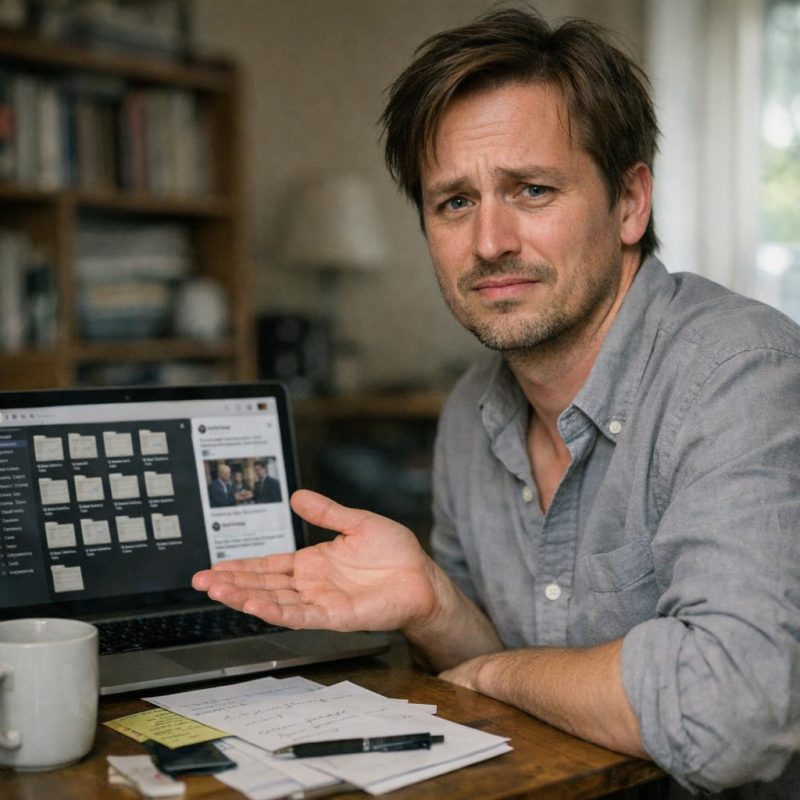 Image by RM AI
The Investigator's Report
Michael sent me the full investigator's report that night. I sat at my kitchen table reading it until 3 AM, and honestly, I felt like I was looking at a case file about a serial killer, except the victims were still alive. The investigator had traced Emily's movements across three states over nine years. Five engagements. Five different men who all thought they were special, that they'd found something real. The pattern was documented in excruciating detail—social media posts announcing the engagements, interviews with friends of the previous fiancés, credit card records showing her moving expenses after each breakup. Each relationship lasted twelve to sixteen months. Each ended the same way, with her initiating increasingly intense conflicts until the man either walked away or pushed back hard enough to give her justification to leave. But here's what made my stomach turn: the investigator had found marriage license records for all five men. Every single one of them had gotten married within two years of Emily leaving them. To other women. Because Emily had never once filed for a marriage license with any of them. She'd never intended to actually go through with it—the engagement itself was the entire point.
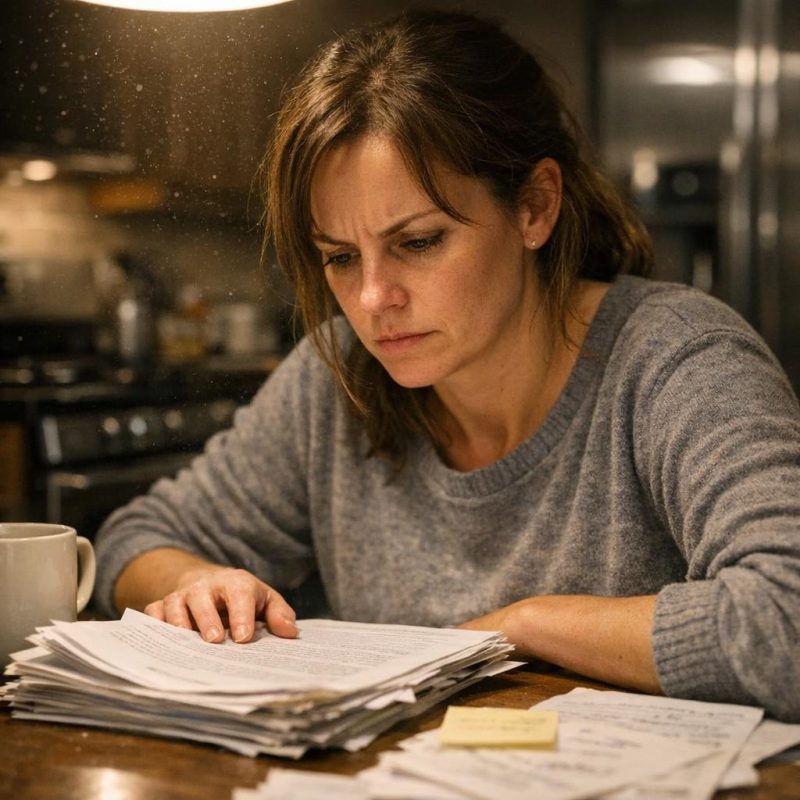 Image by RM AI
The Psychology
I brought the report to Dr. Brennan the next day. My hands were shaking as I handed it to him. He read through it carefully, his expression growing more somber with each page. 'What am I looking at here?' I asked. 'Is this some kind of personality disorder?' He set the report down and removed his glasses. 'There are people who become addicted to specific types of validation,' he said carefully. 'The engagement period represents peak romantic commitment without the permanence or daily reality of marriage. For someone seeking repeated cycles of intense validation, it's the perfect emotional high.' I felt numb hearing him say it out loud. 'So she was just... using us? Like drugs?' Dr. Brennan shook his head. 'I can't diagnose someone I've never met. But from what you've described, and what this report shows, Emily appears to seek the pursuit and the power more than the relationship itself. The moment of 'yes' gives her complete validation—proof that she's desired, chosen, worth committing to. Then reality sets in, and the high fades.' I sat there trying to process it. Emily wasn't trying to find a husband—she was addicted to the pursuit and the power.
 Image by RM AI
The Confrontation Decision
Daniel called that weekend and asked if I wanted to meet up with him and Michael. We sat in Daniel's living room, and the conversation turned quickly to what we should do with what we knew. 'Do we just... let her keep doing this to other people?' Michael asked. 'Some other guy is going to go through exactly what we went through.' I'd been thinking about this constantly. 'I don't want revenge,' I said. 'I really don't. But I also can't just pretend we don't know.' Daniel nodded slowly. 'We could confront her. All three of us together. Show her the evidence, let her know we've compared notes.' The idea terrified me, honestly. Seeing Emily again, even with backup, felt like stepping back into that reality-warping field she generated. But Michael was right—someone else was going to fall into this pattern if we didn't do something. 'Not for revenge,' I said finally. 'For closure. And so she knows that this time, someone actually figured it out.' We all agreed. We needed closure, not revenge—but we also needed her to know she'd been caught.
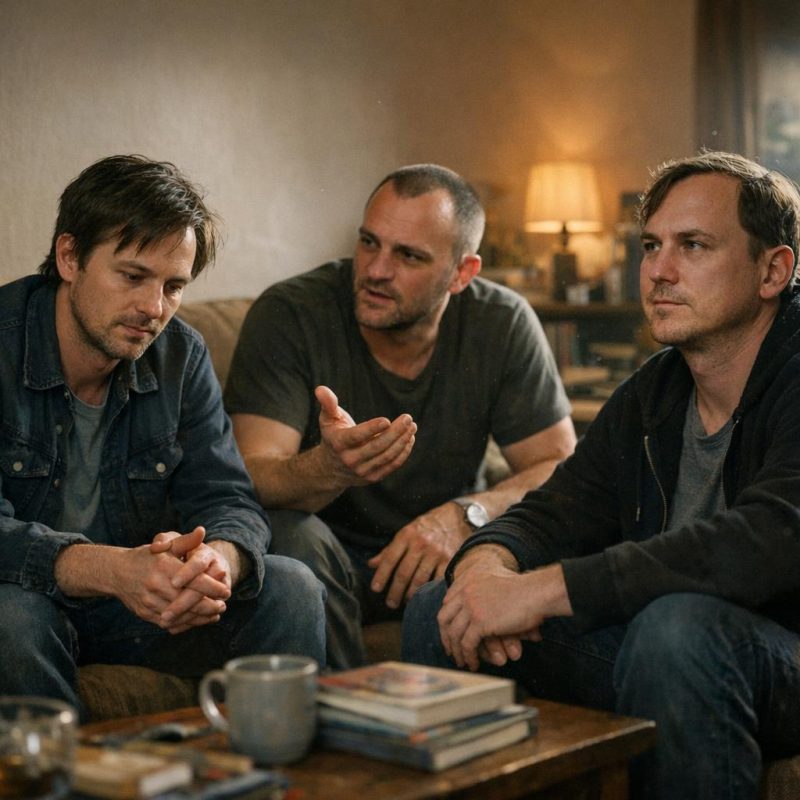 Image by RM AI
The Meeting
Daniel reached out to Emily through a mutual friend, saying he wanted closure and asking if she'd meet for coffee. She agreed, probably thinking it would be just him. We chose a place downtown, neutral territory, with enough people around that it wouldn't feel threatening. Michael and I arrived first and sat at a table near the back. Daniel came in five minutes later. We all had copies of the timeline, the journal entries, and the investigator's summary. My heart was pounding so hard I could feel it in my throat. Then the door opened and Emily walked in. She was scanning the room for Daniel, smiling that familiar smile that used to make my chest ache. She spotted him, started walking toward our table, and that's when she saw Michael. Her smile faltered. Then she saw me, and I watched the blood drain from her face in real time. She stopped walking about ten feet away, frozen. For a long moment, nobody said anything. We just looked at each other across that coffee shop—three men she'd systematically dismantled, now sitting together at the same table. When she walked in and saw all three of us together, her face went white.
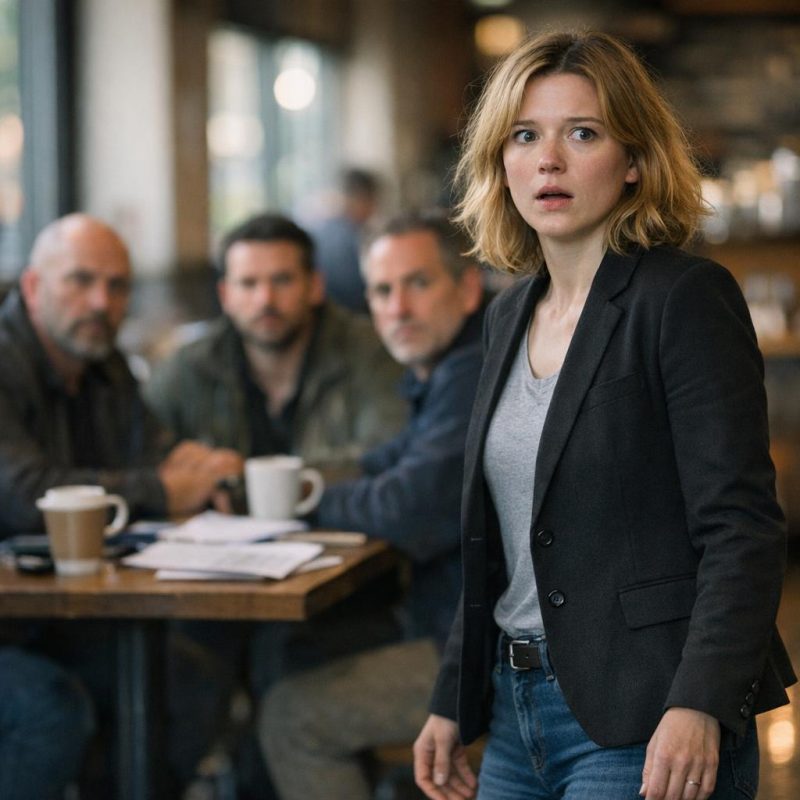 Image by RM AI
The Evidence Presented
Emily eventually sat down, but she looked like she wanted to bolt. Daniel spoke first, his voice calm but firm. 'We've been comparing notes,' he said. He slid the timeline across the table. 'Your relationship with me, with Michael, with him. Twelve to sixteen months each. The same pattern.' Michael added the journal entries. 'We know about the others too. Before us. The investigator found five total engagements. Five men you got to propose, then pushed away.' I watched her face as we laid it all out—the identical progression of each relationship, the escalating conflicts she'd engineered, the way she'd moved cities after each breakup. Her expression shifted from shock to something harder to read. Fear, maybe. Or calculation. She kept looking at the documents like they might disappear if she stared long enough. 'You never filed a single marriage license,' I said quietly. 'Not with any of us. Because you never intended to actually get married, did you?' She didn't answer. Just sat there, her hands folded in her lap, while we systematically dismantled the performance she'd been running for almost a decade. Emily sat in silence, her carefully constructed facade crumbling with each revelation.
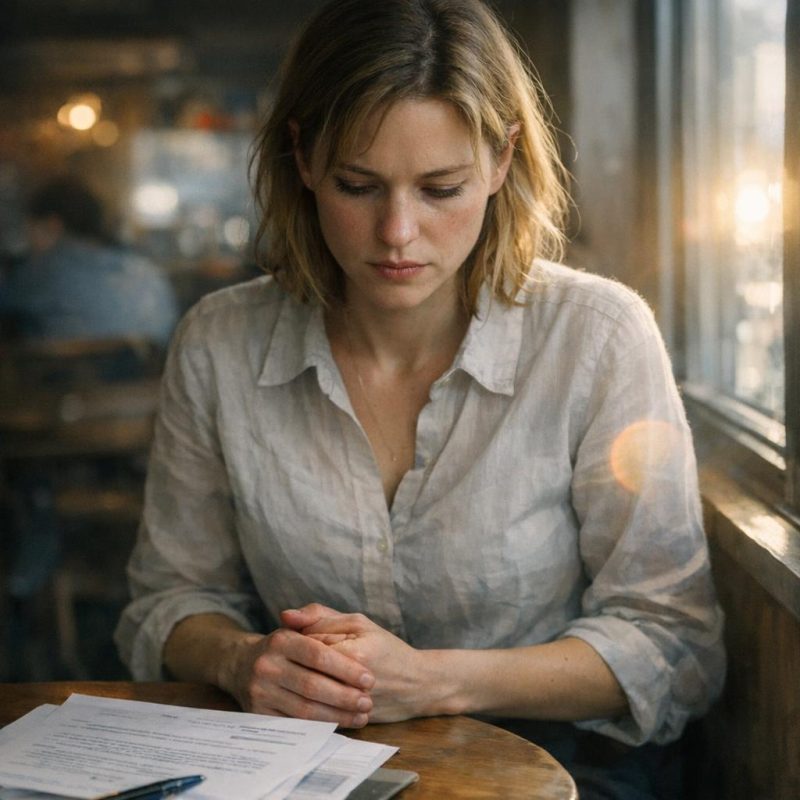 Image by RM AI
Emily's Defense
Finally, Emily spoke. Her voice was quiet, almost childlike. 'It wasn't like that,' she said. 'Each of you was real to me. I really did care about you all.' Michael leaned forward. 'Then why the pattern? Why the exact same timeline, the same conflicts, the same ending every time?' She looked down at her hands. 'Relationships are hard,' she said. 'Sometimes they just don't work out. That doesn't mean I was manipulating anyone.' Daniel's jaw tightened. 'Five times, Emily. The same way, five times.' She tried to explain that she'd been young when the first engagement happened, that she'd made mistakes, that each relationship had taught her something. The words sounded rehearsed, like she'd prepared for this conversation even though she couldn't have known it was coming. I felt this weird mixture of pity and frustration watching her try to spin it. Then Daniel asked the question that cut through everything: 'Why did you never make it to marriage? In almost ten years, with five different men who wanted to marry you, why did it never happen?' Emily opened her mouth to answer, but nothing came out. When Daniel asked why she'd never made it to marriage, she had no answer.
 Image by RM AI
The Admission
We sat in silence for what felt like forever. Finally, Emily's shoulders sagged. When she spoke again, her voice was different—smaller, more honest. 'I don't know why I keep doing it,' she said. She looked up at us, and for the first time, I saw something raw in her expression. 'I don't know why I can't stop. I just know that when someone asks me to marry them, and I say yes, and I see their face in that moment—' She stopped, struggling with the words. 'That's when I feel like I matter. Like I'm worth something. That moment right after 'yes' when they're looking at me like I'm everything they've ever wanted.' Michael shifted uncomfortably. 'And then what?' Emily's eyes filled with tears. 'And then it fades. The feeling fades, and I panic, and I don't know how to just... be in it. So I push until it breaks because at least that way I'm in control of when it ends.' She was crying now, and these tears looked different from all the ones I'd seen before. They felt real. She started crying, but this time the tears felt real, and that somehow made it worse.
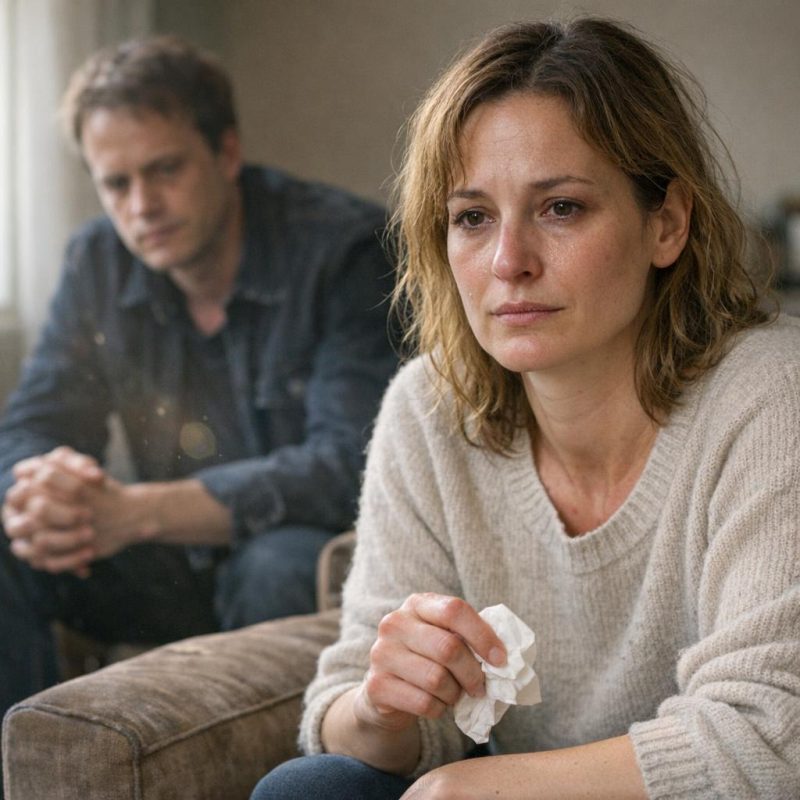 Image by RM AI
The Boundary
I took a breath, trying to find the right words. 'Emily, I get that you're struggling with something,' I said. 'I believe that what you're feeling is real. But understanding your psychology doesn't erase what you did to us. To all of us.' She nodded, wiping at her eyes. Michael added, 'You need to talk to someone. A professional. Not for us—for you, and for whoever comes after us.' Daniel was gentler but just as firm. 'You can't keep doing this to people. You have to see that, right?' Emily looked at each of us in turn, and I could see her really hearing it, maybe for the first time. 'I know,' she whispered. 'I know I need help.' I felt this strange combination of sadness and relief. Part of me had wanted her to be a monster—it would have been easier. But she was just a deeply damaged person who'd hurt other people because she couldn't fix herself. 'We're not here to punish you,' I said. 'But we can't absolve you either. You need to do the work.' She nodded numbly, her mascara running down her cheeks. Then she looked at me with those eyes that used to undo me completely and asked if we could ever forgive her.
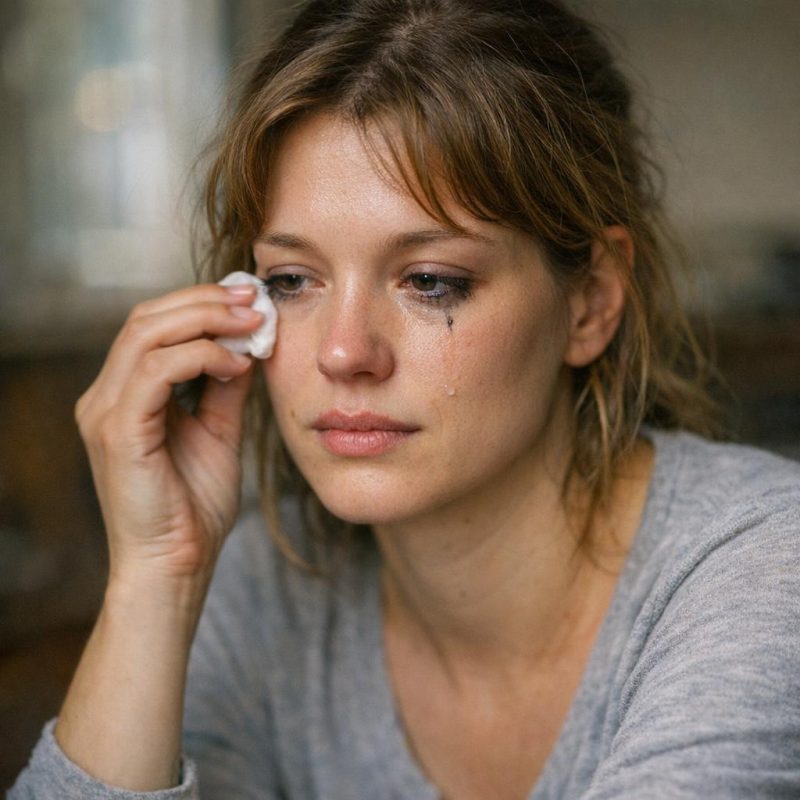 Image by RM AI
The Final Words
I looked at her for a long moment, gathering my thoughts. 'I can't forgive you, Emily,' I said quietly. 'Not because I'm holding a grudge, but because forgiveness isn't really mine to give. You hurt me, and Michael, and Daniel, and probably others we don't even know about. That's between you and them, and between you and yourself.' She started to speak, but I held up my hand. 'What I can say is this: I hope you get help. Real help. I hope you stop hurting people. I hope you figure out why you do this and find a way to break the pattern.' Her face crumpled, and she nodded. 'I'm sorry,' she whispered. 'I know,' I said. 'But sorry isn't enough anymore. You have to actually change.' We sat there in silence for another minute, and then she stood up, gathered her things, and walked toward the door. I watched her go, and something in my chest loosened. She didn't look back, and I didn't call after her. The door closed behind her, and I knew with absolute certainty that I'd never see her again.
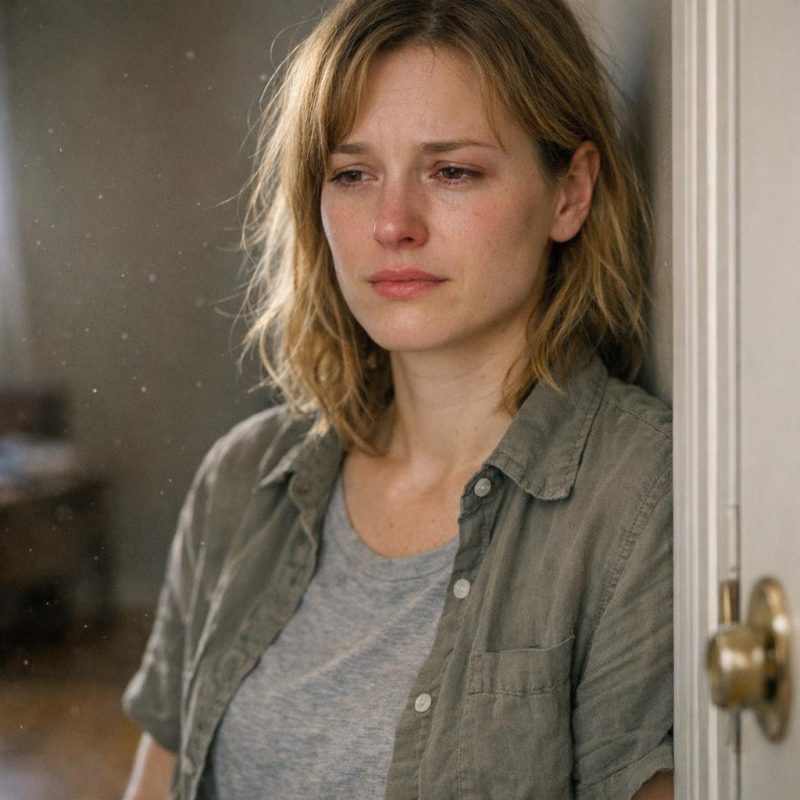 Image by RM AI
Processing Together
After Emily left, the three of us just sat there, staring at our coffee cups like they held answers. Then Daniel let out this long, shaky breath, and we all started talking at once. We stayed at that coffee shop for hours, swapping stories about the warning signs we'd ignored, the ways we'd twisted ourselves into knots trying to make her happy, the relief we felt when it finally ended. Michael talked about the therapy that had helped him rebuild his self-esteem. Daniel shared how he'd learned to trust his instincts again. I told them about the engagement, the wedding planning nightmare, the final confrontation. We laughed at some of it—not because it was funny, but because we'd survived it. We exchanged numbers, promised to stay in touch, and actually meant it. There was this weird sense of camaraderie, like we'd all been through the same war and could finally compare notes with people who understood. When we finally left, the sun was setting, and I walked to my car feeling lighter than I had in months. For the first time since my engagement ended, I felt like I could breathe fully.
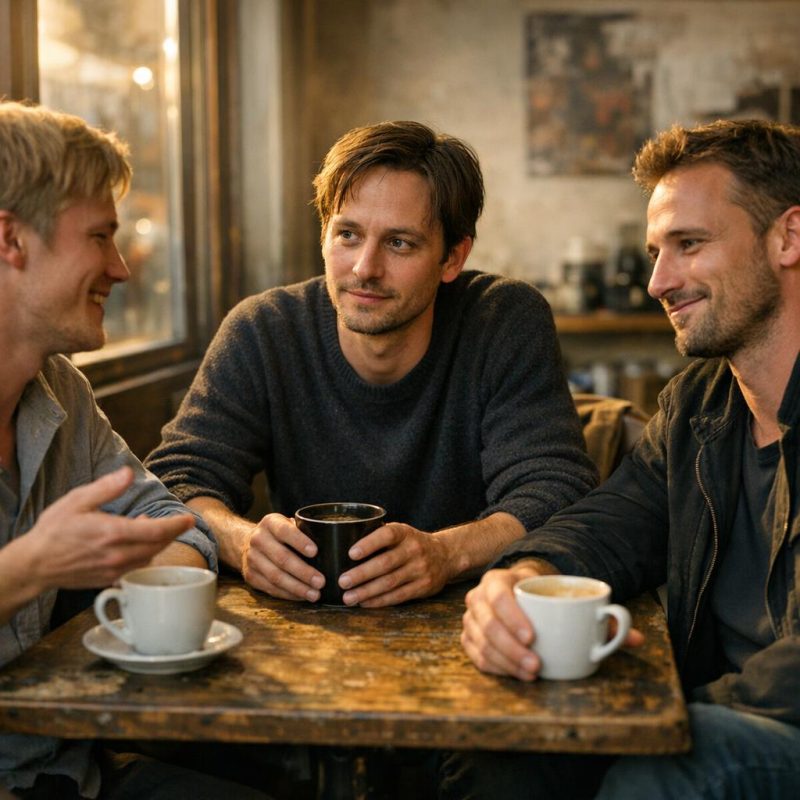 Image by RM AI
Lessons Learned
Dr. Brennan leaned back in his chair, watching me carefully. 'What do you think you've learned from all this?' he asked. I'd been seeing him regularly since the breakup, and we'd covered a lot of ground. 'I ignored warning signs,' I said slowly. 'The way she talked about her exes, the inconsistencies in her stories, the feeling in my gut that something was off. I pushed it all down because I wanted the relationship to work.' He nodded. 'And what does that tell you?' 'That I can't do that again,' I said. 'That trusting myself isn't the same as being paranoid or untrusting. It's actually the opposite.' We talked through specific moments when my instincts had tried to warn me—the first time she'd asked me to prove my love, the way she'd dismissed my concerns about the wedding budget, the constant tests. 'You weren't crazy,' Dr. Brennan said. 'You were seeing reality. You just didn't trust what you were seeing.' That hit me hard. Dr. Brennan helped me see that trusting my instincts didn't make me paranoid—it made me wise.
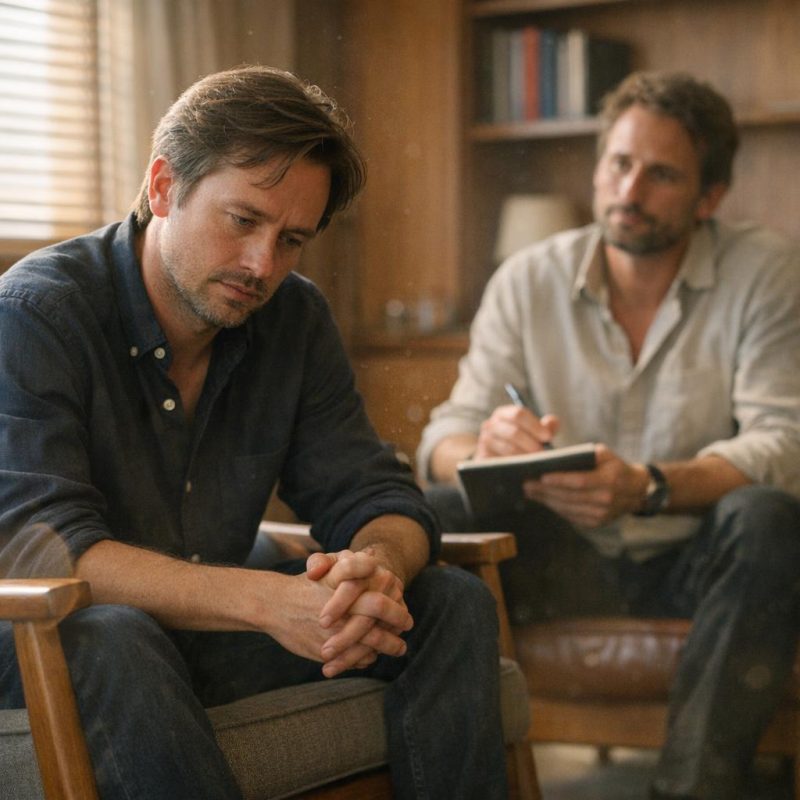 Image by RM AI
Moving Forward
Six months later, my life looked completely different. I'd moved to a smaller apartment that I actually loved, reconnected with friends I'd neglected during the Emily years, and started saying no to things that didn't feel right. I was dating casually, nothing serious, but I paid attention to my gut now. When something felt off, I didn't rationalize it away—I listened. I'd kept in touch with Daniel and Michael, and we'd even grabbed drinks a few times. My family stopped walking on eggshells around me. Work felt manageable again. I wasn't perfect, and I still had moments of doubt, but I had something I'd lost somewhere along the way: myself. Sometimes I thought about what would have happened if I'd married her, and it made my blood run cold. The fights would have escalated. The control would have tightened. I would have lost more of myself until there was nothing left. Looking back now, I can see it clearly: I didn't break up with Emily because she changed—I broke up with her because I finally understood who she'd been all along, and that realization saved my life.
 Image by RM AI