Not every destination is designed with tourists in mind, and that’s not always a bad thing. Some countries prioritize preserving local culture, limiting outside influence, or simply haven’t developed large tourism industries. While this can make travel more challenging, it often results in more authentic and less commercialized experiences. In many cases, what you lose in convenience, you gain in originality.
At the same time, visiting places that don’t cater heavily to tourists requires more preparation and flexibility. Language barriers, limited infrastructure, and different social expectations can all come into play. Understanding what to expect helps you navigate these environments respectfully while appreciating what makes them unique. A little extra planning can make the experience far more enjoyable.
Bhutan Keeps Tourism Intentionally Limited
Bhutan is well known for its “high value, low impact” tourism policy, which intentionally restricts visitor numbers. Travelers are required to pay a daily sustainable development fee, which helps fund public services and environmental protection. This approach ensures that tourism doesn’t overwhelm local communities or damage natural resources. As a result, the country remains less crowded than many popular destinations. It also allows Bhutan to maintain control over how tourism develops.
The infrastructure for tourists exists but is carefully controlled and not overly commercialized. Visitors typically travel through licensed tour operators, which limits spontaneous travel. This structure can feel restrictive if you’re used to independent exploration. However, it also creates a more organized and culturally respectful experience. Many travelers find that this structure reduces stress once they adjust to it.
Cultural preservation is a major priority in Bhutan’s policies. Traditional dress, architecture, and customs are actively maintained and encouraged. Tourists are expected to follow local norms rather than expecting accommodations tailored to them. This emphasis on authenticity means the country adapts less to visitors and more to its own traditions. That approach helps preserve a strong sense of national identity.
North Korea Strictly Controls Visitor Experience
North Korea is one of the most tightly controlled travel destinations in the world. Tourists are only allowed to visit as part of organized tours, and their movements are closely monitored. This level of control significantly limits personal freedom and spontaneity during visits. It creates a highly structured experience unlike typical tourism.
Interactions with locals are restricted and often guided, which reduces opportunities for genuine cultural exchange. Visitors are expected to follow strict rules, including where they can go and what they can photograph. This environment reflects the country’s broader policies rather than a focus on tourism development. As a result, the experience is more observational than participatory. Travelers often leave with a very curated impression of the country.
Tourism infrastructure exists but is designed to serve the state’s priorities rather than visitor convenience. Accommodations, transportation, and itineraries are all pre-arranged. This lack of flexibility can be challenging for travelers seeking independence. The country’s approach clearly prioritizes control over accessibility. It also limits the ability to explore beyond designated areas.
Turkmenistan Offers Limited Tourism Infrastructure
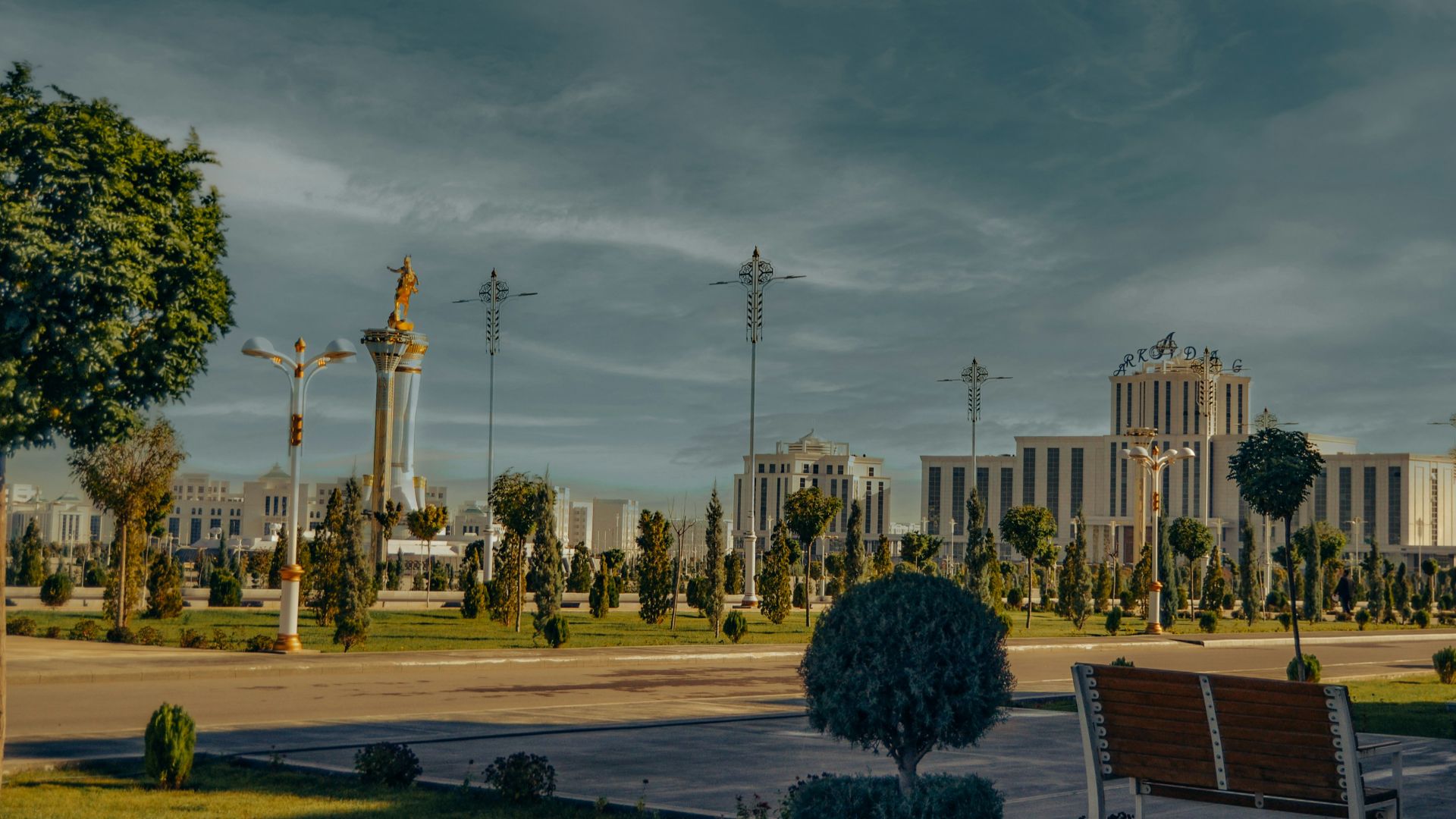
Turkmenistan is one of the least-visited countries in the world, partly due to its strict visa requirements. Gaining entry can be difficult, and travelers often need official invitations or guided tours. This barrier alone limits the number of visitors significantly. As a result, tourism remains underdeveloped compared to neighboring regions. The process itself can discourage casual travelers from applying.
Infrastructure for tourists is limited outside of major cities like Ashgabat. Transportation options, accommodations, and services can be inconsistent in more remote areas. This requires travelers to plan carefully and be prepared for unexpected challenges. The experience can feel less polished than in more tourism-focused destinations, and flexibility becomes essential when navigating these conditions.
Despite these limitations, Turkmenistan offers unique cultural and historical sites. Places like the Darvaza Gas Crater attract visitors willing to navigate the country’s restrictions. However, the lack of widespread tourist services means you won’t find the same level of convenience found elsewhere. This makes it a destination better suited for experienced and adaptable travelers. Those who visit often value the rarity of the experience.
Traveling to countries that cater less to tourists can be both challenging and rewarding. These destinations often prioritize cultural preservation, control, or limited development over convenience. While that can make travel more complex, it also offers a different perspective that more commercialized locations may not provide. With the right expectations and preparation, these experiences can feel more genuine and memorable. They also tend to leave a lasting impression because of how different they are from typical trips.