The Kinds of Mistakes Authorities Don’t Ignore
Most people will never come close to landing on a no-fly list, but that doesn't mean it can’t happen. In fact, because so many people assume it won’t happen to them, they might not even realize what actually constitutes such a punishment—until now. Reasons can range from serious security concerns to nefarious behavior, so it's worth knowing where the line is. Come with us as we break down just a few ways you can bar yourself from the skies.
1. Making Threats at the Airport
Even if you think you're being funny, joking about anything too serious (or violent) can trigger an immediate security response. Airport staff and law enforcement don't have the luxury of treating those comments as harmless banter. If you say something threatening in a crowded terminal, don’t be surprised to face far worse than a missed departure.
2. Arguing With Security
It’s one thing to lose your cool on a snippy agent (though that’s also ill-advised), but it’s another to get aggressive. Turning frustration into a hostile confrontation only escalates the situation. If you become verbally abusive, refuse instructions, or create a scene, officials may document the incident. That behavior can also follow you longer than you expect.
3. Trying to Board With Phony Identification
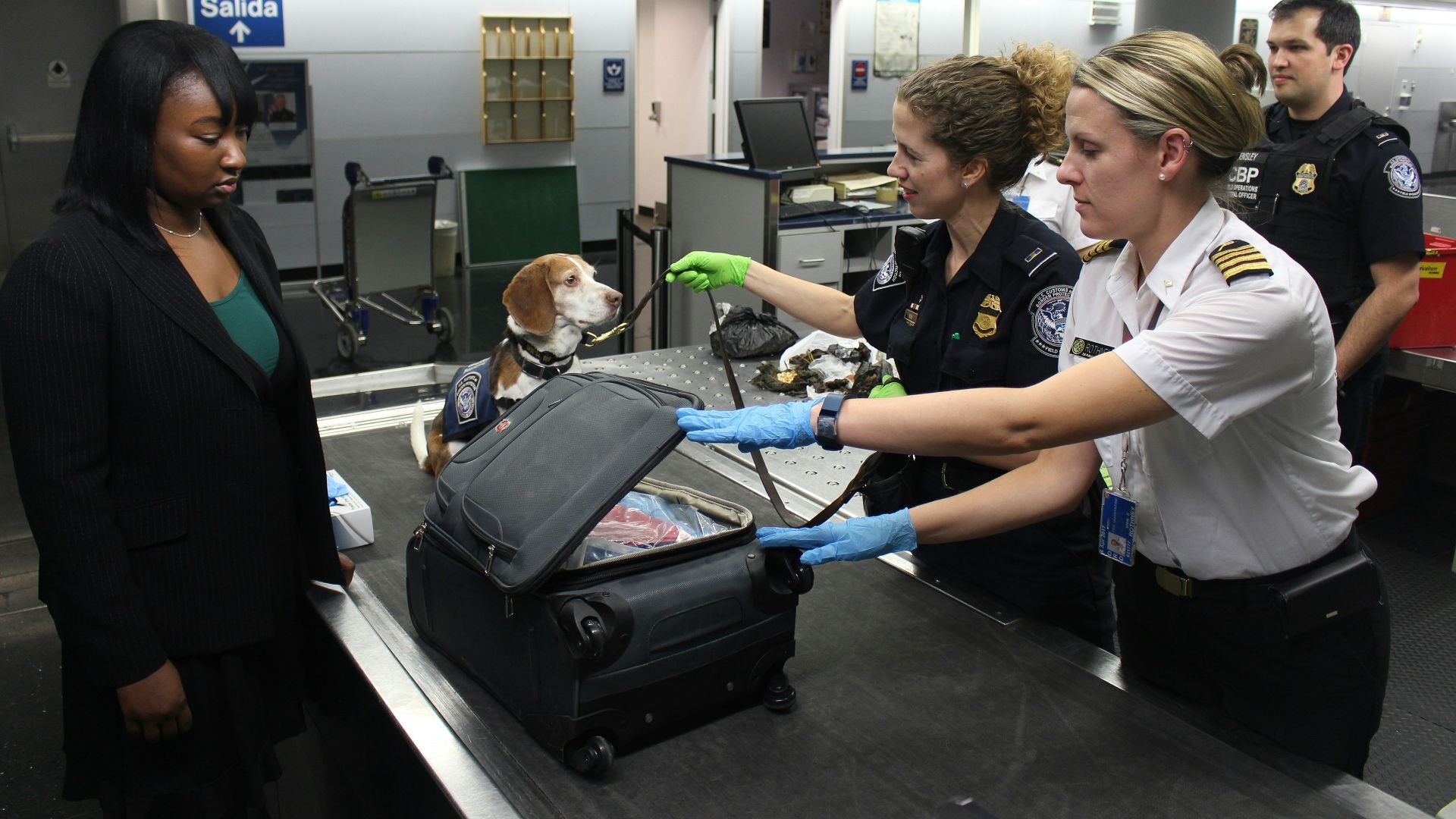
Using altered documents or pretending to be someone else is a fast way to invite federal attention. First, you won’t make it far. Second, security systems are built to catch inconsistencies, and once fraud enters the picture, the issue becomes way more serious than a simple inconvenience.
4. Getting Linked to Investigations
Credible links to extremist activity can put you under intense scrutiny. If investigators believe you pose a threat to safety, they aren't going to shrug it off and hope for the best. As soon as your name gets associated with that level of concern, getting on a plane isn’t easy.
5. Repeatedly Carrying Prohibited Items
Forgetting a tiny pocketknife once is very different from repeatedly showing up with other banned weapons. A pattern of suspicious conduct not only makes authorities question your judgment, but your intentions, too.
6. Interfering With Flight Crew
Entitled behavior is bad enough, but when those shenanigans lead to crew interference, airlines take that seriously. If you refuse instructions, block safety procedures, or become disruptive, your conduct may easily be reported to regulators and law enforcement. That kind of record doesn't exactly improve future travel.
7. Posting Threats Online
What you say online can absolutely make its way into the real world. If you post threats involving aircraft, airports, or public violence, the digital trail becomes a bigger problem. You may think you're venting, but if investigators consider those threats credible, they may see something far more dangerous.

8. Smuggling Dangerous Materials
Trying to transport hazardous chemicals or restricted items through an airport is an awful, awful idea. Security is especially sensitive to anything that could endanger an aircraft or its passengers, so once you're connected to materials that raise alarms, you're no longer dealing with a routine screening issue.
9. Giving False Information to Federal Agents
If you’re ever stopped by security, it’s natural to feel a little shaky. However, lying to investigators during an inquiry can make an already serious matter worse. Deception suggests that there's more to uncover. If you choose dishonesty, you create issues that outlast the interview itself.
10. Using a Flight for Suspicious Activity
Air travel becomes a major concern when it's tied to organized crime or plots involving interstate or international movement. That kind of stuff doesn’t fly under the radar. Authorities pay close attention to patterns that suggest flights are being used to support dangerous operations. If your travel history fits that picture, scrutiny only intensifies.
11. Harassing Other Passengers
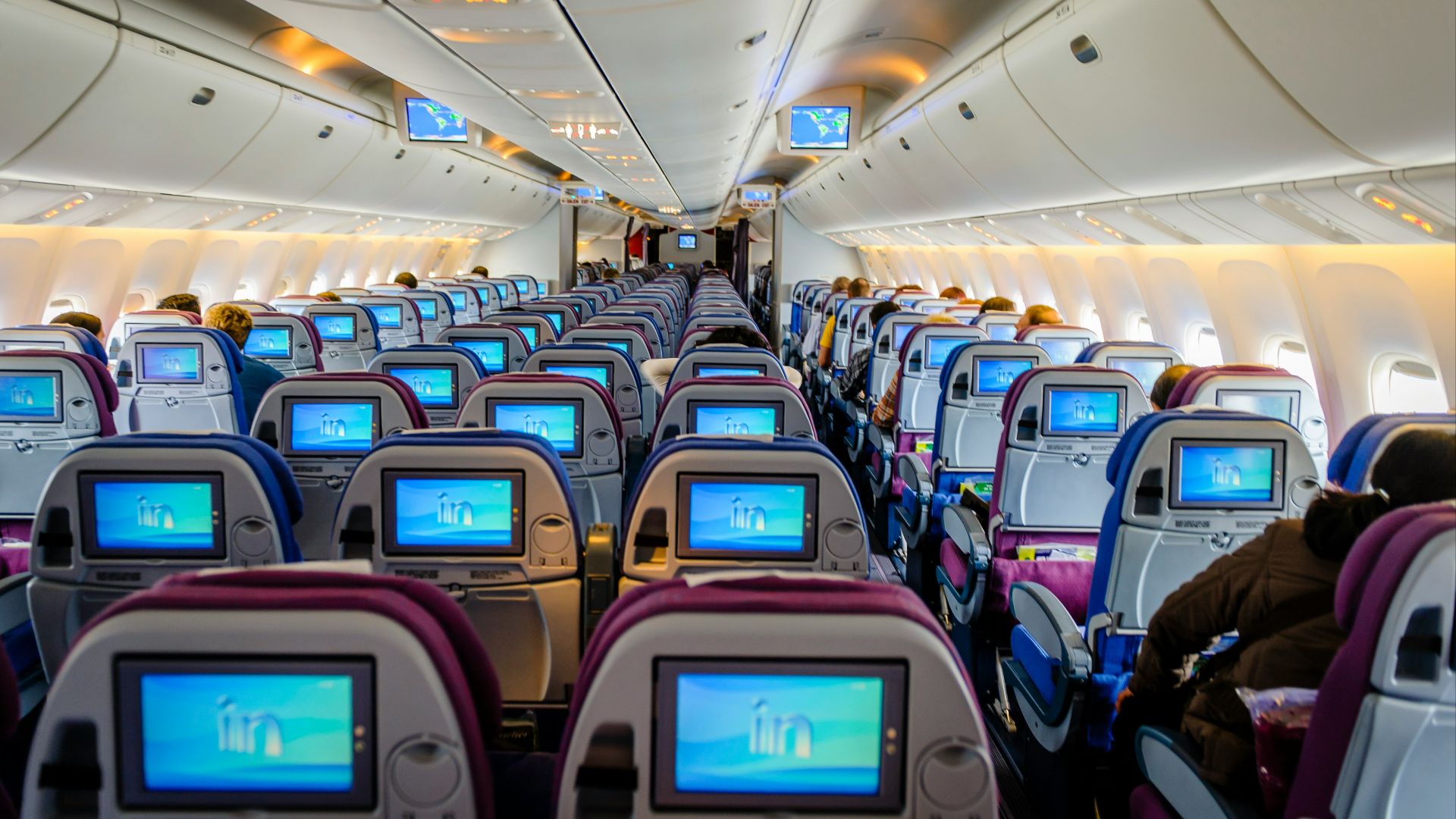
A minor disagreement is one thing, but targeted harassment, intimidation, or even threatening conduct is another entirely. Airlines don’t take kindly to behavior that endangers other passengers' safety; airline and federal responses can be more than a mere slap on the wrist.
 Alexander Schimmeck on Unsplash
12. Trying to Access Restricted Airport Areas
There's a reason secure areas are restricted, and wandering in where you don't belong isn’t something officials laugh off. You’re not just wandering into a breakroom; you might bypass barriers, tailgate through controlled doors, or enter operational zones without authorization. All that’s considered a security breach.
13. Tampering With Aircraft or Safety Equipment
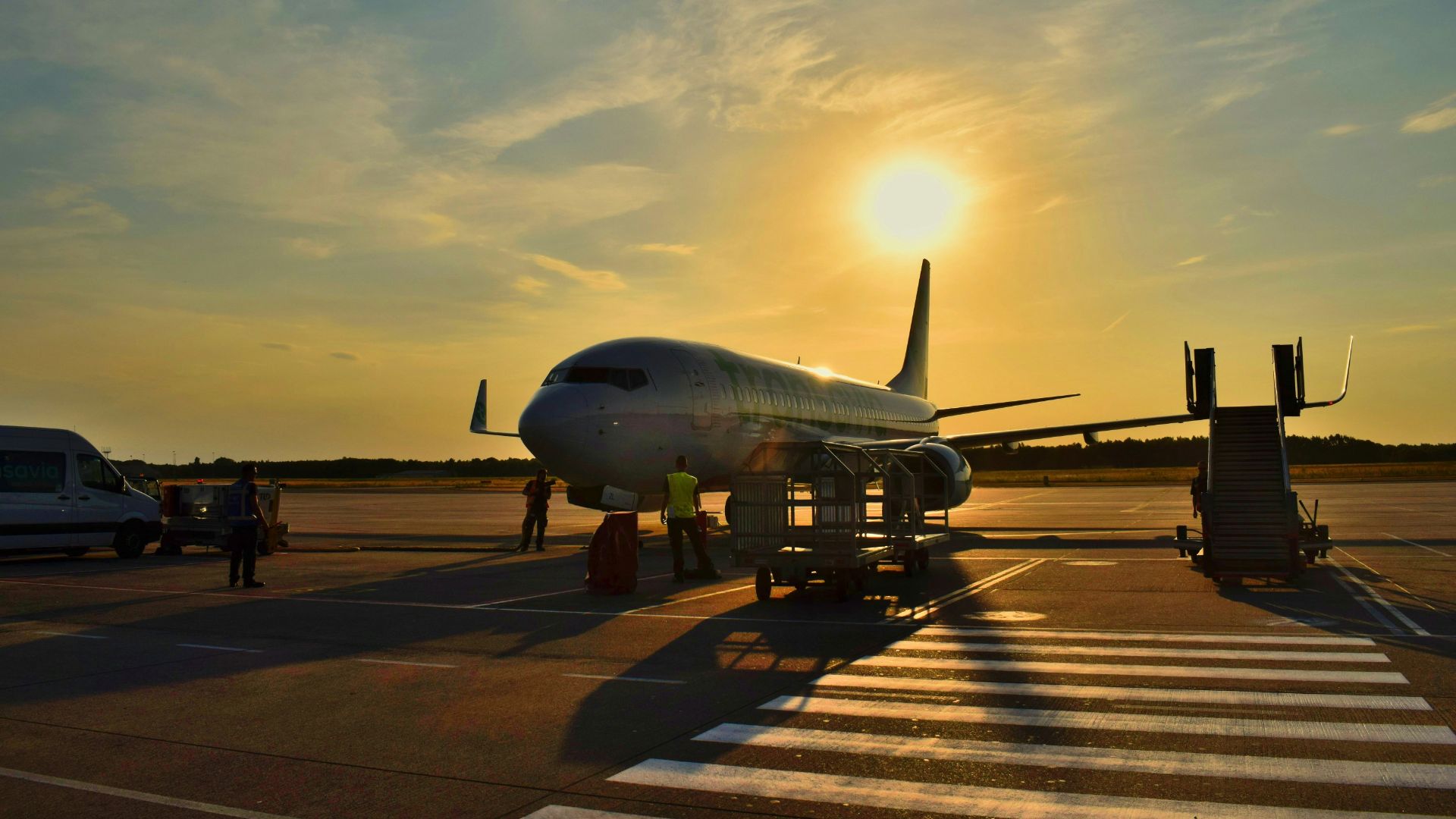
Touching anything related to an aircraft's operation is a terrible move. Even seemingly small interference with emergency equipment or onboard systems can trigger major concern because the stakes are so high. Just because you might fluff it off, doesn’t mean security will.
14. Repeatedly Triggering Security Concerns
Oh, so you thought you could sneak in under a different name? Guess again. Frequent suspicious travel behavior is bad enough, but combined with inconsistent personal details, it can draw attention. Authorities look for patterns, and changing names or booking information may suggest an effort to avoid detection.
15. Threatening an Airline Employee
Airline staff deal with enough stress without being threatened by passengers. Security thinks so, too. If you direct violent or menacing remarks at any airline employees, those statements will be formally reported. Once that happens, it’s hard to shake the reputation.
16. Ignoring an Investigation
If authorities contact you, pretending it doesn't exist is the wrong move. Refusing cooperation could easily deepen suspicion and make officials less confident that you're safe to travel. Sure, silence may feel convenient in the moment, but it also carries a cost.
17. Carrying Out a Hoax
False alarms, especially ones involving threats, are never just harmless pranks. Hoaxes consume resources, disrupt travel, and create real fear, which is why agencies treat them with such seriousness. You’ll learn pretty quickly just how unfunny everyone else found it.
18. Associating With Known Plots
Sometimes the problem isn’t just what you do, but who you're credibly tied to and how. If investigators believe you're connected to dangerous people, that relationship can put you under a lot of suspicion. Even indirect involvement can become a major issue when public safety is at stake.
19. Refusing to Comply During an In-Flight Emergency
Emergencies depend on fast cooperation, and defiance endangers everyone around you. It’s one thing to freeze in a moment of panic, but openly ignoring safety instructions obstructs the crew during a crisis. That's the sort of thing that leaves a lasting mark on your record.
20. Building a Pattern of Dangerous Conduct
In many cases, it's not one dramatic incident but a repeated pattern that raises red flags. When security flags frequent disruptions and dishonesty, they may decide you're simply too risky to fly. So, it’s best to just stick with the rules and comply with employees!