The Dishes That Explain It All
You can learn plenty from an old church, a courthouse square, or one of those historic markers people skim before heading off for lunch. Still, food usually gets to the heart of a place a lot faster. A local dish can tell you who settled there, who worked the fields, the water, the rail lines, or the mines, and which traditions somehow held on through all of it. That’s the part that sticks, because these meals aren’t just local favorites. It’s history that never really left the table.
1. New Orleans, Louisiana
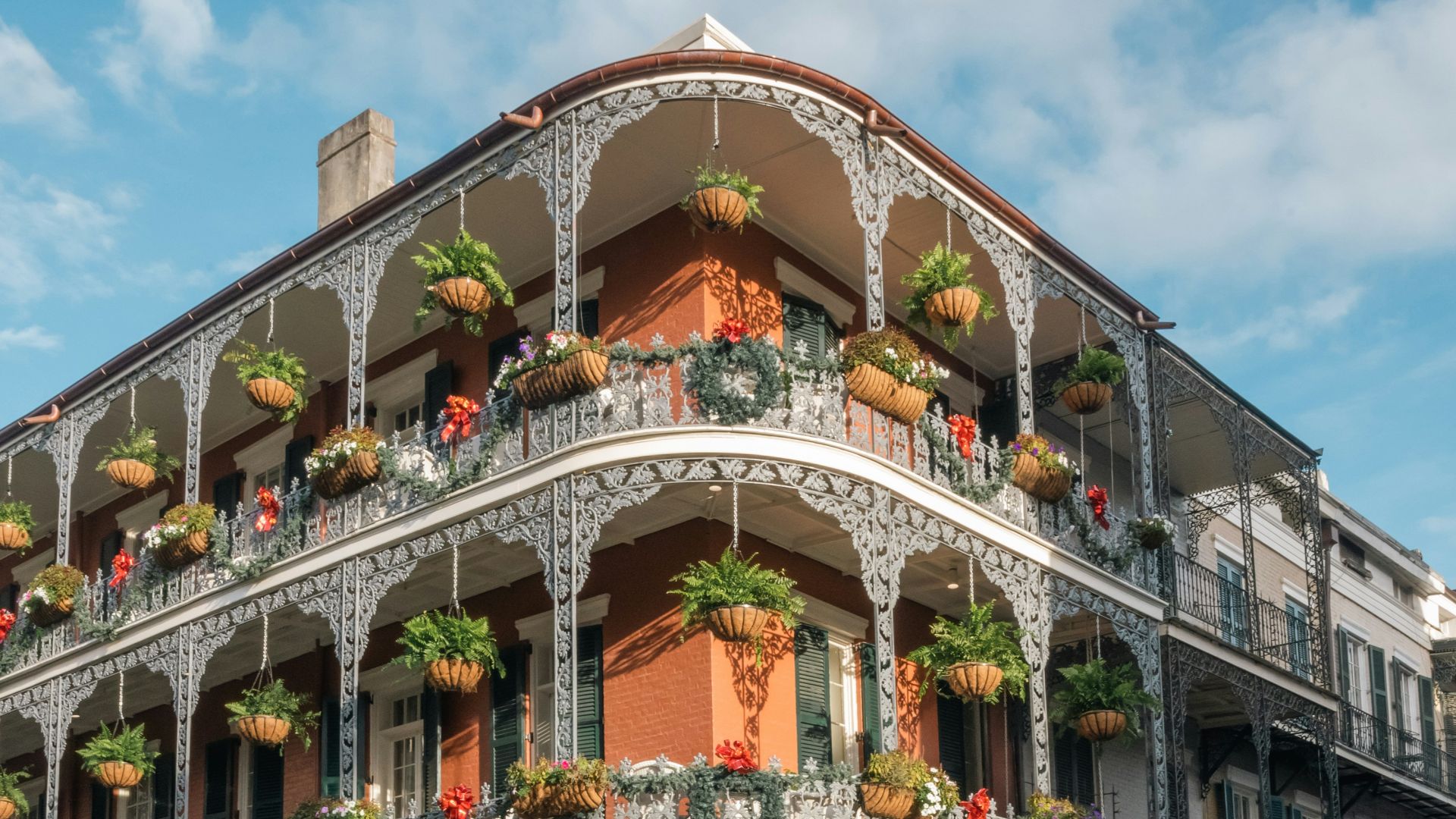
New Orleans cooking still carries the mark of a major port city, and you can taste it in gumbo, jambalaya, and shrimp Creole. French, Spanish, West African, Caribbean, and broader Latin influences all meet there, and the city’s food story also depends on Black cooks and chefs’ role in Creole cuisine.
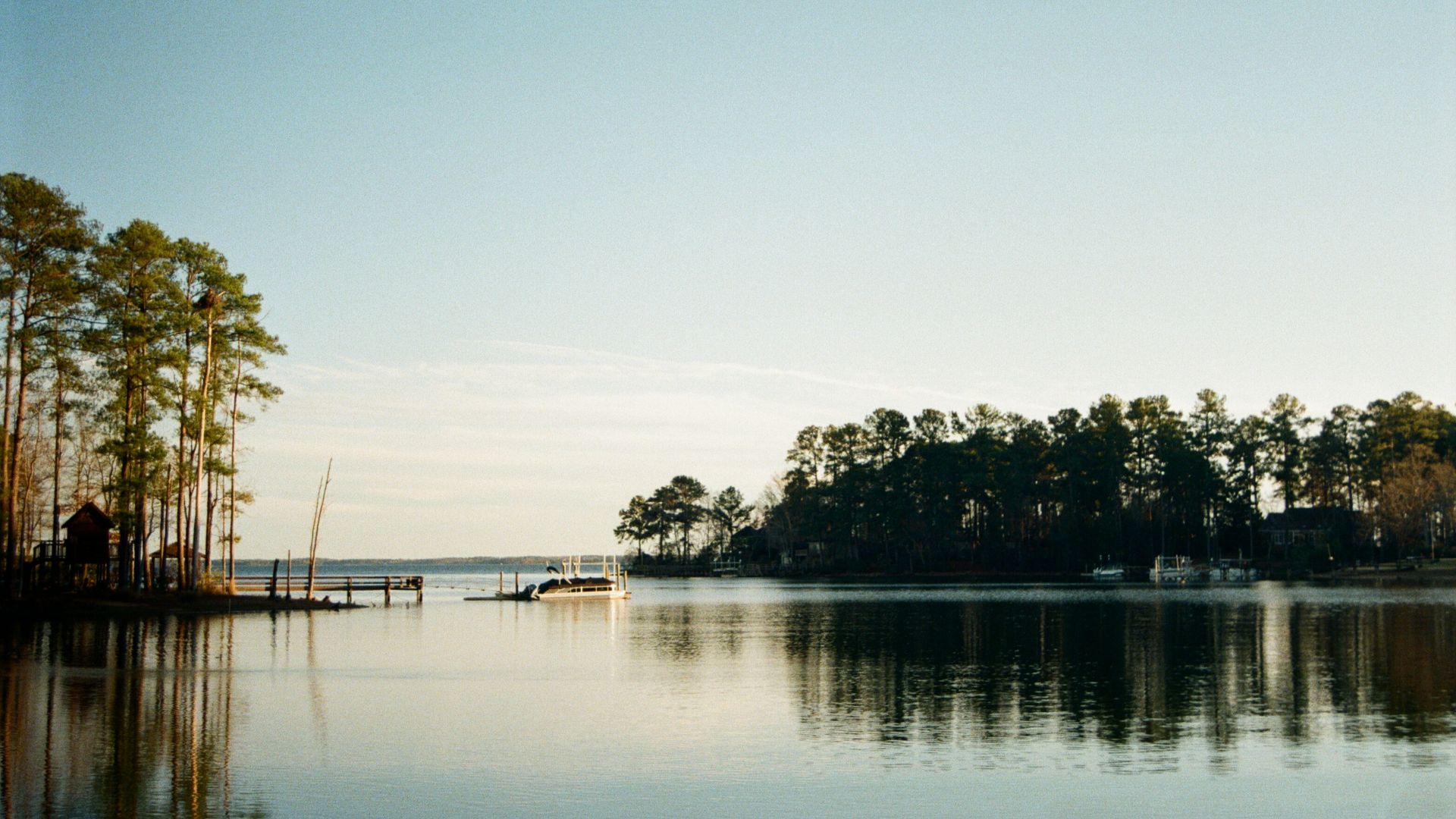
2. The Lowcountry Of South Carolina And Georgia
In the Lowcountry, rice, okra, crab rice, perloo, and shrimp dishes still come through Gullah Geechee foodways rooted in the history of enslaved West Africans brought to the lower Atlantic coast.
 Emily Grace Corley on Unsplash
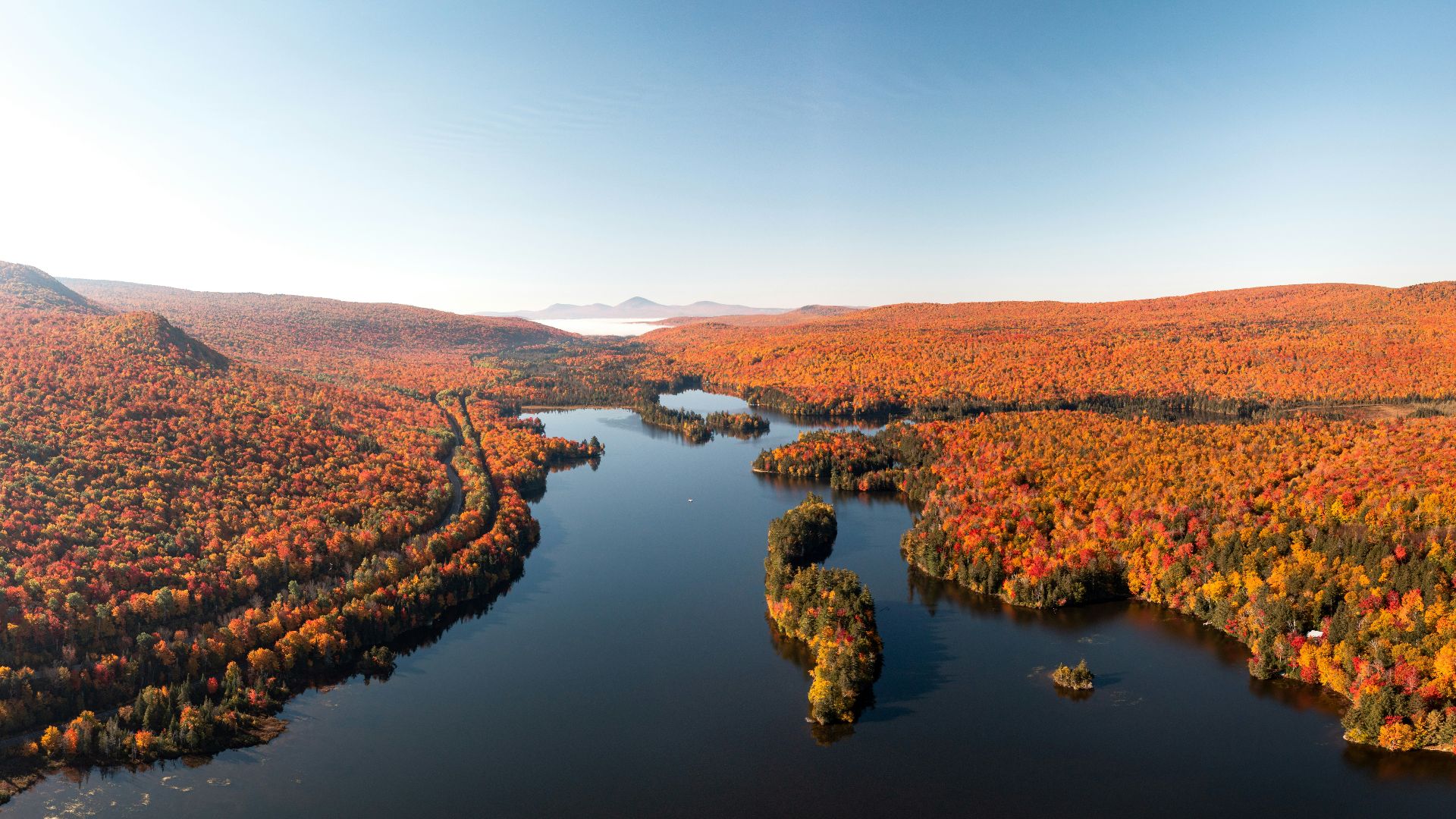
3. The New England Coast
New England’s seafood traditions began with Native shellfish and fishing knowledge, then shifted through English settlement and the long life of coastal fishing towns. Chowders, lobster shacks, oyster bars, and cod-heavy menus still carry the story of work, trade, and everyday dependence on the Atlantic.
4. The Chesapeake Bay, Maryland
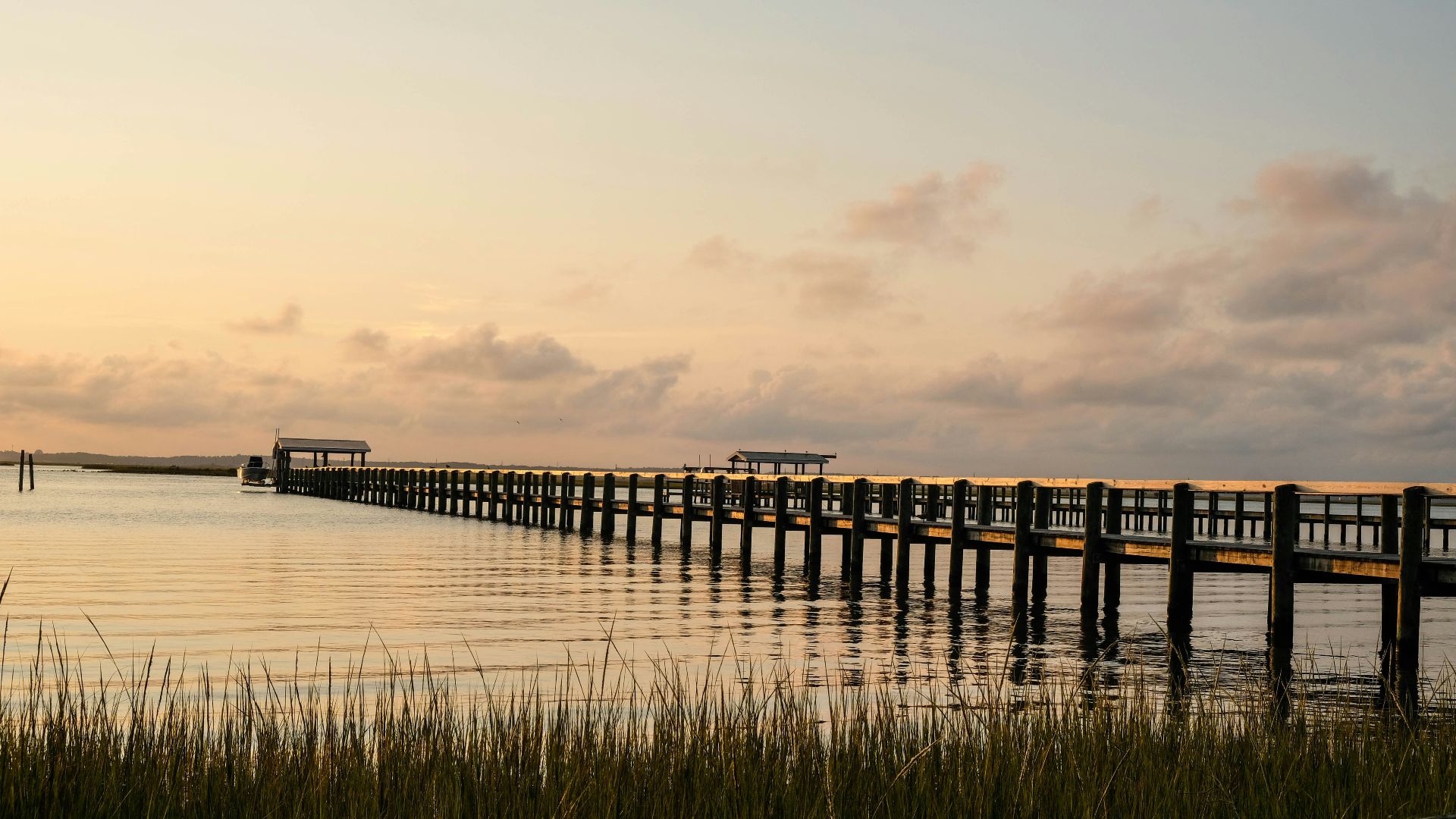
Maryland’s food identity still runs straight through the Chesapeake, where blue crab shaped local work, summer habits, and the state’s image for generations. Crab cakes get most of the attention, of course, though the bigger story is the bay itself and the watermen, docks, and harvest traditions that made blue crab such a defining part of the region.
5. Cincinnati, Ohio
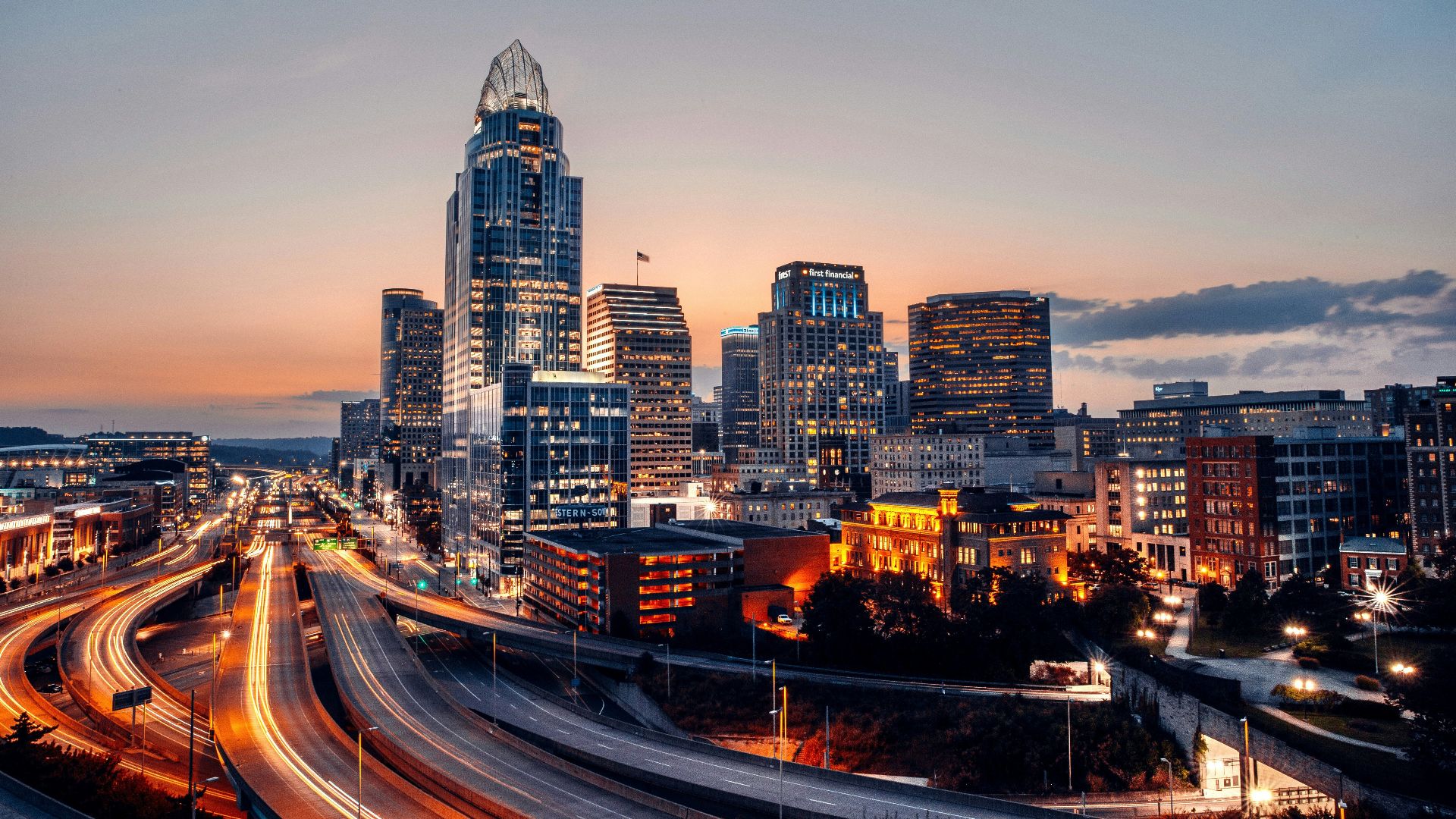
Cincinnati chili came out of immigrant-run restaurants in the 1920s, with the Kiradjieff brothers and Empress Chili right at the center of its early history. The spaghetti base, the spiced meat sauce, and the layered ways still feel very Cincinnati because they were shaped there by local tastes and by restaurant owners adapting Balkan and Mediterranean flavors to a Midwestern city.
6. Buffalo, New York
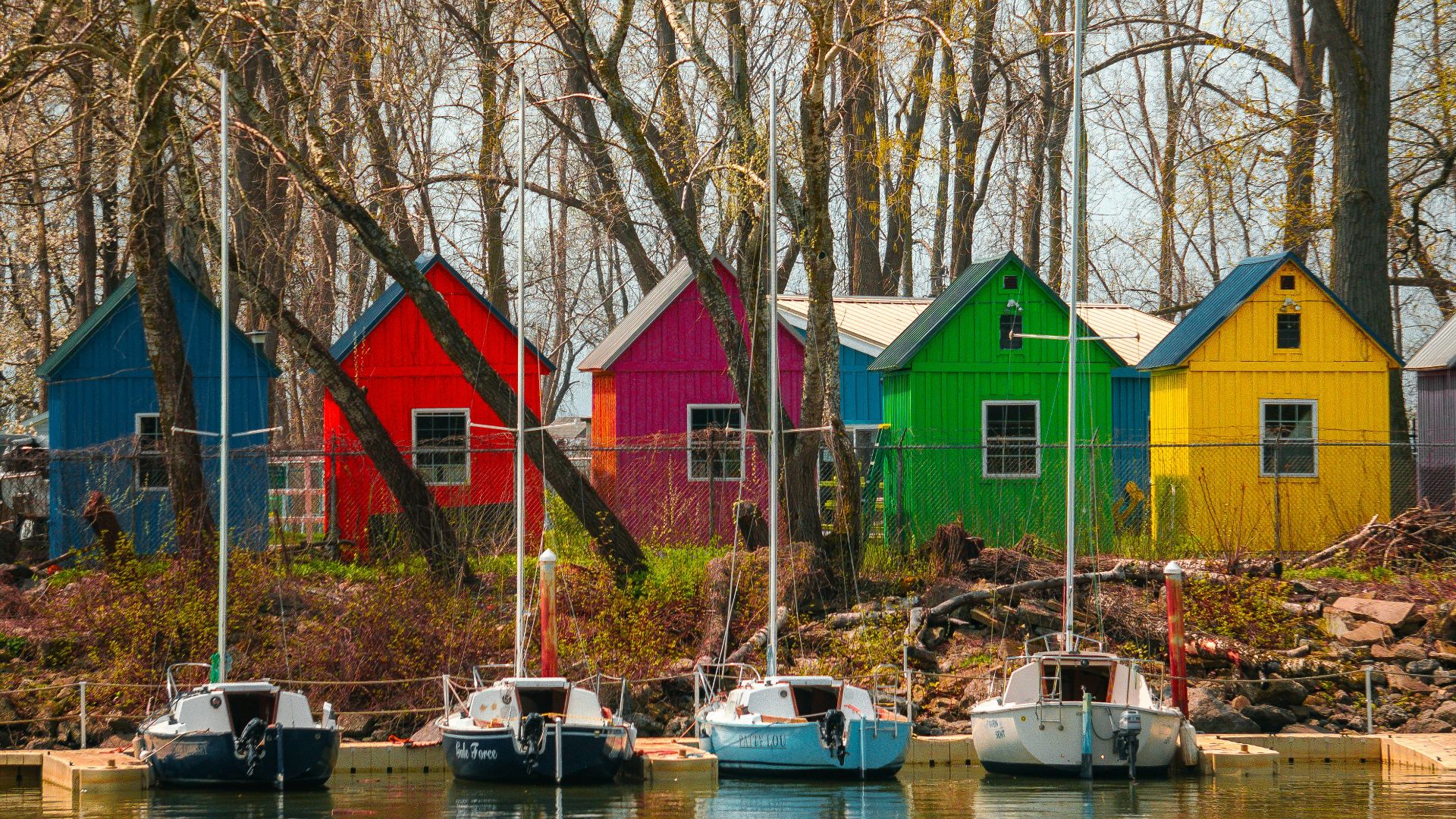
Most accounts trace Buffalo wings to Buffalo in 1964, with Anchor Bar and Teressa Bellissimo at the center of the usual origin story. What really stuck was the city’s tavern culture, where wings, blue cheese, celery, and late-night bar food became part of Buffalo’s identity rather than just something to pick at while watching the game.
7. Nashville And Memphis, Tennessee
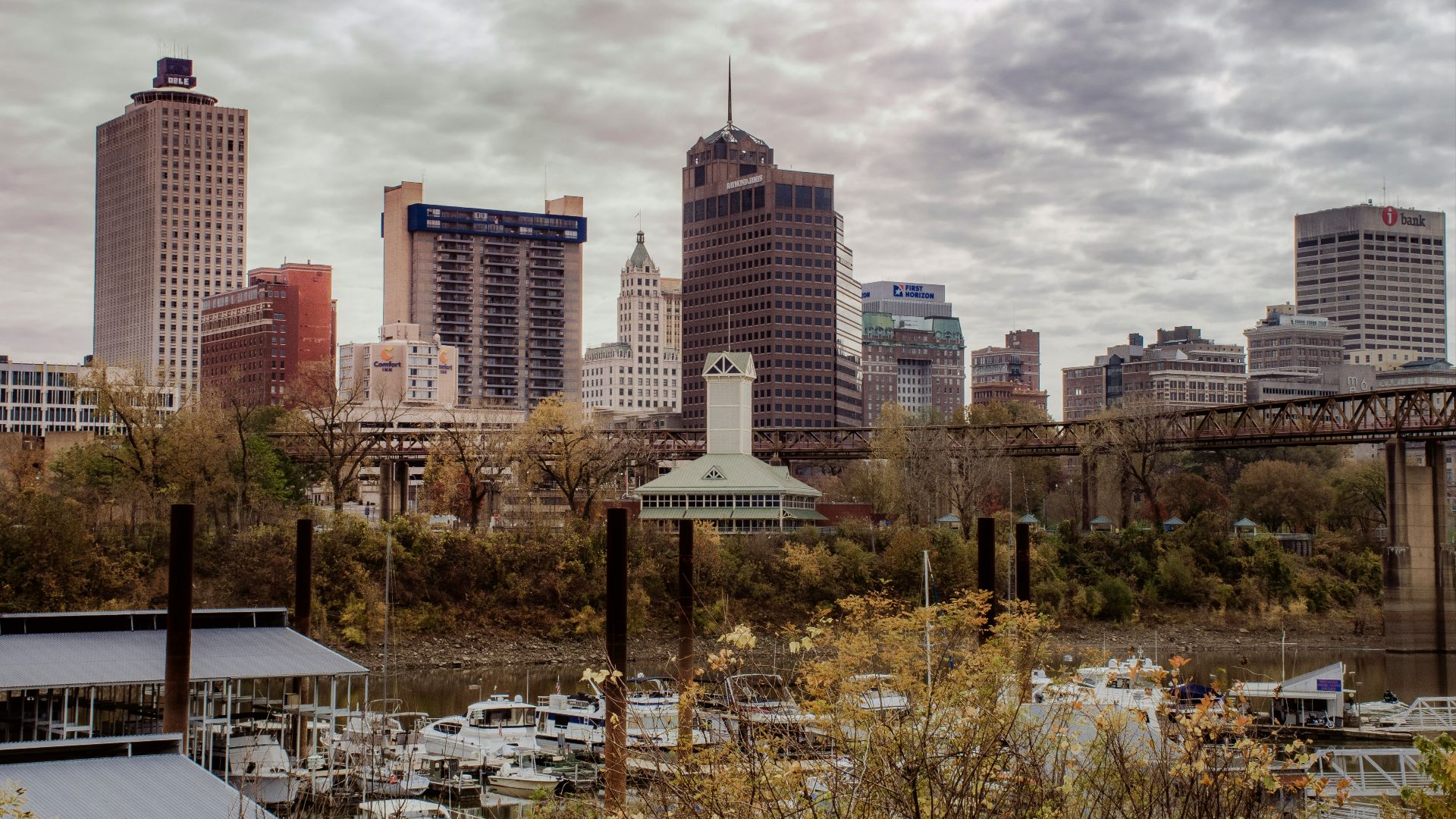
Tennessee’s hot chicken and barbecue traditions carry the work of Black cooks, neighborhood businesses, and pit traditions that built local food culture long before national media turned those dishes into travel bait.
8. The Southern Louisiana Bayou
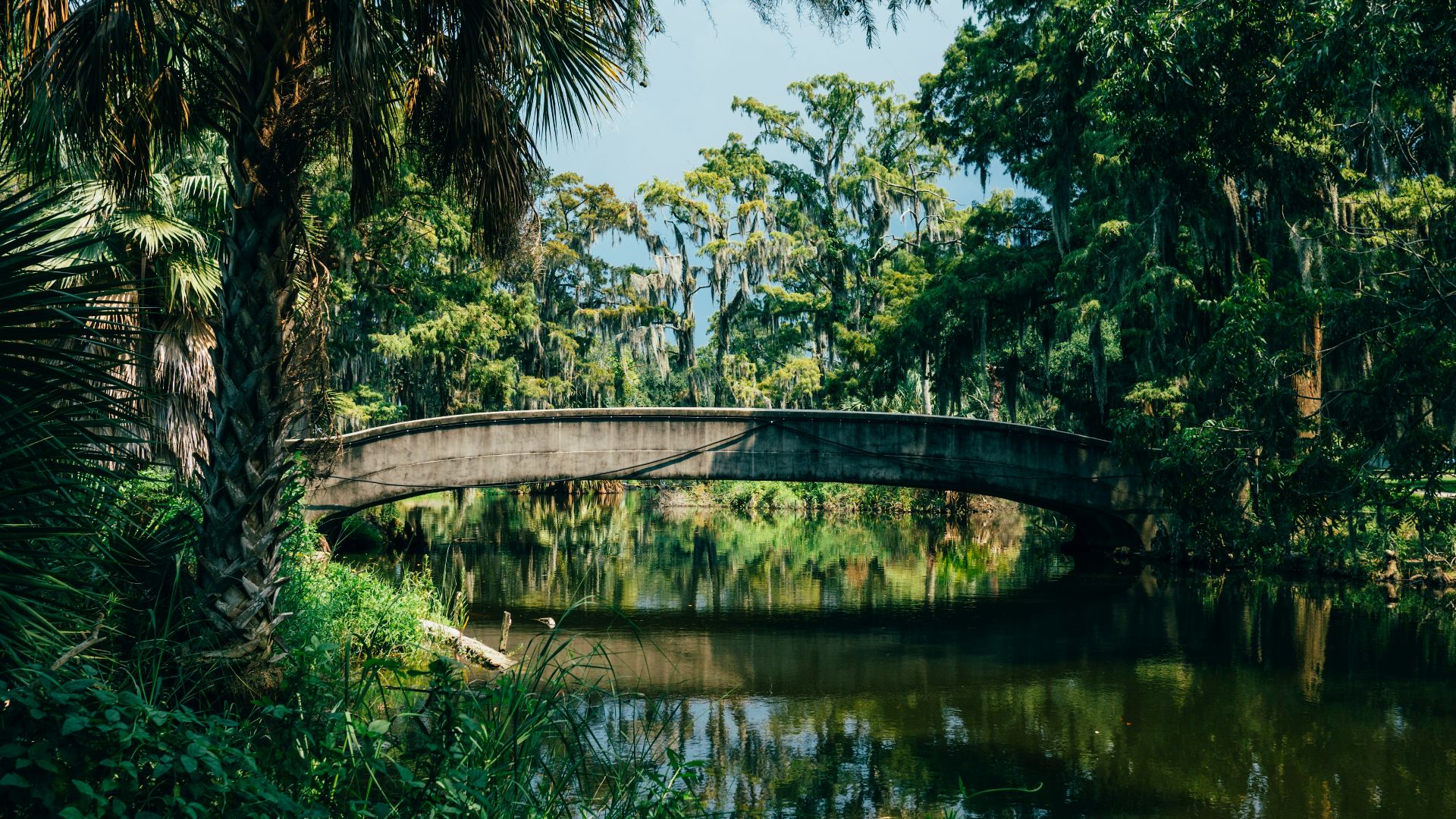
Bayou food still tells the story of Acadian exile and settlement in south Louisiana, though that’s only one piece of it. Boudin, cracklins, rice dishes, and game-heavy cooking also reflect long exchanges with Native, Black, Spanish, and German communities, which is why Cajun food feels so rooted and so layered.
9. Southwest New Mexico
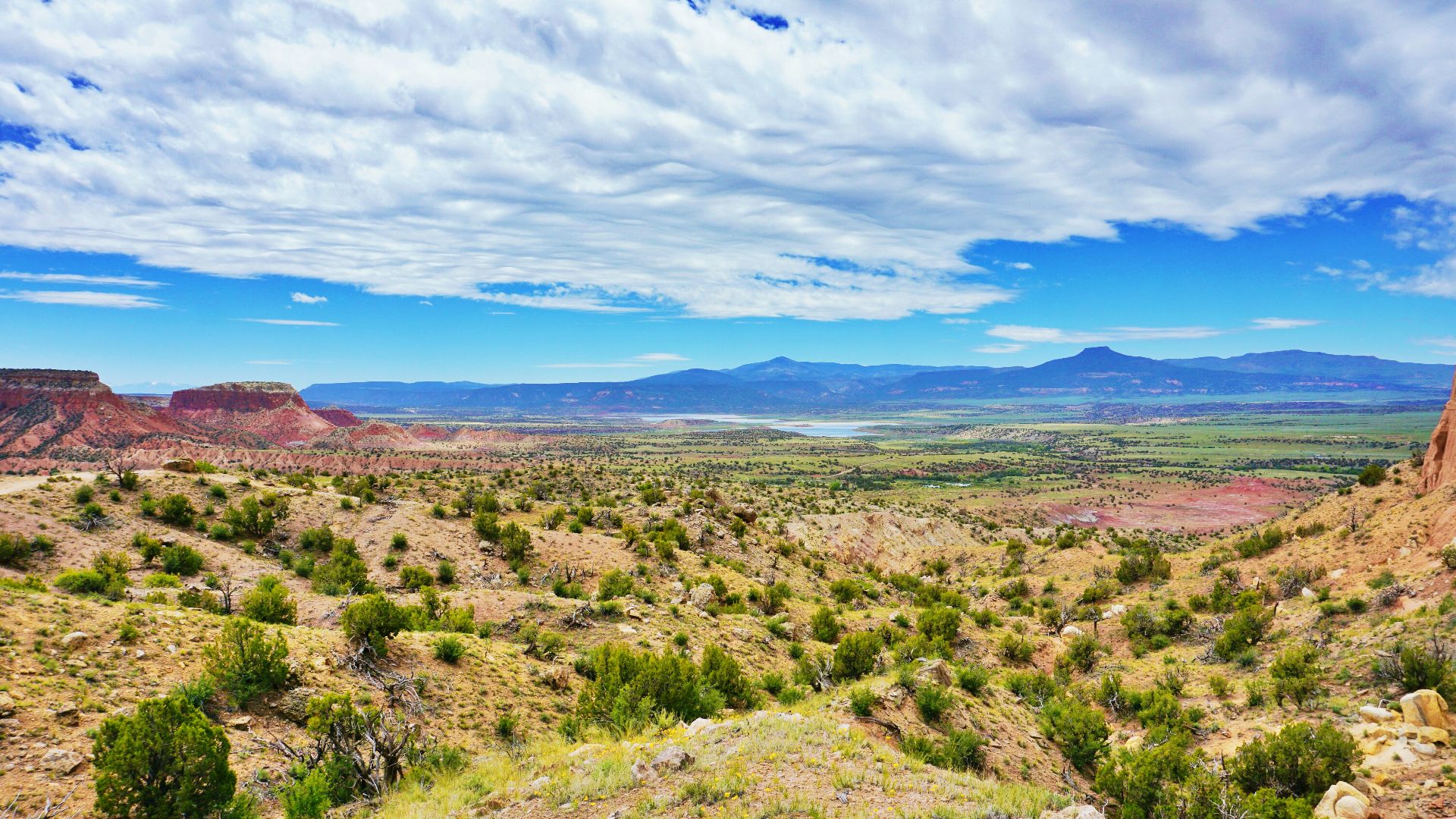
In southwest New Mexico, green chile isn’t some extra flourish on the plate. It’s part of the region’s everyday food language, shaped by Pueblo food traditions, Spanish colonization, Mexican influence, and generations of chile farming that still sit behind the stews, sauces, and meals people know so well.
10. Santa Fe, New Mexico
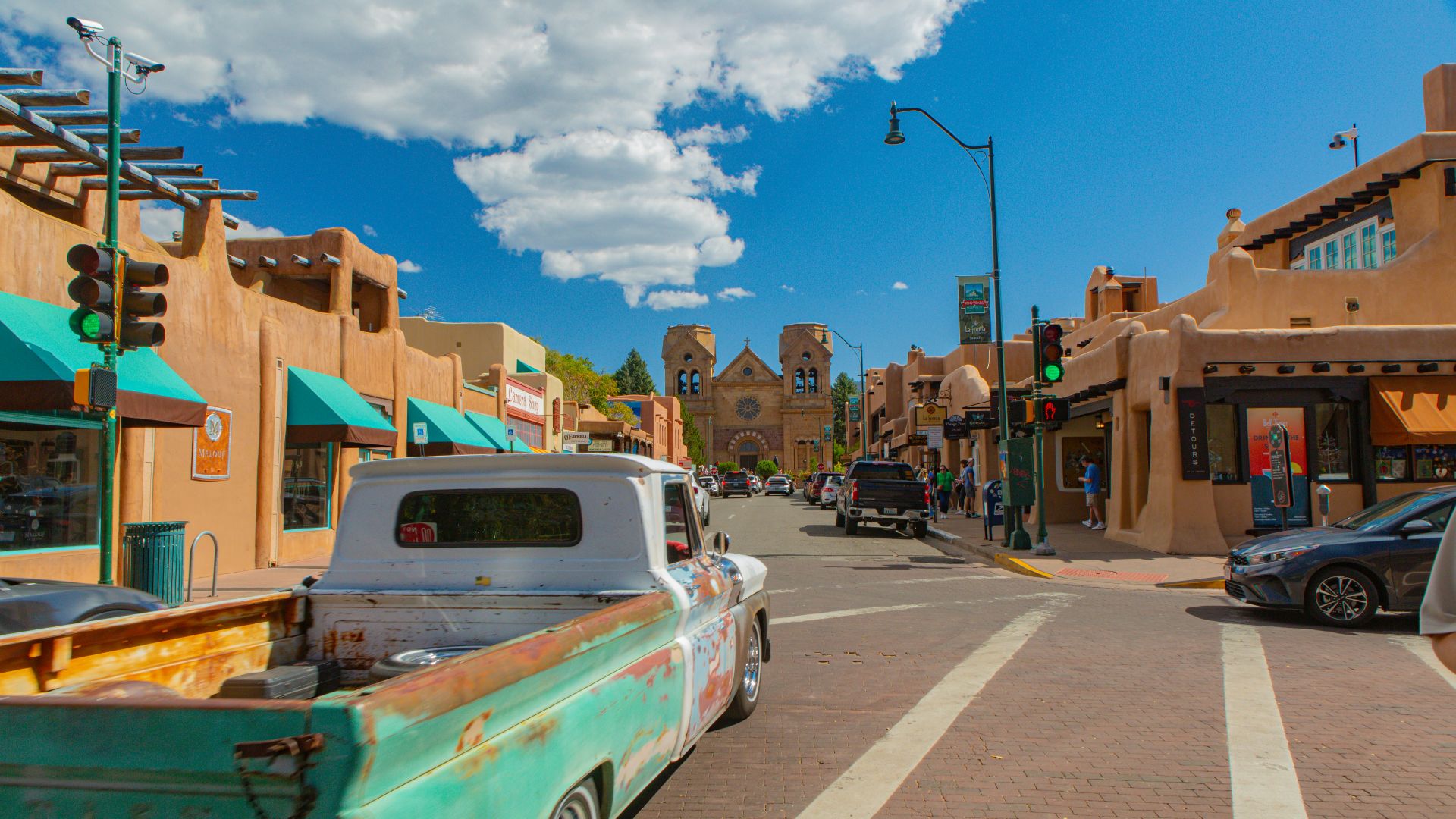
Santa Fe’s food still reflects a long overlap of Pueblo, Spanish, Mexican, and later Anglo influence, and you can see it in blue corn, posole, enchiladas, sopapillas, and red-or-green chile.
11. Great Lakes Wild Rice Country
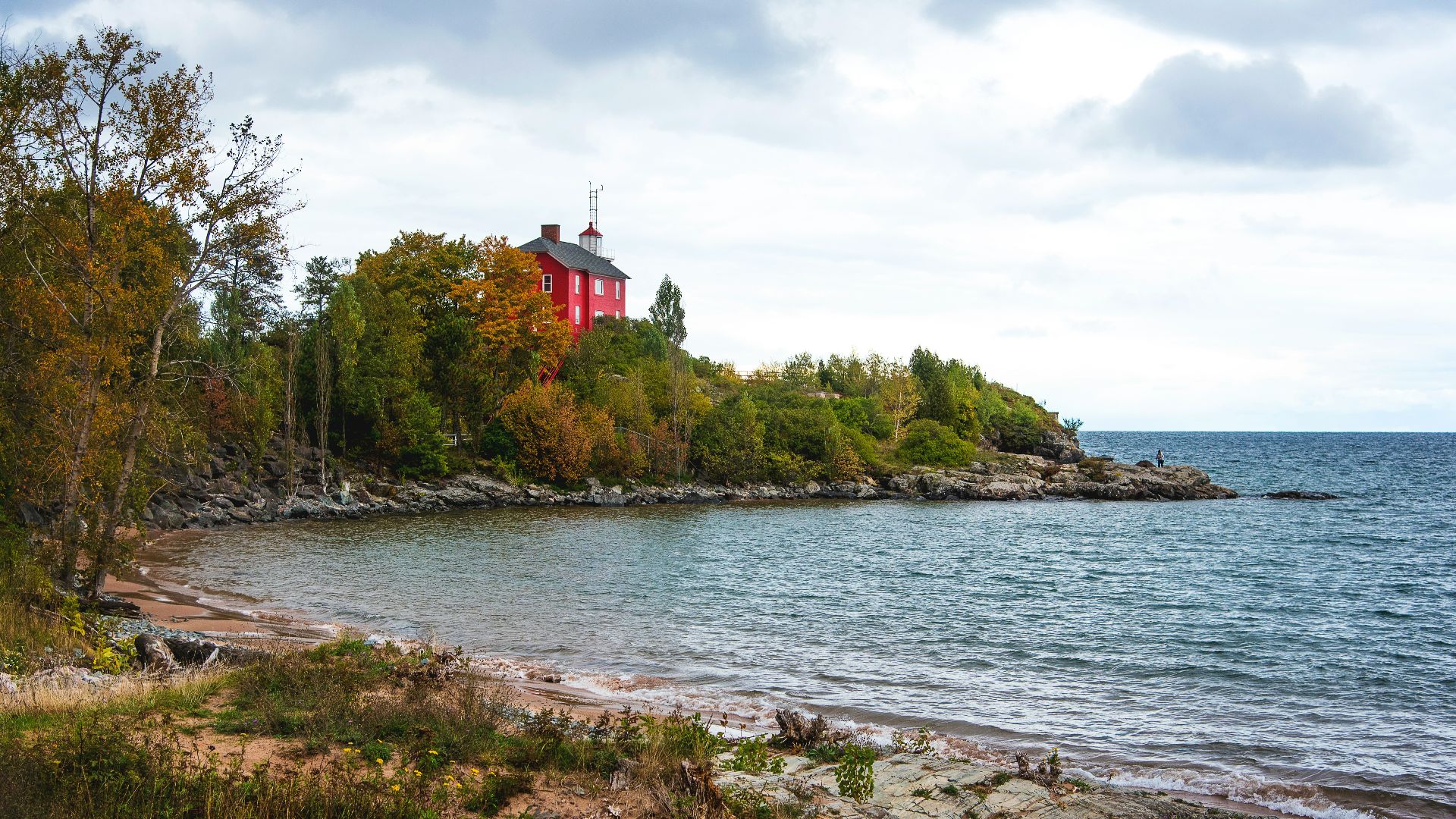
In northern Minnesota and nearby Great Lakes country, wild rice still carries one of the oldest food histories in the United States. Anishinaabe communities have harvested manoomin for generations, and that relationship between food, water, season, and sovereignty still sits right at the center of how the grain is understood.
12. Texas Hill Country
Texas Hill Country barbecue owes a lot to German and Czech meat-market traditions, though that’s still not the whole story. Black barbecue customs and older barbacoa methods also shaped what became Central Texas barbecue, which is why brisket and sausage in places like Lockhart carry a much fuller history.

13. New York City
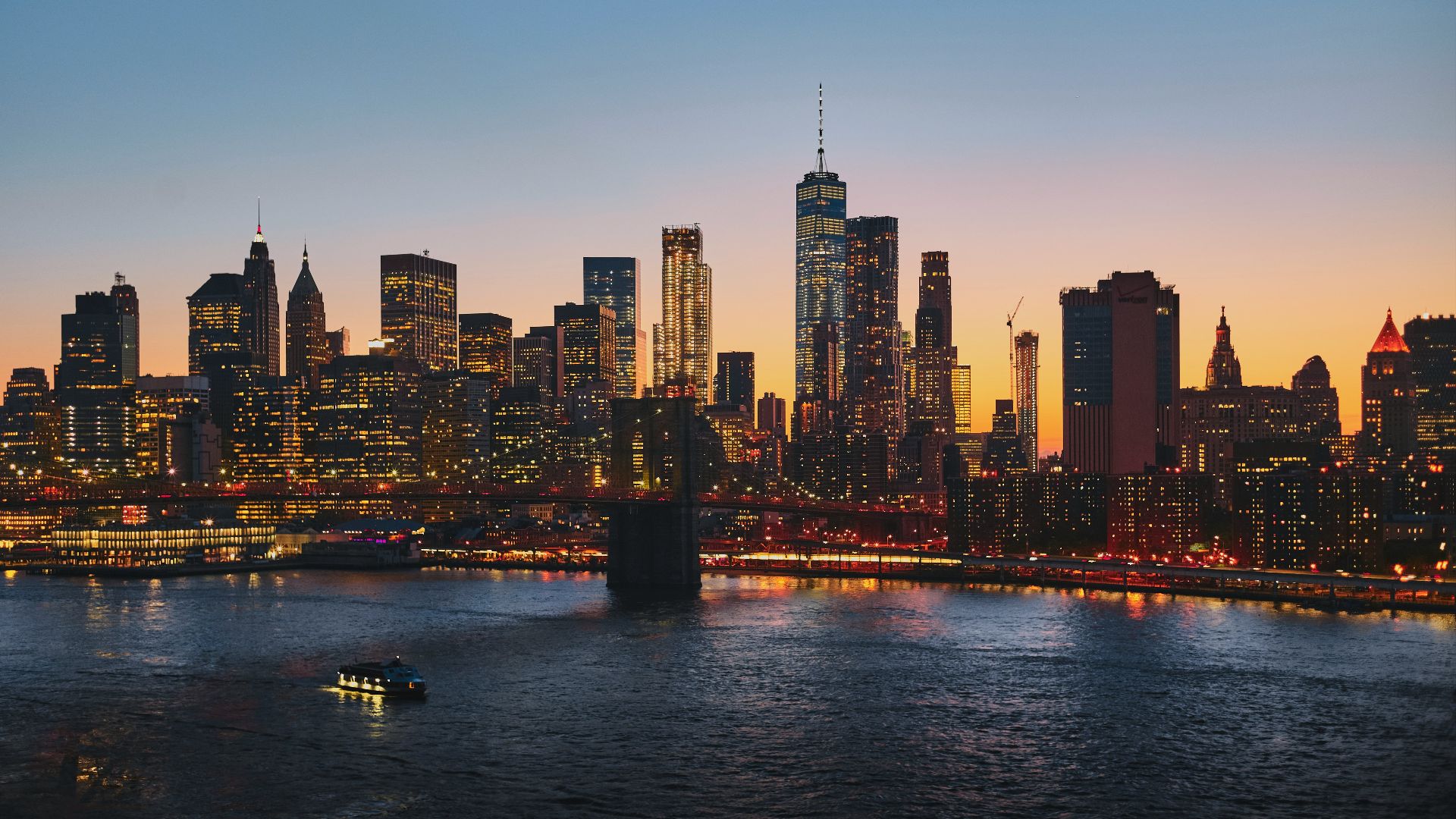
New York deli food still makes the city’s Jewish immigrant history easy to spot as pastrami, smoked fish, bagels, bialys, and knishes line the streets. Those foods came with immigrants from Central and Eastern Europe, then changed in New York until the deli itself became a deeply American institution.
14. Pennsylvania Dutch Country
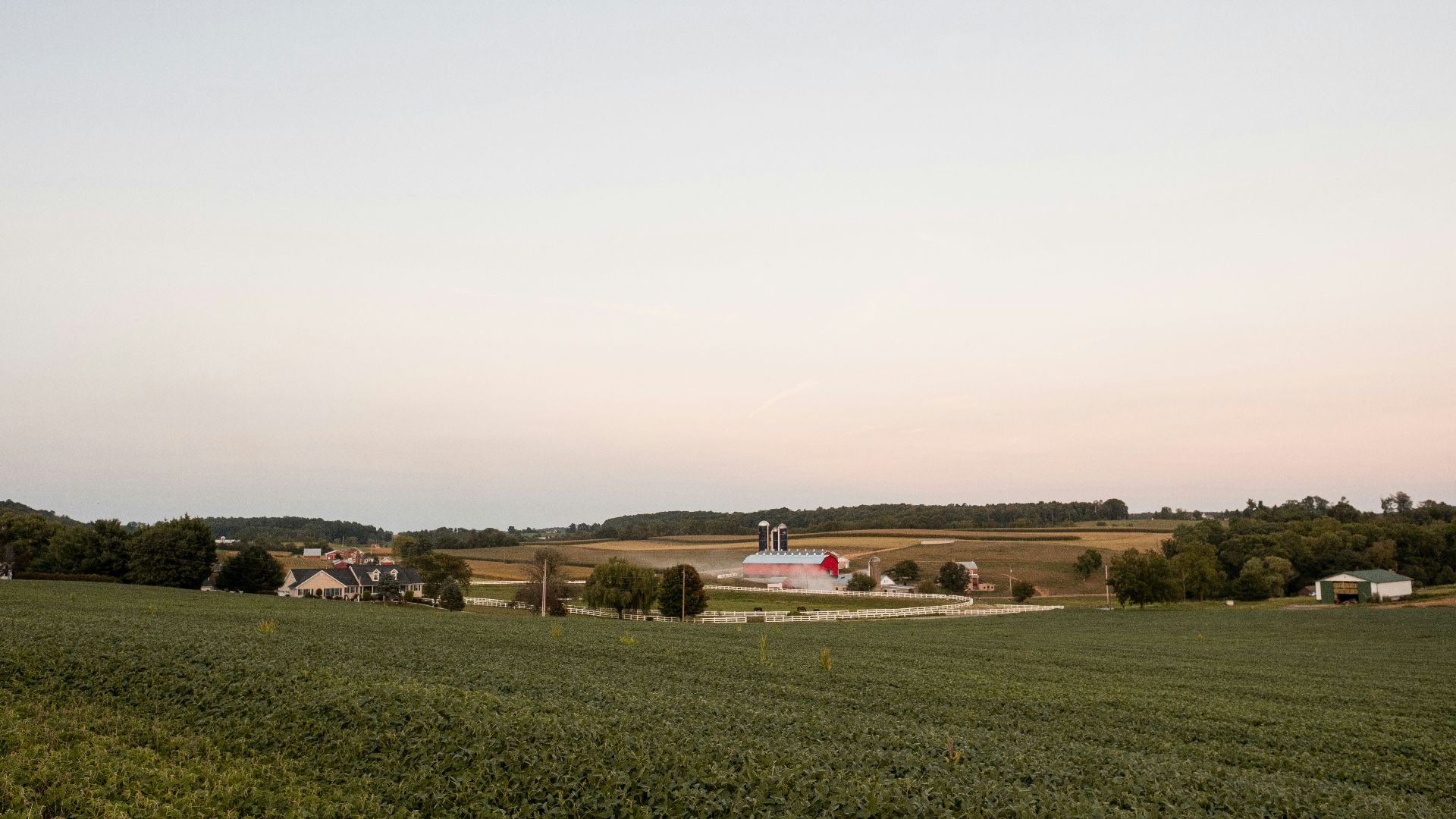
In southeastern Pennsylvania, shoofly pie, scrapple, chow-chow, and other preserving-heavy foods still reflect German-speaking farm communities that built daily life around thrift and labor. The food keeps that older logic alive: use what you have, store what will last, and make meals that can carry a household through the week.
15. Kansas City, Missouri
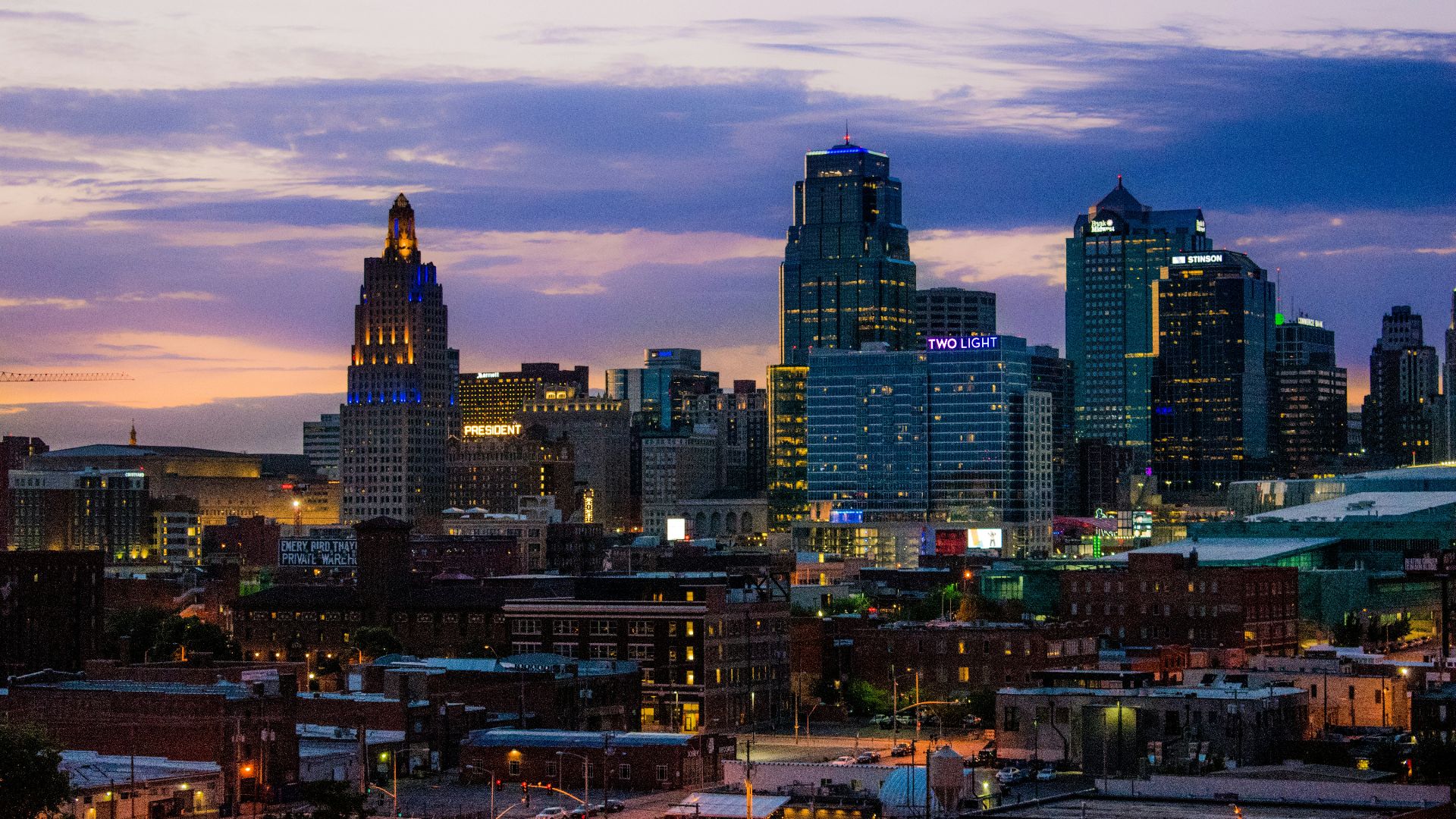
Kansas City barbecue still says a lot about stockyards, shift work, and the skill of cooking overlooked cuts so well that people started wanting them on purpose. Burnt ends, once treated as brisket trimmings, became one of the clearest examples of a local dish growing straight out of working-city food culture.
16. The Hawaiian Islands
Food in Hawaiʻi still carries Native Hawaiian foundations alongside the plantation-era influence of Japanese, Portuguese, Chinese, Filipino, Korean, and Puerto Rican labor communities. Poke has Native Hawaiian roots, and its later seasonings and variations show how island food kept changing as new communities arrived, stayed, and built daily life together.

17. The Florida Keys
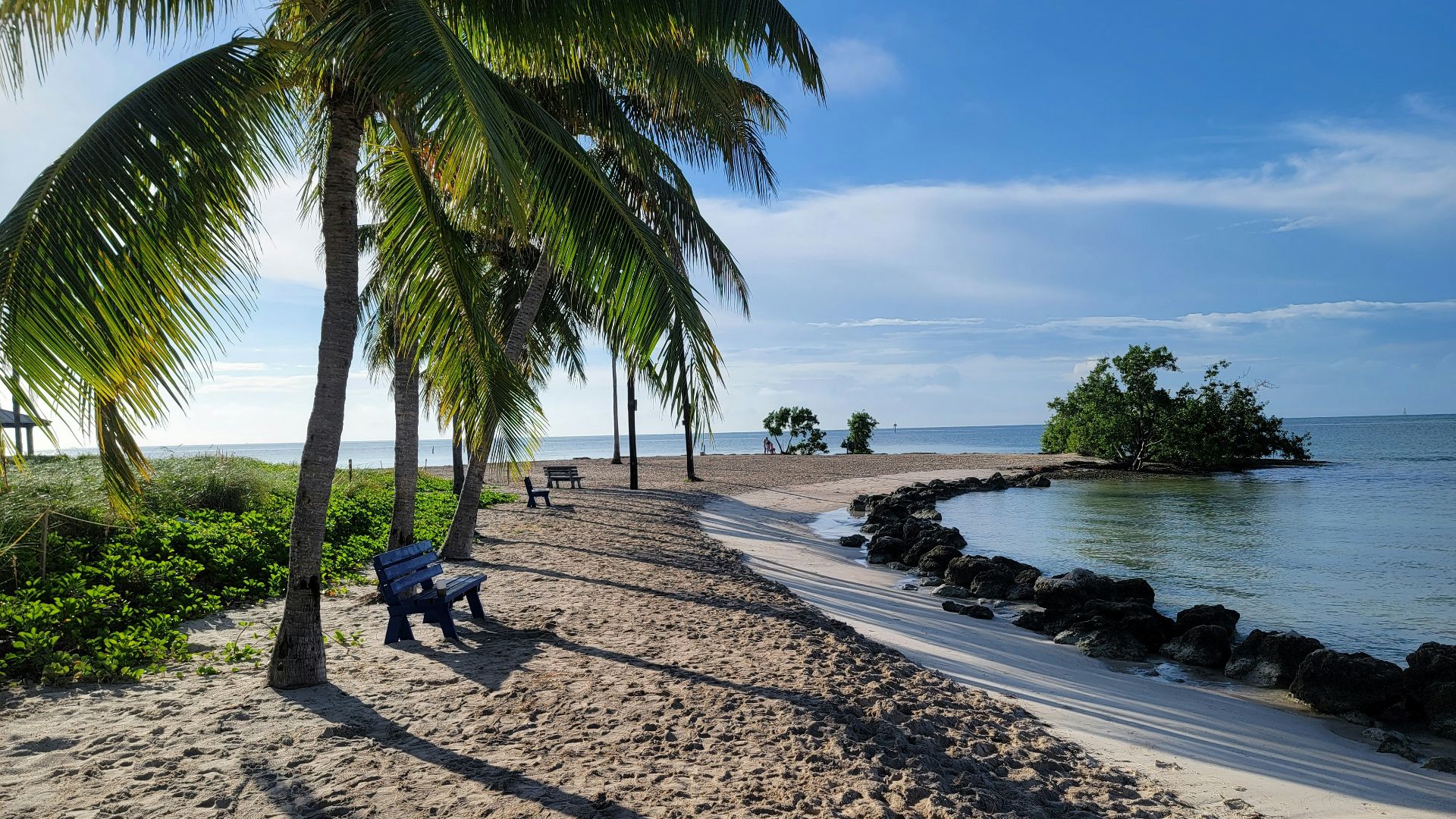
The Florida Keys still taste like a place shaped by migration, fishing, and island life, with conch dishes and Key lime pie tied closely to Key West and the wider Keys. The food history there is especially bound up with Bahamian and Cuban roots, and you can still feel those threads in the local cooking that people come back to again and again.
18. Appalachian Coal Country
The pepperoni roll came out of West Virginia and nearby coal country. Italian immigrants working in north-central West Virginia’s coal industry needed a filling lunch that could travel underground, and the roll became so tied to that history that it still feels personal to the region.

19. The Pacific Northwest
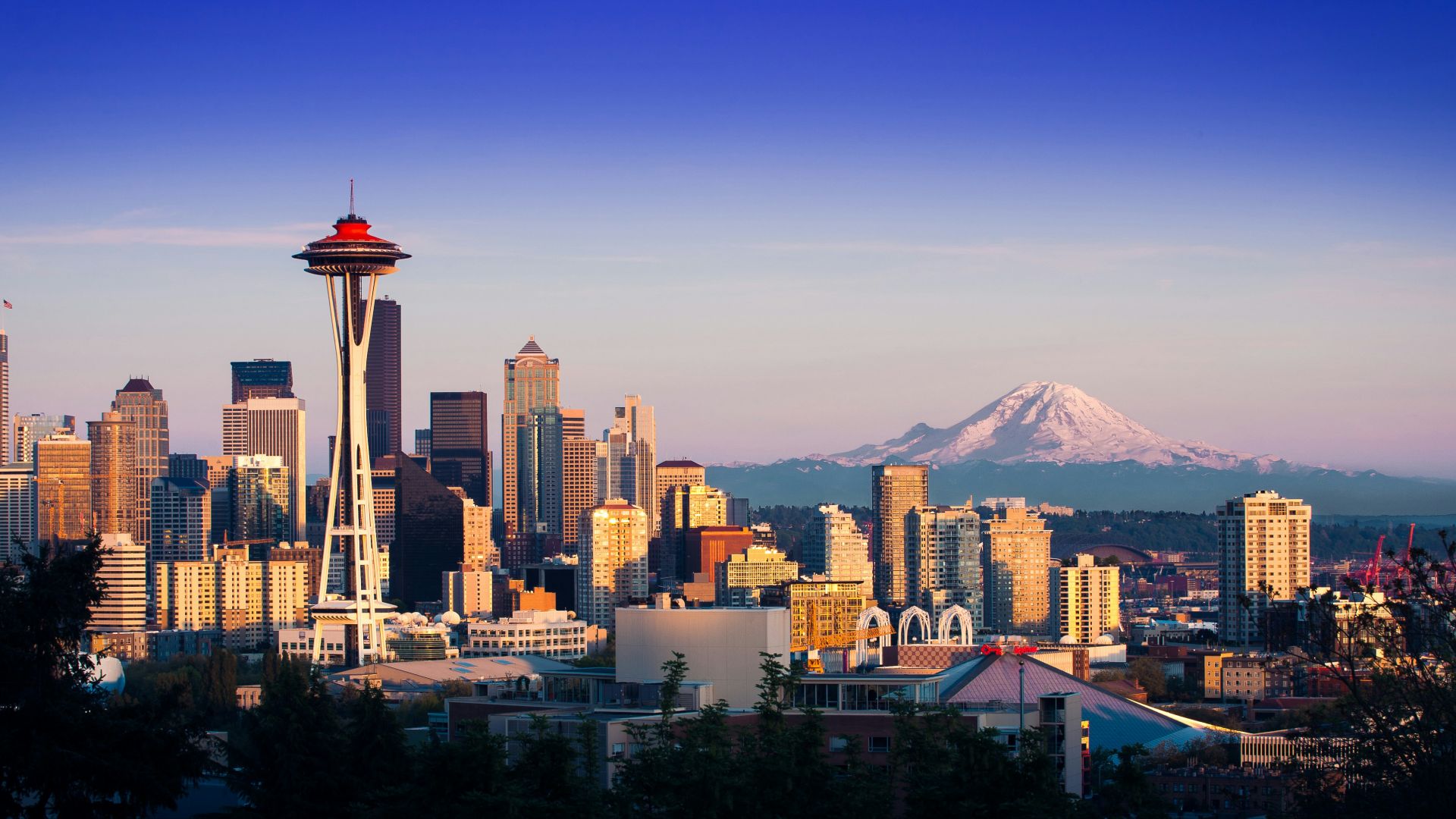
Around Seattle and the wider Pacific Northwest, salmon still carries the deepest food history in the region. Indigenous nations built cultural, spiritual, and economic life around salmon long before modern city identity took shape, and later fishing communities added to that waterfront culture without replacing the older foundation.
20. The Great Plains
In Nebraska and South Dakota, old settlement patterns still show up in food that never really left. Bierocks and runza-style bread pockets point back to Volga German communities that settled in Nebraska in the 1870s, while chislic became such a fixture in South Dakota that the state formally named it the official nosh in 2018.