Someone, Get Us Off This Flight
Air travel puts people in close quarters with very little privacy. While some people use that time to chill on their own, others take it as an open invitation to chew someone’s ear off with career questions, monologues, and disrespectful comments. To keep everyone sane, we’re here to break down a few conversations that work great with seatmates and which ones are a giant mistake.
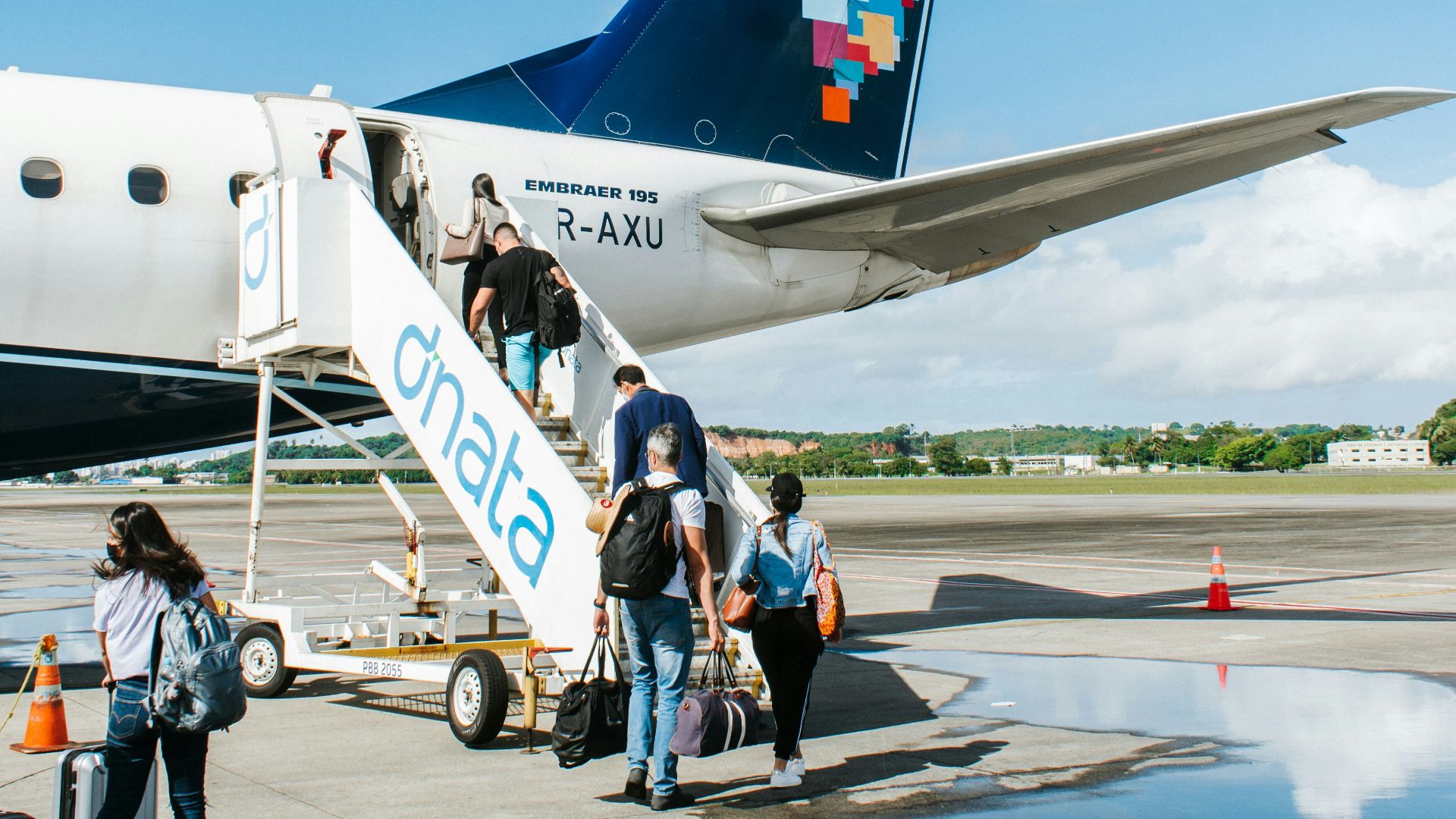
 Sebastian Pociecha on Unsplash
1. Career Questions Too Early
Asking someone how they make their living can feel way too personal. It’s even worse if you launch into those questions before you've settled into your seat. Work is tied to all kinds of stress and identity, so a stranger has no business probing into it right away.
2. Fear of Flying Monologues
There’s no shame to anyone who gets nervous on a plane. You’re not alone, and some passengers are even willing to help you brace your fears. However, bringing up crashes, turbulence, or your worst fears is a fast way to ruin the mood for everyone nearby.
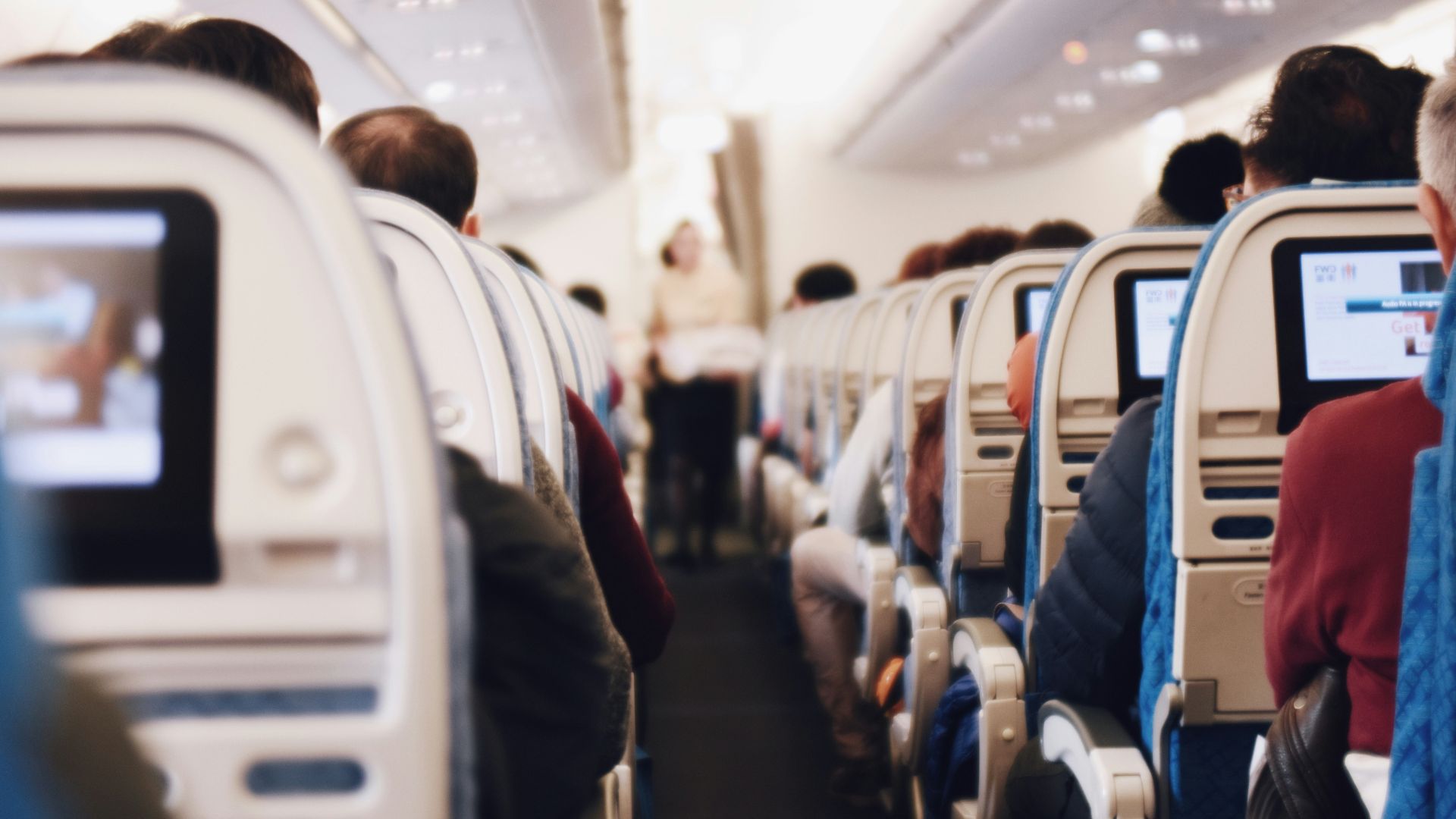
3. Comments About How Someone Looks
Telling a seatmate they look tired or stressed isn’t as harmless as it sounds. Most people don't want to hear observations from someone they met thirty seconds ago, especially in a cramped cabin with nowhere to go. It doesn’t matter if it’s a compliment, either—those don’t always land.
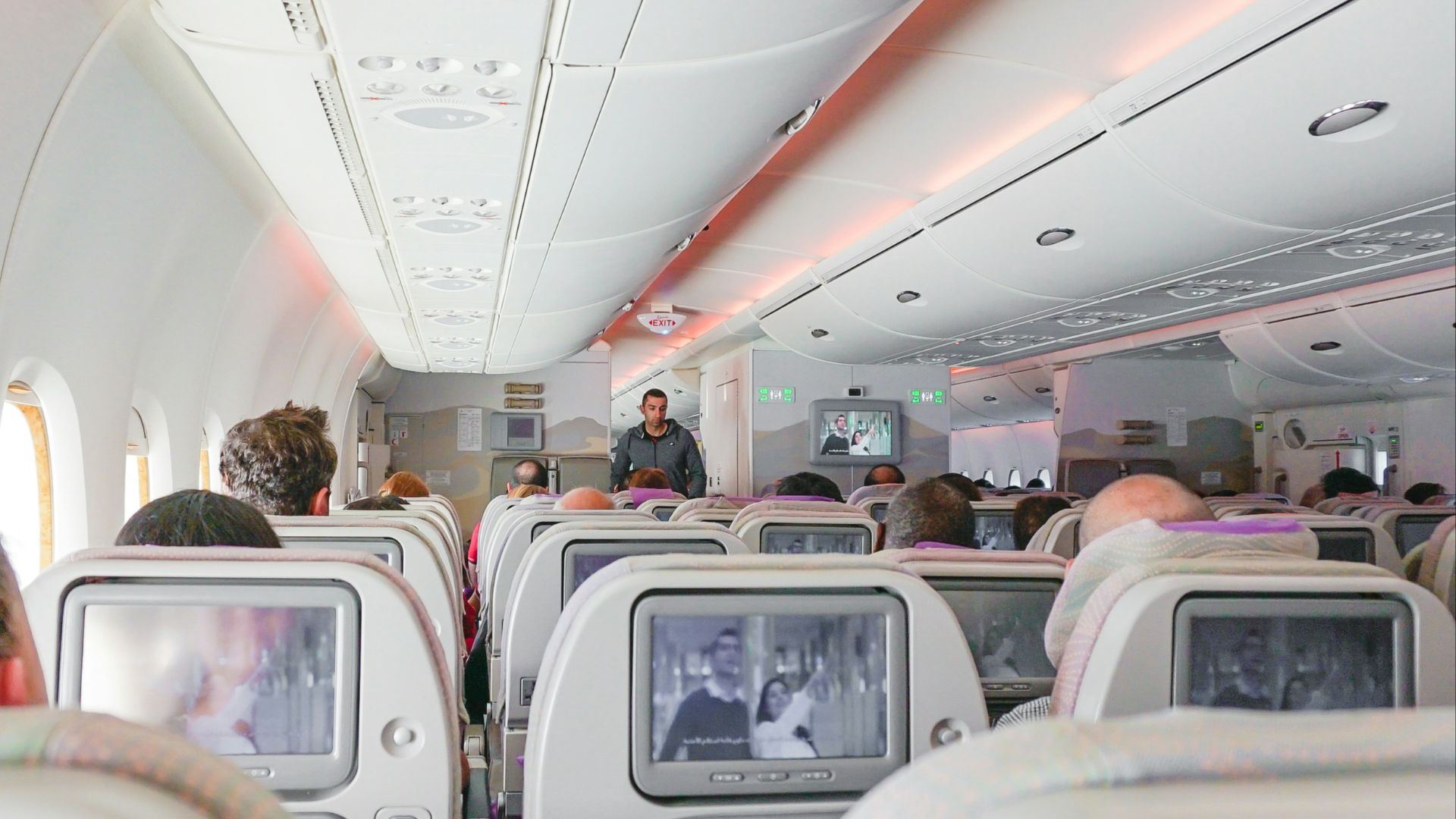
4. Detailed Medical Talk
Medical stories can get intense very quickly, and most strangers don't want to hear the full version while they're opening their pretzels. What feels like casual oversharing to you may feel deeply uncomfortable to the person in the next seat.
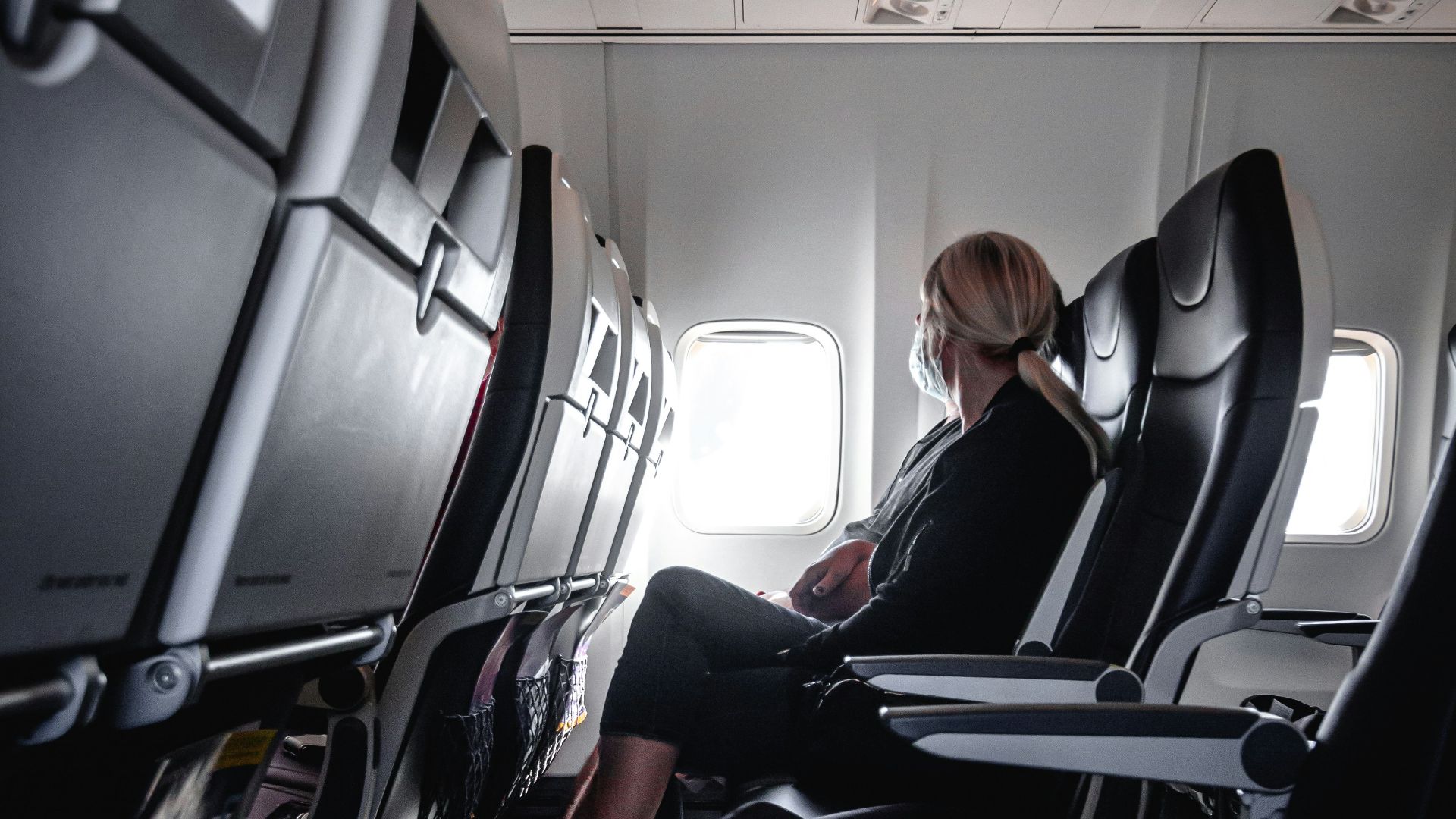
5. Complaints About Other Passengers
Launching into a rant about the people around you never looks good to your seatmate. You not only look hard to get along with, but your negativity turns people off, too. Your seatmate may nod politely, but that doesn't mean they want to be recruited into your irritation before takeoff.
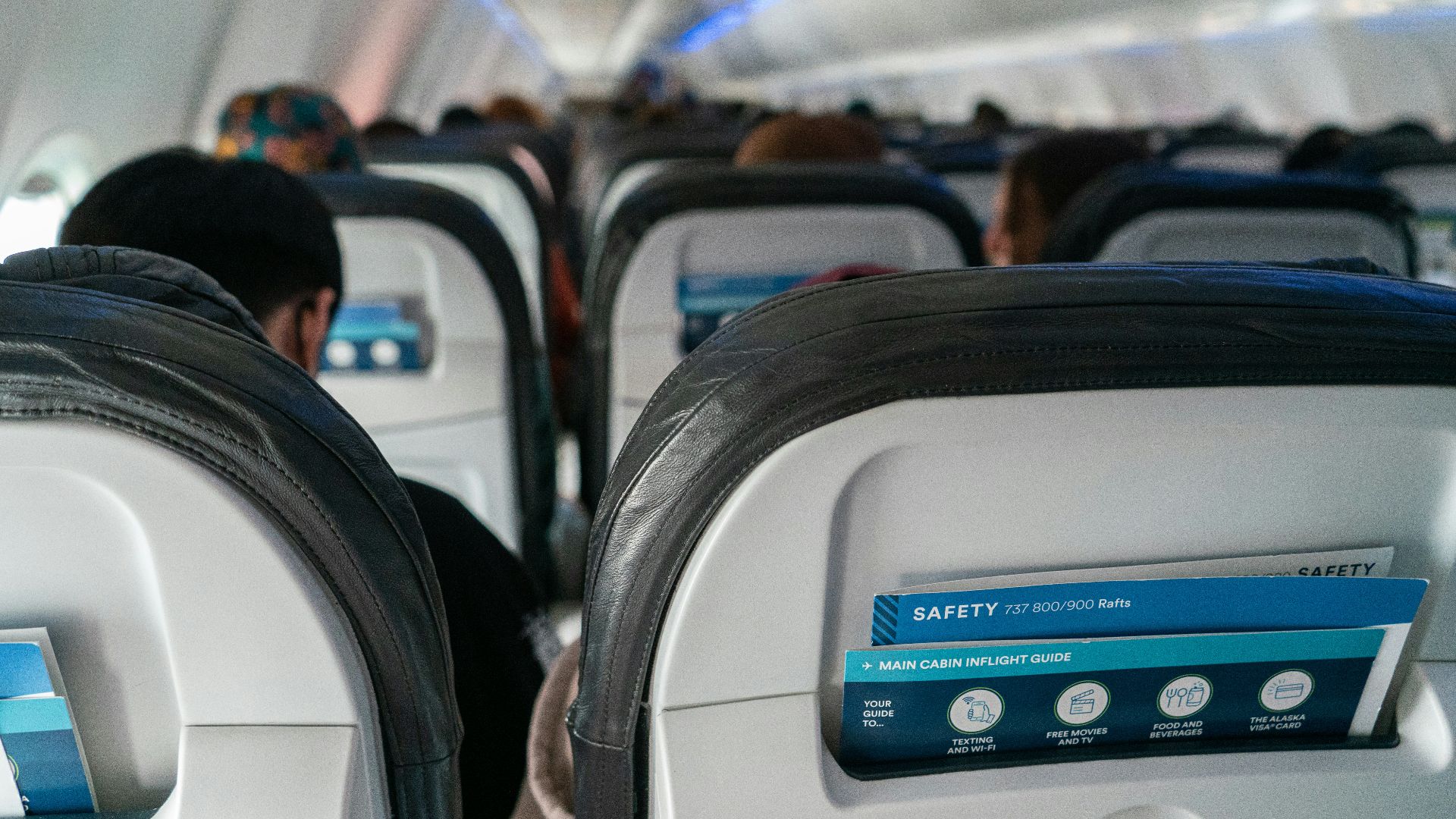
6. Questions About Traveling Alone
Asking whether someone is flying solo can come across as more personal than you think. And if you ask a single woman, it just looks creepy. Neutral travel talk is a safer choice when you don't know how others will respond to your inquiries.
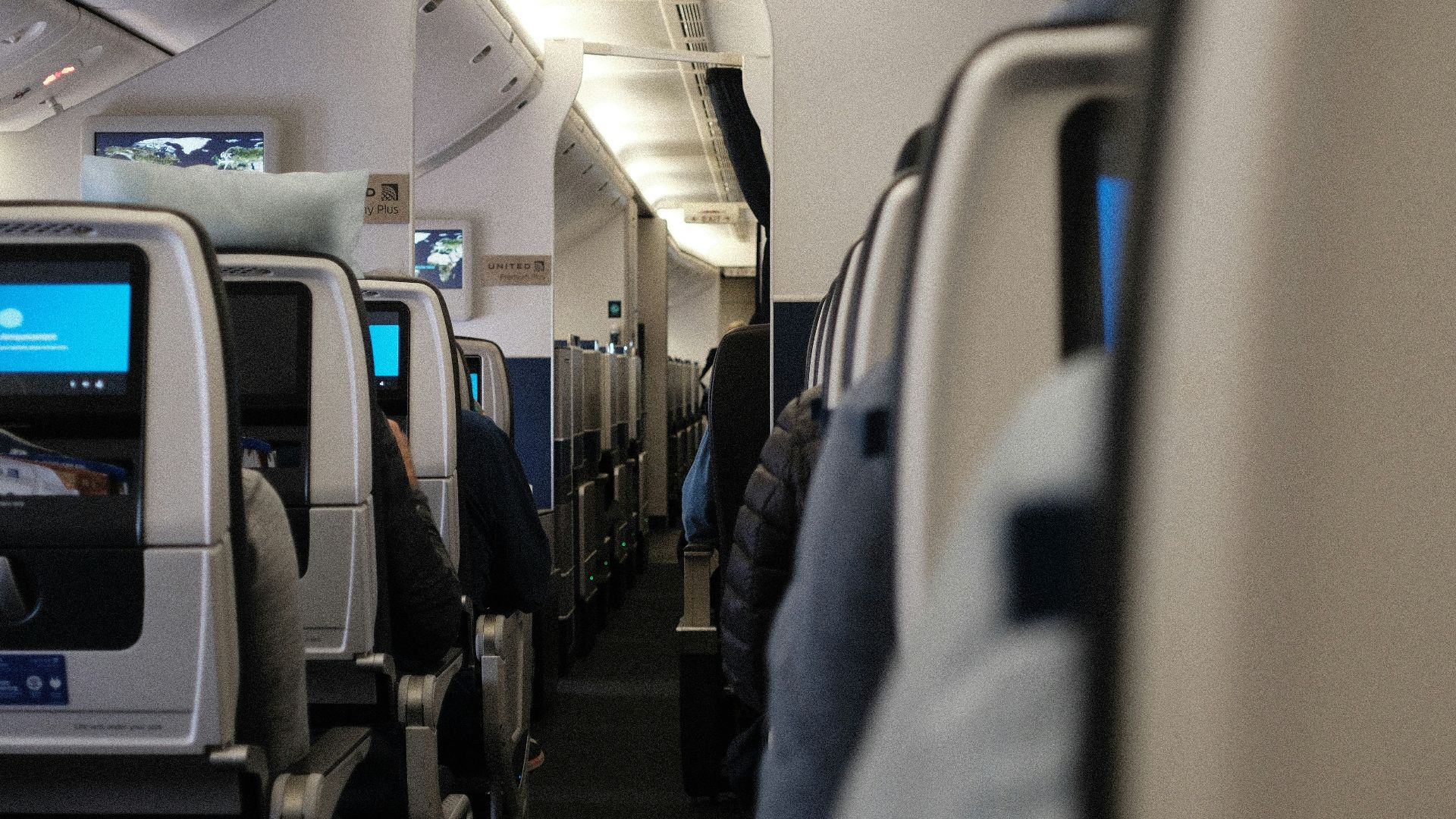
7. Drinking Confessions
Announcing that you've had too much to drink before boarding can raise a lot of concerns. You might expect someone to laugh, but a stranger is more likely to roll their eyes or get their back up; they don't want to spend the flight wondering whether you'll be disruptive.
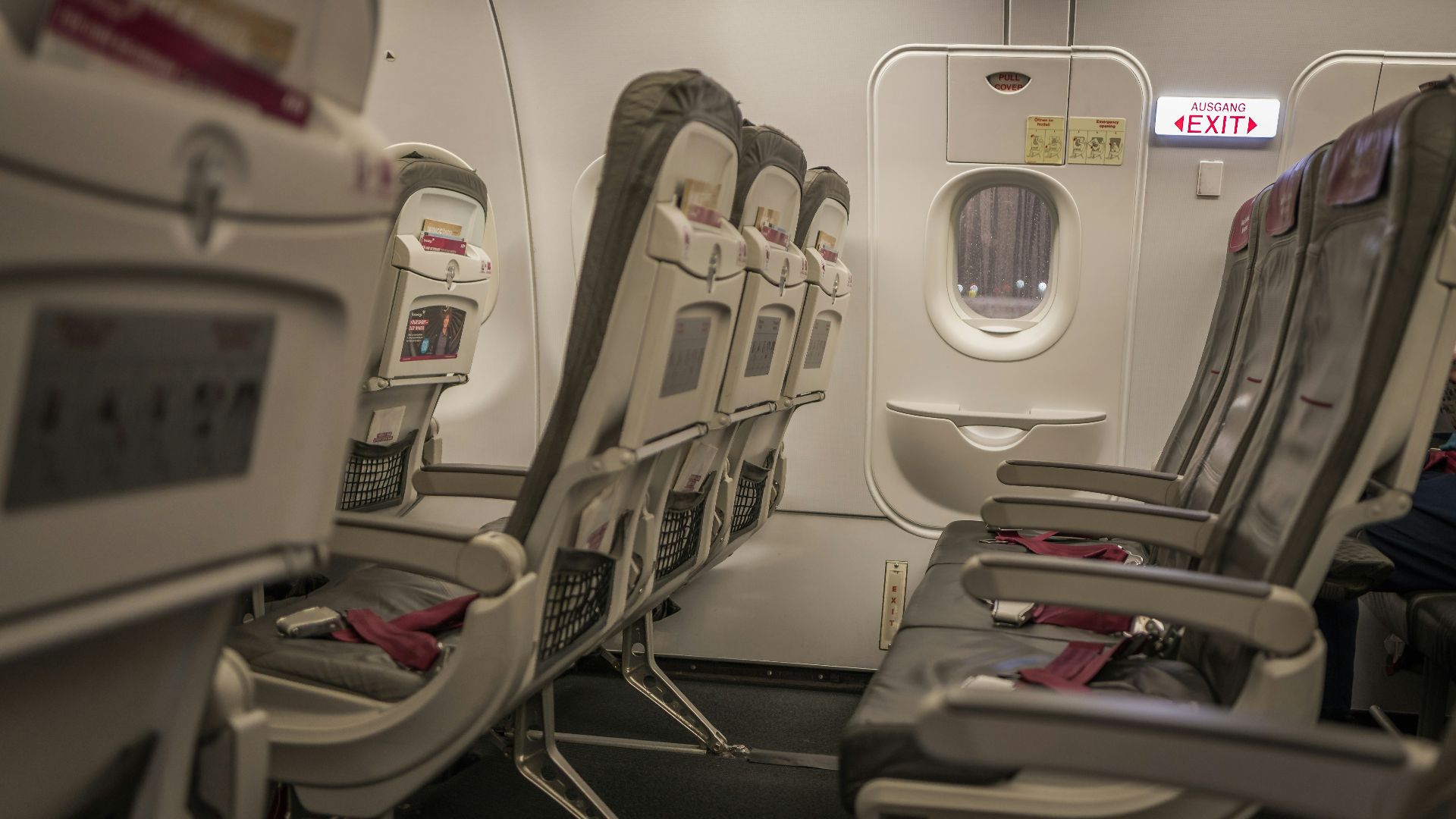 Alexander Schimmeck on Unsplash
8. Relationship Status Questions
If you can’t ask about travel plans, you definitely shouldn’t pry into personal relationships. Asking why someone isn't married or whether they have children crosses into personal territory very quickly. That question may sound casual, but it’s actually pretty invasive.
9. Promises to Keep Talking
Saying upfront that you'll want to chat is the ultimate eye-roll. It just puts pressure on the other person. Many travelers want to sleep, read, work, or just sit quietly, and they shouldn't have to defend that choice.
10. Forced Photo Showcases
Pulling out your phone to share a long stream of personal photos can turn a polite exchange into an obligation. Your seatmate may be too kind to refuse, even if they have no interest in seeing vacation shots, family updates, or photos of Fido.
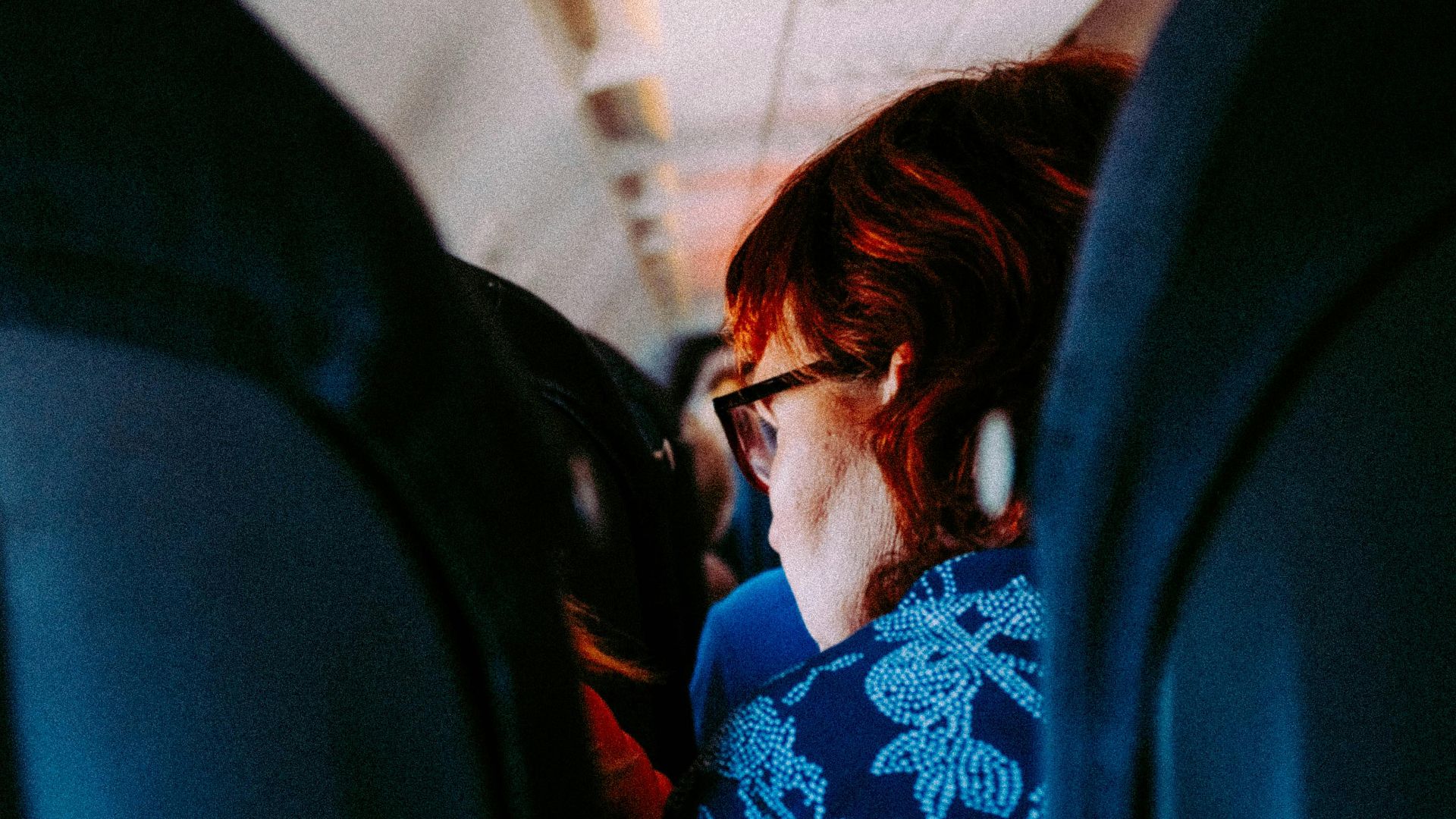
The best in-flight exchanges are thoughtful and easy to step away from, which means the smartest topics don’t ask too much from strangers. Let’s dive into a few topics that always make sense.
1. Basic Travel Plans
Asking where someone is headed or whether they're traveling for work is a simple enough way to open the door. It gives your seatmate a choice to share a little or a lot, and that flexibility makes the conversation feel polite, not intrusive.
2. Space Courtesy
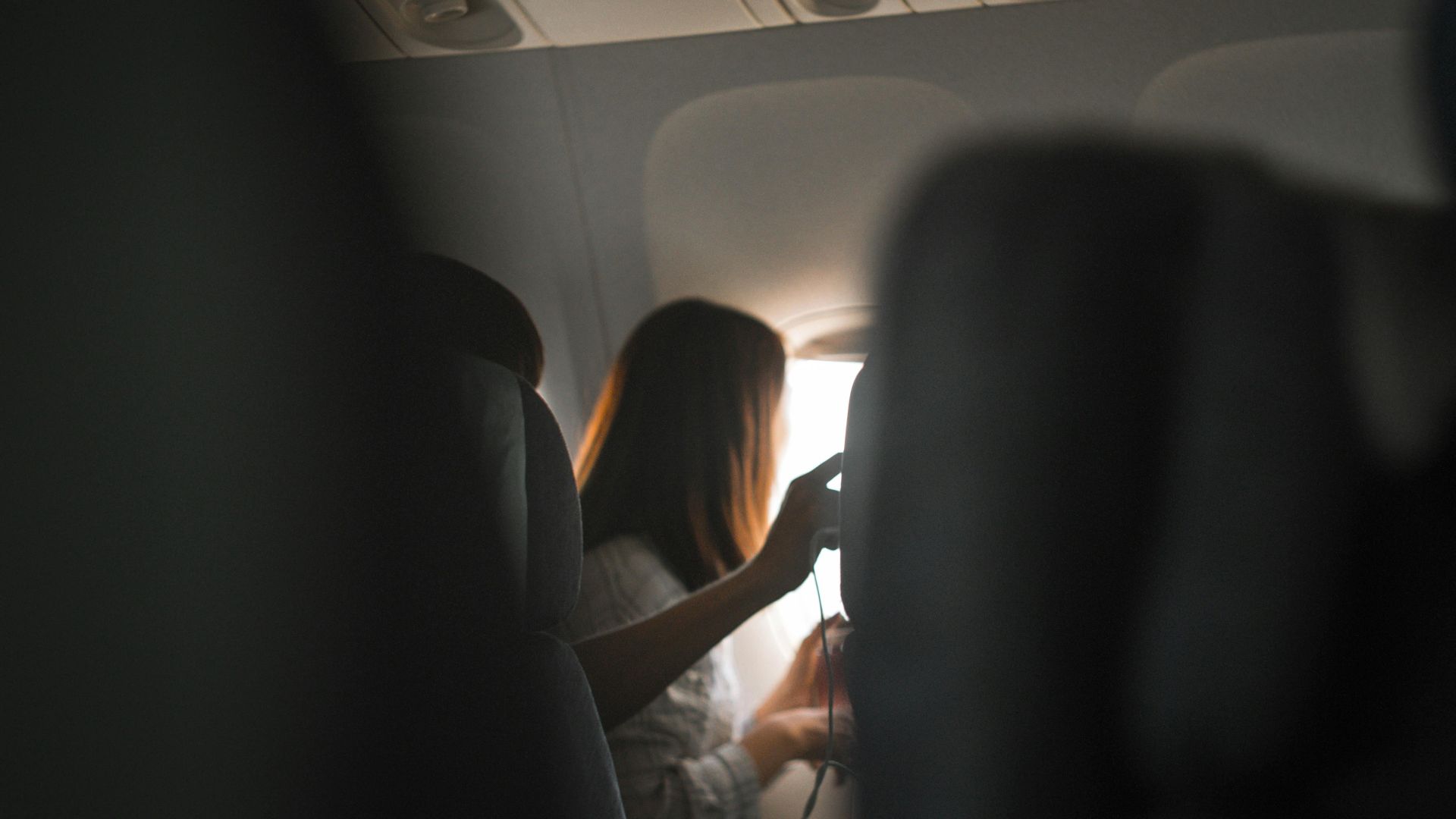
A quick exchange about armrests or getting in and out of the row can make the entire flight smoother. It also gives you an in should you two discuss more stuff on the flight. Small conversations also show that you're paying attention to shared comfort instead of acting like the seat area belongs to you.
3. Timing for Rest or Work
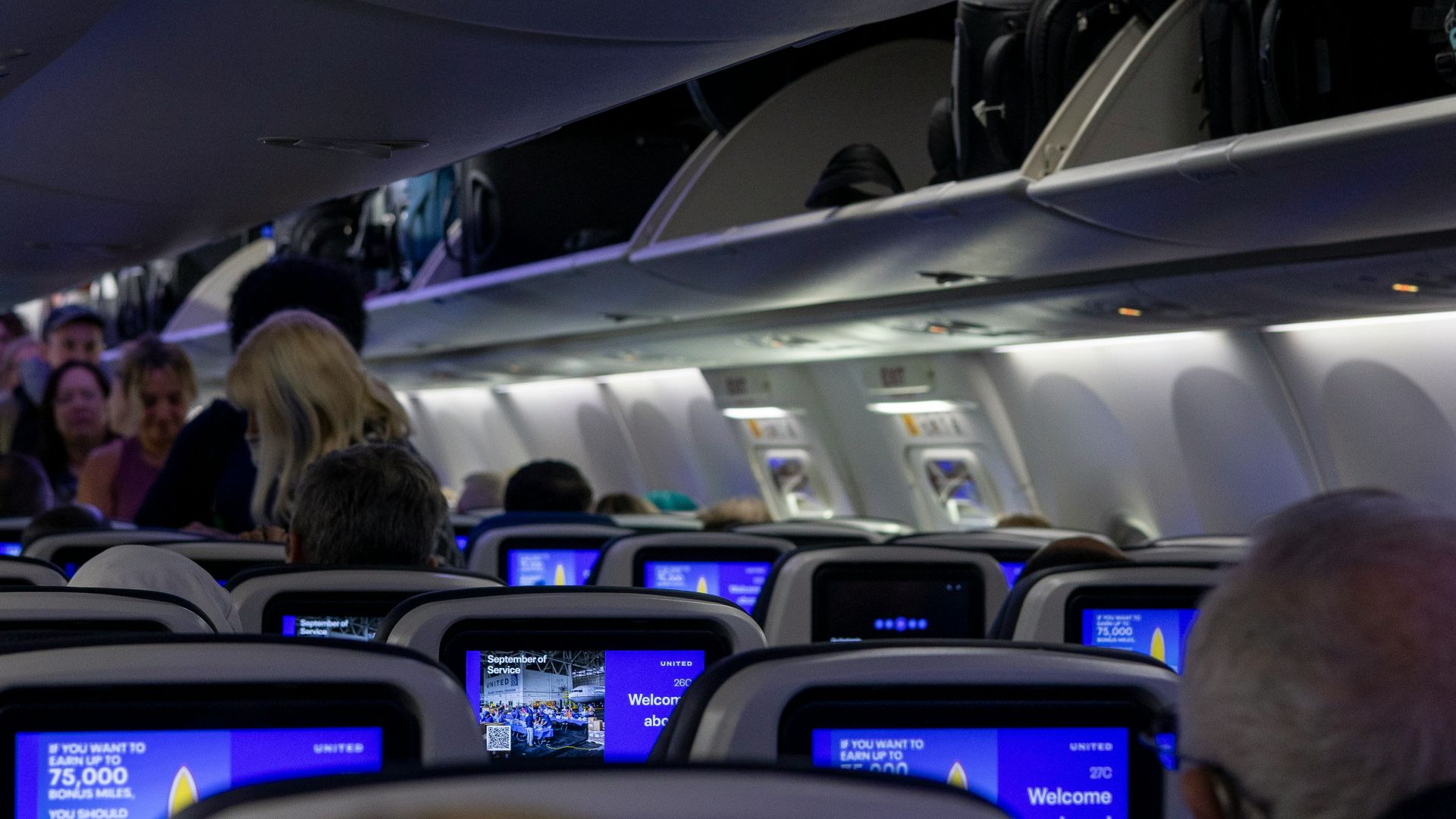
It's helpful to mention early on what you plan on doing the whole flight. That insight helps both of you avoid awkward interruptions later. Don’t worry, you aren't shutting down conversation; you're making the rhythm of the flight easier to manage.
4. Connection and Destination Logistics
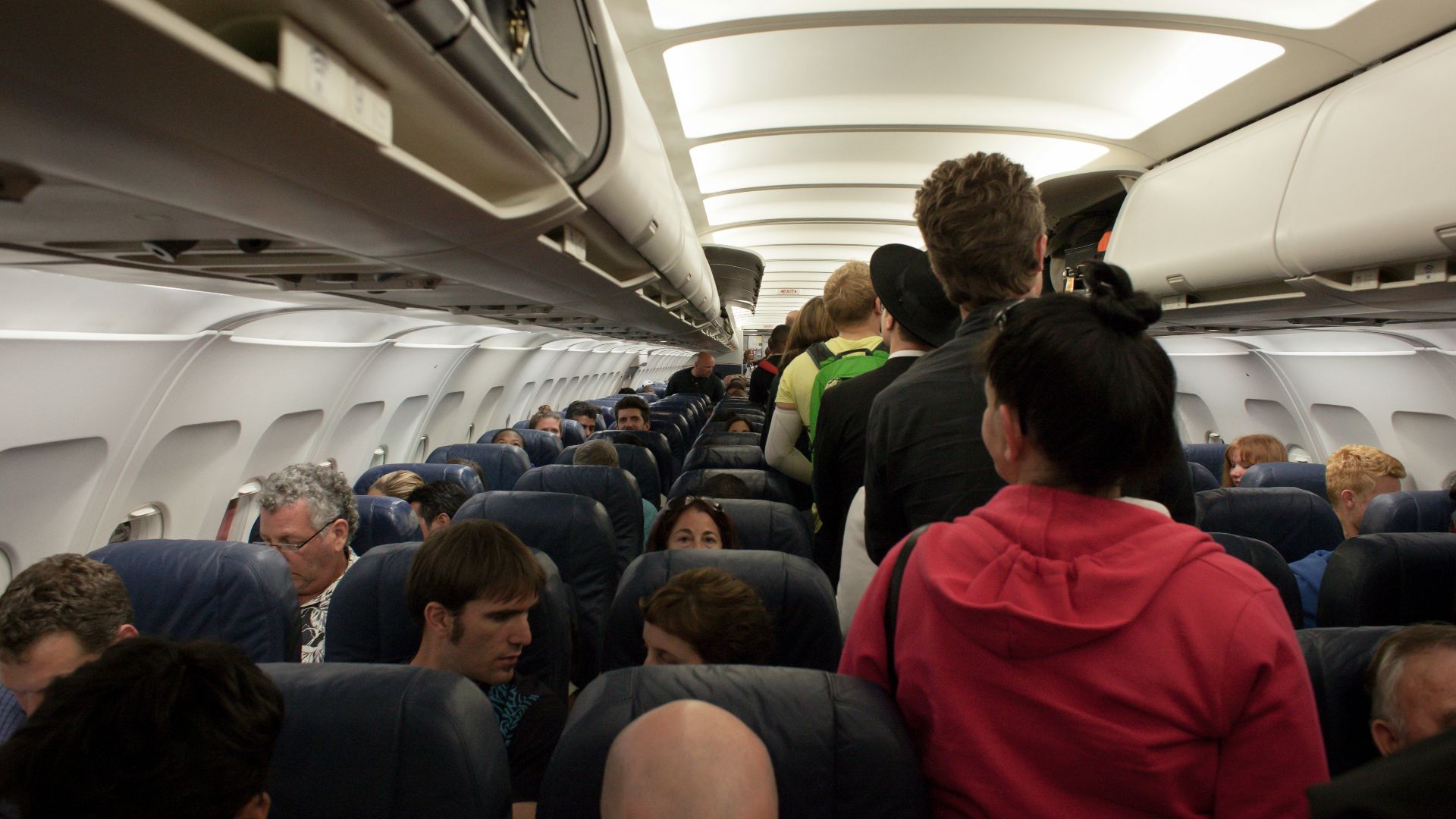
Talking briefly about layovers or airport navigation can be surprisingly useful—and a good way to make connections (pun intended). Even when no advice comes out of it, the topic’s tied to a shared experience, so you can both contribute.
5. Light Reactions to the Flight Experience
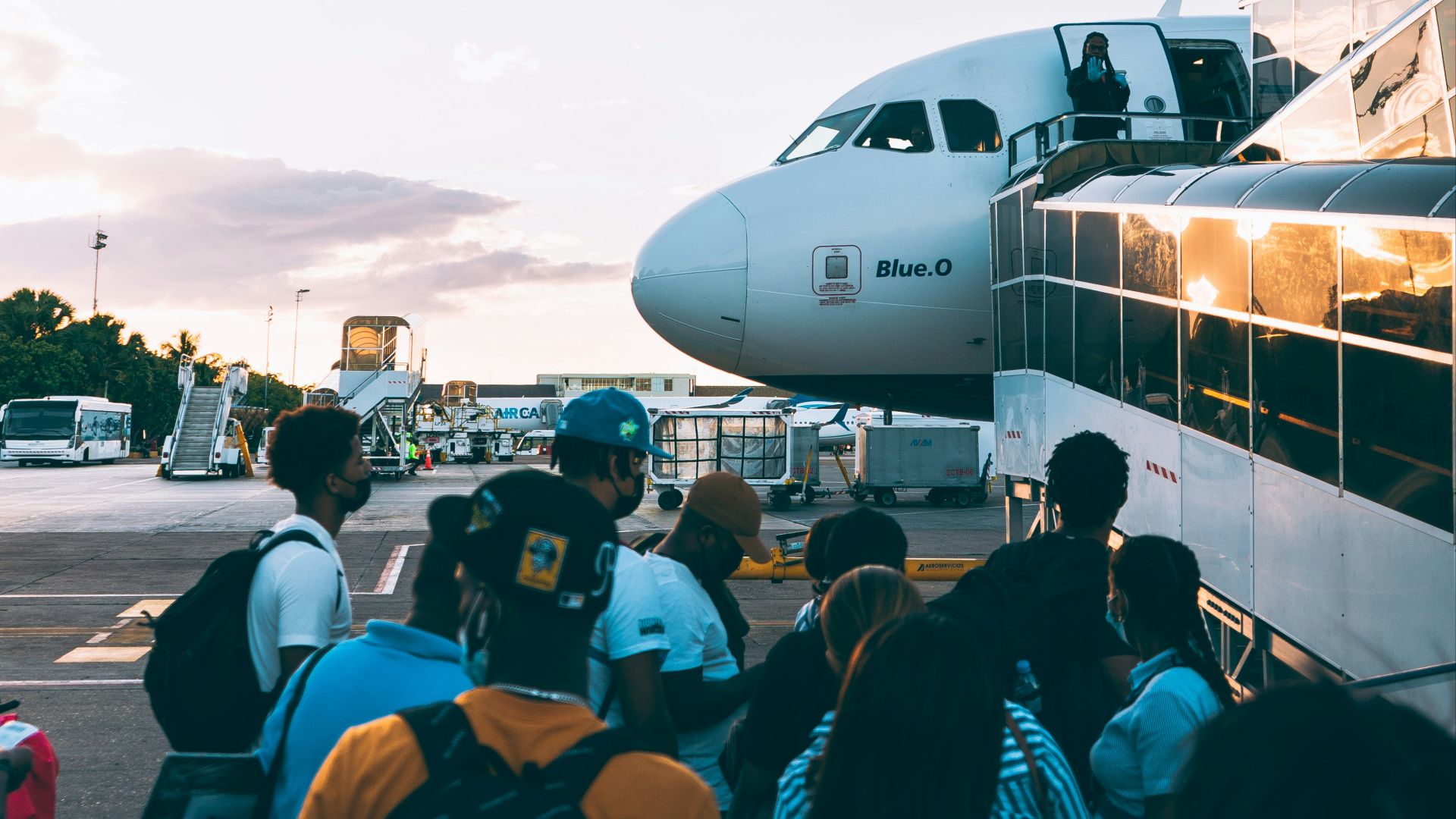
A little conversation about boarding, the weather delay, or fast service creates camaraderie. Since you’re both experiencing the same things, the subject feels grounded and low-pressure. It also works well if you're commenting on the moment rather than digging into anyone's private life.
6. Recommendations About the Destination
Don’t be surprised if idle chatter becomes something more! If the other person knows the city you're flying into, there’s no shame in asking for a restaurant, museum, or neighborhood suggestion. People like sharing favorites, and it’s not personal.
7. Check-Ins During the Flight
If you need someone to chat with during turbulence, you can always kindly ask your seatmate how they’re doing. It’s not a dramatic conversation—it helps both of you feel acknowledged instead of ignored.
8. Shared Humor
It’s one thing to harp on other passengers. It’s another to crack a joke about cramped legroom or the challenge of opening your cookie. Humor works best in this setting when it stays gentle and doesn't ask the other person to feign enthusiasm.
9. Polite Coordination
It always helps to say thank you when your seatmate lets you pass. You can do the same if they shift a bag or adjust so you can move more easily. Sure, it’s brief, but it also sets the tone for every later interaction.
10. A Warm Goodbye
A short conversation before you land can be one of the nicest parts of the whole flight. Wishing someone a good trip or an enjoyable stay leaves the exchange on a thoughtful note without crossing any boundaries. Even if you barely spoke during the flight, that final bit of kindness still matters.