10 Things Pilots Check Before Every Flight & 10 Decisions They Make That Passengers Never Know About
10 Things Pilots Check Before Every Flight & 10 Decisions They Make That Passengers Never Know About
What Really Happens Before You Buckle Up
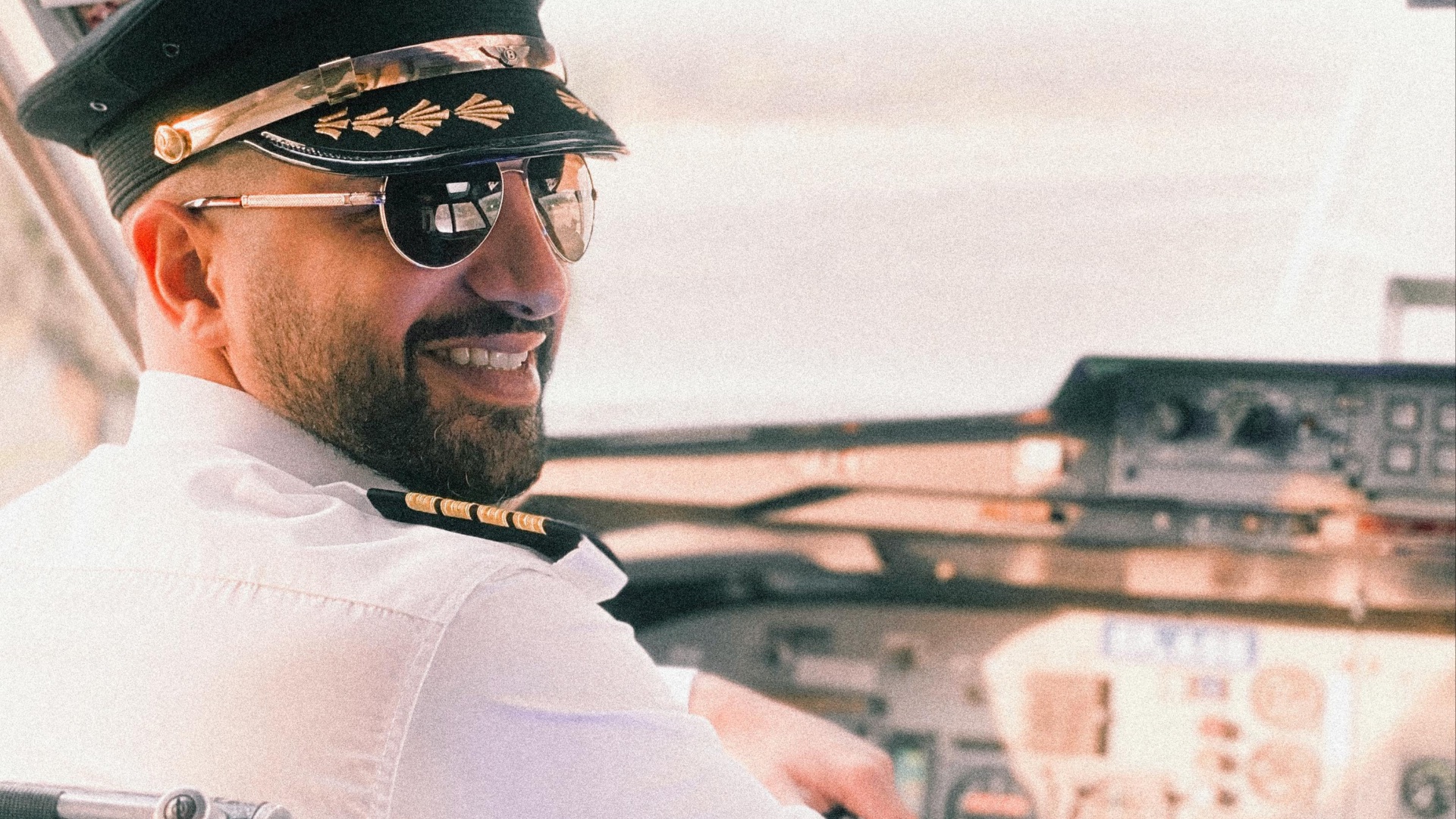
Most passengers board a plane, stow their carry-on, and settle in without giving much thought to what's happening up front in the cockpit. But before the wheels leave the tarmac, pilots work through an extensive set of checks that cover everything from the aircraft's mechanical condition to the safety of the airspace ahead. For anyone curious about these key decisions and responsibilities, whether you're a fan of aviation or a pilot yourself, the things that go on in the cockpit may just surprise you.
1. The Pre-Flight Walk-Around
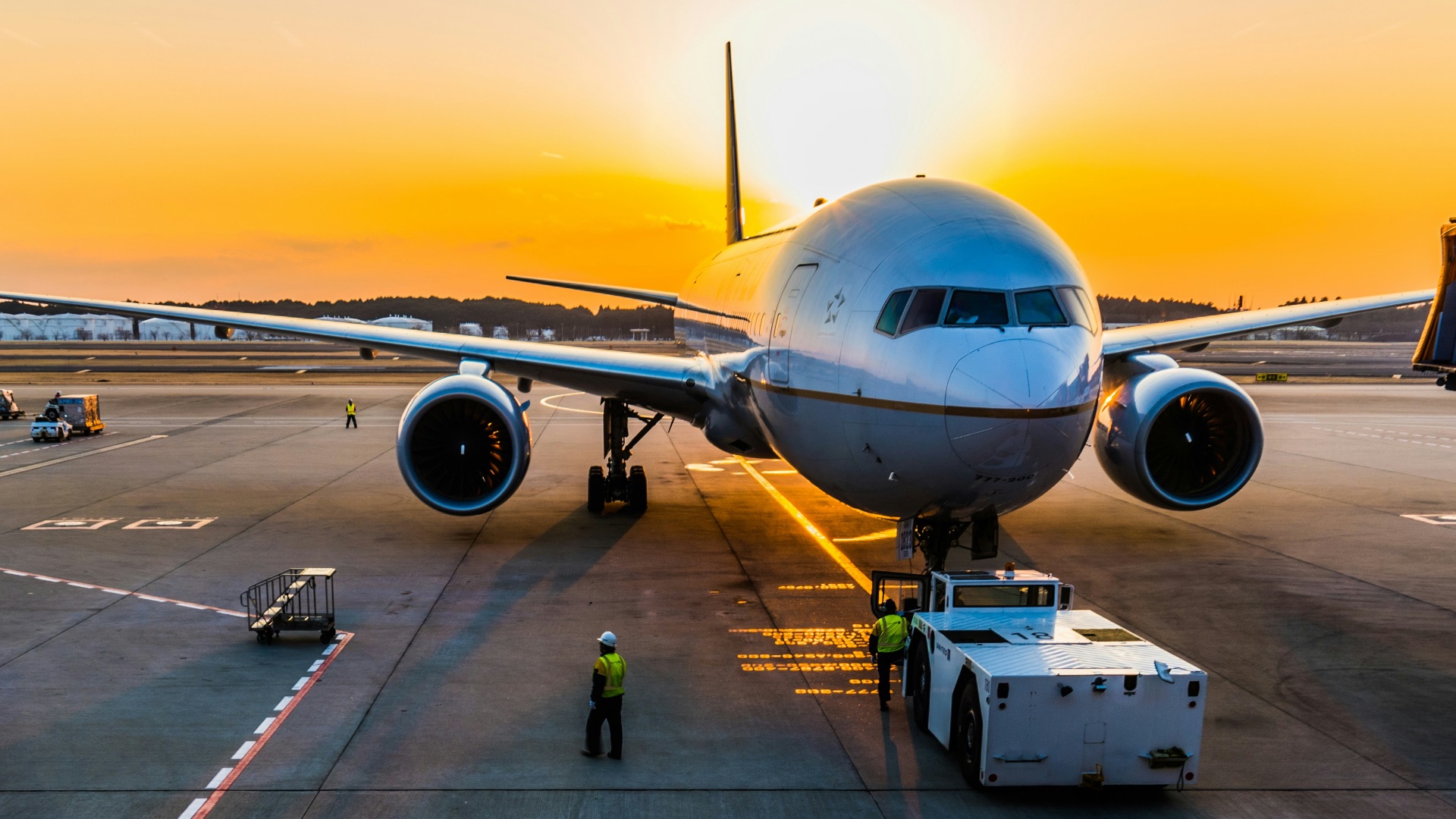
Before even climbing into the cockpit, pilots physically walk around the aircraft to inspect its exterior for any visible damage, leaks, or abnormalities. They're checking things like the condition of the tires, the integrity of the control surfaces, and whether any panels are loose or improperly secured. This hands-on inspection is one of the first lines of defense against mechanical issues.
2. Fuel Quantity and Quality
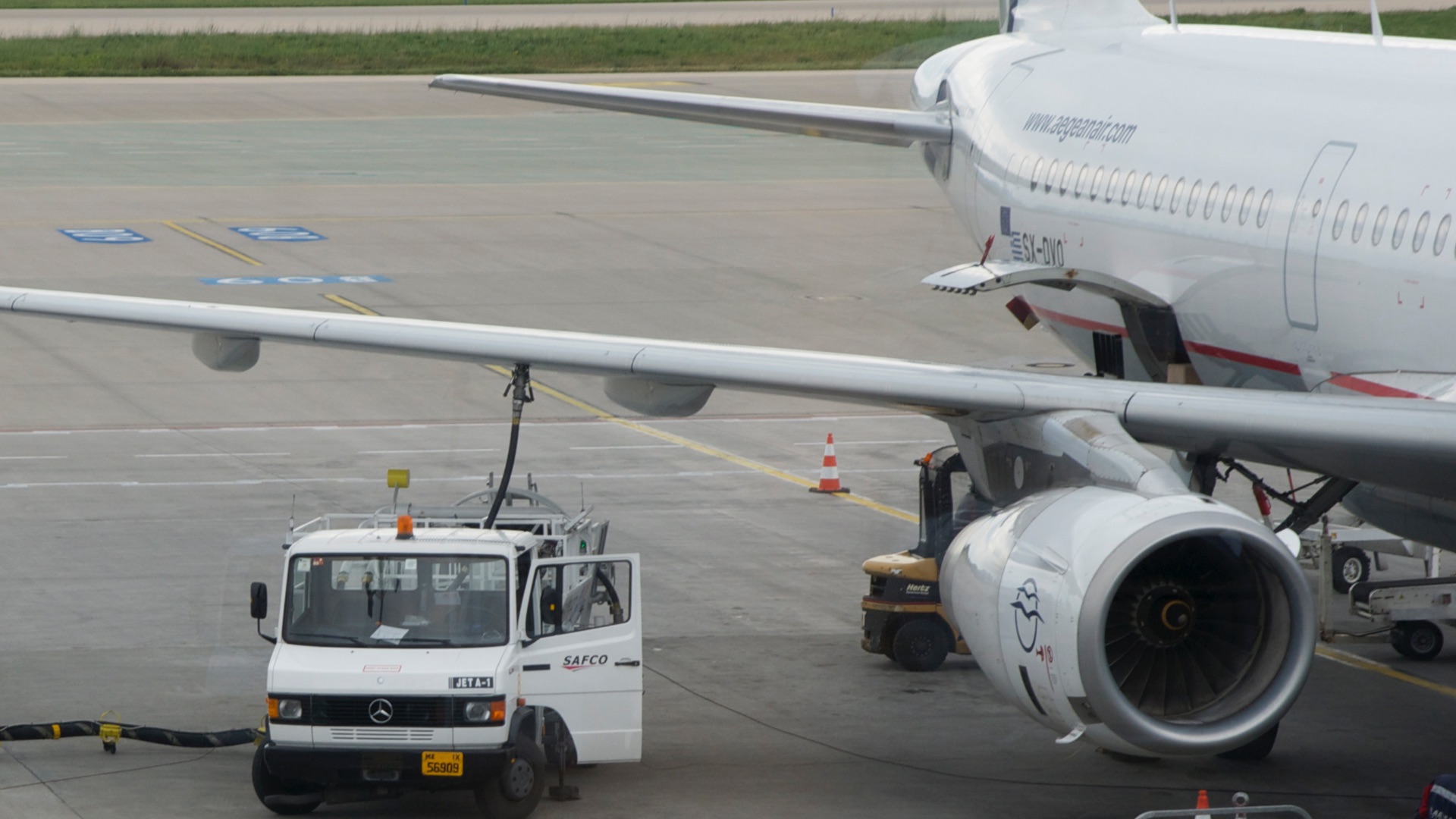
Pilots don't just confirm there's enough fuel on board; they also verify that the correct type of fuel has been loaded. A fuel contamination issue or miscalculated fuel load can have serious consequences, so this check is treated with considerable care. In some cases, pilots will personally inspect fuel samples to look for signs of water or debris.
3. Weather Conditions Along the Route
A thorough review of the weather is mandatory before every departure, and it covers far more than just the conditions at the destination. Pilots assess forecasts for the entire route, including any turbulence advisories, icing conditions, and storm activity along the way. This information shapes several key decisions, including cruising altitude and whether an alternate airport needs to be filed.
4. Aircraft Maintenance Logs
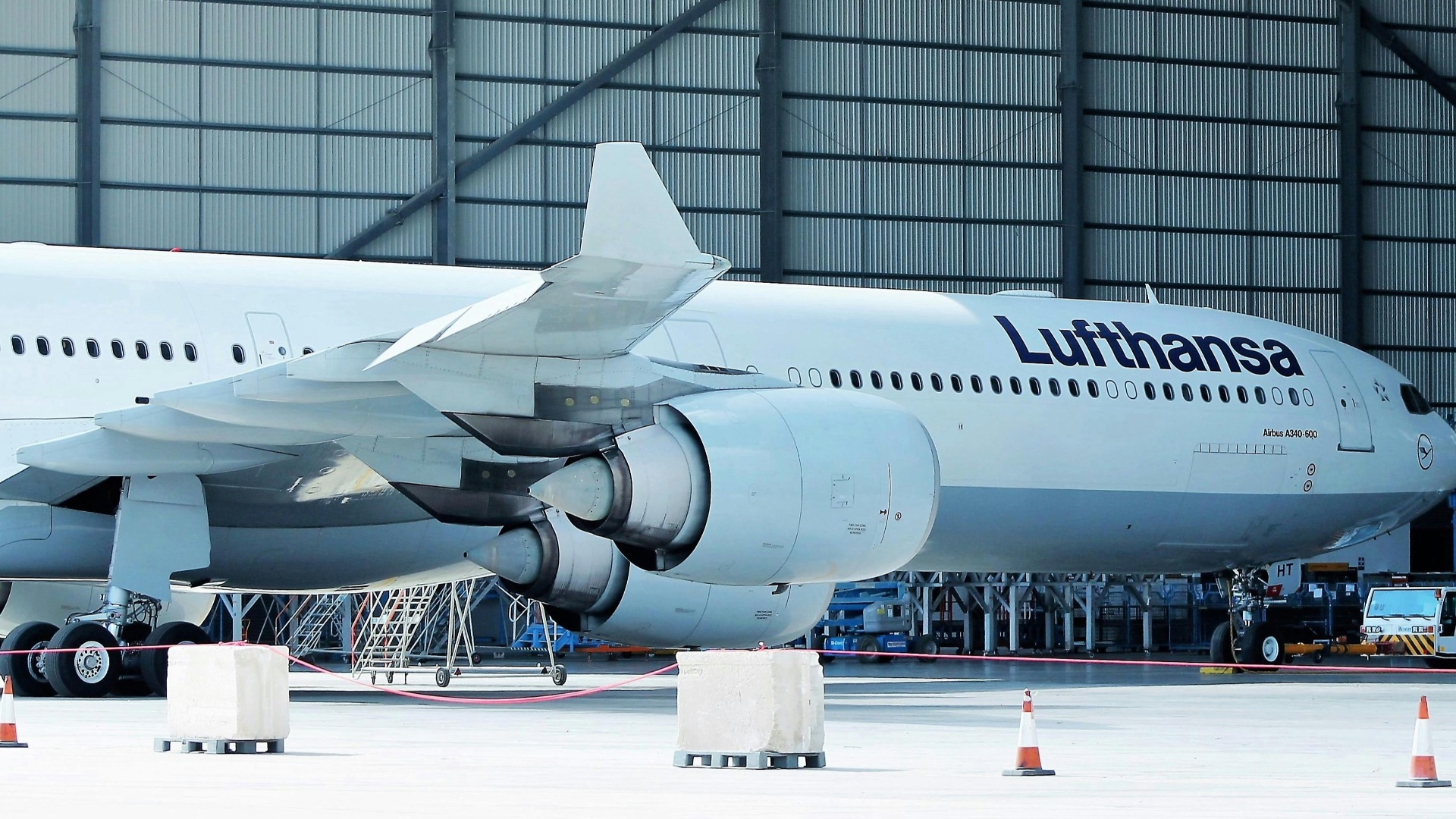
Every aircraft keeps a detailed maintenance record, and pilots are required to review it before each flight to confirm there are no outstanding issues. If a repair has been deferred, pilots need to understand what that means for the operation of the flight and whether it falls within acceptable limits. Skipping this step isn't an option; it's a regulatory requirement.
5. Flight Plan and Route Clearance
Pilots review the filed flight plan carefully to confirm that the route, altitude, and timing are correct and have been approved by air traffic control. Any last-minute changes to the route due to airspace restrictions or traffic congestion need to be understood and factored into the plan. This ensures the crew knows exactly where they're going and what to expect once they're airborne.
6. Weight and Balance Calculations
An aircraft needs to be loaded within specific weight limits and balanced correctly for safe flight, and pilots check these calculations before every departure. The distribution of passengers, cargo, and fuel all affect the aircraft's center of gravity, which in turn affects how it handles in the air. Even small miscalculations can impact performance, so this step is never treated as a formality.
7. Emergency Equipment
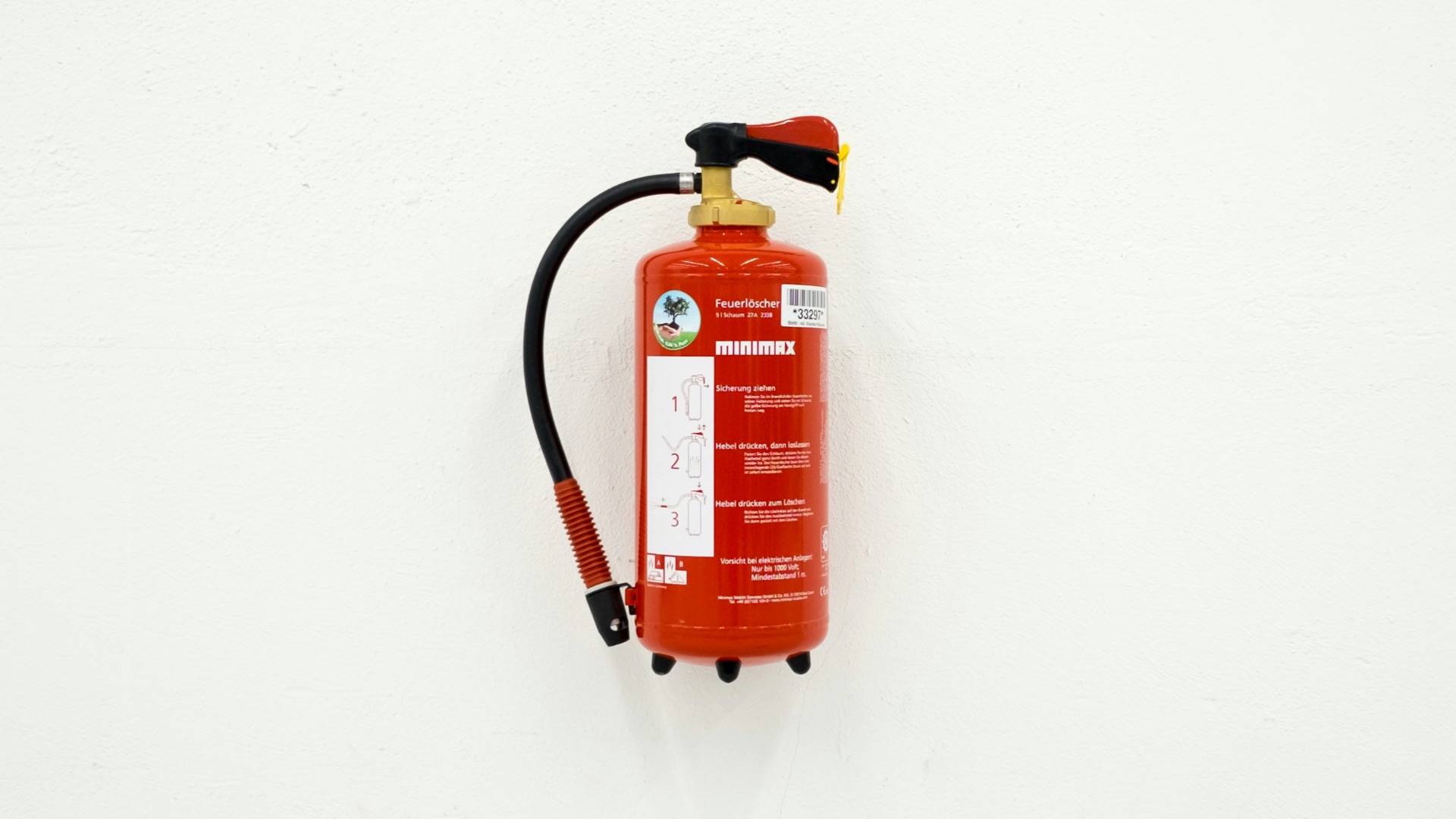
Pilots verify that all emergency equipment on board is present and in working order, including life vests, oxygen systems, fire extinguishers, and emergency exits. This ensures that the crew has what they need if something unexpected happens. The check also confirms that safety equipment is accessible and hasn't been accidentally displaced during loading.
8. Avionics and Navigation Systems
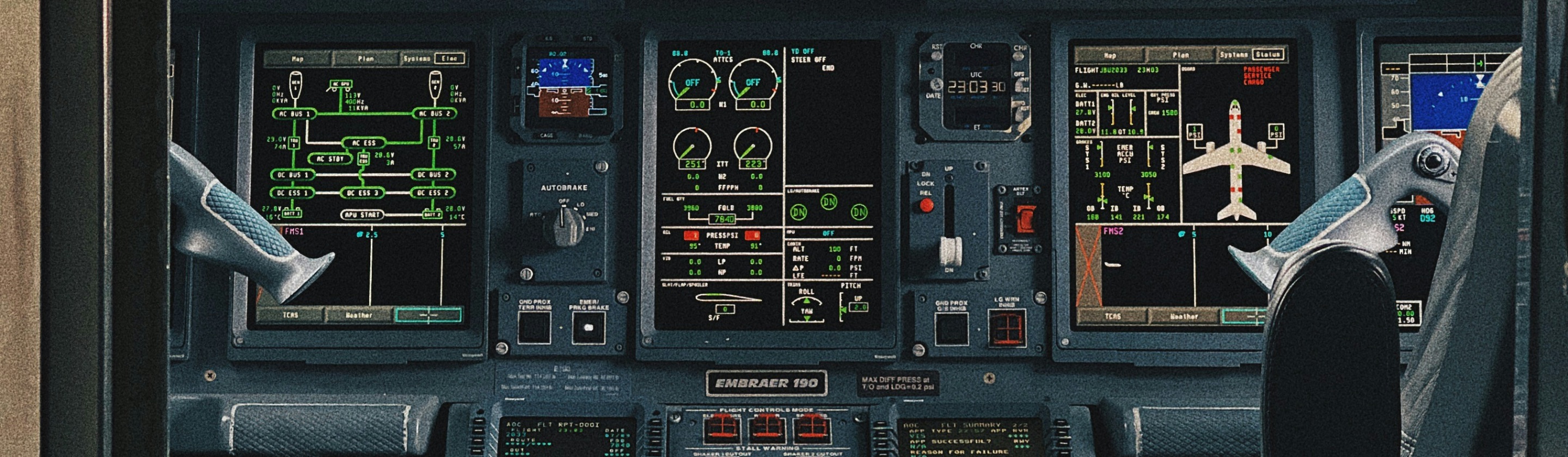
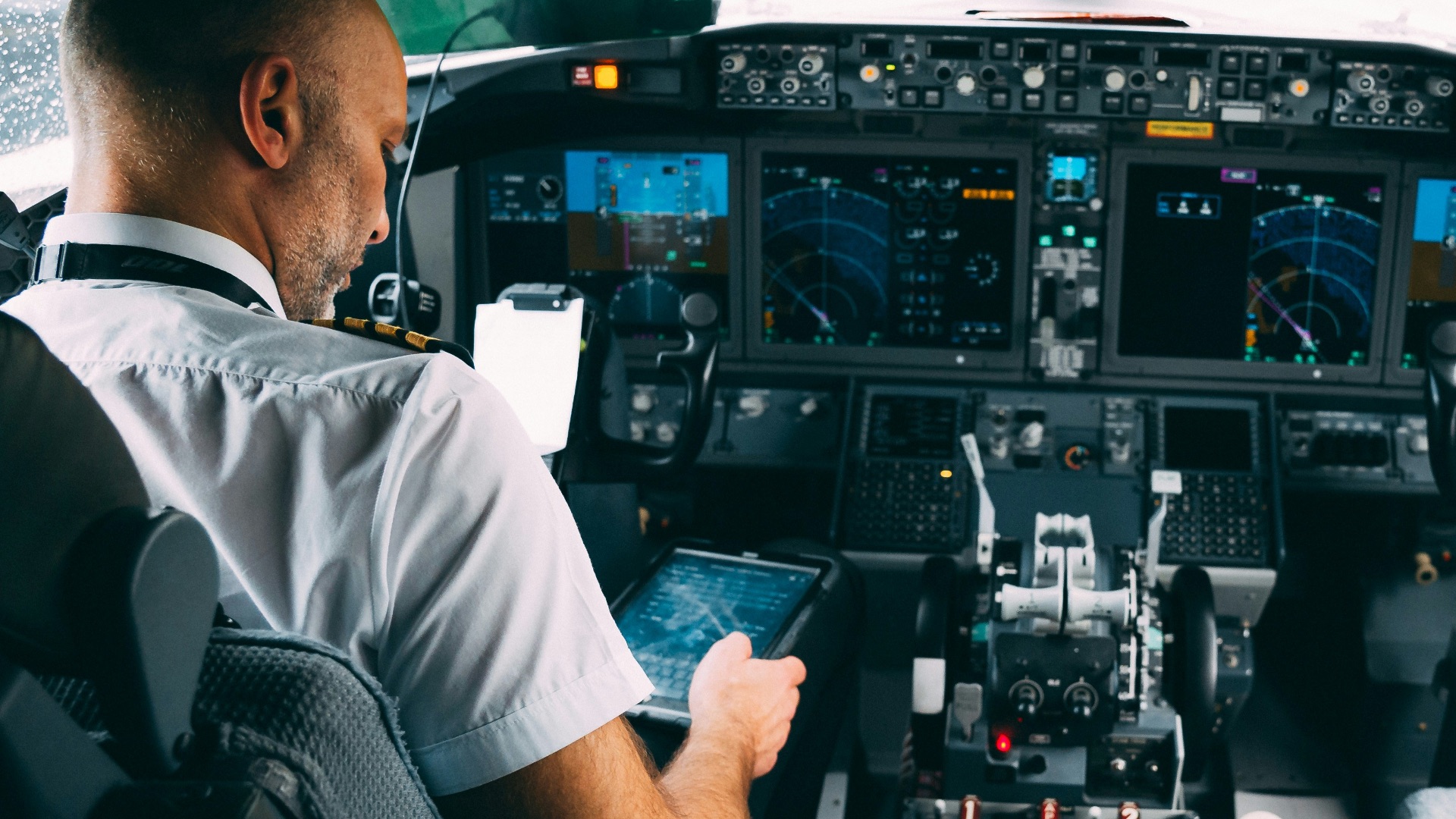
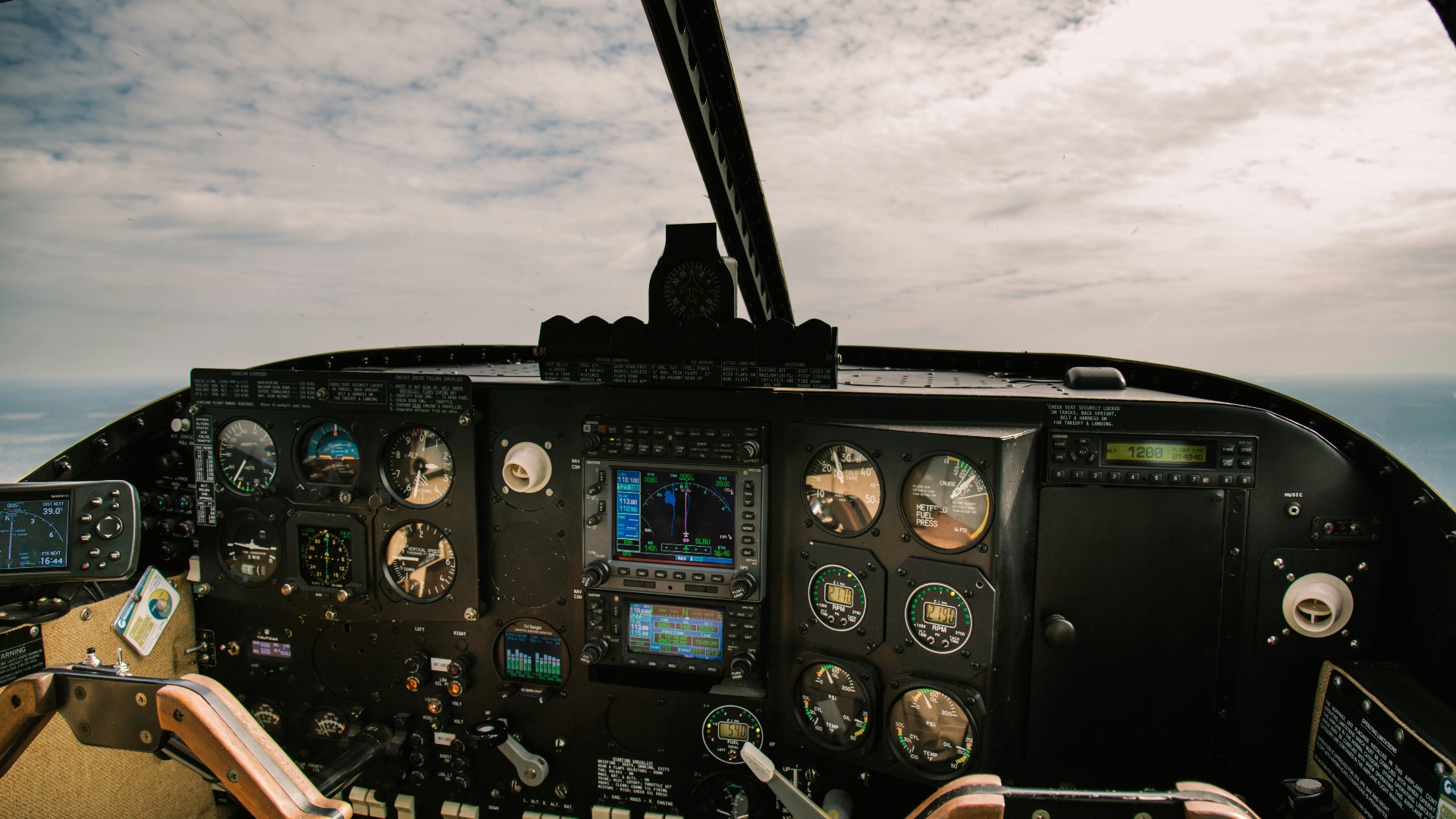
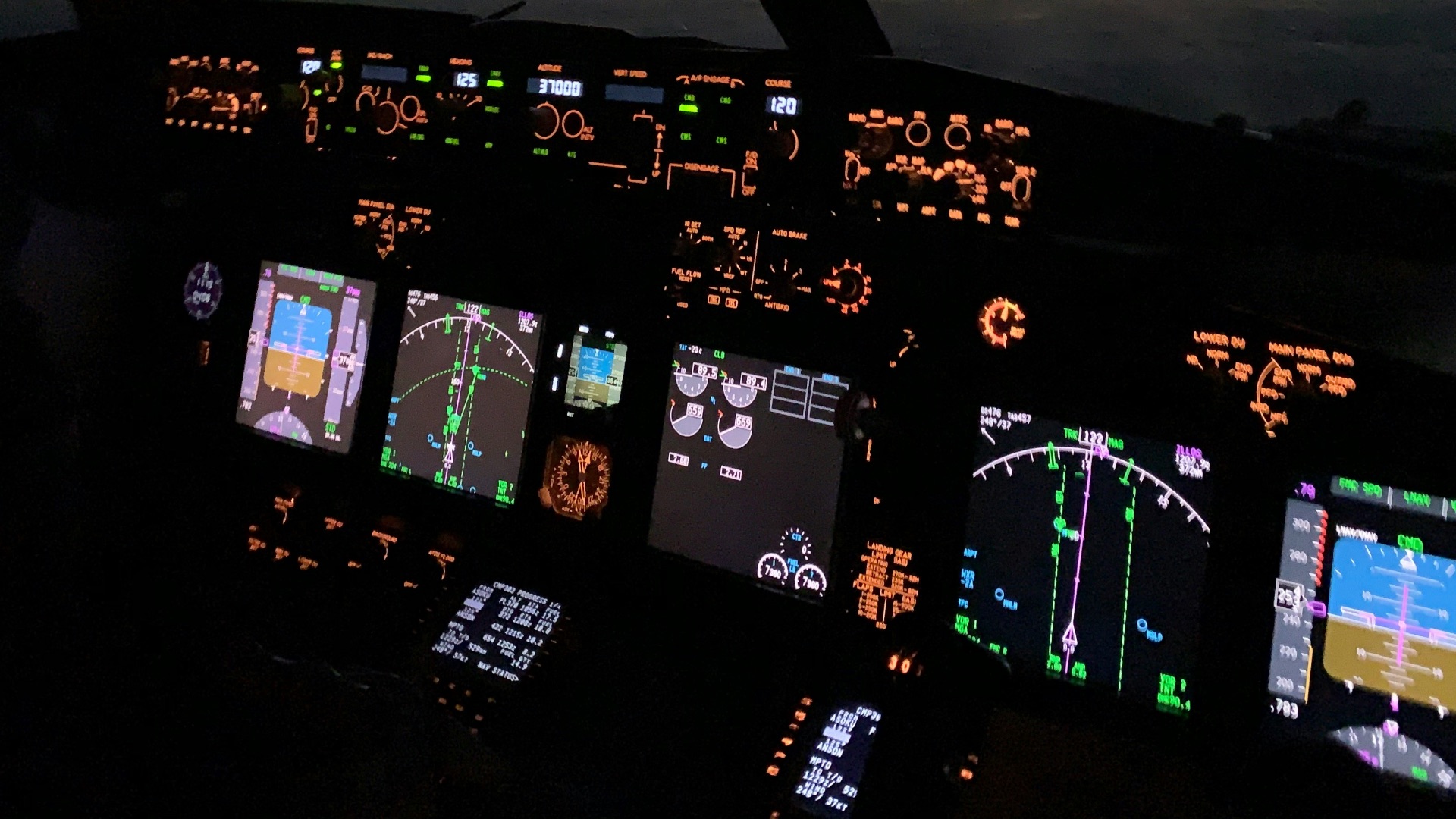
All of the cockpit's avionics and navigation systems are tested and verified before departure, including communication radios, GPS units, and autopilot functions. Pilots run through specific checklists to confirm each system is receiving power and responding correctly. Any discrepancies found at this stage need to be addressed before the aircraft can legally depart.
9. NOTAMs (Notices to Airmen)
NOTAMs are official notices issued to alert pilots to temporary changes or hazards in the airspace, and reviewing them is a standard part of pre-flight preparation. These notices can include information about runway closures, navigational aid outages, military activity zones, or obstacles near the flight path. Missing a relevant NOTAM could mean encountering a hazard that was entirely avoidable.

10. Crew Briefing and Communication Check
Before departure, pilots brief the entire crew on the specifics of the flight, including expected turbulence, any unusual procedures, and emergency protocols. Communication systems between the cockpit and cabin crew are also verified to ensure everyone can reach each other during the flight. This briefing ensures that every crew member is on the same page before the doors close.
Now that you know what pilots do to keep every passenger safe before takeoff, what comes next involves a different kind of work entirely. Once the flight is underway, pilots are continuously making judgment calls that most passengers never even realize are happening.
1. Adjusting Altitude for a Smoother Ride
When turbulence is detected ahead, pilots often request a different cruising altitude from air traffic control to find a smoother layer of air. This decision is based on real-time reports from other aircraft, weather radar data, and the pilots' own experience. Most of the time, passengers just notice they've leveled off at a different height without having any idea why.
2. Diverting Around Storms
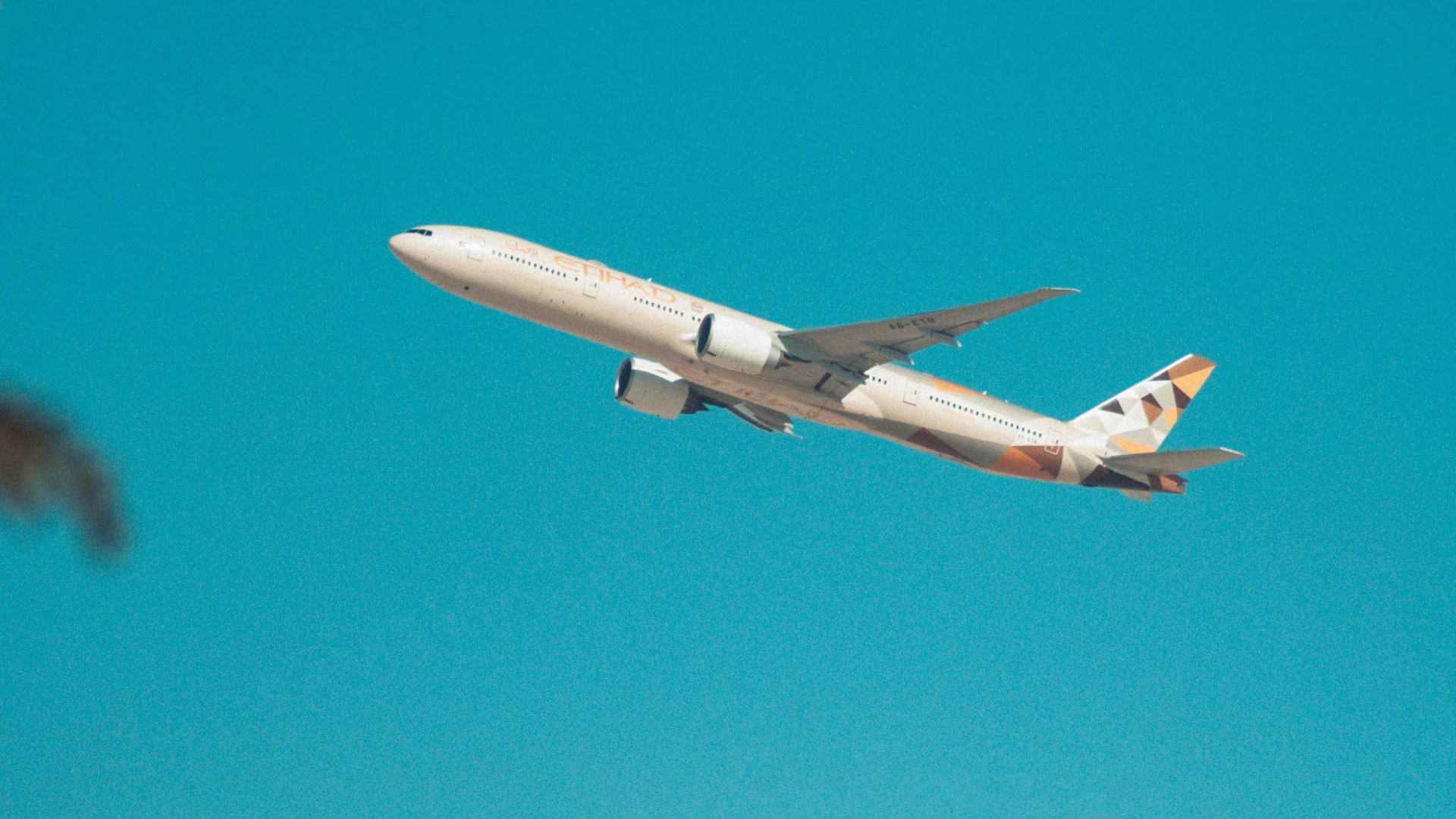
Even when a storm isn't directly on the planned route, pilots may choose to fly a wider path around it to avoid the roughest conditions. This decision adds time and fuel consumption to the flight, but it's considered the right trade-off for passenger comfort and safety. You might land a little later than expected without ever knowing that the route changed mid-air.

3. Deciding Whether to Continue or Turn Back
If a mechanical issue arises after takeoff, pilots go through a specific decision process to determine whether it's safer to continue to the destination or return to the departure airport. The decision isn't made arbitrarily, of course; it involves checklists, consultation with maintenance teams on the ground, and communication with air traffic control. This kind of call can be made and resolved before most passengers notice anything is different.
4. Managing Fuel in Real Time
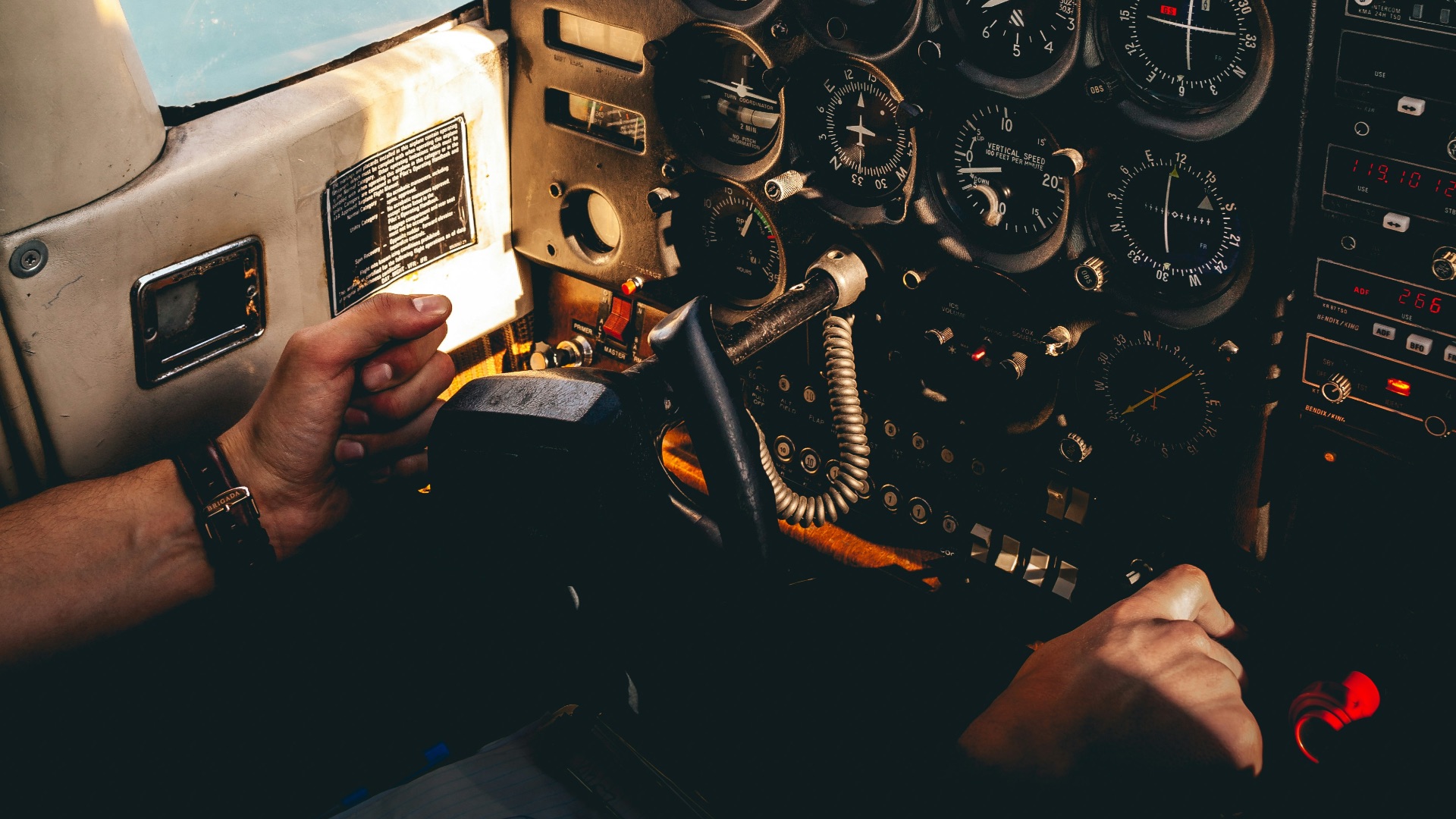
Throughout the flight, pilots are monitoring fuel consumption against their planned figures and making small adjustments if the numbers don't line up. A headwind that's stronger than forecast, for example, can eat into fuel reserves more quickly than anticipated, prompting a decision to alter speed or route. Passengers are rarely aware of these ongoing calculations taking place behind the cockpit door.
5. Choosing a Landing Configuration
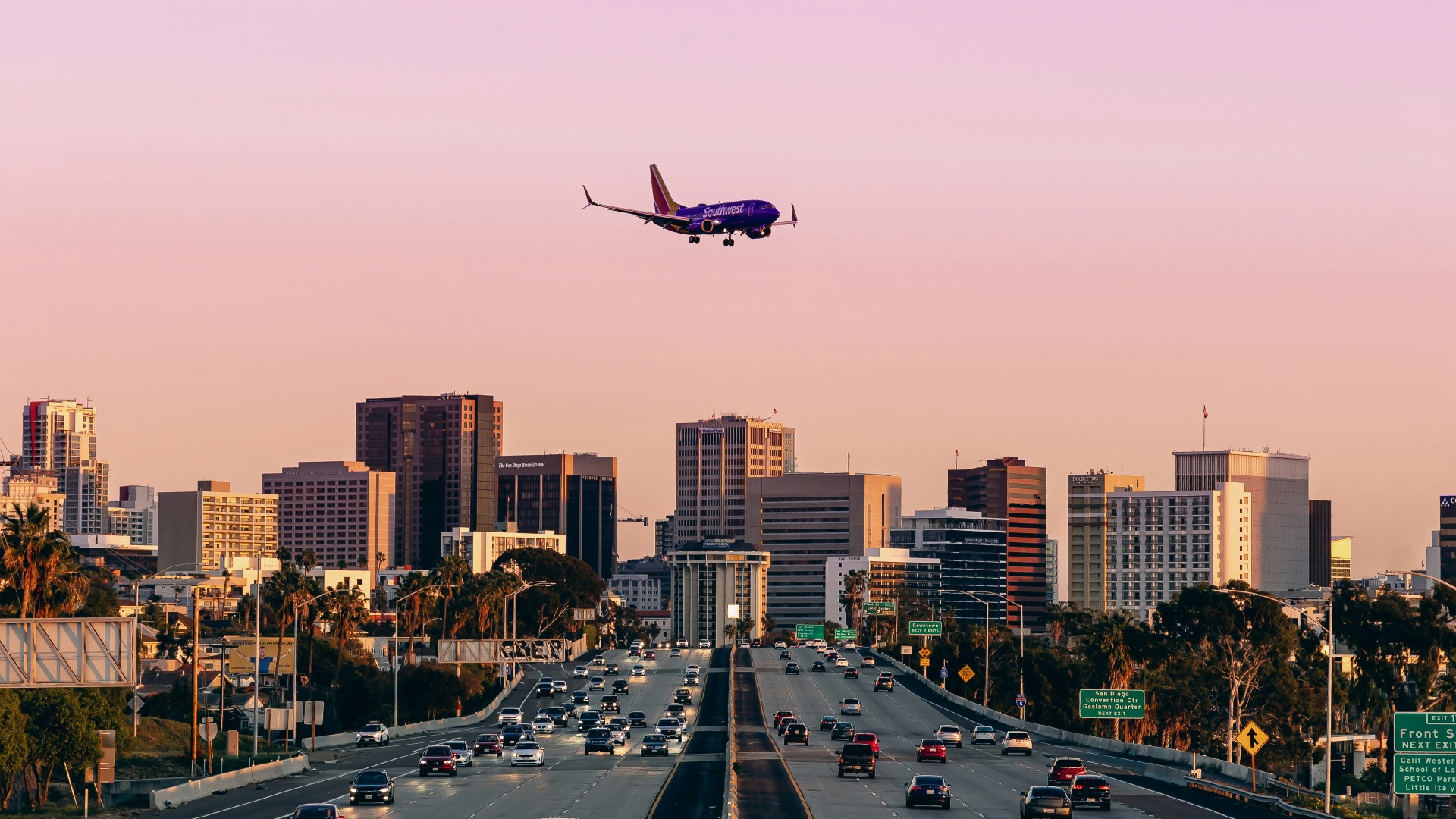
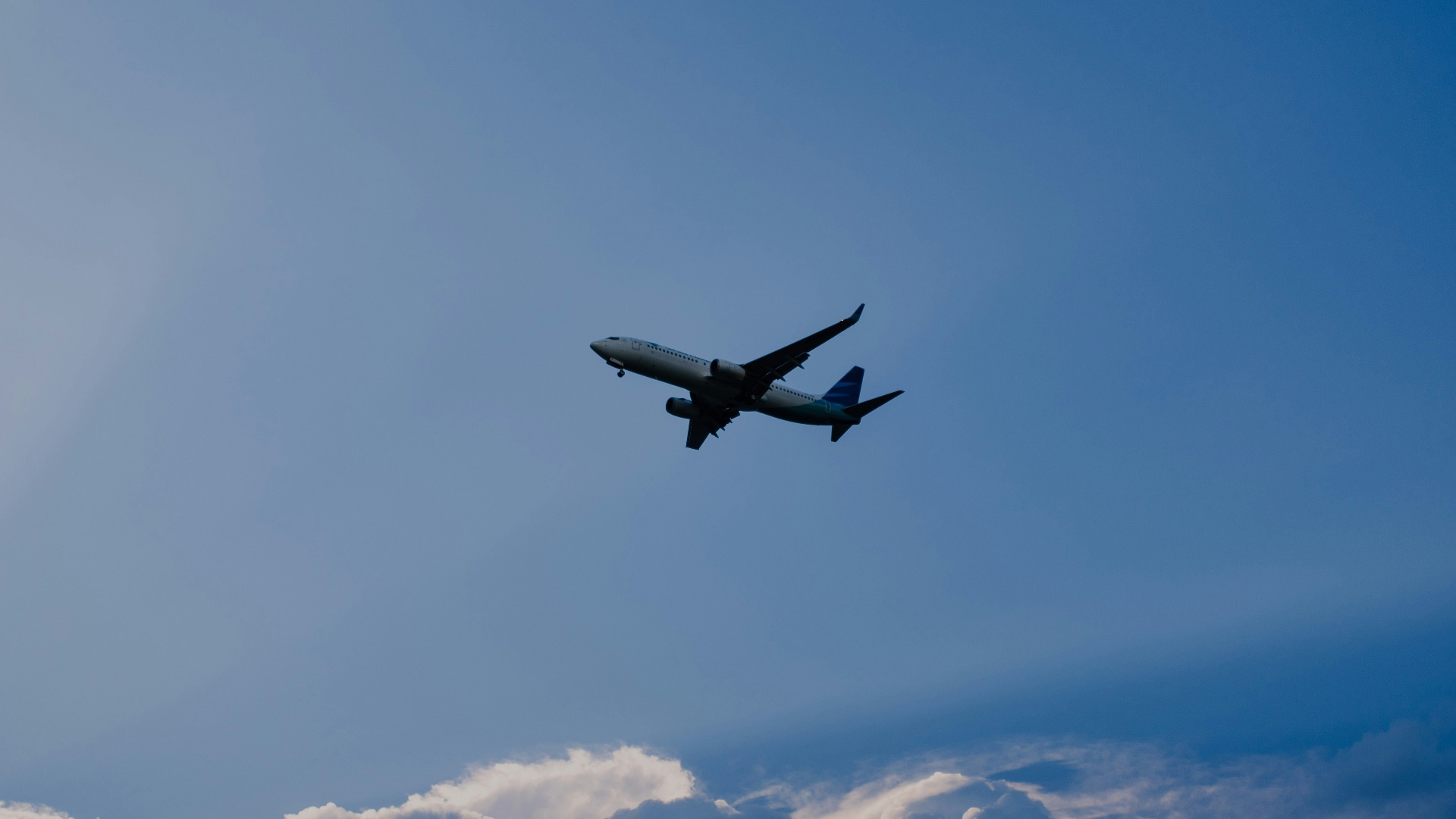
Pilots decide on the specific flap settings and approach speed for landing based on the aircraft's current weight, the runway conditions, and the weather at the destination. These choices affect how the landing feels and how much runway is used, and they're finalized in the last stages of descent. What feels like a smooth or firm touchdown is often the result of very deliberate configuration choices made minutes earlier.
6. Requesting Priority Handling from Air Traffic Control
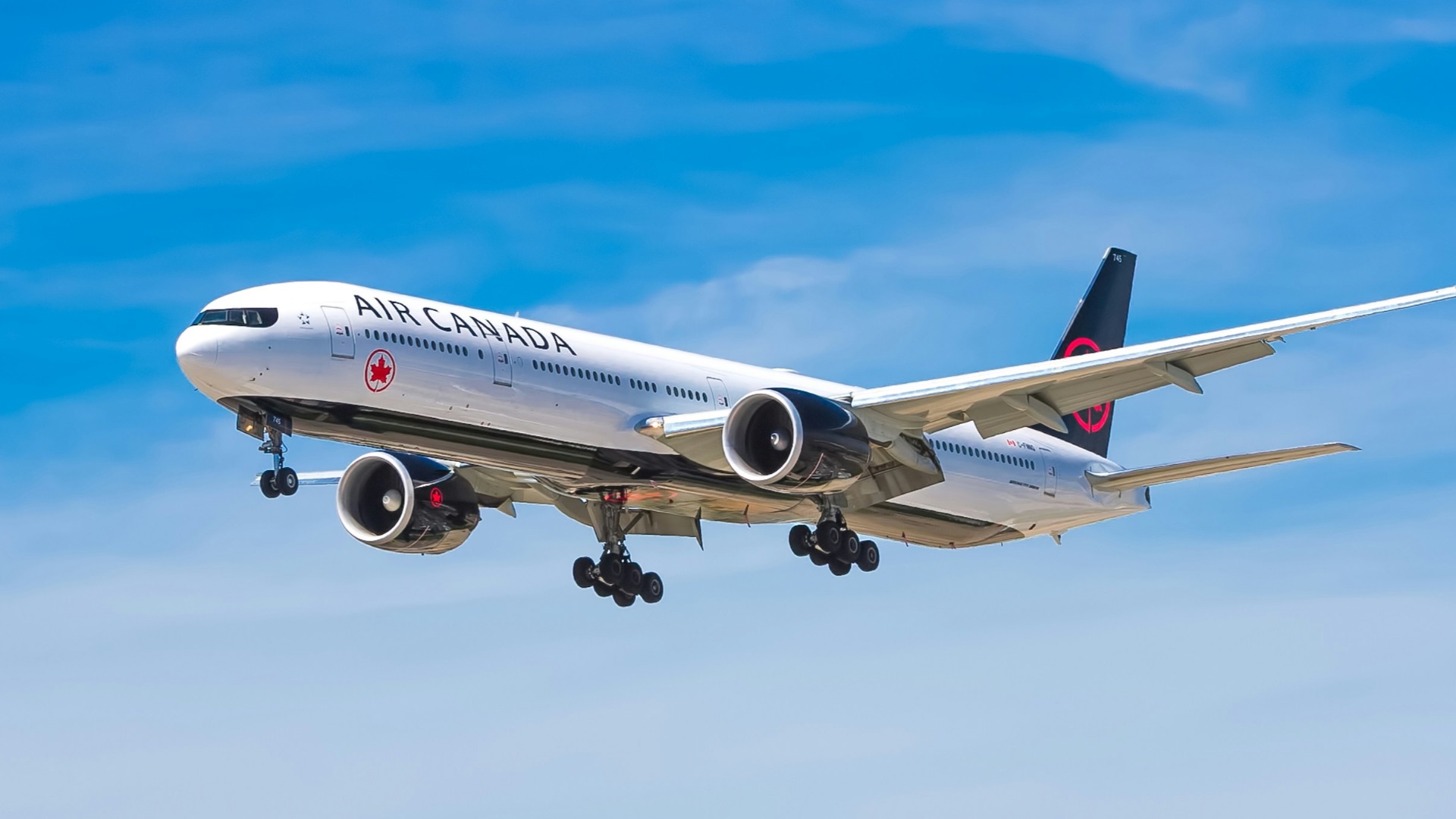
If a passenger falls ill or a technical issue requires a faster descent, pilots can request priority handling from air traffic control to expedite their arrival. This might mean bypassing the standard arrival sequence or requesting a direct routing that cuts time off the flight. The request is made calmly and professionally, and most of the time, no announcement is made to the cabin unless the situation requires it.
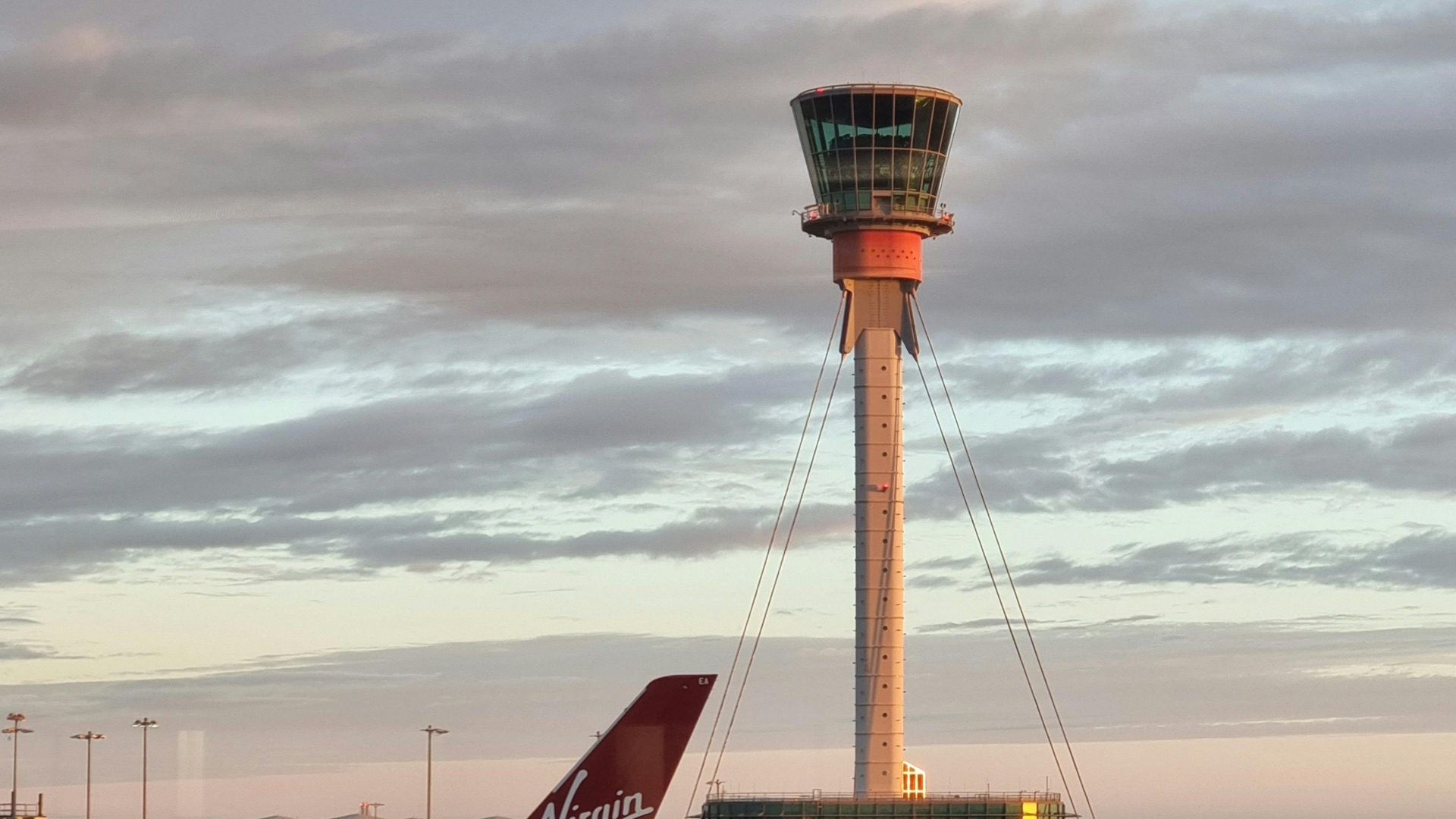
7. Deciding When to Turn On the Seat Belt Sign
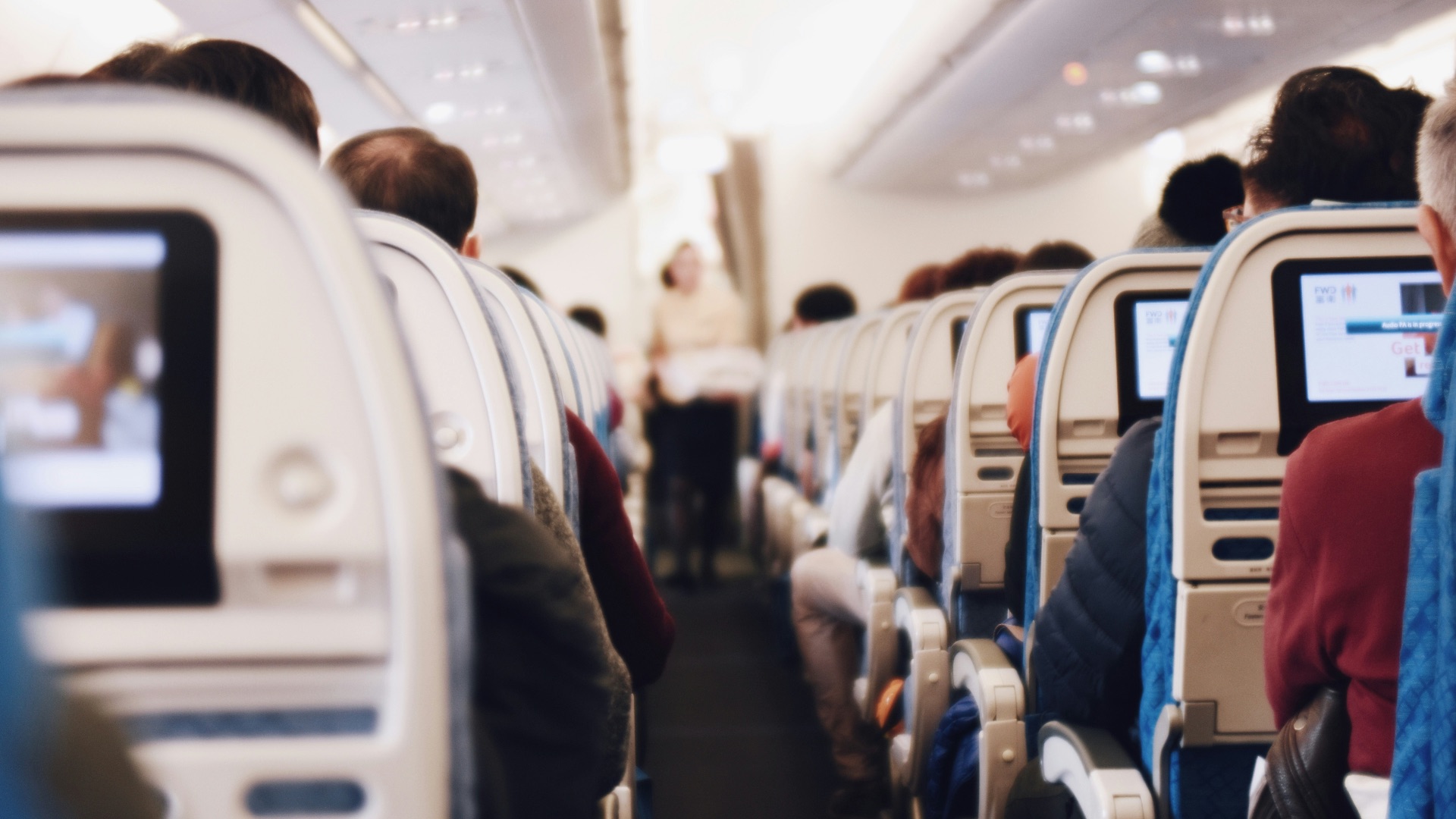
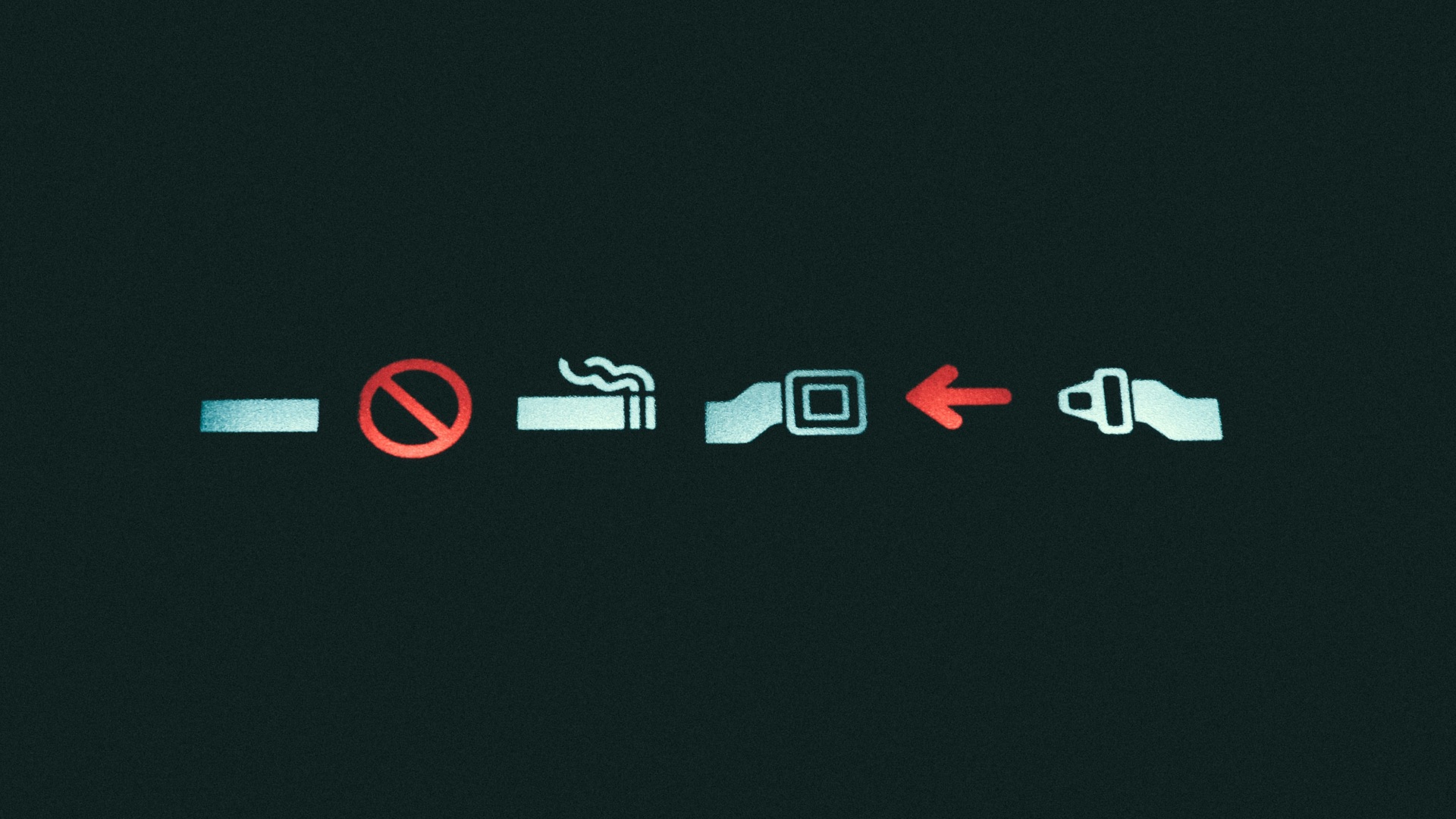
The seat belt sign isn't always activated in response to immediate turbulence; sometimes it goes on because pilots can see on radar that rough air is coming up within the next several minutes. Pilots use their judgment to decide how early to give passengers a heads-up, balancing the disruption to cabin service against the safety of keeping everyone seated. That chime you hear is often the result of a forward-looking decision, not a reaction to something already happening.
8. Evaluating Runway Conditions at Destination
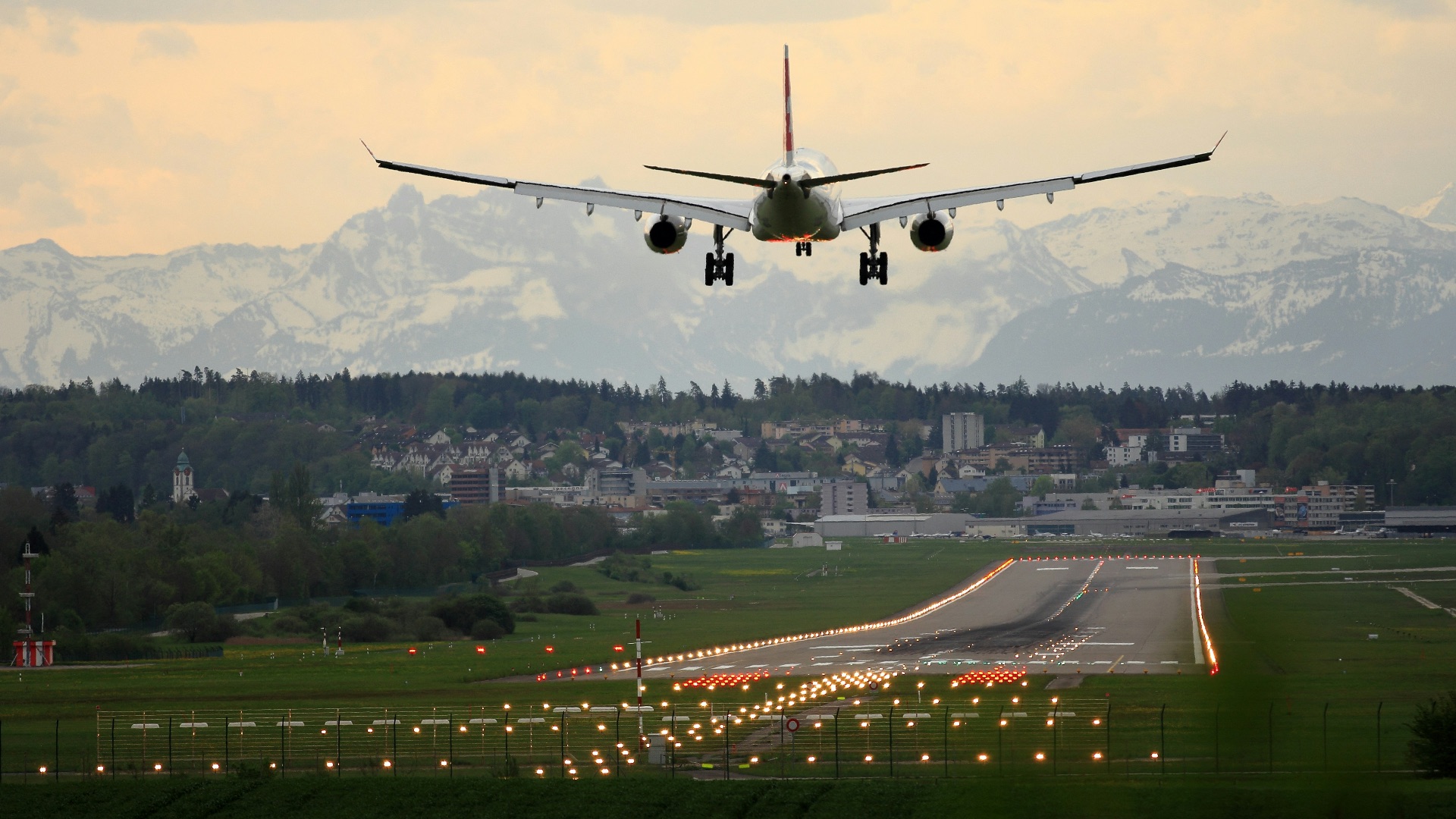
Pilots receive updated information about runway conditions right up until their final approach, including reports on wet surfaces, snow, ice, or braking action. If conditions have deteriorated significantly, they may choose a different runway or adjust their approach speed and landing distance planning accordingly. This evaluation continues until the wheels are on the ground, and it's something most passengers wouldn't give a second thought to.
9. Determining Whether to Hold or Divert
When weather or traffic at the destination causes delays, pilots have to decide whether to enter a holding pattern and wait for clearance or divert to an alternate airport while there's still enough fuel to do so safely. This is one of the more consequential in-flight decisions a crew can make, and it's guided by strict fuel minimums and ongoing communication with air traffic control. Most passengers find out about a diversion through a cabin announcement; the decision itself was made well before that.
10. Coordinating the Timing of Descent
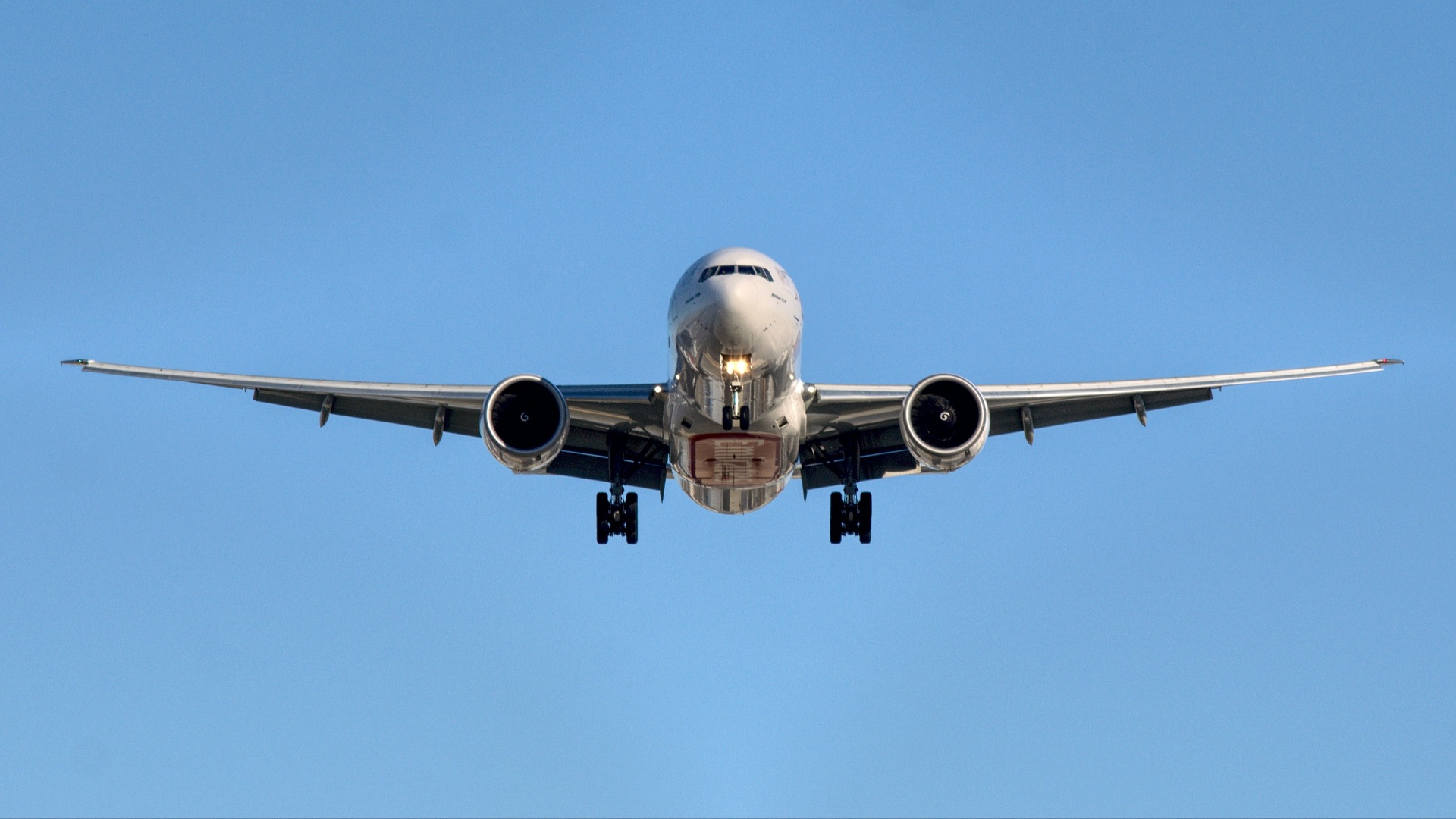
Pilots work with air traffic control to plan the timing and profile of their descent in a way that saves fuel, reduces noise over populated areas, and keeps the aircraft on schedule. A well-executed descent involves careful management of engine power, speed brakes, and altitude changes over a period of 30 minutes or more. You probably don't give much thought to how the plane transitions from cruising altitude to the runway, but there's quite a bit of coordination that goes into making it feel seamless.