
There was a time when South Korean pop culture barely registered on Western radars, when it would've been unusual to hear foreign lyrics on the radio, much less foreign groups being invited to American award shows and even the Grammys. Today, it's a different story entirely: K-pop acts sell out stadiums across North America and Europe, K-dramas dominate Netflix watchlists, and Korean skincare has reshaped how millions of people approach their morning and evening routines. What's happening isn't a passing trend, but a structural shift in how Western audiences consume culture, fashion, and beauty.
The numbers back this up at every turn. Korean content now accounts for over 30% of global streaming viewership, and K-beauty exports surpassed the $10 billion milestone in 2024. Korean language learning has surged on platforms like Duolingo, and Korean handbag brands are landing in New York pop-ups with celebrity fans in tow. The Korean Wave, it seems, is taking over Western culture entirely—and it doesn't seem to show any signs of slowing down.
From K-Pop and K-Dramas...
There was a time when the most people knew about K-pop was Psy's "Gangnam Style," which went viral in 2012. Beyond that highly memed song, K-pop was still largely niche at the time, despite large, passionate fanbases. Then came groups like BTS, TWICE, and BLACKPINK, who swept the world off its feet and rewrote the standard. Suddenly, K-pop was everywhere, and not only that, but it became mainstream. The release of the 2025 hit animation, KPop Demon Hunters, only cemented this further, becoming the most-watched original title in Netflix history with over 500 million views.
K-dramas have followed a similar trajectory. Though already having garnered a loyal global audience throughout the years, the success of shows like Squid Game, All of Us Are Dead, and Parasite—the latter becoming the first non-English-language film to win the Academy Award for Best Picture—opened the door for mainstream Western audiences to embrace foreign content. No longer was Korean culture only represented in Western media through English-speaking actors who were merely "Asian-passing"; now, there were Korean actors, actresses, writers, producers, and more, with the language being celebrated left and right.
The success of K-pop and K-dramas in recent years has brought more representation on the stage, too, with more and more award shows, concerts, and big screens worldwide featuring a diverse array of faces and names. For fans who have stuck close since the beginning, this shift might seem infathomable and incomprehensible, but it likely swells a sense of pride, too, happy that what was once considered niche is finally getting the recognition it deserves.
To K-Beauty and K-Skincare...
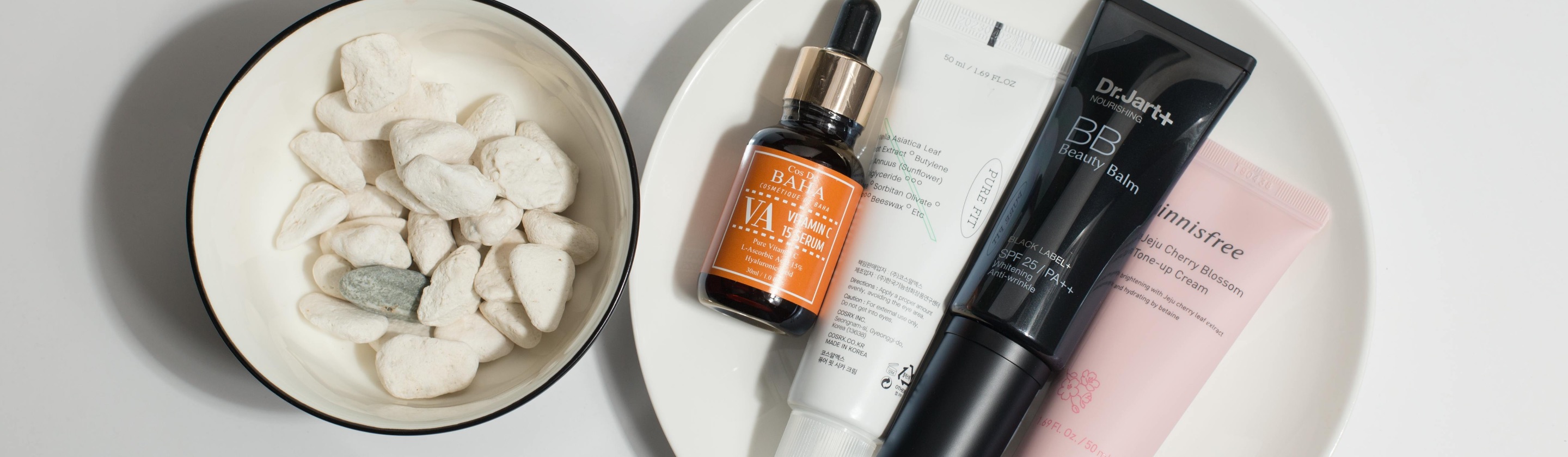
And yet, there's more beyond just K-pop and K-dramas. There's K-beauty, too, and with it, there weren't just new products but also an entirely different philosophy about skincare. Where traditional Western routines often focused on treating problems after they appeared, the Korean approach emphasizes prevention, hydration, and skin barrier health as the foundation of everything else. Concepts like "glass skin," a look defined by deep luminosity and smoothness, have gone fully mainstream in the West, driven by TikTok tutorials, dermatologist endorsements, and the sheer visible efficacy of the products themselves. Retailers like Sephora and Ulta now dedicate entire sections to Korean brands, a development that would have seemed unlikely a decade ago.
The global K-beauty market was valued at approximately $16.9 billion in 2024 and is projected to nearly double by 2032. In the United States specifically, the market is expected to grow from around $27.5 billion in 2024 to over $55 billion by 2032, driven by demand for functional formulations, clean ingredients, and multi-step routines that Western consumers have embraced at scale. Brands like COSRX, Laneige, and Anua have become household names in beauty circles without the kind of traditional advertising spend that legacy Western brands rely on. Word-of-mouth, influencer content, and Korean celebrity endorsements have done all the heavy lifting.
Then there's the makeup. From Rom&nd to Clio, Amuse to TIRTIR, lip tints, concealers, BB creams, and cushion foundations can probably be found in just about every makeup bag. In fact, more and more people are recommending and preferring Korean products to the brands that previously ruled the cosmetics world, like Tarte and Huda Beauty. It's probably unsurprising that the youthful, glowy, "no-makeup makeup" look is starting to replace the bolder styles Western makeup is known for.
And Even K-Fashion and K-Accessories
Korean influence has even made it into wardrobes. K-drama characters and K-pop idols have made Seoul's aesthetic (characterized by relaxed tailoring, soft pastels, structured outerwear, and layered looks) increasingly aspirational for Western audiences. Brands that appear on popular celebrity ambassadors routinely sell out their featured pieces within days, a phenomenon that reflects just how directly Korean entertainment now influences consumer purchasing decisions abroad.
But it's not just devoted fans; Western celebrities are jumping on the ship, too, and nowhere is this more apparent than in the Korean handbag market. Independent Korean labels like Osoi, Marge Sherwood, and Stand Oil are making serious inroads into the American market, capitalizing on Western consumers' appetite for quality at a mid-range price point that legacy European luxury brands have largely abandoned. Household names like Olivia Rodrigo, Hailey Bieber, and Selena Gomez have already been spotted carrying these labels, which has accelerated their visibility considerably.
The Korean Wave doesn't look to be stopping any time soon. From the skincare steps you've added to your morning routine to the brands you've added to your closet, Korean culture has woven itself into the fabric of our everyday lives. The question is no longer whether it has a lasting place in Western culture—but how much further it still has to go.