Where Death Follows Different Rules
Death is usually treated as something universal, a constant that plays out the same way no matter where you are. But geography has a way of bending even that. In some places, death is quietly pushed aside, restricted, or redirected for practical, cultural, or even symbolic reasons. In others, it’s brought to the surface, woven directly into daily life, ritual, and identity in ways that feel both unfamiliar and deeply intentional. Travel makes those contrasts harder to ignore, especially when a place builds rules or traditions around something we tend to avoid thinking about at all. What emerges isn’t just about death itself, but about how differently people choose to live with it. Here are 10 places where you’re not allowed to die, and 10 places that are built around it.

1. Longyearbyen, Norway
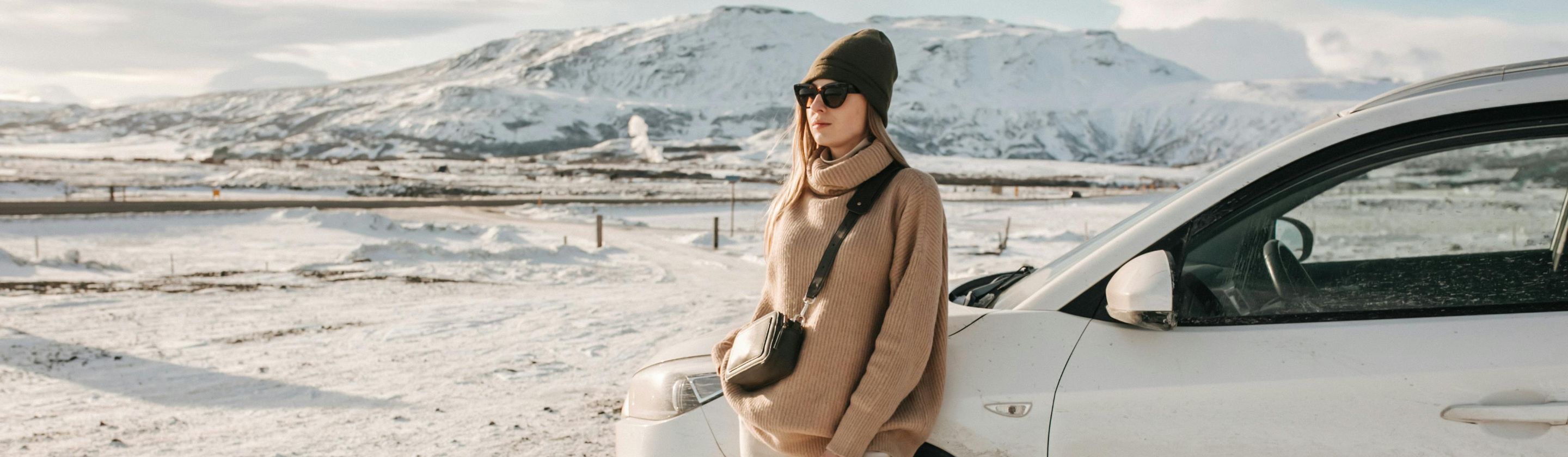
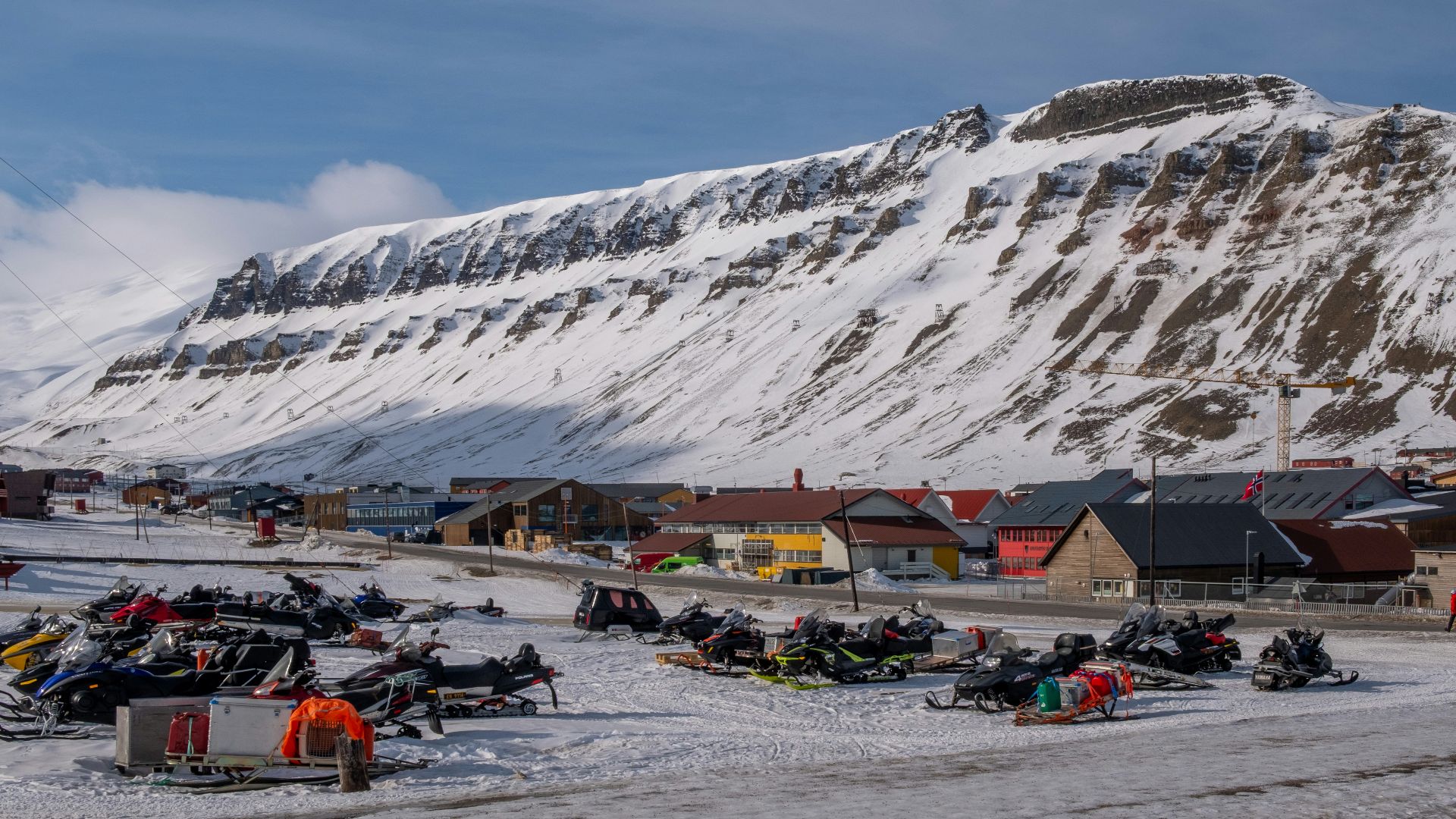
In this Arctic town, dying isn’t technically illegal, but it’s strongly discouraged because bodies don’t decompose in the permafrost. People who are seriously ill are usually flown to the mainland before the end. The rule feels practical on the surface, but it gives the place an unusual relationship with mortality.
 Gunnar Ridderström on Unsplash
2. Itsukushima, Japan
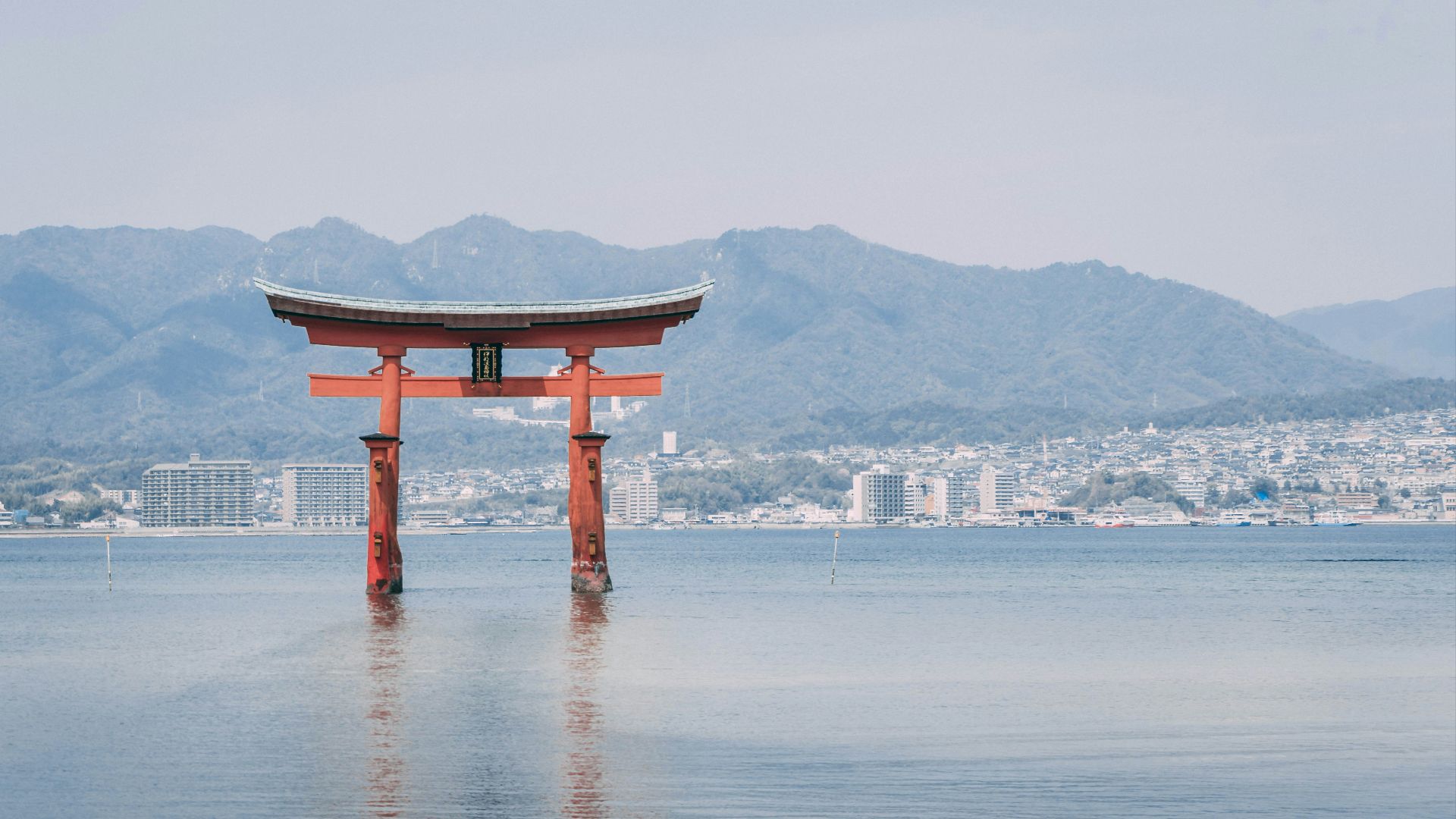
On this sacred island, both birth and death have historically been restricted to preserve spiritual purity. Even today, hospitals and cemeteries are absent, and those nearing death are taken elsewhere. The entire island feels carefully maintained in a kind of suspended state.
3. Sarpourenx, France
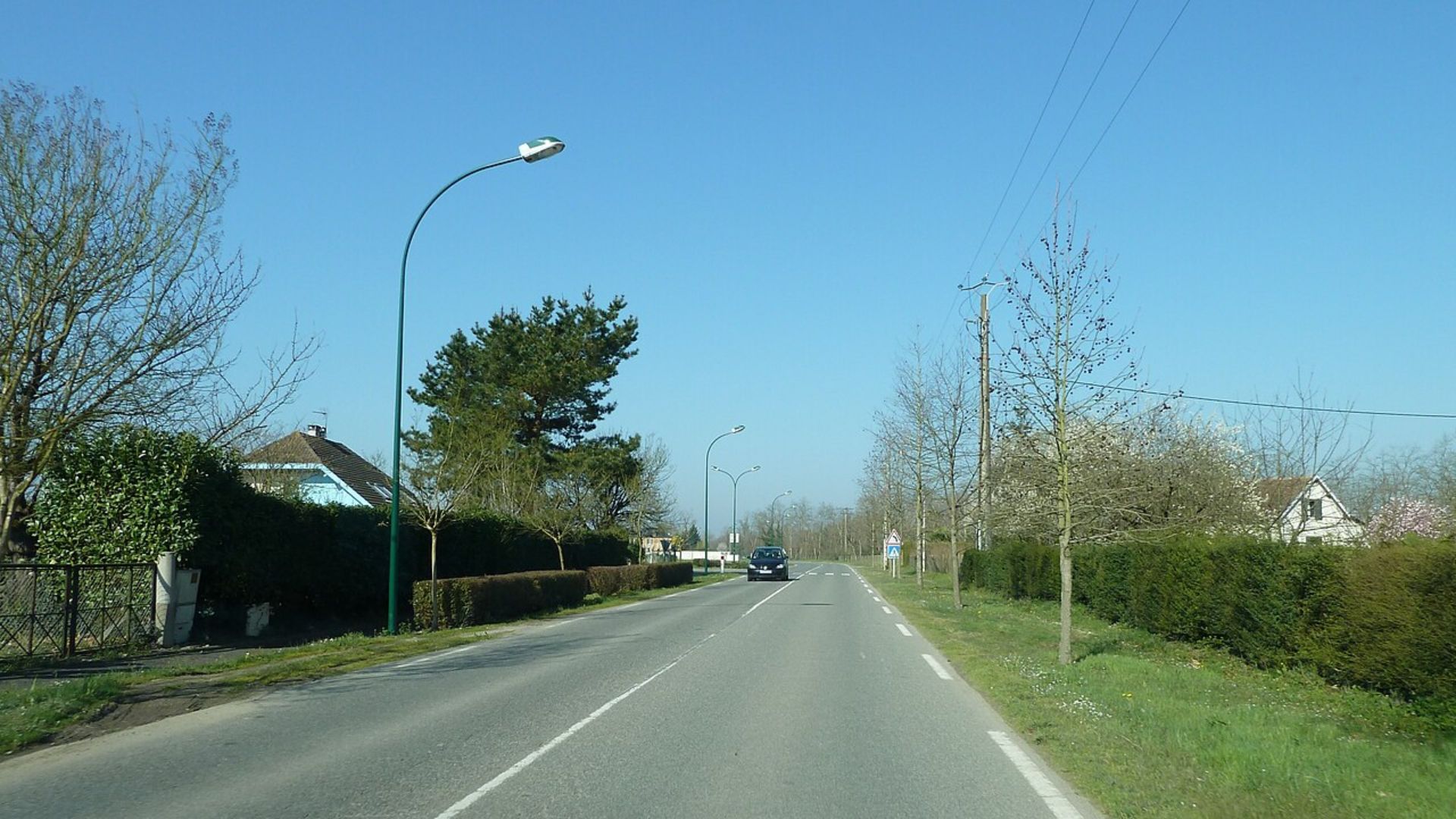
This small village made headlines for symbolically banning death within its limits. The decree came from a lack of cemetery space, but it also reads like a quiet protest against bureaucratic constraints. It’s oddly serious and tongue-in-cheek at the same time.
 commons.wikimedia.org on Google
4. Biritiba-Mirim, Brazil
Facing overcrowded cemeteries, this town once proposed making death illegal unless people had already purchased a burial plot. The idea highlighted a very real logistical problem, even if it sounded surreal. Space, it turns out, shapes more than just the living.
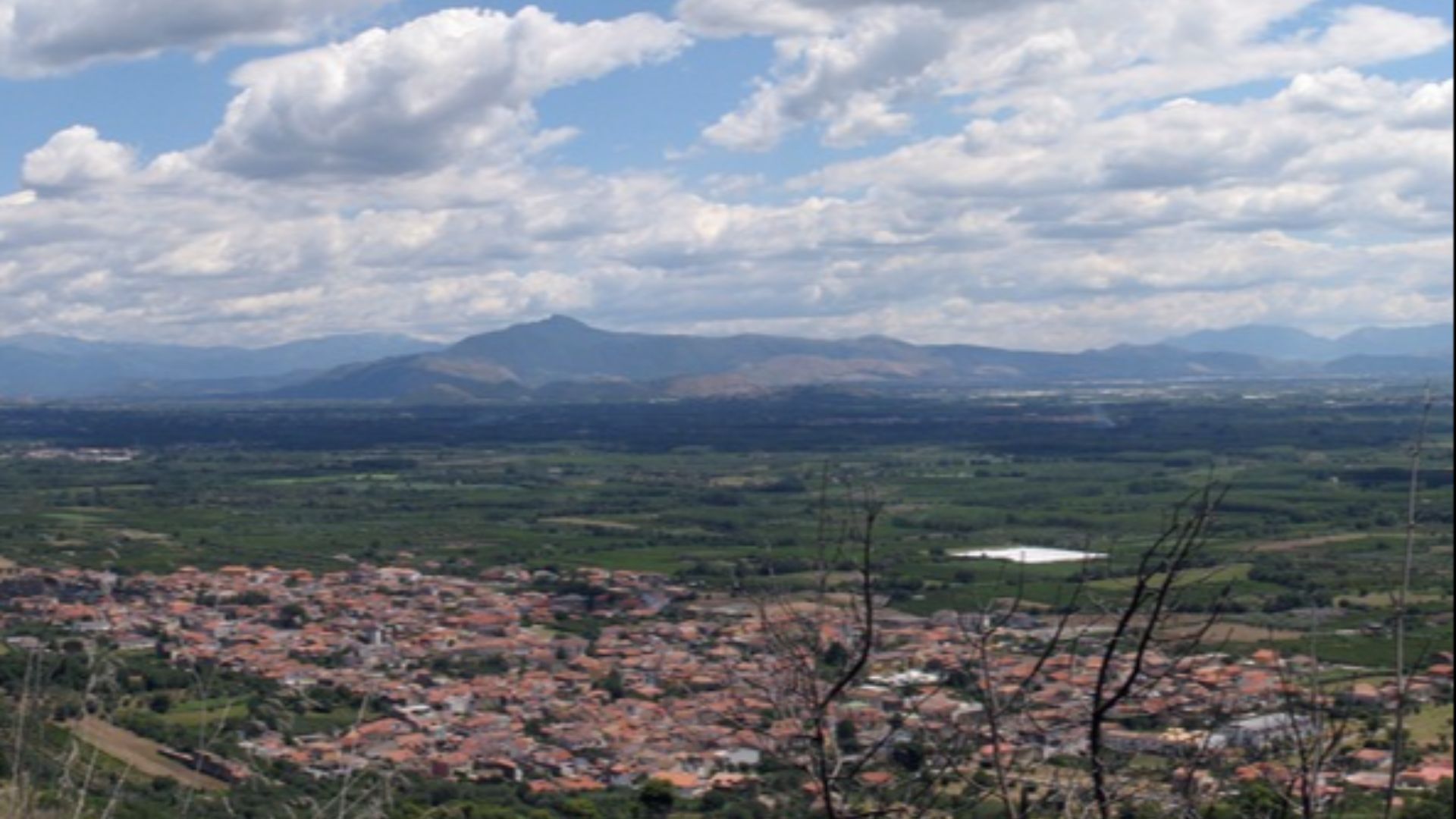
5. Falciano del Massico, Italy
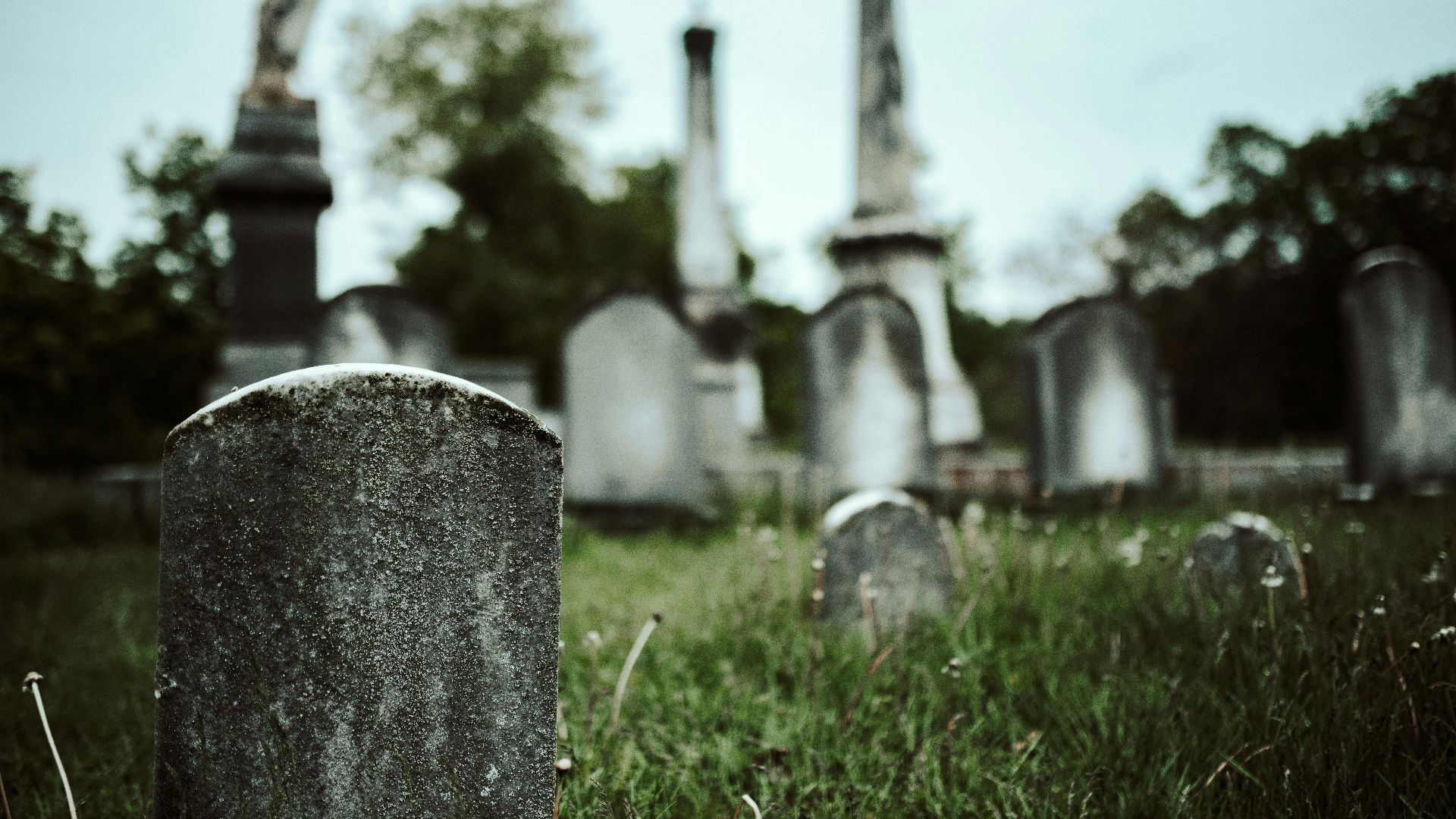
This is another town where death was officially “banned” due to a lack of cemetery infrastructure. Residents were expected to remain “alive” until arrangements could be made elsewhere. It’s a strange workaround that reveals how systems struggle to keep up with inevitability.
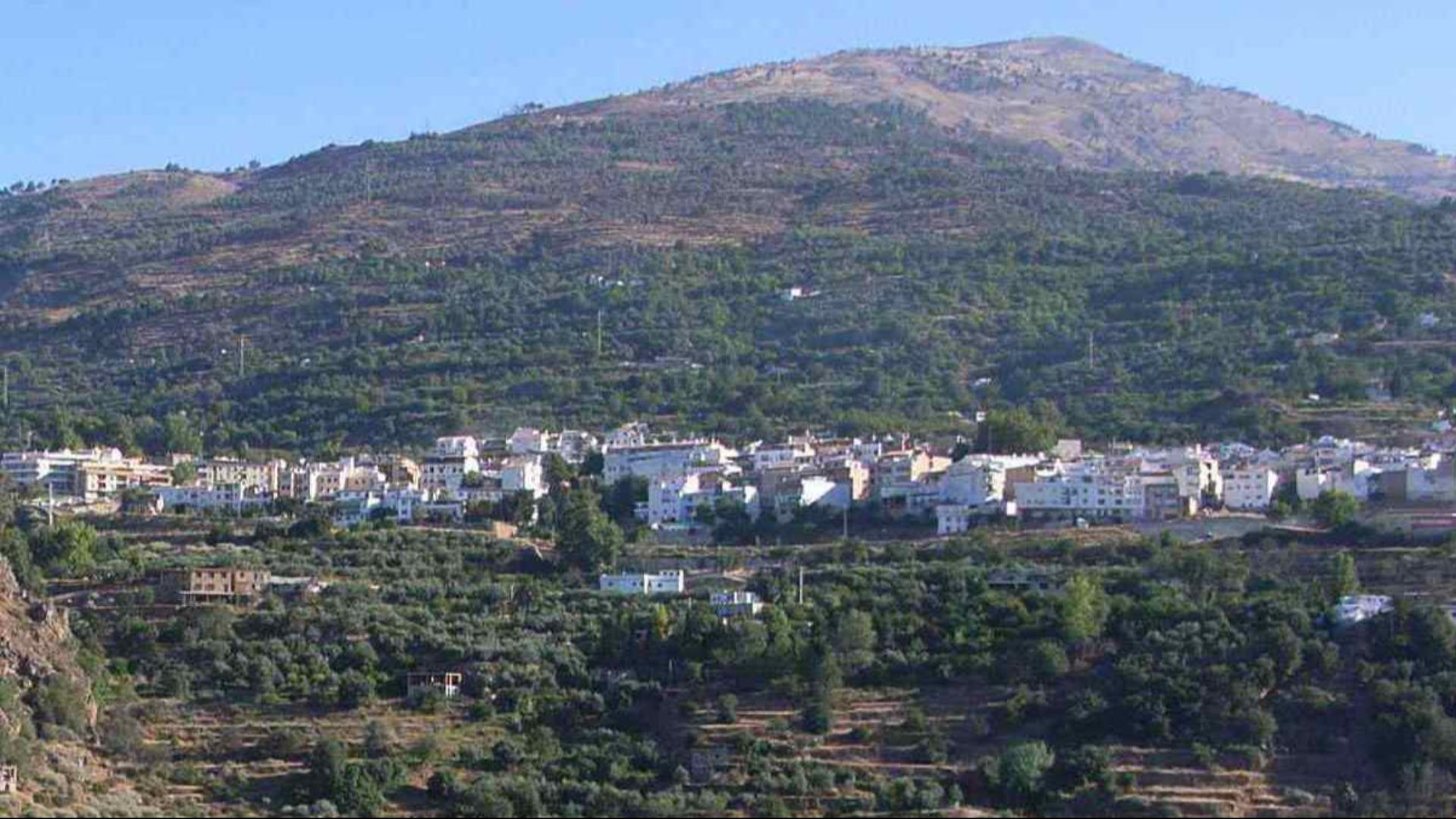
6. Lanjarón, Spain
This Andalusian town issued a decree asking residents not to die until a new cemetery could be built. It was part practical, part symbolic, and widely reported with a mix of humor and curiosity. Still, it reflects how even death runs into planning limits.
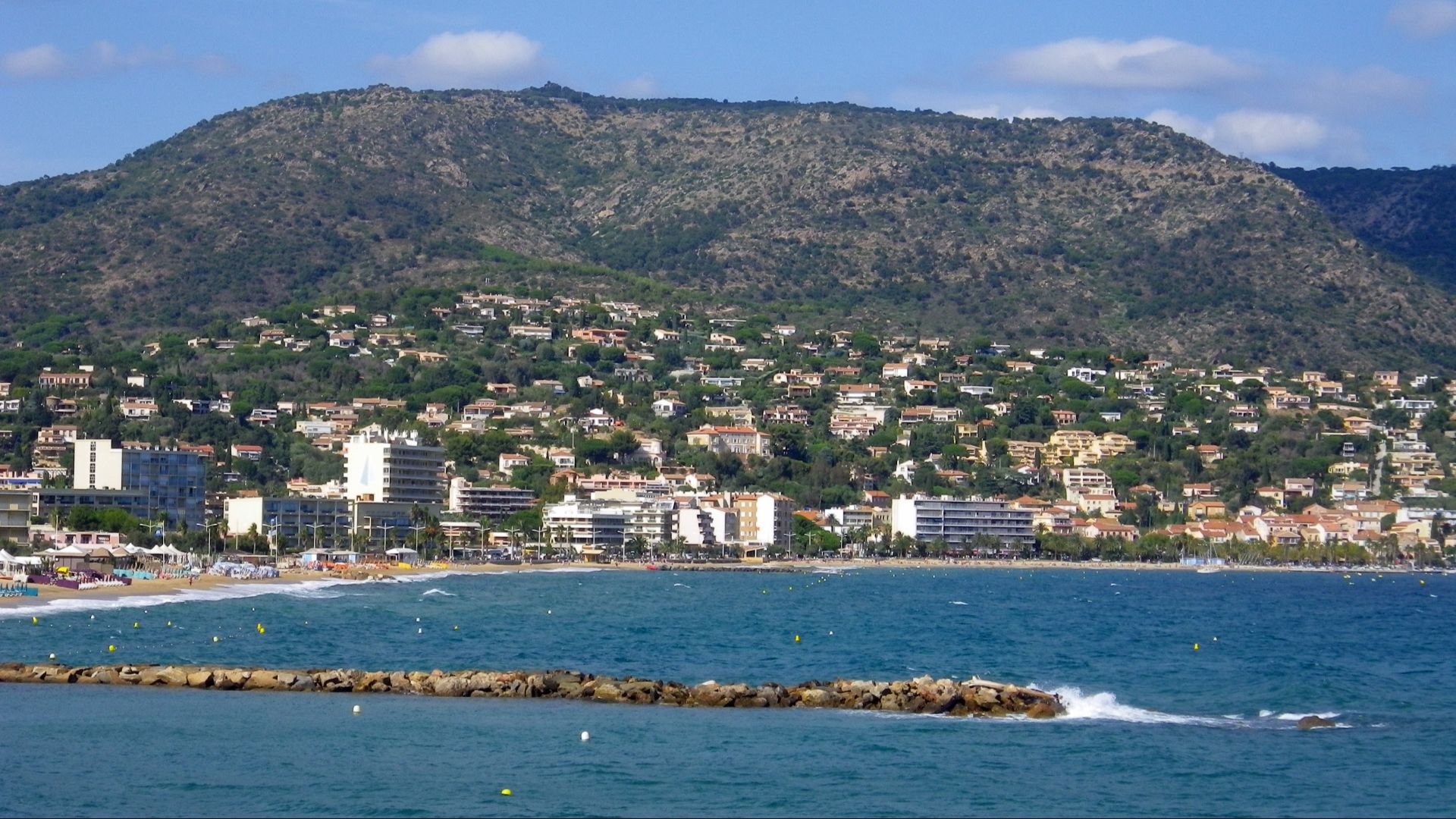
7. Le Lavandou, France
Here, a similar ban was put in place when burial space ran out. The mayor’s order essentially asked the impossible while waiting for expansion. It’s one of those moments where policy collides with reality in a very human way.
8. Cugnaux, France
With a saturated cemetery, this town also attempted to regulate death through official decree. While not enforceable in any real sense, it underscored the pressure on limited space. Even something as final as death gets caught up in logistics.
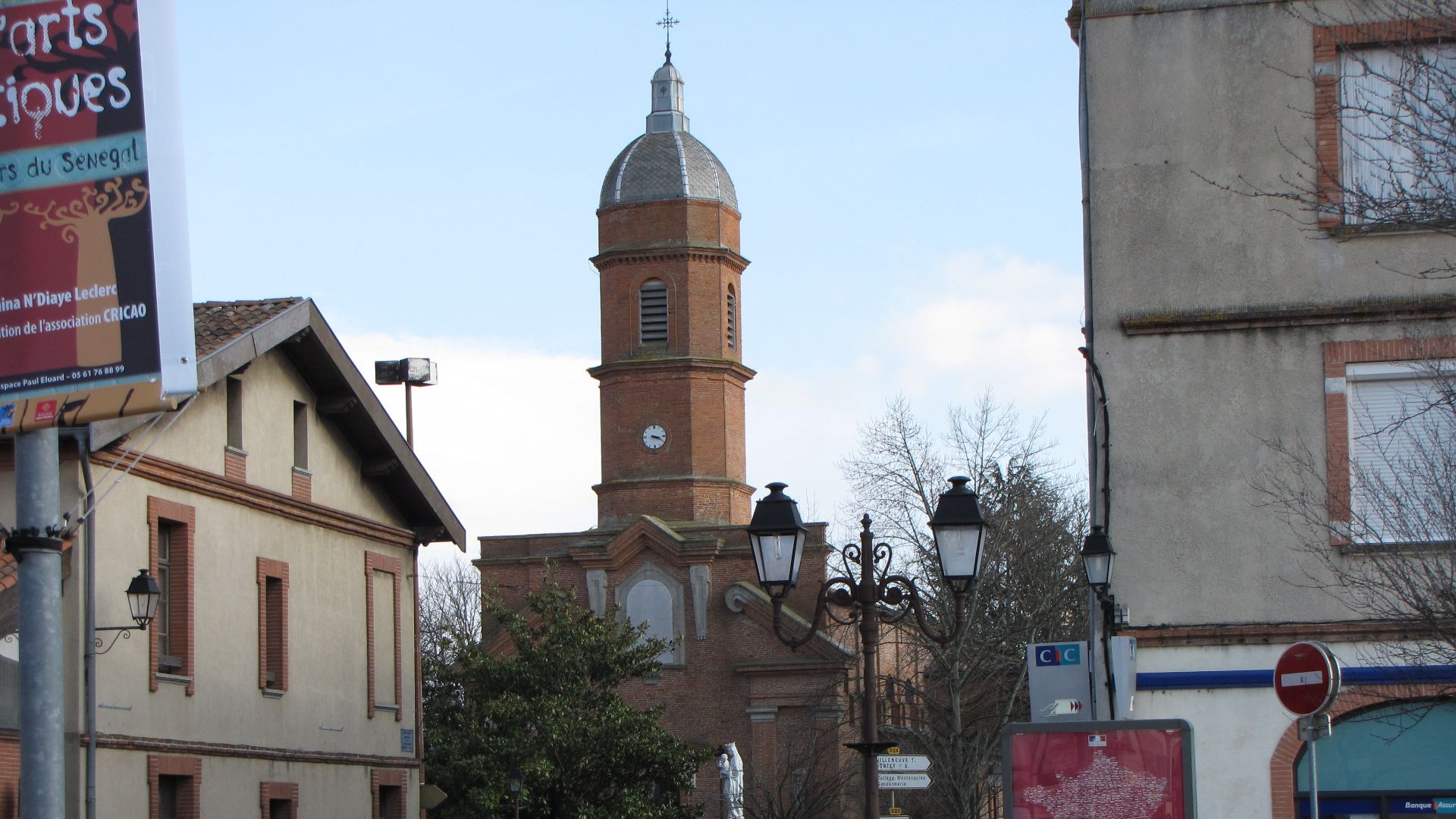 Paternel 1 (talk · contribs) on Wikimedia
9. Sellia, Italy
This village encouraged residents to stay healthy and active, going as far as penalizing neglect of personal well-being. While not a direct ban on dying, it carried the same underlying message: delay the inevitable. It turns mortality into something almost civic.
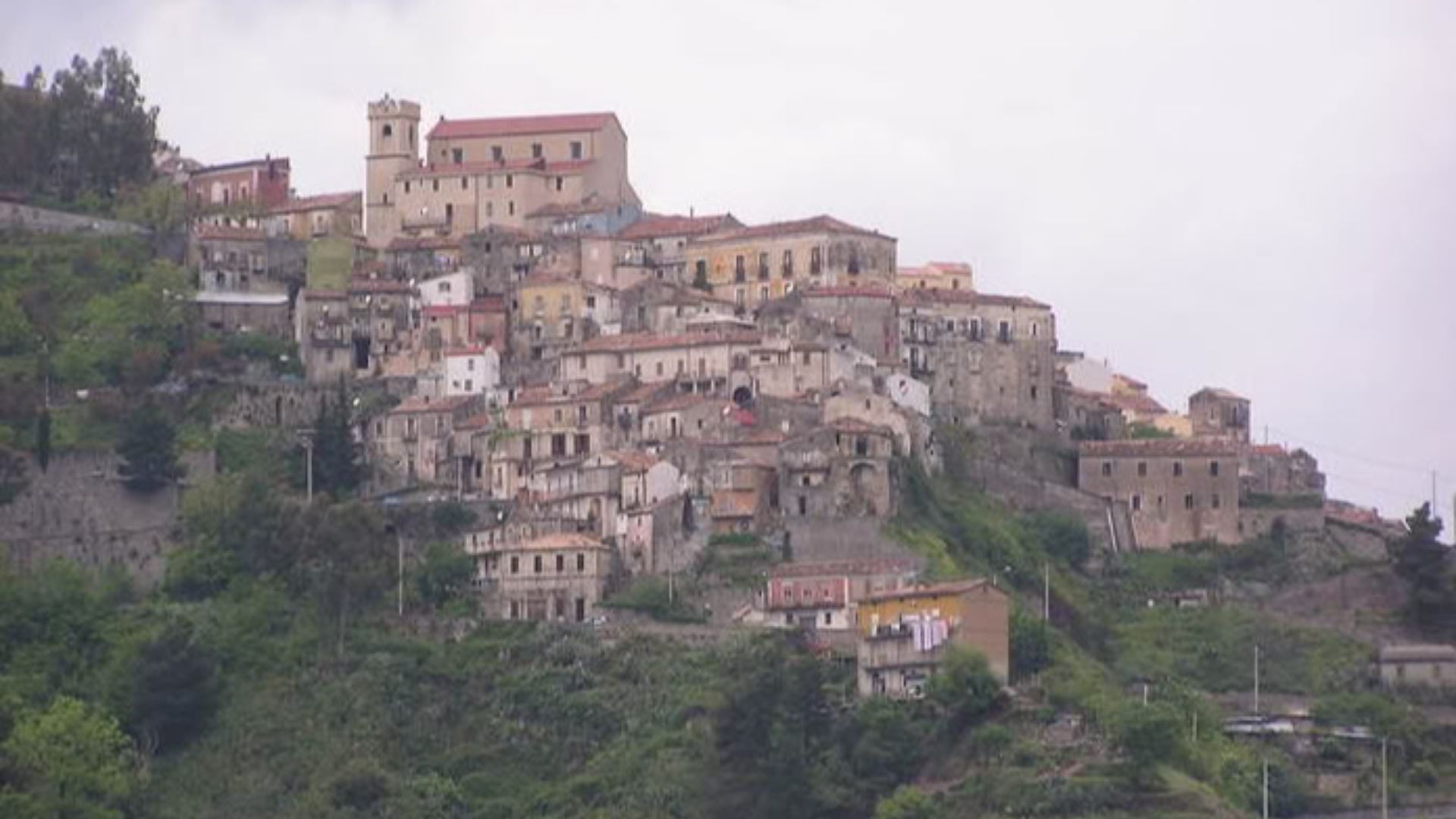
10. Nagoro, Japan
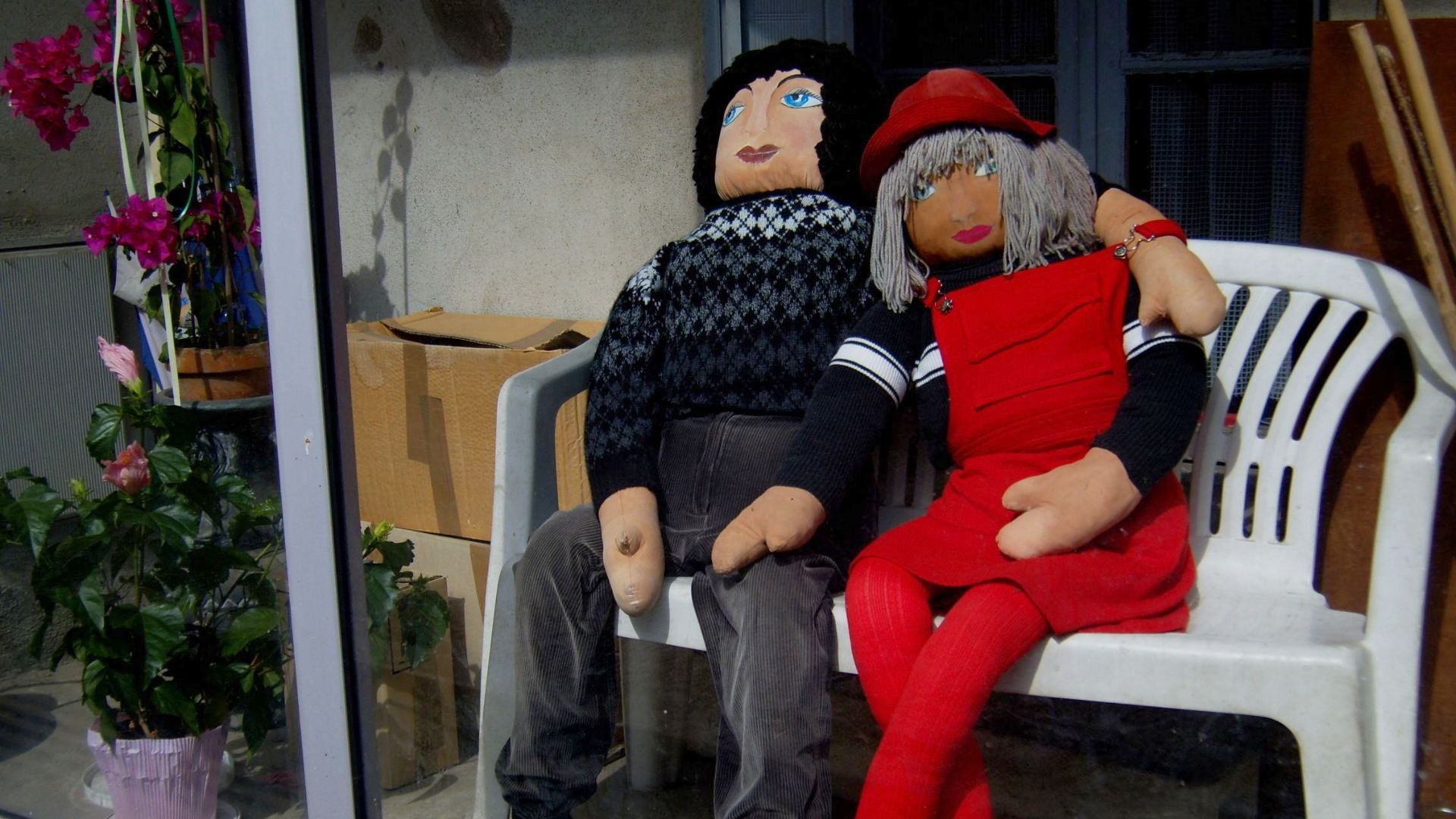
Not a legal ban, but a symbolic one—this village replaces its dwindling population with life-sized dolls representing former residents. The absence of new deaths feels almost curated, as if the town is holding onto life in a different form. It’s quiet, eerie, and oddly moving.
And now, here are ten places that lean in the opposite direction, where death isn’t avoided but fully embraced as part of the landscape.
 commons.wikimedia.org on Google
1. Varanasi, India
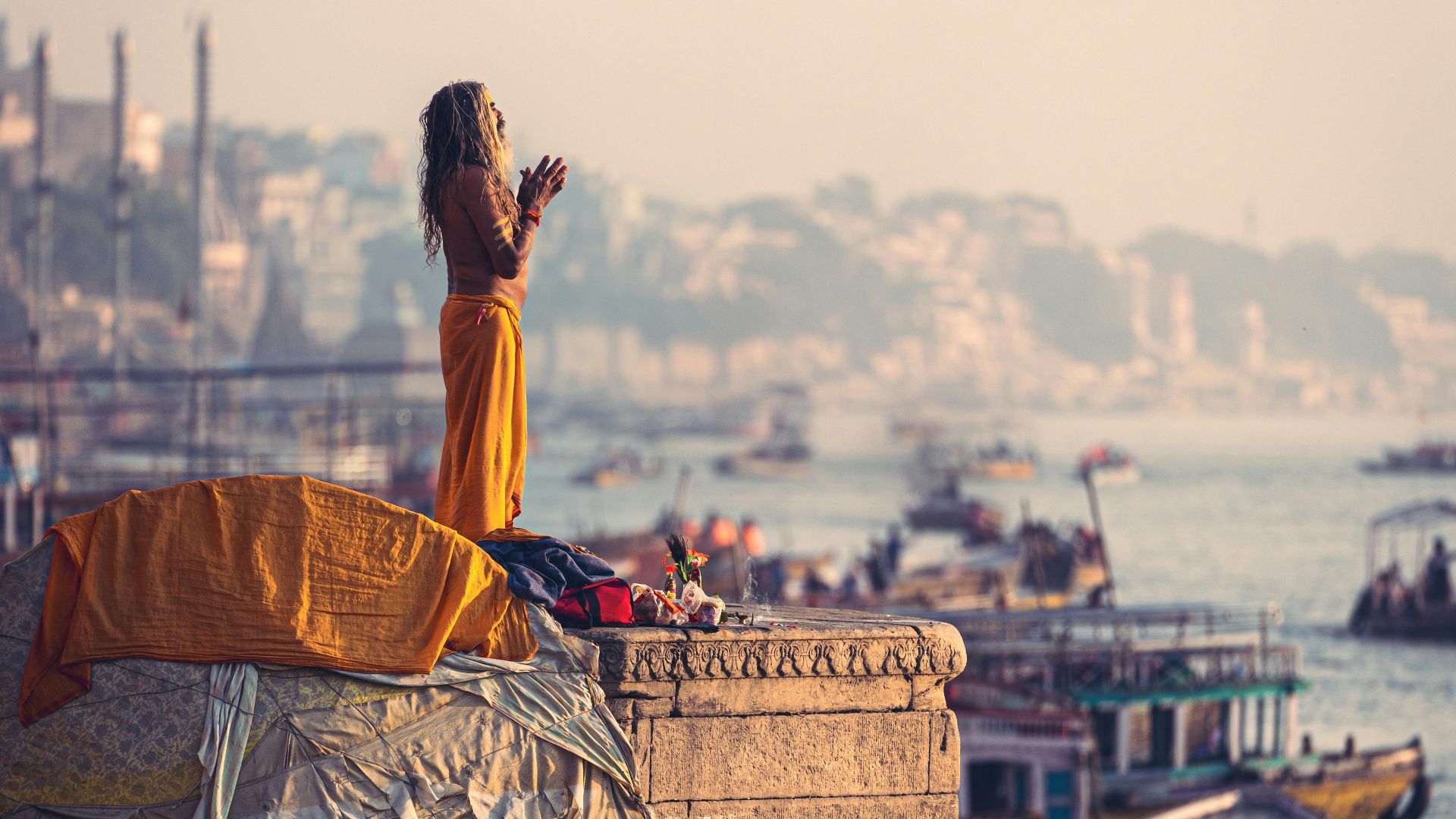
One of the oldest continuously inhabited cities in the world, Varanasi is a place where death is not hidden away. Cremation ghats line the Ganges, burning day and night, with the belief that dying here brings spiritual liberation. It’s intense, open, and deeply rooted in tradition.
2. Day of the Dead in Oaxaca, Mexico
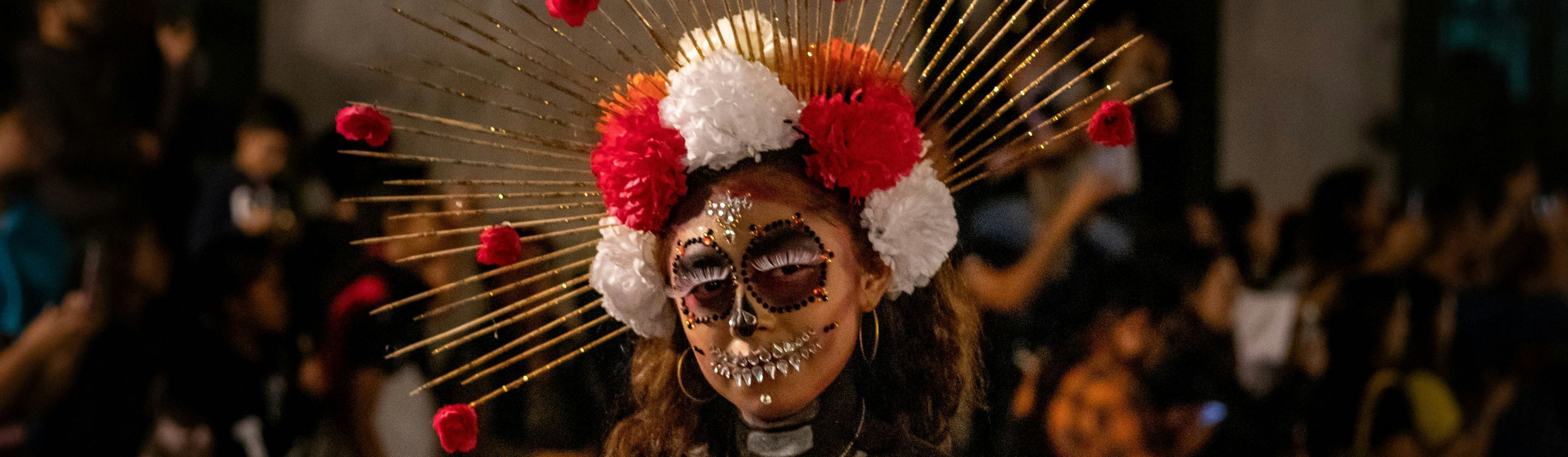
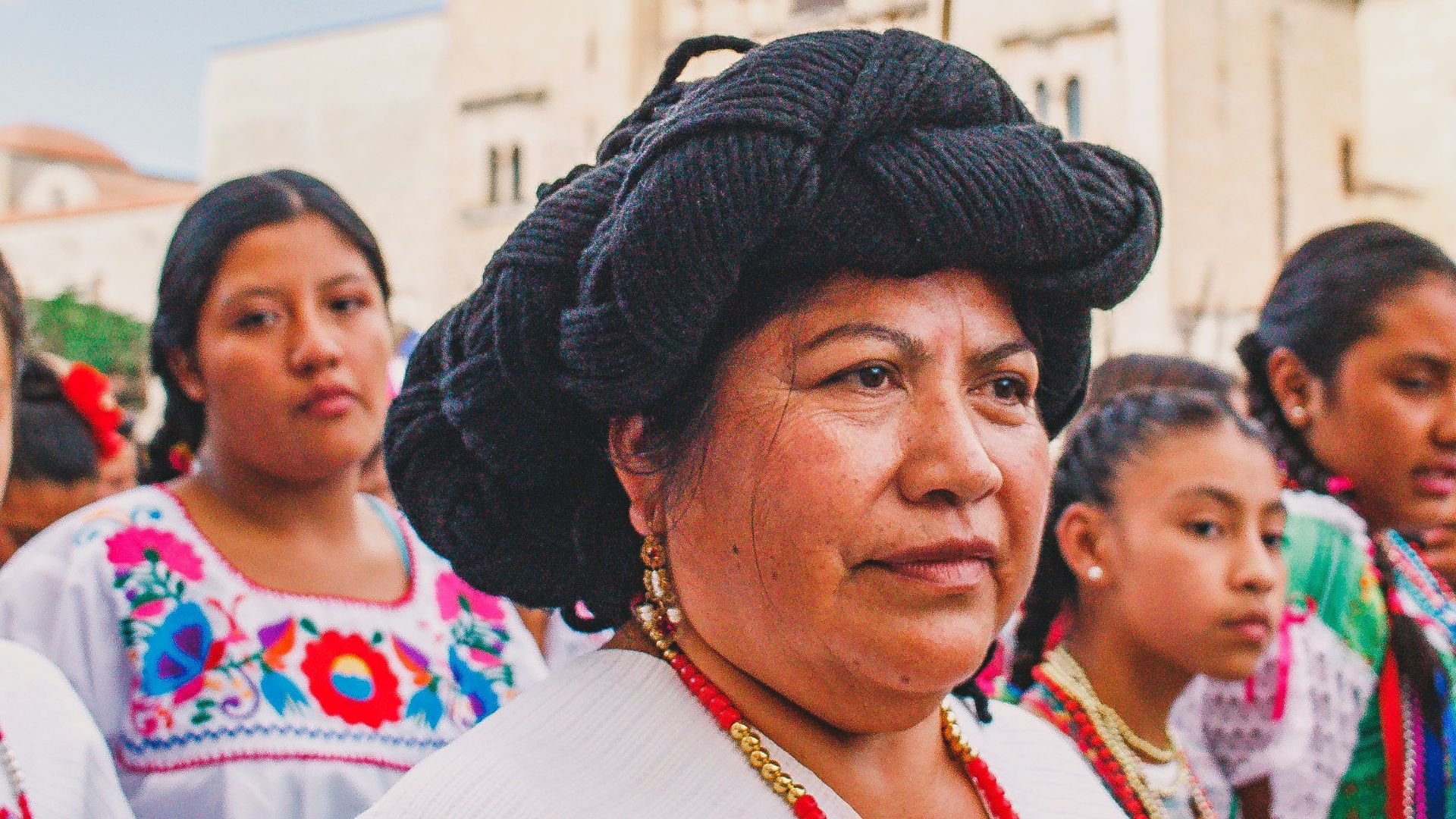
During Día de los Muertos, cemeteries fill with light, color, and families gathering with food, music, and offerings. Death becomes something remembered with warmth rather than distance. The atmosphere feels more like a reunion than a farewell.
3. Toraja, Indonesia
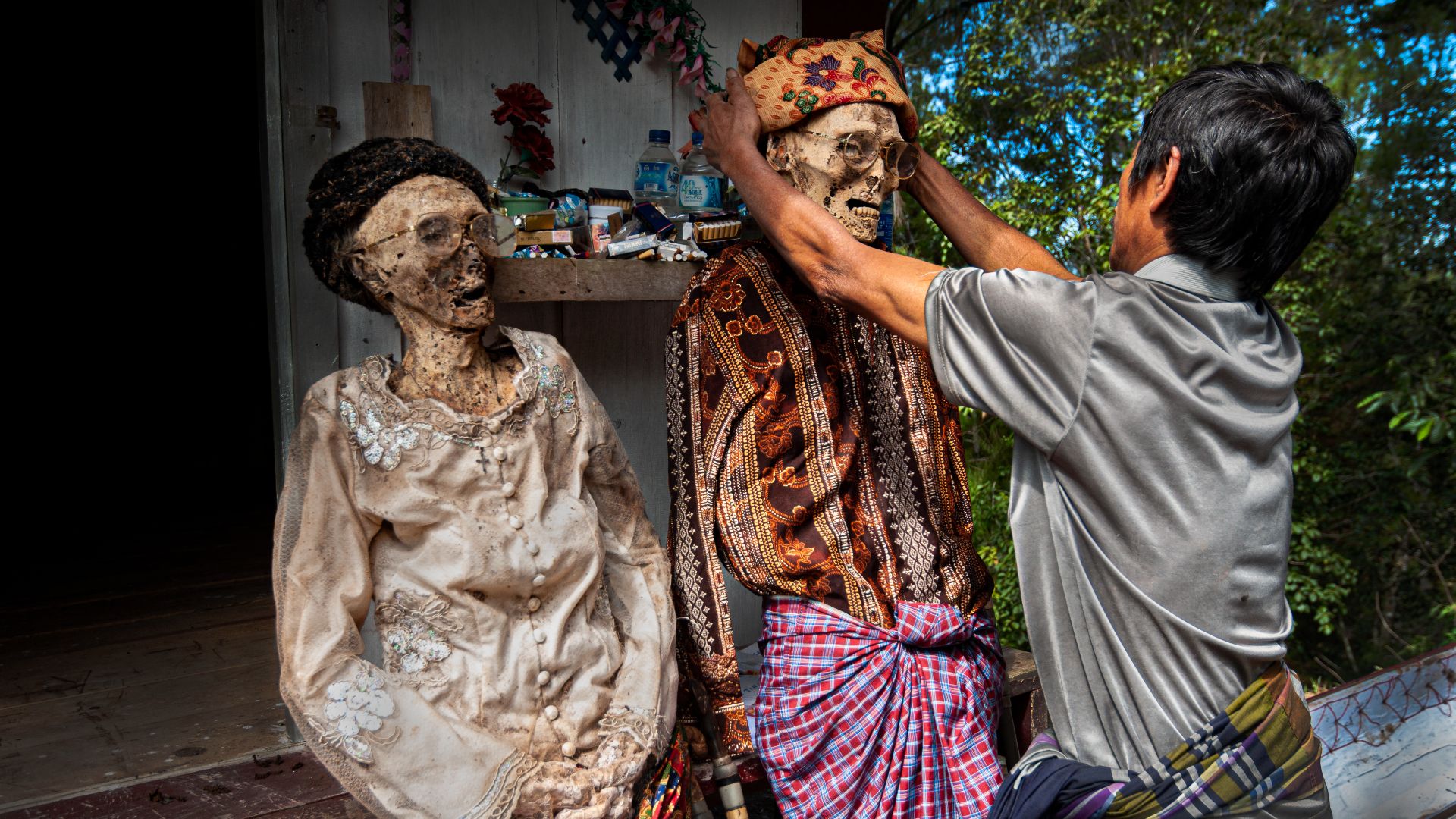
In Toraja culture, death is a long, gradual process rather than a single moment. Families keep the deceased at home for extended periods, treating them as still present. Elaborate funeral ceremonies can take place months or even years later.
4. La Recoleta Cemetery, Buenos Aires
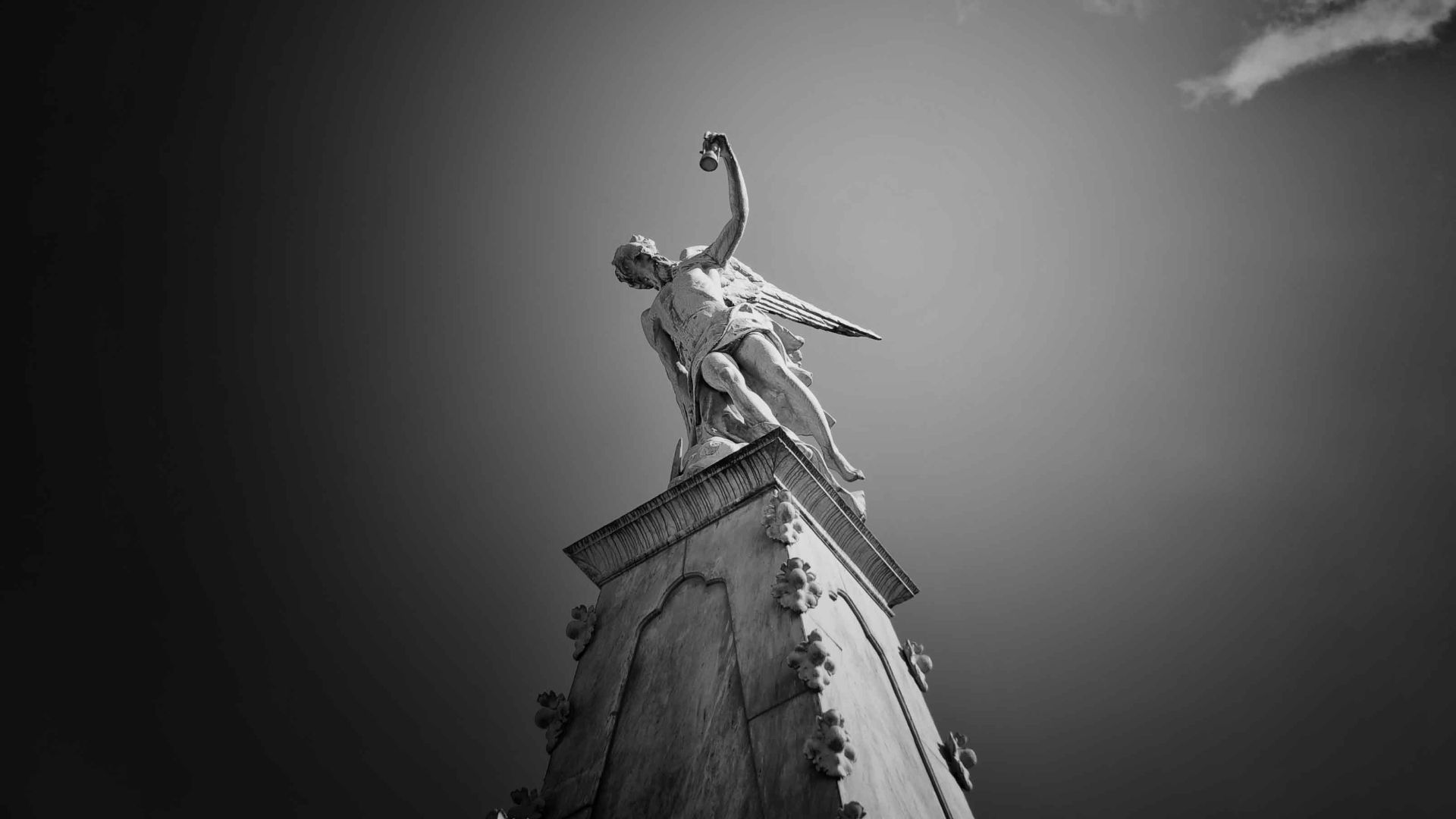
This cemetery is less a burial ground and more a city of its own, filled with ornate mausoleums and winding paths. Visitors walk through it like a neighborhood, stopping at graves that feel like miniature buildings. It turns remembrance into architecture.
 Rod Waddington from Kergunyah, Australia on Wikimedia
5. Père Lachaise, Paris
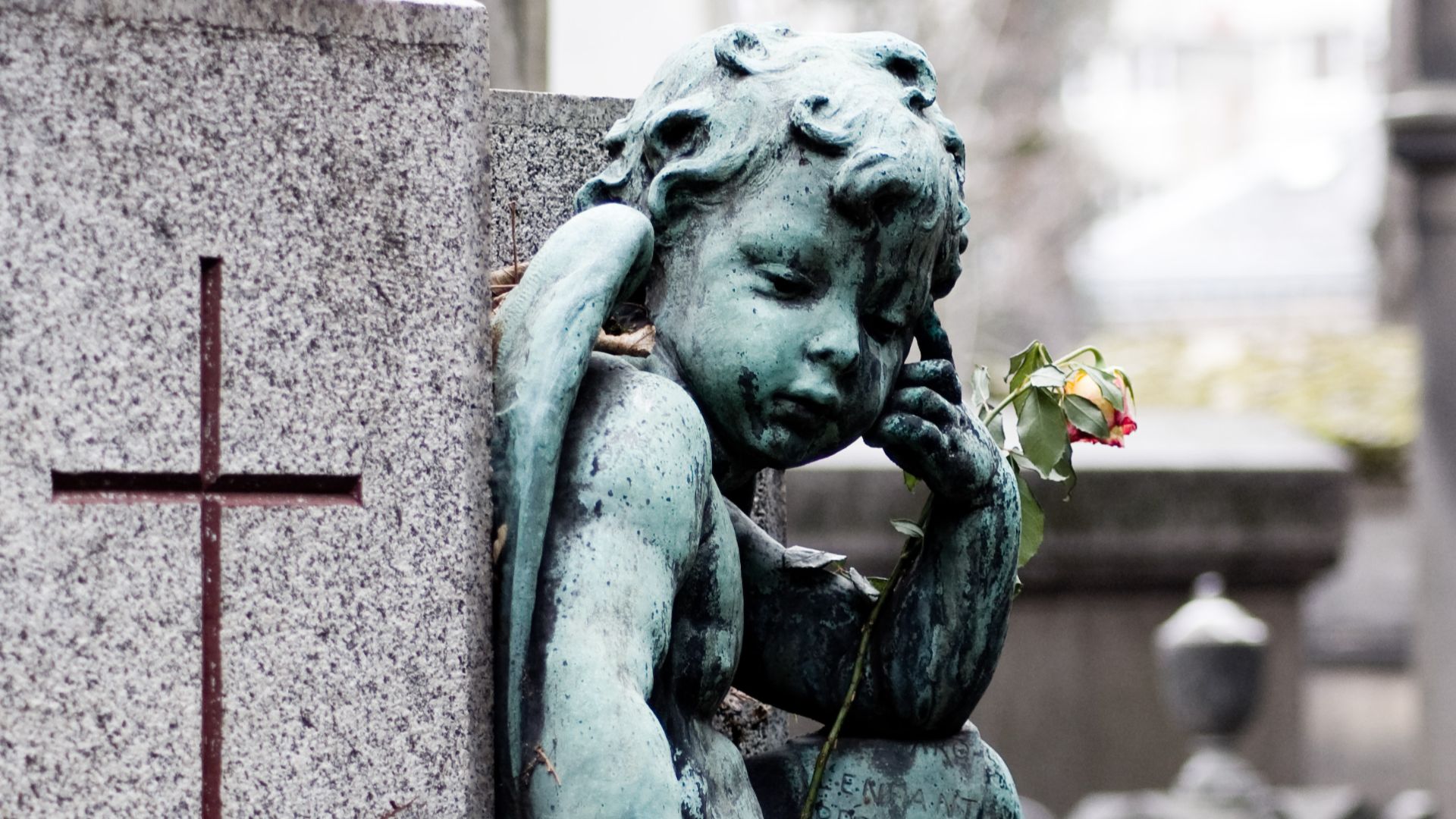
Home to famous graves and quiet corners, this cemetery has become a destination in its own right. People come not just to mourn, but to wander, reflect, and connect with history. It blends the everyday with the eternal in a distinctly Parisian way.
 Alexandre Buisse (Nattfodd) on Wikimedia
6. Sedlec Ossuary, Czech Republic
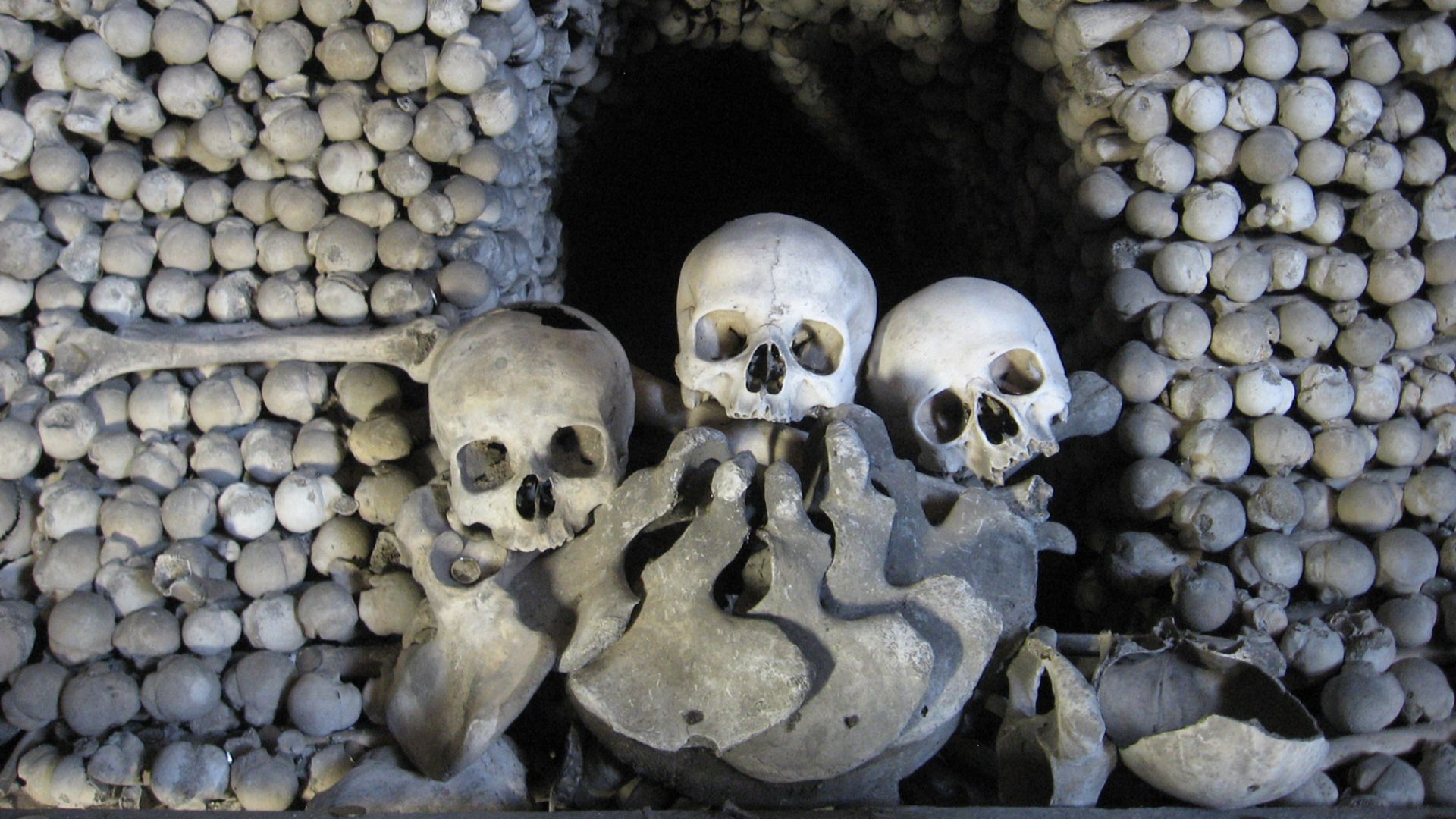
Also known as the Bone Church, this chapel is decorated with human bones arranged into chandeliers and patterns. It’s unsettling at first, but also strangely artistic. Death here is transformed into something visual and deliberate.
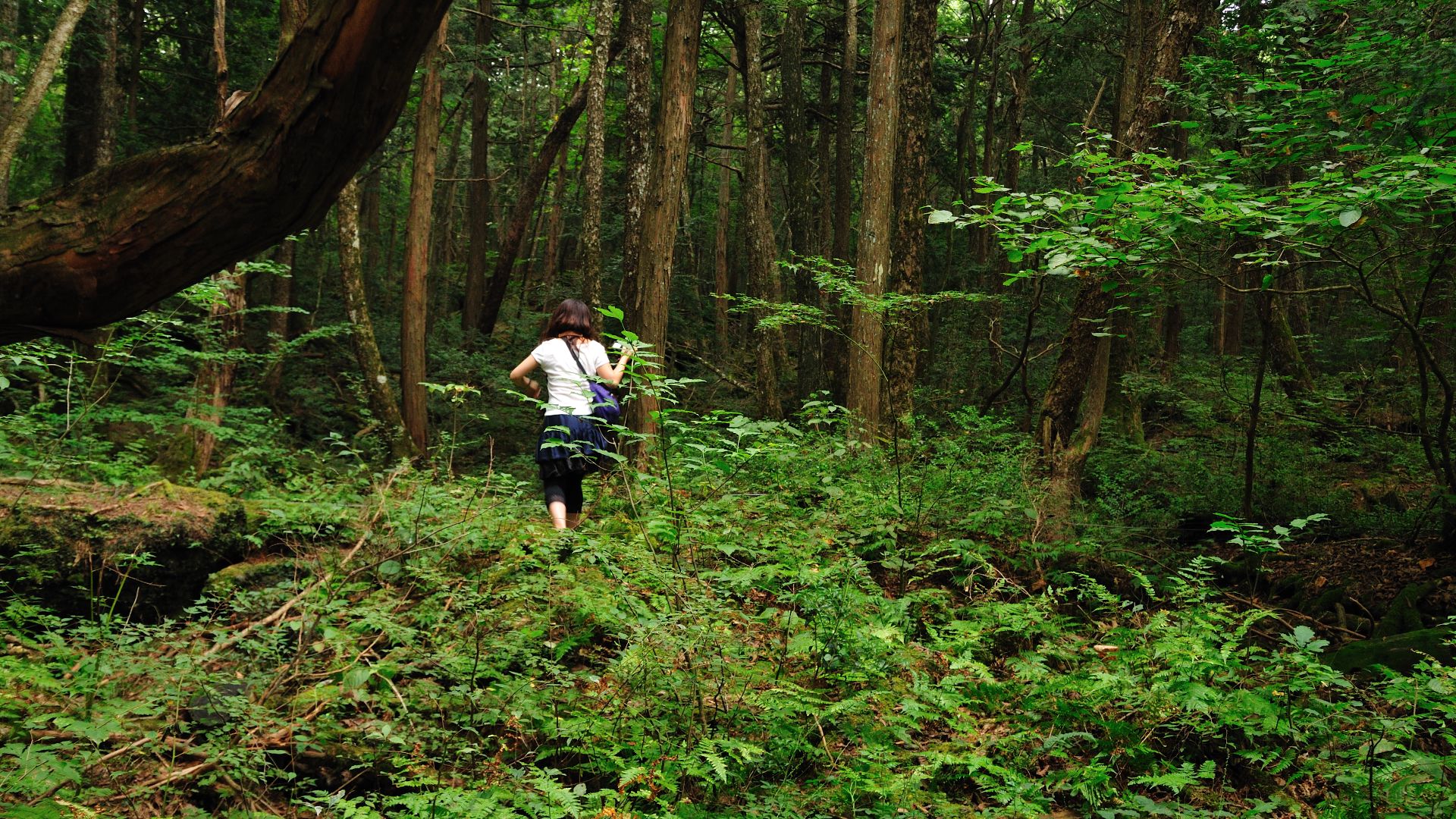
7. Aokigahara Forest, Japan
Often referred to as the “Sea of Trees,” this forest has become associated with solitude and death. Signs throughout the area encourage visitors to reconsider and seek help. The place carries a heavy, quiet atmosphere that’s hard to shake.
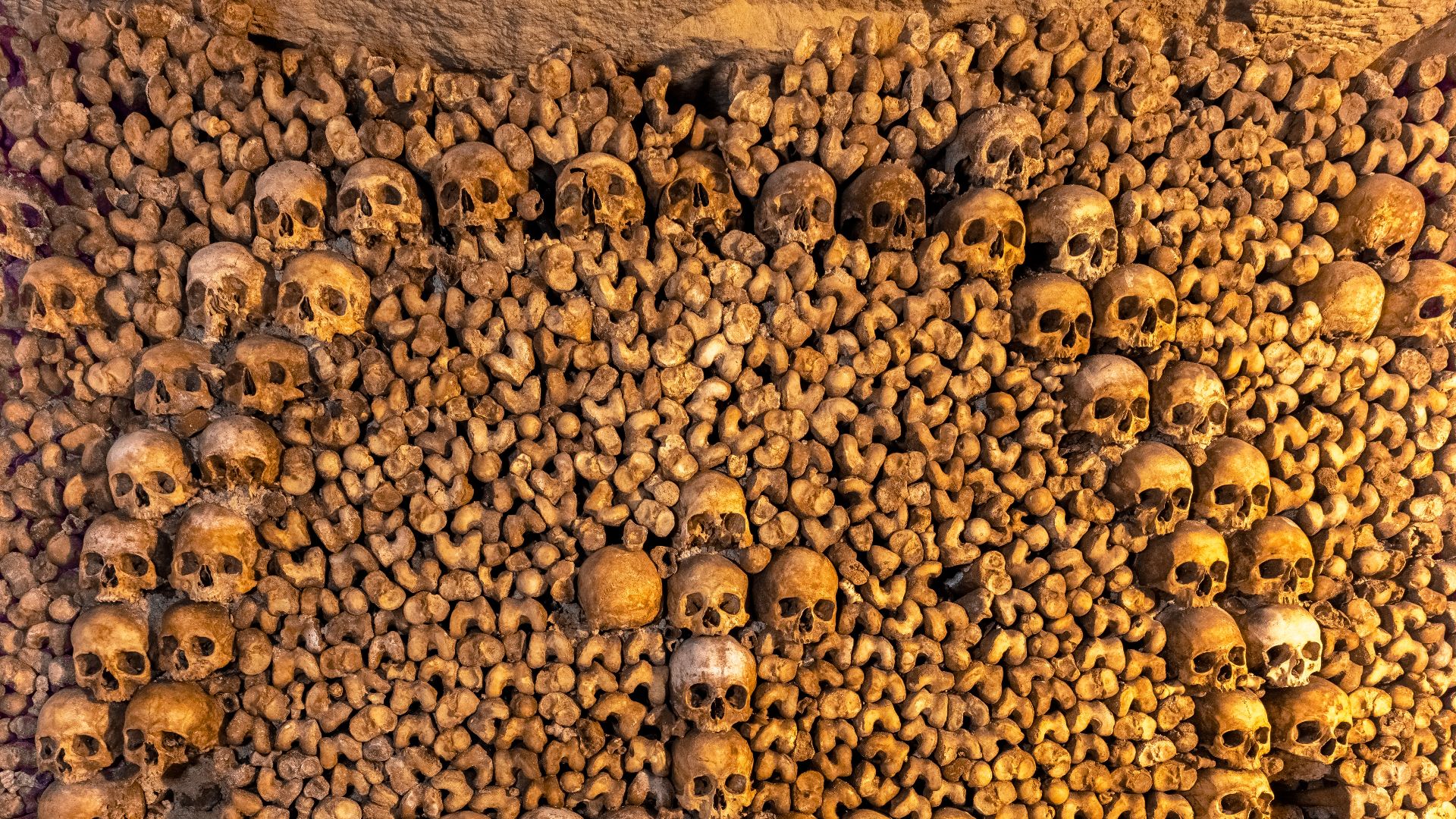
8. The Catacombs of Paris
Beneath the city lies a network of tunnels lined with the remains of millions. It’s both historical and deeply visceral, a reminder of how cities adapt when space runs out. Walking through it feels like stepping into a different layer of time.
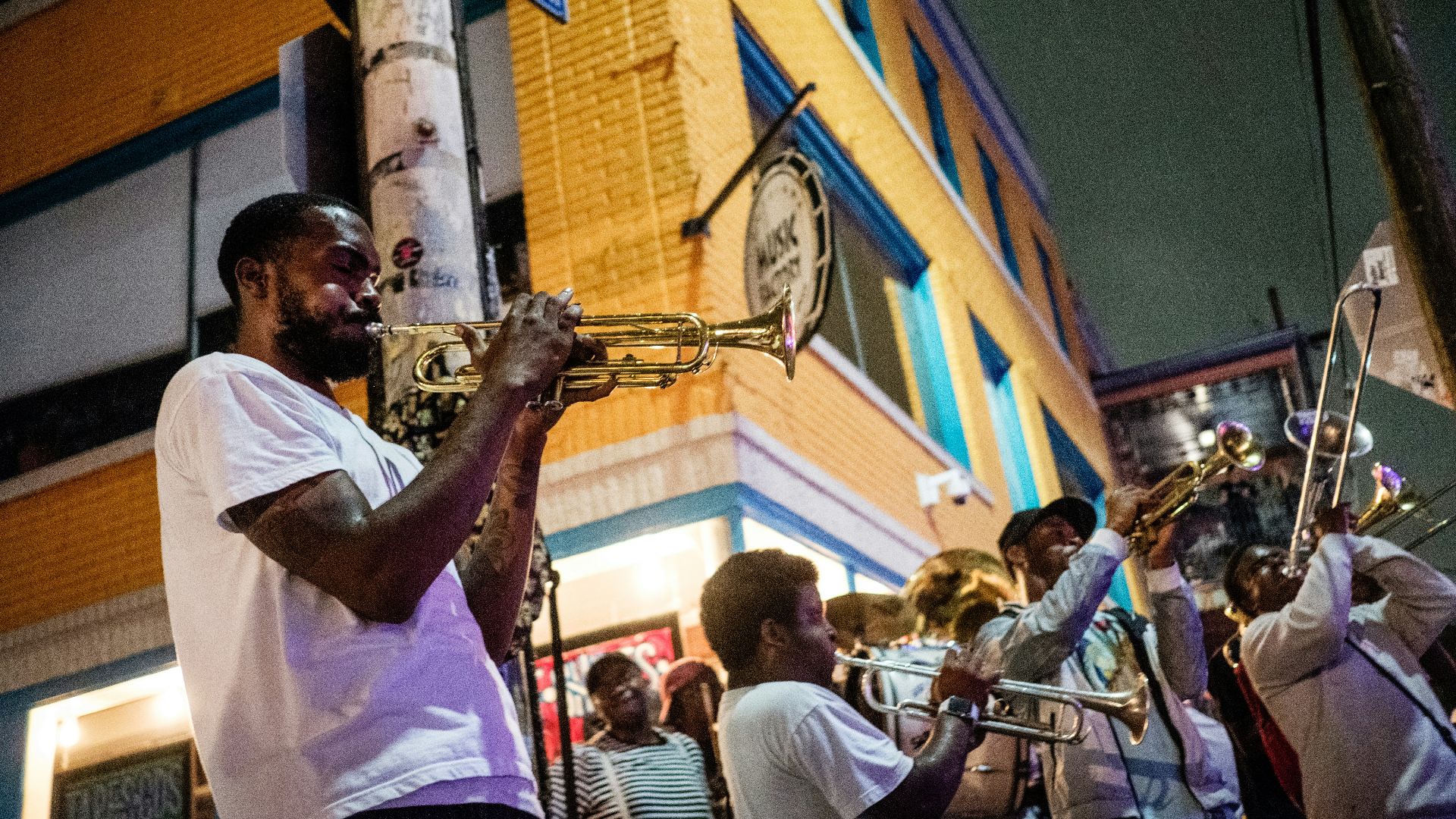
9. New Orleans Jazz Funerals, USA
In New Orleans, funerals often move through the streets with music that shifts from somber to celebratory. The procession turns mourning into something communal and expressive. It’s grief, but it’s also life continuing forward.
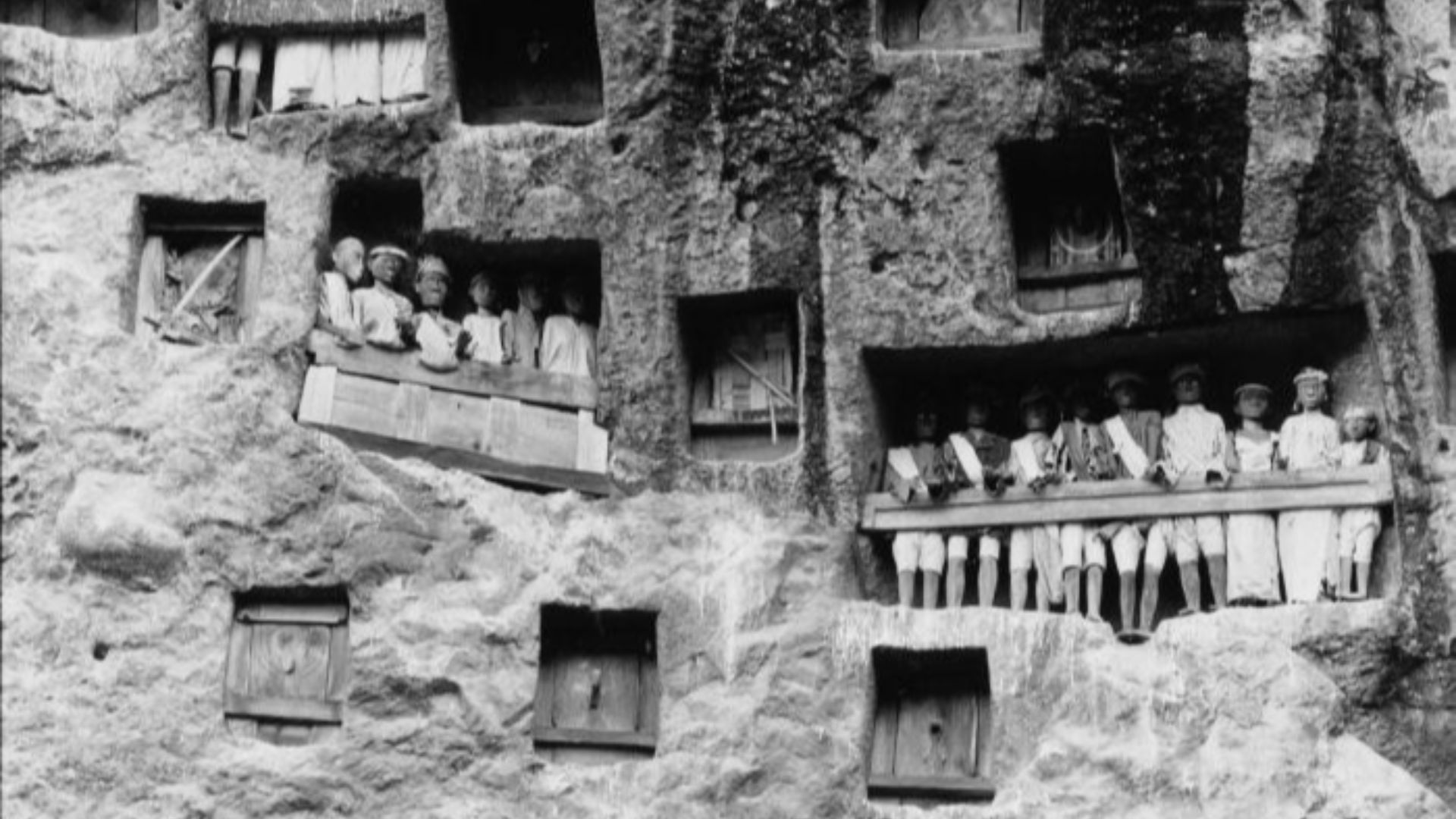
10. Tana Toraja Cliff Graves, Indonesia
In addition to its funeral rites, Toraja is known for graves carved into cliffs and effigies that watch over the land. The dead remain visibly present in the landscape. It blurs the line between where life ends and memory begins.
 Mw.Prof.Dr. C.H.M. (Hetty) Nooy-Palm (Fotograaf/photographer). on Wikimedia