I Thought I Knew My Daughter Better Than Anyone—Until I Discovered What She'd Been Hiding From Me All Along
I Thought I Knew My Daughter Better Than Anyone—Until I Discovered What She'd Been Hiding From Me All Along
The Way We Were
I used to think I knew my daughter better than anyone else in the world. Emma and I had this rhythm, you know? Every Sunday at three, my phone would ring, and we'd talk for at least an hour—sometimes two if she was in the mood to really catch up. We had our inside jokes, the kind that made David roll his eyes because he wasn't in on them. I knew she took her coffee with too much cream and not enough sugar. I knew she'd reorganize my spice cabinet every time she visited because alphabetical order made more sense to her than grouping by cuisine. When she came over for dinner that Tuesday in September, everything felt exactly as it always had. She kicked off her shoes by the door, grabbed a glass of water without asking, and settled into her usual spot at the kitchen table while I finished the pasta. We talked about her work, about the new intern who couldn't figure out the filing system, about the neighbor's dog that wouldn't stop barking at dawn. It was comfortable. Easy. The kind of conversation that happens when two people have spent twenty-eight years learning each other's patterns. I didn't know then that everything I was about to describe would soon feel like a story from someone else's life.
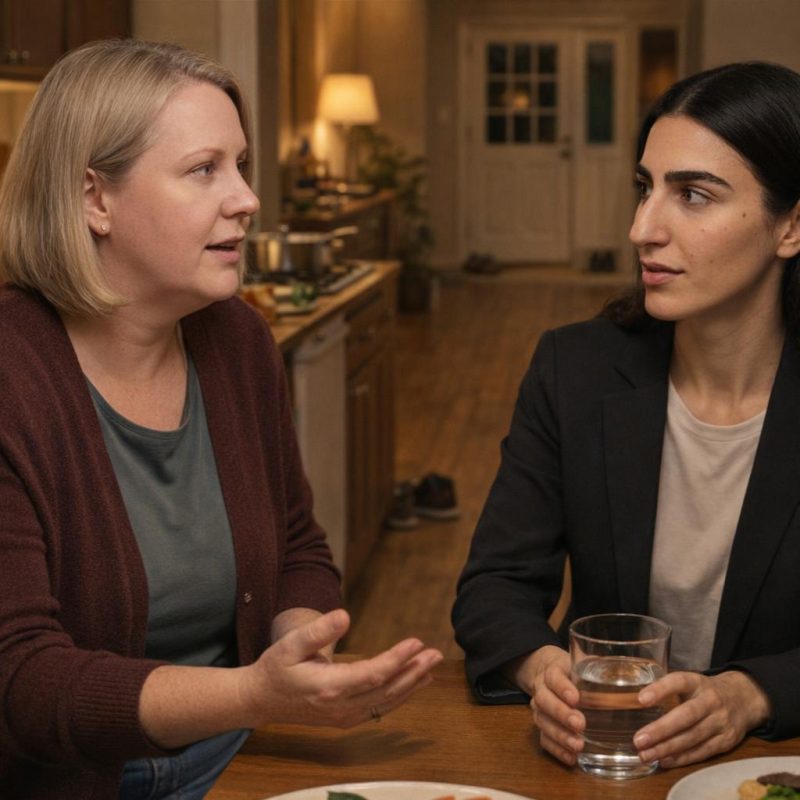 Image by RM AI
A Minor Discord
It was such a small thing that I almost didn't register it at first. We were clearing the dinner plates when Emma mentioned something about a work event she'd attended on Tuesday—a presentation by a visiting researcher from Boston. I nodded along, rinsing a dish, and then paused because I remembered her telling me just last week that she'd worked late that Tuesday, stuck in back-to-back meetings until almost nine. "I thought you said you worked late Tuesday," I said, keeping my tone light, just curious. The correction came so fast it was almost like she'd been waiting for it. "No, that was Wednesday, Mom. Tuesday was the presentation." She said it smoothly, already moving on to ask if I wanted help loading the dishwasher. And maybe she was right—I mix up days all the time, especially when we're just chatting on the phone. But there was something about how quickly she'd jumped in, almost before I'd finished my sentence, that stuck with me for a moment. Then I shook it off. People misremember things all the time, right? I let it pass—people misremember things all the time—but something about the quickness of her correction stayed with me.
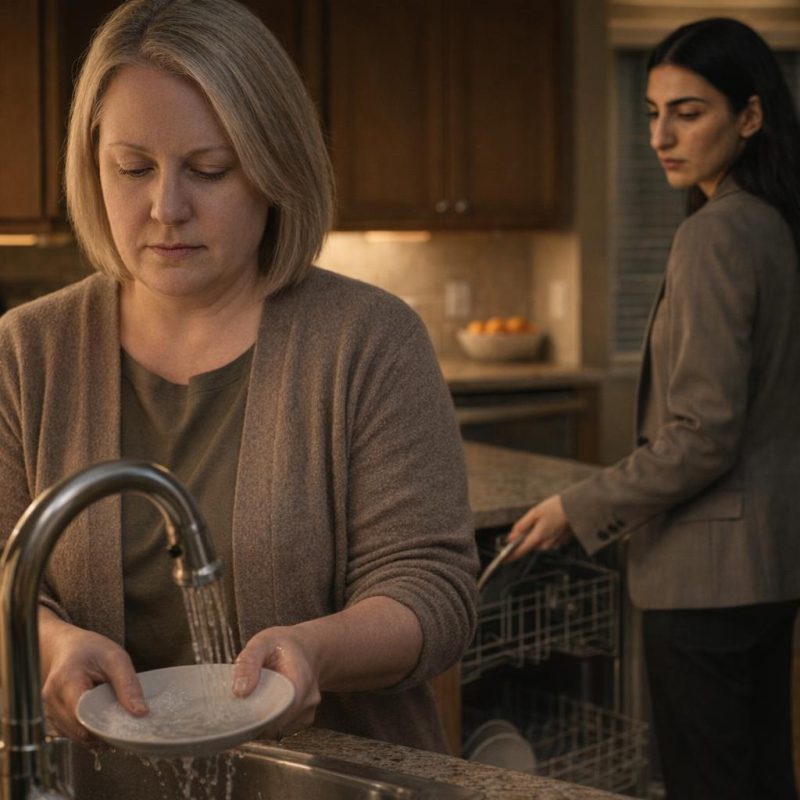 Image by RM AI
Plans Unmade
I'd been looking forward to Saturday lunch all week. Emma and I had this new place we wanted to try, a café that had opened downtown with those elaborate avocado toast situations that David refused to pay twelve dollars for. We'd made the plan on Monday, confirmed it Wednesday. Then Friday evening, my phone buzzed with a text: "So sorry Mom, something came up with work. Can we reschedule?" I stared at that phrase for longer than I should have. Something came up with work. It wasn't that the reason was unbelievable—Emma's job at the hospital was demanding, always had been. But she usually gave me specifics. A patient crisis, a scheduling conflict, a grant deadline. This felt vague in a way that wasn't quite like her. I mentioned it to David over dinner, trying to sound casual about it. He barely looked up from his plate. "She's got a lot on her plate, Sarah. You know how it is." And he was right, of course. I agreed, pushed my food around, told myself I was being ridiculous. But I couldn't help noticing this was the second time in three weeks she'd cancelled. David said I was reading too much into it, and maybe he was right—but I'd started paying attention now.
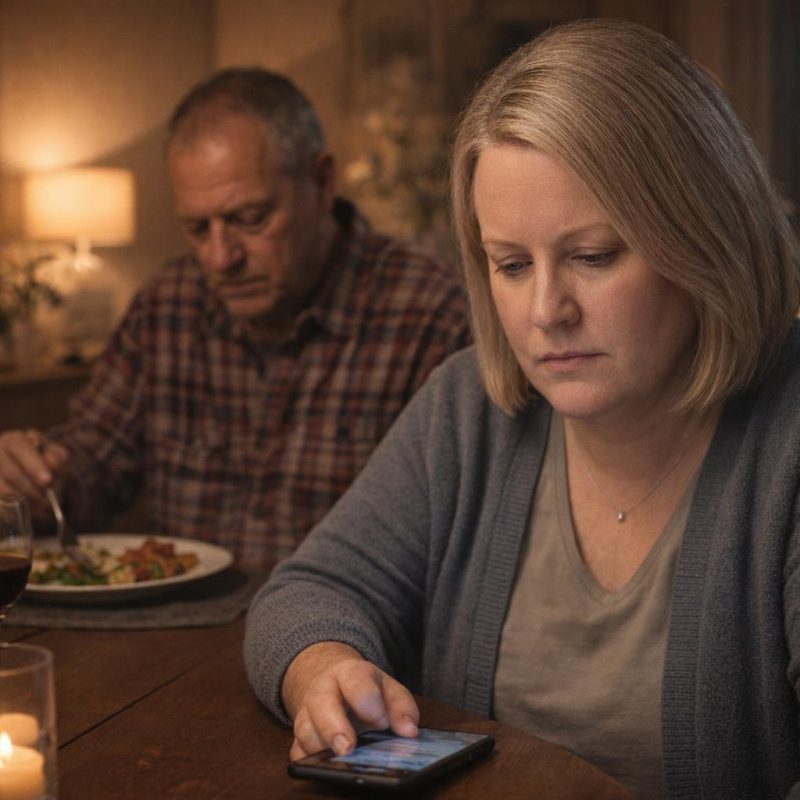 Image by RM AI
Voicemail
Tuesday afternoon, I called Emma on my way home from the grocery store. Voicemail. I tried again Wednesday morning while folding laundry, thinking maybe I'd just caught her in a meeting the day before. Voicemail again. She called back that evening while I was at the store, naturally, and when I returned her call from the parking lot, we had maybe five minutes of conversation. She sounded distracted, like she was doing something else while we talked—I could hear papers rustling in the background. Friday, I called to confirm weekend plans, and once again, straight to voicemail. This time she texted back instead of calling: "Can't talk now, will call tomorrow." I set my phone down and stared at it for a moment. When had Emma started texting instead of calling back? I told myself she was busy. Of course she was busy. She had a demanding career, a full life. But I couldn't stop myself from mentally counting: three calls in five days, and I'd actually spoken to her for maybe ten minutes total. Three calls in five days—that was new, and I couldn't quite explain why it bothered me as much as it did.
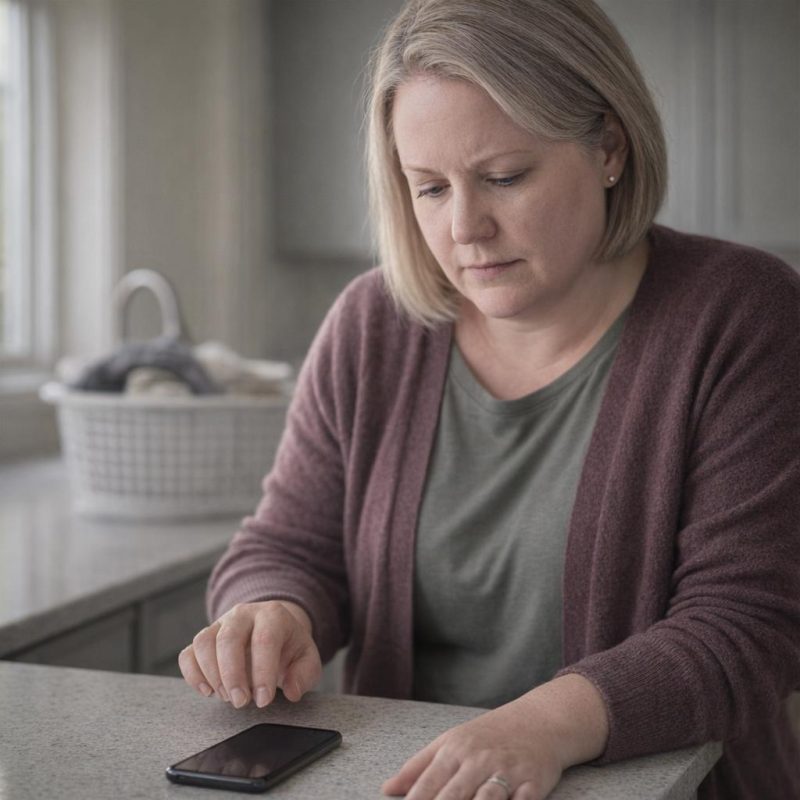 Image by RM AI
The Project
When Emma finally called back Saturday afternoon, she was full of apologies. "I'm so sorry I've been hard to reach, Mom. Things have been absolutely crazy." She explained that she'd been tapped to lead a new research initiative at the hospital, something involving patient outcome tracking and interdepartmental coordination. She talked about the long hours, the weekend work sessions, the politics of getting different departments to cooperate. She mentioned a colleague named Stevens who was being difficult about data sharing, and another one, Martinez, who'd been helpful but was stretched too thin. It all sounded plausible—more than plausible, actually. It sounded exactly like the kind of project Emma would throw herself into completely. I felt the tension in my shoulders ease as she talked. This was my daughter, dedicated and thorough, sometimes to the point of exhaustion. "Do you want me to bring you dinner one evening?" I offered. "You need to eat." She laughed, but gently deflected. "My schedule's too unpredictable right now, Mom. I'd hate for you to drive over and then have me get pulled into something." That made sense. I accepted it, felt reassured. The details she provided were specific enough to sound convincing, but somehow not specific enough for me to picture.
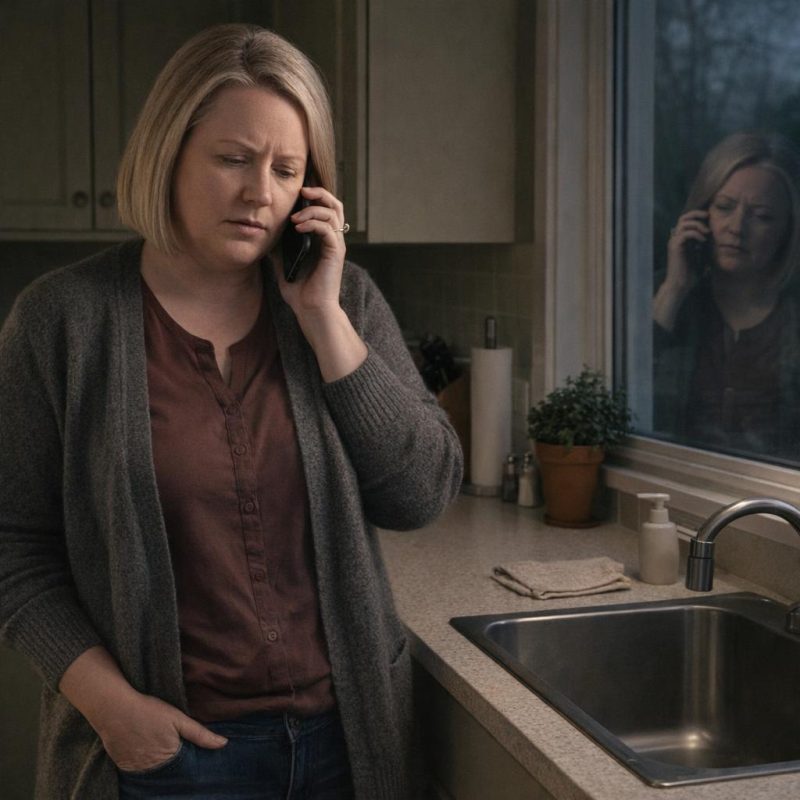 Image by RM AI
Weekend Interrupted
Sunday morning, I made Emma's favorite meal—the chicken piccata she'd loved since she was twelve, with the lemon sauce that had to be just right or it was too bitter. She'd confirmed the visit earlier in the week, said she was looking forward to it, that she needed a break from the hospital chaos. I set the table with the good plates, the ones we usually saved for holidays. Then Saturday evening, my phone buzzed. Not a call—a text. "So sorry, unexpected obligation came up. Rain check?" I read it three times. Unexpected obligation. The phrase sat wrong in my mouth when I tried saying it out loud. It was so formal, so unlike Emma's usual way of communicating. She'd say "emergency at work" or "got called in" or even just "something came up, I'm sorry." But unexpected obligation? It sounded like something you'd write in a professional email to someone you barely knew. David found me still staring at my phone ten minutes later. "We'll just eat it ourselves," he said, practical as always. And we did. But I couldn't shake the irritation that settled in my chest, and I couldn't quite bring myself to text back right away. 'Unexpected obligation'—the phrase was so unlike Emma's usual directness that I read the message three times.
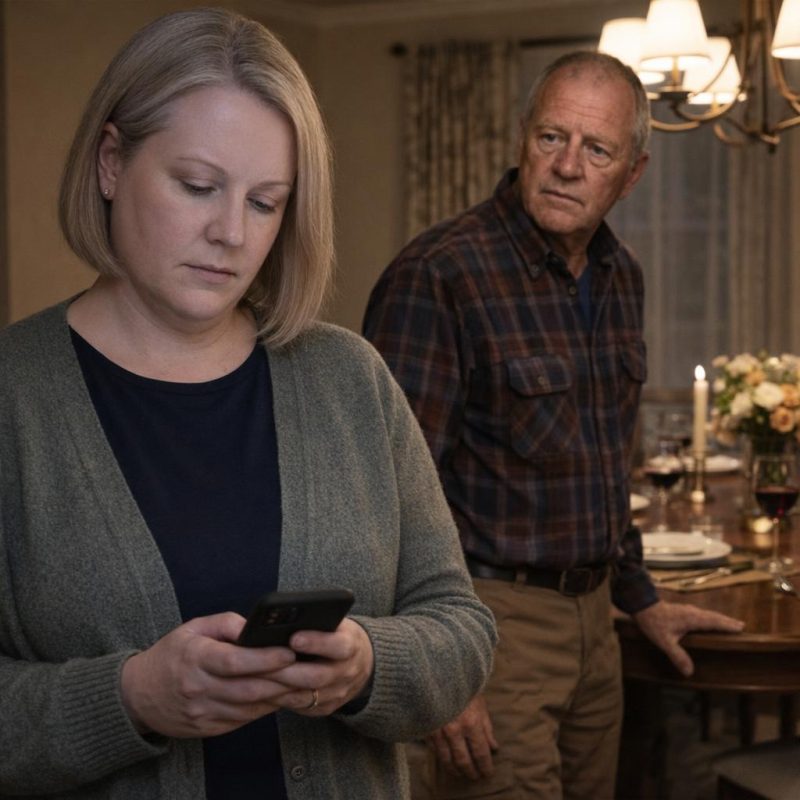 Image by RM AI
Rachel's Careful Words
I ran into Rachel in the produce section on Thursday, both of us reaching for the same bag of apples. We laughed about it, chatted about the weather turning cold, about how the store had rearranged everything again just to confuse us. Rachel had been Emma's friend since college, one of those steady presences I'd always appreciated. She asked about David, I asked about her work at the clinic. Then, trying to sound casual, I mentioned that Emma had been really busy lately. Rachel nodded, her expression warm. "Yeah, she's got a lot going on right now." Something in the way she said it made me push just slightly further. "Have you seen her recently?" There was the smallest pause before Rachel answered, barely noticeable if I hadn't been watching her face. "Yeah, we grabbed coffee last week. She seems good. Maybe a bit tired." I mentioned I'd been having trouble connecting with her, just in passing, like it was no big deal. Rachel's smile stayed perfectly in place—friendly, unchanged. But I saw something flicker behind her eyes, just for a second, like she was choosing her next words very carefully. We parted warmly, made vague plans to get together sometime. When I mentioned I'd been having trouble reaching Emma, Rachel's smile stayed perfectly in place—but something shifted behind her eyes.
 Image by RM AI
A Pattern Forms
"How about next Sunday?" I asked Emma on the phone Tuesday evening. "I'll make that pot roast you like." There was a brief pause on her end. "I actually already have plans that weekend, Mom." She didn't say what the plans were. I waited a beat, giving her space to elaborate, but she didn't fill the silence. "Okay, no problem," I said, keeping my voice light. "What about the weekend after that?" "Let me check my calendar and get back to you," she said. We talked for a few more minutes about nothing in particular, and then she had to go. I hung up and sat there with the phone in my hand, feeling off-balance in a way I couldn't quite name. This was the fourth time. I started counting backward through the past six weeks—the cancelled Saturday lunch, the Sunday dinner she'd texted about, the coffee date that got postponed and never rescheduled, and now this. Four times Emma had declined or deflected when I'd tried to make plans. I told myself she was an adult with her own life, her own schedule, her own priorities. That was healthy. That was normal. Four declined invitations in six weeks—I could pretend I hadn't noticed, but I'd already made the list.
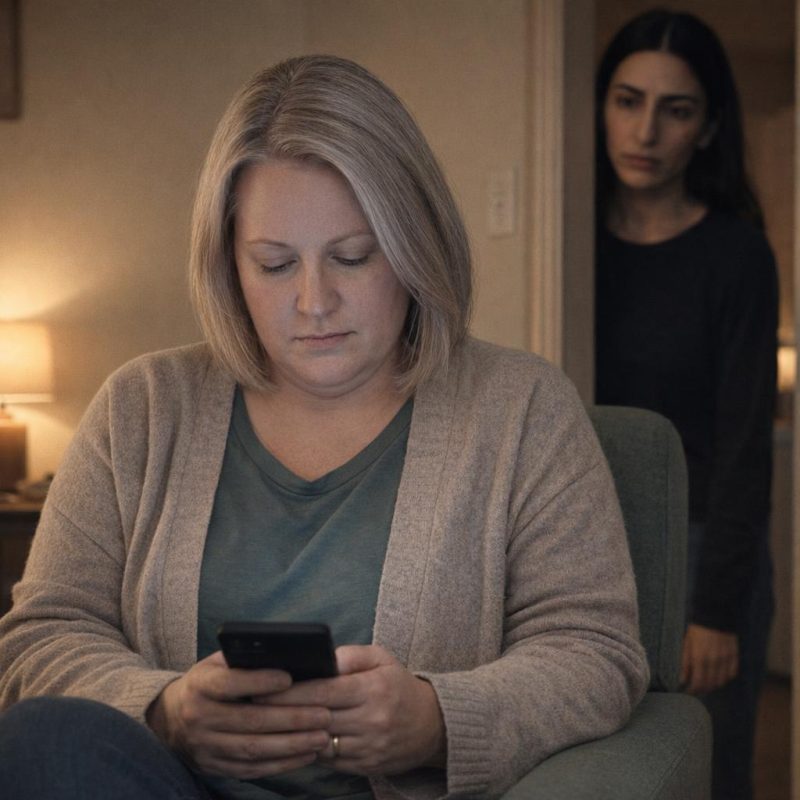 Image by RM AI
The Timeline
Emma called Thursday evening, and I could hear the smile in her voice. We talked about her week—a new patient case that had gone well, the Thai place near her apartment that she'd tried again. Then she mentioned grabbing coffee with Dr. Chen last week, laughing about how he'd spilled his latte all over his notes. I was nodding along, half-listening, when something snagged in my mind. "Last week?" I said, keeping my tone light. "I thought you were out of town last week." There was a pause, just a beat too long. Then she laughed, that easy sound that usually put me at ease. "Oh God, Mom, I meant two weeks ago. This week has been so long I've completely lost track of what day it is." She launched into a story about her schedule, the explanation flowing smoothly, and I made agreeing sounds. We talked for a few more minutes before she had to go. After I hung up, I sat there with my phone in my hand, then walked to the kitchen calendar. I'd marked it down—Emma had texted me she'd be traveling Tuesday through Thursday of last week. I stared at my own handwriting. She corrected herself immediately, laughing it off as a long week, but the mismatched timeline sat uncomfortably in my mind.
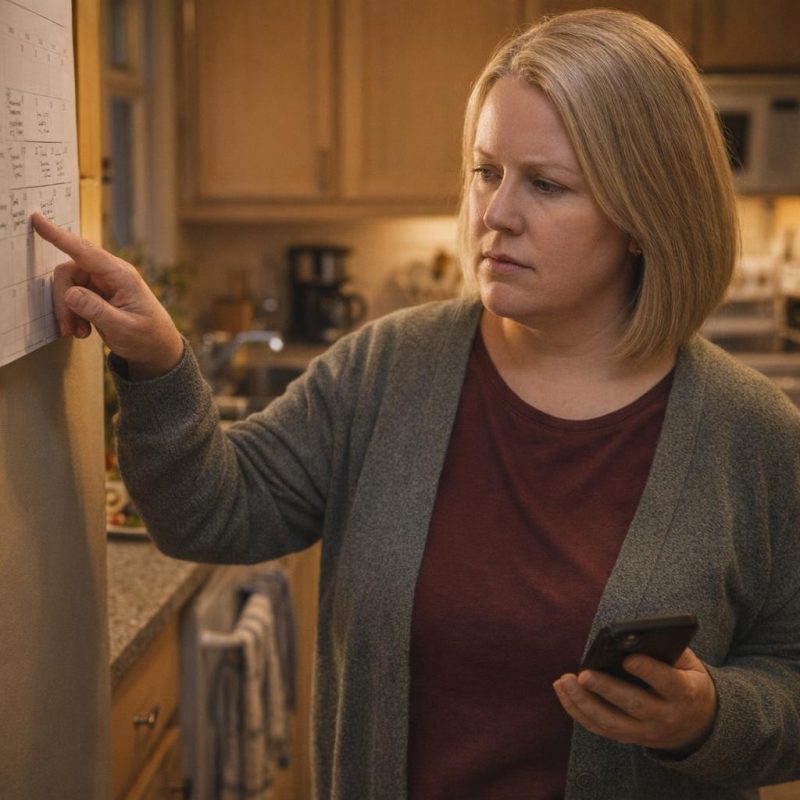 Image by RM AI
Mental Inventory
That night, I sat in the living room after David had gone to bed, the house quiet except for the hum of the refrigerator. I found myself mentally scrolling backward through the past two months, arranging moments like photographs laid out on a table. The cancelled Sunday dinner had been roughly eight weeks ago—that's when I'd first noticed the shift. Then the postponed coffee date. The lunch she'd texted about an hour before. The vague "I'll check my calendar" responses that never turned into actual plans. Four declined invitations, but it was more than that. There were the calls that went to voicemail more often, the texts that took hours to return when they used to take minutes. The stories that felt just slightly off, like the one about Dr. Chen. I tried to picture Emma's face during our recent conversations, searching for signs of stress or unhappiness, but I couldn't identify anything concrete. She sounded fine. She looked fine in the photos she occasionally posted. Maybe I was being oversensitive. Maybe I was struggling with her independence more than I wanted to admit. I felt guilty even cataloging these things, like I was building a case against my own daughter. Individually, none of it meant anything—but laid end to end, it formed something I couldn't quite name.
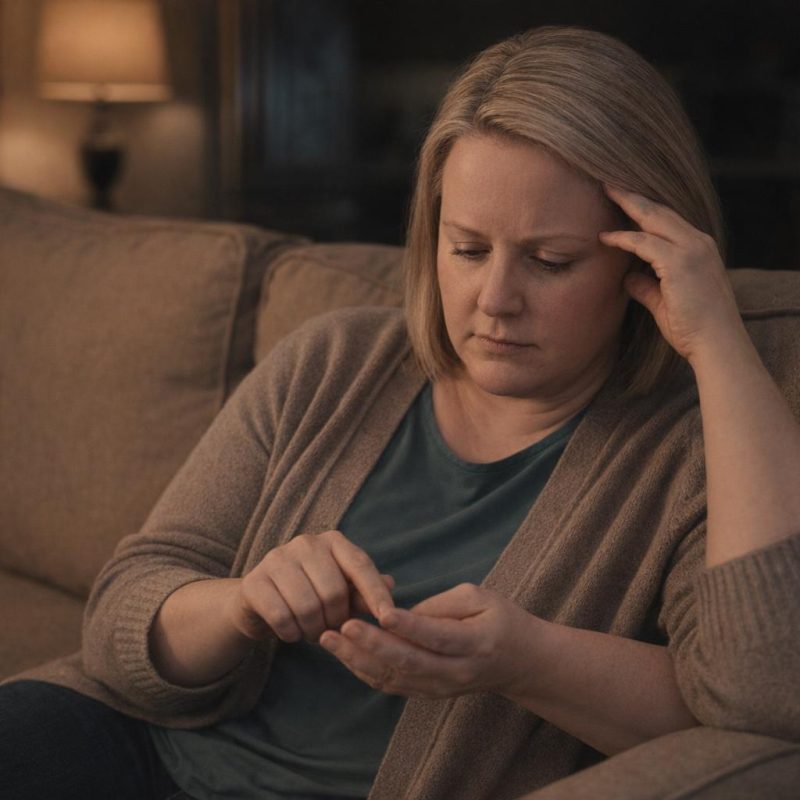 Image by RM AI
The Unasked Question
Saturday afternoon, I picked up my phone and opened a text to Emma. "Is everything okay? You seem distant lately." I read it twice, then deleted it. Too accusatory, like I was blaming her for something. I tried again: "I've noticed we haven't connected as much recently. Just wanted to check in." That felt needy, clingy—the kind of thing that would make her pull back even more. I set the phone down, considered calling instead, but the thought of putting her on the spot made my stomach tighten. I picked it up again. "Just checking in, haven't heard from you much." Delete. That implied she was at fault, that she owed me contact. I sat there for probably ten minutes, typing and deleting, typing and deleting. Finally, I wrote something safe about the weather forecast, how they were predicting an early frost. Sent it before I could overthink that too. Emma responded within minutes with a pleasant comment about needing to bring her plants inside. I stared at our exchange, these careful, meaningless words. My thumb hovered over the send button longer than it should have.
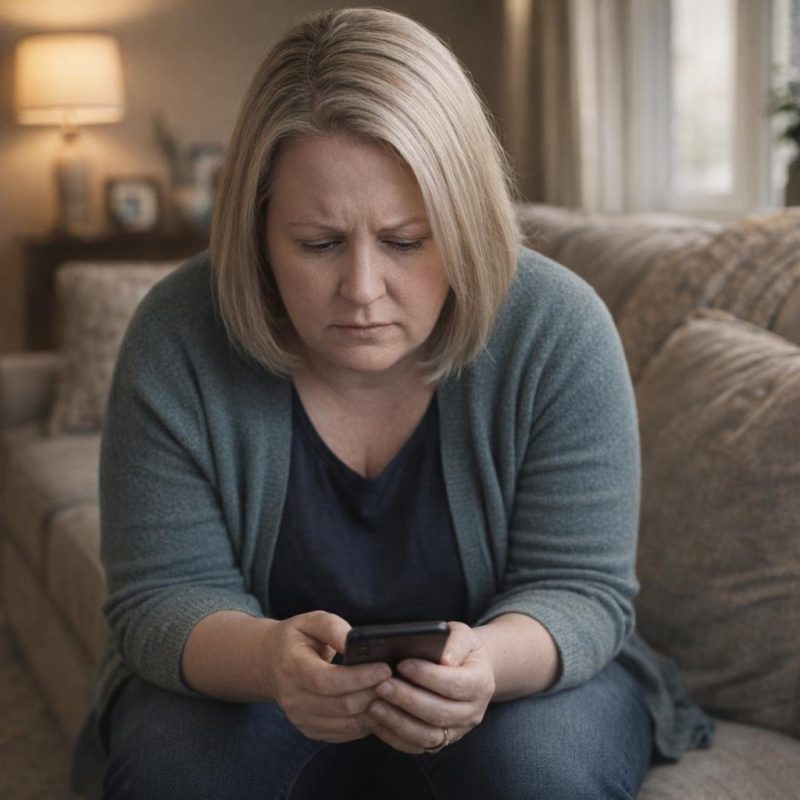 Image by RM AI
David's Perspective
That night, I brought it up to David while he was getting ready for bed. "Have you noticed anything different about Emma lately?" He pulled his shirt over his head, considering. "Different how?" I listed it out—the cancelled plans, the missed calls, the way she seemed harder to pin down. He sat on the edge of the bed, listening with that patient expression he gets when he's trying to understand my worry. "She's always been independent, Sarah," he said. I mentioned the timeline thing, the coffee with Dr. Chen that didn't line up. He shrugged, not dismissively, but practically. "She's probably just busy with work. You know how demanding her schedule is." I asked if he'd noticed anything when they'd talked. He said no, she seemed fine to him, same as always. "Maybe you're overthinking it," he said gently. "She's got her own life now." I nodded, feeling both dismissed and uncertain. Maybe he was right. Maybe I was reading into normal adult behavior, seeing problems where there weren't any. Or maybe—and I hated this thought—maybe mothers noticed things fathers didn't, or maybe I was just more paranoid. "She's twenty-eight, Sarah," he said gently, and I couldn't explain why that answer felt insufficient.
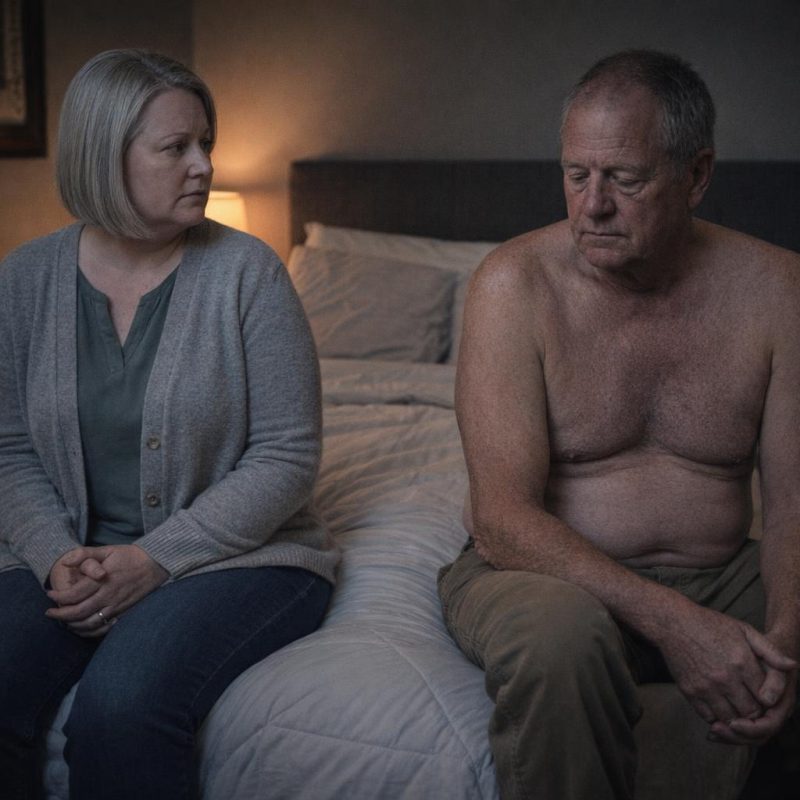 Image by RM AI
The Space Between
The conversation picked up again over breakfast. David poured his coffee and said, "You know, maybe Emma just needs some space. We raised her to be independent." He had that reasonable tone he uses when he's trying to solve a problem, and I found myself nodding. "You might be too focused on staying close," he continued. "Healthy adult kids create boundaries. That's normal." I considered this seriously, turning it over in my mind. Was I having trouble letting go? Was I one of those mothers who couldn't accept that her daughter had grown up? The thought made me uncomfortable, but I couldn't dismiss it entirely. "You're probably right," I said. "I should give her more space." David's face relaxed, relieved that we'd settled it. He started talking about his plans for the garage, and I made appropriate responses, asking about his project timeline. Inside, though, something else was happening. Even as I agreed with him, even as I acknowledged he might be right, I knew I wouldn't stop paying attention. I'd just do it more quietly. I'd watch without interfering, notice without commenting. I told him he was right, but even as I said it, I knew I wouldn't be able to let it go.
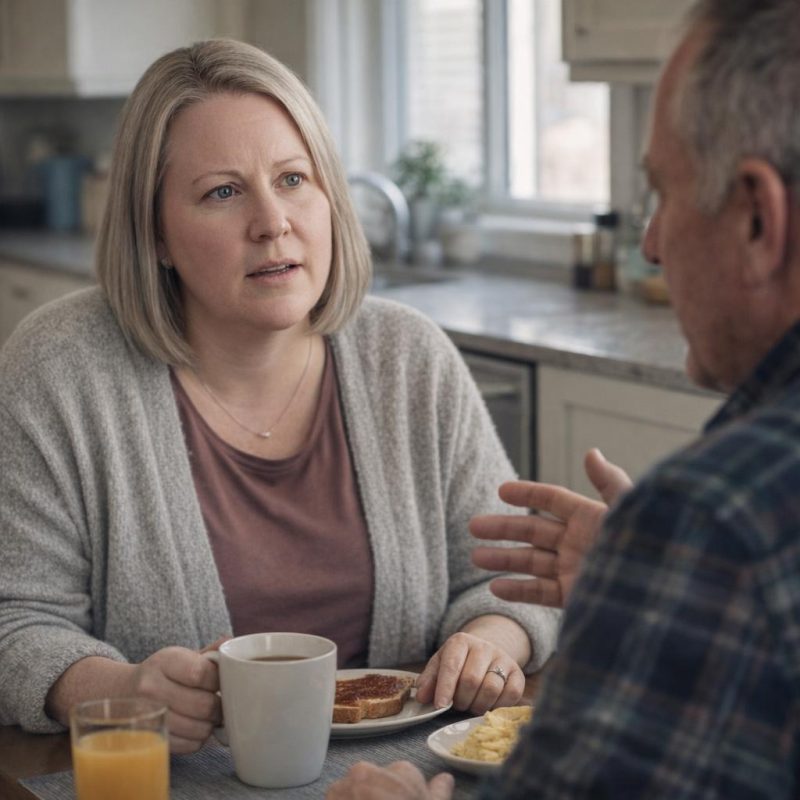 Image by RM AI
Patience as Strategy
I made a conscious decision that week to pull back. No more frequent texts asking about her day. No more calls just to chat. I'd let Emma reach out first, see if the distance was mutual or if I'd been the one creating pressure. It felt strategic, almost calculated, and I didn't entirely like that about myself—but I told myself it was the right approach. A compromise between my concern and her need for space. I went about my normal routines without mentioning Emma constantly to David or my friends. When she did text or call, I kept my responses warm but light, resisting the urge to ask probing questions or extend the conversation. I paid attention to the frequency though, noting when she made contact. Tuesday evening, a brief text about a funny patient interaction. Saturday afternoon, a call that lasted twelve minutes. I maintained that friendly, easy tone, the one that said everything was fine, even as I cataloged each interaction in my mind. Patience, I told myself, wasn't passive. It was a choice, an active form of waiting. If something was wrong, Emma would tell me eventually. I would let Emma come to me—but that didn't mean I'd stopped paying attention.
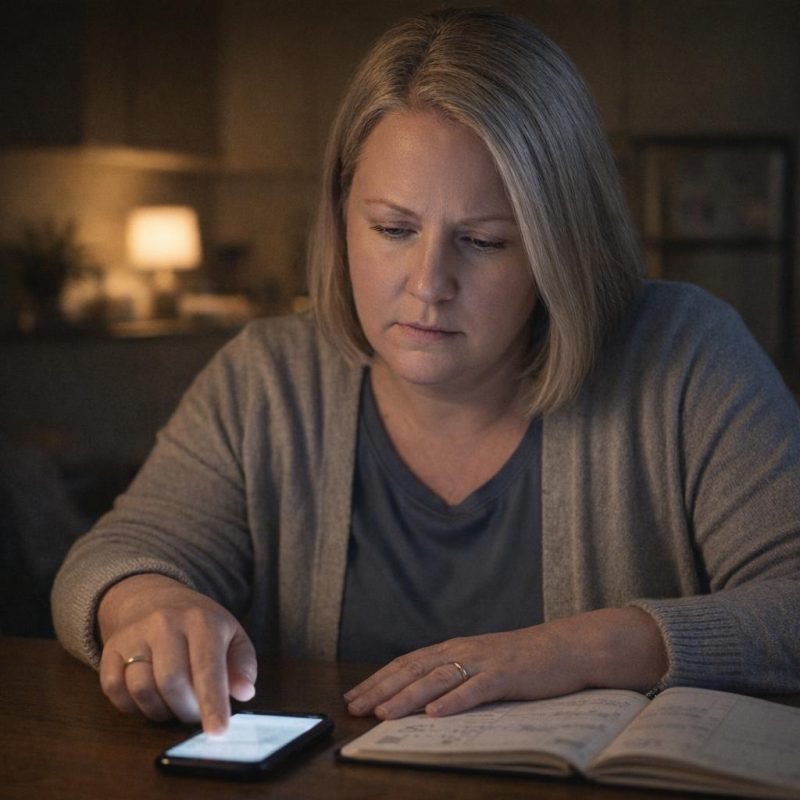 Image by RM AI
The Same Tone
Wednesday evening, my phone rang—Emma. I felt a small lift of hope as I answered. She sounded good, energetic even, telling me about a new coffee shop that had opened two blocks from her apartment. "They have these amazing lavender lattes," she said. "You'd love it." She asked about my week, and I told her about book club, about the mums I'd planted in the front garden. She responded to everything appropriately, asking follow-up questions, laughing at my story about Margaret from book club falling asleep during the discussion. The conversation flowed the way conversations are supposed to flow. But underneath it, I felt that same disconnect I'd noticed before. Emma volunteered nothing deeper than surface details. Her questions felt like items on a checklist—ask about book club, check; ask about the garden, check. The pauses between topics felt hollow somehow, like we were both searching for the next safe thing to say. After twenty minutes, she said she needed to go, early morning tomorrow. We said our goodbyes, the usual "love yous." I set the phone down and realized I felt emptier after talking to her than I had before. Her words said everything was normal, but the space between her sentences felt carefully maintained.
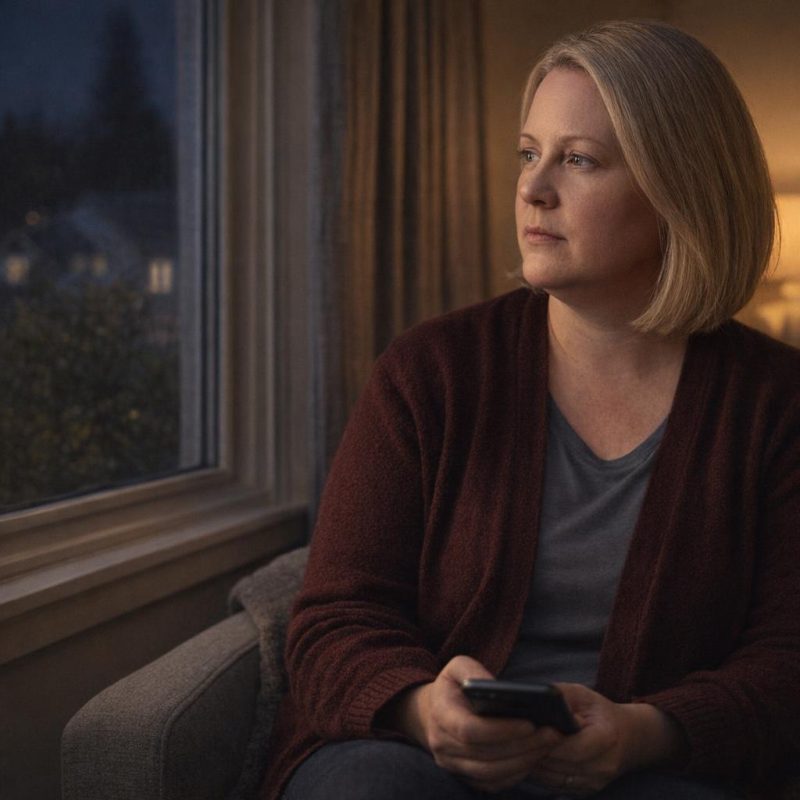 Image by RM AI
The Wrong Name
Emma called again Friday, and this time she had a story about work—a difficult situation with a patient's family that had gotten tense. "Thank God Michael was there," she said. "He completely defused it, knew exactly what to say." I was listening, making sympathetic sounds, when something clicked. "Michael?" I said. "I thought you told me about this a couple weeks ago. Wasn't it Thomas who handled it?" Silence on her end, just for a second. Then: "Oh, no—Michael and Thomas were both involved. I probably simplified it before, didn't want to get into all the details." Her explanation sounded plausible. Reasonable, even. But it felt retrofitted, like she was filling in gaps in real-time. "Right," I said. "That makes sense." We talked for a few more minutes, but I was distracted, only half-present. After we hung up, I sat there replaying both versions in my mind. I was certain—absolutely certain—that the first time she'd told that story, she'd mentioned only one person, and his name had been Thomas. The explanation about both of them being involved, about simplifying the story—it was smooth, too smooth. When I asked about it, she covered smoothly—too smoothly—and I was left holding a contradiction I couldn't quite articulate.
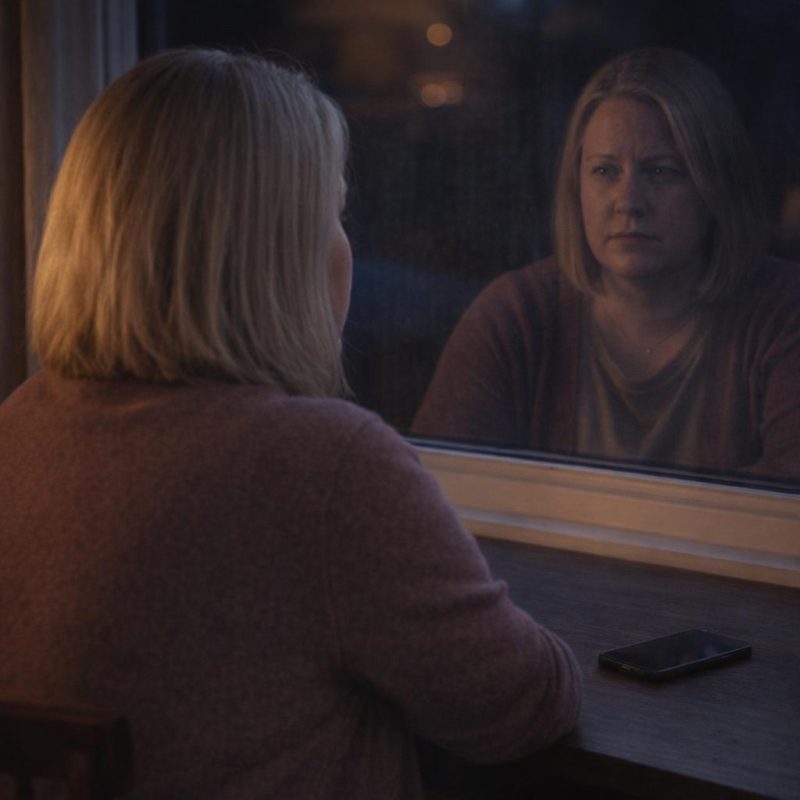 Image by RM AI
The Wall
I called her Saturday morning, trying to sound casual. We talked about the weather, about a show I'd been watching, about nothing really. Then I took a breath and asked how she was doing—really doing. I put emphasis on that word, hoping she'd hear the invitation in it. "I'm good, Mom," she said, and I could hear the smile in her voice, that practiced cheerfulness. "Just busy with work, you know how it is." I pressed a little, mentioned she'd seemed stressed lately, asked if there was anything she wanted to talk about. She laughed, light and dismissive. "Work is always demanding. That's just healthcare." Then she turned it around, asked about my week, about the garden, about whether I'd heard from Aunt Linda. I recognized the redirect immediately—I'd done it myself a thousand times—but I let her do it anyway. We talked for another ten minutes about my life, my mundane routines, while the questions I actually wanted to ask sat heavy in my throat. When we said our goodbyes, the usual "love you" felt hollow. I sat there afterward, phone still in my hand, feeling like I'd just been politely escorted out of my own daughter's life. 'I'm fine, Mom,' she said, with a smile I could hear through the phone—and it was that audible smile that hurt most.
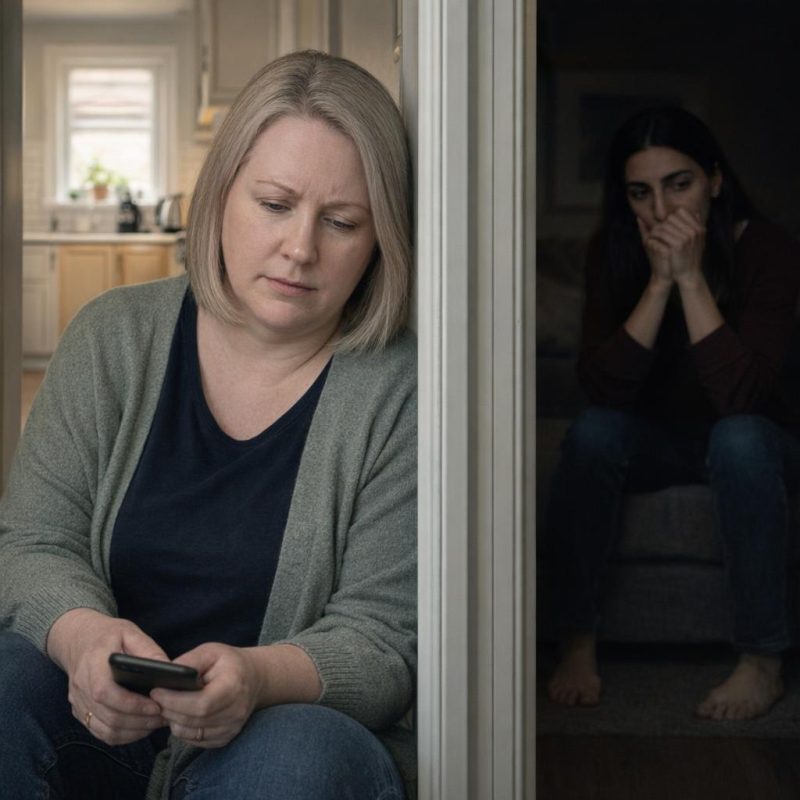 Image by RM AI
The Invitation
I texted her Tuesday afternoon, keeping it light. Mentioned a new restaurant downtown that had gotten great reviews, the kind of place Emma would love—farm-to-table, creative menu. "Want to meet for lunch next week? My treat. Would be nice to catch up properly." She responded within an hour, which felt promising. "That sounds amazing! I'd love to." Then came the qualifier: "Let me check my schedule—things are crazy right now." I suggested Thursday or Friday, giving her options, trying to make it easy. "I'll look at my calendar and confirm soon," she wrote back, with a heart emoji. I stared at that message, at those specific words. I'd heard them before—twice in the past month, actually. Both times, "I'll confirm soon" had meant the plan quietly dissolved, never mentioned again until I brought it up and she apologized for forgetting. I tried not to feel disappointed in advance, tried to give her the benefit of the doubt. Three days passed without a word. I didn't follow up, didn't want to seem pushy or needy. But I knew, sitting there on Friday evening, that we wouldn't be having lunch. Emma said she'd love to and would check her schedule—which meant, I was beginning to understand, that she probably wouldn't.
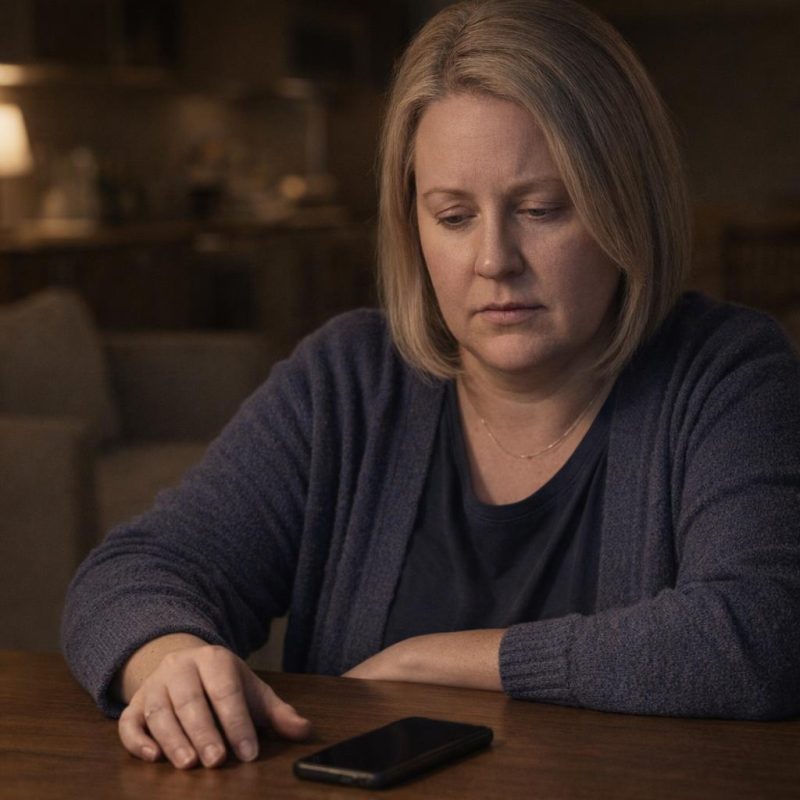 Image by RM AI
Dr. Chen
Thursday afternoon, I decided to just show up. I stopped by a deli Emma liked, got sandwiches and fruit, drove to the hospital. Maybe if I made it easy, if I was just there, we could have twenty minutes together. The receptionist on Emma's floor looked confused when I asked for her. "She left for the day," she said, checking her computer. I glanced at the clock—1:15 PM. Emma typically worked until at least five, sometimes later. I was standing there, holding the bag of food, when someone said my name. Dr. Chen, according to her badge. Petite, professional, with a direct gaze behind wire-rimmed glasses. "You're Emma's mother," she said, not a question. We shook hands. I mentioned I'd hoped to catch Emma for lunch. "She had appointments off-site today," Dr. Chen said, and something about the phrasing felt oddly specific while telling me nothing at all. I asked if Emma seemed well to her, if she'd noticed anything concerning. Dr. Chen paused—just a beat, barely noticeable—before saying Emma was fine, very competent, well-regarded. Her professional mask was perfect, but that brief hesitation stuck with me. I left with the uneaten sandwiches, more confused than when I'd arrived. Dr. Chen was professional and pleasant, but when I mentioned Emma, something flickered across her face—recognition, maybe, or caution.
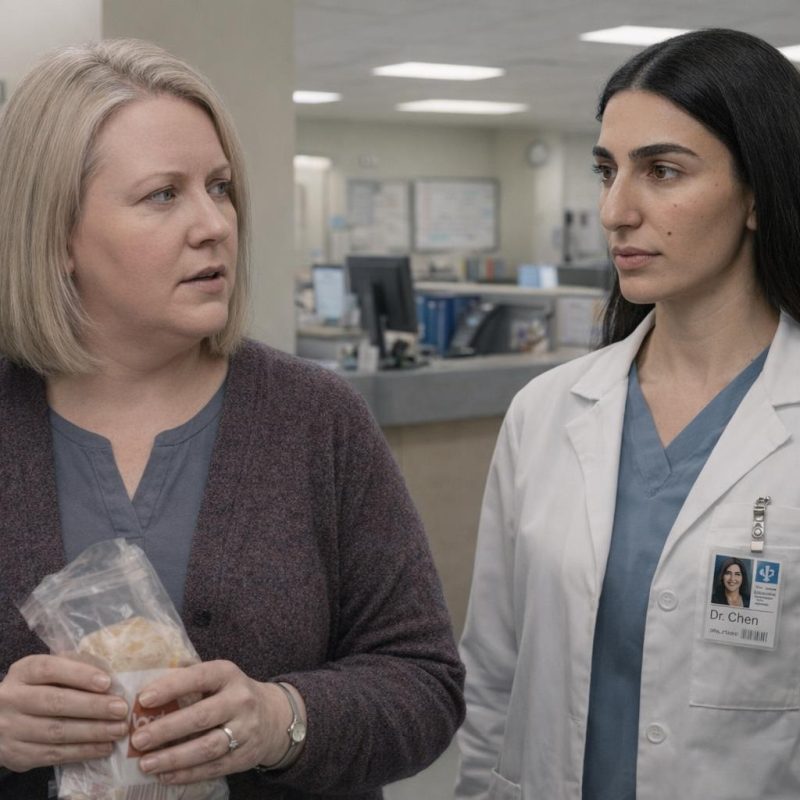 Image by RM AI
The Pattern of Silence
Monday morning, I sent a text. Just checking in, hope you're having a good week. No response. Tuesday, I called during my lunch break, got her voicemail. Left a message, kept it brief and upbeat. Wednesday, I texted again: "Everything okay? Haven't heard from you." By Thursday, I was staring at my phone like it might explain itself. Two voicemails, three texts, four days of silence. I told myself she was busy, that her phone might be broken, that there were a dozen reasonable explanations. But I didn't believe any of them. This felt different than being missed. This felt like being screened. Thursday evening, my phone finally rang. Emma, apologetic and rushed. Her phone had died, she'd been running around, everything had been chaos. The explanation was perfectly plausible—these things happen. But the timing felt managed, like she'd calculated exactly how long she could wait before I'd escalate to showing up at her apartment. I accepted her apology, told her I understood, said all the right things. After we hung up, I sat in the quiet of my kitchen and realized I was analyzing every word she said now, weighing each explanation for truth. When Emma finally called back with an apology, I listened to her explanation and wondered when I'd started doubting every word she said.
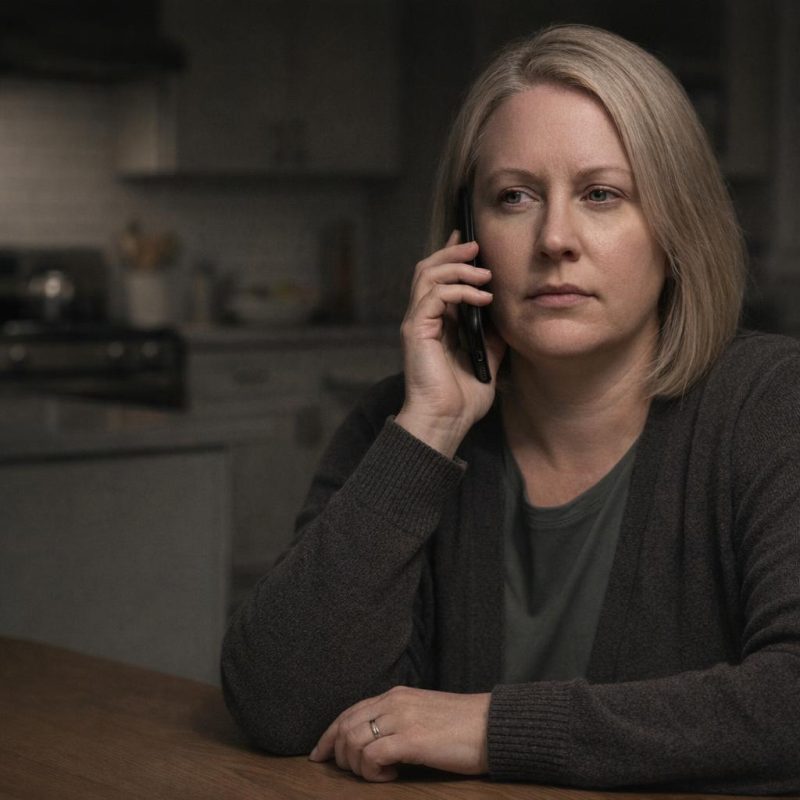 Image by RM AI
Tracing Backward
Friday night, I spread my calendar across the kitchen table next to my phone records. I needed to see it laid out, needed to understand when this had started. I marked every cancelled plan, every missed call, every conversation that had felt off. Working backward through the weeks, I watched a pattern emerge. The shift wasn't sudden—it had been gradual enough that I'd missed it happening in real time. But there, in the data, it was clear. Approximately eight weeks ago, something had changed. The frequency of our contact had dropped, the quality of our conversations had shifted. I searched my memory for what had happened then. Had Emma mentioned a breakup? A conflict at work? Had we argued about something I'd forgotten? I checked my own calendar for family events, holidays, anything that might have triggered this distance. Nothing. No obvious catalyst, no clear turning point. Just a date—eight weeks ago—when my daughter had started pulling away. I sat there until past midnight, staring at that circled date, trying to remember what had been different about that particular week. The pattern crystallized around a date eight weeks ago—but I couldn't identify anything significant that had happened then.
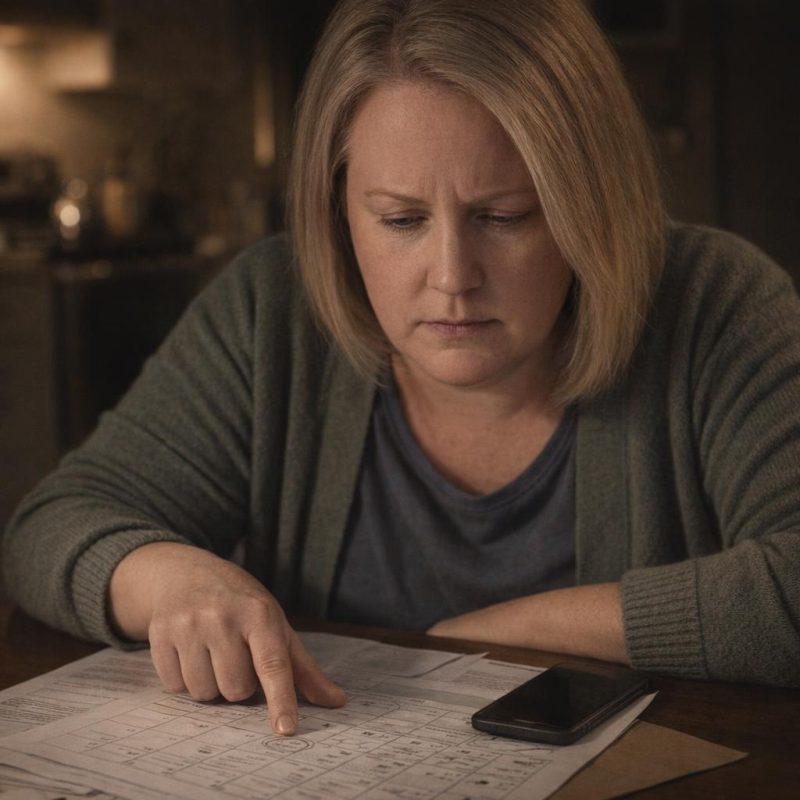 Image by RM AI
Possible Explanations
Saturday morning, I made a list. Every possible problem Emma might be facing, every reason she might be pulling away. Relationship troubles topped the list—but Emma hadn't mentioned dating anyone in months, and a breakup didn't explain the timeline inconsistencies. Work stress seemed plausible. Healthcare was demanding, emotionally draining. But Emma had handled difficult cases before without withdrawing like this. Health concerns crossed my mind, made my stomach clench. But she'd looked fine the few times I'd seen her—tired, maybe, but not ill. Financial problems? Unlikely, given her stable job and careful nature with money. Maybe conflicts with friends, though Rachel had seemed aware of something without being particularly worried. I considered whether this was just natural growing apart, the way adult children sometimes need space. But that didn't explain the contradictions, the careful evasions, the eight-week timeline. Each theory had holes. Each explanation left questions unanswered. I sat with my list, crossing out possibilities, adding new ones, feeling increasingly uneasy. The truth was, none of them fit completely—which meant either I was missing something, or Emma was hiding something worse than I'd imagined.
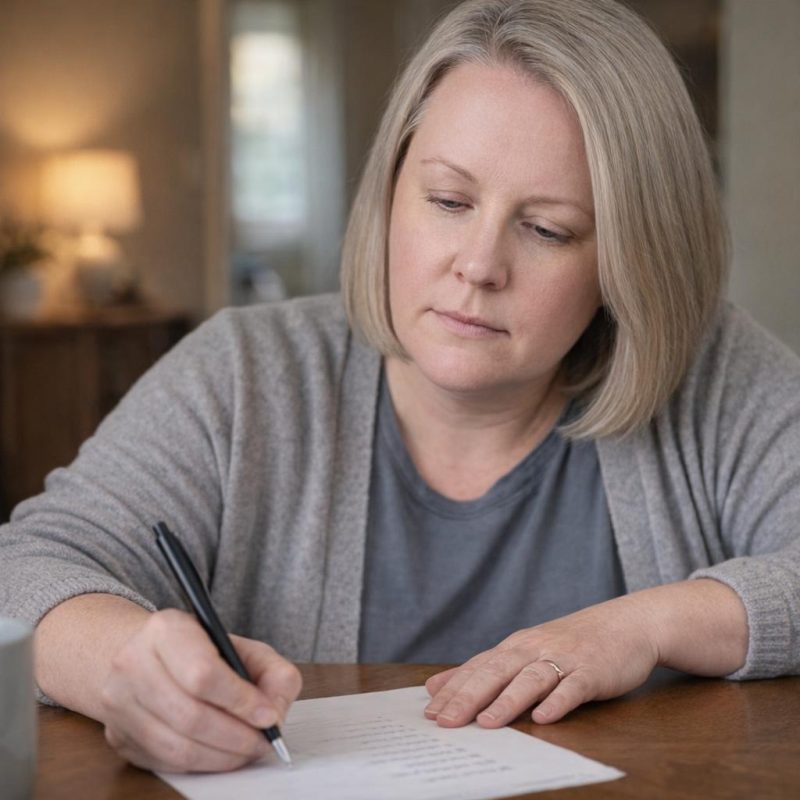 Image by RM AI
Reaching Out
Sunday afternoon, I opened a text to Rachel. Typed and deleted three different versions before settling on something casual. "Hey! Would love to catch up over coffee if you have time this week. It's been too long." I read it twice, making sure it sounded natural, not desperate or investigative. Sent it at 2:30 PM. Then I waited. I checked my phone at three. Nothing. Made dinner, checked again at five. Still nothing. By seven, I was telling myself she was busy, that people don't always respond immediately. But Rachel usually did—she was good about that, always had been. The response came at 5:47 PM, three hours and seventeen minutes after I'd sent the message. "Would love to! How about Tuesday at 10? There's a coffee shop on Maple Street near the hospital." Warm, friendly, agreeable. But I kept thinking about those three hours. What had Rachel been considering? Whether to meet me at all? What she could or couldn't say? How to handle whatever this conversation might become? I confirmed Tuesday, added a smiley face, tried to match her casual tone. But I couldn't shake the feeling that the delay itself had been an answer. I texted her asking if we could meet for coffee, and the three-hour delay before her carefully worded response told me more than I wanted to know.
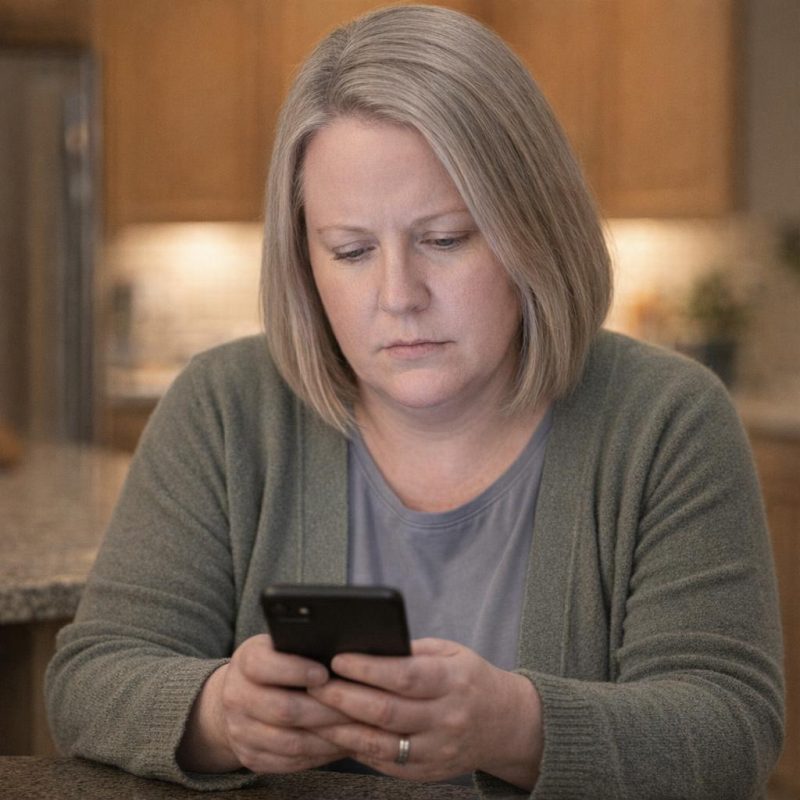 Image by RM AI
Coffee and Careful Words
I arrived at the coffee shop fifteen minutes early Tuesday morning, ordered a latte I didn't really want, chose a table by the window. Rachel walked in at exactly ten, gave me a warm hug, ordered her usual cappuccino. We talked about her work, about a hiking trip she was planning, about a mutual friend's new baby. Easy conversation, comfortable. I let it flow naturally for a while before steering toward Emma. "Have you seen much of Emma lately?" I asked, keeping my tone light. "Yeah, fairly regularly," Rachel said, and something in her posture shifted slightly. I mentioned feeling out of touch with Emma, said I couldn't seem to pin her down for lunch. Rachel listened, nodding sympathetically. "Is she okay?" I asked. "I mean, really okay? You'd tell me if something was wrong, wouldn't you?" Rachel paused, her coffee cup halfway to her lips. Set it down carefully. "Emma's dealing with something important right now," she said, choosing each word with visible care. "But she's okay. She's handling things." I waited for more. Nothing came. "What things?" I asked. Rachel met my eyes, and I saw the conflict there—loyalty to Emma, concern for me, the weight of a confidence she wouldn't break. "I can't really say more than that. But she's not in trouble, if that's what you're worried about. She's just... working through something." When I asked directly if Emma was okay, Rachel met my eyes and said 'She's handling things'—and I heard everything she wasn't saying.
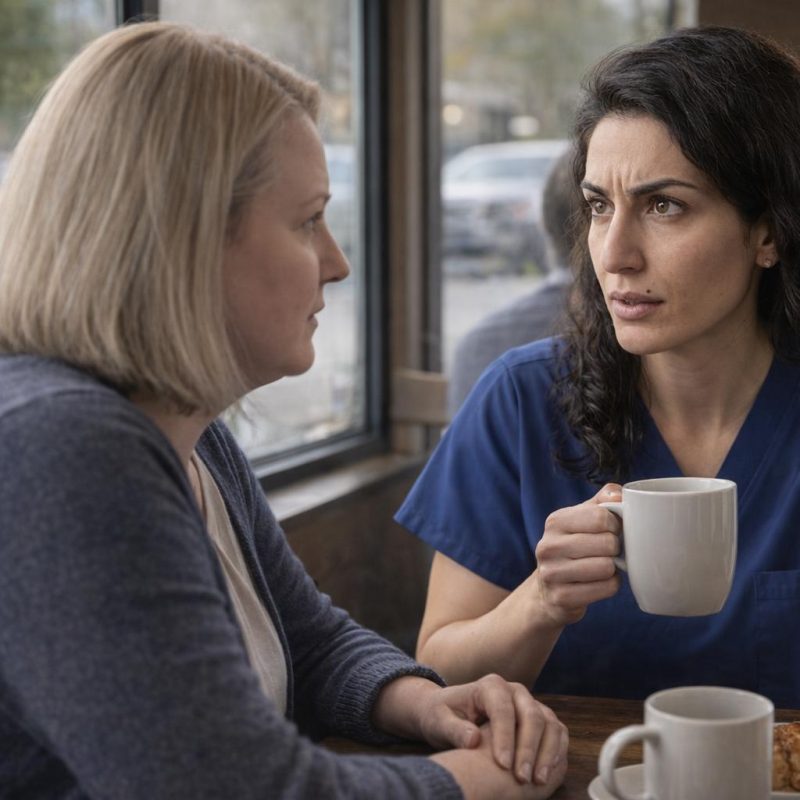 Image by RM AI
The Overheard Fragment
I showed up at Emma's apartment Tuesday afternoon with a box of pastries from that bakery she used to love, the one near her old college campus. No text, no call ahead—just decided to drop by. I told myself it was spontaneous, maternal, normal. I climbed the stairs to her floor, walked down the hallway, approached her door. That's when I heard her voice inside, muffled but distinct through the door. She was on the phone with someone. I paused, hand raised to knock, not wanting to interrupt. Then I caught a fragment clearly: 'I'll be there Sunday.' The words themselves were ordinary enough. But the tone—God, the tone. There was a warmth there, a gentleness I hadn't heard from Emma in weeks. Maybe months. It was the voice she used to use with me, before everything shifted. Soft, unguarded, tender. Reserved for someone who mattered. I stood there frozen, listening to the cadence of her voice continue, couldn't make out the words but heard something about being careful. Then silence. The call had ended. I knocked quickly, maybe too quickly. Emma opened the door, surprise flickering across her face, but she smiled. Accepted the pastries, invited me in for a few minutes. We talked about nothing important. She never mentioned the phone call. I didn't ask. But I filed those words away, turned them over in my mind even as we made small talk. I only heard Emma say 'I'll be there Sunday'—but the tenderness in her voice was reserved for someone, and I had no idea who.
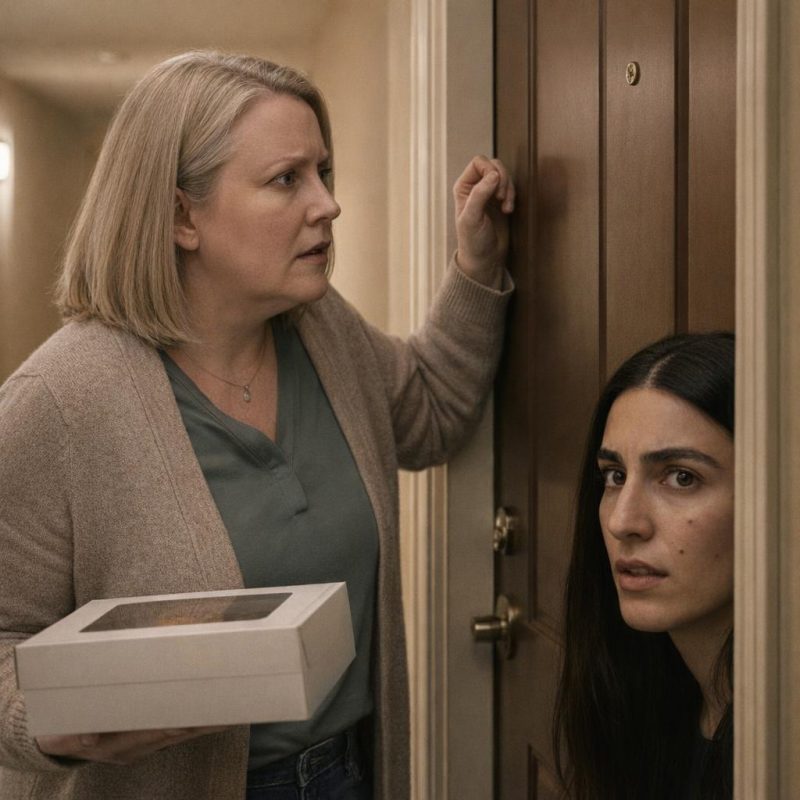 Image by RM AI
The Address
Twenty minutes into my visit, Emma mentioned she'd lost an earring somewhere in the apartment, one from a pair I'd given her last Christmas. I offered to help look. We searched around the furniture, under couch cushions, near the bookshelf. I moved toward the entryway table while Emma checked the bedroom. That's when I noticed the slip of paper on the floor near the table leg, partially hidden. I picked it up. Handwritten address, a street name I didn't recognize, a route number—37 West. Emma called from the bathroom that she'd found the earring. Relief in her voice. I held the paper, glanced toward the bathroom door. 'Did you drop this?' I asked casually when she emerged, holding it up. She looked over, barely focused. 'Oh, yeah, just some directions,' she said. Didn't elaborate. Turned back to putting the earring in. I stood there another moment, then slipped my phone from my pocket while she wasn't looking. Photographed the address quickly, the paper slightly blurred but readable. Tucked my phone away before she turned around. We finished the visit normally. I hugged her goodbye, walked to my car, drove home with that address saved in my phone. I didn't recognize the street name or the town. Felt guilty about photographing it, invasive, wrong. But also justified, somehow. Necessary. The address meant nothing to me, but I photographed it with my phone anyway—already knowing I would look it up later.
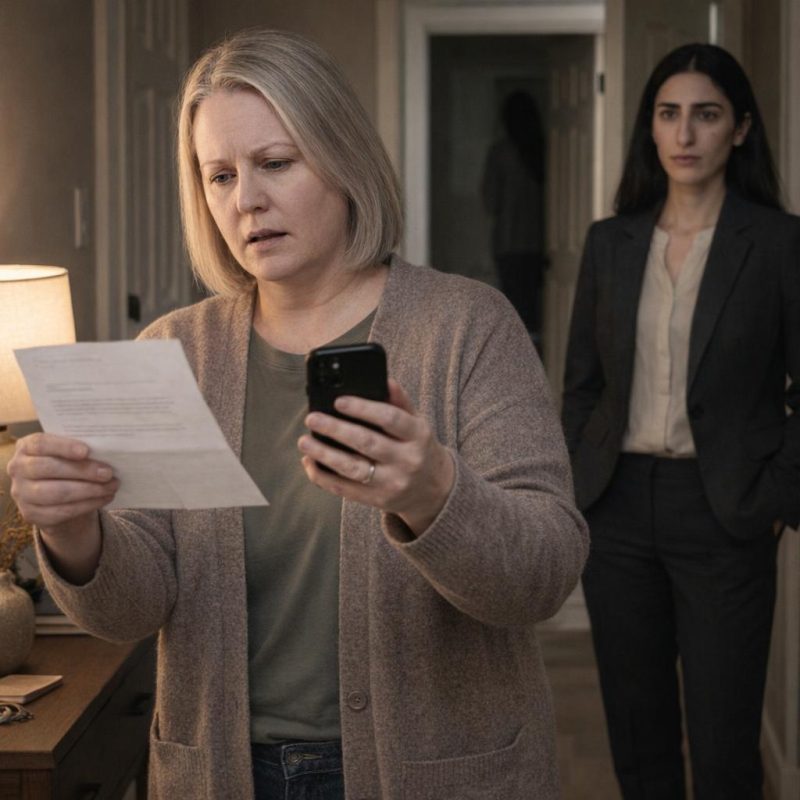 Image by RM AI
The Threshold
I sat alone at home that evening, phone in my hand, opening the photo of that address over and over. The numbers and street name stared back at me, meaningless but weighted. I knew looking it up would cross a line. Emma was an adult, entitled to her privacy, her own life separate from mine. I had no right to investigate her personal information like some kind of detective. David's words echoed in my head—give her space, let her come to you. Maybe I was being overbearing, the kind of mother who couldn't let go, who needed to control everything. I set the phone down. Picked it up again. Opened the search engine, typed the first few letters of the street name. Stopped. Closed the browser. The guilt sat heavy in my chest, but so did the worry. Something was clearly wrong, clearly off, and Emma wouldn't talk to me about it. Didn't I have a responsibility to know if she was in trouble? Wasn't that what mothers did—protected their children, even adult children who pushed them away? I opened the browser again. Stared at the search bar. My protective instinct warred with respect for boundaries, and I sat there feeling both justified and terrible. I told myself I was respecting Emma's privacy by hesitating—but I'd already decided, and we both would have known it.
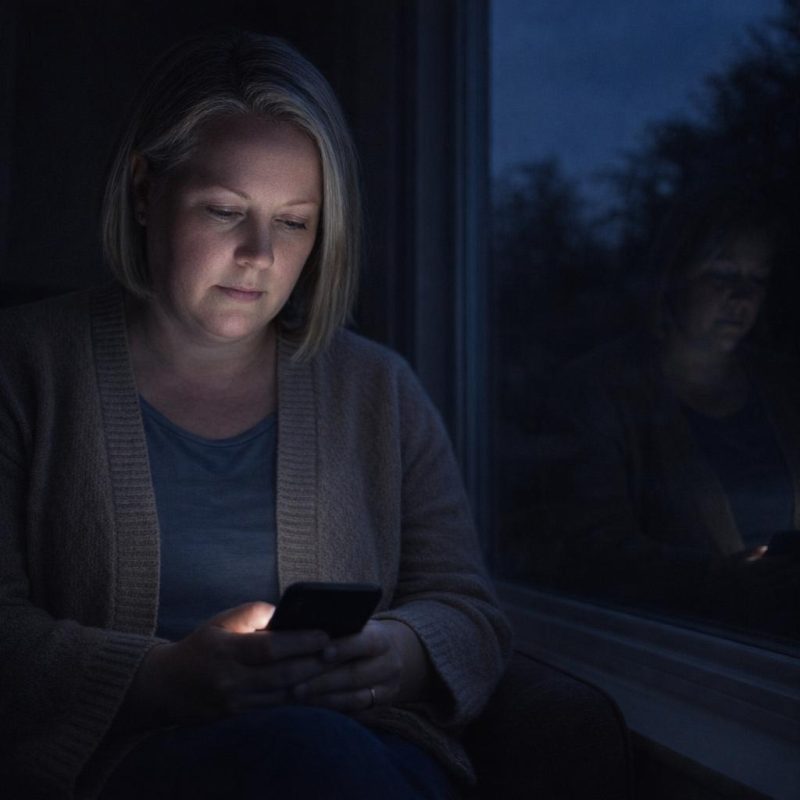 Image by RM AI
The Search
I typed the full address into the search bar and hit enter. The results loaded quickly. The street was in a town called Millbrook, about ninety miles west of the city. I stared at the name. Millbrook. I didn't recognize it, couldn't remember Emma ever mentioning it. I searched for the town itself—small place, population under five thousand, the kind of town you pass through on the way to somewhere else. I pulled up the map, zoomed out to see where it sat in relation to the city. West, off the main highway, surrounded by smaller roads and rural areas. I tried to think if Emma had friends out that way, anyone from college or work. Nothing came to mind. I searched for Millbrook with hospital, medical center, anything related to Emma's work. No obvious connections. But the town name kept nagging at me, sitting at the edge of my memory like something I should know. Familiar but distant, like a word on the tip of my tongue. I couldn't identify why it seemed familiar, couldn't pull the connection into focus. The frustration built as I stared at the map, willing my brain to make sense of the vague recognition. I saved the location in my maps application, closed my phone. The town name sparked something at the edge of my memory, but I couldn't pull it into focus—not yet.
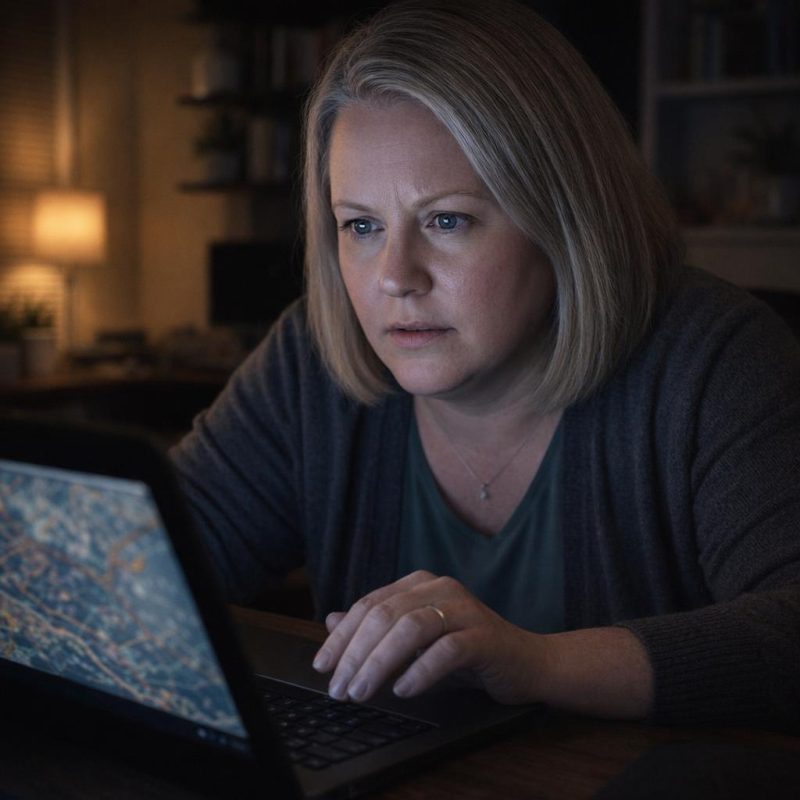 Image by RM AI
The Recognition
I opened the map again later that night, couldn't leave it alone. Stared at Millbrook's location, zoomed out further to see the surrounding areas. That's when I saw the county name. Recognized it immediately. My breath caught. I zoomed out more, looked at the neighboring towns. There—Forestdale. Thirty miles from Millbrook. Forestdale was where my mother lived. Where Margaret had lived for decades, in that house I'd only been to a handful of times before the estrangement. I checked the distance again, measured it twice. Thirty miles. Same county. I tried to remember exactly where Margaret's house was, the specific address I'd deliberately forgotten over twenty-five years. Pretty sure it was Forestdale, though I could be wrong after so much time. My hands felt cold. This had to be coincidence. Emma didn't even know Margaret existed, not really. I'd mentioned once, years ago when Emma was a teenager, that I had no contact with my mother. That was it. One conversation, barely detailed, quickly moved past. No reason Emma would know where Margaret lived. No reason Margaret would know how to contact Emma. They'd never met, never spoken. The connection was geographic, nothing more. But I couldn't stop staring at those two town names on the map, thirty miles apart. My first thought was that it had to be coincidence, because the alternative was impossible.
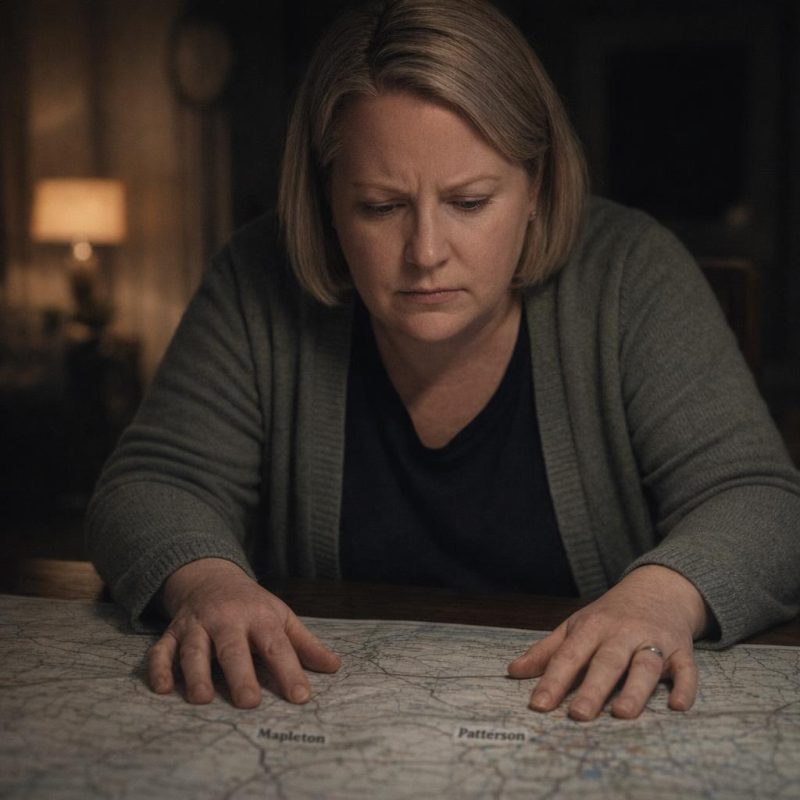 Image by RM AI
Impossible Thoughts
I closed the map application, set my phone face-down on the kitchen counter. Paced the length of the room, back and forth, trying to organize my thoughts into something rational. Emma could know someone in that area for a hundred different reasons. An old college friend who'd moved there. A work connection, someone from the hospital system. A boyfriend, maybe, though she'd never mentioned anyone. Anything. The geographic proximity to Margaret meant nothing because Emma had no way of knowing where Margaret lived. I'd never told her. Never discussed the estrangement in any detail beyond that single conversation years ago. Emma was fourteen, maybe fifteen. She'd asked why we never saw my mother, and I'd said we weren't in contact, that it was complicated, that some family relationships didn't work out. She'd accepted it and never asked again. No reason she would suddenly seek Margaret out now. No reason Margaret would contact Emma—Margaret didn't even know Emma's last name, her married name. They were strangers. I repeated this to myself, pacing faster. But my hands were shaking. I noticed them trembling as I gripped the counter edge, and my stomach felt tight, nauseous. I was being paranoid, connecting dots that didn't connect, seeing patterns where none existed. I had a hundred rational explanations ready—but none of them could explain why my hands were shaking.
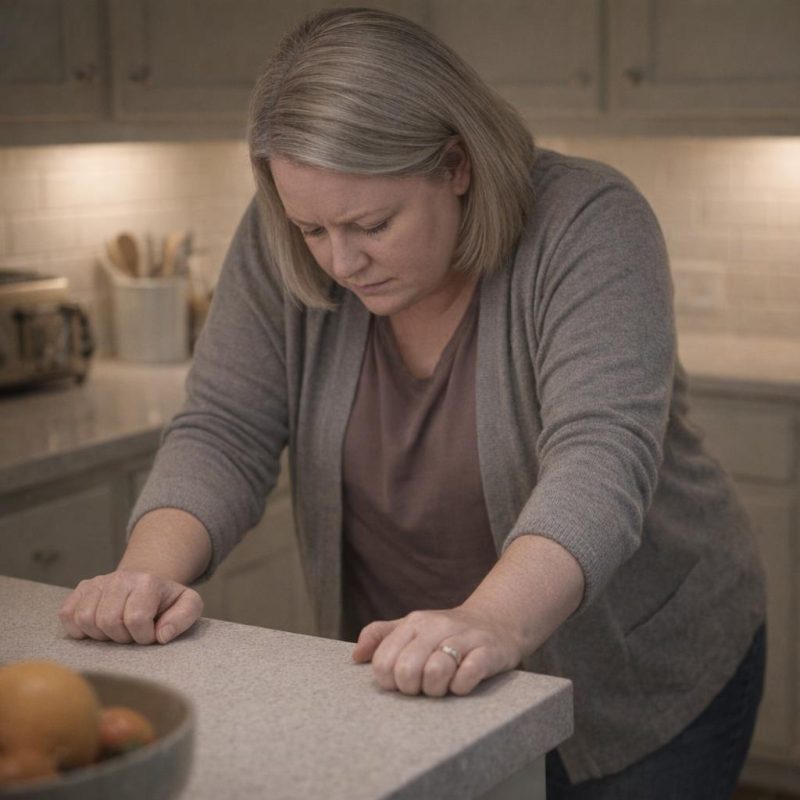 Image by RM AI
The Day
I pulled up my calendar from eight weeks ago, scrolling back through the dates, trying to remember when exactly Emma's distance had started. When had she begun canceling lunches, being vague about her schedule? I traced backward through my memory, landing on a specific week in early March. That's when I'd noticed the shift. And that's when I remembered the conversation. Emma had called me on a Tuesday evening, casual chat about work and weather. Then she'd asked about family history, said something about needing information for medical forms at the hospital. 'What was your maiden name again?' she'd asked. I'd answered without hesitation. Harding. She'd asked about my mother's full name too. Margaret Harding. I'd provided it easily, thought nothing of it. The question seemed reasonable, professional, exactly the kind of thing someone in healthcare might need for family medical history documentation. But now the timing felt pointed, deliberate. That conversation happened the same week the distance began. The same week Emma started being unavailable, started pulling away. I tried to tell myself this was another coincidence, that I was forcing connections that didn't exist. But I couldn't shake the feeling that those questions hadn't been idle at all. The pieces were arranging themselves into a pattern I didn't want to see. It had seemed like such an idle question at the time—'What was Grandma's last name again?'—and I'd answered without thinking twice.
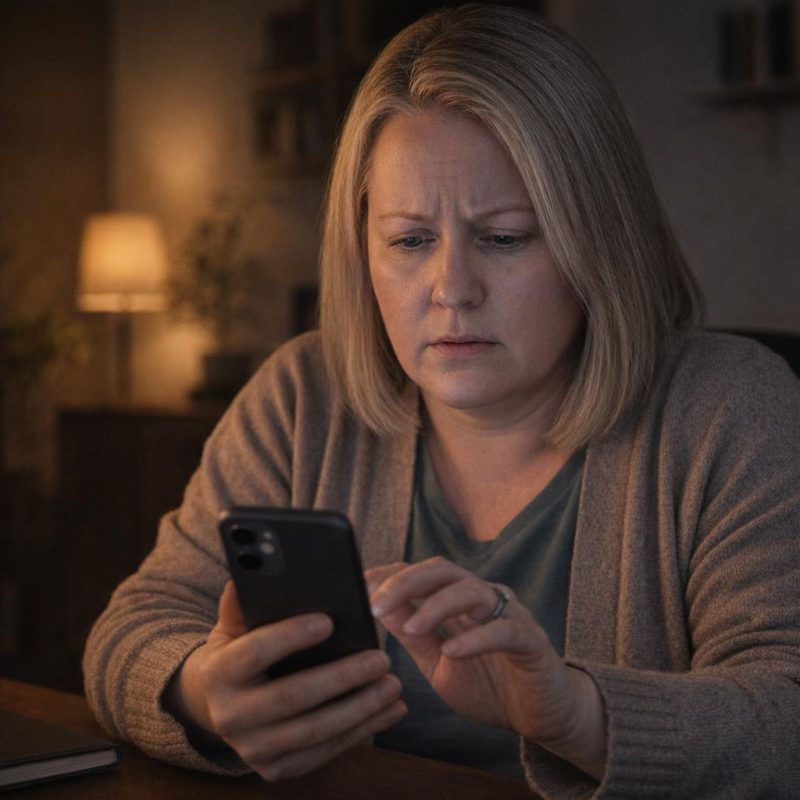 Image by RM AI
The Routes
I started reviewing when Emma had been unavailable over the past two months, pulling up text exchanges and declined lunch invitations. Most of them fell on weekends. Saturday afternoons, Sundays especially. She'd been vague every time—errands to run, things to take care of, just busy. I'd accepted the excuses because what else could I do? Now I pulled up the route to Millbrook from Emma's apartment. Highway 37 West. The same highway Emma took when she visited her friend in Riverside, the route she knew well. The highway continued west, straight through to the Millbrook area. The drive would take under two hours. Easy to make in an afternoon, easy to return the same day. The timing fit perfectly with Emma's weekend absences. And then I remembered the phone call I'd overheard through her door. 'I'll be there Sunday.' Sunday. Weekend. The pattern aligned too perfectly to dismiss. Every piece fit—the address, the route, the timing, the overheard promise. I felt sick with the possibility taking shape in my mind. I tried to think of alternative explanations, anything else that would make sense. But each alternative felt weaker than the last, more forced, less plausible. The growing certainty pressed against my chest. I pulled up her vague excuses in my memory—'errands,' 'things to do'—and felt them arrange into a pattern I was terrified to name.
 Image by RM AI
The Documentation
I opened a new document on my laptop and titled it with the date. Then I started listing everything. Every declined lunch invitation from the past two months, every vague excuse about errands or being busy. I noted the dates, the times I'd texted, the exact wording Emma had used in her responses. I added the timeline inconsistencies—how she'd mentioned being tired from work on a day she'd supposedly spent running errands. I included the geographic information about Millbrook, the highway route, the drive time. I documented the maiden name conversation, typing out as much as I could remember of her careful questions. I recorded the pattern of weekend absences, the overheard phone fragment through her door. I listed Rachel's non-answers, the way she'd deflected without actually lying. The document grew longer as I worked, each entry another piece of evidence I was gathering like some kind of detective. I reviewed it three times that evening, watching the pattern become clearer with each read. Every piece pointed in the same direction. I saved the file and closed my laptop, feeling sick with what I was doing. I wrote down dates and times like I was building a case—and hated myself for treating my daughter like a suspect.
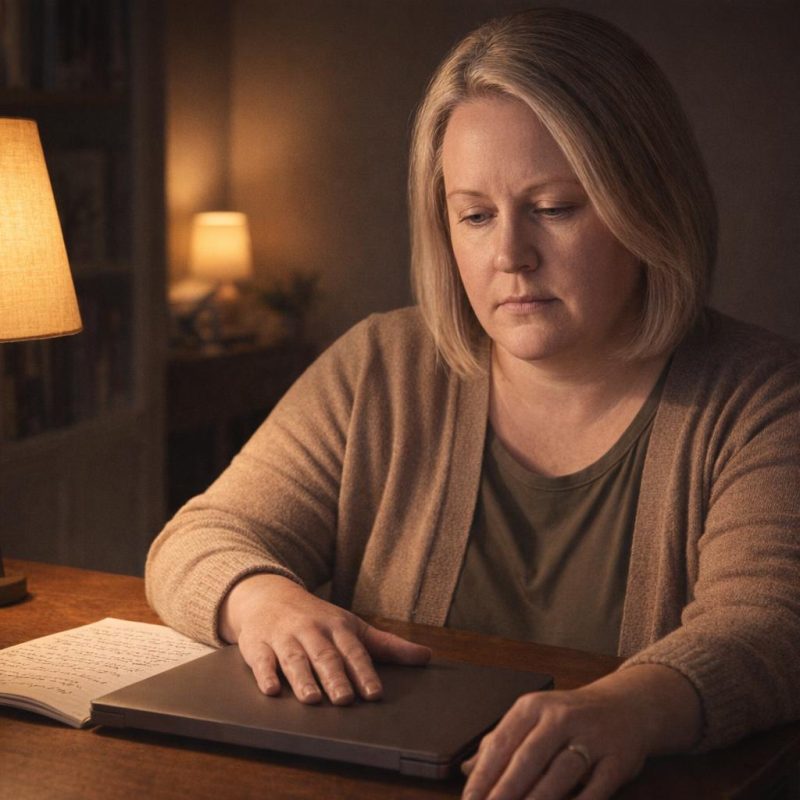 Image by RM AI
The Calendar Match
I pulled up a calendar on my computer and started marking Emma's unavailable days with red X's. The pattern emerged immediately, so clear I wondered how I'd missed it before. Second Sunday of the month—unavailable. Fourth Sunday of the month—unavailable. I checked back through our text exchanges, matching dates to calendar squares. The pattern held perfectly for the past eight weeks. I went further back when I could piece together her schedule from memory. Eight weeks ago, the pattern started. Before that, nothing. Her Sundays had been normal, available, flexible. But eight weeks ago, something changed. Sundays made sense for visiting someone—a day off, time to make the drive, time to spend a few hours and return home. But the regularity of it stunned me. This wasn't random or spontaneous. Emma had established a routine around these visits. Someone in that area mattered enough for her to block out specific days, to plan her schedule around seeing them twice a month. The structure of it felt worse somehow than if it had been occasional. Randomness I could have explained away as coincidence. But this level of consistency required planning, required commitment. The regularity of it stunned me—this wasn't random, it was routine, and routine meant commitment.
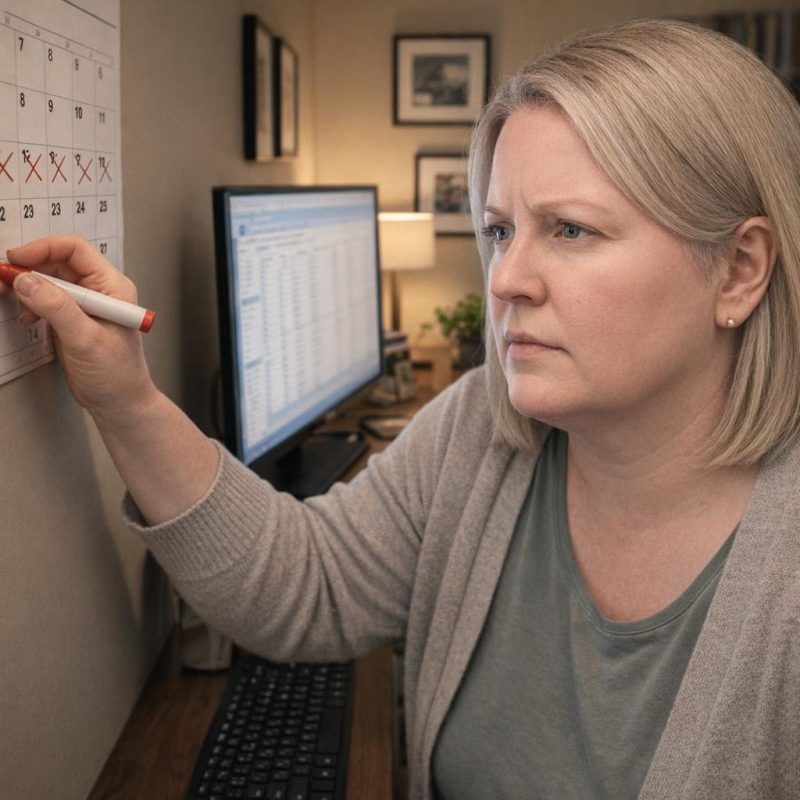 Image by RM AI
The Unthinkable
I sat in the dark living room after David went to bed, the house silent around me. I'd been avoiding the obvious conclusion for days now, circling around it without letting myself land on the actual thought. But I couldn't keep running from it. Emma was traveling to Margaret's area regularly. On a fixed schedule spanning two months. Right after asking about Margaret's maiden name. All the evidence pointed to one explanation, and I finally let myself think it fully. Emma had somehow found Margaret. Was visiting her grandmother in secret. The thought brought a wave of emotions so intense I had to press my hand against my chest. Betrayal that Emma would go behind my back like this. Fear about what Margaret might be telling her, what version of the past she was sharing. Confusion about how this had even started—how Emma had located her, why she'd decided to reach out. Anger at both of them for the secrecy, for excluding me from whatever this was. Pain at being shut out of something so significant in my daughter's life. I couldn't imagine what had prompted Emma to search for Margaret, or how Margaret had reacted to the contact. Once I let the thought form completely, I couldn't unmake it, and the weight of it settled into my chest like stone.
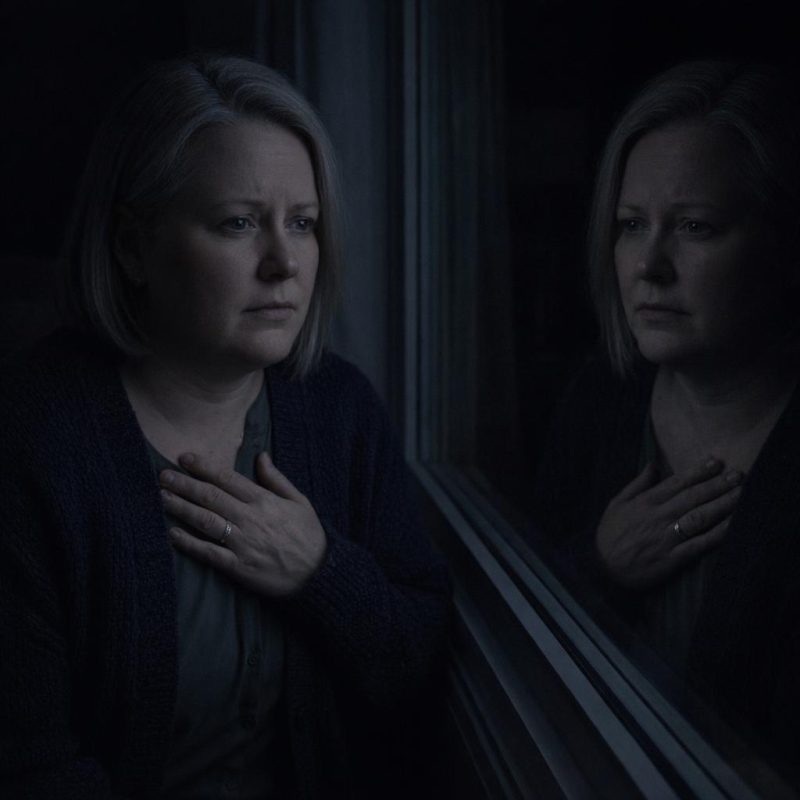 Image by RM AI
The Receipt
I stopped by Emma's apartment Thursday evening to return the sweater she'd lent me the week before. She let me in, then excused herself to take a work call in her bedroom. I hung the sweater in her closet, and that's when I noticed her jacket on the hook beside it. The pocket looked like it had something crumpled inside. I reached in without really thinking about it, my fingers closing around a receipt. I pulled it out and smoothed it flat. Riverside Cafe—Forestdale. The date was last Sunday. The time stamp showed 2:47 PM. Forestdale. Margaret's town. My hands went numb holding that small piece of paper. Physical proof that Emma had been in that town, on a Sunday when she'd told me she had errands to run. Emma's voice carried from the bedroom, wrapping up her call. I quickly shoved the receipt into my own pocket and stepped away from the closet. When she came back out, I made an excuse about needing to get home for dinner. I drove home gripping the steering wheel so hard my knuckles went white, that receipt burning in my pocket like evidence. The receipt was dated last Sunday, stamped 2:47 PM, and I stood holding it while my carefully maintained denial finally crumbled.
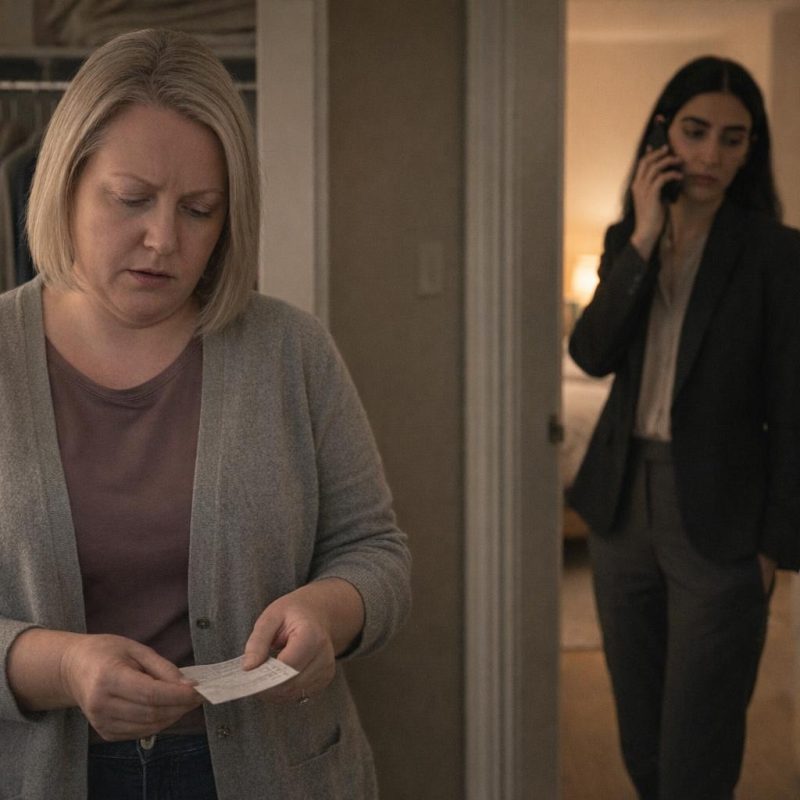 Image by RM AI
The Decision
I couldn't stop thinking about that receipt. The proof of it, the concrete evidence that Emma had been exactly where I feared. I decided I needed to see for myself what was happening. I checked the calendar—the upcoming Sunday was the fourth Sunday of the month, fitting Emma's pattern perfectly. I'd drive to Forestdale that morning. I still had Margaret's old address memorized from decades ago, though I had no idea if she still lived there. I'd start there and look for Emma's car. When David asked about my plans for Sunday, I told him I was meeting a friend for lunch. The lie came out smoothly, easily, like I'd been practicing it. He accepted without question, already turning back to his newspaper. I felt a stab of guilt about deceiving him, but I needed answers before I could involve him in this. I couldn't bear to explain my suspicions without proof, couldn't stand the thought of being wrong and looking paranoid. The week crawled by with agonizing slowness. I was both dreading Sunday and desperate for it to arrive, needing confirmation even as I feared what I'd discover. I told David I was meeting a friend for lunch, and the ease with which the lie came out should have warned me I was past the point of reason.
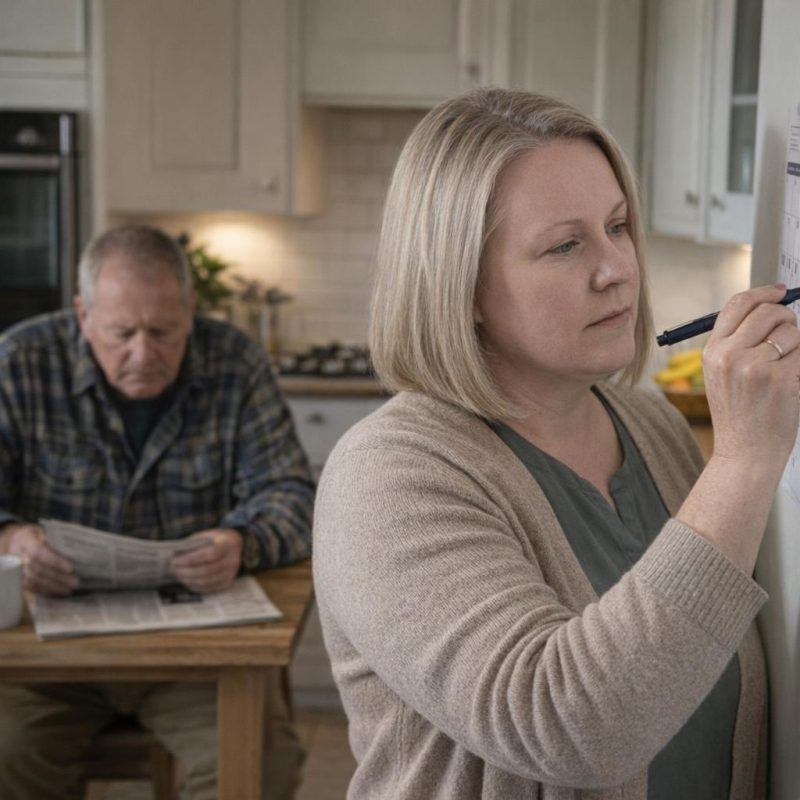 Image by RM AI
Confirmation
I drove to Forestdale early Sunday morning, my GPS guiding me to the old address I'd memorized years ago. The apartment building looked worn but maintained, the kind of place where people stayed for decades. I parked across the street with a clear view of the entrance and waited. Ninety minutes passed. I started to doubt myself—maybe Margaret didn't live here anymore, maybe I'd driven all this way for nothing. Then Emma's car turned onto the street. My heart pounded so hard I could feel it in my throat. Emma parked, got out carrying a grocery bag, and walked toward the building entrance with purpose. No hesitation, no checking an address or looking uncertain. She knew exactly where she was going. She checked the directory panel by the door, pressed a button, spoke briefly into the intercom. The door buzzed and she pulled it open, disappearing inside. The whole interaction showed complete familiarity. Emma had clearly been here before, multiple times based on how comfortable she looked. I sat frozen in my car, hands trembling on the steering wheel. Everything I'd feared had just been confirmed. My daughter checked the building directory, pressed a button, and was buzzed in without hesitation—like she'd done this a dozen times before.
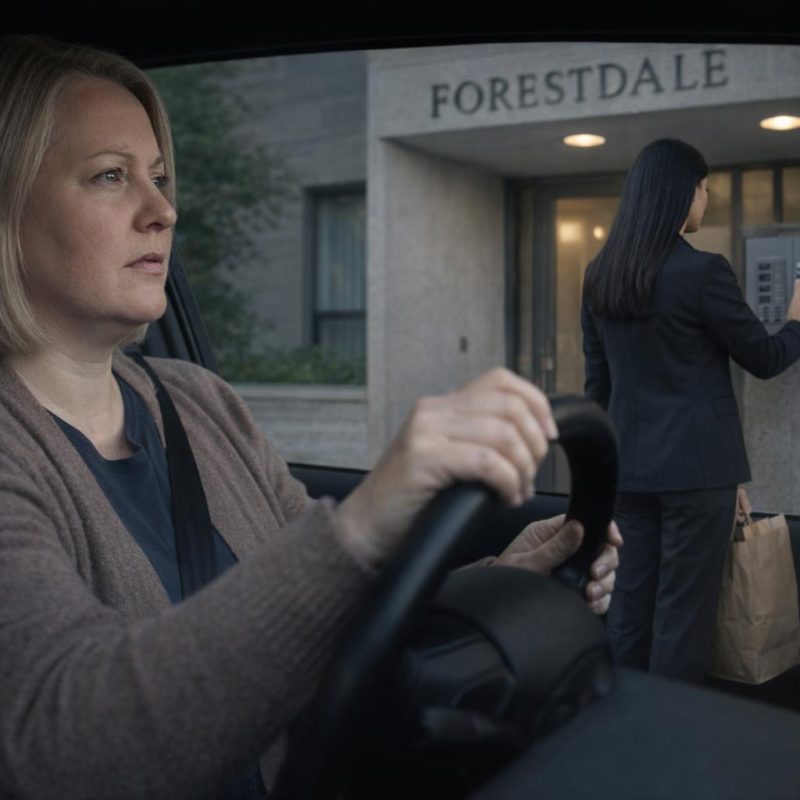 Image by RM AI
The Wait
I couldn't bring myself to leave or to go inside and confront them. I just sat there, watching the building entrance, waiting. Time passed with agonizing slowness. Other residents came and went—an elderly man with a newspaper, a woman with two small children. I barely registered them. My eyes stayed fixed on that door, my mind racing with what was happening inside. Emma and Margaret talking together. What were they discussing? What was Margaret telling Emma about the past, about me? Two hours crawled by before Emma finally emerged. She walked out carrying the empty grocery bag, and her expression stopped my breath. She looked peaceful. Almost happy. There was a small smile on her face, the kind of relaxed contentment I hadn't seen on her in months. Maybe longer. That peaceful expression wounded me more than anything else could have. Emma got in her car and drove away, and I remained sitting there in shock, physical nausea overtaking me. My daughter had just spent two hours with my mother, and she'd come out smiling. When Emma finally came out, she was smiling—actually smiling—and I had never felt more excluded from my daughter's life.
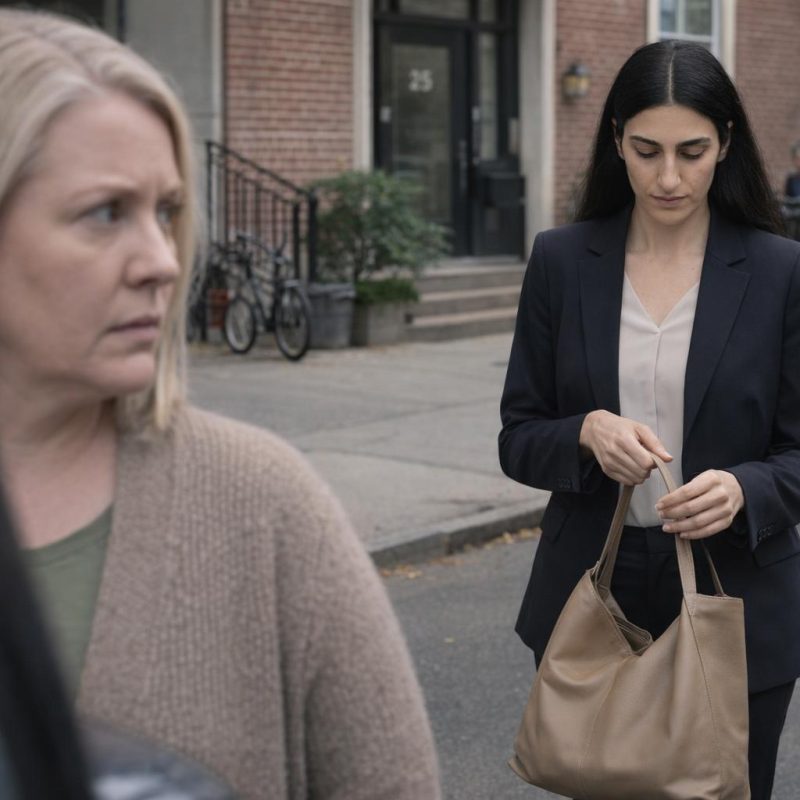 Image by RM AI
The Drive Home
I finally started my car after Emma's taillights disappeared around the corner. I pulled away from the building in a daze and headed toward the highway on autopilot. My mind swirled with too many thoughts at once, too many emotions competing for space. Betrayal that Emma had gone behind my back. Confusion about how this contact had even started. Fear about what Margaret had been telling her. Anger at both of them for the secrecy. Pain at being shut out of something so significant. I couldn't focus on any single emotion—they shifted and blended and overwhelmed me in waves. I was barely aware of driving. Traffic passed in a blur. Exits and turns happened without conscious thought, my body going through the motions while my mind spun uselessly. When I pulled into my driveway, I sat there staring at nothing. David's car was parked in its usual spot. I couldn't face him yet, couldn't imagine what I'd say. I had no idea what to do with what I'd just witnessed, no idea how to process any of it. I pulled into my driveway and realized I had no memory of the ninety-mile drive back, and no idea what I was going to do next.
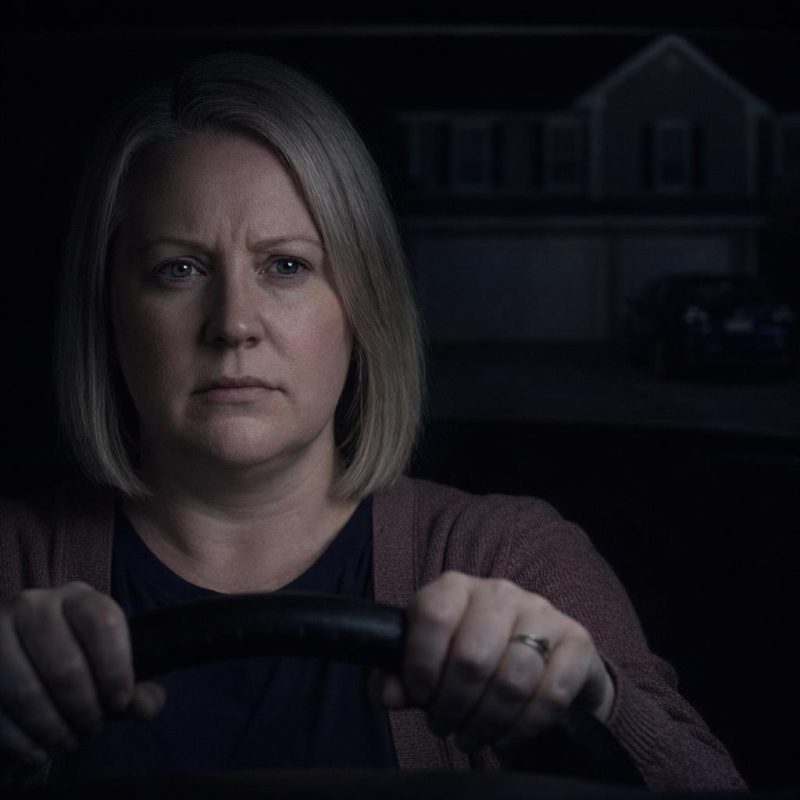 Image by RM AI
The Weight of Knowing
I sat in my car for what felt like hours but was probably only minutes, staring at the steering wheel. The house looked the same as always—warm light in the kitchen window, David's truck parked where it always was, the porch light on like a beacon. Everything normal. Everything exactly as I'd left it this morning when I'd told David I was meeting a friend for lunch. That lie sat heavy in my stomach now, joined by the weight of what I'd actually done. What I'd seen. I forced myself out of the car and up the walkway. My keys felt foreign in my hand. David was at the kitchen table with his laptop when I walked in, and he looked up with that easy smile that made my chest ache. "Hey, how was lunch?" he asked, closing the computer. I opened my mouth and nothing came out for a second. How could I possibly explain where I'd been? What I'd witnessed? That our daughter had been secretly visiting my mother—the woman I hadn't spoken to in twenty-five years—and I'd followed her there like some kind of detective? The words wouldn't form. They tangled in my throat with all the emotions I couldn't name. David asked how lunch with my friend was, and I heard myself say "fine"—the word bitter as ash on my tongue.
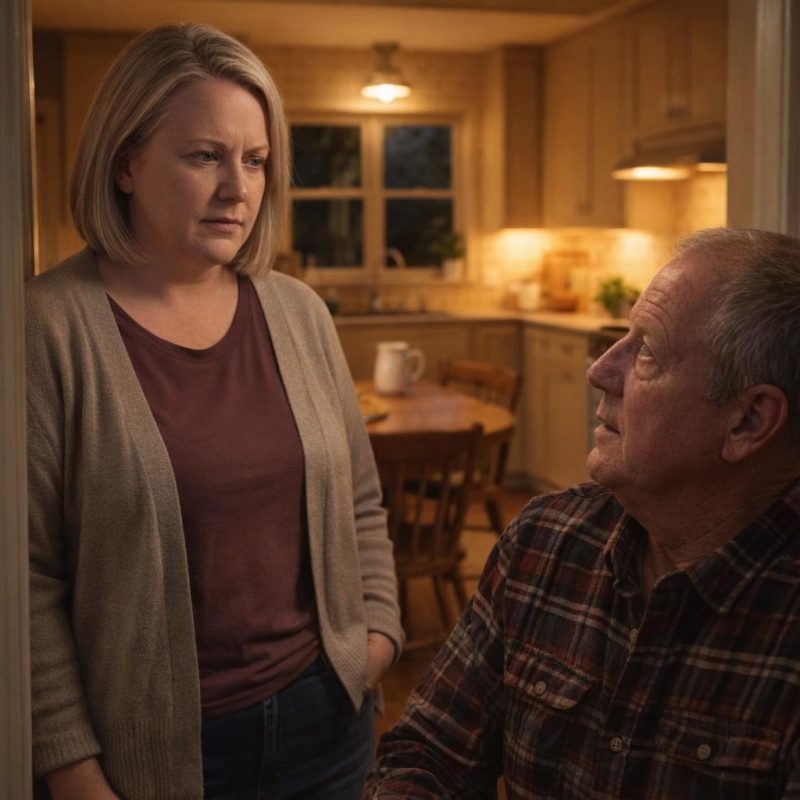 Image by RM AI
Preparing for Battle
The days that followed were a blur of pretending. David kept asking if I was feeling okay, if something was wrong, and each time I manufactured a smile and blamed it on a headache or work stress or just being tired. He'd nod and accept it because that's who David was—trusting, steady, never looking for deception. Meanwhile I was coming apart inside. I'd lie awake at night replaying that moment outside Forestdale, Emma's face as she walked back to her car, that small smile that suggested contentment. What had Margaret been telling her? What version of our family history was Emma hearing? By Wednesday I knew I couldn't keep going like this. I needed to confront Emma directly, hear whatever explanation she thought could justify this betrayal. I picked up my phone three times before I actually made the call. "Hey, Mom," Emma answered, and even her voice sounded different now—or maybe I was just hearing everything through this new filter of distrust. "Come for dinner Friday," I said, keeping my voice level. "Just us. David has plans." The pause before she agreed stretched long enough that I knew—she sensed something coming.
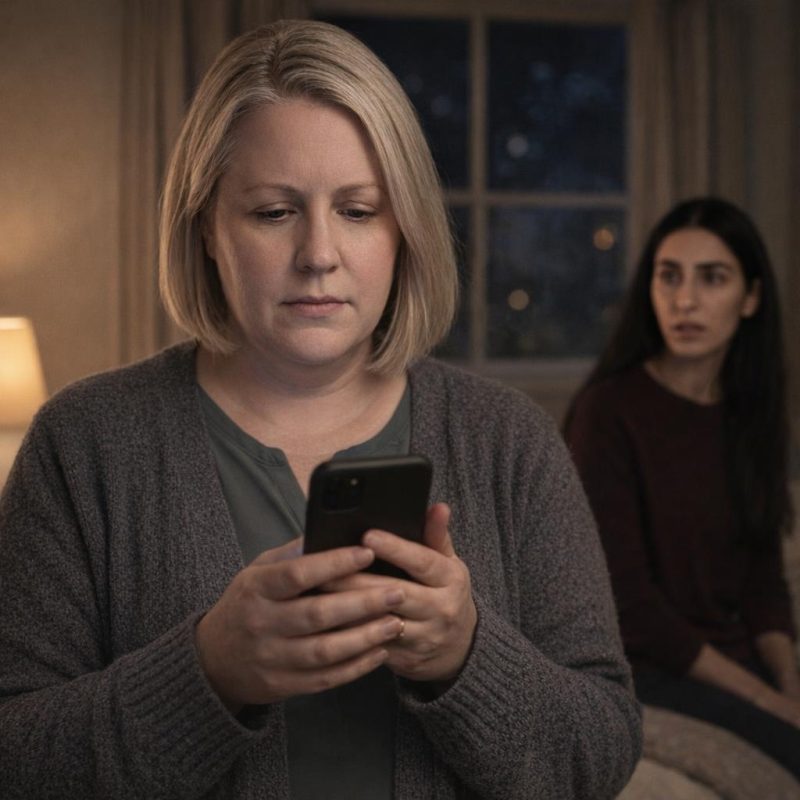 Image by RM AI
The Confrontation
Emma arrived exactly on time Friday evening, and I could see the wariness in her posture as she stepped through the door. We made small talk while I finished cooking, both of us dancing around the obvious tension crackling between us. Dinner was chicken and roasted vegetables, and we ate mostly in silence punctuated by forced comments about work and weather. I waited until the plates were cleared, until there was nothing left to hide behind. "I need to ask you something," I said, my hands flat on the table. "And I need you to be honest with me." Emma's fork paused halfway to her mouth. "Okay." "Why have you been visiting Forestdale?" The color drained from her face, but she didn't look away. Didn't deny it. "I found the receipt in your car," I continued. "I looked up the address. I drove there last Saturday and I saw you. I saw your car in the parking lot." Emma set down her fork carefully, her jaw tight. "How long has this been going on?" My voice was rising now, all the hurt and anger from the past week spilling out. "Two months? Three? What has she been telling you, Emma? What lies—" Emma set down her fork, took a breath, and said: "I was going to tell you—I've been trying to figure out how."
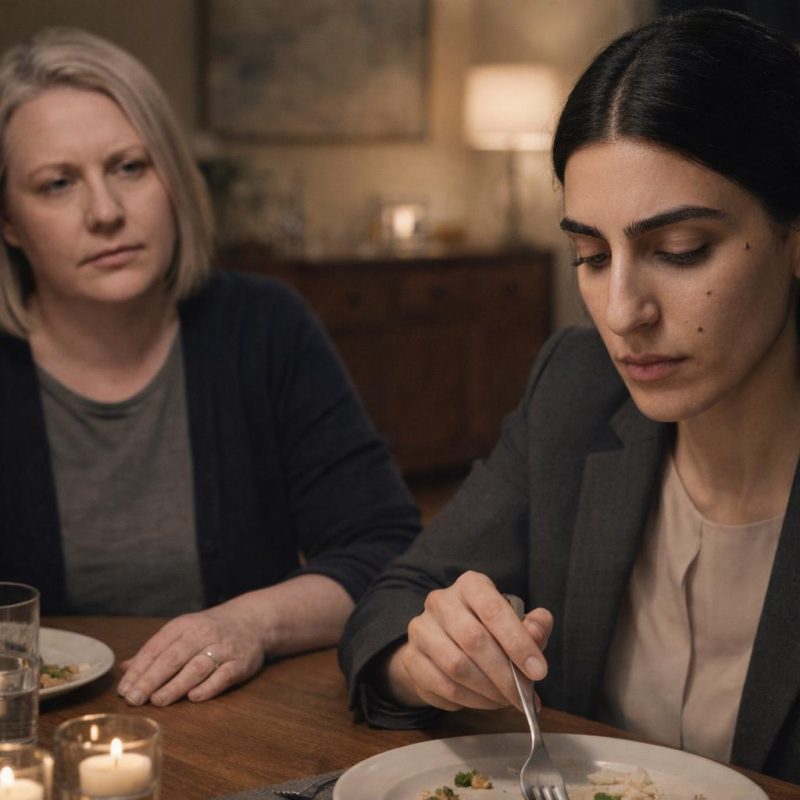 Image by RM AI
The Request
I expected her to get defensive. To make excuses or deflect or try to minimize what she'd done. Instead Emma just sat there looking almost relieved, like she'd been carrying something heavy and could finally set it down. "I've been dreading this conversation," she said quietly, "but also waiting for it. I knew you'd find out eventually." "Then why didn't you just tell me?" The question came out sharper than I intended. "Because I needed to understand it first. I needed to hear everything before I could figure out how to explain it to you." She leaned forward, her hands clasped on the table. "Mom, I need you to listen to everything I'm going to tell you. All of it. Before you react or get angry or shut down. Can you do that?" I crossed my arms, every muscle in my body tense. "Fine." Emma took a steadying breath. "What do you remember about why you stopped talking to Margaret? About what happened twenty-five years ago?" I recited it like a script I'd memorized—the betrayal, the cruelty, the unforgivable thing she'd done. Emma listened without interrupting, her expression unreadable. When I finished, she was quiet for a long moment. "Before I explain," Emma said quietly, "I need you to know that what you think happened twenty-five years ago... it isn't what actually happened."
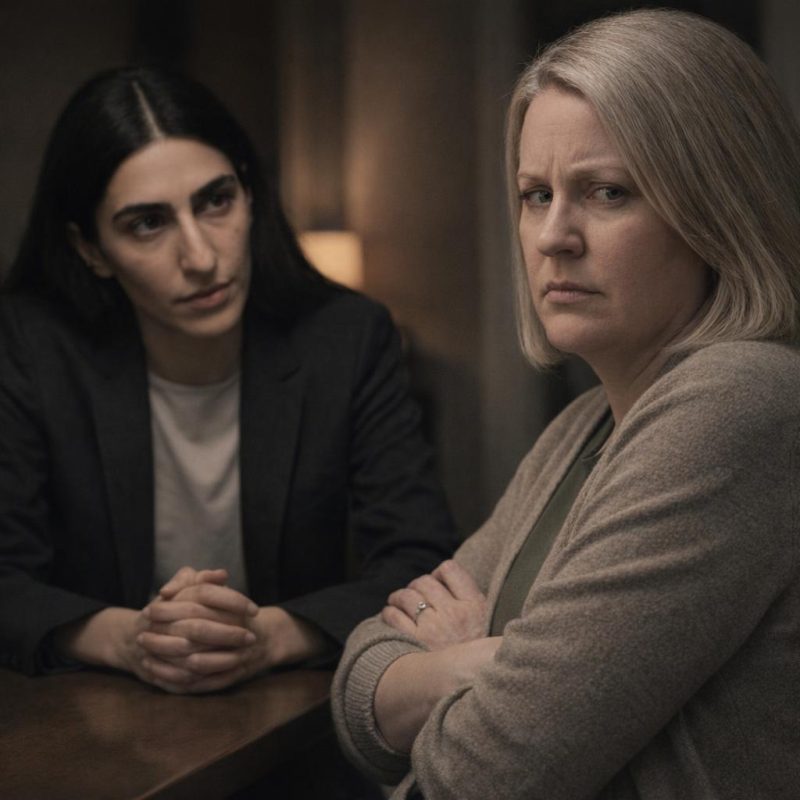 Image by RM AI
The Truth Unburied
The words didn't make sense at first. I stared at Emma, waiting for her to clarify, to explain what she meant. "I found Margaret through genealogy research," Emma said. "I reached out to Uncle James first—your brother. He told me things you never knew, Mom. About what really happened back then." My brother. I hadn't heard his name spoken aloud in years. "The incident that caused the estrangement—you only heard one side of it. There were things Margaret tried to explain, but you wouldn't listen. Key facts that got lost or misinterpreted." Emma's voice was gentle but firm. "James gave me documentation. Letters Margaret wrote but never sent. And Mom—" she paused, her eyes filling with tears, "Margaret is seriously ill. She was diagnosed months ago. The prognosis isn't good." The room tilted. I gripped the edge of the table. "I've been visiting her because I wanted to know her before it's too late," Emma continued. "She never stopped hoping you'd come back. James said she spent years trying to reach you, and when you wouldn't respond, she finally stopped to protect you from more pain." The version I'd carried for a quarter century—the betrayal, the cruelty, the unforgivable act—began crumbling as Emma spoke, and I realized I'd built my life on a foundation of incomplete truth.
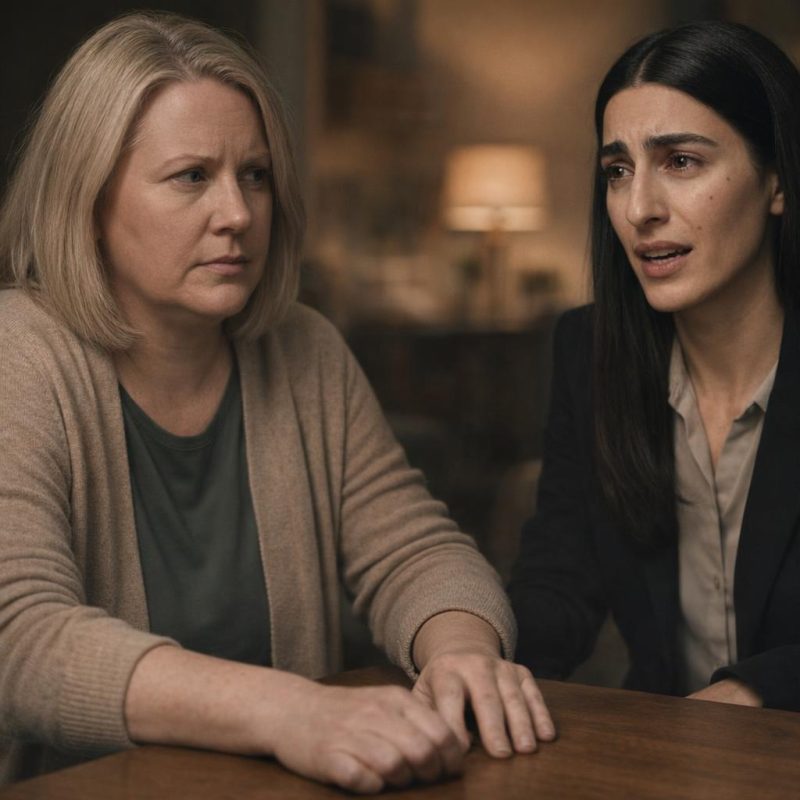 Image by RM AI
James's Account
Emma kept talking, her words coming faster now like she needed to get it all out before I could stop her. "James told me the original incident involved your father, not just Margaret. She was trying to protect someone—you, actually. But the information you got came through other people, people who were angry and hurt and didn't have the full picture." I wanted to interrupt, to argue, but I'd promised to listen. "There were conversations that happened that you never knew about," Emma said. "Decisions Margaret made that looked like abandonment but were actually desperate attempts to keep you safe from something worse. James watched the whole family fall apart. He tried to mediate but he was too young—nobody would listen to him." She pulled out her phone and scrolled through photos. "He gave me copies of letters Margaret wrote to you over the years. Dozens of them. She never sent them because she thought it would hurt you more." Emma's voice cracked. "The betrayal you felt was real, Mom. Your pain was real. But the cause wasn't what you thought. Margaret made mistakes, but not the ones you've been blaming her for all these years." Every piece of information Emma shared fit into places I hadn't known were empty, and the picture that emerged was almost unrecognizable from the one I'd carried.
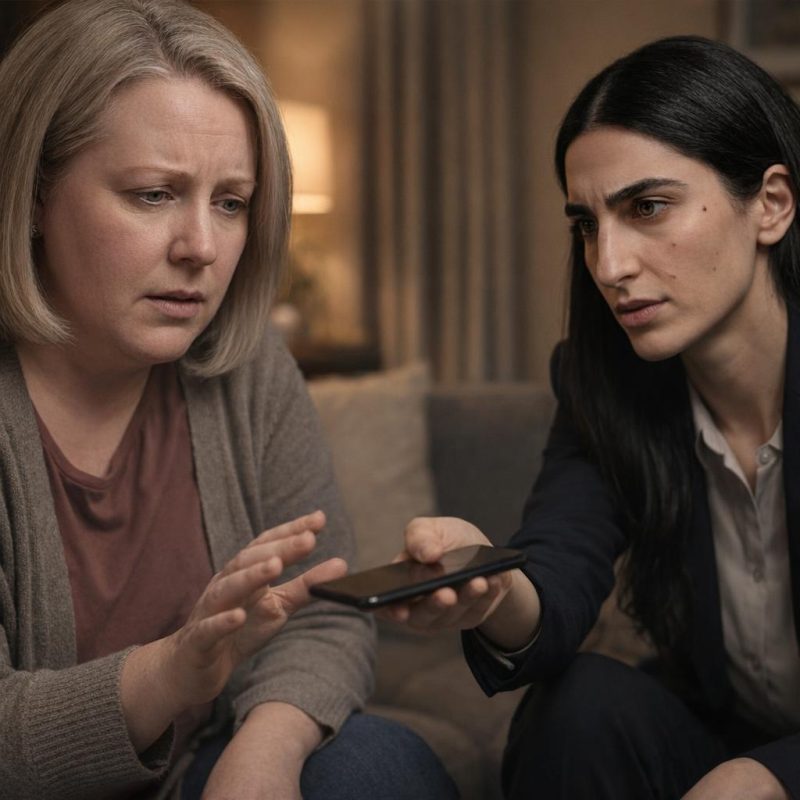 Image by RM AI
The Misunderstanding
"Tell me exactly what happened," I whispered. "The day everything fell apart." Emma nodded slowly. "What you witnessed was only part of a much bigger situation. Margaret's actions that day—the things she said, the way she pushed you away—she was responding to a crisis you didn't see. Your father had done something, made a choice that was going to hurt you badly, and Margaret was trying to get you out of the house before you found out." My hands were shaking. "The cruel words you remember, the ones you've replayed for twenty-five years? She said them to make you leave. To make you angry enough to go so you wouldn't be there when everything exploded. She was trying to protect you, but it went so wrong." Emma's eyes were wet. "By the time she could explain, you'd already cut contact. Every letter she sent came back unopened. Every call went to voicemail. James said she tried for years, Mom. Years. And you never gave her a chance to tell you the truth." The realization hit me like a physical blow. I'd built walls so high, so impenetrable, that the truth couldn't reach me. I had spent twenty-five years hating my mother for something she'd done to save me, and the irony of it broke something open in my chest.
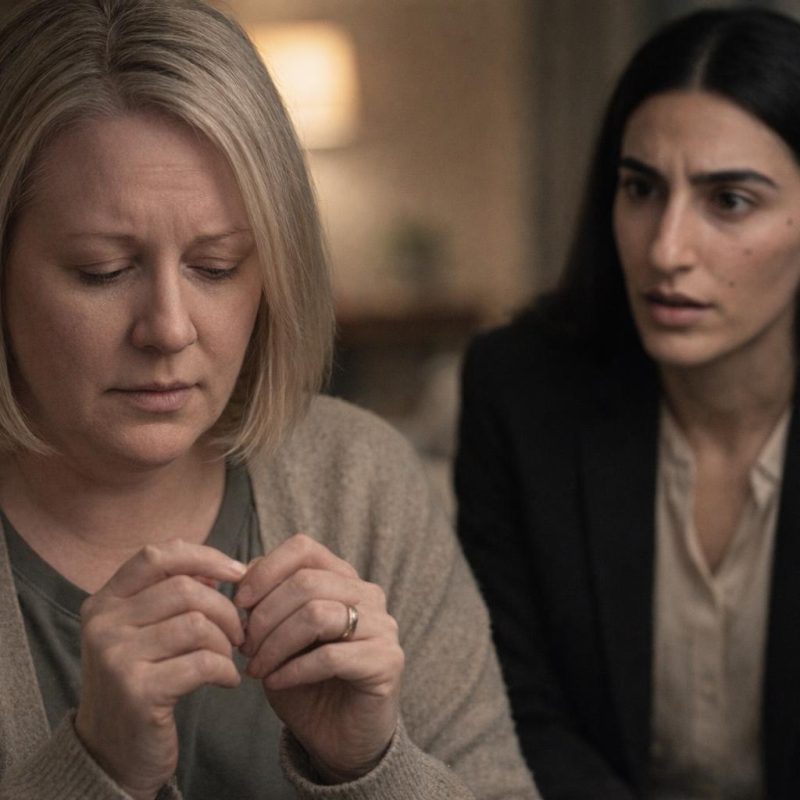 Image by RM AI
The Bridge
I couldn't stop crying. Emma moved around the table and put her arms around me, and I sobbed into her shoulder like a child. When I finally pulled back, my face was wet and my chest ached. Emma reached into her purse and pulled out a folded piece of paper. "This is James's phone number," she said, pressing it into my hand. "He wants to talk to you if you're willing. He never blamed you for cutting him off too—he understood you were hurt and protecting yourself. But he's hoped for years that you'd be ready to hear the truth." I stared at the numbers written in Emma's careful handwriting. My brother. I'd lost him too in all of this, collateral damage from a war I'd been fighting against ghosts and misunderstandings. "You can verify everything with him," Emma said softly. "He can fill in the gaps, answer your questions. Whatever you need." "What do I do now?" I asked, my voice barely audible. Emma squeezed my hand. "That's up to you, Mom." I held my brother's number in my hand—the brother I'd also abandoned—and wondered how many relationships I'd sacrificed to a lie I'd told myself.
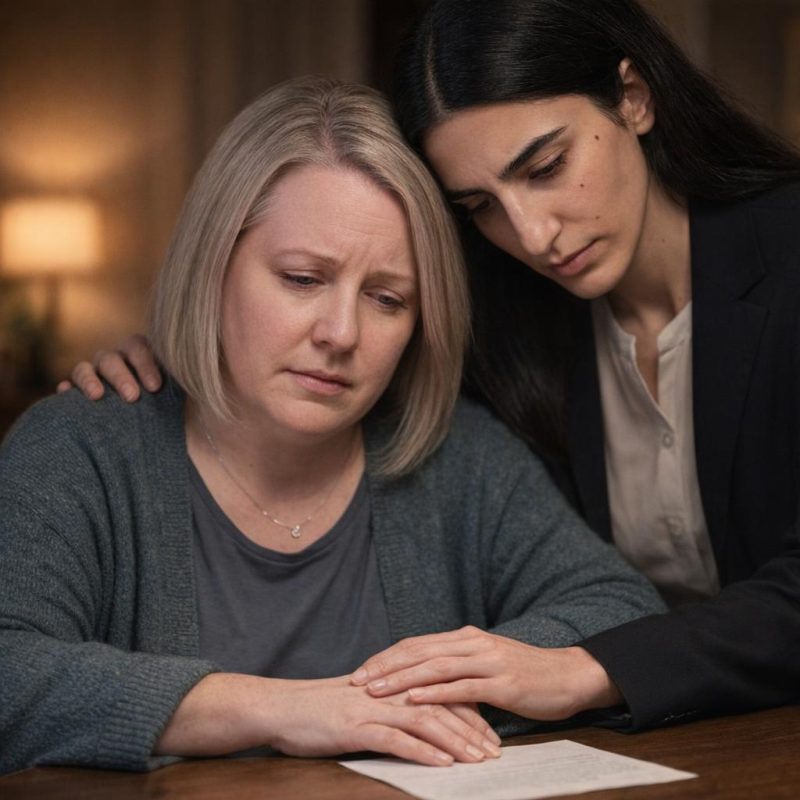 Image by RM AI
Shattered Framework
After Emma left, I sat at the kitchen table and didn't move for what must have been hours. The coffee in my mug went cold. The afternoon light shifted across the floor. I just sat there, mentally taking apart every major decision I'd made since I was twenty-nine years old. The city I'd chosen to live in—far enough from my mother that I'd never accidentally run into her. The way I'd parented Emma—fiercely protective, determined to never make her feel abandoned the way I'd felt. The friends I'd cultivated so carefully, building a chosen family to replace the one I'd lost. Every choice had been shaped by what I thought had happened. Every boundary I'd drawn, every relationship I'd invested in or walked away from, every time I'd told myself I was strong for cutting out toxic people—all of it had been built on a foundation that wasn't real. I felt angry, but I couldn't figure out where to direct it. My mother hadn't actually deceived me. The circumstances had been complicated, and I'd filled in the gaps with the worst possible interpretations. I'd been so quick to judge, so proud, so certain. I'd built an entire identity around being someone who'd been wronged and had the strength to walk away. Every major decision I'd made since age twenty-nine suddenly looked different in this new light—not wrong, necessarily, but built on something that wasn't true.
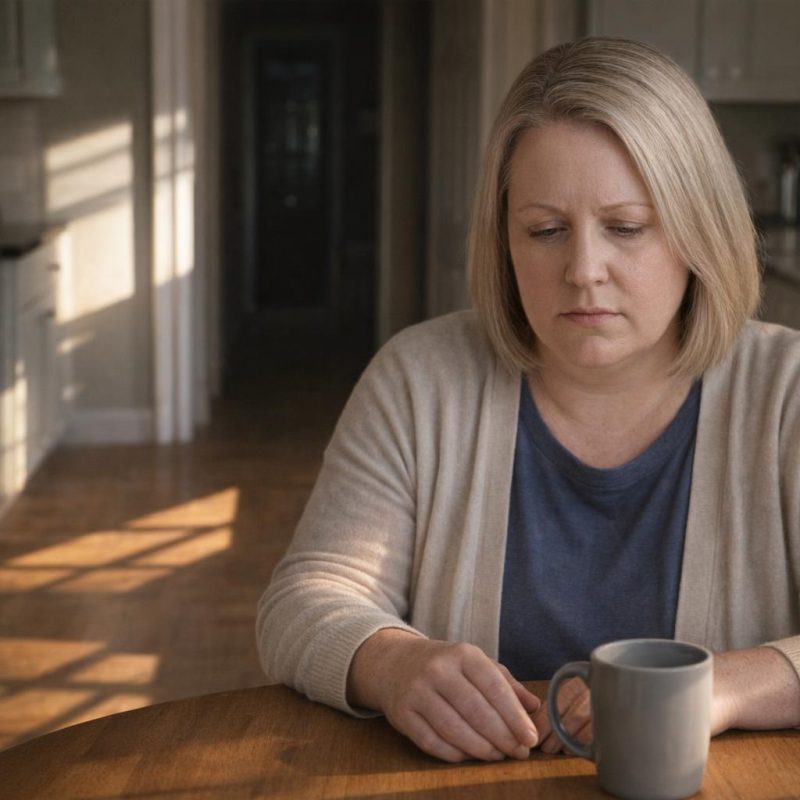 Image by RM AI
The Lost Years
I started counting backward through the years, and the math made me feel sick. Twenty-five years. My mother had been fifty-one when I cut her off. She was seventy-six now. I'd missed her entire journey from middle age to elderly. She'd gotten sick, gotten frail, lived through whatever struggles and joys those decades had held, and I hadn't been there for any of it. Emma had grown up without a maternal grandmother. All those holidays, all those milestones—first day of school, graduations, birthdays—Margaret had missed them all. And whose fault was that? Mine. I'd made that choice. I'd been so convinced I was protecting myself and my daughter that I'd robbed them both of a relationship. James had been her only family connection all these years. She'd lived alone, gotten through illnesses alone, celebrated holidays alone or with just my brother. And now she was running out of time. The urgency of that hit me like a physical blow. I couldn't get those years back. I couldn't undo the damage. But I could stop adding to it. The guilt was overwhelming, but underneath it was something else—a desperate need to act before it was too late. My mother had gotten old without me, and I had gotten old without her, and there was no way to recover the time we'd both lost.
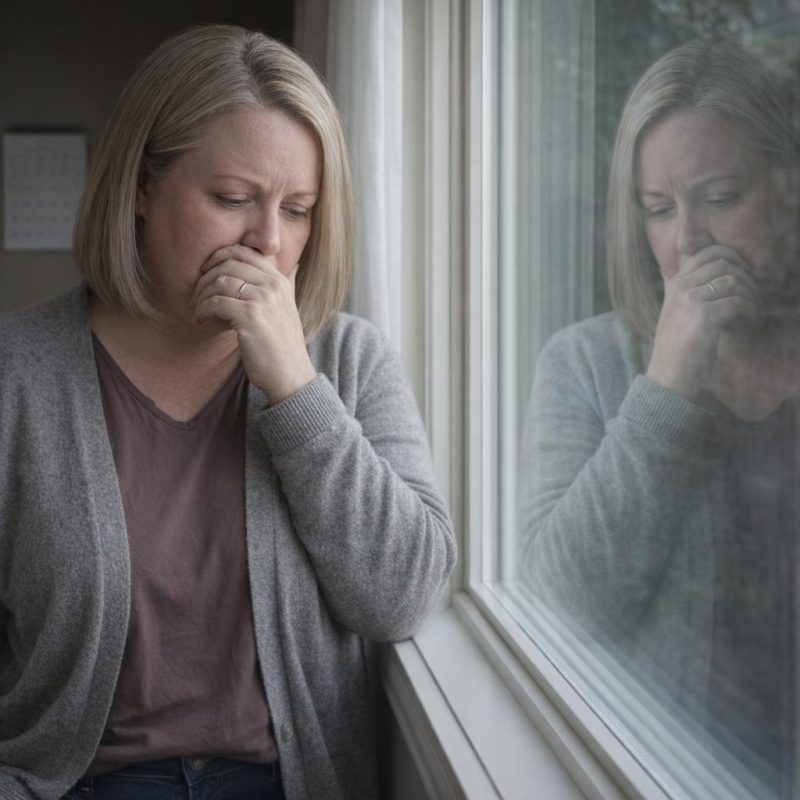 Image by RM AI
The Call
I stared at James's phone number for the rest of that day and most of the next. David found me holding the paper at two in the morning, just looking at it. He didn't say much, just squeezed my shoulder and went back to bed. Finally, on the third day, I picked up my phone with hands that wouldn't stop shaking. I dialed the number Emma had written down. It rang once. Twice. Three times. I almost hung up. Then a man's voice answered, cautious and uncertain. "Hello?" I opened my mouth and nothing came out at first. Then I managed: "James? It's... it's me." The silence that followed felt endless. I could hear him breathing, could hear something that might have been a sharp intake of breath or a suppressed sob. When he finally spoke, his voice was thick with emotion. "Sarah." Just my name, but the way he said it made my eyes fill with tears. "I've been waiting for this call for twenty-five years." I pressed my hand against my mouth to keep from breaking down completely. My brother. My brother who I'd abandoned along with my mother, who'd understood why I couldn't reach out, who'd never stopped hoping. When James answered and heard my voice, the silence stretched long enough for me to hear his breath catch—and then he said, 'I've been waiting for this call for twenty-five years.'
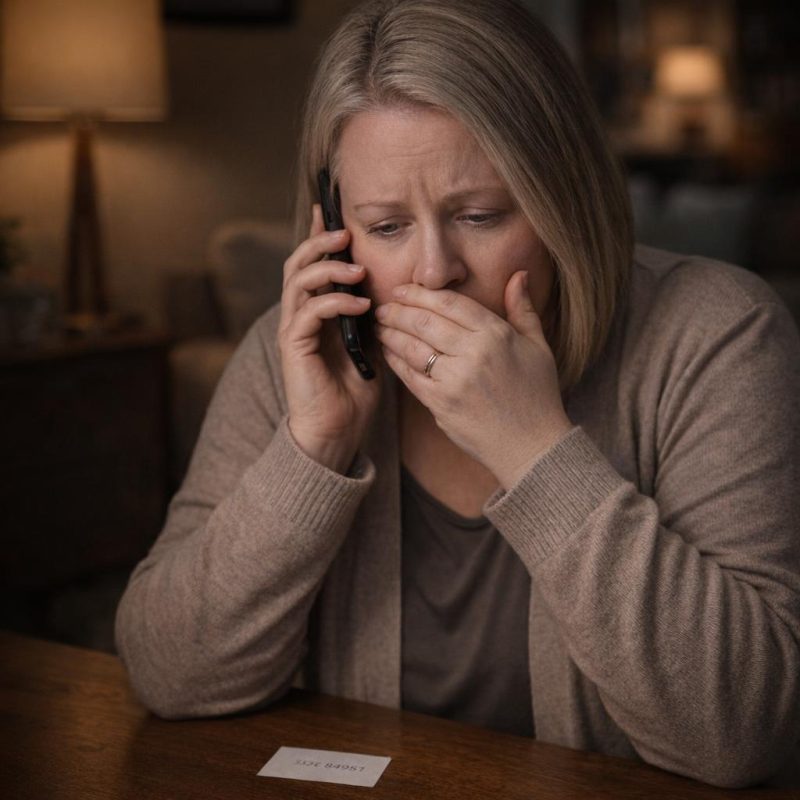 Image by RM AI
The Other Side
We stayed on the phone for over two hours. James's voice was patient, careful, like he was handling something fragile that might shatter if he moved too quickly. He started with our childhood, filling in pieces I'd never known. Our father's drinking had been worse than I'd realized. Margaret had shielded me from most of it, taken the brunt of his anger herself. The incident that had split us apart—James had witnessed parts of it I hadn't seen, had tried to tell me years later but I'd refused to listen. He didn't blame me for that. He understood the pain I'd been in. He'd kept his relationship with Margaret because he couldn't bear to abandon her completely, had watched her decline emotionally over the decades. When she got the diagnosis, it had devastated her. James had encouraged Emma's visits, had hoped desperately that somehow it might lead to this moment. I asked questions throughout, and each answer reshaped everything I thought I'd known. By the end of the call, I understood that Margaret had been carrying her own guilt and regret for twenty-five years, waiting for a reconciliation she'd feared would never come. She'd made mistakes, yes, but she'd also been trapped by circumstances I'd never fully understood. By the end of the call, I had a completely different understanding of my own mother—and a completely different understanding of myself.
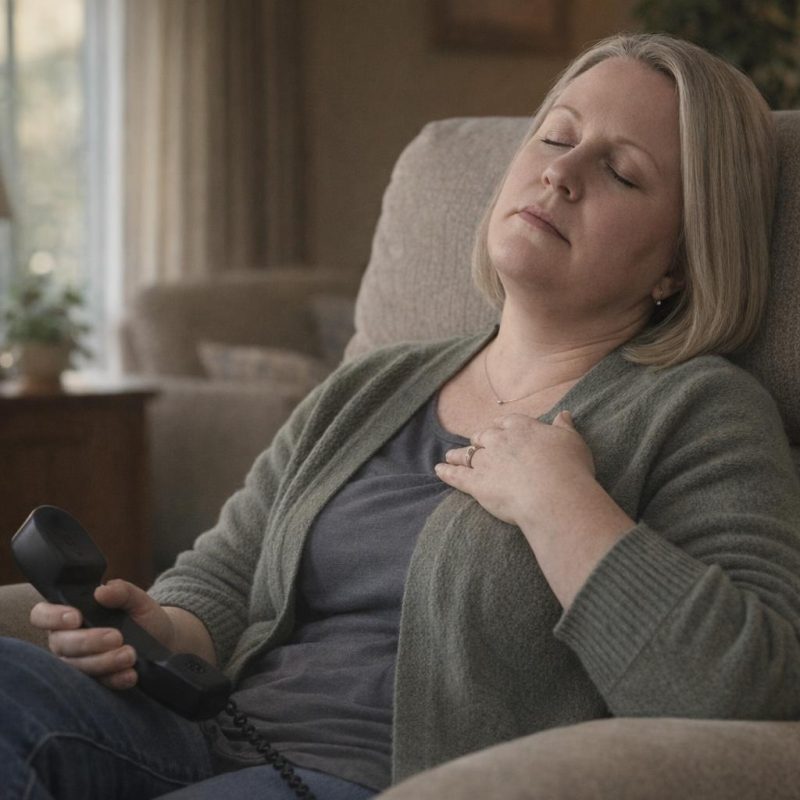 Image by RM AI
Margaret's Vigil
"There's something else you should know," James said, his voice going even softer. "Mom kept a box. Letters she wrote to you over the years but never sent." My throat closed up. "How many?" "Seventy-three," he said. "One for every birthday. Every Christmas. Every milestone she imagined you might have reached—college graduation, wedding, Emma's birth. She wrote them all down, everything she wanted to say to you, and kept them in a box in her closet." I couldn't breathe. Seventy-three letters. Twenty-five years of words my mother had written to me, hoping someday I might read them. James continued, describing how she'd never moved from the old apartment, hoping I might come back. How she'd kept my room unchanged for years. How holidays had been the hardest—she'd set an extra place at the table for the first decade, then finally stopped but never threw the place setting away. When Emma had first contacted her, she'd wept so hard James had worried about her heart. She'd thought she was hallucinating. The visits had given her renewed purpose, but she'd been terrified I would never agree to see her. "She's ready, Sarah," James said quietly. "Whenever you are. But the illness... time matters now." There were seventy-three letters in that box, James told me—one for every birthday, every Christmas, every milestone she imagined I might have reached.
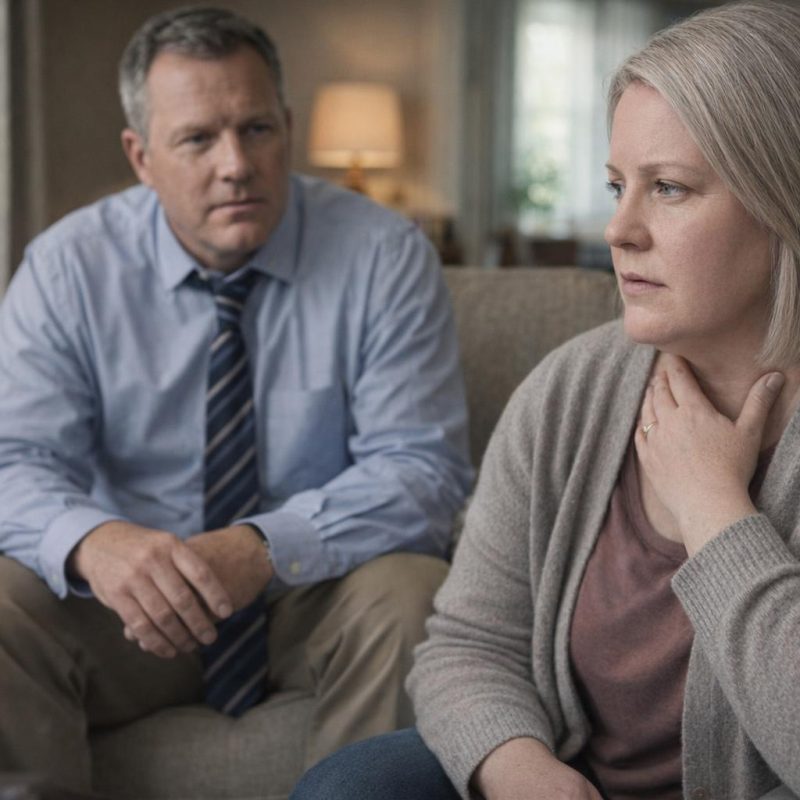 Image by RM AI
The Agreement
I called Emma the next morning and told her I was ready. She went quiet for a moment, and when she spoke again, her voice was thick with emotion. "Really?" "Really," I said. "I need to see her." We planned it together over the phone. Sunday, three days away. Emma offered to drive me, and I accepted immediately. I wasn't sure I could make myself walk into that building alone. We talked through the logistics—what time to leave, how long the drive would take. Emma warned me gently that Margaret looked older, frailer than I might expect. I tried to prepare myself mentally, but how do you prepare for something like this? I told David everything that night. He offered to come with me, but I said no—this needed to be just Emma and me first. The next three days were torture. I couldn't eat properly. Sleep came in brief, restless stretches. I'd lie awake running through scenarios, imagining what I'd say, how she'd look, whether I'd be able to speak at all. Part of me wanted to run. Part of me wanted to get in the car immediately and drive there myself. But I knew I couldn't postpone this any longer. Emma offered to drive, and I agreed—not because I needed the ride, but because I wasn't sure I could walk into that building alone.
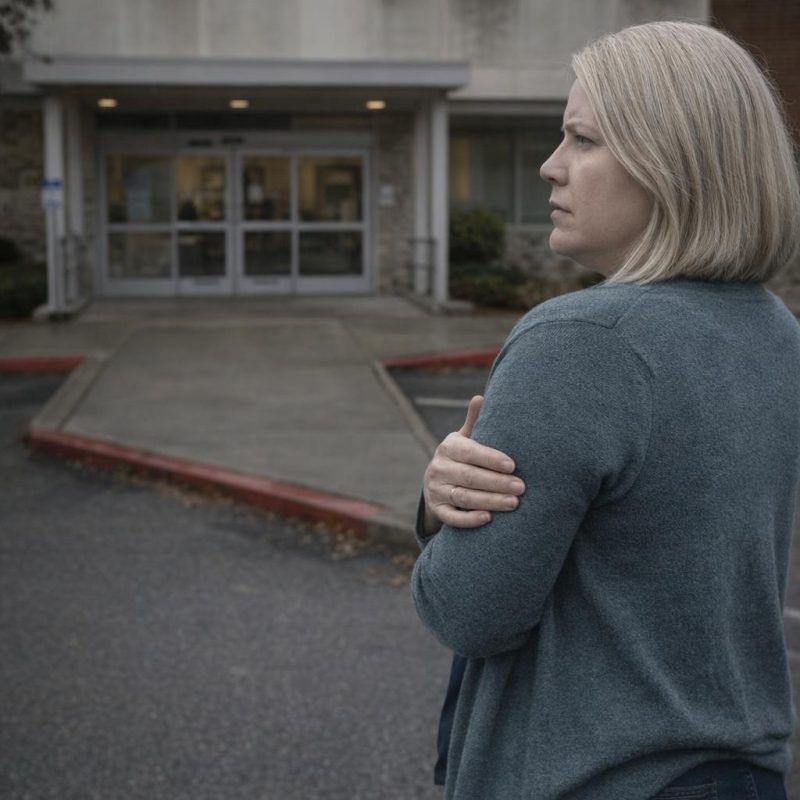 Image by RM AI
The Threshold
Sunday morning arrived too quickly and not quickly enough. Emma picked me up at nine. We didn't talk much during the drive to Forestdale. I recognized the building as soon as we pulled up—the same one I'd sat outside weeks ago, watching from my car like a stalker. It looked different now, approaching it with purpose instead of shame. We walked to the entrance together. I stood frozen in front of the door panel, staring at the rows of apartment numbers and names. Memories flooded back—good ones and terrible ones, all tangled together. Emma touched my arm gently. "You can do this, Mom." I pressed the button for apartment 4B. The intercom crackled. Then a voice came through, thin and uncertain. "Hello?" My voice broke. "Mom? It's... it's me." A pause. Then her voice cracked too, saying my name like a question and a prayer at once. The door buzzed. Emma pulled it open and we stepped inside. The elevator ride felt both endless and too short. We reached the fourth floor. Walked down the hallway in silence. My heart was pounding so hard I thought I might pass out. Emma knocked on the door marked 4B. I heard movement inside. Slow footsteps. The buzzer clicked, the door unlocked, and I stepped inside—toward my mother, toward the past, toward whatever would happen next.
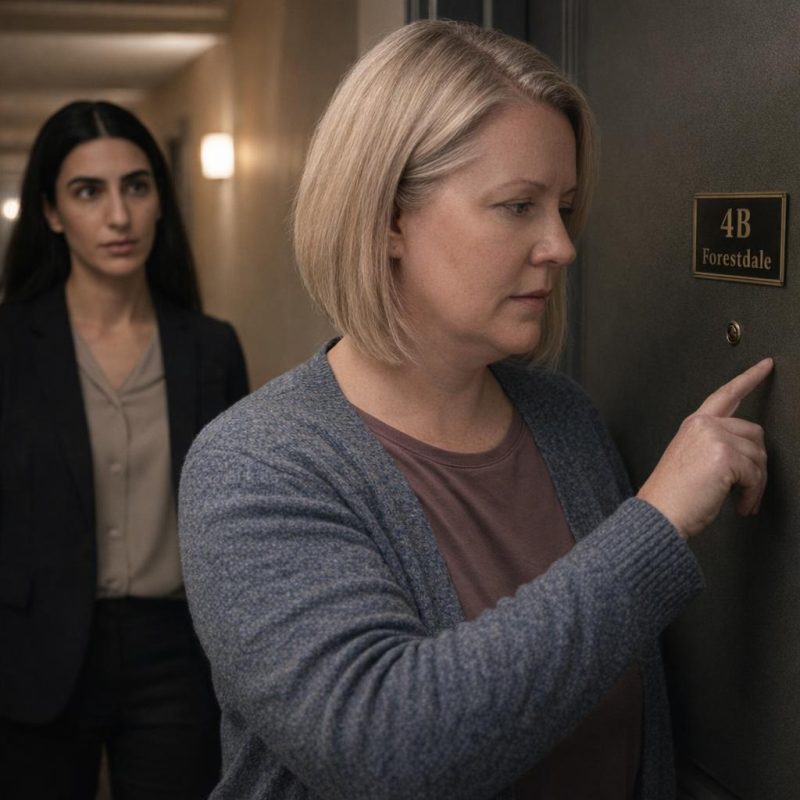 Image by RM AI
Face to Face
The door opened fully, and there she was. I barely recognized her at first. So much smaller than I remembered. Her hair completely white now, her frame thin and careful. But her eyes—those were the same. Blue and bright and filling with tears the moment she saw me. "Sarah," she whispered, and her face crumpled. I couldn't move. We just stood there looking at each other across twenty-five years of silence. She didn't rush forward, didn't try to embrace me. She just waited, giving me space to decide. I took one step inside. The apartment was small and neat, and the walls were covered with photographs. Pictures of me from before, and newer ones too—Emma must have given them to her. My whole life displayed on my mother's walls, the life she'd missed. Margaret reached out slowly, tentatively, her hand trembling. I looked at that outstretched hand—wrinkled now, spotted with age, but still my mother's hand. I let her take mine. The touch was electric. Familiar and strange all at once. Her fingers closed around mine and we both started crying. Emma was crying too, standing quietly near the door. Margaret's other hand came up to cover our joined ones, and I felt twenty-five years of walls beginning to crack. Margaret reached for my hand, and I let her take it, and the touch was so familiar and so strange that I couldn't tell if I was going to speak or sob.
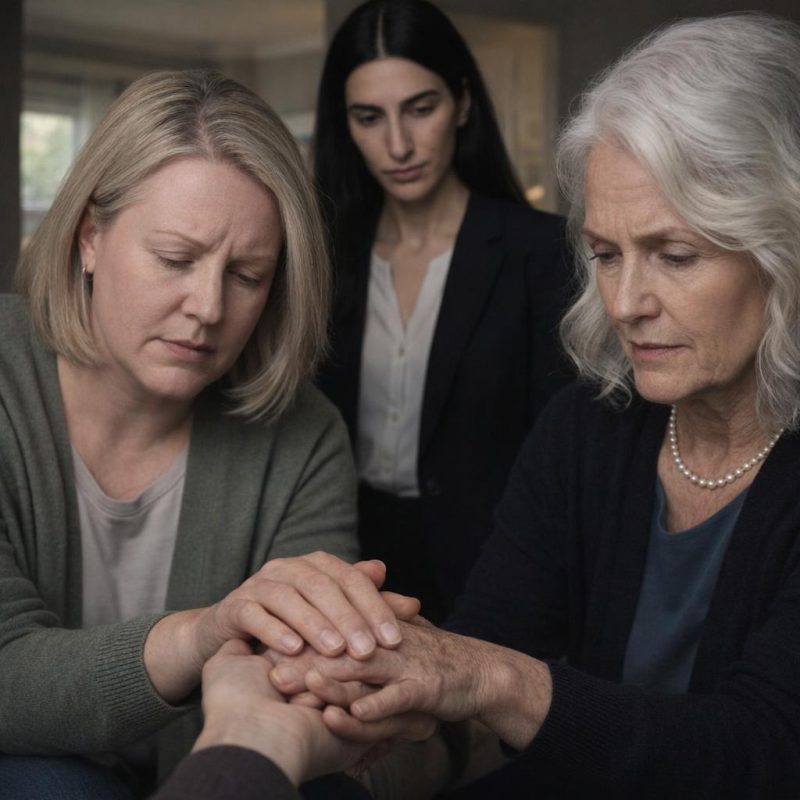 Image by RM AI
The Words
We sat in her small living room, Emma perched on a chair near the door, giving us space but staying close. Margaret's hands shook as she poured tea I didn't drink. The silence stretched until she finally spoke. "I was so angry," she said quietly. "At your father, at myself, at everything. And you were so much like him—your expressions, your stubbornness. Every time I looked at you, I saw him leaving." I listened without interrupting, though my chest felt tight. She explained how grief had twisted into something ugly, how she'd said things she didn't mean, how my silence afterward had felt like rejection. "I thought you hated me," she whispered. "So I convinced myself it was better to let you go." I told her how I'd experienced it—the coldness, the distance, feeling unwanted in my own home. She cried hearing it, really cried, her thin shoulders shaking. We talked about the misunderstanding that had snowballed, the pride and hurt on both sides, the years we'd wasted being too stubborn to reach out. Emma wiped her eyes silently. I felt something loosening in my chest, old anger releasing its grip. Not forgiveness yet, but movement toward it. When Margaret finished telling me her side, I finally understood—not just what she had done, but why, and that understanding changed everything.
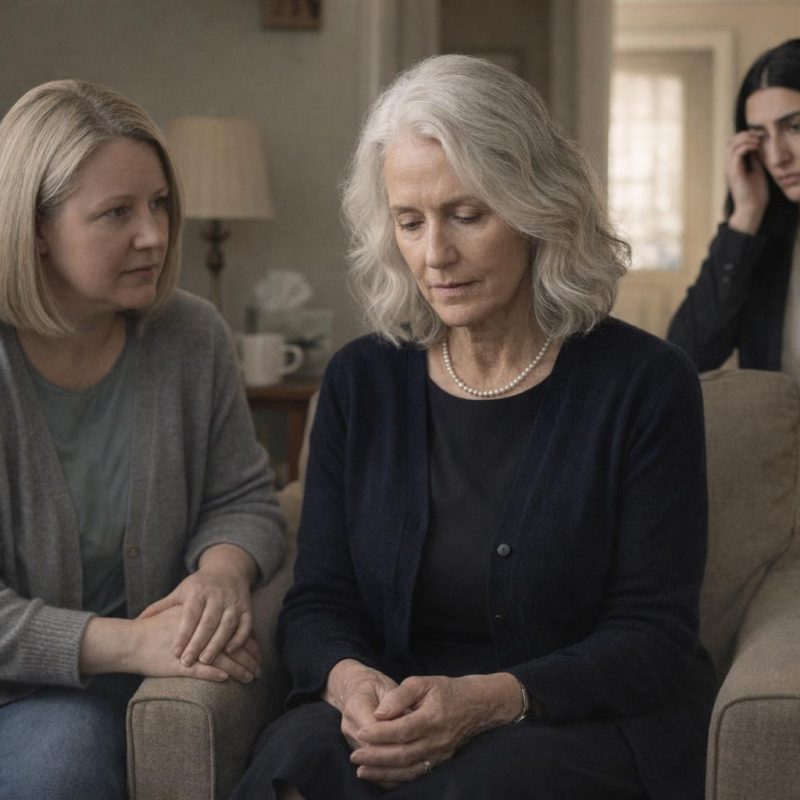 Image by RM AI
New Foundations
The drive home felt longer than the drive there. Emma and I sat in comfortable silence for miles, then talked in bursts, then fell quiet again. I was exhausted in a way that had nothing to do with the physical distance we'd covered. Seeing Margaret so frail had made everything more urgent—whatever time we had left to rebuild something, it wasn't infinite. But what kept circling through my mind was how my understanding of myself had shifted. I'd spent twenty-five years as the daughter who'd been abandoned, building my identity around that wound. Now I had to incorporate being the daughter who had abandoned too. I'd been so certain of my victimhood, so sure of who was wrong and who was right. "Thank you," I said to Emma suddenly. "For pushing this. For being braver than I was." She glanced at me, then back at the road. "I did it for both of us," she said softly. "For the grandmother I didn't know and the mother I love." Something released in my chest that I hadn't even known I was carrying. I had been a daughter who was abandoned, and now I was a daughter who had abandoned—and learning to hold both truths would take time.
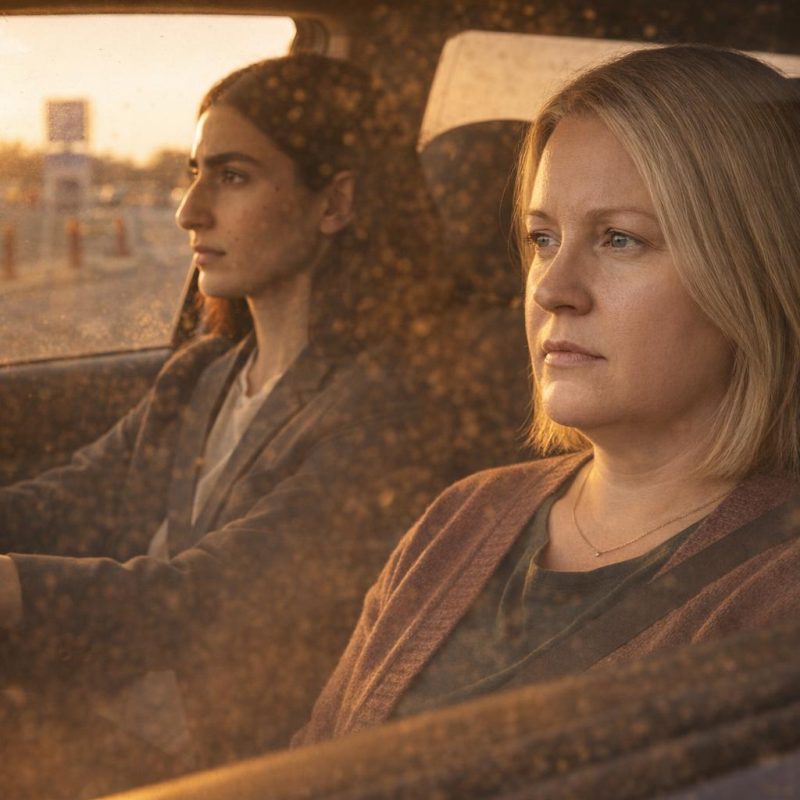 Image by RM AI
Mother and Daughter
Emma came for dinner on a Tuesday, weeks after our visit to Forestdale. We sat in the same kitchen where I'd confronted her about the receipts, but the atmosphere couldn't have been more different. I'd had time to process everything, to sit with the discomfort of my own mistakes. "I'm sorry," I told her over pasta neither of us was really eating. "For making it so hard for you to tell me things. For being so closed off that you had to keep secrets." She set down her fork. "I was terrified," she admitted. "Of your reaction, of damaging us permanently. I couldn't bear the secret anymore, but I dreaded telling you." We talked for hours that night, deeper than we ever had before. She told me stories about Margaret—funny ones that made me laugh, sad ones that made me ache. I asked questions about the grandmother she knew, the woman I was just beginning to rediscover. The secret that had divided us had somehow united us. Our relationship had been transformed by truth-telling, by her courage and my eventual willingness to listen. Emma said she'd been afraid of losing me by telling the truth, and I realized we'd actually found each other more completely than before.
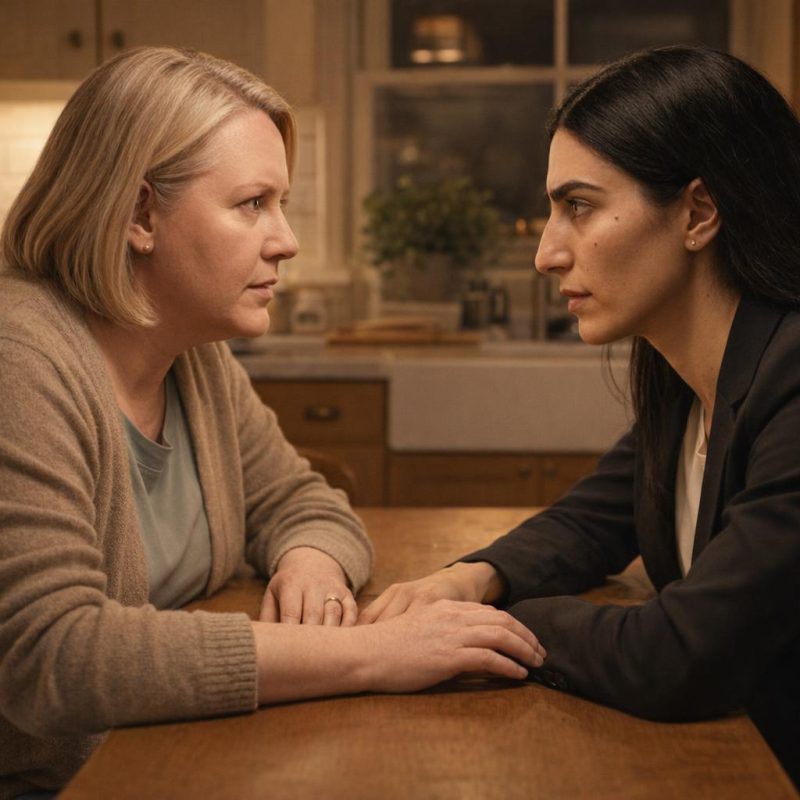 Image by RM AI
What Remains
Spring arrived while I wasn't paying attention. One morning I walked into my garden and found everything blooming—the daffodils I'd planted last fall, the cherry tree that had been pruned in winter. Several weeks had passed since the reconciliation, and visiting Margaret had become part of my routine now. James and I were rebuilding slowly, carefully. I sat on the garden bench and thought about the journey I'd taken. I'd started out suspicious of Emma's secrets, certain I knew my daughter better than anyone. I'd ended up discovering my own buried truths, the assumptions that had shaped twenty-five years of my life. Those years weren't wasted, exactly—they'd made me who I was, even if painfully. But now I had a chance to build something new. Margaret's illness was still there, time still precious, but we were making the most of whatever remained. I felt different, changed by truth in ways I was still discovering. Not the woman I was before, but perhaps closer to who I was meant to be. I had thought I was uncovering my daughter's secret, but what I'd actually uncovered was my own—and in finding it, I'd found my way back to everyone I'd lost.
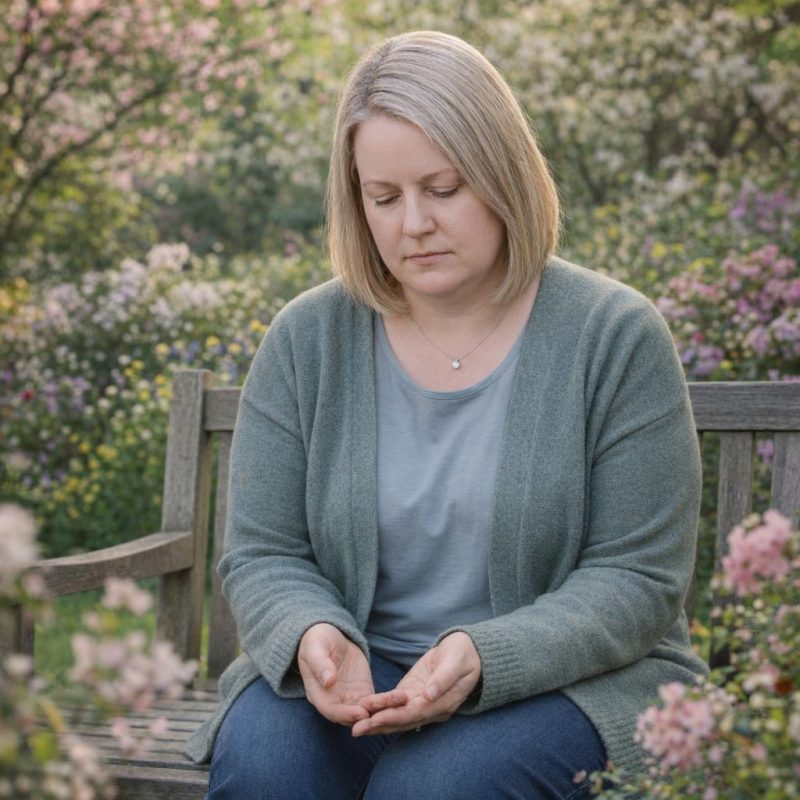 Image by RM AI