I Tracked My Lost Luggage and Discovered Someone With Airport Clearance Was Hunting My Family's Secret
I Tracked My Lost Luggage and Discovered Someone With Airport Clearance Was Hunting My Family's Secret
The Woman Who Labels Everything
I'm the kind of person who labels leftovers with dates and keeps every receipt in labeled envelopes sorted by month. My daughter Rachel says I'm obsessive, but I call it practical—when you've spent six decades watching people lose track of things and then act surprised about it, you learn to write everything down. I photograph my prescriptions before traveling. I keep copies of my insurance cards in three different bags. I'm not paranoid, I'm just prepared, and there's a difference even if my family rolls their eyes about it. So when Rachel convinced me to take this overseas trip with her mother-in-law Linda's tour group last month, I was reluctant but organized. I didn't want to go—ten days of museums and group dinners with near-strangers sounded exhausting—but Rachel said it would mean a lot to her if I made an effort with Linda's family, and I love my daughter more than I hate small talk. I packed methodically, the way I do everything, with a detailed list and photographs of the contents. I even wrote down the weight of my suitcase: twenty-three pounds, well under the limit. The flight back was long and I was tired in that bone-deep way that comes from being polite for too many consecutive days. When we landed back home, everyone's bags came out except mine.
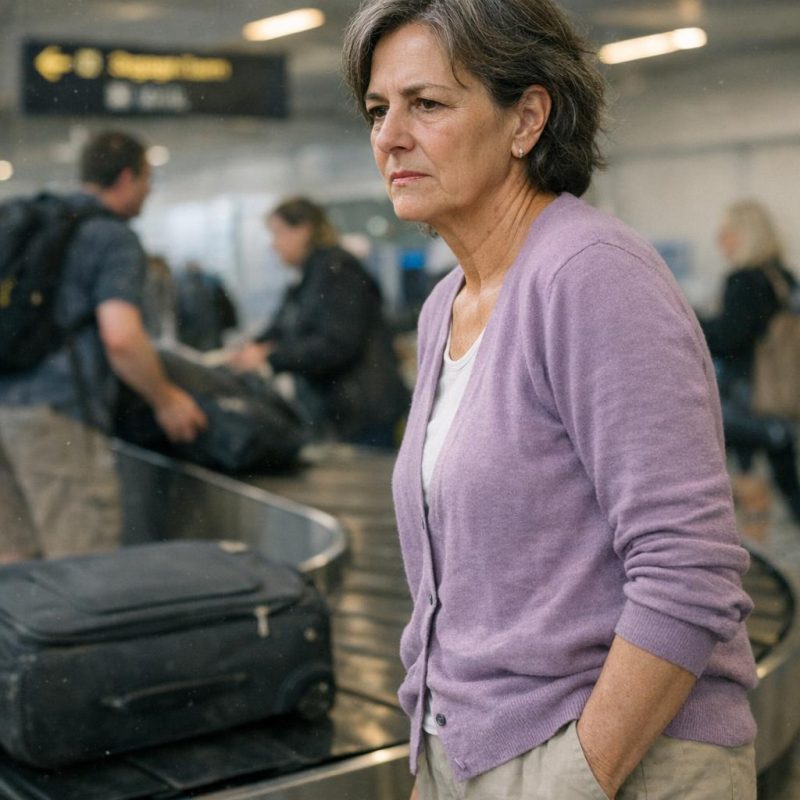 Image by RM AI
The Trip I Didn't Want
Rachel had been asking me to 'make an effort' with Linda for months. Her husband's mother organized these European tours every few years—she's got the money and the energy for it—and Rachel thought it would be good for family relations if I joined this time. I didn't particularly want to spend ten days with a group of wealthy retirees discussing wine regions and cathedral architecture, but Rachel has done so much for me over the years, and she looked at me with those hopeful eyes that reminded me of when she was seven and asking for a puppy. So I said yes. Linda sent me a fourteen-page itinerary with restaurant recommendations and museum hours. She called twice to make sure I had the right adapter plugs and travel insurance. She seemed genuinely pleased I was coming, which I'll admit made me feel a little guilty about my lack of enthusiasm. I'm not much of a traveler anymore—my late husband Paul used to handle all that—but I could manage ten days for Rachel's sake. I packed light because I hate lugging things around, but I packed carefully. There were a few family pieces I wanted to bring because I'd recently had them appraised for insurance purposes and didn't trust leaving them in an empty house. I packed them in a small zippered pouch, cushioned between sweaters, in my checked bag instead of my purse because I didn't trust a hotel safe.
 Image by RM AI
Museums and Polite Conversation
The trip itself was fine in that exhausting way group tours tend to be. We saw paintings and churches and ate at restaurants with cloth napkins. Linda was actually a good tour organizer—everything ran on time, and she'd done her research. She made conversation with everyone, remembered names, asked thoughtful questions. I spent most of my energy being pleasant and nodding at the right moments. There was a retired banker who wouldn't stop talking about inflation, and a couple from Vermont who photographed every single meal. I smiled and made appropriate small talk and counted down the days until I could go home to my own bed. What I remember now, looking back, is that Linda asked me twice during the trip if I'd brought anything valuable. The first time was on day three, when we were having coffee before a museum visit. She said something about hotel safes being unreliable and asked if I had anything I was worried about. I told her no, just the usual—credit cards, phone, nothing special. The second time was near the end of the trip, when we were walking back from dinner. She brought up travel insurance and mentioned she always photographs her jewelry before trips, then asked again if I'd brought anything that needed extra care. Both times I said no, because I'd learned not to show off what matters.
 Image by RM AI
The Empty Carousel
Standing at baggage claim, I watched the carousel go around and around. Everyone else from our flight grabbed their bags and left. The businessman in the wrinkled suit. The family with three kids and enough luggage for a month. The young couple who'd been arguing in whispers the entire flight. The carousel kept spinning with just two lonely bags circling endlessly, neither of them mine. I waited until the belt finally stopped moving, then walked to the airline desk where a young woman with a name tag reading 'Agent Kim' looked up at me with practiced sympathy. She'd clearly had this conversation a hundred times. I gave her my baggage claim ticket and watched her type into her computer with long acrylic nails that clicked against the keys. She asked me to describe the suitcase—black hard-shell Samsonite, twenty-three pounds, with a red ribbon tied on the handle because I'm not the only person in the world who owns a black Samsonite. She took down my address and phone number and asked about the contents. I listed them carefully: clothes, toiletries, a book, some family items. She didn't ask me to be more specific about the family items, and I didn't volunteer. She printed out a claim form and handed it to me with a reassuring smile. She told me it had likely been 'misplaced overseas' and would be routed to my home within a few days.
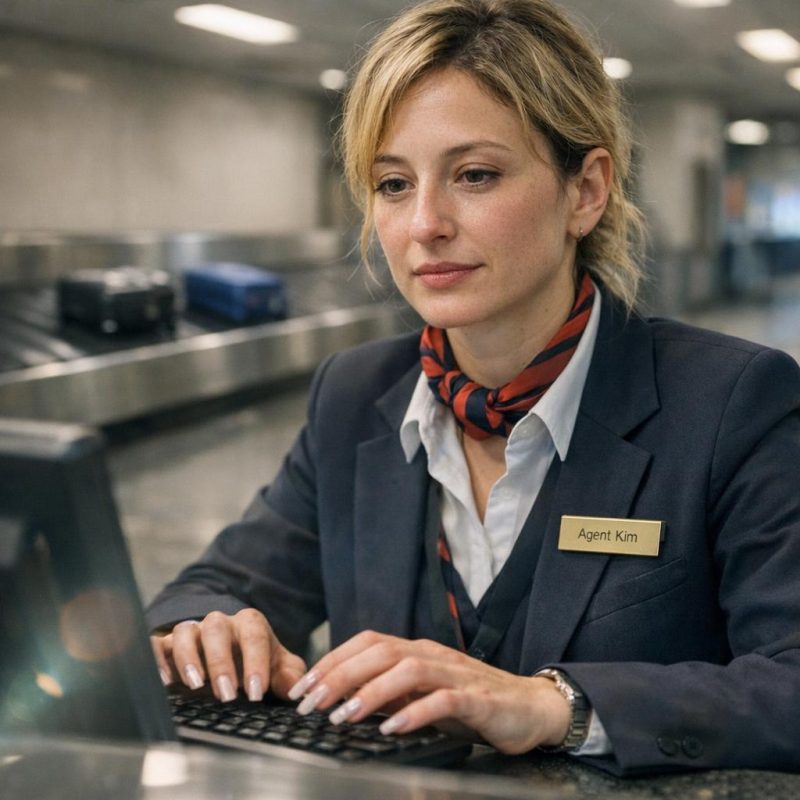 Image by RM AI
The Waiting Game
Three days passed. Then a week. I called the airline's baggage services number every single day, sometimes twice. I'm persistent when I need to be—you don't survive sixty-three years without learning that squeaky wheels get greased. The first person I spoke to said the bag was still in Paris and would be on the next available flight. The second person said there was no record of it in Paris, but it had been flagged as 'in transit' somewhere in the system. The third person told me it might have been rerouted through London due to a connecting flight issue and could take up to two weeks. The fourth person said—and I wrote this down—that there was a notation about 'delayed customs processing' which made no sense because I'm a U.S. citizen returning from a tourist trip with nothing to declare. By day ten, I had a notebook filled with names, reference numbers, and contradictory information. I asked to speak with supervisors. I requested written updates. I cited the airline's own policy documents that I'd printed from their website and highlighted in yellow. Nobody seemed concerned that their stories didn't match. They all used the same soothing tone, the same vague promises. Every time I called, a different voice gave me a different story, and I started to feel like I was being managed.
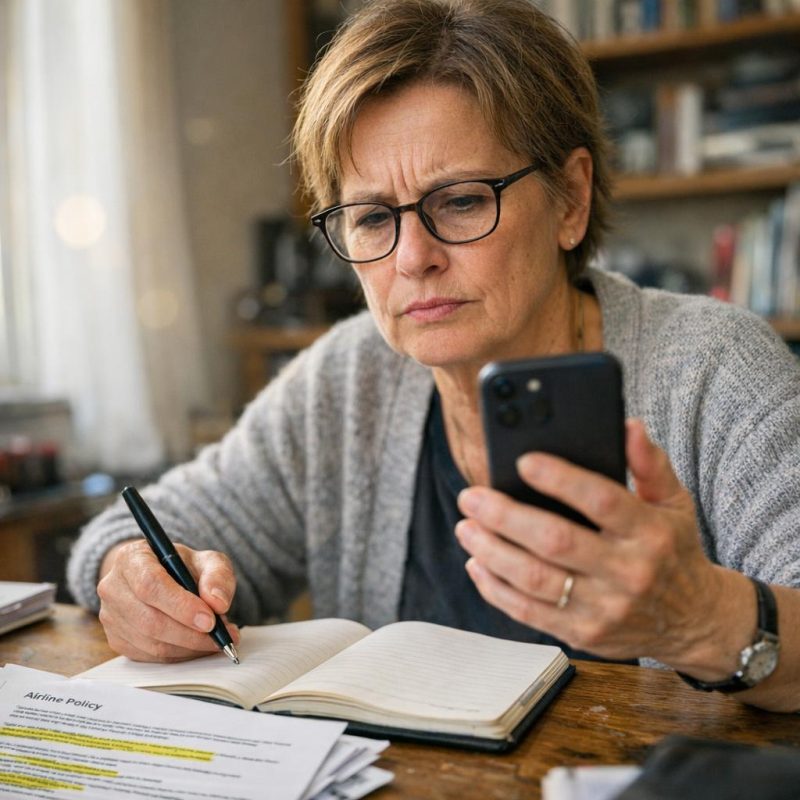 Image by RM AI
The Notification
On the fourteenth day, I received an automated email notification about a tracking update. I'd signed up for text and email alerts because of course I had—I document everything. The email was one of those no-reply messages with a link to check the status. When I clicked through, there was a new scan entry in the tracking history. According to the timestamp, my suitcase had been scanned at my home airport's baggage processing facility three days after I'd filed the missing luggage claim. Three days. I sat at my kitchen table staring at my laptop screen, reading the entry over and over. The date was right there in their own system. I pulled out my notebook and checked my notes from the calls I'd made during that time period. On that exact date, I'd spoken to someone who told me the bag was 'still overseas, likely in Paris or London.' But according to their own tracking system, it had been here, in my city, at my airport, the entire time. I took screenshots. I printed the page. I made notes with timestamps and call reference numbers lined up next to this new information. It meant my bag had come back through my city almost immediately, and yet nobody told me.
 Image by RM AI
Manually Opened
I called the airline again, but this time I had ammunition. I asked specifically to speak with a supervisor and I quoted the tracking scan data with the exact timestamp. After being on hold for twelve minutes—I timed it—a woman named Maria came on the line. She sounded more cautious than the others, less rehearsed. I asked her directly: if my bag was scanned here three days after landing, why was I told it was overseas? There was a long pause. Then she said she'd need to pull up the detailed handling records, which weren't available to the regular service agents. More typing sounds. Another pause. Then she said something that made my stomach drop: the baggage hold had been 'manually opened' after landing. I asked what that meant—was that normal? Her voice changed, became more careful. She said it could mean several things, that sometimes security flags bags for additional screening, that it wasn't necessarily unusual. But her tone said otherwise. She sounded like someone who'd just realized she was saying something she shouldn't. I pressed for more details—who opened it, why, what they were looking for—and she started to respond when suddenly the call went silent. When I asked what that meant, her tone shifted like she knew she'd said too much, and then the call dropped.
 Image by RM AI
The Kitchen Table
I sat at my kitchen table for a long time after that call, my notebook open in front of me, looking at all the documented lies I'd been told. Fourteen days of runaround. Fourteen days of being told my bag was overseas when it had been right here the entire time. Manually opened. That phrase kept circling in my head. I thought about what was in that bag. Clothes nobody would care about. A paperback mystery novel. Toiletries. And that small zippered pouch with my grandmother's locket, my mother's brooch, and the ring that had been in Paul's family for three generations—nothing fancy, just a plain gold band with a small stone that looked more grey than blue unless you held it to the light just right. Paul used to tell me stories about that ring, vague family legends about it being older than anyone could trace, but I'd always figured those were just stories families tell themselves to make their ordinary things feel special. Sentiment doesn't stop theft, though. Someone with airport clearance had gone into my bag looking for something specific, and then the airline had spent two weeks lying to me about where it was. I realized then that calling again would be pointless. I decided that voices on the phone can pretend you don't exist, but it's harder to do that when you're standing in front of them with your paperwork.
 Image by RM AI
Face to Face
I drove to the airport on a Tuesday morning with my printed paperwork in a folder that I'd labeled with the date and complaint number, because that's what you do when you want to be taken seriously. The baggage claim office was tucked behind a door most travelers probably never notice, and when I walked in, the woman behind the counter didn't even look up from her computer. I told her my name and my case number. She clicked around for maybe ten seconds, then said my bag was still being located and I'd receive an update by email. Just like that. Like I was supposed to nod and leave. I didn't move. I took out the printed scan notification—the one showing my bag had been in their facility for two weeks—and I set it on the counter between us. 'This says my bag was scanned here fourteen days ago,' I said. 'It says it was manually opened. So I'm not leaving until someone explains that to me.' Her expression changed. Not dramatically, but enough. She picked up the paper, read it twice, and her jaw tightened just slightly. Then she stood up without a word and disappeared through a door into the back. The clerk's eyes flickered, and she disappeared into the back.
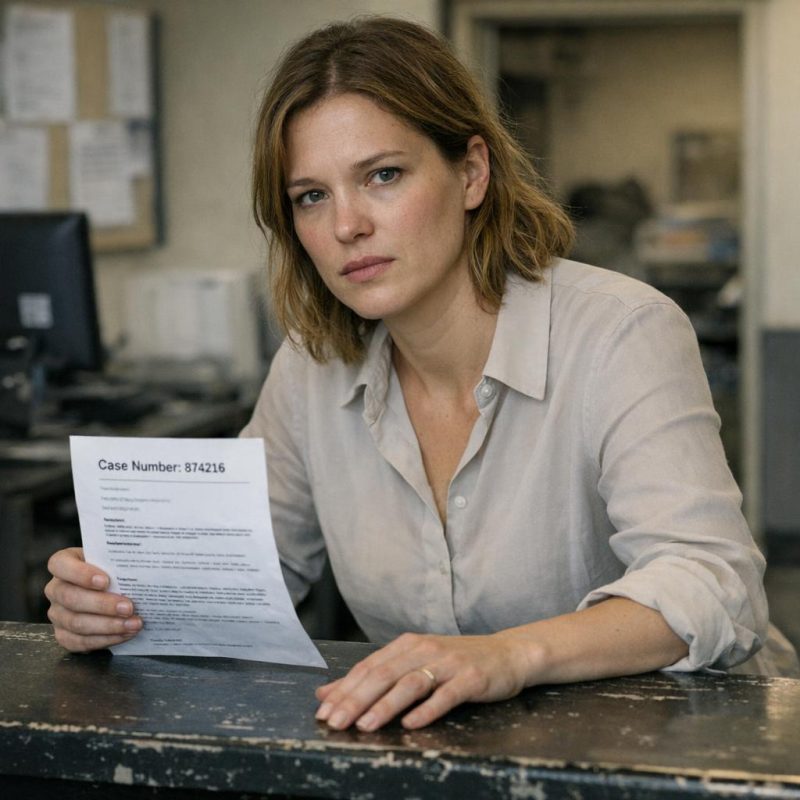 Image by RM AI
The Bottle of Water
I stood there for almost ten minutes, which is a long time to stand in an empty office under fluorescent lights with nothing to do but look at a poster about prohibited items. When the door finally opened, it wasn't the clerk who came out—it was an older woman in a different uniform with a name tag that said Maria, Supervisor. She had the clerk trailing behind her. Maria smiled at me in that specific way customer service people do when they're about to deliver bad news, and she gestured toward a chair I hadn't been offered before. 'Mrs. Hartwell, thank you for your patience. Can I get you some water?' That's when I knew something was actually wrong, because nobody offers you water unless they're about to tell you something you won't like. I said no thank you, and I stayed standing. Maria sat down anyway and folded her hands on the desk like we were about to have a very reasonable conversation. 'Your bag has been here,' she said carefully. 'It was flagged during processing and pulled aside for further review.' I asked her what 'further review' meant. She hesitated, and I could see her deciding how much to tell me. She admitted the bag had been at the airport, had been pulled aside, and was 'pending review.'
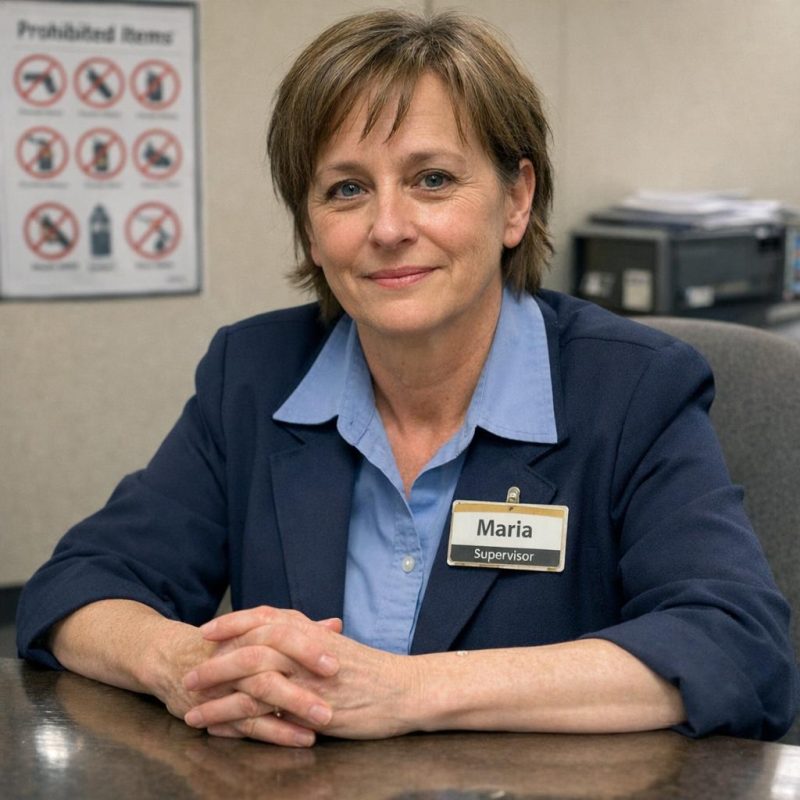 Image by RM AI
What Kind of Valuable?
Maria asked if there was anything particularly valuable in the bag, and I could tell from her tone that this wasn't just routine curiosity—she was fishing for something specific. I ran through the contents: clothes, toiletries, a book, nothing expensive. Then I mentioned the small zippered pouch with my grandmother's locket, my mother's brooch, and the ring. Maria's face stayed neutral through the first two items, but when I described the ring—plain gold band, small greyish-blue stone, family heirloom from my late husband's side—something shifted. Her expression tightened. Just for a second, but I saw it. She glanced at the clerk, then back at me, and asked if I knew anything about the ring's history. I told her it was just sentimental, been in the family for generations, nothing fancy. She nodded slowly, but her hands had gone still on the desk, and I realized she wasn't asking because she was trying to help me file a claim. She was asking because the ring meant something to her, or to someone. It wasn't recognition of jewelry—it was recognition of trouble.
 Image by RM AI
Assistance
I asked Maria directly why my bag had been pulled aside, and for a moment I thought she was going to deflect again, but she seemed to decide I wasn't going away. She looked at her computer screen, clicked something, and then said that according to the system, someone with staff clearance had requested access to my specific bag tag. I asked who, and she said the request was logged under the category 'assistance.' That was the word she used: assistance. Like someone had been trying to help me. I pointed out that nobody had contacted me, nobody had asked my permission, and my bag had been opened without my knowledge, so what exactly was being assisted? Maria didn't have an answer for that, or at least not one she was willing to share. She said she'd look into it further and get back to me, which is what people say when they want you to leave. But I wrote down her full name and her direct phone number before I left, and I made sure she saw me do it. Assistance—the kind of word that can cover a lot of sins.
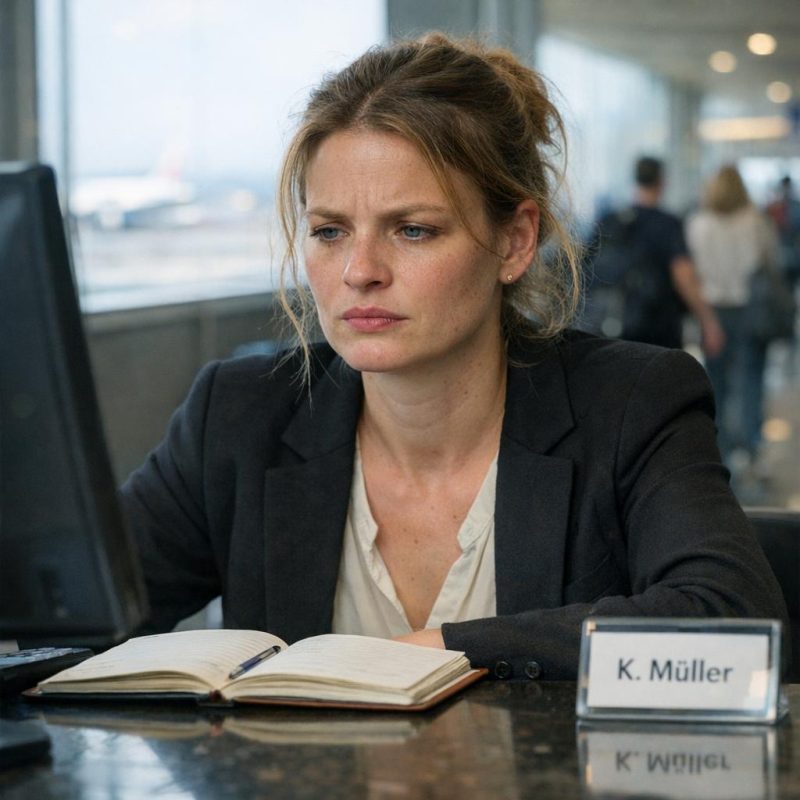 Image by RM AI
Replace
Rachel called that evening while I was making dinner, which was just reheated soup because I didn't have the energy for anything else. She asked if I'd heard anything about the bag, and I told her I'd gone to the airport in person and gotten some answers, though not good ones. I expected her to be outraged on my behalf, but instead she sighed and said maybe it was time to accept the airline's compensation and just replace what was lost. Replace it. Like you can replace your grandmother's locket or a ring that's been in a family for generations. I know she meant well, but it struck me as tone-deaf in a way that made my jaw tighten. I told her the items were irreplaceable, and she said she understood, but maybe it wasn't worth all the stress. That's when I felt my patience snap. I said something sharper than I meant to—something about how easy it is to tell someone else to let things go when it's not your history that's missing. Rachel went quiet for a long moment. Then she said something strange: 'Mom, you didn't tell anyone about the ring, right?'
 Image by RM AI
Why Did You Ask That?
I asked Rachel what she meant by that. Why would it matter who I told about the ring? She backtracked immediately, saying she didn't mean anything by it, she was just thinking out loud, you know how it is when something valuable goes missing. But her voice had gone careful in a way that didn't match her words. I pressed her—why did you ask that?—and she said she just didn't want me getting scammed by someone pretending to help recover it, which would have been a reasonable thing to worry about except that it came out of nowhere and didn't connect to anything we'd been talking about. I told her I hadn't mentioned the ring to anyone except the airline supervisor, and Rachel said good, that's good, and then she changed the subject to her work schedule like we'd been discussing the weather. After we hung up, I sat there with my phone in my hand, replaying the conversation. Rachel had sounded worried, but not about me being scammed. She'd sounded worried about something else entirely. It was the first moment I wondered if the thief wasn't just after anything valuable—if they were after something specific.
 Image by RM AI
Aunt Bev
I hadn't spoken to my Aunt Bev in almost three years, not since a tense Thanksgiving where we'd disagreed about something I can't even remember now. But Bev was the only person left who might know something about Paul's family history, so I swallowed my pride and called her. She answered on the second ring, and when I told her I needed to ask about the ring—the one that had been Paul's, the one from his great-grandmother—there was a long silence. Then she sighed, and it was the kind of sigh that carries years in it. 'I wondered when you'd call about that,' she said. Not surprised. Not confused. Like she'd been waiting. I asked her what she meant, and she said she didn't know all the details, just pieces Paul's mother had mentioned once or twice when Bev and I were still close. Old family stories, the kind people don't usually talk about. I told her my bag had been stolen and the ring was in it, and I was starting to think someone had taken it on purpose. Bev was quiet again. Then she said, 'Your mother told me this might happen someday.'
 Image by RM AI
The Seamstress and the Mix-Up
I asked Bev what my mother had to do with Paul's family ring, and she said it wasn't exactly about my mother—it was about what my mother had known and chosen not to tell me. According to Bev, the ring hadn't always belonged to Paul's family, not in the way we'd been told. It had come into the family through Paul's great-aunt, who'd worked as a seamstress for a wealthy household sometime in the 1940s. There'd been a mix-up—Bev's word, not mine—and the ring had ended up in the great-aunt's possession. She'd kept it, and over the years it became part of the family story, passed down as a modest heirloom with vague legends about its age and origin. But my mother had known, somehow, that the ring's history was complicated. That it wasn't stolen, exactly, but it wasn't entirely legitimate either. And she'd told Bev once, years ago, that if anyone ever came looking for it, we should be very careful. Bev didn't know who might come looking, or why. Just that my mother had been uneasy about it. My great-aunt kept it not out of greed but out of fear, and the family story became 'sentimental jewelry' because that sounded safer.
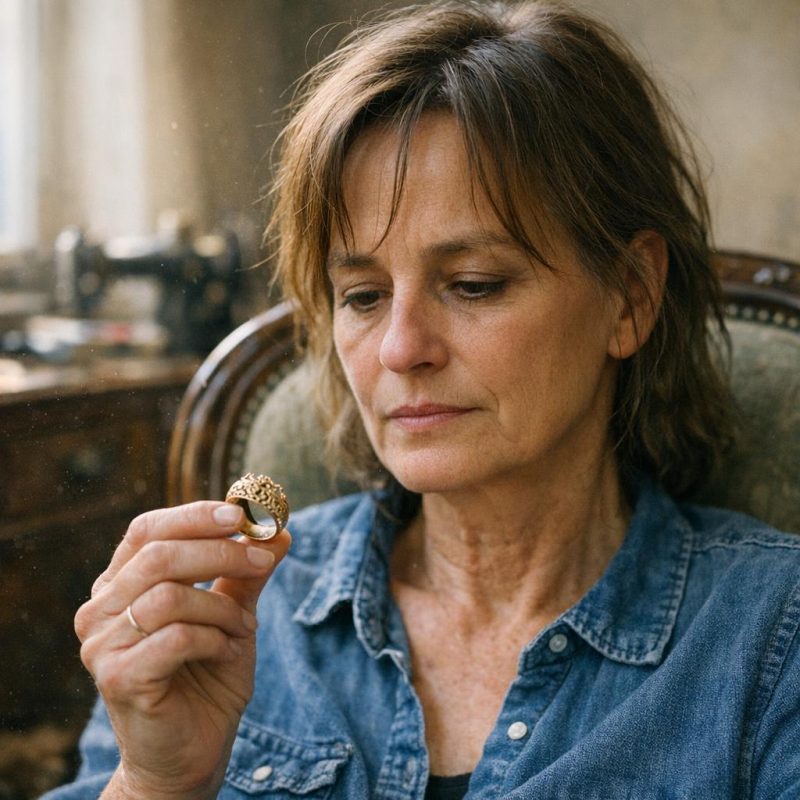 Image by RM AI
Keep Safe
Bev told me the ring had arrived at Paul's great-aunt's house with a handwritten note. Just two words, written in careful script on yellowed paper: KEEP SAFE. The great-aunt had been a seamstress, as I said, working for a household in the city—Bev didn't know which one, or wouldn't say—and one day she'd been called into the parlor and given a small cloth bundle. The woman who handed it to her, an older woman Bev thought might have been a housekeeper or lady's maid, told her to take it and never mention it again. She was told, very clearly, not to contact the household. Not to write. Not to return. Her employment was terminated that day with two months' wages and the bundle. The great-aunt never spoke about it much, Bev said, except to say she'd been frightened. She'd kept the ring hidden for years before eventually passing it to Paul's grandmother with the same instructions: keep it safe, don't ask questions. And we hadn't. We'd just worn it and loved it and thought it was ours. Then Bev paused, and I could hear her breathing on the other end of the line. 'Diane,' she said quietly, 'a private investigator came to see your mother about twelve years ago. He asked about the ring. She told him she didn't know what he was talking about.' A private investigator had visited my mother twelve years ago asking questions about that ring, and my mother denied everything.
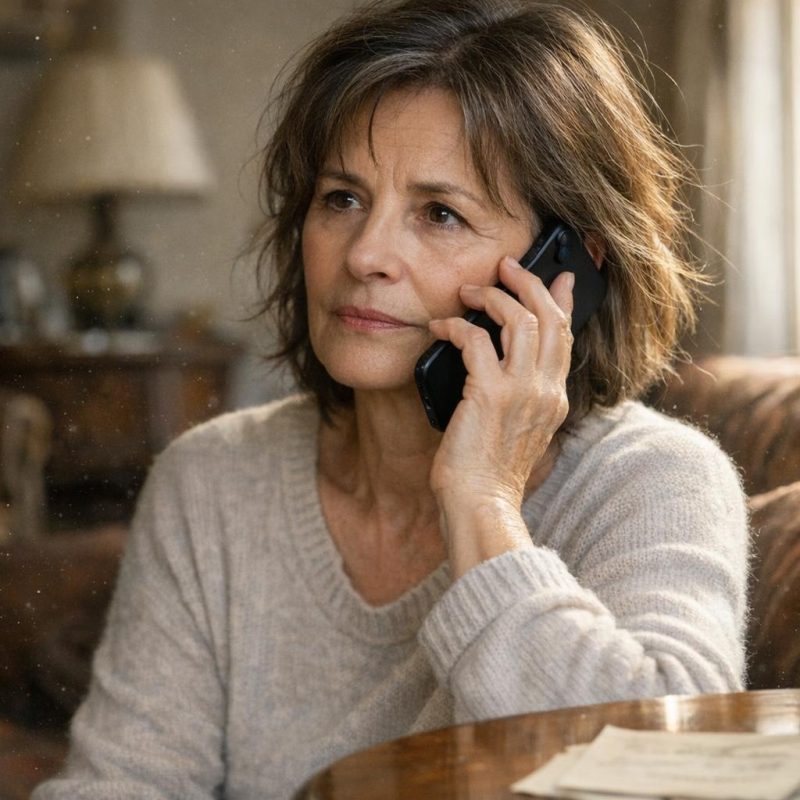 Image by RM AI
Pieces Clicking
I sat there after Bev hung up, trying to process what she'd told me. My mother had lied to a private investigator. She'd known the ring had a past, a dangerous one, and she'd chosen to bury it. She'd worn it anyway. She'd given it to me anyway. And now someone had taken it from my luggage in an airport baggage office, which meant someone knew I was carrying it. The ring wasn't flashy—it was small, tasteful, the kind of thing you wouldn't notice unless you were looking for it. Which meant whoever took it had been looking for it specifically. They'd known it was in my bag. They'd known I'd flown in from abroad. The pieces started clicking together in a way that made my chest feel tight. The ring wasn't meant to be a showpiece. It was meant to be hidden. That's why Paul's great-aunt had kept it wrapped in cloth for decades. That's why my mother had been nervous about it. And someone, somewhere, had known I was traveling with it. I didn't know who, or how they'd known, but the more I thought about it, the more certain I became. I felt my skin prickle as I understood: the ring wasn't flashy because it wasn't meant to be seen.
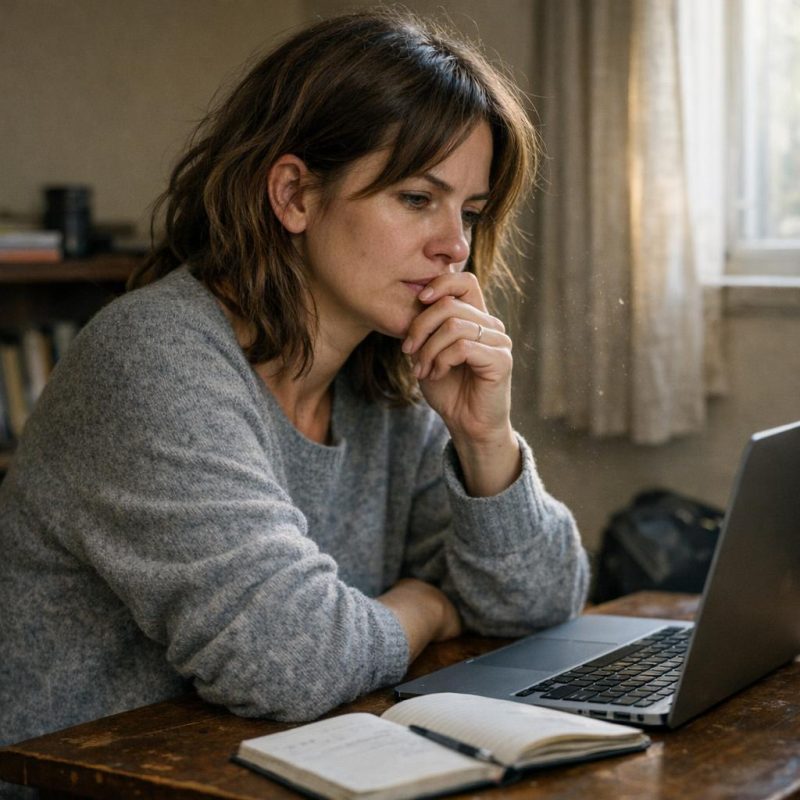 Image by RM AI
The Polite Voices
The calls started two days later. The first one came from a number I didn't recognize—a polite woman's voice asking if I'd recently returned from abroad. I said yes, cautiously, and she asked if I'd had any issues with my luggage. I told her I was still working with the airline, and she said she was calling to offer assistance with locating lost property. I asked who she worked for, and she said she represented a recovery service that specialized in high-value items. I hung up. The second call came that evening, a man this time, equally polite, asking almost the same questions. Had I traveled recently? Had I lost anything of personal significance? Could he help me recover it? I asked how he'd gotten my number, and he said it was part of a customer outreach program. I told him I didn't need his help and hung up again. The third call came the next morning. A different voice, same script. 'We understand you may have misplaced something valuable. We'd like to assist.' I didn't answer the fourth call, or the fifth. But I noticed the word they all used. Help. Assistance. The same word.
 Image by RM AI
Not Random
I started going back through everything that had happened at the airport. The baggage office delay. The way the woman at the counter had barely looked at me. The missing tag on my suitcase. The vague timeline they'd given me. I'd assumed it was just incompetence, the usual airport chaos, but now I wasn't so sure. If someone had targeted my bag specifically, they would have needed access to the system. They would have needed to know which flight I was on, which bag was mine, and when it would come through. That's not something a random thief could do. That's insider knowledge. I thought about the supervisor who'd told me to file a claim and wait. The way he'd seemed almost bored by my questions, like he'd heard them all before and knew exactly how it would play out. I thought about the baggage handler I'd seen through the window, the one who'd glanced up at me and then looked away too quickly. And I thought about the calls—the polite, persistent voices offering to 'help' me find what I'd lost. This wasn't a mistake. This wasn't random. I couldn't prove it yet, but I couldn't shake the feeling that this wasn't about luggage at all.
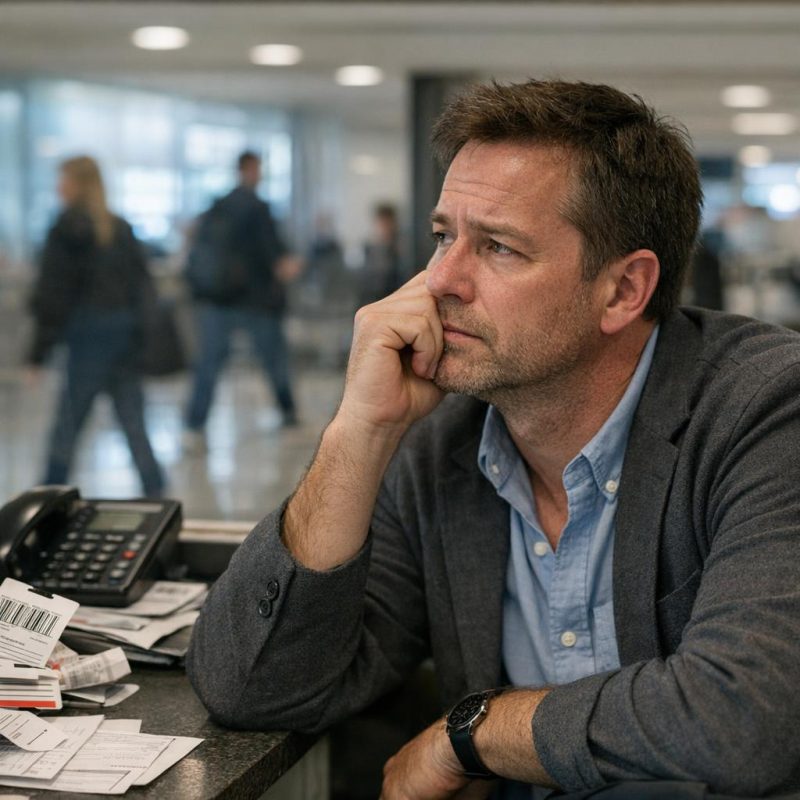 Image by RM AI
Rachel's Silence
I tried calling Rachel to tell her about the strange calls, about what Bev had said, about the private investigator who'd come to see my mother years ago. I called twice. She didn't pick up. I left a voicemail asking her to call me back when she had a minute, that it was important. Nothing. I waited a day and called again. Still nothing. That felt deliberate. Rachel always answered my calls, or at least texted back within an hour to say she was busy. This silence was different. It felt like avoidance. I texted her: 'Honey, I really need to talk to you. It's about the ring and some things Bev told me. Please call when you can.' The message sat there, delivered but unread, for hours. Then, finally, late that night, my phone buzzed. A text from Rachel. Short. Clipped. Not like her at all. I read it twice, then a third time, trying to understand what it meant. Trying to figure out why my daughter, who'd been so worried about me just days ago, was now telling me to let it go. When she finally texted back, all she said was, 'Mom, please just let it go.'
 Image by RM AI
The Friend of a Friend
I didn't let it go. I reached out to Tessa, a friend of a friend who worked in estate jewelry. I'd met her once at a dinner party years ago, and I remembered she had a sharp eye and a no-nonsense way of talking about provenance and authenticity. I found her number through a mutual acquaintance and called her, half-expecting her to brush me off. Instead, she listened. I explained that I had photos of a ring that had been in my family for decades, that it had recently been stolen, and that I was starting to think it might be more significant than I'd realized. I didn't mention the private investigator or the strange calls—I didn't want to sound paranoid. I just said I wanted to know what I was dealing with. Tessa was quiet for a moment, then asked if I could send her the photos. I said I could, that I'd need to dig through some old family albums but I was pretty sure my mother had taken insurance photos years ago. She said she'd take a look, no promises, but she'd give me her honest opinion. Tessa agreed to meet me, though her voice sounded cautious when I explained where the photos came from.
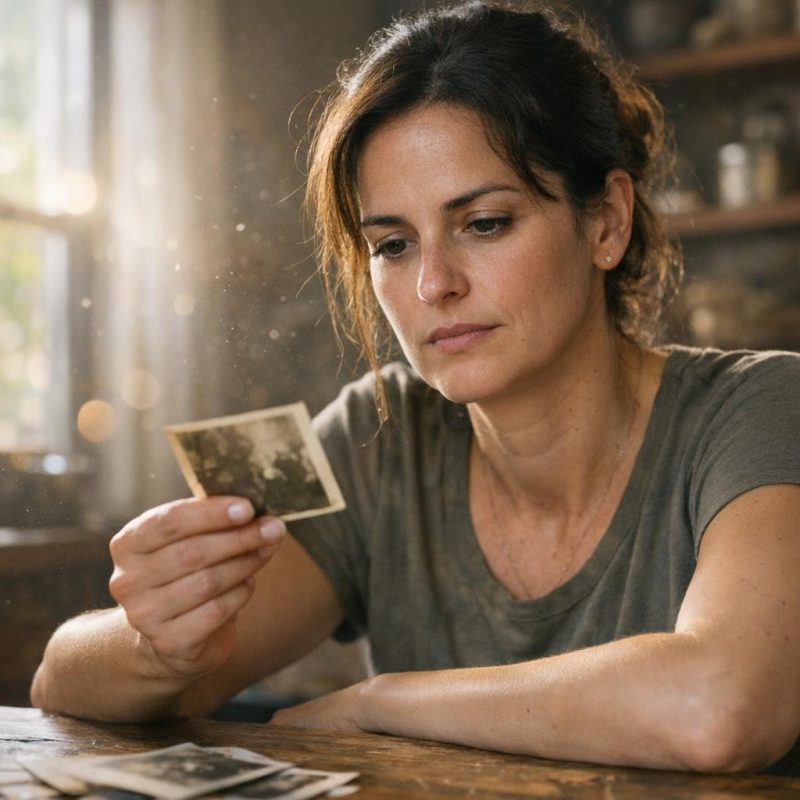 Image by RM AI
The Photos
I spent the better part of an afternoon going through boxes in my closet, pulling out old photo albums and envelopes of loose pictures my mother had kept. I found the insurance photos tucked into a manila folder labeled 'Household Items 1998' in my mother's precise handwriting. There were three pictures of the ring, taken from different angles against a white background. The detail was good—you could see the filigree work, the small stones set into the band, the way the metal caught the light. I scanned them carefully on my printer and emailed them to Tessa with a short note explaining that these were taken about twenty-five years ago, before my mother had passed the ring to me. As I looked at the images on my computer screen, I realized something strange. I'd worn that ring for years. I'd felt its weight on my finger, traced the pattern of the metalwork with my thumb during long meetings and quiet evenings. But I'd never really studied it. I'd never looked at it the way I was looking at it now, pixel by pixel, trying to see what someone else might see. As I looked at the image, I realized I'd never really studied it before—I'd only ever felt it.
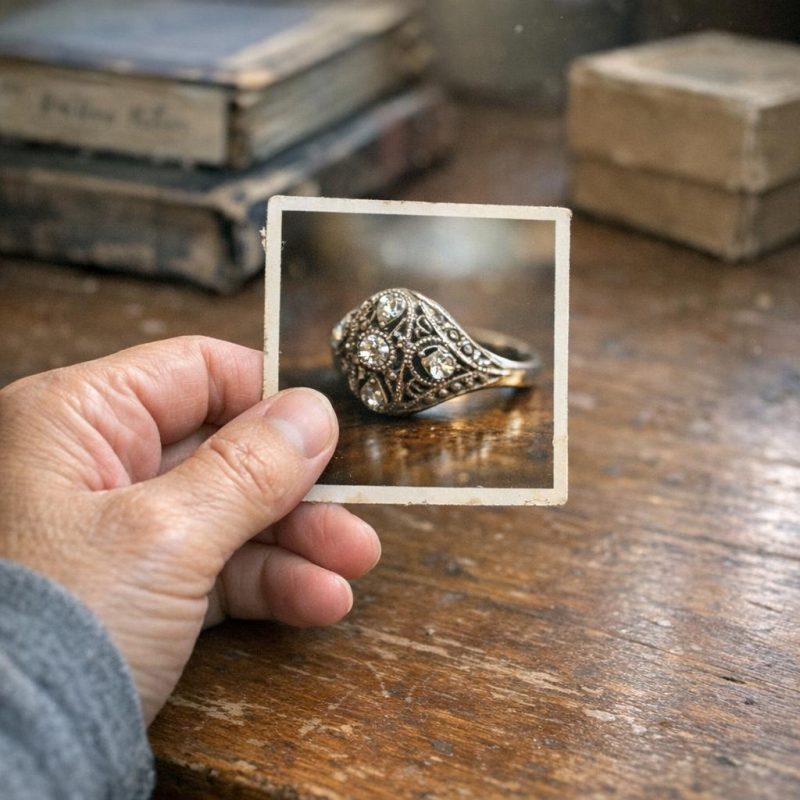 Image by RM AI
Not Costume
Tessa called me two days later. I was in the middle of folding laundry when my phone rang, and I almost didn't answer because I was still rattled by the unknown numbers that kept calling. But I saw her name on the screen and picked up immediately. She didn't say hello. She just went silent for a long moment, and I could hear her breathing on the other end of the line. Then she said, 'Diane, this isn't costume. This is a historic piece.' I sat down on the edge of my bed, the laundry forgotten. I asked her what she meant by historic, and she said the metalwork and stone settings matched a style used in a very specific period and region—late 1940s, possibly Central European. She said the craftsmanship was exceptional, the kind of work that didn't come from a regular jeweler. She said it wasn't the sort of thing that ended up in estate sales or antique shops. It was the sort of thing that disappeared during the war and resurfaced quietly, years later, in private collections or family vaults. I asked her if it was famous, like something you'd see in a museum, and she said no, not famous like that. She told me it wasn't famous like a movie necklace, but valuable in a way that makes the wrong people interested.
 Image by RM AI
A Maker's Mark
Tessa told me about the maker's mark. She'd photographed it under magnification—a tiny symbol on the inside of the band that I'd never noticed. She said it matched records from a workshop that operated in Vienna just after the war, one that handled pieces that came from liquidated estates and confiscated property. I felt my stomach drop. She explained that this wasn't just any ring. It was the kind of item that couldn't be sold at auction or listed with a reputable dealer because its provenance was too complicated, too dark. She said it could only move through private channels, quiet trades between collectors who didn't ask questions. I asked her if she thought someone wanted to steal it because of its value, and she said yes, but not the kind of value you'd insure. She said there were people who spent decades tracking items like this, waiting for them to surface. I thought about the GPS tracker, the manual override, the person who'd opened my bag in the middle of the night. Tessa's voice got quieter. She said collectors still whisper about it, and the fact that I'd been carrying it in checked luggage made her voice go tight.
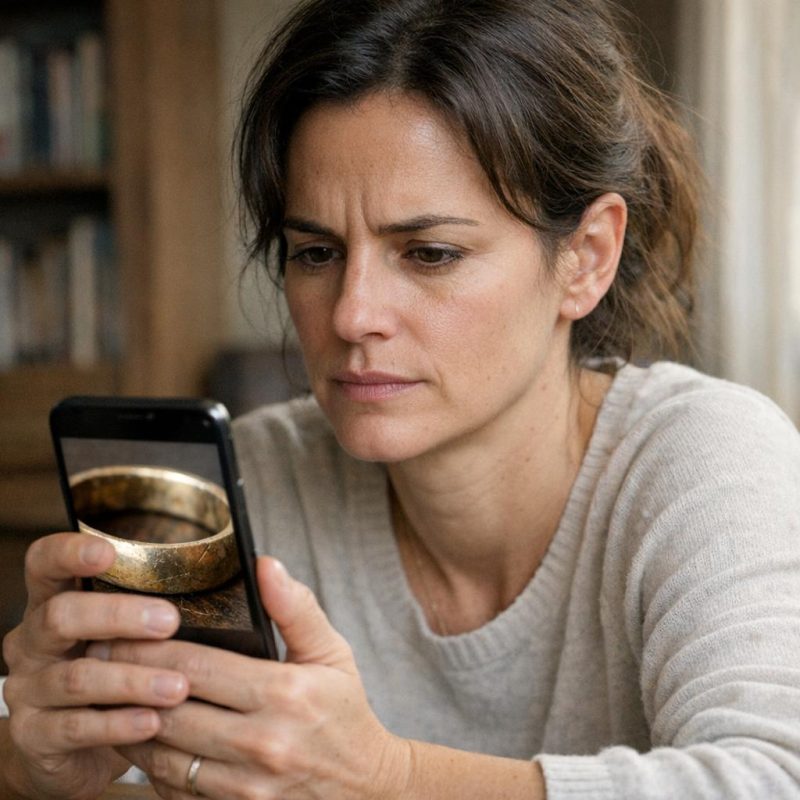 Image by RM AI
Someone Knew
After I hung up with Tessa, I sat on my couch and tried to piece together how anyone would have known I was traveling with the ring. I hadn't posted about my trip on social media. I hadn't told anyone except Linda and my daughter that I was going to visit my cousin. But someone had known. Someone had known exactly which flight I'd be on, which bag to flag, which moment to exploit. The manual override hadn't been random. It had been calculated. I thought about the timing—how my bag had been pulled aside, how the tracker had been placed so carefully that it almost looked like a luggage tag, how the whole thing felt like it had been choreographed. I started going through every conversation I'd had in the weeks leading up to my trip. Who had I mentioned the ring to? Who knew I kept family heirlooms in a small wooden box in my bedroom? I felt paranoid even thinking this way, but I couldn't shake the feeling that someone close to me had let something slip. Or worse—that they'd told someone on purpose. The question that kept me awake that night was: who knew I packed it?
 Image by RM AI
The Settlement Offer
The airline's settlement offer arrived in my email three days later. It was a PDF with a generic letterhead and a paragraph of legal language that basically said they were sorry for the inconvenience and would like to offer me compensation for my lost luggage. The amount was listed at the bottom: eight hundred dollars. I sat there staring at the number. Eight hundred dollars for a bag that contained my grandmother's locket, the ring Tessa had just told me was a piece of wartime history, and a dozen other small things that had belonged to people I loved. The letter didn't mention any of the actual contents. It didn't acknowledge that my bag had been manually opened or that I'd filed a complaint about the access logs. It was just a form letter, the kind they probably sent to everyone who lost a suitcase. I thought about my grandmother, who'd survived things I couldn't imagine and had somehow managed to hold onto a few precious objects through all of it. I thought about how her locket had sat in that box for decades, waiting for someone in the family to remember her. I stared at the number and thought about my grandmother's locket, and I knew accepting it would be the same as saying she never existed.
 Image by RM AI
Formal Requests
I declined the settlement and filed formal requests instead. I used the airline's own forms—the ones buried in the customer service section of their website that most people never find. I requested copies of the access logs for my bag, the manual override authorization, and the names of every employee who had handled it between check-in and the baggage claim carousel. I documented every interaction I'd had with the airline so far: the dates, the times, the names of the representatives I'd spoken to, the case numbers they'd given me. I attached screenshots of the GPS tracker's path and a written timeline of when I'd discovered it. I wrote everything in the clear, methodical style I'd learned from decades of dealing with insurance companies and warranty claims. I didn't use emotional language. I didn't threaten legal action. I just asked for transparency and cited the specific regulations that entitled me to this information. It felt good to use the system against itself for once. I submitted the requests through three different channels—email, their online portal, and certified mail—because I've learned that redundancy is the only way to make sure something actually gets read. The airline's response came faster than I expected: they were 'reviewing' my request and would contact me within ten business days.
 Image by RM AI
The After-Hours Call
Supervisor Maria called me six days later, after hours. It was almost eight in the evening when my phone rang, and I recognized her voice immediately. She said she wasn't supposed to be calling me, but she'd been thinking about my case. She told me she'd worked for the airline for nearly twenty years and had seen a lot of lost luggage situations, but lately there had been too many 'special assistance' requests that didn't make sense. She said she didn't know exactly what was going on, but she knew something was rotten. I asked her what she meant by special assistance, and she explained that certain requests came through from outside the normal system—flags that required baggage handlers to set aside specific bags for inspection or delay. She said most of the time these were legitimate security concerns, but she'd started noticing a pattern. I felt a chill. She told me which department to escalate my complaint to, gave me the name of someone in corporate security who might actually listen, and then her voice got quieter. She told me which department to escalate to, then warned me—gently—that if the ring is what they were after, they may try again.
 Image by RM AI
Not for Verification
Maria stayed on the line for another minute and explained what she meant. She said one of the common tactics she'd seen was for someone to contact a passenger and ask them to bring the recovered item in 'for verification.' They'd say it was part of the claims process, that they needed to photograph it or confirm it matched the description. She said it sounded official enough that most people complied. But once the item was handed over, it would disappear into the system and the passenger would be told it was still being processed, or that there had been a mix-up, or that it had been sent to another department. By the time anyone realized what had happened, the trail was cold. She told me not to bring the ring anywhere, not to let anyone photograph it, and not to confirm to anyone outside of my formal complaint that I even still had it. I asked her why she was telling me all this, and she said because she was tired of watching people get scammed by a system that was supposed to protect them. I thanked her, hung up, and locked every door in my house.
 Image by RM AI
Escalation
I followed Maria's advice the next morning. I drafted an email to the airline's corporate office, citing every specific log entry I'd documented, every failed response from customer service, and every regulation they'd violated by refusing to provide me with the access records. I mentioned Supervisor Maria by name—not to get her in trouble, but to show that even their own employees knew something wasn't right. I kept the tone professional but firm, the way I used to write letters to my kids' school principals when they tried to brush off legitimate concerns. I requested a formal investigation into the manual override and asked for a meeting with someone from airport security who could explain how a GPS tracker had ended up in my luggage. I sent copies to the FAA's consumer protection division and to the airport authority. I didn't expect much—I've dealt with enough bureaucracies to know that most complaints disappear into a void—but I wanted a paper trail. I wanted evidence that I'd raised every red flag I could. Two days later, I received a call from someone who introduced himself as Officer Grant from airport security.
 Image by RM AI
Officer Grant
Officer Grant's voice was calm and professional, the kind of tone that's hard to read over the phone. He said he'd been assigned to review my case and wanted to discuss the access logs I'd requested. He apologized for what I'd been through and said he understood my frustration. He asked if I'd be willing to meet him at the airport so we could go over the records together—he said it would be easier to explain in person. I asked him why we couldn't do it over the phone or via email, and he said some of the information was sensitive and couldn't be transmitted electronically. That felt like a convenient excuse, but I couldn't tell if he was being genuinely cautious or if he was stalling. I told him I'd think about it and asked for his badge number and direct line. He gave them to me without hesitation, which made him seem more legitimate. He said to call him back within the next few days to schedule a time. I thanked him and hung up, then immediately looked up his name in the airport security directory. He was listed. His title checked out. But something in his tone made me wonder if he was investigating the theft or investigating me.
 Image by RM AI
The Meeting
The office was one of those windowless rooms that makes you forget what time of day it is. Officer Grant had a desk with two chairs facing it, and the fluorescent lights buzzed in a way that felt designed to make you uncomfortable. He was younger than he'd sounded on the phone, maybe early fifties, with the kind of neat appearance that suggested he ironed his own uniforms. He offered me water, which I declined, and then he pulled out a folder with my case number printed on the tab. I appreciated that he got right to it. He asked me to walk him through the trip again—where I'd been, who I'd traveled with, what I'd packed. I told him about the tour group, about Rachel joining us for part of it, about Linda. When I mentioned Linda's name, he looked up from his notes. 'Linda,' he repeated, writing it down in slow, deliberate letters. 'And she's your daughter's partner?' I said yes, and he nodded, but his pen stayed on the page a beat too long. The air in that room shifted, like when you realize someone's been listening more carefully than you thought. He asked how well I knew her, how long they'd been together, whether she'd helped me pack. I answered everything, but my stomach started to twist. When I mentioned Linda's name, he wrote it down slowly, and I felt something shift in the room.
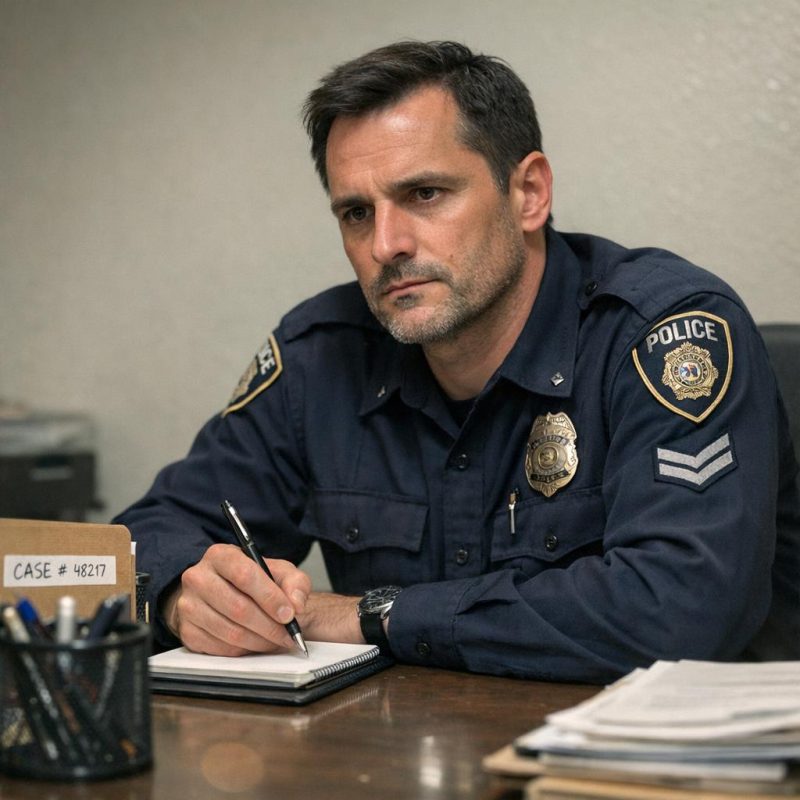 Image by RM AI
Redacted
Grant flipped open a thin stack of papers and turned them toward me. 'These are the access logs you requested,' he said, sliding them across the desk. I leaned forward, and immediately I could see that half the information was blacked out with thick marker. Names, timestamps, entire columns—gone. He explained that personnel privacy regulations required redactions, that he couldn't show me employee identification without a subpoena, that this was standard procedure. It didn't feel standard. It felt like a test. I asked him what I was supposed to do with a document that told me nothing, and he said he was showing me what he could. I scanned the visible parts—dates, gate numbers, generic access codes. Nothing that pointed to anyone specific. I could feel my frustration building, the kind that makes your jaw ache. I asked him directly if there was any way to know who had accessed my bag, and he said the investigation was ongoing. Then I asked the question that had been sitting in my throat since he wrote Linda's name down. I asked if Linda's name was in those redactions, and he didn't answer, which felt like an answer.
 Image by RM AI
The Tour List
When I got home, I went straight to the drawer where I keep travel documents. I'd filed everything from the trip in a manila folder labeled 'Portugal 2023,' because that's what you do when you're sixty-three and you've spent decades making sure nothing gets lost. I pulled out the tour itinerary Linda had given me, the one with the day-by-day breakdown and the list of participants. There were fourteen names, including mine. I didn't recognize most of them—retirees from Linda's travel club, people she'd networked with somehow. I studied each name, trying to remember faces, conversations, anyone who'd seemed too interested in my belongings. Nothing jumped out. Then I flipped to the packing suggestions Linda had included, a printout she'd made with little bullet points about what to bring. Comfortable shoes. Layers. A rain jacket. And then, near the bottom: 'Something nice, in case we go somewhere formal.' I remembered her saying that to me in person, too, over coffee a month before the trip. She'd been so thoughtful, so considerate. I realized Linda had been the one who suggested I bring 'something nice' on the trip, in case we went somewhere formal.
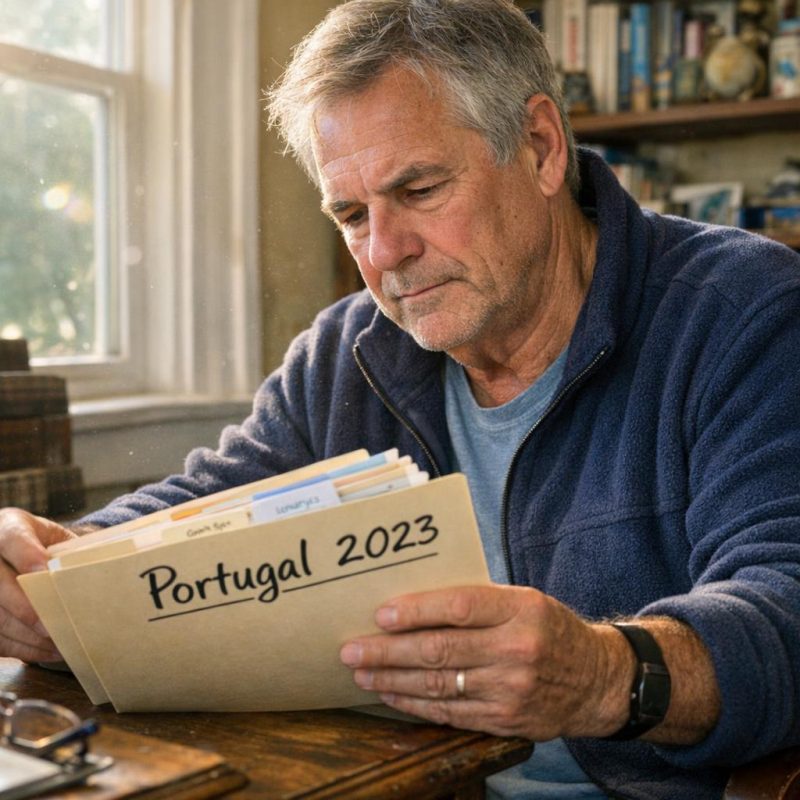 Image by RM AI
Something Nice
I sat at the kitchen table with that itinerary in front of me, and I replayed the conversation in my head. Linda had said it so casually—'Bring something nice, just in case.' We'd been sitting in her kitchen, and she'd poured me tea, and I'd felt grateful that Rachel had found someone so warm and thoughtful. She'd even asked what I was thinking of bringing, and I'd mentioned my mother's ring, and she'd said that sounded perfect. At the time, it felt like she was helping me feel prepared, like she was looking out for me. Now it felt like she'd been planting seeds. I thought about how many times she'd guided my decisions on that trip—where to eat, when to split off from the group, which souvenirs to buy. I'd thought she was just organized, the kind of person who takes charge because she enjoys it. But now every suggestion felt like a move on a chessboard I hadn't known I was playing. I sat there staring at the itinerary, and for the first time, I let myself think the word: setup.
 Image by RM AI
Rachel's Defense
I needed to hear Rachel's voice, so I called her. I didn't say I suspected anything—I wasn't ready for that confrontation. Instead, I asked her casually if Linda had ever mentioned being interested in jewelry or antiques. Rachel paused, and I could hear something shift in her tone. 'Why are you asking that?' she said. I told her I was just trying to understand the trip better, trying to piece things together. She got defensive immediately. 'Mom, Linda is generous. She planned that entire trip for you. She didn't have to do that.' I asked if Linda had ever asked about family heirlooms, and Rachel sighed like I was being difficult. 'She asks about everything, Mom. She's curious. That's how she is.' I pressed a little more, asking what kinds of things Linda had been curious about, and Rachel's voice went tight. 'She's always been curious about history, Mom. That's all.' The way she said it—flat, rehearsed—made my blood run cold. When I pressed, Rachel said something that made my blood run cold: 'She's always been curious about history, Mom. That's all.'
 Image by RM AI
Curious About History
After I hung up, I couldn't shake Rachel's words. 'Curious about history.' It sounded innocent enough, but the more I turned it over in my mind, the more it felt like a phrase Linda had fed her. I started thinking back through the trip, and I realized Linda had asked me a lot of questions about my family. Where my mother had grown up. What my grandmother had done for work. Whether I had anything that had belonged to them. At the time, I'd thought she was just making conversation, showing interest the way a good partner does when they meet your family. But now it felt different. It felt like she'd been cataloging information, taking inventory. I thought about the evening we'd spent in Lisbon when she'd asked to see a photo of my mother and then asked if I had any of her things. I'd told her about the ring, and she'd said how beautiful that must be, how meaningful. I'd felt seen. Now I felt studied. I pulled out my phone and scrolled back through texts Linda had sent me before the trip—questions about my mother, my grandmother, things I'd dismissed as polite interest.
 Image by RM AI
The Texts
The texts were all there, timestamped and saved, because I'm the kind of person who never deletes anything. Linda had started messaging me about three months before the trip. At first, it was logistics—flight details, hotel names, weather forecasts. But then the questions started. She asked if I had any heirlooms I wanted to bring to show the group, if I liked antiques, whether my mother had passed anything down to me. I'd answered every question without thinking twice. I'd told her about the ring, about the necklace, about the watch my grandmother had left me. She'd responded with heart emojis and said how special that was, how lucky I was to have those connections to my past. I scrolled further and found more—questions about whether I kept valuables at home or in a safe deposit box, whether I traveled with jewelry often, what my insurance covered. It was all framed as caring, as concern for my safety. But now it looked like research. The last message Linda sent before the trip said, 'Travel safe—and don't carry valuables in your purse, you never know!'
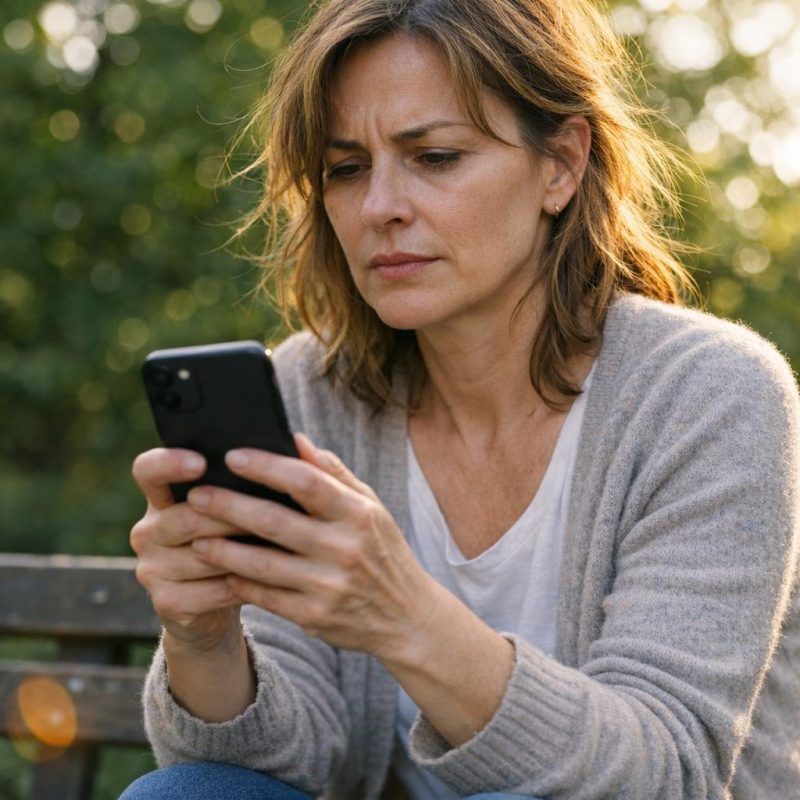 Image by RM AI
Don't Carry Valuables
I stared at that message until the screen went dark. 'Don't carry valuables in your purse, you never know.' She'd sent it the day before we left, and I'd taken her advice without question. I'd packed the ring in my checked luggage because Linda had convinced me it was safer that way. She'd said pickpockets target tourists, that carry-ons get jostled and rifled through, that checked bags were locked and secure. It had made perfect sense at the time. Now it felt like she'd handed me a script and I'd read every line exactly as written. She'd steered me, step by step, into putting the most valuable thing I owned into a piece of luggage that would pass through the hands of baggage handlers and security staff and people with clearance I'd never see. People like whoever had opened my bag and taken my mother's ring. People Linda might know. I thought about Officer Grant's reaction when I'd mentioned her name, about Rachel's defensive tone, about the pattern of questions that now felt like reconnaissance. I sat there with my phone in my hand, and I couldn't decide if I was angrier or more afraid.
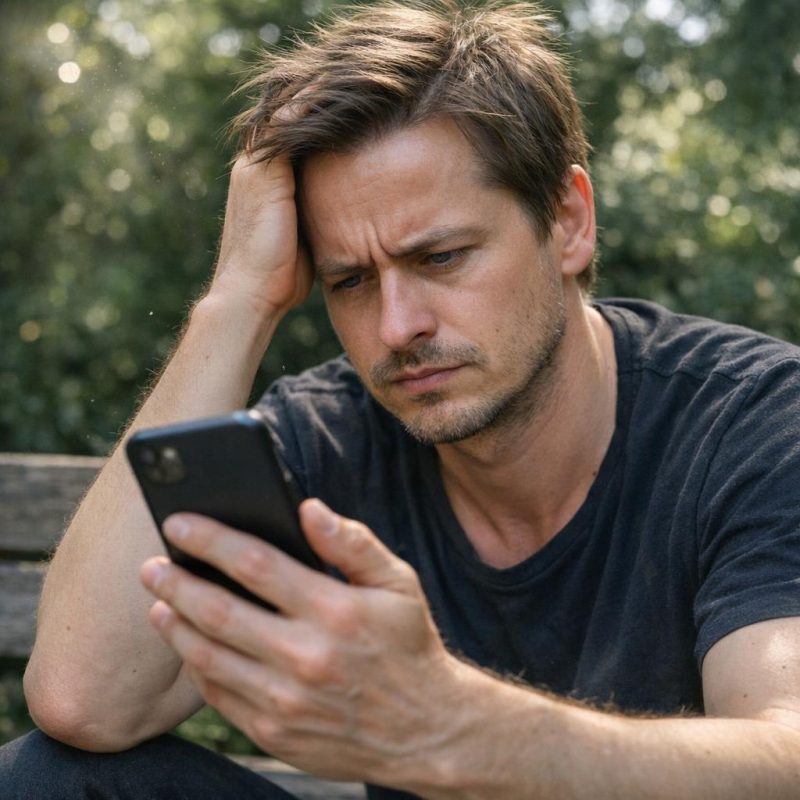 Image by RM AI
The Second Call from Grant
Officer Grant called me back three days after I'd sent him that screenshot of Linda's text. I was standing in my kitchen, trying to decide whether coffee at ten p.m. was a good idea or a terrible one, when my phone lit up with his number. He didn't waste time with pleasantries. 'Ms. Chen, I've been going through the access logs,' he said, and I could hear paper rustling in the background. 'There's an email trail. Someone on staff was in contact with an outside party about your bag specifically.' My stomach dropped. 'Do you know who?' I asked. 'Not yet,' he said. 'But the timing lines up with when your bag was flagged in the system. It was deliberate.' I sat down at the kitchen table, gripping the phone. 'What do we do now?' There was a pause, and then he said, 'I need to ask you something, and you don't have to answer right away.' I waited. 'If the bag is suddenly 'found,' would you be willing to come to the airport and open it in front of security? It would be controlled. We'd be watching.' I didn't hesitate. 'Yes,' I said. He asked me if I'd be willing to cooperate with a controlled handoff if the bag was 'found.'
 Image by RM AI
Controlled Handoff
Officer Grant walked me through it step by step, his voice steady but serious. 'The airline will send you a notification that your luggage has been located,' he explained. 'You'll be asked to come to the airport to verify and collect it. When you arrive, you'll open the bag in the baggage office with myself and a supervisor present. We'll be recording everything.' I asked him what he expected to find. He didn't answer directly. 'If someone has been coordinating this, they may try to return the bag with the contents intact—or with something that looks intact,' he said. 'We need to catch them in the act of returning stolen property, or catch them trying to cover their tracks.' I understood what he wasn't saying: this wasn't just about my ring anymore. This was about proving a pattern, about stopping someone who'd done this before and would do it again. 'What if they don't take the bait?' I asked. 'Then we keep digging,' he said. 'But I think they will. They've invested too much effort into this.' I told him I'd do it. I told him I wanted to see their faces when the bag was opened. He said it calmly, like it was routine, but I heard the weight in his voice: this was a trap, and I was the bait.
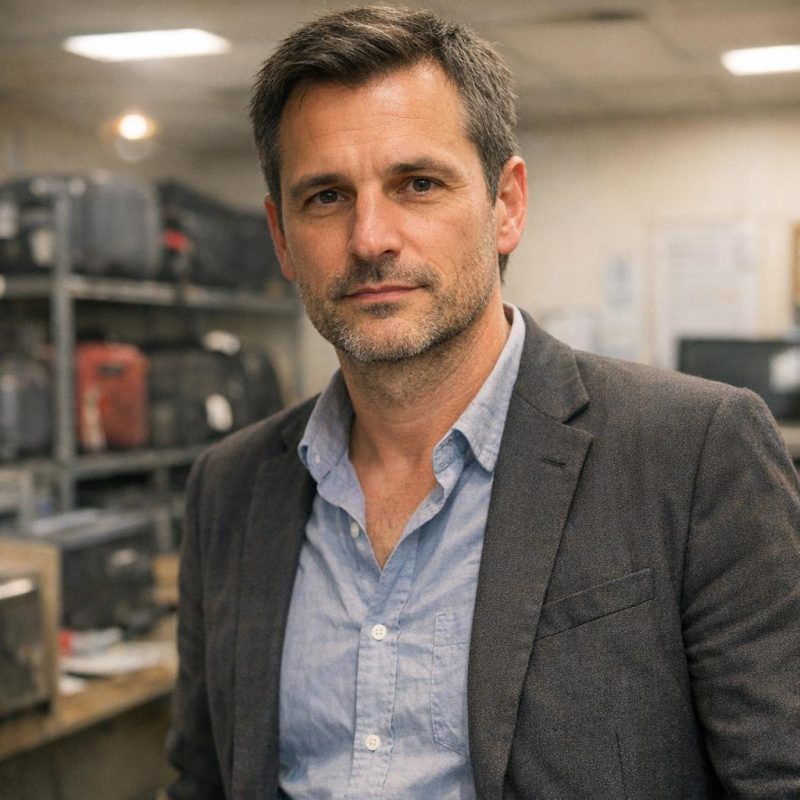 Image by RM AI
Waiting
The waiting was worse than anything that had come before. Officer Grant said it could take a few days, maybe a week, for the bag to suddenly 'appear' in the system. I tried to keep myself busy. I organized my pantry. I cleaned out the garage. I called my neighbor and helped her sort through donation boxes for the church drive. But underneath it all, there was this hollow, vibrating tension, like a wire pulled too tight. I kept my phone on full volume, even at night. I checked my email every hour. I imagined a dozen scenarios—what I'd say, how I'd react, whether I'd be able to keep my composure when I saw whoever had orchestrated this. Part of me wanted to scream. Part of me wanted to document every second with the cold precision of someone building a legal case. Mostly, I just wanted it to be over. I wanted to know. I wanted proof. I wanted to look someone in the eye and say, 'I know what you did.' On the third day, my phone buzzed with an email: 'Your luggage has been located and is ready for pickup.'
 Image by RM AI
The Night Before
I didn't sleep that night. I sat at my dining room table with a box of old photos spread out in front of me—pictures of my mother when she was younger than I am now, pictures of my grandmother standing in front of the bakery she ran for thirty years, holding a rolling pin like a scepter. I picked up the one of my grandmother on her wedding day, her hand resting on my grandfather's shoulder, the ring visible even in the faded black-and-white print. It was the same ring I'd packed in my suitcase, the one someone had stolen because they thought I wouldn't fight back. Because they thought I was just another traveler, another mark, another old woman who wouldn't make noise. I traced the edge of the photo with my finger. My grandmother had survived a war. She'd crossed an ocean with two suitcases and a baby. She'd built a life from nothing, and she'd passed that ring down to my mother, who passed it to me, and I was supposed to pass it to my daughter. That was the plan. That was the promise. I wasn't going to let some airport thief rewrite my family's story for the price of a pawn shop transaction. I whispered to the photo of my grandmother, 'I'm not letting them erase you.'
The Drive
The drive to the airport took forty minutes, but it felt longer. I kept my hands steady on the wheel, my eyes on the road, and I ran through what I'd say if someone tried to take the bag before I could open it. I'd practiced in the mirror that morning: calm, firm, insistent. 'I need to verify the contents before I sign for it.' Officer Grant had told me to say exactly that, no matter who asked me to just take the bag and leave. No matter how much they tried to rush me. I parked in short-term and walked through the terminal, past the coffee kiosks and the duty-free shops and the families dragging roller bags toward security. It all looked so normal. So mundane. I wondered how many people passed through here every day without realizing what happened in the back rooms, in the baggage holds, in the quiet spaces where no one was watching. I took the elevator down to the baggage office, and my heart was beating fast but my hands didn't shake. I'd been angry for weeks. Now I was just focused. When I walked into the baggage office, Officer Grant was already there, and so was Supervisor Maria.
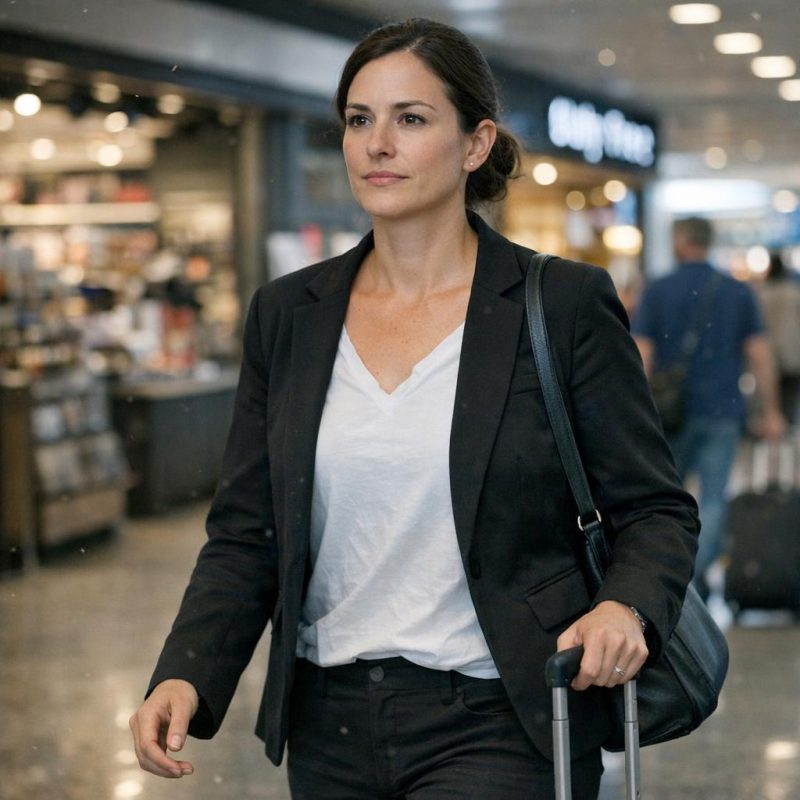 Image by RM AI
The Suitcase Appears
Supervisor Maria nodded at me when I came in, her face blank and professional, and Officer Grant gestured to a metal table in the center of the room. 'Ms. Chen,' he said. 'Thank you for coming in.' I nodded. I didn't trust myself to say anything yet. A baggage handler I didn't recognize—young guy, maybe mid-twenties, wearing gloves—wheeled in a cart with my suitcase on it. The moment I saw it, I knew something was wrong. The case was scuffed along one side, a deep scrape that hadn't been there before, and the zipper pull had a different tag attached to it. It looked deliberate. It looked like someone had tried to make it look like it had been through hell and back. The handler set it on the table in front of me without making eye contact, and Maria said, 'Go ahead, Ms. Chen. Please verify the contents.' I glanced at Officer Grant. He was standing off to the side, hands clasped, his expression unreadable. I could see a small camera mounted on the wall behind him, its red light blinking. This was being recorded. This was evidence. Grant nodded at me, and I unzipped the case slowly, my heart hammering.
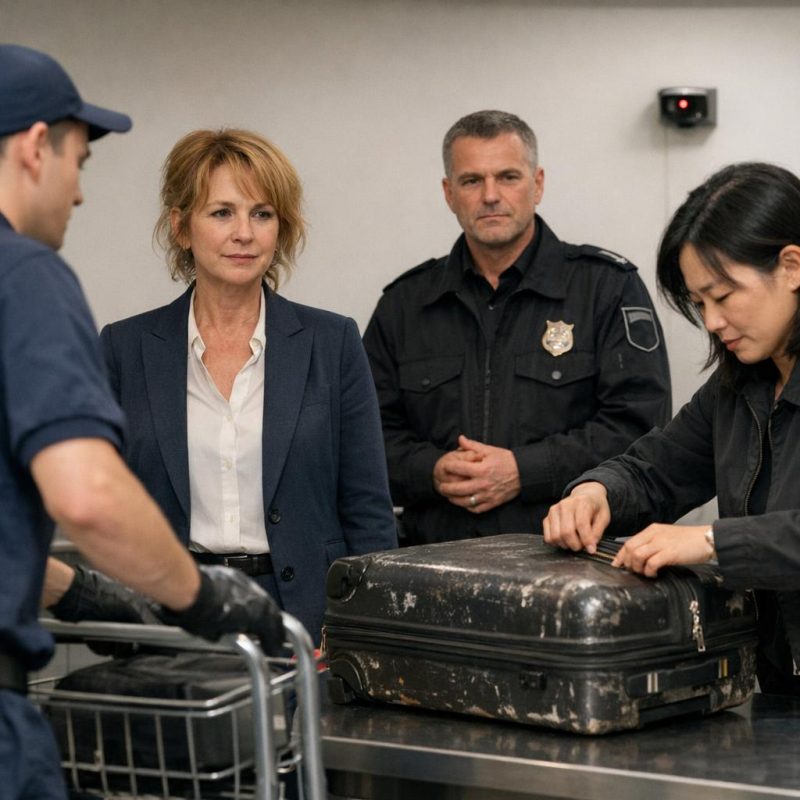 Image by RM AI
Arranged Wrong
I opened the suitcase and saw my clothes folded neatly on top—too neatly, actually, not the way I'd packed them. I lifted the sweater I'd used as padding, and there was the velvet pouch, sitting exactly where I'd left it. For a second, I felt a surge of hope. But when I picked it up, the weight was wrong. I opened the drawstring and emptied the contents onto the table. The small comb was there, but it was bent, the teeth misaligned. The locket was there, but when I opened it, the tiny portrait of my grandmother that had been inside was gone—just an empty brass frame. And the ring. I picked it up and turned it over in my hand. It looked right from a distance. The same style, the same setting. But the moment I felt it, I knew. The weight was off. The band was too smooth. I turned it over and checked the inside, where my grandmother's initials had been engraved in tiny, careful script. This ring had nothing. Just blank metal. In its place was a cheap look-alike that would fool someone who didn't know the weight, the feel, the exact nick on the inside band.
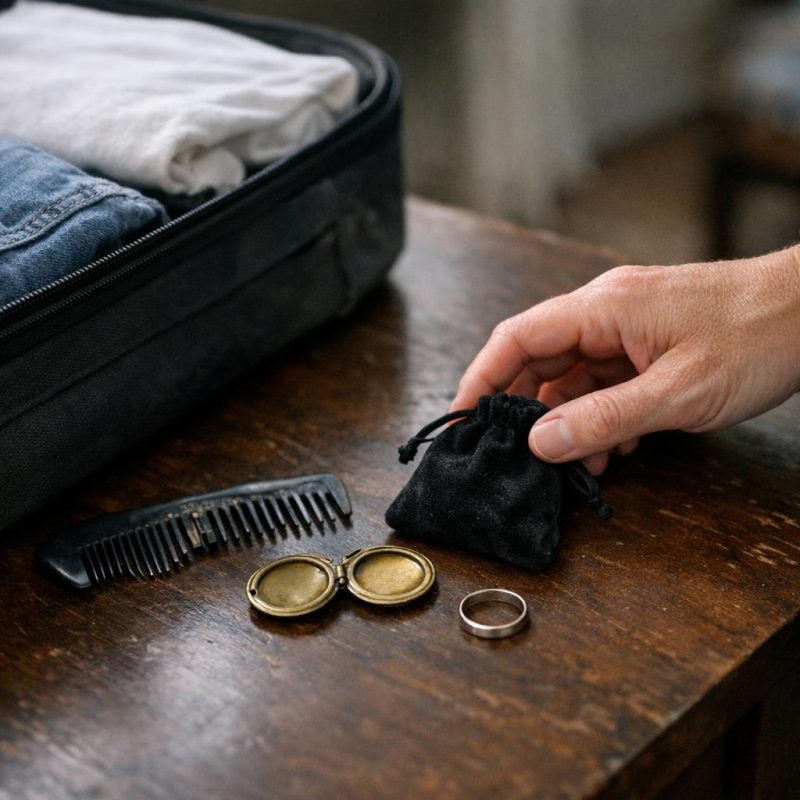 Image by RM AI
Linda's Name
Officer Grant pulled me aside into a small office adjoining the baggage room while Supervisor Maria stayed with the suitcase. He closed the door and looked at me with an expression I couldn't quite read—sympathy, maybe, or anger on my behalf. 'Ms. Chen,' he said quietly, 'the email trail we found leads to Linda.' I stared at him. 'Linda,' I repeated. He nodded. 'She's been asking about the ring for months. We found messages between her and an airport contact—someone in baggage handling—discussing your travel plans. She tipped them off to flag your bag. She knew exactly when you'd be flying and what you'd be carrying.' I felt the floor tilt under me. 'But she's my daughter-in-law,' I said, and even as I said it, I heard how naive it sounded. Grant's voice was steady. 'She organized the trip. She suggested you check the bag instead of carrying it on. She guided you through every step so the ring would be accessible.' I thought about Rachel. 'Does Rachel know?' I asked. He hesitated. 'We don't have evidence of that yet,' he said. He said Linda had organized the entire trip to get Diane to travel with the ring, then guided her into checking it so it could be accessed.
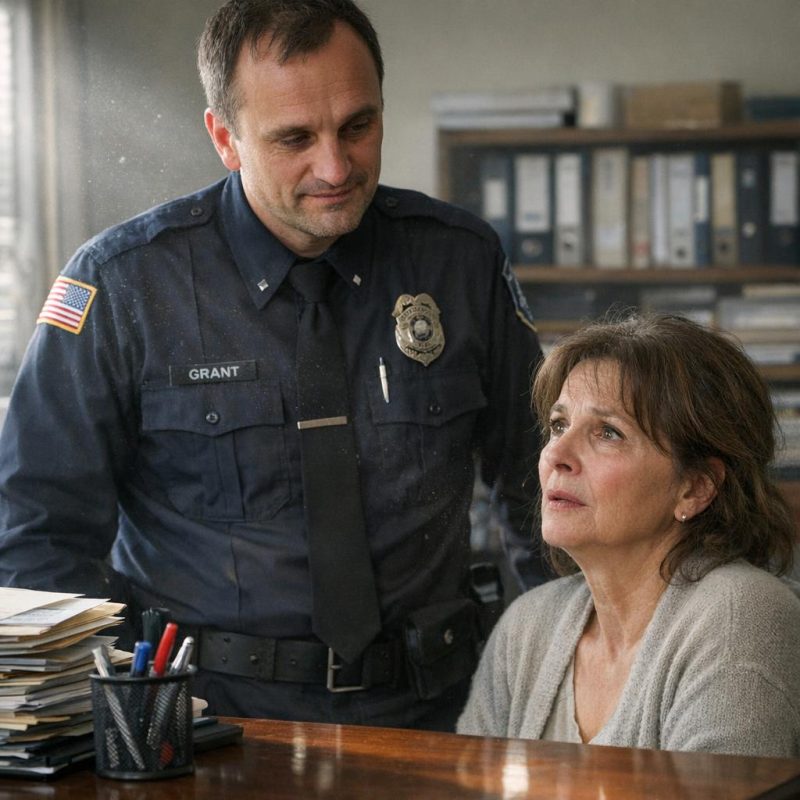 Image by RM AI
The Generous Mother-in-Law
I sat in that office for a long time after Officer Grant left me alone to process. The generous mother-in-law who insisted on planning my anniversary trip. The thoughtful woman who suggested I check my bag instead of carrying it on—'You'll be so much more comfortable, Diane, trust me.' The concerned daughter-in-law who called twice to make sure I'd packed everything I needed. Every gesture, every kind word, every bit of advice had been a chess move. She'd positioned me exactly where she needed me, and I'd walked right into it because I wanted to believe someone cared. I thought about how she'd hugged me at the airport, how she'd said 'Have a wonderful time' with that warm smile. I thought about Rachel standing in my kitchen, defensive and sharp, insisting Linda was just worried about me. Had my daughter known? Was she part of this, or just blind to who she'd married? The not-knowing was almost worse than the betrayal itself. I pressed my palms against my eyes and tried to remember if Rachel had ever seemed uncomfortable during the planning, if there'd been any sign I'd missed. But all I could see was Linda's face, that mask of concern she wore so well. I thought about Rachel defending her, and I wondered how much my daughter knew.
 Image by RM AI
Rachel's Call
Rachel called while I was still sitting in that office. Her voice was tight, controlled in that way that told me she was barely holding it together. 'Mom,' she said, 'Linda wants to meet with you. She wants to clear things up.' I almost laughed. Clear things up. Like this was a misunderstanding about a dinner reservation, not a calculated theft. 'She says there's been a mistake,' Rachel continued, and I could hear the pleading under the words. She wanted me to give Linda a chance to explain, to smooth this over so her world didn't have to crack apart. I understood that impulse—I'd spent decades smoothing things over myself. But I was done with that now. 'I'll meet her,' I said, and Rachel exhaled. 'But only with Officer Grant present. At the airport. On the record.' The silence that followed stretched so long I thought she'd hung up. Then: 'Mom, that's—that seems extreme.' 'It's not,' I said. 'Tell Linda those are my terms. She can accept them or we can let the police handle everything without her input.' Another silence, heavier this time. I told Rachel I'd meet Linda, but only with Officer Grant present, and Rachel's silence told me everything I needed to know.
 Image by RM AI
The Meeting Room
The airport conference room was small and windowless, the kind of space where they probably held meetings about lost luggage protocols and staffing schedules. Linda was already there when Grant led me in, sitting with her hands folded on the table like she was at a church committee meeting. She stood when she saw me, and her face arranged itself into an expression of concern so practiced it could've been trademarked. 'Diane,' she said softly, 'I'm so glad you agreed to meet. I've been so worried about you.' Officer Grant closed the door and took a position by the wall, his presence a reminder that this wasn't a family chat. Linda's eyes flicked to him, then back to me, and I saw her recalculate. She sat down slowly, and I took the chair across from her. The fluorescent lights hummed overhead. She looked tired, I noticed—or maybe she'd made herself look tired, added an extra element to the performance. 'I want to apologize,' she began, her voice still soft, still wrapped in that concerned-mother-in-law packaging. 'If I did anything to make you uncomfortable or to cause this confusion—' Linda started with an apology, soft and practiced, and I let her finish before I said, 'I know what you did.'
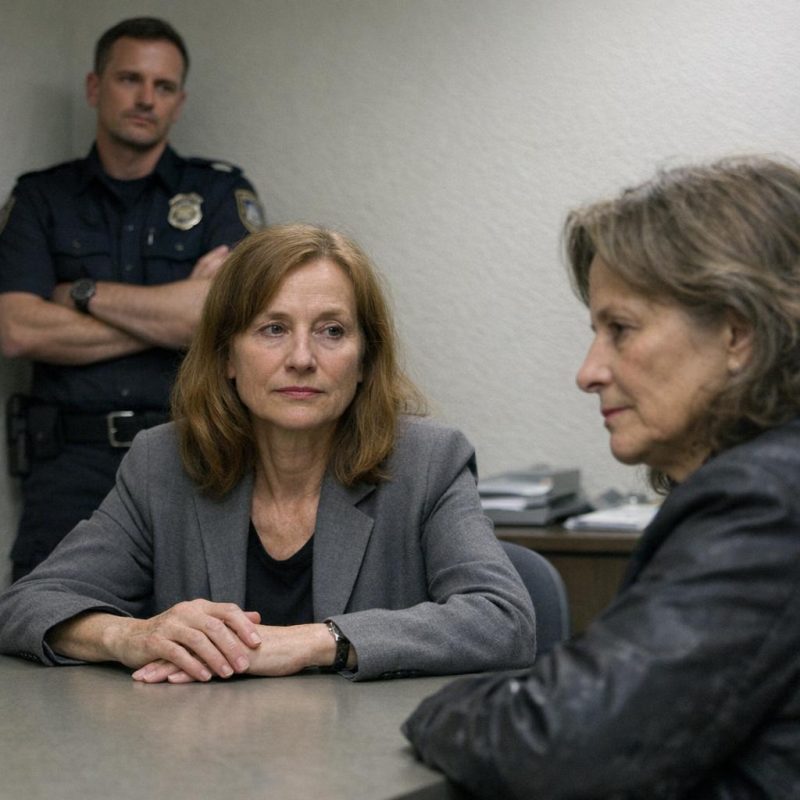 Image by RM AI
The Soft-Spoken Betrayal
Linda blinked at me, the mask slipping just slightly. 'I don't know what you mean,' she said, but her voice had lost some of its warmth. 'I was just trying to help you with the trip planning. You seemed stressed about traveling with valuables, so I suggested—' 'You suggested I check my bag so your contact in baggage handling could access it,' I said. Grant shifted slightly behind me, a show of support. Linda's jaw tightened. 'That's ridiculous. I would never—' 'You asked about my bag tag number. My flight details. What I was packing.' She stared at me for a long moment, and then something changed in her expression. The concern evaporated, replaced by something harder. 'The ring is historically significant,' she said, her voice clipping the words. 'A piece like that should be preserved properly, documented, maybe donated to a museum. Not hidden in a drawer by someone who doesn't even understand its value.' There it was—the truth under all the soft-spoken manipulation. 'I understand its value perfectly,' I said. 'It was my grandmother's.' 'And now it's lost to history because you were careless with it,' Linda said. She said it like she was doing me a favor, and I realized she genuinely believed she was entitled to it.
 Image by RM AI
Wrapped in Concern
Linda must have seen something in my face, because she pivoted fast. The entitlement smoothed back into concern, though it didn't fit quite right anymore—like a mask that had been removed and hastily replaced. 'I was worried about you,' she said, leaning forward slightly. 'Traveling alone at your age, carrying something so valuable. I just wanted to help make sure nothing happened to it.' Her voice cracked on the last words, a calculated break that probably worked on Rachel. 'You wanted to make sure something did happen to it,' I said. 'You wanted it flagged, pulled, accessible. You orchestrated the entire thing.' 'That's not—I would never—' But her voice was losing strength, and we both knew it. Officer Grant hadn't moved, but I could feel his attention sharpening. Linda's hands twisted together on the table. 'You're misunderstanding my intentions,' she tried again. 'I was trying to protect you, Diane. That's all I've ever tried to do.' She looked at Grant, as if he might back her up, but he remained perfectly still. Grant quietly placed a printed email on the table—Linda's correspondence with the airport contact—and Linda went pale.
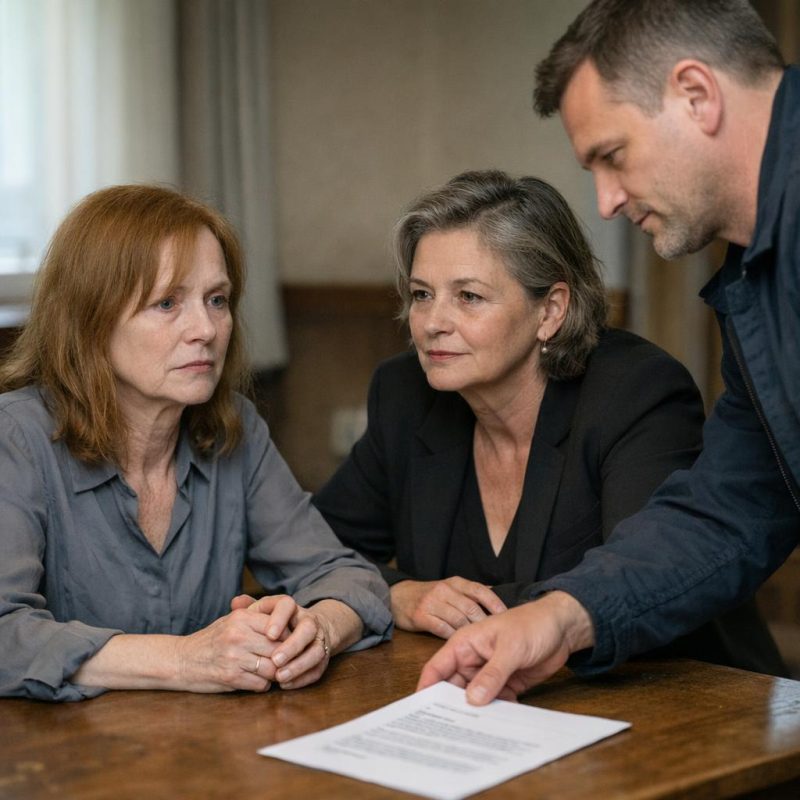 Image by RM AI
The Email Trail
Grant's voice was calm and professional as he slid the email closer to Linda. 'You asked specific questions about Ms. Chen's bag tag number,' he said. 'Her flight number. You confirmed the contents of her checked luggage with your contact here at the airport.' Linda stared at the paper like it might bite her. 'You coordinated timing,' Grant continued. 'You made sure the bag would be flagged during a shift change when your contact had access.' I watched her face cycle through denial, then calculation, then something that looked almost like relief—the relief of not having to pretend anymore. 'Museums have acquisition processes,' she said finally, her voice hollow. 'Proper channels. That ring should be documented, studied. You were just going to let it sit in a jewelry box.' 'It was mine to let sit wherever I wanted,' I said. Linda looked at me, and for a moment I saw real anger there—not the manufactured concern, but genuine fury that I wouldn't see things her way. That I wouldn't be grateful for her interference. Linda stood up and said she needed to call her lawyer, and I said, 'You do that.'
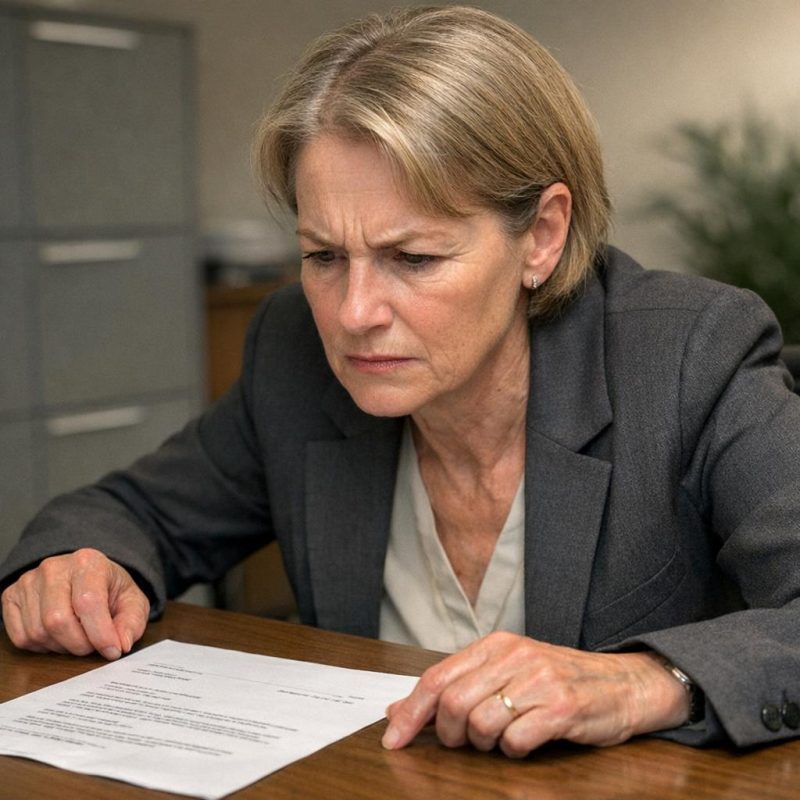 Image by RM AI
Rachel's Choice
I was standing in the hallway outside the conference room, trying to remember how to breathe normally, when Rachel appeared. She must have been waiting somewhere nearby, because she looked like she'd been pacing—her hair was pulled back messily and her eyes were red. When she saw me, she stopped walking. We stared at each other across ten feet of airport corridor, and I watched my daughter's face crumple and rebuild itself in the space of three seconds. 'Is it true?' she asked. Her voice was small. 'Yes,' I said. She nodded slowly, like she'd expected that answer but hoped she was wrong. 'I didn't know about the airport contact,' she said. 'I swear I didn't know about that part. But she kept talking about the ring, about how important it was, and I thought—' She stopped. 'You thought what?' I asked. 'I thought maybe she was right,' Rachel whispered. 'That it should be somewhere safe, somewhere official. I didn't think she'd actually—' She pressed her hands to her face. 'Mom, I'm so sorry.' I wanted to hug her. I wanted to walk away. I did neither. Rachel asked if I was going to press charges, and I said I hadn't decided—but either way, Linda was done.
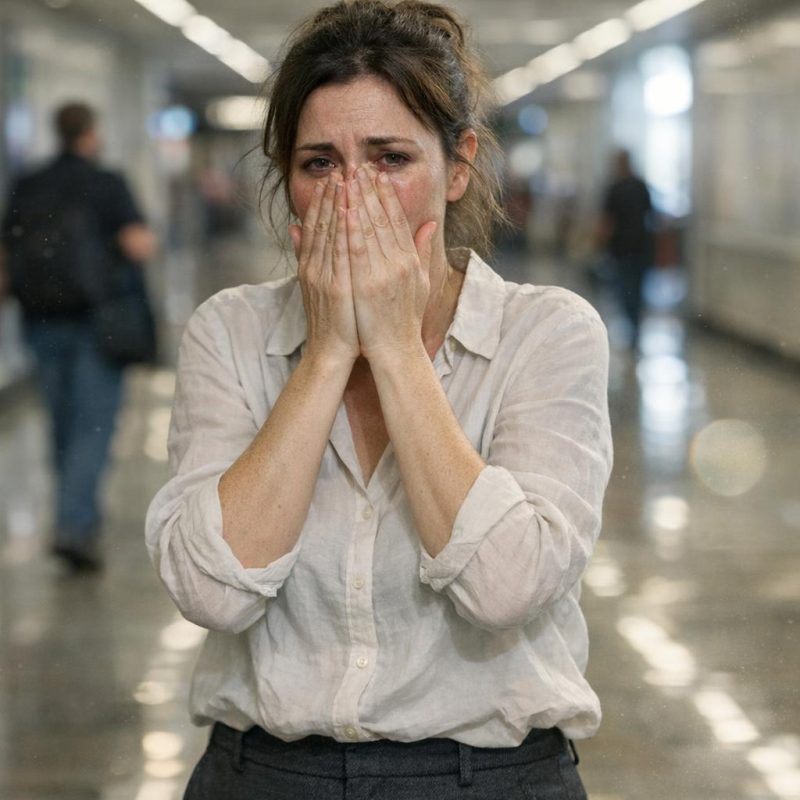 Image by RM AI
The Fake Ring
I met Officer Grant in his office the next morning and handed him the fake ring in its little plastic bag. Under the fluorescent lights, you could see how wrong it was—the weight too light, the setting too bright. 'This goes into evidence,' he said, logging it carefully. 'And the original?' I asked. He set down his pen and looked at me with that same steady expression he'd worn through everything. 'If Linda's contact tries to sell it, we have a chance of tracking it. We've flagged auction houses, estate buyers, anyone who might handle a piece like that. But I have to be honest with you, Ms. Chen—it could take time.' 'How much time?' 'Months,' he said. 'Maybe years. These things move slowly through underground channels. Sometimes they sit in someone's collection for decades before they resurface.' I thought about my grandmother's hands, about the weight of the ring on my own finger during my wedding, about all the years it had sat quietly in my jewelry box waiting for me to decide what to do with it. He said it could take months, maybe years, but I told him I wasn't in a hurry—I'd waited this long.
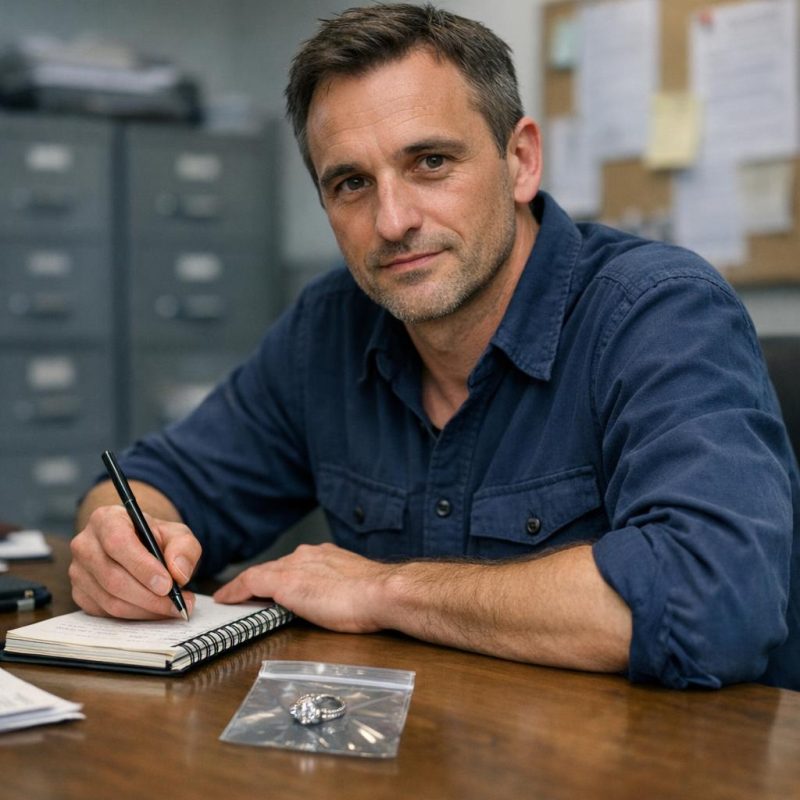 Image by RM AI
Copies of Every Log
I spent the next two hours at a copy shop three blocks from the airport, feeding everything through their commercial scanner. Every incident log Grant had shown me, every email chain with timestamps, every security badge record. The clerk gave me a look when I asked for three full sets—one for my safety deposit box, one for my lawyer, one for my files at home. 'Big project?' she asked. 'Insurance,' I said, which wasn't entirely a lie. I labeled each page with dates and context notes in my neat handwriting, the same way I'd labeled file folders for thirty years at the public library. You learn something working in systems that long—documentation is the only thing that survives bureaucratic amnesia. People forget conversations. Emails get 'lost.' But paper, properly organized and stored in multiple locations, paper has a way of surfacing when you need it most. I added my own timeline to the back of each set, matching my AirTag screenshots to the security logs, showing exactly how long my bag sat in that employee area while Linda's contact rifled through my mother's things. Grant had been honest with me, more honest than he probably should have been, and I wasn't going to let that honesty disappear into some administrative black hole if the airport decided to protect itself instead of pursuing justice. I walked out of the airport with a folder thick enough to prove what I knew, and for the first time in weeks, I felt like I could breathe.
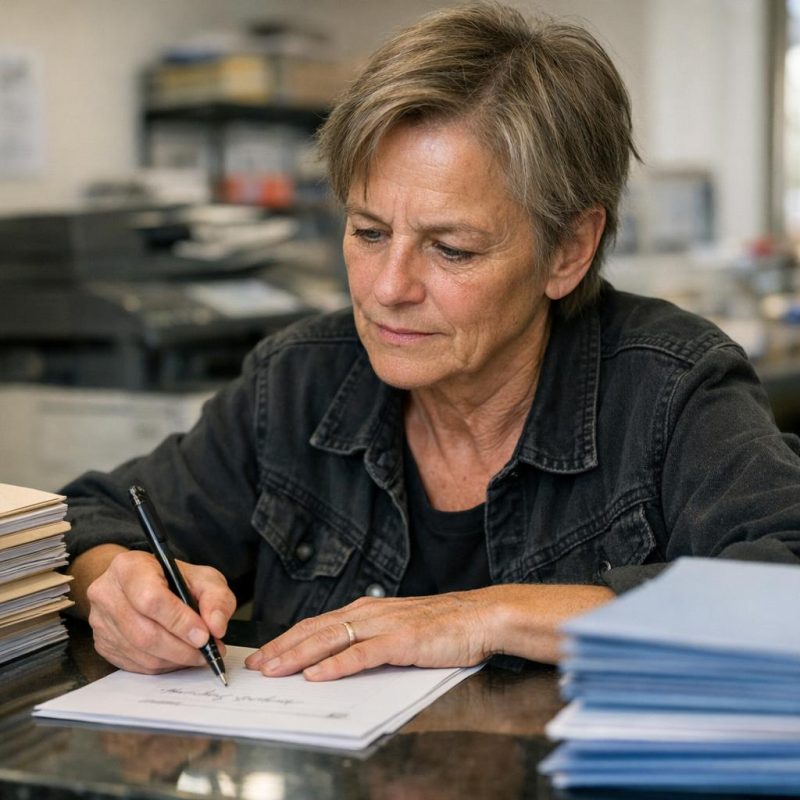 Image by RM AI
The Statement
The formal statement happened in a conference room with three people taking notes—Grant, a woman from airport security management, and someone from the airline's legal department who kept glancing at his watch. I'd dressed carefully that morning: my good wool blazer, the pearl earrings Robert gave me for our thirtieth anniversary, sensible heels. Looking like someone's harmless grandmother is an advantage right up until you start reciting badge numbers and precise timestamps. I walked them through everything methodically, referencing my documentation, showing them the AirTag data I'd collected. The legal guy stopped checking his watch about ten minutes in. When I finished, the security manager asked if I planned to pursue this further. 'That depends,' I said, 'on whether you plan to actually investigate or just hope I'll go away.' Grant's expression didn't change, but I saw something flicker in his eyes—approval, maybe, or recognition. The legal department promised a full review. They used words like 'comprehensive' and 'thorough.' I'd heard those words before in other contexts, usually right before nothing happened. So I told them I expected monthly updates, and that I had copies of everything we'd discussed today, and that I knew exactly how long it had taken them to respond to my initial complaint. They told me the investigation would continue, and I told them I'd be checking in regularly—I wasn't going away.
 Image by RM AI
Out of the Shadows
When I got home, I took the damaged locket and the bent comb out of the pouch where I'd been keeping them, tucked away like evidence I wasn't ready to face. The locket's chain was broken, the comb missing two teeth, both handled by someone who saw them only as obstacles to the ring beneath. I'd spent weeks feeling like these damaged pieces were something to hide, proof of violation I needed to protect myself from seeing. But that night I set them on my dresser, right next to the photo of my mother in her twenties, the one where she's wearing the ring and looking directly at the camera with an expression I finally understood—not happiness, exactly, but defiance. She'd survived things I'd only learned about after she died. She'd carried secrets that weighed more than gold. And she'd made sure I had something worth protecting, even if she never told me the whole story behind it. I realized the true inheritance my mother left me wasn't jewelry at all—it was a warning, and I was finally listening. The objects themselves mattered less than what they represented: proof that some things are worth fighting for, that silence isn't always safety, and that being the quiet woman who doesn't make trouble is sometimes just another way of letting trouble win. So I left them there in plain sight, bent and broken but still mine, still here.
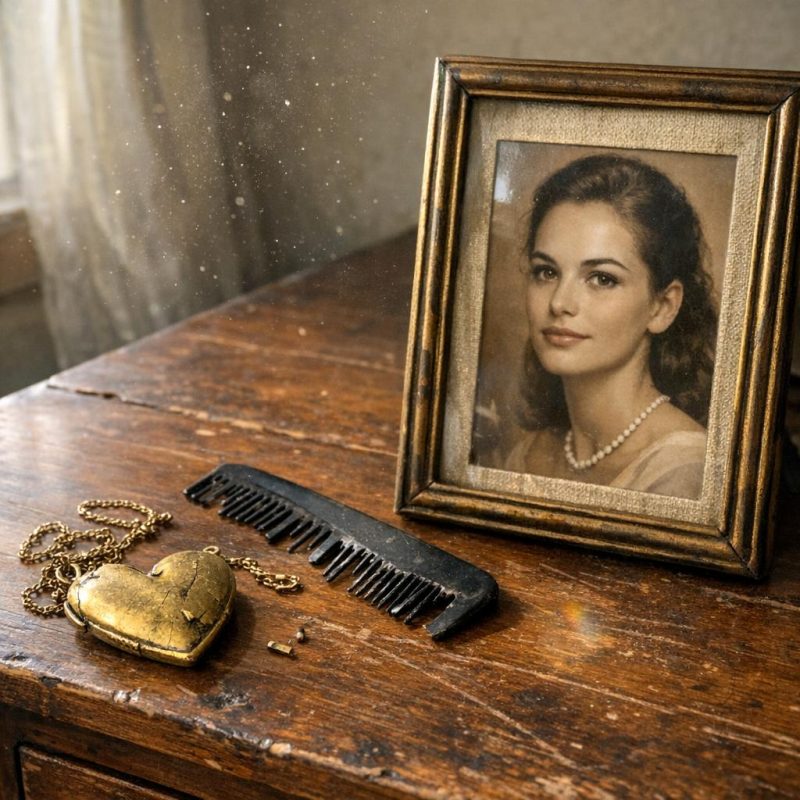 Image by RM AI
Not the Quiet Woman
I've spent most of my life being the person people count on to be reasonable. The woman who doesn't complain when her flight is delayed, who accepts 'policy' as an answer, who nods politely when someone explains why the system works the way it does. My mother was that woman too, at least on the surface. She never told me about Shanghai, never explained why she flinched when strangers got too close, never said why she kept her most precious things hidden in an old toiletry bag instead of wearing them proudly. Maybe she thought being invisible was safer. Maybe it was, for her, in her time. But I'm sixty-three years old, and I've learned something these past few weeks that I should have learned decades ago: the cost of being quiet is always higher than they tell you. It's your story, your proof, your right to say 'this happened and it mattered.' Grant told me the ring might not surface for years, and I told him I wasn't in a hurry. What I didn't say is that I'd already found what I was really looking for—not the ring itself, but the spine to demand answers when answers were owed. Because if one plain ring can bring strangers into an airport baggage hold, then maybe the most valuable thing I inherited wasn't hidden in a pouch at all—it was knowing when to stop being polite and start being heard.
 Image by RM AI