I Went to the Store for Groceries and Accidentally Discovered My Husband's Secret Life
I Went to the Store for Groceries and Accidentally Discovered My Husband's Secret Life
The Store
I needed milk and eggs. That's it. Just a quick Tuesday evening run to the grocery store on my way home from work. I grabbed a basket near the entrance and headed toward the dairy section, mentally running through what else we might need for the week. That's when I saw him. Michael. My husband. Standing near the produce section with a woman I'd never seen before. She had short blonde hair styled in that effortlessly polished way that screams professional, and she wore a tailored blazer that probably cost more than my entire outfit. They were talking in low voices, heads tilted toward each other like they were sharing something private. I froze mid-step, partially hidden behind a display of cereal boxes. My brain couldn't process what I was seeing. Michael was supposed to be at his office. He'd texted me at five-thirty saying he'd be working late on quarterly reports. It was seven-fifteen now. The woman laughed at something he said, touching her own collarbone in that unconscious gesture people make when they're comfortable with someone. Michael's posture was relaxed, familiar even. The way they stood together—close but not touching—made something in my chest tighten.
 Image by RM AI
The Long Drive Home
I walked quickly through the store toward the exit, my basket still empty, swinging uselessly at my side. My car was parked three rows back and I made it there on autopilot, fumbling with my keys before sliding into the driver's seat. I sat there gripping the steering wheel so hard my knuckles went white. I kept replaying the scene in my head like a video stuck on loop. Michael's relaxed shoulders. The woman's confident smile. The way they stood just a little too close for casual acquaintances. Maybe she was a work colleague, I told myself. Maybe they'd run into each other by chance. Maybe I was reading too much into a completely innocent conversation. But then I remembered the ease between them, the shared laugh, the comfortable proximity. I pulled out my phone and saw a text from Michael sent twenty minutes ago: 'Working late tonight, don't wait up.' I stared at those words until they stopped making sense. I started the engine but couldn't remember deciding to leave.
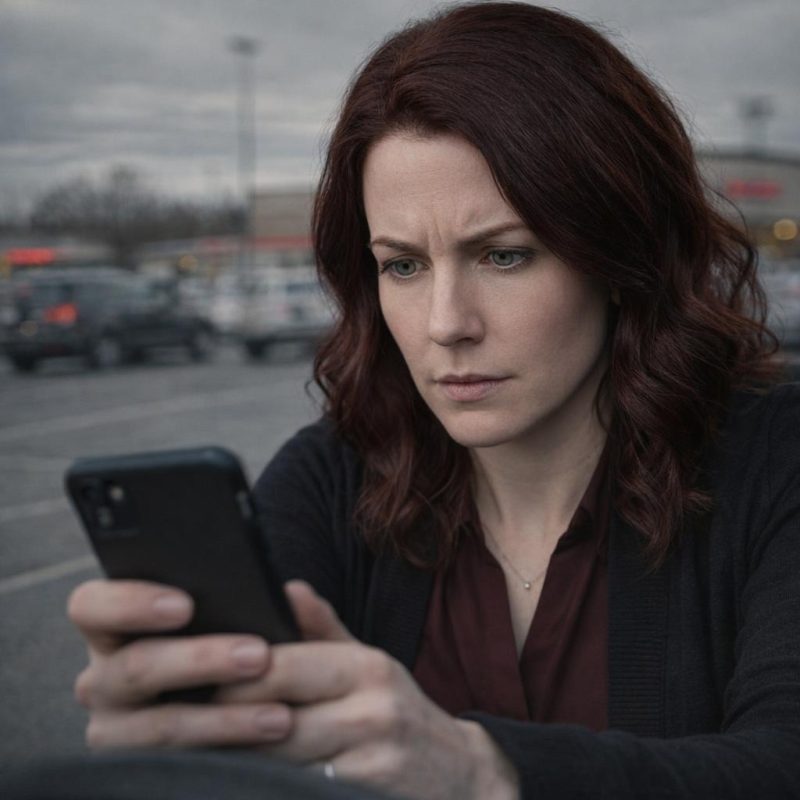 Image by RM AI
Outside Perspective
I sat on my couch staring at my phone for twenty minutes before I finally called Sophie. It was just past eight and I knew she'd be home from work by now. She picked up on the second ring. 'Hey, what's up?' I tried to keep my voice steady as I described what I'd seen at the store. I was careful with my words, describing their body language without labeling it as anything specific. Sophie asked the questions I'd been asking myself. What time was it? What were they doing exactly? How close were they standing? I told her Michael had texted saying he was working late, but I'd seen him at the grocery store miles from his office. 'Could be a work thing,' Sophie suggested. 'Maybe a client meeting that ran over and they grabbed coffee or something?' I agreed out loud because that made sense, didn't it? But I couldn't explain the knot in my stomach that had been there since I'd walked out of that store. Sophie offered to come over but I told her I was fine, I just needed to talk it through. I promised her I'd observe before jumping to conclusions. Sophie went quiet for a beat too long before responding.
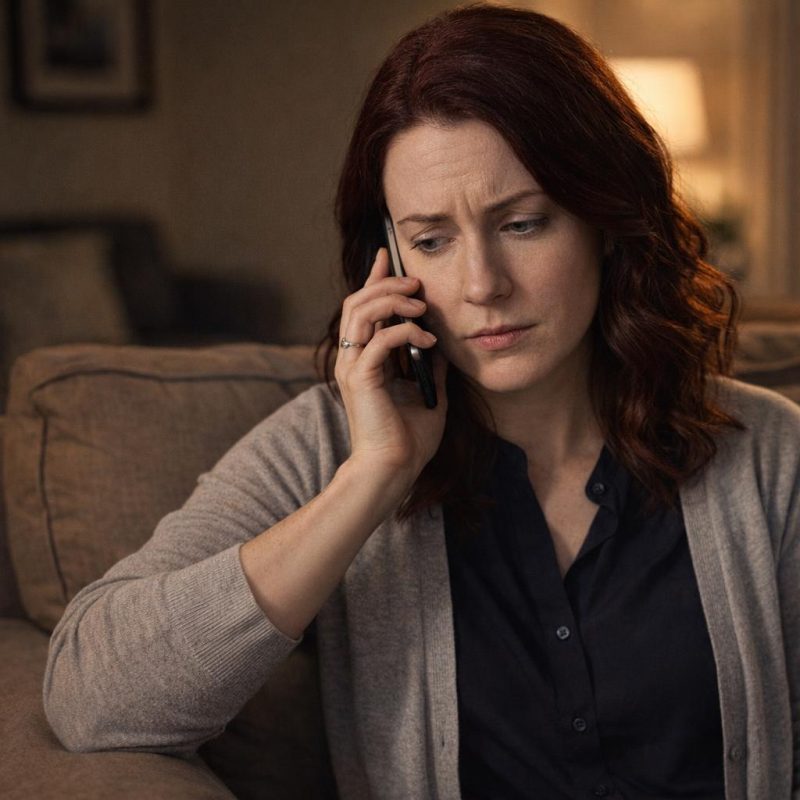 Image by RM AI
Performance
Michael came home at ten-thirty. I heard his key in the lock and watched from the kitchen as he stepped inside, setting down his briefcase with a tired sigh. He looked exhausted but not guilty, which somehow made everything worse. 'Traffic was terrible coming back from the office,' he said, loosening his tie. I asked how his day was, studying his face as he answered. He gave me the usual vague details about spreadsheets and client calls, nothing specific enough to verify or question. I nodded along like I always did. He disappeared into the bathroom and I heard the shower start. I glanced at my watch. Eighteen minutes later, he emerged in his pajamas, hair still damp. He checked his phone twice while brushing his teeth, the screen casting a blue glow on his face. We got into bed and I lay there rigid, wondering if he could hear my heart pounding in the silence between us. He reached over and kissed my forehead absently, already half-asleep. I stared at the ceiling long after his breathing evened out. He kissed my forehead absently and I wondered if he tasted like lies.
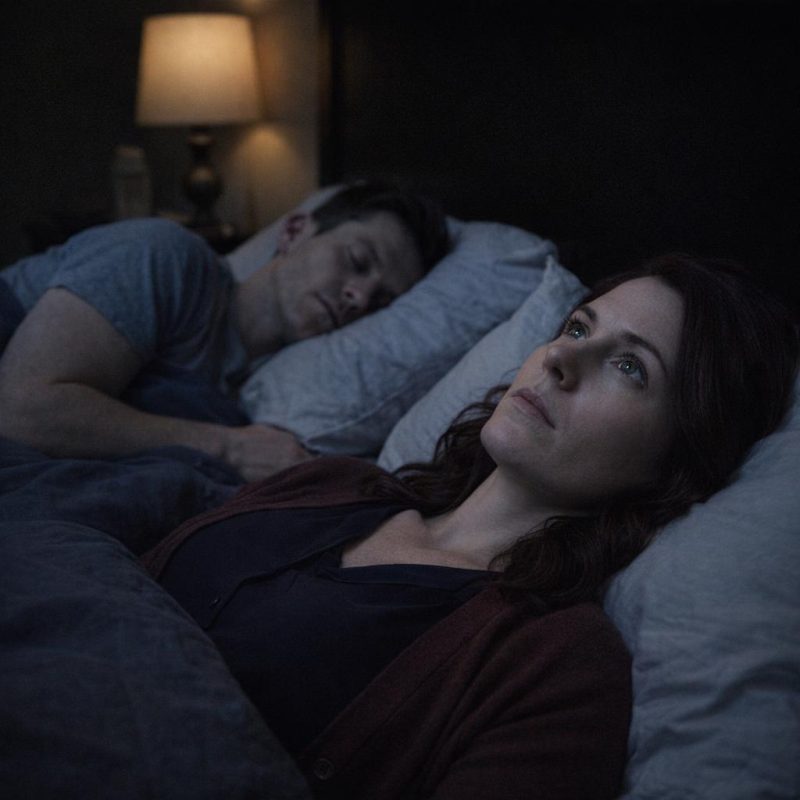 Image by RM AI
The Pattern
I couldn't sleep. Michael was out cold beside me, one arm thrown over his pillow, completely peaceful. Meanwhile my brain was cataloging every moment from the past few months that suddenly felt different under this new lens. The late nights at work had increased starting in January. I'd noticed but hadn't questioned it because Michael's job always had busy seasons. There was that business dinner in February he'd been vague about when I asked who attended. He'd started taking phone calls in the other room instead of on the couch next to me. I'd found a receipt from a coffee shop downtown that Michael swore he'd never been to, but he'd laughed it off saying he must have grabbed something on the way to a meeting. Had I been paying attention at all? Or had I been so wrapped up in my own marketing projects and deadlines that I'd missed obvious signs? I rolled onto my side, watching Michael's chest rise and fall. Three late nights in February, all on Tuesdays, all explained away with work emergencies I'd never questioned.
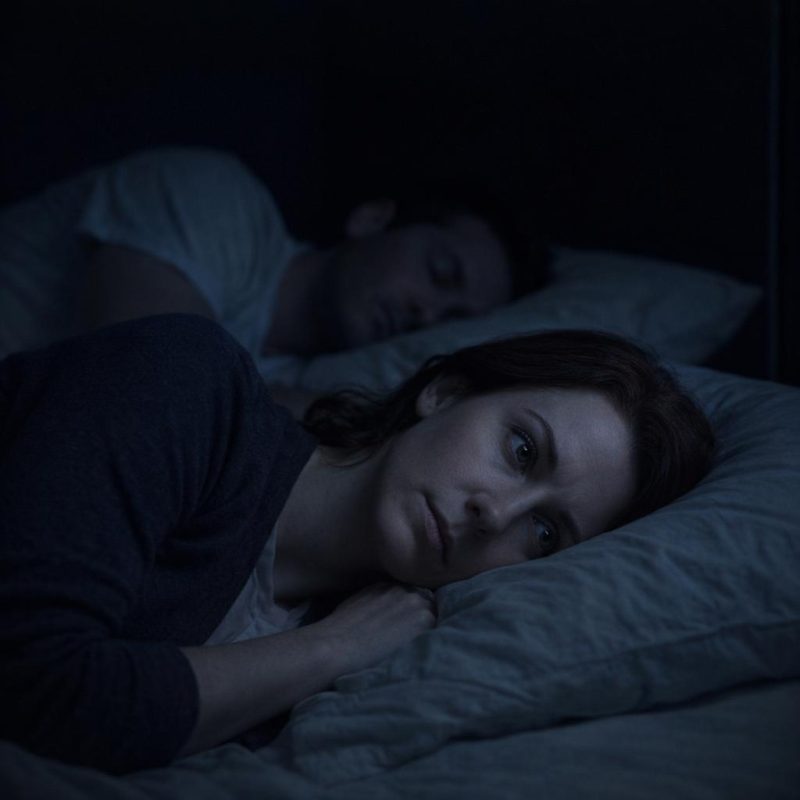 Image by RM AI
Casual Interrogation
I made coffee Wednesday morning, my hands shaking slightly as I poured. Michael came into the kitchen looking refreshed, like he'd slept perfectly. I asked about his evening in what I hoped was a casual, conversational tone. 'Oh, you know, just at the office until about nine working on those quarterly reports,' he said, reaching for his mug. I nodded slowly. The store encounter had been at seven-fifteen. The store was at least twenty minutes from his office in the opposite direction. I asked which client the reports were for, watching his face. His answer came smoothly but generically, no specific name attached. My appetite disappeared but I forced myself to eat a piece of toast so he wouldn't notice anything was wrong. He asked about my day and seemed genuinely interested as I provided surface-level details about my marketing project. He left for work at eight-thirty with a brief kiss, and I sat alone at the kitchen table staring at his empty coffee mug. His answer about where he'd been the night before didn't match the location of the store where I'd seen him.
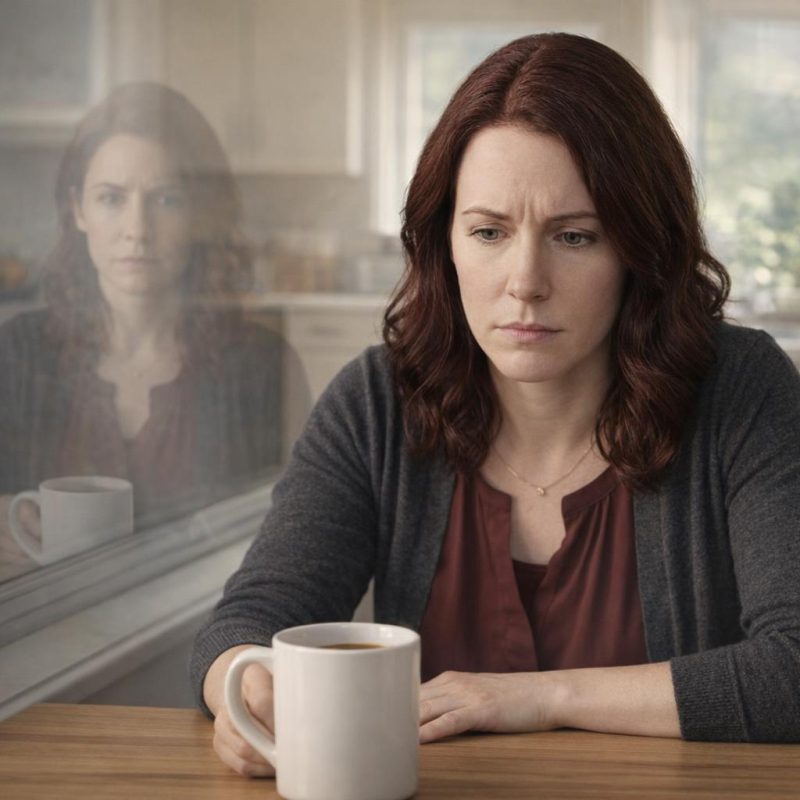 Image by RM AI
The Text
We sat down to dinner Thursday evening. I'd made pasta and salad, trying to maintain some sense of normalcy even though everything felt off. We were halfway through the meal when Michael's phone buzzed on the table. He glanced at the screen and his expression shifted, just slightly, but I caught it. 'I need to handle this,' he said, standing up with his phone. He walked to the bedroom and I heard the door close. I sat alone at the table, fork suspended over my plate, straining to hear his voice through the walls. I could only catch murmurs, the tone but not the words. I counted the minutes. Ten of them passed before he returned, phone now face-down on the table. He sat back down and resumed eating like nothing had happened. 'Everything okay?' I asked, keeping my voice light. 'Just work stuff,' he said. We finished dinner in near silence, the scrape of forks against plates the only sound. When he returned ten minutes later, he offered no explanation and I didn't ask for one.
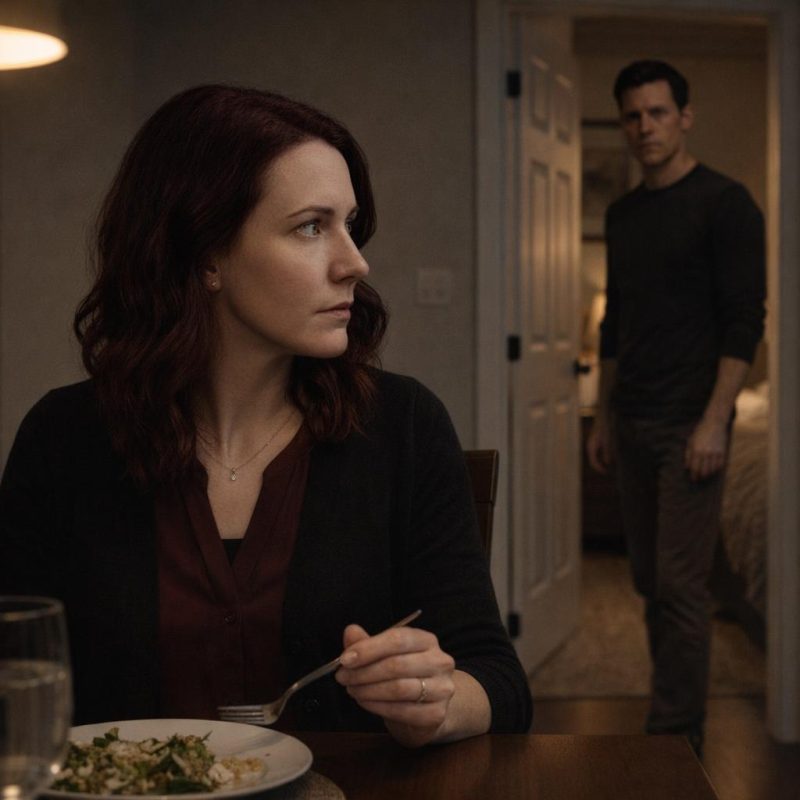 Image by RM AI
Lunch with Ryan
I met Ryan at the corner café Friday at noon for our weekly project check-in. We always did this, reviewed campaign timelines and client deliverables over sandwiches. Ryan was talking about the new presentation deck and I was nodding, but I wasn't really hearing him. My mind kept drifting back to Tuesday night, to Michael and that blonde woman standing too close in the produce section. I caught myself nodding at something Ryan said without having any idea what he'd just told me. 'Emma, are you okay?' Ryan asked, his brow furrowed with concern. I forced a smile and blamed it on poor sleep, which wasn't entirely a lie. Ryan suggested we reschedule if I needed space but I insisted on continuing, trying to refocus on the slides in front of us. We reviewed the deck but I contributed almost nothing useful. Ryan paid for lunch despite my protest and I thanked him, promising to be more present at next week's meeting. Walking back to the office, I felt guilty for being such a terrible colleague. Ryan asked if I was okay and I lied automatically.
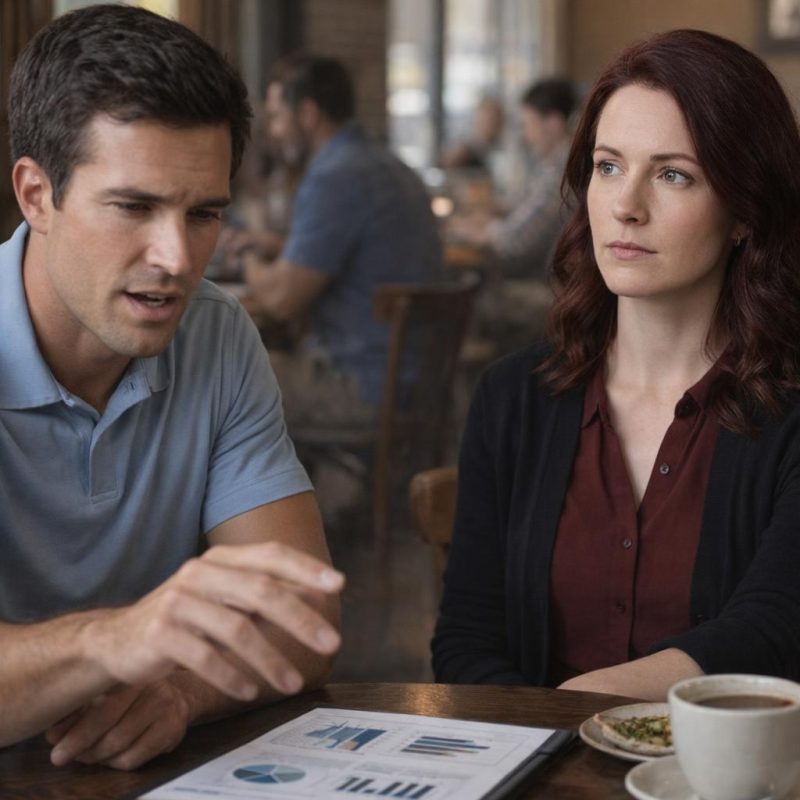 Image by RM AI
The Calendar
I pulled up Michael's work calendar on our shared account Friday evening, sitting at my home office desk with a glass of wine I'd poured but couldn't bring myself to drink. We'd always used this calendar for household coordination—doctor appointments, dinner plans, who was picking up groceries. I opened a notes file on my phone where I'd been tracking the late nights, the vague explanations, the evenings that didn't quite add up. Tuesday night, when I saw him at the store, his calendar showed 'office time' not the client meeting he'd mentioned that morning. I scrolled back through the past six weeks, cross-referencing what the calendar displayed against what he'd actually told me. Three other evenings jumped out—'admin work' on a Thursday he'd said was a dinner meeting, 'catch-up' on a Monday he'd claimed was overtime with the team, 'planning' on a Wednesday I couldn't even remember him explaining. I took screenshots of each discrepancy, my hands shaking slightly as I tapped my phone screen. Maybe I was becoming paranoid, reading into innocent scheduling shorthand. Or maybe something was truly wrong and I'd been too trusting to see it. I closed my laptop feeling sick to my stomach, staring at that untouched wine glass. Five discrepancies in the past six weeks, all evenings he'd claimed were booked with client meetings.
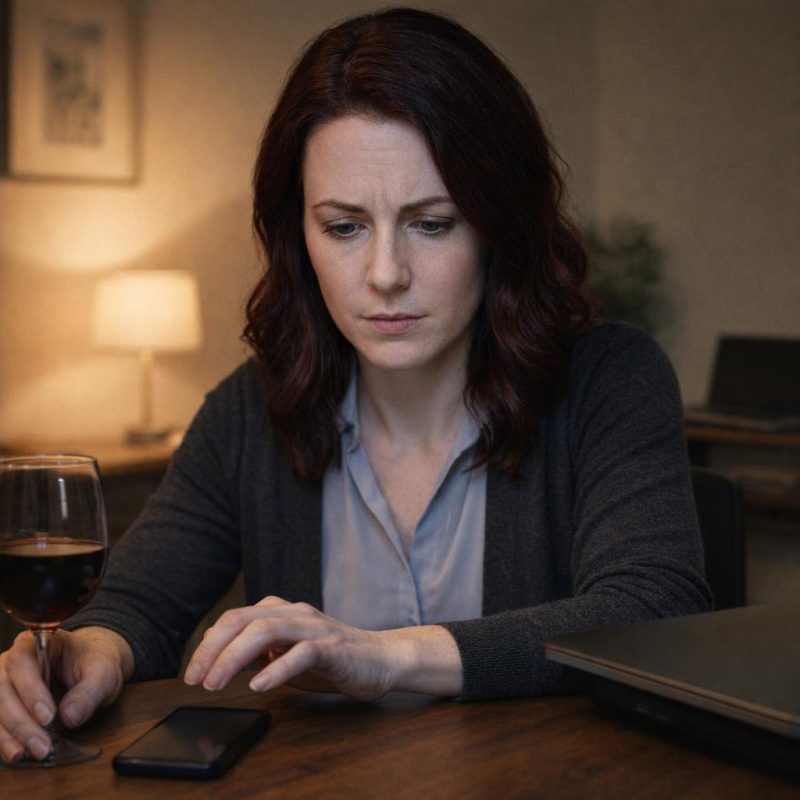 Image by RM AI
The Receipt
I found it Saturday morning while sorting laundry, doing the usual weekend routine of lights and darks. I always checked Michael's pants pockets before washing—he was terrible about leaving receipts and loose change that would gum up the machine. My fingers closed around crumpled paper in his khakis, and I smoothed it out without thinking much of it. Marcello's Italian Bistro. I recognized the name immediately—upscale place across town, the kind with cloth napkins and wine lists. We'd never been there together. The receipt showed dinner for two, total eighty-seven dollars, dated two Thursdays ago. I stood there in the laundry room, my mind racing back to that night. Michael had texted me around seven saying he was working through dinner, eating at his desk, would be home by nine. The receipt listed two glasses of wine, an appetizer, two entrees. I pulled out my phone and photographed it before my hands started shaking too badly, then carefully folded it back exactly how I'd found it and tucked it into his pocket. I loaded the washing machine on autopilot, my thoughts spinning. I should ask him about it. I should just ask. But fear stopped me cold, and instead I hid the photo in a locked folder on my phone. The date on the receipt was from two weeks ago, a night he'd told me he ate dinner at his desk.
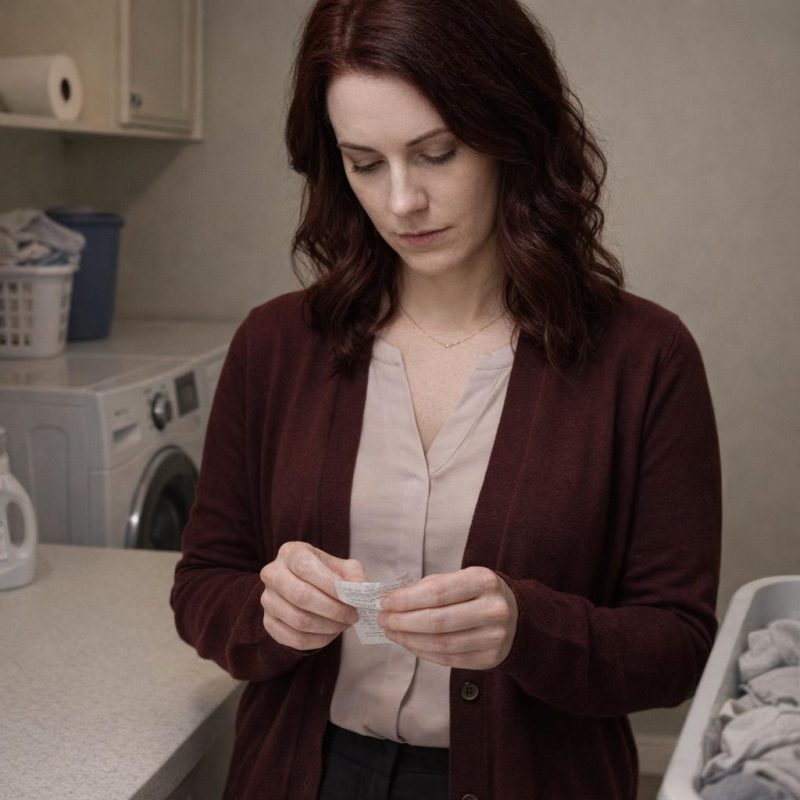 Image by RM AI
Chronology
I sat at the kitchen table Saturday afternoon with my laptop open, creating a document I never thought I'd need to make. I listed every late night I could remember from recent months, every vague excuse, every moment that hadn't quite added up. Next to each entry, I added the calendar screenshots, comparing what Michael's schedule showed versus what he'd actually told me. The restaurant receipt went in the timeline. The store encounter with the blonde woman. That mysterious text I'd glimpsed weeks ago that he'd dismissed as a wrong number. I cross-referenced dates with my own work schedule and noticed something that made my stomach drop—most of these incidents occurred on evenings when I had late meetings or client dinners, times when Michael knew I wouldn't be home until eight or nine. I scrolled back through the entries, looking for when this pattern started. Mid-January. Exactly three months ago, the behavior had shifted. What changed then? What happened in January that I'd missed completely? I saved the document with a password, my fingers hovering over the keyboard as I tried to think of something Michael would never guess. I heard his car pull into the driveway and quickly closed the laptop, my heart pounding. When I stepped back to look at the pattern, I saw it had started exactly three months ago.
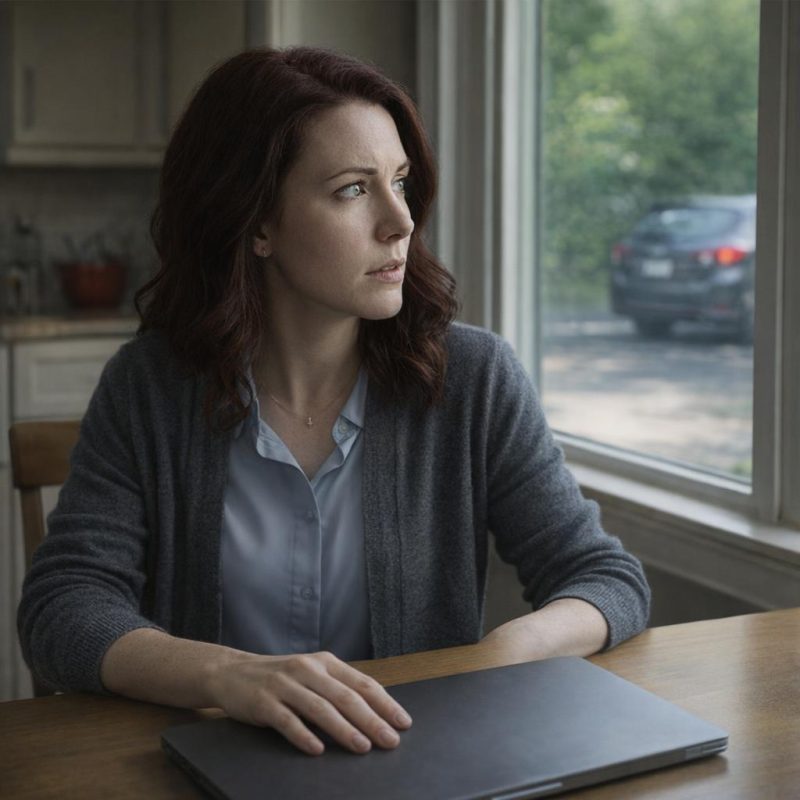 Image by RM AI
Linda's Comment
Linda arrived Sunday at two PM with a container of homemade cookies, the way she did every few weeks. We sat in the living room making small talk while Michael made coffee in the kitchen, and I was only half-listening until she said something that made me freeze. 'Michael sounded so tense when I called him Thursday,' she mentioned, arranging cookies on a plate. 'Is there pressure at work? A difficult client?' I realized with a jolt that I didn't actually know. I couldn't name a single project Michael was working on right now, couldn't tell his mother which clients were demanding or what deadlines he was facing. Michael emerged from the kitchen carrying mugs, and Linda repeated her concern. He deflected with a joke about her worrying too much, but I watched his face—the careful smile that didn't reach his eyes. Linda mentioned that Michael used to confide in her about work stress, back before we were married, and I felt the weight of that observation. There was a distance now between what Linda knew and what I knew, and somehow his mother's outside perspective saw things I'd missed while living right beside him. Linda left after an hour, hugging us both warmly at the door. I watched Michael's face after her car disappeared down the street—he looked exhausted, shoulders sagging the moment she was gone. Linda asked if everything was okay at work, and I realized I didn't actually know.
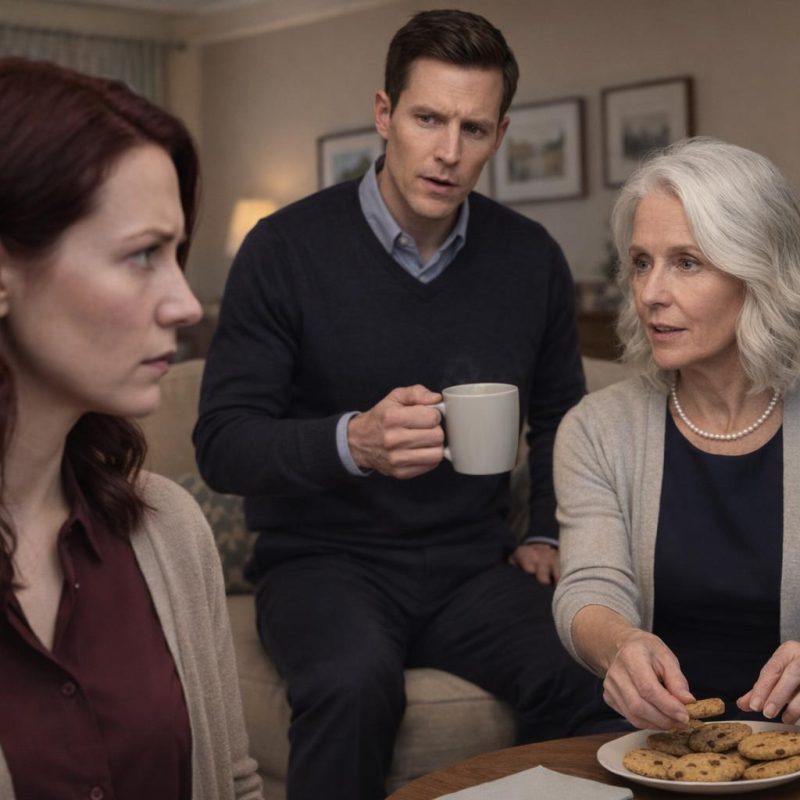 Image by RM AI
Careful Words
I made pot roast for dinner Monday evening, Michael's favorite, the kind that takes hours and fills the house with the smell of comfort and normalcy. We sat across from each other at the table, and I asked him how things were really going, emphasizing that word—really. He paused before answering, and I watched him weigh each word like he was choosing language for a deposition. He talked about work stress in vague terms—deadlines, demanding clients, the usual pressures. I asked which clients specifically, which projects were causing problems. His answers stayed general, surface-level, never providing concrete details I could actually picture. I mentioned what Linda had observed, that he'd seemed stressed on the phone. Michael dismissed it as typical parental concern, his mother reading too much into a tired voice. I tried to create an opening for honest conversation, leaning forward, making eye contact, asking if there was anything he wanted to talk about. He thanked me for the dinner and for caring, but the wall stayed up. We cleared dishes together in tense silence, loading the dishwasher side by side like strangers performing a choreographed routine. I felt further from Michael than ever despite sitting across from him all evening. Everything he said was technically an answer to my question, but none of it felt true.
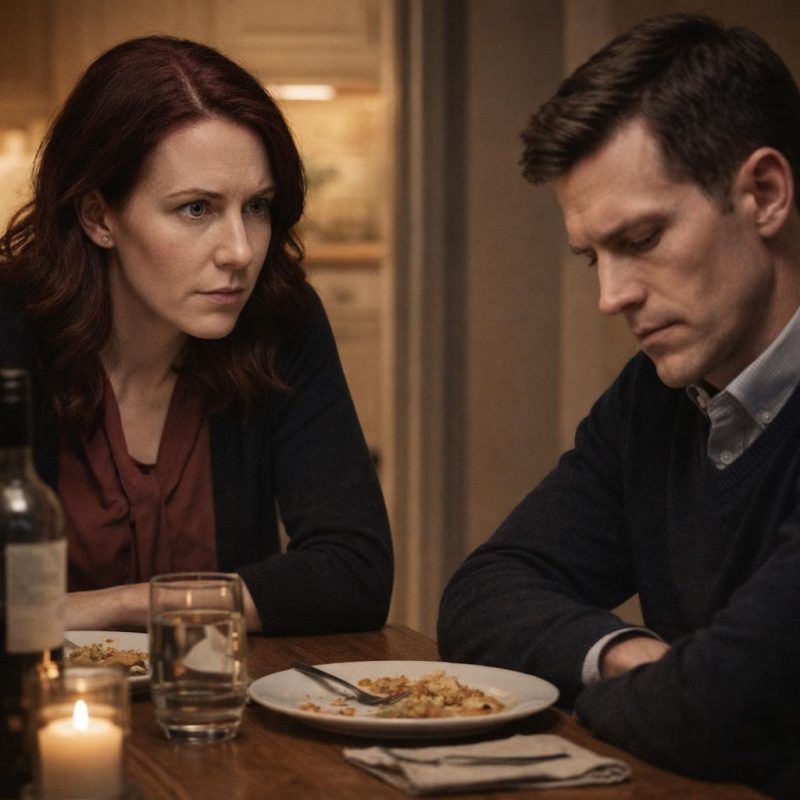 Image by RM AI
3 AM
I lay awake at three in the morning Tuesday, exactly one week after the store encounter, while Michael slept peacefully beside me. His breathing was steady and deep, completely unaware of the thoughts spinning through my mind. I'd been replaying that scene for seven days now, frame by frame, and tonight a new detail surfaced from my memory. The woman's hand had briefly touched Michael's arm—just a moment, barely a second, but it had happened. I analyzed that gesture from every angle. Was it professional? Friendly? Something more intimate? Michael hadn't pulled away. He'd stood there comfortably, like her touch was expected, normal, allowed. How long must they have been talking for that level of familiarity to exist? My mind spiraled through worst-case scenarios I'd been trying to avoid all week. I considered waking him right now, shaking his shoulder and demanding answers. But I'd sound irrational, paranoid, crazy. I had a touch on the arm and some calendar discrepancies—nothing concrete, nothing I could point to as proof. I finally fell asleep around four-thirty, exhausted from my own thoughts. My alarm went off at six-thirty and it felt like I'd never slept at all. I couldn't stop seeing the way that woman had touched his arm—brief, familiar, like she had every right.
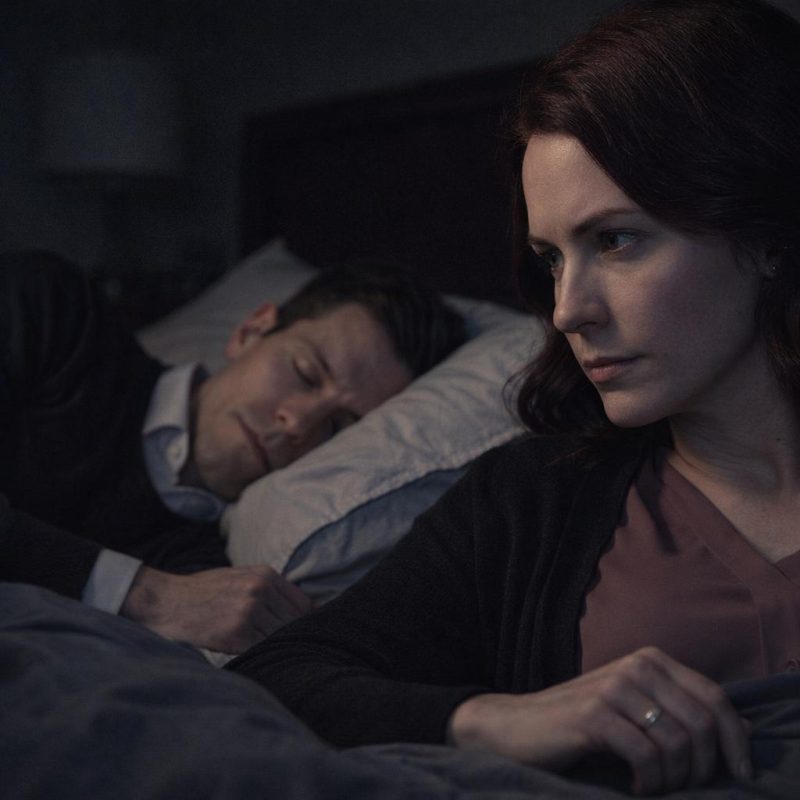 Image by RM AI
The Passcode
We were sitting on the couch Wednesday evening, some crime show playing on TV that neither of us was really watching. Michael's phone buzzed on the coffee table and he reached for it, and I glimpsed him entering a six-digit passcode before the screen unlocked. I felt something cold settle in my chest. His phone had never been locked before—I'd borrowed it dozens of times to look something up or check a text when mine was charging. I kept my voice casual and asked when he'd added a passcode. 'A few weeks ago,' he said, not looking up from the screen. 'IT at work sent around a security recommendation.' It sounded reasonable. It sounded like something a company would do. But I noticed how he angled the phone away as he typed, how his thumb moved quickly to hide the numbers from view. He read whatever message had come through and set the phone face-down on the table. I excused myself to the bathroom and stood there breathing slowly, gripping the sink edge. When I returned, Michael was absorbed in his phone again, his face lit by the blue glow. I wondered what had changed that made him suddenly need privacy, what was on that phone that required a locked screen. He'd never used a passcode before.
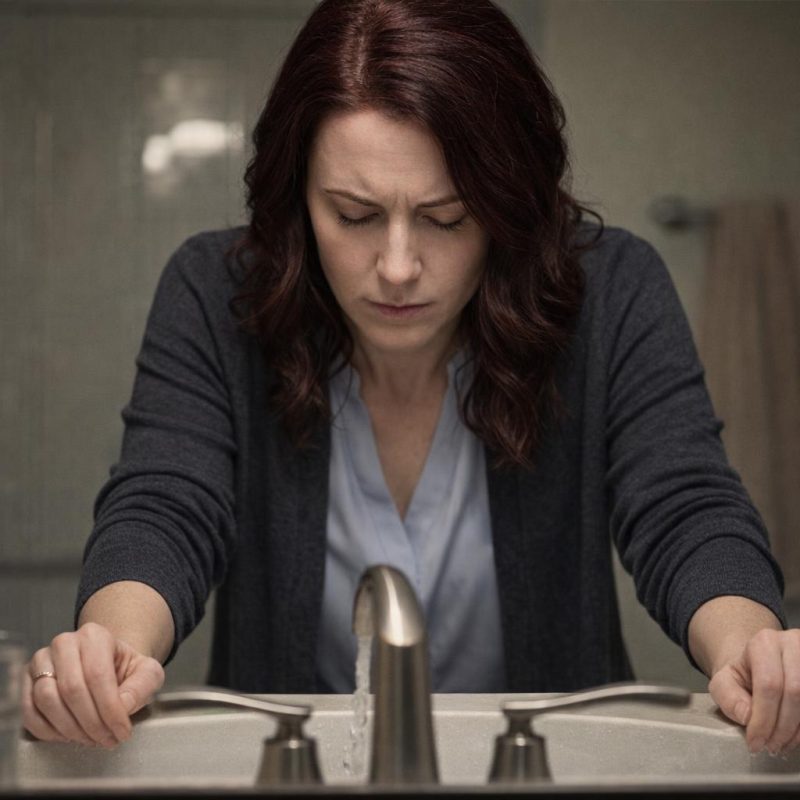 Image by RM AI
Evidence Hunt
I heard the shower start Thursday morning while Michael got ready for work, and something in me snapped. I moved quickly to the closet where his jacket hung and checked every pocket—coffee receipts, a lunch receipt from the deli near his office, all innocuous and dated from this week. I unzipped his briefcase sitting on the chair, my hands moving faster now. Work files, client folders, nothing personal. I checked the side pockets—pens, business cards from colleagues whose names I recognized, a pack of gum. I opened his nightstand drawer, feeling like a criminal in my own bedroom. Books, charging cables, reading glasses. Nothing. The shower turned off and I quickly returned everything to its original position, then sat on the bed trying to calm my racing heart. I felt guilty for invading his privacy, for becoming the kind of person who searches through their husband's belongings. But I also felt frustrated—if he was hiding something, he was doing it well. Maybe the lack of evidence meant I was wrong about everything. Or maybe it just meant he was careful. I didn't know which possibility scared me more. I found nothing, which somehow felt worse than finding something.
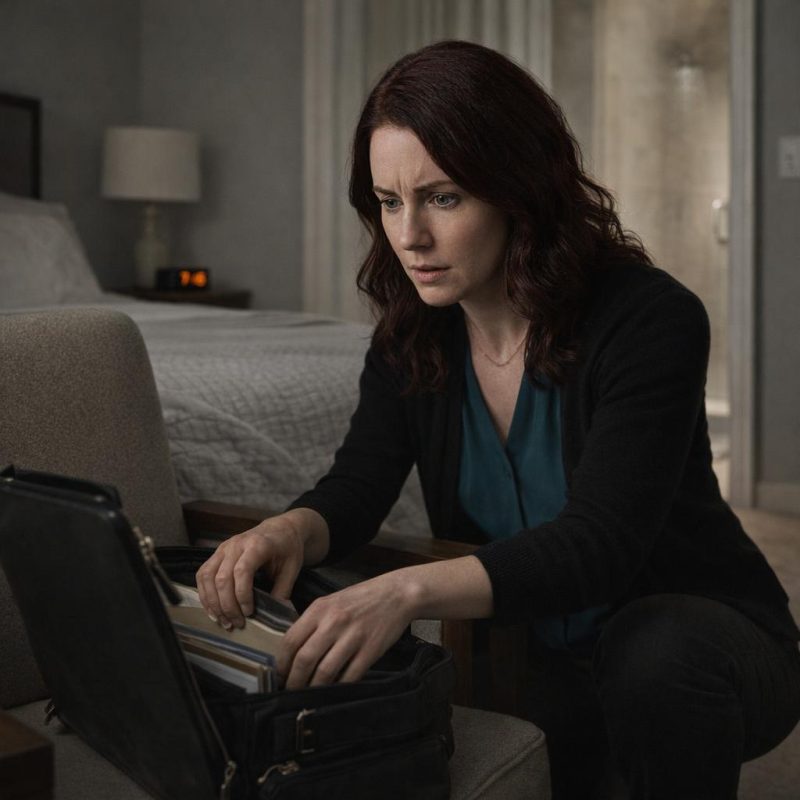 Image by RM AI
Sophie's Doubt
I met Sophie at the coffee shop Thursday afternoon, and I could tell from her expression that she'd already decided I was spiraling. I laid it all out—the passcode, the late nights, the timeline I'd been building, the way Michael's explanations never quite added up. She listened, nodding in all the right places, but her eyes held something that made my chest tighten. When I finished, she reached across the table and squeezed my hand. "Emma," she said gently, "have you considered that maybe you're under a lot of stress? That maybe you're seeing patterns that aren't really there?" I pulled my hand back. She kept going, pointing out that everything I'd described was circumstantial, that there could be innocent explanations for all of it. She asked if Michael and I had been fighting, if we'd grown distant. I admitted we had, but I insisted something felt wrong. She suggested I just talk to him directly instead of playing detective. The words stung because they sounded reasonable, and I hated that. She said she was worried about my mental state, and I realized she thought I was the problem. I left feeling more alone than when I'd arrived. I wanted to believe her but I couldn't explain why my hands were shaking.
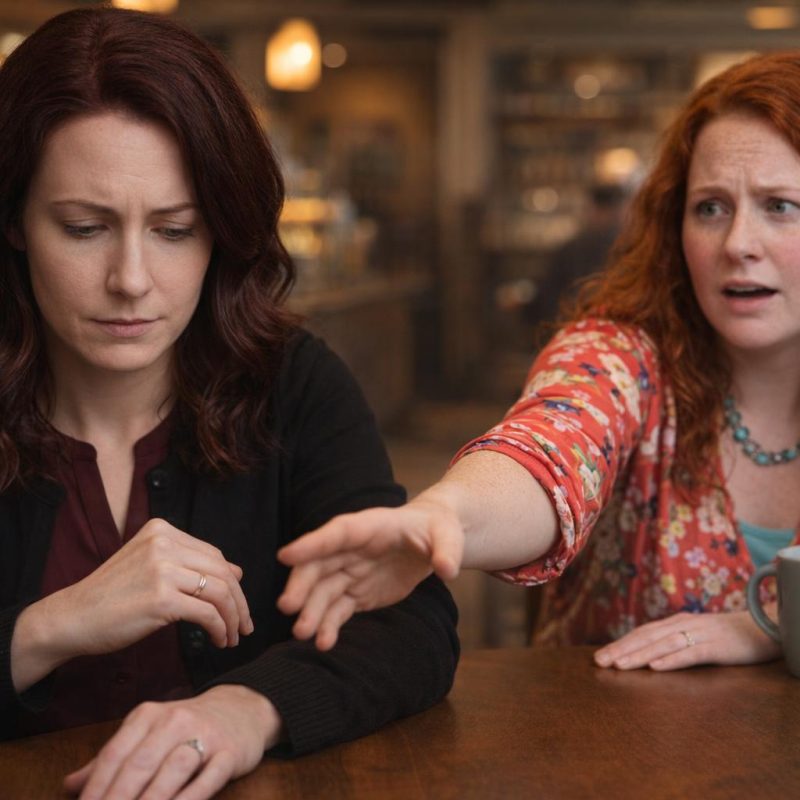 Image by RM AI
Documentation
I bought a small notebook during my lunch break Friday, the kind with a plain black cover that wouldn't draw attention. I needed something separate from my digital timeline, something physical I could hold. I started fresh that evening, documenting everything with dates and times. The passcode incident went on page one. Michael's vague answer about dinner on Monday filled page two. I recorded the restaurant receipt details, the store encounter, every late arrival home this week. I included direct quotes when I could remember them, the exact words Michael used to explain where he'd been. I noted body language too—how he avoided eye contact when I asked questions, how his phone was always face-down now, how he angled his body away from me. I filled eight pages in just a few days, my handwriting getting smaller as I tried to capture every detail. When I counted, I had seventeen separate incidents spanning three months. I hid the journal in my desk drawer, tucked under old tax documents where Michael would never look. I felt like I was building a case, gathering evidence for a trial I didn't want to have. By the end of the week, I had seventeen entries.
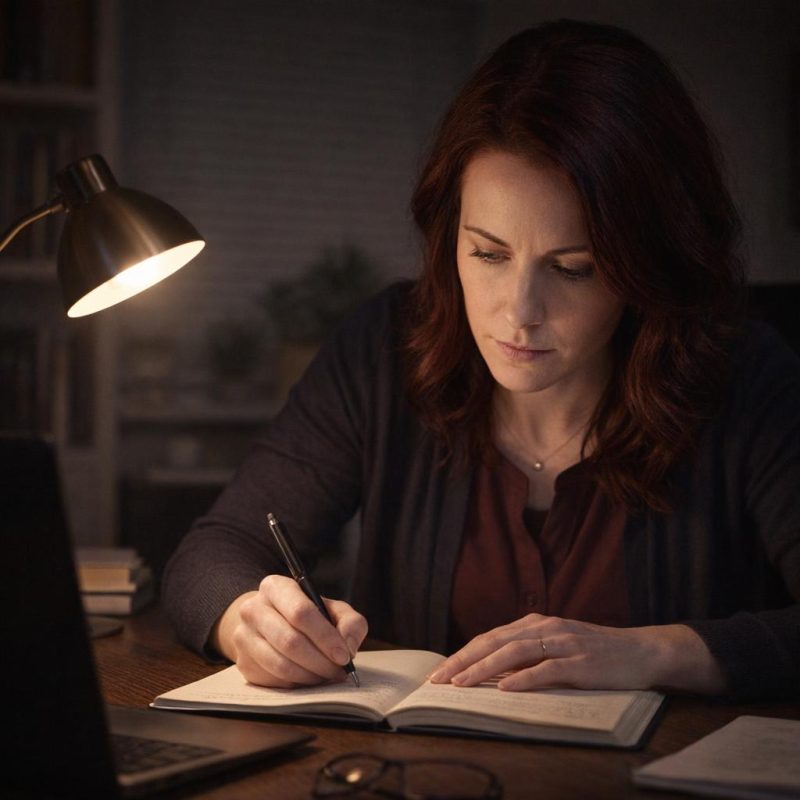 Image by RM AI
Distance
We went to bed Friday night around eleven, the house quiet except for the hum of the refrigerator downstairs. I reached for Michael's hand under the covers, and he gave it a brief squeeze before rolling onto his side, facing away from me. I moved closer, touched his shoulder, let my fingers trace down his arm. He said he was exhausted from a long week, his voice already thick with sleep. I mentioned we hadn't been intimate in over two weeks, trying to keep my tone light, not accusatory. He apologized but didn't turn back to face me. I asked if something was wrong between us. He said everything was fine, just work stress and fatigue, the same words he'd used the three nights before. I withdrew to my side of the bed, the space between us feeling wider than the actual distance. I lay there listening to his breathing slow and deepen, counting the minutes until I was sure he was asleep. I wondered if he was avoiding me because of guilt, if touching me made him think of someone else. I counted four times this week he'd declined intimacy, four rejections that left me feeling hollow and unwanted. I lay there in the dark wondering when he'd stopped wanting to touch me.
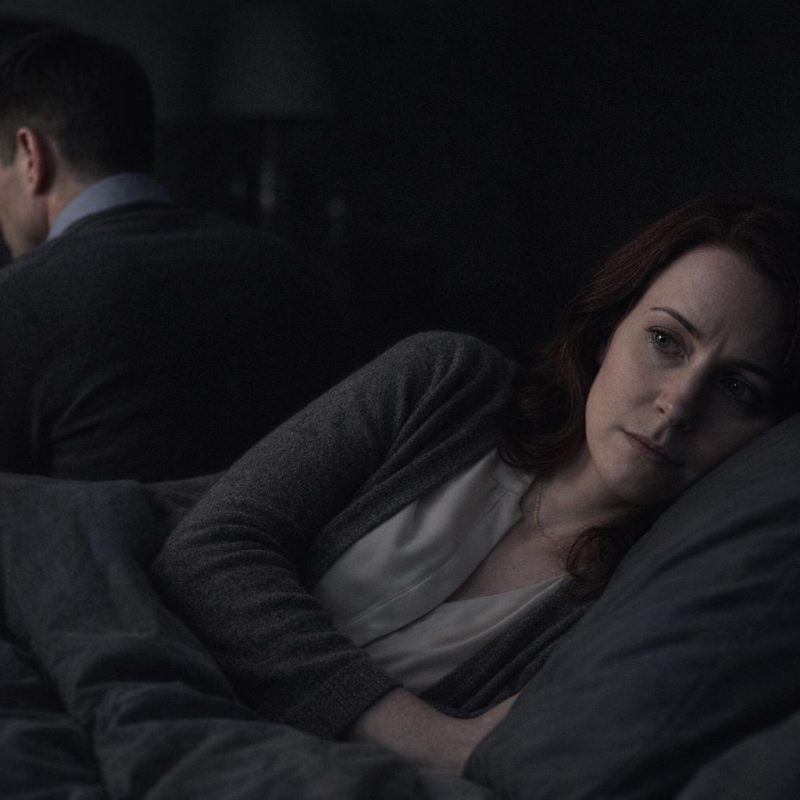 Image by RM AI
The Search
I waited until Michael's breathing turned steady and deep, then slipped out of bed around midnight with my laptop. The living room felt cold and exposed, but I needed to know if what I was feeling had a name. I typed 'signs of infidelity' into the search bar and watched the results populate. I spent two hours clicking through articles from relationship experts and therapists, reading list after list that described my life with painful accuracy. Increased privacy with phone—I thought of the passcode. Working late more frequently—I remembered my timeline. Emotional withdrawal from partner—I recalled the rejections, the distance in bed. Vague about whereabouts—I thought of his dinner explanations that never quite satisfied. Unexplained expenses—the restaurant receipt flashed in my mind. I took notes on what other evidence to look for, what questions to ask, whether confrontation or more investigation was the right path. Every article seemed written specifically about Michael, about us, about the slow unraveling I'd been documenting. I closed the laptop at two AM feeling sick, my hands trembling as I carried it back to the bedroom. Michael slept peacefully, completely unaware. The checklist might as well have been written about Michael—late nights, password protection, emotional distance, vague explanations.
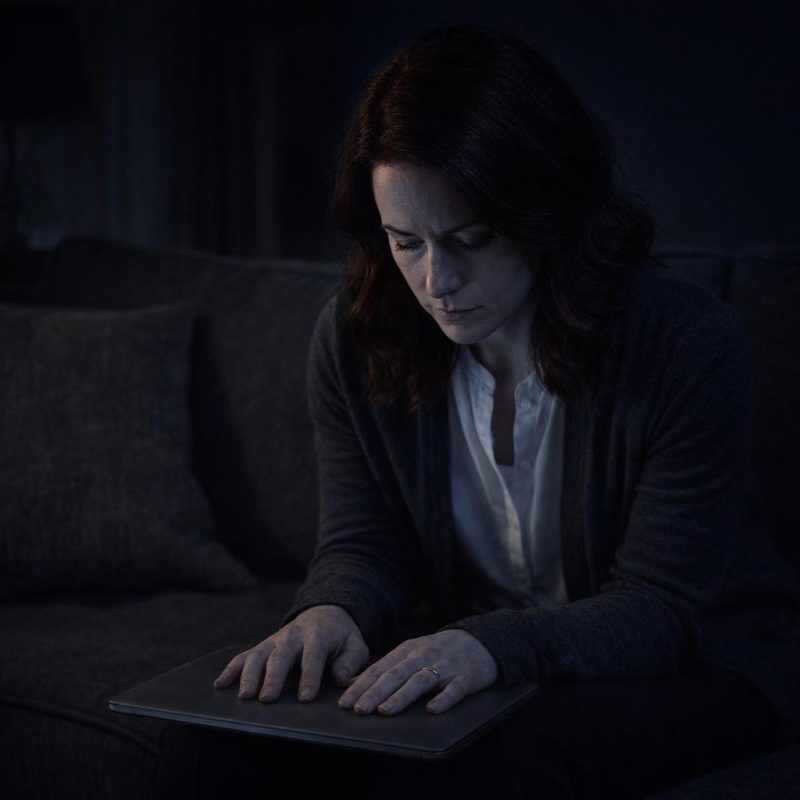 Image by RM AI
Isolation
The group text came through Saturday morning while I was still in bed—brunch plans, mimosas, the usual weekend routine with friends I'd known for years. I typed three different excuses, deleting each one before finally claiming I had too much work to catch up on. I watched their Instagram stories later that afternoon, saw them laughing over eggs benedict and felt completely disconnected from that version of normal life. My college friend called asking to meet up, and I let it go to voicemail. A coworker invited me to happy hour via email, and I declined with a vague excuse about prior commitments. I realized I'd turned down four social events just this week. I sat alone at home Saturday afternoon, the silence pressing in around me, and told myself I'd reconnect once I knew the truth. The weight of carrying this secret alone was exhausting, but the thought of pretending everything was fine felt impossible. I considered that isolating myself might make things worse, that I was cutting off the support I might need. But I convinced myself it was temporary, just until I had answers, just until I could explain what was happening without sounding paranoid or crazy. The lie about being too busy felt easier than admitting I didn't know who my husband was anymore.
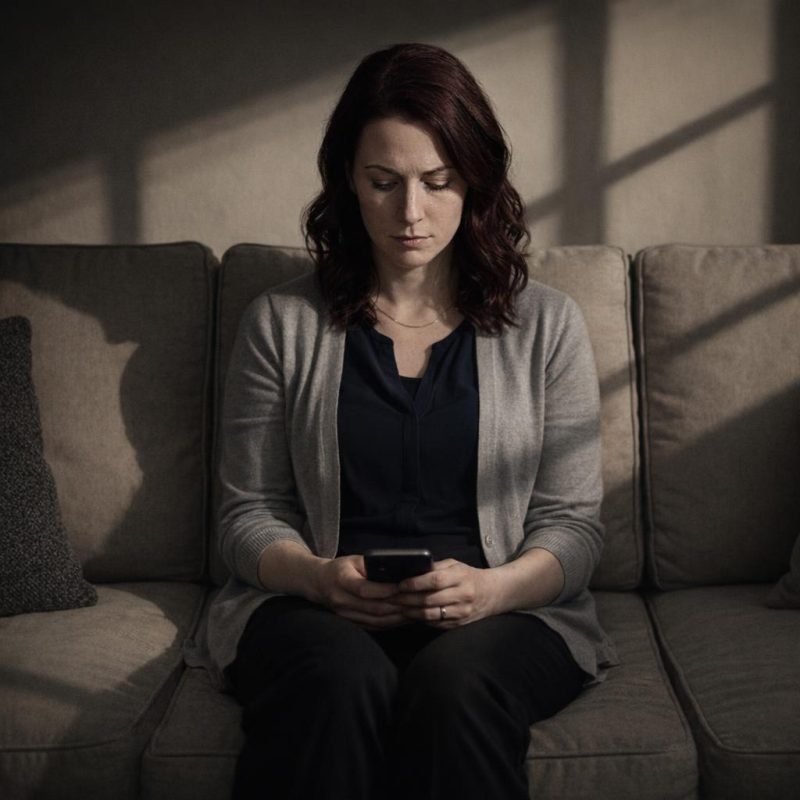 Image by RM AI
Hypotheticals
I made pancakes Sunday morning, trying to create some semblance of normalcy while Michael read the newspaper at the kitchen table. I asked him casually what he thought about honesty in relationships, keeping my voice light as I flipped a pancake. He looked up from the paper, his eyes curious behind his wire-rimmed glasses, and asked what prompted the question. I shrugged and said a friend was having trust issues with her partner, watching his face for any flicker of recognition or guilt. He said trust was fundamental, that once broken it was hard to repair. I asked what someone should do if they suspected deception. He paused, folding the newspaper carefully, and said they should look for evidence before jumping to conclusions. I watched his expression, searching for signs he knew I was talking about us. He said accusations without proof destroy relationships, and I felt the words land like a warning. I asked if keeping secrets was the same as lying. He paused again, longer this time, and said context matters, that some things are private not secret. Every answer felt like it had double meaning, like we were having two conversations at once. He returned to his newspaper, leaving me standing at the stove more confused than before. He said he'd want proof before making accusations, and I wondered if he was talking about himself or warning me.
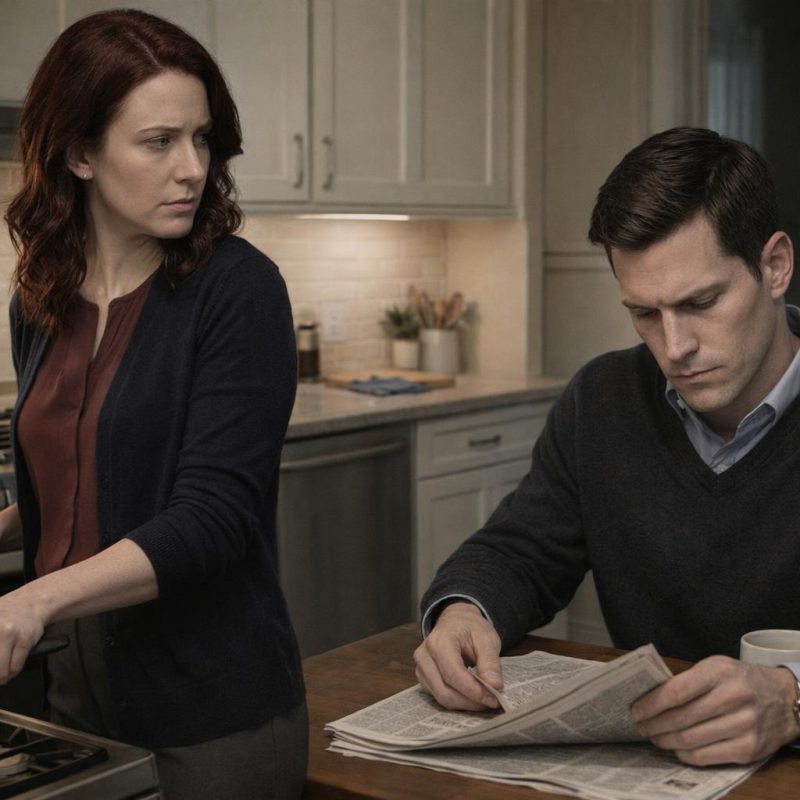 Image by RM AI
Before
I spent Sunday afternoon alone with my laptop, opening photo folders I hadn't looked at in months. Our wedding photos from six years ago filled the screen—Michael's smile wide and genuine, my face radiant with certainty about our future. I remembered how sure I felt that day, how simple everything seemed. I scrolled through vacation pictures from our third anniversary trip to the coast, studying Michael's body language, the way he held me, comparing it to how he barely touched me now. I found photos from last Christmas, trying to pinpoint exactly when the distance began, when his eyes stopped meeting mine with the same warmth. I wondered if I'd missed signs even then, if I'd been naive about moments I thought were perfect. I searched through company party photos, looking for any appearance of colleagues I didn't recognize, anyone who might be her. I found nothing. The recent photos from three months ago showed the shift clearly—something in Michael's eyes had changed, a guardedness that hadn't been there before. I realized we'd taken almost no photos together in the past two months, as if we'd both stopped wanting to document our life. I closed the laptop feeling like our entire history had been rewritten. In every picture where we looked happy, I searched our faces for the moment the lies began.
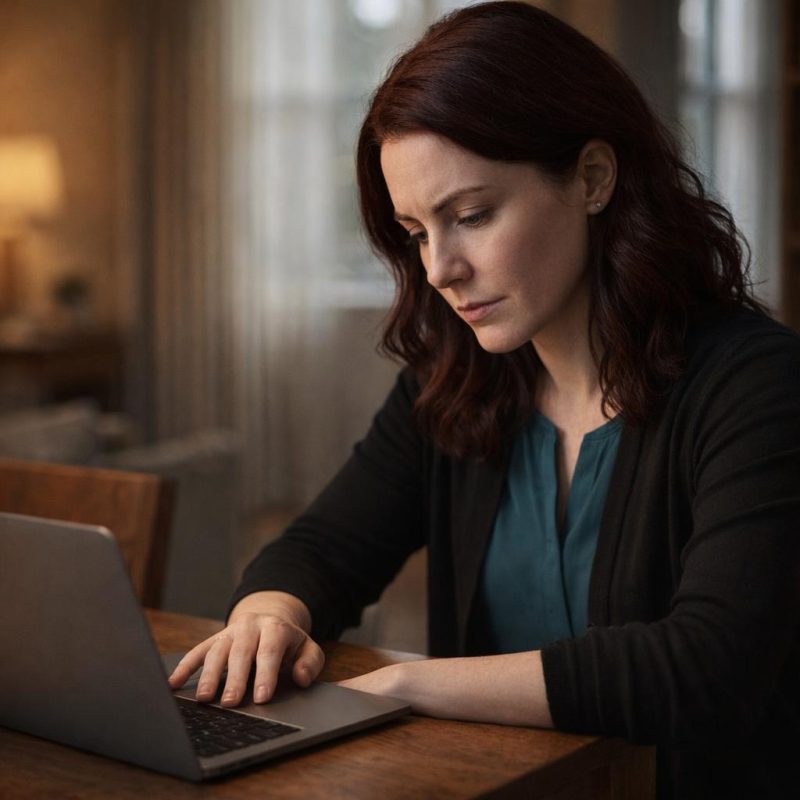 Image by RM AI
Proximity
I was driving home from work Monday evening around six when I turned onto our street and my heart stopped. The silver sedan was parked two houses down, the same one I'd seen at the coffee shop, the same one that had been following my timeline just like I'd been following Michael's. I pulled into our driveway and sat frozen, watching it in my rearview mirror. The car faced our house, and though I couldn't see the driver clearly through the windshield, I knew someone was inside, watching. I sat in my car for five minutes, gathering courage, my hands gripping the steering wheel. Finally I forced myself to go inside, immediately moving to the front window where I could peer through the curtains. The sedan hadn't moved. I watched for twenty minutes, trying to read the license plate but unable to see it from this angle. My phone buzzed—Michael saying he'd be home by seven. I considered going outside to confront whoever was inside that car, to demand answers, to end this surveillance that had invaded my life. But before I could move, the sedan pulled away slowly, deliberately, disappearing down the street. I tried to photograph the license plate but it was too far, too dark, already gone. She wasn't just meeting Michael in public places anymore.
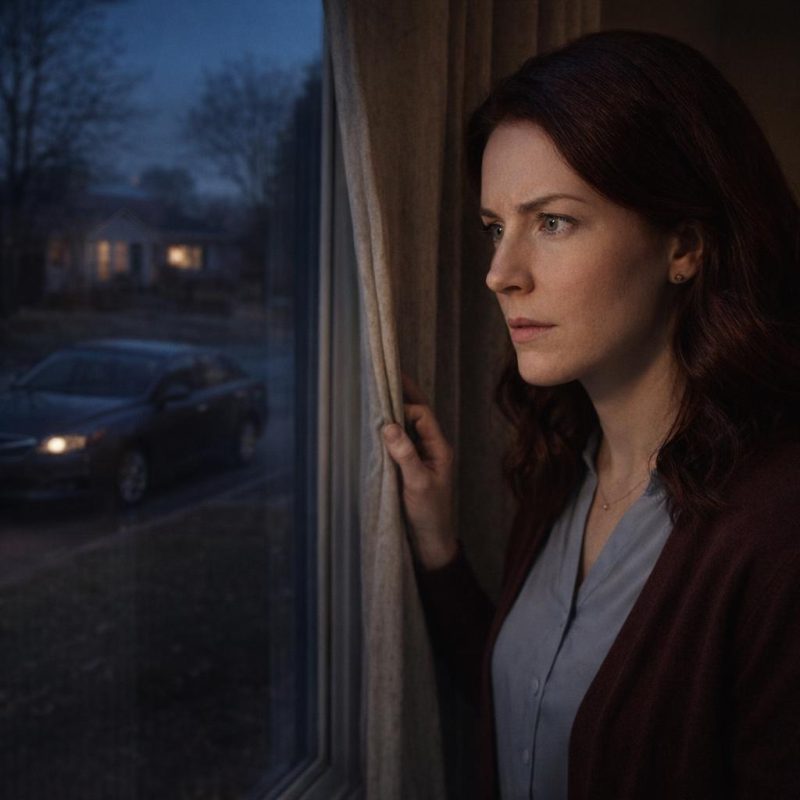 Image by RM AI
The Follow
I told my boss I had a doctor's appointment and left work at four on Tuesday, my stomach churning the entire drive downtown. I parked across from Michael's office building with a clear view of the main entrance, my hands already sweating against the steering wheel. I'd never followed anyone before—not like this, not with intent—and every part of me felt exposed, like someone would tap on my window any second and ask what I was doing. I sat there for ninety minutes, watching people stream out of the building, my heart jumping every time I saw dark hair or wire-rimmed glasses. At five-thirty, Michael emerged carrying his briefcase, and I sank lower in my seat even though he wasn't looking my direction. He walked right past the parking garage entrance where he usually kept his car. I watched him continue down the sidewalk for half a block, then another, and my pulse started hammering in my ears. I started my car and pulled into traffic, keeping several cars between us as he walked three more blocks and disappeared into a different parking garage I didn't even know he used. I circled the block twice before finding a spot where I could see the exit. Ten minutes later his car emerged, and when he turned toward the highway, I followed.
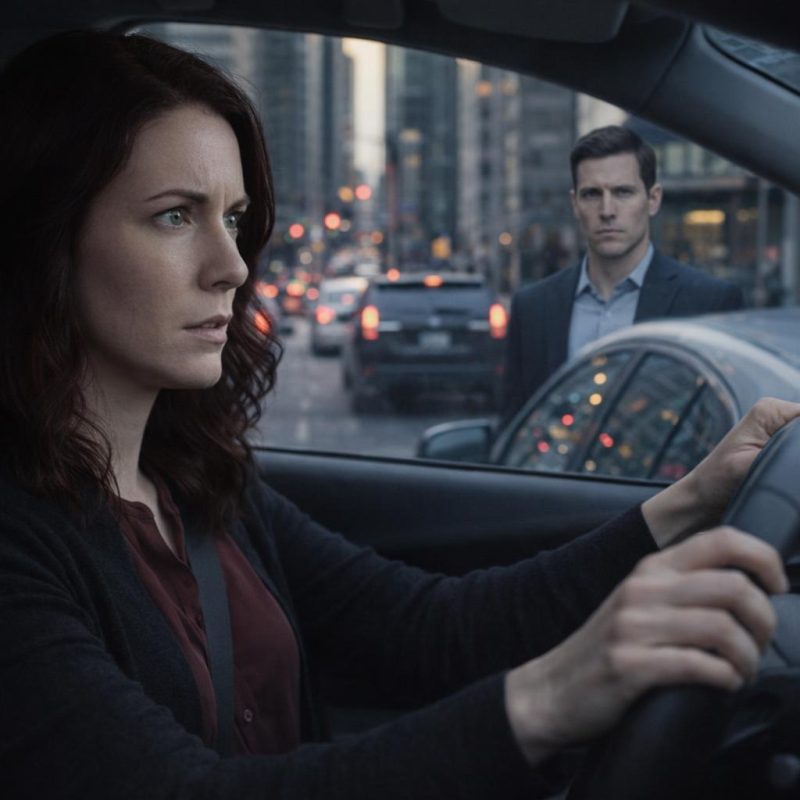 Image by RM AI
The Meeting
I kept two cars between us the entire way, my knuckles white on the steering wheel every time he changed lanes. He exited in a neighborhood I didn't recognize, and I had to drop back further on the residential streets, terrified he'd notice the same car behind him turn after turn. When he pulled into a strip mall parking lot, I drove past and circled into the adjacent lot, parking where I could still see his car. Michael got out and looked around—actually looked around, scanning the parking lot—before walking toward a coffee shop at the end of the strip. My chest tightened when I saw her. The blonde woman from the grocery store, the one from all those other sightings, walking into the same coffee shop moments before him. I watched through my windshield as they sat at a corner table by the window, and even from this distance I could see the familiarity in how they settled across from each other. She had a folder on the table between them. They didn't hug or kiss, but they didn't need to. They leaned toward each other like people who had important things to discuss in limited time.
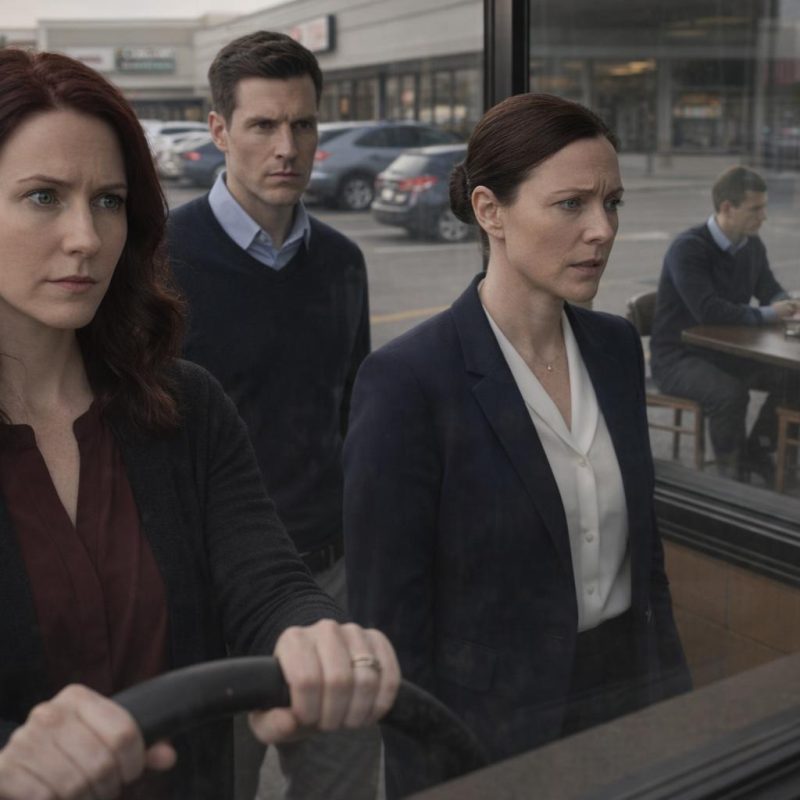 Image by RM AI
Evidence
They didn't order drinks. They didn't look at menus or glance at their phones. They just talked, both of them completely focused on whatever conversation required this secret meeting in a strip mall coffee shop twenty minutes from our house. The woman slid something across the table—papers, maybe photographs, I couldn't tell from here—and Michael leaned forward to examine them. He ran his hand through his hair, that stress tell I'd seen a thousand times, and my hands started shaking. I needed proof. I needed something concrete, something I could look at later and know I hadn't imagined this. I pulled out my phone and tried to steady it enough to photograph them through the window. The first shot was too blurry. I tried again, zooming in, watching the image quality degrade but not caring. I captured them sitting across from each other, the woman's profile, one clear shot of both of them at the table together. The woman touched Michael's hand briefly and I almost dropped my phone. I took three more photos, my breath coming in short gasps, then sat back and stared at the images on my screen. They were distant and imperfect and they made me feel sick. But they were real.
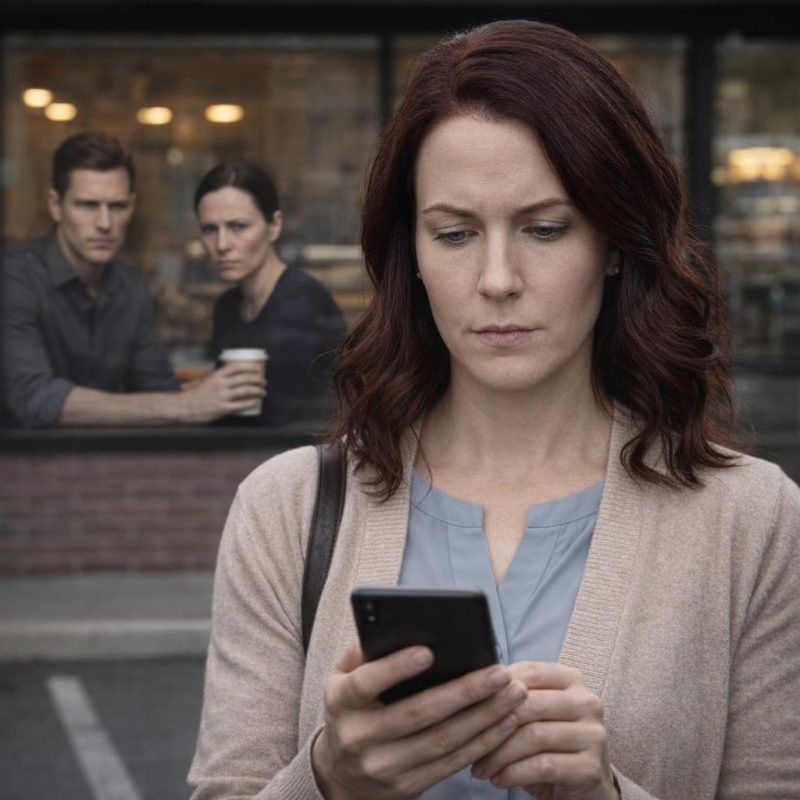 Image by RM AI
Sophie Sees
I asked Sophie to come over Wednesday evening, making sure Michael would be working late before I sent the text. She arrived at seven expecting to talk me down from paranoia—I could see it in her face when I opened the door. Instead, I handed her my phone with the photo album already open. She scrolled through the images from the coffee shop, her expression shifting with each swipe. She zoomed in on one photo, then another, and I watched skepticism turn to concern in real time. "When did you take these?" she asked, and I explained how I'd followed Michael after work, how I'd sat in that parking lot photographing my husband with another woman. Sophie asked if I was sure this was the same person from the grocery store. I showed her my documentation, all the other incidents I'd recorded, the pattern I couldn't ignore anymore. She sat back against my couch and said the words I'd been thinking but hadn't wanted to hear. "This looks bad, Em." I felt simultaneously validated and destroyed. Sophie stayed until almost midnight, and we talked through every possible next step, but nothing felt right. I needed to know who this woman was before I could confront Michael. I needed to understand what I was actually confronting him about.
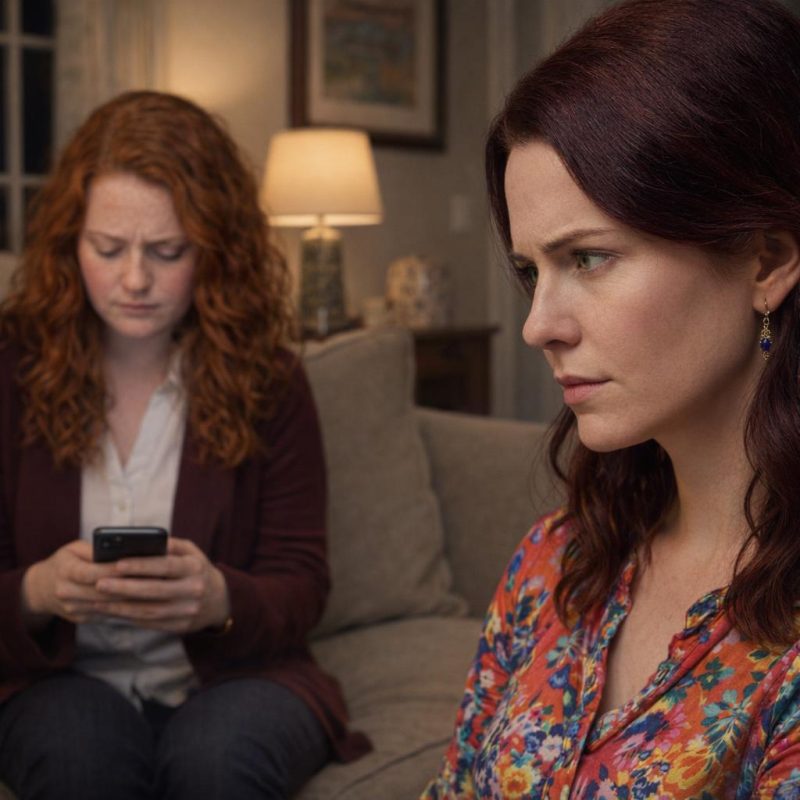 Image by RM AI
The Search Begins
I got to work Thursday morning and closed my office door, telling anyone who asked that I needed to focus on a report. Instead, I cropped the clearest photo of the woman's face and ran it through every reverse image search I could find. Nothing. I searched LinkedIn for women connected to Michael's company, scrolling through hundreds of profiles until my eyes burned. I tried Facebook using Michael's friends list as a starting point, then Instagram, then Twitter. Two hours disappeared while I found absolutely nothing. No matches, no similar faces, no one who even remotely resembled the blonde woman who kept meeting my husband in secret. I started wondering if she used a different name online, if she deliberately kept a low profile, if someone having an affair would avoid social media entirely. My colleague knocked on my door asking about a morning meeting I'd completely forgotten, and I realized I'd accomplished nothing except confirming that this woman was a ghost. I felt frustrated and suspicious in equal measure. Who doesn't exist online anymore? Who manages to leave no digital footprint at all? The invisibility felt almost as damning as the meetings themselves.
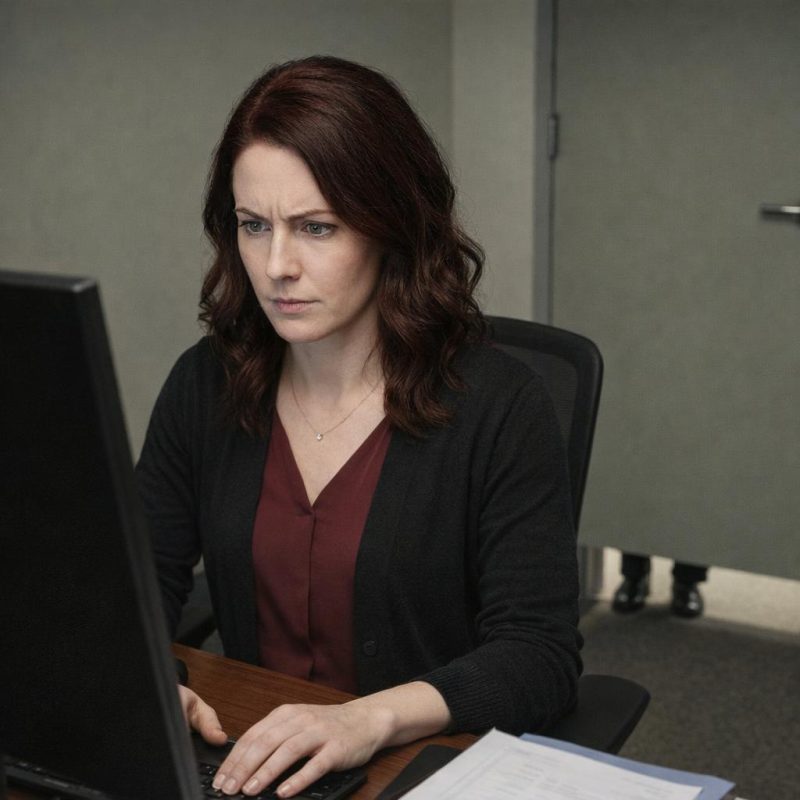 Image by RM AI
The Card
My car was running on fumes Friday morning, and I asked Michael if I could borrow his to run to the gas station down the street. He tossed me his keys without looking up from his coffee. I got in and started driving, then opened the center console looking for sunglasses against the morning glare. That's when I saw it—a business card tucked between receipts and loose change, thick cream-colored stock that felt expensive when I pulled it out. My hands went cold. The card had a name and phone number printed in clean gray text, nothing else. No company, no job title, no indication of what this person did or why Michael had their card hidden in his console. I photographed it from three different angles, my heart hammering so hard I thought I might pass out right there at the stoplight. I memorized the phone number, replaced the card exactly where I'd found it, and filled the gas tank on complete autopilot. When I got home and returned Michael's keys, I immediately went to my own car and texted myself the information. I sat in my driveway staring at the name on that card, finally having something concrete to research.
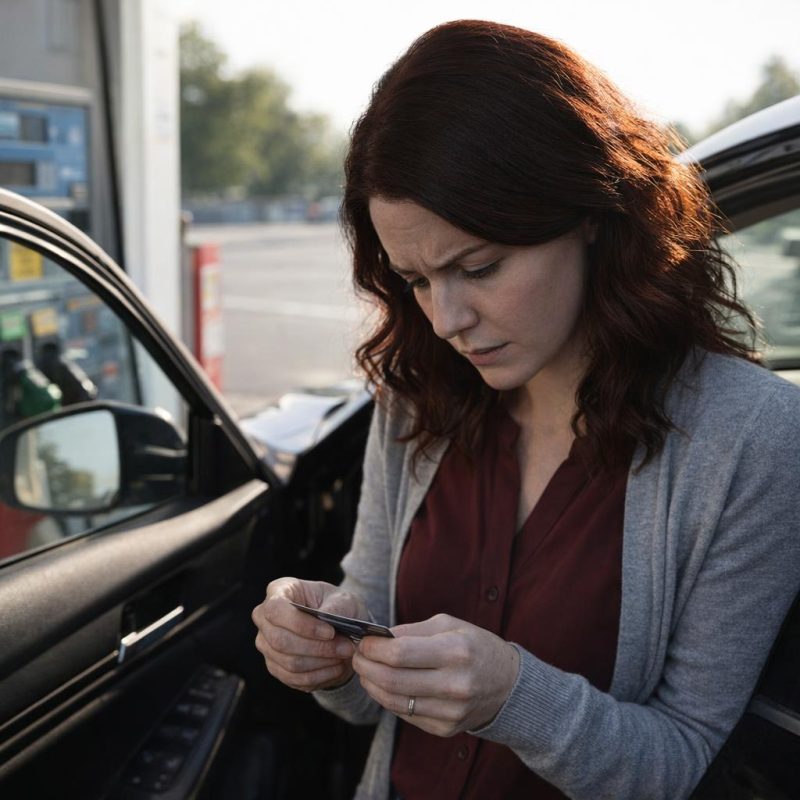 Image by RM AI
Diane Ross
Diane Ross. I sat in my parked car repeating the name like a password that might unlock everything I needed to know. After weeks of watching a nameless blonde woman infiltrate my marriage, I finally had something to call her. I stared at the photo of the business card on my phone, reading the name over and over until it stopped sounding like words. This felt like a breakthrough and a cliff edge at the same time. I had a name now, which meant I could search for answers, but it also meant those answers were real and waiting and possibly devastating. I wondered if Diane Ross was even her real name or some alias she used for whatever this was. I thought about searching for her right then, but I was parked outside my own house where Michael might see me through the window, and I worried about leaving digital footprints that could somehow get back to him. I needed to be alone, needed time to investigate properly without interruption. I went into work but couldn't focus on anything except those two words. I wrote "Diane Ross" in my secret journal and counted the hours until I could go home and search. At two o'clock I told my boss I felt sick and left early. I typed her name into my phone's search bar and my finger hovered over the enter key, afraid of what I might find.
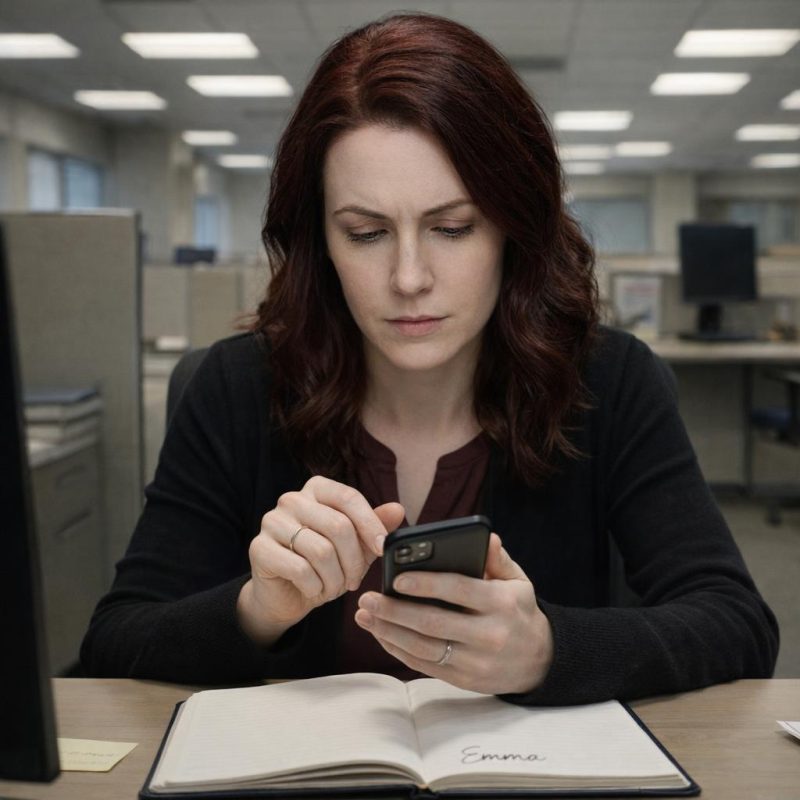 Image by RM AI
Ghost
I got home Friday afternoon and opened my laptop before I'd even taken off my coat. Michael had texted that he'd be working late again—of course he was—which meant I had hours to search without interruption. I started with Facebook and found twelve Diane Ross profiles, none of them matching the woman from my photos. Instagram gave me similar disappointing results. LinkedIn showed three possibilities, but they were all wrong ages or locations. I ran the phone number from the business card through reverse lookup services and found a business listing with that number but no company details, just an address across town. I searched professional directories and finally found one entry: D. Ross, with the same address, but no indication of what she actually did. I pulled up the address on Google Maps and street-viewed a nondescript office building that could house anything. I checked property records and business licenses, but everything was vague, deliberately uninformative. After three hours of searching, I had almost nothing. Diane Ross existed just enough to have an address and phone number, but not enough to leave any real trace of who she was or what she did. The invisibility felt wrong, suspicious, like someone who had something to hide. The only result that seemed promising was that professional directory listing with no photo and an address across town.
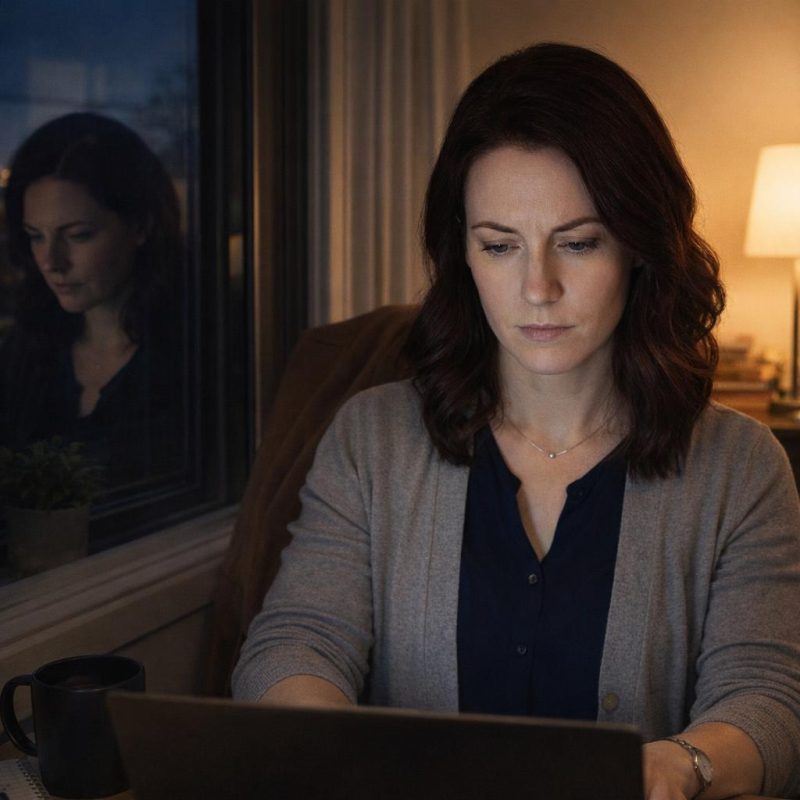 Image by RM AI
Unraveling
I showed up to work Monday morning running on maybe three hours of sleep, and honestly I don't even remember driving there. I sat at my desk staring at my computer screen, but all I could see was Michael's face, Diane Ross's business card, that hotel charge burning in my mind. My calendar reminder popped up at 9:02—Team Meeting, Conference Room B—and I just stared at it like the words were in another language. My phone rang at 9:17. My boss. "Emma, where are you? We're all waiting." I apologized, grabbed my laptop, and practically ran to the conference room fifteen minutes late with nothing prepared. Everyone looked at me when I walked in, and I mumbled something about a family emergency. I couldn't focus on a single word anyone said. I nodded at appropriate moments and contributed absolutely nothing useful. The second the meeting ended, I went straight back to my desk and opened search tabs for Diane Ross instead of the client files I should have been working on. That's when I saw the calendar reminder I'd completely forgotten: Client Deliverable Due Today, 5 PM. I hadn't even started it. I panicked and tried to rush through the work, my hands shaking, my phone lighting up with a missed call from Michael that I ignored. Ryan appeared at my office door around two, and I looked up at him with what must have been a completely blank expression. He asked if I was okay, said I seemed distracted lately, and I couldn't even remember what project we were supposed to be working on together.
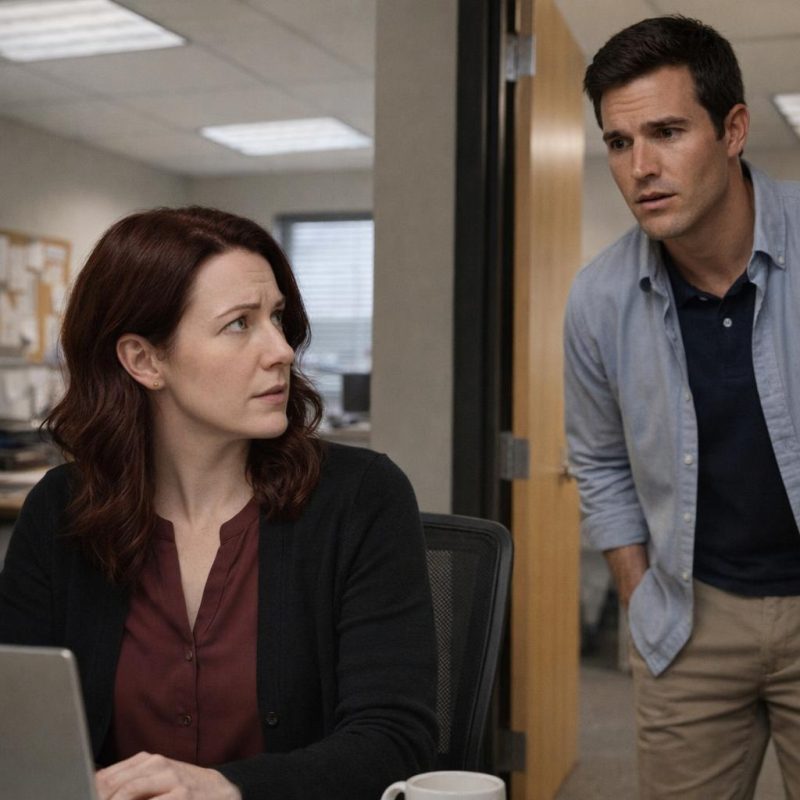 Image by RM AI
Rehearsal
I woke up early Tuesday morning before Michael's alarm went off and slipped into the bathroom, closing the door as quietly as I could. I stood there looking at myself in the mirror, trying to see someone who looked calm and strong and ready for this conversation. I whispered, "I know about Diane Ross," testing how the words sounded out loud. They felt weak, so I tried again with more anger: "Who is Diane Ross and why do you keep meeting her?" That felt too aggressive. I attempted a calmer approach: "We need to talk about what's going on." Too vague. I practiced being direct: "I saw you with her. I have photos." My voice cracked on that one. I tried giving him a chance to come clean: "Is there something you want to tell me?" I went through each version multiple times, changing my tone, my inflection, imagining how Michael might respond to each one. I pictured him denying everything, making me feel crazy for even asking. I envisioned him confessing, and my entire world ending right there in our kitchen. I started crying and had to stop, washing my face and trying to pull myself together. I heard Michael moving around in the bedroom, and panic shot through me. I wasn't ready. I couldn't do this yet. I opened the bathroom door acting completely normal when he appeared, and I spent the entire day at work still mentally rehearsing a confrontation I couldn't bring myself to have. Every version I practiced ended with Michael lying or me falling apart, and I couldn't figure out which scared me more.
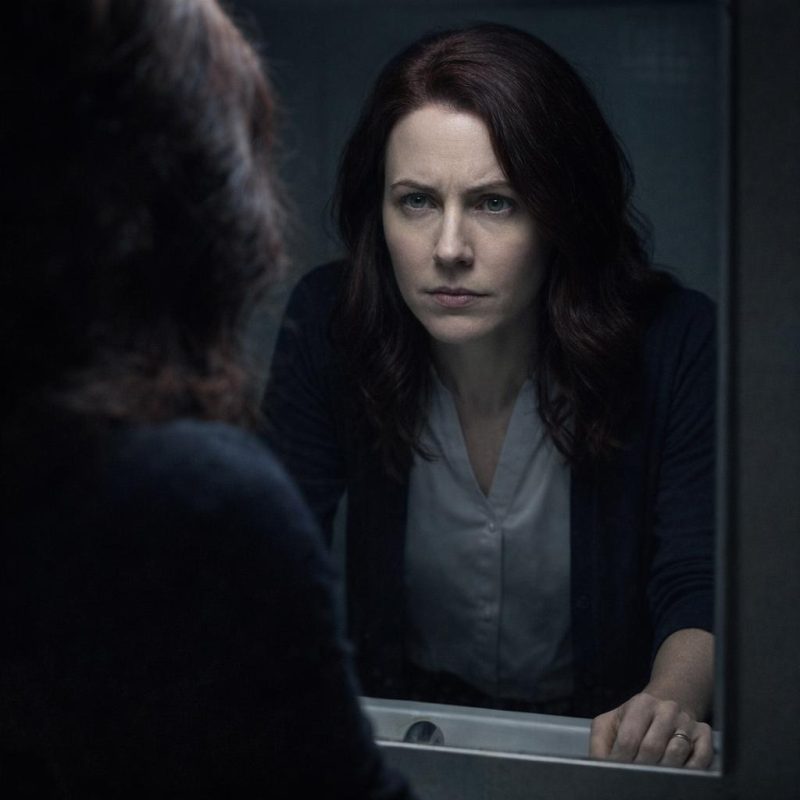 Image by RM AI
Transactions
I sat in my car during lunch break Wednesday with my laptop balanced on my steering wheel, logging into our joint bank account. I filtered Michael's credit card charges by restaurants and dining, and my stomach tightened as I scrolled through the list. There was a charge at some upscale Italian place called Marcello's from three weeks ago. I checked my calendar for that date—Michael had texted me that night saying he was eating at his desk. I found another charge at a wine bar I'd never even heard of, cross-referenced the date, and sure enough, another claimed late work night. There were coffee shop charges that didn't match his usual morning routine at the place near his office. Two separate charges at the same restaurant across town on different dates. I Googled each location, and they were all nice sit-down places, not the kind of quick takeout you grab when you're working late. I took screenshots of every suspicious transaction and added them to my growing evidence file. I calculated that Michael had spent over three hundred dollars at restaurants in the past month, meals I knew nothing about, meals he'd never mentioned. I closed my laptop feeling sick, the pattern so clear now that I couldn't unsee it. I found four charges at restaurants I'd never heard of, all on evenings when Michael said he worked through dinner alone at the office.
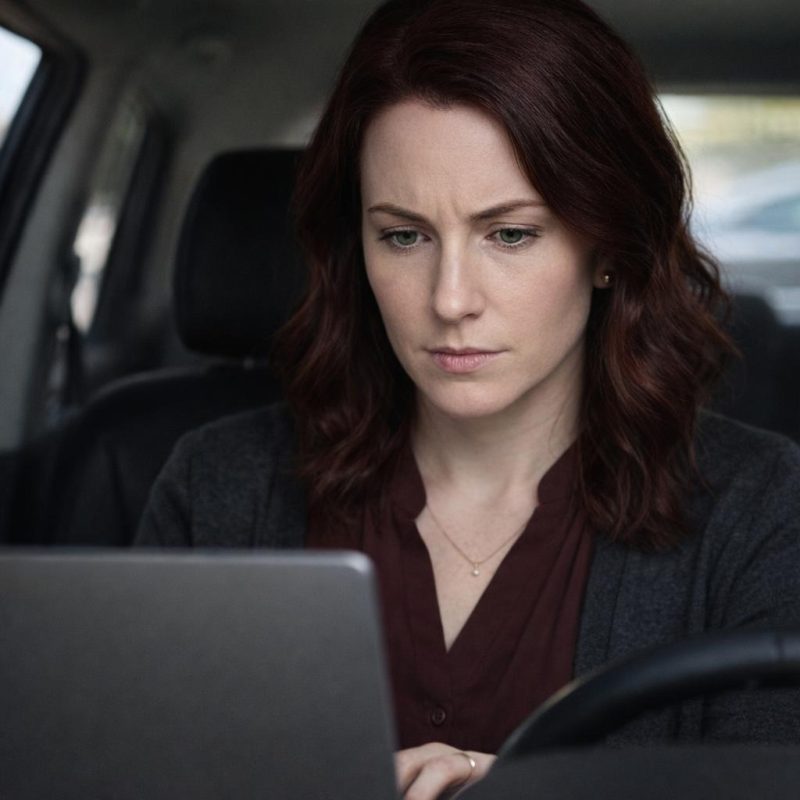 Image by RM AI
Professional Help
I sat in the office parking lot Thursday evening after everyone else had left, searching on my phone for private investigators in our city. I found several websites offering surveillance and infidelity investigation services, and I clicked on one firm that looked professional. They offered proof of infidelity, documentation, photo evidence—everything I'd been trying to gather myself but with actual expertise. I imagined a professional following Michael and Diane Ross, getting me definitive proof without the risk of being spotted like I almost was. I filled out their online contact form with my name, phone number, and a brief description of my situation. My finger hovered over the submit button. I paused and read through what I'd written, then looked at the cost estimate on their website. Several thousand dollars. How would I explain that charge on our joint account? And what did it say about me that I was willing to hire someone to spy on my husband? Was I becoming just as secretive as him? I already had photos, credit card statements, a timeline of his lies. Maybe I didn't need a professional investigator. Maybe I just needed courage. I deleted the form without submitting it and decided to continue on my own for now, but I kept the website bookmarked just in case. I closed the browser without submitting the form, realizing I was either about to cross a line I couldn't uncross or finally take control of finding the truth.
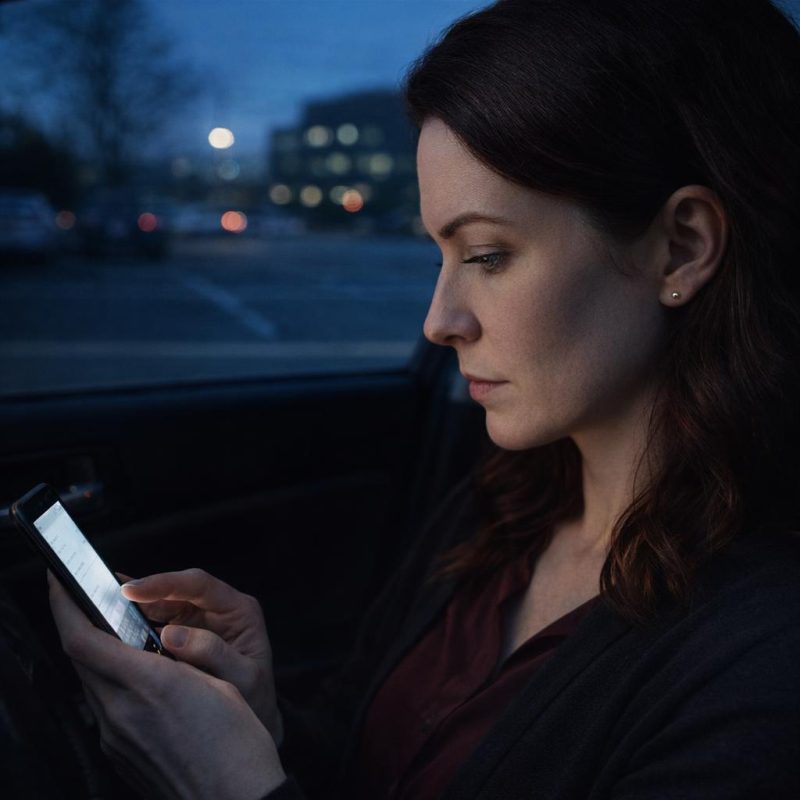 Image by RM AI
Evasion
My phone rang Friday evening at 6:15, Michael's name lighting up the screen. He said he had to work late again, wouldn't be home until after nine. I asked what he was working on that was so urgent, and he mentioned some client project with a tight deadline. That's when I heard it—noise in the background that definitely didn't sound like an office. It sounded like traffic, or maybe wind, like he was outside somewhere. I asked if he was outside, and I swear I heard car sounds. Michael said he was in a conference room and had to go, his voice suddenly rushed. I asked him the client's name, this supposedly urgent project keeping him at work on a Friday night. He hesitated, just for a beat, before saying "Brennan Technologies." I'd never heard him mention that client before, not once in all our dinner conversations about work. I asked when he started working with them, and his tone shifted, became slightly irritated. He said it had been a few weeks and that his meeting was starting. He hung up before I could ask anything else. I stood in the kitchen holding my phone, then immediately searched his work calendar for any mention of Brennan Technologies. Nothing. I added this to my documentation, spent the evening alone, and when Michael finally walked through the door at 9:45 looking tired, I swallowed every question burning in my throat. When I asked which project was keeping him at the office so late, he paused just a beat too long before giving me the name of a client I'd never heard him mention before.
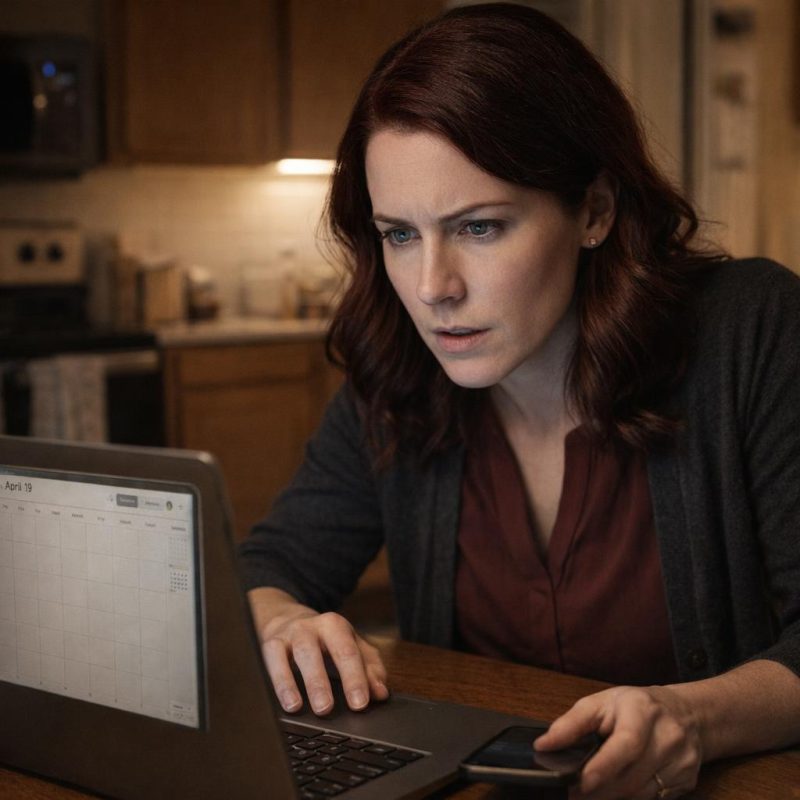 Image by RM AI
The Hotel
I checked the credit card statement Saturday morning while Michael was in the shower, scrolling through recent charges looking for more restaurant expenses. My eyes stopped on one line and everything else disappeared. The Whitmore Hotel. Last Wednesday. I recognized the name—it was one of those boutique hotels in the downtown business district, the kind of place that's upscale and discreet. The charge amount suggested a day rate, not an overnight stay. I looked at the timestamp: 1:47 PM. The charge covered roughly four hours at the hotel's day rate. My hands started shaking so badly I almost dropped my laptop. I searched the hotel online and confirmed what I already knew—it was exactly the kind of place you'd go if you wanted privacy. I checked my own calendar for last Wednesday. I'd been in meetings all afternoon, worked late until seven. Michael could have been at that hotel for hours and I would never have known. I took a screenshot with trembling fingers, feeling like someone had punched me in the stomach. I heard the shower turn off upstairs and quickly closed the laptop, sitting frozen at the kitchen table. My mind flooded with images I didn't want to see, scenarios I couldn't stop imagining. I added the hotel charge to my evidence file, my hands still shaking. The charge was for four hours in the middle of a workday, and I finally had evidence that felt undeniable.
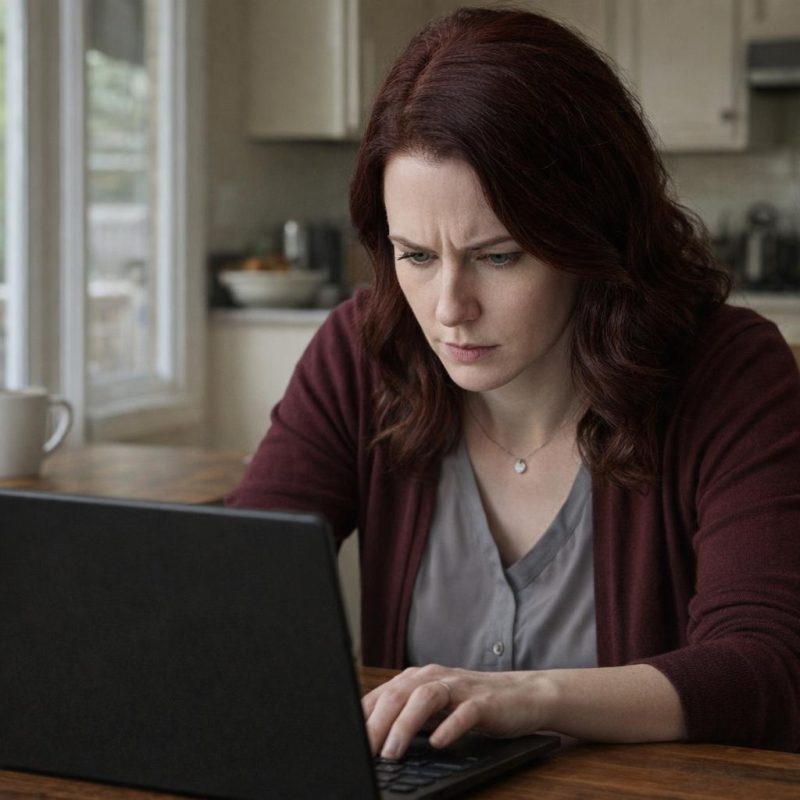 Image by RM AI
Draft
I sat at my home office desk Sunday afternoon after confirming Michael was out running errands. The house was empty and quiet. I opened my email and typed Diane Ross's address from her business card into the recipient field. My first draft was direct: "I know you've been seeing my husband." I deleted it immediately and started over with something more polite: "I'd like to speak with you about Michael." That felt too weak. I tried asking for a meeting: "Can we talk in person about a matter concerning both of us?" I wrote an angry version: "Stay away from my husband." Then a pleading one: "Please tell me what's going on. I deserve to know the truth." I attempted a professional tone: "I believe you know my husband Michael and I'd appreciate some clarity regarding your relationship." I composed an emotional version explaining my pain and confusion in detail. My hands shook as I typed and deleted, typed and deleted. I saved each draft, unable to decide which approach was right. Would Diane even respond? Would she show the email to Michael? Would contacting her make everything worse? I counted the drafts in my folder—twelve different versions, each one revealing a different shade of my desperation. I closed the laptop without sending any of them and poured myself a glass of wine, sitting on the couch staring at nothing. I had twelve different versions of the email saved in my drafts folder, each one revealing how little control I had left.
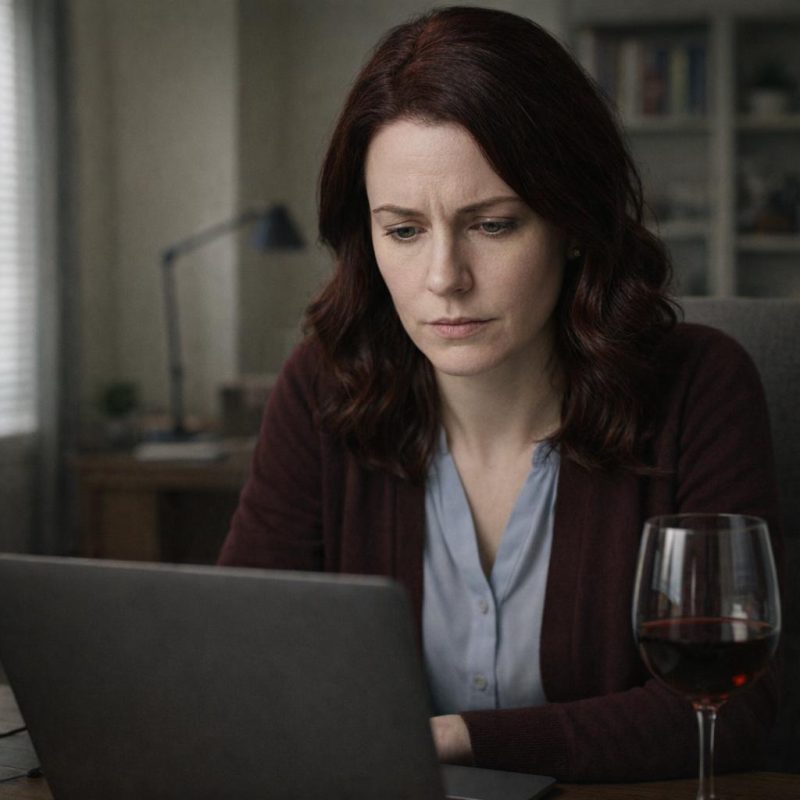 Image by RM AI
Decision
I got home Monday evening before Michael and paced the kitchen trying to steady my nerves. When he arrived at 6:30, I suggested we have dinner at home tonight, and he agreed easily. I made pasta while my mind raced through everything I needed to say, every question I needed to ask. Michael went upstairs to take his usual shower before dinner, and I stood in the kitchen listening to the water running through the pipes. I pulled up the evidence photos on my phone, making sure they were ready to show him. I took out my journal with the documented timeline, placed the screenshots of credit card charges on the counter where I could reach them. I poured myself a glass of wine to stop my hands from shaking. I rehearsed my opening line one more time in my mind: "I need you to tell me the truth about where you've been." The shower water shut off upstairs. My heart started pounding so hard I could hear it in my ears, feel it in my throat. I took a deep breath and set the table for dinner, arranging everything carefully, buying myself a few more minutes. I waited for Michael to come downstairs, knowing that tonight everything would change. I felt terrified and determined in equal measure. I heard the water shut off and my heart started hammering, and I knew there was no going back from what I was about to do.
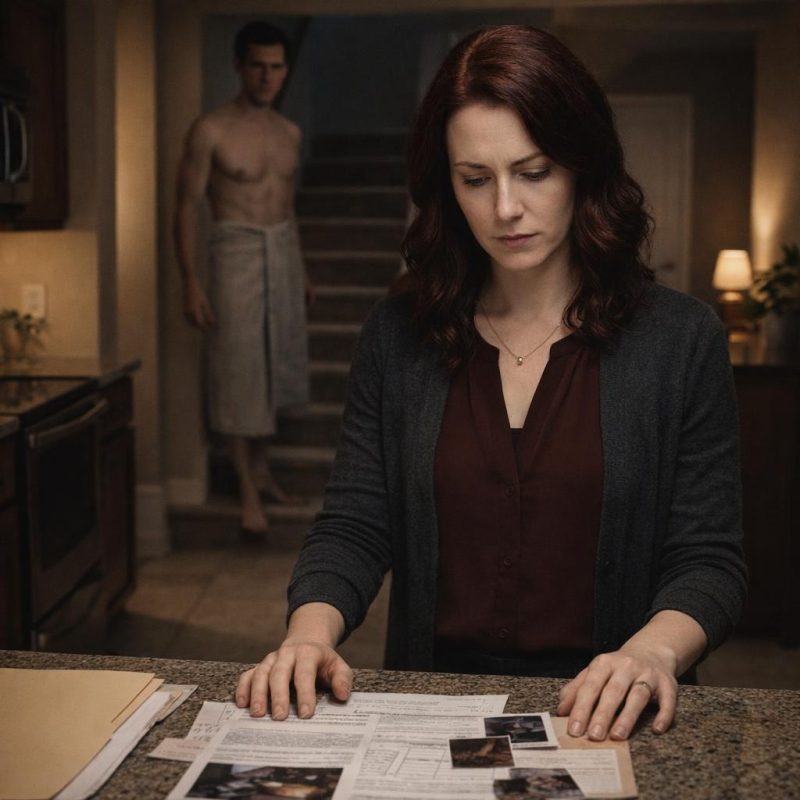 Image by RM AI
Preparation
I spread everything across the kitchen table like I was building a case for trial. The coffee shop photos went in the center—Michael and Diane leaning toward each other over their cups, her hand on his arm in one shot. I arranged the restaurant receipts in chronological order, each one marking an evening Michael had told me he was working late. The hotel charge screenshot from The Whitmore sat at the top, the damning centerpiece of my evidence. I added my timeline, the one I'd spent hours creating, showing every inconsistency and lie over the past three months. The business card photo with Diane Ross's name went beside the coffee shop pictures. I rehearsed my opening line again: "I need you to know what I've found." My hands shook as I straightened the papers, making sure everything was visible, undeniable. I heard the shower shut off upstairs. My heart started hammering. I poured myself another glass of wine and waited. The bathroom door opened. I heard Michael's footsteps in the hallway above me. I looked down at my carefully arranged evidence and suddenly it looked like the obsession of someone who had lost her mind.
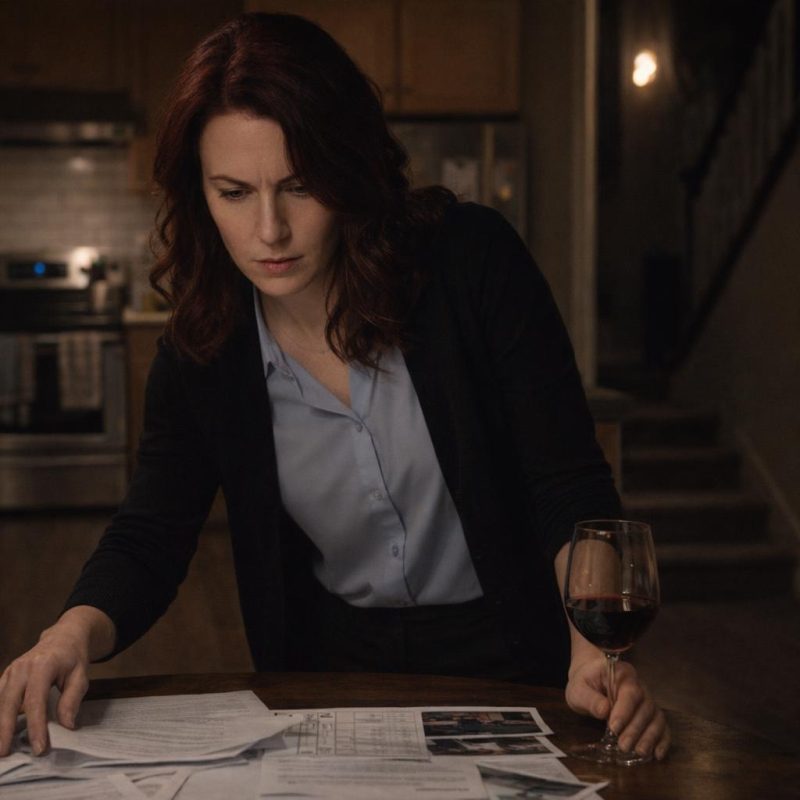 Image by RM AI
Confrontation
Michael came downstairs in jeans and a sweater, his hair still damp. He saw me sitting at the kitchen table and stopped. "We need to talk," I said. He looked at the papers spread across the table and his expression shifted to something wary. He sat down across from me slowly. "Who is Diane Ross?" I asked. His face changed in a way I couldn't quite read—not shock, not guilt, something else entirely. I gestured to the evidence between us. "I know you've been meeting with her." I slid the coffee shop photo toward him. Michael looked at it for a long moment without speaking. "Why have you been seeing this woman?" My voice was steadier than I felt. Michael ran his hand through his hair, that stress tell I knew so well. "Where did you get these?" he asked. "I followed you," I said. "I took the pictures myself." His jaw tightened but he didn't look caught—he looked something else, something I couldn't identify. "This is complicated," he said finally. "It's not what you think." I felt my certainty waver at his tone. He didn't sound like someone who'd been caught. He sounded exhausted.
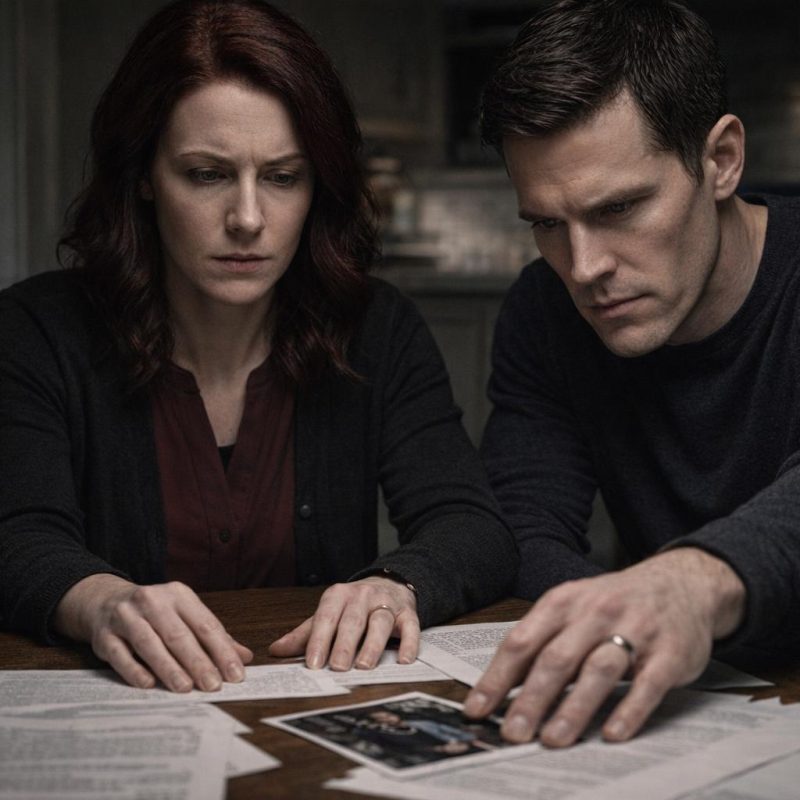 Image by RM AI
Stonewalled
"Then explain it to me," I said. "Tell me who she is." Michael looked at the evidence again. "It's work-related. It's complicated." I pointed to the restaurant receipts, the hotel charge. "This doesn't look like work, Michael." His expression flickered when he saw the hotel charge. "I haven't been lying to you," he said. "I just haven't told you everything." "What's the difference?" I asked. "Between lying and hiding the truth?" Michael was quiet for a moment. "There are things I can't explain right now." My voice rose. "Are you having an affair?" "No," he said firmly. "Absolutely not." But he wouldn't say more. "Then why can't you just tell me the truth?" I demanded. "I need you to trust me," Michael said. I laughed, a bitter sound that surprised us both. "Trust you?" Michael leaned forward. "I know how this looks, but it's not what you think." I felt tears of frustration building behind my eyes. He reached for my hand but I pulled away. "Trust has to be earned," I said. Michael looked at me with something that might have been sadness or might have been pity, and I couldn't tell which was worse.
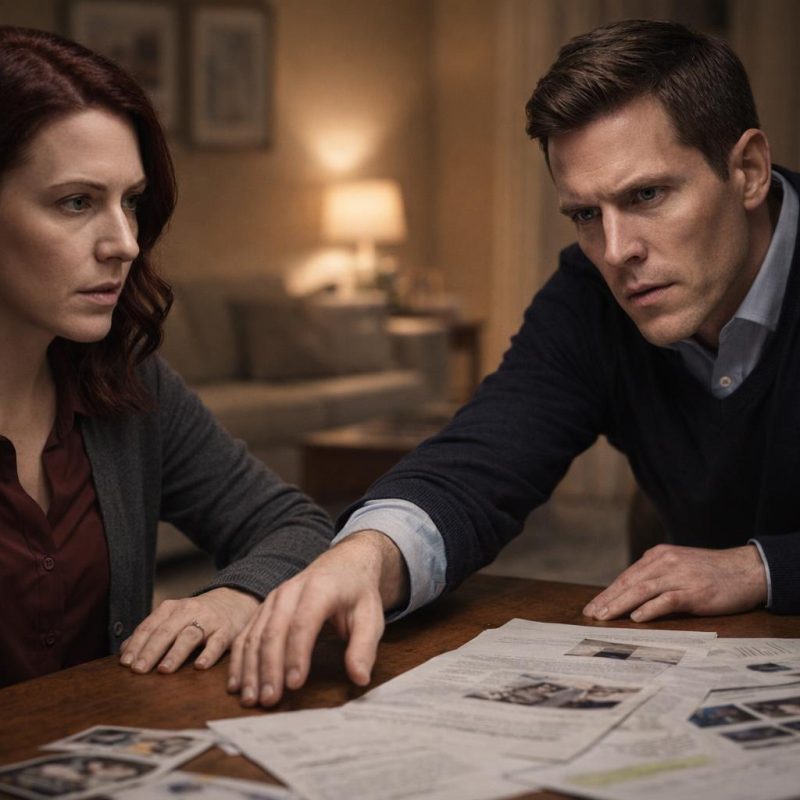 Image by RM AI
The Photos
I slid the photographs across the table, forcing him to look at them. Michael picked up each one, studying himself sitting with another woman in a coffee shop. His face was unreadable. "Look how comfortable you are with her," I said. "How many times have you met that I don't know about?" Michael set down one photo and picked up another. "Several times," he admitted. "Over the past few months." I felt sick. "Are you in love with her?" Michael looked startled. "No. Absolutely not. That's not what this is." "Then what is it?" I asked. "If it's not an affair, what is it?" Michael set down the photos carefully. He took a deep breath. "I've been keeping something from you," he said. "But it's not what you think." I waited, my hands clenched under the table. "I need to explain from the beginning," he said. His expression was serious, almost apologetic. I braced myself for whatever confession was coming, for the words that would confirm everything I'd feared. Michael looked at me directly. "Diane Ross isn't my mistress," he said, and his voice had a weight to it that made the room feel suddenly airless.
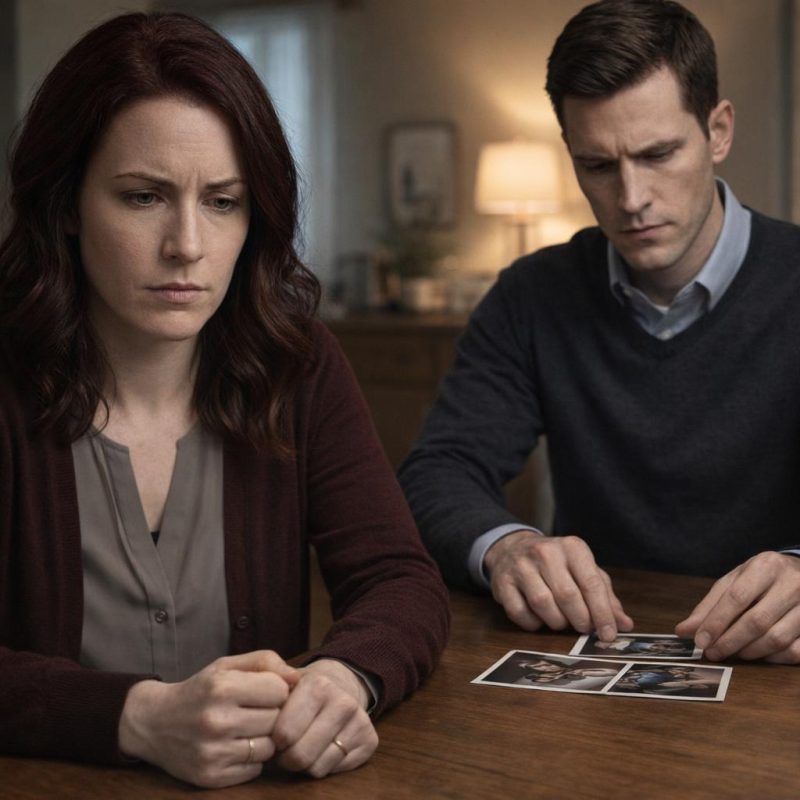 Image by RM AI
The Truth
"She's a private investigator," Michael said. I stared at him, unable to process the words. "I hired her about three months ago." "Why would you hire a private investigator?" I asked. Michael's expression was pained. "Because I thought you were having an affair." The room tilted. "What?" "With Ryan," Michael said. "I thought you and Ryan were more than colleagues." I felt like I couldn't breathe. Michael continued, his words coming faster now. "I noticed you seemed distant, distracted. The late nights, the private phone conversations. I saw how you were with him at that company event." I realized with dawning horror what he was saying. The coffee shop meetings weren't romantic—they were professional consultations. The restaurant charges were Michael meeting with his investigator. The hotel charge was for a meeting room to review findings. My evidence suddenly meant something completely different. Everything I thought I understood was wrong. I had been investigating my husband while he was investigating me, and neither of us had been guilty of anything except suspicion.
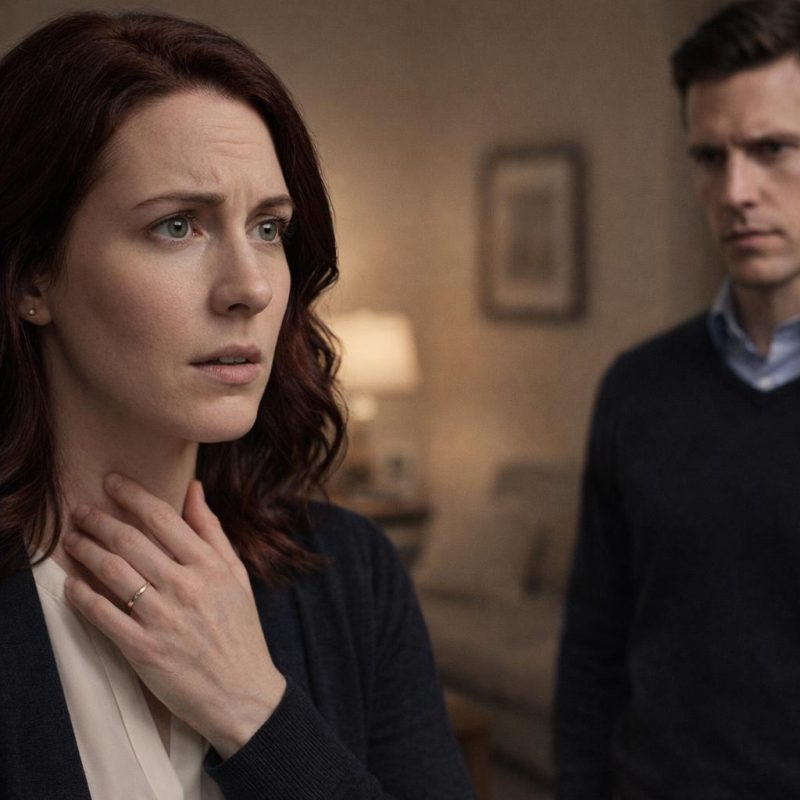 Image by RM AI
His Side
"When did you start thinking this?" I asked, my voice barely above a whisper. Michael explained how his suspicions had started months ago. He'd seen me laugh with Ryan at a company event, noticed my increased work hours, how I seemed happier at work than at home. He'd found Ryan's name in my recent calls. I remembered that evening I came home late—Michael mentioned I'd smelled like cologne. Ryan had hugged me goodbye after we'd won a major project. From the outside, my innocent friendship must have looked like something else entirely. "I couldn't ask you directly," Michael said. "I was too afraid of the answer. So I hired Diane." I felt my indignation complicated by a terrible understanding. I had made the same choice—investigation over conversation. "What did she find?" I asked. "Nothing," Michael said. "No evidence you were cheating. Because you weren't." I felt both vindicated and devastated. We'd both chosen secrecy over honesty, surveillance over trust. I wanted to be angry at Michael for not trusting me, but I had just spent three months doing exactly the same thing to him.
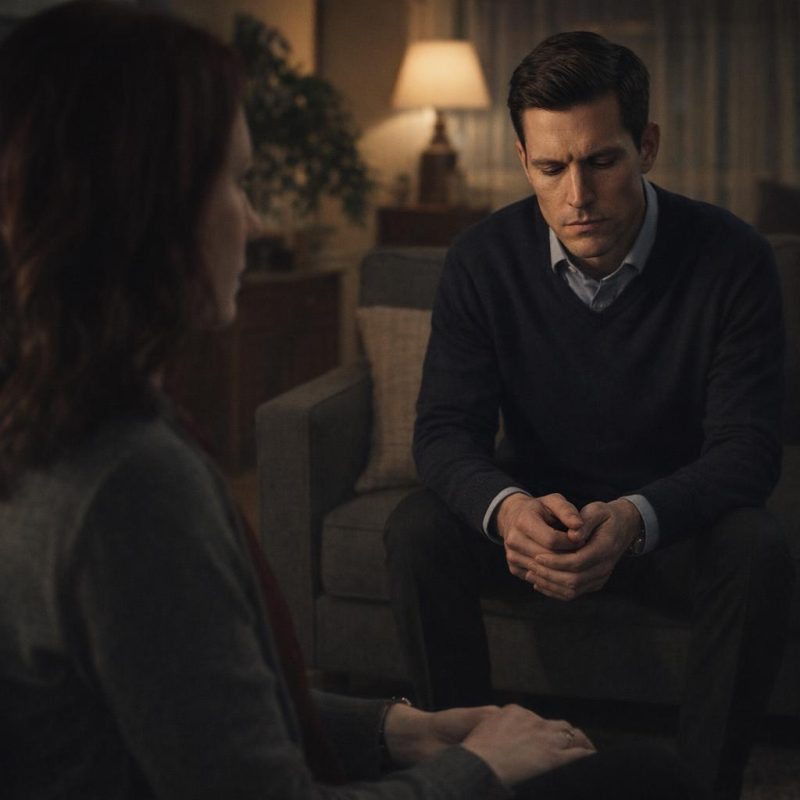 Image by RM AI
The Report
Michael went to his briefcase and retrieved a folder. He showed me Diane's investigation reports. I saw photographs of myself with Ryan at the café where we'd met for lunch. I read notes documenting my work schedule, my late nights, timestamps of my movements tracked over weeks. I felt sick. "How could you do this to me?" I asked. Michael pointed to my evidence spread across the table. "You did the same thing to me," he said quietly. I read Diane's professional assessment: no evidence of affair. I saw notes about my body language with Ryan described clinically—friendly but not intimate. I felt reduced to data points in a stranger's file. Then I realized I had documented Michael the same way, photographing him, tracking his movements, analyzing his behavior. The reports showed my innocent lunches with Ryan looking suspicious when stripped of context. I understood suddenly how context changes everything, how the same actions can tell completely different stories depending on what you believe you're seeing. I felt both wronged and hypocritical. I had violated Michael's privacy while he violated mine, and the parallel was undeniable.
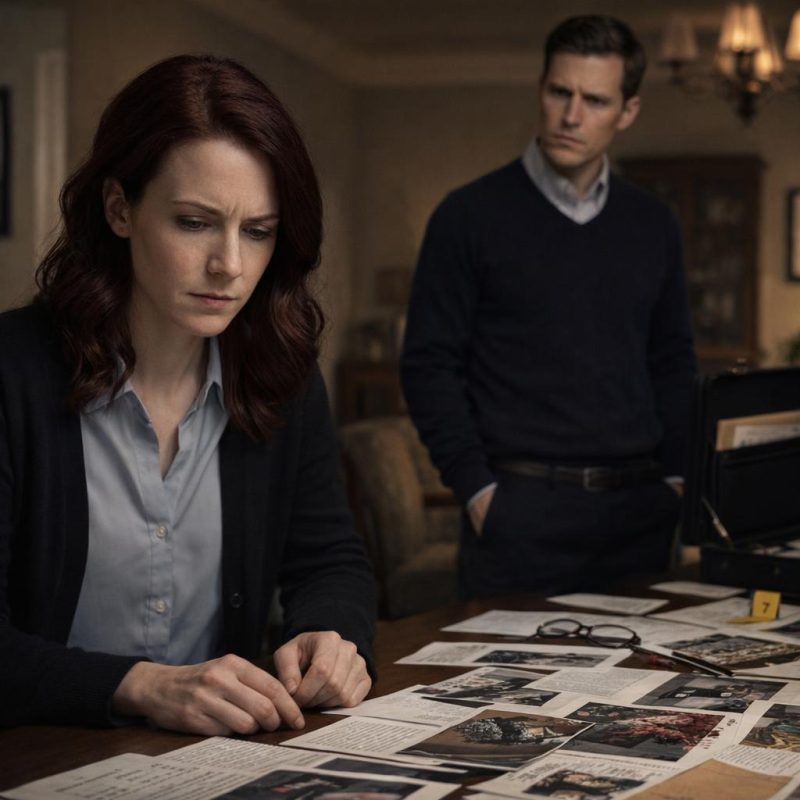 Image by RM AI
Mirror Image
We sat across from each other at the kitchen table, my evidence of his suspected affair spread next to his evidence of my suspected affair. The symmetry was devastating. Neither of us spoke for a long moment. We'd both been afraid of the same thing, both chosen investigation over conversation, both documented each other's movements like suspects under surveillance. "I never found any proof," Michael said finally, "because there was nothing to find." "Same," I whispered. We both acknowledged our suspicions were unfounded, our investigations pointless. "When did we stop trusting each other?" I asked. Michael shook his head. "I don't know. It happened gradually." I realized our investigations had started around the same time. We'd been chasing each other in circles while our marriage suffered, looking for betrayal that didn't exist. I felt the weight of wasted months, unnecessary pain, the damage we'd done by choosing suspicion over honesty. Michael looked as exhausted and sad as I felt. We sat in the wreckage of our mutual distrust. Neither of us had cheated, but somewhere along the way we had both stopped believing in each other, and I wasn't sure which betrayal was worse.
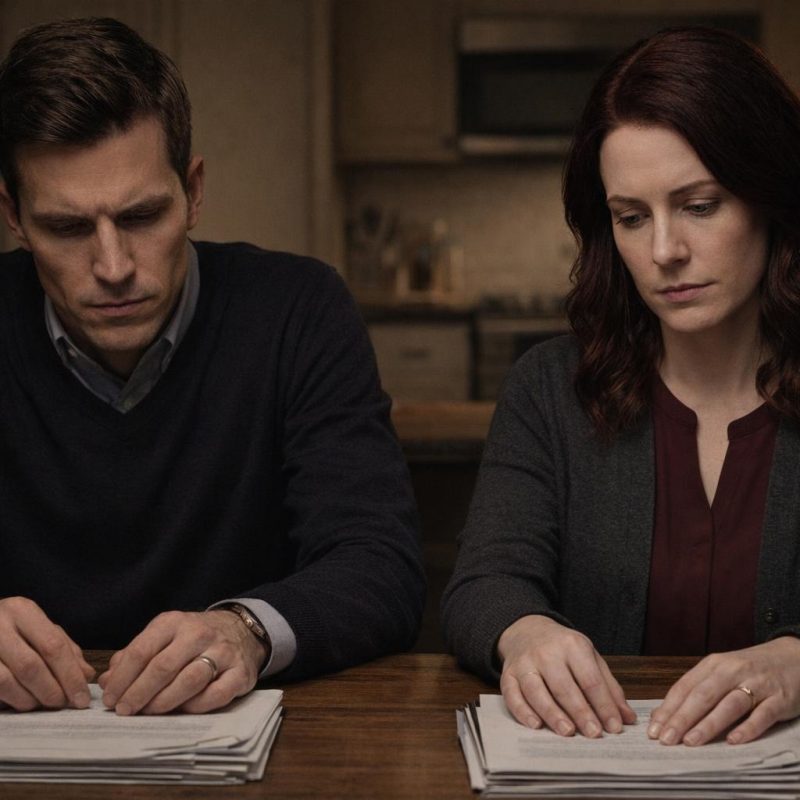 Image by RM AI
Parallel Lines
The pieces clicked into place with devastating clarity. While I was following Michael to coffee shops and photographing him with Diane, he was paying Diane to follow me and photograph my meetings with Ryan. We'd been circling each other like two paranoid spies, each convinced the other was the enemy. I mentally reconstructed the past three months with this new understanding. That night I followed Michael to the parking garage, Diane might have been watching me from another car, documenting my surveillance. His vague answers about where he'd been weren't covering an affair—they were protecting his investigation files. The phone passcode wasn't hiding romantic texts, it was securing photos of me having innocent lunches. His late nights reviewing Diane's reports mirrored my late nights organizing my own evidence folders. Every suspicious behavior I'd noted, he'd noted about me. Every innocent explanation I had, he probably had too. The symmetry was almost funny, except it had destroyed us. We'd both researched infidelity signs, both documented movements, both chose secrecy over honesty. The marriage wasn't threatened by cheating—it was threatened by the fact that we'd both been so busy looking for evidence of betrayal that we had actually created the distance we were afraid of.
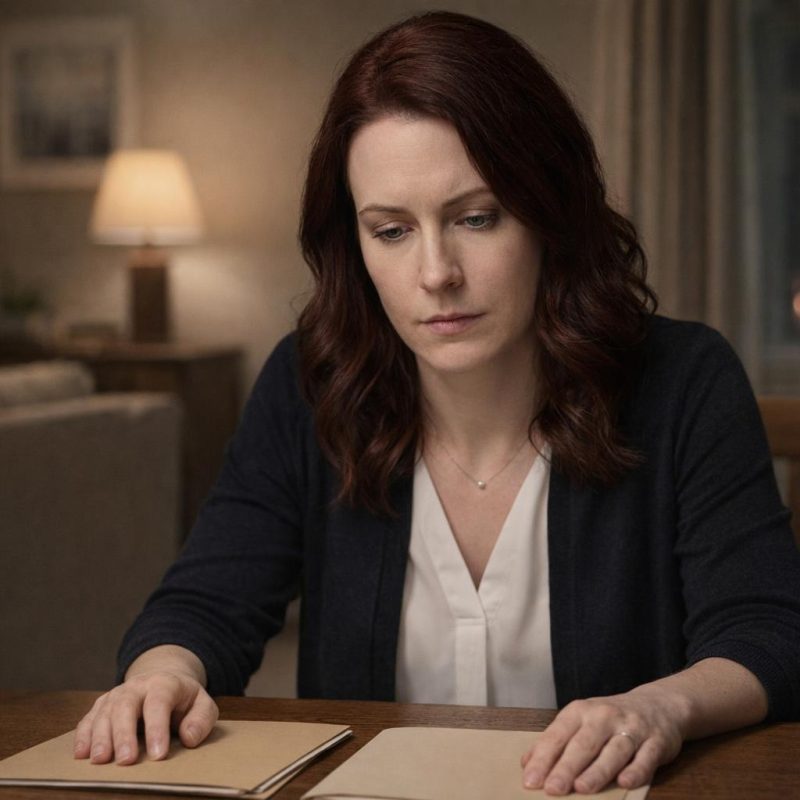 Image by RM AI
Silence
The kitchen grew dark around us as evening fell. Neither of us moved to turn on the lights. We just sat there at the table, surrounded by our mutual evidence—my photos of Michael with Diane, his reports documenting my innocent routines with Ryan. The refrigerator hummed in the otherwise silent house. I stared at the images I'd taken, seeing them differently now. Michael looked at the surveillance reports with what seemed like regret. Neither of us knew where to begin addressing what had happened. The anger had burned down to exhaustion. I wondered if our marriage could survive this mutual betrayal of trust, even though neither of us had actually cheated. Michael reached across the table but stopped short of touching my hand. I didn't pull away, but I didn't reach back either. We sat in the darkness together for the first time in months, really together, not hiding or investigating or pretending. The silence held all the words we weren't ready to say. Finally, I asked what happens now. Michael shook his head slowly. "I don't know," he said. The silence between us felt different than before—not the silence of hiding things, but the silence of having nothing left to hide.
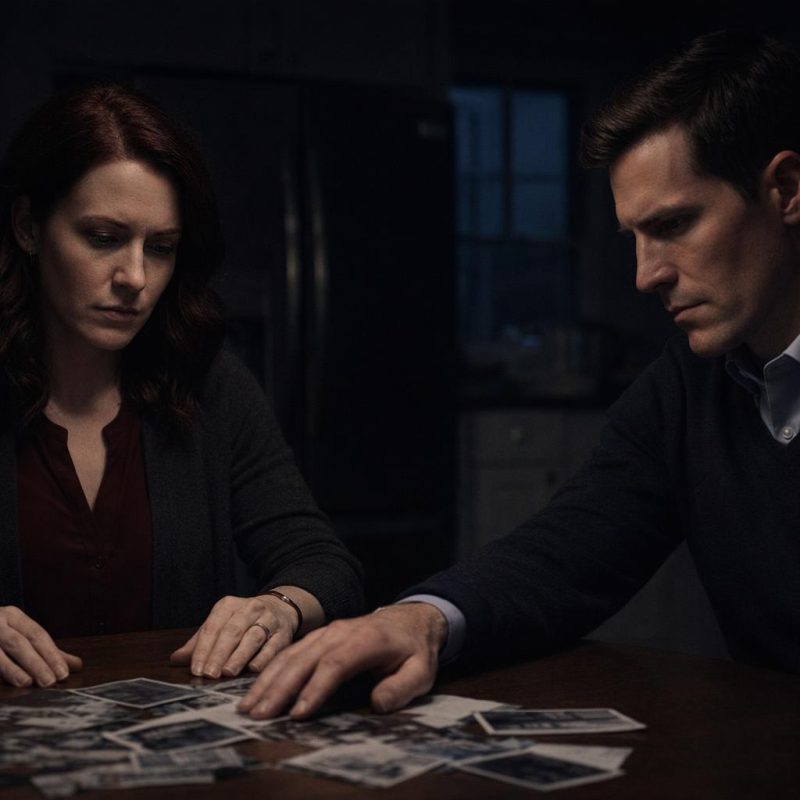 Image by RM AI
The Question
I broke the silence with the question that had been building in my chest. "When did you stop trusting me?" Michael considered it seriously, his face thoughtful in the dim light. Then he turned it back on me. "When did you stop trusting me?" I opened my mouth to answer and realized I couldn't identify a specific moment. It hadn't been one thing. Michael tried to trace it back too, mentioning small moments that had accumulated over time—a conversation that felt off, a night I came home late, the way I smiled at my phone. I recognized the same pattern in myself. Small doubts building like sediment. "Was there ever a moment you almost just talked to me instead?" I asked. Michael nodded. "Several. But I was afraid of what you'd say." I felt that in my chest because I'd had the same opportunities and the same fear. We'd both chosen investigation over conversation, surveillance over honesty. All those missed chances to just ask, to just talk, to just trust. "We kept choosing the harder path," Michael said quietly. I agreed. We'd both made the same mistake, over and over. Neither of us could pinpoint the moment, which meant it had been happening slowly all along, and we had both been too distracted to notice.
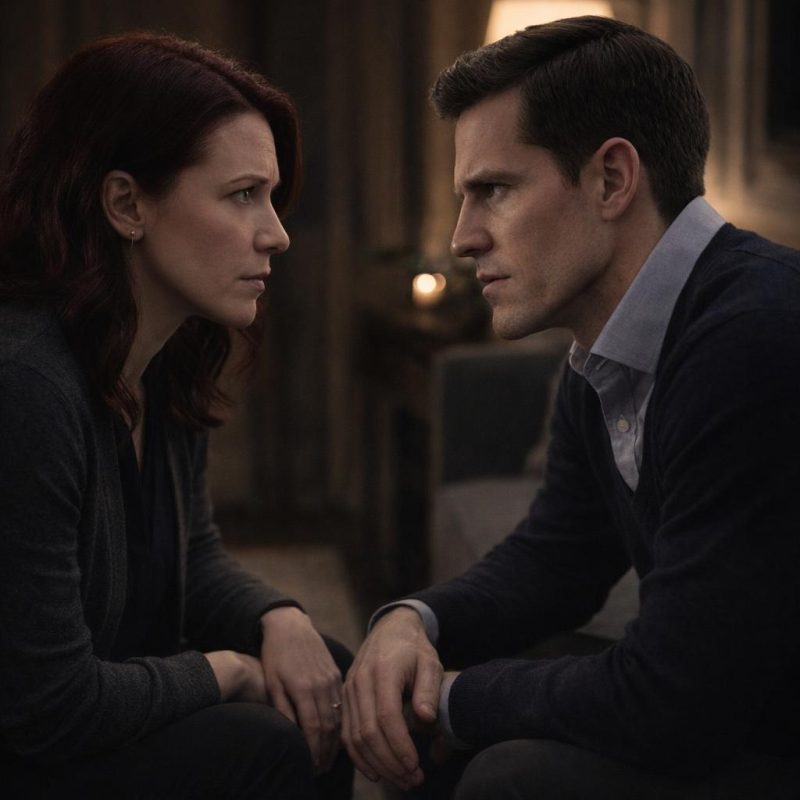 Image by RM AI
His Fears
Michael described the specific moments that planted doubt in his mind. The company holiday party in December, watching me laugh easily with Ryan while barely talking to him. Finding a text notification from Ryan on my phone at eleven at night. The way I lit up when I talked about work projects, more animated than I'd been at home in months. He'd watched me at lunch one day through a restaurant window, seen me and Ryan leaning close over a laptop, looking intimate. Each piece of evidence built his case. I listened and heard innocent friendship transformed into suspected betrayal. That late-night text was about a deadline we almost missed. The lunch was celebrating a successful pitch. The excitement he saw was about professional success, not romantic feelings. But I understood how it looked from outside. I'd built the same kind of case against him from equally innocent evidence. His fears were as reasonable and as wrong as mine. "I felt like you were more excited to see Ryan than to come home to me," Michael said quietly. I wanted to dismiss his fears as irrational, defend myself, explain every moment. But I remembered how easily I had built my own case against him from equally innocent evidence.
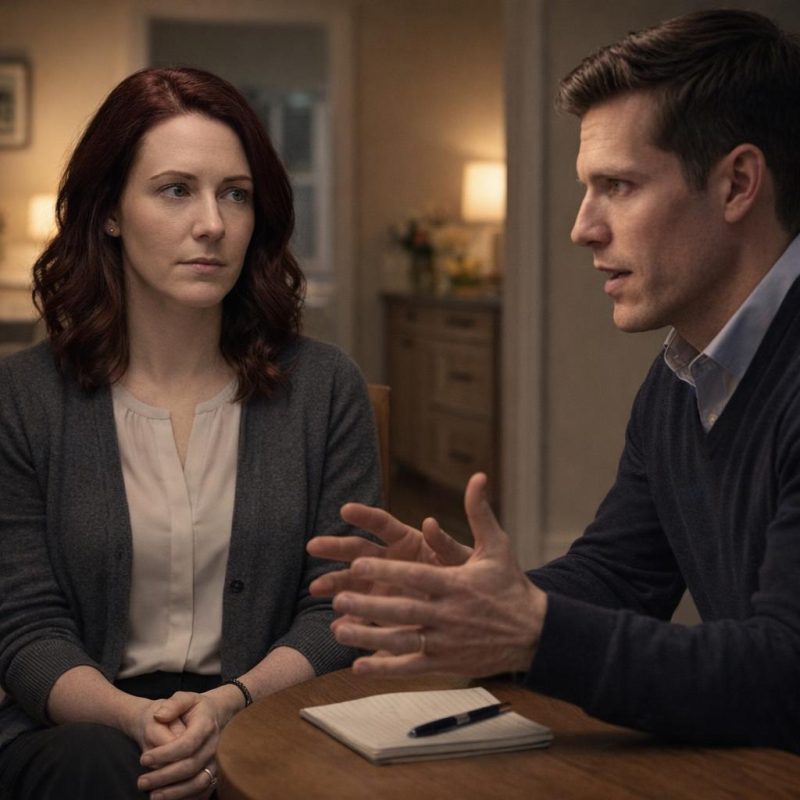 Image by RM AI
The Truth About Ryan
I took a deep breath and began explaining about Ryan. We'd been assigned to the same campaign, I told Michael. Our lunches were strategy sessions. The late-night texts were about work emergencies, not personal conversations. Ryan was a colleague and friend, nothing more. I admitted I'd enjoyed the professional collaboration, that work had felt like the one place I was succeeding lately. I acknowledged I'd pulled away from Michael during that stress, but not because of another man. Michael listened without interrupting. I could see him processing my explanations, wanting to believe me. But I realized how hard it is to prove the absence of something. How do you prove you didn't feel something, didn't want something? "Do you believe me about Ryan?" I asked. Michael nodded slowly. "I do. But the doubt has been planted, and it's hard to uproot." I pointed out that I'd wanted to believe him about Diane too, but couldn't. We both recognized that explanations require trust, and trust was exactly what we'd broken. I realized that explaining innocence after the fact required the same trust we had both already broken.
 Image by RM AI
Outside Help
Dr. Patterson's office was designed to calm—soft colors, comfortable chairs, a box of tissues placed discreetly on the side table. We sat across from her the following week, two people who had investigated each other instead of talking, trying to explain to a stranger how we'd ended up here. Dr. Patterson listened without visible judgment as we took turns describing the mutual investigation. I explained thinking Michael was having an affair. Michael explained thinking I was having an affair. We both acknowledged neither was actually unfaithful. Dr. Patterson took notes and asked about our communication before the suspicions began. I admitted we'd drifted apart over the past year. Michael agreed the distance predated the investigations. "You both chose surveillance over conversation," Dr. Patterson observed. We nodded. Then she asked the question neither of us had been brave enough to ask ourselves. "Do you actually want to fix this?" Michael and I looked at each other, uncertain how to answer. The question hung in the air between us. Dr. Patterson listened without judgment and then asked the question neither of us had been brave enough to ask: did we actually want to fix this.
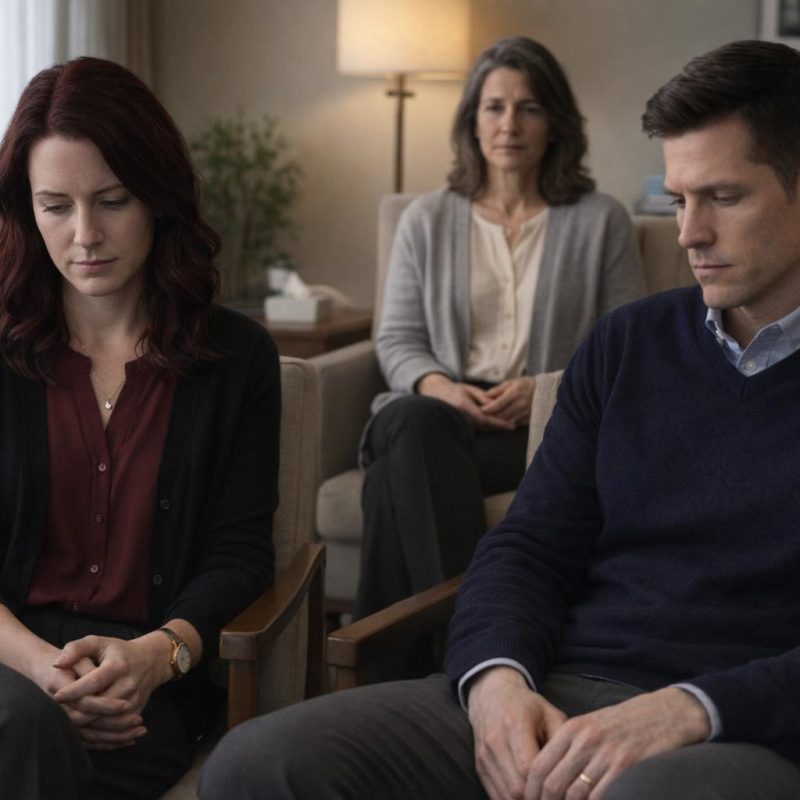 Image by RM AI
Root Causes
Dr. Patterson guided us backward through the months before our investigations began. When had we last felt truly connected? Neither of us could easily identify a recent moment. I mentioned we'd stopped having date nights over a year ago. Michael admitted he'd started working more to avoid empty evenings at home. I recognized I'd thrown myself into work for similar reasons. Dr. Patterson identified a pattern of mutual withdrawal. Our conversations had become superficial months before either of us suspected anything. Michael had stopped sharing work stress with me. I'd done the same with my professional challenges. "You were both already lonely in the marriage," Dr. Patterson said gently. The investigations were symptoms of a deeper disconnection. We'd filled the silence with fear instead of words. The distance had created space for suspicion to grow. Dr. Patterson suggested the real work wasn't just rebuilding trust—it was rebuilding communication we'd lost long before. I saw it clearly then. The affair we had both feared was never real, but the distance between us was, and that distance had started years before Diane Ross entered our lives.
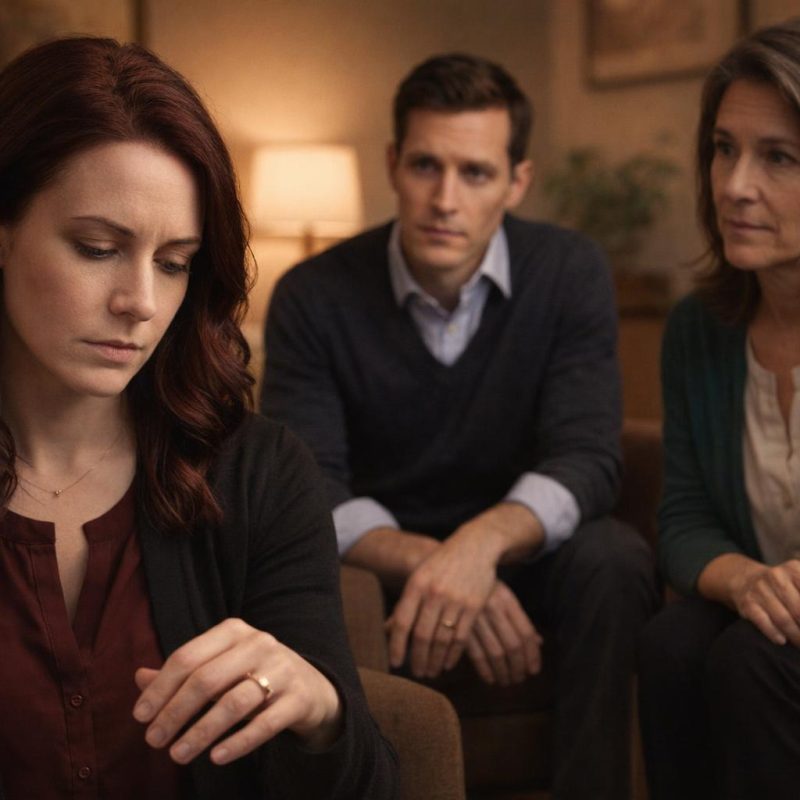 Image by RM AI
Possibilities
We sat on our back porch after therapy as the sun set, emotionally drained but somehow lighter. I asked Michael directly if he wanted to stay married. He was quiet for a moment, then said he didn't know. Then he corrected himself. "Yes. I do." He asked me the same question. "I want to want to," I said, which felt like the most honest answer I could give. We discussed what reconciliation would require. Michael said he needed to learn to talk instead of investigate. I agreed I needed the same lesson. We acknowledged rebuilding trust would take time. I admitted I wasn't sure I could forget being investigated. Michael said he felt the same about me following him. We'd been equally wrong and equally hurt. But understanding felt like a first step. "I'm willing to try if you are," I said. Michael nodded. "I'm willing to try." We sat in silence, but it felt different now—more open, less guarded. We didn't know if we could rebuild what we had broken, but we agreed to try, and that agreement felt like the first real thing we'd shared in a long time.
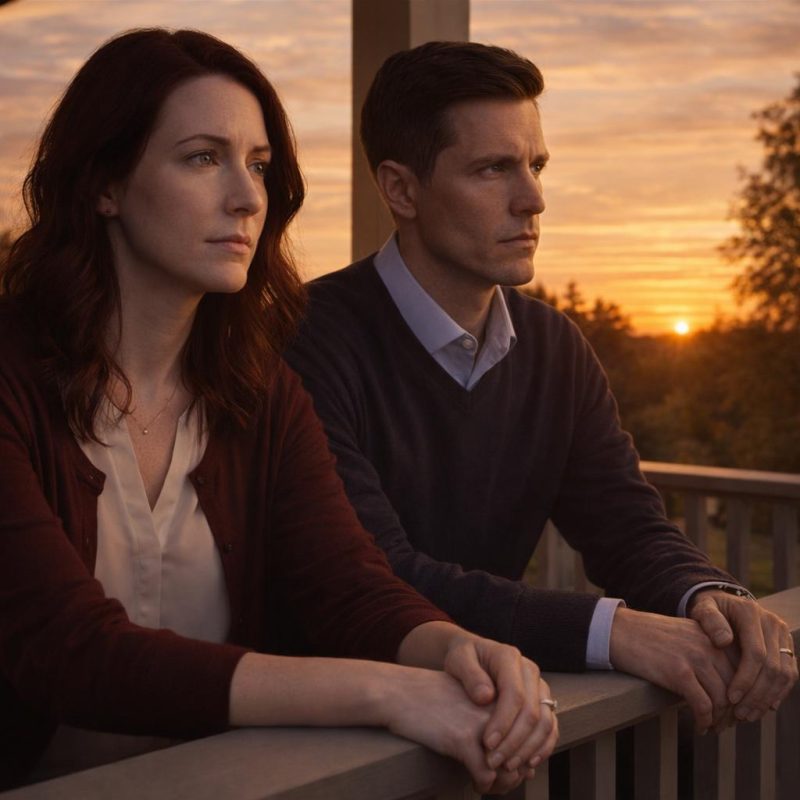 Image by RM AI
Space
I woke up the morning after our porch conversation and knew I couldn't think clearly while living in the same house. The air felt too heavy with everything we'd said and everything we still needed to figure out. I found Michael in the kitchen making coffee, and I told him I needed some time apart—not a separation, I emphasized, just space to breathe and think. His face fell in a way that made my chest ache, but he didn't argue. He just nodded and asked how long. "I don't know," I admitted, which was the truth. I called Sophie from the bedroom, and she said yes before I even finished asking. I packed a small bag with clothes for a few days, toiletries, my laptop. Michael stood in the doorway watching me fold shirts into the duffel, his hands in his pockets, not trying to stop me. I promised I'd keep going to our therapy appointments. He asked again how long I'd need, and I said honestly that I didn't know. Before I left, he hugged me—a real hug, not the careful half-embraces we'd been exchanging—and I let myself lean into it for a moment. I drove across town to Sophie's apartment with my bag in the trunk, and the whole way I kept checking the rearview mirror like I was leaving something behind. Driving away from our house felt like both an ending and a beginning, and I didn't know yet which one it would turn out to be.
 Image by RM AI
Clarity
I woke up on the fourth morning at Sophie's and something felt different. The anger had burned itself out over the past days, leaving behind something quieter and sadder. Sophie made tea and asked how I was feeling, really feeling, and I told her I'd stopped being angry and started being heartbroken instead. We sat on her couch and I talked through everything—the investigation, the mutual distrust, the way we'd both chosen fear over honesty. "What do you want?" Sophie asked, cutting through all my analysis. "Really want?" I said I wanted the marriage we used to have, before the silence and the secrets. She asked if that was even possible after everything. "I don't know," I admitted. "But I want to find out." I realized somewhere in those four days that I still loved Michael, despite the hurt and the betrayal and the mess we'd made. Love wasn't enough by itself—I knew that—but it was a foundation we could maybe build on again. I called Michael that afternoon and told him I was coming home. His voice broke slightly when he said okay, and I heard the relief in it. I thanked Sophie for the space and the listening and the lack of judgment. When I drove home that Thursday afternoon, I felt nervous but clear. I didn't know if we could actually fix what we'd broken, but I was choosing to try, and that choice felt like mine.
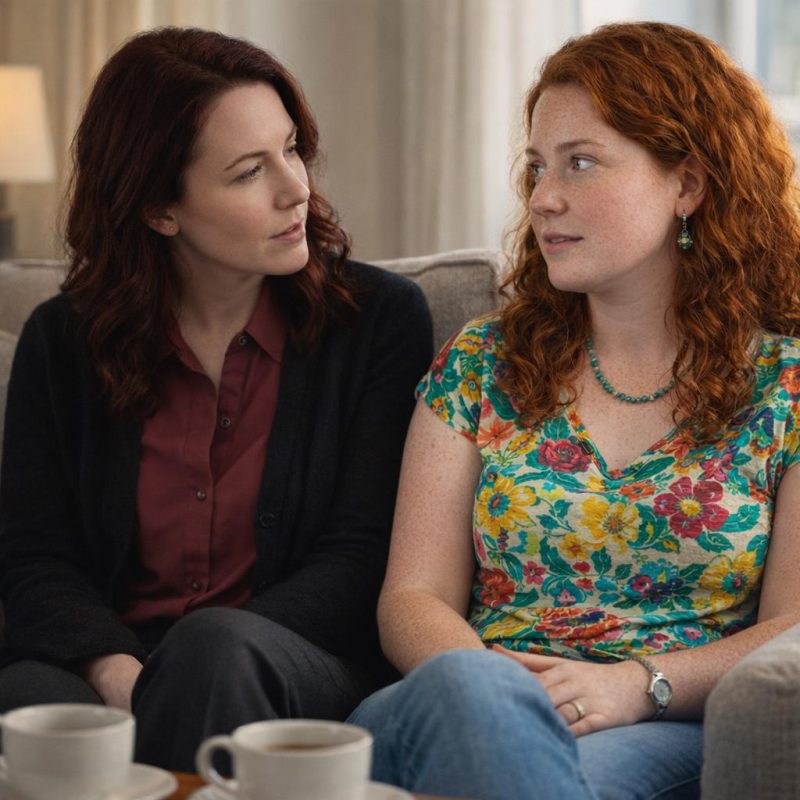 Image by RM AI
New Rules
We sat in Dr. Patterson's office two days after I came home, and she asked what we needed to move forward. Michael and I looked at each other, then started talking—really talking—about what had gone so wrong and what we needed to make it right. We agreed to weekly check-in conversations about our relationship, scheduled and intentional. We committed to asking directly when something felt off instead of investigating or assuming. No more surveillance, no more secret tracking, no more hiring people to follow each other. We'd share phone and email access as a trust exercise, passwords written on a card in the kitchen drawer. Dr. Patterson helped us establish boundaries around outside friendships—I agreed to be more transparent about work relationships, Michael agreed to express insecurity instead of acting on it secretly. We discussed how to handle future doubts, because there would be future doubts. "These are your relationship constitution," Dr. Patterson said, and Michael and I shook hands mock-formally across the coffee table. Then we both laughed, this surprised burst of actual laughter, the first real laugh we'd shared in weeks. It felt tentative and fragile, but it was real. The rules felt fragile too, like scaffolding around something we were trying to rebuild, but at least we were building together.
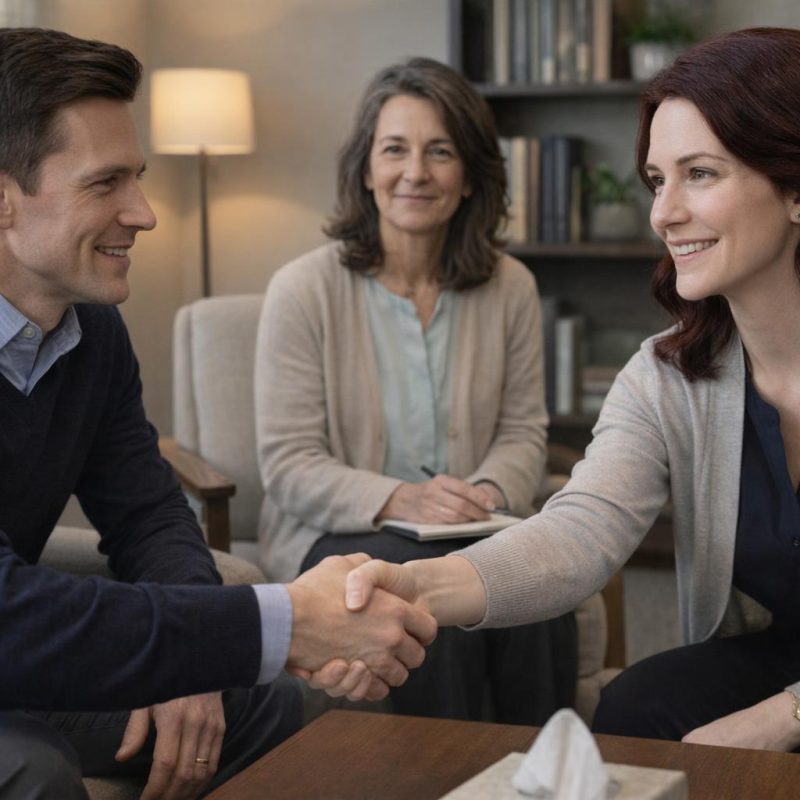 Image by RM AI
What I Learned
Three months later, I stood at the kitchen window watching Michael work in the backyard, pulling weeds from the garden bed he'd started in July. I thought about that Tuesday afternoon when I'd gone to the store for groceries and seen him with Diane Ross, how that single moment had cracked everything open. I almost hadn't gone to the store that day—I'd considered ordering delivery instead. The investigation period had forced into the open all the issues we'd been avoiding for months, maybe years. We'd both chosen fear over vulnerability, surveillance over conversation, and it had nearly destroyed us. Therapy had helped us see patterns we couldn't recognize from inside them. Our weekly check-ins were routine now, sometimes easy and sometimes hard, but we kept having them. I'd met Diane formally at a work event last month—awkward but necessary closure. Michael had terminated the investigation contract the day I came home. My relationship with Ryan remained professional and uncomplicated. Michael shared more about work stress now, and I was more present at home, less absorbed in my own anxiety. I opened the back door and walked toward him. He looked up from the garden and smiled, dirt on his hands and genuine warmth in his expression. I joined him in the yard and we worked together in comfortable silence, and I knew we weren't fixed, but we were fixing, and that was enough for now.
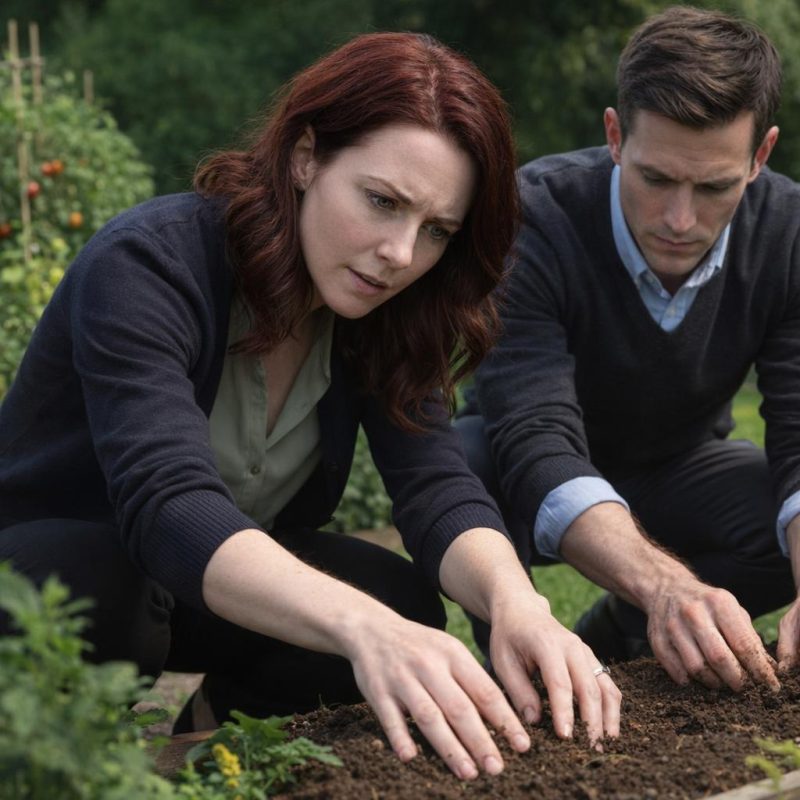 Image by RM AI