European Adventure Beyond Budget Dorms
Traveling Europe is more than finding the cheapest bed for the night. It’s about discovering hidden gems, connecting with locals, and exploring cultures, landscapes, and experiences on your own terms. You don’t need to sleep in a dorm room to have an unforgettable European trip. In fact, there are countless ways to travel comfortably, meaningfully, and adventurously without setting foot in a hostel. Here are 20 tips for travelling Europe that don't involve a hostel.

1. Stay in Historic or Boutique Hotels with Character
Choosing accommodation with its own story turns your lodging into part of the adventure, not just a place to crash. Many old European hotels are housed in buildings that date back centuries, with original stone walls, antique furniture, and charming, mismatched rooms.
2. Rent a Private Apartment or Room
Booking a private apartment lets you live like a local, even if only for a few nights. You’ll have your own kitchen and space to unwind after a full day exploring cobblestone streets or museums, and often landlords offer insights or tips about the neighborhood you won’t find in guidebooks.

3. Try Boutique Bed & Breakfasts
B&Bs in Europe often feel like staying with a knowledgeable friend who lives in town. Hosts can tailor recommendations on everything from the best bakery for morning pastries to the quietest alley for sunset drinks.

4. Go on a Farm Stay or Agriturismo
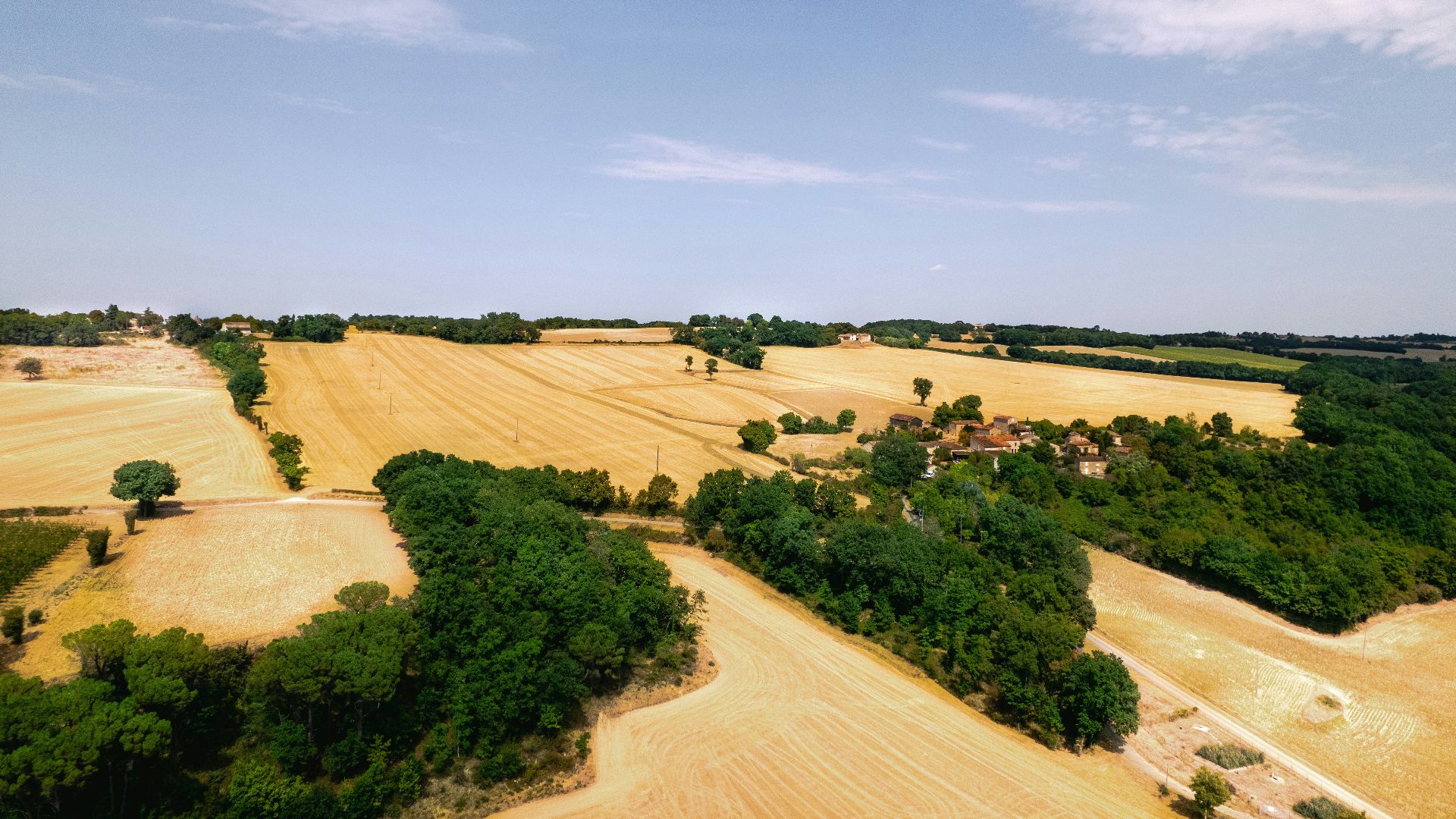
Head to the countryside and stay on a working farm where your hosts raise animals, make wine, or grow vegetables. Agriturismos in Italy, gîtes on French farms, or working estates in Spain offer peaceful scenery and fresh meals straight from the land.
5. Sleep in Castles or Manor Houses
Europe has numerous authentic castles and manor homes that welcome travelers. These range from grand estates with meals included to affordable rooms in historic wings, so you can literally stay like royalty even on a mid-range budget.

6. Book Farm-to-Table Dinner Experiences
Some accommodations pair lodging with meals prepared from their own harvest or locally sourced produce. These dinners often bring travelers together around a long table, sharing stories over wine and dishes you won’t find in generic restaurant menus.

7. Stay With Local Hosts Through Guest Networks
Platforms like Couchsurfing are often thought of as budget options, but they can also open cultural doors you’d otherwise miss. Staying with a local host gives you insider perspectives on the city.
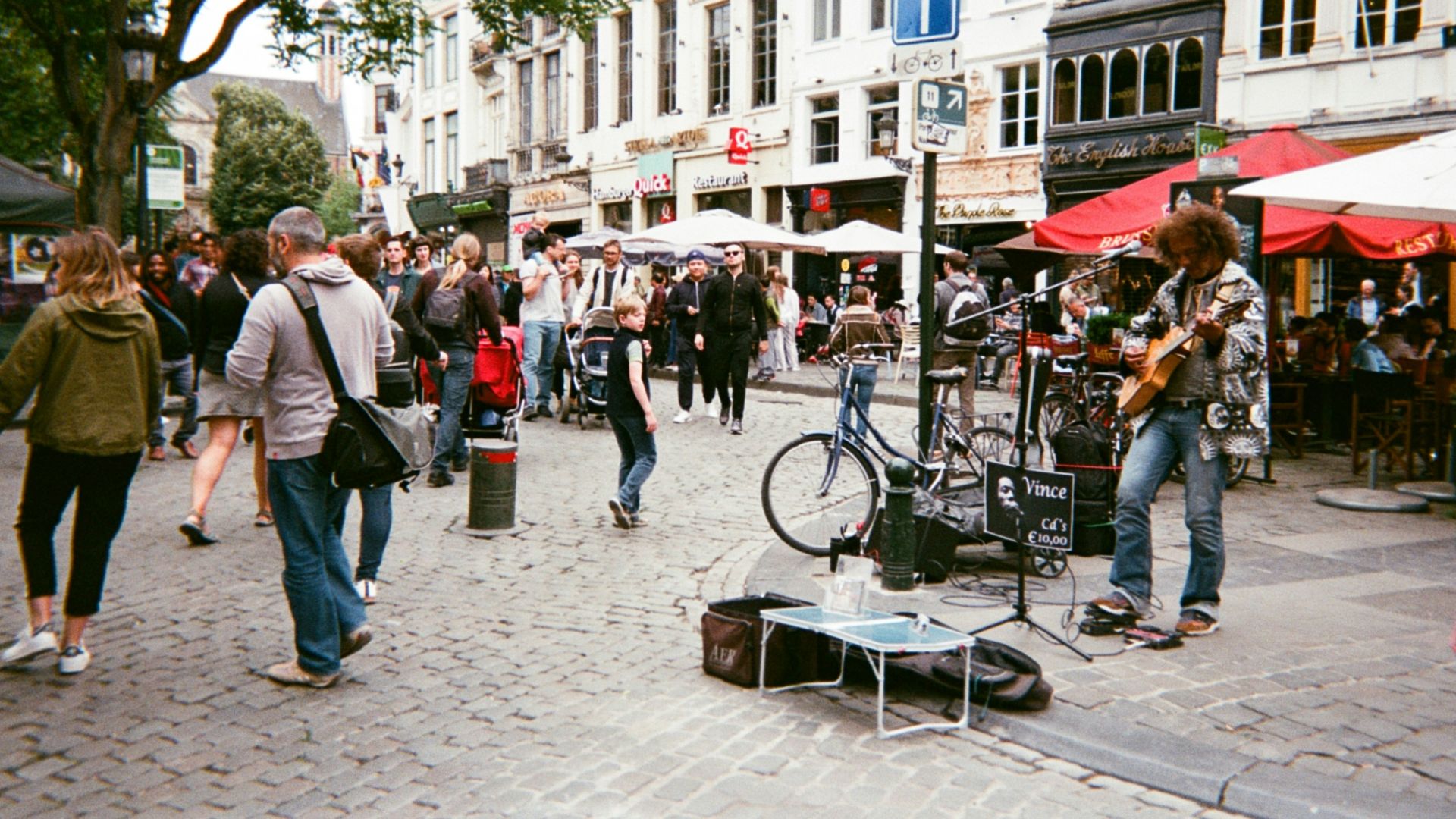
 Andrei Daniel Petrica on Unsplash
8. Use Small Boutique Inns in Small Towns
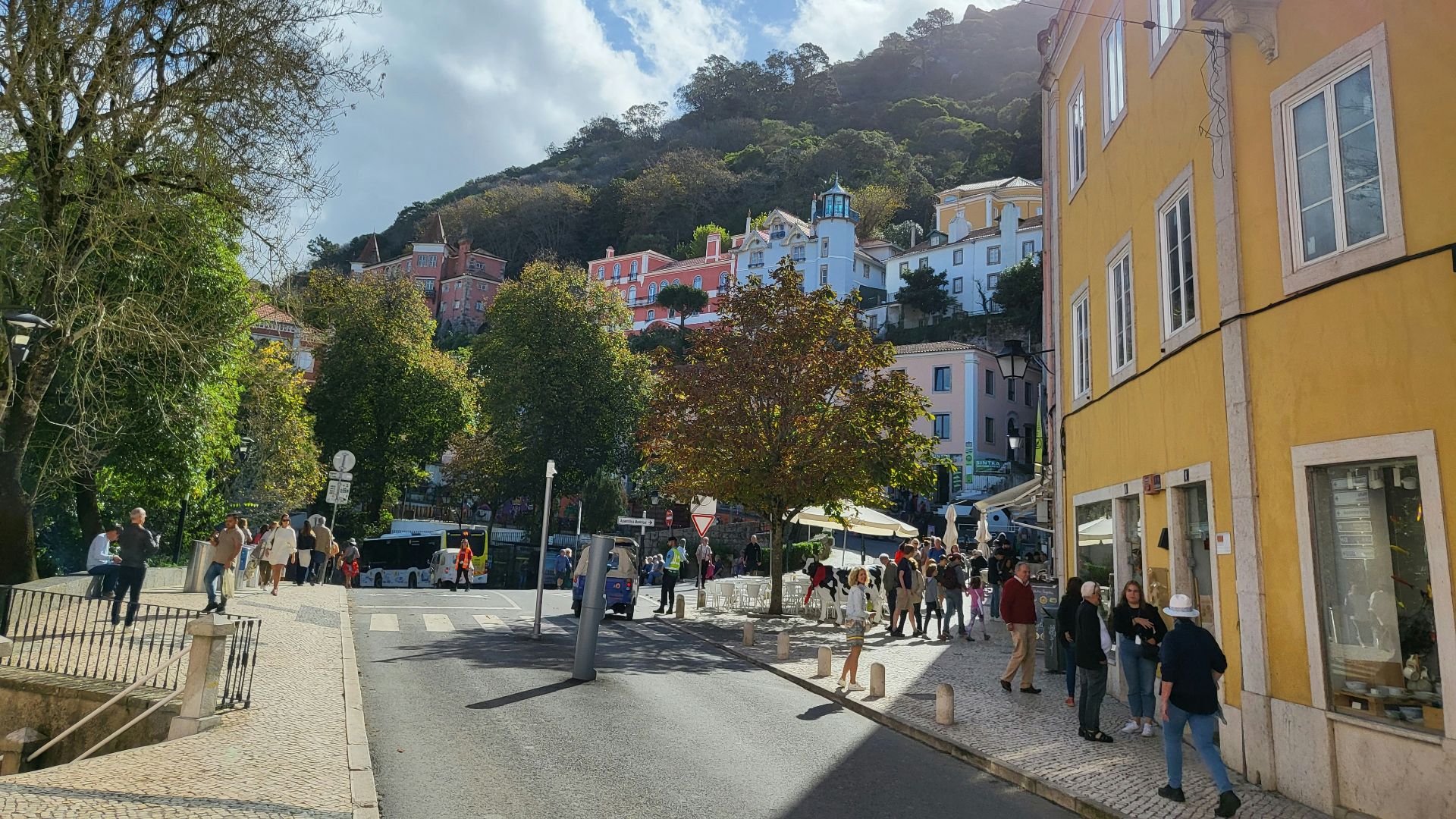
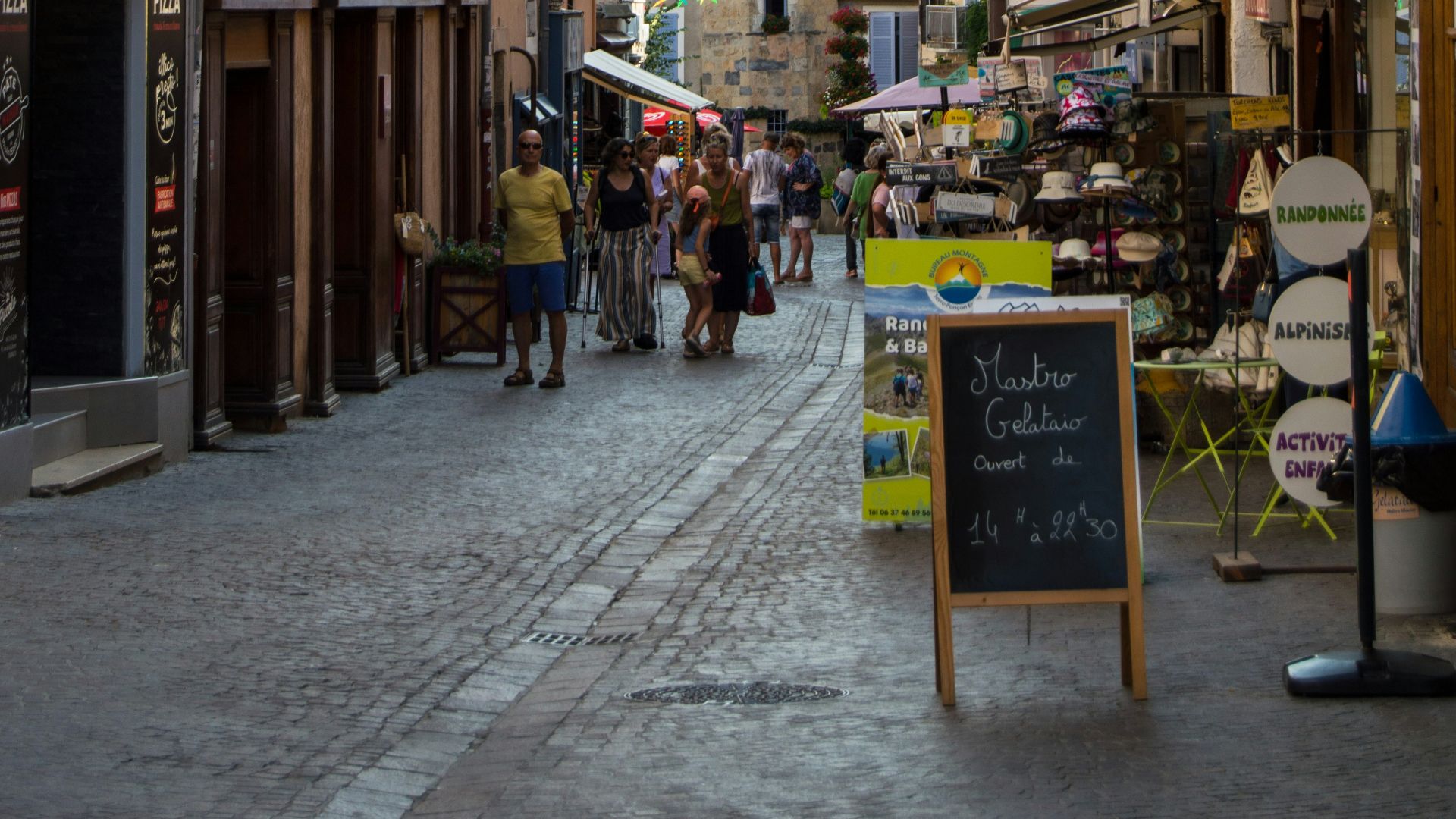
While big cities are enticing, small towns and villages throughout Europe often have beautiful inns that reflect local culture. Places in the French countryside, Austrian alpine towns, or the Portuguese hinterlands have cozy rooms, family-run service, and architecture that tells a story.
9. Trade Skills for Accommodation
Some hosts offer room stays in exchange for helping out around the property, teaching a skill, or contributing some time to a local project. Whether it’s helping in a kitchen, assisting with a vineyard harvest, or teaching an English conversation night in town, this kind of travel adds meaning and connection to your journey.
10. Try Night Trains
Europe has an excellent network of overnight trains with sleeper car options that feel more like mini hotel rooms than hostel bunks. These let you traverse borders while you sleep—think waking up in Switzerland after boarding in Vienna—so you maximize sightseeing time without needing extra nights of lodging.

11. Book a Canal Boat or Houseboat Stay
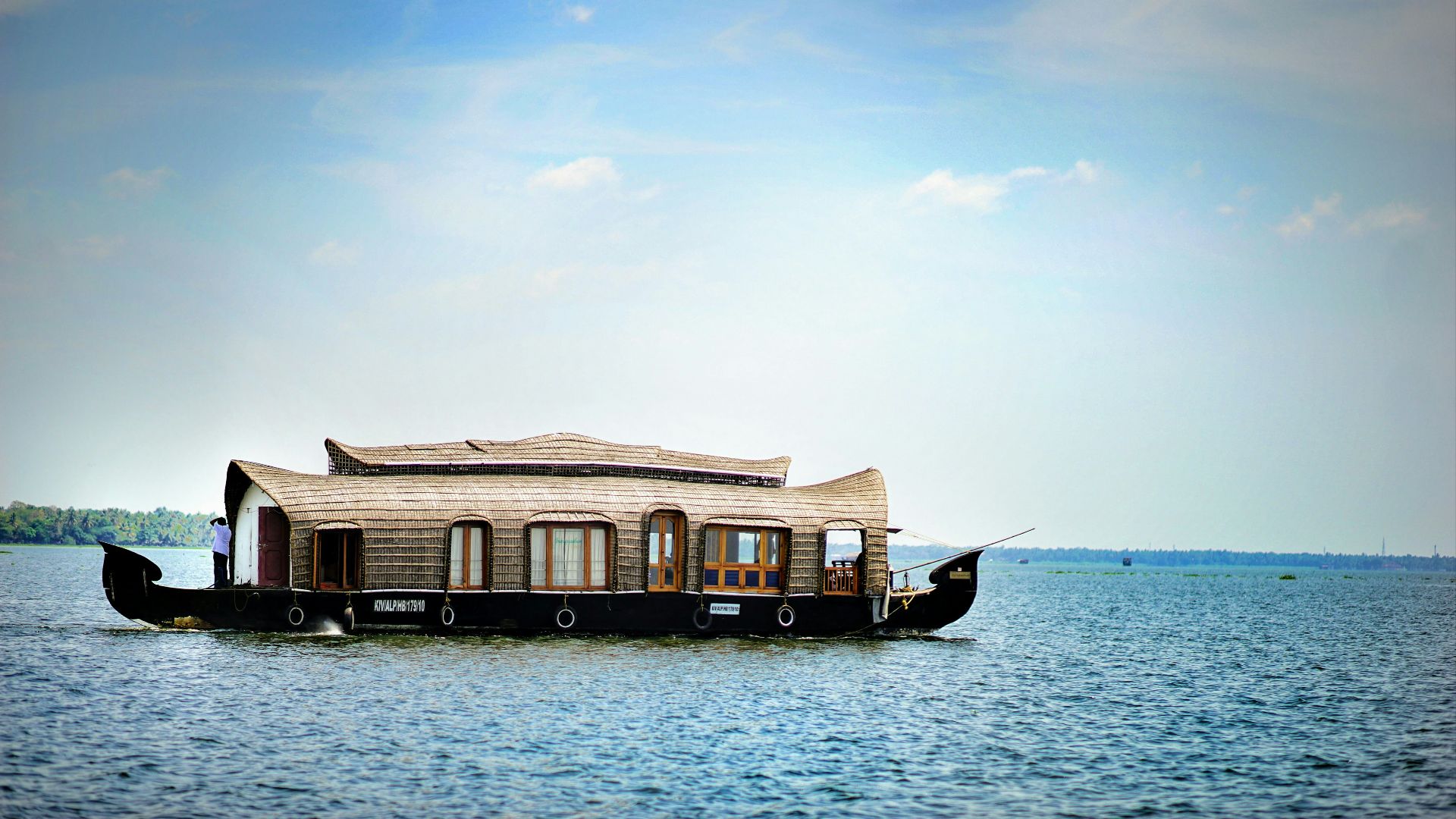
Whether cruising the canals of Amsterdam or gliding along the waterways in France, a houseboat stay is uniquely European. Some are motorized vessels you pilot yourself, while others are moored permanently like floating homes.
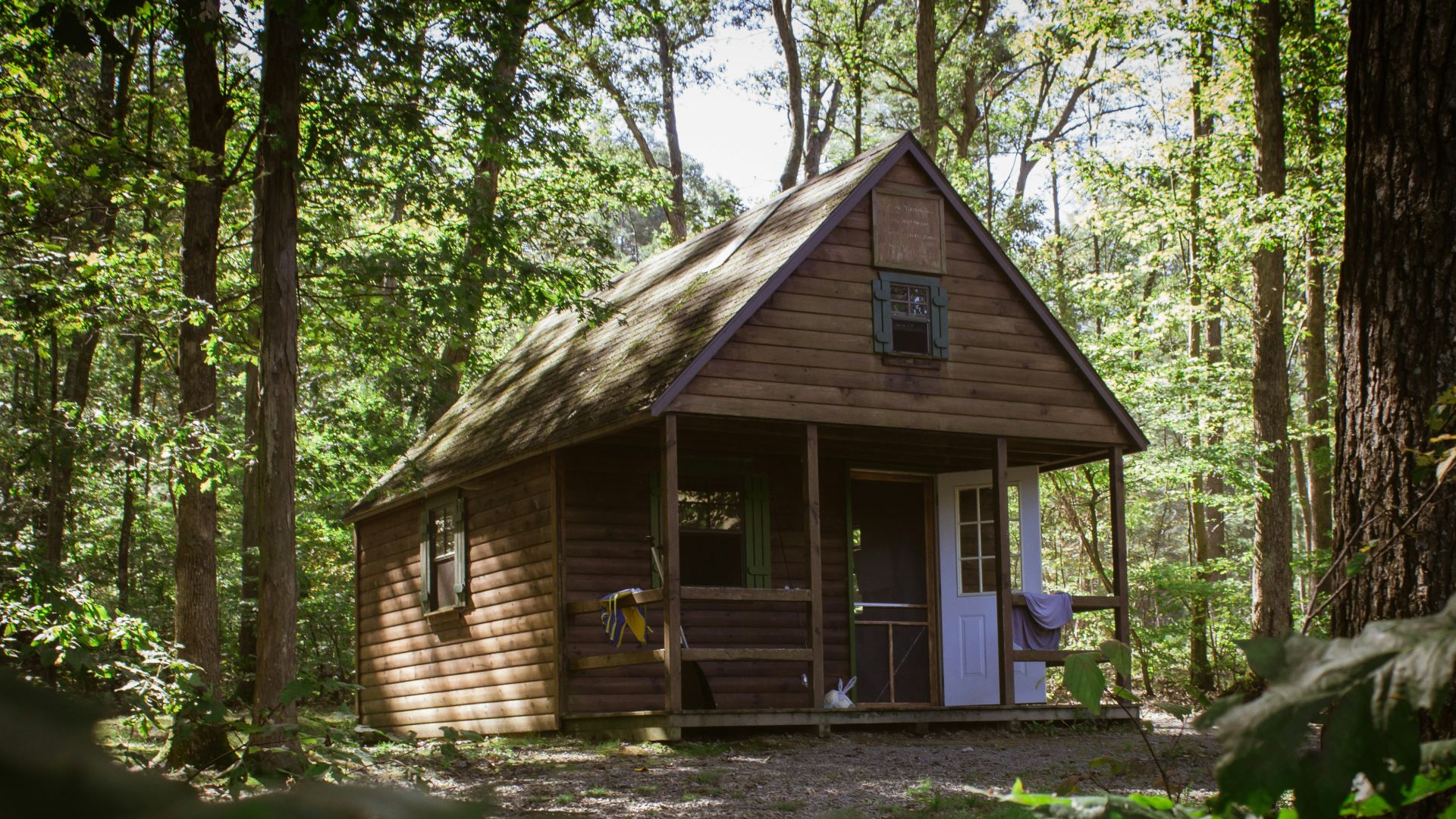
12. Explore Tiny Rural Lodges or Cabins
From the Scottish Highlands to the Swedish forests, finding a rustic lodge or cabin gives you a nature-oriented base for active adventures. Many of these rentals are off the beaten path, offering peaceful solitude and a chance to explore landscapes most tourists never see.
13. Stay in Unique Themed Accommodations
Europe offers quirky stays like medieval tower rooms, art-filled guesthouses, converted lighthouses, and even renovated prisons turned boutique hotels. Choosing one of these unusual places becomes part of your travel story, setting the tone for memories you’ll tell long after your trip ends.

14. Sleep on Boats or Ferries
In coastal countries and island regions, sleeper ferries connect ports overnight. Have fun booking a private cabin with a sea-view window. It’s like combining a short cruise with travel between destinations. You pack and unpack less while waking up in a new place each morning.

15. Join a Small Group Tour With Comfortable Lodging Included
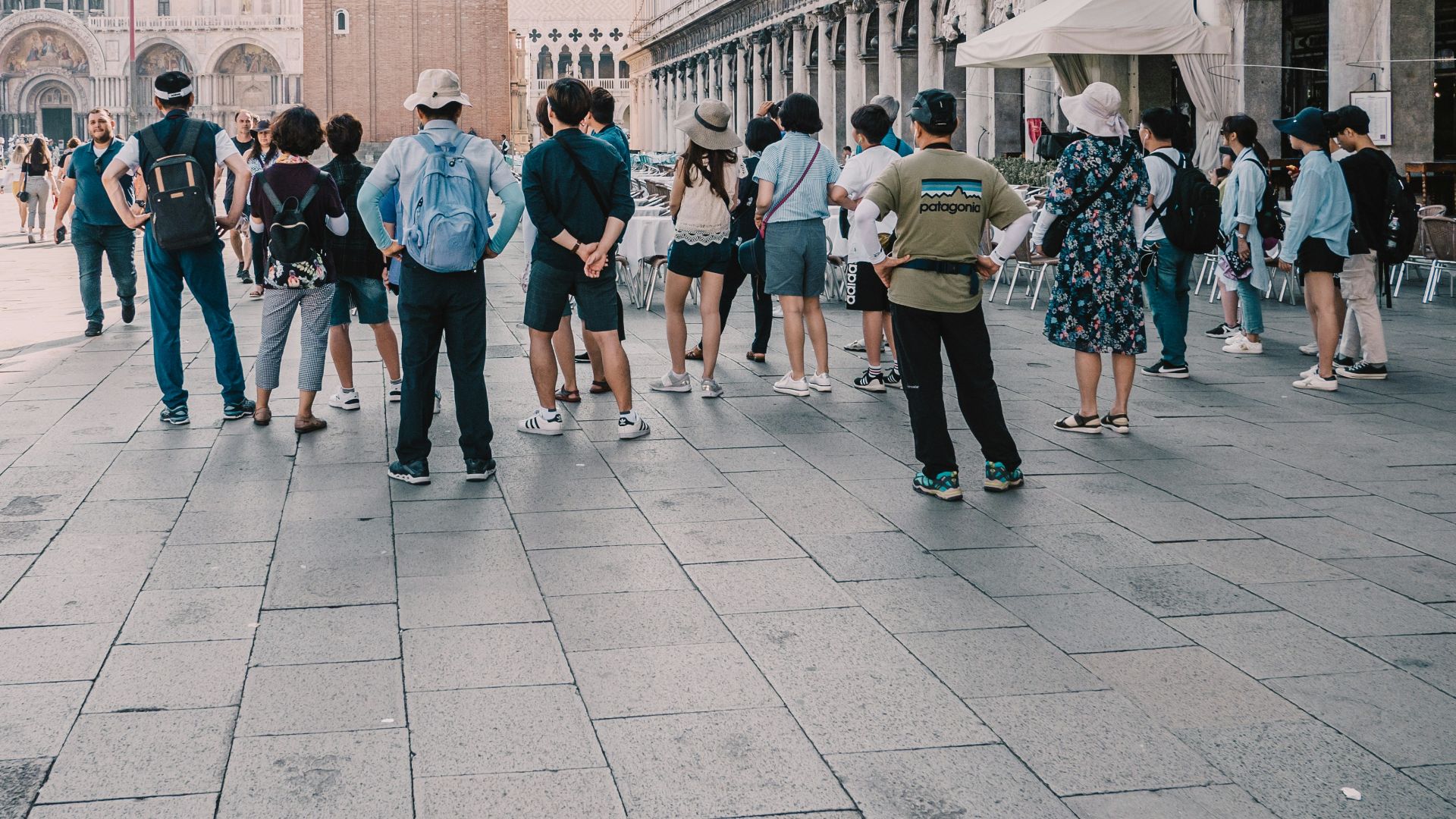
Small group tours often arrange boutique hotels or guesthouses, giving structured sightseeing while sparing you having to stay in hostels. These trips help you meet other travelers and often include meals or guided experiences that enhance your understanding of each region.
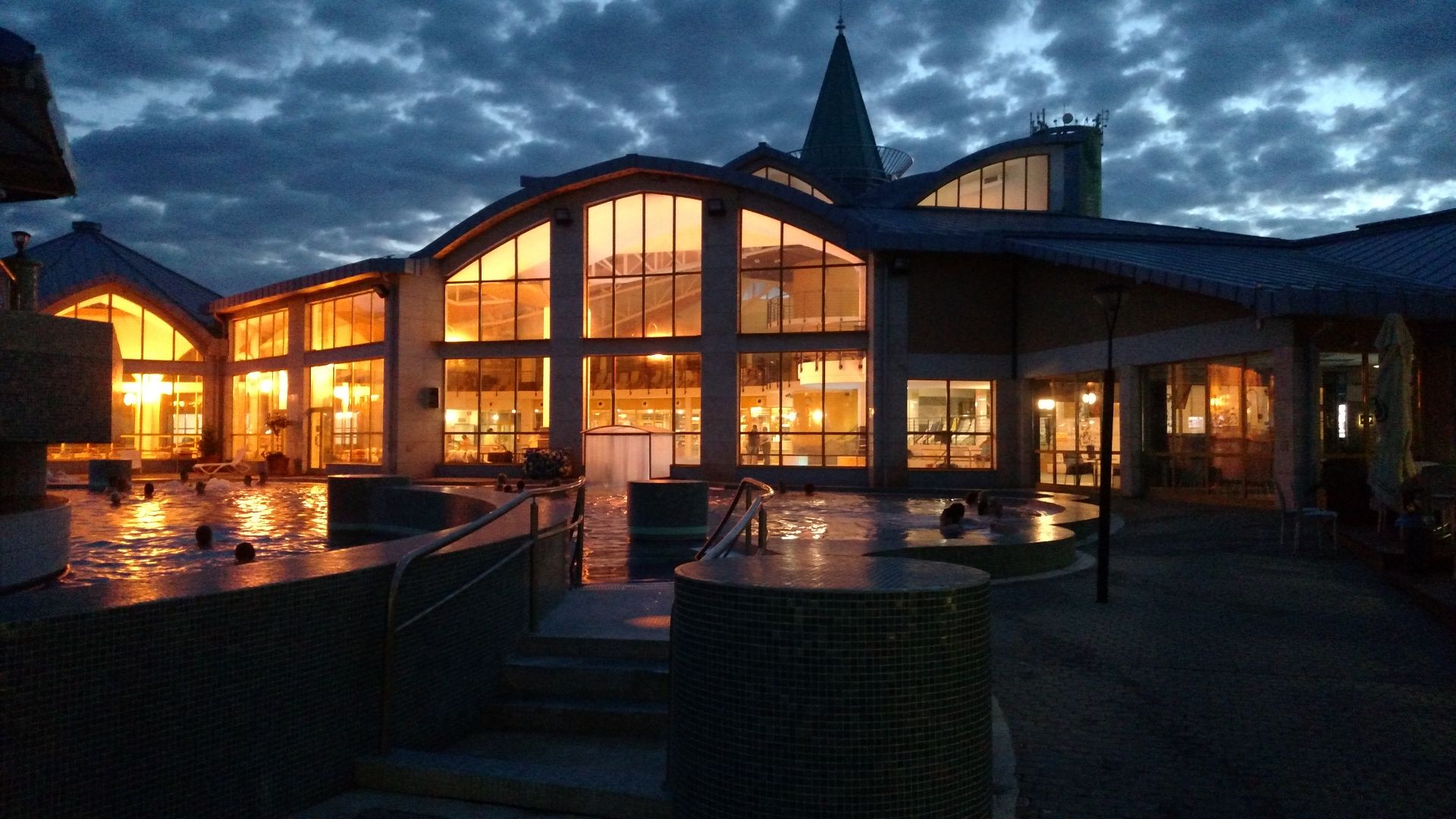
16. Stay at Away-From-City Retreats or Spa Lodges
If your idea of travel includes relaxation, consider wellness retreats or thermal spa lodges in places like Hungary, Croatia, or the Czech Republic. These combine comfortable rooms with rejuvenating treatments, thermal baths, or yoga classes.
17. Use Home Exchange Programs
Home exchange networks allow you to trade homes with someone in Europe for a set period. You live in a real neighborhood, cook local food in someone’s kitchen, and get the authentic feel of a community rather than a fleeting tourist snapshot.
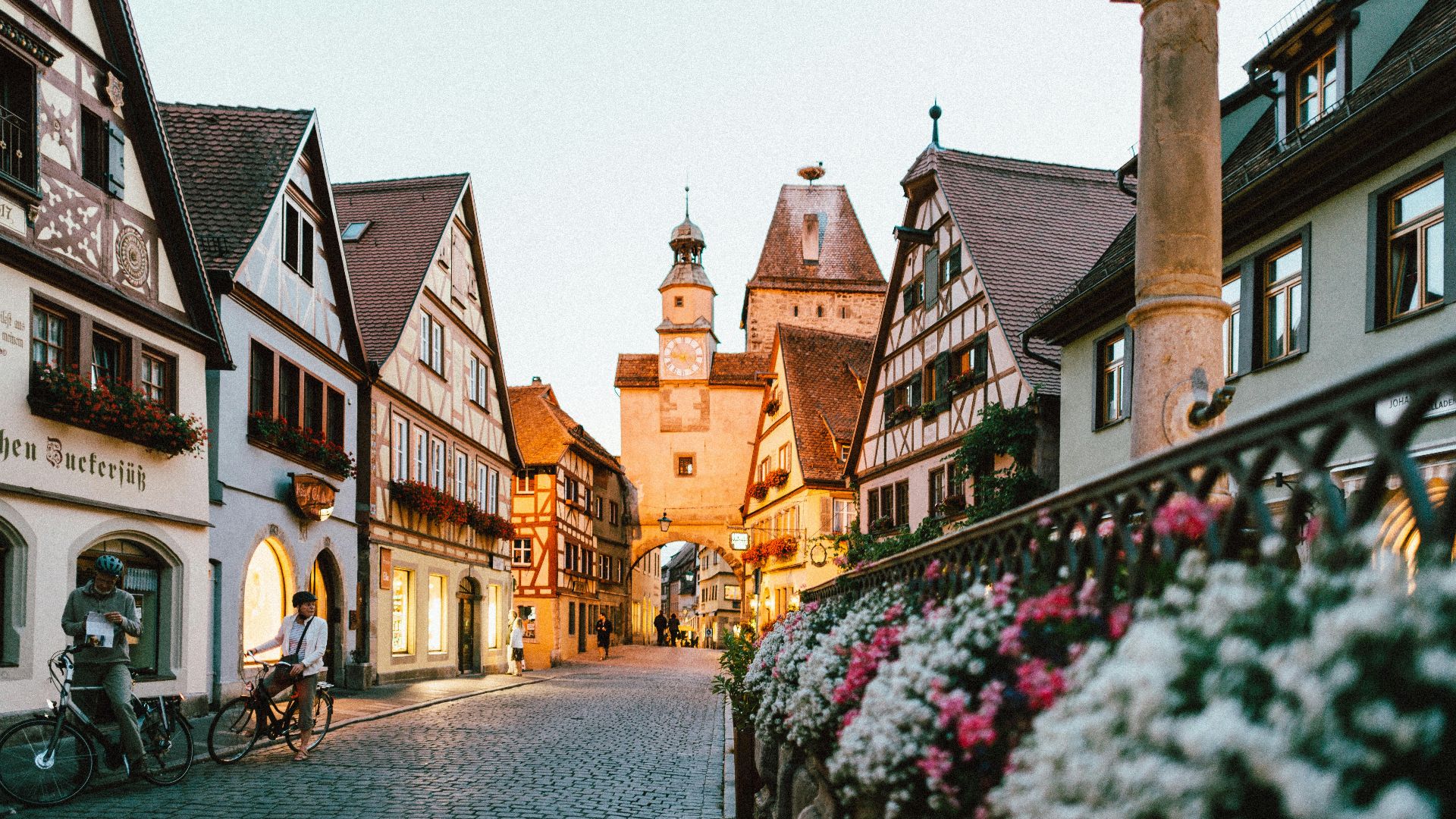
18. Rent Bikes or Scooters
Consider lodging that lets you seamlessly explore by bike or scooter daily. Many small towns and cities have excellent biking infrastructure, and riders often discover neighborhood cafés and scenic viewpoints that tourists miss.

19. Choose Accommodations With Local Workshops or Classes
Some inns partner with local artisans. You might take a pottery class in Greece, a baking lesson in Provence, or a leather-working workshop in Tuscany. These experiences connect you to cultural practices and make your stay educational and memorable.
20. Consider Volunteering With Cultural Organizations
Volunteering for festivals, restoration projects, or community events often comes with accommodation arranged by hosts. You’ll engage deeply with cultural traditions, help preserve heritage, and interact with locals in a way most tourists never do.